biomes
 Call Kai
 Learn
Learn Practice Test
 Spaced Repetition
 Match
Match Flashcards
 Knowt Play
1/26

There's no tags or description
Looks like no tags are added yet.
Name | Mastery | Learn | Test | Matching | Spaced | Call with Kai | Chat |
|---|
No analytics yet
Send a link to your students to track their progress
27 Terms
Tundra
located in the northern hemisphere
little to no percipitation
extreme temperatures
Tundra climatograph
this

Taiga
Located in northern america
low percipitation
boreal forest(pine)
cold climate but longer summers
moose
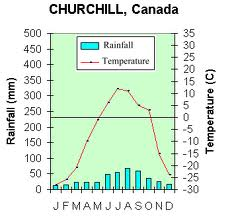
Taiga climatograph
this
Temperate Rainforest
midlatitudes, north america, cali, alaska
high precipitation
mild summers and winter
combonation creates large trees
Temperate rainforest climatagraph
this

Temperate Seasonal Forest - Deciduous
US Japan CHina Europe
high precipitation
warm summers cold winters (warmer than tempeate rainforest and colder as well)
Oak
most well known for its soil fertiltiy
Decidous forest climotograph
this

Shrubland (chaparral)
Midlatitudes
hot dry summers and mild rainy winters
12 month growing season but is constrained because of high temp low pre in sumer and low temp high precip
LOW PRECIPITARION
Chaparral
thids

Temperate grassland
midlatitudes
high soil fertiltiy
dominated by grass
cold harsh winters (allow decomposition to slow therefore increasing soils richness)
dry summers
temperate
midlatitutes
Tropical
equator
Temperate grassland climte graph
this

Tropical Rainforest
equator
high rain
high temp
acidic soil-less fertile
tropical rain forest climate graph
this

Savanna
a little south or north of the equator
long rainy seasons and dry seasons
dominated by grass
lack of high latitudes
hot temperature low precipitation (highly seasonal)
Savana Climotagraph
this

Hot Dessert
30 north 30 south of equator
hot tempatures
with little to no precipitation
no trees
paralell to tundras
Desserts climotagraph
this

Streams and rivers
fresh water
fast moving-stretches of turbulant water called rapids, high oxygen which helps fish
slow moving- lower oxygen zones
have few plants or algae, instead organic matters, like leaves, are a source of alternative energy
Lakes and ponds
freshwater
standing water( plants that are rooted to the bottom emerge above the waters surface) & central zones that is too deep for emergent vegitation
littoral zone :most photosynthesis happens here
Wetlands
freshwater
supports species of plants that are specialized to live in submerged or saturated soils
includes marshes, bogs, swamps etc
most productive biomes on the planet + give specific critical sevices that benefit humans and biodiversity
reduces floods
Estuaries and saltwater marshes
Marine= salt
along the coast, freshwater of rivers mixes with salt water from ocean
productive places for plants and algae + filters contaminates out of water
habitat for spawning fishes and sellfish
Mangrove Swamp
Marine
tropical & subtropical coast + swamps
protects coastlines from erosin & storm damage
the trees, whose roots are submerged in water, help provide protection, shelter, and nutrient rich enviornments
Coral Reefs
Marine
warm shallow water beyond the shoreline in tropical regions
helps support corals who capture co2
Open Ocean
Marine
away from shoreline, deep ocean water, light cannot reach ocean bottom
phytoplankton- produce a large amount of the planets oxygen and take up a large amount of carbon dioxide