EXAM 1 CHAPTERS: 1-4
 Call Kai
 Learn
Learn Practice Test
 Spaced Repetition
 Match
Match Flashcards
 Knowt Play
1/136

There's no tags or description
Looks like no tags are added yet.
Name | Mastery | Learn | Test | Matching | Spaced | Call with Kai | Chat |
|---|
No analytics yet
Send a link to your students to track their progress
137 Terms
Biological Psychology
is the study of the evolutionary and development mechanisms of behavior and experience
3 main things to remember: Perception occurs in your brain something contacts your hands, sends a message to the brain. Monism the mental activity and certain types of brain activity are inseperable People differ from one another in countless ways traced to differences in the brain a person can imagine a tower one way but another could have no imagination of the tower
4 categories of biological explanation of behavior
Physiological explanation relates a behavior to the activity of the brain and other organs
otogenetic explanation describes how something developes, why behavior changes at different ages
evolutionary reconstructs the evolutionary history of a sturcture or behavior, how eyes have evolved based on technology
function explanation described why a structure or behavior evolved as it did - genetic drift
Neuroethic and the 3 Rs
biological psychologists study nonhumans similar to us. attempts to understand and sometimes modify behavior.
reduction of animal numbers (using fewer animals)
replacement using computer models or other substitutes for animals when possible
refinement modifiying the procedures to reduce pain and discomfor
research w humans
patients who undergo surgery → study → chronic negative effects
Santiago ramon y cajal
the first to demonstate that the individual cells comprising the nervous system remained seperate
Neurons
-membrane, nucleus (chromosome), mitochondria (energy), ribosomes (process new proteins), endoplasmic reticulum (network of thin tubes that transports newly synthesized proteins to their locations)- all animal cells ]
Neurons - recieve information and transmit it to other cells, soma cell body (contains the nuclues, ribsome, and mitochondria) , dendrites (have synaptic receptors they recive information from other neurons), axon (conveys an impulse to other nuerons, an organ, or msucle), and presynaptic terminals (point of axon releases chemicals that cross to another cell)
![<p>-membrane, nucleus (chromosome), mitochondria (energy), ribosomes (process new proteins), endoplasmic reticulum (network of thin tubes that transports newly synthesized proteins to their locations)- all animal cells ]</p><p><strong>Neurons </strong>- recieve information and transmit it to other cells, soma cell body (contains the nuclues, ribsome, and mitochondria) , dendrites (have synaptic receptors they recive information from other neurons), axon (conveys an impulse to other nuerons, an organ, or msucle), and presynaptic terminals (point of axon releases chemicals that cross to another cell)</p><p></p>](https://assets.knowt.com/user-attachments/6906c0e3-dd41-4f11-a154-3e704861c73d.png)
motor vs sensory neuron
motor has its soma in the spinal cord, recives excitation from other nuerons, conducts impulses along its axon to the muscle or gland (efferent)
sensory specialized at one end to be highly sensitive to a particular type of stimulation light, tough, sound (afferent)

afferent axon, vs efferent vs intrinsic
afferent axon brings information into a structure arriving
efferent axon carries information away from the structure exits
intrinsic nueron cell dendrites and axon are contained within a single structure
Types of glia
Glia or neurogila - other components of the nervous system perform many function
astrocytes help synchronize the acitivty of the axon by wrapping around the presynaptic terminal and taking up chemicals released by the axons, dilates blood vessels to bring more nutrients into brain
Microglia collects the trash, removes waste also remvoes dead and dying nuerons
oligodendrocytes brain and spinal cord and schwann cells in the periphery of the body - build the mylein sheath that surround and insulates certain veretbrate axons
radial glia guide the migration of neurons and the growth of their axons and dendrites during embryonic development
Blood brain barrier
a mechanisms that surround the brain and blocks most chemicals from entering
-the immune system destroys damaged/infected cells thru the body
-neurons in the brain do not regenerate, important for b-b barrier to block viruses etc to enter
B-B barrier
Active transport - protein-mediated process energy pumps chemicals from the blood into the brain ex0 glucose, hormones, vitamins

Vertebrate neurons + gut bacteria (influence behavior)
Vertebrate neurons are specialized nerve cells in animals with backbones that transmit electrical and chemical signals throughout the body.
depend on glucose, and supply of oxygen, in order to use glucose needs a vitamin thiamine
Thiamine deficiency death of neurons → korsakoff syndrome (due bc of chronic alcoholism) → severe memory impairment
bacteria influences brain activity - stimulate vagus nerves (large nerve), release chemicals that cross the lining of the intestine and enter the blood. bacteria → chemical release → effects mood, motivations for food
Resting Potential of the Neuron
Messgaes in a nuerons develop from disturbances of the resting potential
membrane maintains an electrical gradient → polarization - a difference in the electrical charge inside and outside of the cell, inside membrane (-) -70 mV
Prior to sending a nerve impulse
Sodium and potassium ions + Sodium potassium pump (protein complex)
The membrane is selectively permeable → letting some chemicals pass more freely than others
Sodium, potassium, and calcium and chloride pass through channels in the membrane
Rest - sodium channels closed, potassium channels partially closed allow the slow pass of potassium
Sodium- potassium pump
continously pumps 3 sodium ions out of the cell while 2 potassium ions into the cell, maintains electrical gradient, uses active transport ATP required
electrical gradient + concentration gradient = the difference in distubance of ions to work to pull sodium ions into the cell

Action potential
Resting potential → neuron stimulated
-hyperpolarization, depolarization, the threshold of excitation, → all or none law
START → sodium ions outside the neuron + pottasium ions inside neuron → depolarizing membrane open the sodium and potassium channel → peak of action potential → sodium channel closes
Motor neuron action potential
begins → axon hillock (swlling where the axon ecits the soma) → propagation of the action potential: the transmission of the action potential down the axon (action potential does not travel down the axon) → neuron has refractory period after action potential → neuron resist the production of another action potential
absolute refractory period & relative refractory period
Mylein sheath and saltatory conduction
Mylein sheath of axons are interrupted by short unmyleinated sections called nodes of raniver
jumping of action potential from node to node - rapid conduction of impulses

Local neurons
no axons, exchange information with only close neighbors, no action potential, only graded potential - membrane potential vary in magnitude, no following of all or non law
Synapses
Neurons comminucate by transmitting chemicals at junctions called synapses coined by charles scoot sherringtion in 1906, gap between neurons
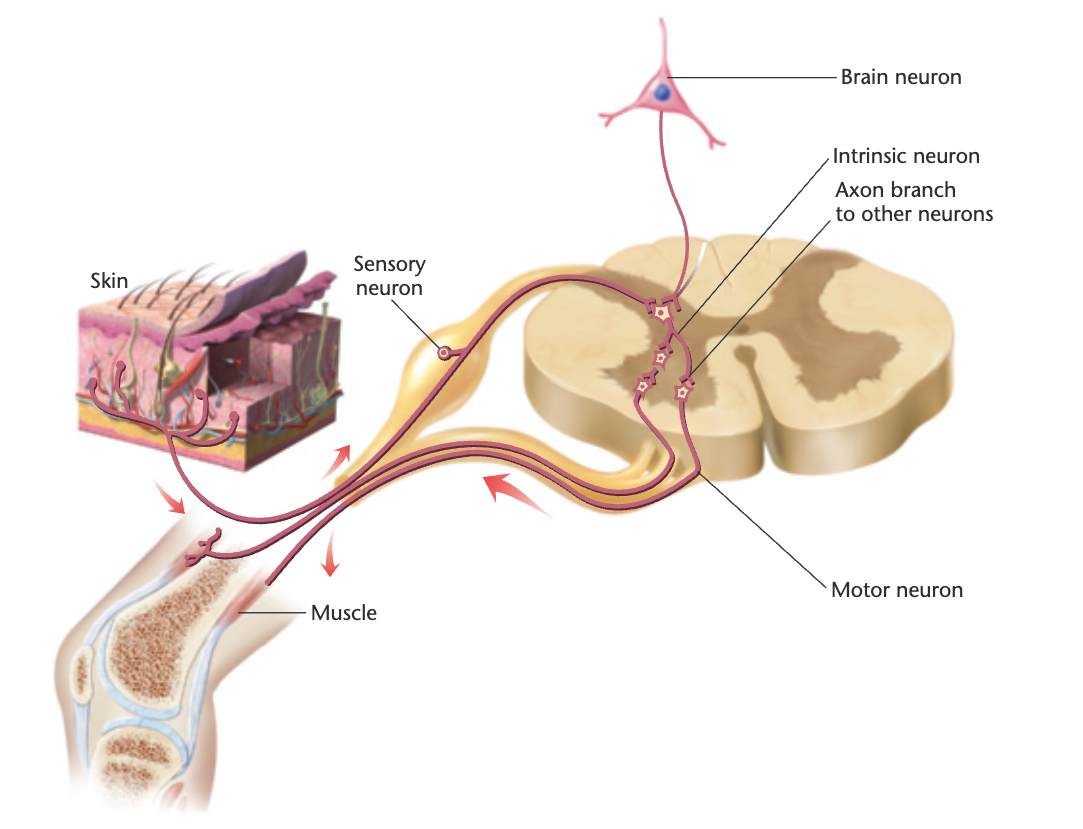
Reflex arc automatic muscular responses to stimuli ex - leg flexion reflex: a sensory neuron excites a second nueron, which excites a motor nueorn → excites a muscle

Reflexes
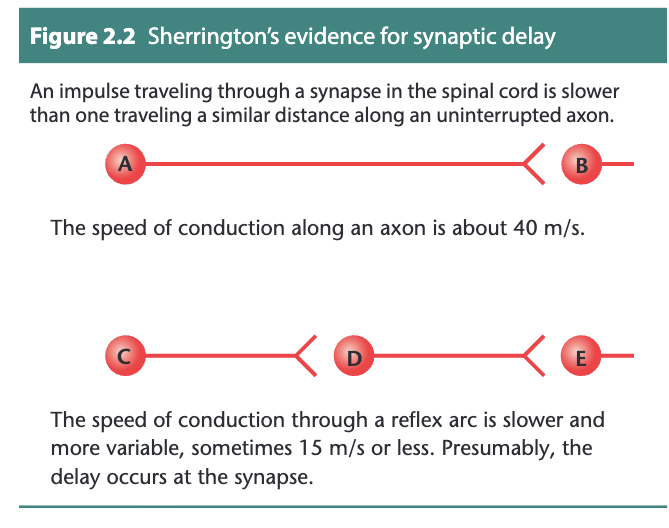
-reflexes are slower than conduction along the axon
-weak stimuli present at slightly different times or loaction produce stronger reflex than a single stimulus
-one set of muscles becomes exicted while the other relaxes
Synaptic delay image
Temporal summation
repeated stimuli over a short period of time produced stronger response → can produce a nerve impulse when a single stimuli is weak
Multiple action potentials are propagted down a single presynaptic neurons in order to propagte an action potential down the post synaptic nueron
Pre/post synaptic neuron and EPSP
Presynaptic neuorn - delievers the synaptic transmission
Postsynaptic neuron - neuron that recieves the message
Excitatory postsynaptic potential - graded depolarization that decays over time and space, sodium ions entering the neurons. - increase the number of actions potential above the spontanoues firing rate
ISPS - decreases the number of action potentials below the spontanoues fire rate
Spatial Summation
several small stimuli in a similar location produced a reflex when a single stimuli did not.
action potentials are sent from multiple presynaptic neurons in order to propagate action potential in the post-synaptic neuron
-critical for brain function
-each neuron recives many incoming axons that freq produced synchronizied response
-temporal and spatial summation occur together

Inhibitaory synapses
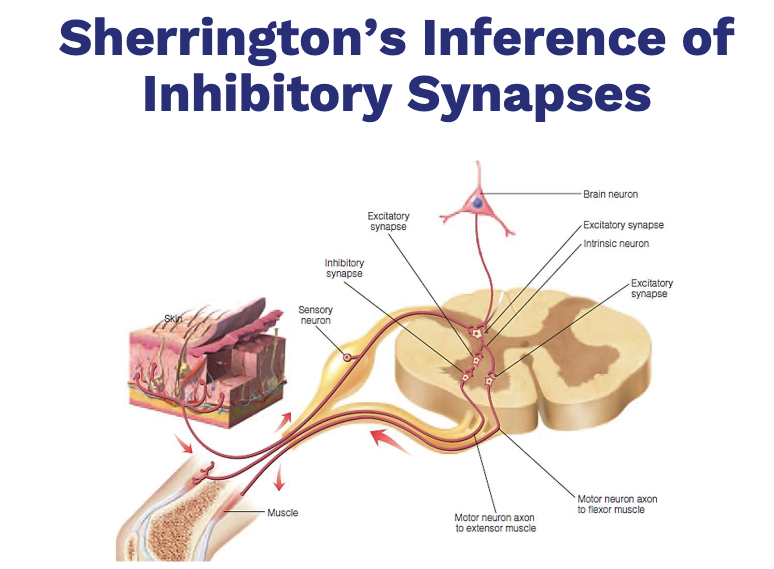
during the reflex that ocurred, the lef of a dog that was pinched retracted while the other three legs were extended. suggested that an internueron in the spinal cord sent an excitatory message to the flexor muscle of one leg and an inhibitory message was sen to to the other 3 legs
Inhibitory postsynaptic potential
Thus, the idea of inhibitory postsynaptic potential (IPSP)—the temporary hyperpolarization of a membrane
− Occurs when synaptic input selectively opens the gates for positively charged potassium ions to leave the cell, or negatively charged chloride ions to enter the cells
− Serves as an active “brake” that suppresses excitation
How does temporal summation differ from spatial summation
− Temporal summation is summation over time.
− Spatial summation is summation over space
Otto lowei
− The first to convincingly demonstrate that communication across the synapse occurs via chemical means
• Otto Loewi’s experiment
− Found that stimulating one nerve released something that inhibited
heart rate, and stimulating a different nerve released something that increased heart rate
− Realized that he was collecting and transferring chemicals, not loose electricity
Chemical events of the synapse
• The major sequence of events allowing communication between neurons across the synapse
− The neuron synthesizes chemicals that serve as neurotransmitters.
− Action potentials travel down the axon.
− Released molecules diffuse across the cleft, attach to receptors, and alter the activity of the postsynaptic neuron
− The neurotransmitter molecules separate from their receptors.
− The neurotransmitters may be taken back into the presynaptic neuron for recycling or diffuse away.
− Some postsynaptic cells may send reverse messages to slow the release of further neurotransmitters by presynaptic cell

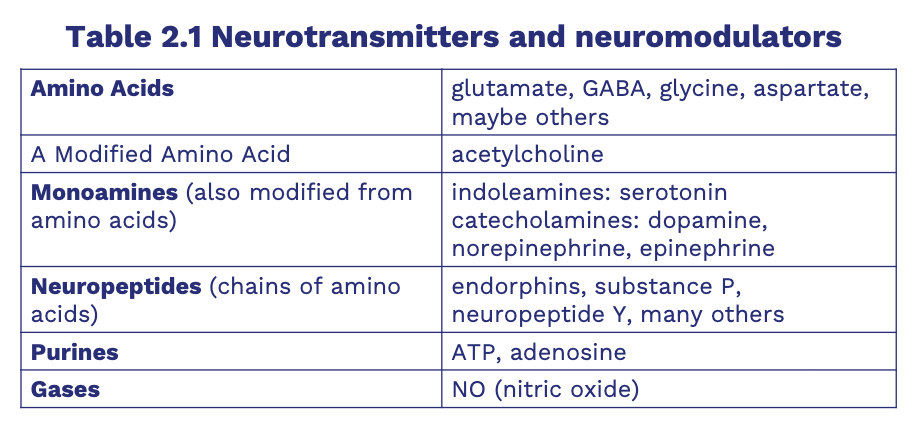
Types of nuerotransmitter and their storage
• Neurons synthesize neurotransmitters and other chemicals from substances provided by the diet.
− Acetylcholine synthesized from choline found in milk, eggs, and nuts.
− Tryptophan serves as a precursor for serotonin.
• Catecholamines contain a catechol group and an amine group
(epinephrine, norepinephrine, and dopamine)
Vesicles: tiny spherical packets located in the presynaptic terminal where neurotransmitters are held for release
Effects of postsynaptic cell
• The effect of a neurotransmitter depends on its receptor on the postsynaptic cell.
• Transmitter-gated or ligand-gated channels are controlled by a neurotransmitter.
− A ligand is a chemical that binds to something
Ionotrpic effects
• Occurs when a neurotransmitter attaches to receptors and immediately opens ion channels
• Most effects:
− Occur very quickly (sometimes less than a millisecond after attaching) and are very short lasting
− Rely on glutamate or GABA
Metabotropic Effects and Second Messenger Systems
• Occur when neurotransmitters attach to a receptor and initiate a sequence of slower and longer lasting metabolic reactions
• The chemicals that affect these receptors are often called neuromodulators.
• Metabotropic synapses use many chemicals such as dopamine, norepinephrine, serotonin, and sometimes glutamate and GABA
• When neurotransmitters attach to a metabotropic receptor, it bends the receptor protein that goes through the membrane of the cell.
− Bending allows a portion of the protein inside the neuron to react with other molecules.
• Metabotropic events include such behaviors as taste, smell, and. pain.
− Metabotropic effects are also important for arousal, attention, hunger, thirst, and emotion.

G-proteins
• G-protein activation: coupled to guanosine triphosphate (GTP), an energy storing molecule
− Increases the concentration of a “second-messenger”
− The second messenger communicates to areas within the cell.
− May open or close ion channels, alter production of activating proteins, or activate chromosome
Inactivation and Reuptake of neurotransmitters
• Neurotransmitters released into the synapse do not remain and are subject to either inactivation or reuptake.
• During reuptake, the presynaptic neuron takes up most of the neurotransmitter molecules intact and reuses them.
• Transporters are special membrane proteins that facilitate reuptake.
• Examples of inactivation and reuptake
− Serotonin is taken back up into the presynaptic terminal.
− Acetylcholine is broken down by acetylcholinesterase into acetate and choline.
− Enzymes break down any transmitter molecules that the transporters do not reuptake
Negative feedback from the postsynaptic cell
• Negative feedback in the brain is accomplished in two ways:
− Autoreceptors: receptors that detect the amount of transmitter released and inhibit further synthesis and release
− Postsynaptic neurons: respond to stimulation by releasing chemicals that travel back to the presynaptic terminal where they inhibit further release
Variation in receptors
• Many neurotransmitters attach to more than one type of receptor.
• Because different receptors control different functions, drugs can have specialized effects on behavior.
• A given receptor can have different effects for different people, or even in different parts of one person’s brain
Drugs that bind to receptors
• Many hallucinogenic drugs distort perception.
− Chemically resemble serotonin in their molecular shape (e.g., LSD)
− Stimulate serotonin type 2A receptors (5-HT2A) at inappropriate times or for longer duration than usual, thus causing their subjective effect
• Opiates attach to specific receptors in the brain.
− The brain produces certain neuropeptides now known as endorphins—a contraction of endogenous morphines.
− Opiate drugs exert their effects by binding to the same receptors as endorphins
Stimulant drugs
• Amphetamine and cocaine
− Stimulate dopamine synapses by increasing the release of dopamine from the presynaptic terminal
• Methylphenidate (Ritalin)
− Also blocks the reuptake of dopamine but in a more gradual and more controlled rate
− Often prescribed for people with ADHD
Cannabinoids
• The active chemicals in marijuana that bind to anandamide or
2-AG receptors on presynaptic neurons or GABA
• When cannabinoids attach to these receptors, the presynaptic cell stops sending.
• In this way, the chemicals in marijuana decrease both excitatory and inhibitory messages from many neurons

Electrical synapses
• A few special-purpose synapses operate electrically.
• Faster than all chemical transmissions
• Gap junction: the direct contact of the membrane of one neuron with the membrane of another
• Depolarization occurs in both cells, resulting in the two neurons acting as if they were one
Hormones
Chemicals secreted by a gland or other cells that is transported to other organs by the blood where it alters activity
• Produced by endocrine glands
• Important for triggering long-lasting changes in multiple parts of the body

The pituitary gland and the hypothalamus
• Attached to the hypothalamus and consists of two distinct glands
− Anterior pituitary: composed of glandular tissue
Hypothalamus secretes releasing and inhibiting hormones that control anterior pituitary.
− Posterior pituitary: composed of neural tissue
Hypothalamus produces oxytocin and vasopressin, which the posterior pituitary releases in response to neural signal
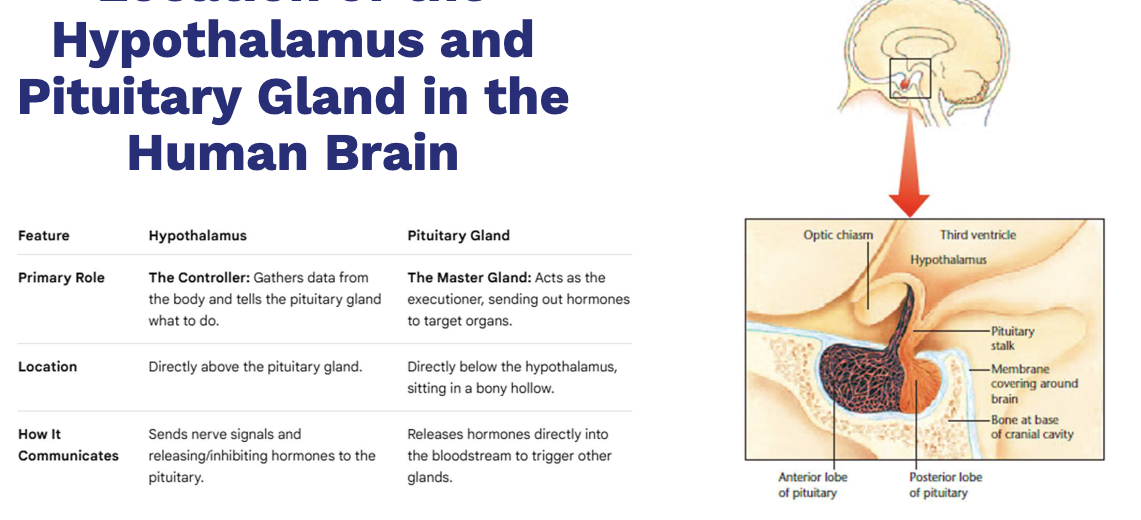
Terminology
• Central nervous system (CNS): the brain and the spinal cord
• Peripheral nervous system (PNS): connects the brain and spinal
cord to the rest of the body
− Somatic nervous system: controls voluntary muscles & conveys sensory information to the CNS
− Autonomic nervous system: controls the heart, intestines, and other organs
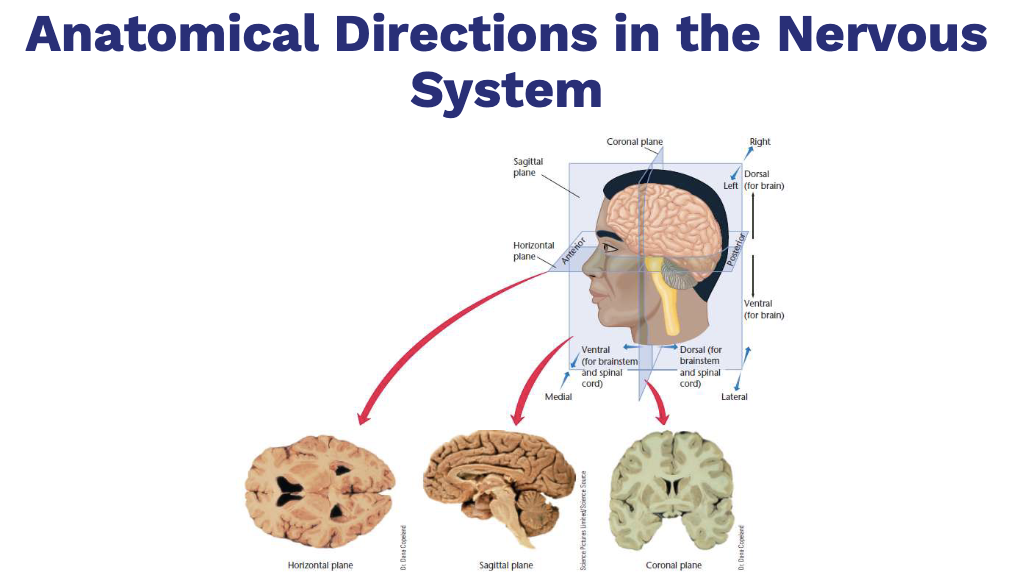
anatomical terms
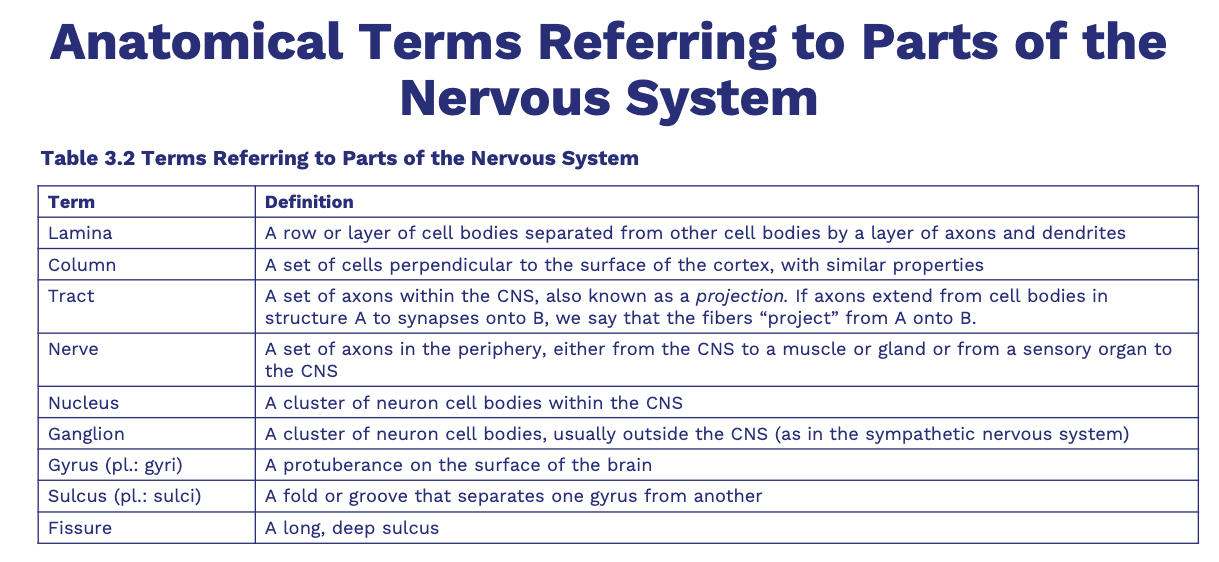
Image of gyrus and sulcus

Spinal cord
• Part of the CNS found within the spinal
column
− Communicates with the sense organs and muscles, except those of the head
− Entering dorsal roots carry sensory information and exiting ventral roots carry motor information.
− Cell bodies of the sensory neurons are located in clusters of neurons outside the spinal cord—the dorsal root ganglia
• Consists of two types of matter
− Gray matter: located in the center of the spinal cord and is densely packed with cell bodies and dendrites
− White matter: composed mostly of myelinated axons that carries information from the gray matter to the brain or other areas of the spinal cord
• Each segment sends sensory information to the brain and receives motor commands

Autonomic nervous system
• Sends and receives messages to regulate the automatic behaviors of the body (heart rate, blood pressure, respiration, digestion, etc.)
• Divided into two subsystems
− The sympathetic nervous system
− The parasympathetic nervous system
sympathetic nervous system
• A network of nerves that prepares the organs for rigorous activity
− Increases heart rate, blood pressure, respiration, and so on. (“fight or flight” response)
− Composed of ganglia on the left and right of the spinal cord
Parasympathetic nervous system
Facilitates vegetative and nonemergency responses
− Decreases functions increased by the sympathetic nervous system
− Composed of long preganglion axons extending from the spinal cord and short postganglionic fibers that attach to the organs themselves
− Dominant during our relaxed state
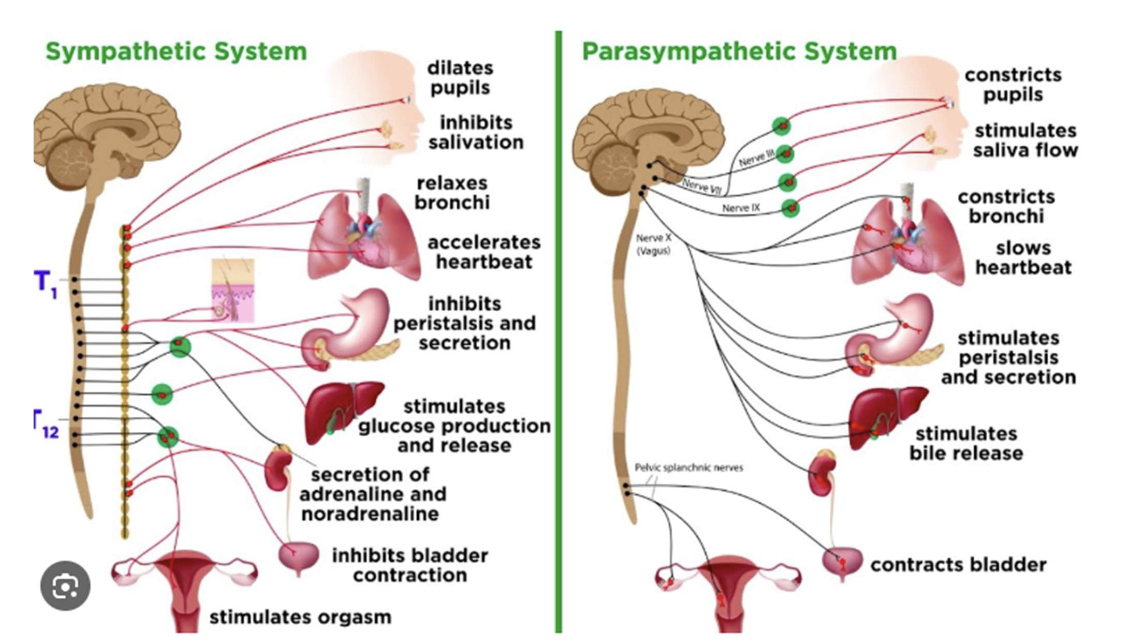
Neurotransmitters in the ANS
• Postganglionic axons of the parasympathetic nervous system
mostly release acetylcholine as a neurotransmitter.
• The sympathetic nervous system mostly uses norepinephrine
Divisions of the brain
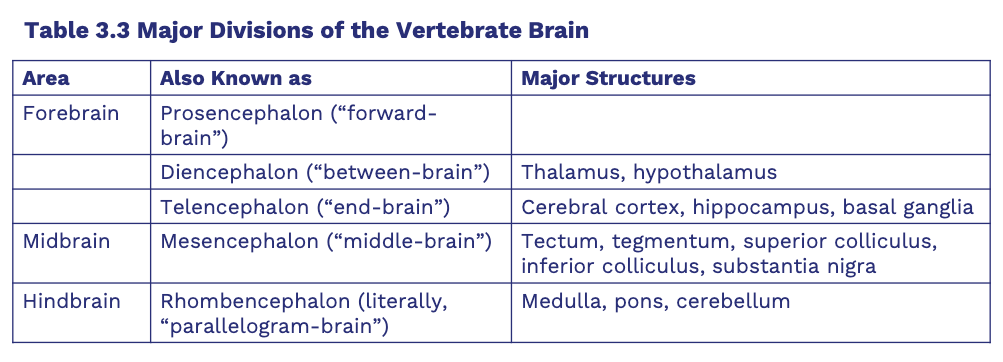
Hindbrain
• Consists of the:
− Medulla
− Pons
− Cerebellum
• Located at the posterior portion of the brain
• Hindbrain structures, the midbrain, and other central structures of the brain combine and make up the brain stem
• The medulla
− Located just above the spinal cord; like an enlarged extension of the spinal cord
− Responsible for vital reflexes such as breathing, heart rate, vomiting, salivation, coughing, and sneezing
• The cranial nerves
− Allow the medulla to control sensations from the head, muscle movements in the head, and many parasympathetic output
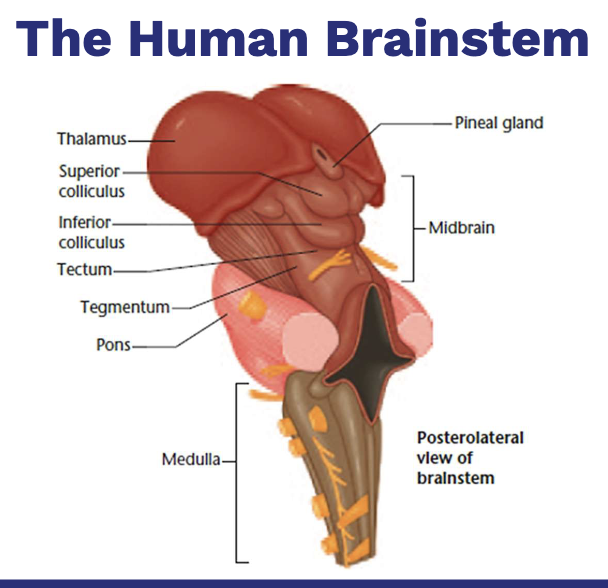
Cranial nervous
the hindbrain pons and cerebellum
• Lies on each side of the medulla (ventral and anterior)
• The term pons is Latin for “bridge”
− Axons from each half of the brain cross to the opposite side of the spinal cord such that the
left hemisphere controls the muscles of the right side of the body and the right hemisphere
controls the left side
cerebellum
Structure located in the hindbrain with many deep folds
− Helps regulate motor movement, balance, and coordination
− Also important for shifting attention between auditory and visual stimuli

Midbrain
• Contains the following structures
− Tectum: roof of the midbrain
− Superior colliculus and inferior colliculus: processes sensory information
− Tegmentum: contains nuclei for cranial nerves and part of the reticular formation
− Substantia nigra: gives rise to the dopamine-containing pathway facilitating readiness for movement
Forebrain
• The most anterior and prominent part of the mammalian brain, with
two cerebral hemispheres
− Consists of the outer cortex and subcortical regions
− Outer portion is known as the “cerebral cortex.”
− Each side receives sensory information and controls motor movement from the opposite
(contralateral) side of the body

Parts of the brain

The forebrain - limbic system
• Consists of a number of other interlinked structures that form
a border around the brainstem
− Includes the olfactory bulb, hypothalamus, hippocampus, amygdala, and cingulate gyrus
of the cerebral cortex
− Associated with motivation emotions, such as eating, drinking, sexual activity,
anxiety, and aggression

forebrain - subcortical regions
• Structures underneath the cortex
− Thalamus: relay station from the sensory organs; main source of input to the cortex
− Hypothalamus: small area near the base
Conveys messages to the pituitary gland to alter the release of hormones
Associated with behaviors such as eating, drinking, sexual behavior, and other motivated behaviors
• The thalamus and the hypothalamus together form the “diencephalon.”
The forebrain - the basal ganglia
• Pituitary gland: hormone-producing gland found at the base of the hypothalamus
• Basal ganglia: comprises the caudate nucleus, the putamen, and the globus pallidus
− Associated with planning of motor movement, and with aspects of memory and emotional expression
− They are critical for gradual learning of skills and habits.
the forebrain - the basal forebrain
• Composed of several structures that lie on the dorsal surface of the forebrain
• Contains the nucleus basalis
− Receives input from the hypothalamus and basal ganglia
− Sends axons that release acetylcholine to the cerebral cortex
− Important in arousal, wakefulness, and attention
the forebrain - the hippocampus
• A large structure located between the thalamus and cerebral cortex
− Toward the posterior portion of the forebrain
− Critical for certain types of memory, especially memories for individual events
the cerebral ventricles
• Four fluid-filled cavities within the brain’s central canal containing cerebrospinal fluid
• Cerebrospinal fluid (CSF): a clear fluid found in the brain and spinal cord
− Provides “cushioning” for the brain
− Reservoir of hormones and nutrition for the brain and spinal cord
the meninges
Membranes that surround the brain and spinal cord
• Contain pain receptors
− Meningitis—inflammation of the meninges—is painful.
− Swollen blood vessels in the meninges are the cause of migraine headachest
cerebral cortex
• The most prominent part of the mammalian brain
• Consists of the cellular layers on the outer surface of the cerebral hemispheres
− Divided into two halves
− Joined by two bundles of axons called the corpus callosum and the anterior commissure
− More highly developed in humans than other specie
• Contains up to six distinct laminae (layers) that are parallel to the surface of the cortex
• Cells of the cortex are also divided into columns that lie perpendicular to the laminae
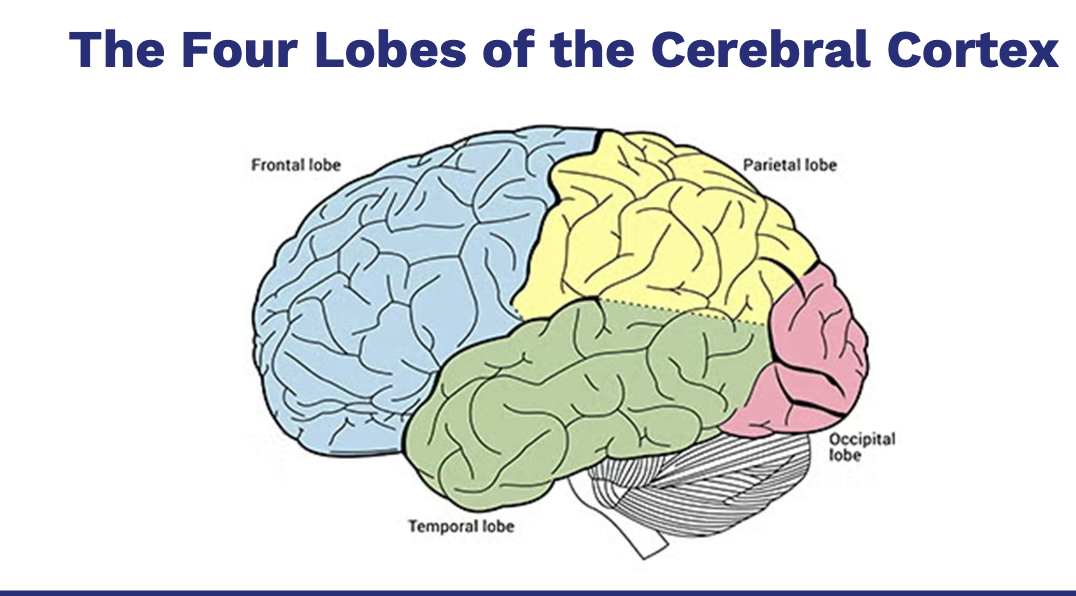
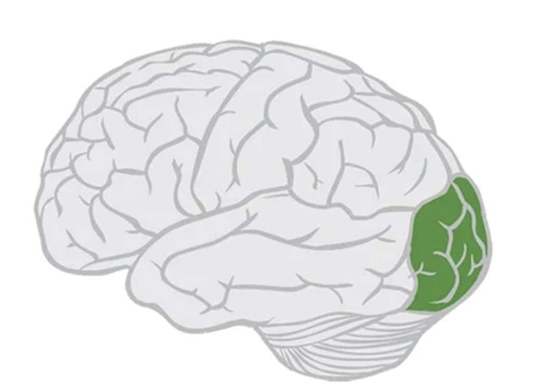
Occipital lobe
• Located at the posterior end of the cortex
• Known as the striate cortex or the primary visual cortex
• Highly responsible for visual input
− Damage can result in cortical blindness.
parietal lobe
• Contains the postcentral gyrus (“primary somatosensory cortex”)
− Primary target for touch sensations and information from muscle-stretch
receptors and joint receptors
• Also responsible for processing and integrating information about eye, head, and
body positions from information sent from muscles and joints
• Essential for spatial information as well as numerical information
− Example: using one’s fingers to count represents an overlap of spatial and numerical task

temporal lobe
Located on the lateral portion of each hemisphere near the temples
• Target for auditory information and essential for processing spoken language
Also responsible for complex aspects of vision, including movement and some emotional and motivational behaviors
• Klüver-Bucy syndrome associated with temporal lobe damage
The area where the parietal lobe and the temporal lobe meet, close also to the occipital
lobe, is the temporoparietal junction

frontal lobe
• Contains the prefrontal cortex and the precentral gyrus
− Precentral gyrus: also known as the primary motor cortex; responsible for the control of fine motor movement
− Prefrontal cortex: the integration center for all sensory information and
other areas of the cortex (most anterior portion of the frontal lobe)
− Several areas in the prefrontal cortex and the temporoparietal junction have
come to be known as the default network.
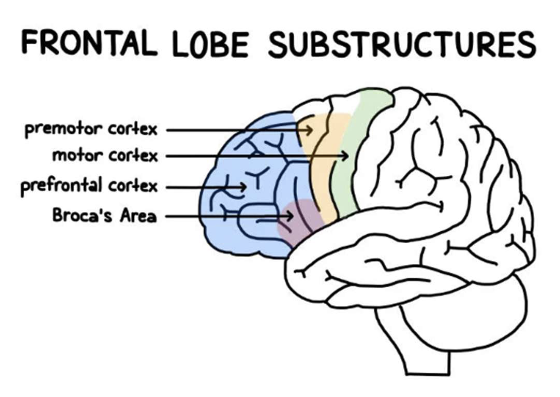
prefrontal cortex and lobotomy
• Responsible for:
− Higher functions such as abstract thinking and planning
− Our ability to remember recent events and information (“working memory”)
• People with damage to the prefrontal cortex exhibit delayed- response task.
− Respond to something they see or hear after a delay
• The anterior zone of the prefrontal cortex is important for making decisions, evaluating which of several courses of action is likely to achieve the best outcome
• Surgical disconnection of the prefrontal cortex from the rest of
the brain
− In the 1940s and 1950s, about 40,000 performed
− Mostly, schizophrenics, but later others with less severe mental
illness
− Patients left with apathy, lack of ability to plan, memory disorders,
and lack of emotional expressio
the binding problem
• Refers to how the visual, auditory, and other areas of the brain produce a perception of a single object
− Perhaps the brain binds activity in different areas when they produce synchronous waves of activity
− For binding to occur:
A person perceives two sensations as happening at the same time and
in the same place.
Example: A ventriloquist uses the visual stimulus to alter the response
of the auditory cortex

research methods
• The main categories of research methods to study the brain
include those that attempt to:
− Examine the effects of brain damage
− Examine the effects of stimulating a brain area
− Record brain activity during behavior
− Correlate brain anatomy with behavior
effects of brain damage
• Brain damage can produce an inability to recognize faces, an inability to perceive motion, changes in emotional responses, and many more effects.
− Ablation: removal of a brain area
− Lesion: damage to a brain area, often done for research
− Stereotaxic instrument: used to damage structures in the interior of the brain
− Another method is injecting a chemical that kills neurons or inactivates them temporarily
TMS transcranial magnetic stimulation
• Application of an intense magnetic field to a portion of the scalp
to temporarily deactivate neurons below the magnet
− Allows researchers to study behavior with a brain area active, then
inactive, then active agai
effects of brain stimulation
• Stimulation of a brain area should increase behavior.
• Optogenetics: a technique that allows researchers to turn on
activity in targeted neurons by a device that shines a laser within
the brain
− Electrodes can probe the brain of a person undergoing brain surgery.
− A limitation is that complex behaviors depend on temporal pattern
of activity in many areas.
− Because of the invasive nature of the method, it could be used in
humans only when it might produce a medical benefi
recording of brain activity eeg
• Electroencephalograph (EEG): records electrical activity
produced by various brain regions
− Can produce evoked potentials that self-reports sometimes do not
reveal
meg and pet
• Magnetoencephalograph (MEG): similar to EEG but measures
faint magnetic fields generated by brain activity instead
• Positron-emission tomography (PET): records emission of
radioactivity from injected radioactive chemicals to produce a
high-resolution imag
fmri
• Functional magnetic resonance imaging (fMRI): modified version
of an MRI that uses oxygen consumption in the brain to provide a
moving and detailed picture
− Safer and less expensive than PET
− Comparison tasks are used to compare the brain pictures while
person is engaged in different activities and recordings can allow
researchers to predict the behavior
cat and mri
• Identify peculiar behaviors and look for abnormal brain
structures or function
− These abnormal brain structures can be identified using:
Computerized axial tomography (CAT scan)
Magnetic resonance imaging (MRi)
• Computerized axial tomography (CAT scan): inject dye into the blood and a pass X-rays through the head
− Rotate scanner slowly until a measurement has been taken at each angle and a computer constructs the image
− Used to identify tumors and abnormalities
• Magnetic resonance imaging (MRI): apply a powerful magnetic field to image the brain
all test in a chart
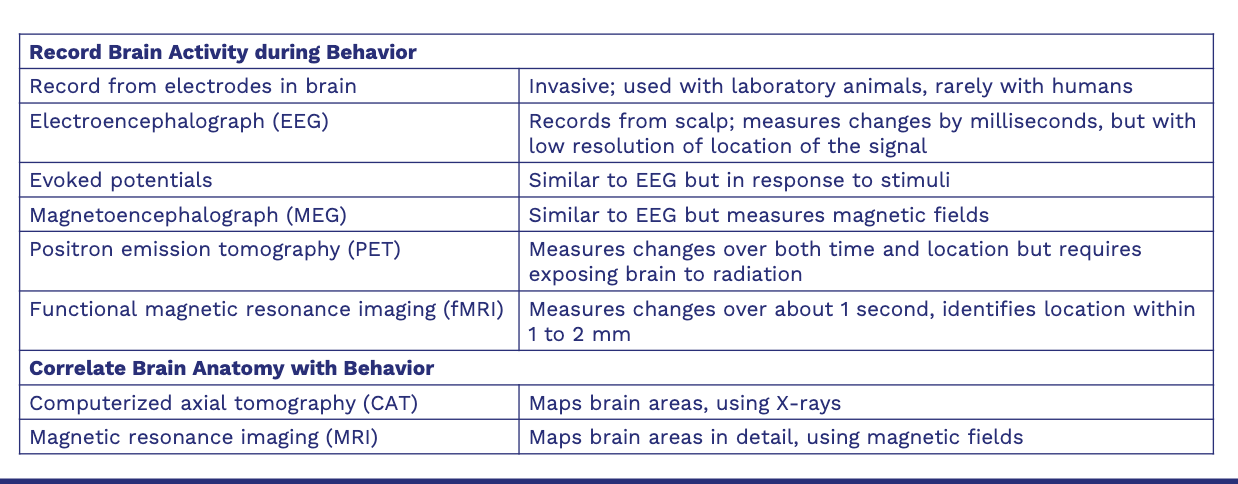
Genetics and behavior
• Both genes and environment interact to shape human behavior.
• The fundamental issue is how much a role each factor plays in shaping human behaviors.
− Example: facial expressions
− Other examples: psychological disorders, weight gain, personality, and sexual orientation
Mendelian genetics
• A 19th century monk Gregor Mendel demonstrated that inheritance occurs through discrete units of heredity, called genes.
− Prior to Mendel, it was commonly believed that inheritance was a blending process of the properties of the egg and sperm (like paint).
• Genes come in pairs, called alleles, and are aligned along chromosomes
gene vs chromosome
• CHROMOSOME
− Thread-like structure made of DNA and proteins and contains many genes
− Found in the cell nucleus
− Humans have 46 chromosomes (or 23 pairs)
GENE
− Unit of heredity that carries information for a trait
− Part of a DNA segment
− Controls inherited characteristics (like hair color)
dna and rna
• A gene is defined as a portion of a chromosome and is composed of deoxyribonucleic acid (DNA).
• DNA serves as a model for the synthesis of ribonucleic acid (RNA).
• RNA is a single-strand chemical that can serve as a template/model for the synthesis
of proteins (messenger RNA)
• Proteins determine the development of the body by:
− Forming part of the structure of the body
− Serving as enzymes, biological catalysts that regulate chemical
reactions in the body
Homozygous and heterozygous genes
• Being homozygous for a gene means that a person has an
identical pair of genes on the two chromosomes.
• Being heterozygous for a gene means that a person has an
unmatched pair of genes on the two chromosomes
dominant and recessive gene
Genes are either dominant, recessive, or intermediate.
− Examples: eye color, ability to taste PTC
• A dominant gene shows a strong effect in either the homozygous
or heterozygous condition.
• A recessive gene shows its effect only in the homozygous
condition.
• An intermediate gene occurs in a phenotype where there is
incomplete dominance in the heterozygous condition
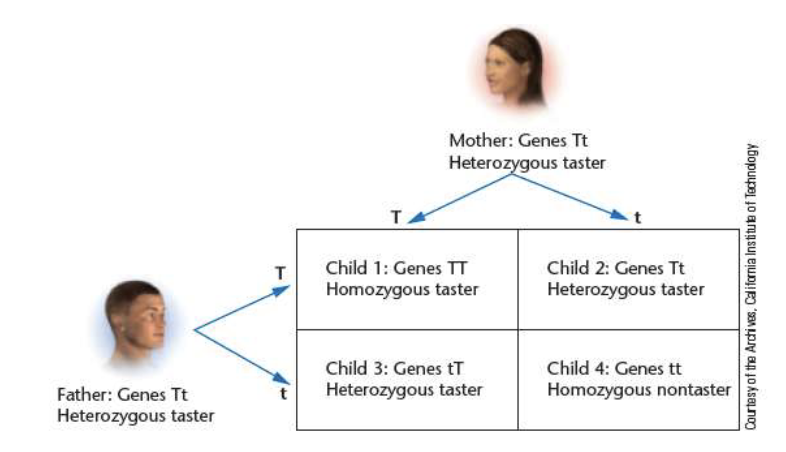
gene expression
• Examples such as PTC and hair color can be misleading.
− Implies that a single gene combination completely controls a
characteristic, but this is not always true
• Some genes are only expressed partly: in some cells and not
others, or only under certain circumstance
sex-linked and sex limited genes
• Autosomal genes: all other genes except for sex-linked genes
• Sex-linked genes: genes located on the sex chromosomes
• In mammals, the sex chromosomes are designated X and Y
− Females have two X chromosomes (XX).
− Males have an X and a Y chromosome (XY)
x and y
• During reproduction:
− Females contribute an X chromosome
− Males contribute either an X or a Y chromosome that determines
the sex of the child.
• If an X chromosome is contributed by the male, the offspring is
genetically female.
• If a Y chromosome is contributed by the male, the offspring will
be genetically male
sex-lined and sex-limited genes
• The human Y chromosome has genes for far fewer proteins than
the X chromosome.
• Thus, sex-linked genes usually refer to X-linked genes: for
example, red-green color deficiency.
• Sex-limited genes are genes that are present in both sexes but
mainly have an effect on one sex (chest hair, breast size, etc.)
mutartion and microduplication and deletion
• Genes change in several ways:
− Mutation: a heritable change in a DNA molecule
− Microduplication/microdeletion: part of a chromosome that might
appear once might appear twice or not at all
− Example: some researchers believe schizophrenia might be a result
of microduplications and microdeletions of brain-relevant gene
epigenetics
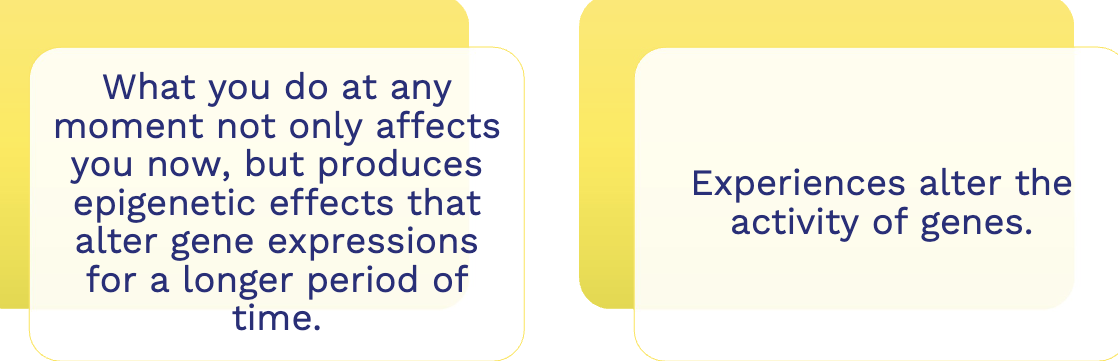
• A field that is concerned with changes in gene expression
without the modification of the DNA sequence
− Some genes are active only at a certain point in one’s life, a certain
time of day, and so on.
− Changes in gene expression are central to learning and memory.
− Epigenetic differences are a likely explanation for differences
between monozygotic “identical” twins
Heritability
Refers to how much characteristics depend on genetic
differences
− Researchers have found evidence for heritability in almost every
behavior they have tested.
− Heritability of a certain trait is specific to a given population.
− Strong environmental influences may cause genetic influences to
have less of an effect
heredity and environment
• Almost all behaviors have both a genetic and an environmental
component.
• Researchers:
− Study monozygotic and dizygotic twins to infer contributions of
heredity and environment
− Study adopted children and their resemblance to their biological
parents to infer hereditary influences
− Identify specific genes linked to some behavior
environmental modification/ genes affect behavior?
• Traits with a strong hereditary influence can by modified by
environmental intervention
− For example, PKU: a genetic inability to metabolize the amino acid
phenylketonuria
− Environmental interventions can modify PKU
• Genes do not directly produce behaviors.
• Genes produce proteins that increase the probability that a
behavior will develop under certain circumstances.
• Genes can also have an indirect affect.
− Genes can alter your environment by producing behaviors or traits
that alter how people in your environment react to you
evolution of behavior
Evolution refers to a change in the frequency of various genes in
a population over generations
− Regardless of whether the change is helpful or harmful to the
species
• Evolution attempts to answer two questions:
− How did some species evolve?
How species evolved is based on inferences from fossils/comparisons
of living species
how do species evolve? • How species evolve rests upon some
assumptions:
− Offspring generally resemble their parents for genetic reasons.
− Mutations, recombination, and microduplications of genes introduce new heritable
variations.
− Certain individuals successfully reproduce more than others.

artifical selection
• Refers to choosing individuals with desired traits and making
them parents of the next generation
• According to Darwin, nature also selects, and successful
individuals’ genes will be prevalent in later generations
common misconceptions / brain evolution
• Lamarckian evolution: “The use or disuse of some structure or
behavior causes an increase or decrease in that behavior.”
• “Humans have stopped evolving.”
• “Evolution means improvement.”
• “Evolution acts to benefit the individual or the species
• One explanation is that our ancestors managed to get enough
nutrition to provide a big brain with all the fuel it needs.
− Cooking food made it easier to digest.
− Group hunting was more efficient.
− Humans have better capacity for glucose transpor
evolutionary psychology
• Focuses upon functional and evolutionary explanations of how
behaviors evolved
− Assumes that behaviors, characteristic of a species, have arisen
through natural selection and provide a survival advantage.
Examples: differences in peripheral/color vision, sleep mechanisms in
the brain, eating habits, temperature regulatio
behavior and natural selection
• Some behaviors are more debatable with regard to the influence
of natural selection.
• Examples
− Life span length
− Gender differences in sexual promiscuity
− Altruistic behavior: a behavior that benefits someone other than the
actor
Altruism is hard to find outside of humans