04: Conflict
 Call Kai
 Learn
Learn Practice Test
 Spaced Repetition
 Match
Match Flashcards
 Knowt Play
1/20

There's no tags or description
Looks like no tags are added yet.
Name | Mastery | Learn | Test | Matching | Spaced | Call with Kai | Chat |
|---|
No analytics yet
Send a link to your students to track their progress
21 Terms
When does conflict occur
Perceived threat to needs, interests, or concerns as a consequence of a disagreement
Why is conflict viewed negatively
People think they have limited options and resources for resolutions
What informs our response to conflict
How we perceive conflict
What can we do to help control how we respond to conflict
Become more aware of our inner thoughts and feelings
The two possible responses to conflict
Chose to work through it or avoid it
Factors of a veterinary-client conflict
Client
Veterinarian
Patient illness
System: the rules we operate under
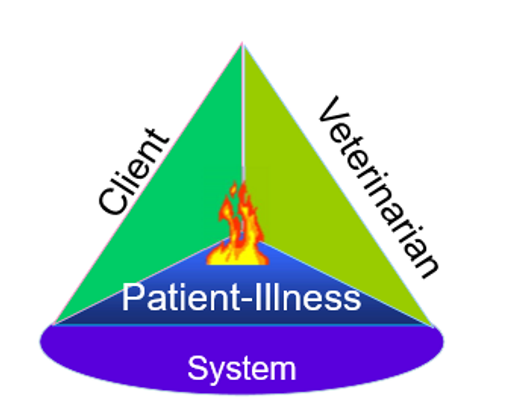
ADOBE system for conflict management
Awareness
Discover meaning
Opportunities for compassion
Boundaries
Extend the system: get help
Things to be aware of in yourself during conflict
Your feelings, inner thoughts, and body language
The 4 approaches/styles of conflict management
Avoidance: I lose/you lose
Competition: I win/you lose
Adaptation: I lose/you win
Cooperation: I win/you win
How does acknowledgement fit into awareness
If you can acknowledge the conflict out loud, you can troubleshoot together
When discovering meaning, what are interest compared to positions
Interests are a fundamental need while positions are demands and assertions from a narrow and specific point of view
What do interruptions tell you while managing conflict
There is disagreement
What does repetition tell you while managing conflict
They don’t feel heard
Signs that indicate opportunities for compassion
Anger, sadness, frustration
What are boundaries
The ways you tell the world, implicitly and explicitly, how you expect to be treated
When should you avoid difficult conversations about boundaries
HALT: hungry, angry, late, tired
How can you communicate time boundaries to clients
Give them a timeline to mentally expect, and then check in at that time marker when it is going to take longer to prevent client anxiety
How do you set content boundaries with clients
Redirect/clarify or close the door on avenues you are unwilling to entertain
Common physical barriers/boundaries in an exam room
Chart
Exam table
Phone
When you are extending the system and asking for help, what questions should you ask
Who needs help: me, client, pet?
What kind of help
Who can help
Equation for conflict
Misaligned expectations + insufficient flexibility