Mise-en-Scène (Part 2)
 Call Kai
 Learn
Learn Practice Test
 Spaced Repetition
 Match
Match Flashcards
1/18

Earn XP
Description and Tags
This lecture continues to discusse mise-en-scène, the arrangement of visual elements within the stage (in theater) or the frame (in film).
Name | Mastery | Learn | Test | Matching | Spaced | Call with Kai | Chat |
|---|
No analytics yet
Send a link to your students to track their progress
19 Terms
Closed Form
Contains all necessary information within the frame, often used to evoke a sense of artificiality. Self-conscious, visually appealing, stylized. Favored by formalists.

Open Form
Randomly cutting objects and figures off the frame to imply freedom of choice and spontaneity. Visually unappealing. Favored by realists.

Tight Frame
the subject is tightly confined by the frame of the camera with little room to move around, suggesting constriction, imprisonment, and lack of freedom.
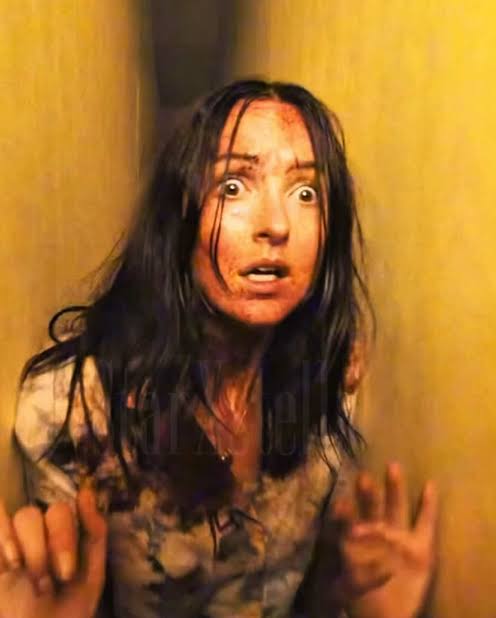
Loose Frame
Subject(s) have more room to move around within the frame of the scene, suggesting freedom.
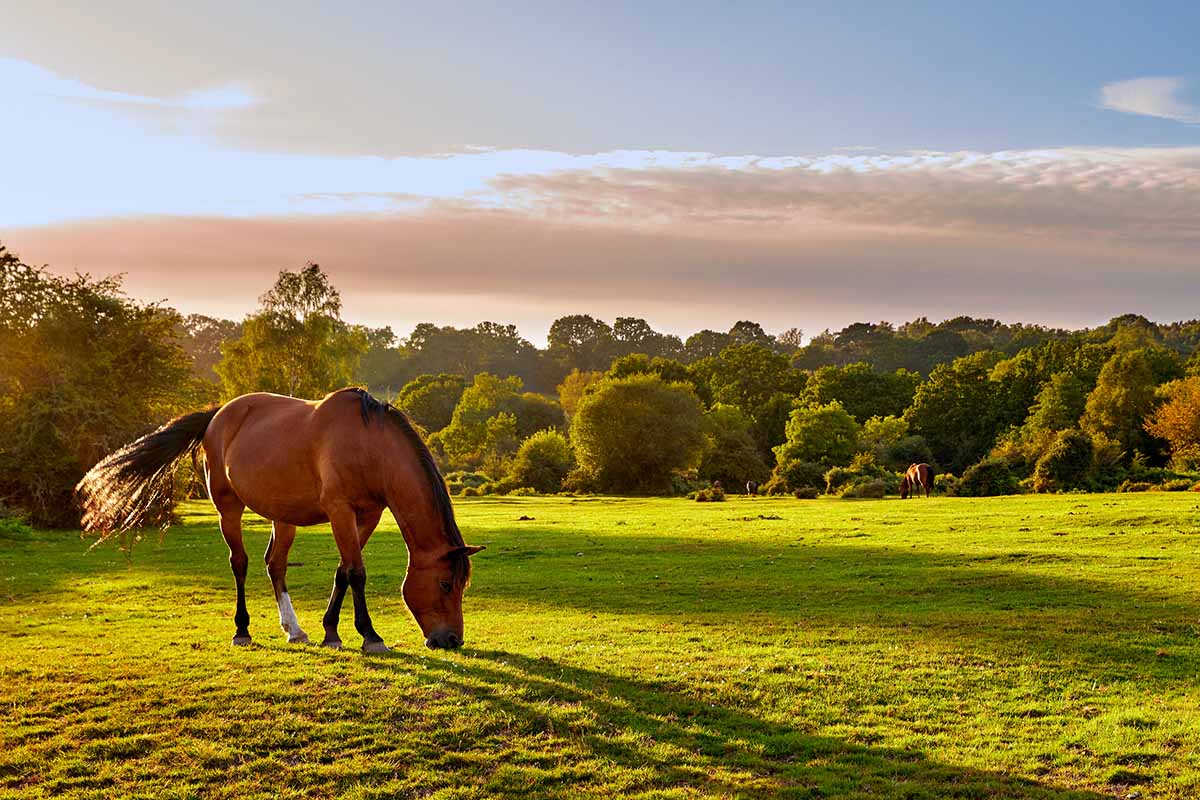

Deep Focus
Everything is in focus, including the foreground, midground, and background.
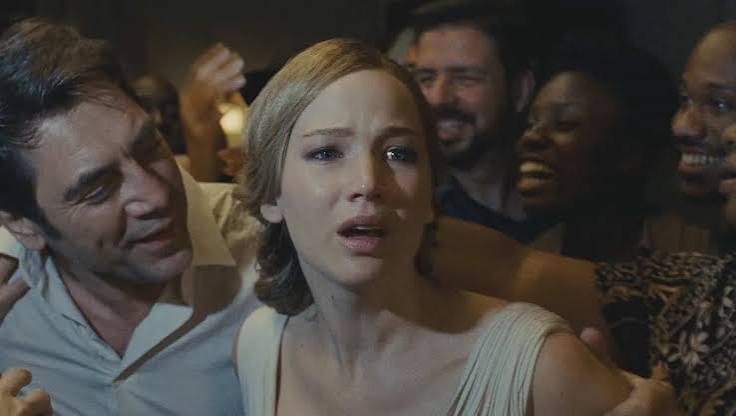

Shallow Focus
Only foreground or background is in focus, calling attention to one plane only.
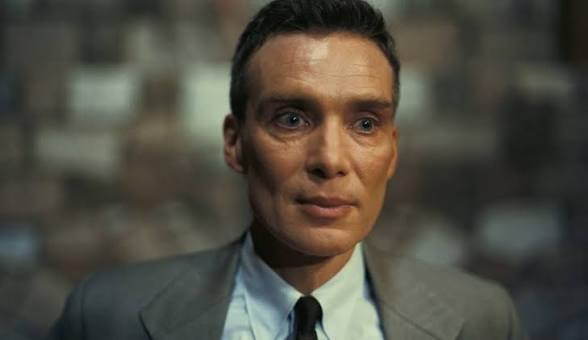
Top of Frame
Controls visual elements such as power, authority, aspiration, threatening, danger, and superiority.
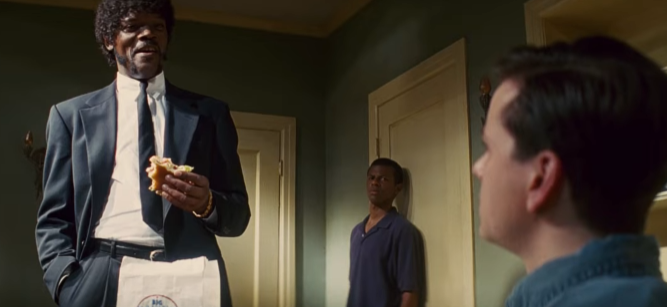
Bottom of Frame
Seems vulnerable, subservient, powerless, and in danger.
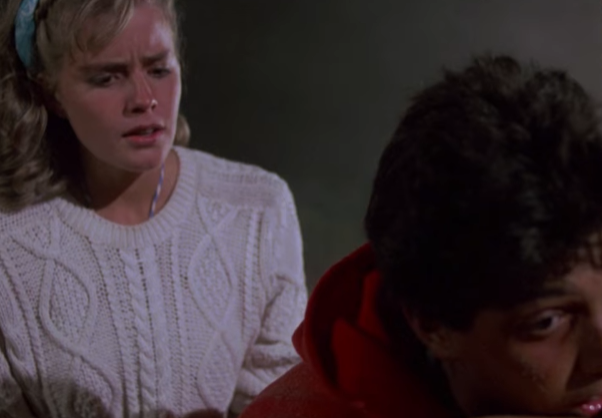
Edge of Frame
Person seems insignificant
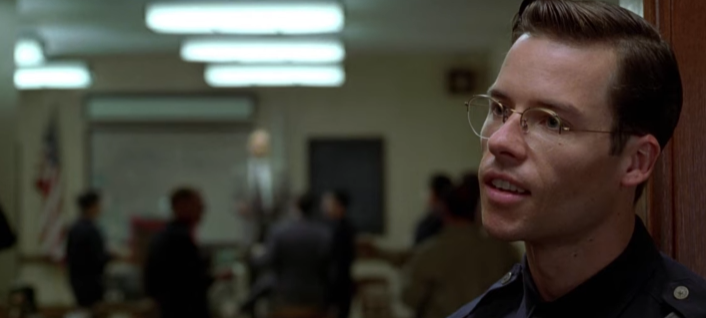
Center of Frame
Grabs attention, seemingly commanding the scene.
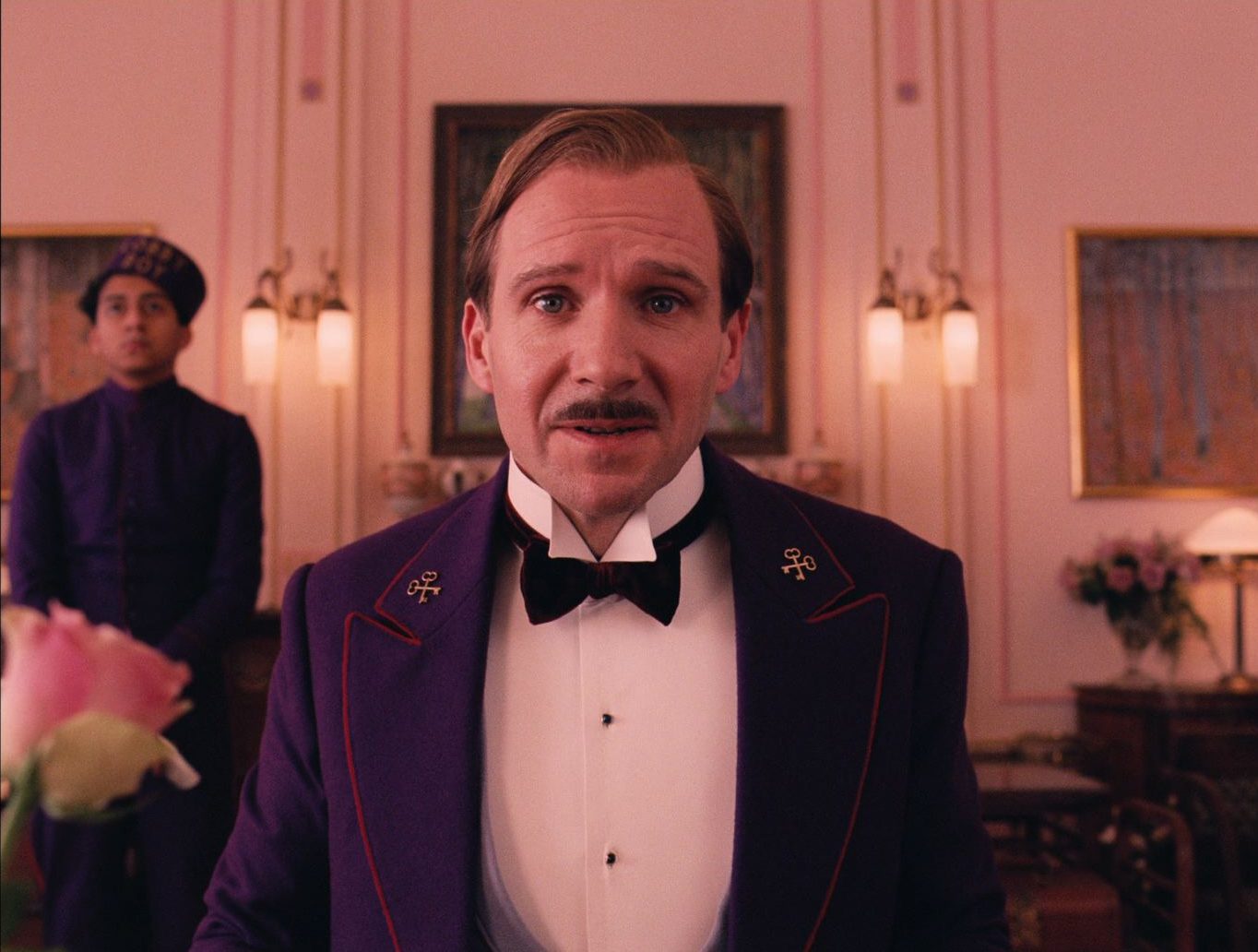
Full-Front
Facing the camera. Most intimate. Can be confrontational if the character is frightening. Can be seductive if the character is likeable.
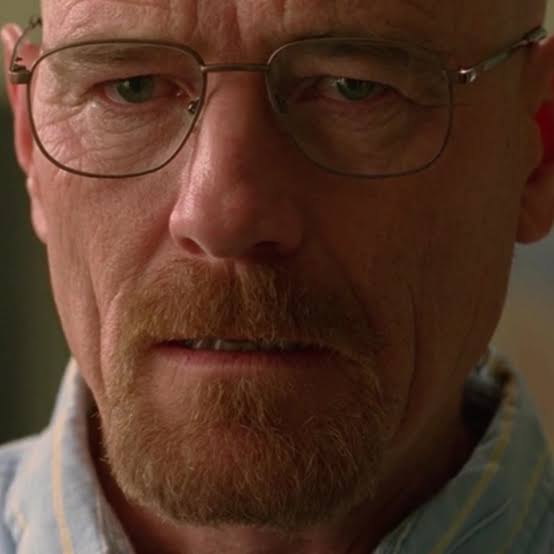
Quarter Turn
Positioned towards the camera at a slight angle. Favored by filmmakers for high degrees of intimacy and less involvement than a full position.
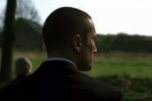
Half Turn/ Profile
Character looks to the left or right. More remote. Character seems unaware of being observed. Lost in thought.
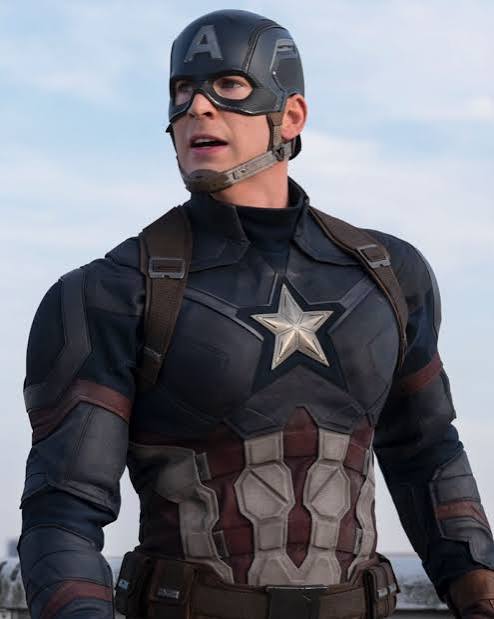
Three-Quarter Turn
Back is partially turned to the camera. More anonymous. Conveys unfriendly or antisocial feelings.

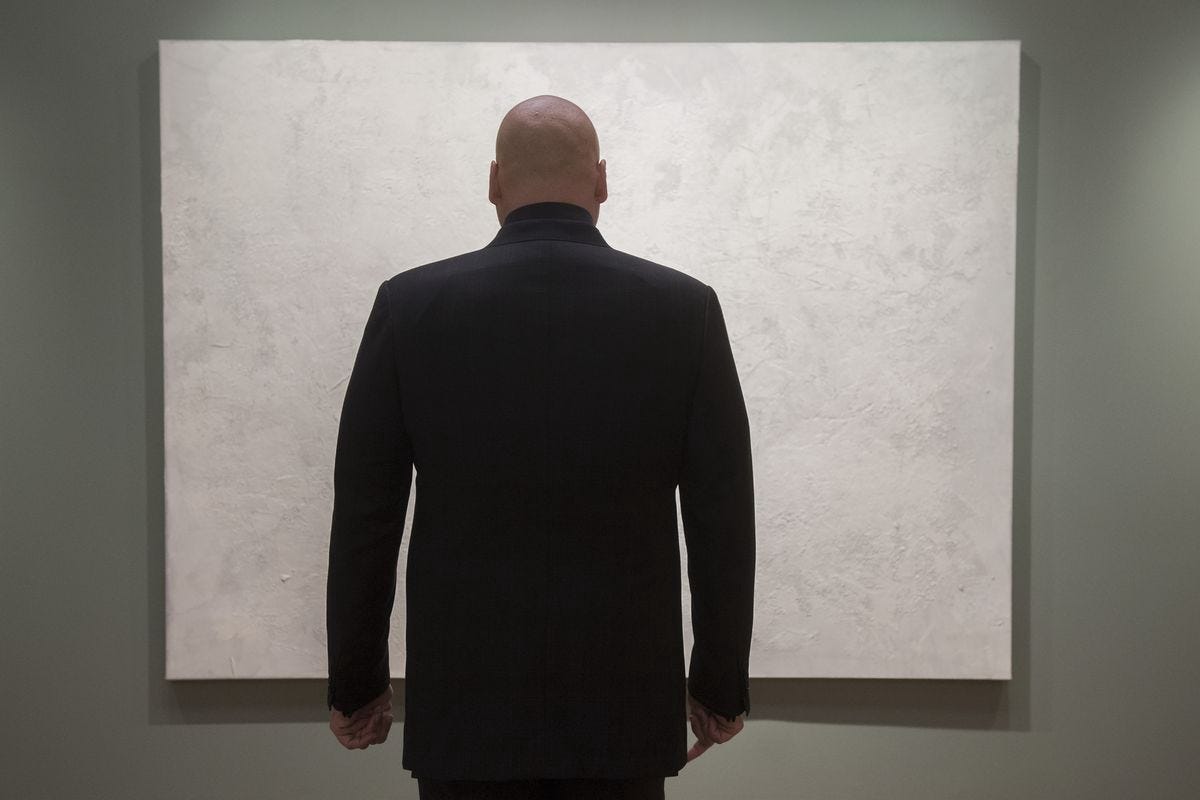
Back-to-Camera
Back is completely facing the camera, suggesting alienation, concealment, or mystery. Can’t see the character’s face; therefore, we can only guess what is happening internally.
Intimate
Skin contact to 18 inches away. Conveys love, comfort, and tenderness.
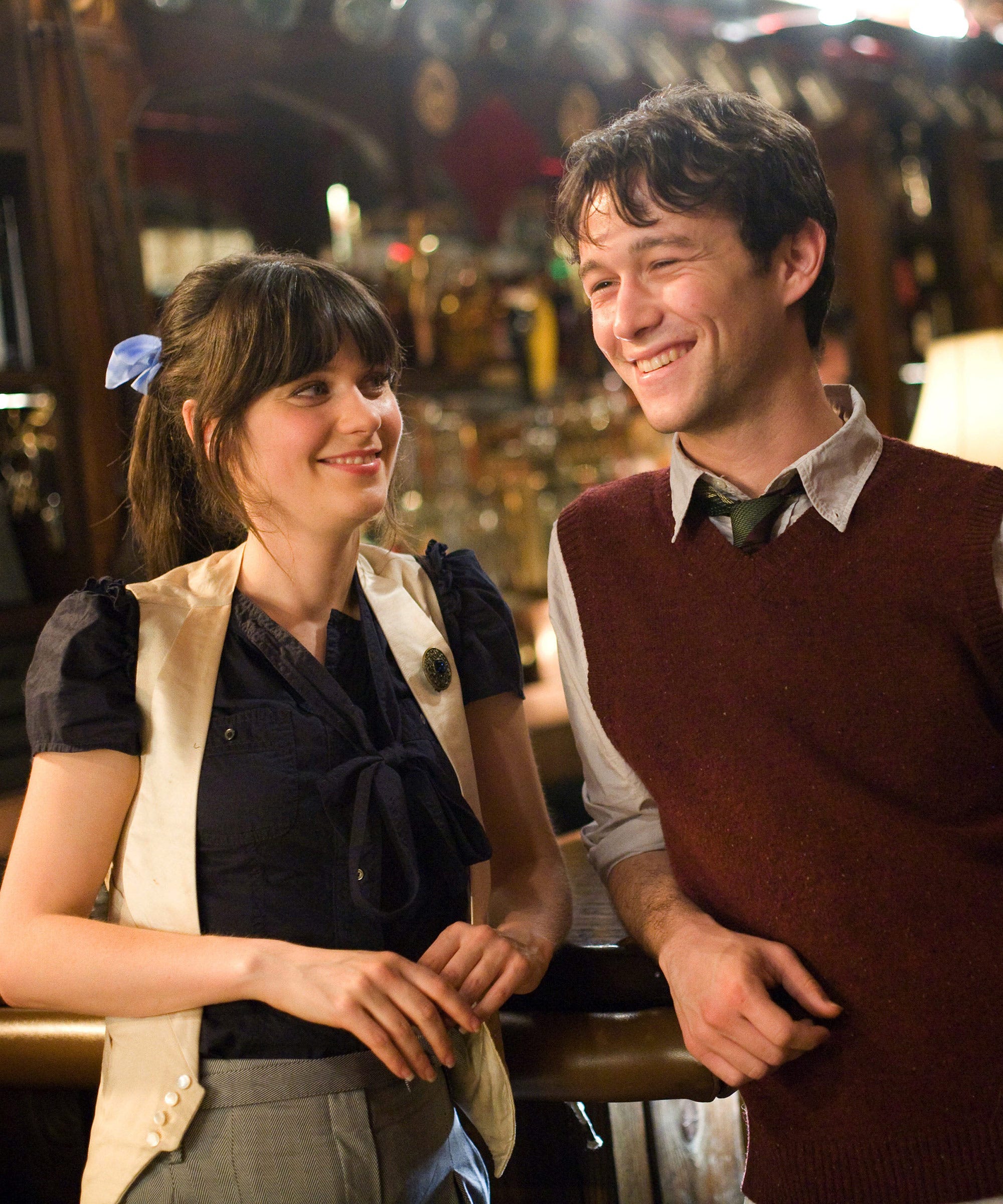
Personal
18 inches to 4 feet apart (arm’s length apart). For friends and acquaintances.

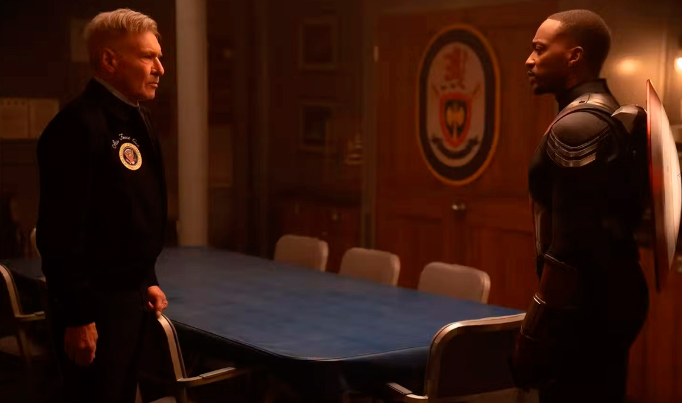
Social
4 feet to 12 feet. Business gatherings, impersonal business. Friendly range but more formal than personal.
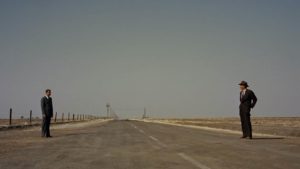
Public
12-25 feet away. Formal and detached. More emotionally neutral for viewers.