2.18 Meet the Mycenaeans--Getting Defensive & Inventive
 Call Kai
 Learn
Learn Practice Test
 Spaced Repetition
 Match
Match Flashcards
 Knowt Play
1/6

Earn XP
Description and Tags
Colossal Stone Citadels Lead to Architectural Innovations on the Mainland
Name | Mastery | Learn | Test | Matching | Spaced | Call with Kai | Chat |
|---|
No analytics yet
Send a link to your students to track their progress
7 Terms
Background
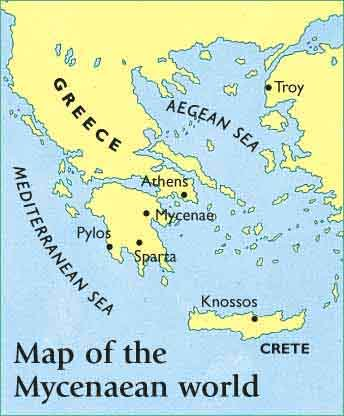
While the Mycenaeans, with their principal city of Mycenae (their hub), were located on the Greek mainland, they aren't part of the story of the ancient Greeks--they're considered forerunners, part of the history of the ancient Aegean civilizations we've been examining.
The Mycenaeans are known for their palace complexes, mostly citadels. In the future, Greeks like Homer would reflect upon these with their thick stone walls and abundance of gold
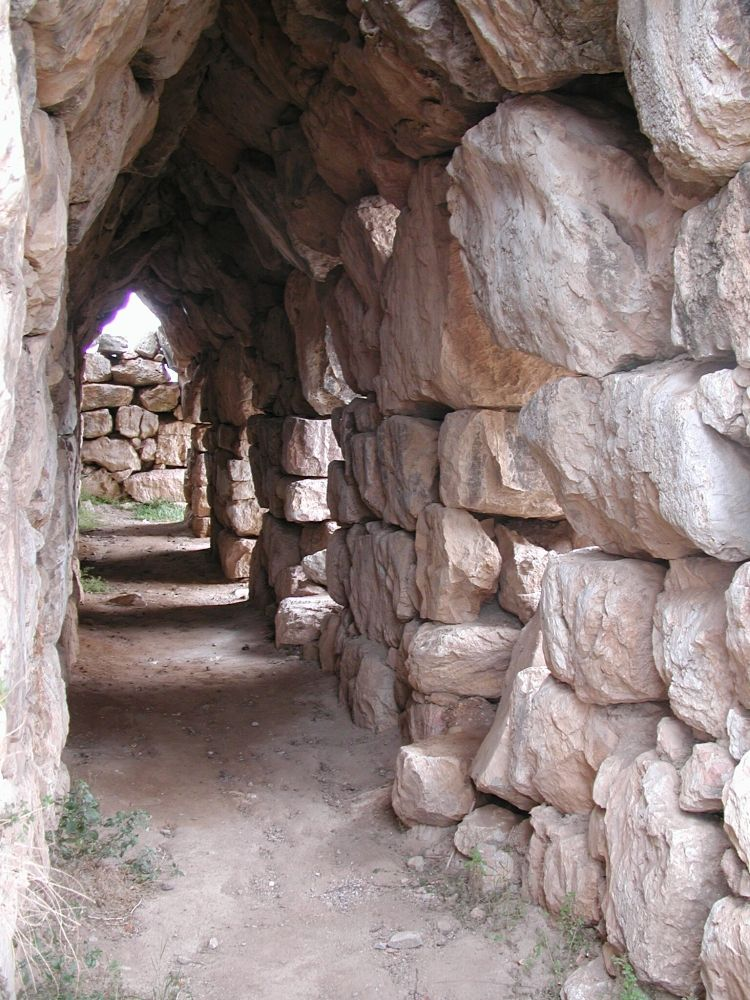
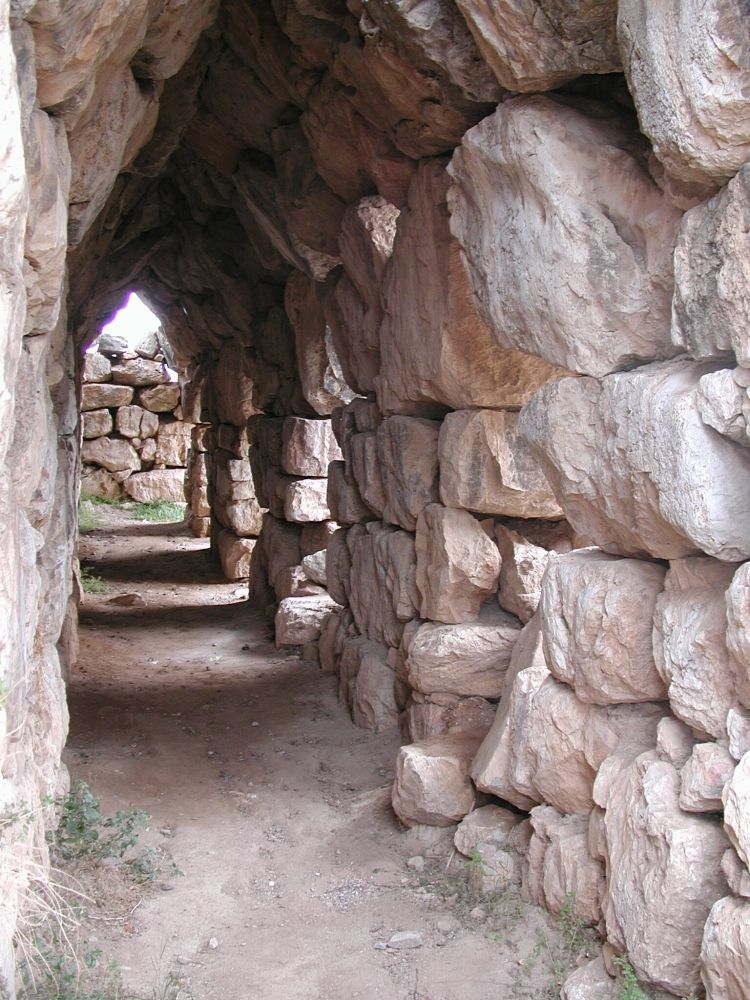
Corbel-vaulted gallery at citadel at Tiryns, ca. 1400-1200 BCE.
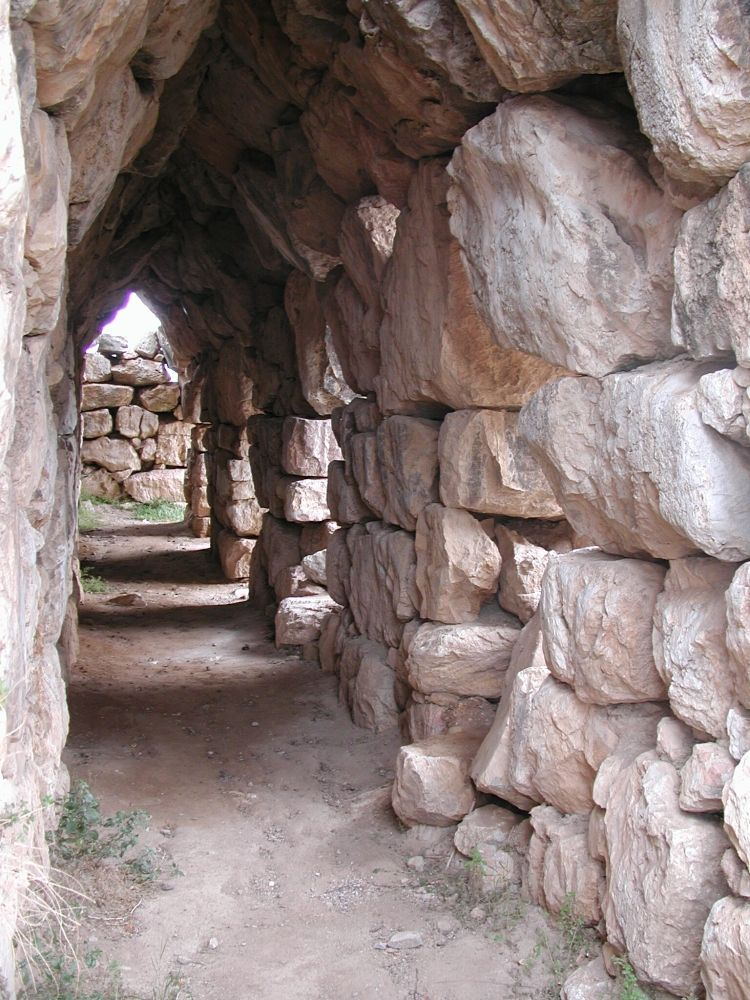
Details of it, difference with the Minoans:
architects refer to these roughly cut blocks of stone as "Cyclopean masonry."
While the king’s palace must have certainly been lavish (and there isn’t hardly anything remaining), most of the energy of this citadel certainly was on defense. The Minoans didn’t worry about constructing a huge wall around their palaces, but the Mycenaeans did.
The Corbeled Arch:
Details
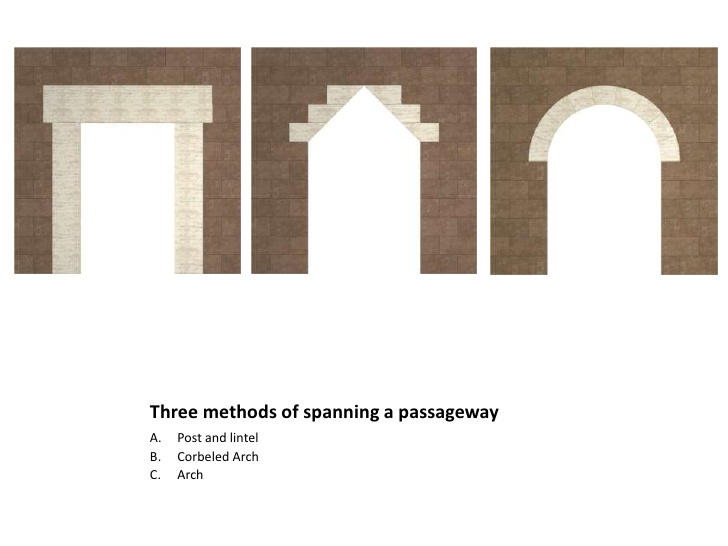
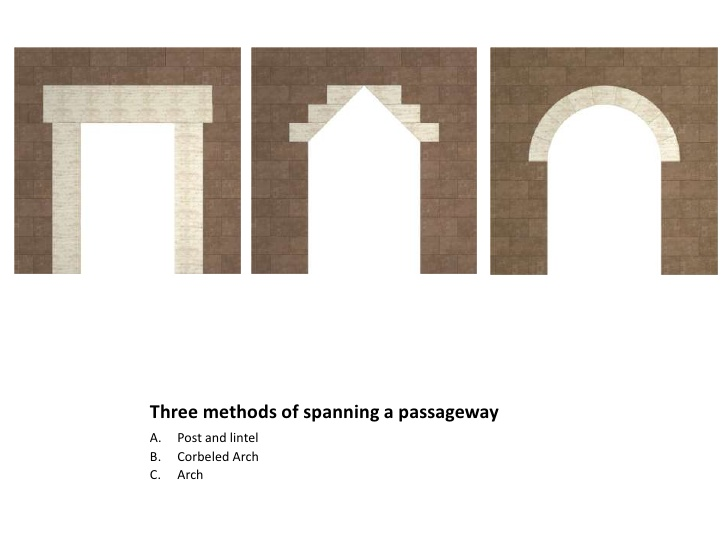
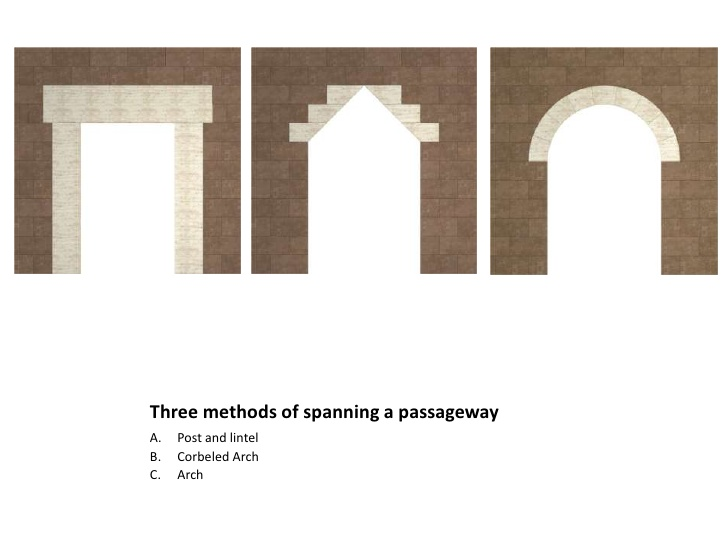
-The post and lintel method we saw in Egypt, for instance; while the arch was used somewhat in Mesopotamia.
-The Corbeled Arch is wholly a Mycenaean invention. For the gallery at Tiryns above, the laying of the large stones to form their walls, then cantilevering them gradually inward created a pointed, or corbeled arch using no mortar, only some wedges and clay. Although each block weighs several tons, their weight holds it all in place. This method allowed the Mycenaeans to achieve taller corridors and passageways while maintaining stability.
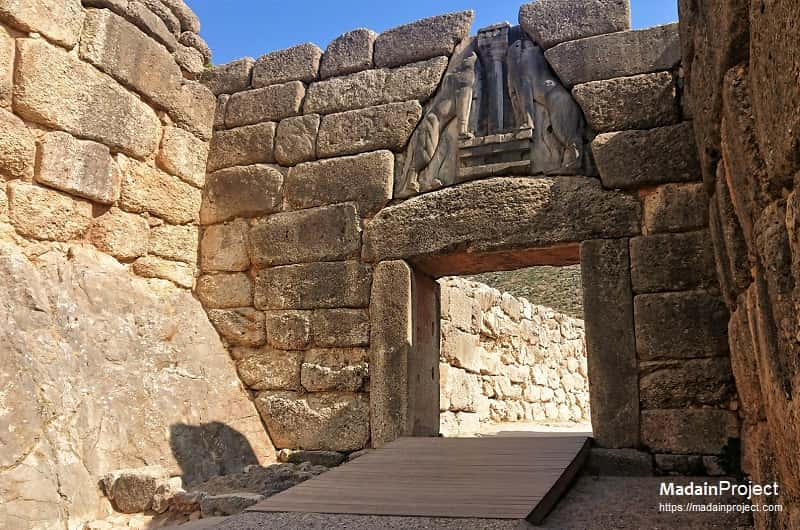
Lion Gate, Mycenae, Greece, ca. 1300-1250 BCE. Limestone. Relief of lions approx. 9.5'
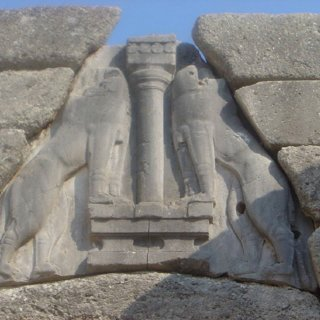
a large sculptural relief of lions facing each other, filling a niche created by the corbeled arch
It includes a Minoan-style column in the center with the animals standing with their forepaws elevated on an architectural base. Their heads are lost, likely made of metal, and could have either been lion heads or those of some other animal if these were meant to be composites like griffins.
With the Mycenaeans in proximity to Mesopotamia and Egypt, it's not suprising to see the enduring presence of guardian creatures!