Unit 3 Exam
 Call Kai
 Learn
Learn Practice Test
 Spaced Repetition
 Match
Match Flashcards
 Knowt Play
1/57

Earn XP
Description and Tags
Lectures 9-13 BIOL005C
Name | Mastery | Learn | Test | Matching | Spaced | Call with Kai | Chat |
|---|
No analytics yet
Send a link to your students to track their progress
58 Terms
Climate
long-term prevailing weather conditions in an area
Weather
daily conditions of the atmosphere in terms of temperature, atmospheric pressure, wind, and moisture
The _____ makes things hot.
sun
The earth is _____ and _____.
curved, tilted
Hot air _____, cold air _____.
rises, sinks
How air holds _____ water than cold air.
more
Wind _____ water around.
pushes
Water changes temperature _____ than air.
slower
The earth spins _____ near the equator, bending the wind.
faster
Specific heat
amount of energy required to raise temperature
Water has a higher _____ _____ than land or air.
specific heat
Primary productivity
amount of plant growth in a given area over a given time
Biodiversity
number of species
Biomes are largely determined by:
Climate on land; Depth and sanity in water
The same biome in different parts of the world harbor different species with similar characteristics. This is known as?
Convergent evolution
Terrestrial biomes
large land areas on Earth with similar climate, temperature, rainfall, plants, and animals
Disturbance
an event such as a storm, fire, or human activity that changes a community
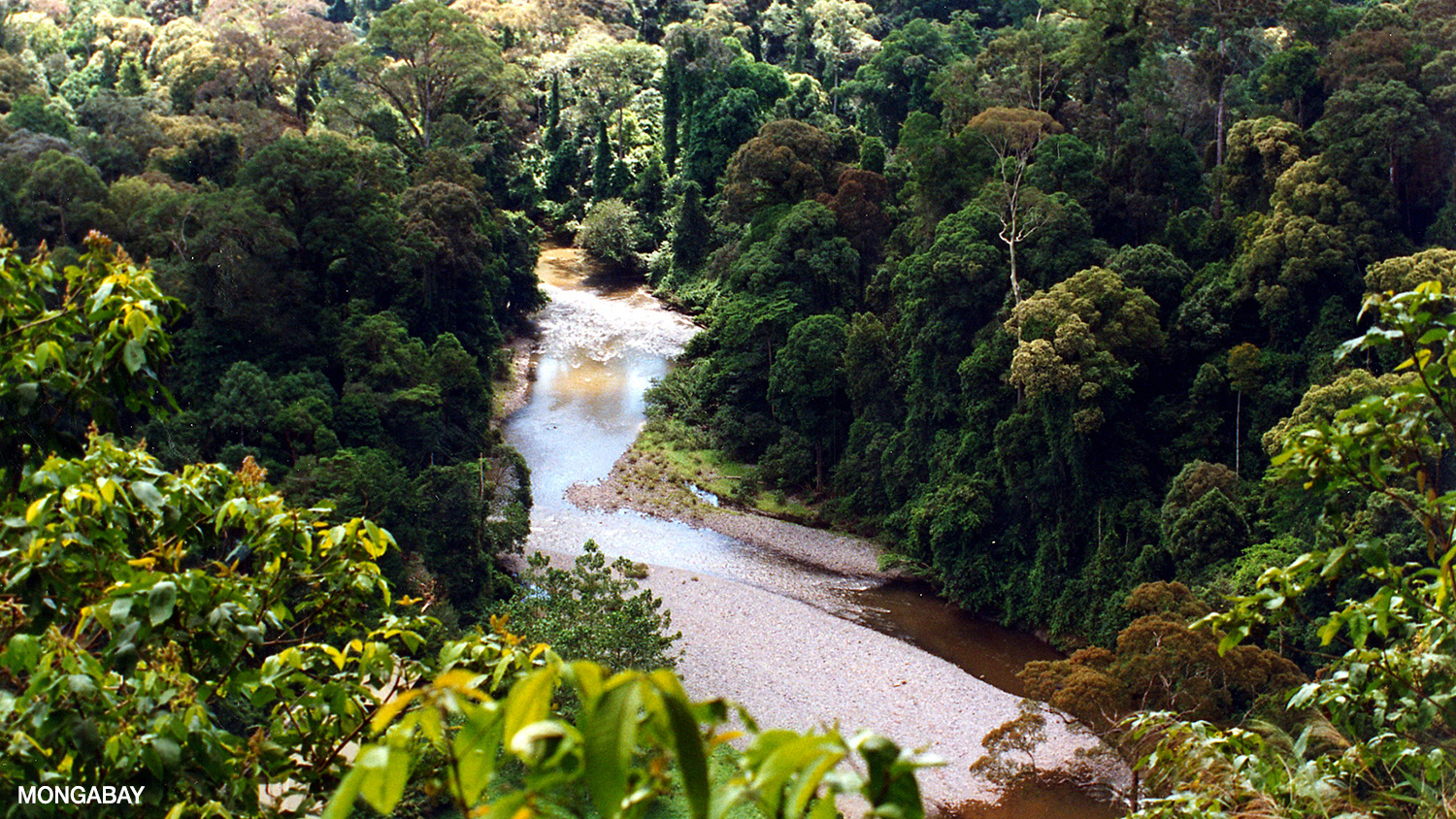
Tropical Forest
High temperature, little seasonal variation
Abundant, constant rainfall
Very high biodiversity
Temperate Broadleaf Forest
Abundant, constant rainfall
Cool winters, hot & humid summers
(seasonal variation)
Moderate biodiversity
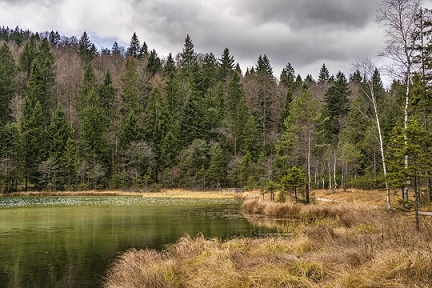
Northern Coniferous Forest
Varied rainfall
Overall cool climate
Low biodiversity
Some species depend on periodic fires to regenerate (disturbance)
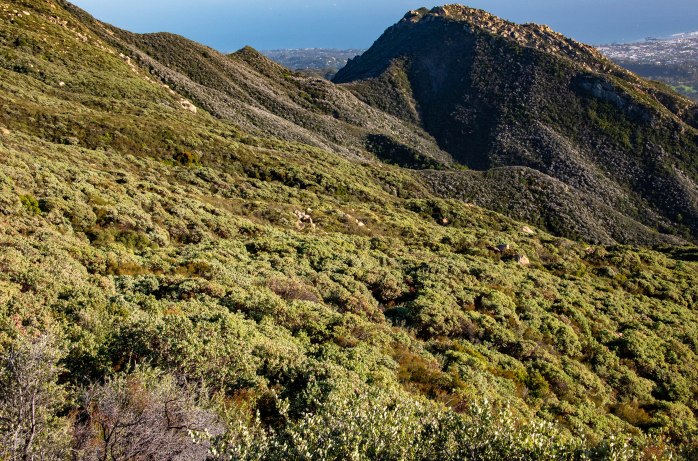
Chaparral
Low rainfall, highly seasonal
Hot summers, cool winters
Low, variable biodiversity
Many plants are adapted to disturbance
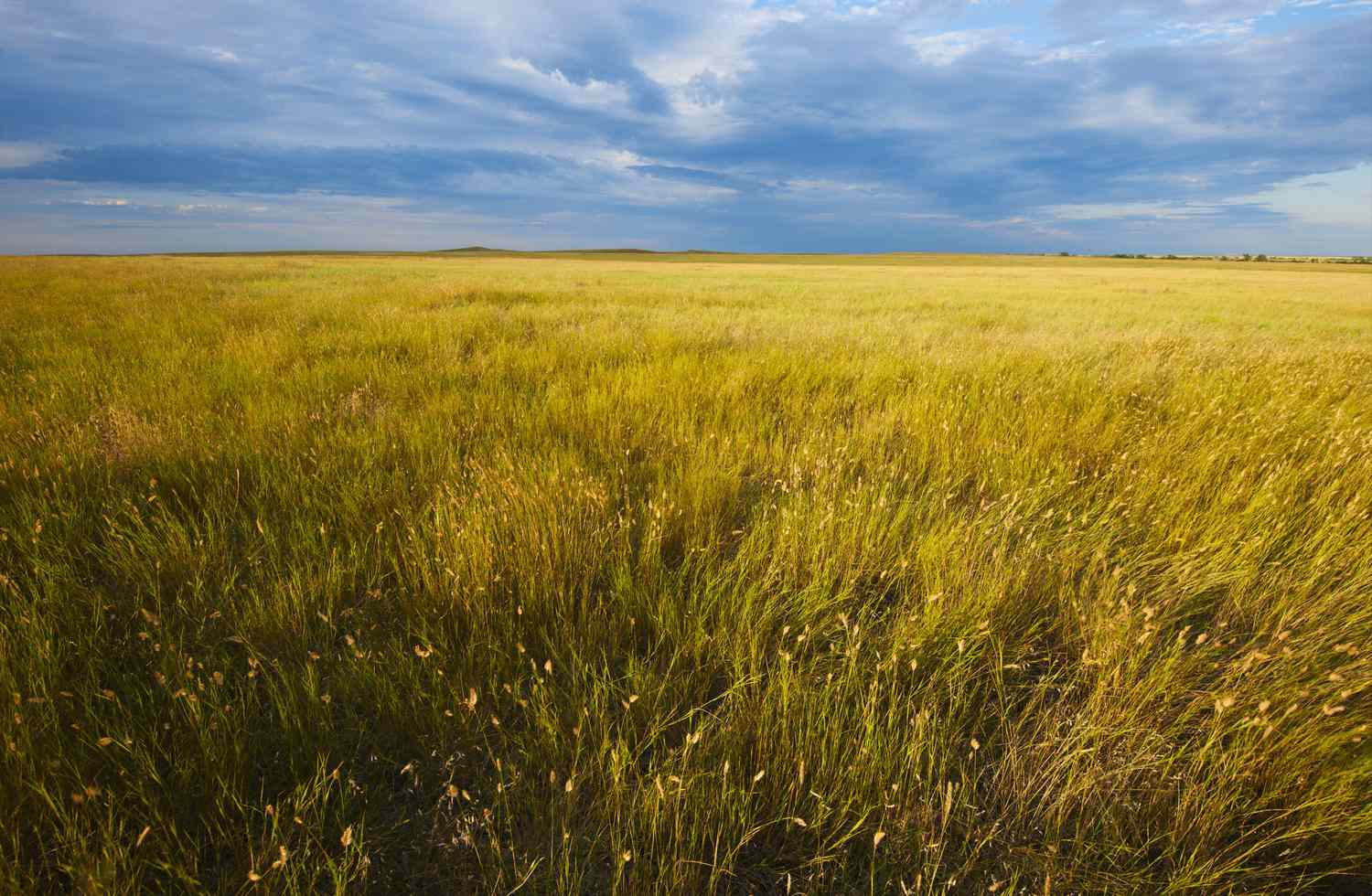
Temperate Grassland
Low, seasonal precipitation
Hot summers, cold winters
Moderate biodiversity
Plants adapted to disturbance
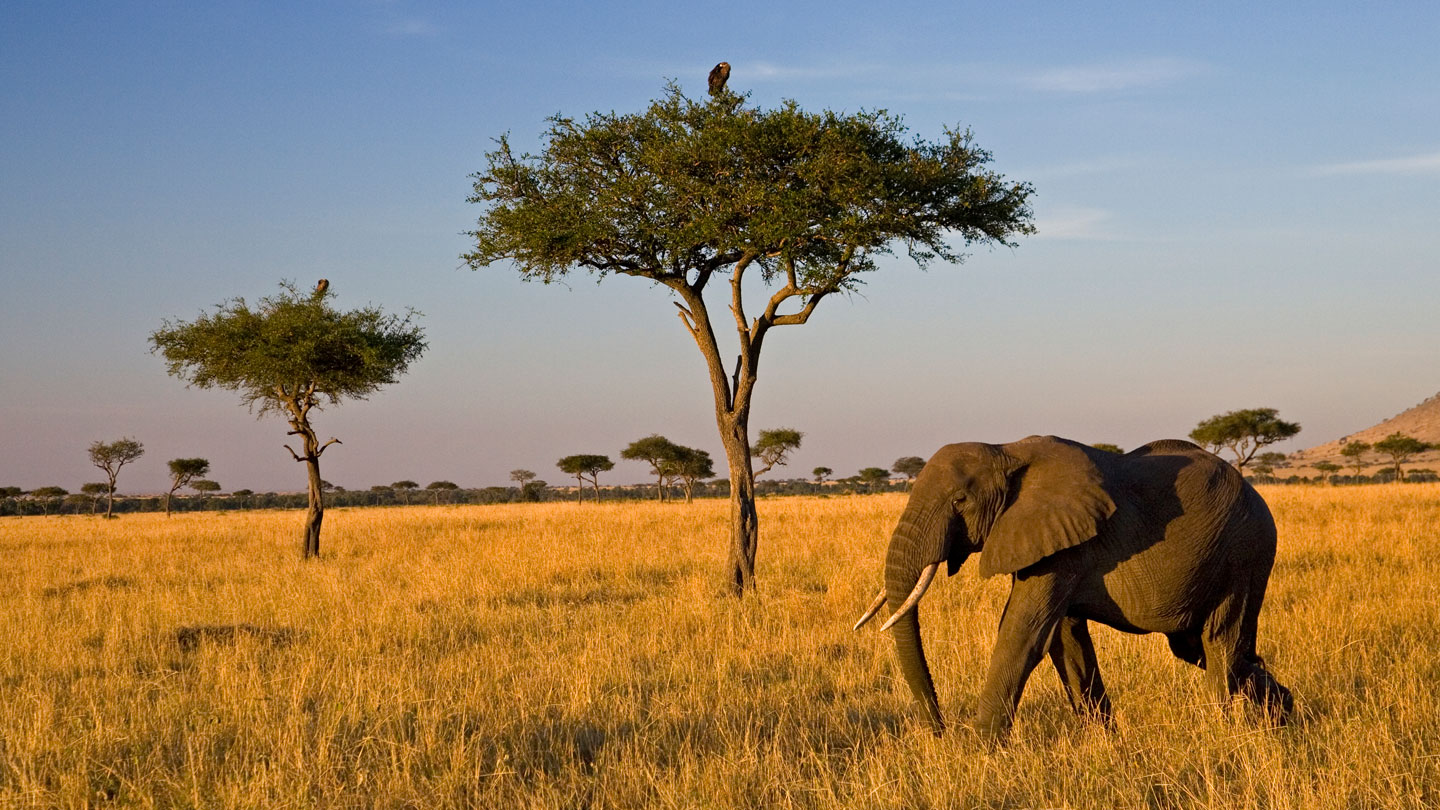
Savanna
Seasonal precipitation, prolonged dry season
Warm, seasonally variable temperatures
Moderate biodiversity
Tree abundance constrained by disturbance
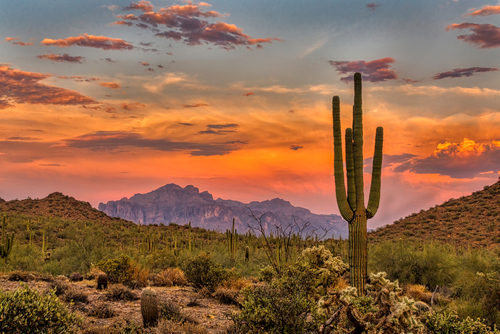
Desert
Low precipitation, highly variable
Extreme temperatures, seasonally variable
Low, variable biodiversity
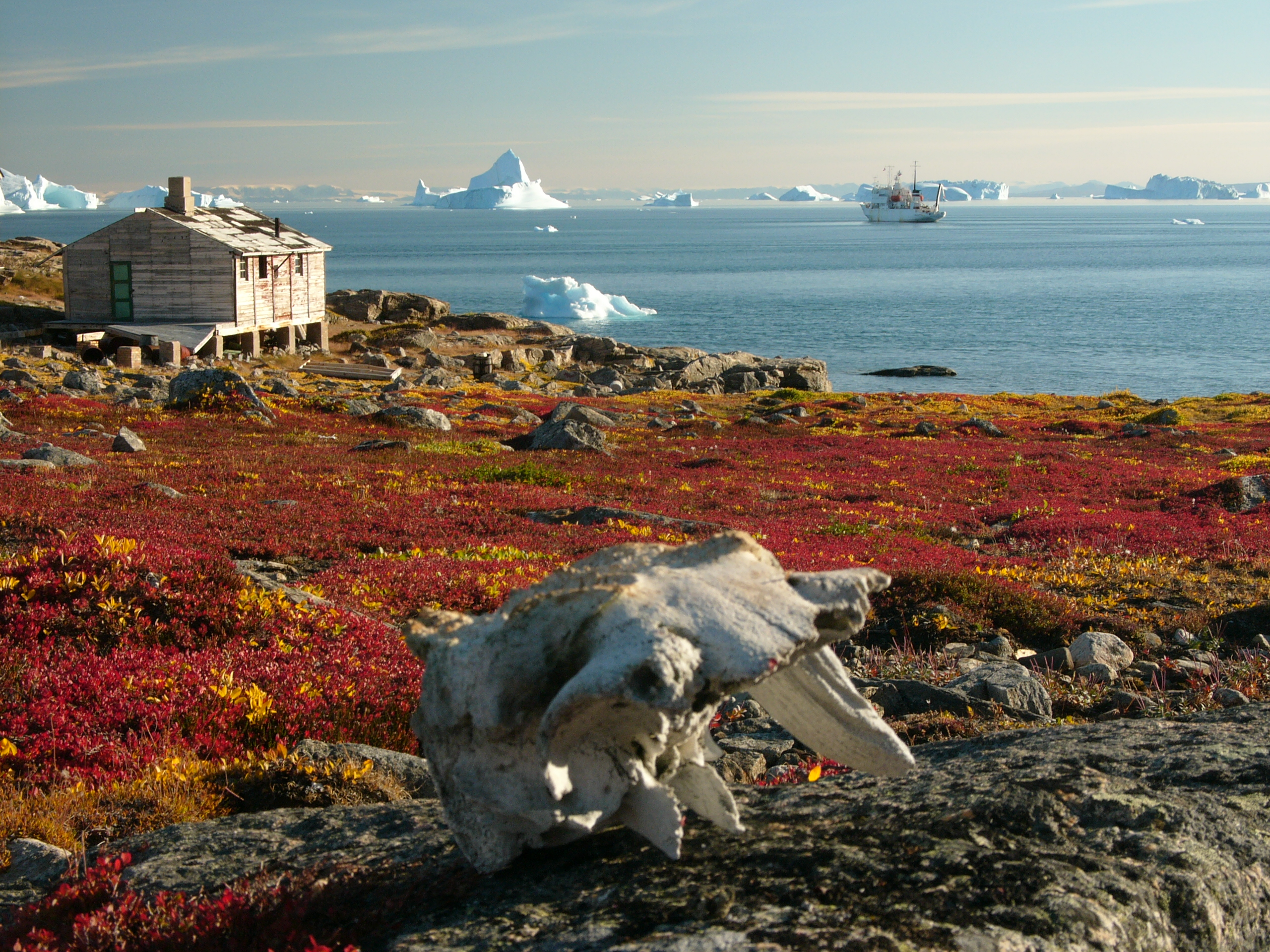
Tundra
Low precipitation, cold
Low biodiversity
The distribution of terrestrial biomes is largely determined by _____
climate
Aquatic biomes are largely determined by _____ and _____.
depth, salinity
Pelagic zone
the open-water component of aquatic biomes
Benthic zone
the bottom surface of an aquatic environment
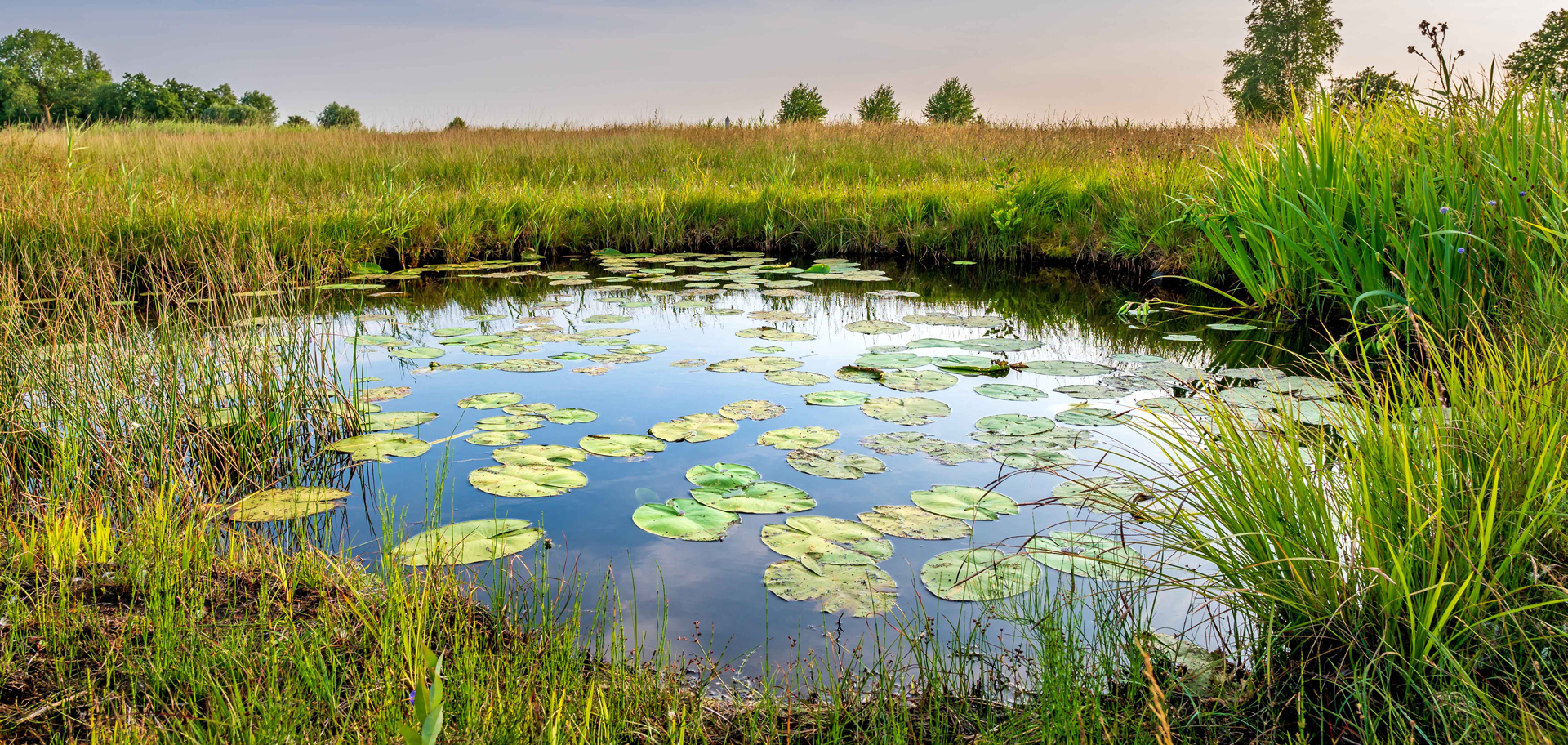
Wetlands
Shallow, intermediate salinity
High biodiversity
One of the most productive biomes
Aquatic ecosystems show far less ________ than terrestrial biomes, with all types found across the globe.
latitudinal variation
Lakes
Oligotrophic lakes
Nutrient poor, O2 rich with low organic content
Eutrophic lakes
Nutrient rich, high organic content
O2 periodically depleted in deeper layers
Intermediate depth, freshwater
Relative biodiversity
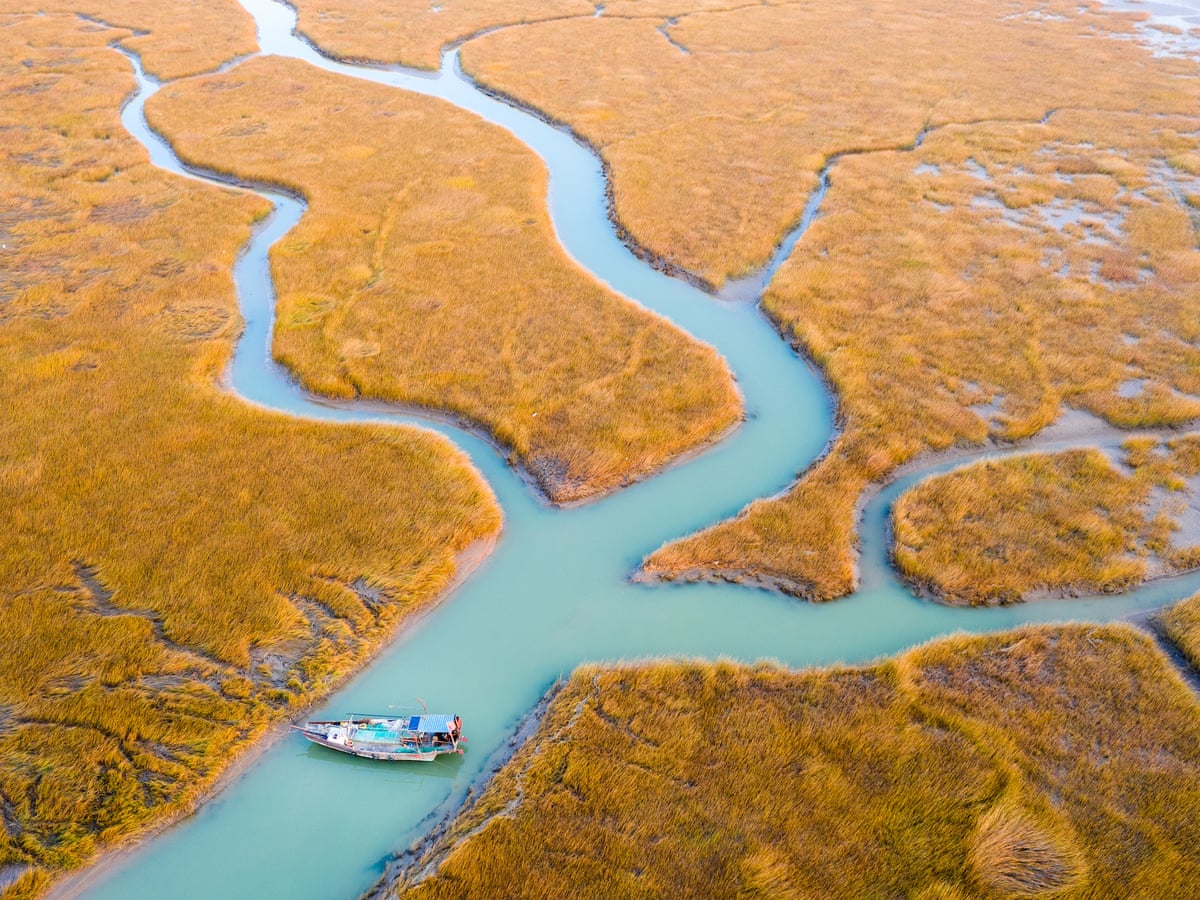
Estuary
Nutrient rich and productive transition zone between river and sea
Variable salinity
Low biodiversity
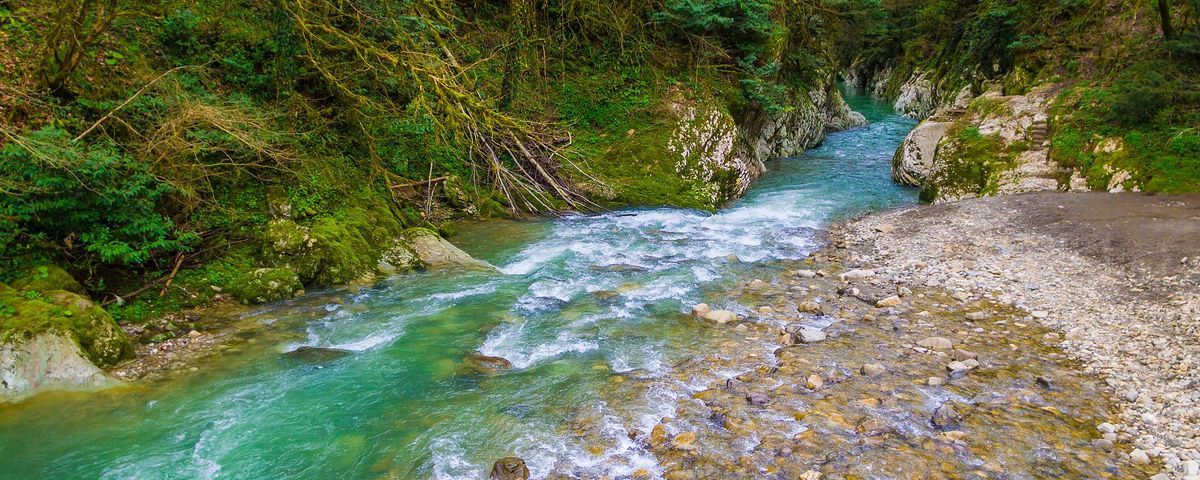
Streams and Rivers
Prominent characteristic: currents
Shallow, freshwater
High biodiversity
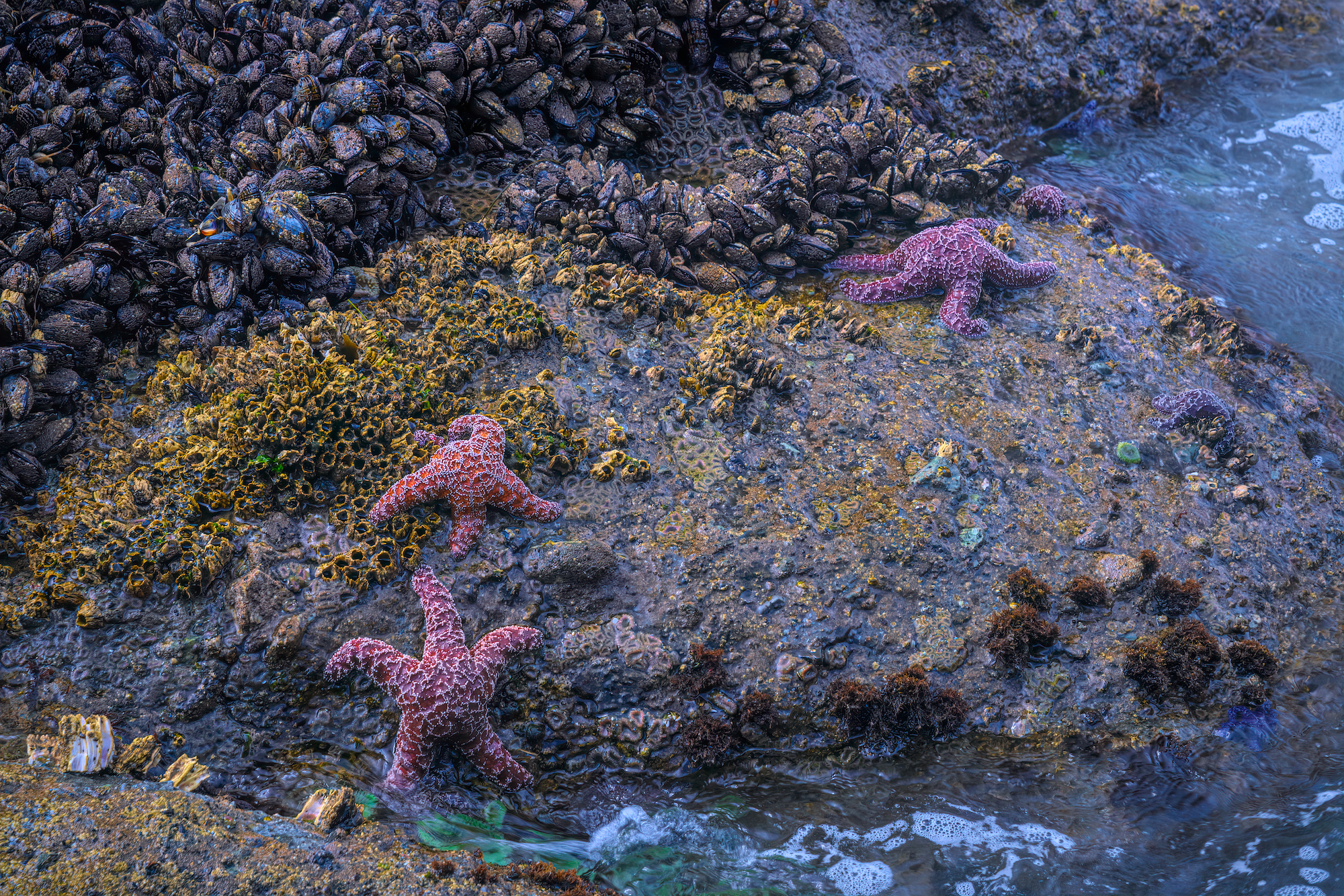
Intertidal Zone
Periodically submerged
Shallow, saltwater
Variable temperature and salinity
High biodiversity
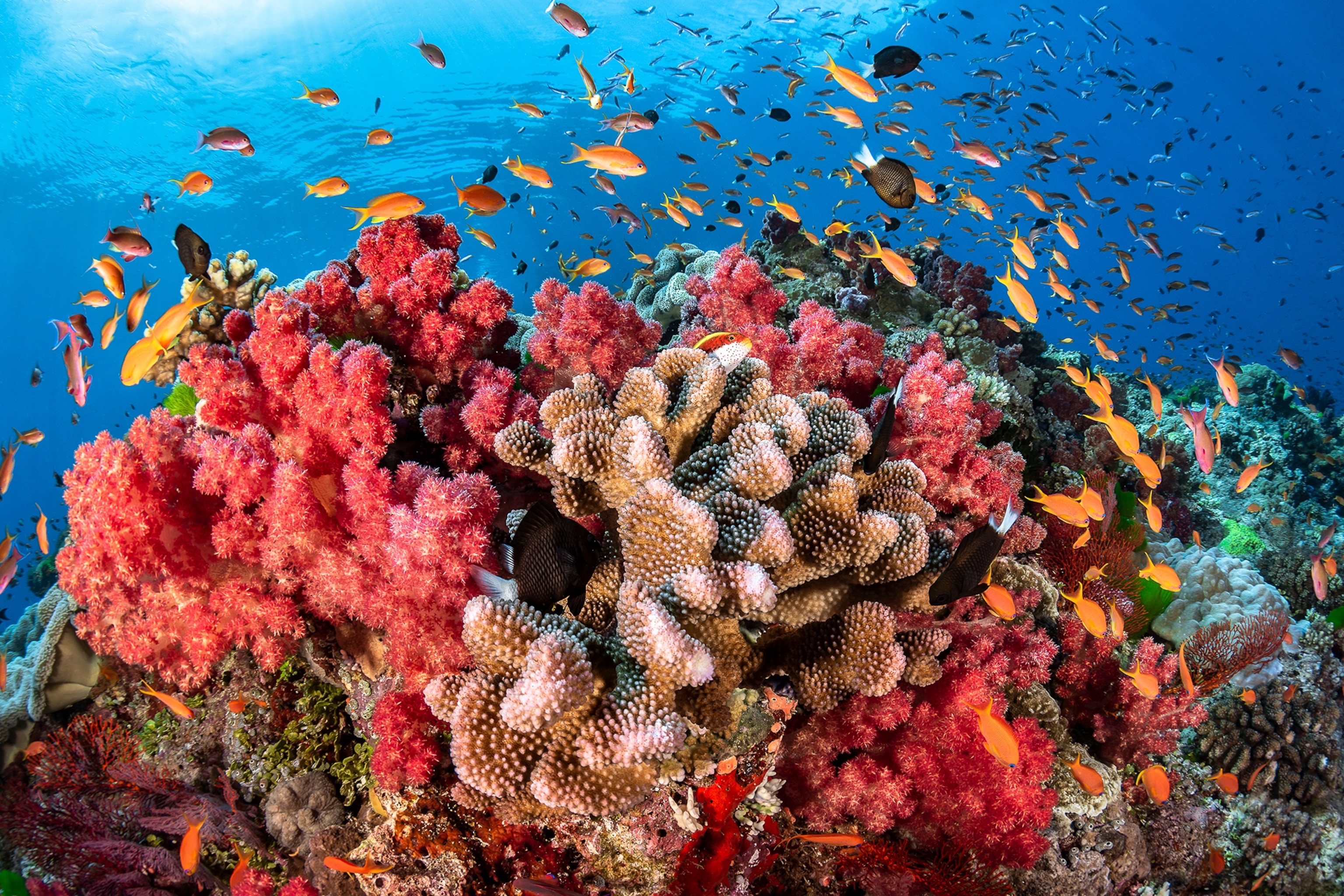
Coral Reef
Formed from the calcium carbonate skeletons of corals
Intermediate depth, saltwater
High biodiversity
Oceanic Pelagic Zone
Expanse of open water covering about 70% of Earth’s surface
Deep, saltwater
Low biodiversity
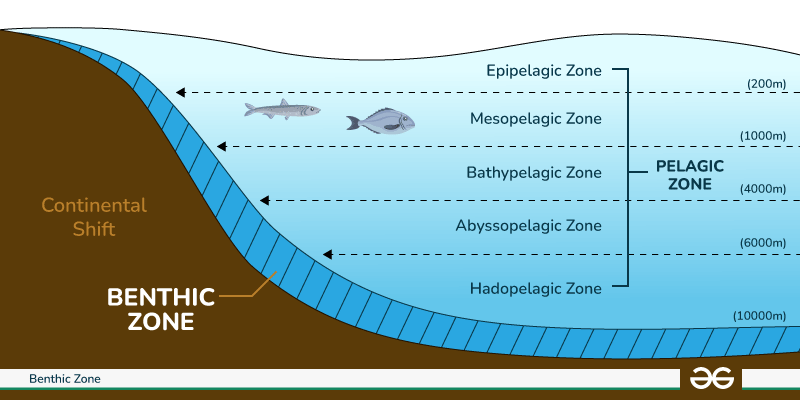
Marine Benthic Zone
Consists of the seafloor below the surface waters of the coastal zone and the offshore pelagic zone
Varied depth, saltwater
High biodiversity
Species distribution
the geographical area where a particular species is found
What factors determine species distribution?
Biotic, abiotic, dispersal
Biotic (living) factors
The organisms in an environment
Abiotic (non-living) factors
the physical and chemical properties of an environment
Dispersal
movement of individuals away from centers of high population density or from their area of origin
evolutionary history plays a role
Species interactions (biotic)
predation
parasitism
competition
mutualism
herbivory
Environmental characteristics (abiotic)
temperature
water and oxygen
salinity
sunlight
rocks and soil
Population
a group of individuals of a single species living in the same general area and interbreed
Population ecology
explores how biotic and abiotic factors influence the abundance, dispersion, and age structure of populations
Immigration
the influx of new individuals from other areas
Emigration
the movement of individuals out of a population
Population properties
size: # of individuals in population
density: # of individuals per unit area or volume
dispersion
rate of change in size over time
Mark-Recapture Method
N=(n1n2)/m
N: population size
n1: # captured and marked
n2: # captured in 2nd sample
m: # recaptured
Clumped dispersion
Individuals aggregate in patches (most common)
Uniform dispersion
evenly spaced individuals
Random dispersion
unpredictably spaced individuals
Population size, density, dispersion, and rate of change are influenced by:
The ecological needs of the species
Distribution/abundance of resources
Interactions among individuals (attraction/repulsion)