pt. 2 Plant Morphology, Classification, and Nomenclature
 Call Kai
 Learn
Learn Practice Test
 Spaced Repetition
 Match
Match Flashcards
 Knowt Play
1/45

There's no tags or description
Looks like no tags are added yet.
Name | Mastery | Learn | Test | Matching | Spaced | Call with Kai | Chat |
|---|
No analytics yet
Send a link to your students to track their progress
46 Terms
What is plant classification?
the placing of known plants into groups or categories to show some relationship
____ follows a system of rules that standardizes the results, and groups successive categories into hierarchy
plant classification
Types of ways to classify plants: (all have problems)
use (can be overlap)
growth or physiological characteristics (can be changed with environment or culture) (i.e. herbaceous-woody: vine/tree shrub, deciduous-evergreen-semievergreen, annual-biennial-perennial, hardy-tender)
common names
What is the order of botanical classification?
kingdom
division
class
order
family
genus
species
variety or subspecies
forma
cultivar
family
an assemblage of genera that rather closely or uniformly resemble each other in general appearance and technical characters
____ of higher plants are separated from one another by characteristics inherent in their repro structures (flower, fruit, seed)
families
some families are very ___, some are ___ with one genus
large (Rosaceae> 100 genera, Asteraceae around 950 genera)
monotypic
genus
more or less closely related and definable group of plants comprising one or more species. This is an aggregate of closely related species
The species have more characteristics in common with ____ than they do with species of other genera in the same family
each other
____ is the most widely used feature of comparison (genus)
similarity of flowers and fruits
a genus may contain ___ or ___
single species (Gingko)
more than 100 (Rosa)
species
group of individuals that adhere to the essential identification characteristics but display sufficient variation so as not to be categorized as replicas of one another
What is the abbreviation for species?
sp. (singular)
spp. (plural - multiple of this)
What is variety?
a group of plants subordinate to a species
(natural variety) ___ will have a phenotype distinct from other varieties but will hybridize within those varieties if brought into contact. Usually these r geographically separate from each other
variety
(natural variety) variety will have a phenotype distinct from other varieties but will hybridize within those varieties if brought into contact. Usually, varieties r geographically separate from each other. These phenotypes are ____, and reproduce true to type in nature
heritable
What is the abbreviation for variety?
var. (or var.)
How is var. (variety) supposed to be written?
italicized or underlined

What is an example of a naturally occurring variety that does not produce thorns on the stems, though fruit (leguminous pods) may be seen?
Gleditsia triacanthos var. inermis
Cultivars (cultivated variety)
cultivated plants developed by human manipulation and that r distinguished by specific characters, and when reproduced (sexually or asexually) retain those unique qualities
What are the sources of cultivars (cultivated variety)?
seeding variability, mutations, pathogenic, reagent, hybrids, etc.
Example of how to write out cultivated variety
Acer platanoides 'Crimson King'
Acer platanoides cv. Crimson King
Note the single quotes on either side of the cultivar name, which is not italicized or underlined
How is cultivar abbreviated?
cv.
intergeneric hybrid
cross between two different genera
interspecific hybrid
cross between two different species of same genus (common in ornamental horticulture)
an interspecific hybrid lily resulting from the cross between ____ (Lilium asiatic) and ____ (Lilium longiflorum)
Asiatic lily
Trumpet lily
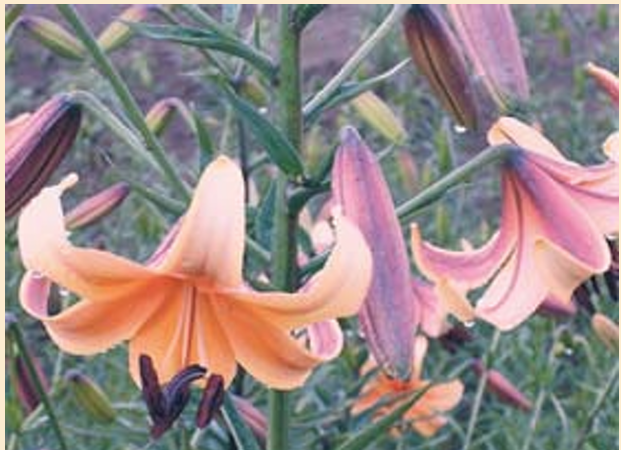
intraspecific hybrid
is between different members of the same species with different characteristics (ex. ‘Honeycrisp’ apple)
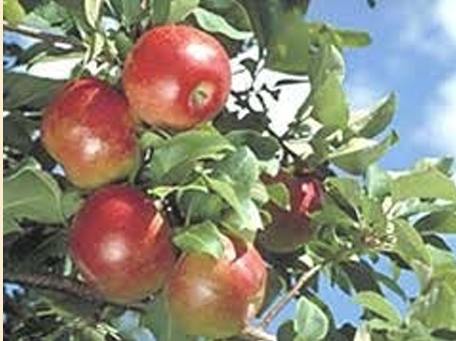
What is the purpose of F1 hybrids?
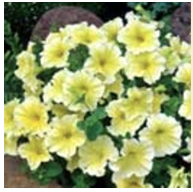
created by crossing two inbred lines or strains to produce a seedling line with consistent characteristics (ex. petunia, marigold, impatiens, pic - Petunia grandiflora Limoncello)
Is it true that plants can have many different common names?
Yes (ex. Photinia x fraseri - photinia, fraser photinia, fraser’s photinia, red tips, red tops, etc.)
Who was a Swedish botanist who invented the modern system of binomial nomenclature? (1707-1778)
Carolus Linnaeus
What are the two parts of the binomial system?
generic name (genus) and specific epithet
How do you write out the parts of the binomial system?
first part is capitalized and second is lower case
scientific name is written in italics when printed and underlined when handwritten
Why do we use the binomial system?
for uniformity and universal understanding and it’s descriptive of the plant itself
(binomial system) The genus name describes what?
name given to a group of organisms whose physical characteristics are permanent and similar, and largely confined to a group
(binomial system) The species name describes what?
may be a noun or adjective. Usually indicates a distinguishing characteristic of the plant or a plant part. May identify natural habitat, location where first discovered, or honor a person
plant hardiness map is based on what?
average annual minimum winter temperatures, divided into 10-degree F zones
Heat zone map is based on what?
average high temperatures
Plant hardiness and heat zone maps help determine what?
which plants are most likely to thrive at a location
micro and mesoclimates are affected by what?
longitude, latitude, elevation, water, land forms, etc
The ____, or origin of something, speaks about its adaptation
provenance
What is an ecotype?
a group, race, within a species having unique genetically transferred physical characteristics that cause adaptation to a particular environment
What are the uses of ornamental plants?
decoration (permanent - trees and shrubs, temporary - annuals and flowering pot plants)
positive psychological/emotional value)
screening and barriers
recreation
art and architecture
fragrance
habitat
microclimates
Types of ornamental plants
Woody (trees, shrubs, vines*, groundcovers* - evergreen deciduous)
herbaceous (annuals and biennials, perennials, bulb-corms-tubers-rhizomes, aquatic plants, turf)
(nursery plants for landscaping) containerized plants
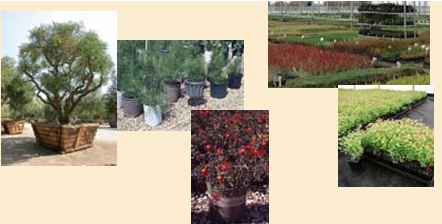
(nursery plants for landscaping) balled and burlapped plants

(nursery plants for landscaping) bare-root plants
