Chemistry of Life
 Call Kai
 Learn
Learn Practice Test
 Spaced Repetition
 Match
Match Flashcards
 Knowt Play
1/39

There's no tags or description
Looks like no tags are added yet.
Name | Mastery | Learn | Test | Matching | Spaced | Call with Kai | Chat |
|---|
No analytics yet
Send a link to your students to track their progress
40 Terms
Matter
Anything that takes up space and has mass. Can be a liquid, solid, or gas!
Element
Basic unit of matter, and 92 naturally occurring.
Atom
Smallest complete unit of an element
Protons
The atomic number
Neutrons
The atomic number minus the number of protons
CHON
Carbon, hydrogen, oxygen, and nitrogen
*CHONIES*
Make up 96% of living matter
Remaining 4% consists of calcium, phosphorus, potassium, and sulfur.
Trace elements
Those required by an organism in minute quantities
Ex) iron and iodine
Compound
A substance consisting of two or more elements in a fixed ratio. A compound has characteristics different from those of its elements.
Two DIFFERENT elements
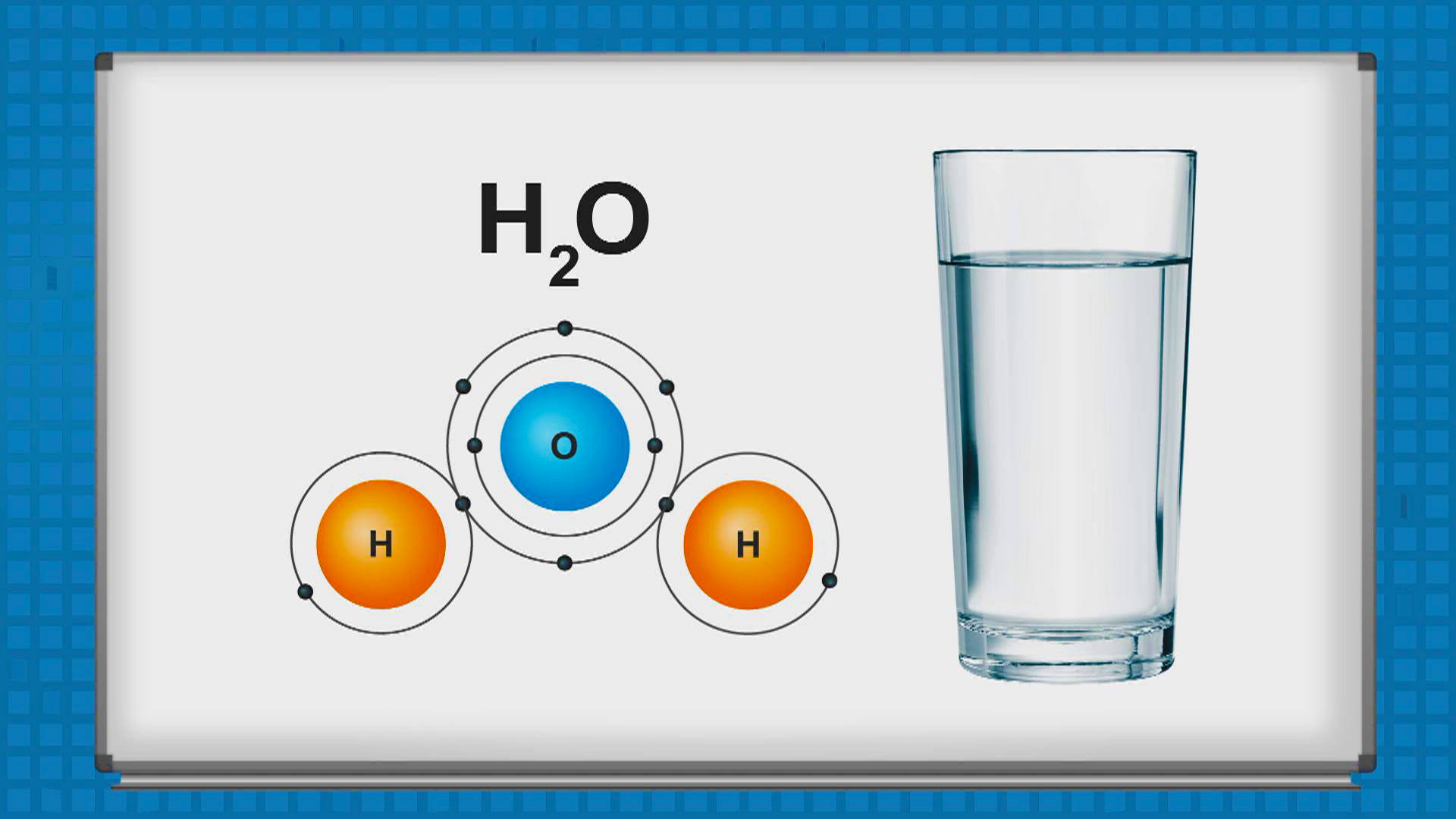
Molecules
Formed when two or more elements are bonded together
Molecule Ex) O=O double bond
Compound Ex) H20 (different elements)
Isotopes
Two atoms of an element that differ in number of neutrons

An Element’s mass number
Sum of protons plus neutrons in the nucleus
Potential energy
Energy that matter has because of its location or structure. The electrons of an atom differ in their amounts of potench. energy.
Electron’s state of potential energy
electron shell
valence shell
predicts how bonds behave
Elements in the same ___ have the same number of shells
Row
Elements in the same ____ have the same # of valence electrons
Column
Strong bonds
Covalent Bonds (because they share and are strong)
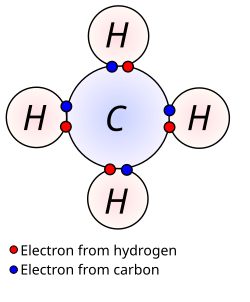
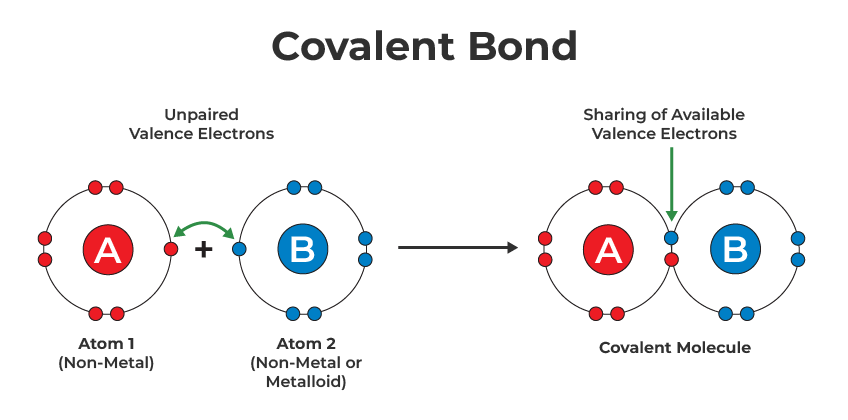
Covalent Bonds
the sharing of a pair of valence electrons by two atoms. In a ____ the shared electrons count as a part of each atom’s valence shell.
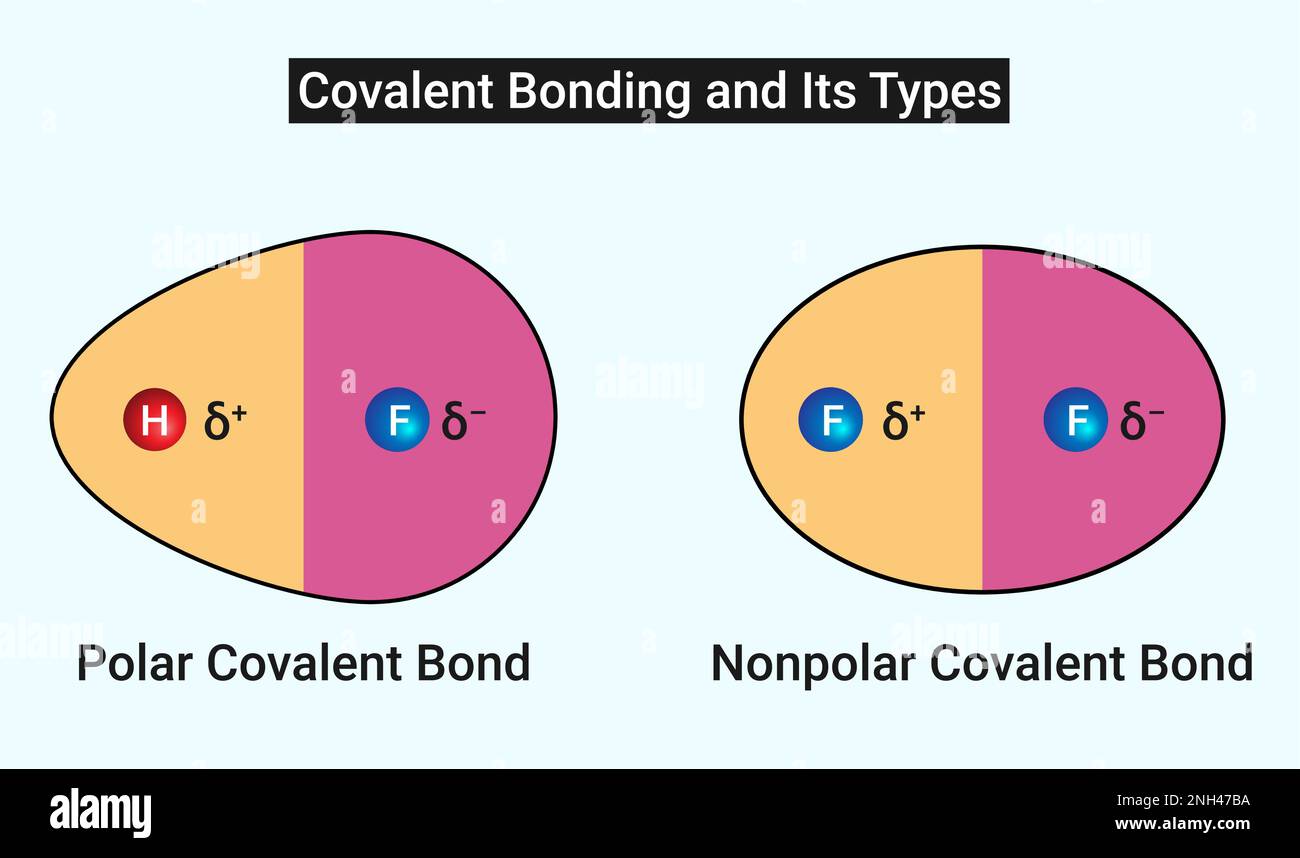
Nonpolar covalent bond
Share electrons equally
Ex) O=O
Polar covalent bond
UNEQUAL sharing of electrons between atoms
Ionic Bonds
Two atoms attract valence electrons so unequally that the more electronegative atom STEALS the electron away from the less electronegative atom
Electronegativity
How able an atom is to attract electrons
Catalyst
Accelerates the rate of the reaction but does not undergo a chemical change itself. Since it is not changed by the reaction, it can be used over and over again!
Ex) Enzymes (that help break down our food)
Metabolism
Breakdown of substances (catabolism), the formation of new products synthesis or anabolism, or the transferring of every form one substance to another
Dipole
Two poles
Cell
Smallest unit of anything living
Polar
One region of molecules has more positively charged side and a more negatively charged side (like opposites)
A water molecules can form a max of _____ at a time
4 bonds
Fats are made up of ____
Hydrocarbon (H and C)
When water becomes a gas
Strong energy (heat) breaks hydrogen bonds
Example) when boiling tea
PH of cells
Must be kept about the PH of 7
What affects the shape of molecules
Our PH
What affects cellular function?
Our PH affects C.F.
Cell control PH by buffers
(In our bodies)
They have a reservoir of H+
Cells donate H+ when the number of H+ falls
They absorb H+ when the number of H+ rises
Macromolecule
A large molecules (polymer) composed of many smaller organic molecules called monomers
Monomer
A molecule that can chemically react with other like molecules to form a larger molecule called a polymer
Polymer
A large molecule composed of smaller units, called monomers, linked together by chemical bonds
Carbon has…
4 valence electrons and can form 4 covalent bonds
Cells made of:
72% h20
25% carbon compounds
3% salts
CHONSP
Carbon, hydrogen, oxygen, nitrogen, sulfur, and phosphorus