Common Weeds and Wild Plant Identification
 Call Kai
 Learn
Learn Practice Test
 Spaced Repetition
 Match
Match Flashcards
 Knowt Play
1/20

Earn XP
Description and Tags
Flashcards covering various wild plants, their scientific names, and identification characteristics based on the provided lecture notes.
Name | Mastery | Learn | Test | Matching | Spaced | Call with Kai | Chat |
|---|
No analytics yet
Send a link to your students to track their progress
21 Terms
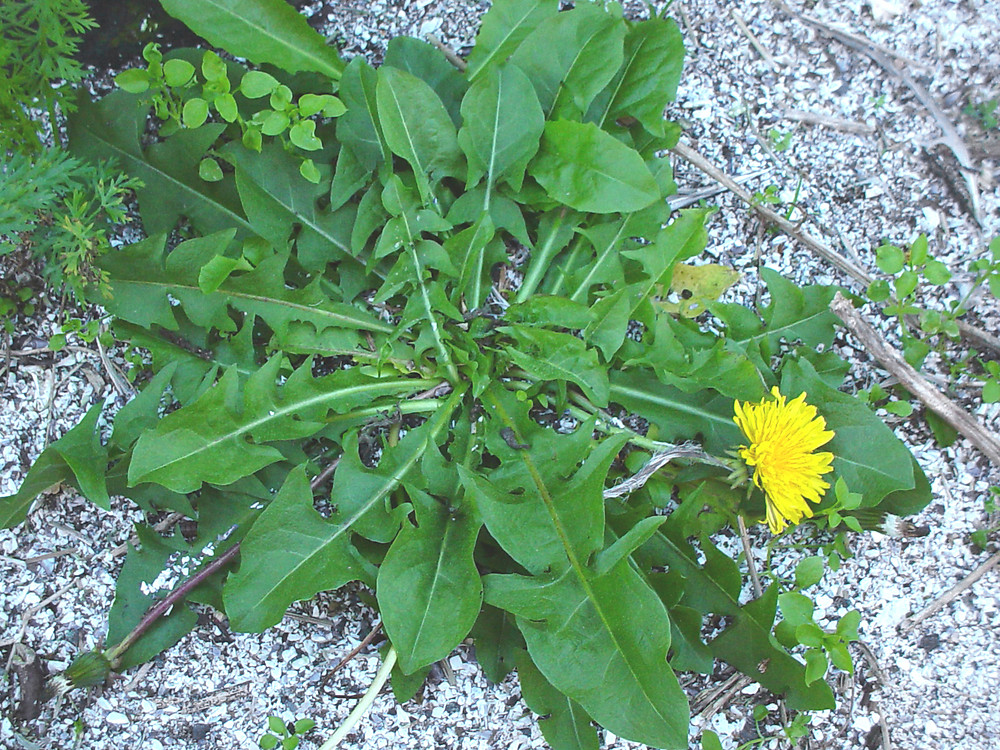
Dandelion (Taraxacum officinale) Asteraceae
A plant with a rosette of deeply lobed, toothed leaves, bright yellow flowers on single hollow stems, milky sap, and round white seed heads.
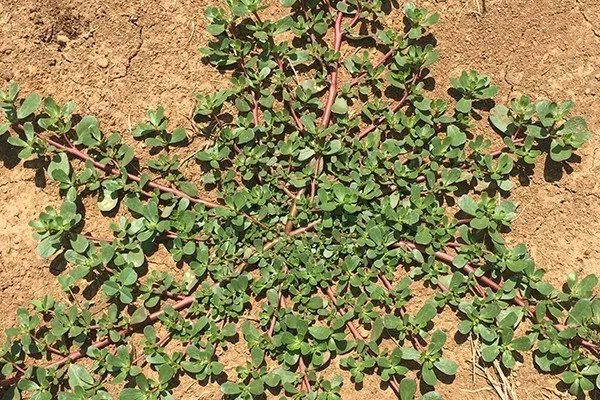
Purslane (Portulaca oleracea) Portulacaceae
A low-growing succulent with fleshy reddish or green stems and paddle-shaped leaves that forms mats and produces small yellow flowers.
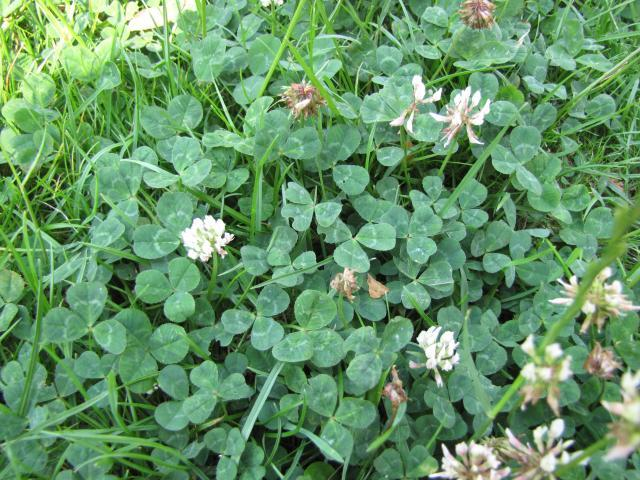
White Clover (Trifolium repens) Fabaceae
A low-growing plant characterized by creeping stems with three leaflets per leaf and round clusters of small white or pale purple flowers.
Red Clover (Trifolium pratense) Fabaceae
An upright, hairy plant with three leaflets per leaf and larger purple or pink flower heads compared to white clover.
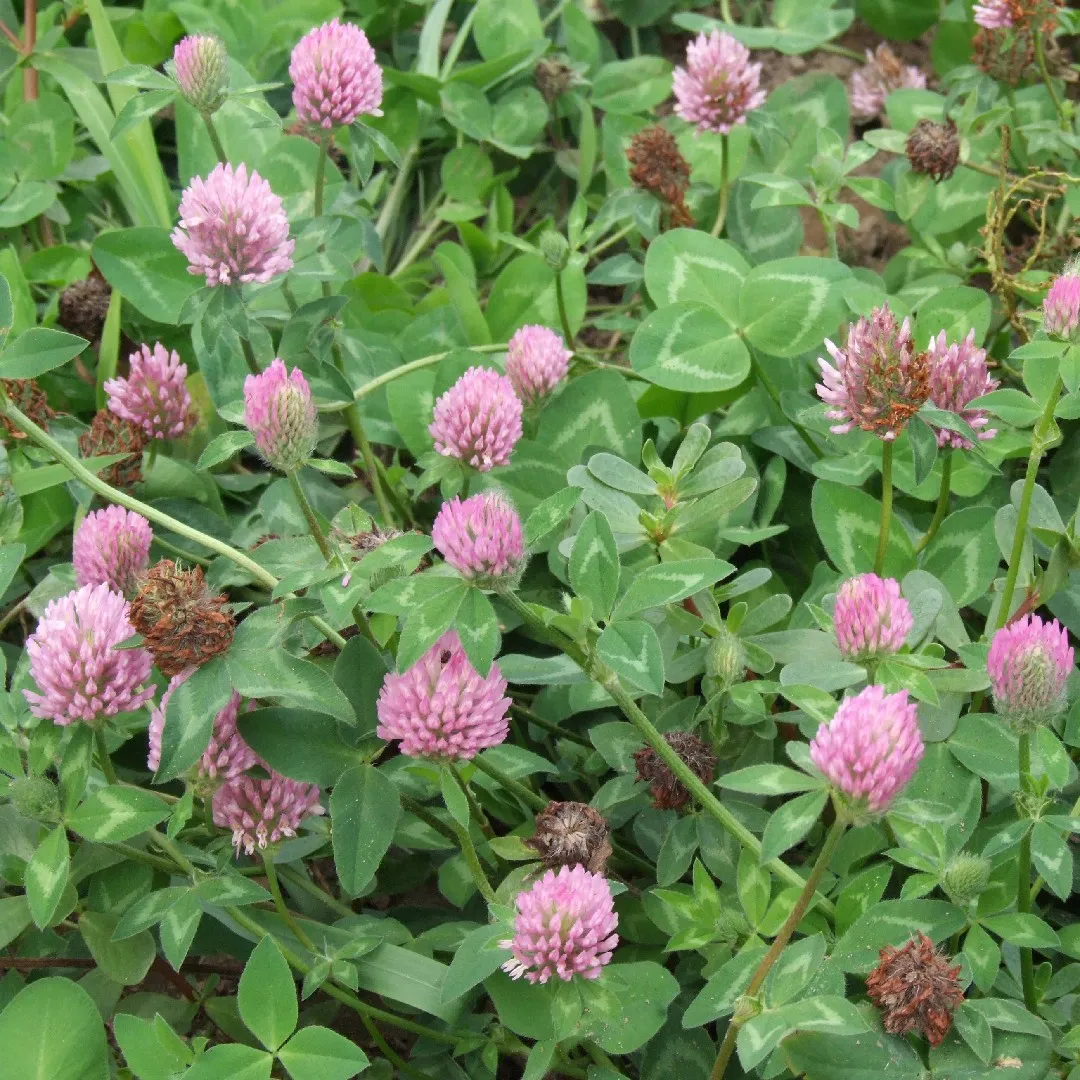
Mugwort (Artemisia vulgaris) Asteraceae
A tall plant with deeply lobed, compound leaves that are silvery on the underside and aromatic when crushed, producing tiny greenish-yellow flower spikes.
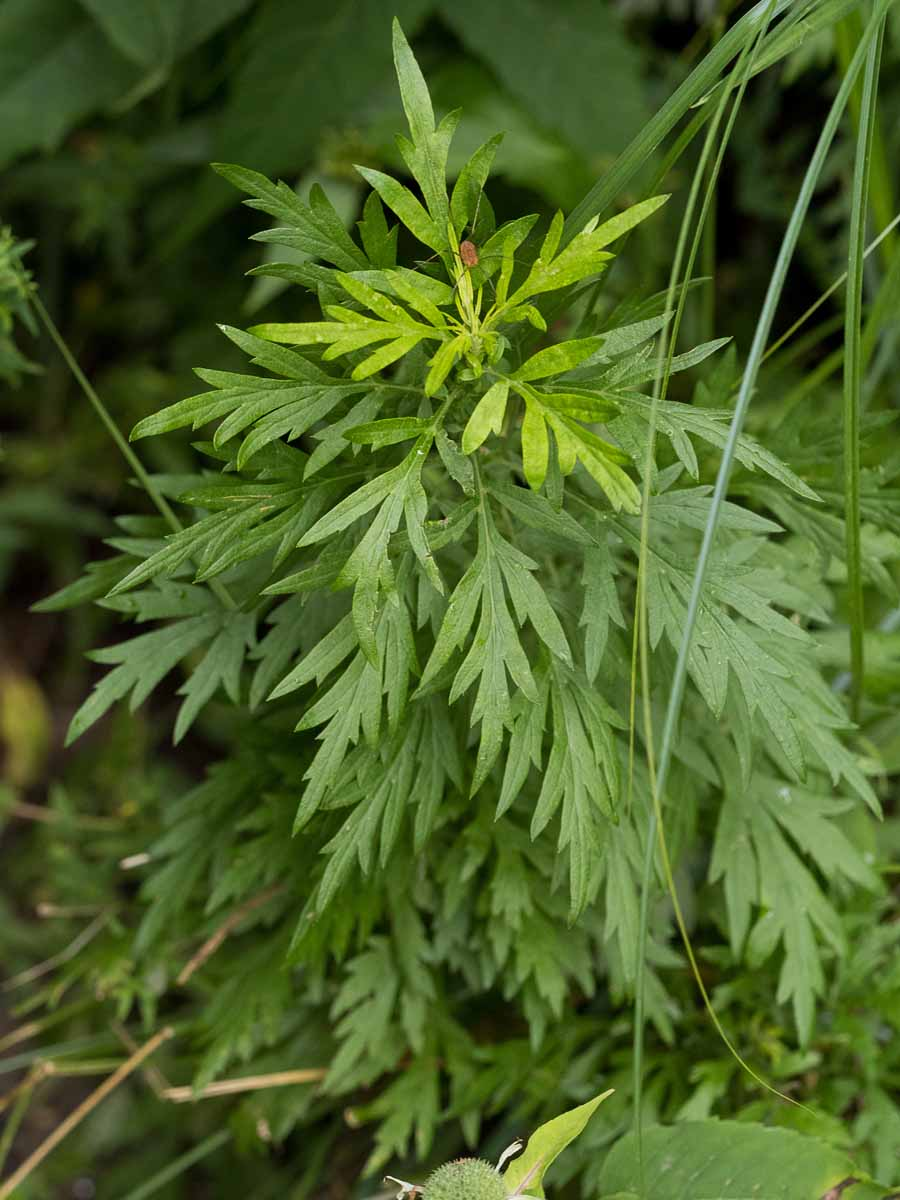
Phragmites australis (Common Reed) Poaceae
An invasive grass ranging from 4 to 12 ft in height with broad blue-green leaves and dense feathery tan or brown seed heads.
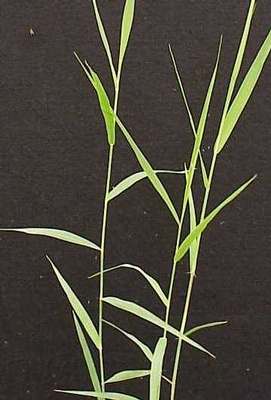
Spurge (Euphorbia spp.) Euphorbiaceae
Low-growing plants with small oval leaves and small greenish or red flowers that contain a caustic milky sap.
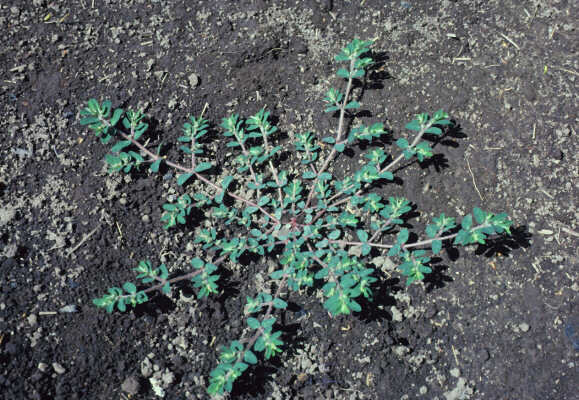
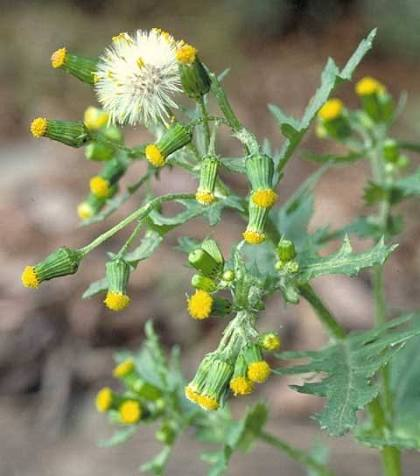
Common Groundsel (Senecio vulgaris) Asteraceae
A weedy plant with upright stems, lobed leaves, and small yellow flowers in clusters followed by thin wispy seed heads.
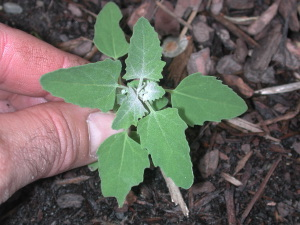
Lamb's Quarters (Chenopodium album) Amaranthaceae
An upright herb with triangular or diamond-shaped leaves featuring a distinctive white or grayish powdery coating on the undersides and stems.
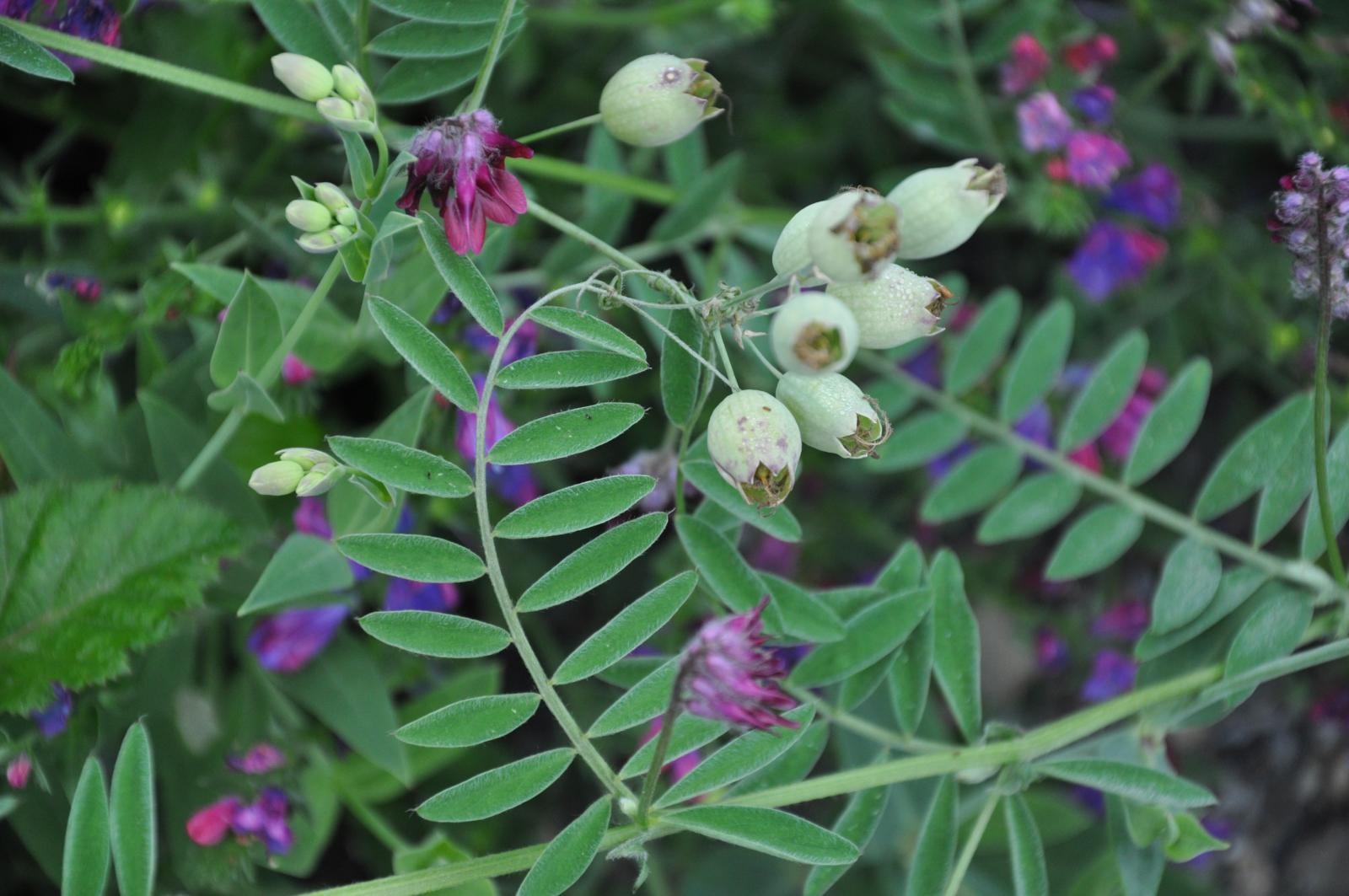
Vetch (Vicia spp.) Fabaceae
A climbing or sprawling vine with many thin leaflets and purple, pink, or white pea-like flowers that develop into pod-like seed pods.
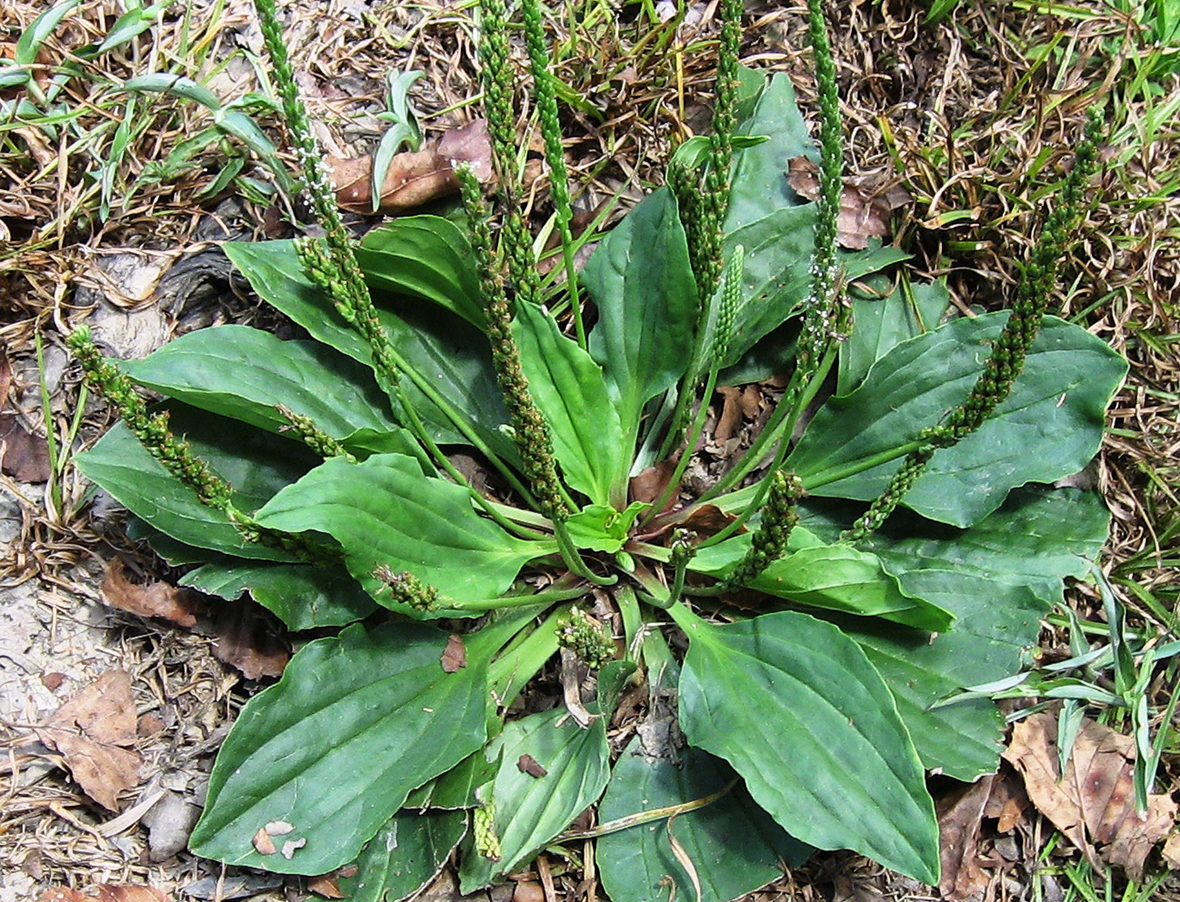
Broadleaf Plantain (Plantago major) Plantaginaceae
A plant featuring a basal rosette of broad, oval leaves with distinct parallel veining and tall, thin, greenish flower spikes.
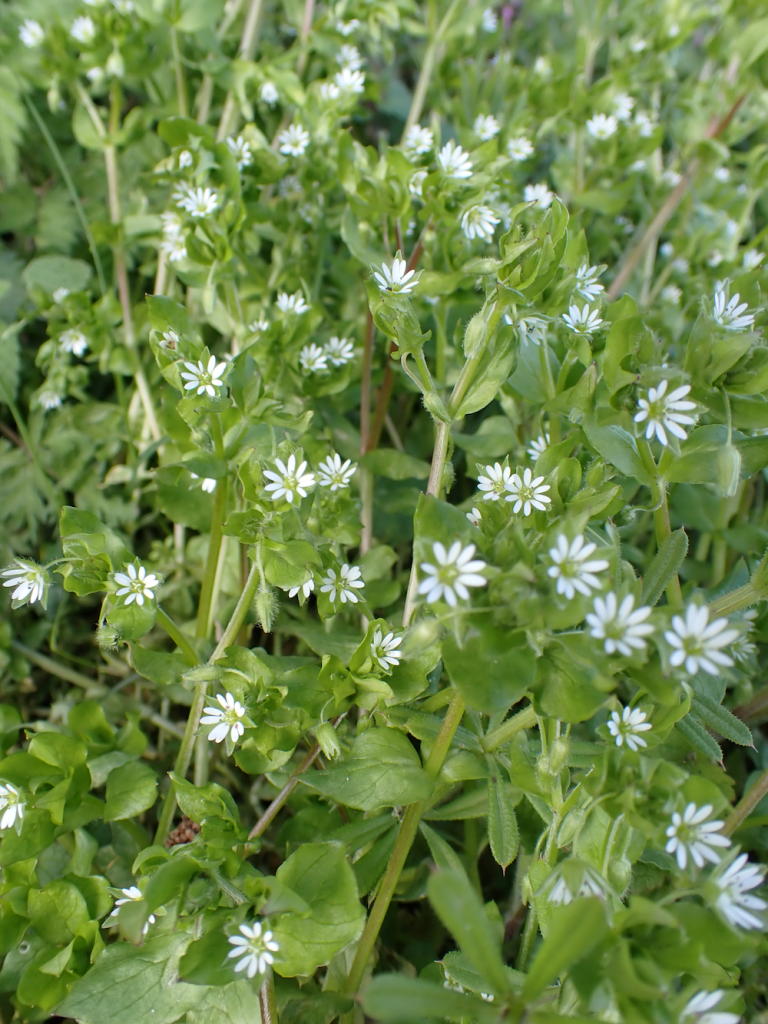
Chickweed (Stellaria media) Caryophyllaceae
A low sprawling plant with small opposite leaves and tiny white flowers featuring deeply notched petals that appear to be 10 in number.
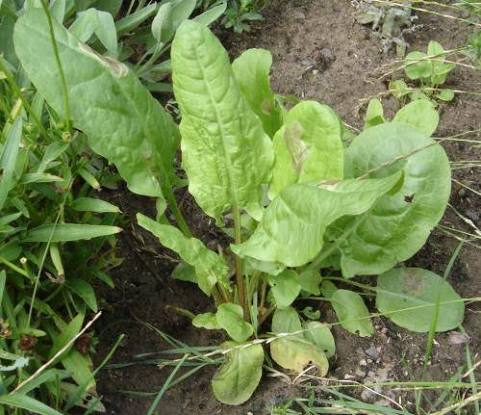
Sorrel (Rumex spp.) Polygonaceae
A plant with arrow-shaped or elongated leaves often having a reddish tint and producing reddish/burgundy seed heads in tall clusters.
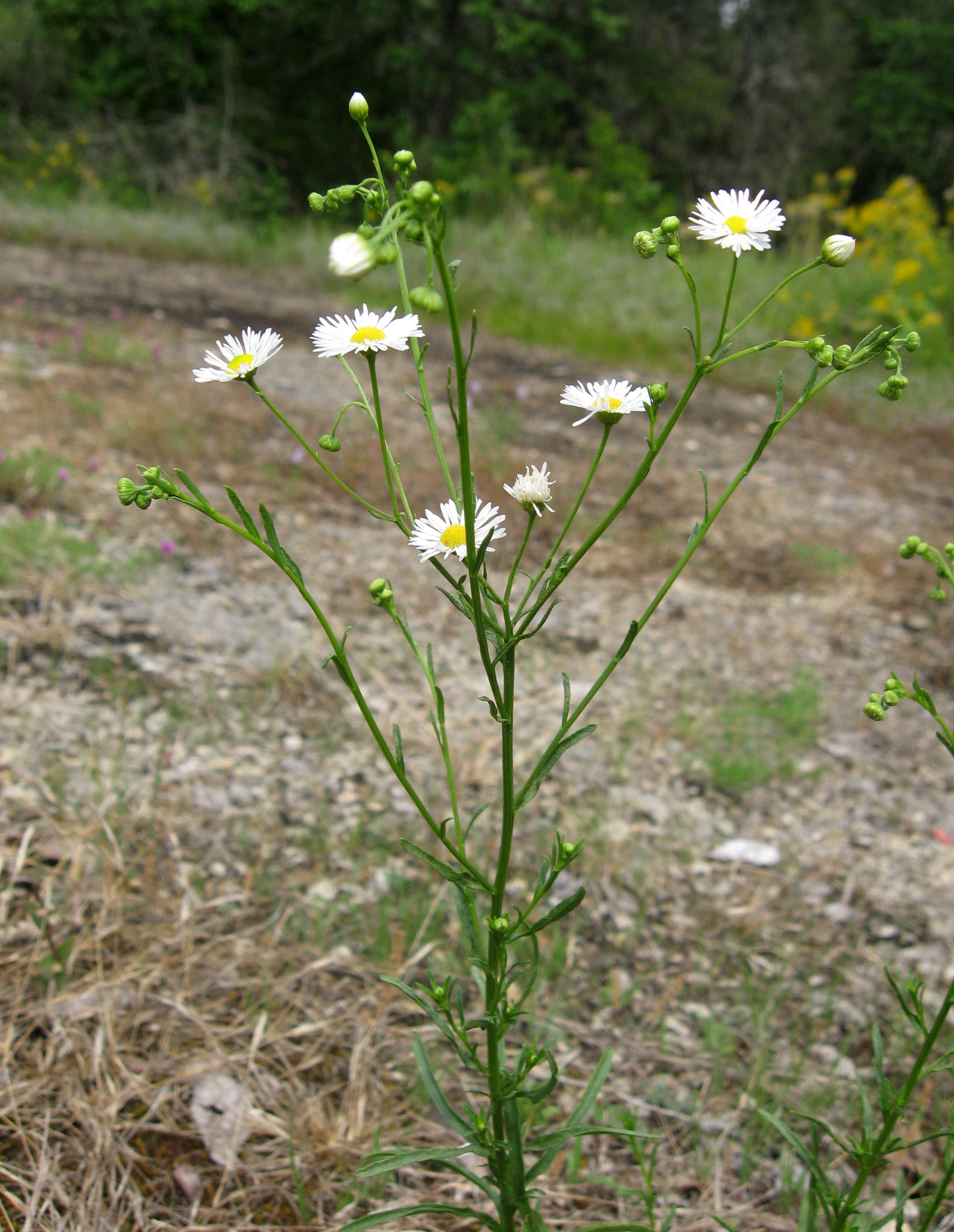
Fleabane (Erigeron spp.) Asteraceae
Small daisy-like flowers with white, pink, or yellow centers and hairy stems that produce numerous tiny seed heads.
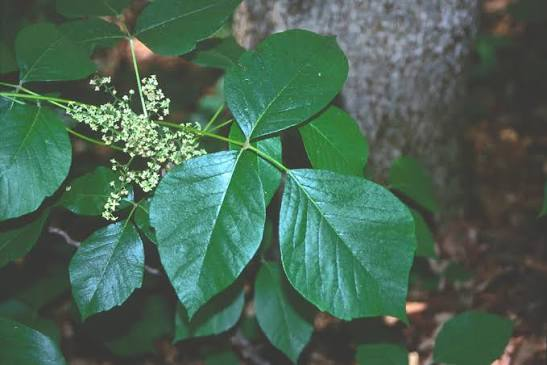
Poison Ivy (Toxicodendron radicans) Anacardiaceae
A toxic plant that can be a shrub or vine, identifiable by three leaflets per leaf with the center leaflet on a longer stem, and small white berries.
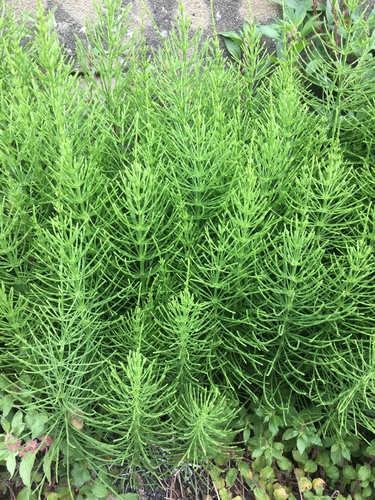
Horsetail (Equisetum spp.) Equisetaceae
A prehistoric-looking plant with jointed, hollow, segmented stems and tan cone-like spore heads at the tips.
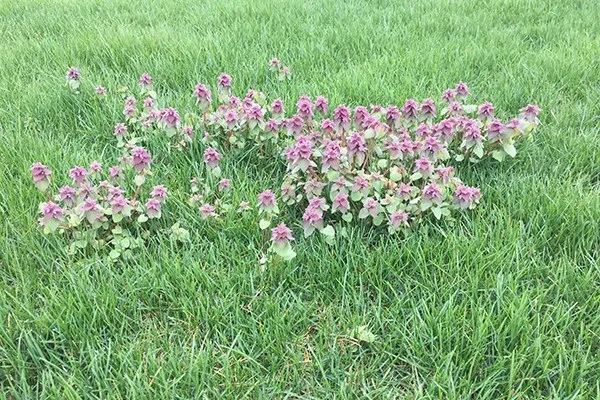
Deadnettle (Purple) Lamiaceae
A non-stinging member of the nettle family with square stems, opposite leaves, and purple/magenta hooded flowers.
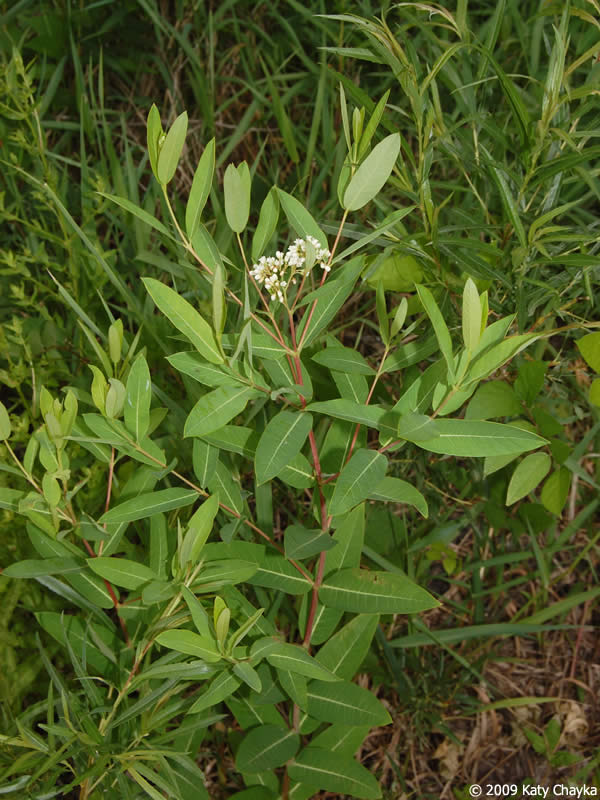
Dogbane (Apocynum spp.) Apocynaceae
An upright plant with opposite oval leaves, small pink or white bell-shaped flowers, milky sap, and long slender seed pods that grow in pairs.
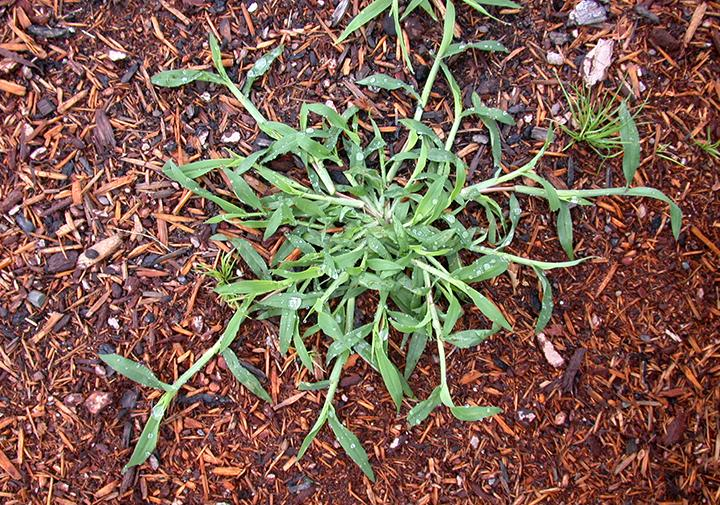
Crabgrass (Digitaria sanguinalis) Poaceae
a warm-season annual weed recognized by its low, spreading growth habit and coarse, light-green blades that branch out from a central crown like spider or crab legs
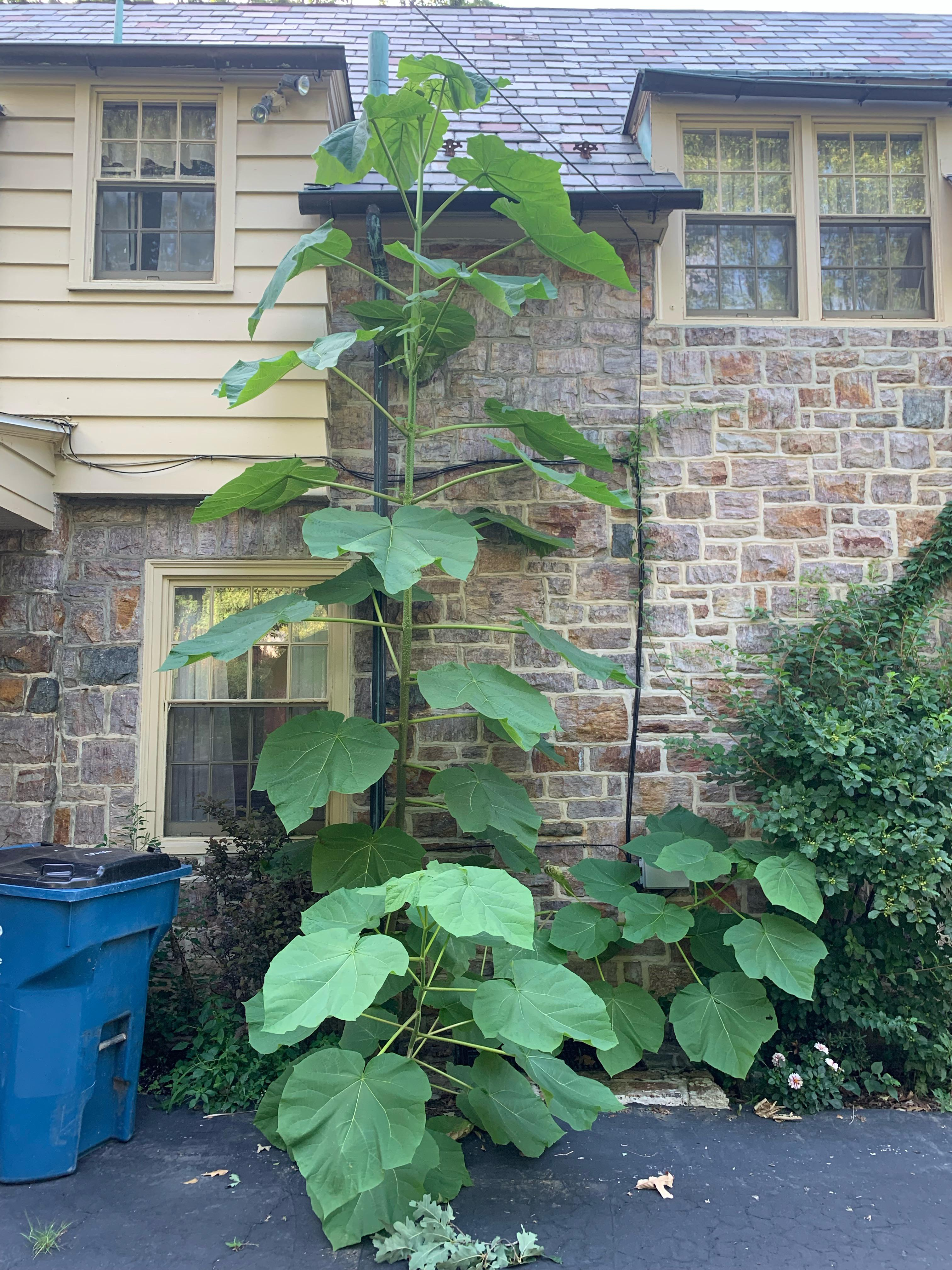
Princess Tree / Empress Tree (Paulownia tomentosa) Paulowniaceae
a fast-growing deciduous tree identified by massive heart-shaped leaves, showy clusters of fragrant lavender flowers blooming before leaves appear in spring, white-spotted lenticels on twigs, hollow chambers in the stem pith, and persistent woody seed pods
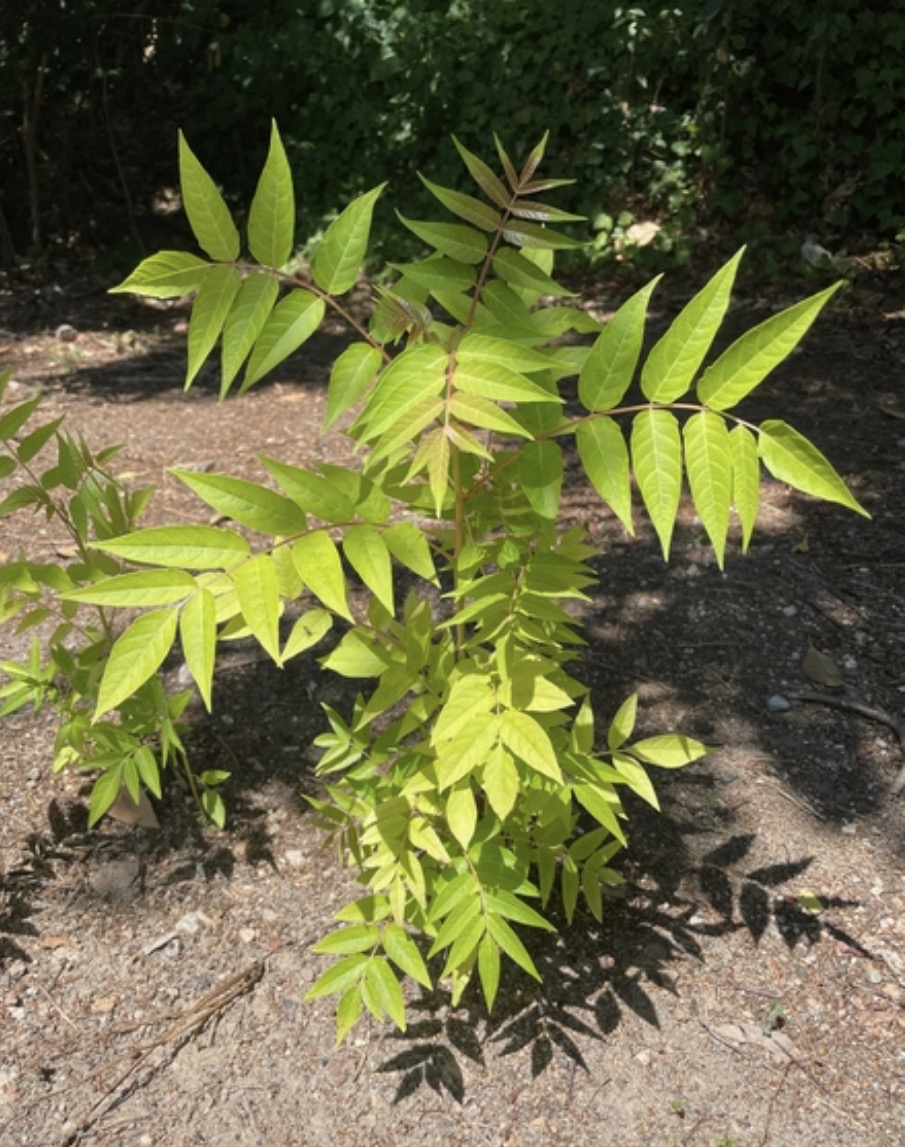
Tree of heaven (Ailanthus altissima) Simaroubaceae
Fast-growing small tree/shrub with very large compound leaves (12-24 inches long) made up of many small leaflets. Smooth gray-brown bark. Small greenish-yellow flowers in clusters. Distinctive winged seed pods (samaras) that are reddish or yellow, clustered in large bunches. ID: Extremely unpleasant smell when leaves/bark crushed (pungent, almost gasoline-like), very large compound leaves, aggressive growth, winged seed clusters, can reach 50+ feet quickly. Also smells foul and sour when broken open.