Parts of the cell | Ch. 6
 Call Kai
 Learn
Learn Practice Test
 Spaced Repetition
 Match
Match Flashcards
 Knowt Play
1/31

There's no tags or description
Looks like no tags are added yet.
Name | Mastery | Learn | Test | Matching | Spaced | Call with Kai | Chat |
|---|
No analytics yet
Send a link to your students to track their progress
32 Terms
Cell
All living things are made up of one or more cells
smallest unit of life
New cells come from existing cells
Cell - tissue - organ - organ system
Prokaryotes
Single celled organisms
Has a “like nucleus” not real though
Includes:
Nucleotide
Cell wall
Capsule
Flagellum!!
Eukaryotes
Makes up plants, animals, fungi, etc
The more complex/ has more organelles cell
Has a true nucleus
Includes:
nuclear membrane
Nucleus
Nucleolus
Cytoplasmic membrane
Cytoplasm
Mitochondrion
Golgi
Chloroplast
Animal cells
Eukaryotic cell
Added organelles:
includes centrioles
Lysosomes
Centrosomes
Plant cell
Eukaryotic cell
Added organelles:
cHloroplasts
Cell wall
plasmodesmata
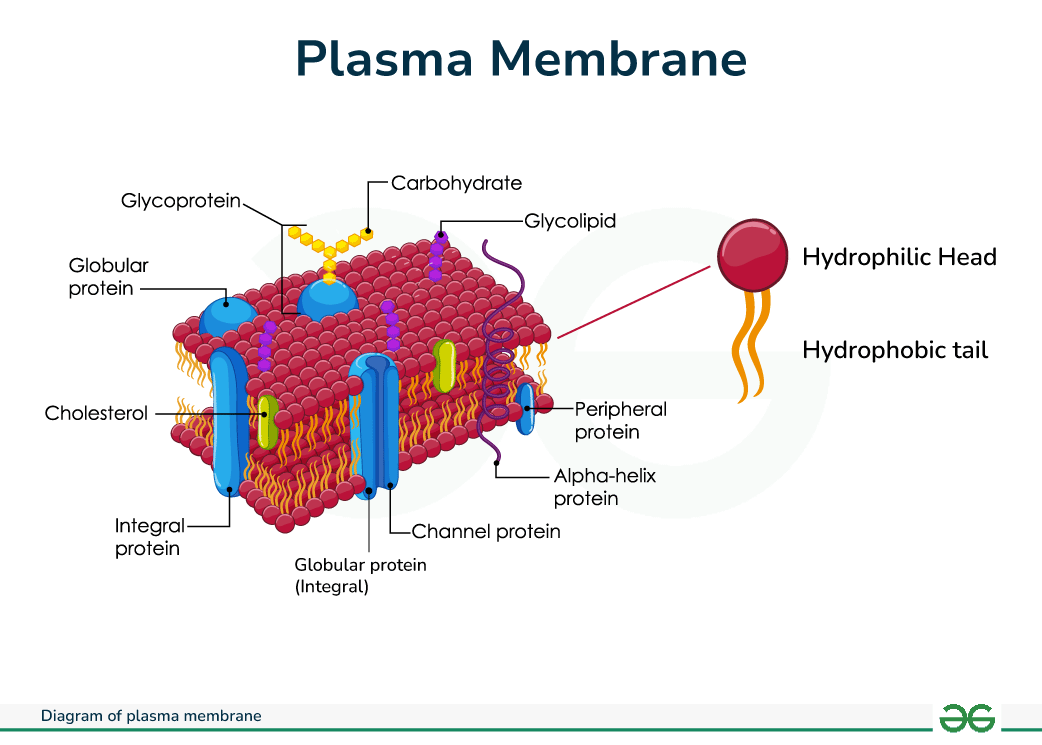
Plasma membrane
The outside barrier of the cell!
made up of phospholipid bilayer with embedded proteins and cholesterol!
Regulates what comes in and goes out (semi-permeable)
Cytosol
Term referred as the fluid in the cell (the empty space)
Made of water
Site of many chemical reactions
Cytoplasm
The term used to describe all content within cell membrane
Nucleus
Site of the dna replication and mRNA synthesis
chromosomes in nucleus!
Pores to let in/out molecules
Includes:
nuclear envelope
Nucleolus
Ribosomes
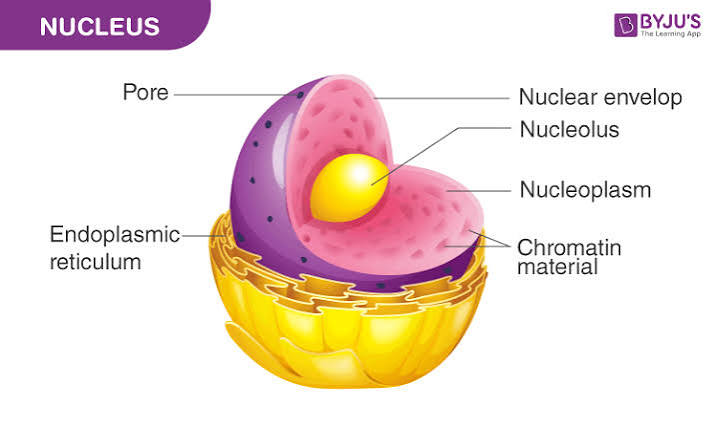
Nuclear envelope
Surrounded by 2 phospholipid bilayers
Nucleolus
Production of ribosomes!
Ribosomes
Site of protein synthesis(making of proteins), made up of rRNA and proteins!
2 types-
bound ribosomes
Free ribosomes
Free ribosomes
Produce proteins mostly used in cell, they are free to roam around
Bound ribosomes
Produce proteins exported from cell
bound to the rough ER!
Endomembrane system
The UPS of the cell!
Resulting proteins shipped to various locations
Group of organelles involved in protein/lipid synthesis/modification, important for enzymes, structures, cell communication, and hormones, energy, and forming cell membrane
Includes: nuclear envelope, endoplasmic reticulum, Golgi apparatus, lysosomes, vesicles
Endoplasmic reticulum (ER)
Network of flattened tubules
Major role in protein and lipid synthesis
composed of rough and smooth ER
Rough ER
has Bound ribosomes
Functions:
Protein synthesis: Polypeptides produced by bound molecules enter RER (rough endo reticulum)
Protein modification: A structurally modified polypeptide becomes a protein (and a secretory protein is called glycoprotein)
Transportation: Proteins produced in RER transported to Golgi apparatus in vesicles
Smooth ER
Has no ribosomes but produces various of lipids (fatty acids and steroids)
Those lipids are then transported to the Golgi appartus
Functions:
Detoxification: drugs and alcohol
Storage for calcium ions: cell signaling
Golgi apparatus
FedEx of the cell!
flattened stacks and has a directionality (cis and trans)
cis: closest to ER
Trans: closest to plasma membrane
Materials are transported between stacks via vesicles
3 primary functions:
Processing: modification of proteins and lipids
Proteins and lipids sorting: determines which stay/go
Secretion: packages them so they can be released outside cell
Mitochondria
Produce ATP!! (Powerhouse of the cell)
Functions:
cell respiration
2 phospholipids membranes! (Outer/inner)
endosymbiosis Theory
mitochondria and chloroplasts were once independent prokaryotic microbes
Large cell engulfed these smaller bacteria
Chloroplasts
Plants only!
photosynthesis role
2 phospholipid membranes
Lysosomes (animals only)
Digestive vesicles
enzymes that degrade macromolecules
Extremely acidic
Functions:
fights pathogens: phagocytosis
Autophagy: breakdown/recycle of organelles
Failure of this organelle is: Tay-Sachs
Peroxisomes
Function in detoxification:
Removes hydrogens from toxic compounds and turns into water
Very abundant in liver/kidneys!
helps breakdown of very long fatty acids!
Cytoskeleton
in Eukaryotes!
Network of fibers used for structural support, organization, anchoring, and movement
3 types:
Microtubules
Intermediate filaments
Microfilament
Microtubles
Largest, hollow tube, made of tubulin
functions in shape, cell division, and motility
Intermediate filaments
Coiled keratin protein strands, anchoring!
functions in cell anchoring
Not found in cell plants
Microfilament
The thinnest
two strands of actin (Protein)
Functions in muscles contraction and cellular movement!
Cell junctions
Specialized structures that connect neighboring cells
hold tissues together
Communication between cells
Animals cells junction
Tight junctions!
plasma membrane of cells held tightly together
Includes:
Desmosomes: anchors cells together
Gap junctions: cytoplasmic channels between cells
Plant cells
Plasmodesmata: cytoplasmic channels between cells