AP Psych Social Psychology
 Call Kai
 Learn
Learn Practice Test
 Spaced Repetition
 Match
Match Flashcards
1/95

There's no tags or description
Looks like no tags are added yet.
Name | Mastery | Learn | Test | Matching | Spaced | Call with Kai | Chat |
|---|
No analytics yet
Send a link to your students to track their progress
96 Terms
Social Psychology
The scientific study of how we think about, influence, and relate to one another
Attribution Theory
The theory the we explain someone's behavior by crediting either the situation or the person's dispositions
Fundamental Attribution error
The tendency for observers, when analyzing another's behaviors, to underestimate the impact of the situation and to overestimate the impact of personal dispostion
Attitude
Feelings, often influenced by our beliefs, that predispose us to respond in a particular way to objects, people, and events
Foot-In-The-Door Phenomenon
Tendency for people who have first agreed to a small request to comply later with a larger request
Role
A set of exceptions (norms) about a social position, defining how those in the position ought to behave
Cognitive Dissonance
The theory that we act to reduce the discomfort (dissonance) we feel when two of our thoughts (cognitions) are inconsistent. For example, when out awareness of our attitudes and of our actions clash, we can reduce the resulting dissonance by changing our attitudes
Conformity
Adjusting one's behavior or thinking to coincide with a group standard
Social Facilitation
Stronger responses on simple or well- learned tasks in the presence of others
Social Loafing
The tendency for people in a group to exert less effort when pooling their efforts toward attaining a common goal than when individually accountable
Deindividuation
The loss of self- awareness and self- restraint occurring in group situations that foster arousal and anonymity
Group Polarization
The enhancement of a group's prevailing inclinations through discussion within the group
Groupthink
The mode of thinking that occurs when the desire for harmony in a decision-making group overrides a realistic appraisal of alternatives
Culture
The enduring behaviors, ideas, attitudes, values, and traditions shared by a group of people transmitted from one generation to the next
Norm (social norm)
An understood rule for accepted and expected behavior. Norms prescribe " proper" behavior
Prejudice
An unjustifiable (and usually negative) attitude toward a group and its members. Prejudice generally involves stereotyped beliefs, negative to discriminatory action
Stereotype
A generalized (sometimes accurate but often over generalized belief about a group of people)
Discrimination
Unjustifiable negative behavior toward a group and its members
Ingroup
"Us"- People with whom we share a common identiy
Outgroup
"Them"- Those perceived as different or apart from our ingroup
Ingroup Bias
The tendency to favor our own group
Scapegoat
The theory that prejudice offers an outlet for anger by providing someone to blame
Just-World Phenomenon
The tendency for people to believe the world is just and that people therefore get what they deserve and deserve what they get
Aggression
Any physical or verbal behavior intended to hurt or destroy
Mere Exposure Effect
The phenomenon that repeated exposure to novel stimuli increases liking to them
Passionate Love
An Aroused state of intense positive absorptions in another, usually present at the beginning of a love relationship
Companionate Love
The deep affectionate attachment we feel for those with whom our lives are intertwined
Equity
A condition in which people receive from a relationship in proportion to what they give to it
Self-Disclosure
Revealing intimate aspects of oneself to others
Altruism
Unselfish regard for the welfare of others
situational disposition
attributing someone's actions to the various factors in the situation (not their personality)
dispositional attribution
attributing someone's actions to their personality (disposition) instead of the situation
Solomon Asch
psychologist who studied conformity by giving subjects the "line test"

Stanley Milgram
psychologist who, in an effort to understand the Holocaust, studied conformity and obedience to authority by having " teachers" shock learners"

Irving Janis
psychologist who proposed the theory of "Groupthink:" that people would go along with the group, even if they disagreed

self-fulfilling prophecy
when you become what you think about yourself ("I can't do math.")
bystander effect
theory that people less likely to help someone if other people are around
categories
tendency to group similar objects/people
superordinate goals
shared goals that override differences among people and require their cooperation
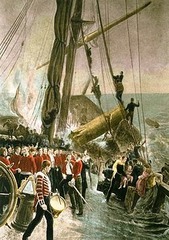
Birkenhead Drill
to calm passengers, soldiers obeyed orders to line up on deck as their ship sank ("women and children first")
social cognition
the processes by which people come to understand others
hindsight bias
the tendency to believe, after learning an outcome, that one would have foreseen it
self-serving bias
the tendency to perceive oneself favorably
collectivist cultures
cultures in which people subordinate their personal goals to those of a stable community
individualistic culture
A culture in which people believe that their primary responsibility is to themselves.
elaboration likelihood model
theory identifying two ways to persuade: a central route and a peripheral route
halo effect
the tendency to draw a general impression about an individual on the basis of a single characteristic (such as beauty or attractiveness)
confirmation bias
a tendency to search for information that supports our preconceptions and to ignore or distort contradictory evidence
belief bias
a tendency to draw conclusions based on what one already believes rather than sound logic
belief perseverance
tendency to cling to initial beliefs even after they have been discredited
status quo bias
the preference to keep things the way they are rather than change
anchoring bias
a tendency to fixate on initial information, from which one then fails to adequately adjust for subsequent information
Backfire effect
When we're faced with evidence against our beliefs, we reject the evidence and believe even more strongly.
Dunning-Kruger Effect
The tendency for unskilled individuals to overestimate their own ability and the tendency for experts to underestimate their own ability.
central route of persuasion
when the listener decides whether to agree with the message based on other cues besides the strength of the arguments or ideas in the message.
peripheral route of persuasion
occurs when people are influenced by incidental cues, such as a speaker's attractiveness
door-in-the-face technique
asking for a large commitment and being refused and then asking for a smaller commitment
minority influence
the power of one or two individuals to sway majorities
Reciprocity
the obligation to return in kind what another has done for us
chameleon effect
Natural (unconscious) tendency to imitate other peoples speech, inflections & physical movements

mood linkage
sharing ups and downs with the type of people around them
normative social influence
influence resulting from a person's desire to gain approval or avoid disapproval
informational social influence
influence resulting from one's willingness to accept others' opinions about reality
social inhibition/impairment
performing difficult tasks worse when we are in front of a crowd
social control
attempts by society to regulate people's thoughts and behavior
implicit prejudice
unconsciously held prejudicial attitudes
Ethnocentrism
Belief in the superiority of one's nation or ethnic group.
Dehumanization
the process of depriving a person or group of positive human qualities.
blame-the-victim syndrome
when the victim of a crime or any wrongful act is held entirely or partially at fault for the harm that befell them
social indentity
the "we" aspect of our self-concept; the part of our answer to "Who am I?" that comes from our group memberships
in-group bias
the tendency to favor one's own group
illusory correlation
the perception of a relationship where none exists
outgroup homogeneity
tendency to see members of your own group as more diverse than members of other groups
other-race effect
tendency to recognize your own race more accurately (also called cross-race effect or own-race bias)
frustration-aggression principle
the principle that frustration creates anger, which can generate aggression
social script
culturally modeled guide for how to act in various situations
reciprocal liking
people like others better when they believe the other person likes them
proximity effect
the theory that the closer you are to another person in geographical distance, the greater the probability that you will grow to like or even love the person
reward theory of attraction
the theory that we like those whose behavior is rewarding to us or whom we associate with rewarding events
diffusion of responsibility
the tendency for individuals to feel diminished responsibility for their actions when they are surrounded by others who are acting the same way
social exchange theory
our social behavior is an exchange process, the aim of which is to maximize benefits and minimize costs
reciprocity norm
an expectation that people will help, not hurt, those who have helped them
social-responsibility norm
an expectation that people will help those needing their help
Conflict Theory
a theory that looks at society as a competition for limited resources
social trap
a situation in which the conflicting parties, by each pursuing their self-interest rather than the good of the group, become caught in mutually destructive behavior
false consensus effect
the tendency to overestimate the extent to which others share our beliefs and behaviors
mirror-image perceptions
mutual views often held by conflicting people, as when each side sees itself as ethical and peaceful and views the other side as evil and aggressive
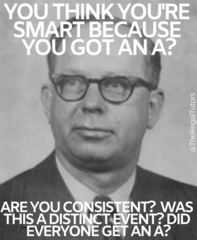
Harold Kelley
put forth a theory that explains the kind of attributions people make based on three kinds of information: consistency, distinctiveness, and consensus
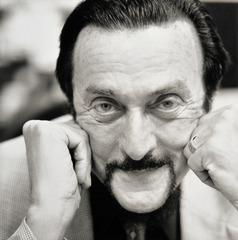
Philip Zimbardo
proved that peoples behavior depends to a large extent on the roles they are asked to play; Stanford Prison Study-studied power of social roles to influence people's behavior
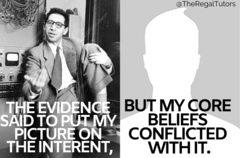
Leon Festinger and James Carlsmith
cognitive dissonance
Hawthorne Studies
A series of studies during the 1920s and 1930s that provided new insights into individual and group behavior

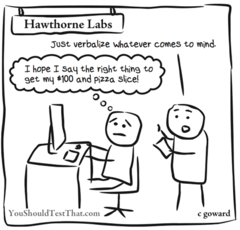
Hawthorne effect
A change in a subject's behavior caused simply by the awareness of being studied (based on Hawthorne factory studies in 1930s--whether lighting affected worker output)
Pygmalion effect
a type of self-fulfilling prophecy where if you think something will happen, you may unconsciously make it happen through your actions or inaction (Rosenthal)
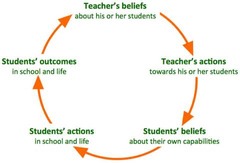
Bloomer Study
Rosenthal, 1968: study that showed the psychological phenomenon wherein high expectations lead to improved performance in a given area (pygmalion or Rosenthal effect)

Shedding of responsibility
People behave in ways they would normally oppose if a legitimate authority accepts responsibility for the consequences of that behavior
pluralistic ignorance
the case in which people think that everyone else is interpreting a situation in a certain way, when in fact they are not