Midterm review
 Call Kai
 Learn
Learn Practice Test
 Spaced Repetition
 Match
Match Flashcards
 Knowt Play
1/62

There's no tags or description
Looks like no tags are added yet.
Name | Mastery | Learn | Test | Matching | Spaced | Call with Kai | Chat |
|---|
No analytics yet
Send a link to your students to track their progress
63 Terms
Health Equity
the state in which everyone has a fair and just opportunity to attain their highest level of health
Patient centered care
Things include active listening, empathy, engagement
Lesion management
filling the cavity, treating the issue with the actual tooth.
risk assessment
process of identifying and evaluating factors that could negatively impact a patient’s oral health
ex: diet analysis, home care analysis
risk management
the process of mitigating (making something that is bad less severe or serious)
nutritional counseling
oral hygiene instruction
risk factors
elements which increase the likelihood of a risk occurring. they contribute to the possibility
haven’t had a dental check-up in 5 years
risk indicators
conditions or situations that signal that the risk is more likely to materialize (the effects)
ex: gingivae are bright red and bleed
pulse, respiration, blood pressure, body temperature
what are the 4 vitals signs?
a snapshot of health at present, baseline for the future,
why are vital signs important?
stress/pain, local anesthetic (epinephrine), medications, systemic disease
4 dental concerns in regards to vital signs
abscessed tooth, microbial infection, malignancy, heat stroke
Factors that may contribute to elevated temperature
12-20 breaths per minute
What is the normal breathing rate?
Hyperventilation
rapid breathing
cardiac disease
out of breath easily may be?
emphysema
Labored breathing
normal pulse
60-100 beats/min
tachycardia
over 100 beats/min
bradycardia
less than 60 beats/min
brachial artery
used to measure blood pressure
Systolic pressure
the first beep after the air pressure is let out
normal is 120
Diastolic pressure
the last beep, normal is less than 80
Radial artery
Used to measure pulse, 2 fingers on wrist
count how many beats over 20 second period than then multiply the total by 3
Carotid pulse
finding pulse in the neck
anxiety, caffeine, alcohol, dehydration, body temperature, exercise, medications, hyperthyroidism
8 factors that affect heart rate
Bounding pulse
overly strong pulse, can be caused by anxiety, coronary disease
Full pulse force
strong wave
Thready pulse force
weak thin pulse, can be linked to shock, arrhythmia, dehydration, hemorrage
blood clot, stoke, pulmonary embolism, cardiac arrest
Adverse Effects of Arrhythmia
Excess fluid in blood, hardening of arterial walls, narrowing of arterial lumen, excessively strong heart beat
4 physical factors that increase blood pressure
smoking, obesity, stress, old age, genetics
5 primary risk factors of hypertension
kidney disease, coronary disease, thyroid disease, sleep apnea, adrenal gland disease, drug induced
6 causes of secondary hypertension
anxiety, not taking medication, exercise, lack of sleep, white coat syndrome, smoking, drugs, dehydration, pain
factors affecting blood pressure
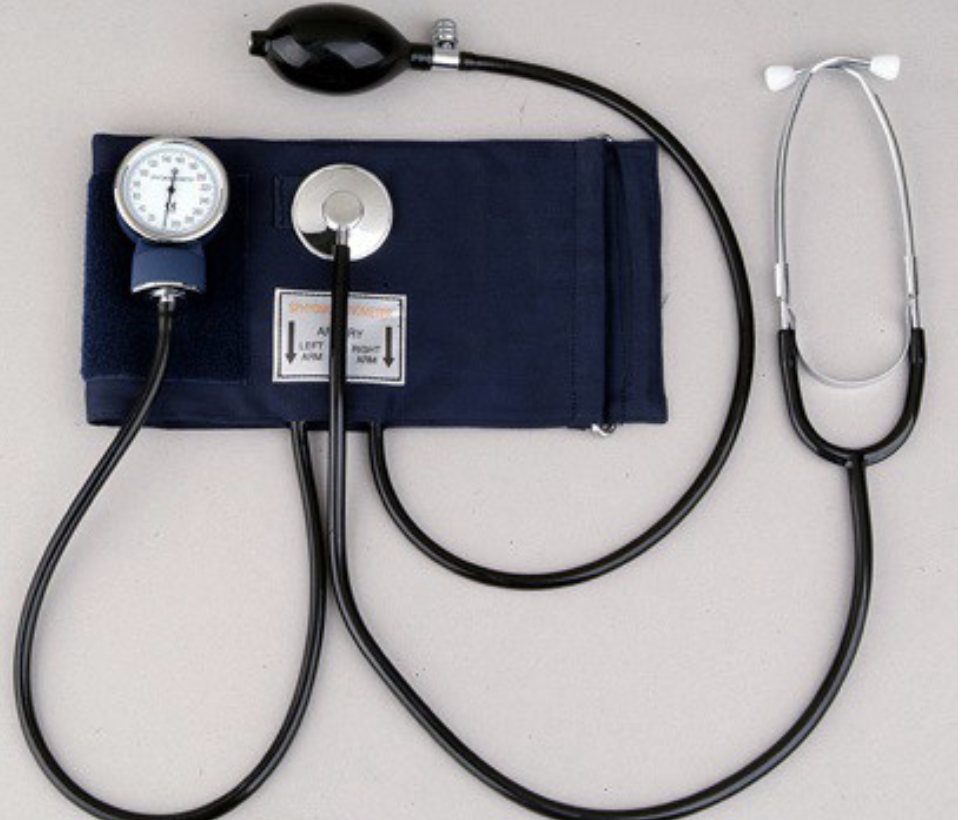
Aneroid Monitor
normal blood pressure
Less than 120 systolic and less than 80 diastolic
elevated blood pressure
Systolic 120-129
Diastolic less than 80
Hypertension stage 1
Systolic 130-139
Diastolic 80-90
Hypertension Stage 2
Systolic 140 or higher
Diastolic 90 or higher
Hypertensive crisis
Systolic Higher than 180
Diastolic Higher than 120
Benign inflammatory
lymph node is enlarged, soft, tender, and moveable
Malignant
neoplastic (abnormal growth), Enlarged, firm, non-tender, fixed, rubbery lymph nodes
Acid producing bacteria, below average saliva flow, freqeuent eating and drinking fermentable carbohydrates, poor oral hygiene
what are the 4 pathological factors that cause demineralization (Caries)
salive flow, remineralization (fluoride, calcium, phosphate), good oral hygiene, strategies that maintain a healthy microbiome, strategies that modulate a dysbiotic microbiome
5 protective factors for remineralization (no caries)
5.5
According to the stephan curve, what is the pH that if you dip below will be in the demineralisation zone
History of present illness
What happened that brought the patient to the point that they are seekign care from you today? What led up to the chief complaint
Past medical history
What health issues does the patient have that may influence your choice of care for them today?
MASHITT and substances
key questions to ask?
medication, allergies, surgeries, hospitalization, illness, transfusion, trauma
what does MASHITT stand for
Chief Complaint
what they came in for
Rosa’s law
Replaced “mental retardation” with “intellectual disability” in 2010
ADA/AWDA
“Americans with disabilities act”
Prohibits discrimination against individuals with impairments that may be disabling due to societal barriers
May not refuse to accept or to treat as a result of individual’s disability
CODA
“Commission on dental Accreditation”
“Graduates must be competent in assessing and managing the treatment needs of patients with special needs
Individual barriers to special needs care
Lack of perception of need, difficulty with oral hygiene instructions, traveling access issues, anxiety/fear, financial/insurance issues
Dental profession barriers to special
Inadequate training, insufficient sensitivity, inadequate geographical distribution
Social barriers to special needs care
Inadequate resources, lack of awareness of oral health significance, lack of service planning, lack of research support, inadequate facilities
Governmental barriers to special needs care
lack of awareness, low priority, lack of resources, inability to put planning and policy into practice
SCDA
special care dentistry association
SAID
Special care advocates in dentistry
American academy of developmental medicine and dentistry
what does AADMD stand for
8th floor weismann building
where is the oral health center for people with disabilities location
MARTTI
ASL (American sign language) assistance tool
MOLINI
open wide mouth rest for patietns at the disability center
culture
a system of shared symbols learned and passed from generation to generation
active listening, empathy, engagement
components of patient center care