M-1 Naming Covalent and Ionic Bonds
 Call Kai
 Learn
Learn Practice Test
 Spaced Repetition
 Match
Match Flashcards
 Knowt Play
1/32

There's no tags or description
Looks like no tags are added yet.
Name | Mastery | Learn | Test | Matching | Spaced | Call with Kai | Chat |
|---|
No analytics yet
Send a link to your students to track their progress
33 Terms
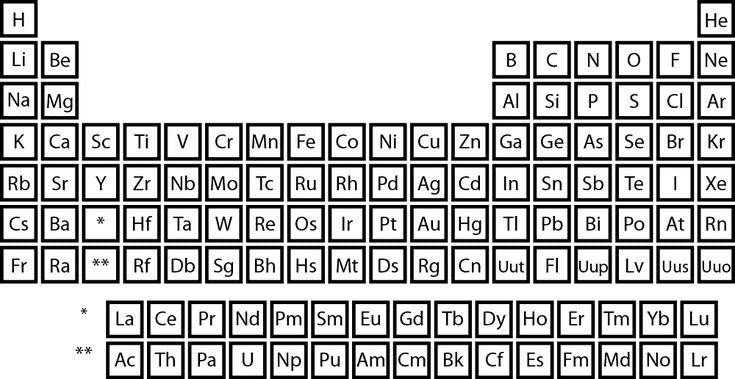
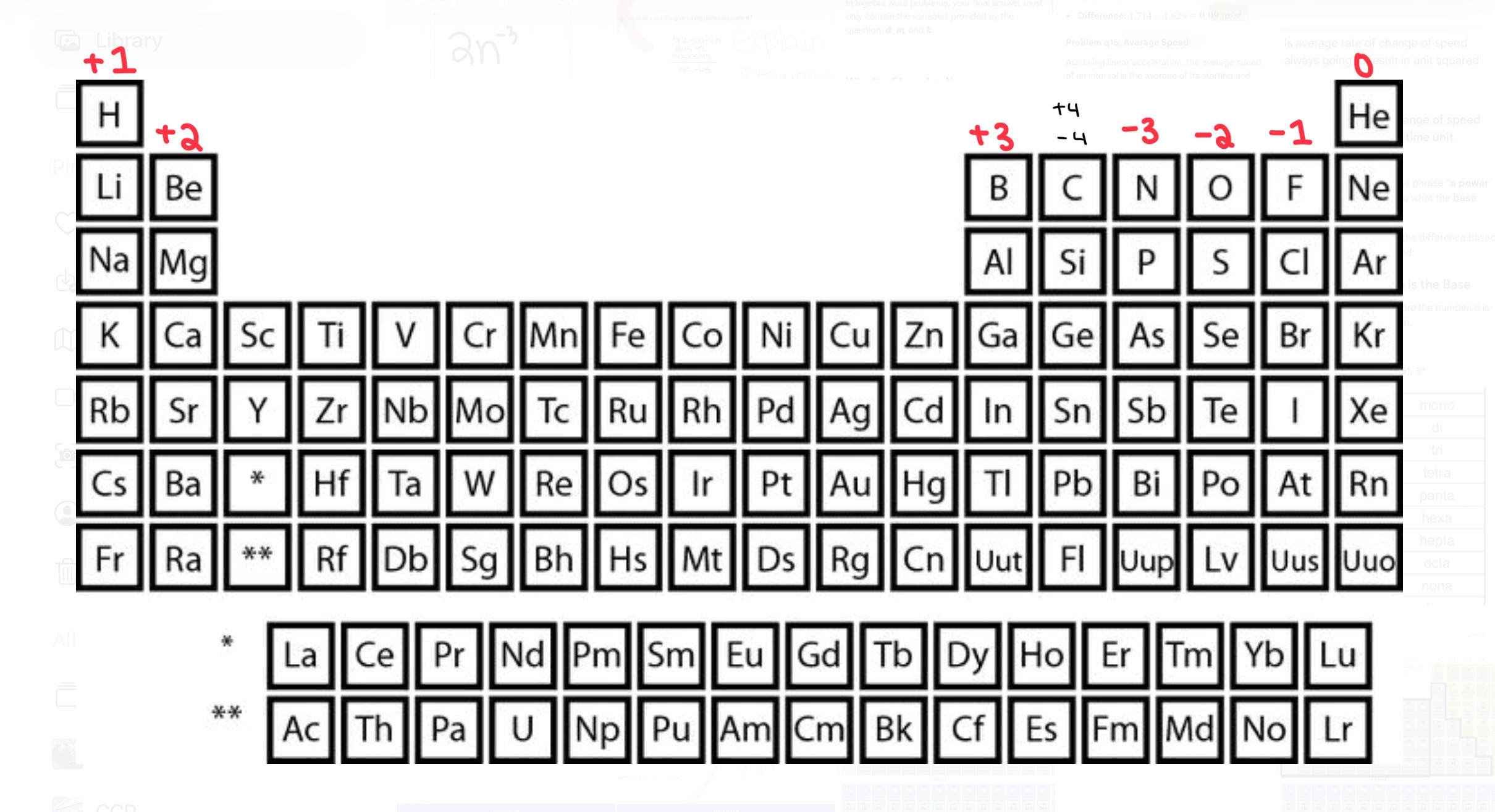
Given the periodic table, provide the electron charges.
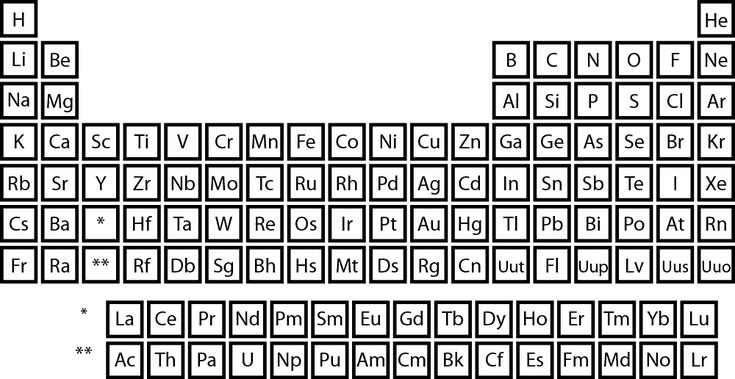
Given the periodic table, find the transition and post transition metals.
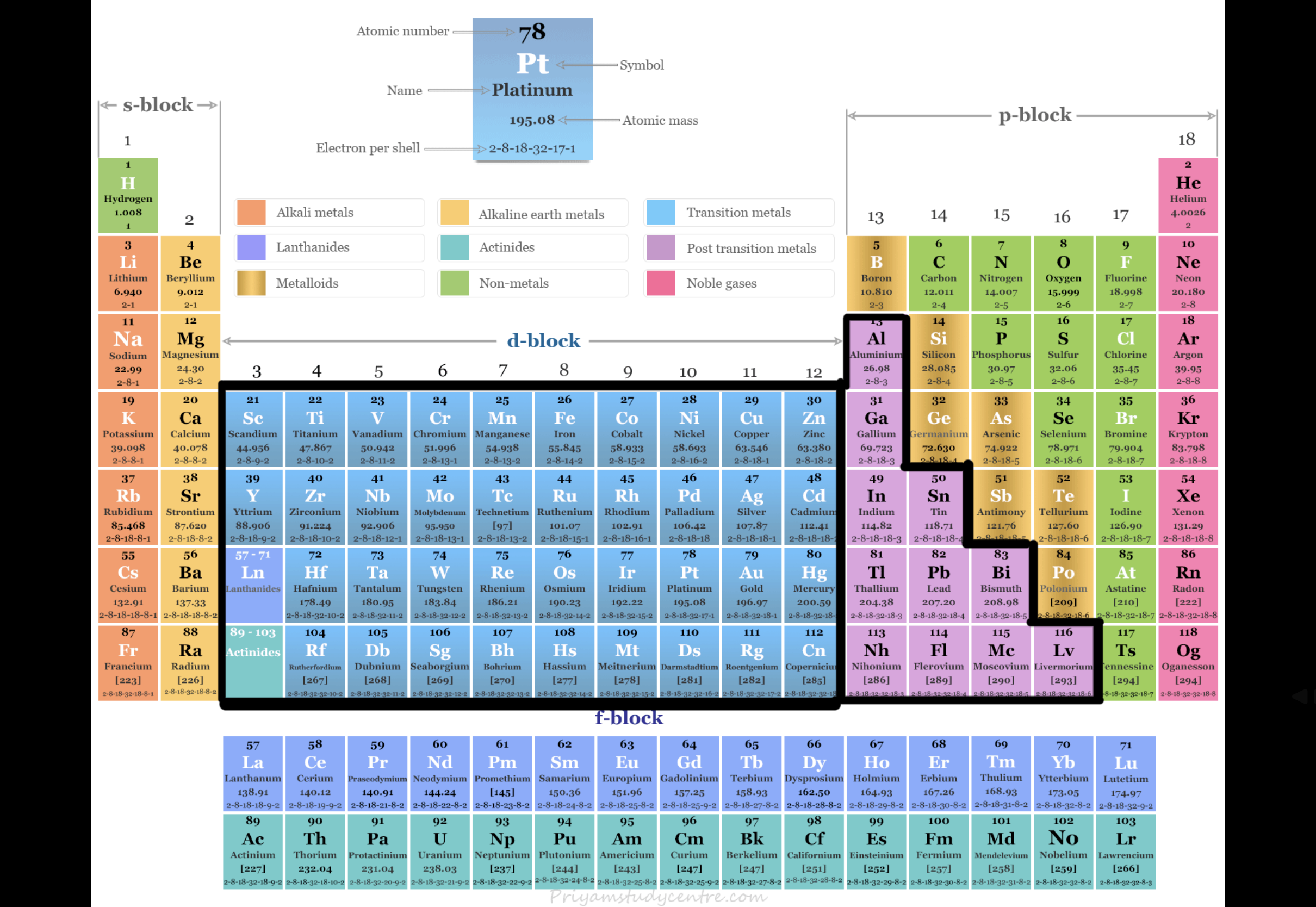
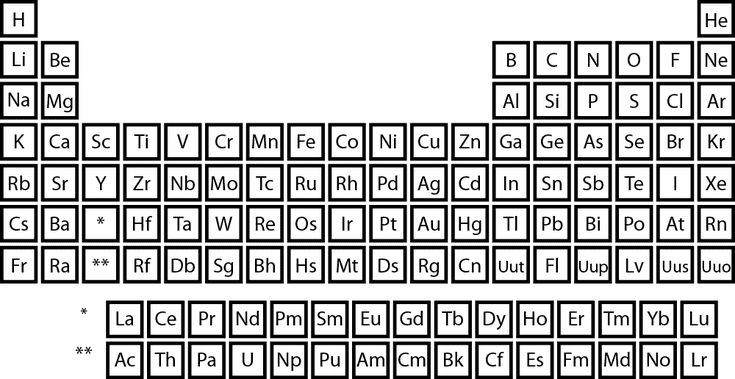
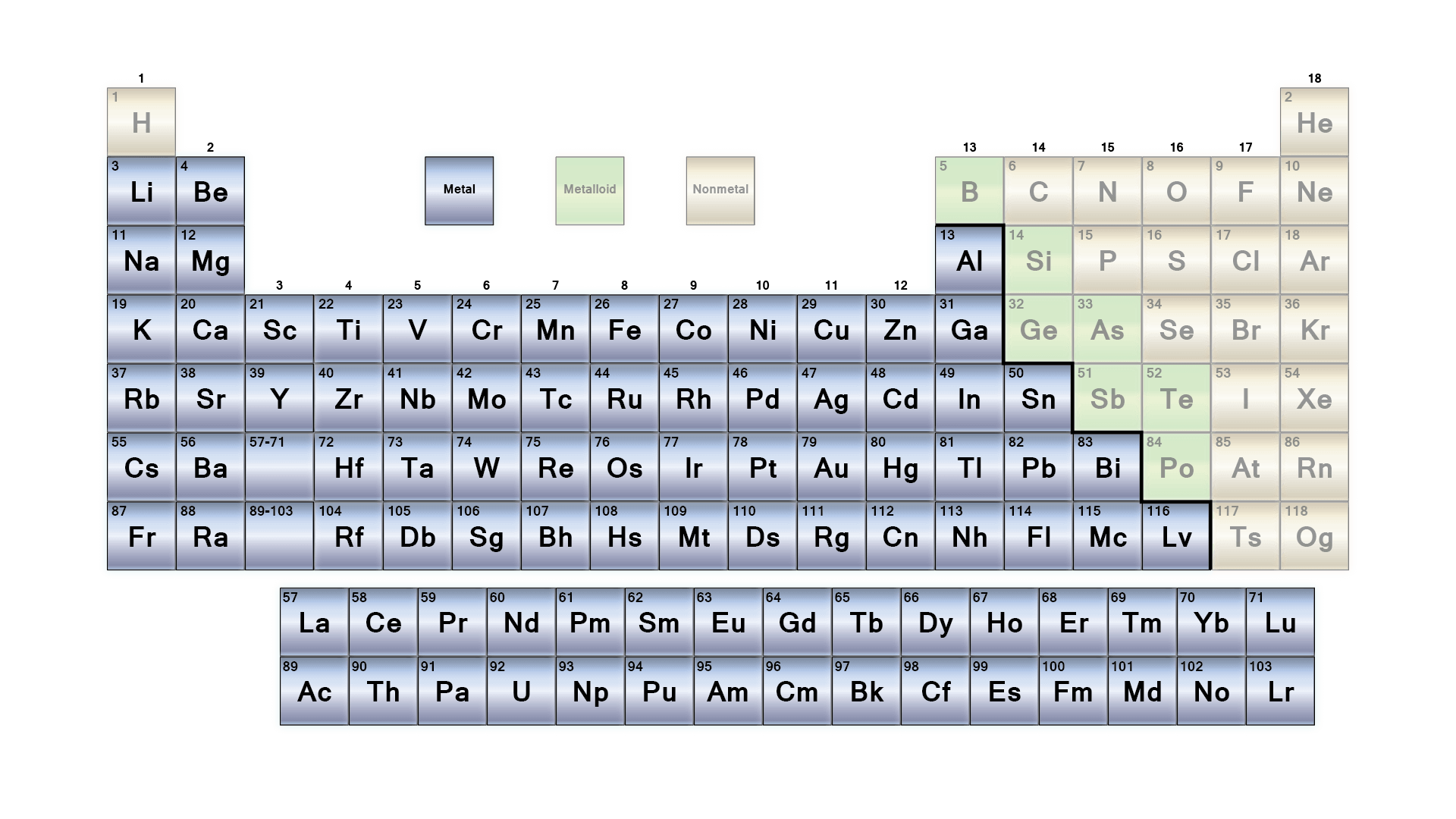
Given the periodic table, find the metals.
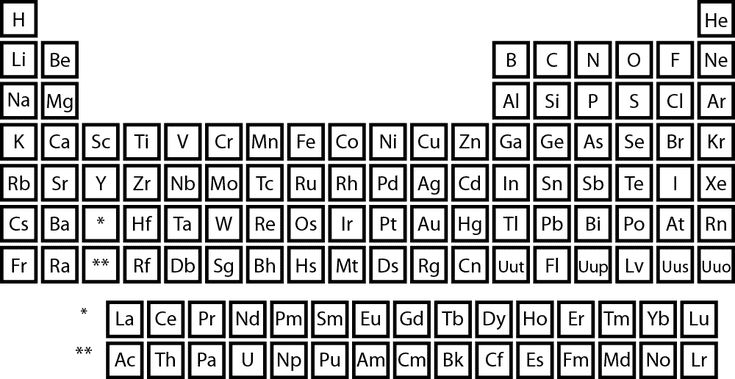
Given the periodic table, find the non-metals.
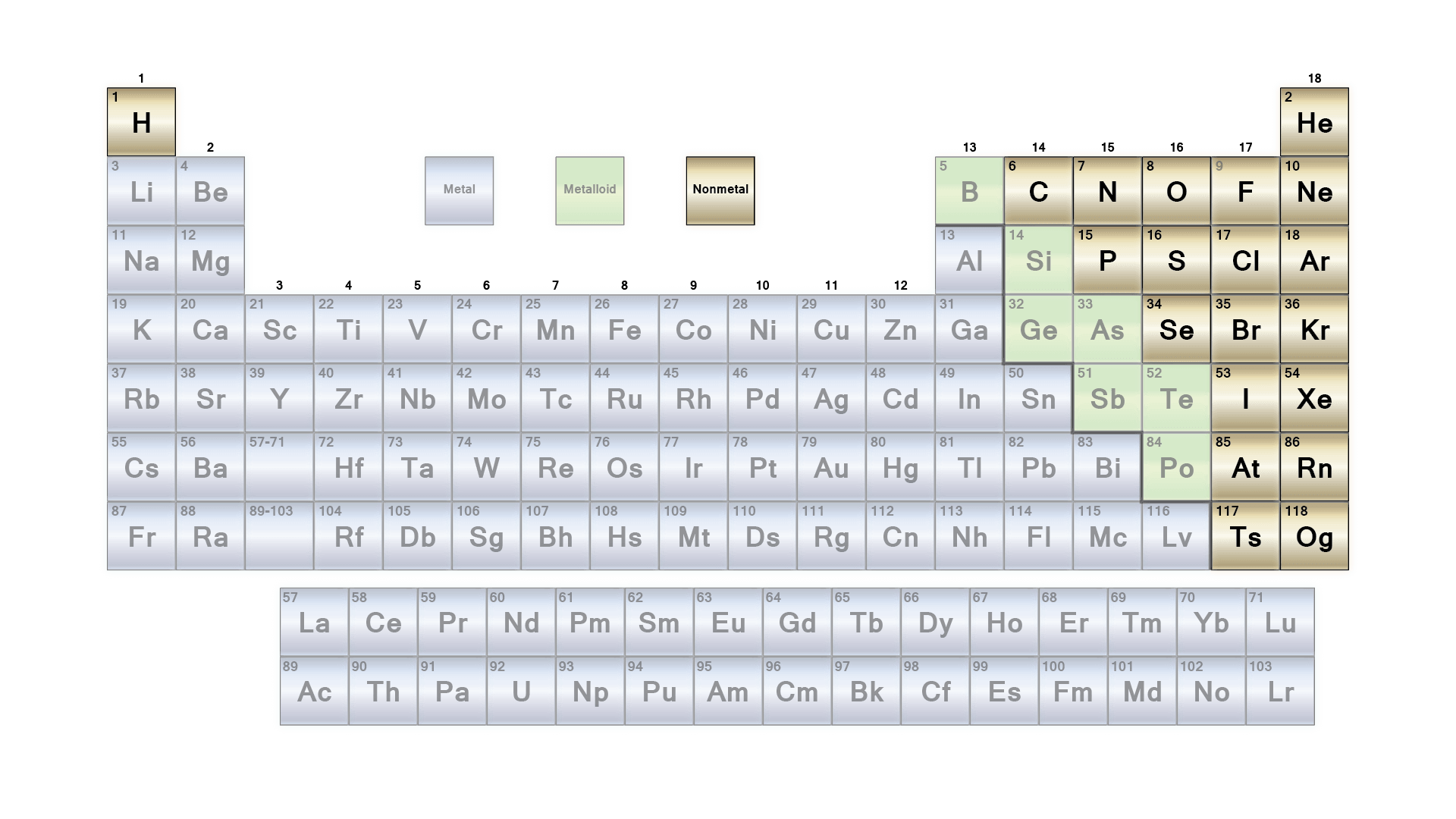
Given the periodic table, find the metalloids.
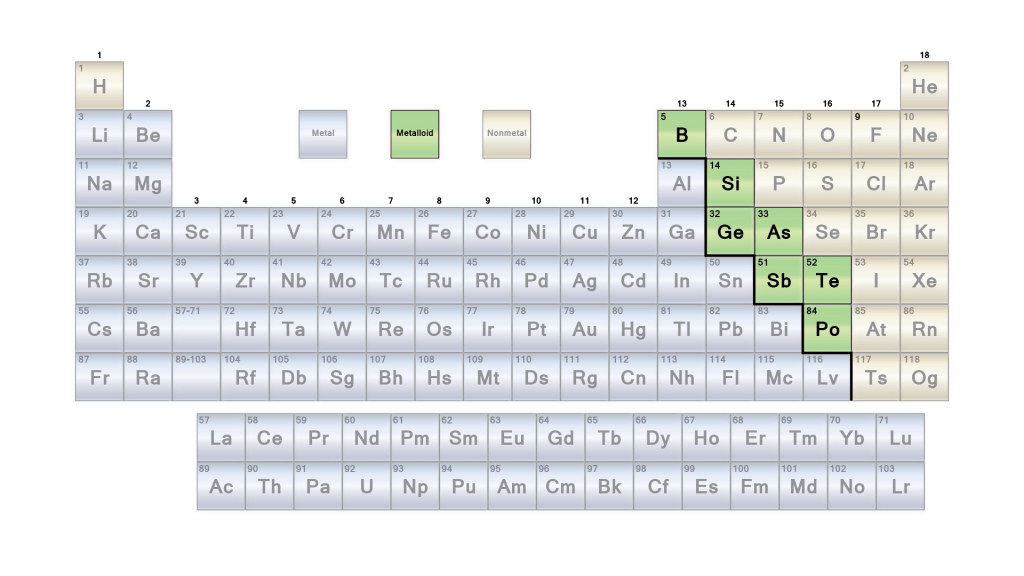
What consists of a binary COVALENT compound?
Two NON-metals
elements share electrons to bond
Example: C and Cl{4}
What are the rules to naming binary covalent compounds?
Prefixes indicate subscript!
Change ending of the 2nd element to -ide
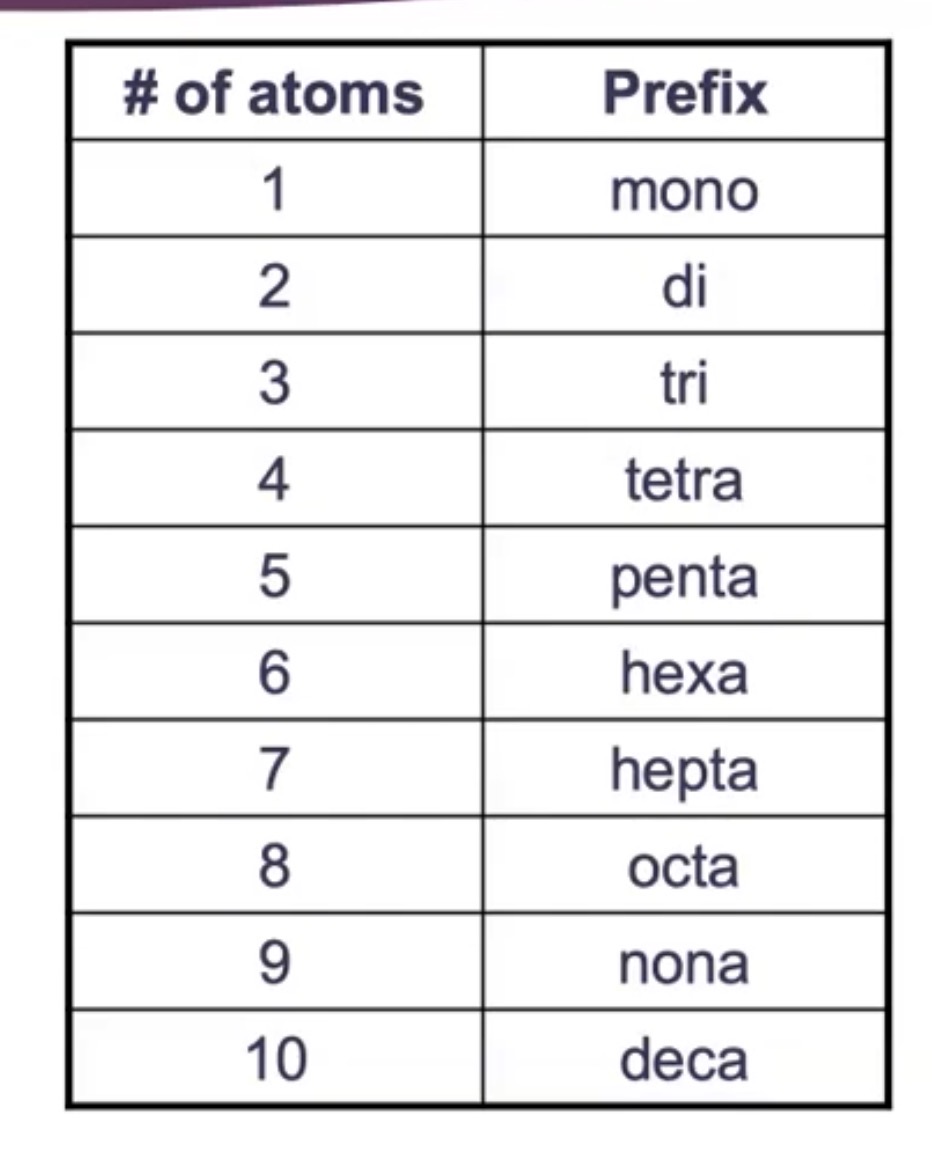
What is the prefix for the number of atoms given? *Covalent bonds only
# of atoms: Prefix name?
1
2
3
4
5
6
7
8
9
10
What is the weird exception to the naming of covalent binary compounds?
The first element never receives “mono”
What is an ionic compound?
ONE metal and ONE NON-metal
For ionic bonds (ONE metal + ONE NON-metal), the charges need to end up being ________
Neutral.
C + A = net charge of zero.
Cation vs Anion
Cation: positive charge, loses electrons, metals
Anions: negative charge, gains electrons, NON-metals
What are the rules for binary ionic compounds?
Cation, Anion [order matters]
Metal, nonmetal
Cation + anion-ide ←
*no transition, post transition, nor Polyatomics here*
What is the correct order of ionic compounds?
Cation, Anion [order matters]
Metal, nonmetal
The net charge of ionic compounds must be _____
Zero
Mostly all polyatomics are ___________ with the exception of __________.
Nonmetals
Ammonium (metal)
Can you split up polyatomics?
NO!
What are the rules for a binary ionic compounds must with a polyatomic?
Cation + anion [polyatomic]
*notice that names do NOT change with polyatomics!!
Roman numerals represent __________
Roman Numerals represent the charges of the cations (metals)
specifically transition or post transition metals
What are the rules of binary ionic compounds with Roman numerals?
Cation (__roman numeral__), anion-ide
What are the rules of binary ionic compounds with (post) transitions and polyatomics?
Cation (…Roman numeral…) polyatomic ion (no name change)
*tricks!
ends in -ide → ____________
ends in -ate → ____________
-ide: an element in the periodic table, not a polyatomic (cyanide exception)
-ate: a polyatomic
T/F your Roman numeral always represents a positive charge.
True because the Roman numeral is the charge of one element of the cation.
True or False.
Ammonium is considered a “metal”
True. Ammonium has a +1 charge.
What are the transition metal exceptions? List their charges as well.


What is the name?
Carbon Monoxide
What is the symbol for gold (I) oxide?


What is the name?
Calcium Chloride

What is the name?
Dinitrogen tetroxide

What is the name?
Iron (III) iodide
What is the formula?
Nickel (III) Sulfate

What is the formula?
Barium hydroxide


What is the name?
Copper (II) phosphate