Ch 3 microbiology (part 2 of test)
 Call Kai
 Learn
Learn Practice Test
 Spaced Repetition
 Match
Match Flashcards
 Knowt Play
1/51

Earn XP
Description and Tags
Microbiology
Name | Mastery | Learn | Test | Matching | Spaced | Call with Kai | Chat |
|---|
No analytics yet
Send a link to your students to track their progress
52 Terms
What is the chromosome structure of prokaryotes
single, circular DNA molecule in nucleoid
What is the chromosome structure of eukaryotes?
multiple linear DNA molecules enclosed in nucleus
Are there membrane-enclosed organelles in prokaryotes?
No
Are there membrane-enclosed organelles in eukaryotes?
Yes (mitochondria, golgi apparatus)
What is the cell wall composition of prokaryotes
Peptidoglycan or pseudomurein (bacteria and archaea)
What is the cell wall composition of eukaryotes
chemically simple when present. Cellulose, chitin
what is the mechanism of cell division in prokaryotes
Binary fission
what is the mechanism of cell division in eukaryotes
mitosis
Describe the shape and arrangement of the bacterial cell coccus pl cocci
round shape “O”

Describe the shape and arrangement of the bacterial cell bacillus pl bacili
rod shape

Describe the shape and arrangement of the bacterial cell spirillum (aka spiral)
Spiral shape

Describe the shape and arrangement of the bacterial cell diplococcus ex.gonorrhea
pair of spherical cells “OO”

Describe the shape and arrangement of the bacterial cell streptococcus ex. Staph
chain-like circles “OOOOO”

Describe the shape and arrangement of the bacterial cell tetrads ex: harmless skin bacteria
Four spherical coccus in shape of a square

Describe the shape and arrangement of the bacterial cell staphylococcus
Clump of coccus

Describe the shape and arrangement of the bacterial cell diplobacillus
2 rod-shaped bacillus

Describe the shape and arrangement of the bacterial cell streptobacillus Ex. Anthrax
chain-like bacillus
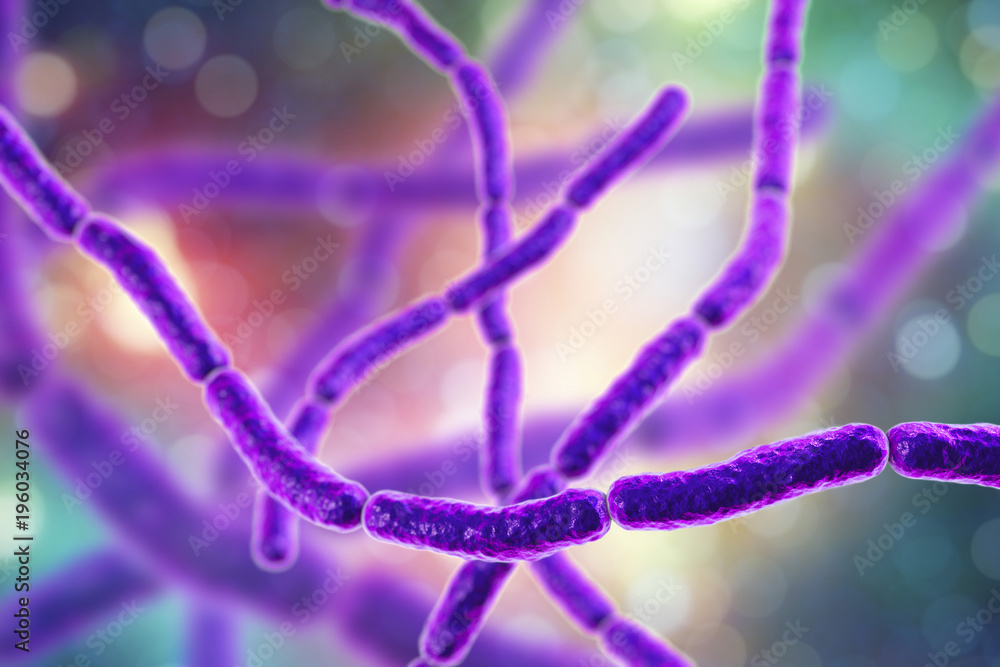
Describe the shape and arrangement of the bacterial cell coccobacillus
Very short rod
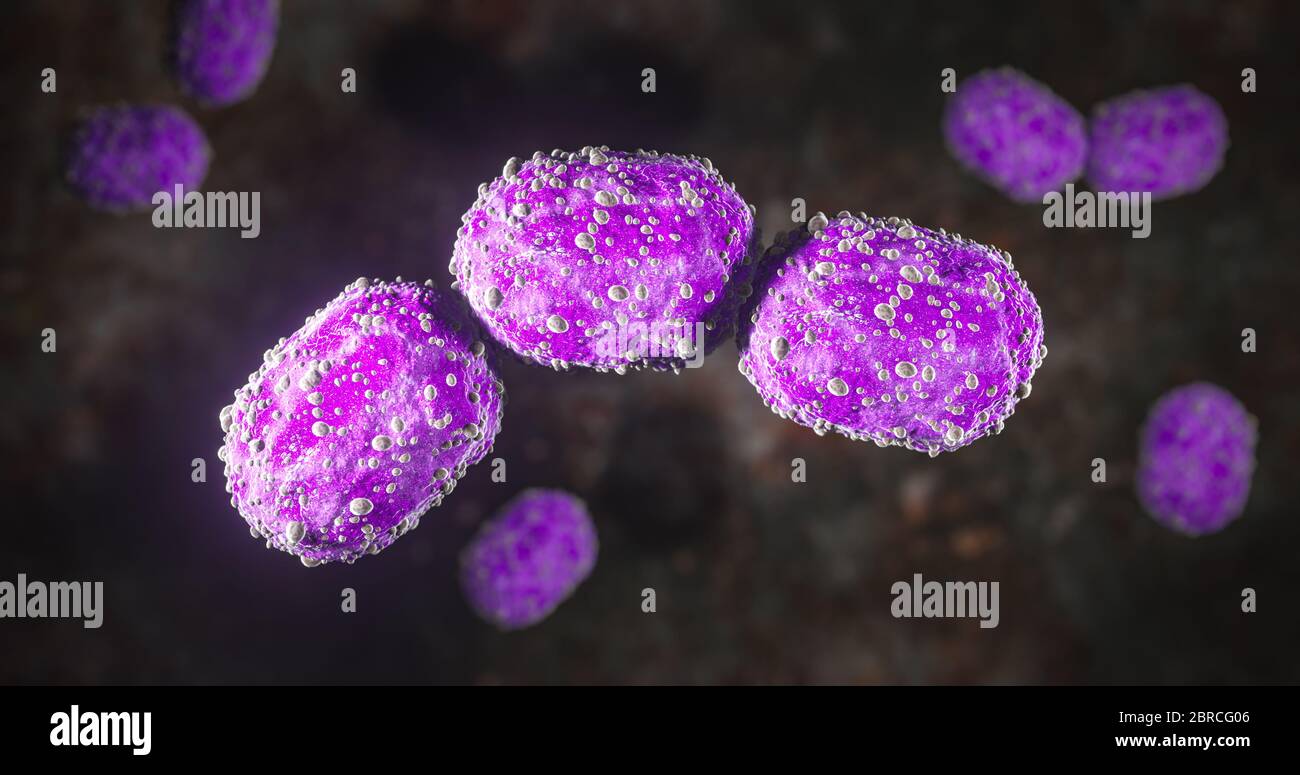
Describe the shape and arrangement of the bacterial cell vibrio
Curved

What is a capsule in prokaryotic cells
sticky, protective outer layer that surrounds the cell wall of some prokaryotic cells, prevents phagocytosis
What is the capsule of prokaryotic cell made of
polysaccharides (complex sugars), can also consist of polypeptides (proteins), or both
Why are encapsulated bacteria generally more virulent than similar, but noncapsulated bacteria
because the capsule acts as a biological shield against the host’s immune system, allowing the pathogen to survive, multiply and spread
what is a biofilm AKA slime layer Ex: slippery rocks, dental plaque, artificial joints
bacteria enclosed in glycocalyx they’ve secreted, attached to a surface
What is biofilm made of
made of glycocalyx
in what ways are biofilms problematic
they’re difficult to kill with antibiotics or disinfectants, must scrub it off! problematic if its somewhere in the body

Describe the chemical composition of a bacterial flagella
flagellin (main structural component protein), Hook proteins, and basal body complex (rotary motor assembly)
Describe the basic structure of a bacterial flagella
Filament (outermost region), Hook (attaches to the filament), and basal body (engine)
Describe the action and function of flagella
Action: spin like boat propellers , function: motility, adhesion , and colonization to help pathogenic bacteria penetrate the mucus layers and spread through host organism tissues

Define motility
The ability of an organism or cell to move independently using its own metabolic energy. Bacterium’s ability to navigate its environment
Describe how axial filaments (endoflagella) cause the characteristic “corkscrew” swimming that allows spirochaete bacteria to move through body fluids
they work from inside the cell envelope rather than extending outward into the surrounding medium, like a screw into wood

Describe the structure of fimbriae and how they contribute to bacterial virulence
Hairlike appendages, made of protein molecules. Allow bacteria to attach to surfaces

What is the major function of the bacterial cell wall
To prevent osmotic lysis
What is the structure of a Gram-positive cell wall
Has a thick, rigid layer of peptidoglycan located directly outside the cytoplasmic membrane

Describe the structure of a Gram-negative cell wall
Structurally more complex, has a thin inner layer of peptidoglycan surrounded by an additional lipid bilayer. more dangerous

Describe the structure of peptidoglycan (PGN)
Strong and porous.
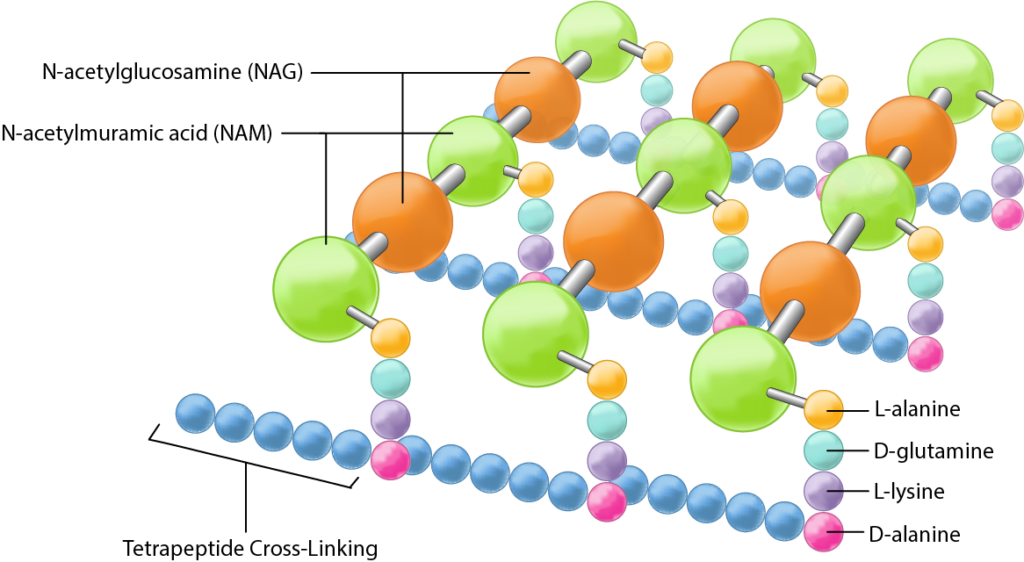
In peptidoglycan, what are the NAG-NAM chains?
they are sugar chains. Alternating chains of two amino sugars linked together. They form rigid parallel rods around the bacterial cell

In peptidoglycan, what are tetrapeptide side chains
directly attached each NAM molecule is a short chain of four amino acids, helps protect the cell wall from being easily degraded by host digestive enzymes

In peptidoglycan, what are peptide cross-links
Adjacent glycan strands that are tied together by covalent cross-links between their tetrapeptide side chains.
Describe the use of teichoic acids in the structure of the gram-positive cell wall
They strengthen the cell wall and maintain shape under osmostic pressure, help with cell division and growth, help keep the ion balance, and assists the cell to adhere to host surfaces

Describe the lipopolysaccharides (LPS) role in gram-negative cell wall
they are large molecules found exclusively in the outer membrane, serving critical structural, protective, and disease-causing roles.


what does the lipopolysaccharides Lipid A (endotoxin) do
hydrophobic fatty acid tails insert directly into the outer layer of membrane, physically securing it. When gram-negative bacteria multiply or die (lyse), lipid A is released into the host environment


What does the O polysaccharides (O-antigen) do in the lipopolysaccharide (LPS)
Serves as protection against complement and phagocytosis, physically distance host immune proteins and phagocytes from reaching the bacterial cell surface, PHYSCIAL SHIELD FROM LYSIS

How does LPS help the cell
Contributes to cell’s negative surface charge, protects against bile, phagocytes, and complement proteins (host defense against bacteria)
How do endotoxins enter an animal’s bloodstream, and the effects of endotoxin on the animal
Endotoxins (specifically lipid A) enter the bloodstream when gram-negative bacteria break down or breach mucosal barriers.
Once in the bloodstream, endotoxins bind to host immune receptors on macrophages and monocytes set off an overwhelming inflammatory cascade. Fever, chills, vasodilation, hypotension, SEPTIC SHOCK, ORGANFAILURE
What are porins
pore-forming proteins found in the outer membranes of Gram-negative bacteria. They act as water-filled channels that allow small molecules to passively diffuse into and out of cell
What are the components of peptidoglycan? (3)
NAG-NAM chains, tetrapeptide side chains, peptide cross-links
What are the structural components of Gram-positive cell walls? (2)
peptidoglycan layer, teichoic acid
What are the structural components of Gram-negative cell walls? (5)
peptidoglycan layer, outer membrane, Lipopolysaccharide (LPS) consisting of lipid A (endotoxin) and O polysaccharides, porins
Do gram-positive bacteria produce endotoxins or exotoxins?
exotoxins
Do gram-negative bacteria produce endotoxins or exotoxins
Both
Why are both penicillin and lysozyme more damaging to gram-positive bacteria than gram-negative
gram-positive bacteria don’t have a protective outer membrane
what does penicillin do to peptidoglycan layer? what does lysozyme do
penicillin interferes with the formation of peptide cross-links in growing PGN. lysozyme cuts NAG-NAM bonds