Quarter 1 - States & Facts
 Call Kai
 Learn
Learn Practice Test
 Spaced Repetition
 Match
Match Flashcards
1/96

There's no tags or description
Looks like no tags are added yet.
Name | Mastery | Learn | Test | Matching | Spaced | Call with Kai | Chat |
|---|
No analytics yet
Send a link to your students to track their progress
97 Terms

Charles de Montesquieu
A French philosopher who believed government should be divided into separate branches with checks and balances.

John Locke
An English philosopher who argued that government should be based on the consent of the governed and that individuals have unalienable rights to life, liberty, and property.

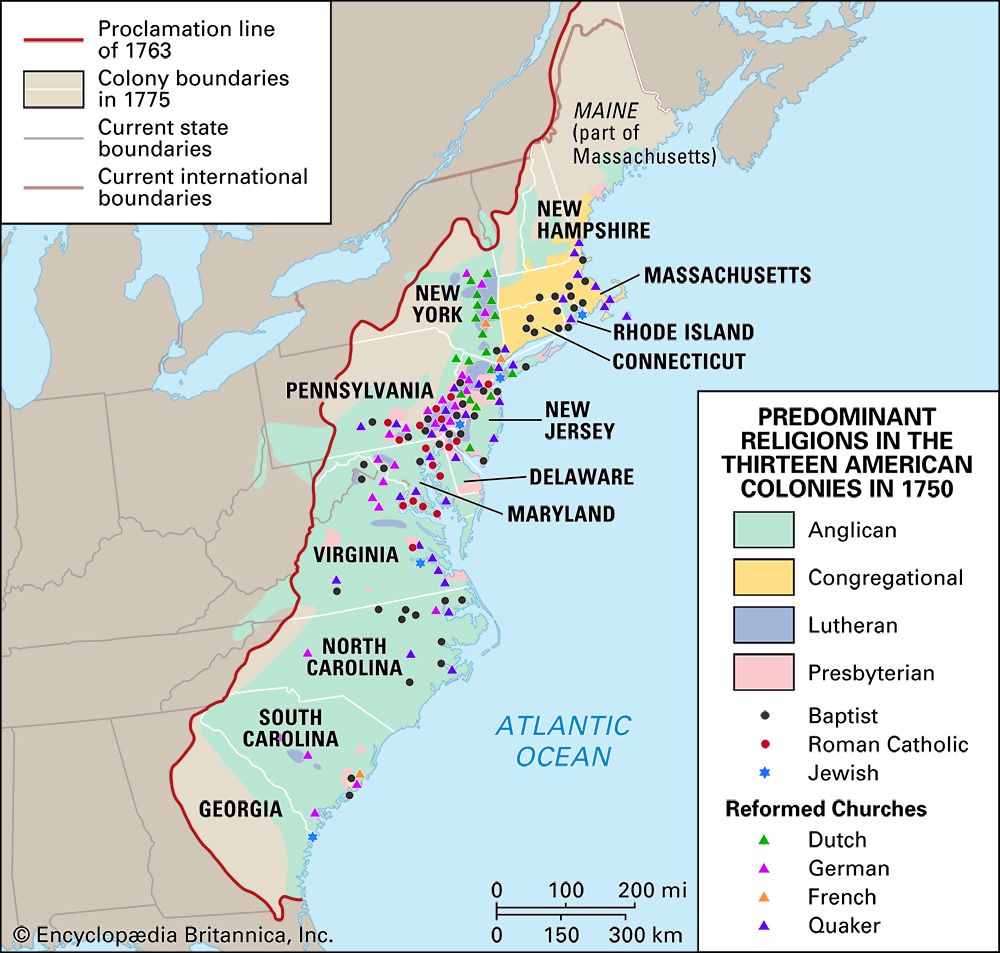
Pilgrims
A group of English separatists who founded the Plymouth Colony in 1620, seeking religious freedom from the Church of England.

Separatists
A group of Christians who sought to separate from the Church of England to practice their faith freely.

Puritans
A group of English Protestants in the late 16th and 17th centuries who sought to purify the Church of England.

Massachusetts Bay Colony
A British settlement established in 1628 that became a central part of the New England colonies, known for its Puritan foundations and significant influence on early American society.

Quakers
A religious group known for their pacifism, simplicity, and social equality, originating in England during the mid-17th century. Quakers emphasize direct experience of God and often advocate for social justice and humanitarian causes. Also called The Society of Friends.

Thomas Hooker
A Puritan minister who founded the Connecticut Colony in 1636, advocating for democratic governance and greater religious freedom.

Jamestown
The first permanent English settlement in North America, established in 1607 in Virginia, known for its role in the early colonial development and struggles for survival.

Middle Colonies
The region of British colonies in North America, comprising New York, New Jersey, Pennsylvania, and Delaware, known for its diverse population, fertile land, and mixed economy.

New England
The region of British colonies in North America, including Massachusetts, Connecticut, Rhode Island, and New Hampshire, known for its rocky soil, cold climate, and strong maritime economy.

Southern Colonies
The region of British colonies in North America, including Maryland, Virginia, North Carolina, South Carolina, and Georgia, known for its plantation economy, reliance on enslaved labor, and agricultural focus.
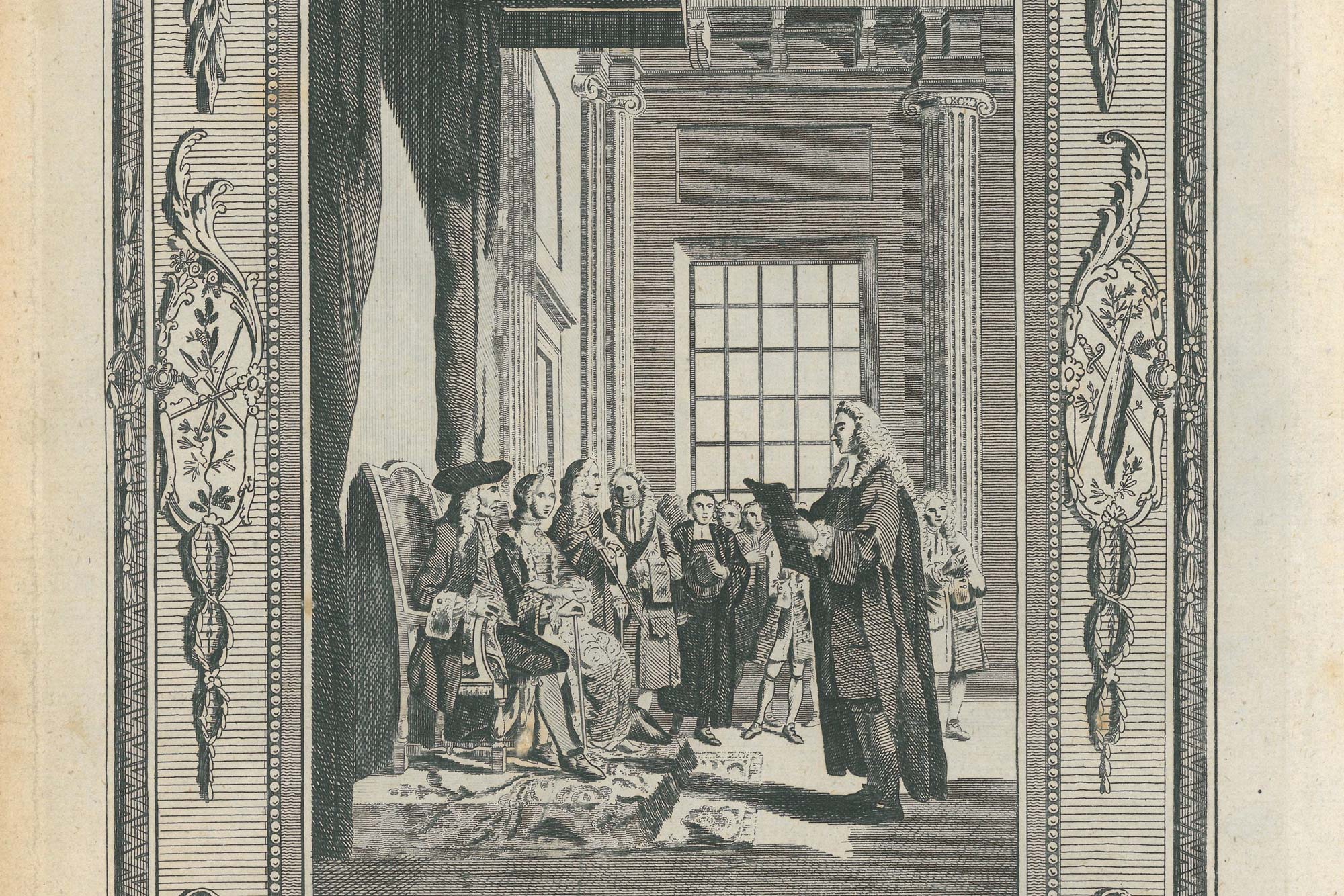
English Bill of Rights
A landmark act passed in 1689 that limited the powers of the monarchy and outlined the rights of Parliament and individuals.
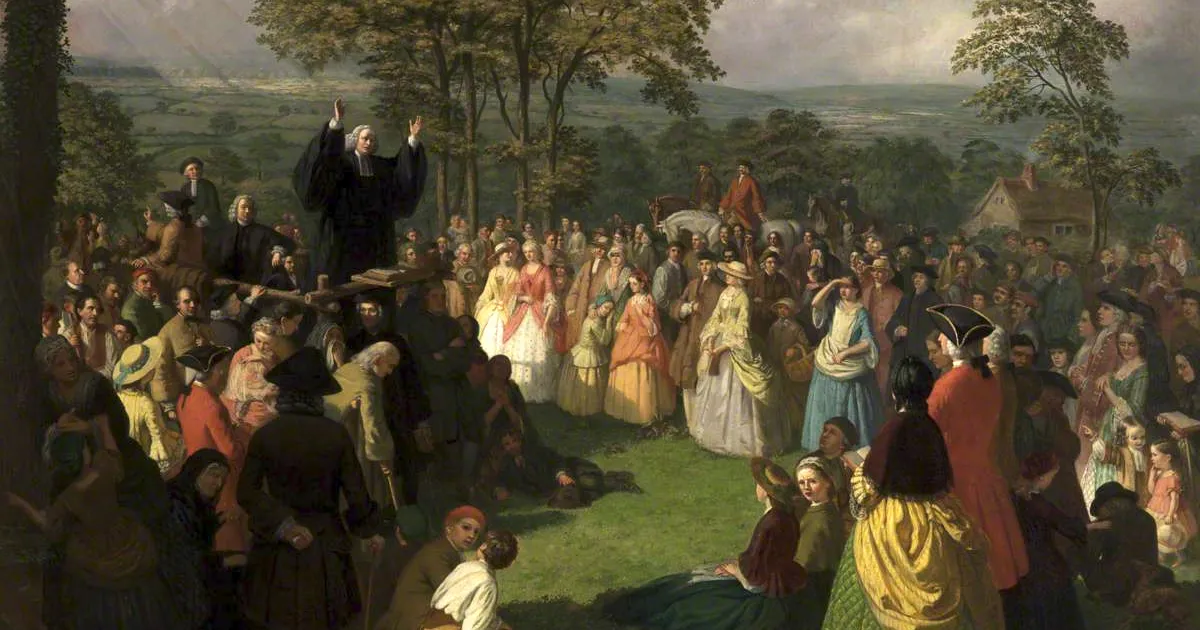
First Great Awakening
A religious revival in the American colonies during the 1730s and 1740s that emphasized personal faith, emotional experiences, and questioning human authority.

Fundamental Orders of Connecticut
The first written constitution in America, established in 1638, that outlined the framework for government in the Connecticut Colony, promoting the idea of self-government.

Magna Carta
A charter agreed to in 1215 that limited the powers of the English king and established certain rights for nobles.
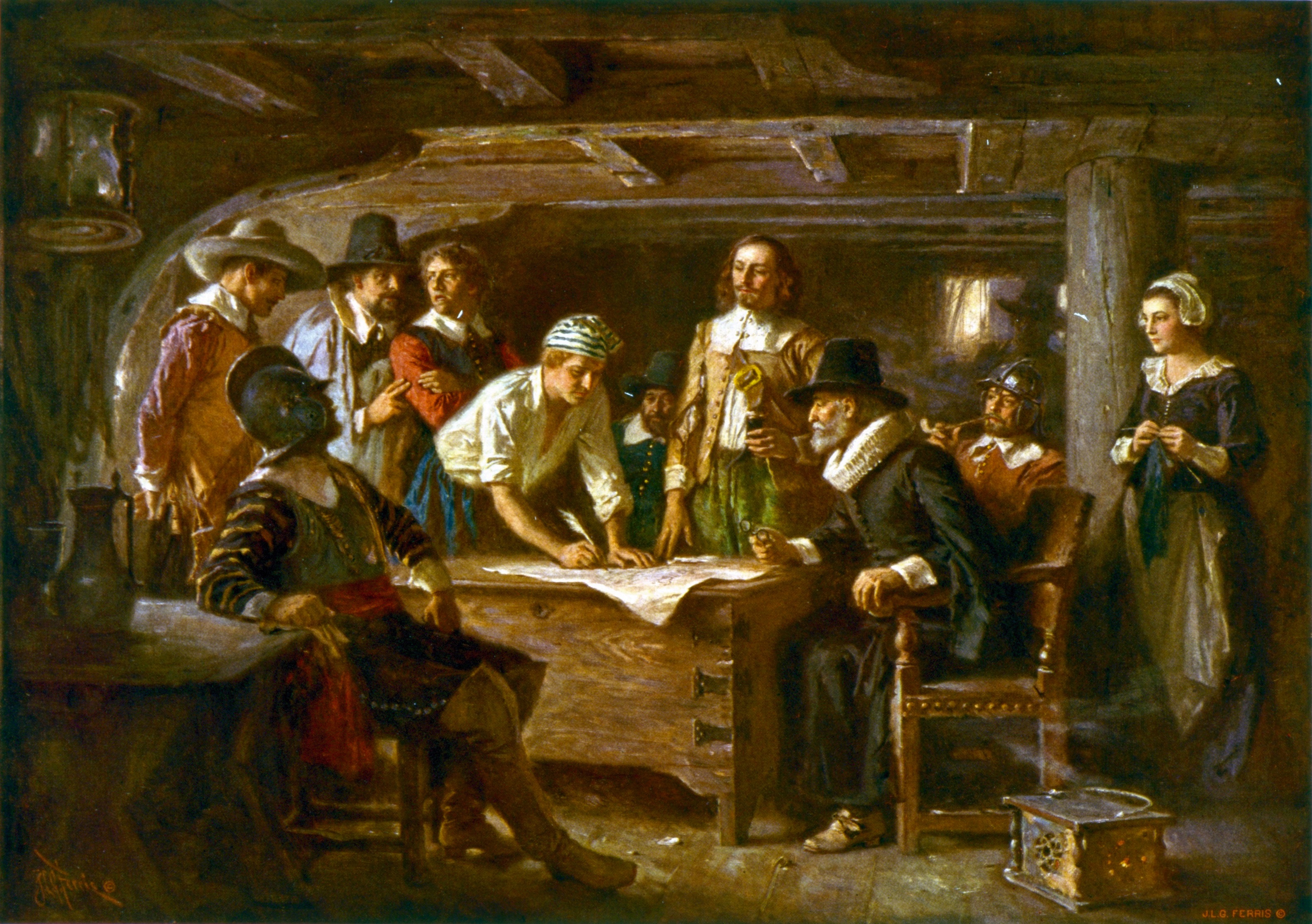
Mayflower Compact
An agreement made in 1620 by the Pilgrims aboard the Mayflower, establishing a framework for self-government and democracy in the New World.

Salem Witch Trials
A series of hearings and prosecutions in 1692 in colonial Massachusetts, where several people were accused of witchcraft, leading to a combination of mass hysteria and legal injustices.
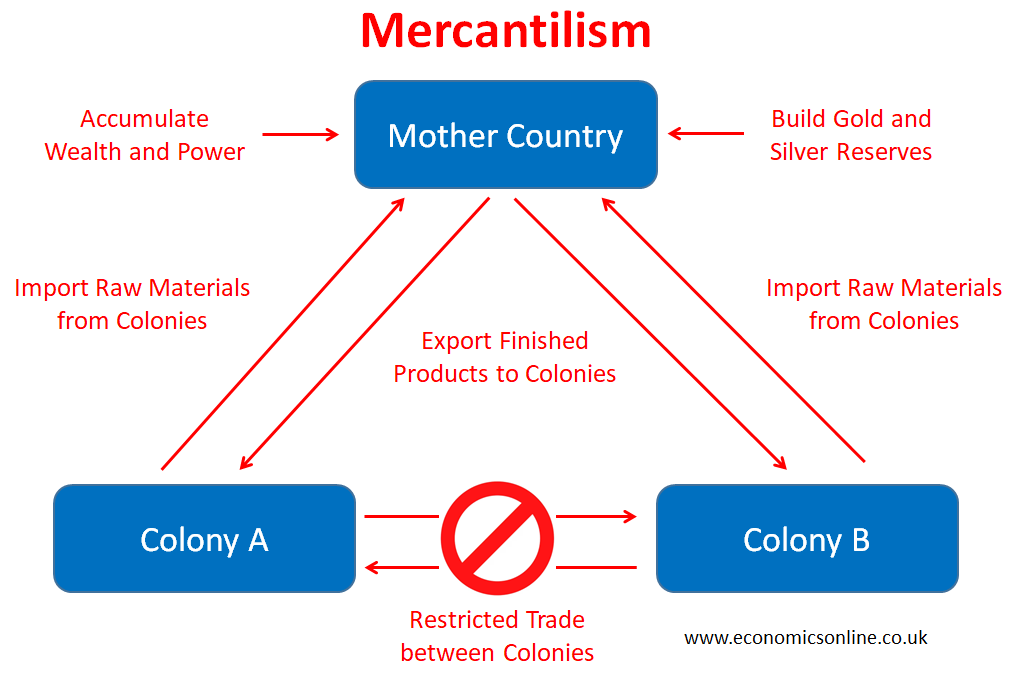
Mercantilism
An economic theory that emphasizes the role of colonies in serving the mother country to enhance national power and wealth by accumulating gold and silver..

Slavery
the practice of owning and exploiting individuals as property, often for labor, which became a significant and tragic aspect of American history, particularly in colonial and antebellum America.
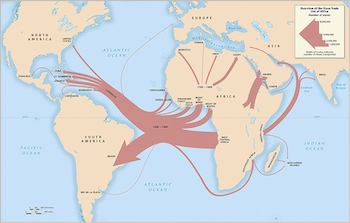
Transatlantic
Crossing or relating to the Atlantic Ocean, especially between Europe, Africa, and the Americas.

Unalienable Rights
The rights that are considered fundamental and inherent to every person.

Massachusetts
A British settlement established in 1620, known for its Puritan community and significant role in early American colonial governance.

New Hampshire
A British colony established in 1623, known for its focus on fishing and trade. Part New England.
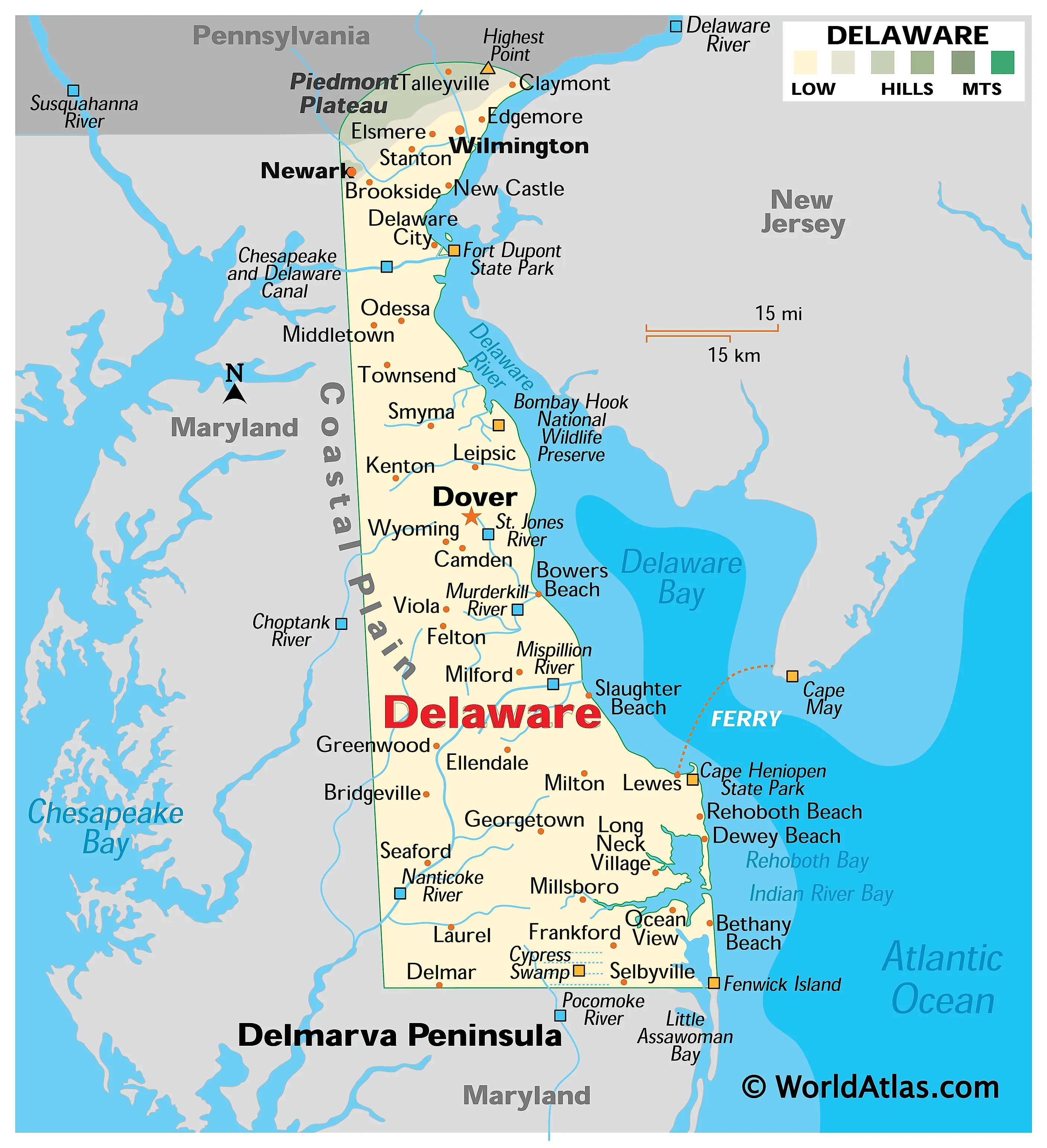
Delaware
The first European settlement in Pennsylvania, established in 1638 by Swedish settlers, known for its diverse population and religious tolerance.

Pennsylvania
A British colony founded in 1682 by William Penn, known for its diverse cultural heritage and as a refuge for religious freedom for Quakers.

Rhode Island
A British colony founded in 1636 by Roger Williams, known for its commitment to religious freedom and separation of church and state.
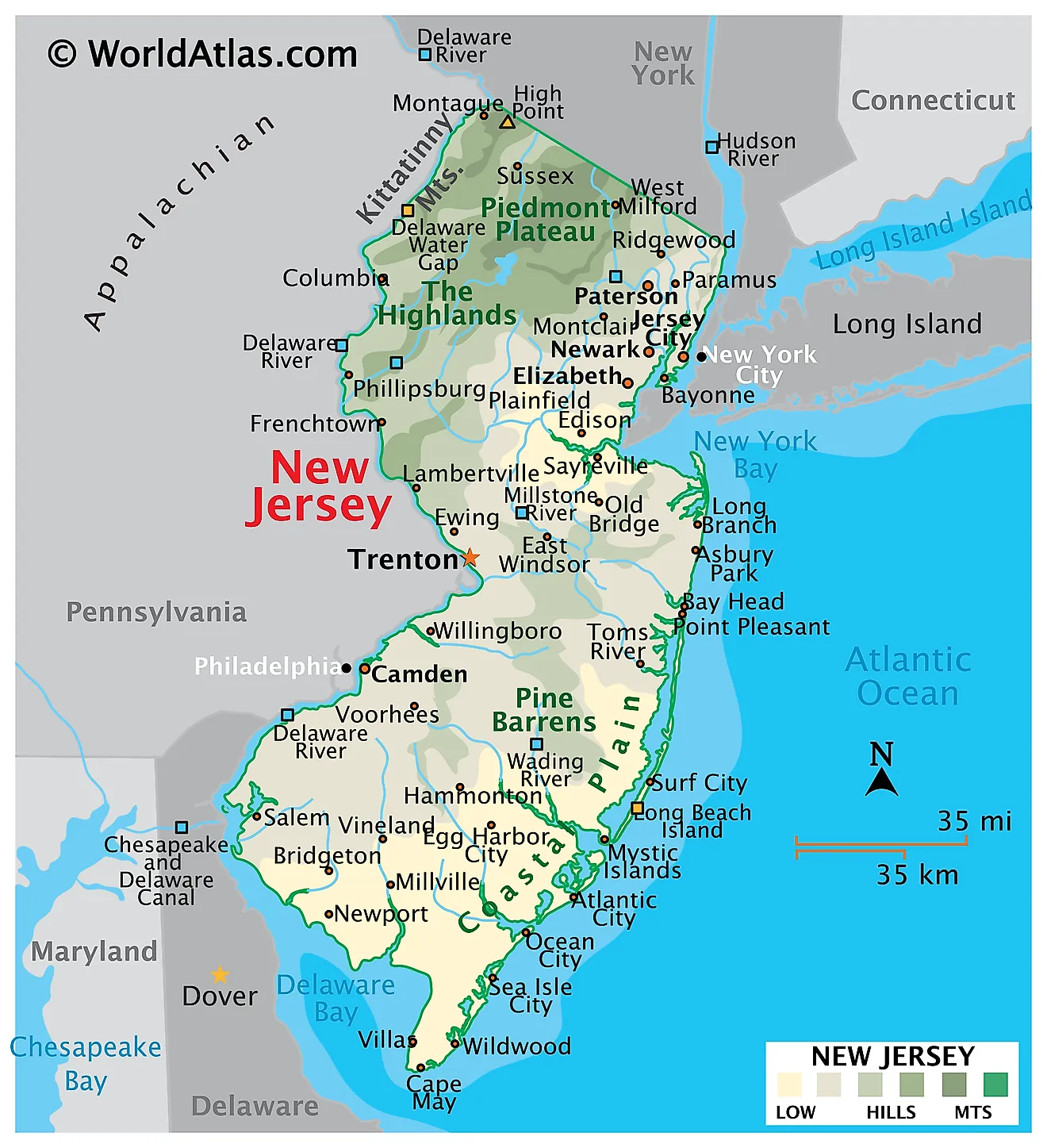
New Jersey
A British colony founded in 1664, known for its diverse population and as a place of religious tolerance, it was initially part of the larger territory of New York.
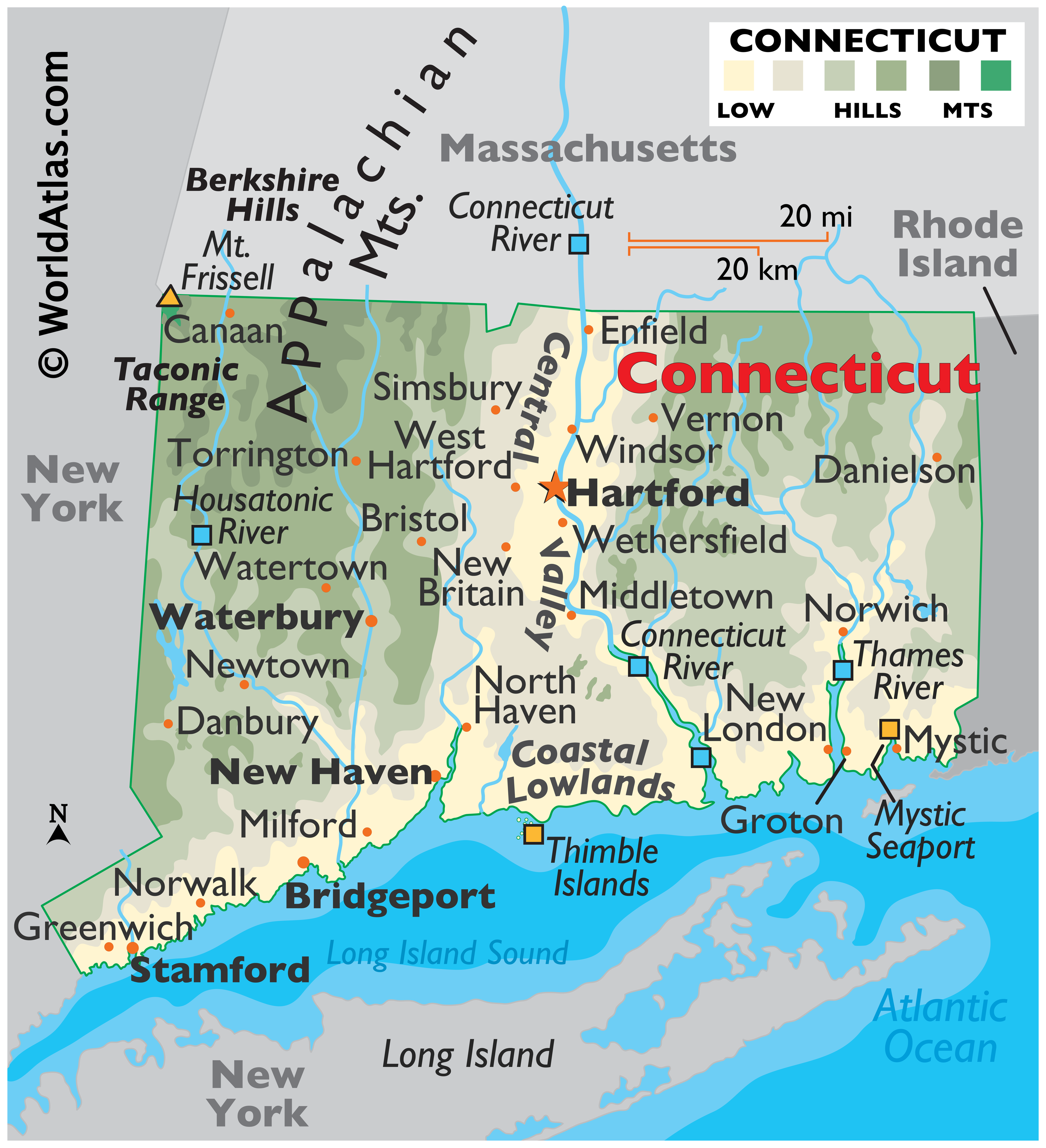
Connecticut
A British colony founded in 1636 by Thomas Hooker, recognized for its early form of representative government and as a place for religious and civic freedom.

Georgia
A British colony founded in 1732 by James Oglethorpe, known for being a buffer against Spanish Florida and offering a fresh start for debtors.

North Carolina
A British colony founded in 1653, characterized by its agricultural economy and a mix of settlers from various backgrounds, often seeking economic opportunities that couldn’t be found in Virginia.
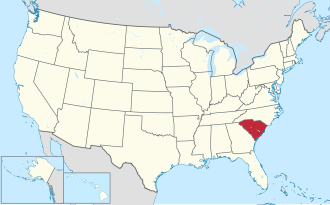
South Carolina
A British colony founded in 1670, known for its plantation economy based on rice and indigo, and a diverse population that included many enslaved Africans.
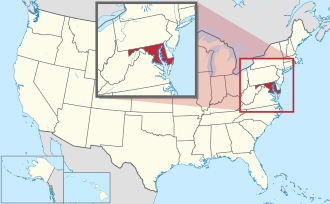
Maryland
A British colony founded in 1632 by Cecil Calvert, also known as Lord Baltimore, established as a refuge for English Catholics and characterized by its tobacco plantations and religious tolerance.
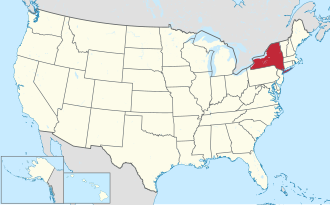
New York
A British colony founded in 1664, originally a Dutch settlement called New Amsterdam, known for its diverse population and significant commercial activity, serving as a major trade center.
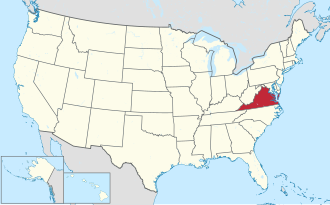
Virginia
A British colony established in 1607, known for its tobacco cultivation and its role as the first permanent English settlement in North America.
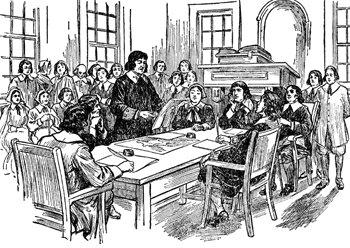
Representative Government
A political system in which elected officials represent the people, allowing for citizen participation in governance through voting.

Act
A law passed by a governing body; a deed or action.

Agriculture
The science or practice of farming.
Colony
A territory controlled by another country, often settled by its people.

Compact
An agreement or contract made by a group.

Economy
The system of producing, trading, and using resources

Enlightenment
European intellectual movement stressing reason, science, and rights over superstition and tradition.
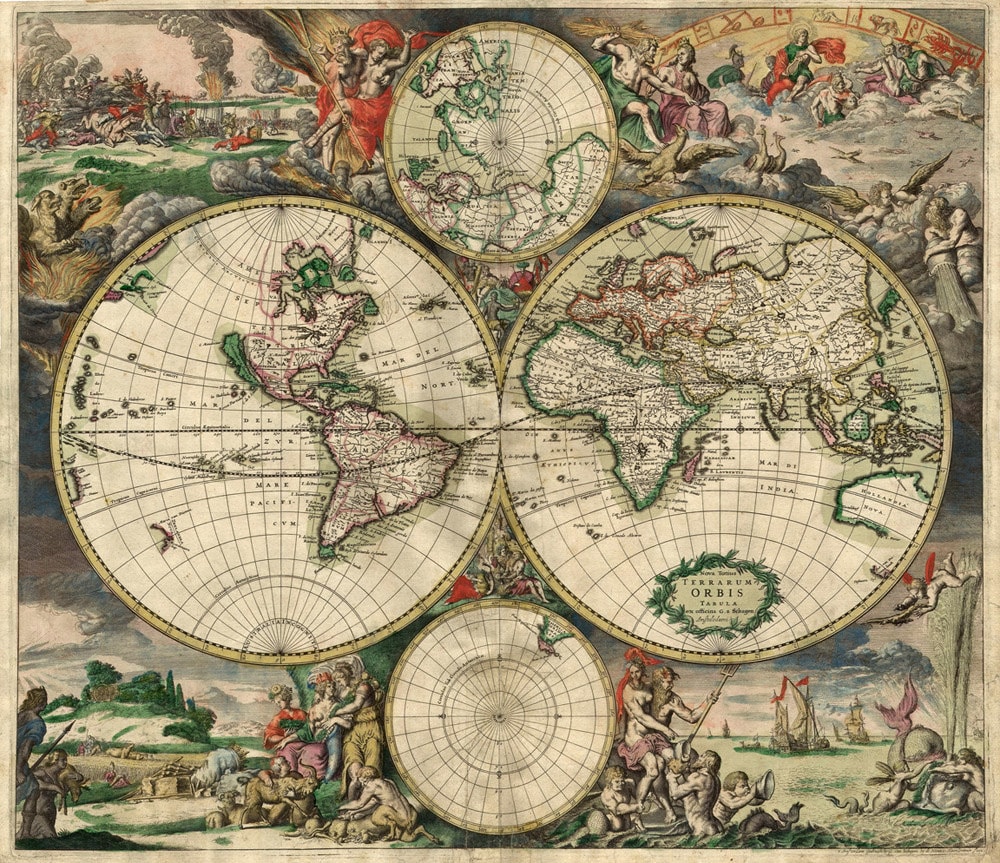
Explore
To travel or search in order to learn or discover.

Export
To send goods out of a country for trade; or, an item sold abroad.

Fundamental
Basic, essential, foundational.

Government
The system by which a community or nation is ruled.

Imperial
Relating to an empire or emperor.

Import
To bring goods into a country; or, an item brought from abroad.

Indentured
To be forced to work by contract for a length of time.

Navigation
The act or science of directing ships or journeys.
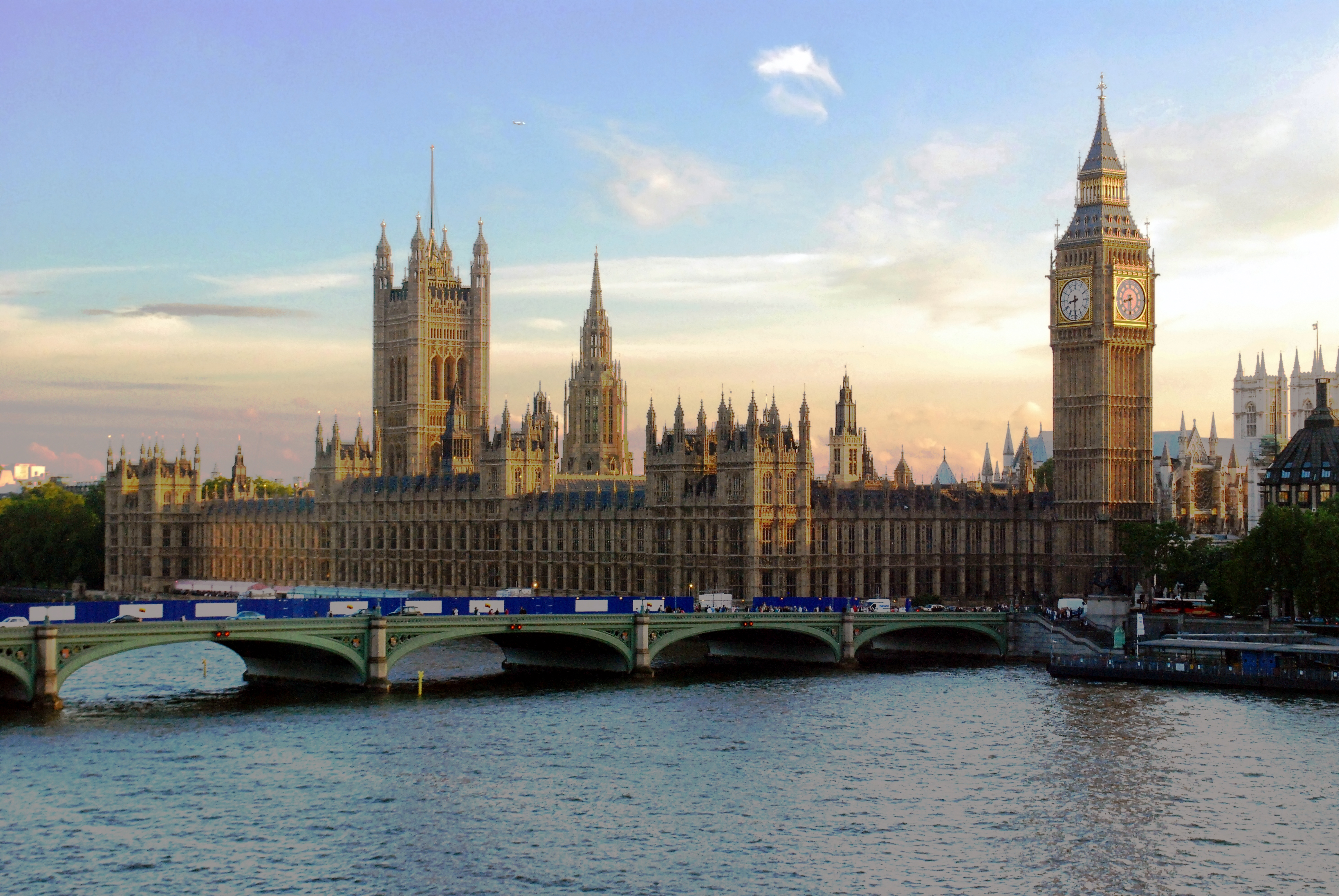
Parliament
A law-making body, often of Great Britain.

Plantation
Large farm growing crops (like tobacco, cotton), historically associated with using enslaved labor.

Representation
Acting or speaking for others in government.

Servitude
Being forced to work for another person.

Territory
Land controlled by a nation but is not yet a state.

Declaration of Independence
A document adopted on July 4, 1776, that announced the American colonies' separation from Great Britain, outlining their grievances and affirming the principles of individual rights and government by consent.
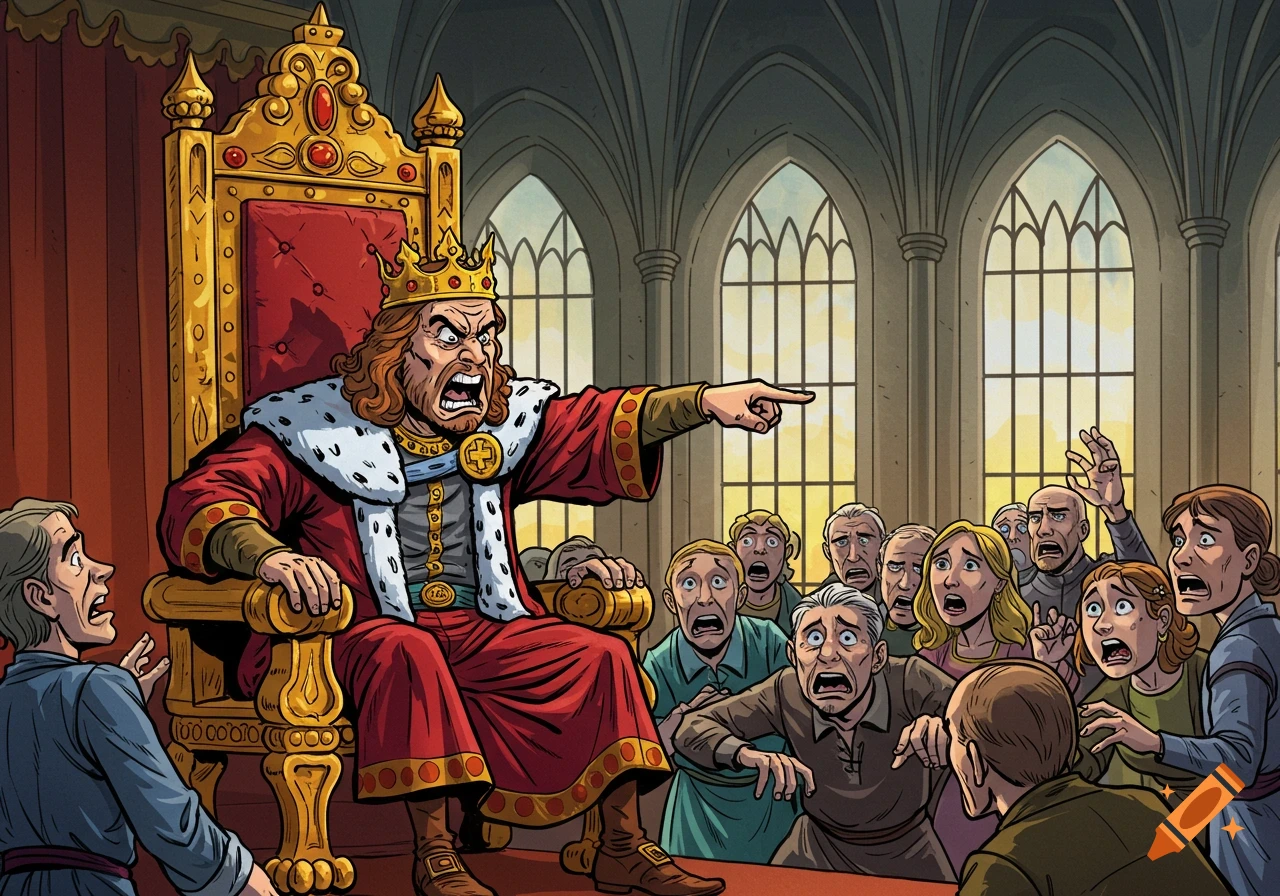
Tyranny
The oppressive and unjust use of power by a ruler or government, often leading to the violation of individual rights and liberties.
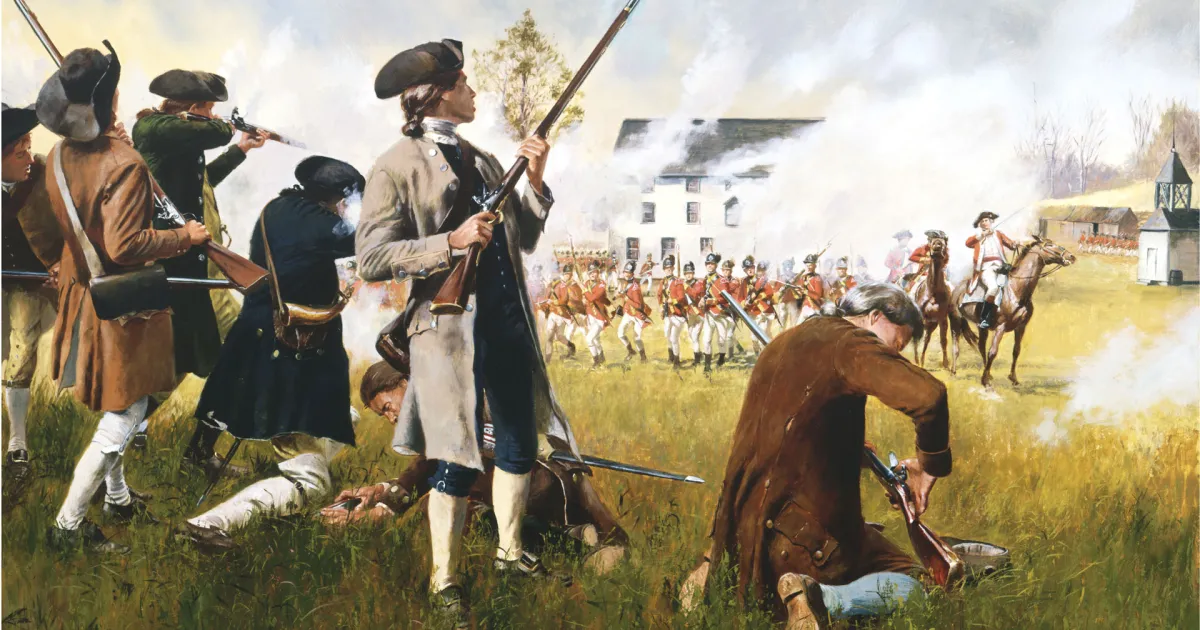
Lexington & Concord
The first military engagements of the American Revolutionary War, occurring on April 19, 1775, where colonial militia faced British troops, marking the start of armed conflict.

Saratoga
A pivotal battle in the American Revolutionary War, fought in 1777, which resulted in a decisive victory for the American forces and is often considered the turning point of the war because it encouraged France to support the American cause.

Yorktown
The last major battle of the American Revolutionary War, fought in 1781, where British General Cornwallis surrendered to American and French forces, effectively ending the conflict.

Valley Forge
The winter encampment of the Continental Army from 1777 to 1778, where troops faced severe hardships but emerged stronger under the leadership of George Washington.

Proclamation of 1763
A decree issued by the British government that prohibited American colonists from settling west of the Appalachian Mountains, aimed at stabilizing relations with Native Americans.

Coercive
Using force or threats to make someone act.

Declaration
A formal announcement.

Diplomat
A person who represents their country and works to maintain peaceful relationships with other countries.
Independence
Freedom from outside control; self-rule.

Intolerable
Unbearable, not acceptable.

Loyalist
A colonist who remained faithful to Britain during the American revolution.
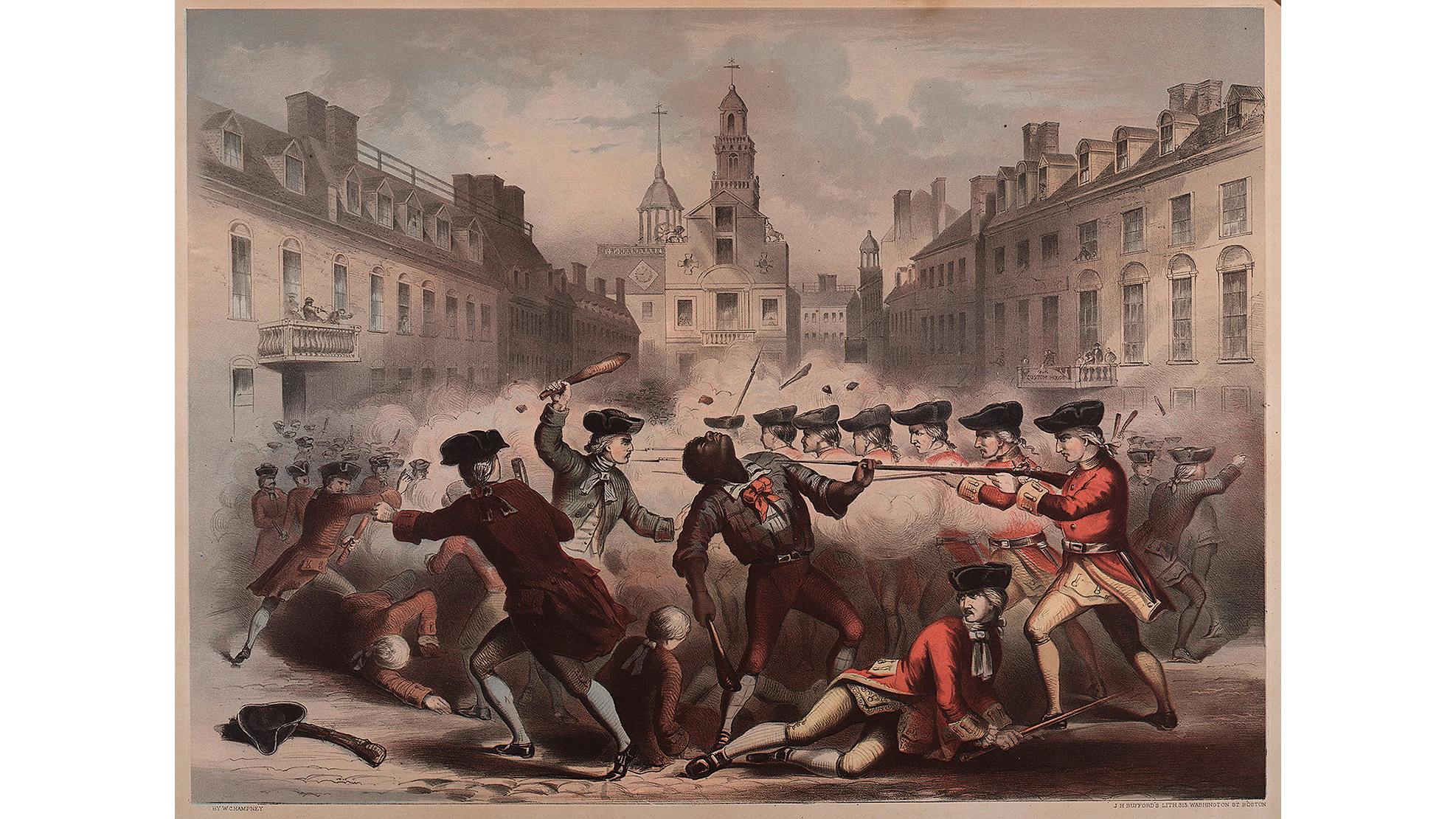
Massacre
A brutal killing of many people.
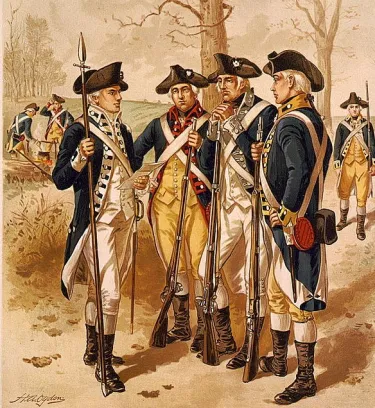
Militia
A military force raised from the civil population to assist the regular army in an emergency.

Minutemen
Volunteers during the American Revolution who pledged to be ready for military duty at a minute's notice.
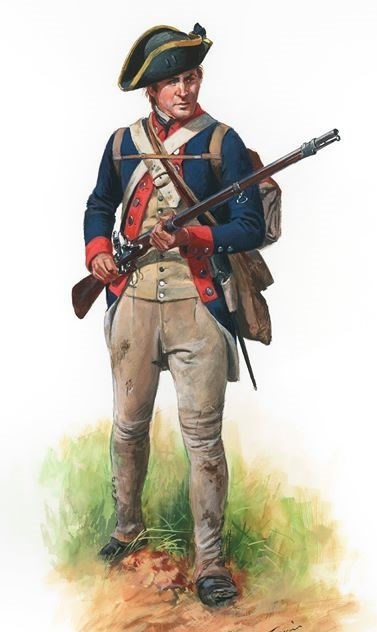
Patriot
A colonist who fought for American independence and a colonist who rejected British rule.

Proclamation
An official announcement or declaration.

Quartering
Providing housing or lodging, especially for soldiers.
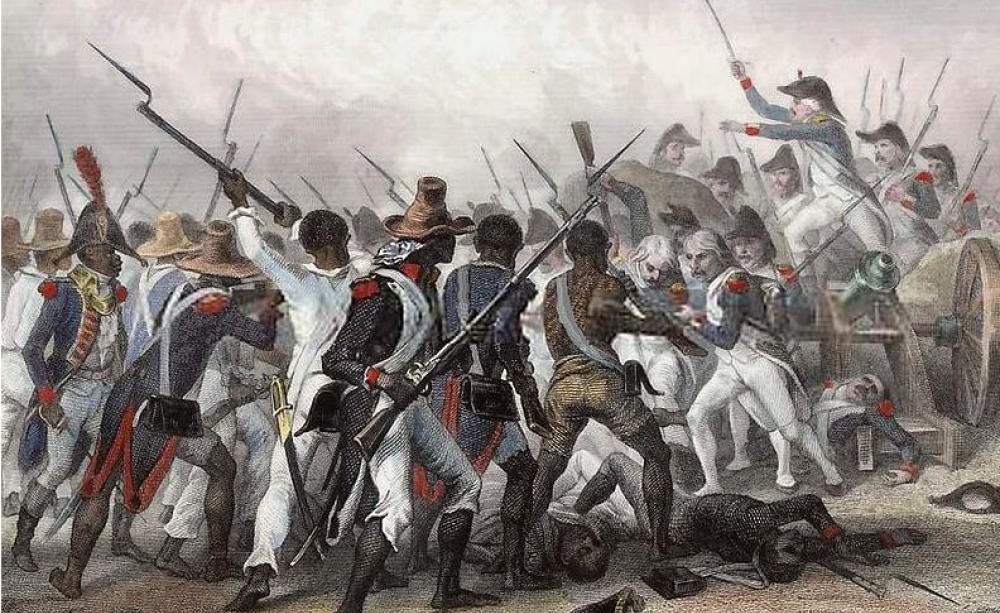
Rebellion
An uprising against authority.
Revolution
A complete overthrow of government or social order.

State
A political unit with government.

Treaty
A formal agreement between nations.

Union
The act of joining together.
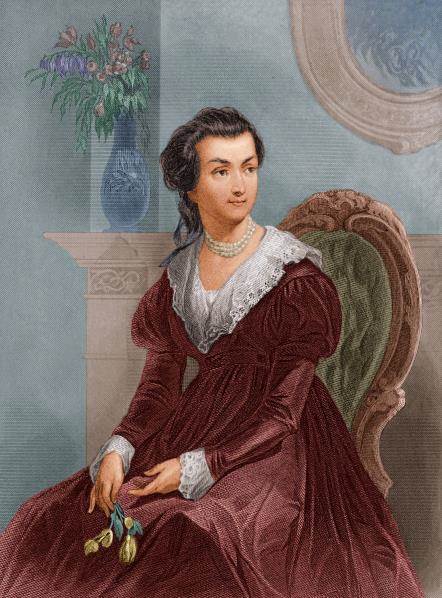
Abigail Adams
The wife of John Adams who wrote letters supporting independence and encouraging women’s rights.

Benjamin Franklin
A Founding Father who helped gain French support for the American Revolution and helped write the Declaration of Independence.

Crispus Attucks
An African American and Native American man who was the first person killed during the Boston Massacre.

James Armistead
An enslaved African American man who served as a spy for the American army during the Revolution and later gained his freedom.

John Paul Jones
An American naval commander who won important battles against British ships during the Revolution.
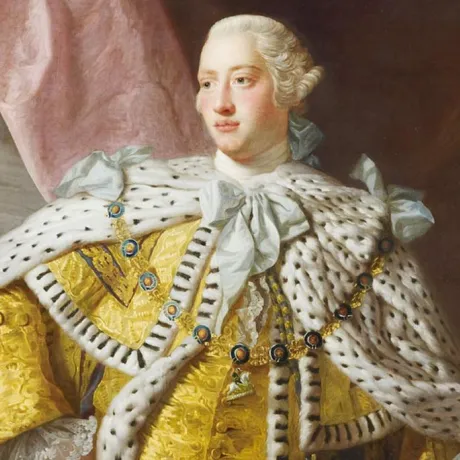
King George III
The British king whose government enforced taxes and laws that angered the American colonists.

Marquis de Lafayette
A French military officer who volunteered to fight with the American Patriots during the Revolution.
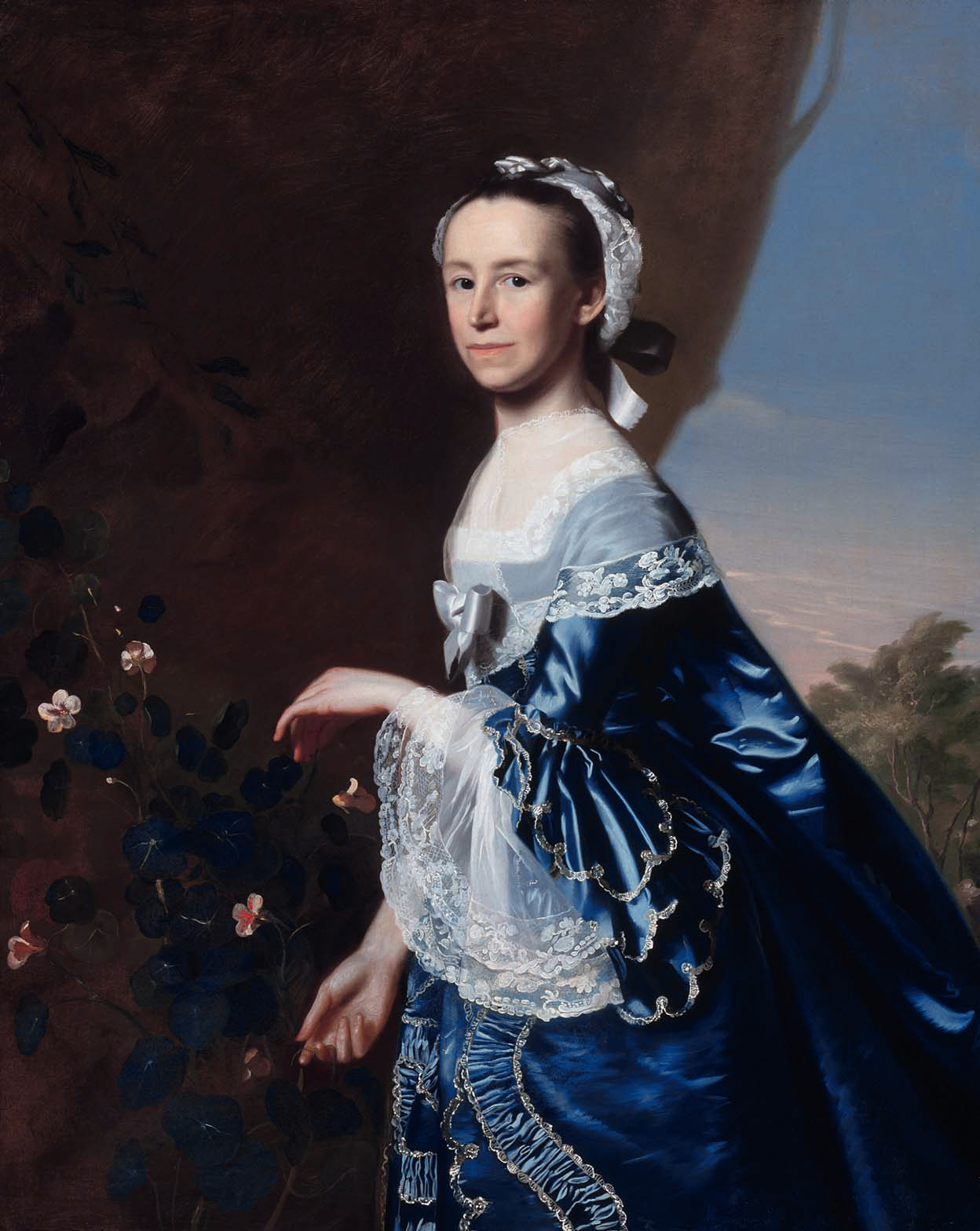
Mercy Otis Warren
A writer and Patriot who used plays, poems, and essays to criticize British rule and support independence.

Patrick Henry
A Virginia leader who strongly opposed British rule and gave a speech where he famously said, “Give me liberty, or give me death!”
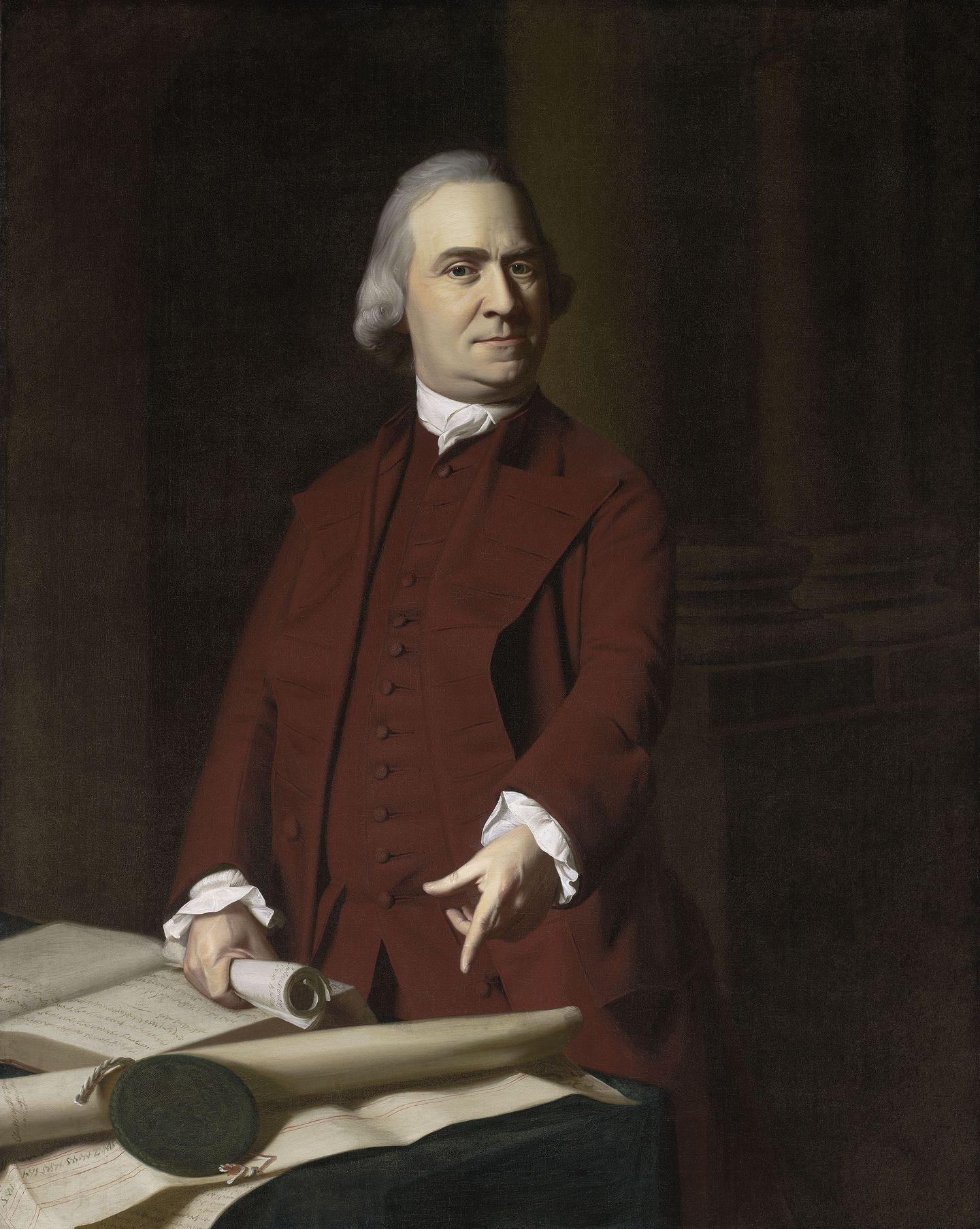
Samuel Adams
A colonial leader of the Sons of Liberty who opposed British taxes and helped organize resistance to British rule.
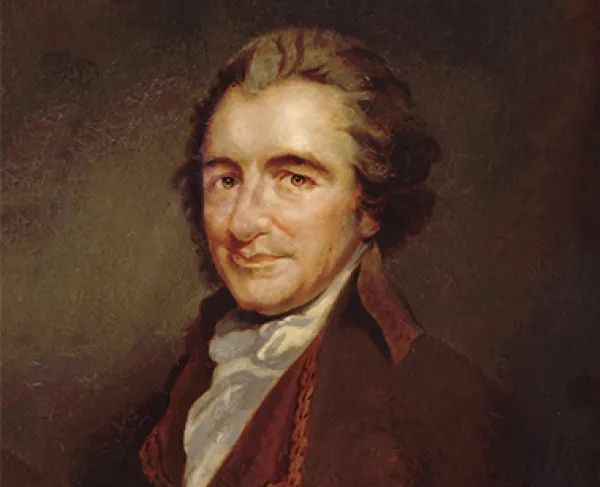
Thomas Paine
A writer whose pamphlet Common Sense convinced many colonists to support independence from Britain.

Wentworth Cheswell
An African American Patriot who served as a messenger and local official during the American Revolution.

Boston Tea Party
A political protest by the Sons of Liberty in December 1773, where they dumped tea into Boston Harbor to oppose British taxation without representation.
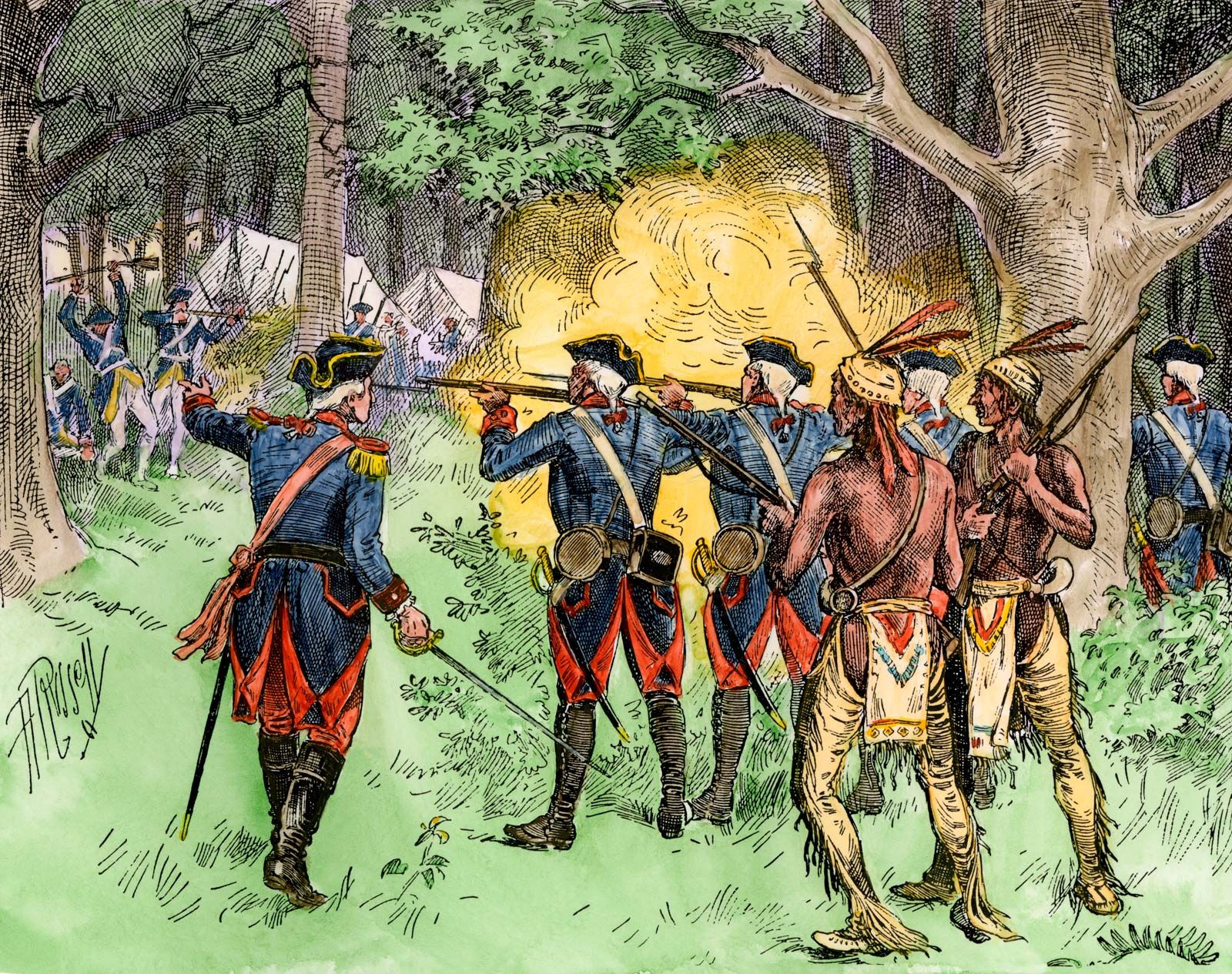
French & Indian War
A war from 1754–1763 between Britain and France over control of North America, with many Native American nations joining either side.
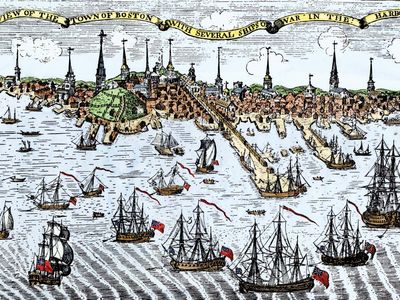
Intolerable Acts
A series of punitive laws passed by the British Parliament in 1774 to punish the American colonies, particularly Massachusetts, for the Boston Tea Party. These acts escalated tensions leading to the American Revolutionary War.

Stamp Act
A 1765 law imposing a direct tax on printed materials in the American colonies, requiring them to use specially stamped paper for legal documents, newspapers, and other publications. It was met with widespread protest and contributed to the growing colonial dissent against British authority.

Treaty of Paris 1763
Formally ended the French and Indian War, transferring territory from France to Britain in North America.
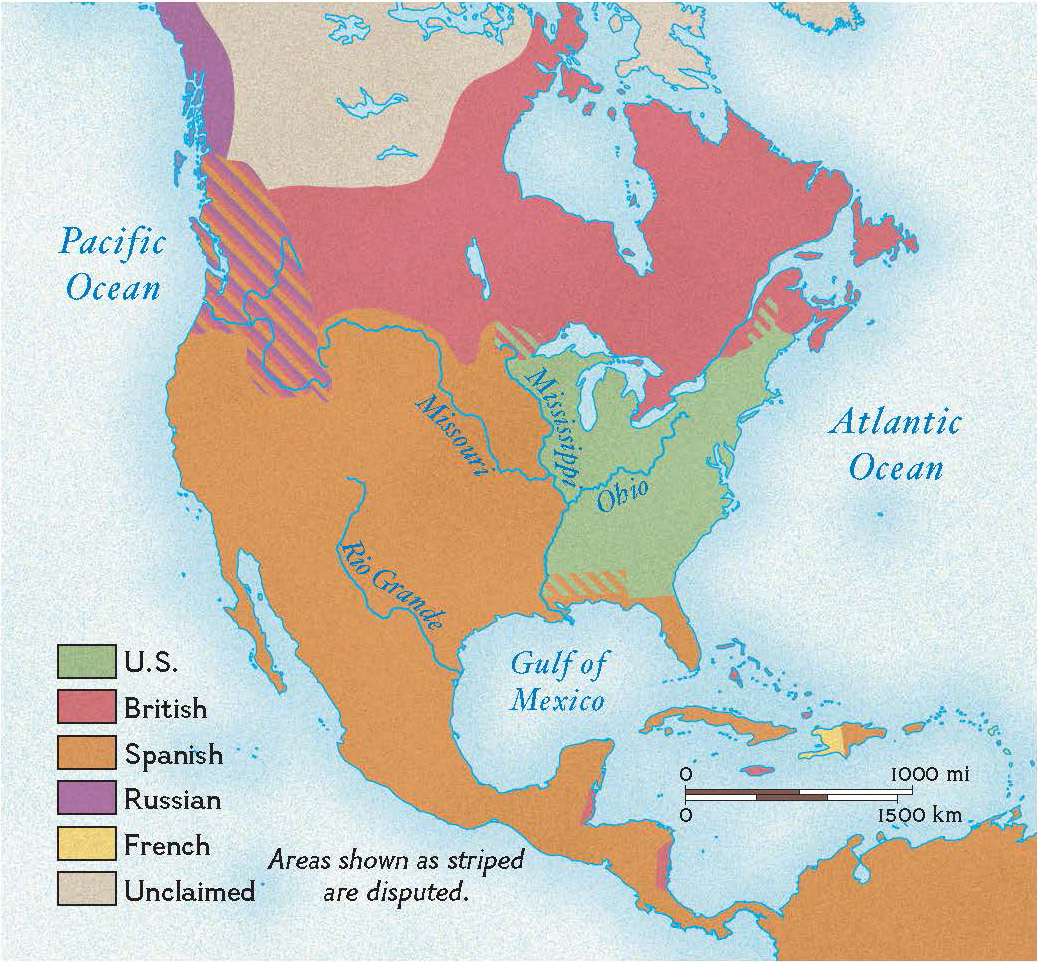
Treaty of Paris 1783
Formally ended the American Revolutionary War, recognizing American independence and establishing borders for the new nation.