Athletic Injuries
 Call Kai
 Learn
Learn Practice Test
 Spaced Repetition
 Match
Match Flashcards
 Knowt Play
1/281

Earn XP
Description and Tags
Derived from Nathan's BOC study sheet/guides
Name | Mastery | Learn | Test | Matching | Spaced | Call with Kai | Chat |
|---|
No analytics yet
Send a link to your students to track their progress
282 Terms
stress fractures occurs____, mainly to the___ (3)
in the weight bearing-bones of lower extremity
femur, tibia, fibula, foot bones
growth plate fractures occur ____ and are common to the population ___
cartilage near the ends of long bones
children under 20 y/o
stress fractures can result from (3)
single traumatic event (fall/MVA), chronic stress, overuse
what is bursitis?
inflammation of the bursae/bursa, a small, fluid-filled sac that acts like cushion between bone and other moving parts
bursitis can be caused by (2)
one-time event like a blow or fall, or repetitive motion
shoulder impingement is when…
top of shoulder blade put pressure on soft tissues beneath it when the arm is lifted
common groups to develop shoulder impingement are (2)
swimmers and repeated overhead movements
shoulder instability is when…
bone is forced out of it’s shallow socket, either partially or completely.
instability leads to __
dislocations; stretching of tendons, ligaments, muscles to be torn; shoulder becomes “loose” and dislocations can occur repeatedly
tennis elbow occurs when
overuse and repr
golfer’s elbow is __ epicondylitis (lateral or medial)
medial epicondylitis
how does one develop golfer’s elbow?
repeatedly using wrist and clenching fingers
little league elbow is….and is caused by….
growth plate injury caused by repetitive throwing in youths
little league elbow will hurt the inside or outside of the elbow?
inside
ulnar collateral ligament injury is caused by…
repetitive throwing, causing pain and decreased throwing effectiveness
patellofemoral pain syndrome is commonly called (2)
jumper’s knee or runner’s knee
patellofemoral pain syndrome is…
pain/tenderness caused by pressure increase between patella and femur
groin pull etiology
quick side-to-side motions can strain the muscles of the inner thigh and lead to groin pull
groin pull are common in which sports (4)
hockey, soccer, football, baseball
hamstring strains are common in which sports (3)
basketball, football, soccer
hamstring strain etiology
running, jumping, sudden starts and stops
which tendon is the largest tendon in the body?
achilles tendon
achillies tendonitis often felt when?
stiffness at back of heel, especially in the morning
symptoms of an acute injury (6)
sudden, severe pain
extreme swelling/bruising
inability to weight-bear
ROM decreased
extreme weakness
bone/joint visibly out of place
pain symptoms of chronic injury due to overuse (2)
pain with activity
swelling & dull ache with rest
PCP treat…
problems as they arise and coordinate care between different specialized health care providers (non-serious injuries)
orthopaedic surgeons specialize in…
diagnosing and treating injuries to bones, joints, ligaments, tendon, muscles, nerves
(ST, bones, nerves)
physiatrists doctors specialize in…
nonsurgical management of musculoskeletal conditions and can develop a plan of care, rehab included
what is myositis ossificans (MO)
condition where during healing of a bruise, bone forms within a muscle due to calcium deposits, causing a hard bone like structure.
myositis ossificans can take up to …. to heal
2-4 weeks
myositis ossificans commonly seen in which muscle groups (3)
thigh, upper arm, shoulder
myositis ossificans risk factors
repeated trauma to same area, not allowing muscle to heal properly, premature RTP
what is iliac hip contusion
AKA hip pointer is a contusion/bruise on iliac crest
iliac crest contusion can be caused by (2)
direct blow or impact
iliac hip contusion symptoms (6)
pain over iliac crest, bruising, swelling, tenderness, possible spasm, difficulty with movement/bending/twisting
how long may recovery take for hip pointer?
1 week with rest and proper care
sacroiliac joint dysfunction (SI) is…. and can cause pain to the….
inflammation and irritation to the pelvic and joint connecting to the spine
causes pain to lower back, hip, sometimes in leg that can radiate down
SI dysfunction etiology (5)
overuse, arthritis, pregnancy, infection, gait abnormalities, hyper or hypomobility
SI dysfunction is often worse during (2)
morning or periods of inactivity
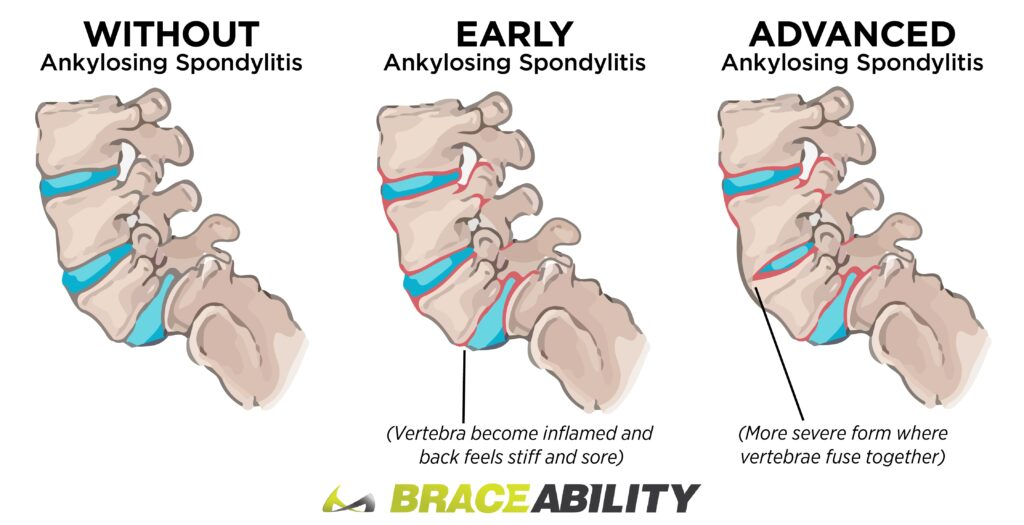
SI dysfunction differential diagnosis (6)
ankylosing spondylitis, hip osteoarthritis, lumbar spinal stenosis, piriformis syndrome, sciatica
SI dysfunction type of pain feels like… in the…
sharp/stabbing/dull in lower back/buttocks/hip
SI dysfunction can be described feeling as…
pelvis or lower back is giving away; difficulty with balance or coordination
what are the rare symptoms SI dysfunction lead to (2)
leg length discrepancy and bowel or bladder problems
spondylosis etiology/causes (3)
age related wear and tear
degeneration of discs, bones, joints
bone spurs or herniated discs that can compress the spinal cord or nerve roots
a stress fracture in vertebra.
what can happen to ligaments if present with spondylosis condition?
ligament thickening and stiffening, further limiting spinal flexibility
spondylosis signs and symptoms (4)
what movements would be painful
pain to neck and back
stiffness
limited ROM
numb/ting/weakness in arms or legs
hyperextension of neck, back
lateral neck flexion
prolonged sitting
what is IT band syndrome
AKA runner’s knee is an overuse injury caused by repetitive knee bending, leading to friction and inflammation where IT band rubs against lateral tibia.
other etiology of IT band syndrome (8)
tight IT band
muscle imbalances
poor running form
biomechanical issues
training error
foot problems
worn out shoes
running on hard surfaces
IT band syndrome is pain is/to…(4)
pain to outer knee
pain worsens with activity
pain radiates up or down the knee
pain lingers after exercise
clicking, popping, snapping sensation
to correct IT band syndrome, stretch the…(3) and strengthen the…
stretch the IT band, hip flexor, hamstring
strengthen the gluteus medius and external rotator muscles
blockers exostosis etiology
repetitive blunt trauma to the humerus; basically myostitis ossification to the humerus, upper arm, biceps
which sport and position is most likely to get blockers exostosis
football linemen
blockers exostosis symptoms (5)
pain, tenderness, sensitivity worsen by pressure, change in contour of arm, occasionally swelling or bruising with repeated injury
uncommonly, there could be a movable bone in the arm when the spur breaks off the humerus
if you were born with blockers exostosis, what condition is this called?
osteochondroma
biceps tendon rupture etiology
acute trauma: fall, lifting
chronic issues: overuse, age-related degeneration, underlying conditions
ruptured biceps tendon symptoms (7)
sudden, sharp pain, often accompanied by a popping or tearing sensation, swelling, weakness in shoulder and elbow, noticeable bulge in biceps muscles (popeye deformity)
key differences in thoracic outlet syndrome from brachial plexus injury
results from compression of the nerves of blood vessels at the thoracic outlet/collarbone and first rib
key difference in brachial plexus injury from thoracic outlet syndrome
result from direct injuries to the nerves themselves (direct trauma, falls, car accidents)
common different diagnosis for TOS and brachial plexus injury (4)
carpel tunnel syndrome, cubital tunnel syndrome, cervical spine disease, other nerve entrapment
shoulder tendon synovitis etiology
inflammation of tendon sheath surrounding shoulder tendons like the rotator cuff from overuse or sudden trauma
shoulder tendon synovitis symptoms (5); what is the number one tale-telling sign
stiffness
*pain abduction between 40 and 120 degrees
tenderness
swelling
clicking or grating sensation when moving the shoulder
reduced strength and mobility
causes of shoulder tendon synovitis (2)
overuse
improper technique
tendonitis vs tenosynovitis
tendon - inflammation of tendons
tenosynovitis - inflammation of tendon sheath, the protective sleeve of tissue surrounding the tendons
bicep long head rupture etiology
acute trauma and chronic degeneration due to overuse or underlying shoulder conditions; often associated with rotator cuff tears, esp in older individuals bicep long head rupture
bicep long head rupture can also be called
popeye deformity can also be called
bicep long head rupture can happen from traumatic injuries such as
FOOSH
twisiting
lifting or catching heavy objects
forceful injuries (younger individuals)
what are other factors that can influence bicep long head rupture
smoking
long-term use of corticosteroids (weaken tendons)
diabetes (rare)
chronic kidney disease (rare)
RO cuff tears
SLAP lesions
subacromial impingement
RO cuff injury is
the rupture of bicep tendon, often associated with RO cuff tears
SLAP lesion is
involving the labrum and can contribute to bicep tendon issues
bicep long head rupture symptoms
sudden, sharp pain
audible pop or snap
bruising
pop eye deformity
weakness in shoulder and elbow
reduced ROM
spasms
tingling
bankart lesion etiology
tear in glenoid labrum, the cartilage rim surrounding shoulder socket; primarily caused by traumatic shoudler dislocation, esp anterior dislocation;
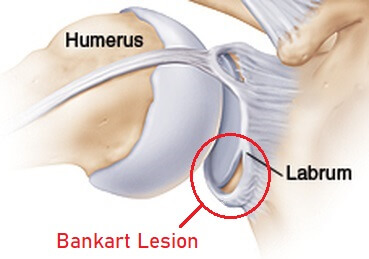
mechanism of bankart lesion
shoulder dislocated, and force of dislocation tears the labrum
common causes of bankart lesion
traumatic like falls, car accidents
bankart lesion normally tears at the
anterior-inferior portion of glenoid labrum
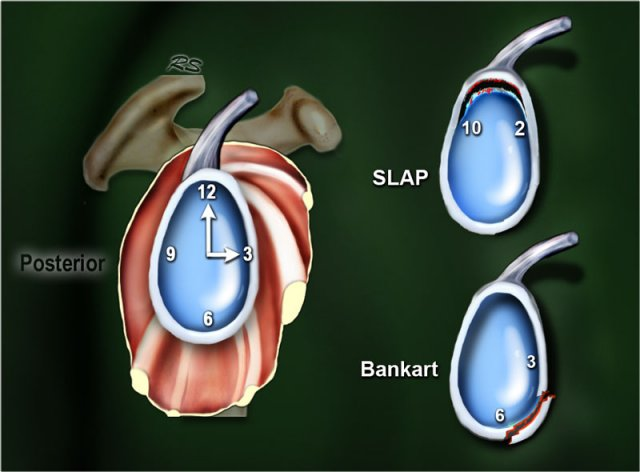
what is an associated injury with bankart lesion, and what is it
hill-sachs lesion, indentation of humerus caused by compression against glenoid rim during the dislocation (humerus head also affected)
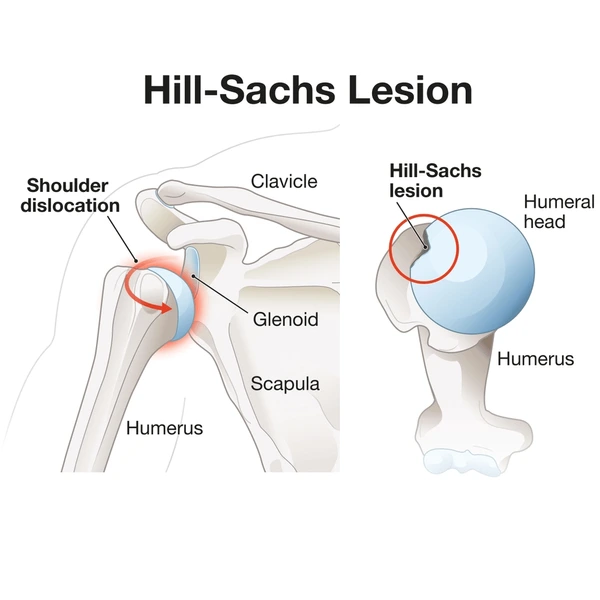
what is a reverse bankart lesion
occur with posterior shoulder dislocation, damaging the posterior labrum
bankart lesion sign and symptoms
pain at front of shoulder (esp with movement of overhead activities)
shoulder instability
shoulder feels loose or “slipping” out of place during specific movements or positions
decreased ROM
catching or popping sensation
grinding, clicking, locking sensations in joint
common different diagnosis of bankart lesion can be mistaken for
RO cuff tears, SLAP lesions
shoulder structures
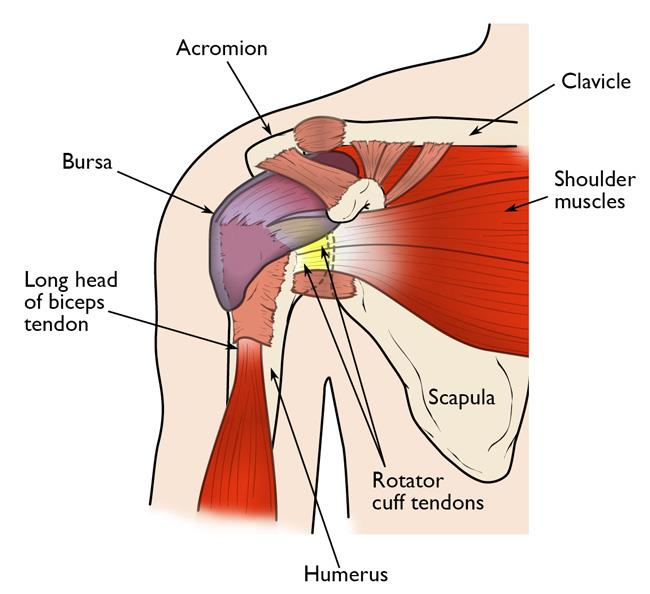
shoulder impingement caused by
excessive muscleulature rubbing to the acromion and coracoid, common to overhead athletes
shoulder impingement can lead to
inflammation then tendonitis
shoulder stiffness can often be called
frozen shoulder or shoulder capsulitis
how do you treat frozen shoulder
if no tears to structures: avoid long periods of immobilization in sling and start physical therapy to prevent frozen shoulder from developing.
can be painful and prolong injury
rotator cuff structure is
group of muscles and tendons that hold shoulder joint together, the SITS muscles
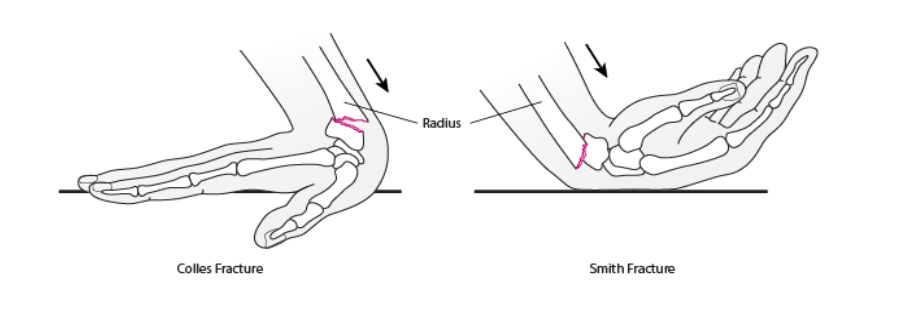
colles fracture vs smith fracture
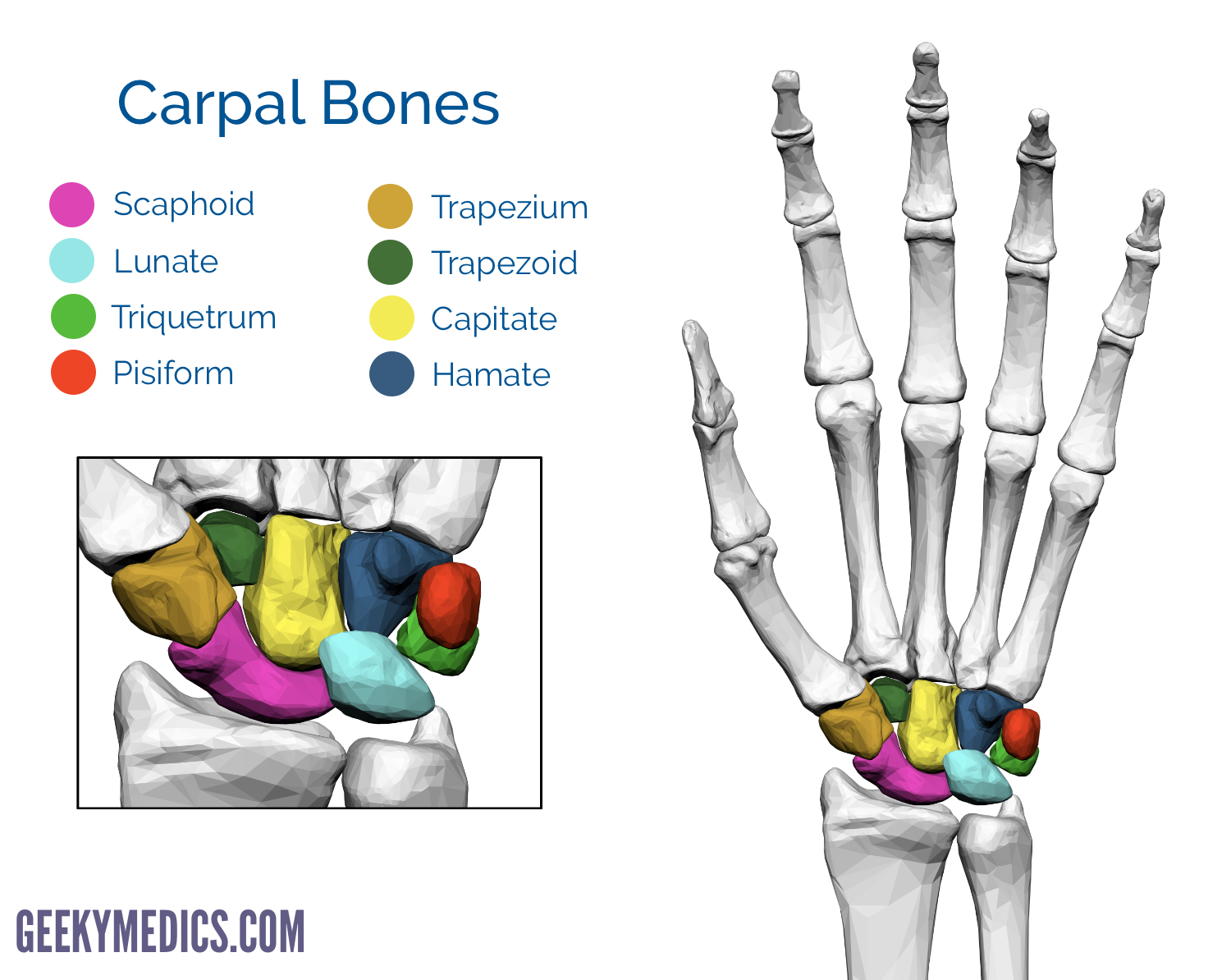
metacarpal bones, how to remember them
smith fracture happen when you fall
onto a flex wrist
colles fractures have a ___ deformity, what does this mean?
dinner-fork, dorsally placed
smith, colles, barton, hutchinson fracture
flexion; extension; fracture at distal radius + dislocation at radio carpal joint; radial styloid process or intra articular fracture of styloid process
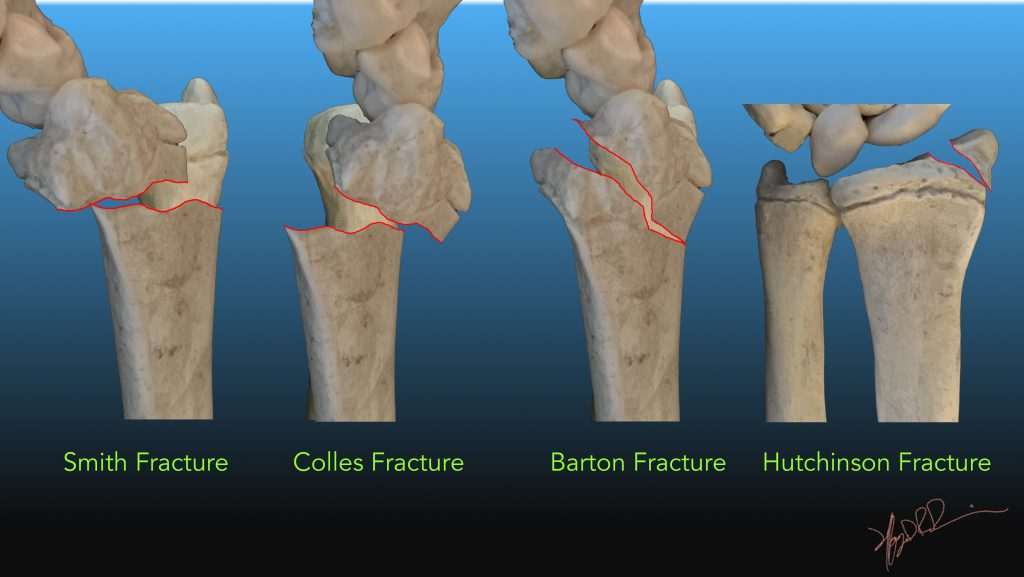
barton fracture mechanism
falling on top of bent wrist, the distal radius breaks. can happen with direct impact to wrist also. can be described as volar or dorsal placement
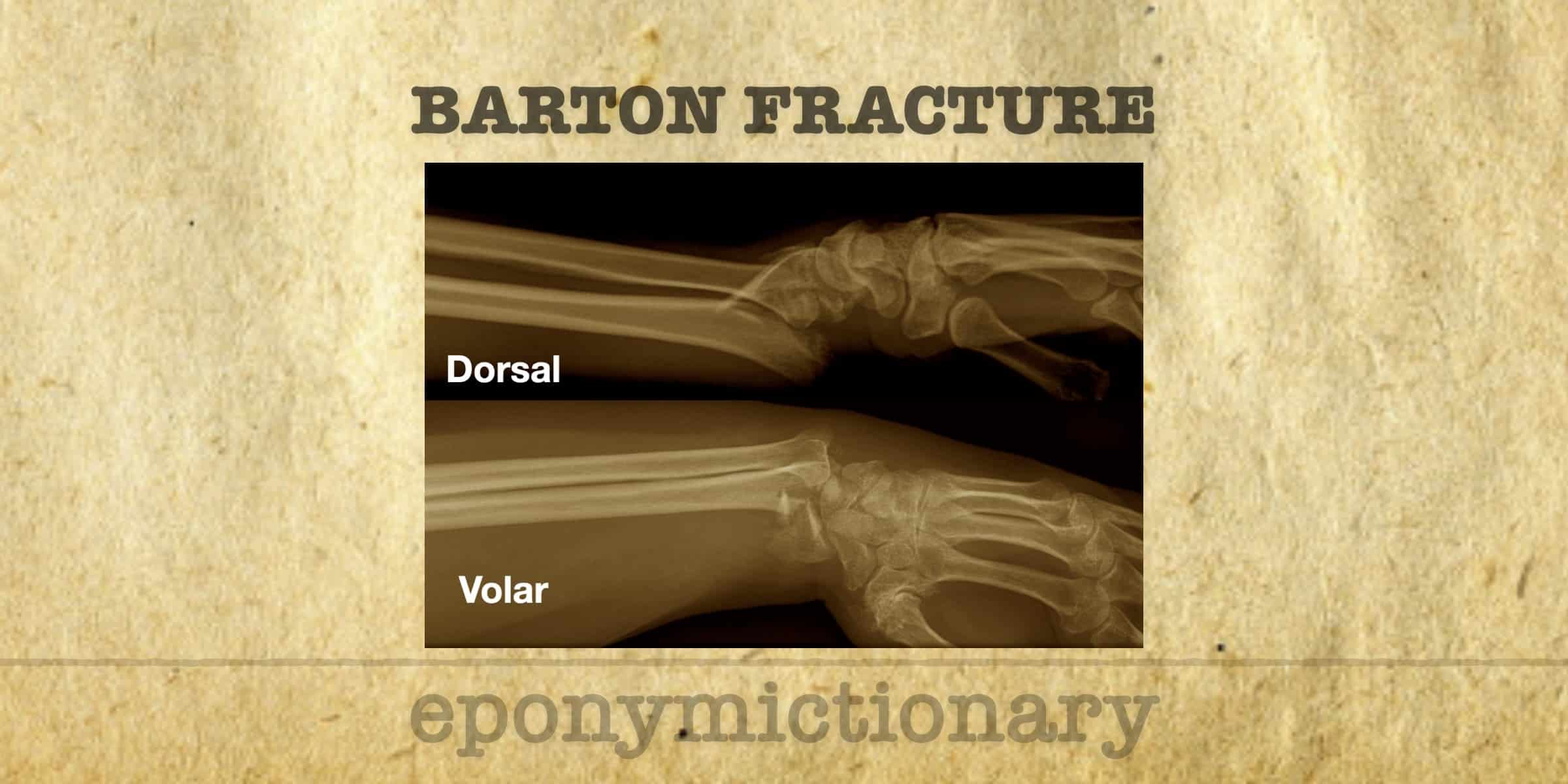
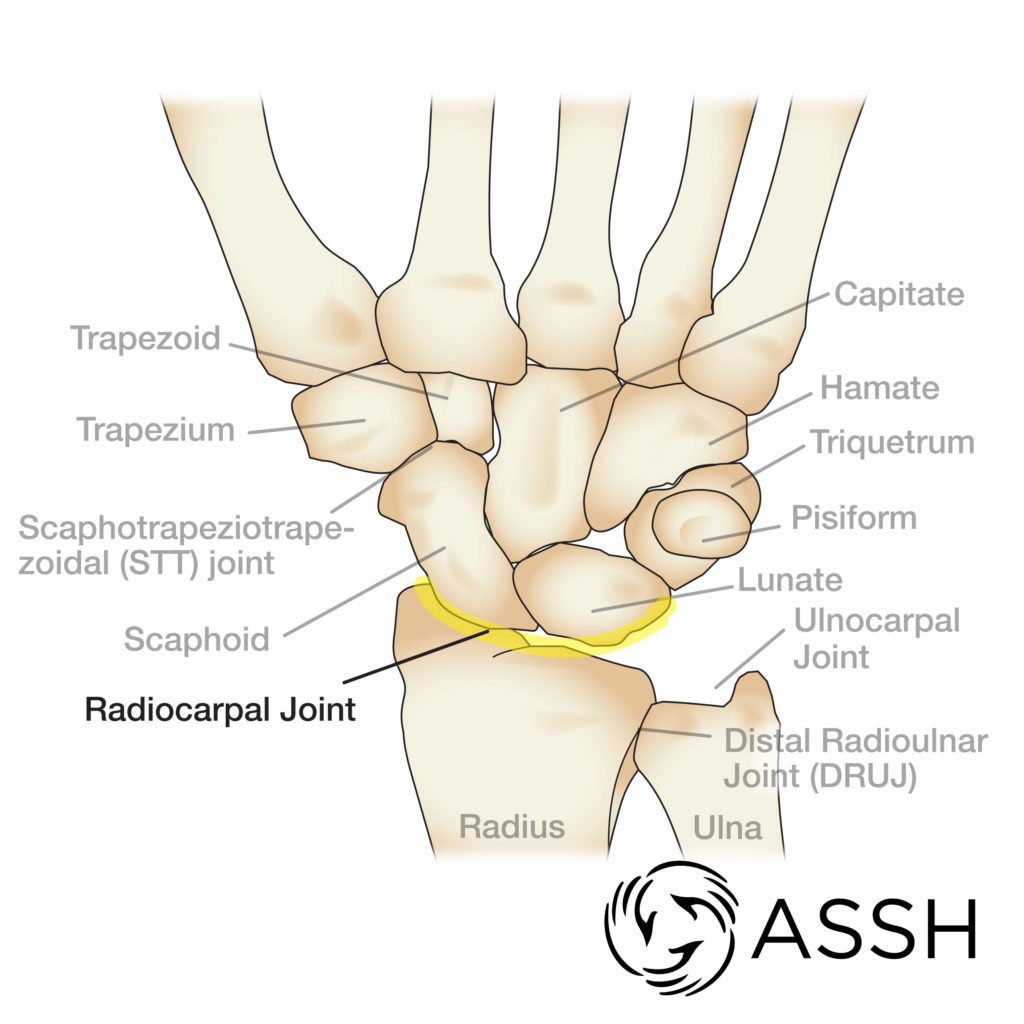
barton fracture, which part of the bone is fractured
radiocarpal joint
colles fracture signs and symptoms
severe pain, worsens with movements or pressure
swelling
deformity
bruising
limited ROM
numbness or impaired sensation
tenderness
impaired motor function
smith fracture distinction and tale-telling sign from colles fracture is…
acute carpal tunnel syndrome (15% of cases, median nerve is compressed)
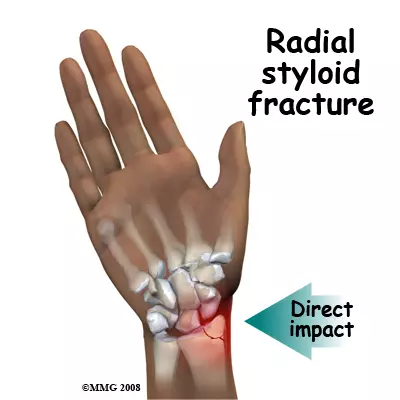
hutchinson fracture is injury to what area
fracture of radial styloid process
baseball finger/mallet finger etiology
trauma to extensor tendon at DIP often by direct trauma can sometimes pull off a small piece of bone, causing slight flexion and difficulty straightening.
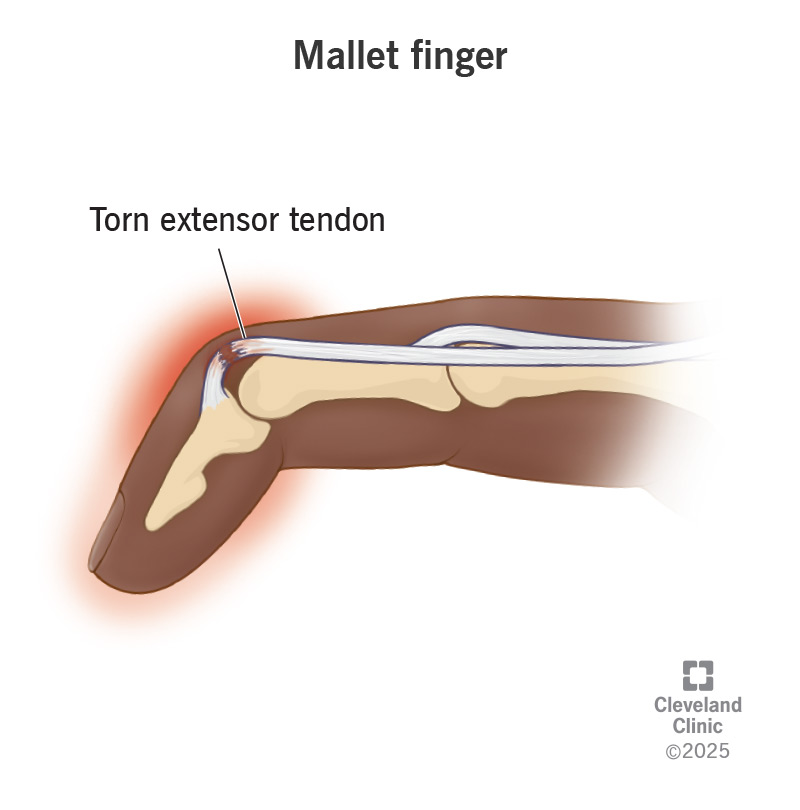
baseball/mallet finger signs and symptoms
swelling
redness
loss of extension ability
bennett fracture etiology
punching, falls, bike riding, car crashes; can be accompanied by other injuries like trapezium fracture, or UCL injury at the MCP joint (which surgery may be necessary)
caused by axial loading on partially flexed 1st carpal-metacarpal joint (CMC)
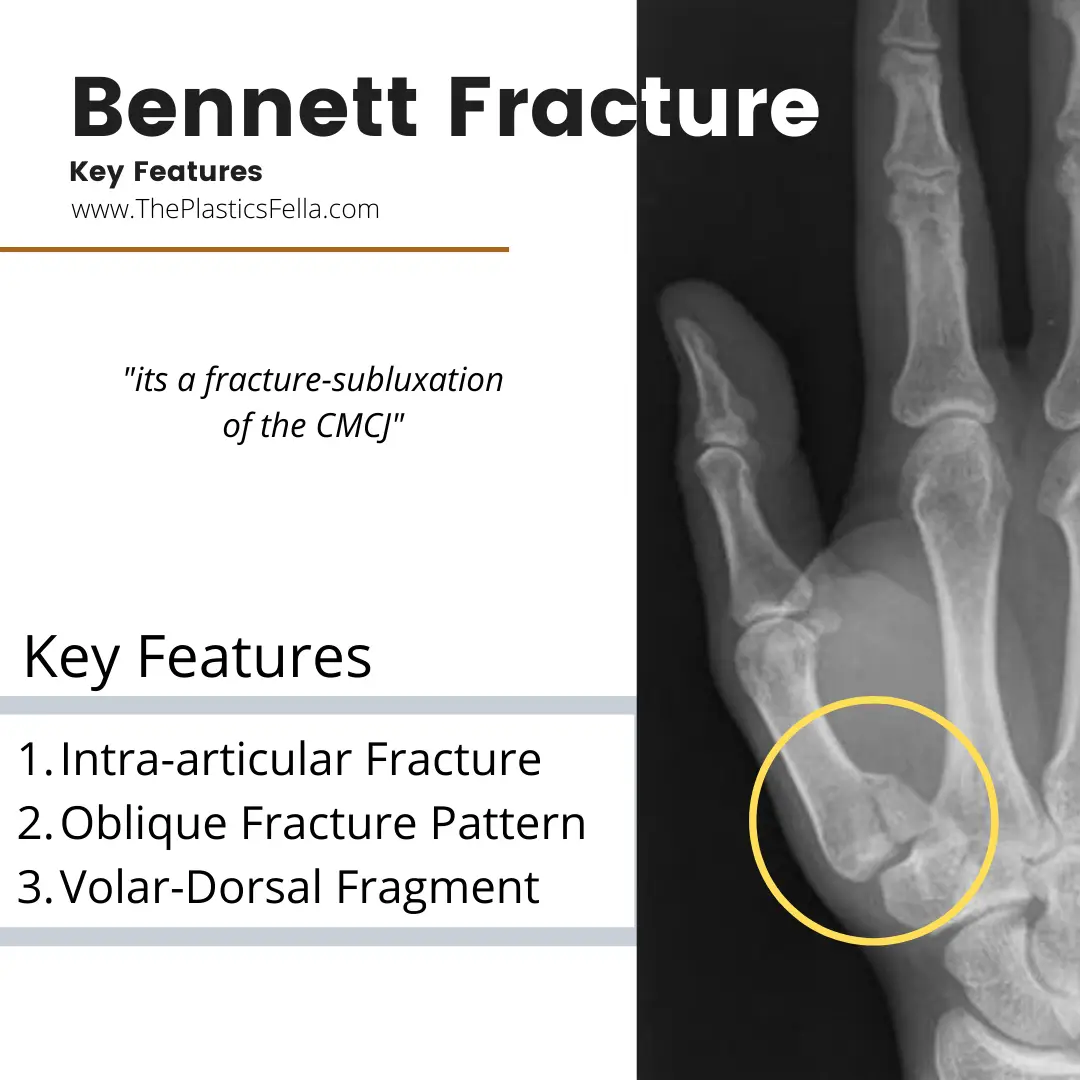
bennet fracture signs and symptoms
pain
swelling
bruising at thumb
difficulty grasping
potential deformity
potential misalignment of thumb
tenderness
joint instability
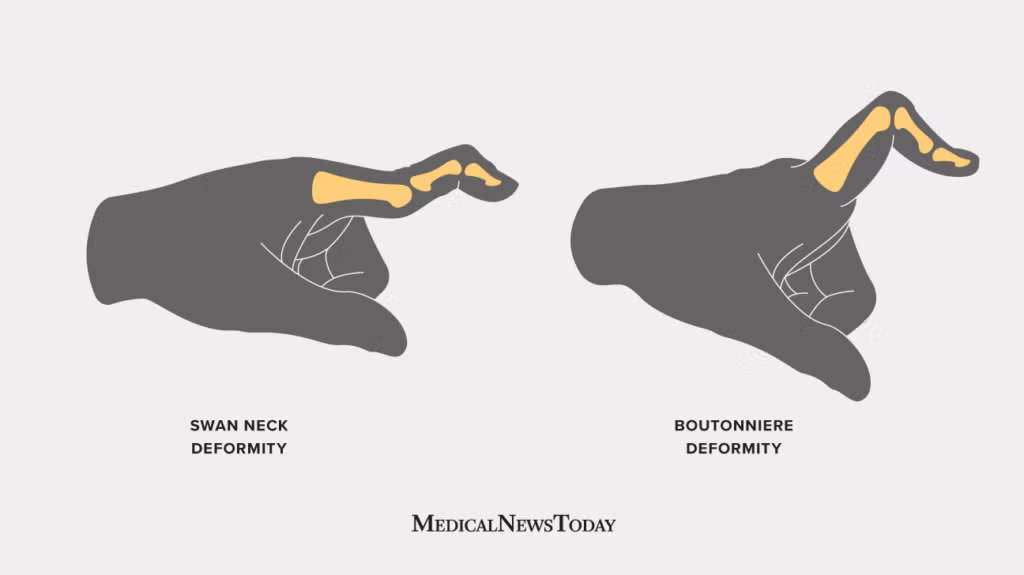
boutonniere deformity mechanism of injury
DIP hyperextended, PIP stuck in flexion due to injury to extensor
PIP joint flexed inward and DIP extension outward due to injury to extensor at PIP joint, specifically the central slip, or fracture the bone at attachment caused by forceful blow to back of finger of bent finger, or direct injury to extensor tendon
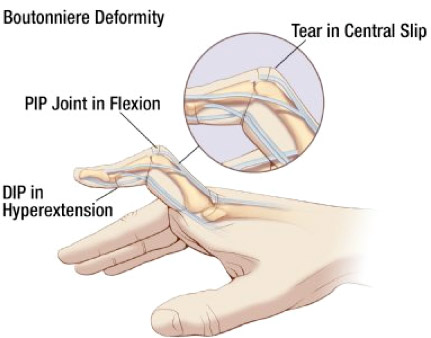
difference between swan neck deformity and boutonniere deformity
swan neck is affected at the base joint (DIP hyperflexed, PIP hyperextendedd) rather than the middle joint (the PIP flexed due to torn extensor), bends inward.