DECA SBE EXAM TERMS
 Studied by 0 people
 Call Kai
 Learn
Learn Practice Test
 Spaced Repetition
 Match
Match Flashcards
 Knowt Play
1/53

There's no tags or description
Looks like no tags are added yet.
Name | Mastery | Learn | Test | Matching | Spaced |
|---|
No study sessions yet.
54 Terms
Cash Flow Statement
A financial statement that shows the inflows and outflows of cash within a business over a specific period.
Double-entry Accounting
An accounting method that requires every financial transaction to be recorded in at least two accounts, ensuring the accounting equation remains balanced.
Equity Funding
The process of raising capital through the sale of shares in a company, providing investors with ownership stakes.
Income Statement
A financial report that summarizes a company's revenues, expenses, and profits over a specific period.
Rolling Budget
A budget that is continuously updated by adding a new budget period as the previous one concludes, allowing for ongoing adjustments.
Sales Journal
A record used to document all sales transactions made by a business, typically on credit.
Health Regulations
Rules and standards set by government or health organizations to ensure public health and safety in various industries.
Inventory
The goods and materials a business holds for the purpose of resale or production.

Loss Prevention
Strategies and practices aimed at reducing theft, fraud, and other losses in a retail or business environment.
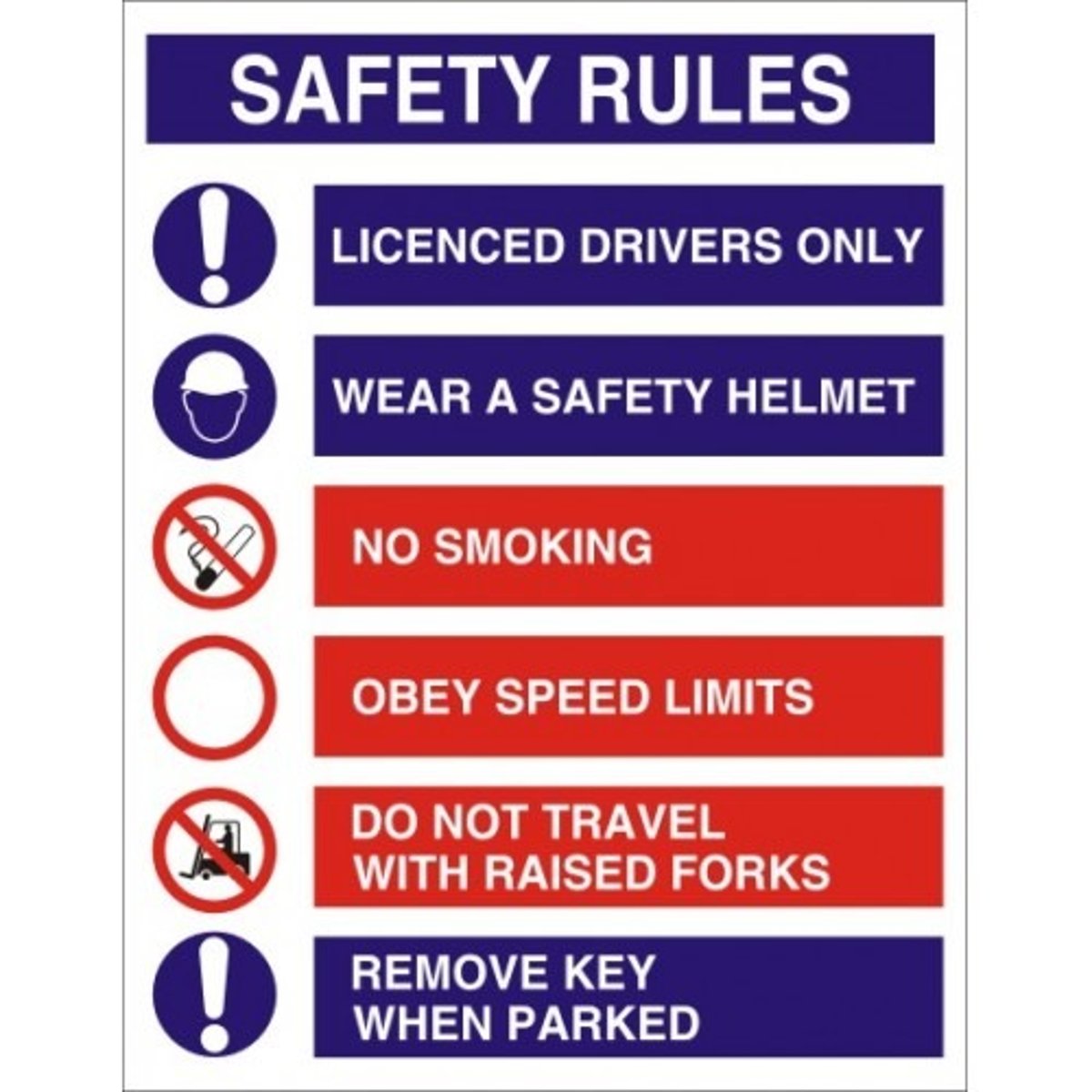
Safety Regulations
Laws and guidelines designed to protect the health and safety of employees and customers in the workplace.
Shrinkage
The loss of inventory due to theft, damage, or errors, which can negatively impact a business's profitability.
Buying Power Index
A measure that compares the purchasing power of consumers in different geographic areas.
Buzz Marketing
A marketing strategy that aims to generate excitement and word-of-mouth promotion for a product or service.
Market Research
The process of gathering, analyzing, and interpreting information about a market, including information about the target audience and competitors.

Needs Assessment
A systematic process for determining and addressing needs or gaps between current conditions and desired conditions.
Product Related Data
Information that pertains to the characteristics, performance, and market position of a product.
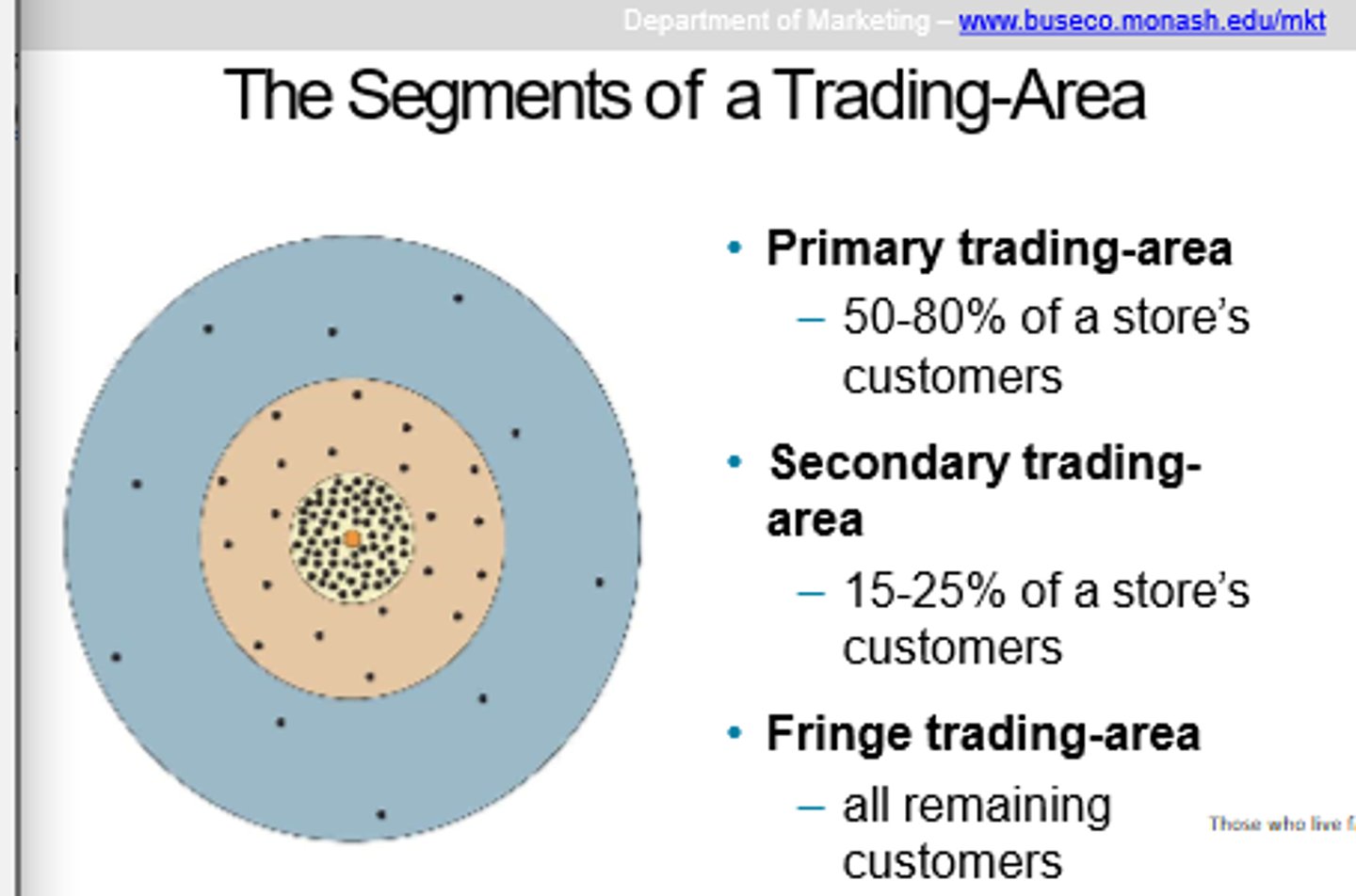
Trading Area
The geographic area from which a business attracts customers.
Behavioral Characteristics
Traits and patterns of behavior exhibited by consumers that influence their purchasing decisions.
Demand Density
The concentration of demand for a product or service within a specific area.
Demographics
Statistical data relating to the population and particular groups within it, including age, gender, income, and education.
Geographics
The study of the physical location of consumers and how it affects their buying behavior.
Market Analysis
The assessment of a market to understand its dynamics, including size, trends, and competition.
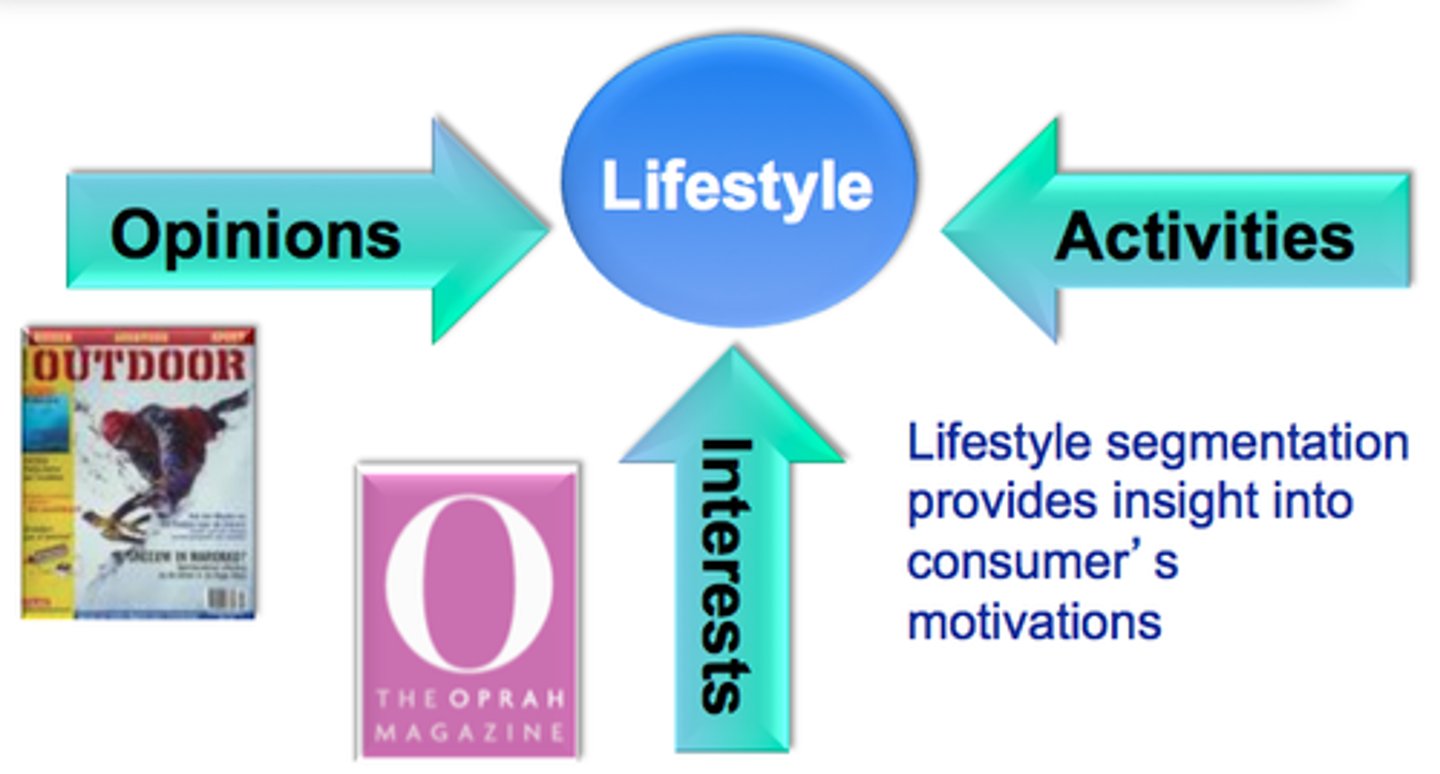
Psychographics
The study of consumers based on their psychological attributes, including values, interests, and lifestyles.
Supply Density
The concentration of supply for a product or service within a specific area.
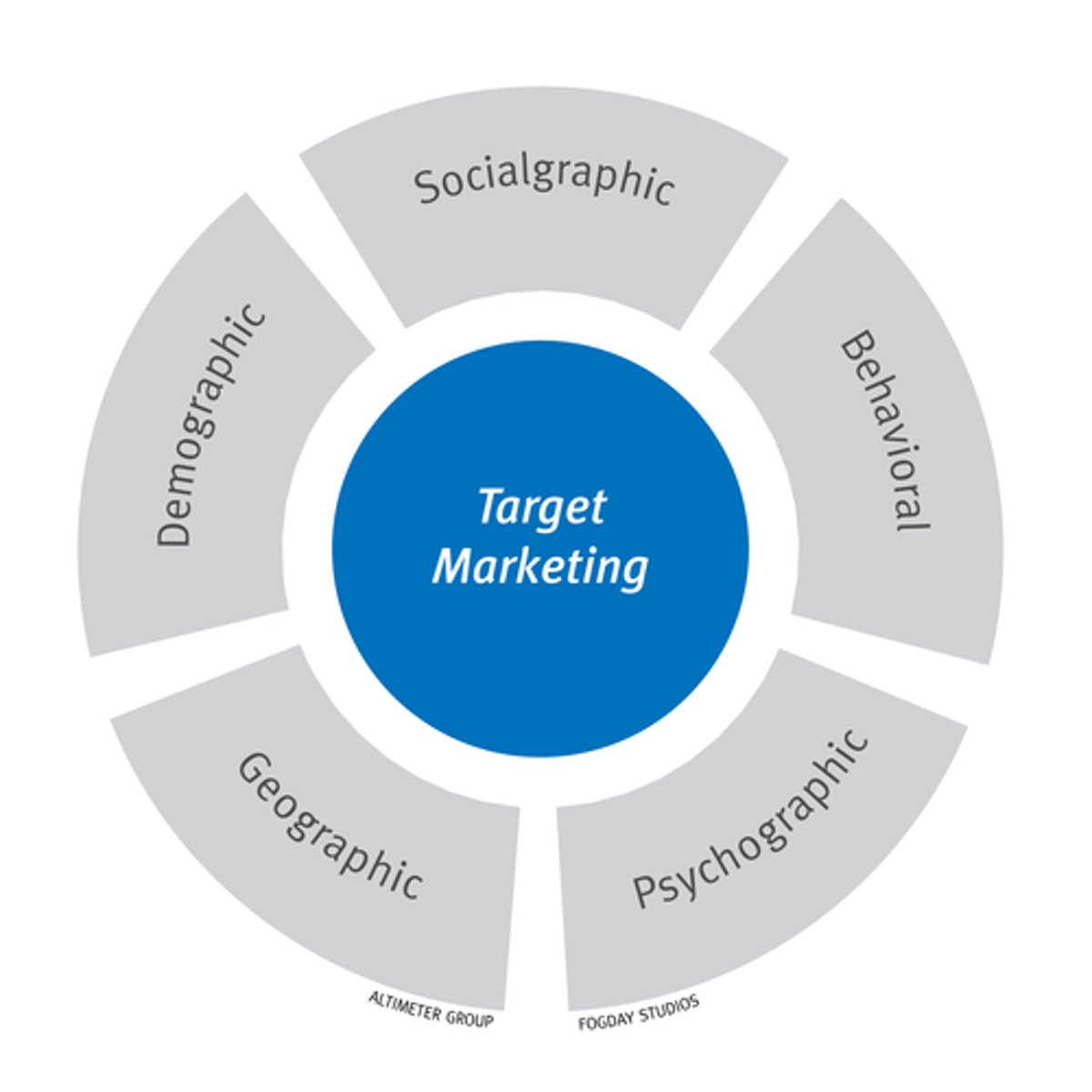
Target Market
A specific group of consumers identified as the intended audience for a product or service.
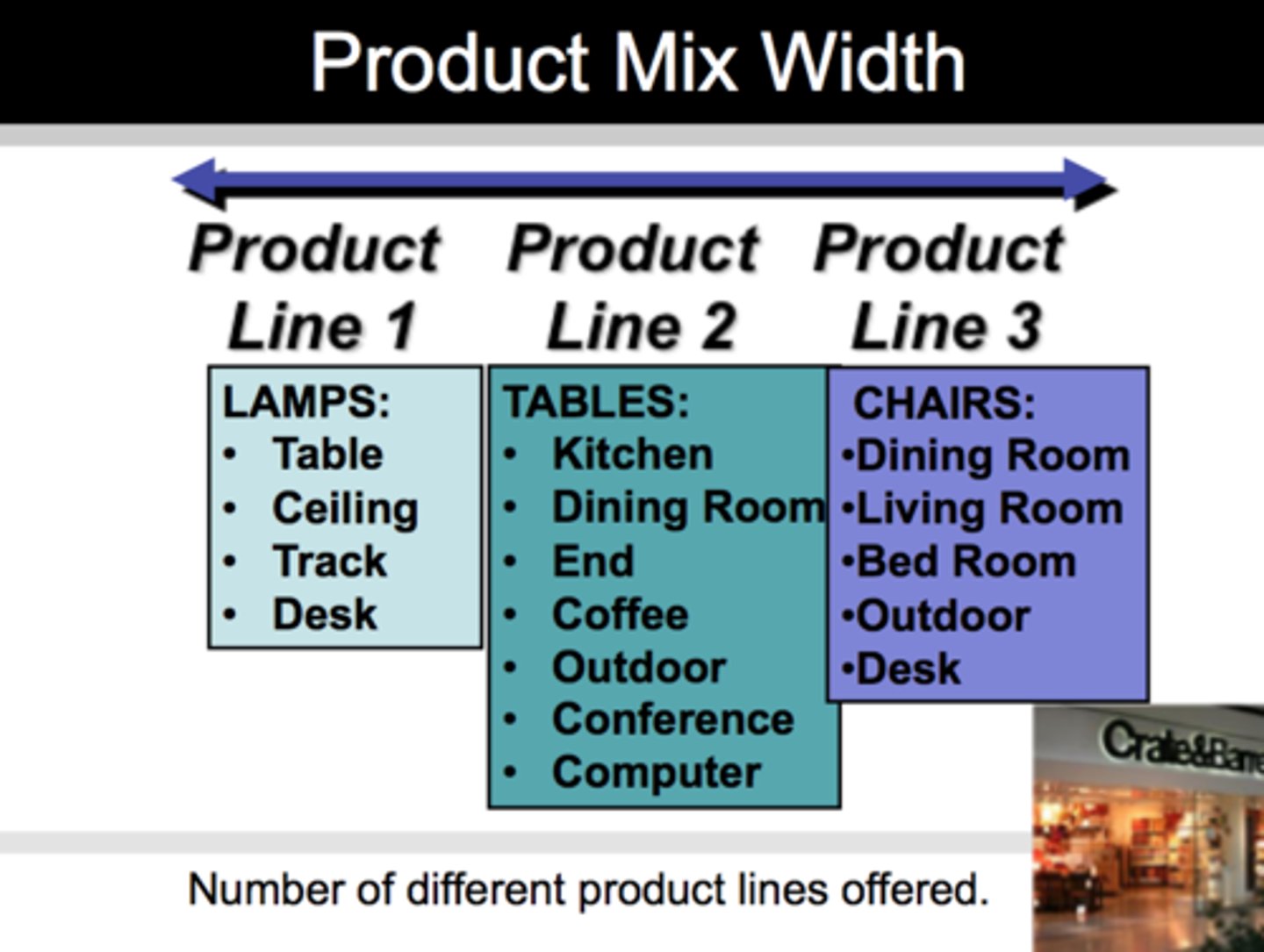
Product Depth
The number of variations of a product within a product line.
Product Mix
The total range of products offered by a company, including all product lines and individual items.
Product Width
The number of different product lines a company offers.
Reductions
Decreases in price or quantity, often used in the context of sales and promotions.
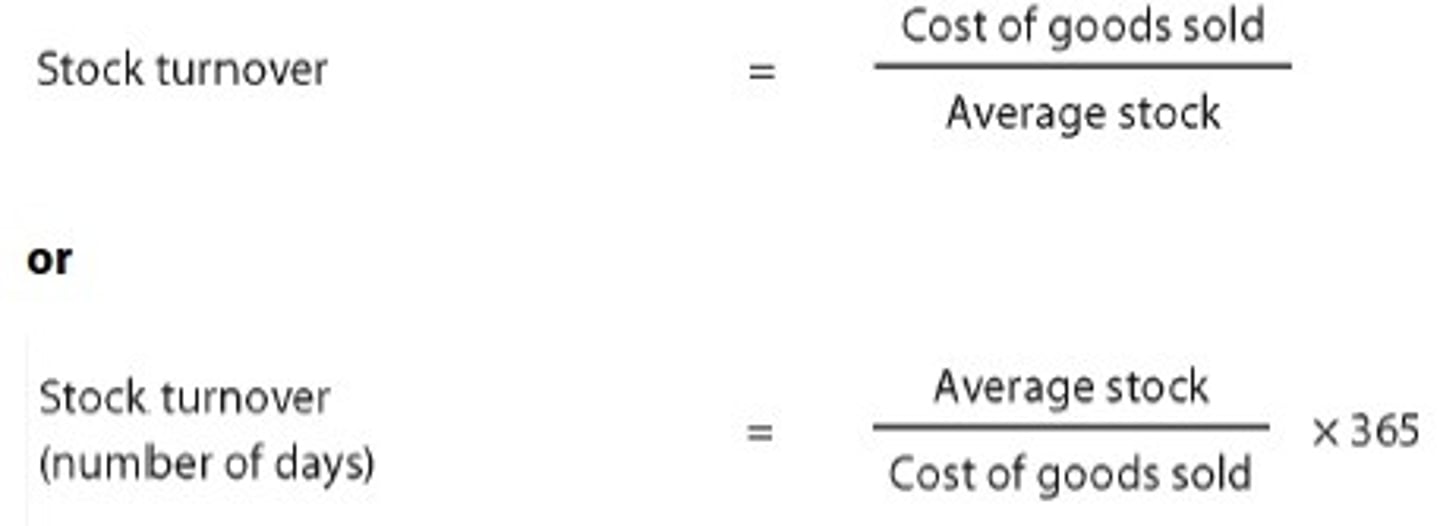
Stock Turnover
A measure of how quickly inventory is sold and replaced over a period.
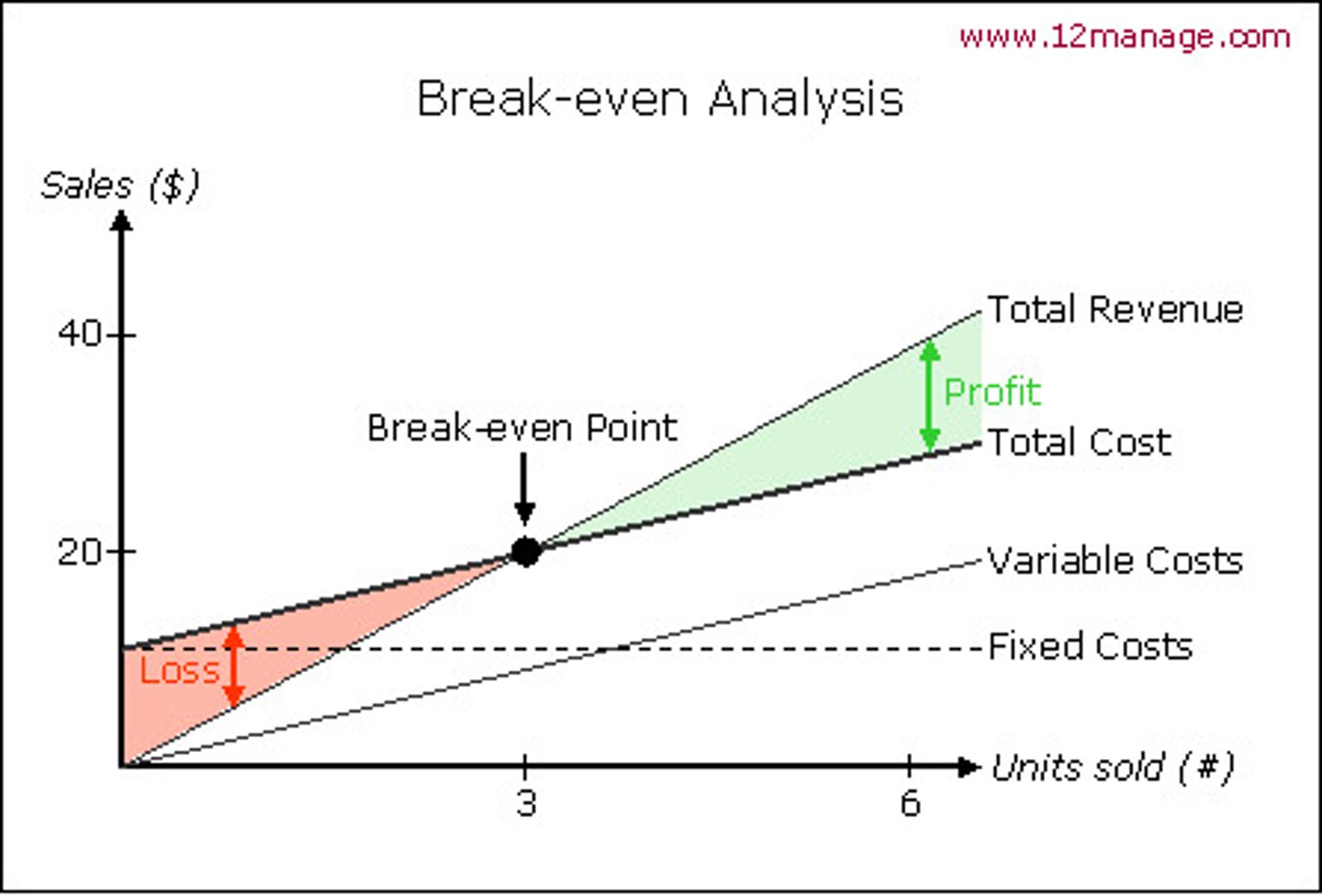
Break-even Point
The level of sales at which total revenues equal total costs, resulting in neither profit nor loss.
Cost-plus Pricing
A pricing strategy where a fixed percentage is added to the cost of producing a product to determine its selling price.

Discount Pricing
A pricing strategy that involves reducing the normal selling price of a product to encourage sales.
Fixed Cost
Costs that do not change with the level of production or sales, such as rent and salaries.
Multiple-unit Pricing
A pricing strategy that offers a discount for purchasing multiple units of a product.
Odd-even Pricing
A pricing strategy that sets prices ending in odd numbers to suggest bargains or even numbers to suggest quality.

Prestige Pricing
A pricing strategy that sets prices high to convey an image of luxury or exclusivity.
Promotional Pricing
A temporary reduction in price to stimulate sales or attract customers.

Variable Cost
Costs that vary directly with the level of production or sales, such as materials and labor.
Cross Merchandising
A retail strategy that involves displaying products from different categories together to encourage additional purchases.
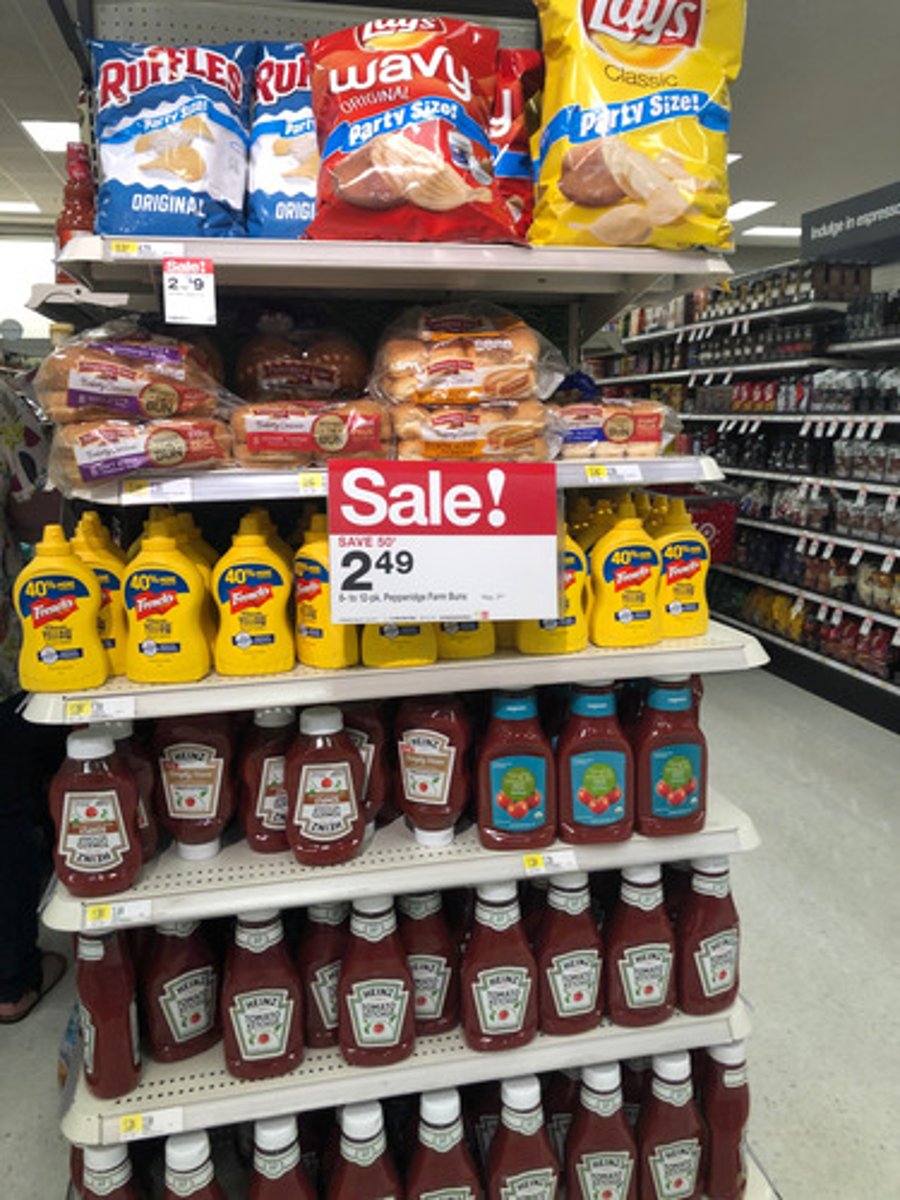
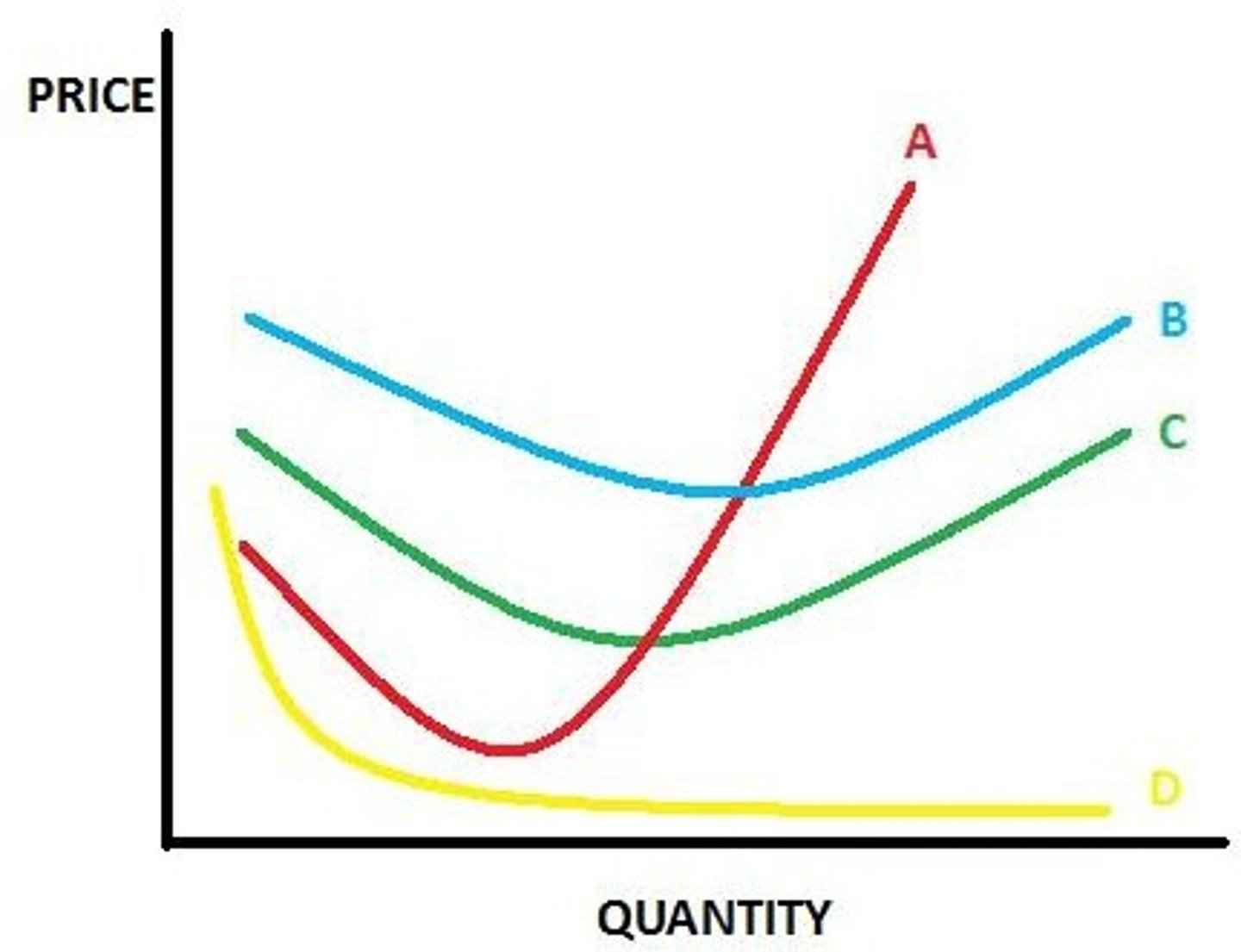
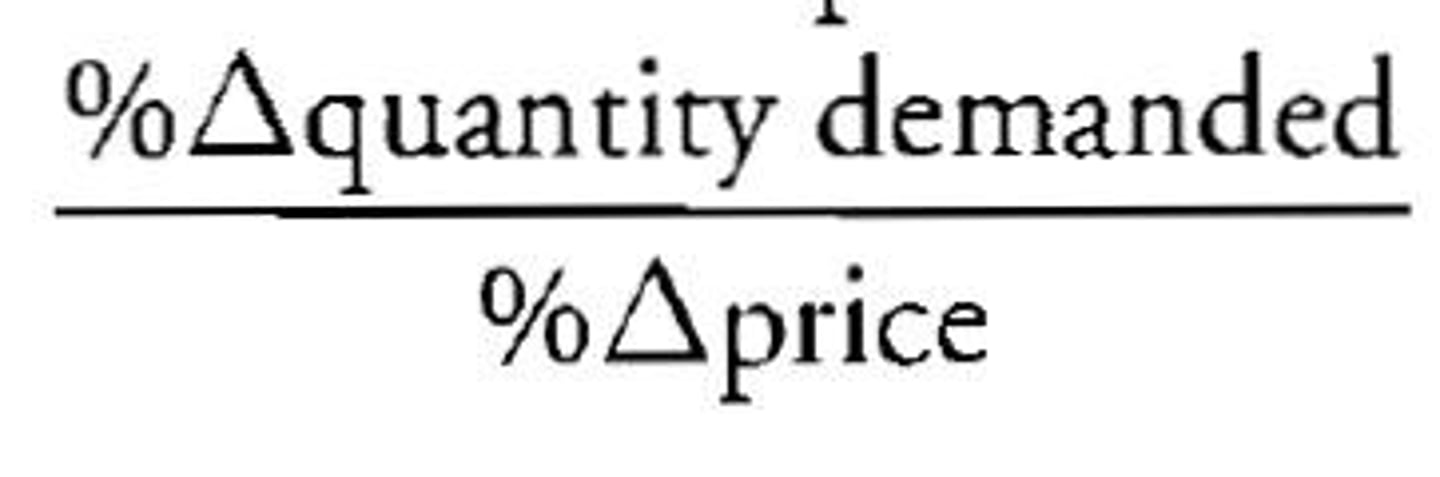
Elasticity of Demand
A measure of how much the quantity demanded of a good responds to a change in price.
Promotion
Activities designed to inform, persuade, or remind consumers about products or services.
Promotional Strategy
A plan for how a company will communicate its marketing messages to its target audience.
Visual Merchandising
The practice of developing floor plans and three-dimensional displays to maximize sales.
Greeting Approach
A sales technique where the salesperson greets the customer to establish rapport and initiate interaction.
Layaway
A purchasing method where a customer pays for an item in installments before taking possession of it.

Merchandise Approach
A sales technique that involves discussing the features and benefits of a product to encourage a purchase.
Question Approach
A sales technique that involves asking questions to understand customer needs and preferences.
Service Approach
A sales technique that focuses on offering assistance and services to meet customer needs.
Suggestion Selling
A sales technique where the salesperson recommends additional products to complement the customer's purchase.
Employee Performance
An assessment of how well an employee fulfills their job responsibilities and contributes to the organization.
Human Resources Management Recruiting
The process of attracting, screening, and selecting qualified candidates for job openings.
Staffing
The process of hiring and assigning employees to specific roles within an organization.
Organizational Standards
The established criteria and guidelines that dictate how an organization operates and maintains quality.