MCAT Physics Equations/Concepts
 Call Kai
 Learn
Learn Practice Test
 Spaced Repetition
 Match
Match Flashcards
 Knowt Play
1/131

There's no tags or description
Looks like no tags are added yet.
Name | Mastery | Learn | Test | Matching | Spaced | Call with Kai | Chat |
|---|
No analytics yet
Send a link to your students to track their progress
132 Terms
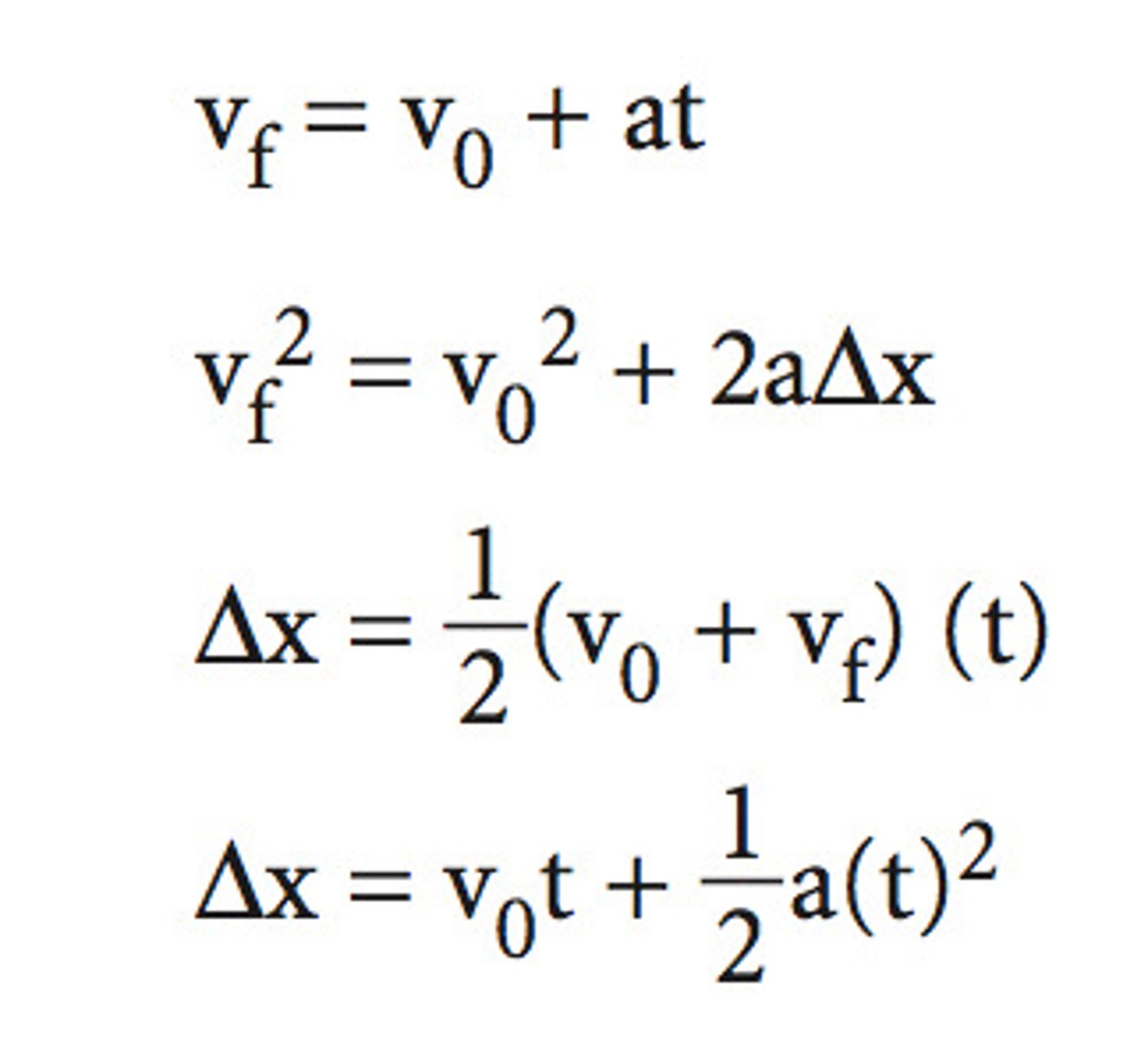
Kinematics Equations
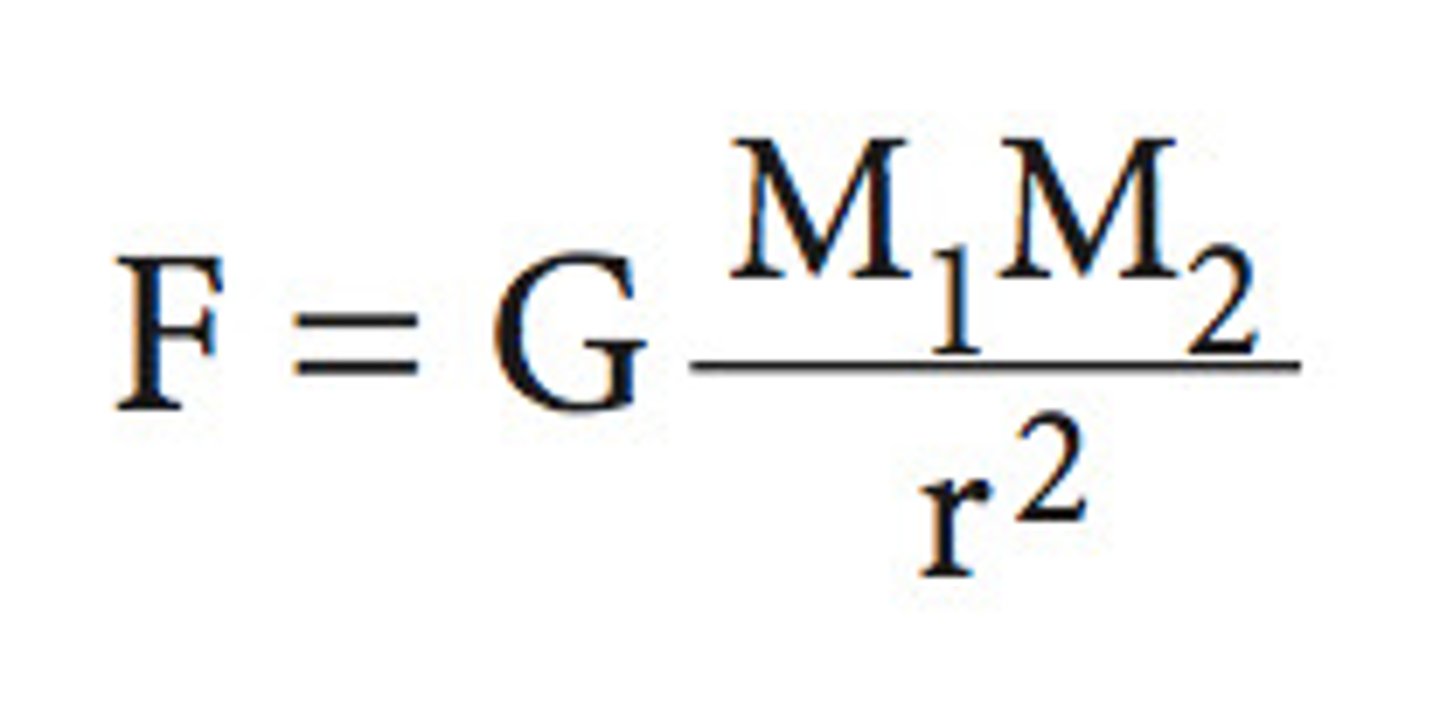
Force of Gravity Between Two Objects
Units of G = N∗m²/kg²
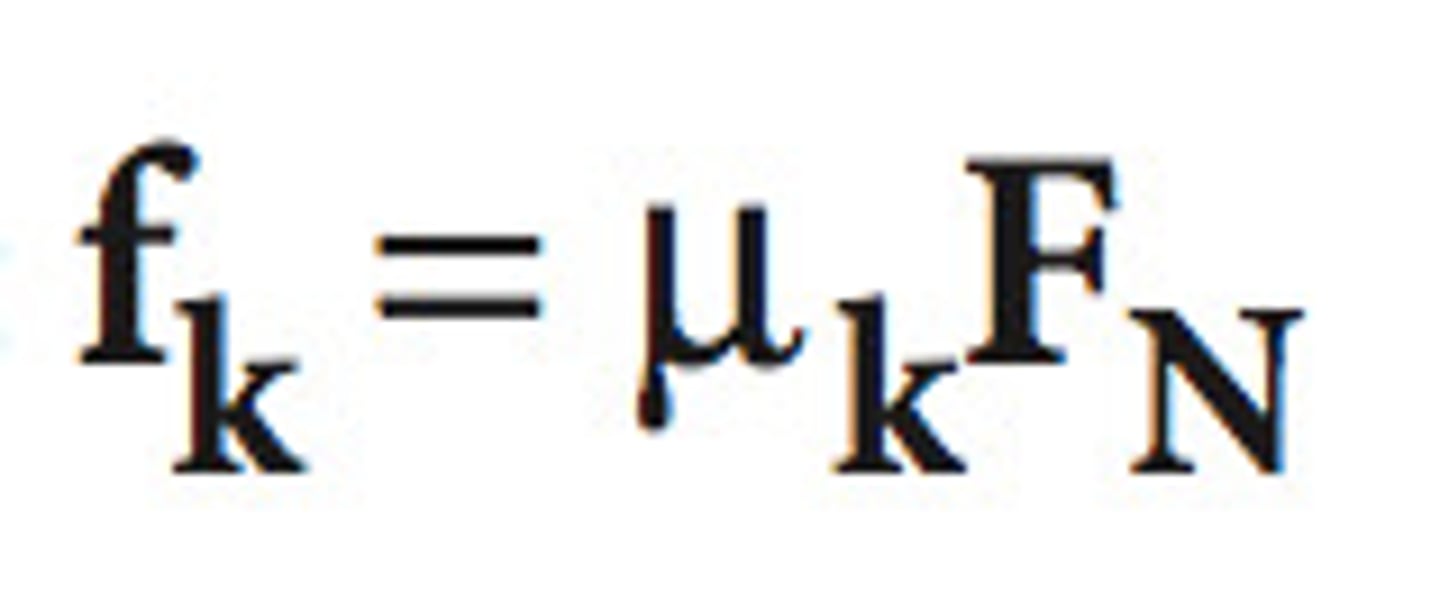
Kinetic Friction
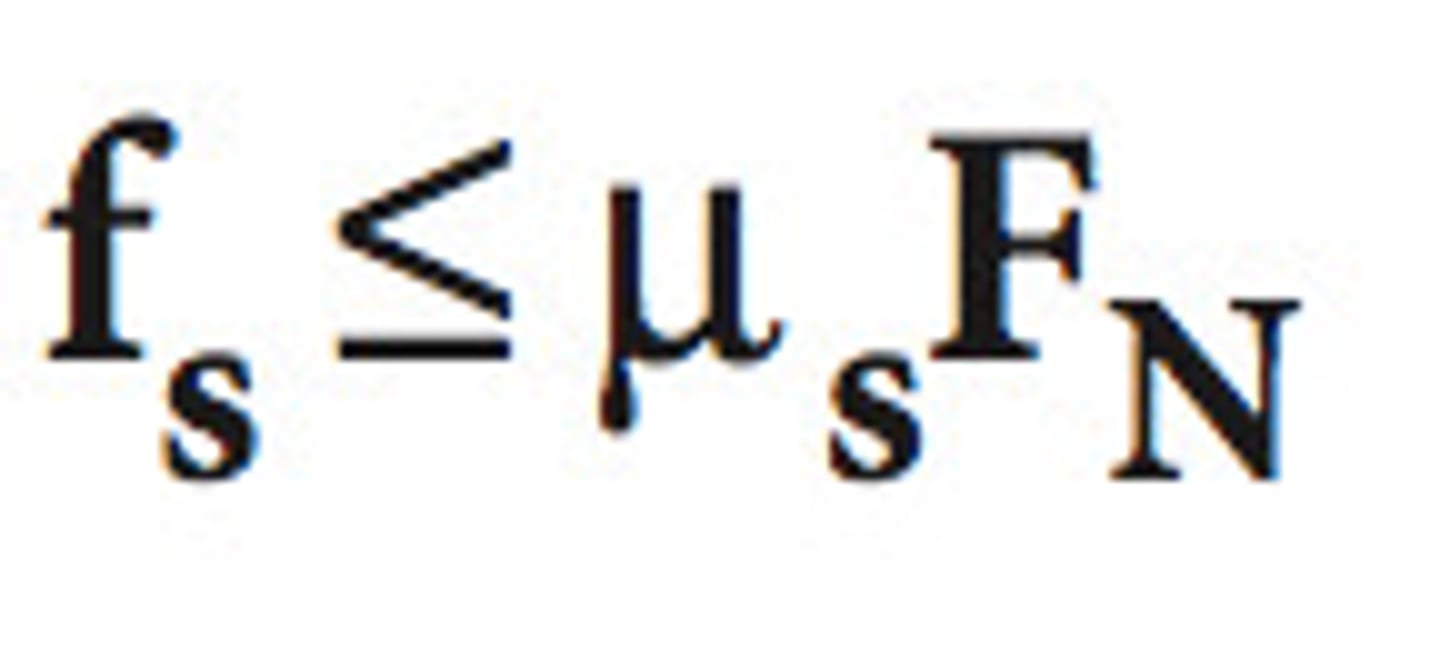
Static Friction
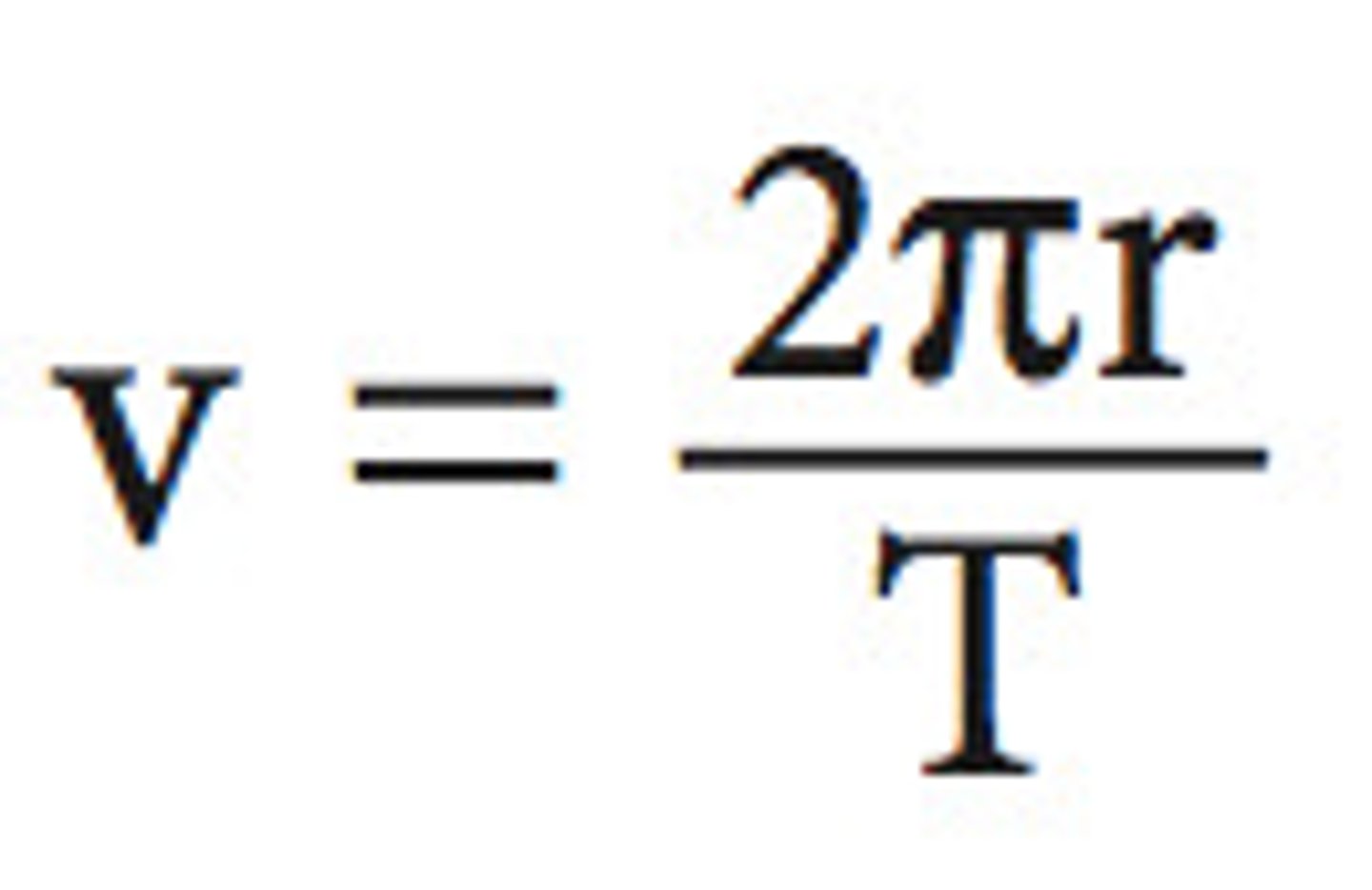
Uniform Circular Motion - Velocity
Velocity vector is constantly changing and is tangential to the circle of motion
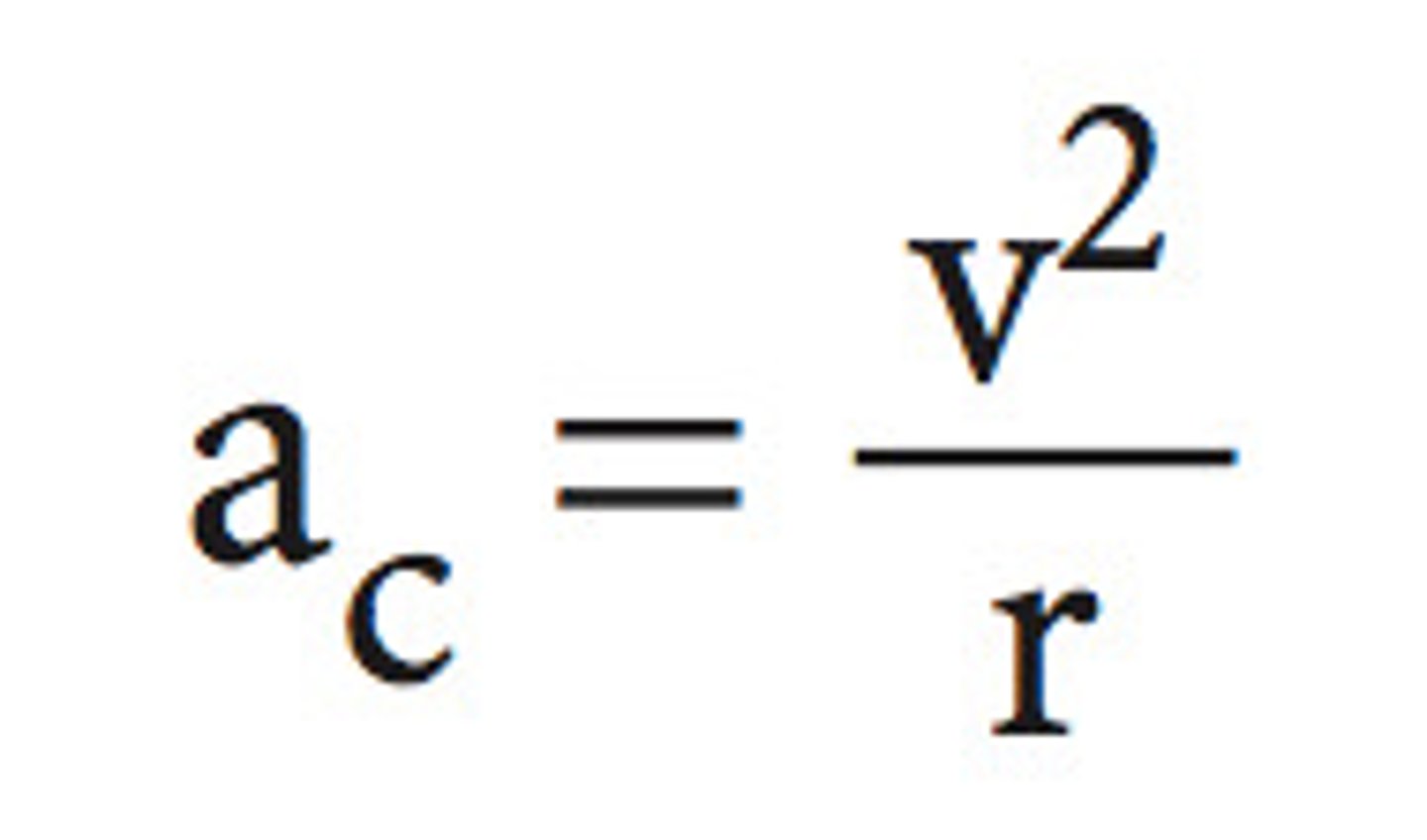
Centripetal Acceleration
The acceleration vector always points toward the center of the circle and constantly changes direction as the object moves.
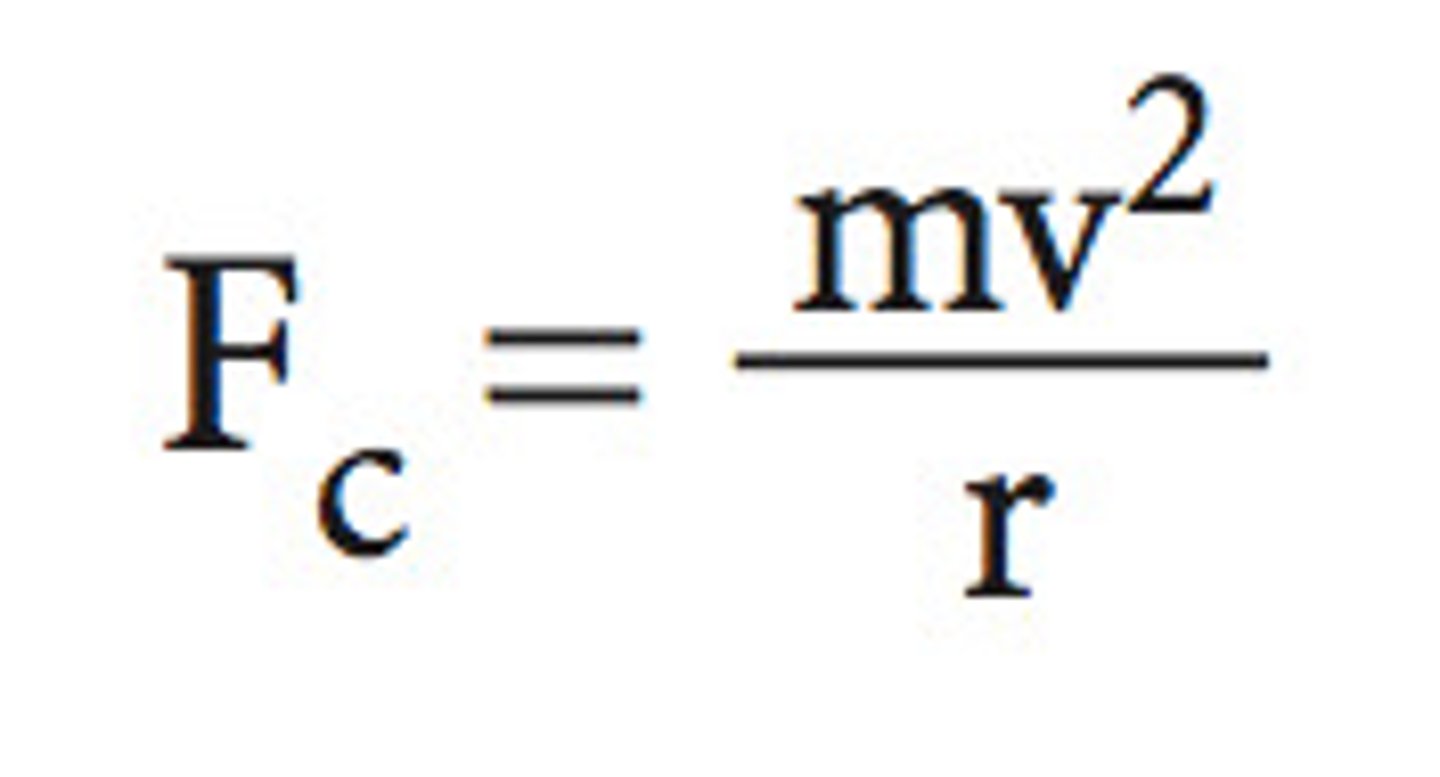
Centripetal Force
Torque
θ = angle between F and the lever arm. (Max force at sin90° = 1) By convention, clockwise rotation is negative, counterclockwise rotation is positive.

Work-Energy Theorem

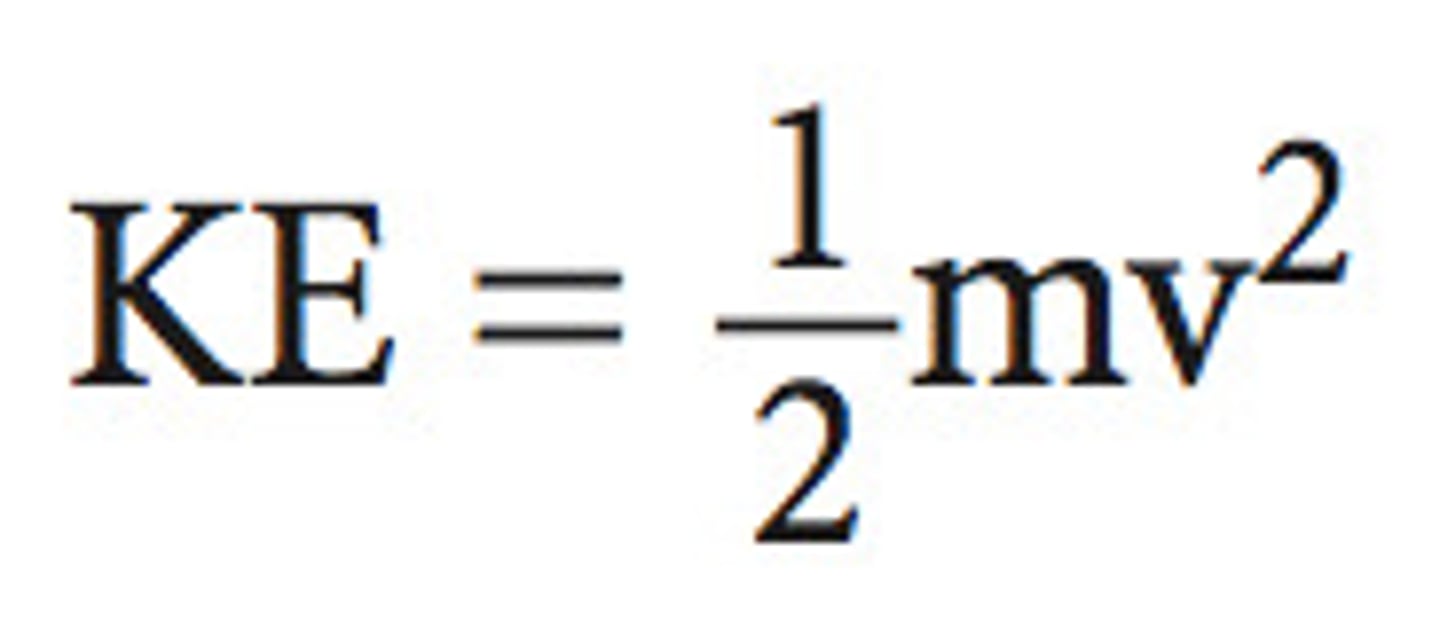
Kinetic Energy
SI Unit for KE (all energy) = Joules = kg∗m²/s²
Work
θ = angle between F and the displacement vector. Only forces (or components of forces) that are parallel or anti-parallel to the displacement vector will do work. Max work at cos0 or cos180 = 1 or -1.

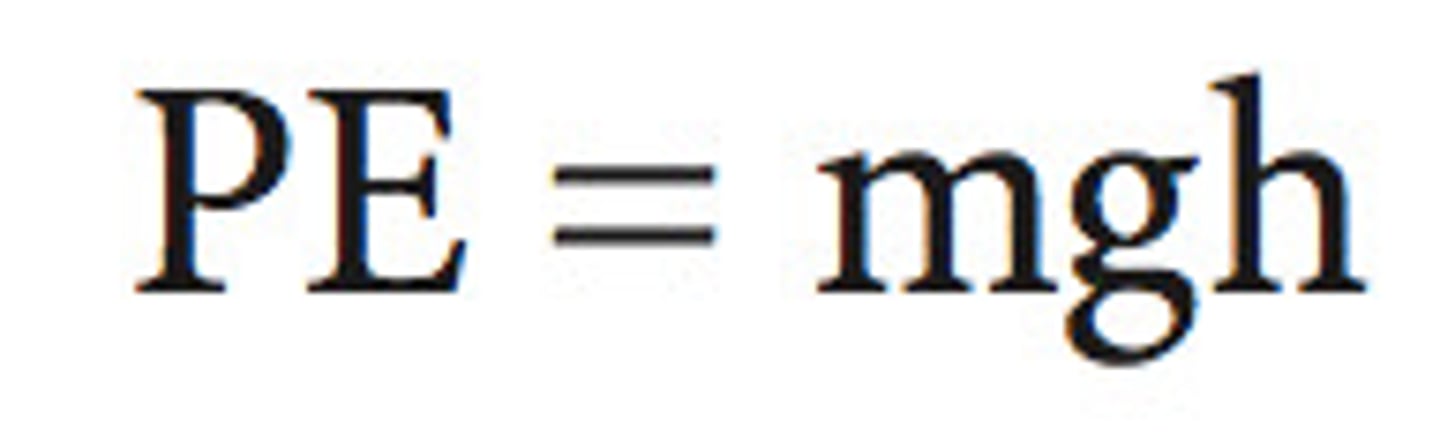
Gravitational Potential Energy
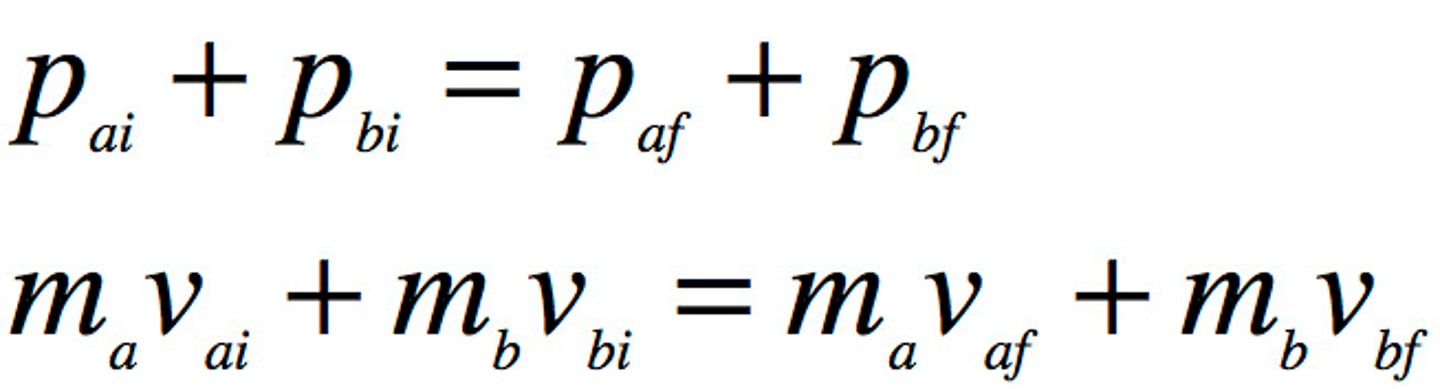
Conservation of Energy

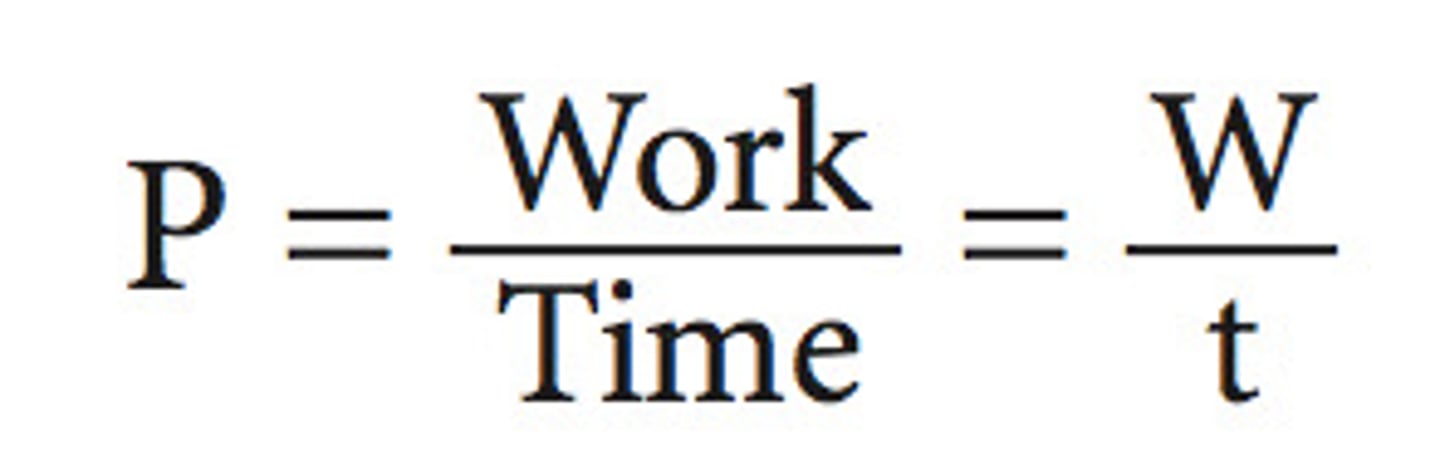
Power
SI Unit for Power = Watt = J/s = Energy consumption, transfer or transformation per unit time
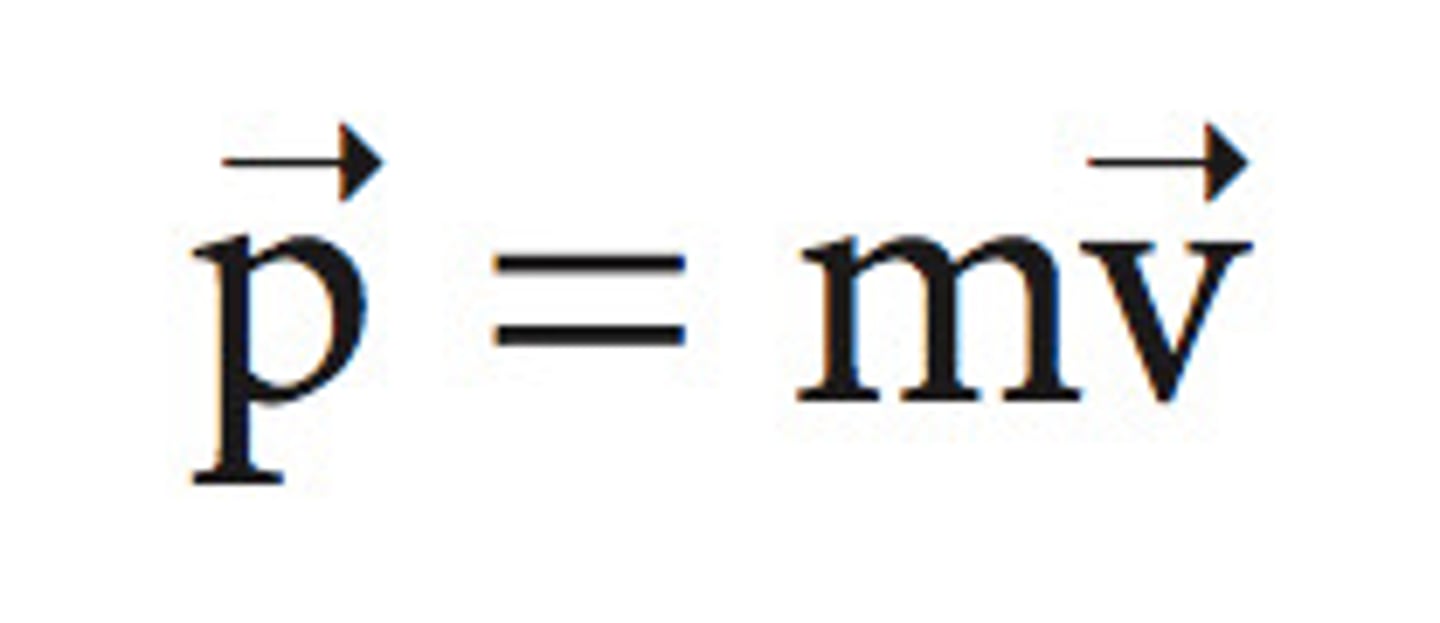
Momentum
Momentum is measured in kg∗m/s
Conservation of Momentum
For elastic and inelastic collisions

Completely Inelastic Collision

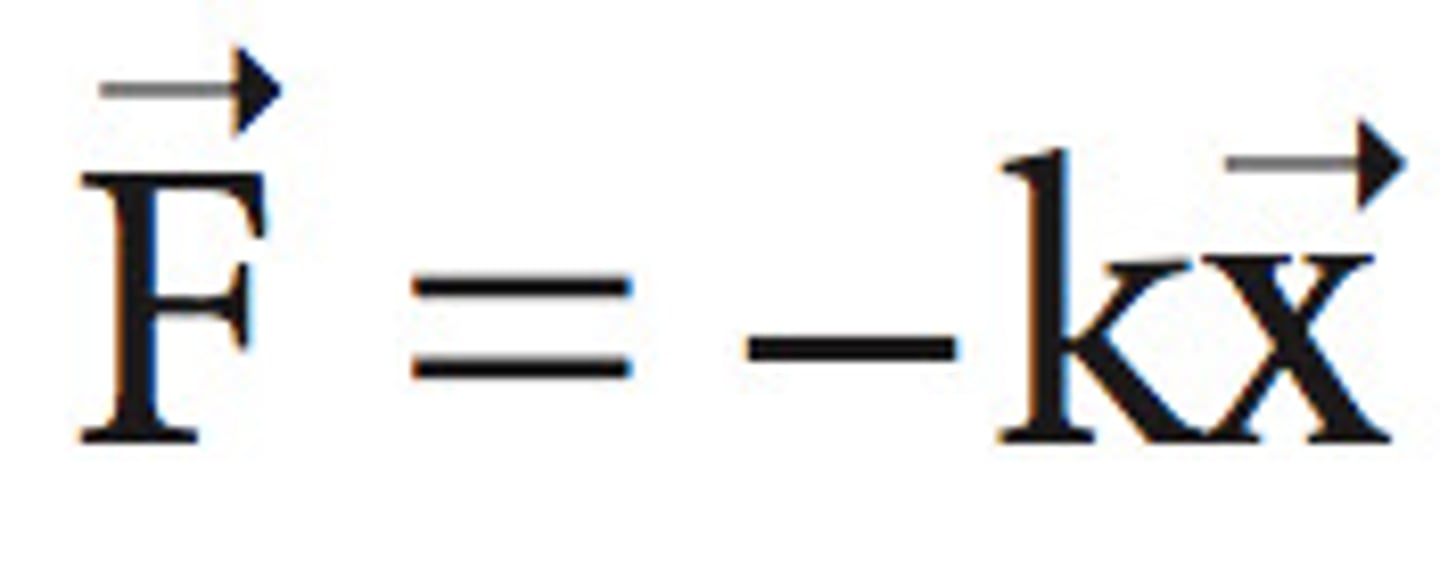
Hooke's Law
F = restoring force, k = spring constant, x = displacement from natural length. Larger k = stiffer spring, and larger magnitude of restoring force for a given displacement. F is always opposite the direction of displacement.
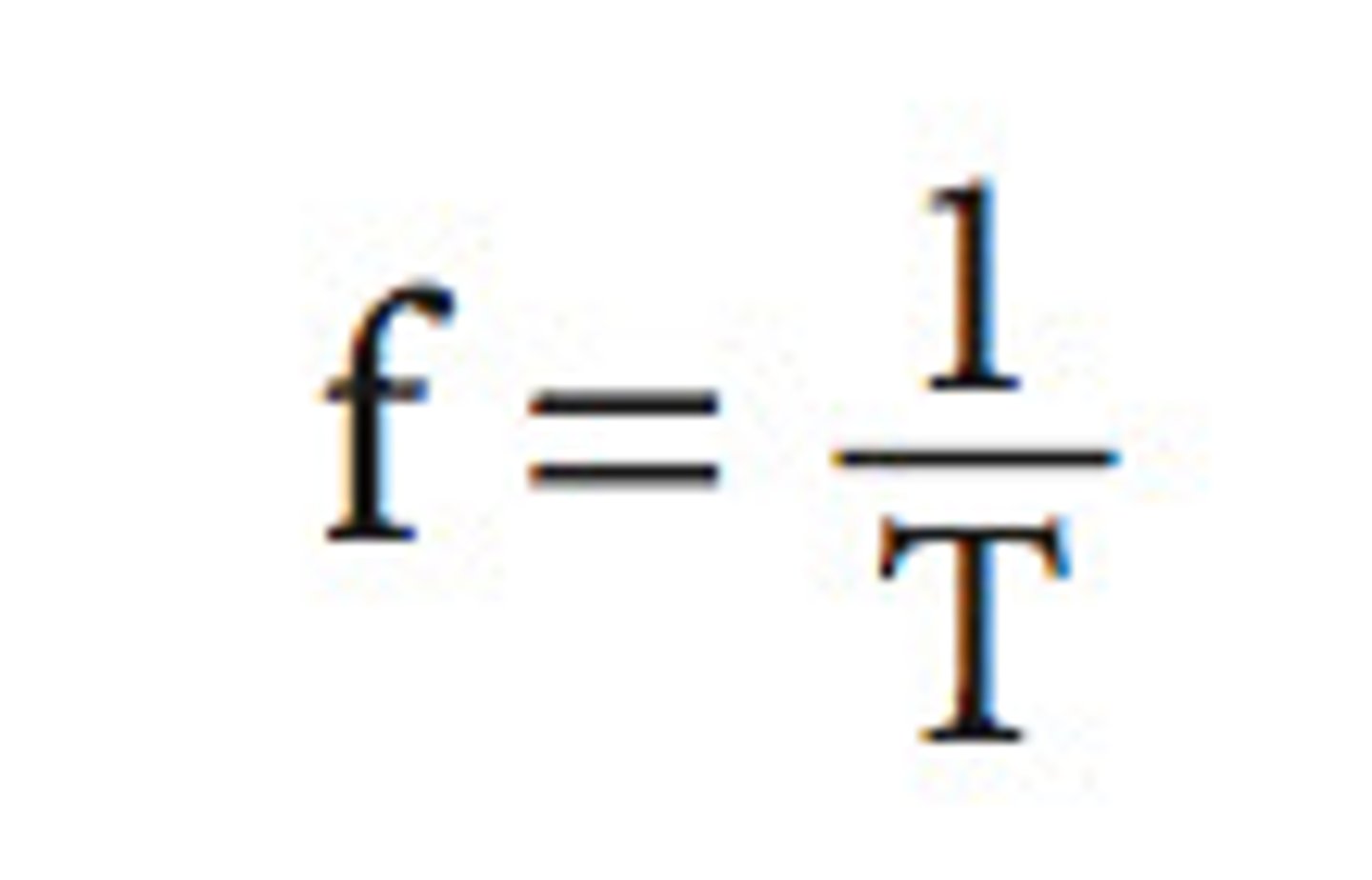
Simple Harmonic Motion - Period/Frequency
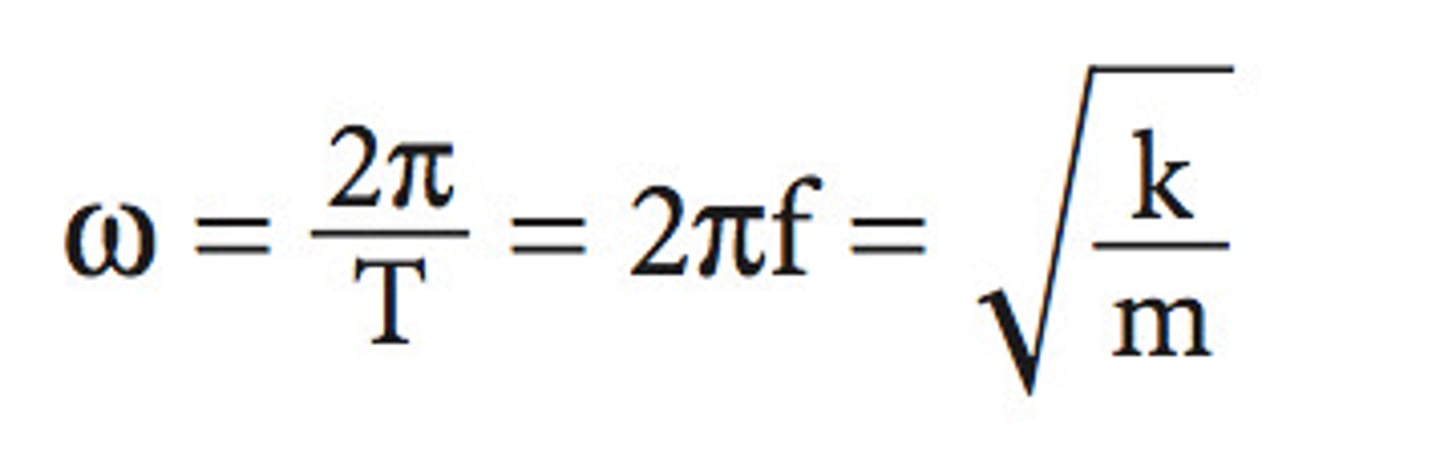
Simple Harmonic Motion - Angular Frequency - Mass and Spring
One revolution = 2π radians. ω only depends on k and m, not x! Two springs with identical k and m values will have the same ω, regardless of x.
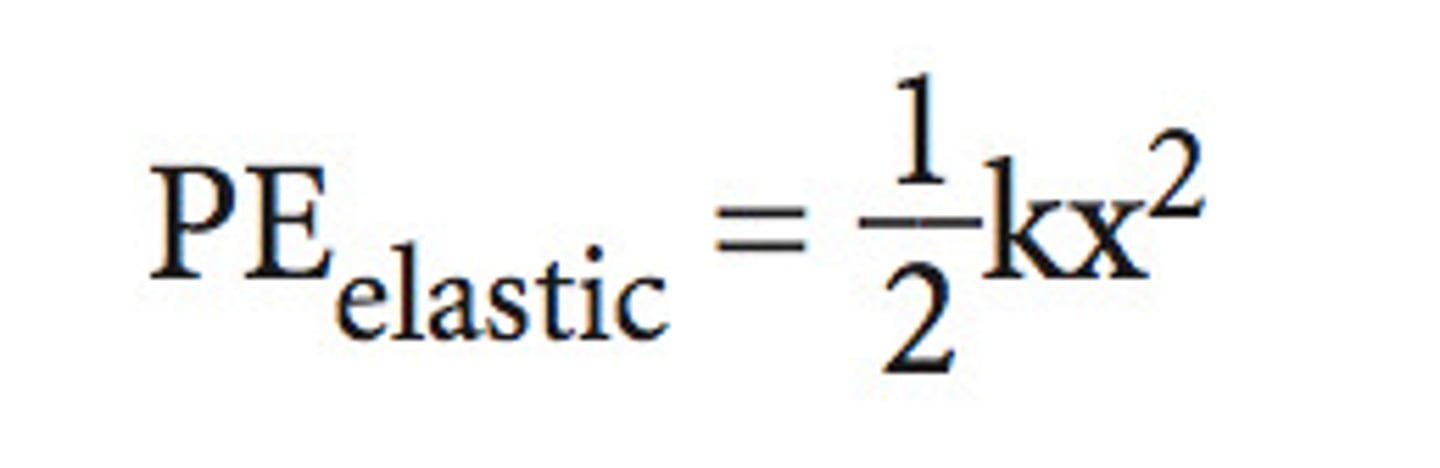
Simple Harmonic Motion - Elastic Potential Energy of a Spring
where x is displacement from equilibrium. Upon release, the spring will accelerate in proportion to the restoring force and PE will be converted to KE.
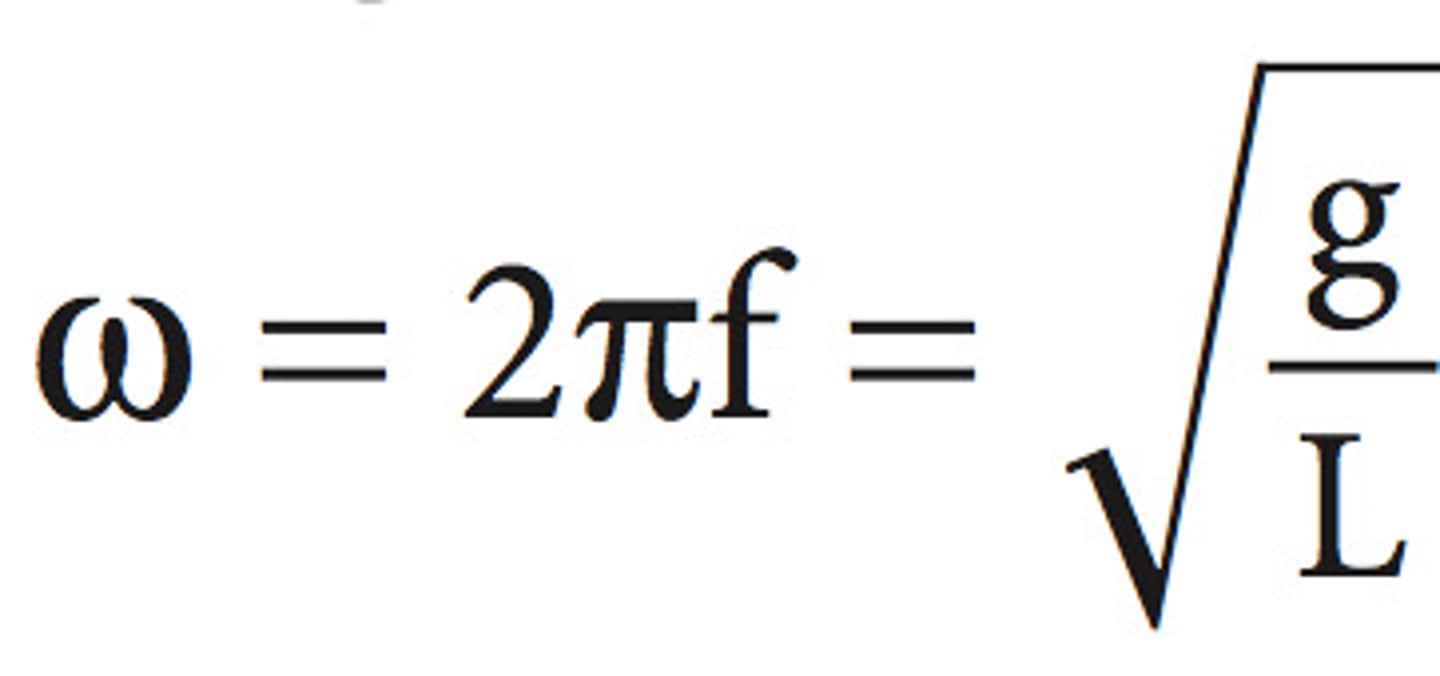
Simple Harmonic Motion - Angular Frequency - Pendulum
ω only depends on g and L, not m or θ! Two pendulums with the same length will have the same ω regardless of m or initial θ.
Simple Harmonic Motion - Restoring Force - Pendulum
F = restoring force, m = mass attached to pendulum, g = acceleration due to gravity, θ = angle between pendulum arm and the vertical. F acts tangential to arc of circle. Max F and a at max θ.

Simple Harmonic Motion - Potential Energy - Pendulum
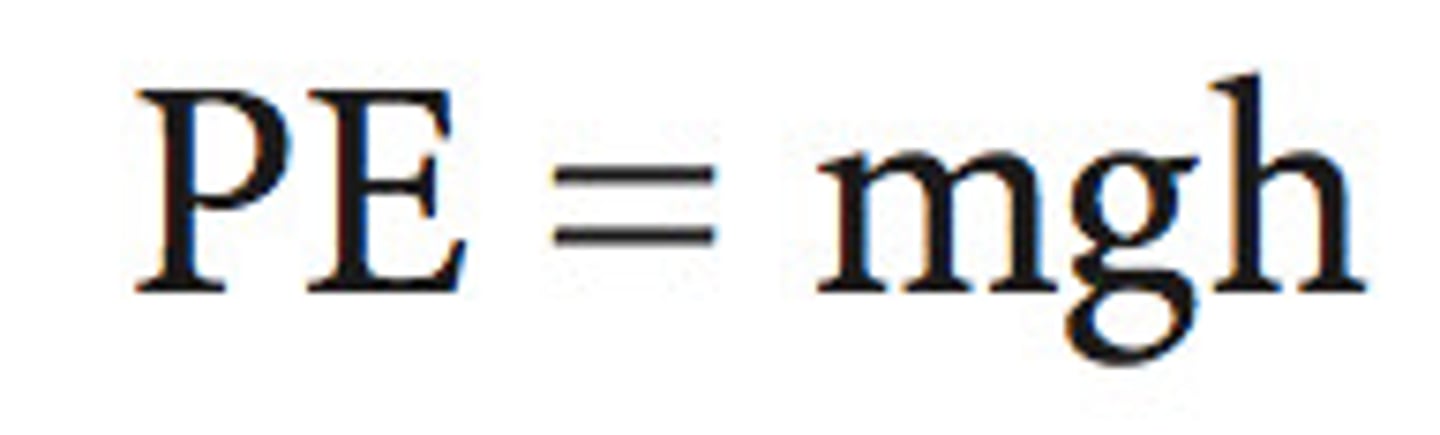
Density
Units = kg/m³
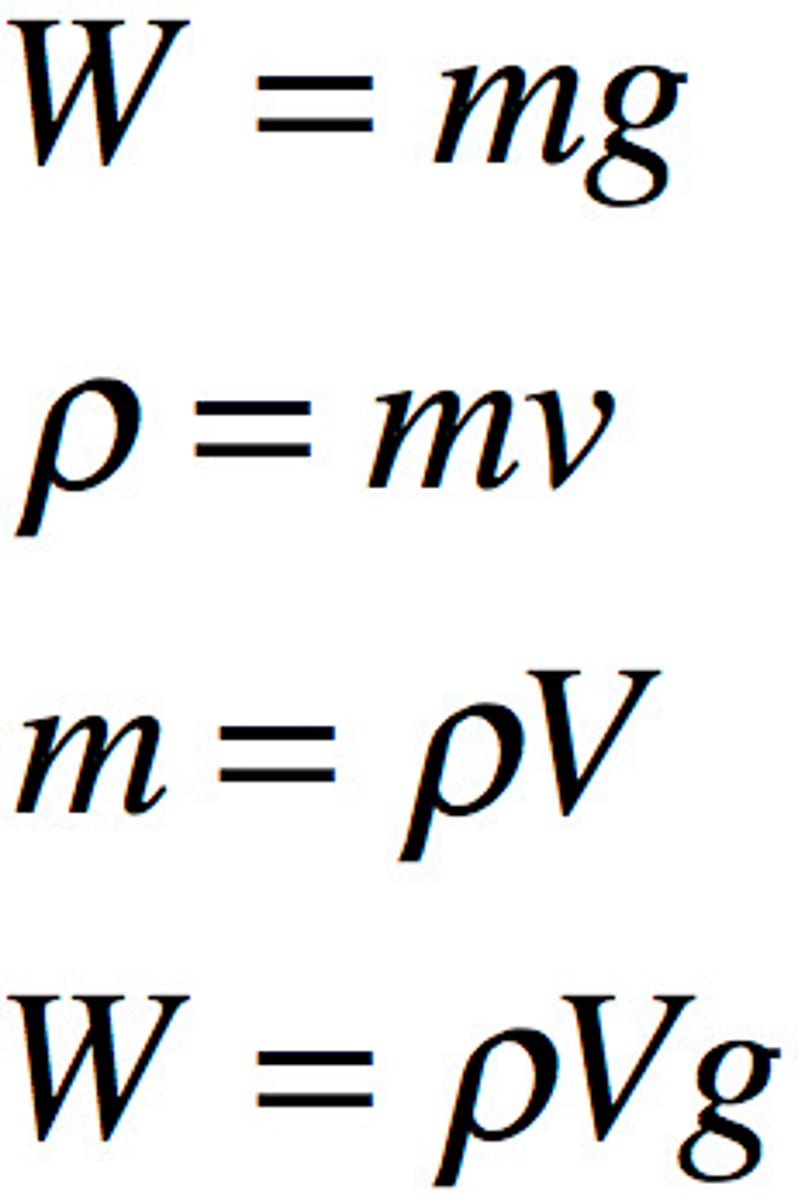
Specific Gravity
if >1 will sink, if <1 will float in liquid water. If <1 SG = % of object that is submerged.
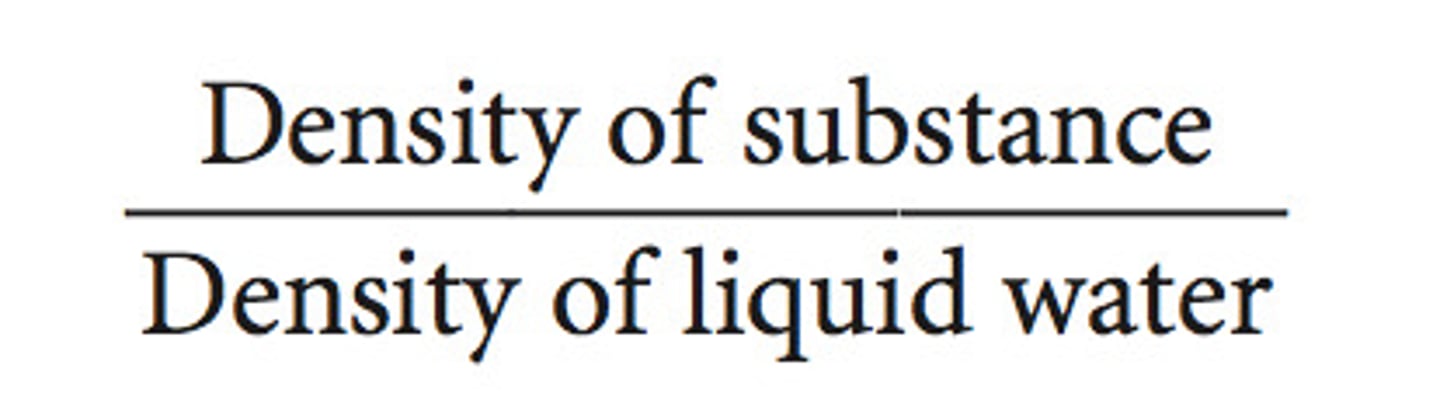
Pressure
Unit = N/m² = Pascal (Pa)
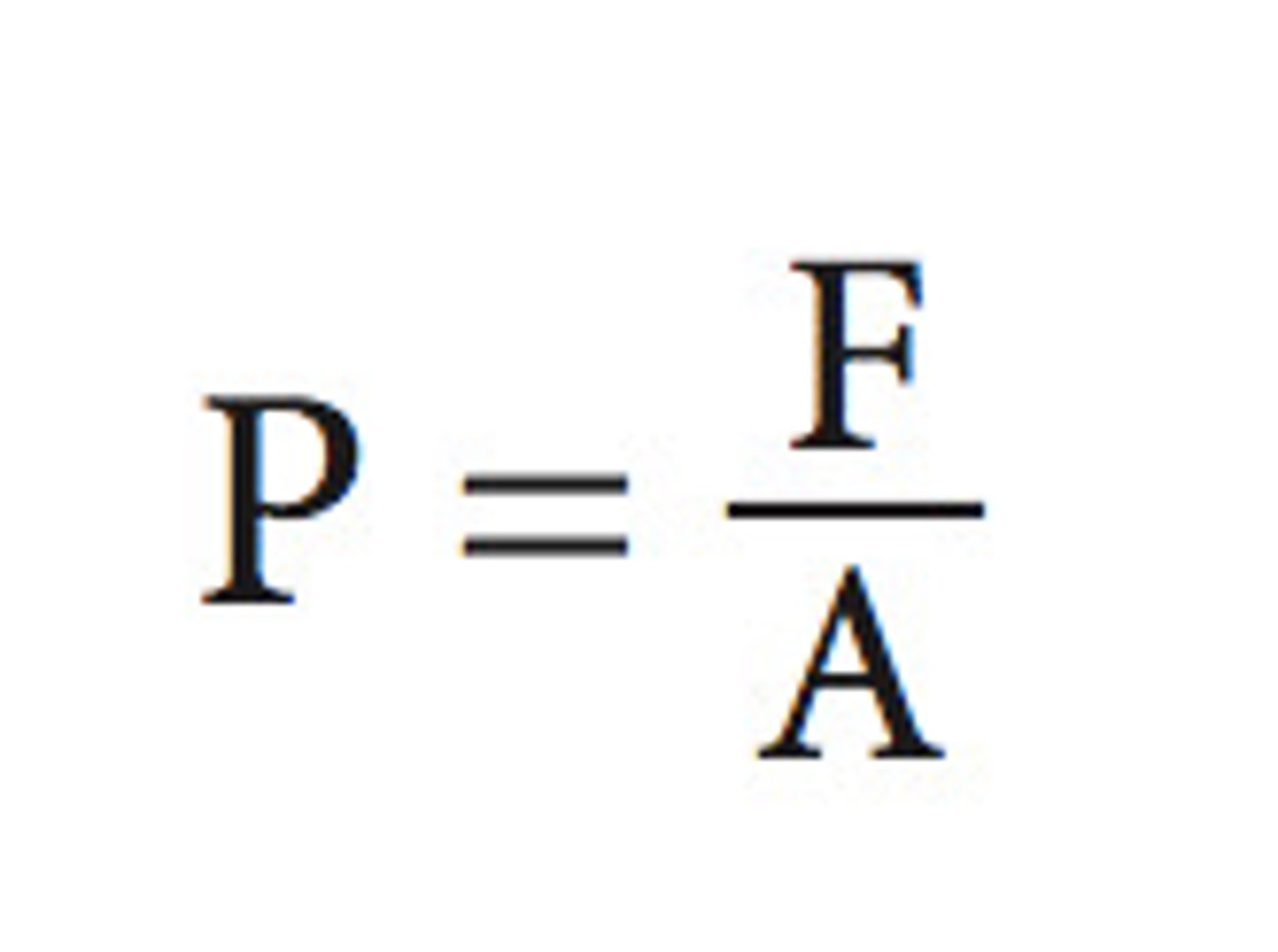
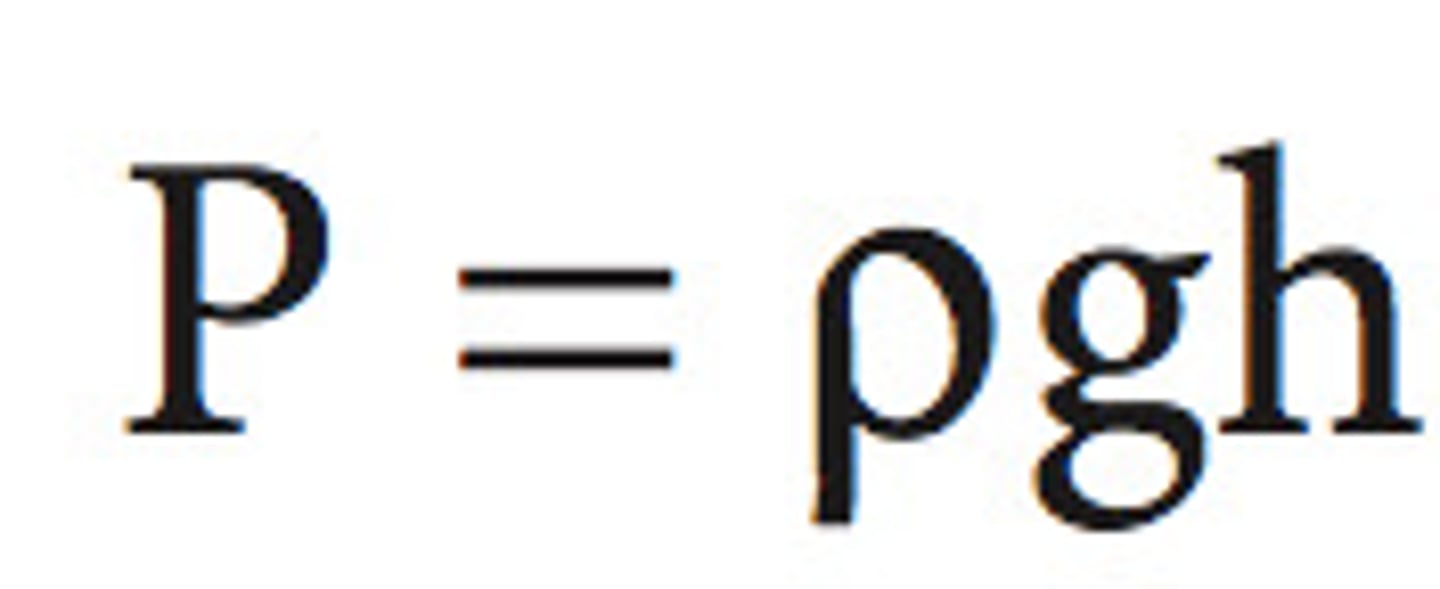
Fluid (Gauge) Pressure
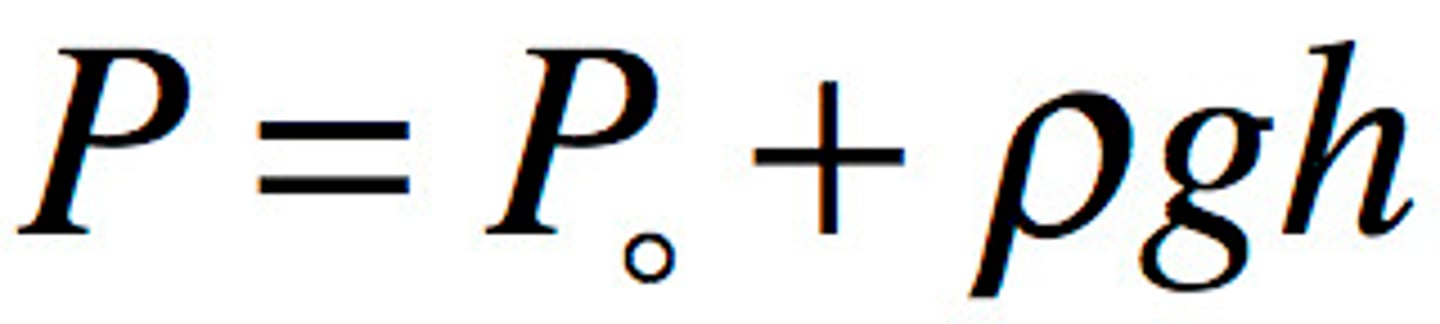
Absolute Pressure
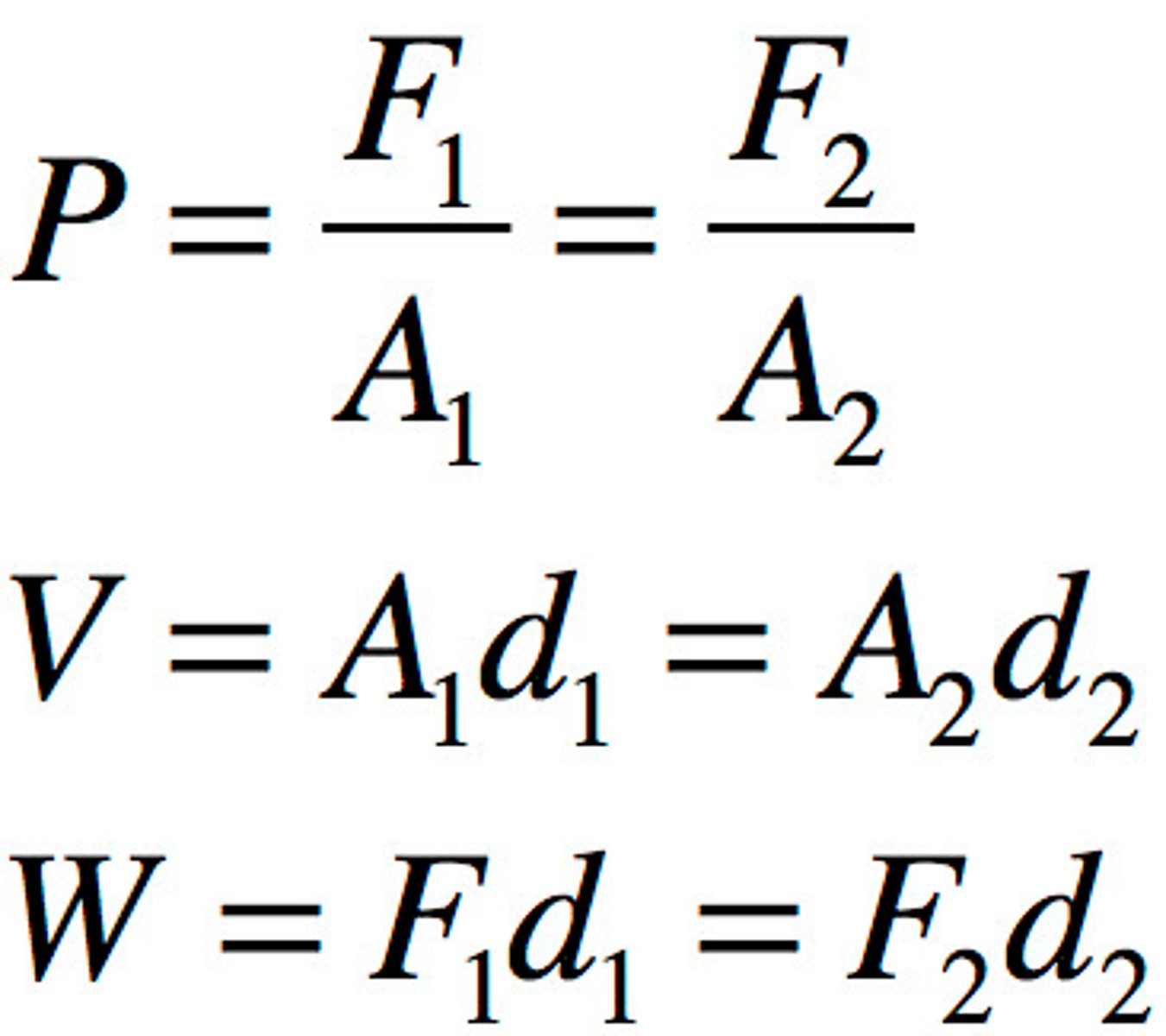
Pascal's Law
When a change in pressure is applied to an inclosed fluid, that pressure change will be transmitted undiminished to every portion of the fluid and to the walls of the vessel.
Coulomb's Law
Unit = Newtons
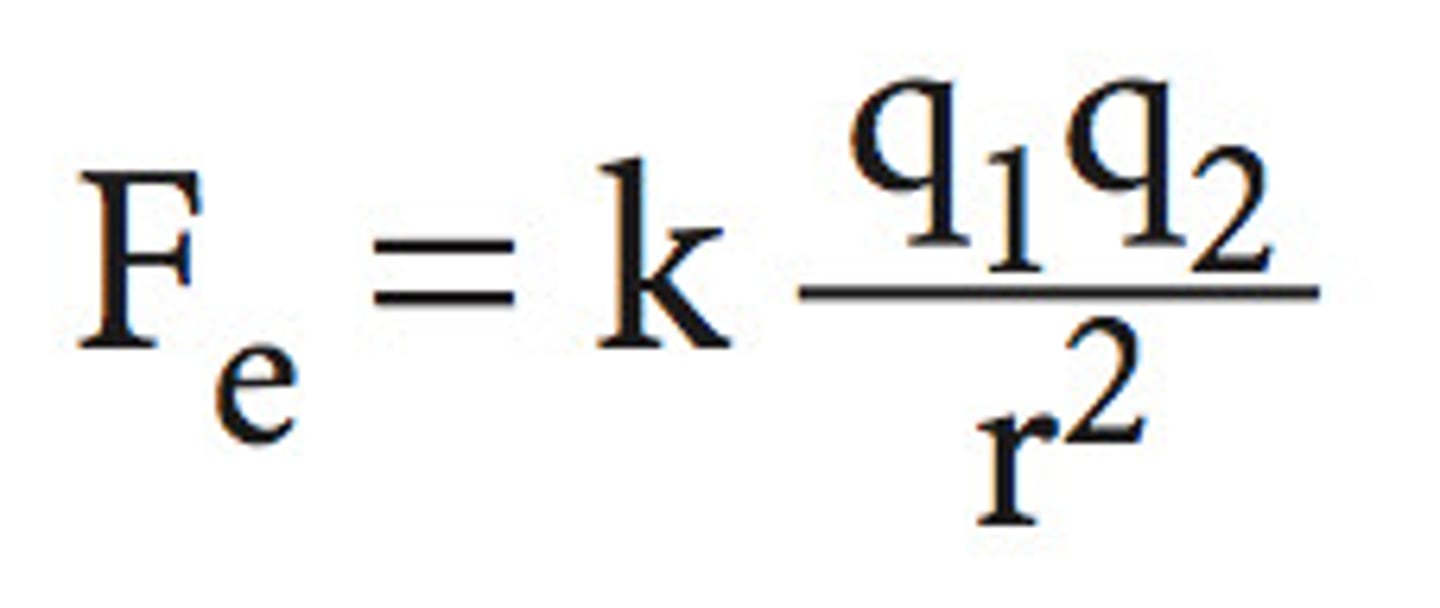
Electric Field (w/Test Charge)
Unit = Newtons/Coulomb (or Volts/meter)
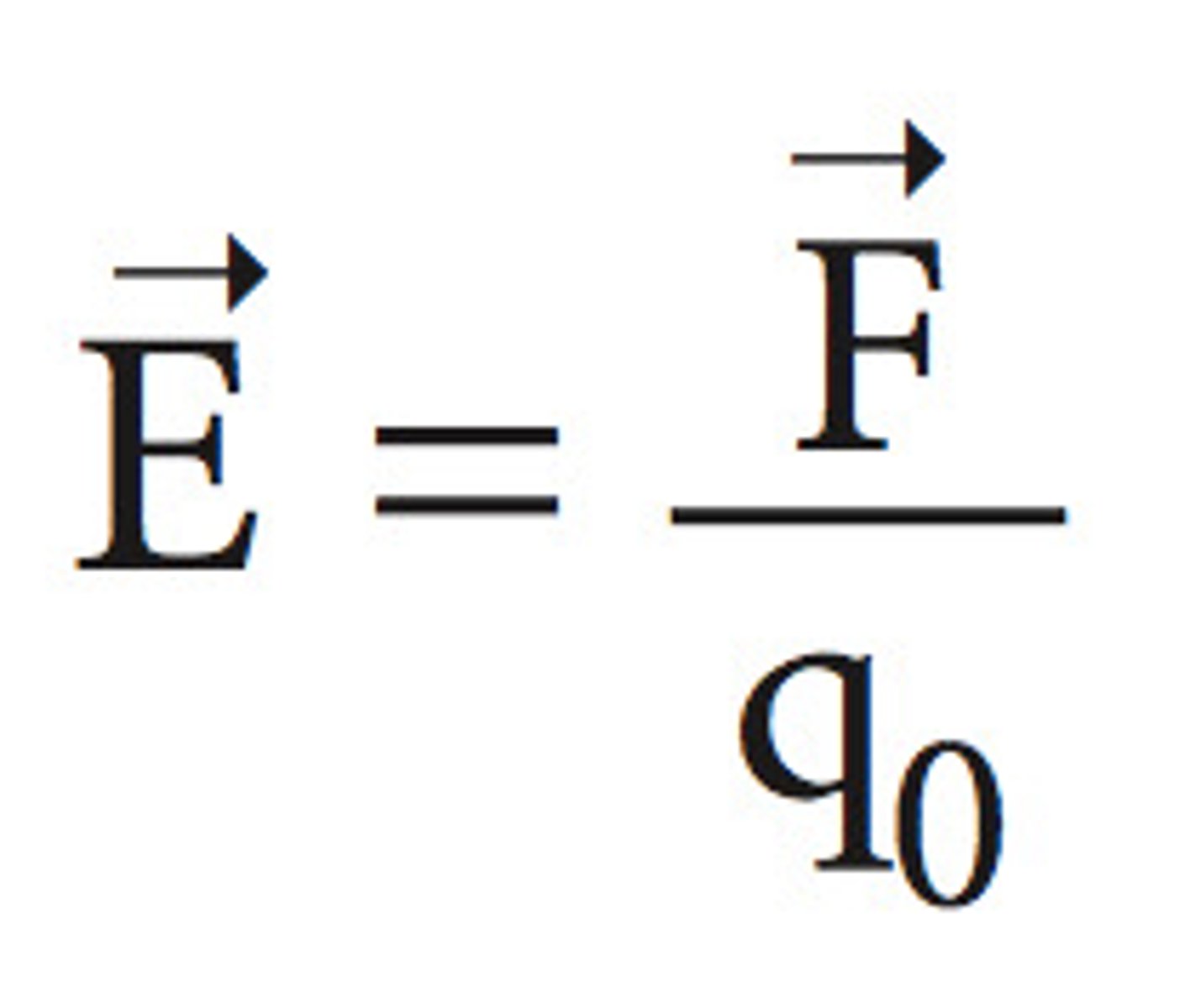
Electric Field (w/Point Charge)
Unit = Newtons/Coulomb (or Volts/meter)
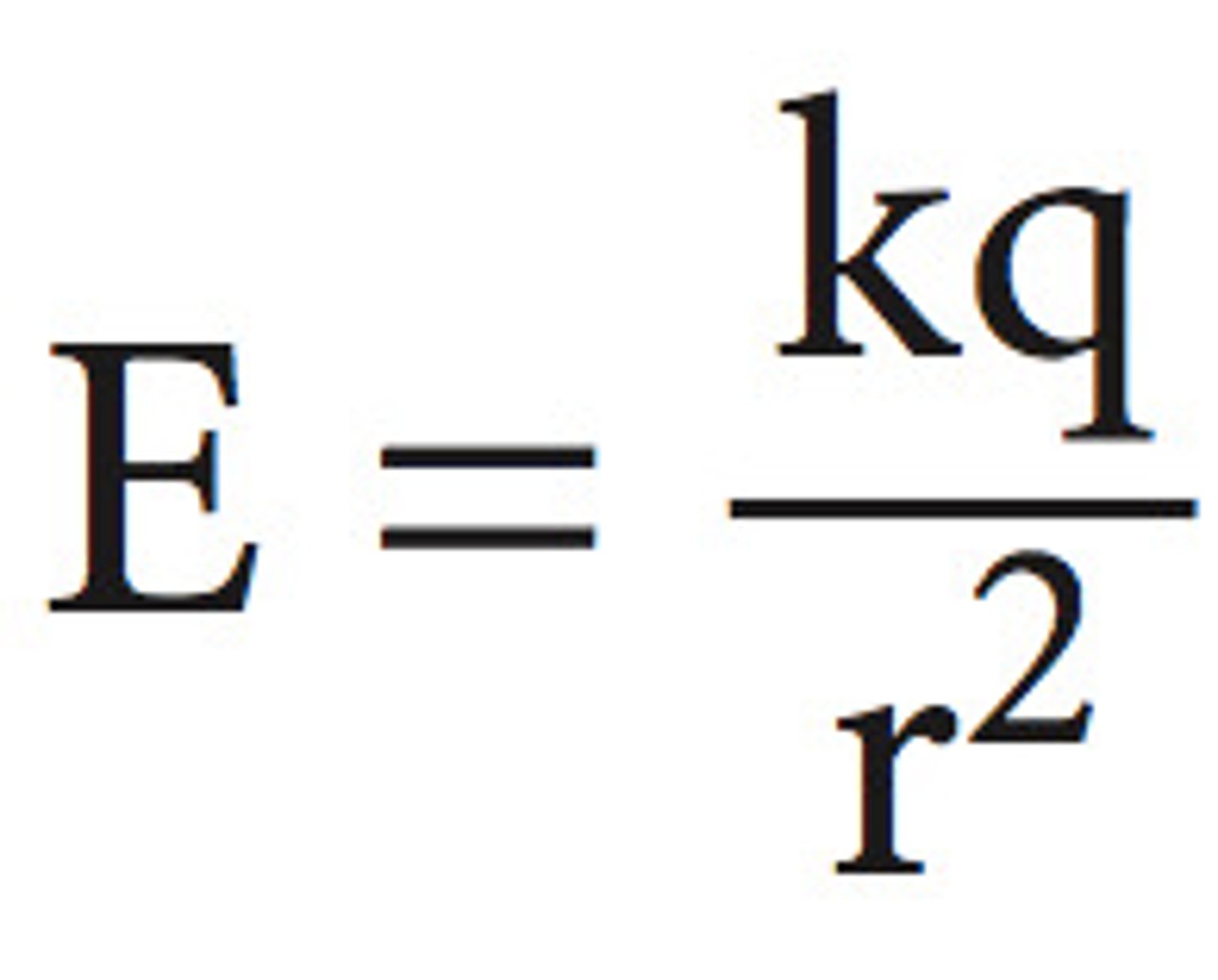
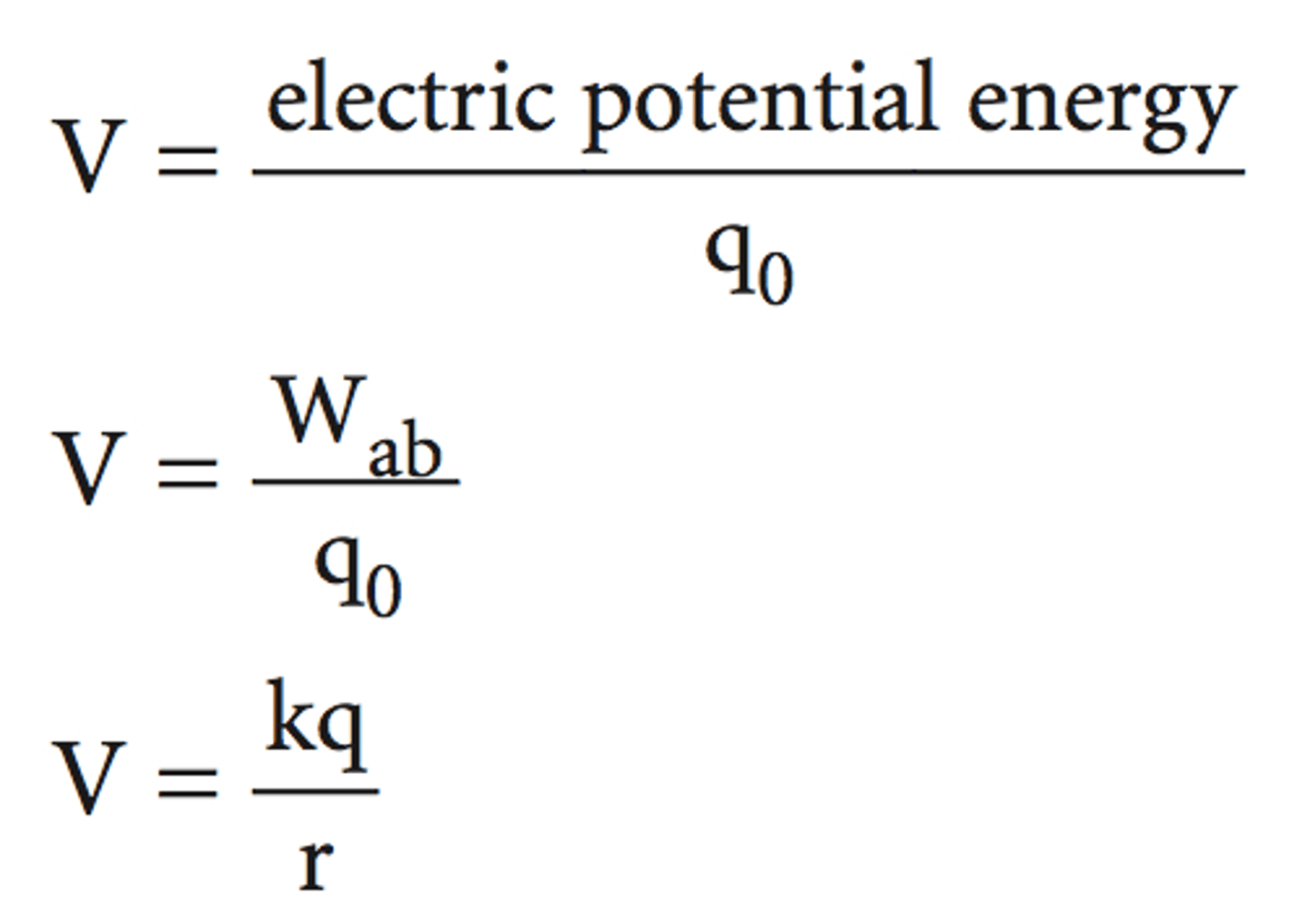
Electric Potential
Unit = Volts (Joules/Coulomb). Positive charges move from high potential to low potential, negative charges move from low potential to high potential.
Current
Unit = Coulomb (charge/second)
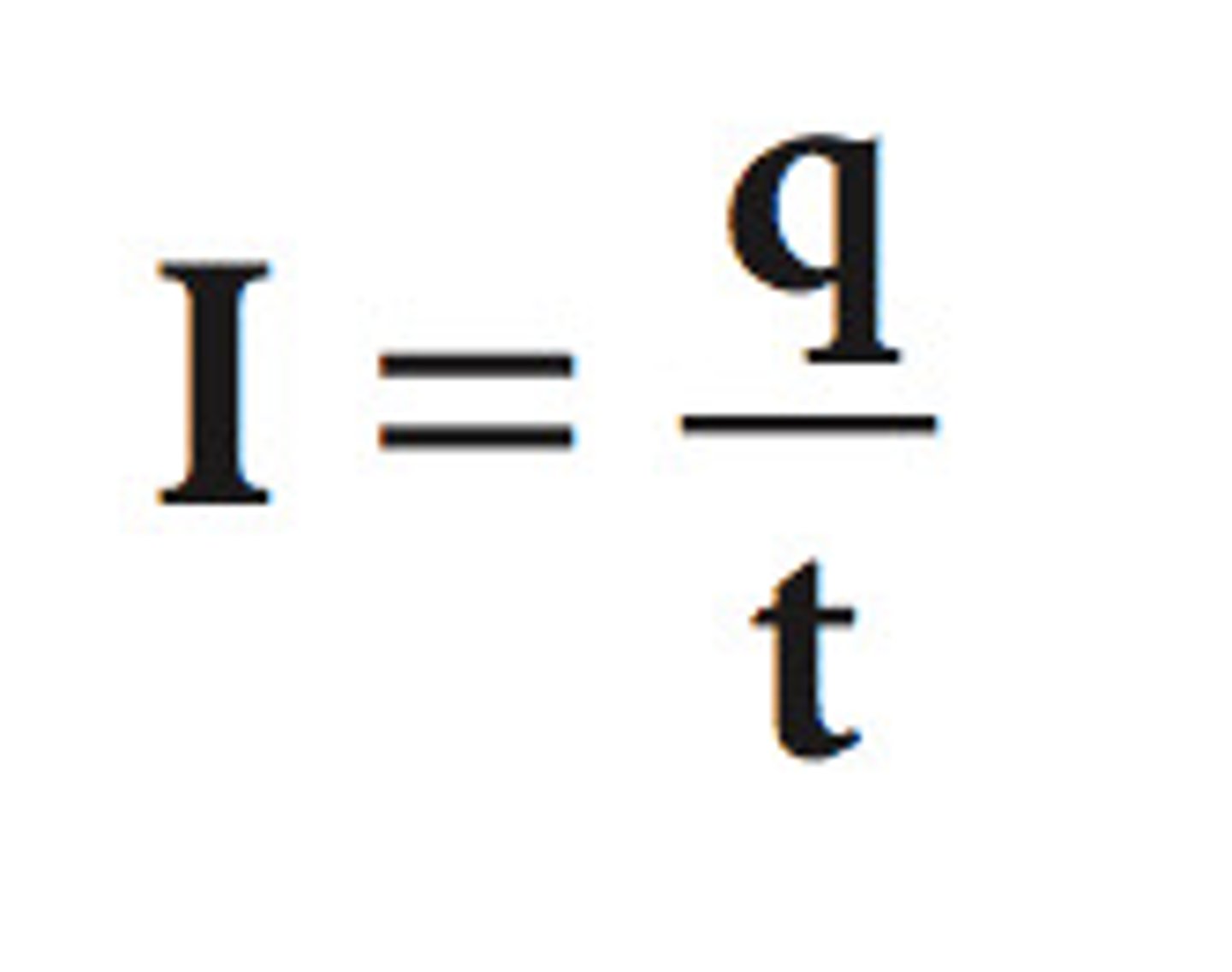
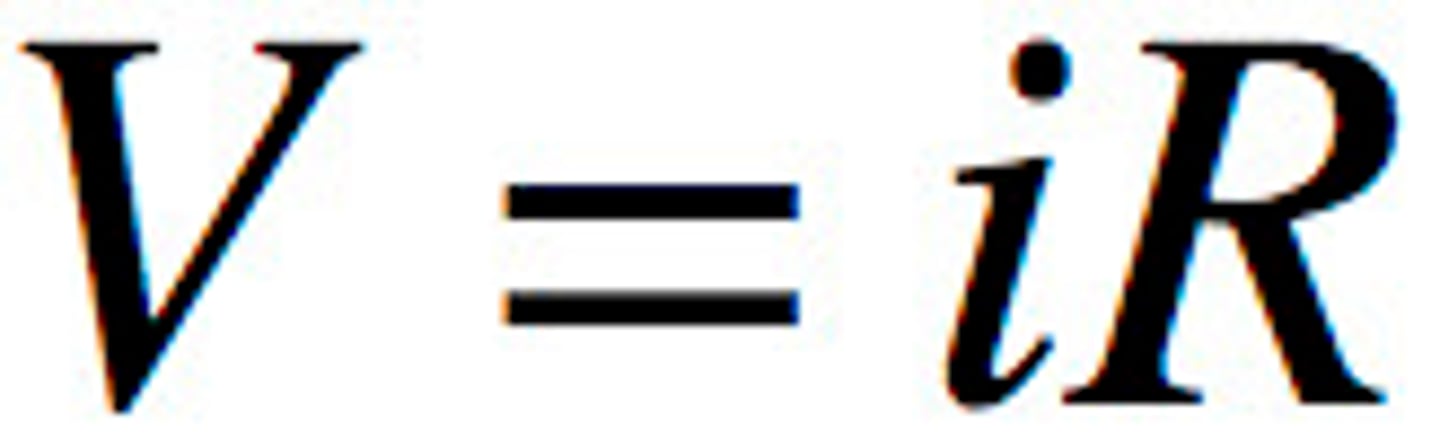
Ohm's Law
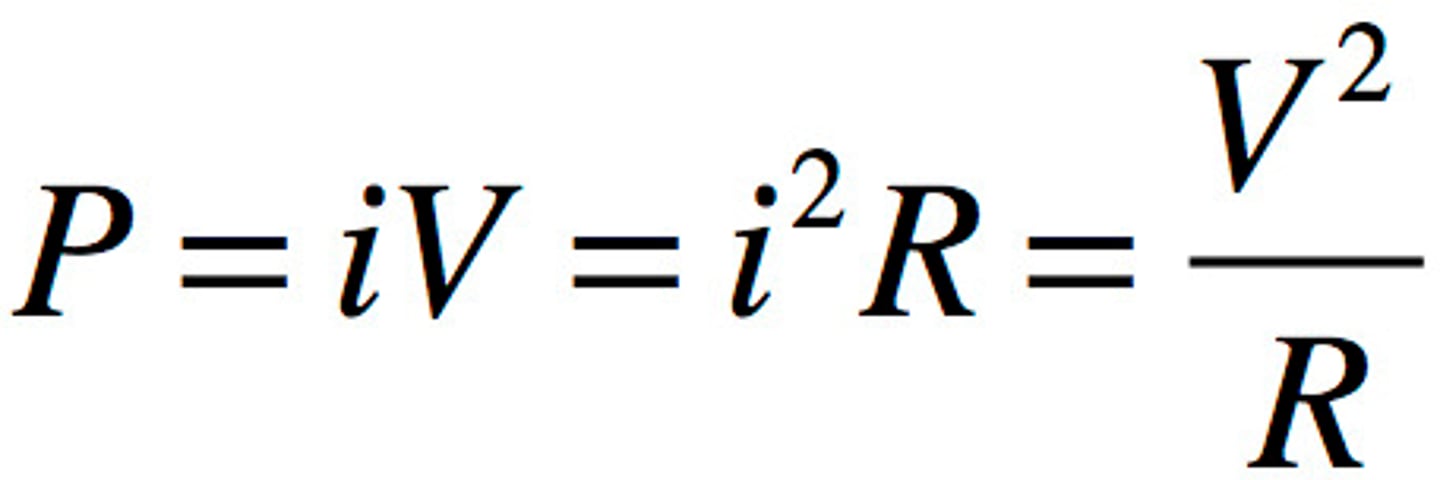
Electrical Power
The amount of power dissipated by a resistor.
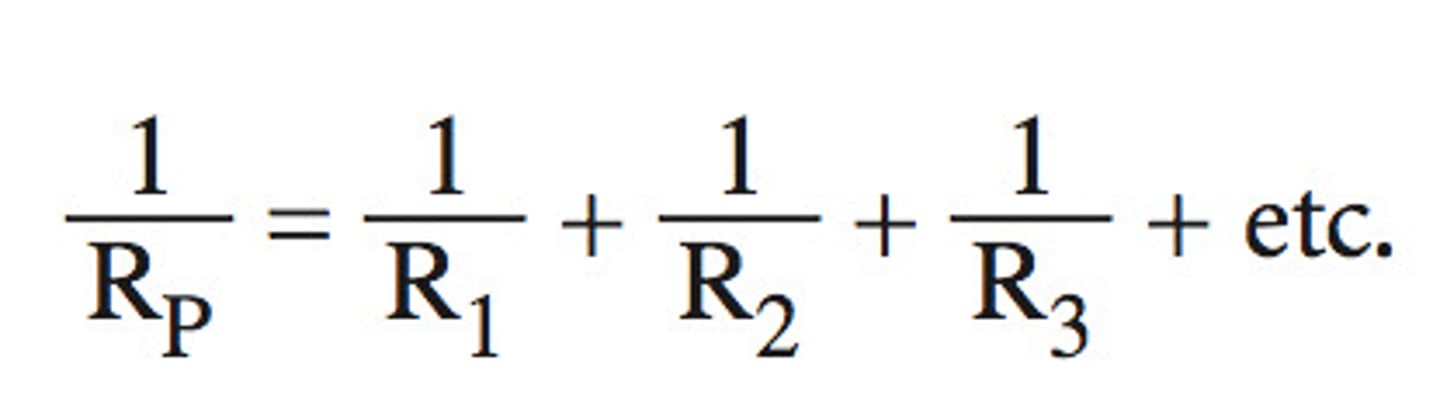
Resistors in Series
Vs = V₁ + V₂ + V₃ + etc.

Resistors in Parallel
Vp = V₁ = V₂ = V₃ = etc.
Capacitance
Unit = farad (F = Coulomb/Volt)
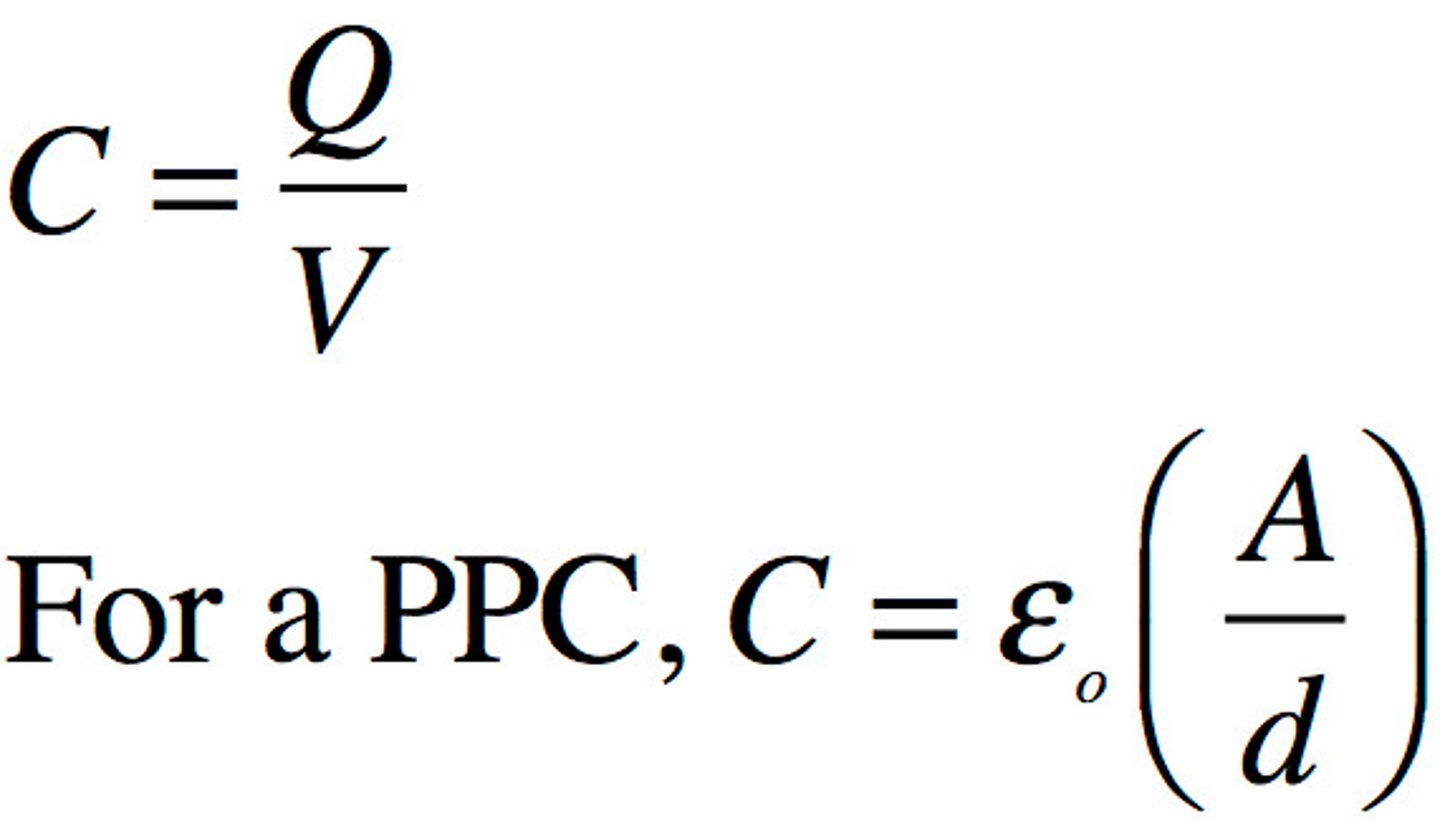
Electric Field - Parallel Plate Capacitor
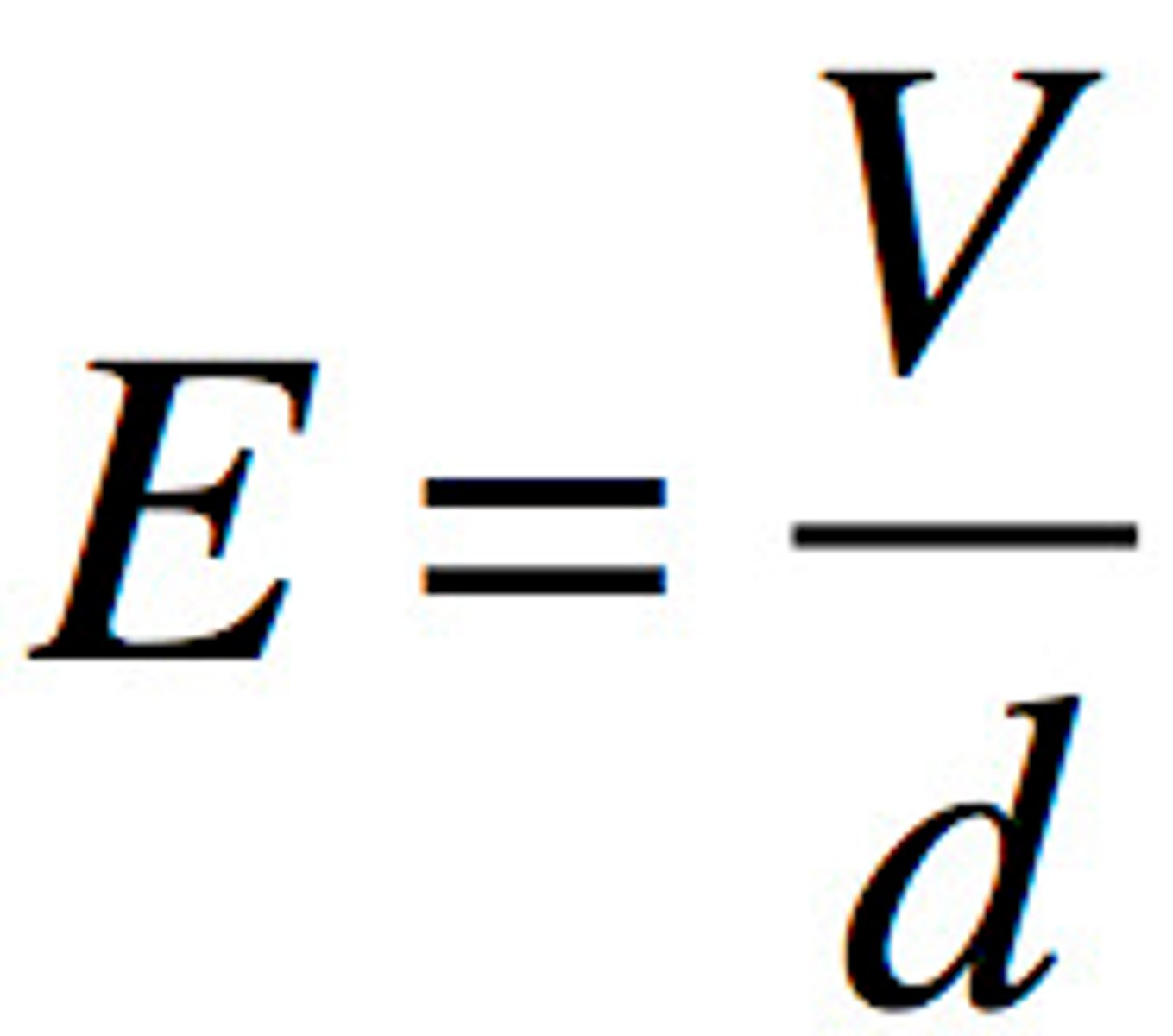
In this case E is measured in Volts/meter
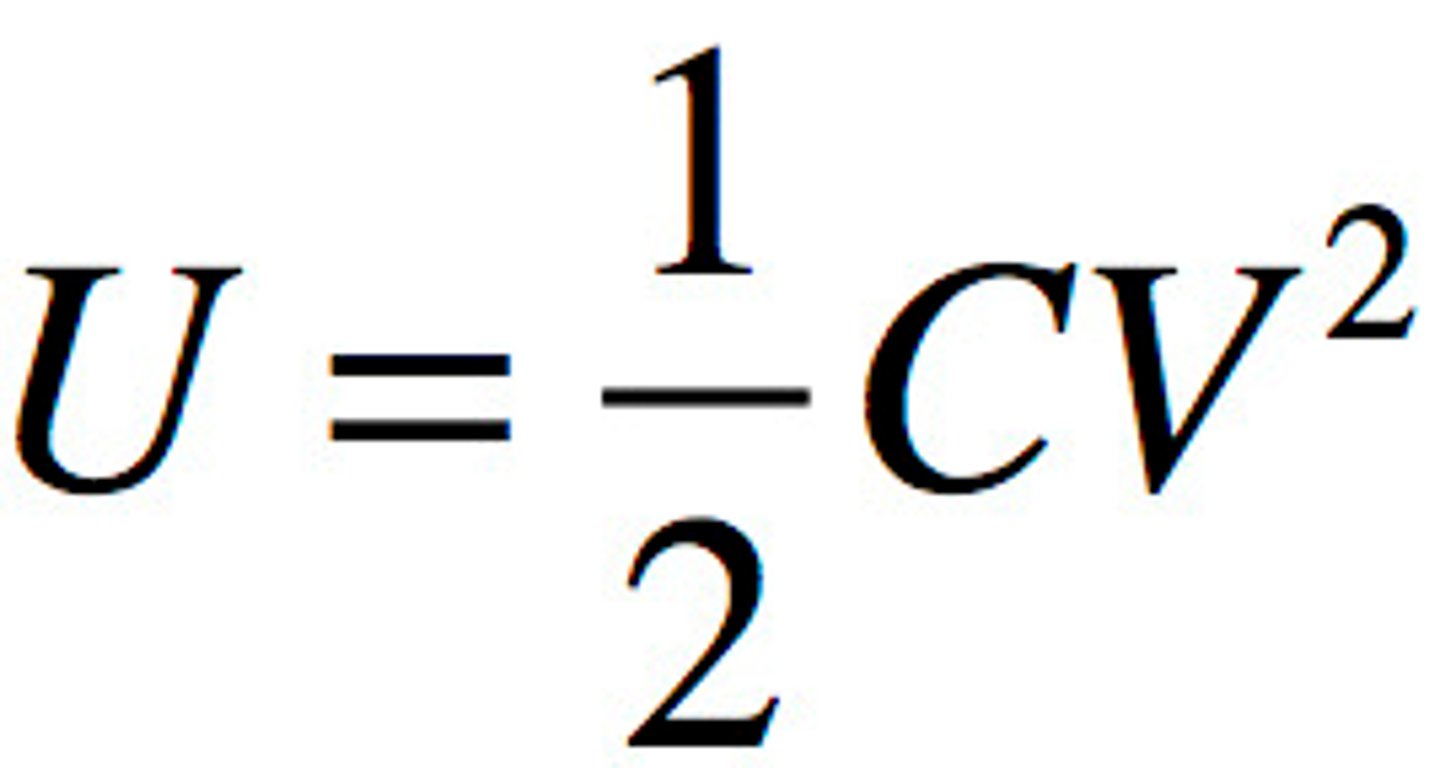
Electric Potential Energy Stored in a Capacitor
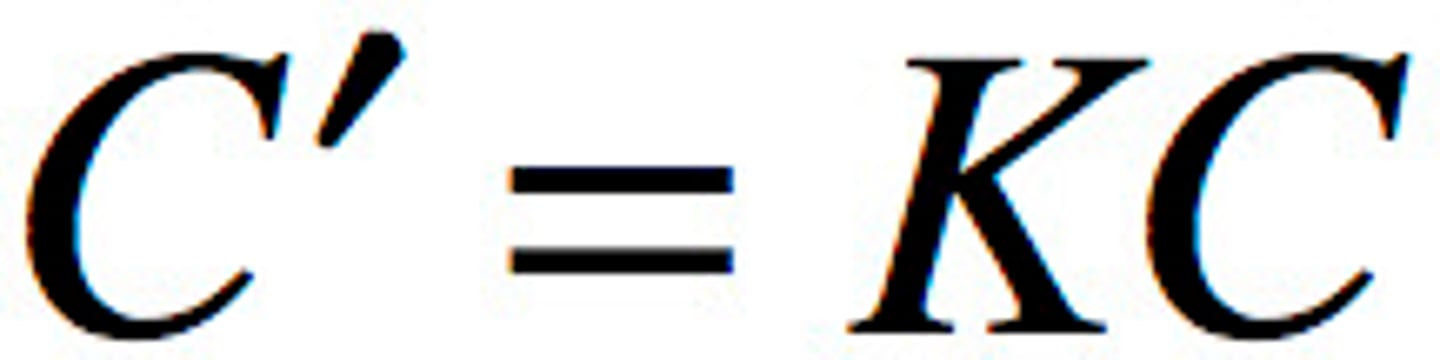
Dielectric Constant
Capacitors in Series
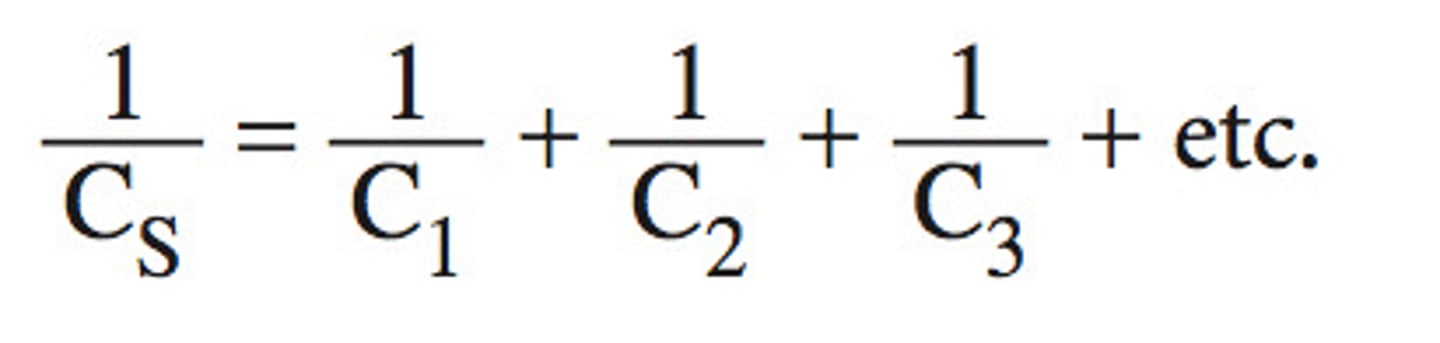
Capacitors in Parallel

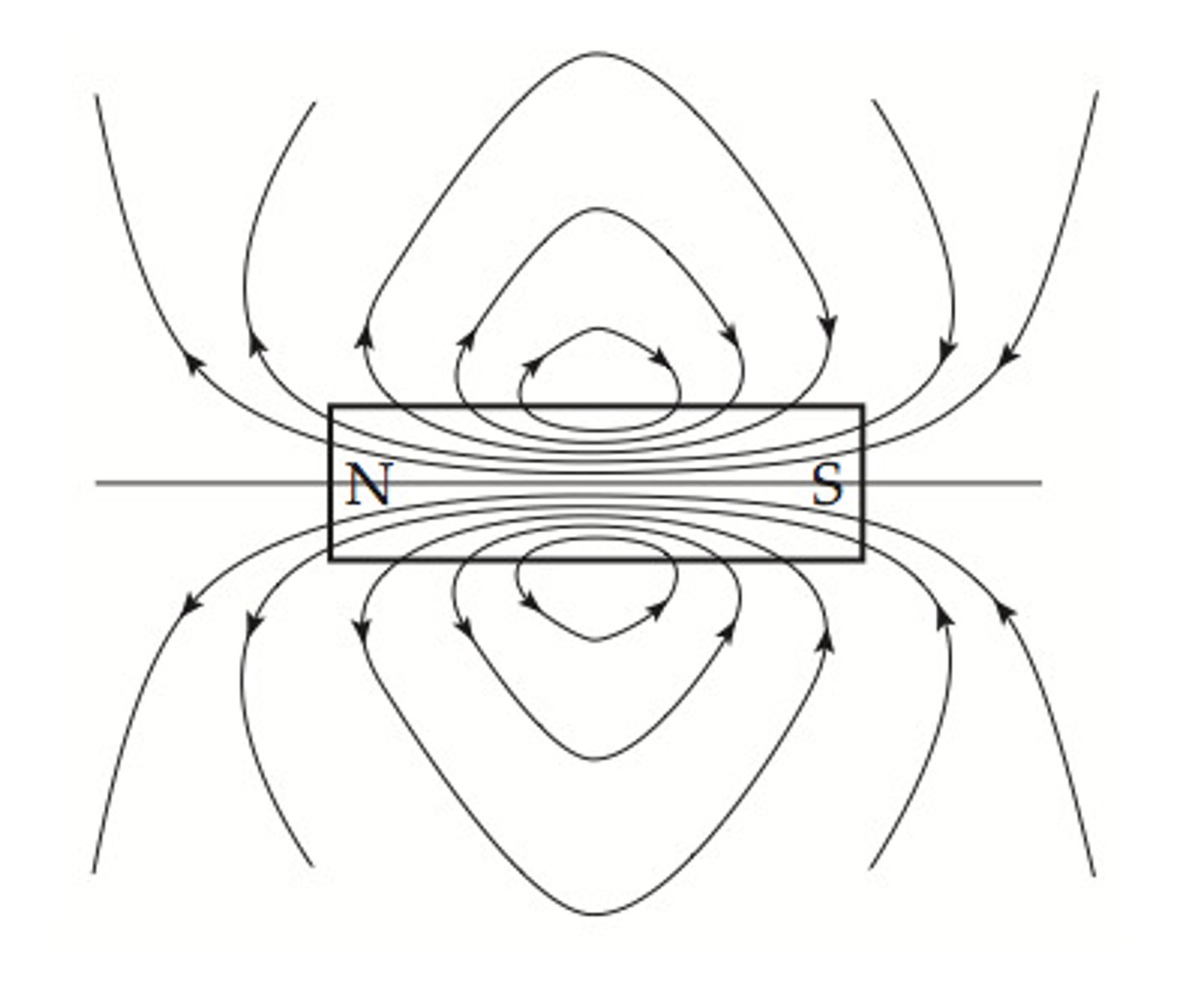
Magnetic Field Lines
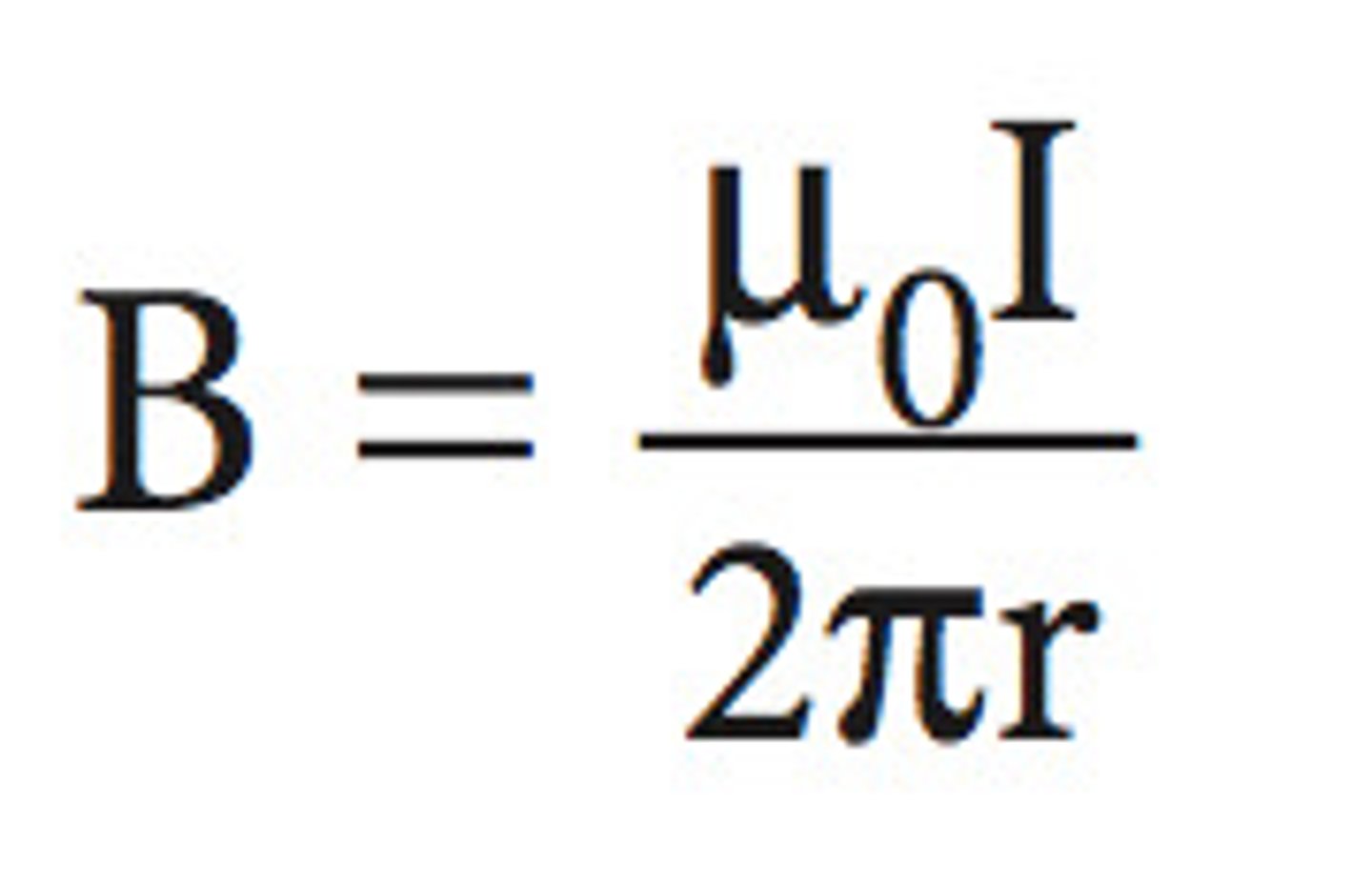
Magnetic Field (Straight Current Carrying Wire)
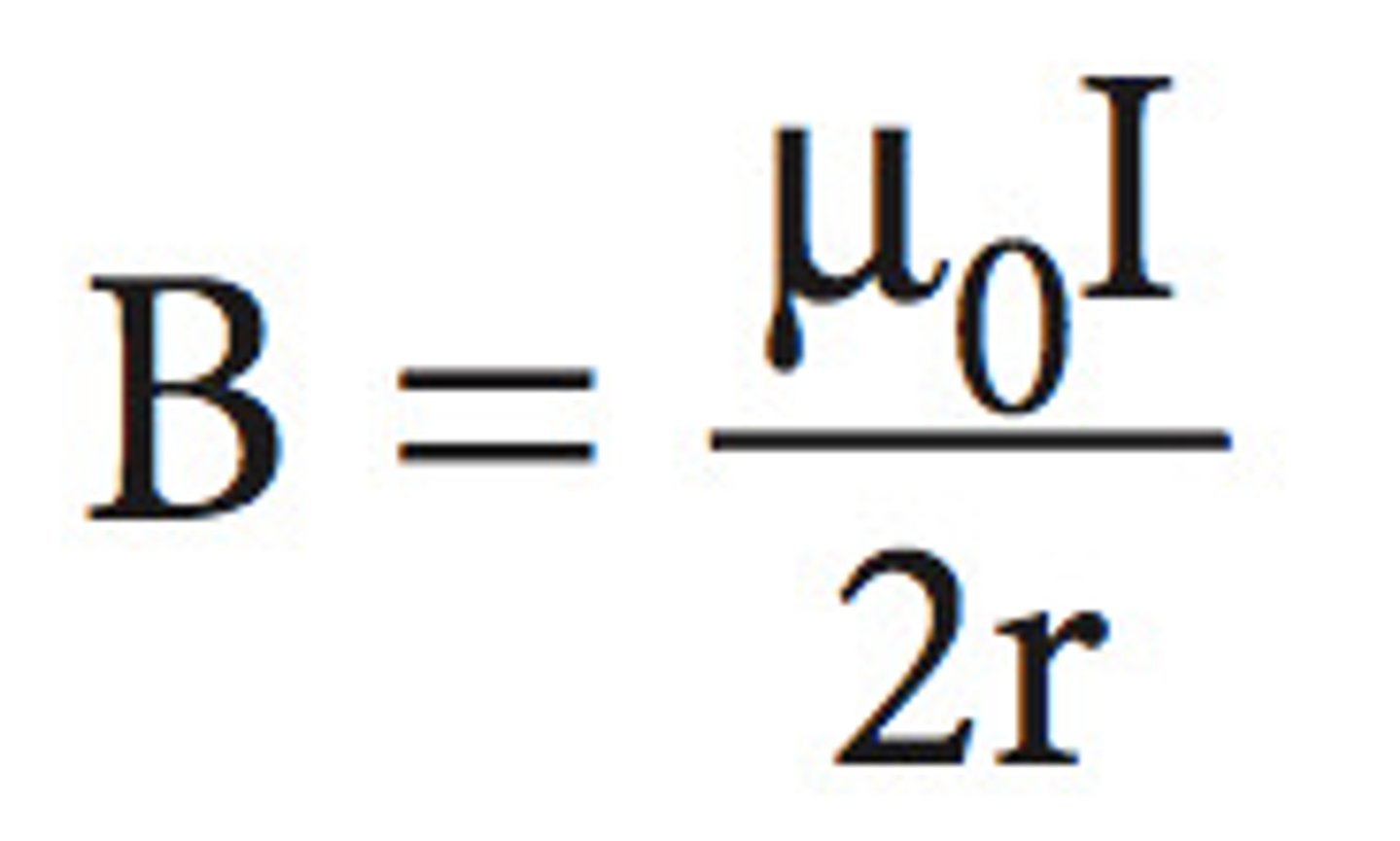
Magnetic Field (at Center of Wire Loop)
Remember - this is the field at the center of a loop.
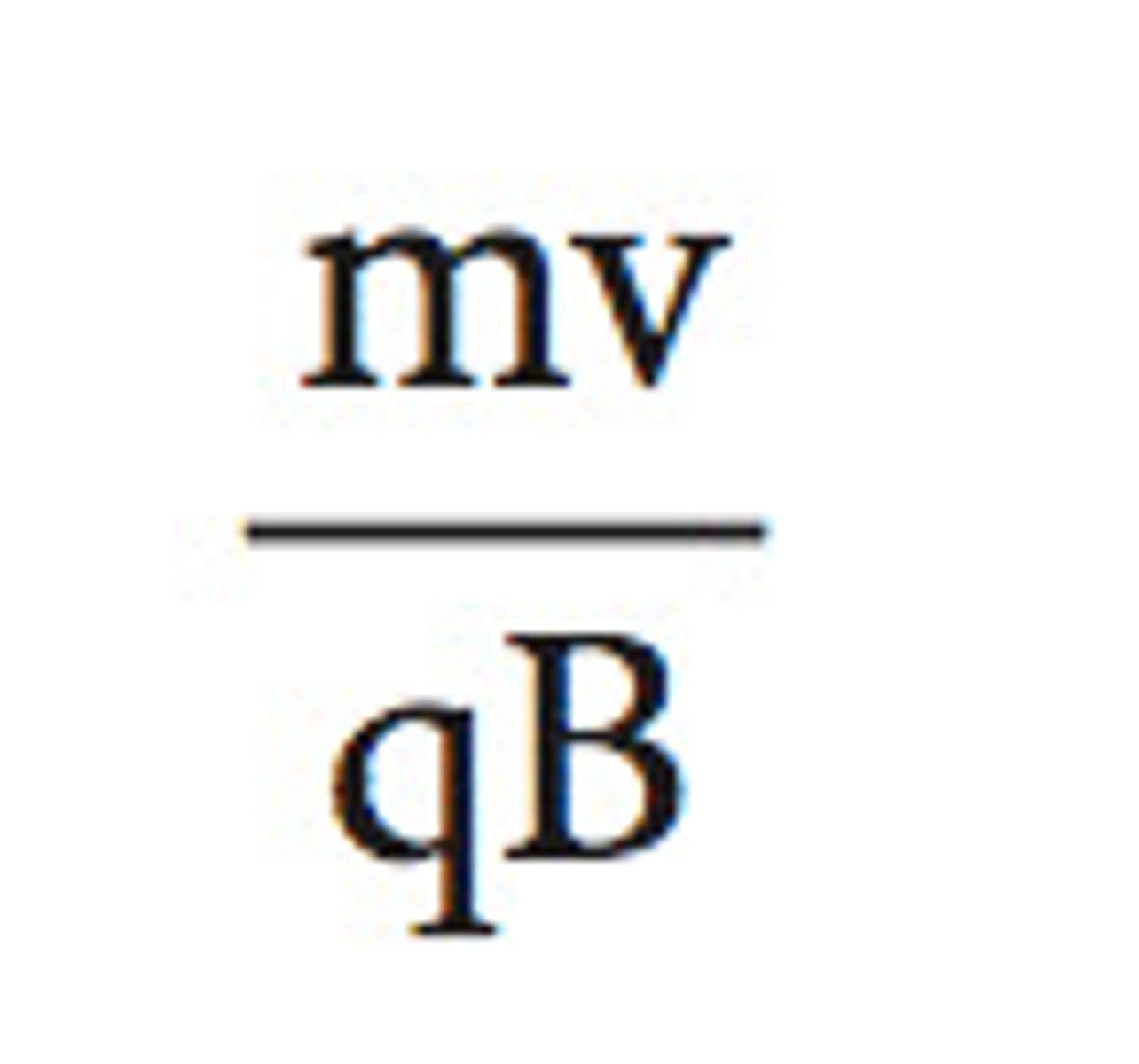
Magnetic Field - Orbit Radius
Remember even though the equation suggests otherwise, increasing β will not increase the velocity, it will just decrease the radius.
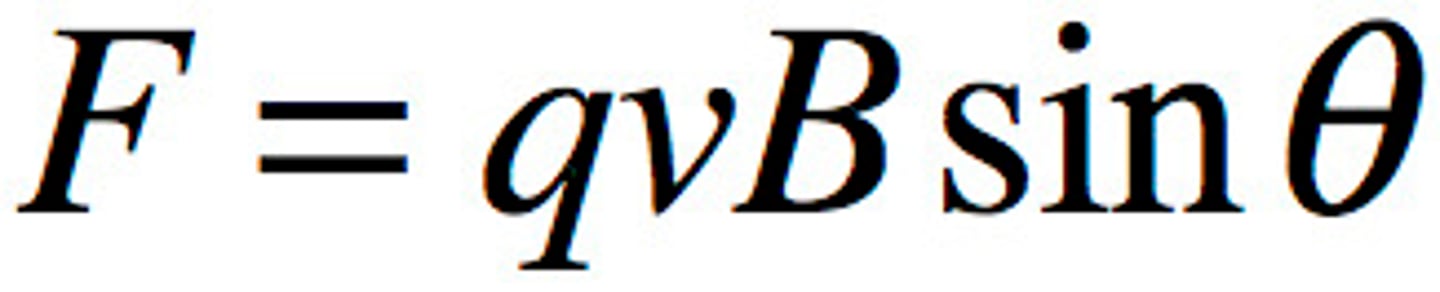
Magnetic Force - Point Charge Moving through Field
Magnetic Force - Current Carrying Wire in Magnetic Field

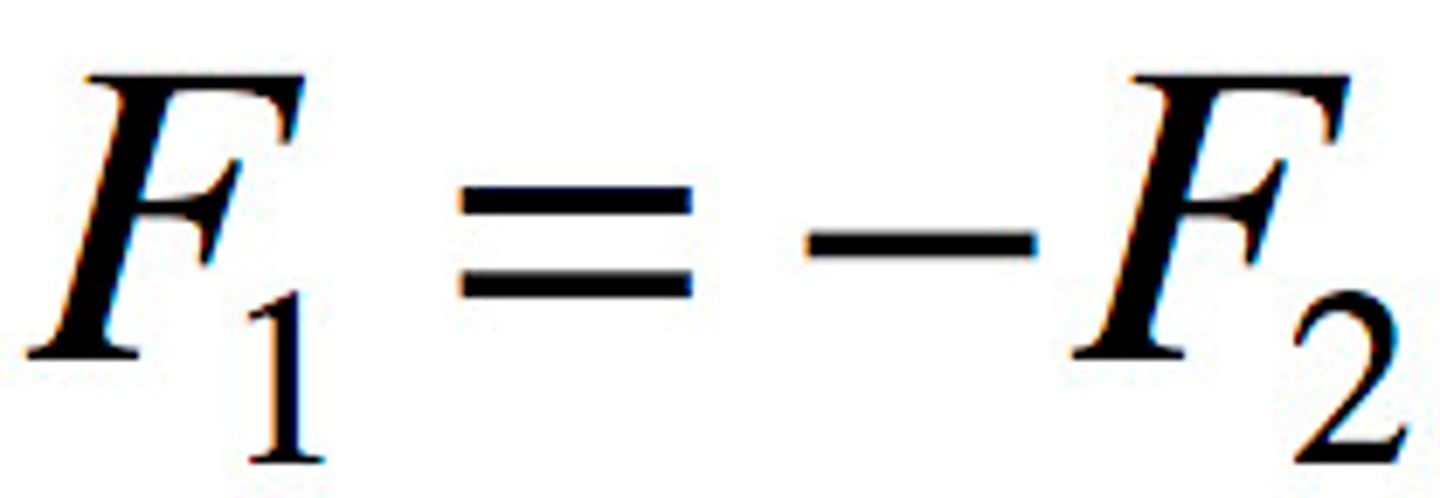
Newton's Third Law
Archimede's Principle

AC Current

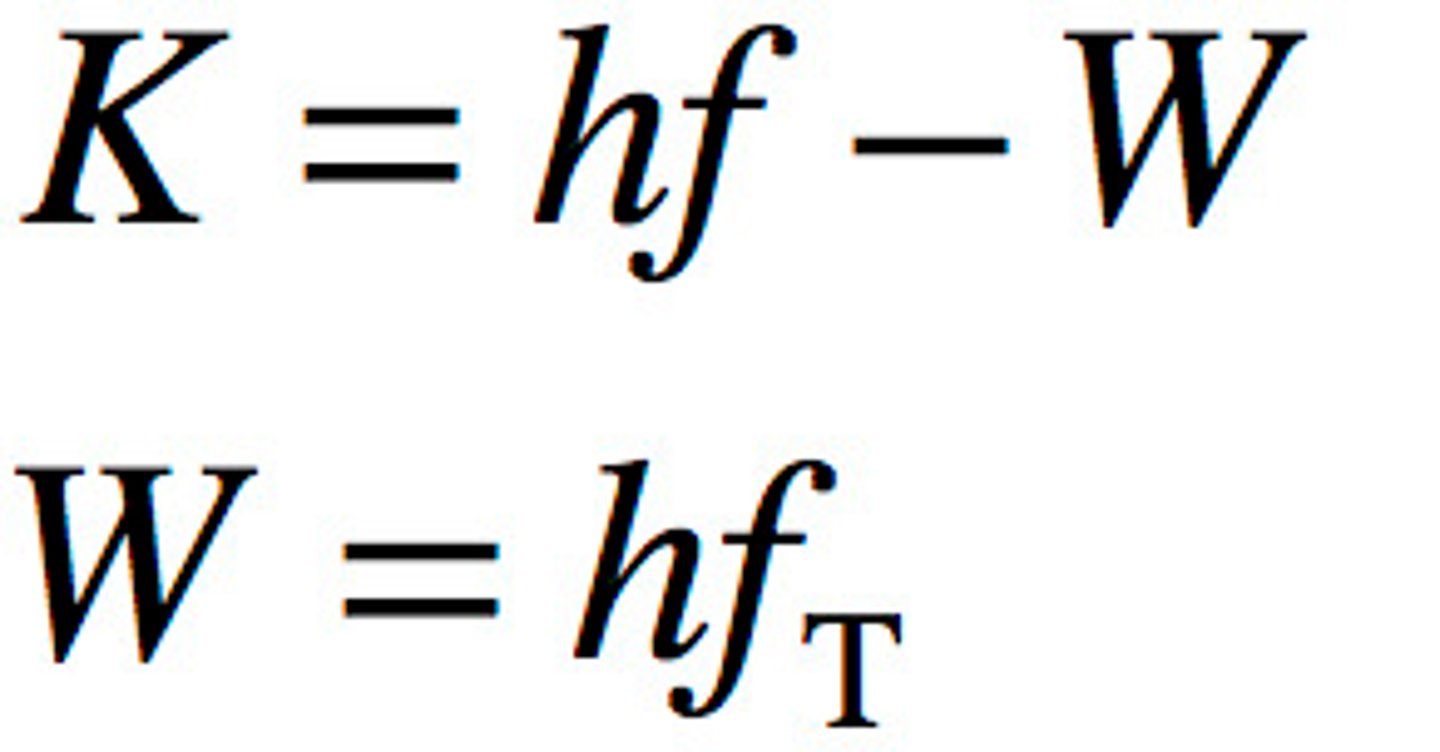
Work Function
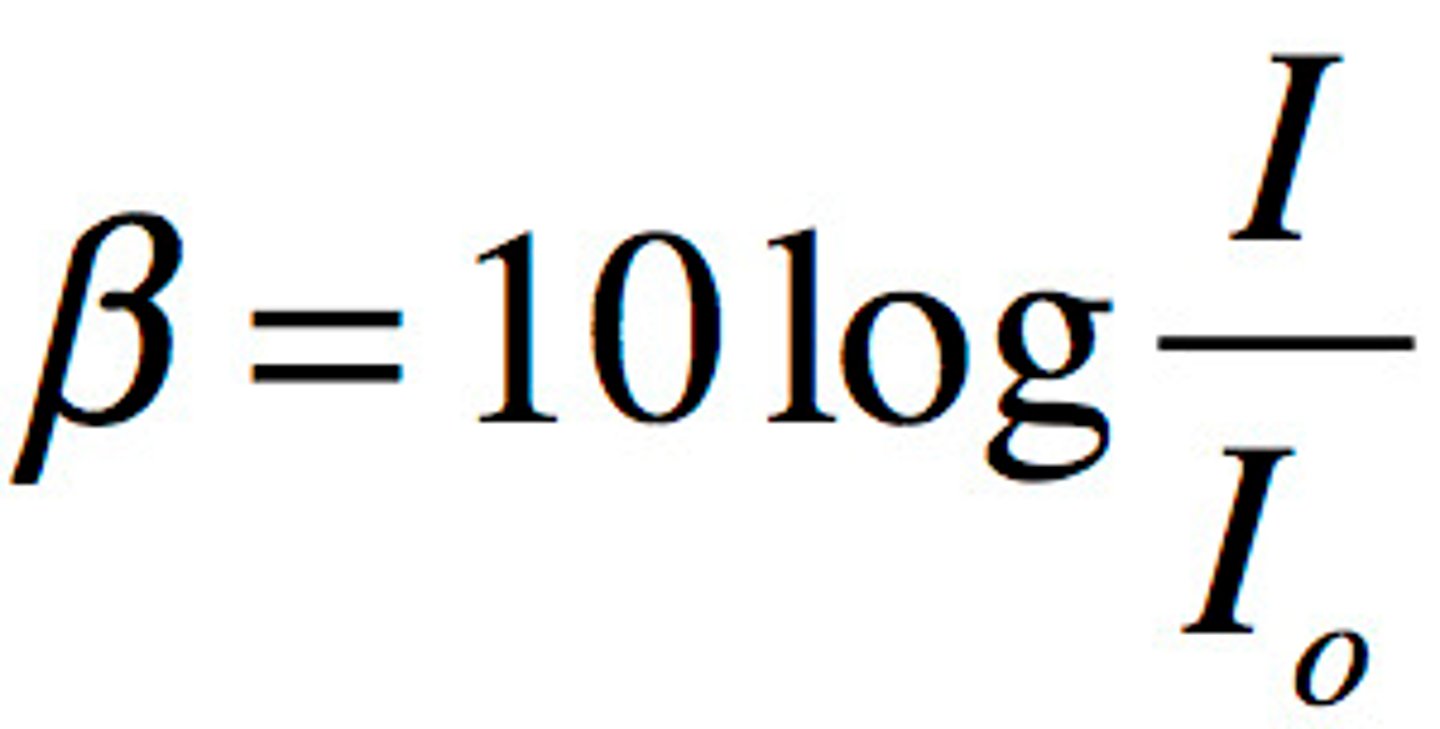
Sound Level
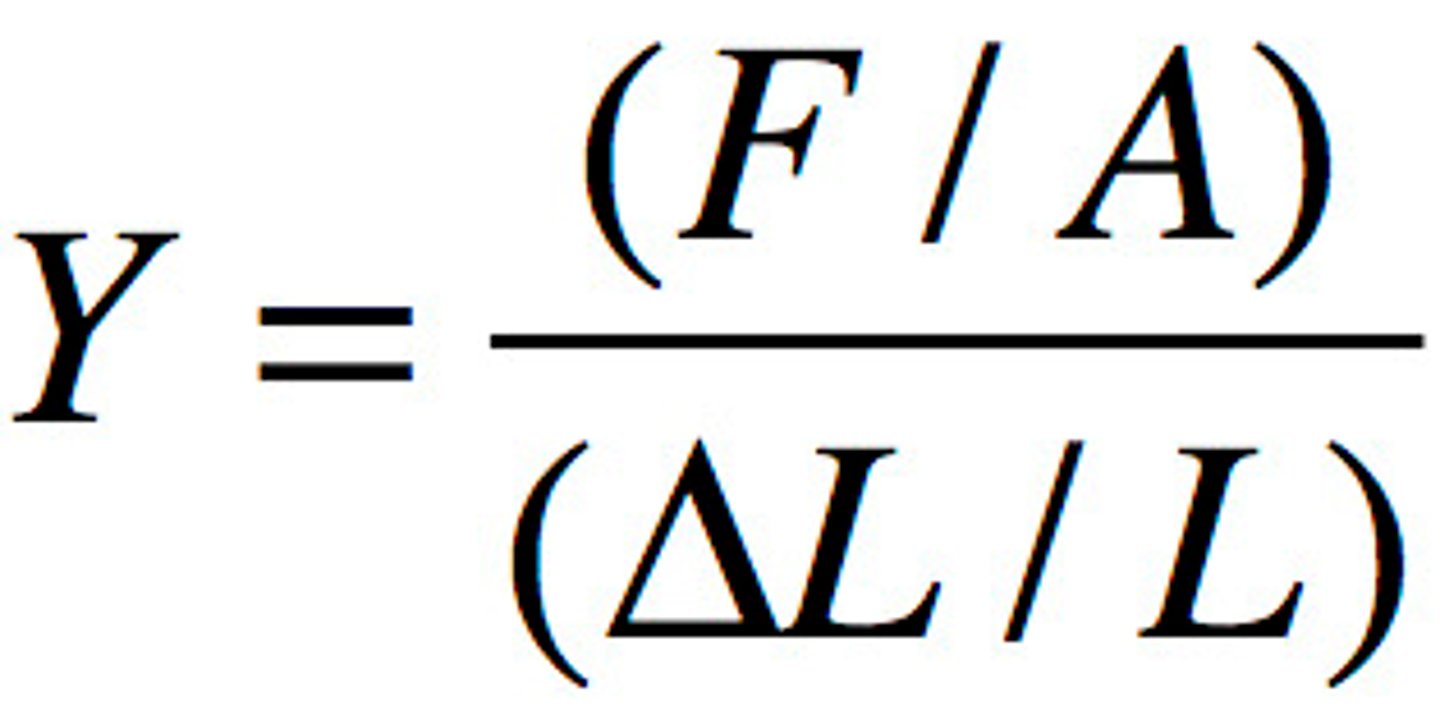
Young's Modulus
AC Current

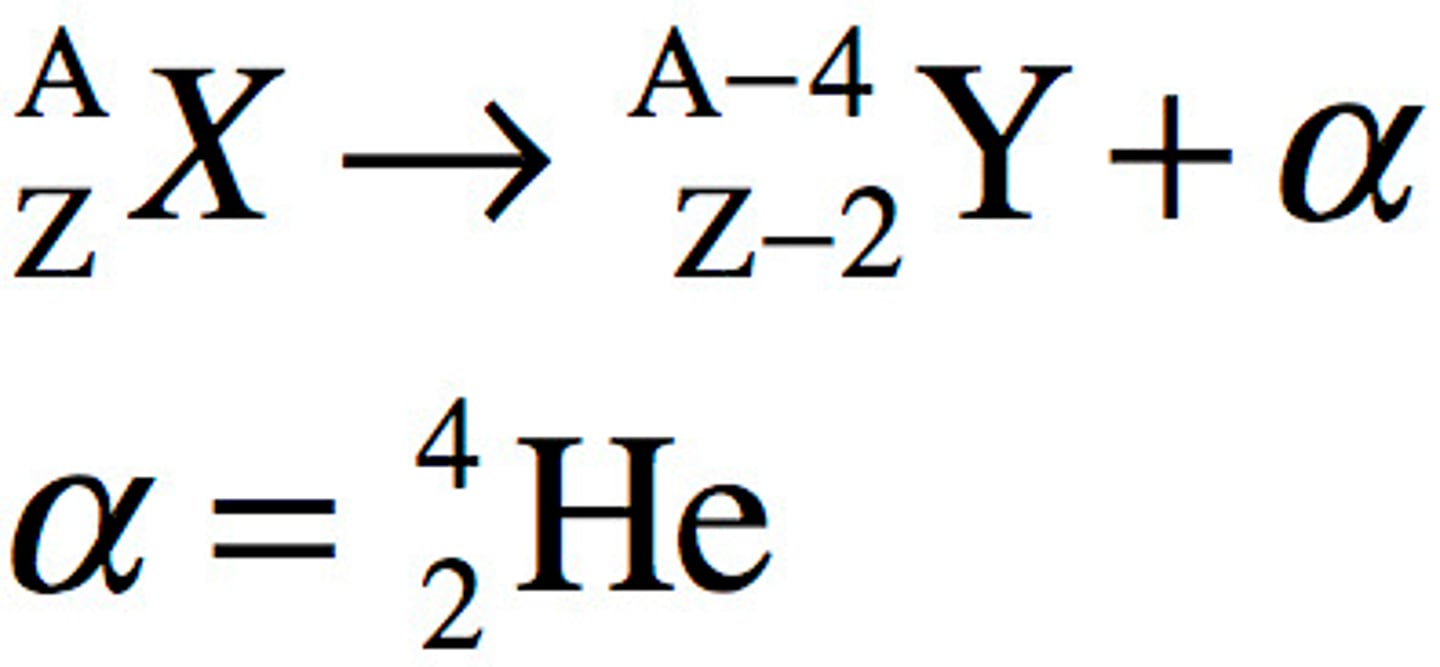
Alpha Decay
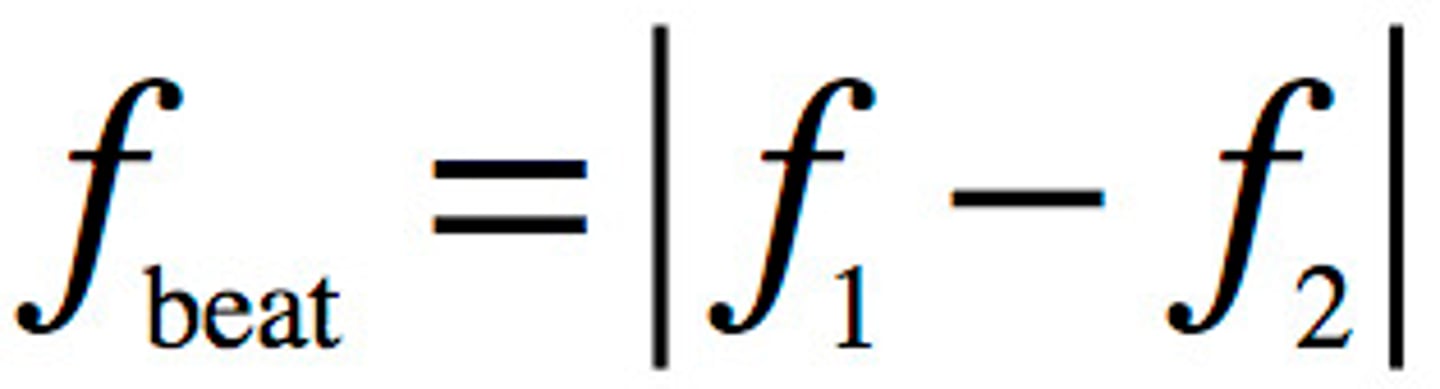
Beat Frequency
Bernoulli's Equation

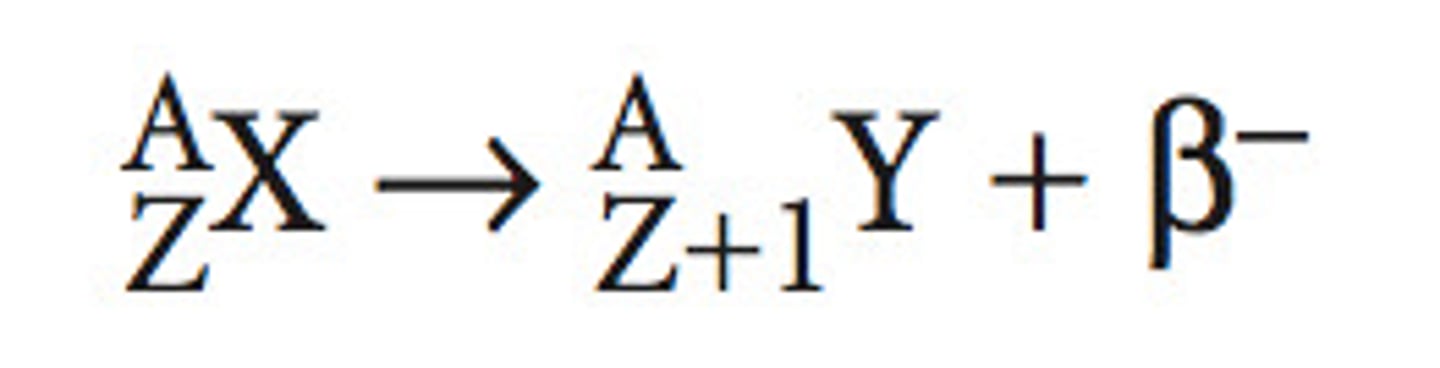
Beta Minus Decay
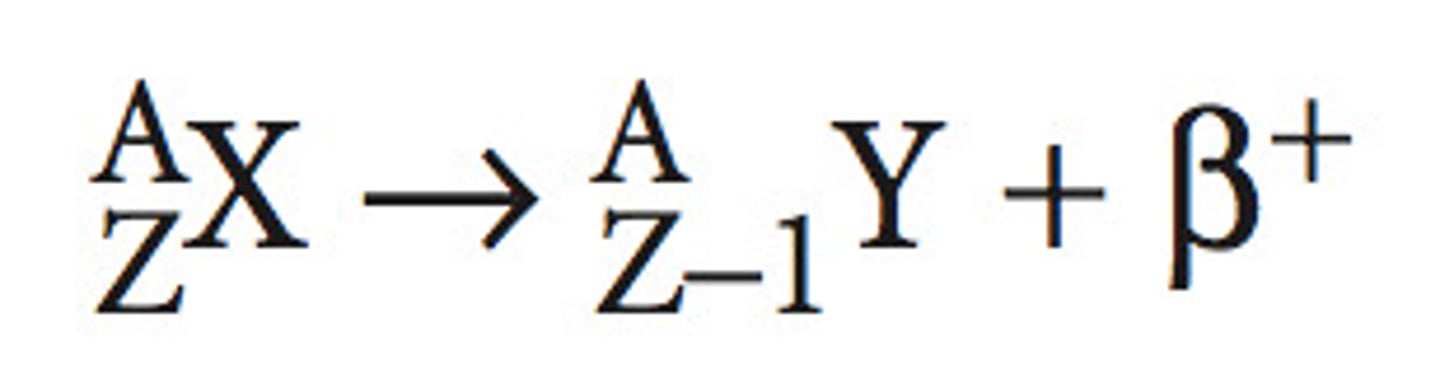
Beta Plus Decay
Blackbody Spectrum

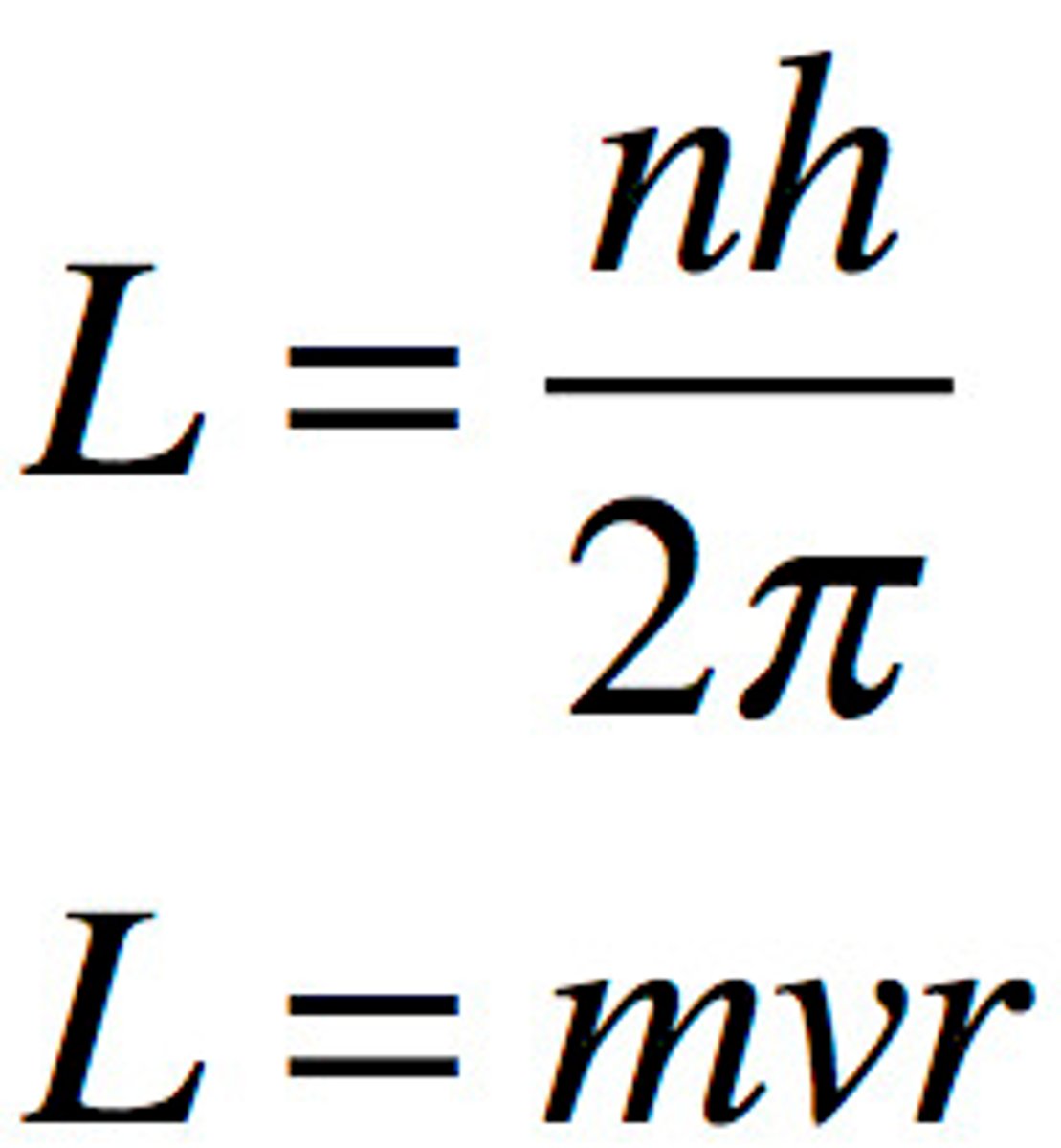
Bohr Angular Momentum
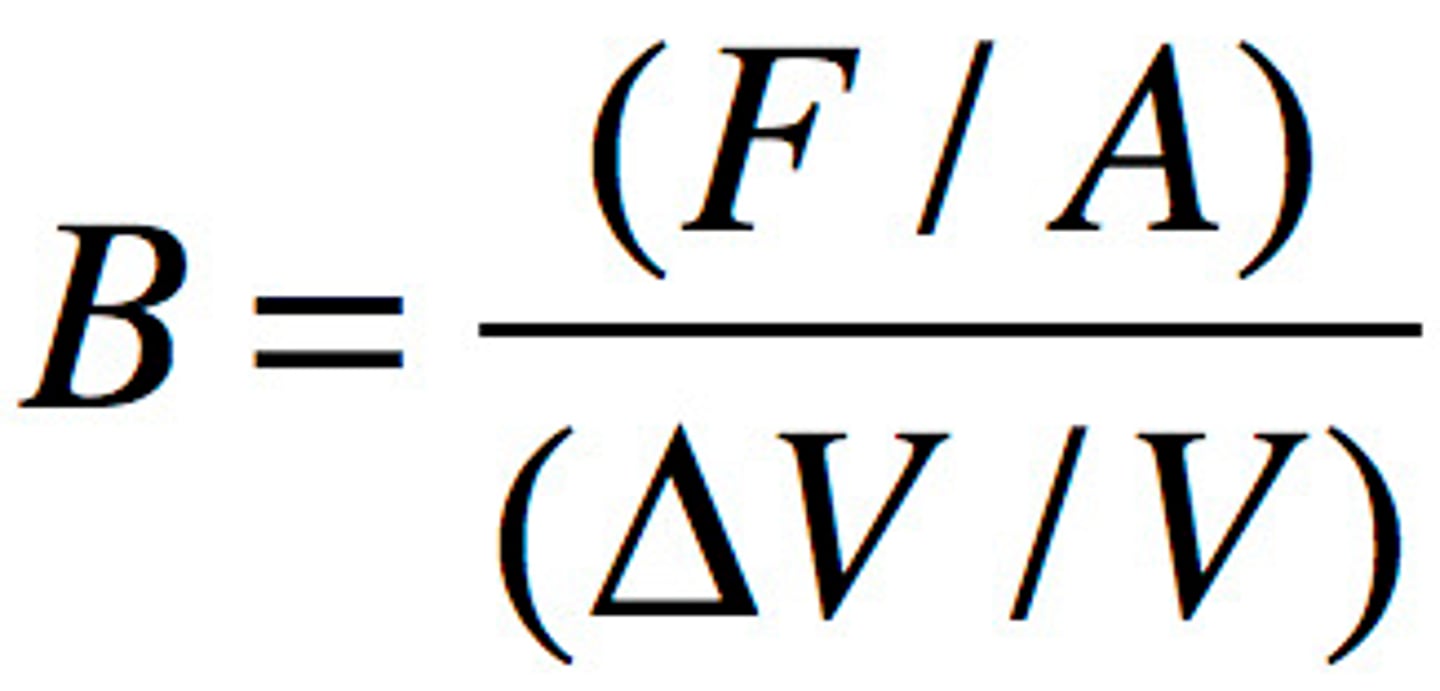
Bulk Modulus
Center of Gravity

Center of Mass

Conservation of Kinetic Energy

Conservation of Momentum
Continuity Equation

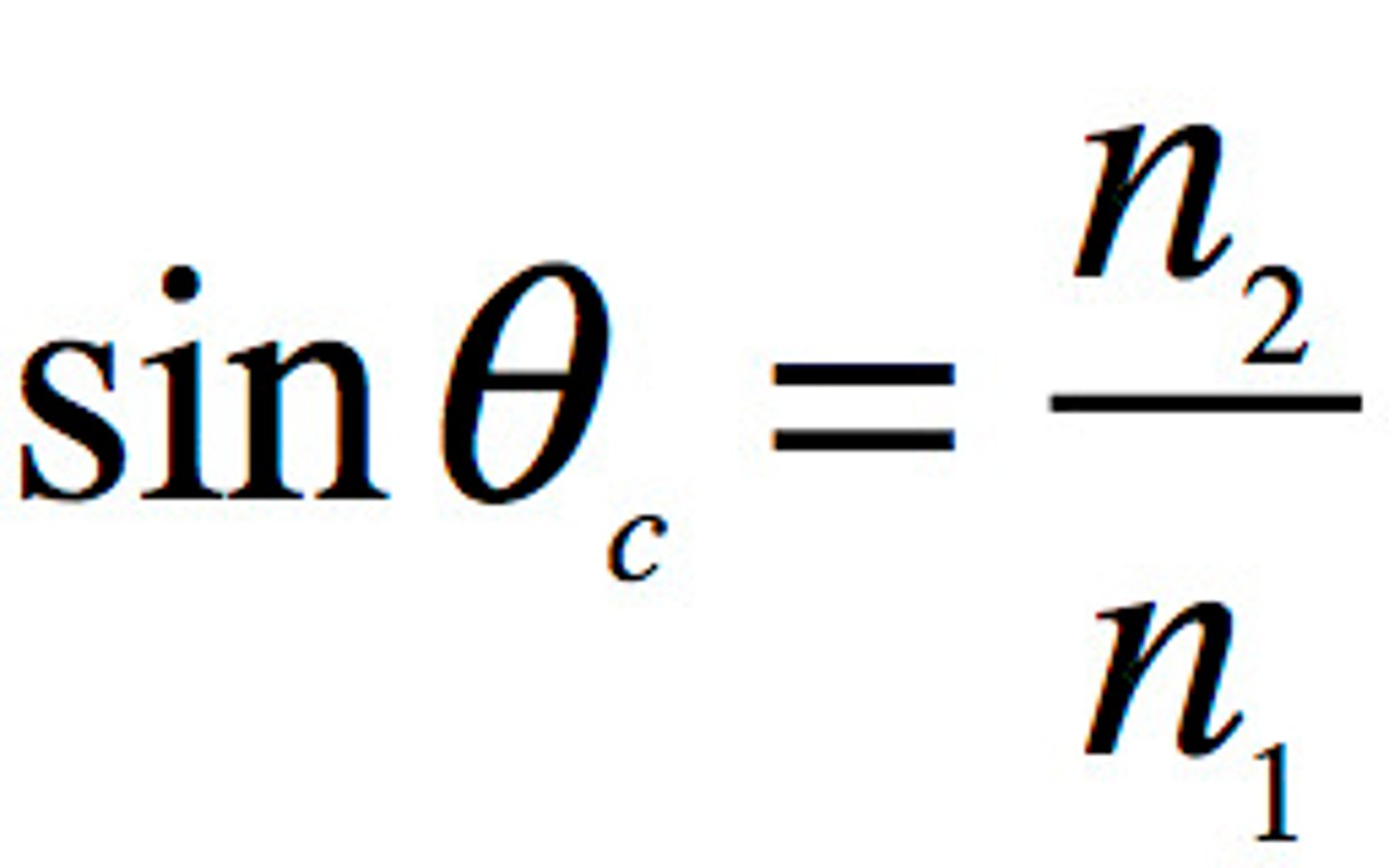
Critical Angle
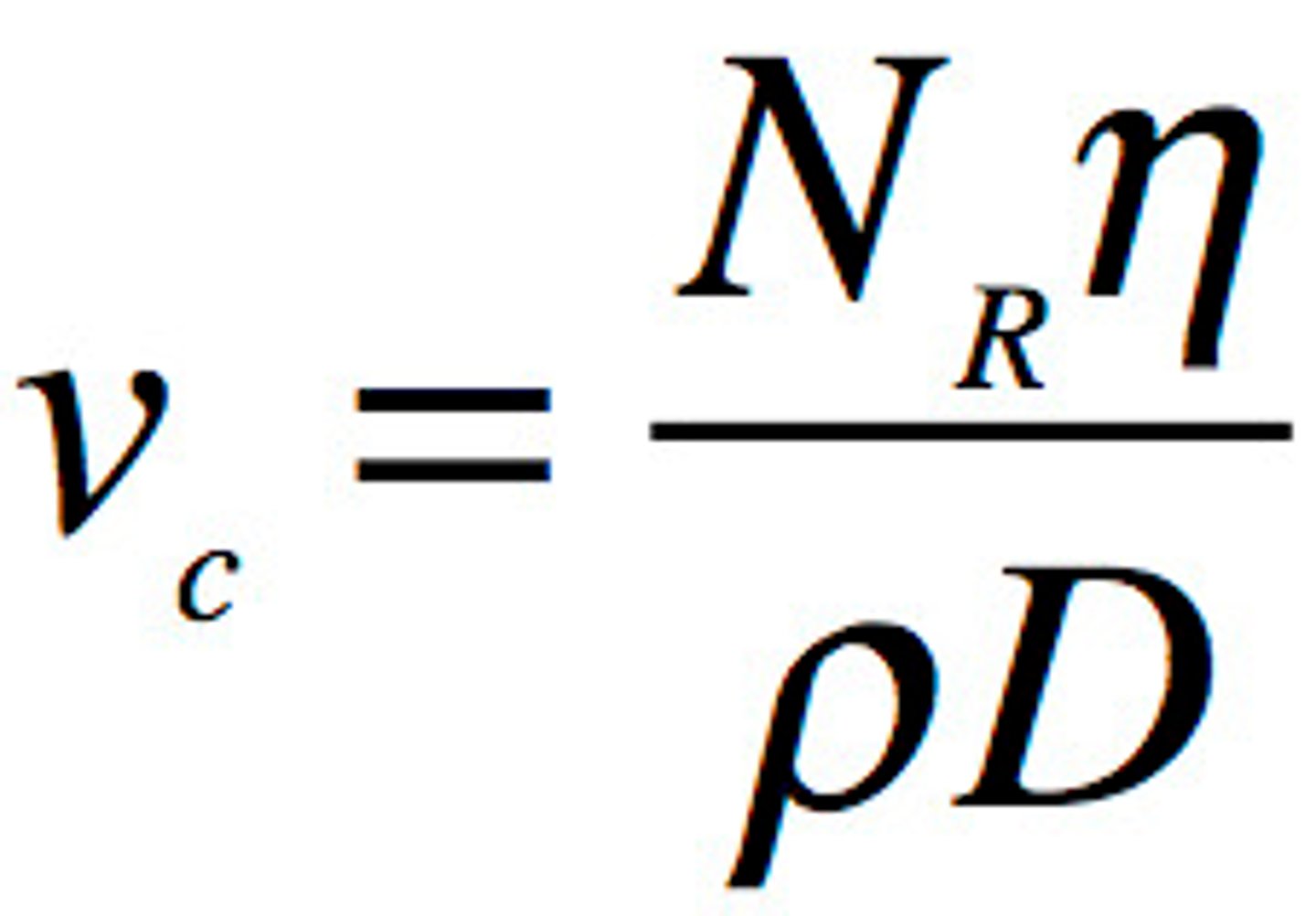
Critical Velocity of a Fluid
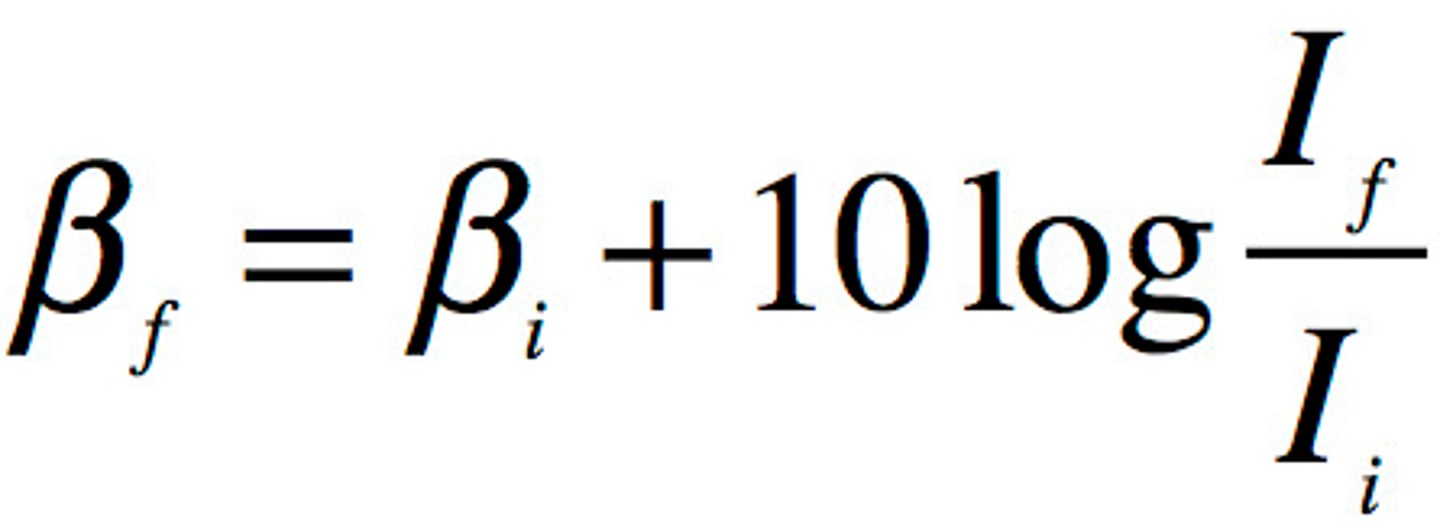
Difference in Sound Level
Diffraction

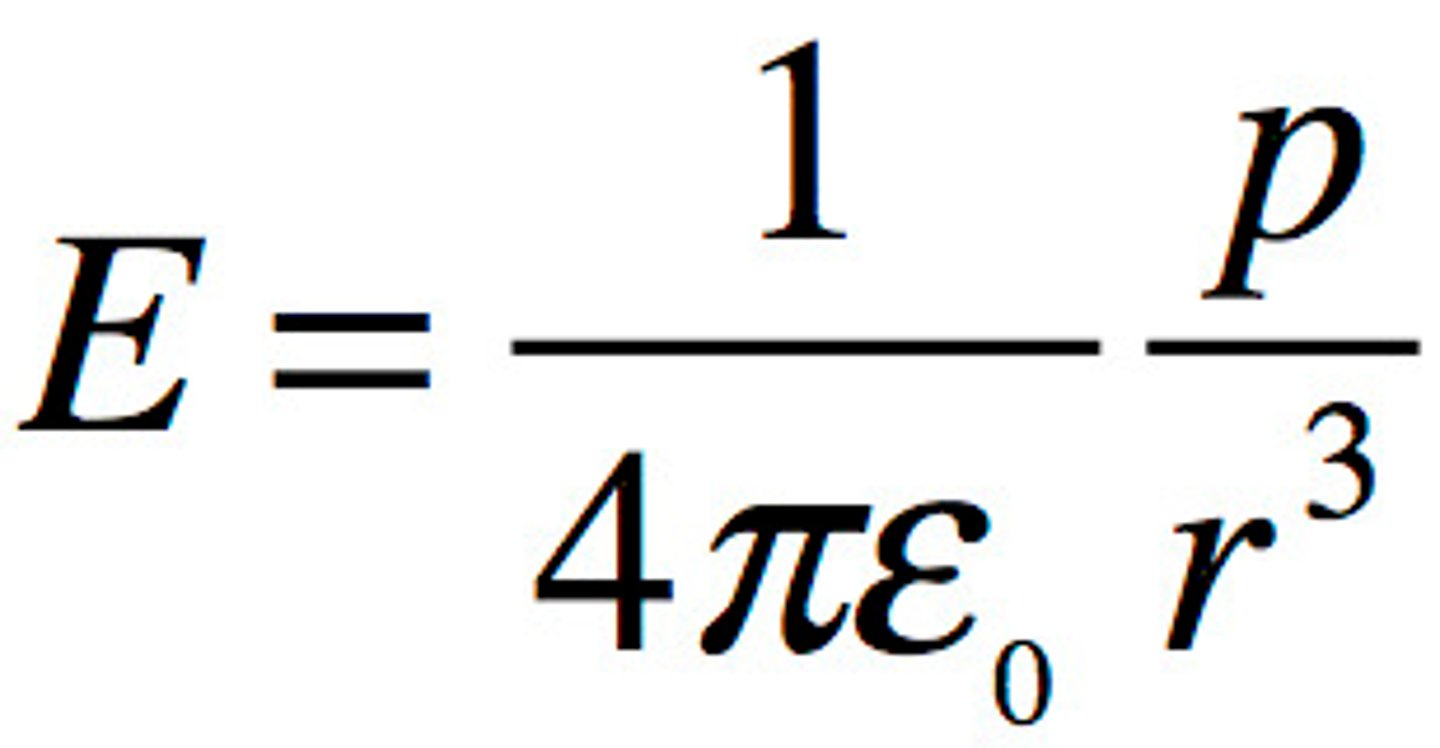
Dipole Electric Field
Dipole Torque

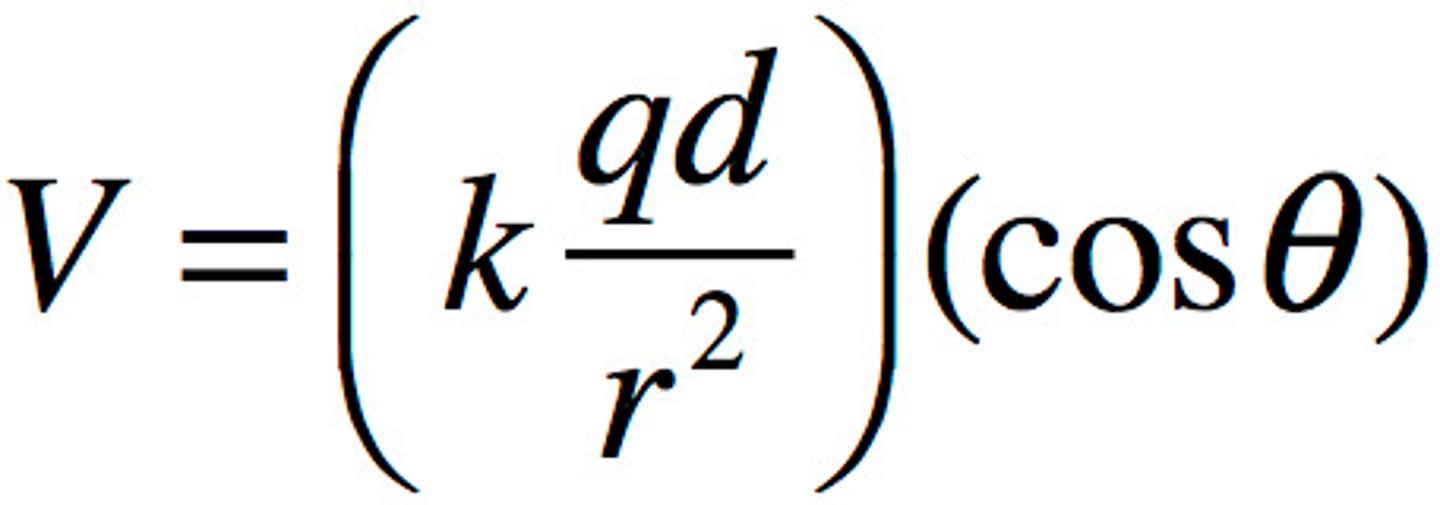
Dipole Voltage
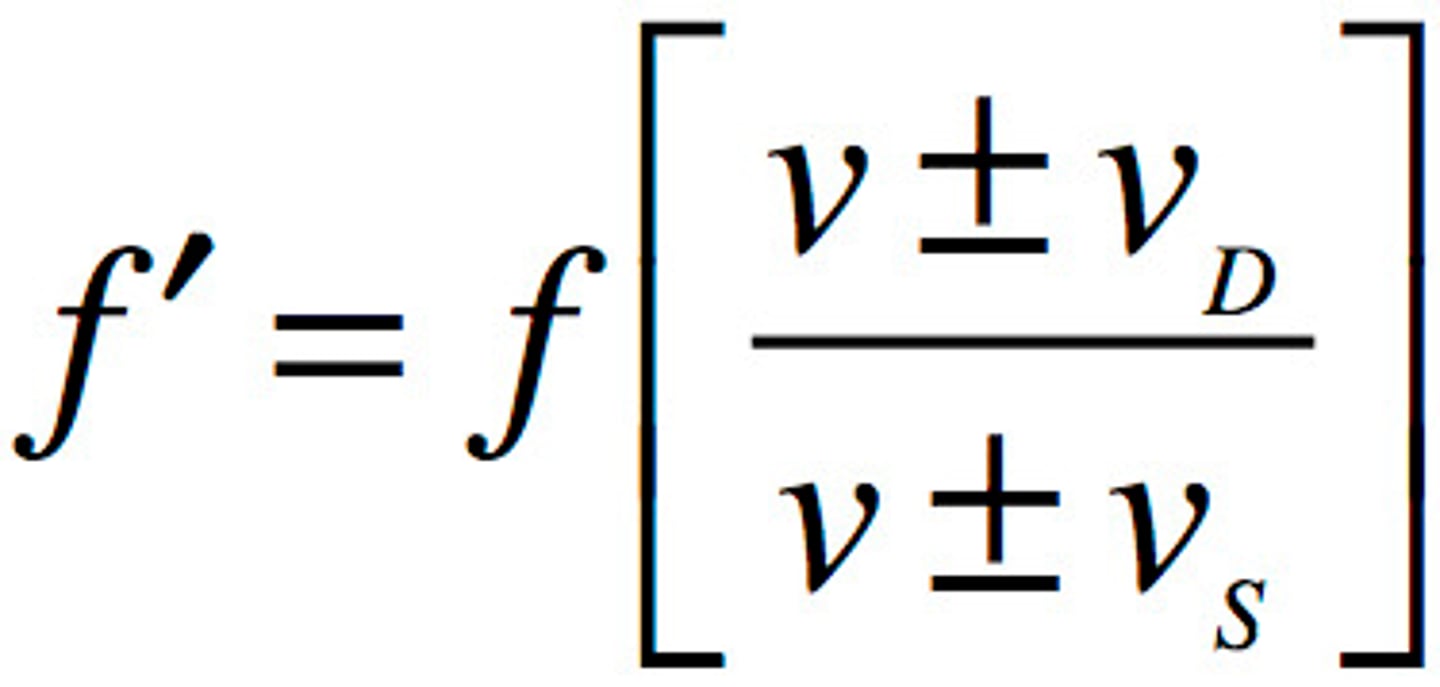
Doppler Effect
Efficiency

Electron Capture

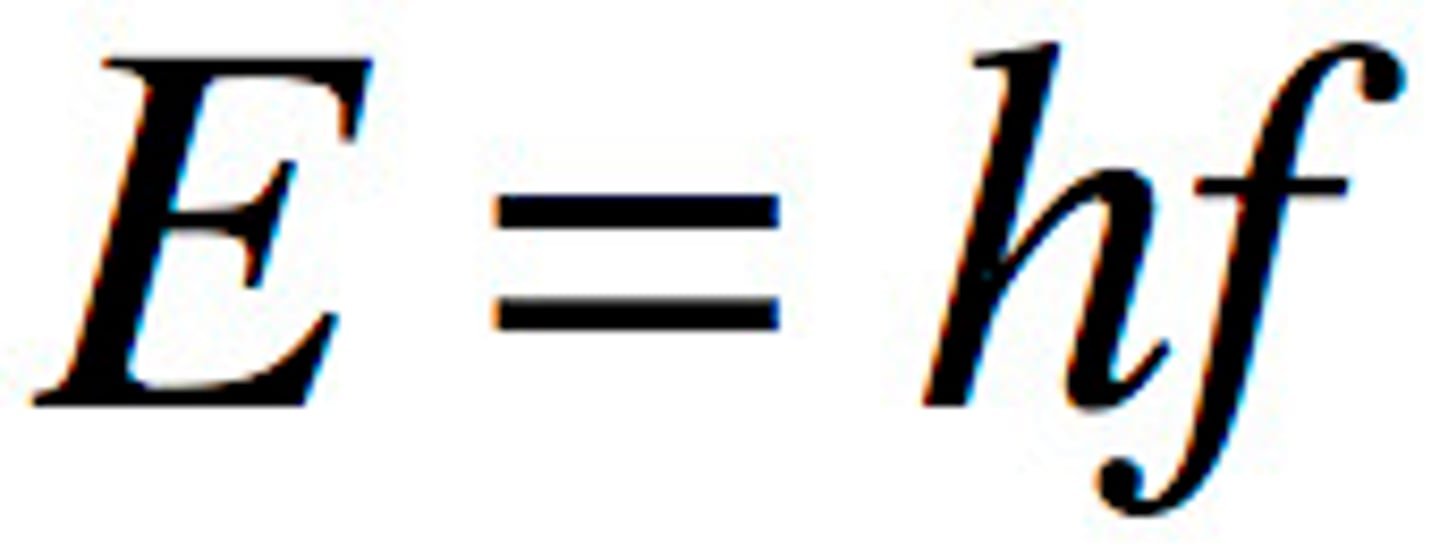
Energy of a Photon
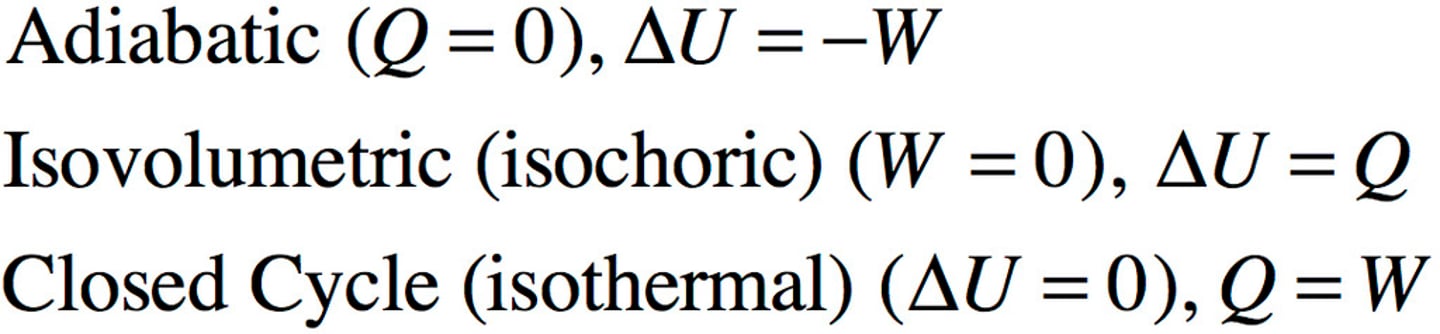
First Law of Thermodynamics - Special Cases
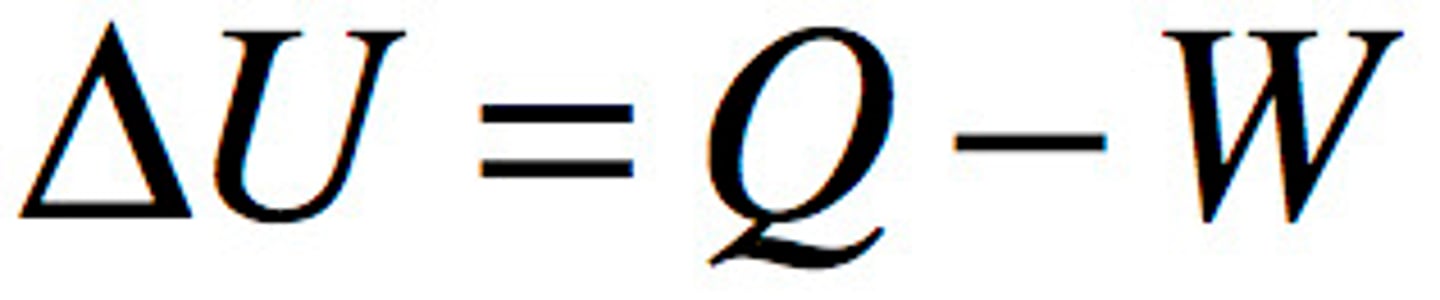
First Law of Thermodynamics
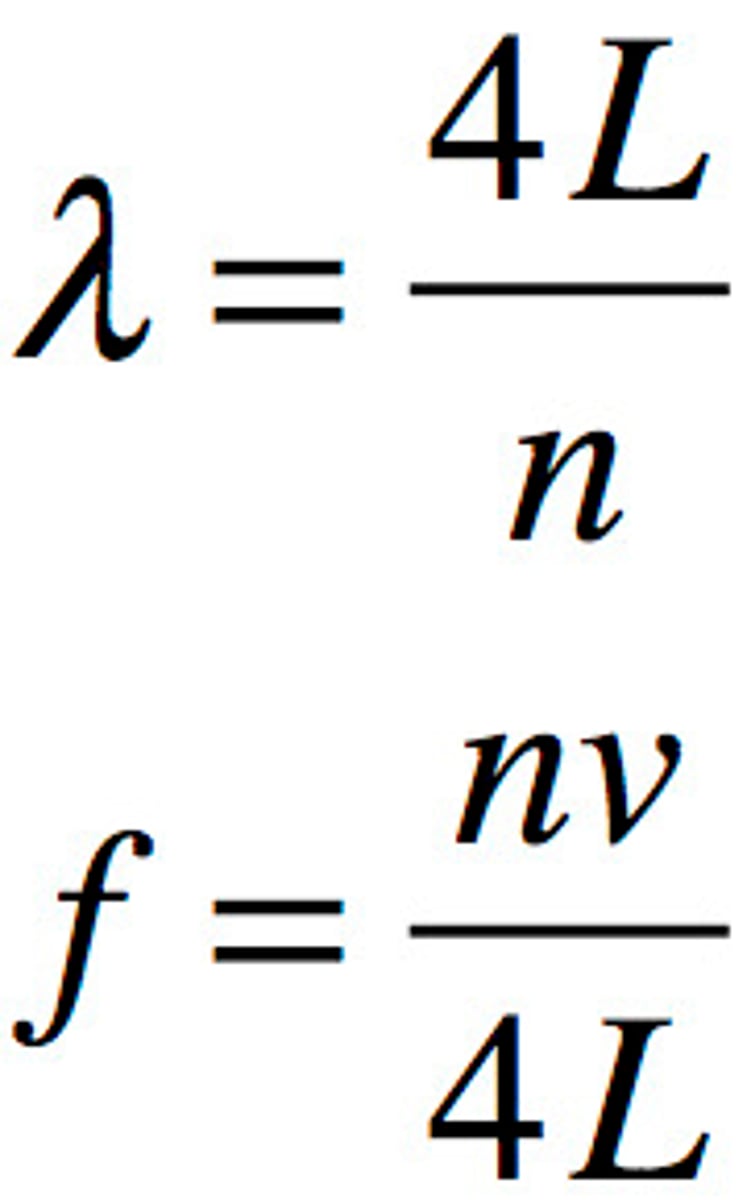
Closed Pipe - Wavelength and Frequency
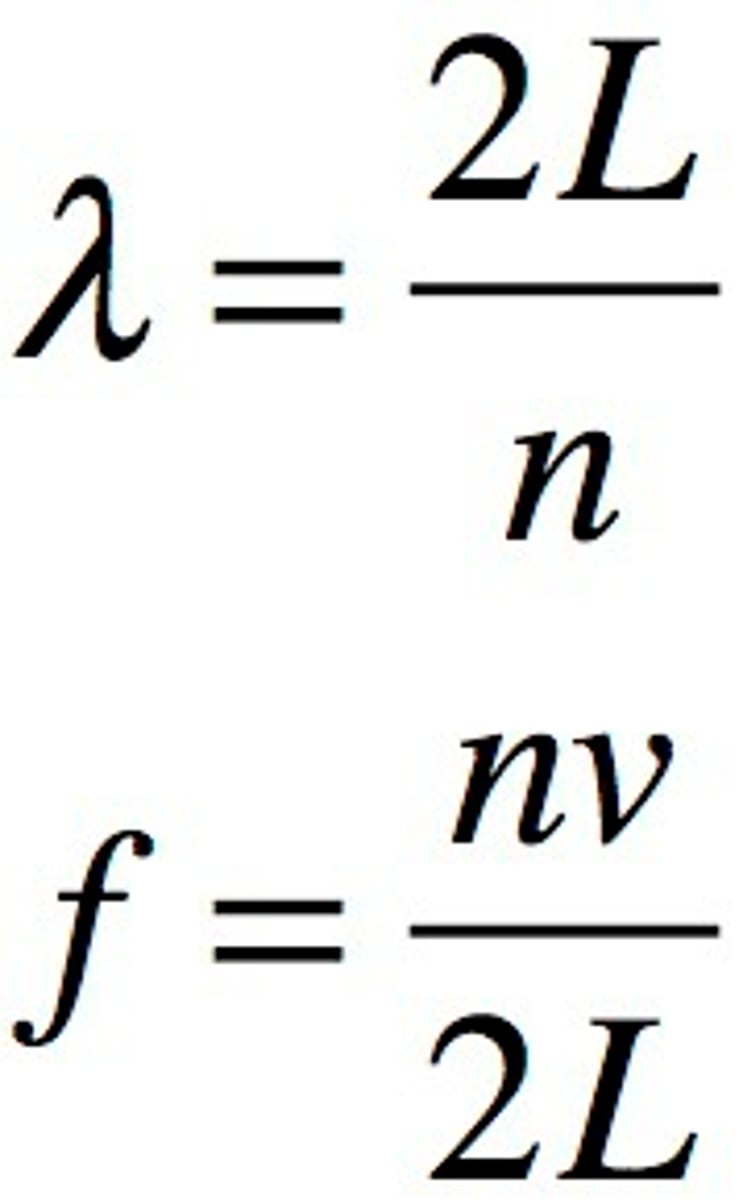
Open Pipe (and Strings/Standing Waves) - Wavelength and Frequency
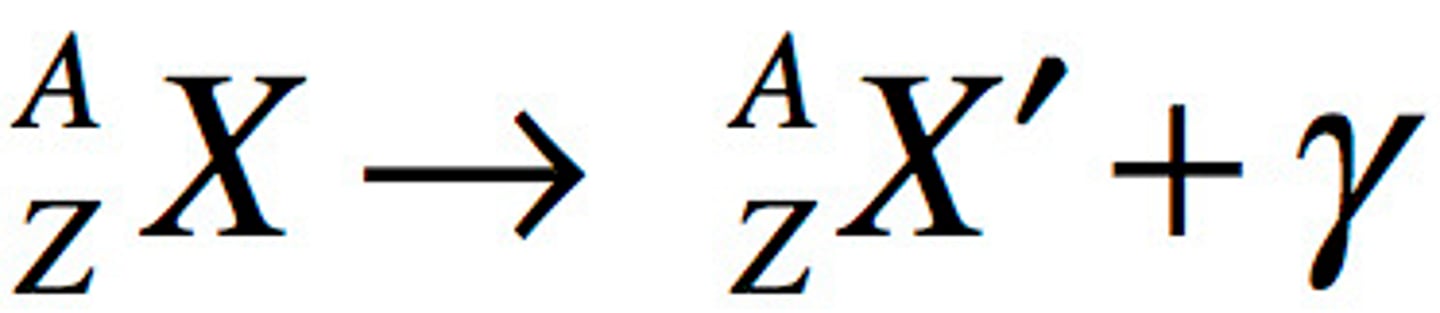
Gamma Decay
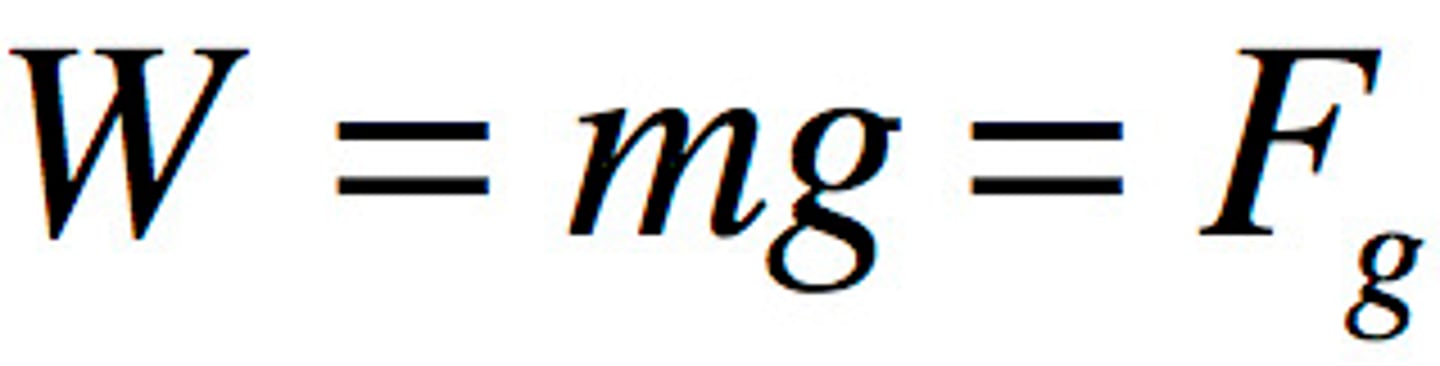
Gravity
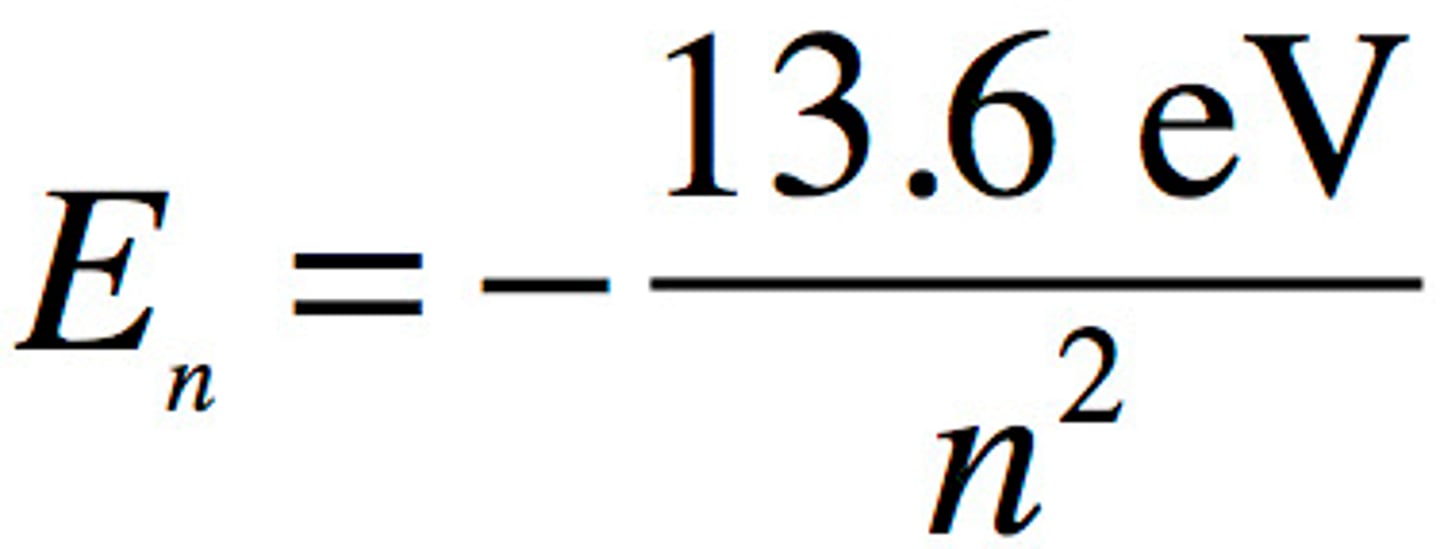
Hydrogen Energy Levels
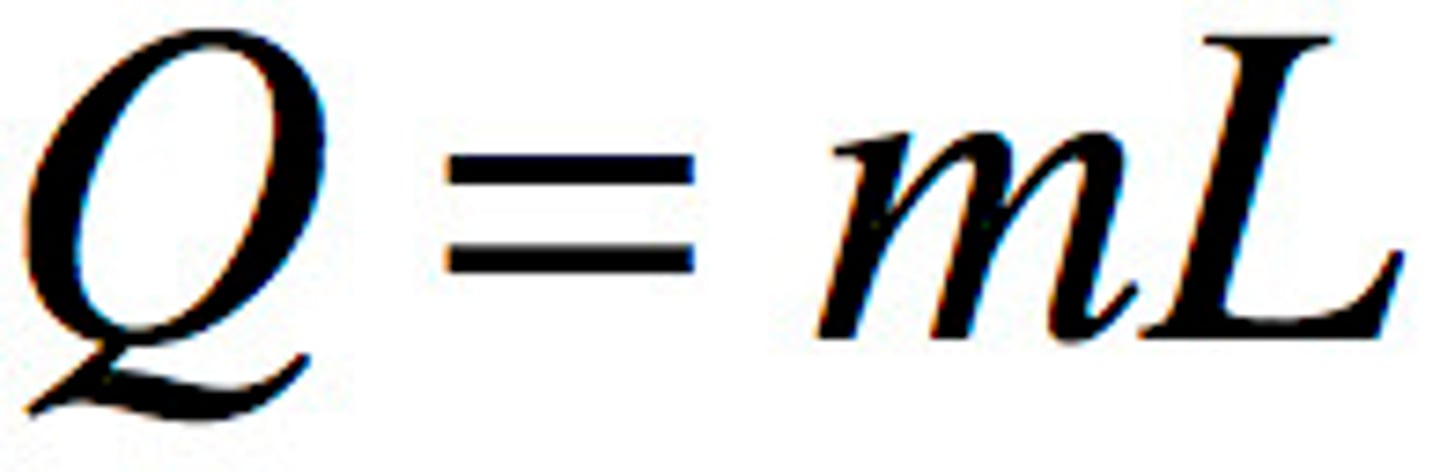
Heat of Transformation
Impulse

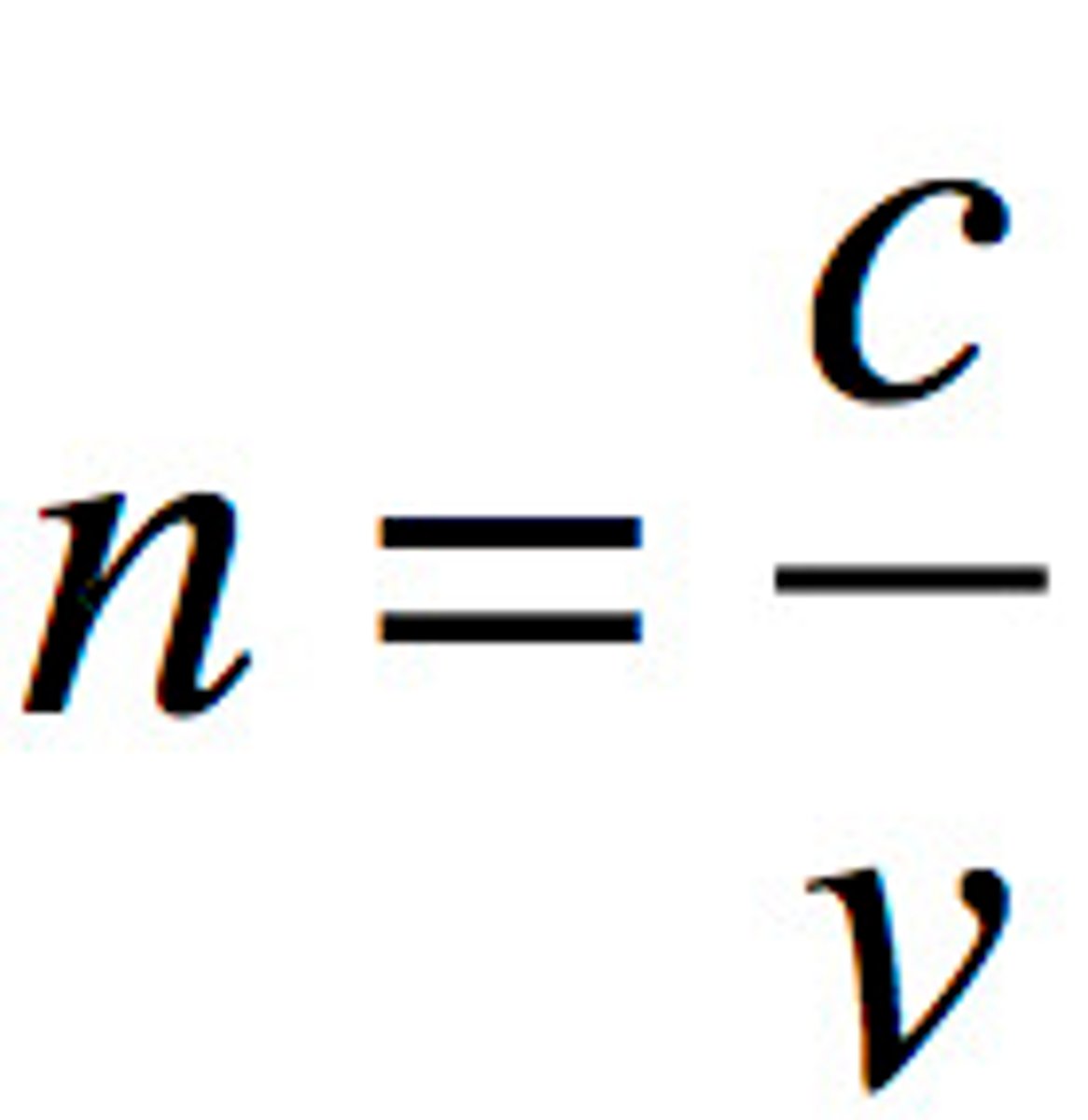
Index of Refraction
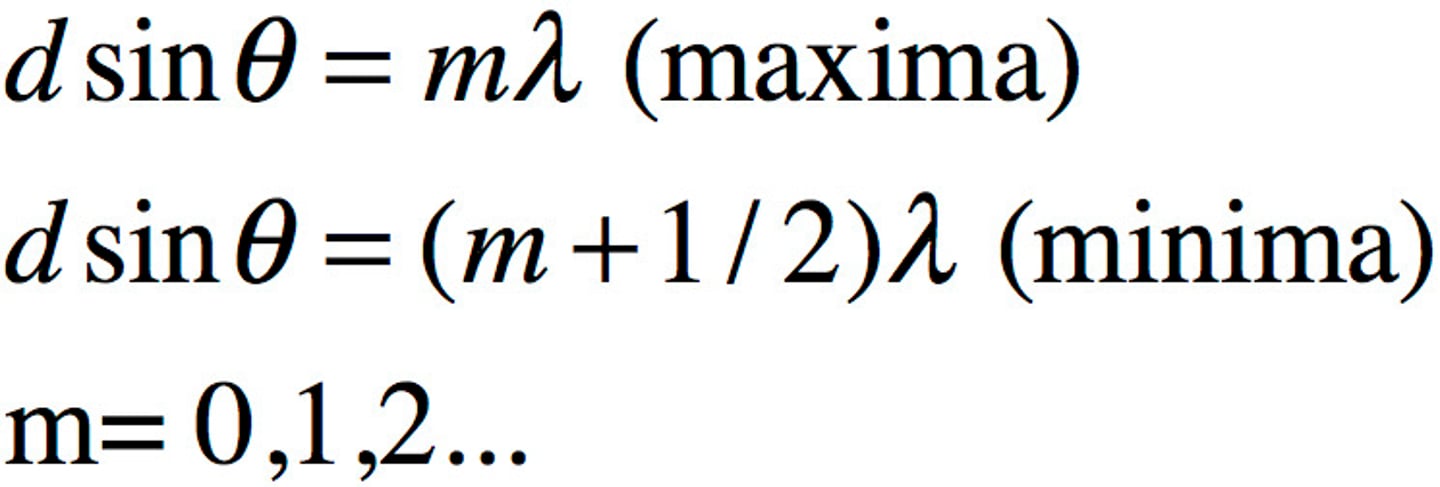
Wave Interference
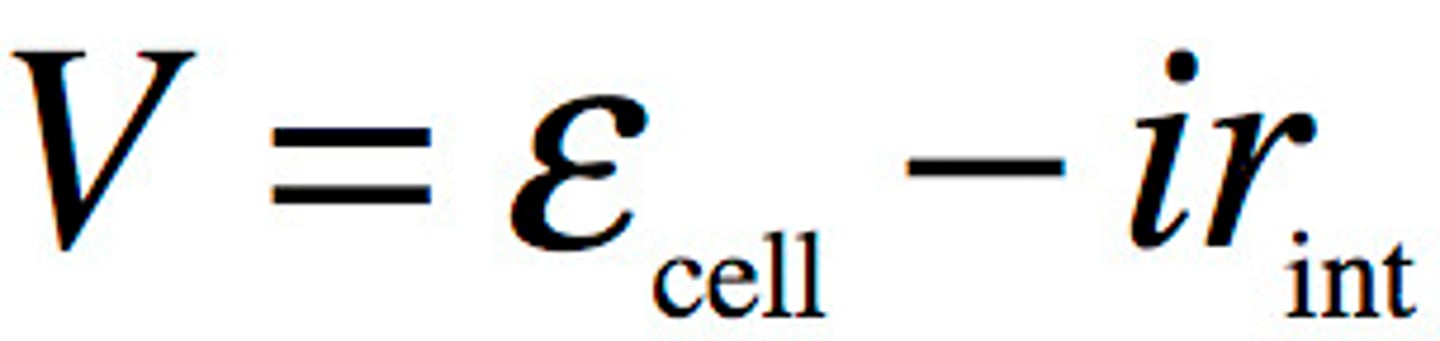
Voltage of a Battery (When Internal Resistance is Present)
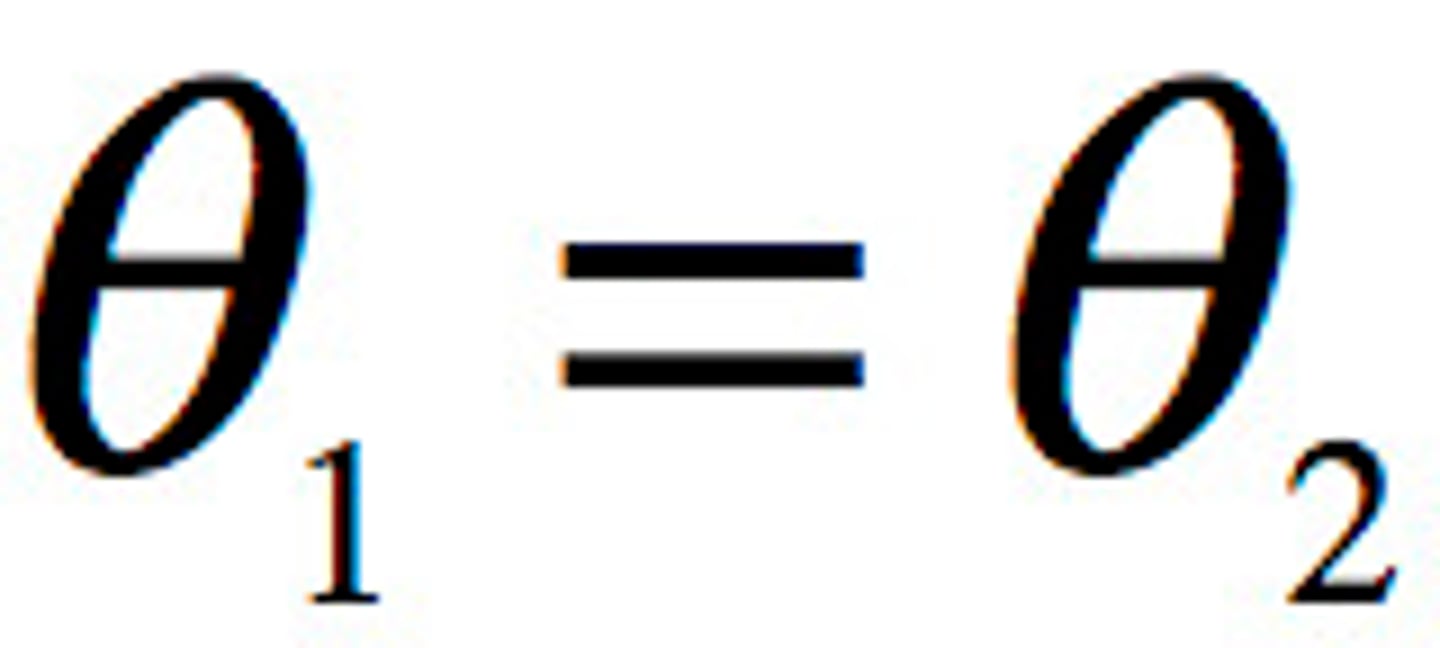
Law of Reflection
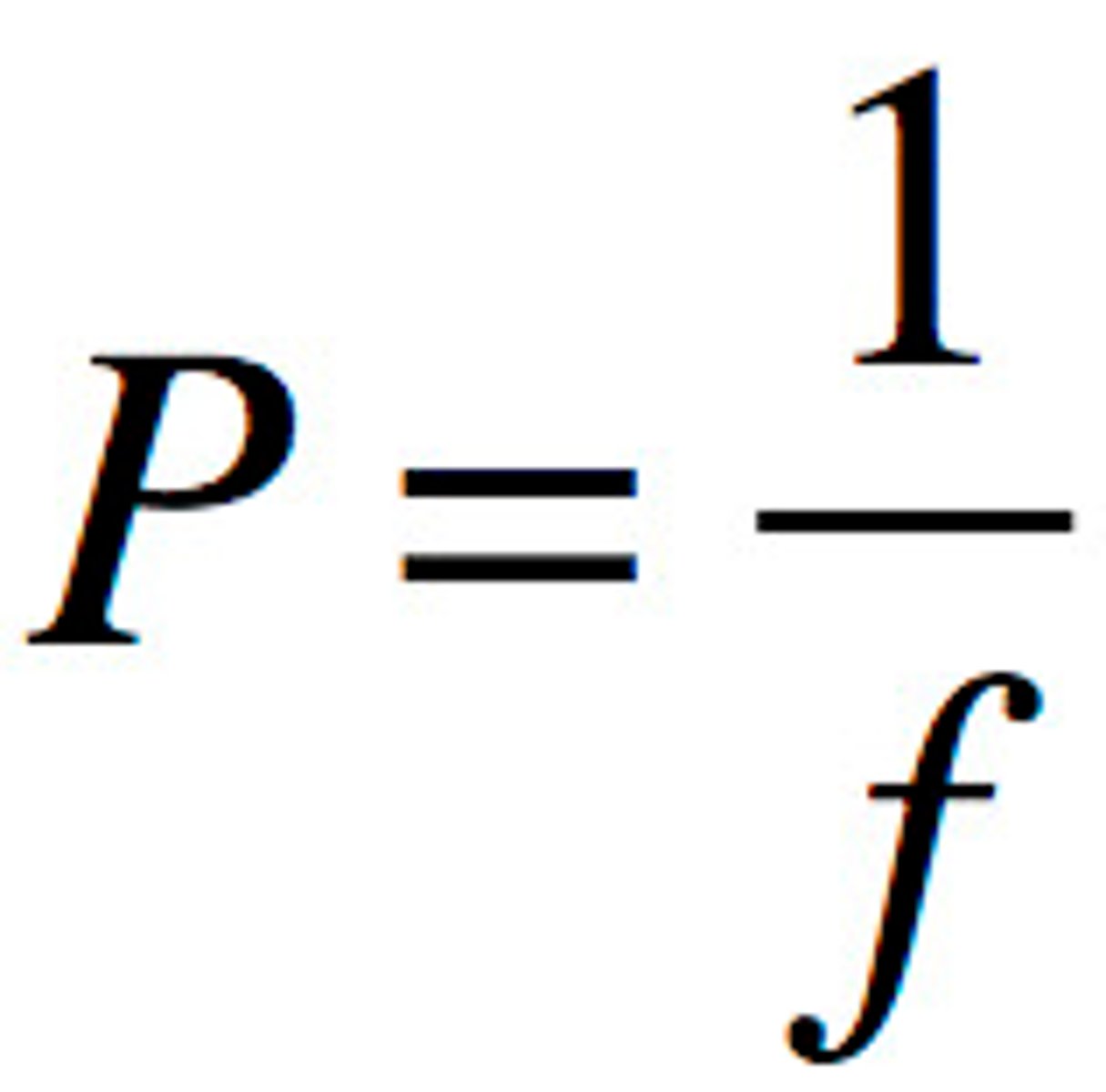
Lens Power
Magnification (for Multiple Lenses Not in Contact)

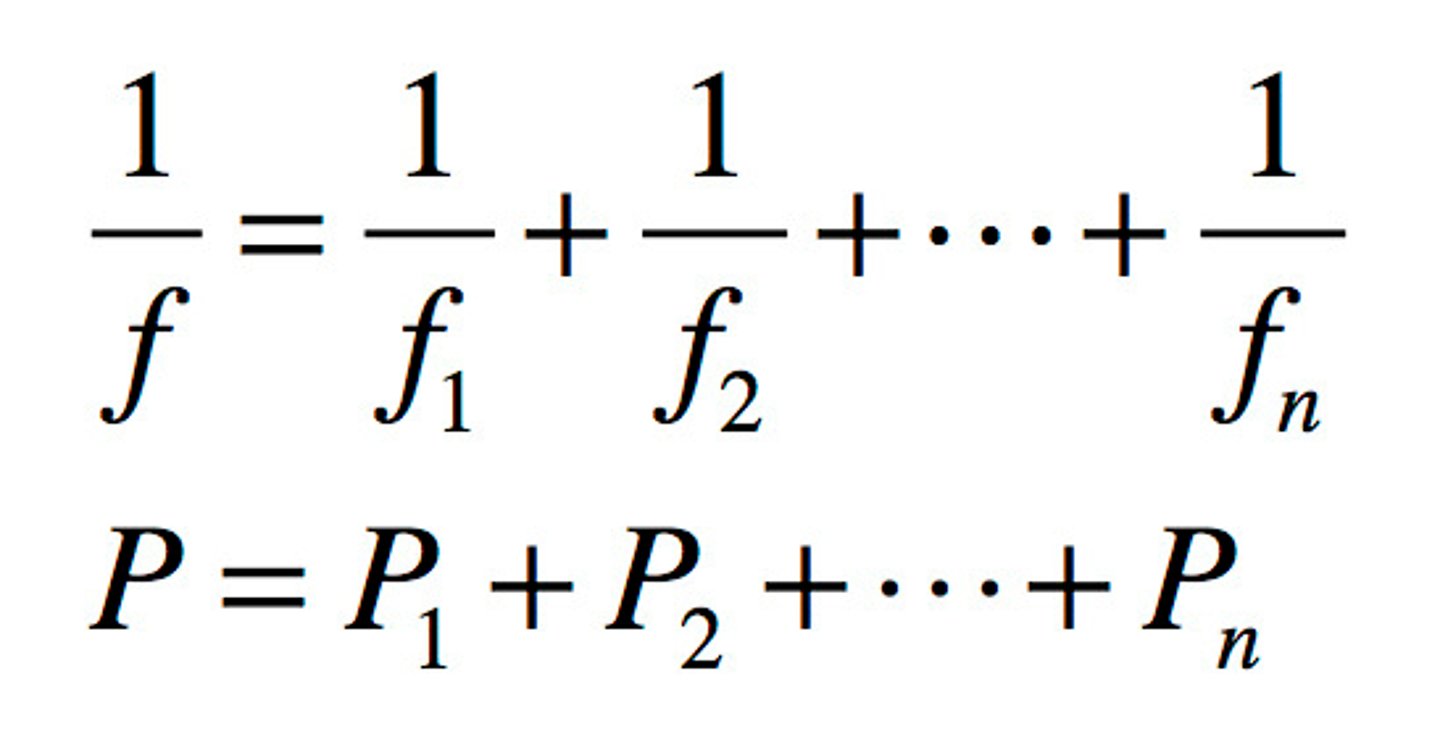
Focal Length and Power (for Multiple Lenses in Contact)
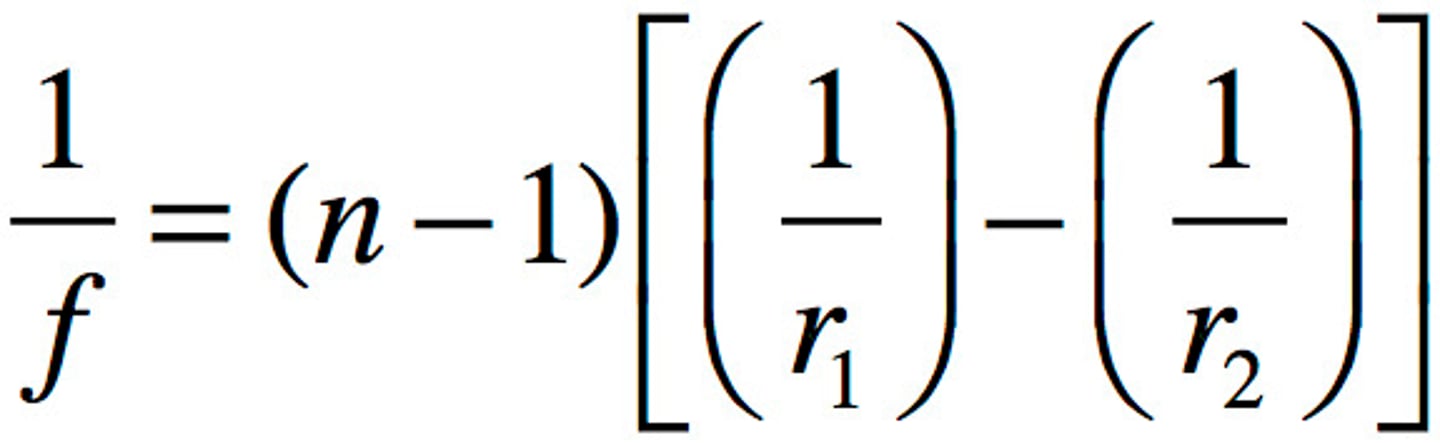
Lensmaker's Equation
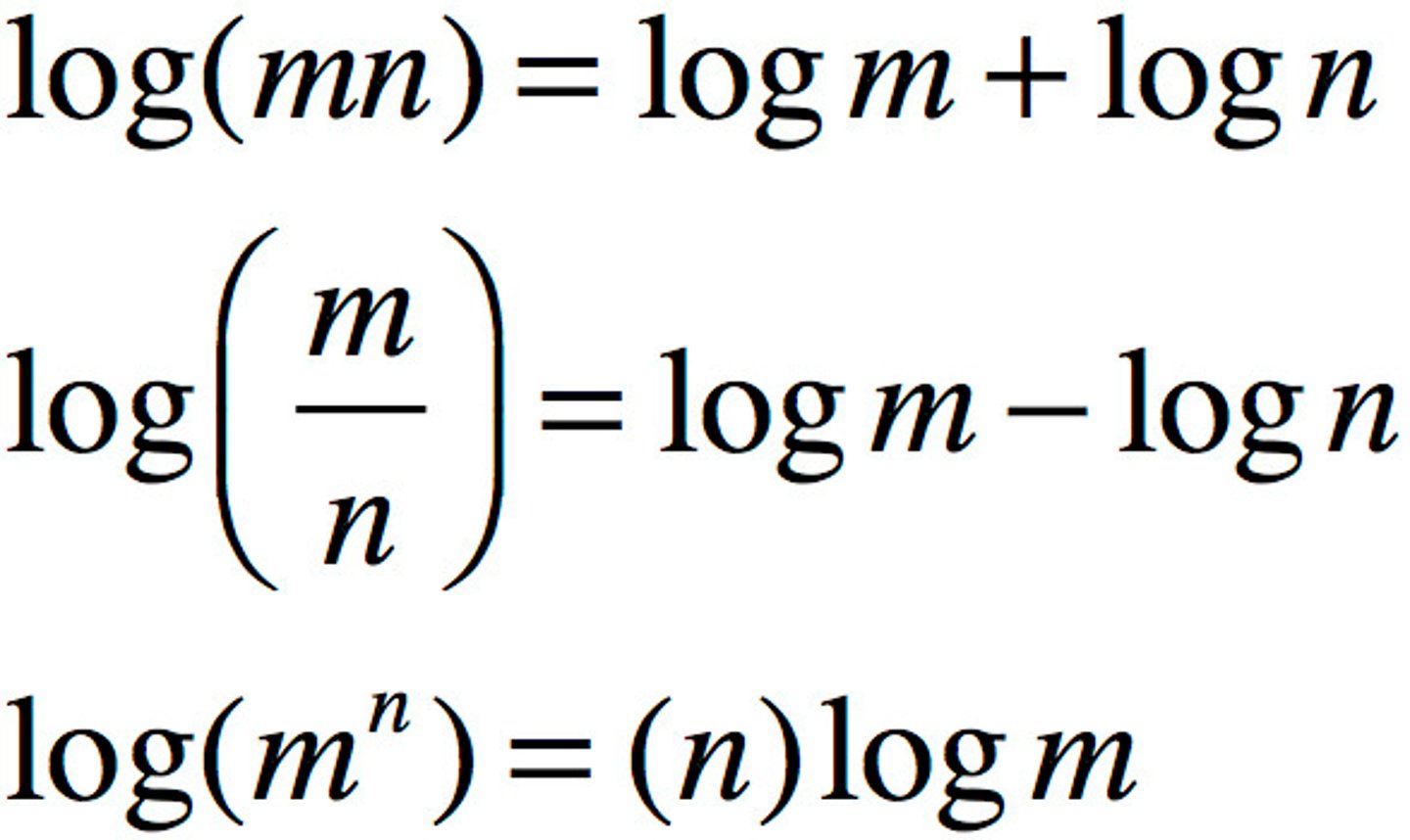
Log Rules