APES Chapter 8 Test Review
 Call Kai
 Learn
Learn Practice Test
 Spaced Repetition
 Match
Match Flashcards
 Knowt Play
1/13

There's no tags or description
Looks like no tags are added yet.
Name | Mastery | Learn | Test | Matching | Spaced | Call with Kai | Chat |
|---|
No analytics yet
Send a link to your students to track their progress
14 Terms
Point source pollution
Pollution originating from a single, identifiable, and confined source.
ex. a pipe, ditch, or smokestack
Nonpoint source pollution
Pollution that stems from numerous, diffuse sources that is difficult to pinpoint and control.
ex. runoff from farmland, urban areas, and construction sites
Oxygen demand
The amount of oxygen consumed by microorganisms during the decomposition of organic matter in water
Eutrophication
This occurs when the environment becomes enriched with nutrients, increasing the amount of plant and algae growth to estuaries and coastal waters
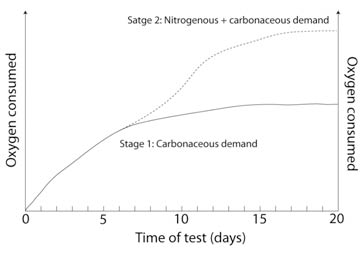
BOD curves
They illustrate the relationship between dissolved oxygen (DO) and biochemical oxygen demand (BOD) in a water body, showing how DO levels decrease as organic matter decomposes.
Dissolved Oxygen
Cause: Temperature, salinity, water flow, decomposition of organic matter, photosynthesis, pollution/nutrient pollution, dam construction, land clearing
Effect: aquatic life stress, ecosystem disruption, decreased water quality, dead zones
Phosphates
Causes: Weathering of phosphate-rich rocks, plant decomposition, and animal waste, agricultural runoff (fertilizers), urban runoff, industrial discharge, sewage, and faulty septic systems, and rainfall
Effects: Eutrophication, Algal Blooms, Oxygen Depletion, Harm to Aquatic Life, Toxins, Water Quality Degradation, Ecosystem Imbalance: Changes in plant and animal populations, and reduced biodiversity.
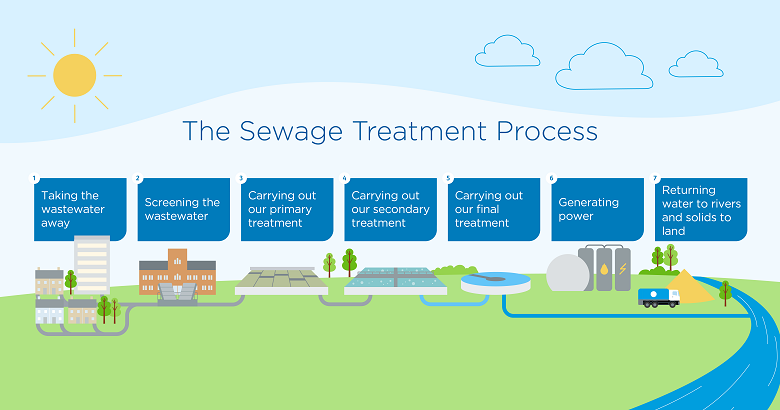
Sewage treatment process
1. Preliminary Treatment:
Screening
Grit removal
2. Primary Treatment:
Sedimentation
3. Secondary Treatment:
Biological treatment
4. Tertiary Treatment (Optional):
Chemical treatment
Filtration
5. Sludge Treatment:
Sludge from primary and secondary treatments is thickened, dewatered, and disposed of or used as fertilizer or fuel.
6. Disinfection:
Chlorine, ultraviolet light, or ozone is added to kill bacteria, viruses, and other pathogens.
7. Effluent Release:
Treated wastewater is released into natural bodies of water or used for irrigation.
Exxon Valdez Incident
An oil tanker ran aground on Bligh Reef in Prince William Sound, Alaska, spilling approximately 11 million gallons of crude oil, resulting in one of the largest oil spills in U.S. history.
Deepwater Horizon Incident
An explosion on an oil rig in the Gulf of Mexico resulted in the deaths of 11 workers, the sinking of the rig, and the largest marine oil spill in history, releasing an estimated 4.9 million barrels of oil over 87 days
Nitrates
Causes of High Nitrate Levels: Eutrophication, runoff from agricultural land, wastewater treatment plant discharge, urban runoff, septic systems, and industrial discharge
Effects of High Nitrate Levels: Algal blooms, reduced oxygen levels, harm to aquatic life, water quality degradation, health risks, eutrophication, and dead zones.
pH
Causes: Photosynthesis and respiration, decomposition, acid rain, acid mine drainage, ocean acidification, alkaline lakes, pollution, fossil fuel burning, deforestation
Effects: can be lethal to fish, stress and disease, reduced sensor abilities, habitat changes in aquatic organisms
Turbidity
Causes of Turbidity: Suspended Particles (erosion, excessive growth decomp of matter, disturbance to bottom sediments).
Silt and Clay: Erosion from land can introduce these particles into water bodies.
Algae and Microorganisms: Excessive growth of these can also increase turbidity.
Organic Matter: Decomposing plant and animal matter can contribute to turbidity.
Bottom Sediments: Disturbances to the bottom, such as from fish or currents, can stir up sediments.
Human Activities:
Soil Runoff: Runoff from agricultural land, construction sites, and pavement can carry large amounts of sediment into waterways.
Streambank Erosion: Erosion of riverbanks and streambeds can increase sediment load.
Fertilizer Runoff: Fertilizers can promote excessive algae growth, leading to increased turbidity.
Natural Processes:
Storms: Heavy rainfall and runoff can cause erosion and sediment transport.
Algal Blooms: Large populations of algae can lead to increased turbidity.
Effects of Turbidity:
Reduced Light Penetration:
High turbidity reduces the amount of sunlight that can penetrate the water.
Impact on Photosynthesis:
Reduced light penetration inhibits the growth of aquatic plants, which rely on sunlight for photosynthesis.
Oxygen Depletion:
Decreased photosynthesis leads to lower oxygen levels in the water, as plants produce less oxygen.
Habitat Degradation:
Sedimentation can smother benthic habitats (the bottom of lakes and rivers), impacting organisms that live there.
Impact on Aquatic Life:
Fish: High turbidity can make it difficult for fish to see, find food, and avoid predators.
Invertebrates: Suspended particles can clog the gills of fish and other aquatic animals.
Algae: Turbidity can reduce the growth of algae, which are a food source for many aquatic organisms.
Water Quality Issues:
Waterborne Diseases: Turbid water can harbor pathogens, making it harder to disinfect and increasing the risk of waterborne diseases.
Nutrient Pollution: Sediment can carry pollutants, such as nutrients and heavy metals, into the water.
Biotic Index