BIO220 Unit 2 (Ch 4, 5 & 6)
 Call Kai
 Learn
Learn Practice Test
 Spaced Repetition
 Match
Match Flashcards
 Knowt Play
1/72

There's no tags or description
Looks like no tags are added yet.
Name | Mastery | Learn | Test | Matching | Spaced | Call with Kai | Chat |
|---|
No analytics yet
Send a link to your students to track their progress
73 Terms
Prokaryotes vs. Eukaryotes differences
- Prokaryotes have no nucleus or membrane bound organelles
- Eukaryotes have a nucleus and membrane bound organelles
Prokaryotes and Eukaryotes similarities
DNA, cell membrane, ribosomes, cytoplasm
Prokaryote DNA
Contained in the cytoplasm (in the nucleoid region), organized into one chromosome, and exists in a ring
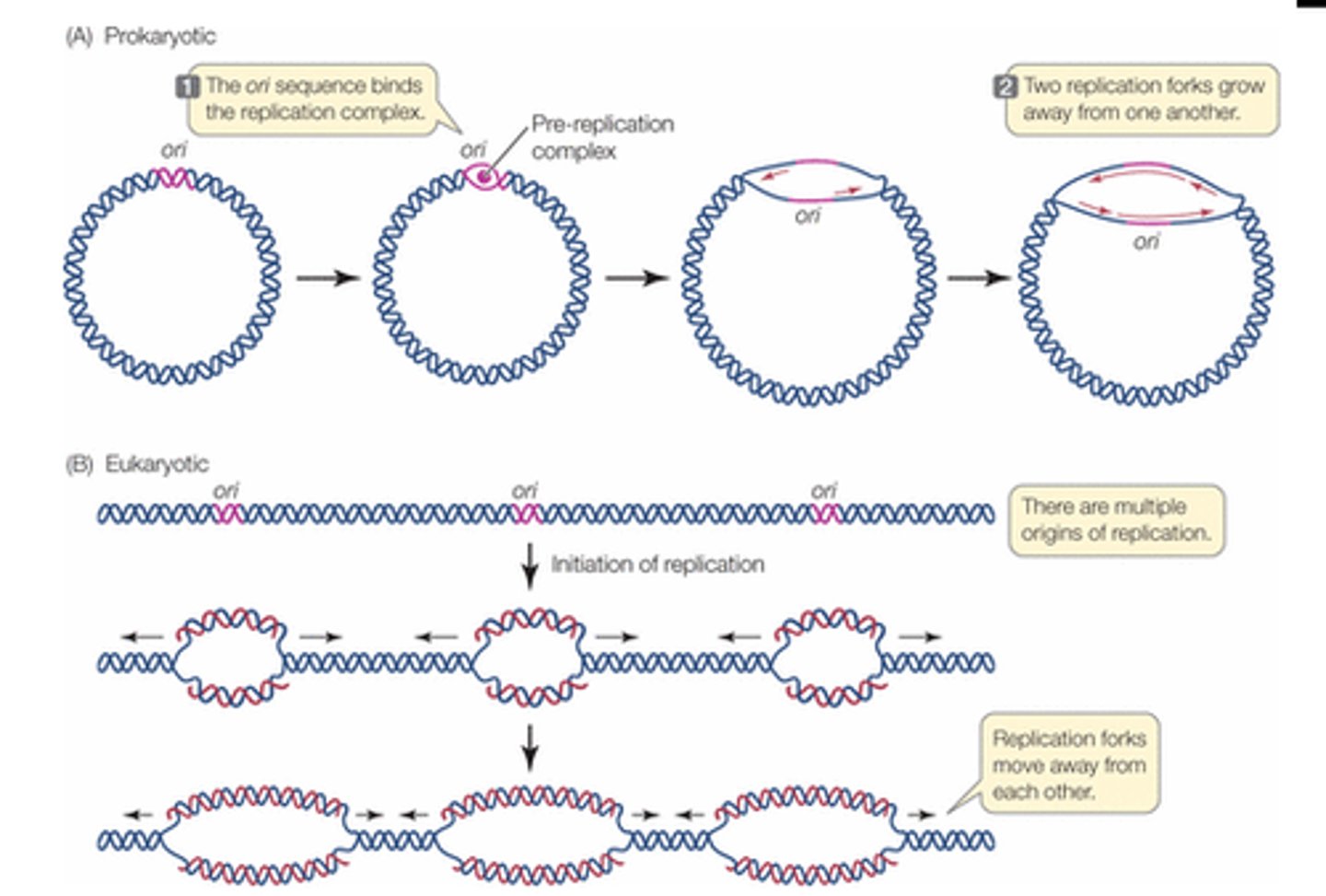
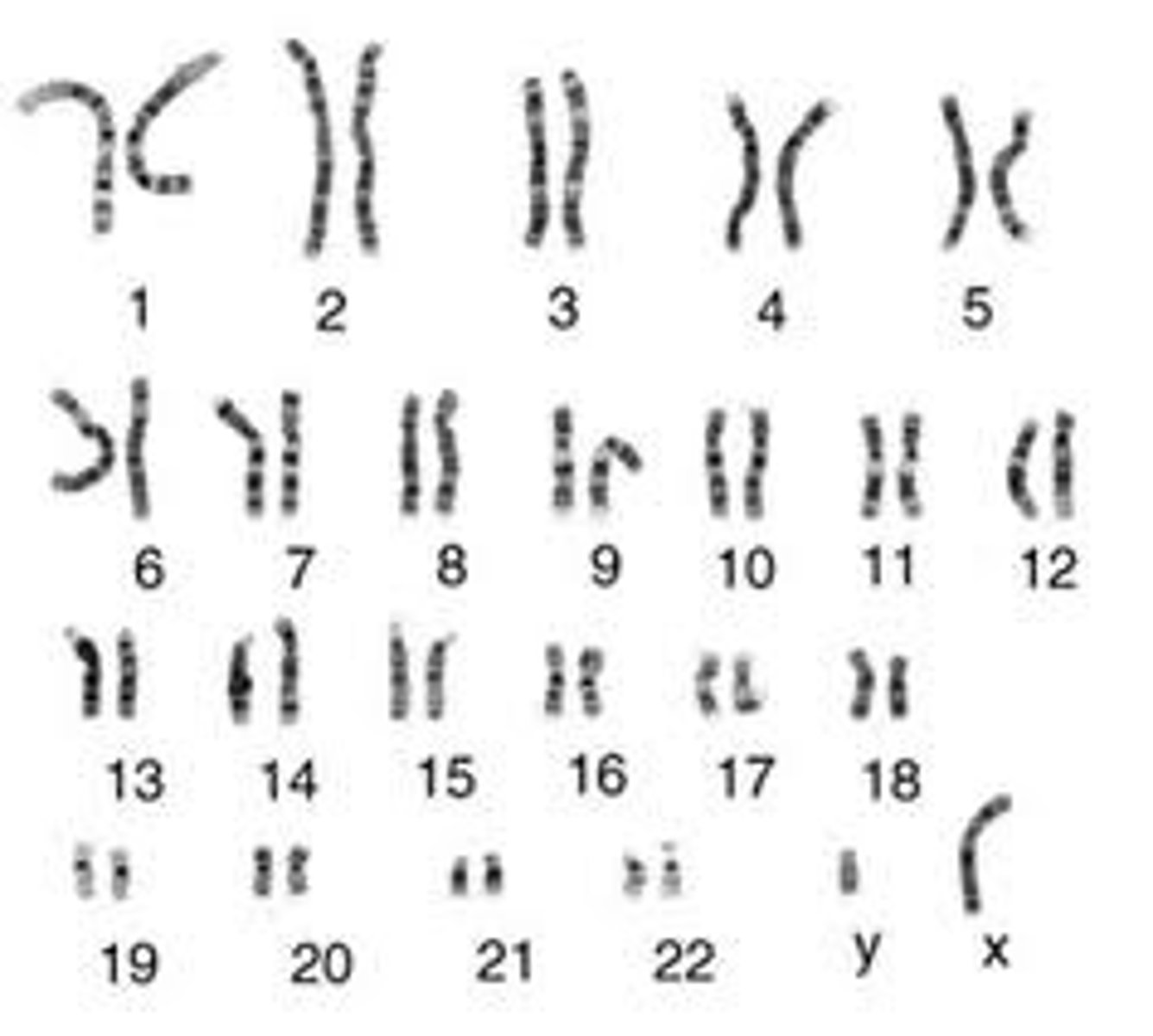
Eukaryote DNA
Organized into individual chromosomes
Cell division in prokaryotes
binary fission
Cell division in eukaryotes
mitosis
Ribosomes - prokaryotes vs eukaryotes
prokaryotes - smaller
eukaryotes - larger
flagella
whiplike tails found in one-celled organisms to aid in movement
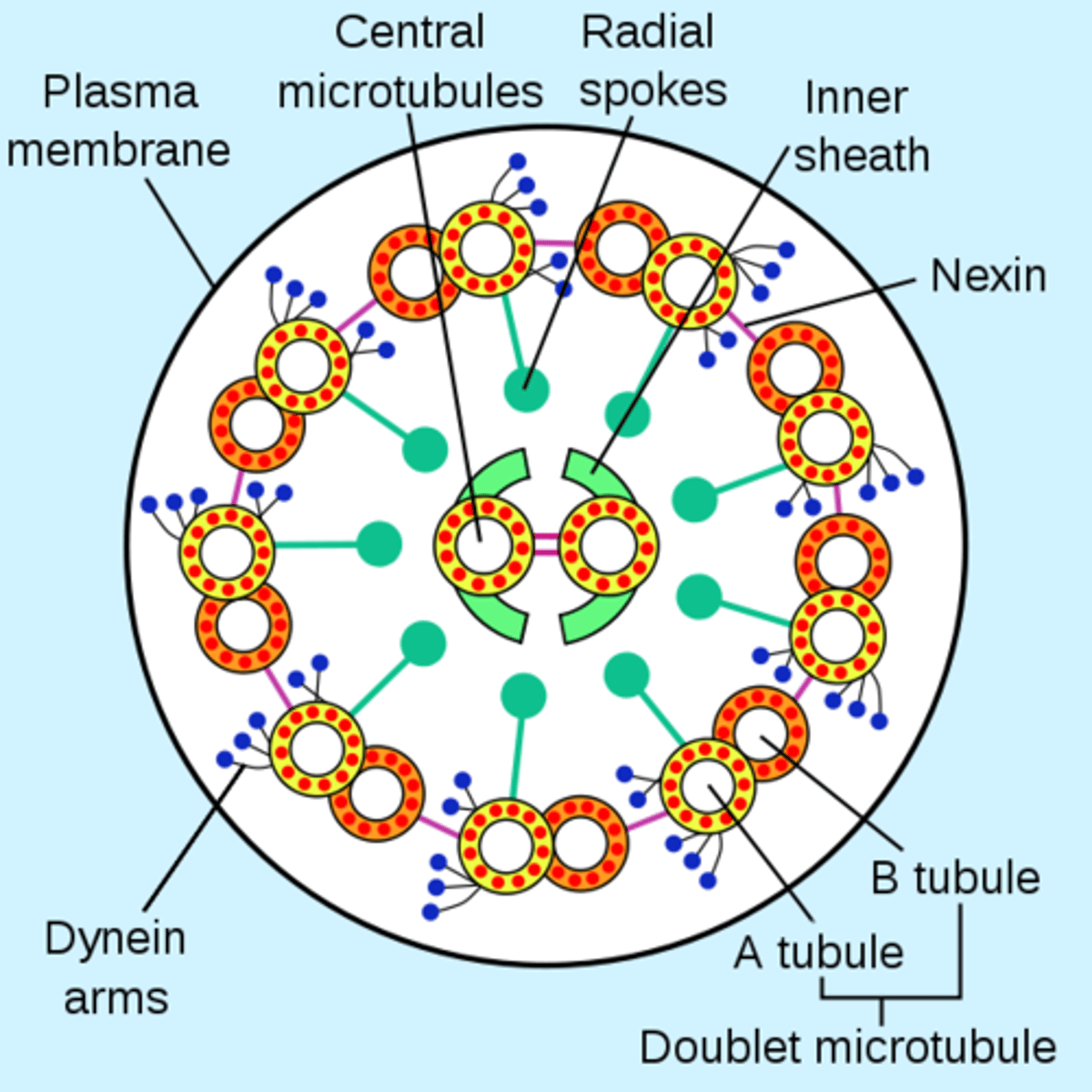
Eukaryotic flagella
made of microtubules arranged in a 9+2 arrangement
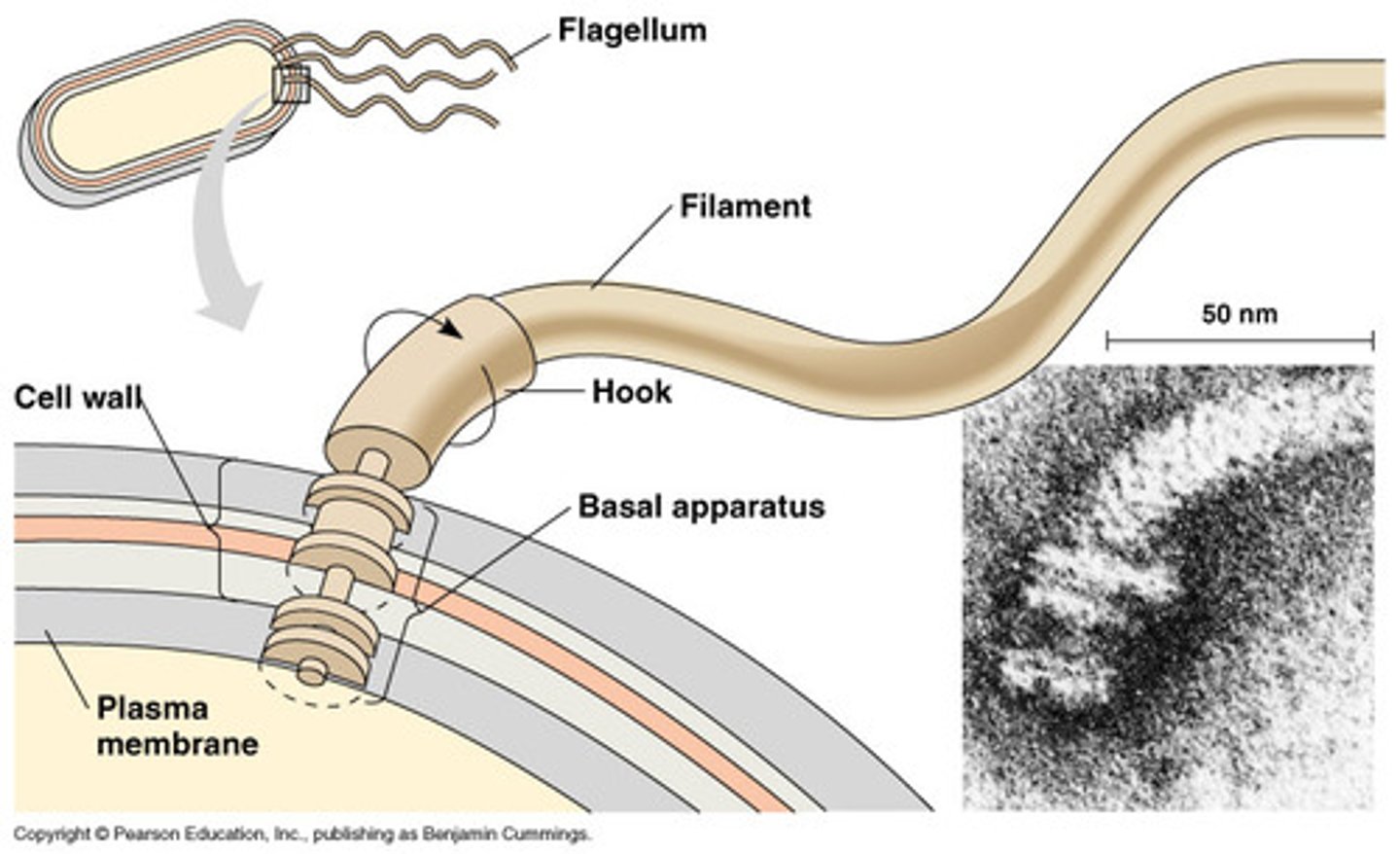
Prokaryotic flagella
longer projections that propel the prokaryotic cell through its liquid environment
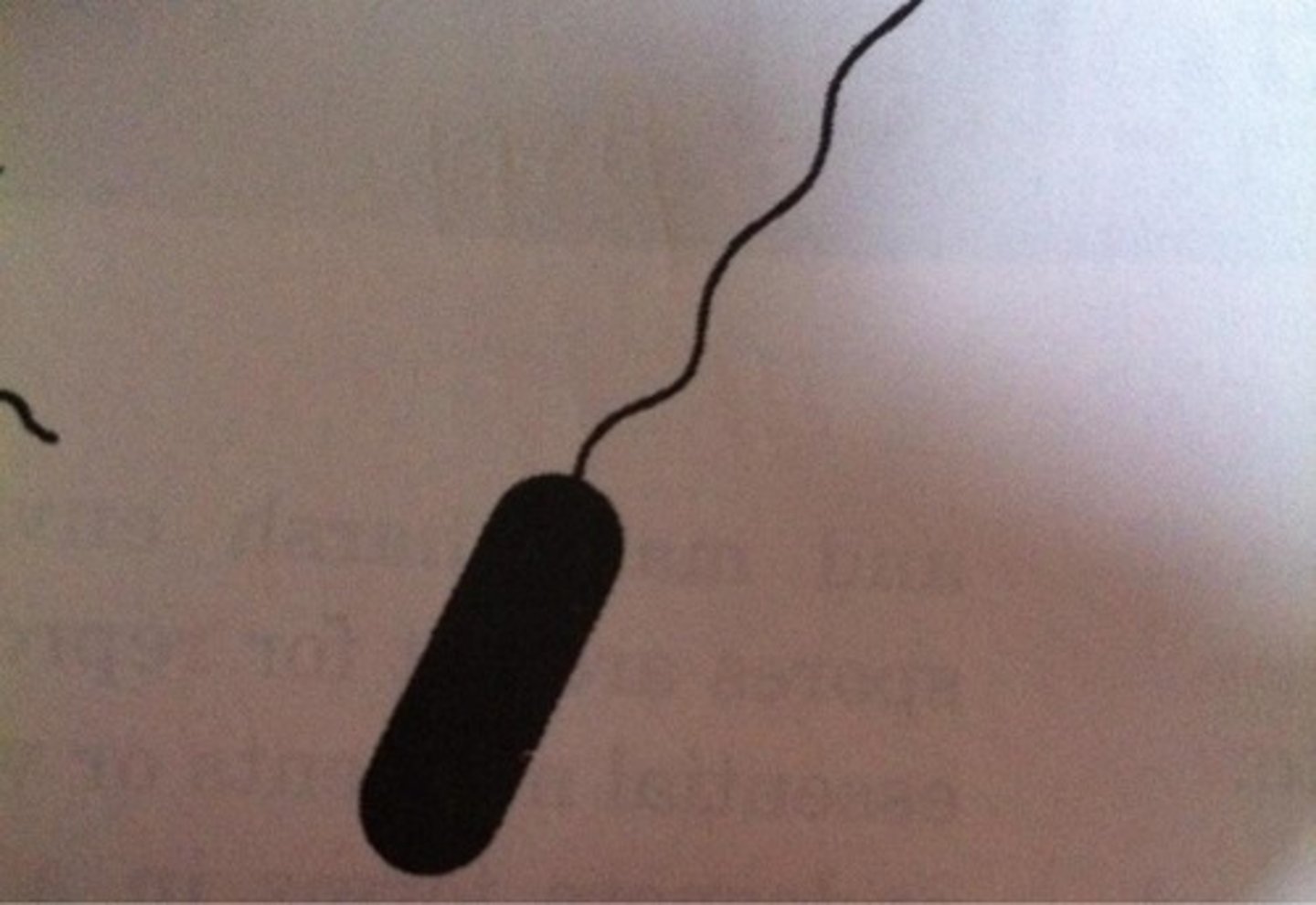
monotrichous flagella
single flagellum at one end
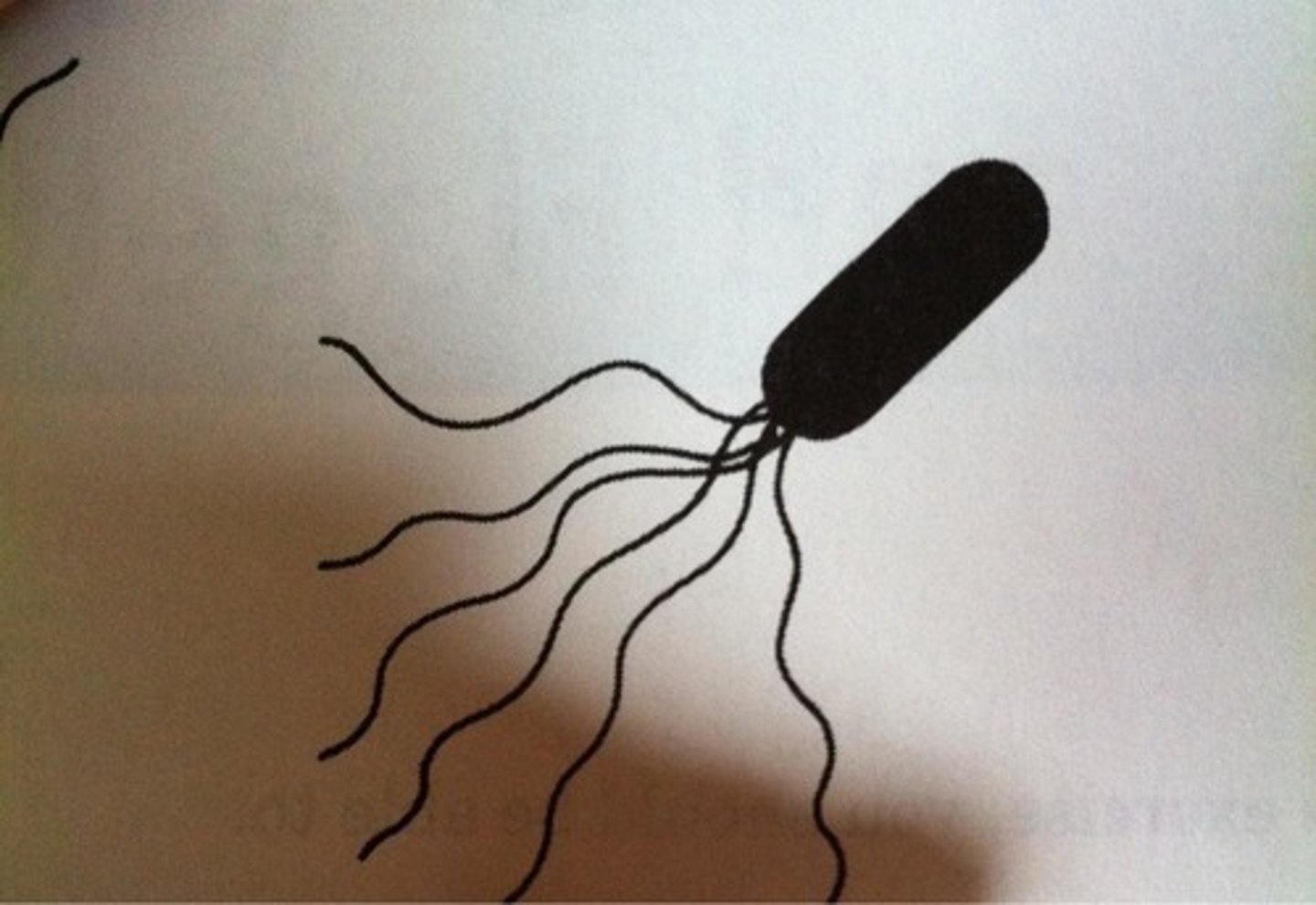
lophotrichous flagella
small bunches emerging from the same site
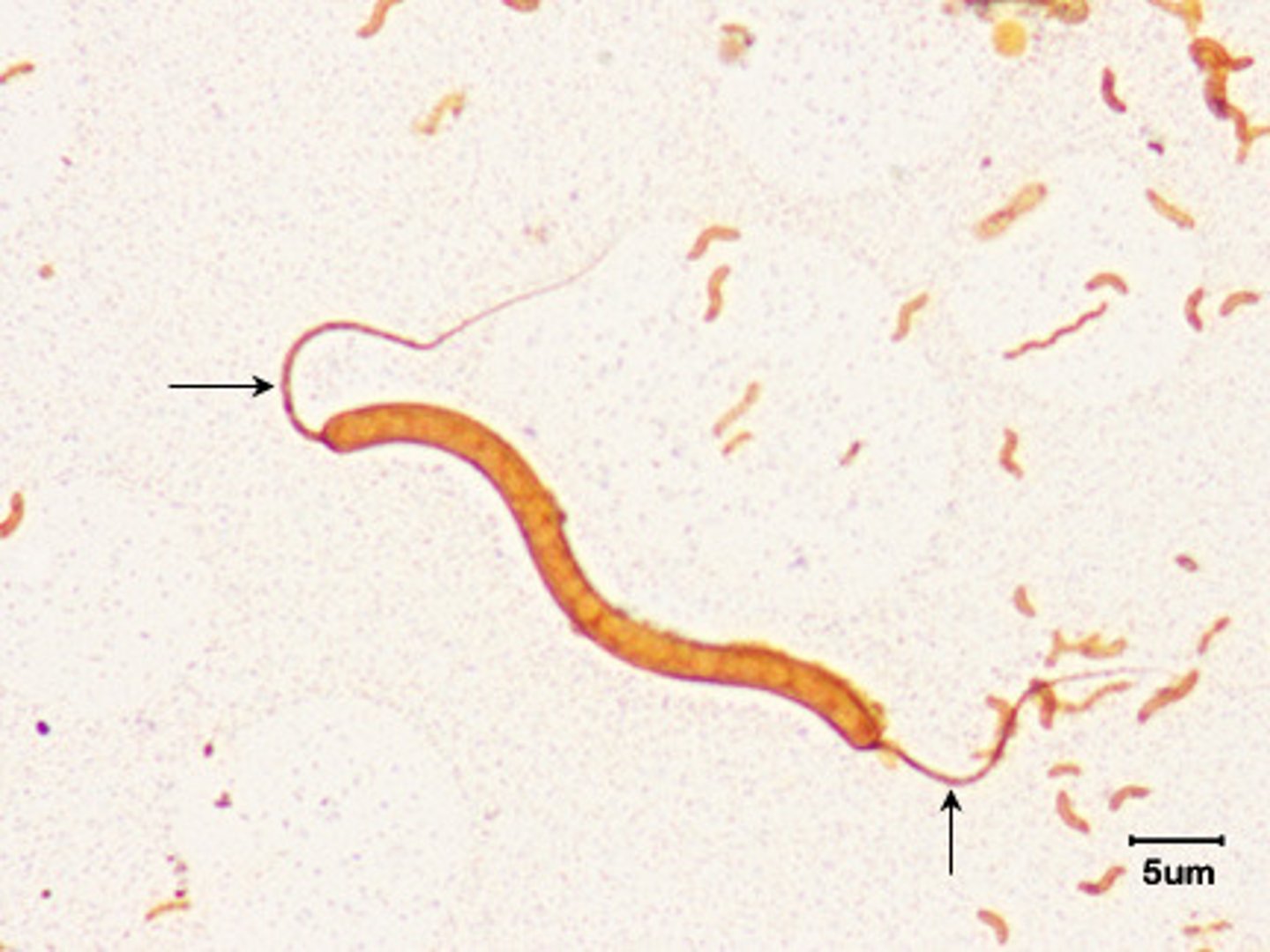
amphitrichous flagella
flagella at both ends of the cell
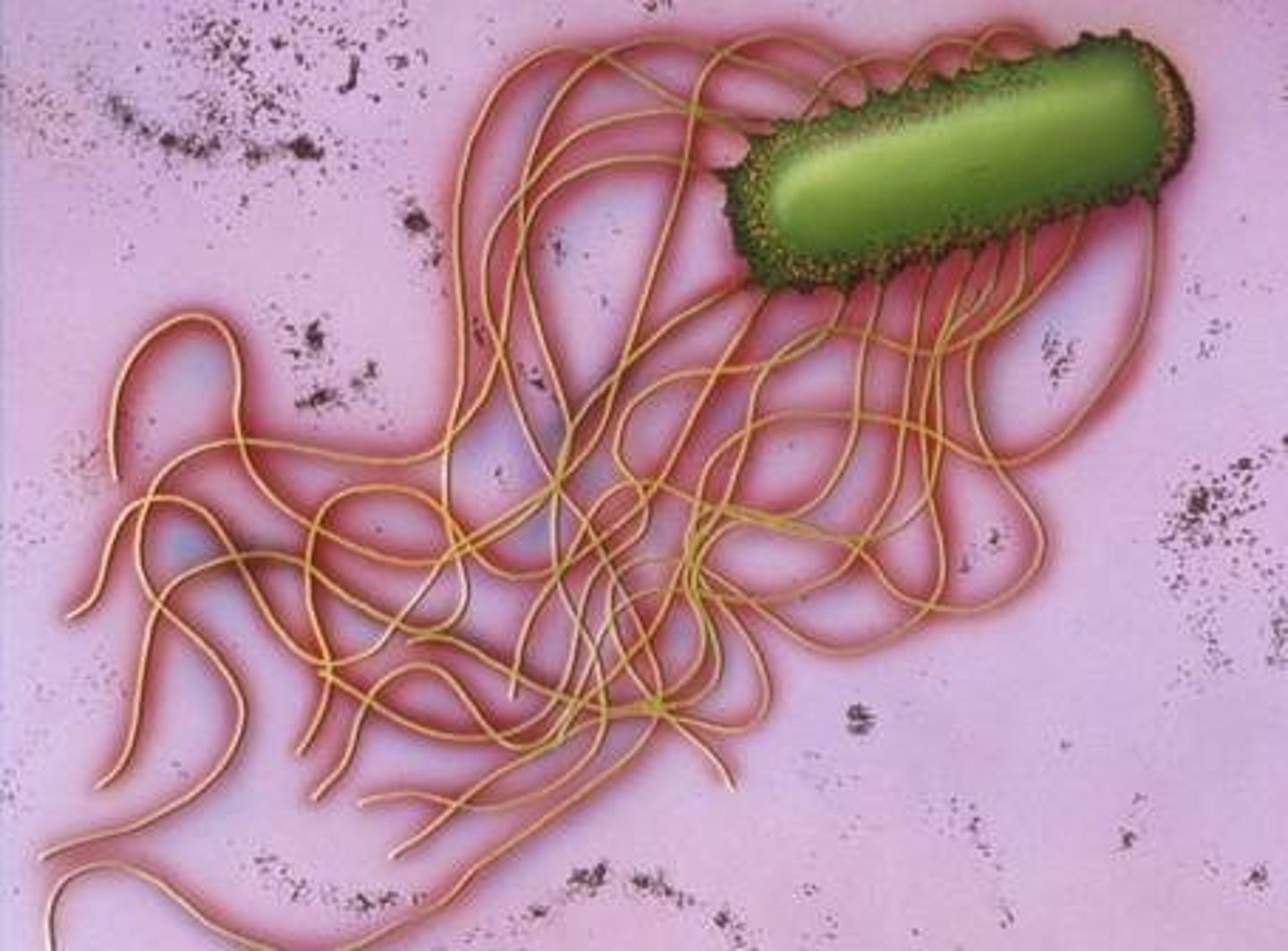
peritrichous flagella
dispersed over surface of cell; slowest
chemotaxis
Cell movement that occurs in response to chemical stimulus
photoaxis
movement of a cell toward light
glycocalyx
The external surface of a plasma membrane that is important for cell-to-cell communication
Glycocalyx functions
-Inhibit killing by white blood cells by phagocytosis, contributing to pathogenicity
-Protect cells from dehydration and nutrient loss
-Attachment - formation of biofilms
Gram positive bacteria
thick cell wall composed primarily of peptidoglycan and cell membrane (1 major layer)
-retain crystal violet & stain purple
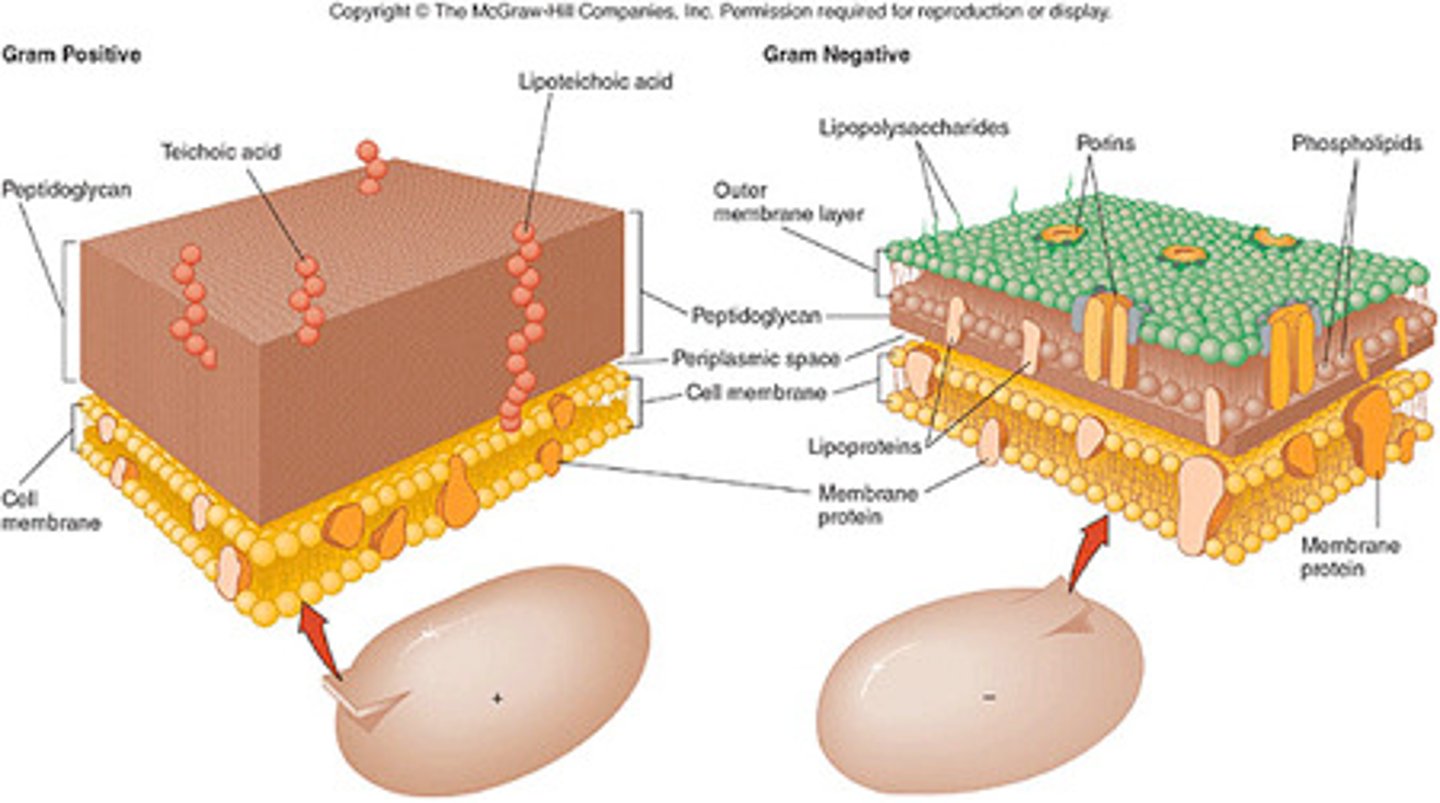
Gram negative bacteria
outer cell membrane, thin peptidoglycan layer, and cell membrane (2 major layers)
-lose crystal violet & stain red from safranin counterstain
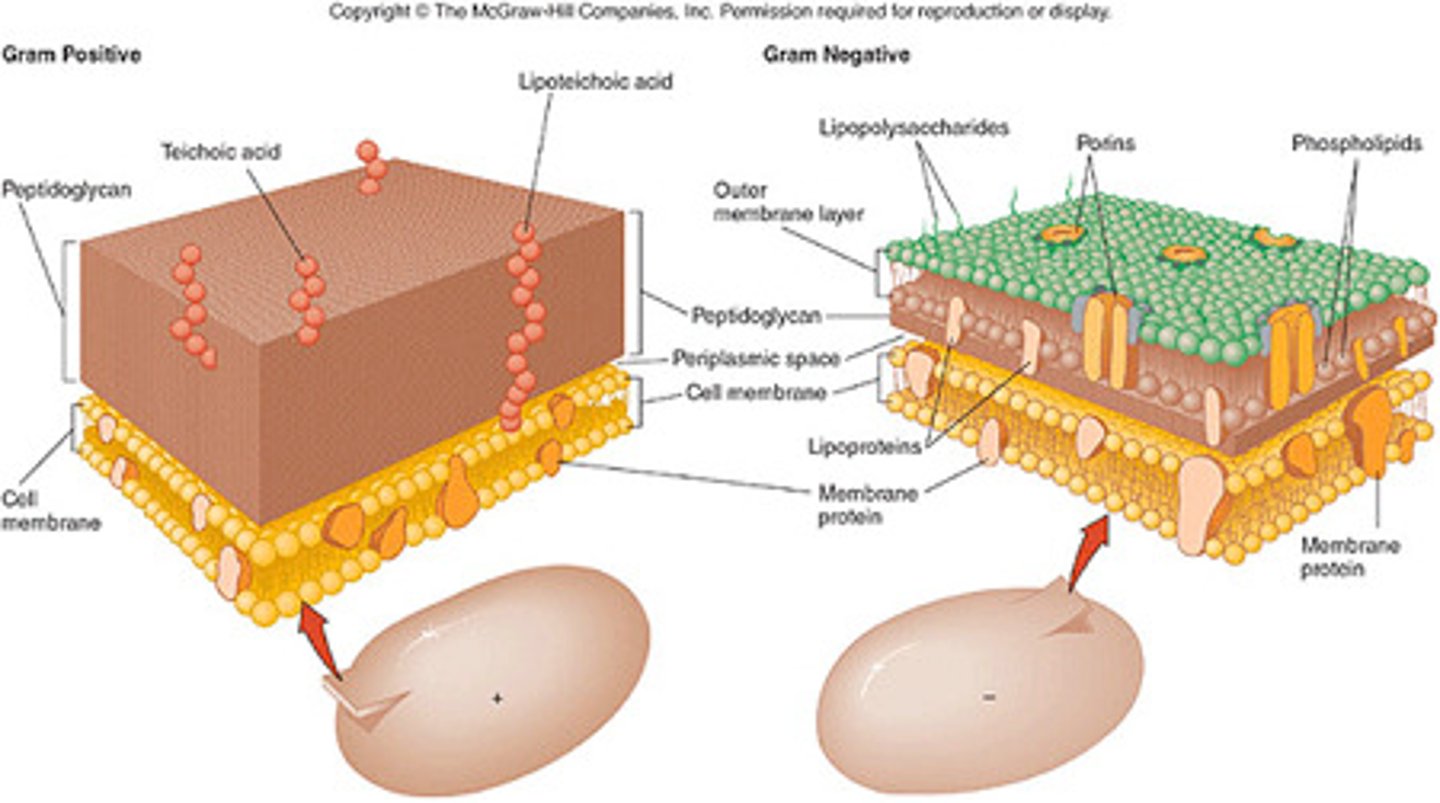
Lipopolysaccharides & Lipoproteins (LPS)
•Lipid portion of the bacterial cell wall (endotoxin) may become toxic when released during infections caused by Gram - bacteria causing aches, fever, shock
Mycoplasmas
bacteria that naturally lack a cell wall
Plasmids
-Small circular, double-stranded DNA
-Free or integrated into the chromosome
-Not essential to bacterial growth and metabolism
-May encode antibiotic resistance, tolerance to toxic metals, enzymes, and toxins
Endospore
A thick-walled protective spore formed by some G+ bacterial cells and resists harsh conditions.
-when exposed to adverse environmental conditions; capable of high resistance and very long-term survival
Archaea (domain)
primitive, adapted to extreme habitats and modes of nutrition
"extremophiles"
Cytoplasm
A jellylike fluid (mostly water) inside the cell in which the organelles are suspended
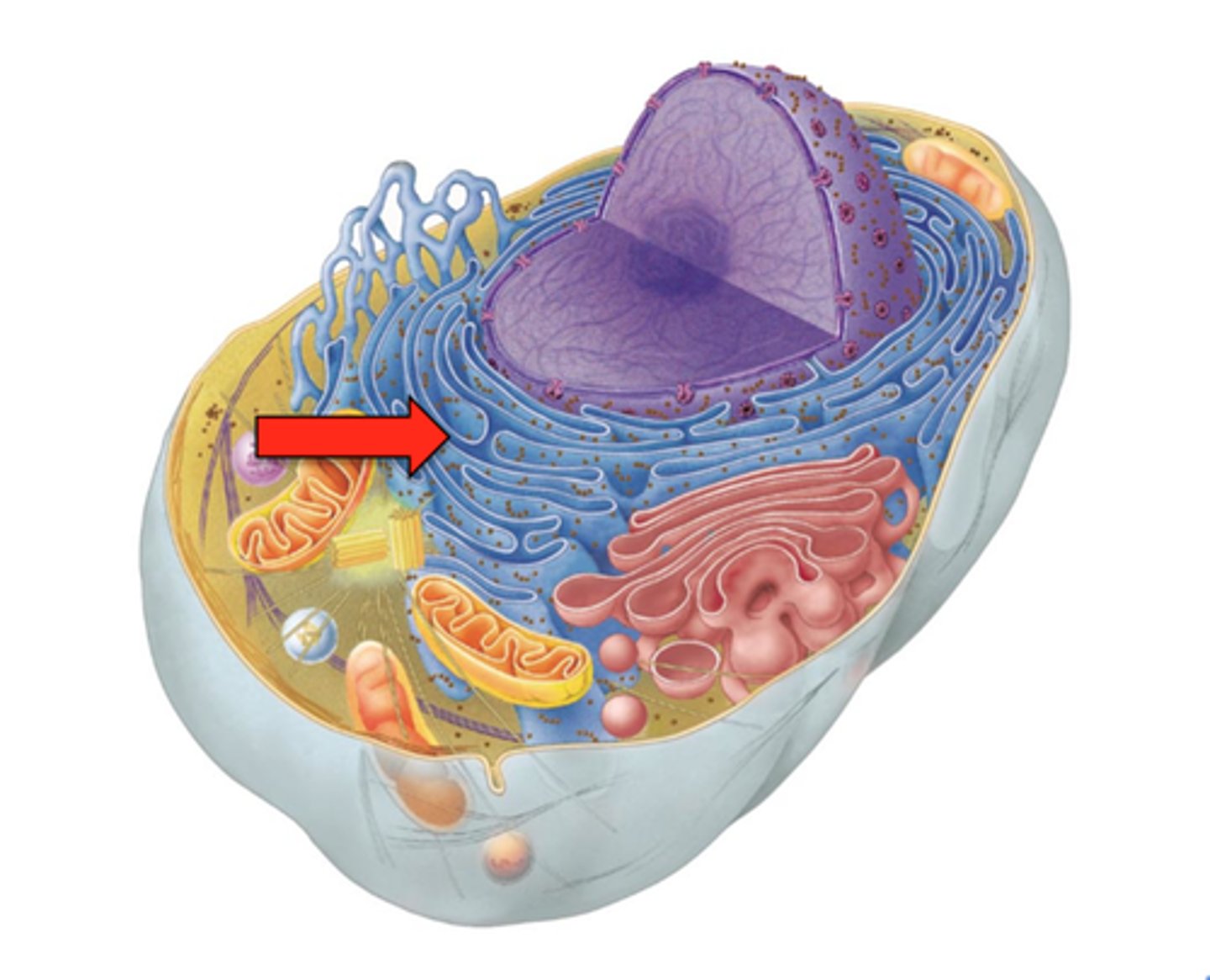
Rough ER (Endoplasmic Reticulum)
Has ribosomes attached for protein synthesis
New proteins may be folded and packed for delivery
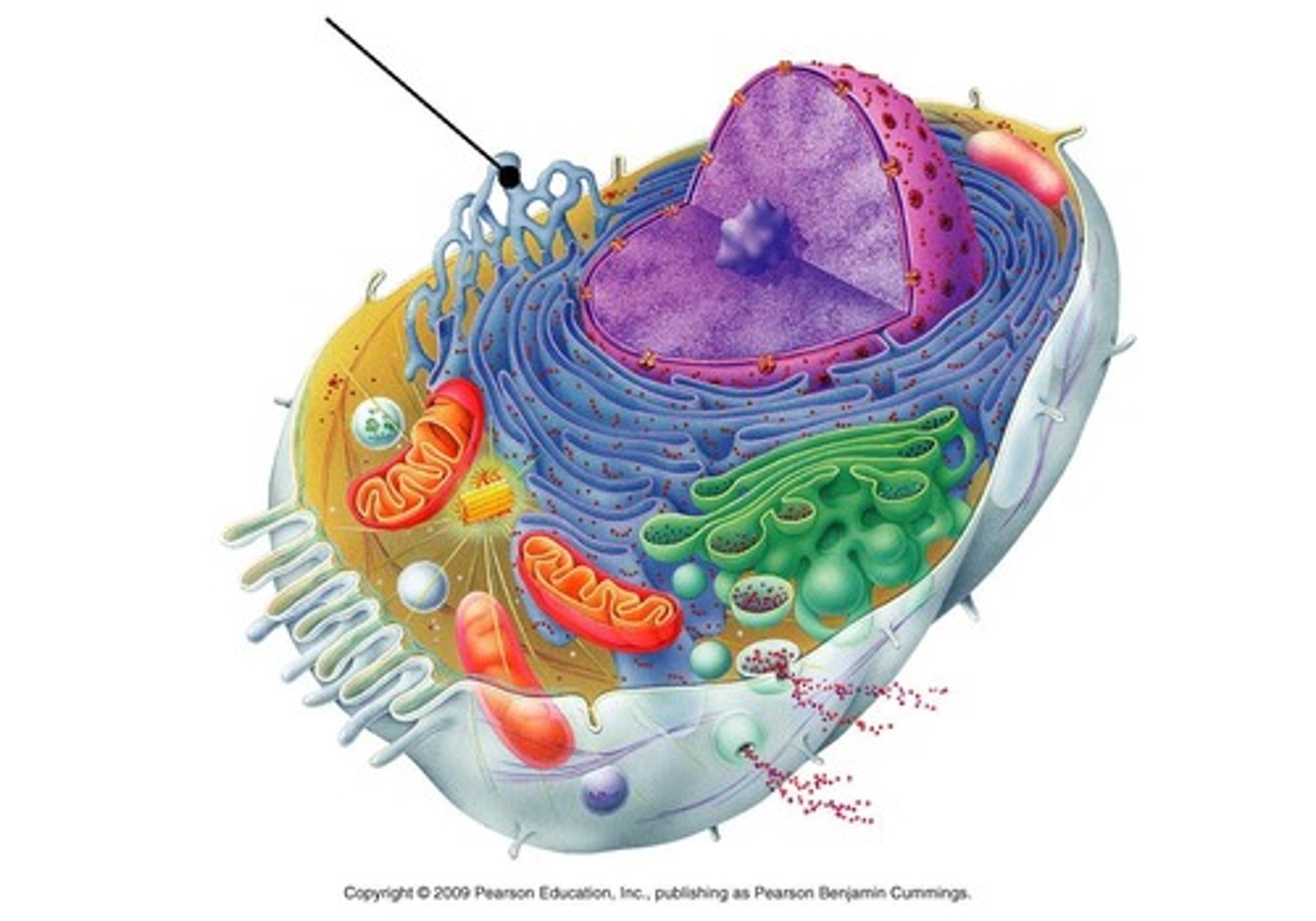
Smooth ER (Endoplasmic Reticulum)
synthesis and storage of lipids (including phospholipids)
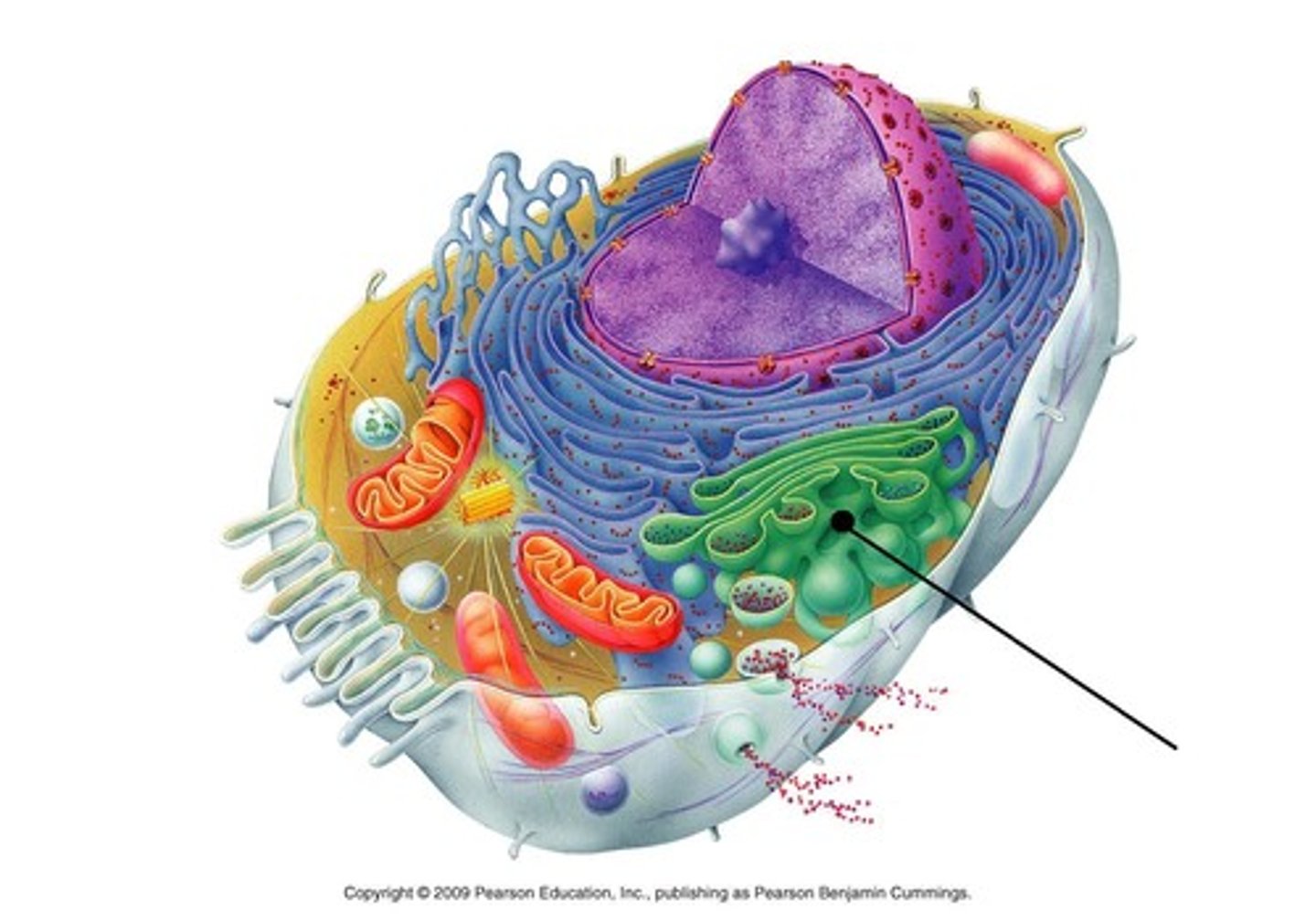
Golgi
A system of membranes that modifies and packages proteins via vesicle for transport (shipping center)
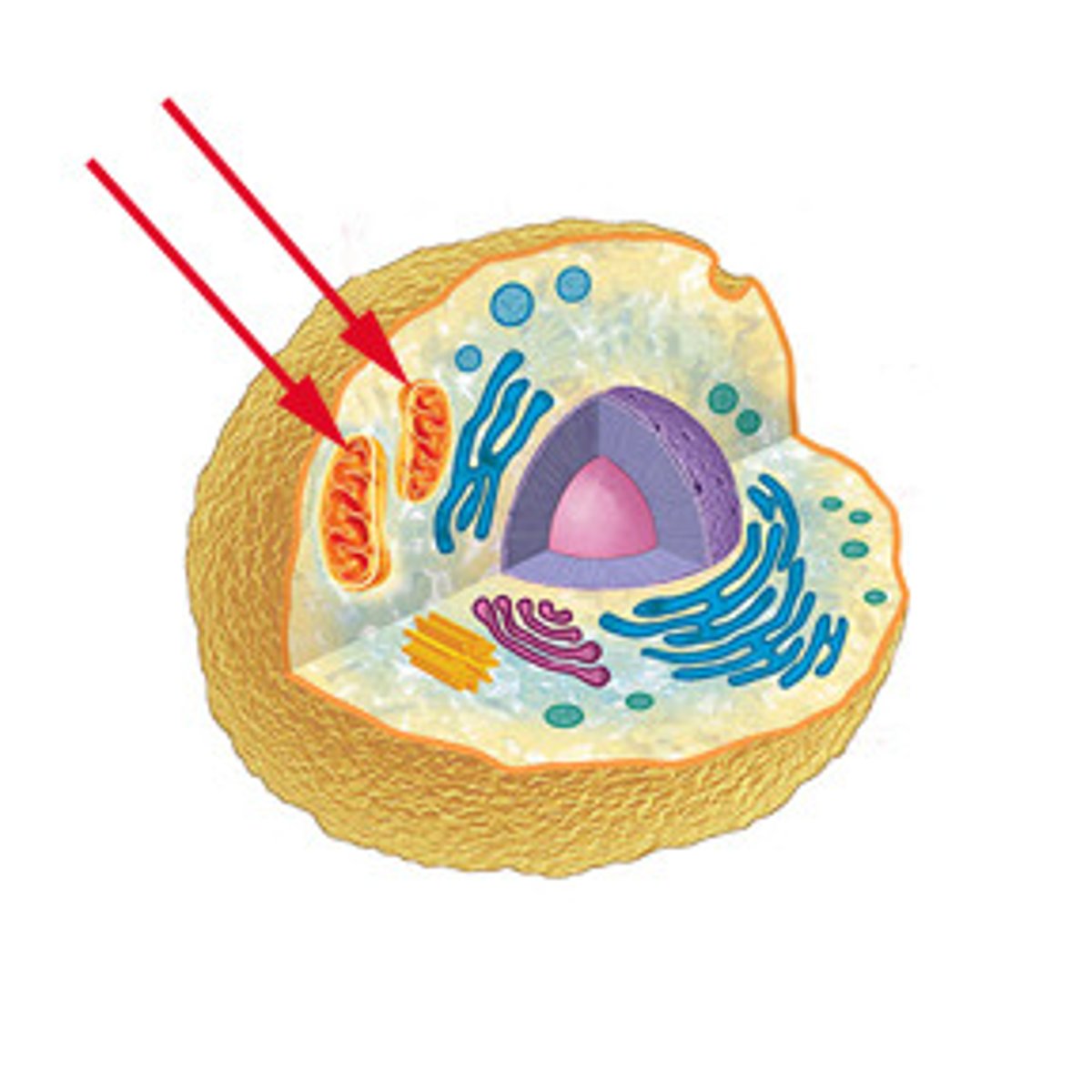
Mitochondria
Powerhouse of the cell, organelle that is the site of ATP (energy) production
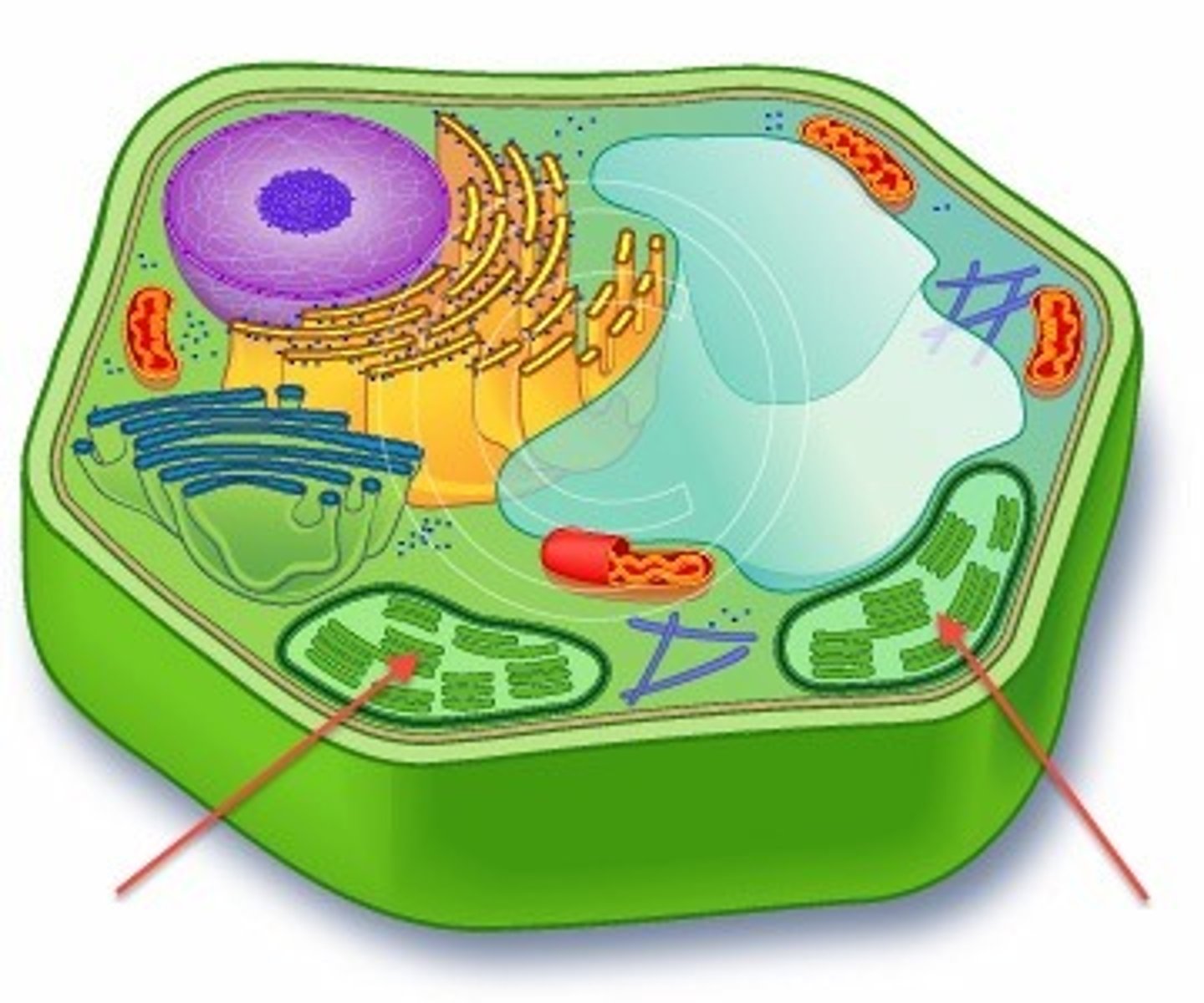
plant cell - chloroplast
Found in plant cells
Capture energy from sunlight and use it to produce food for the cell
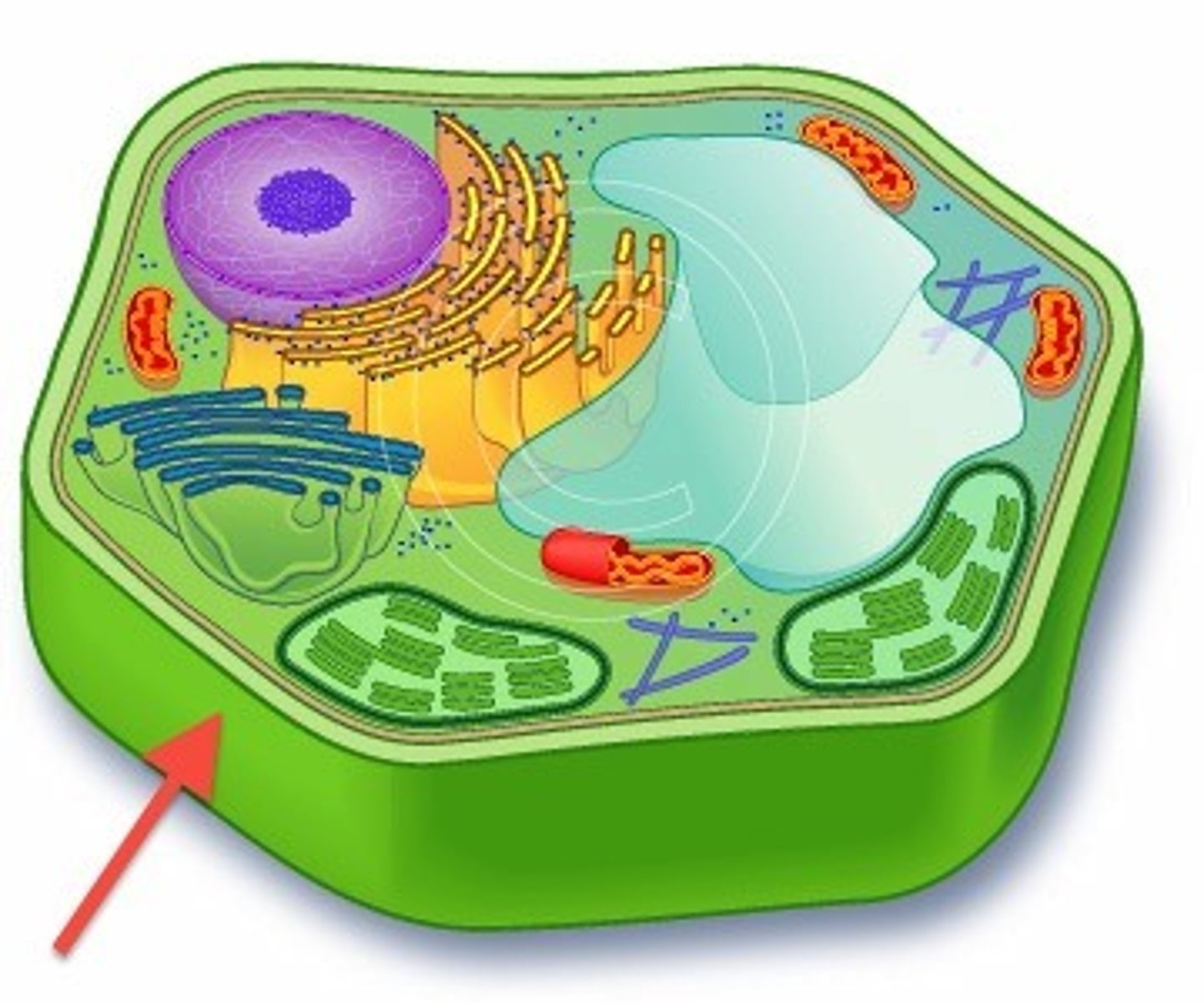
what type of cell is this?
plant cell
more square/angular shaped due to rigid cell walls
what type of cell is this?
animal cell
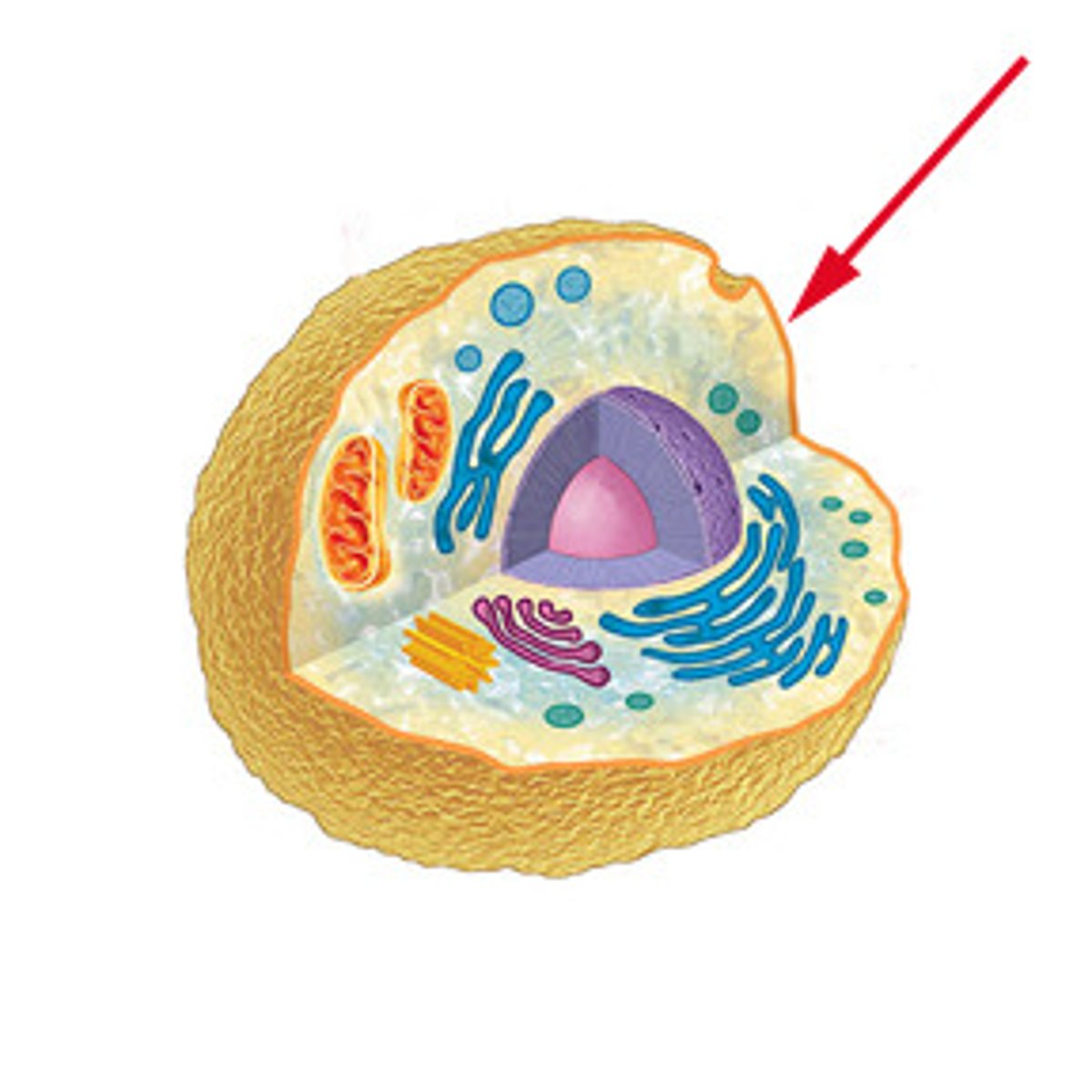
what type of cell is this?
bacterial cell
small, simple cell that does not contain organelles
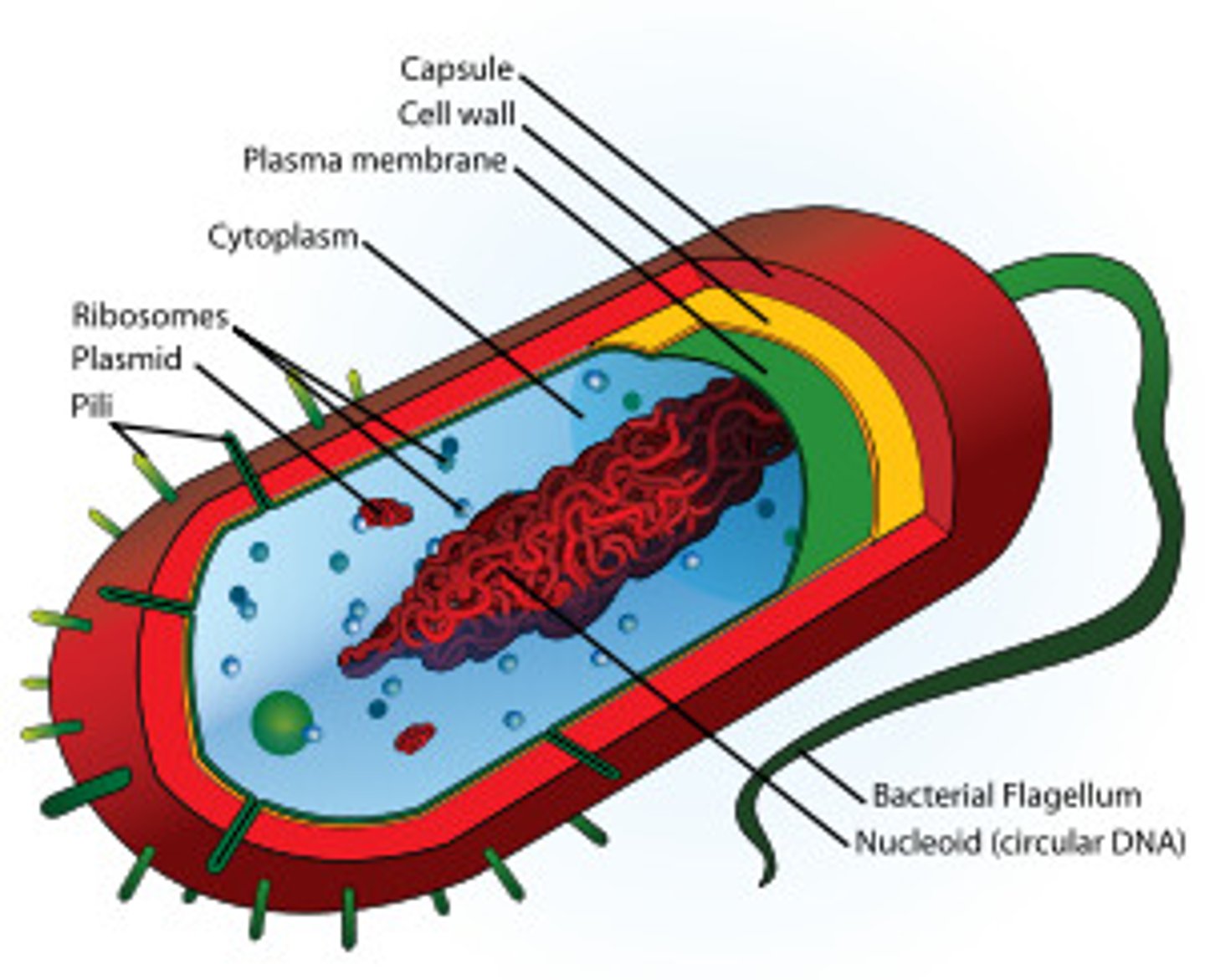
Cell Wall
A rigid structure that surrounds the cell membrane and provides support to the cell
Found in plant cells, fungi & most bacterial cells
Cytoskeleton
A network of fibers that holds the cell together, helps the cell to keep its shape, and aids in movement
Ribosomes
site of protein synthesis
Lysosomes
cell organelle filled with enzymes needed to break down certain materials in the cell (like the cell's stomach)
Cilia
The hairlike projections on the outside of cells that move in a wavelike manner
Found only in Eukaryotic cells
heterotroph
An organism that cannot make its own food.
autotroph
An organism that makes its own food
Ex. plants & some protists are able to utilize photosynthesis to make their nutrition
Fungi - energy
heterotroph
Fungi - benefits
-Decomposers of dead plants and animals
-Sources of antibiotics, alcohol, organic acids, vitamins
-Used in making foods and in genetic studies
Fungal Infections
Most often found on skin (also hair, nails, etc.) and in the lungs
Protists - energy
heterotroph & autotroph (some are photosynthetic)
Helminths - energy
heterotroph
Microscopic fungi - two forms (morphologies)
yeast - round ovoid shape, asexual reproduction
hyphae (mold) - long filamentous fungi or molds
Dimorphic fungi
can change between yeast to hyphae forms and back
Helminths are
parasitic worms
Helminths - two major groups
1. flatworms - examples: tapeworms, flukes
2. roundworms (nematodes) - examples: pinworms
Helminths are acquired through what route?
-ingestion of larvae or eggs in food; from soil or water; some are carried by insect vectors
sarcodines
animal-like protists that move by changing shape, extending pseudopods (amoeba)
Detrimental example: infective amoeba (Entamoeba histolytica) cause amebic dysentery
Chaga's disease
caused by a pathogenic flagellate T. cruzi
obligate intracellular parasites
viruses cannot multiply unless they invade a specific host cell and instruct its genetic and metabolic machinery to make and release new viruses
Viruses can infect what?
all organisms (bacteria, fungi, algae, plants, animals, protozoa)
The host range of a virus is determined by
•How the molecules (spikes) on the surface of the virus match up with receptors on the surface of the cell(s) it infects.
capsid
Outer protein coat of a virus
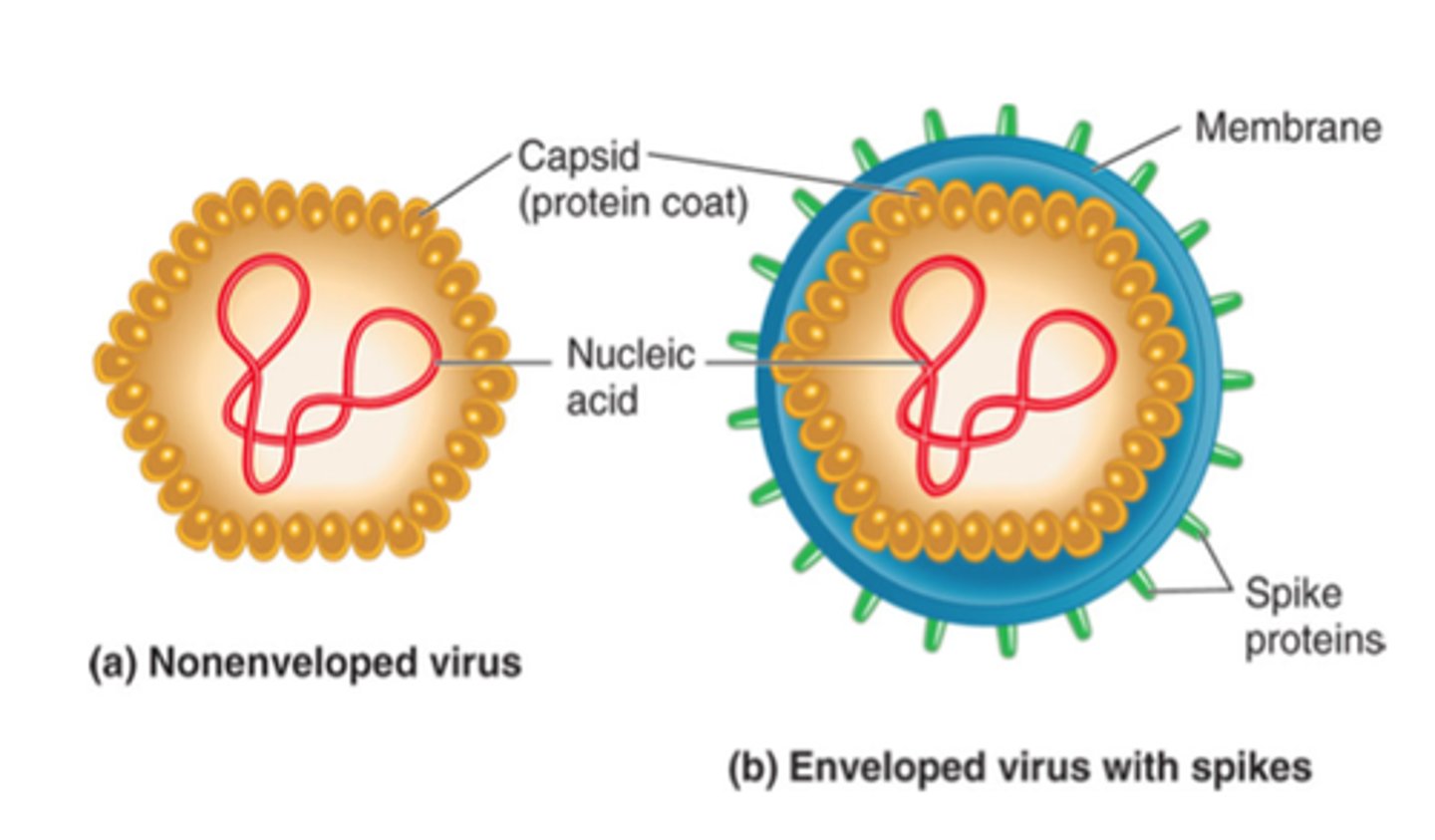
What are the two main structural types of viruses?
1. helical
2. icosahedral
helical viruses
hollow, cylindrical capsid
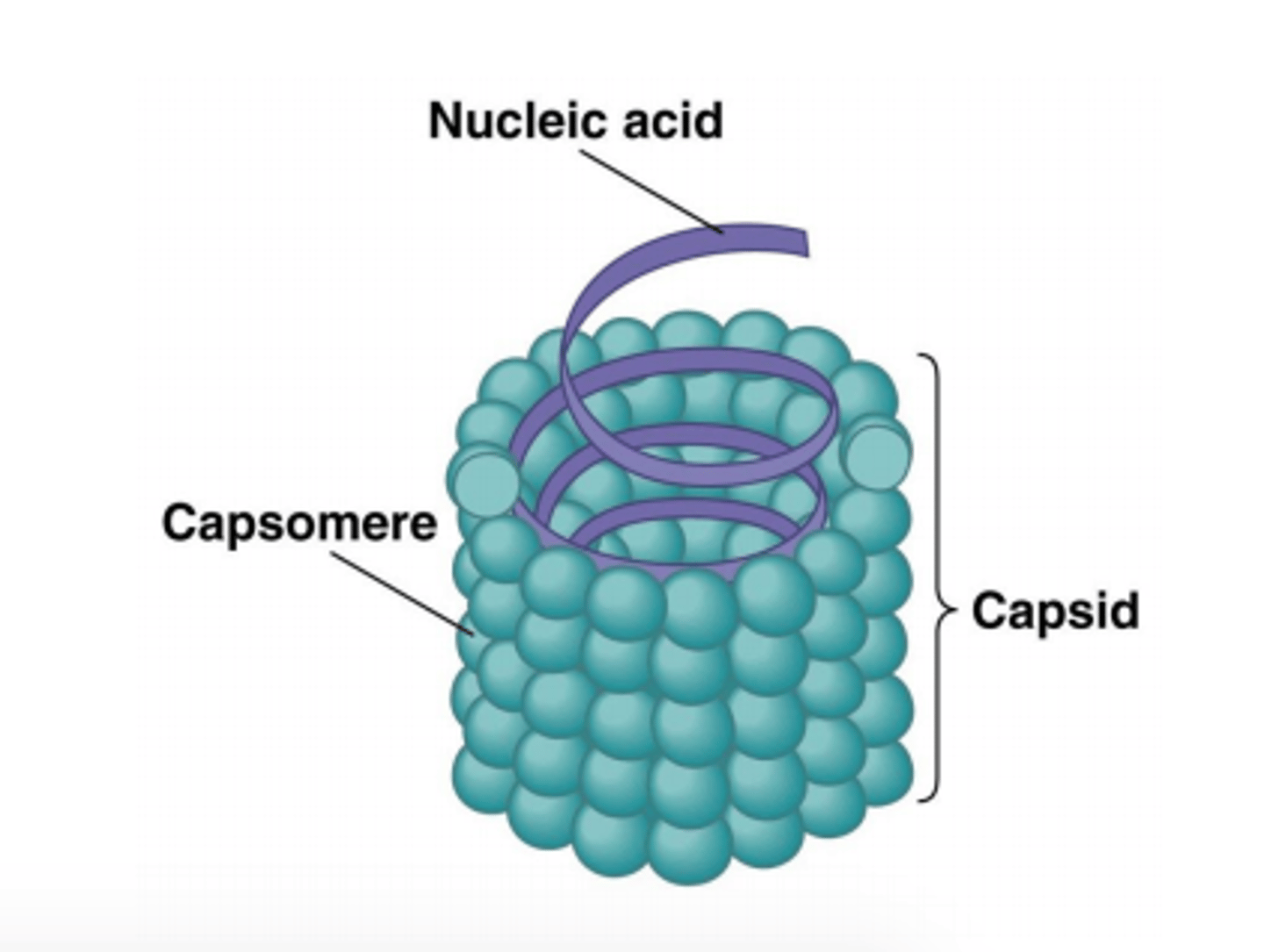
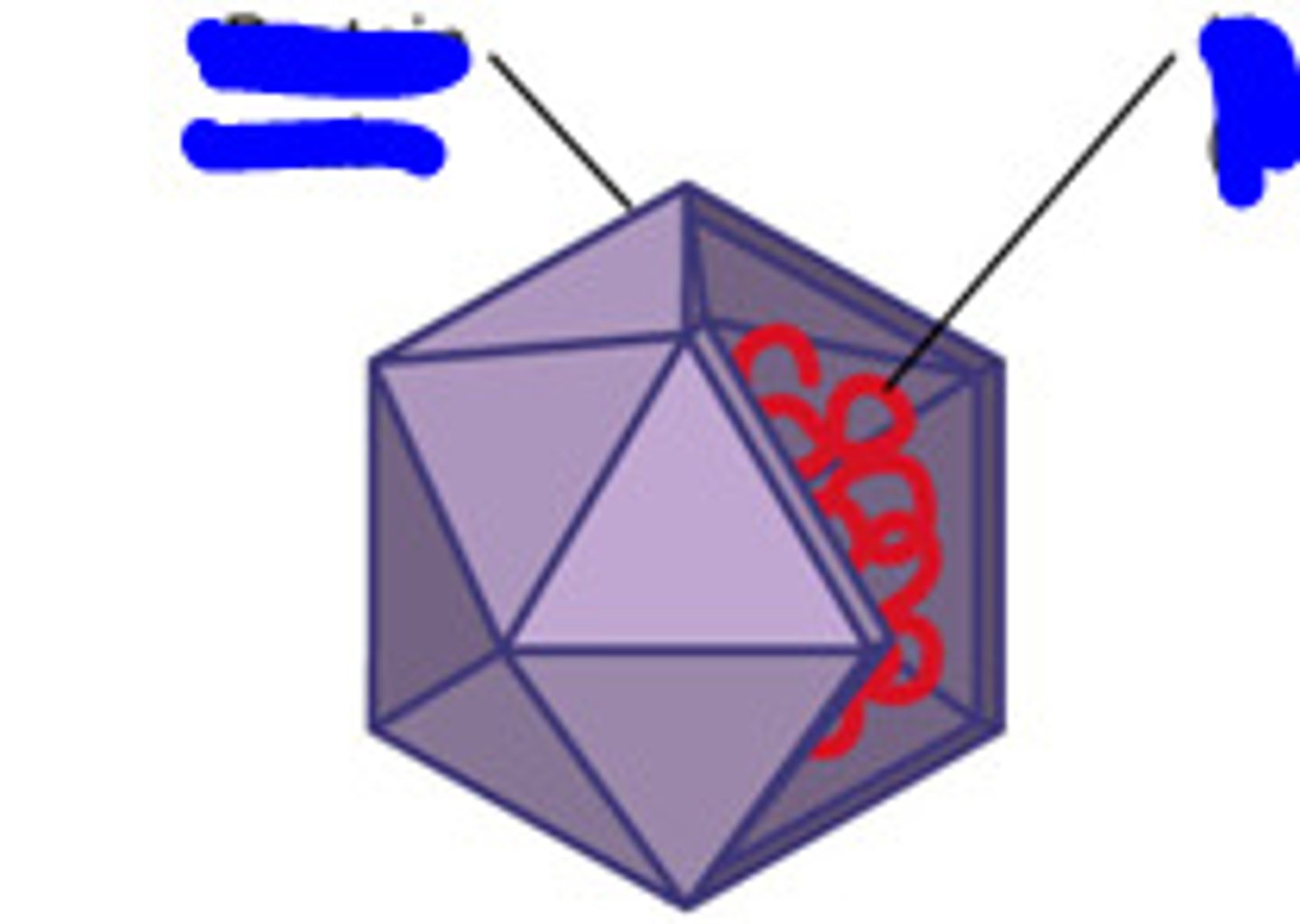
Icosahedral viruses
Capsids forming 20 triangular faces and 12 corners.
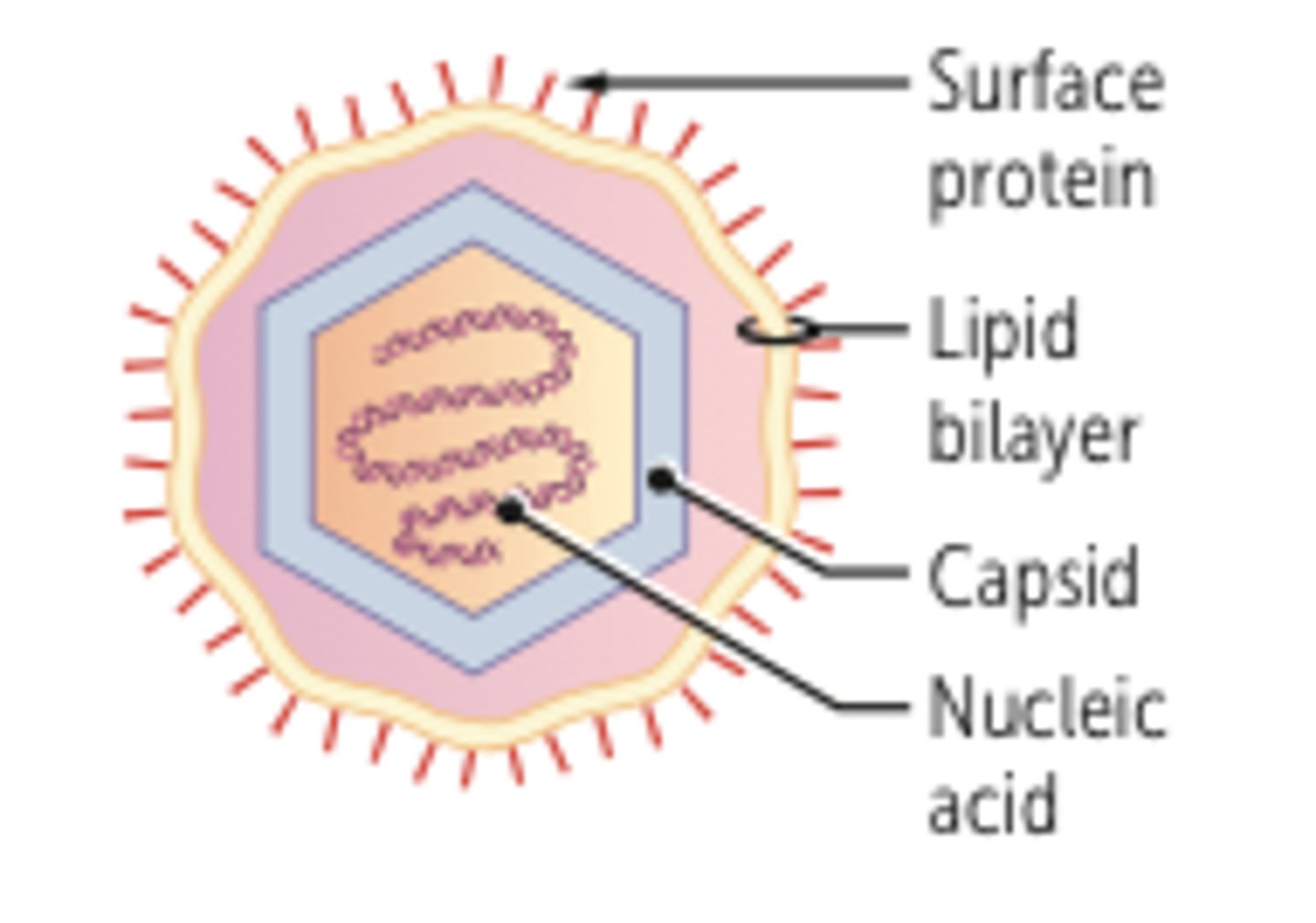
enveloped virus
surrounded by envelope (additional structure outside the capsid)
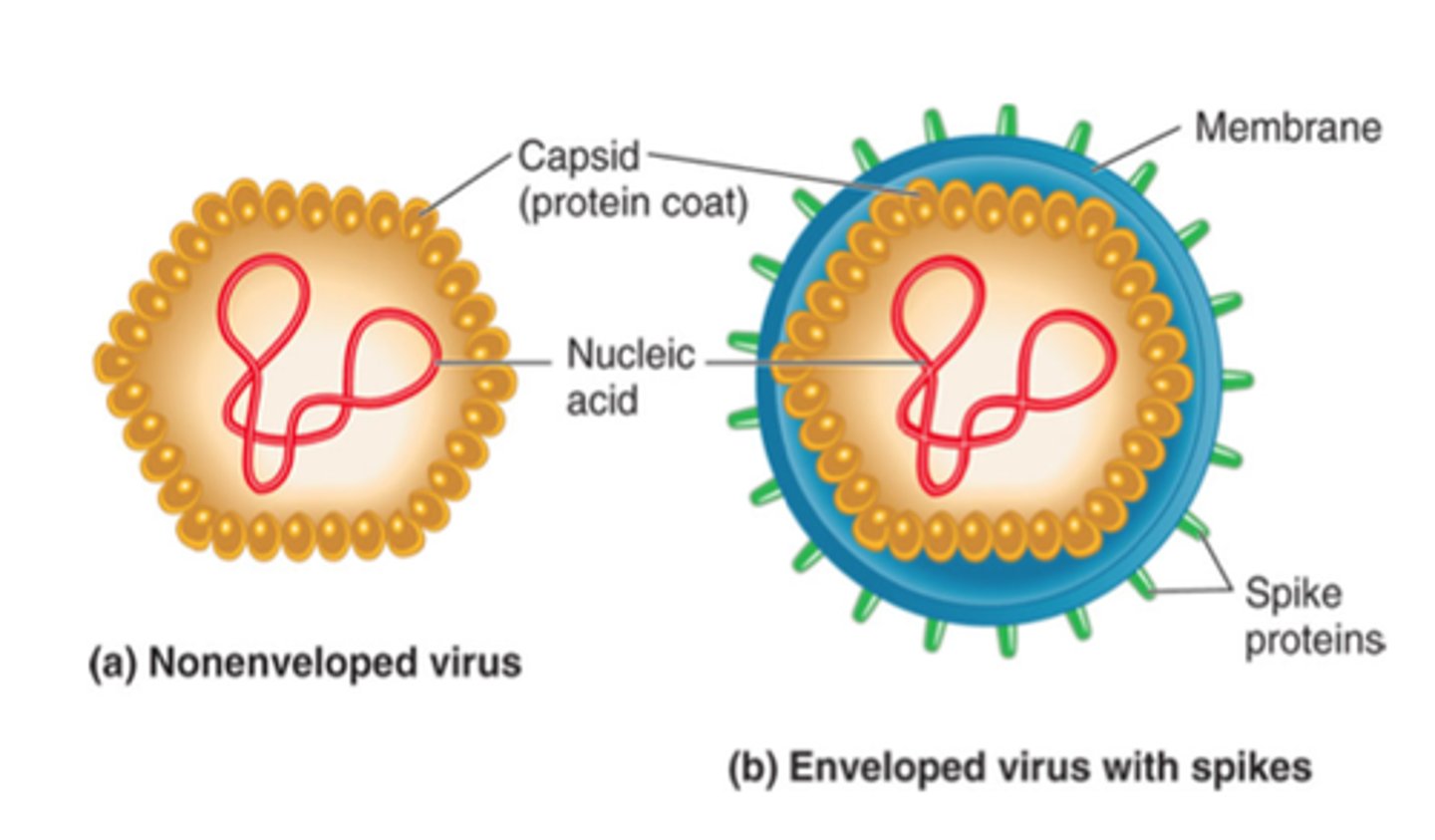
naked (nonenveloped) virus
virus without an envelope
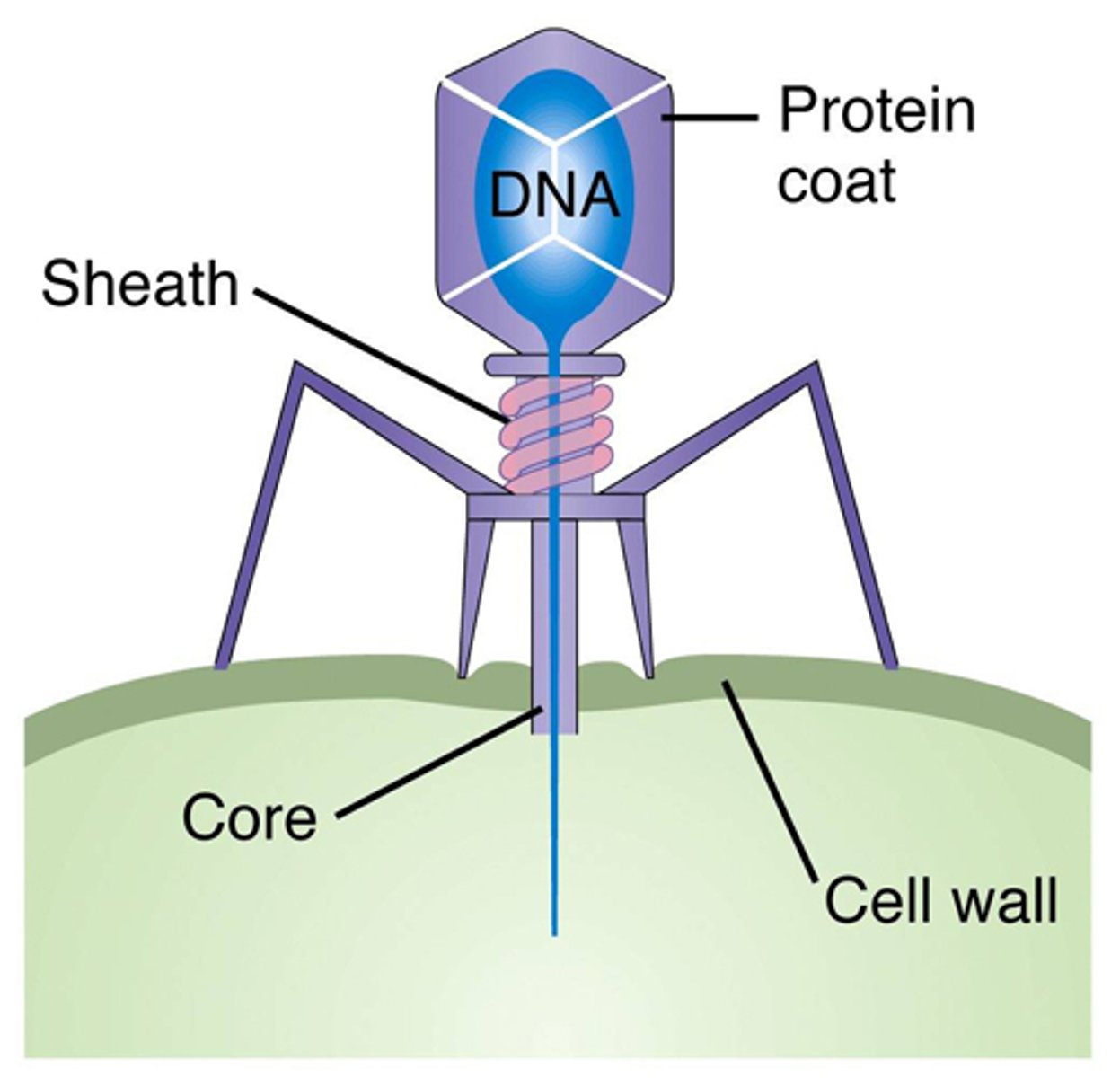
complex virus
A virus with a complicated structure, such as a bacteriophage.
bacteriophage
A virus that infects bacteria
viral genome types
Includes dsDNA, ssDNA, and dsRNA, ssRNA (know all 4)
General phases in animal virus multiplication cycle:
1. Adhesion - binding of virus to specific molecule on host cell
2. Penetration - genome enters host cell
3. Uncoating - the viral nucleic acid is released from the capsid
4. Synthesis - viral components are produced
5. Assembly - new viral particles are constructed
6. Release - assembled viruses are released by budding (exocytosis) or cell lysis
(know these in order)
Bacteriophage skip which multiplication step?
uncoating
viral methods of penetration (how they get into cells)
-Endocytosis - entire virus is engulfed and enclosed in a vacuole or vesicle
-Fusion - envelope merges directly with the cell membrane resulting in nucleocapsid's entry into cytoplasm
viral methods of releasing
•Assembled viruses leave host cell in one of two ways:
-Budding - exocytosis; nucleocapsid binds to membrane which pinches off and sheds the viruses gradually; cell is not immediately destroyed
-Lysis - nonenveloped and complex viruses released when cell dies and ruptures
transformation
•Some animal viruses enter host cell and permanently alter its genetic material resulting in cancer - transformation of the cell
Examples of mammalian viruses capable of causing transformation (cancer)
-HPV (human papilloma virus)
-Epstein-Barr virus - Burkitt's lymphoma
Lysogenic viruses
enter cell & integrate into the cell's DNA and multiply without immediately killing the cell
Still learning (6)
You've started learning these terms. Keep it up!