CHAPTER 3: FORMING A NEW LIFE

0.0(0)
Studied by 0 people
call kaiCall Kai
Locked
learnLearn
examPractice Test
spaced repetitionSpaced Repetition
heart puzzleMatch
flashcardsFlashcards
GameKnowt Play
Card Sorting

1/63

encourage image

There's no tags or description

Looks like no tags are added yet.

Last updated 3:39 AM on 7/21/26
Name
Mastery
Learn
Test
Matching
Spaced
Call with Kai
Chat

No analytics yet

Send a link to your students to track their progress

64 Terms

1
New cards

fertilization

- Union of sperm and egg

- Sperm and egg join to form a zygote.

- Union of sperm and ovum to produce a zygote; also called conception.

- A sperm cell from the father joins with an egg cell (ovum) from the mother.

- They combine to form a zygote, the first cell of a new human being.
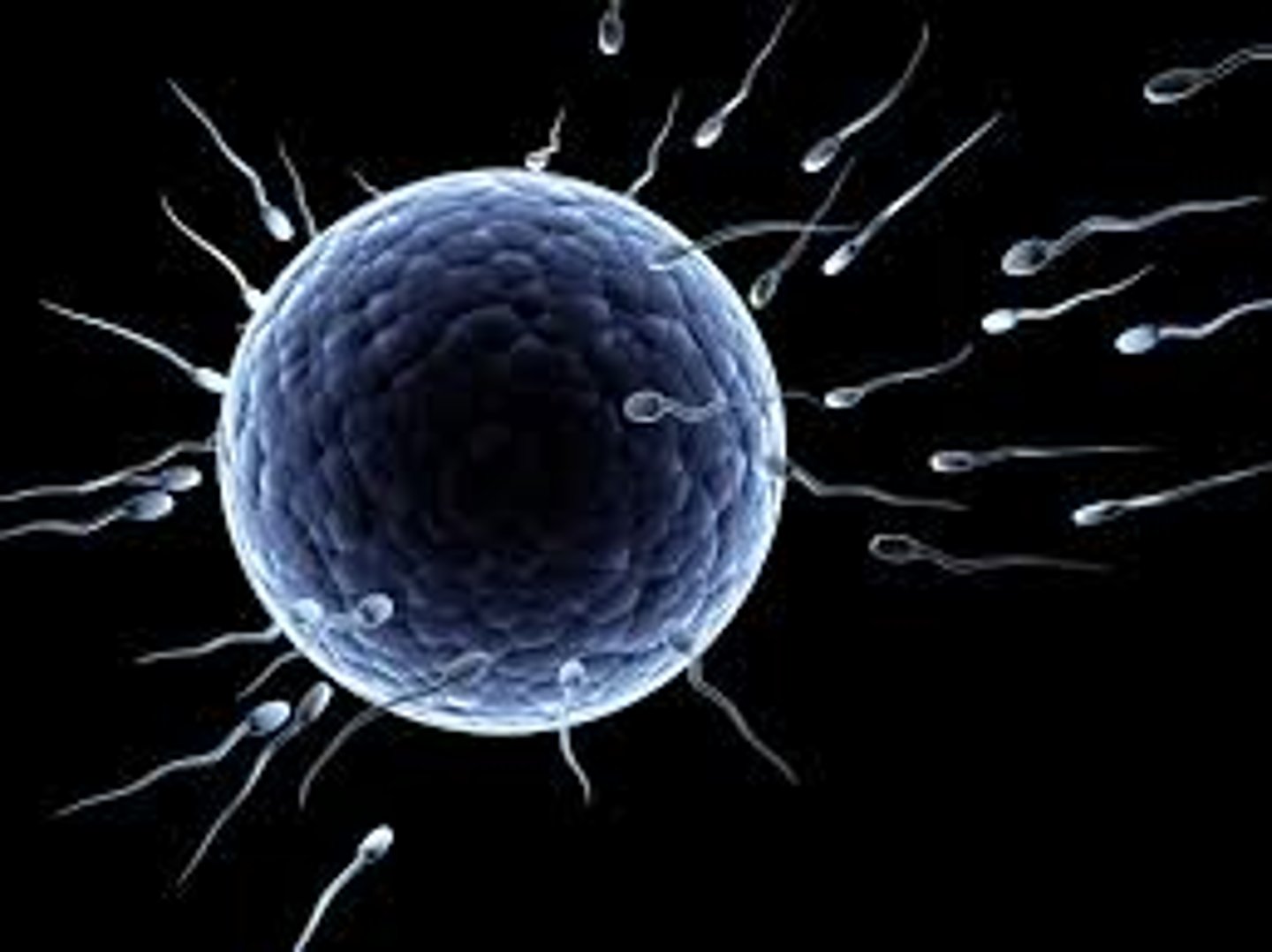
<p>- Union of sperm and egg</p><p>- Sperm and egg join to form a zygote.</p><p>- Union of sperm and ovum to produce a zygote; also called conception.</p><p>- A sperm cell from the father joins with an egg cell (ovum) from the mother.</p><p>- They combine to form a zygote, the first cell of a new human being.</p>
2
New cards

zygote

- First cell of a new baby

- undergoes rapid division.

- the first cell of a new human being.

- one-celled organism resulting from fertilization
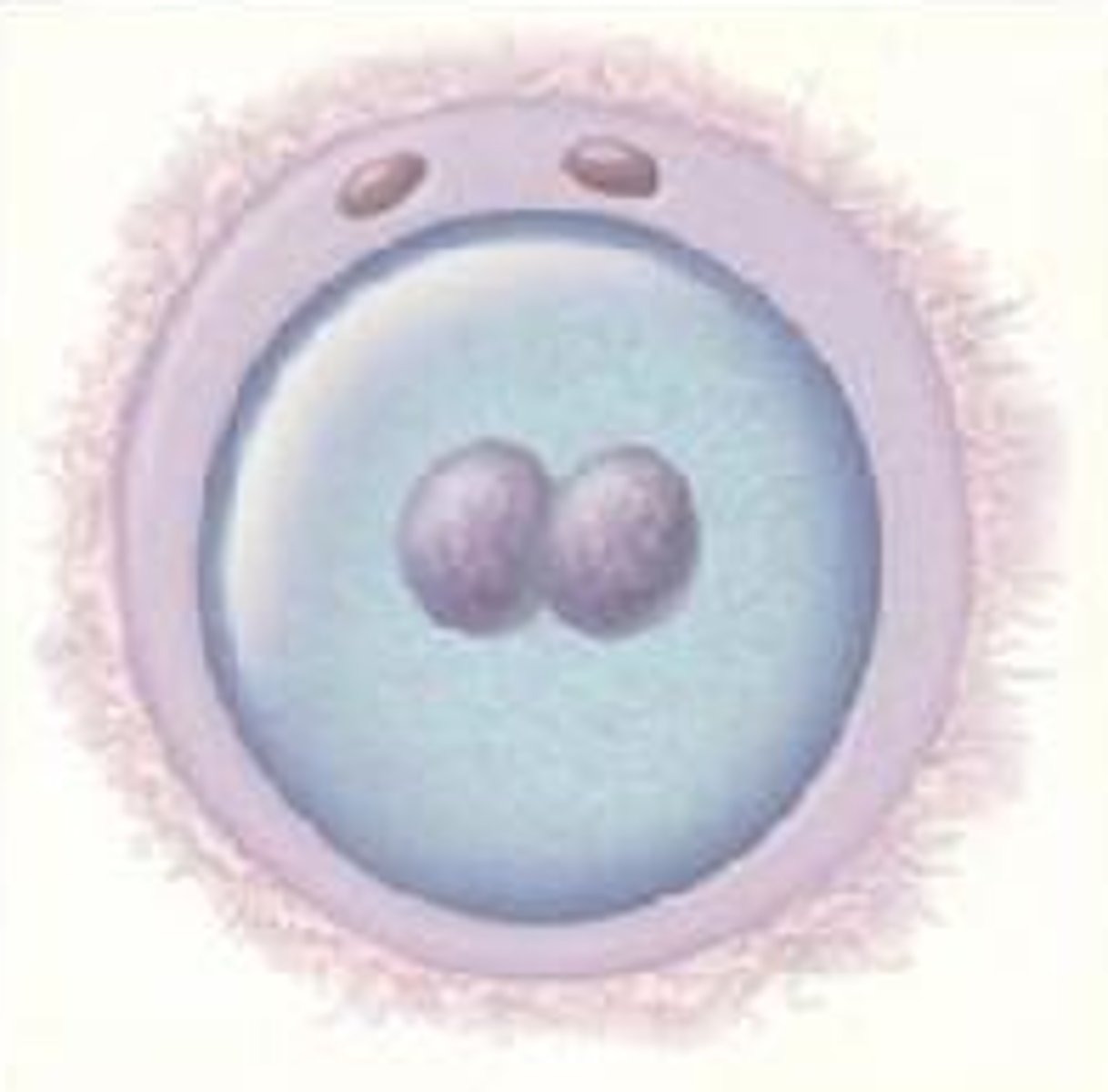
<p>- First cell of a new baby</p><p>- undergoes rapid division.</p><p>- the first cell of a new human being.</p><p>- one-celled organism resulting from fertilization</p>
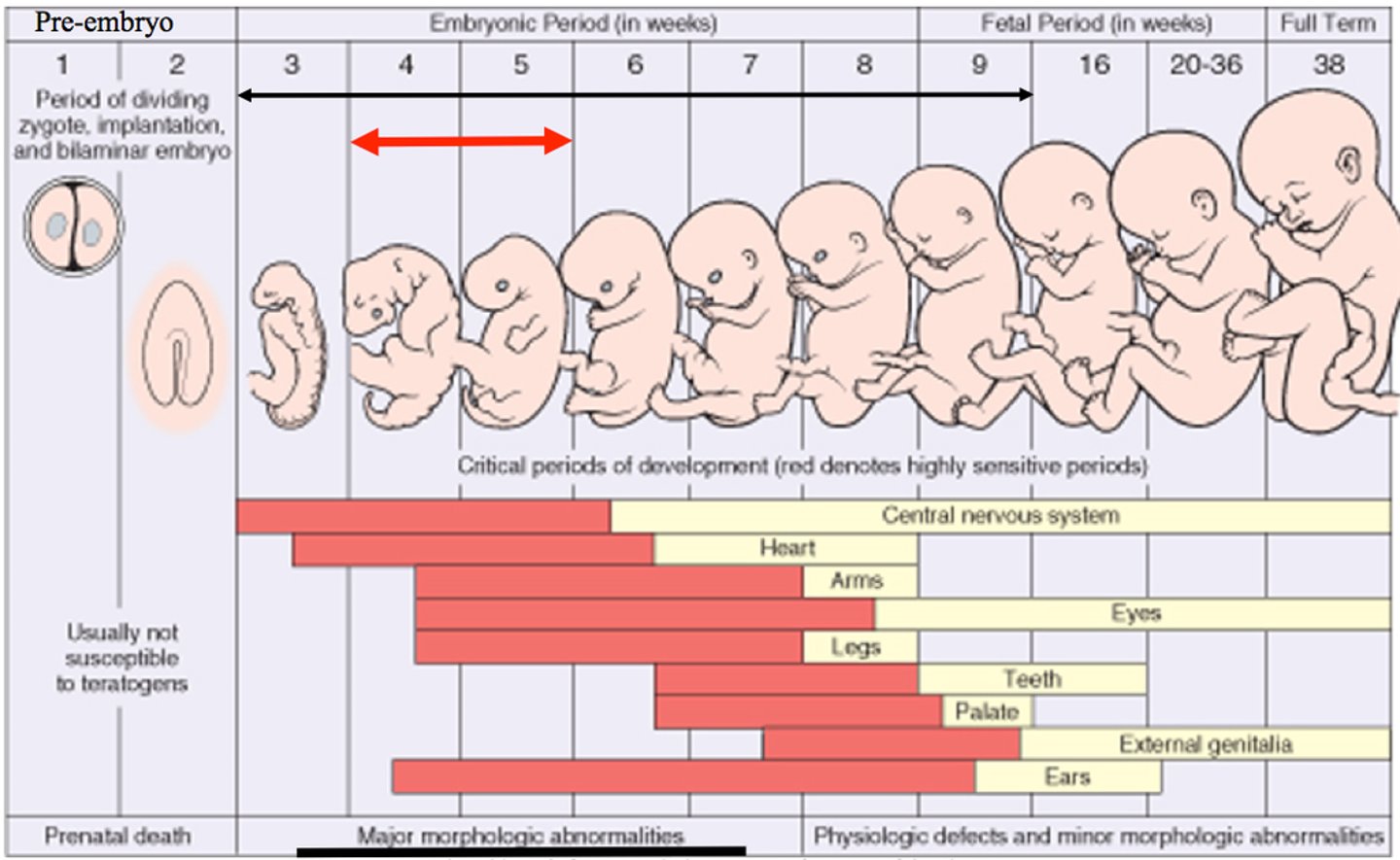
3
New cards

MONOZYGOTIC TWINS

- Twins resulting from the division of a single zygote after fertilization

- Identical twins
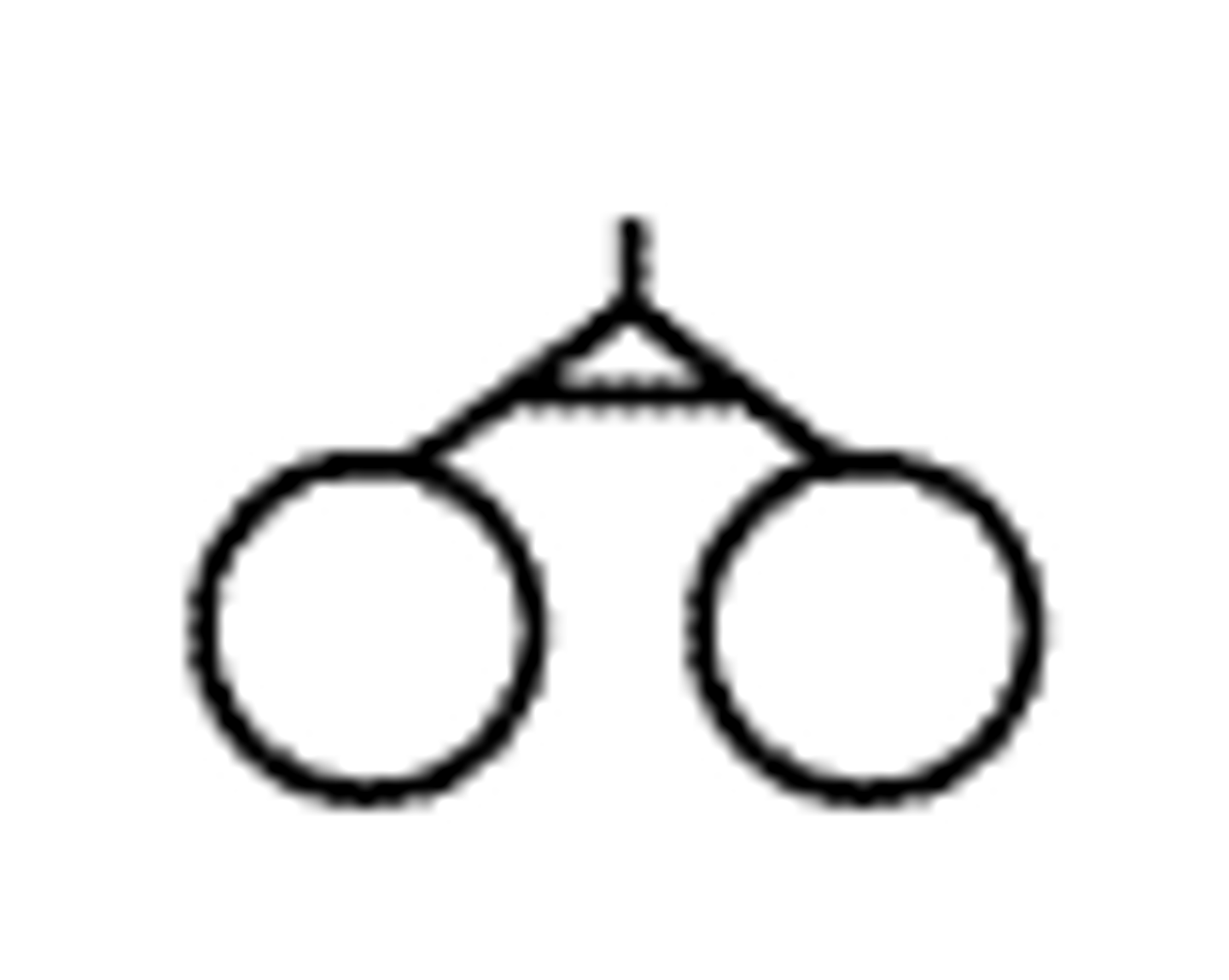
<p>- Twins resulting from the division of a single zygote after fertilization</p><p>- Identical twins</p>
4
New cards

Identical twins

= they are genetically similar
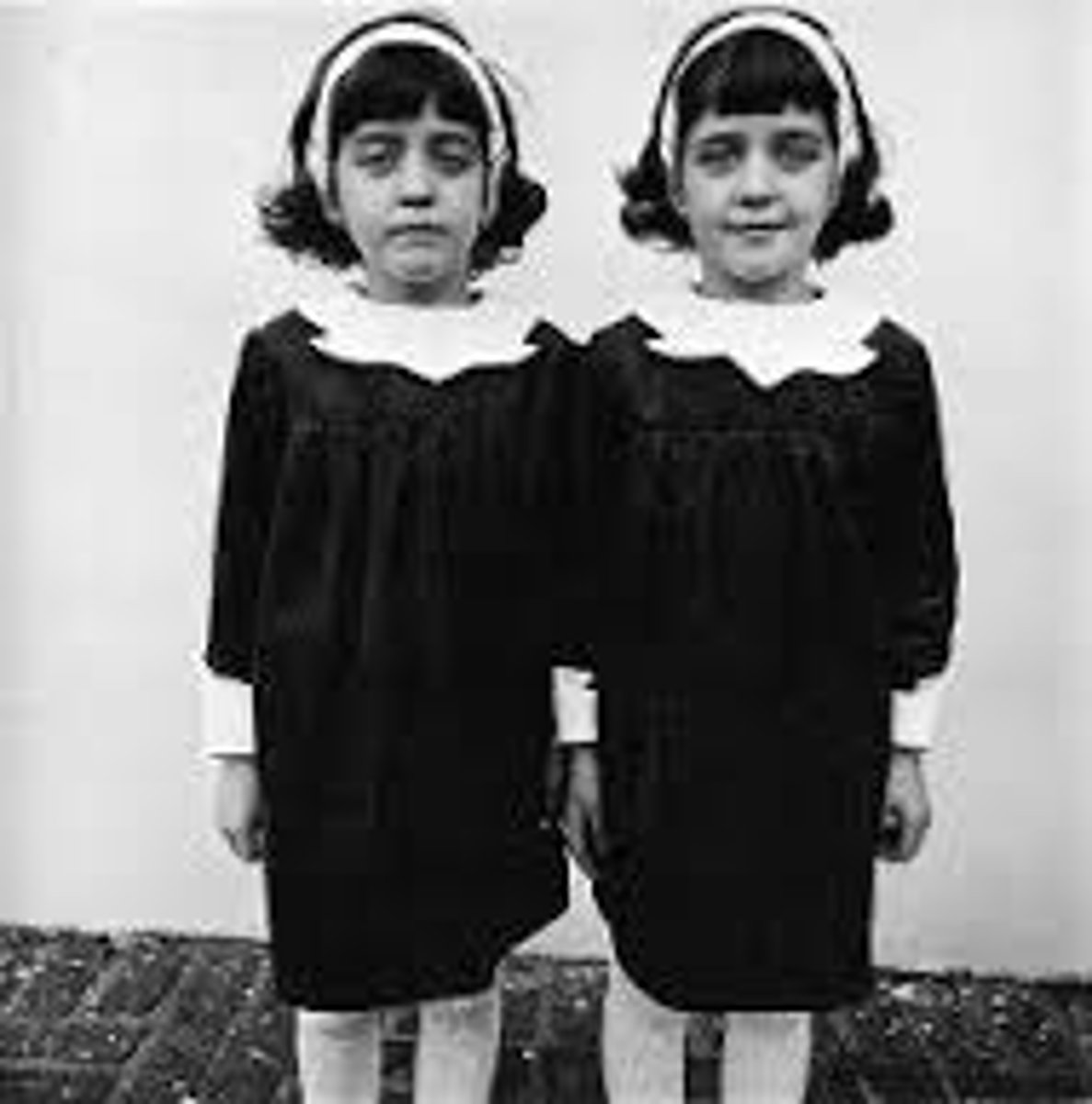
<p>= they are genetically similar</p>
5
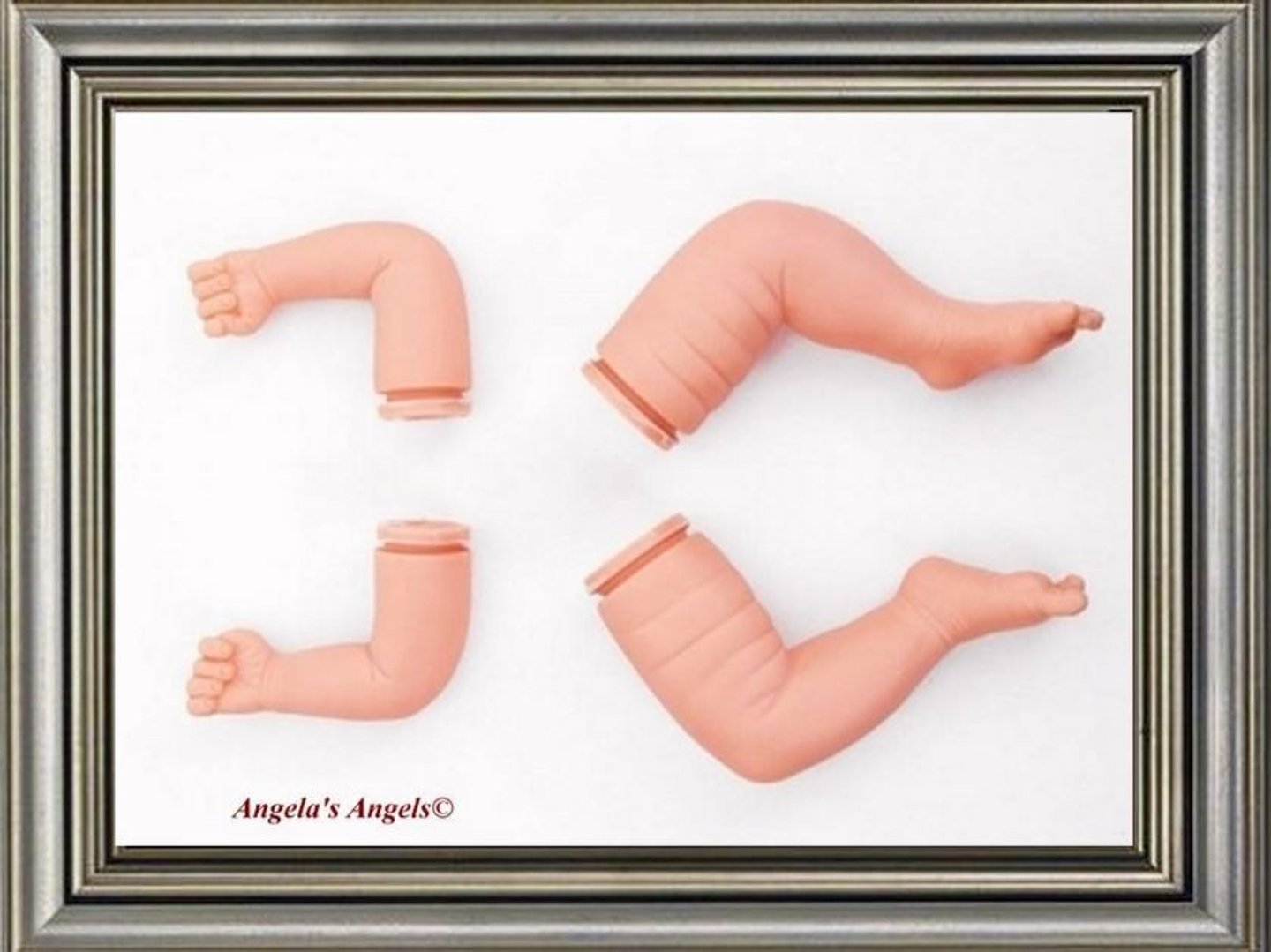
New cards

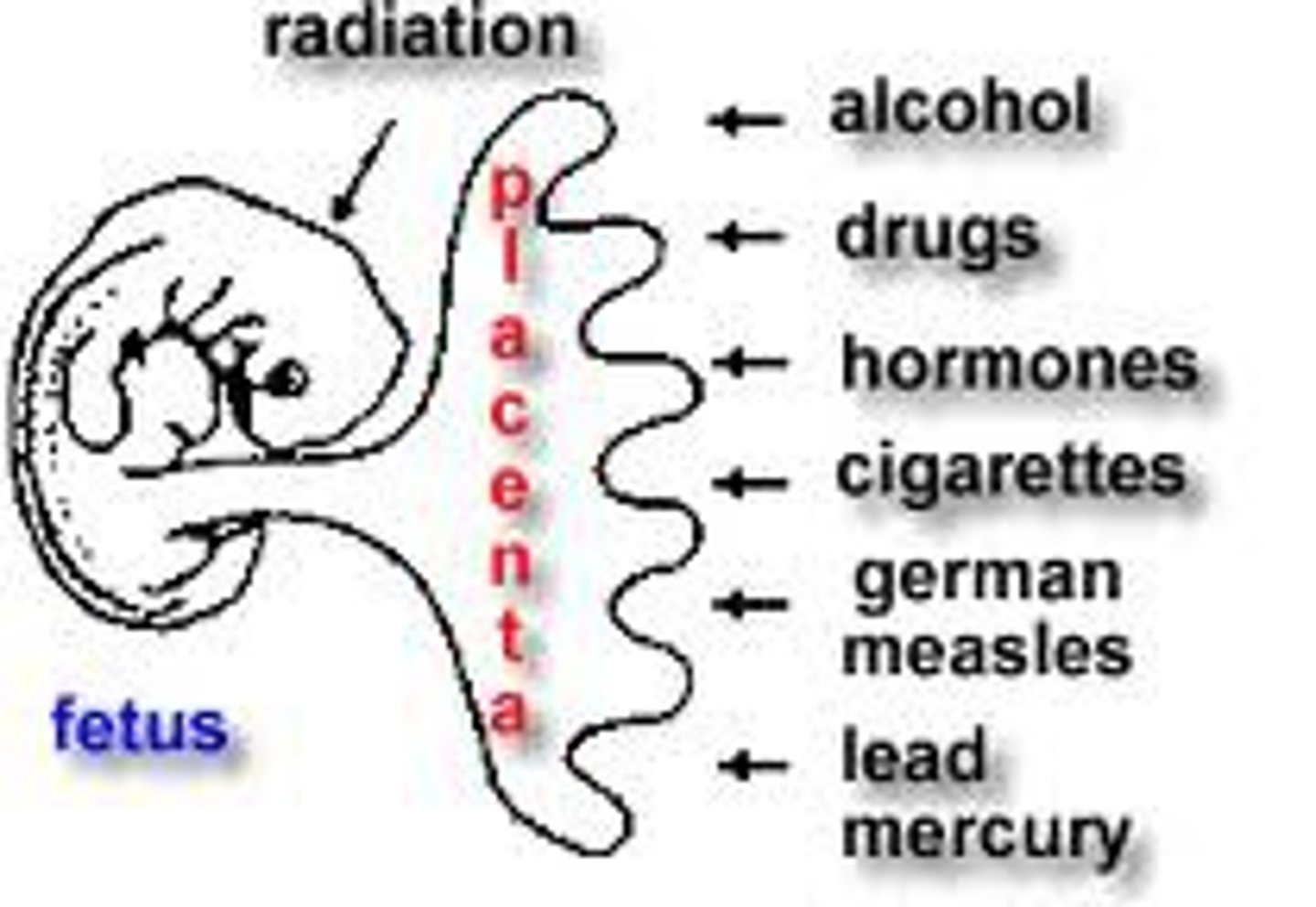
DIZYGOTIC TWINS

- Twins conceived by the union of two different ova (or a single ovum that has split) with two different sperm cells

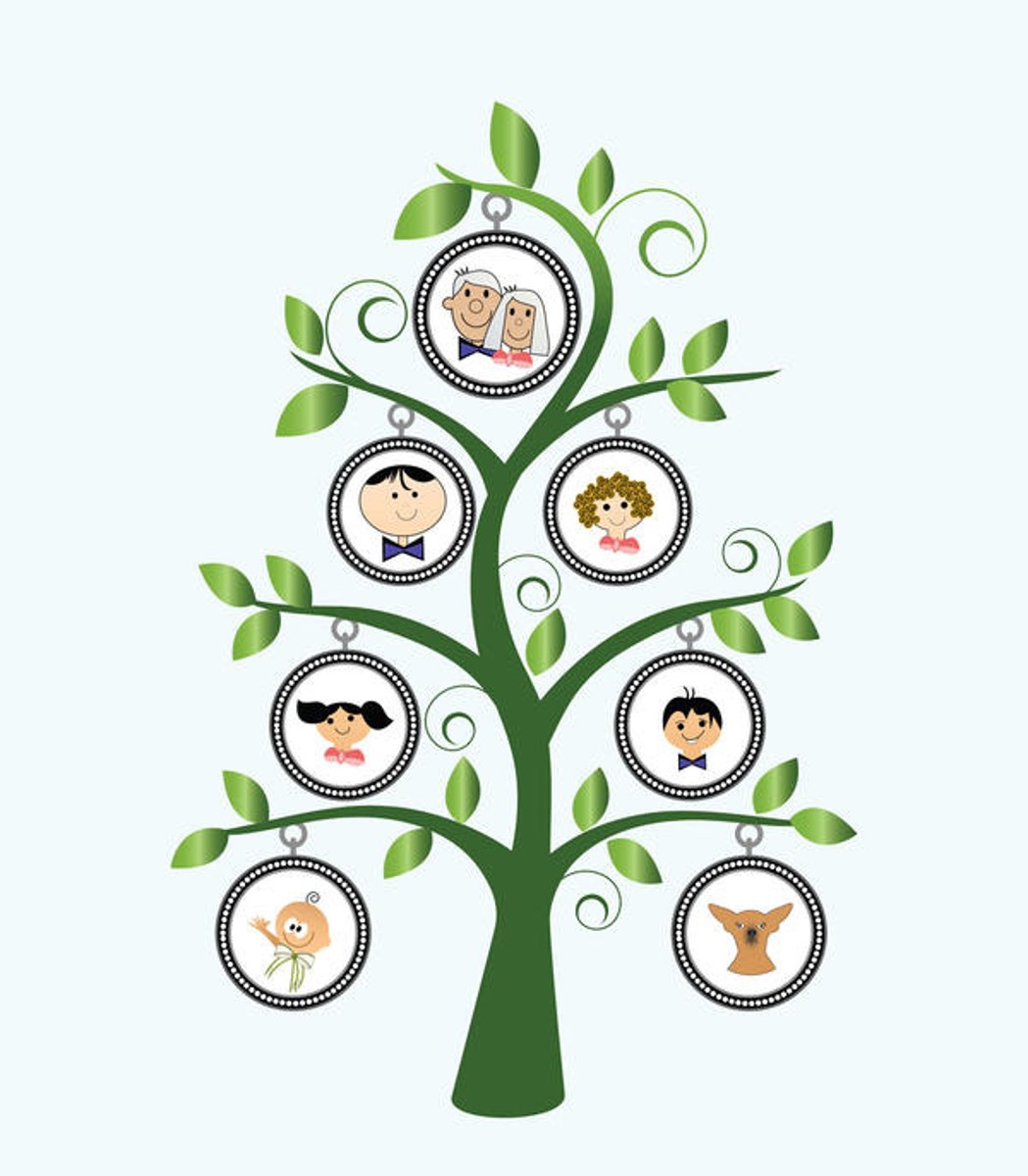
- Fraternal twins
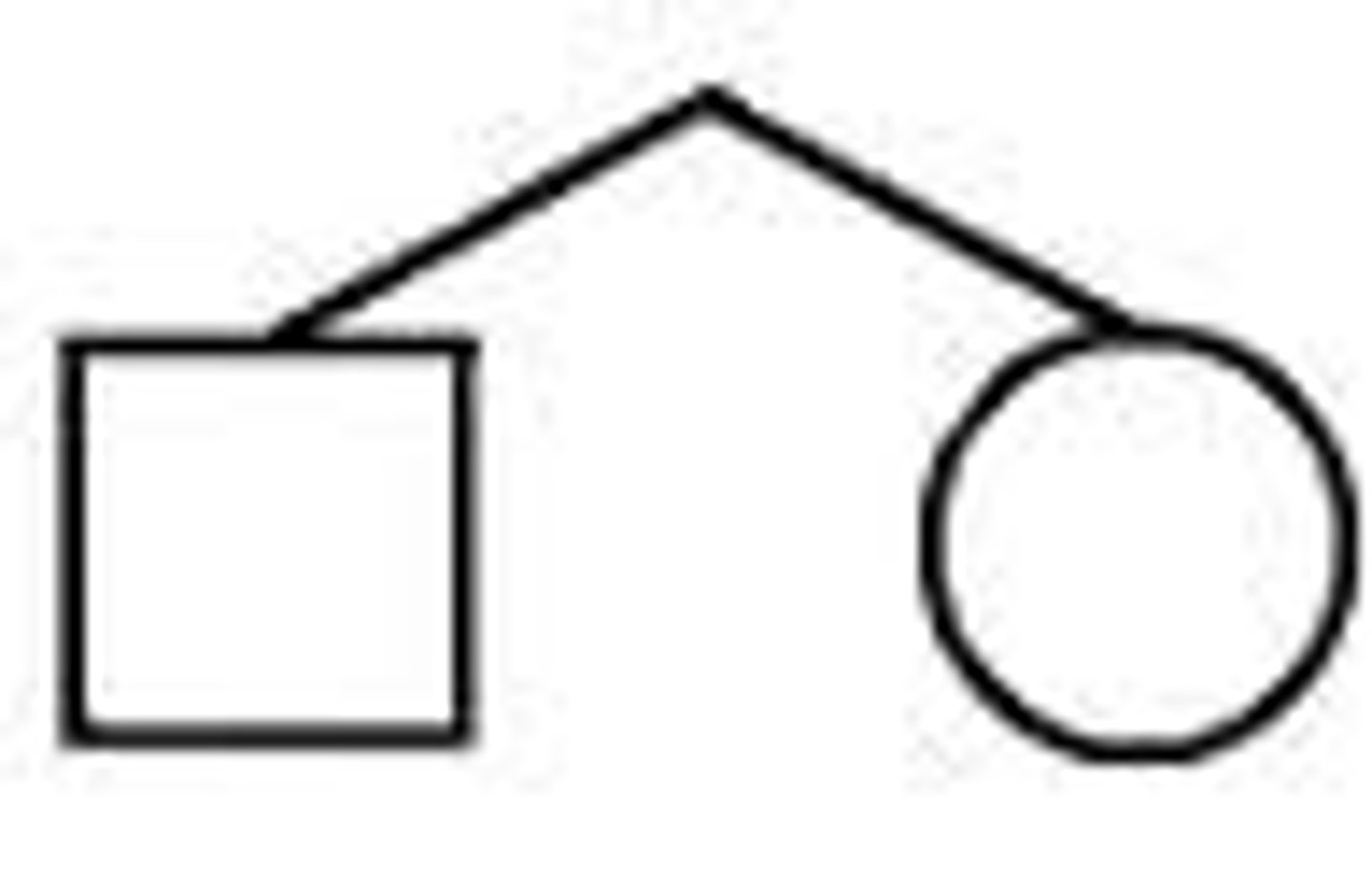
<p>- Twins conceived by the union of two different ova (or a single ovum that has split) with two different sperm cells</p><p>- Fraternal twins</p>
6
New cards

Fraternal twins

- they are no more alike genetically than any other siblings
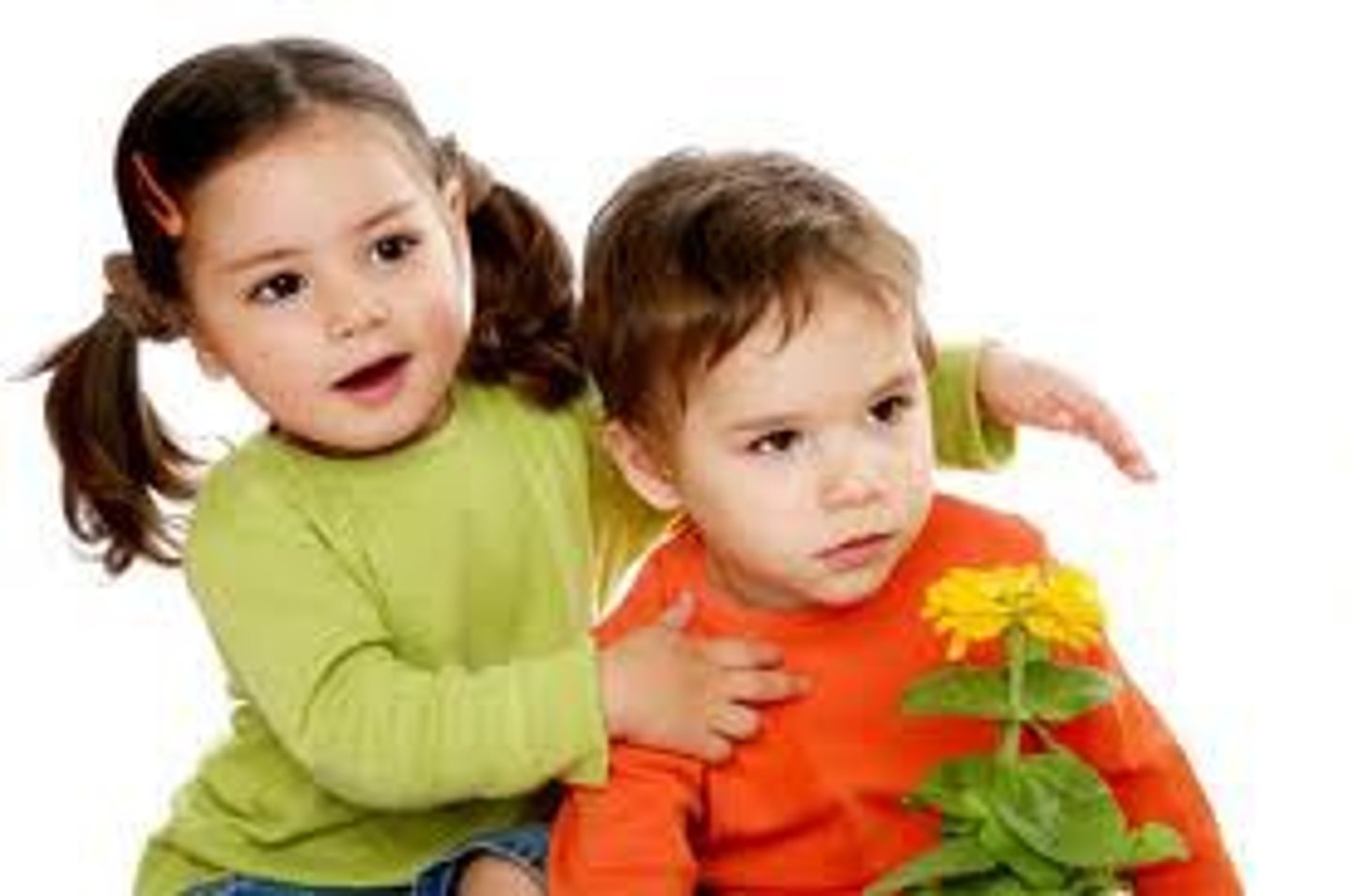
<p>- they are no more alike genetically than any other siblings</p>
7
New cards

CHROMOSOMES

- thread-like structures inside our cells - Think of them as books that contain instructions for building the body.

- Is like a book
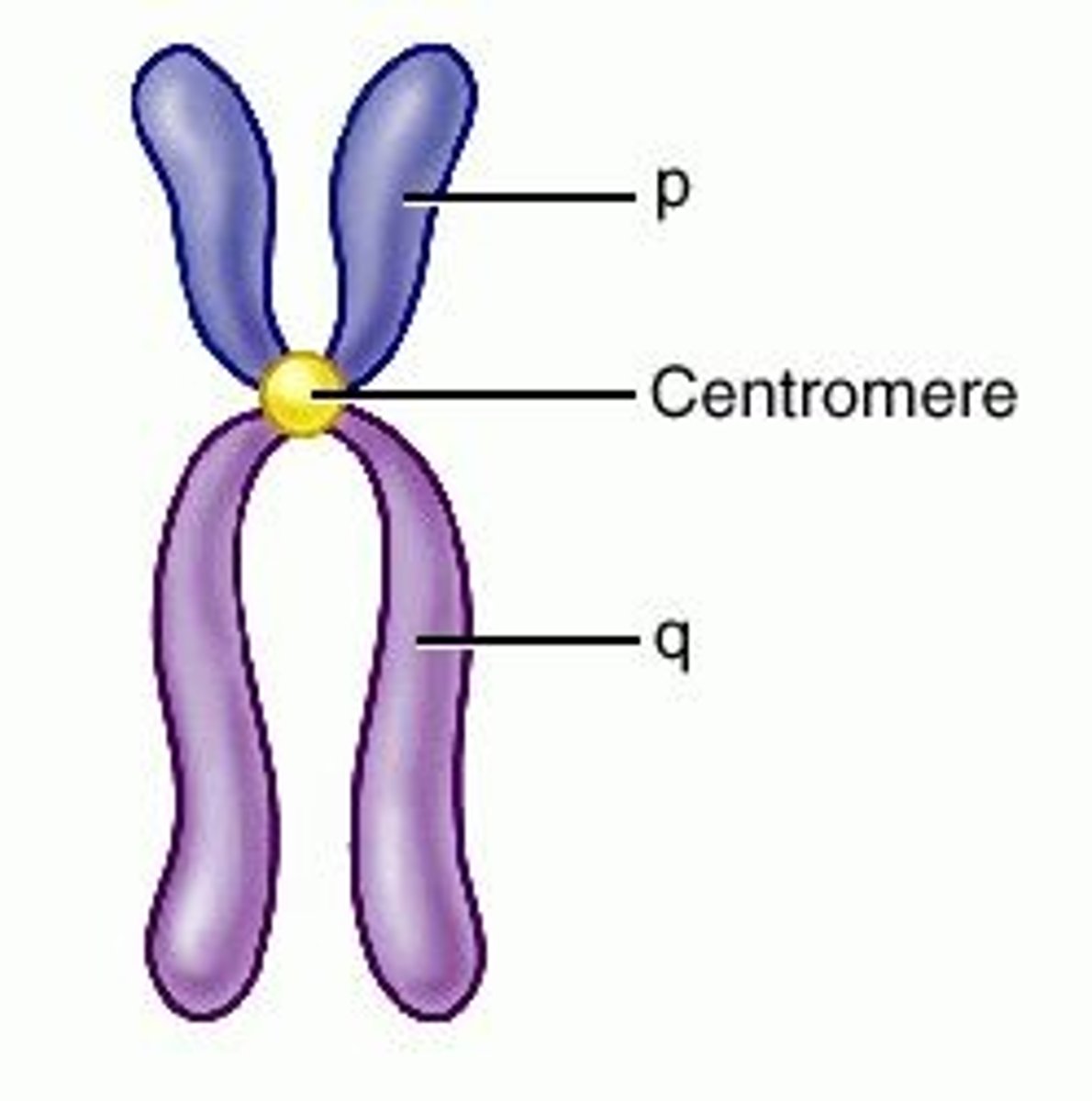
<p>- thread-like structures inside our cells - Think of them as books that contain instructions for building the body.</p><p>- Is like a book</p>
8
New cards

Human Genome

- the complete sequence of genes in the human body.
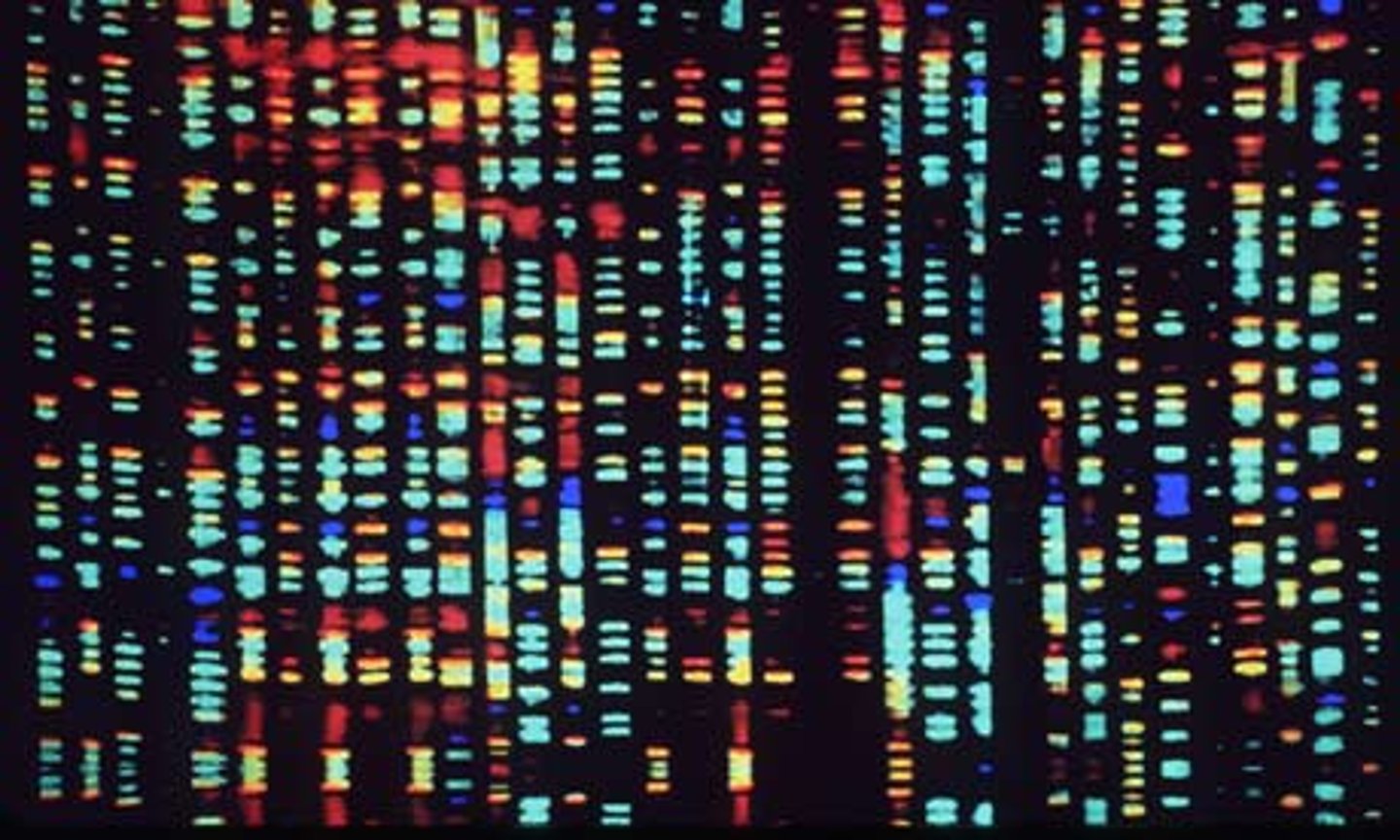
<p>- the complete sequence of genes in the human body.</p>
9
New cards

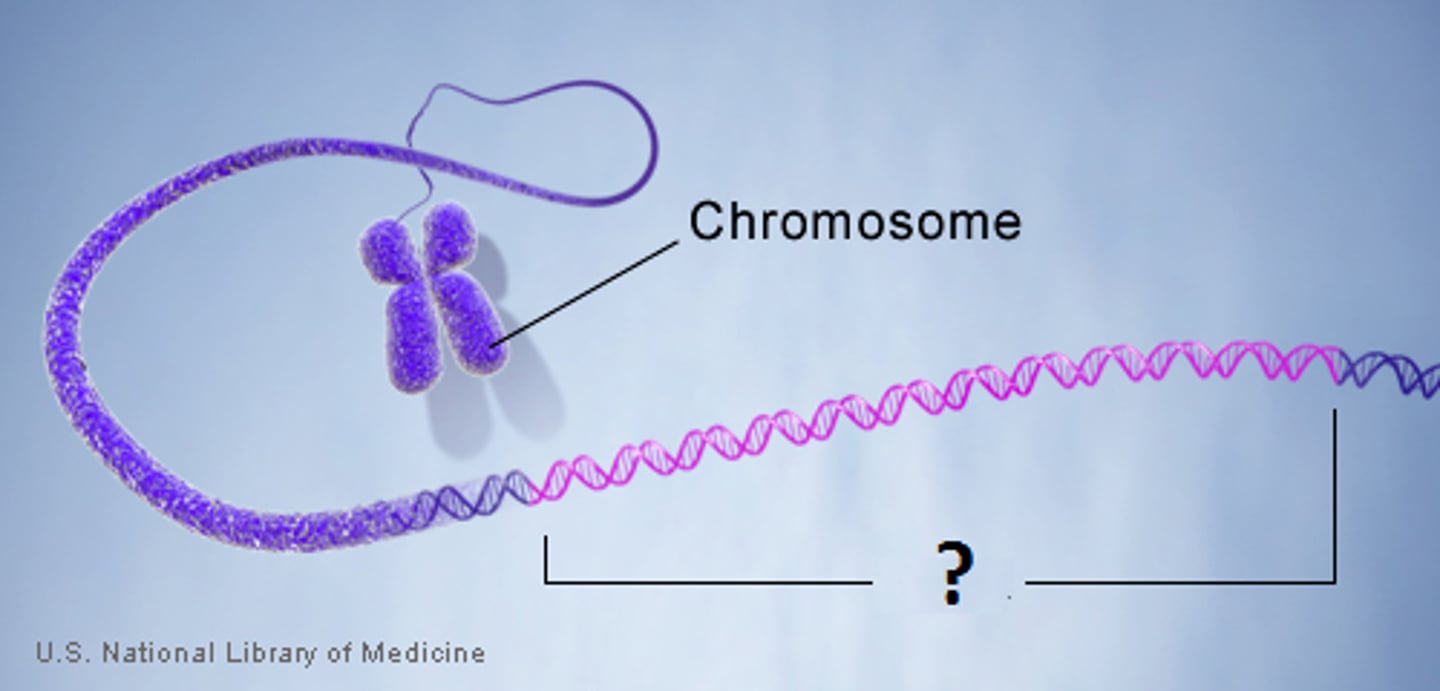
GENES

- are sections of DNA found on chromosomes

- They determine traits such as (eye color, hair color, height, blood type, some diseases)

- are the individual instructions inside the book.
<p>- are sections of DNA found on chromosomes</p><p>- They determine traits such as (eye color, hair color, height, blood type, some diseases)</p><p>- are the individual instructions inside the book.</p>
10
New cards

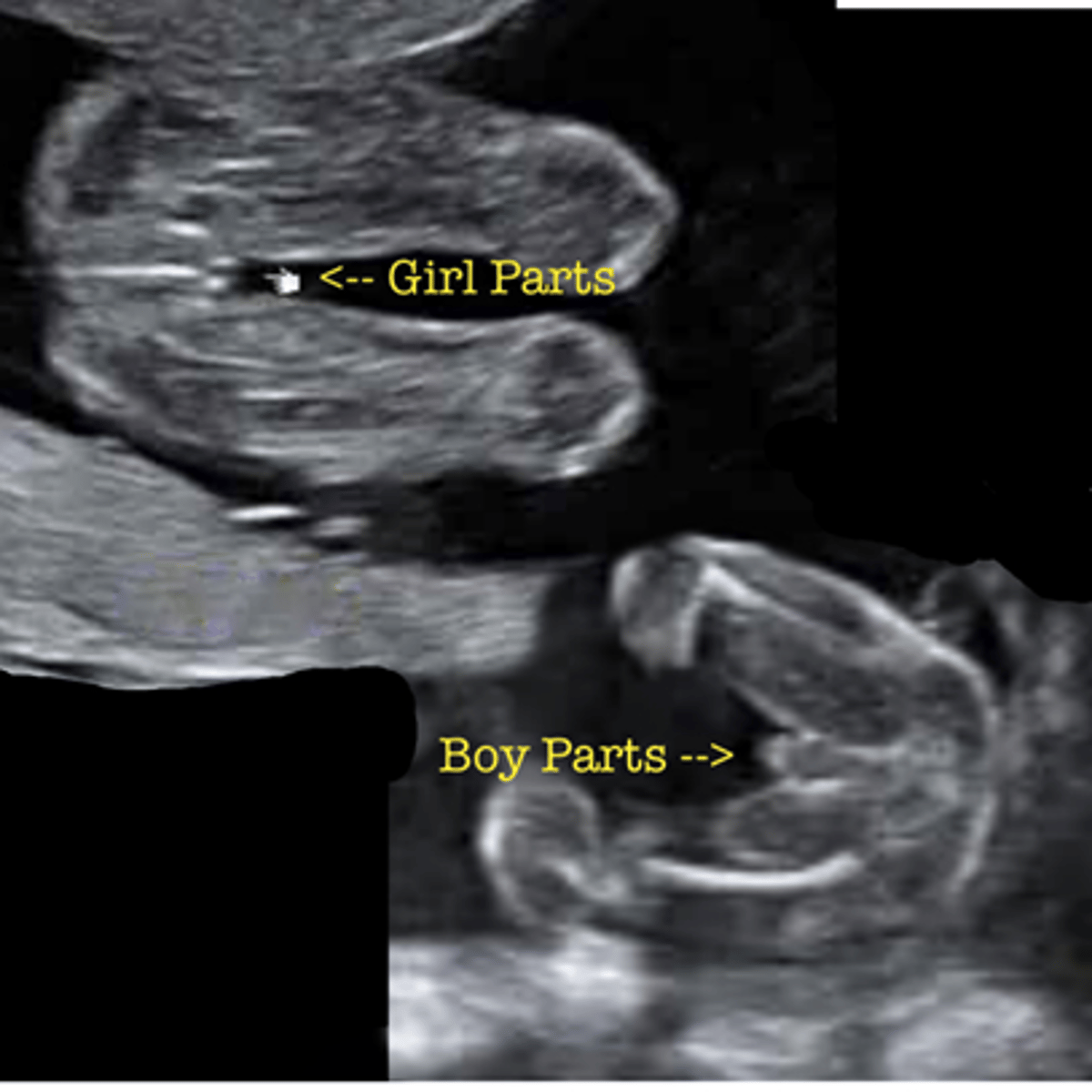
SEX DETERMINATION

- The baby's sex depends on the father's sperm.
<p>- The baby's sex depends on the father's sperm.</p>
11
New cards

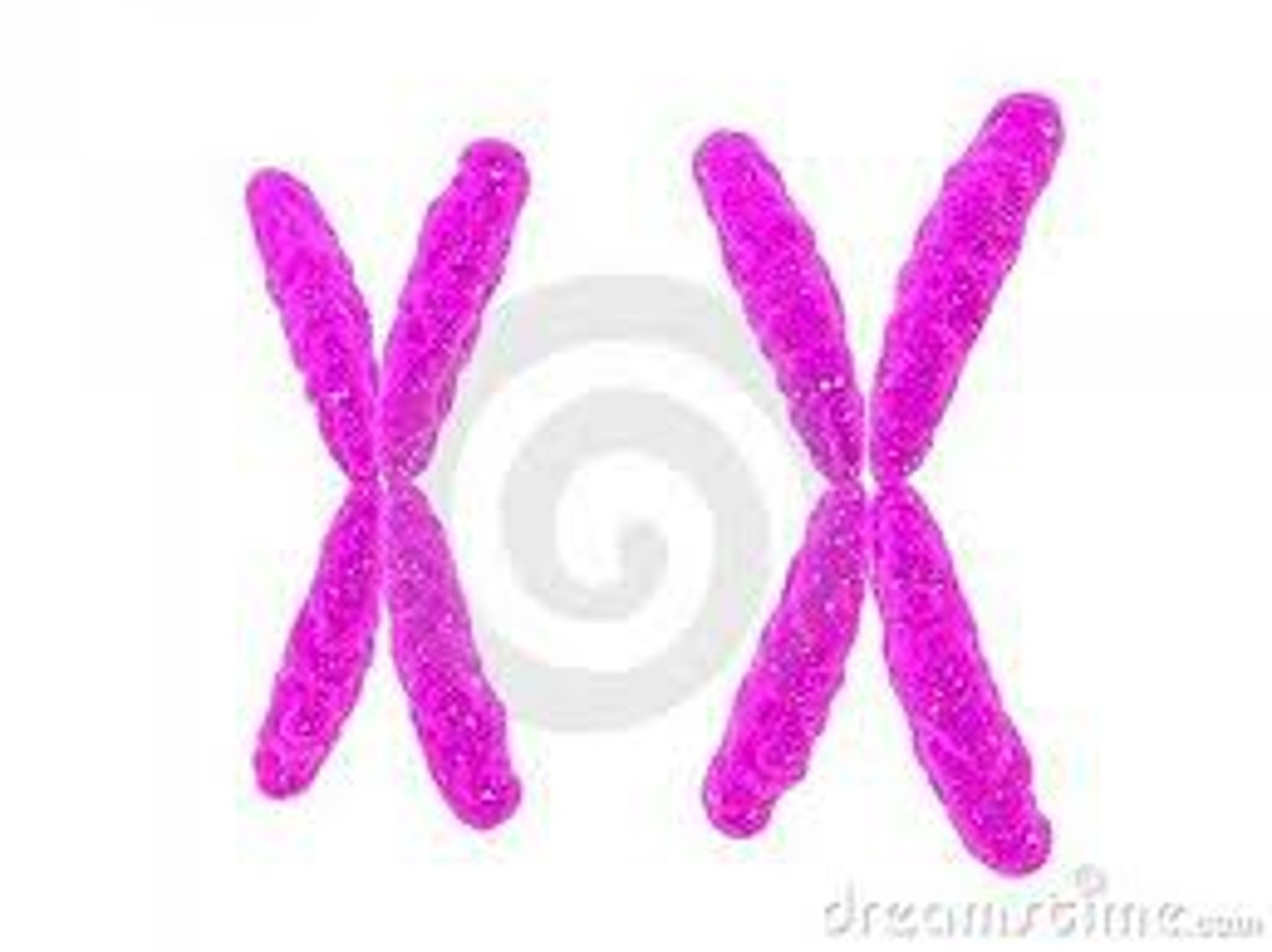
X chromosome

Mother always gives

→ Girl (XX)

Father gives either
<p>Mother always gives</p><p>→ Girl (XX)</p><p>Father gives either</p>
12
New cards

Y

→ Boy (XY)

Father gives either

<p>→ Boy (XY)</p><p>Father gives either</p>
13
New cards

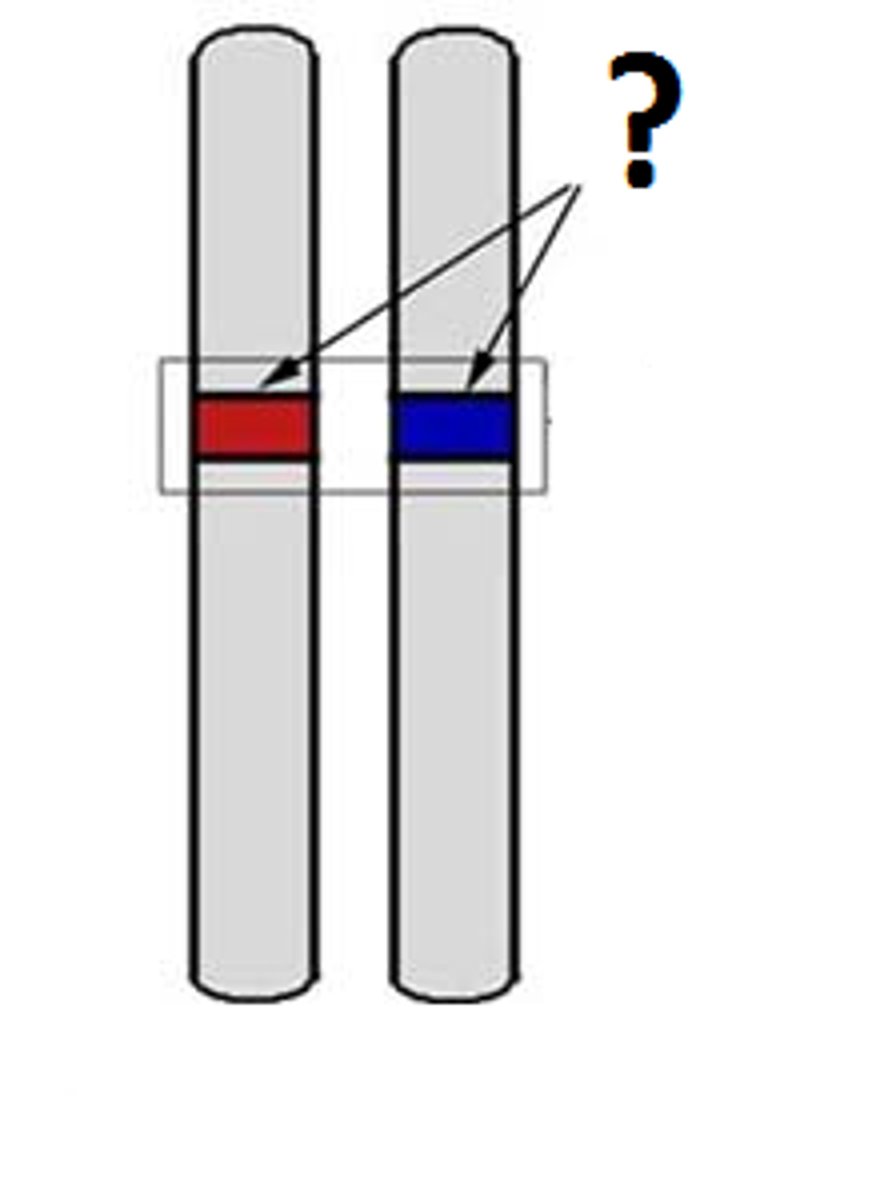
ALLELES

Two or more alternative forms of a gene that occupy the same position on paired chromosomes and affect the same trait.
<p>Two or more alternative forms of a gene that occupy the same position on paired chromosomes and affect the same trait.</p>
14
New cards

HOMOZYGOUS

- Possessing two identical alleles for a trait
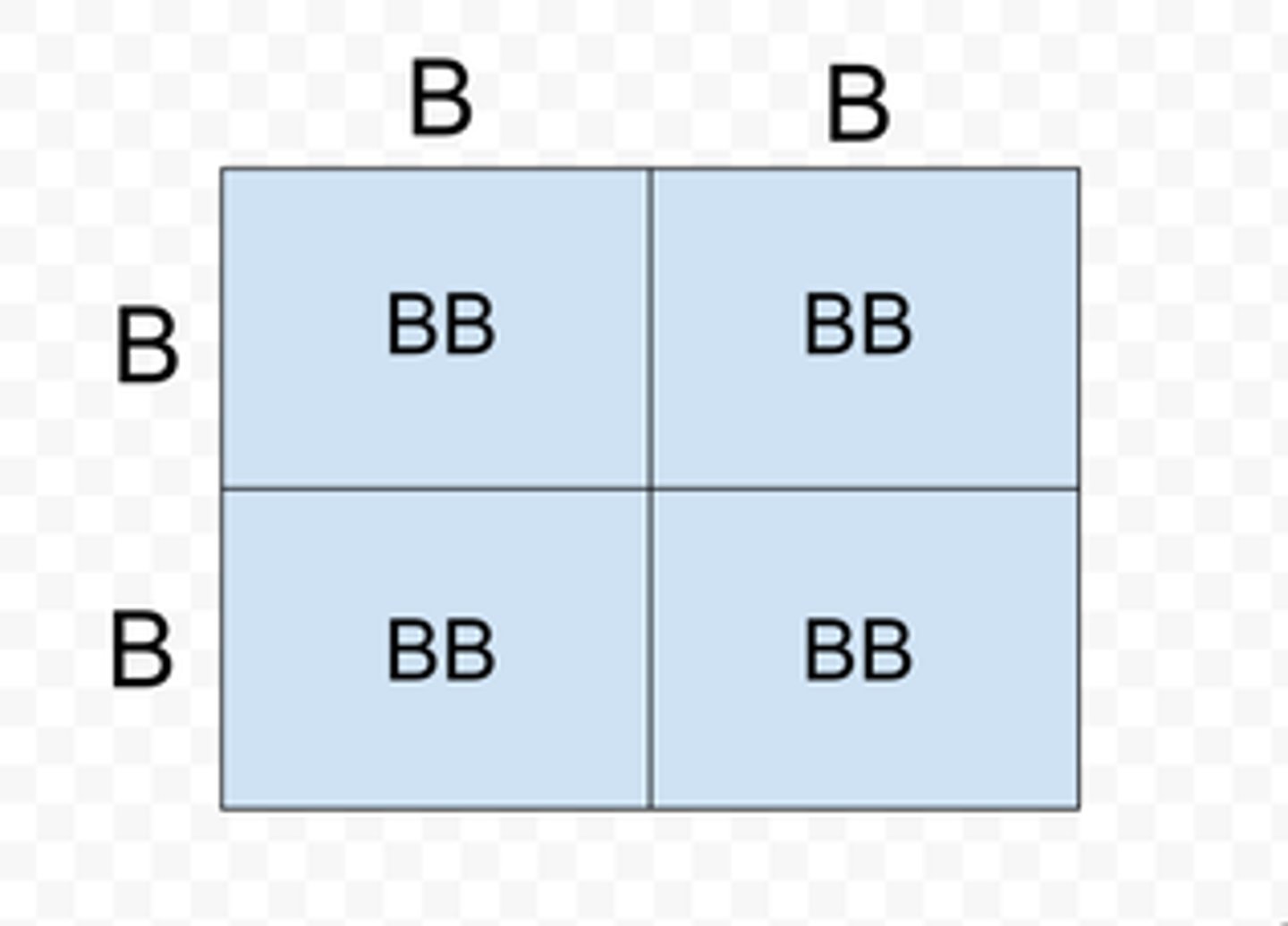
<p>- Possessing two identical alleles for a trait</p>
15
New cards

HETEROZYGOUS

- Possessing differing alleles for a trait
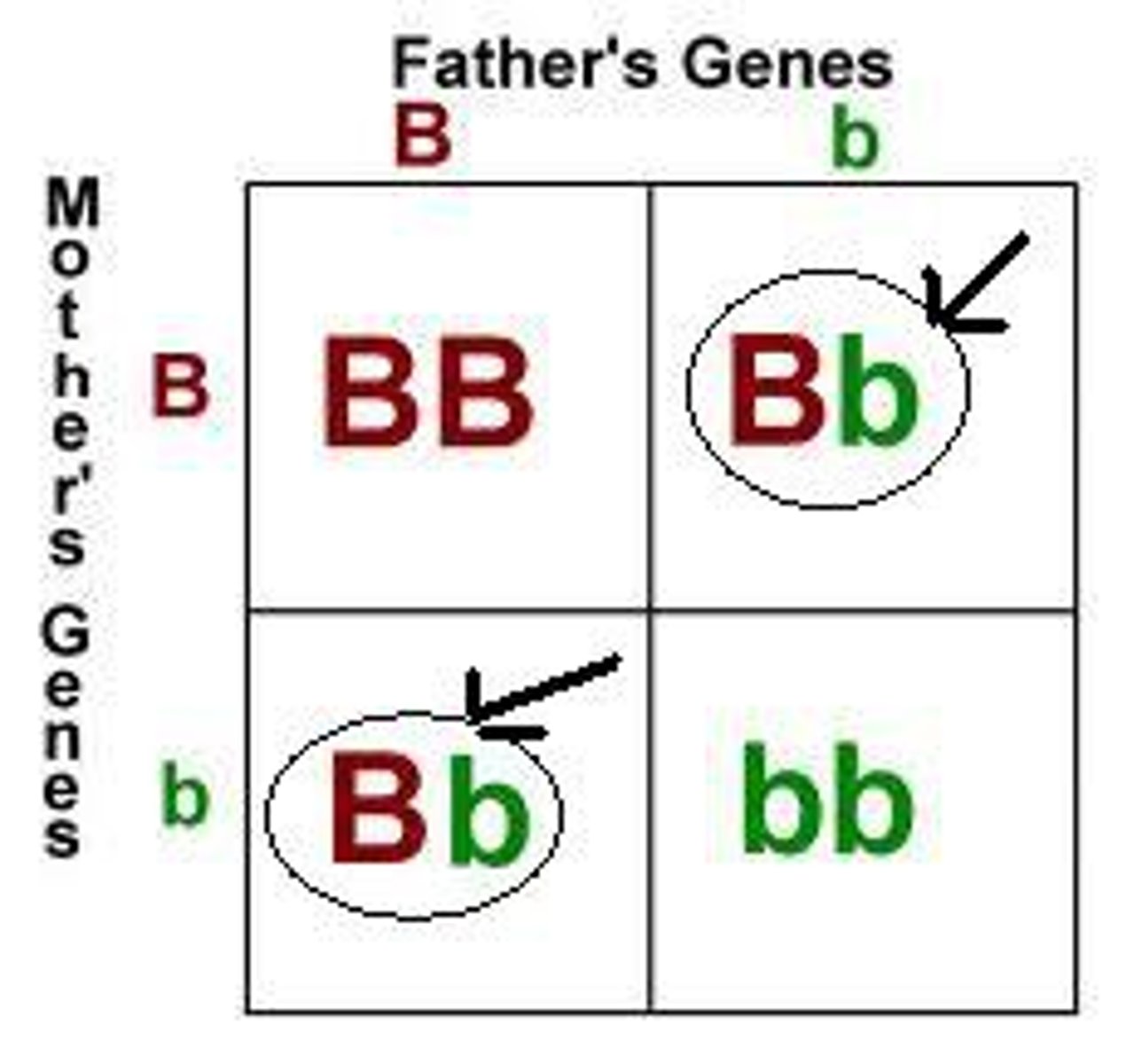
<p>- Possessing differing alleles for a trait</p>
16
New cards

DOMINANT GENE

- Pattern of inheritance in which, when a child receives different alleles, only the dominant one is expressed.

-Only one copy is needed for the trait to appear.

Example: Brown eyes usually dominate blue eyes.
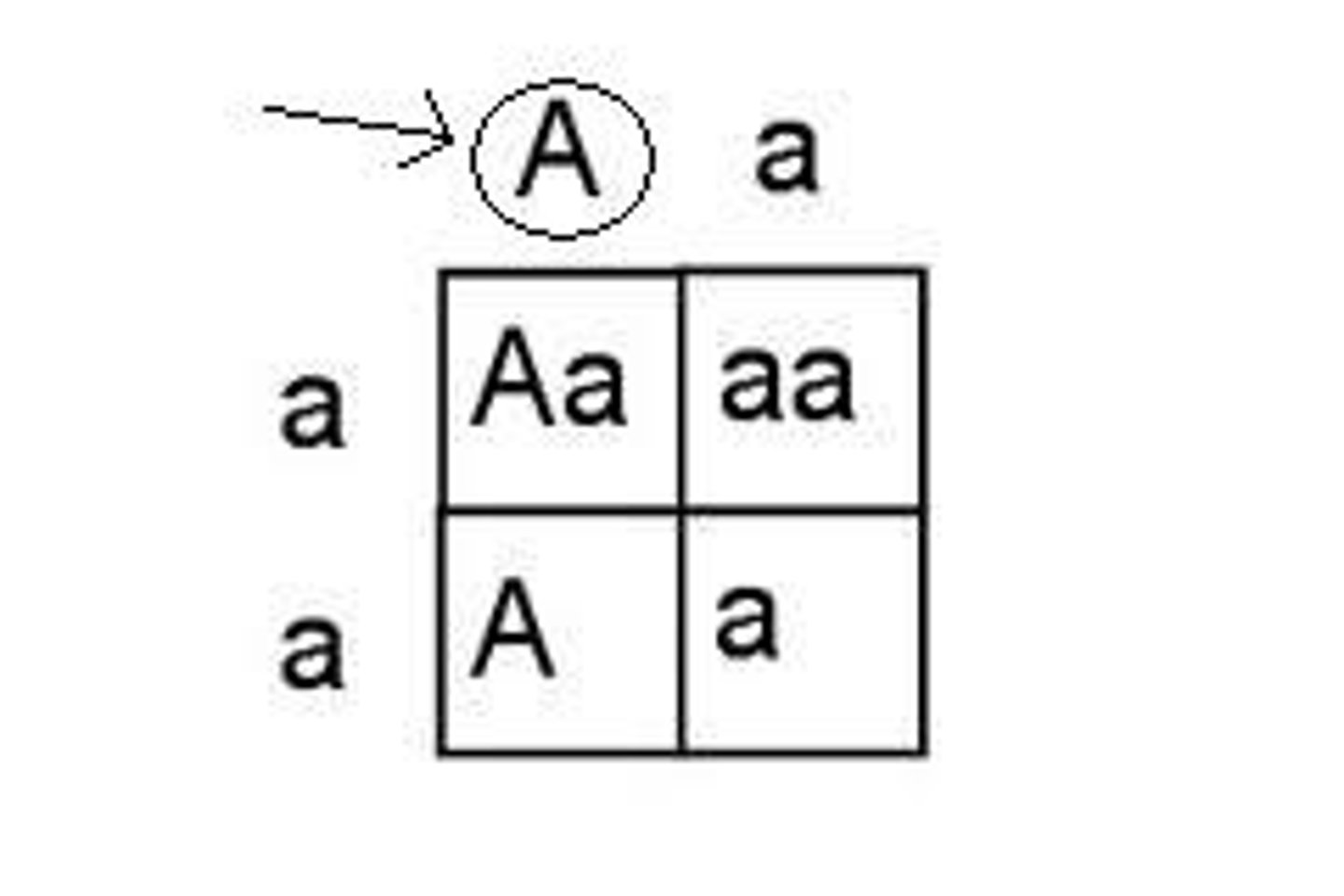
<p>- Pattern of inheritance in which, when a child receives different alleles, only the dominant one is expressed.</p><p>-Only one copy is needed for the trait to appear.</p><p>Example: Brown eyes usually dominate blue eyes.</p>
17
New cards

RECESSIVE GENE

- Pattern of inheritance in which a child receives identical recessive alleles, resulting in expression of a nondominant trait.

- Needs two copies to appear.

Example: Blue eyes appear only if both parents pass on the blue-eye gene
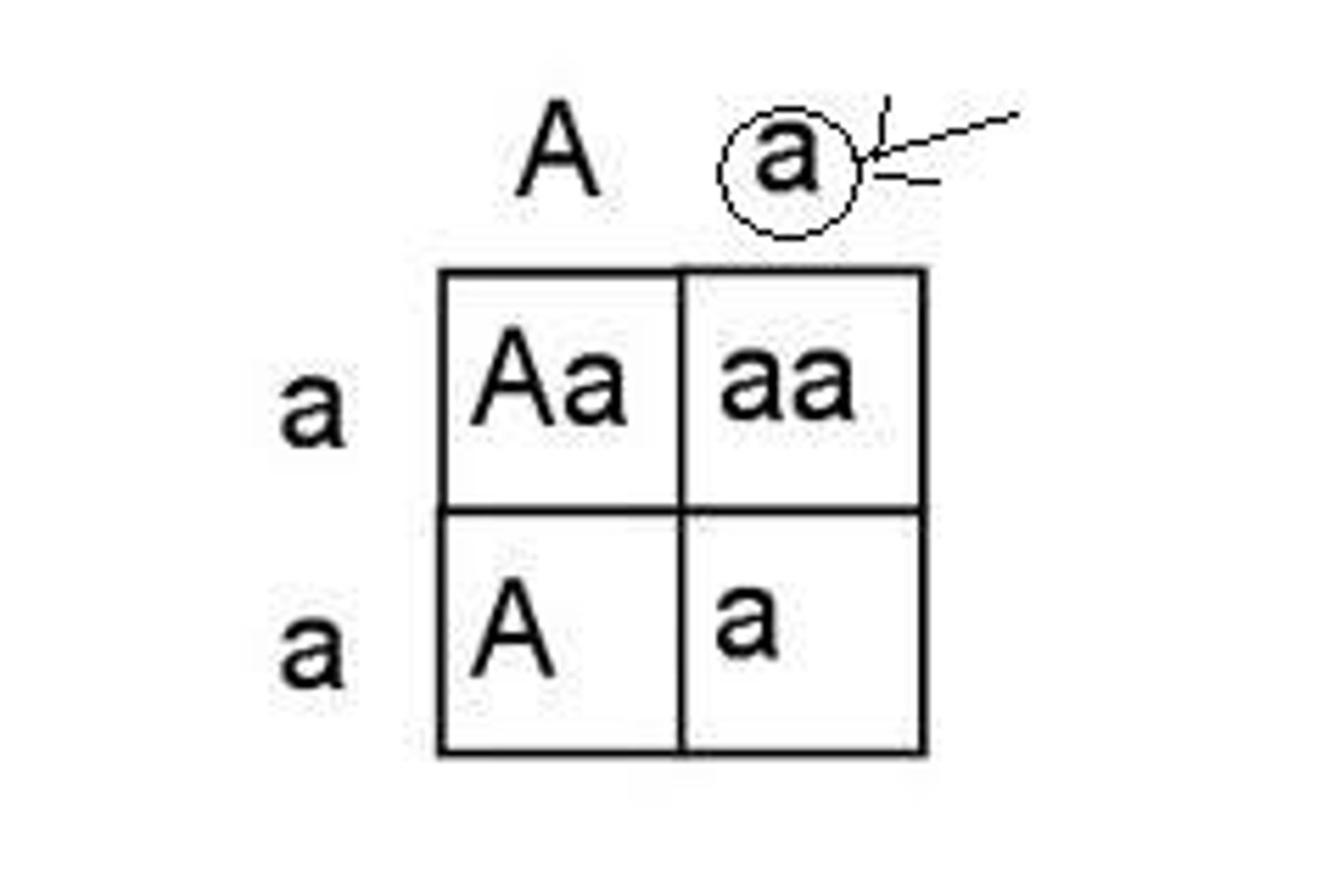
<p>- Pattern of inheritance in which a child receives identical recessive alleles, resulting in expression of a nondominant trait.</p><p>- Needs two copies to appear.</p><p>Example: Blue eyes appear only if both parents pass on the blue-eye gene</p>
18
New cards

Alpha thalassemia

- Its condition is a severe anemia that reduces the ability of the blood to carry oxygen; nearly all affected infants are stillborn or die soon after birth

-Those who are at risk are primarily families of Malaysian, African, and Southeast Asian descent

- It can be done through frequent blood transfusions
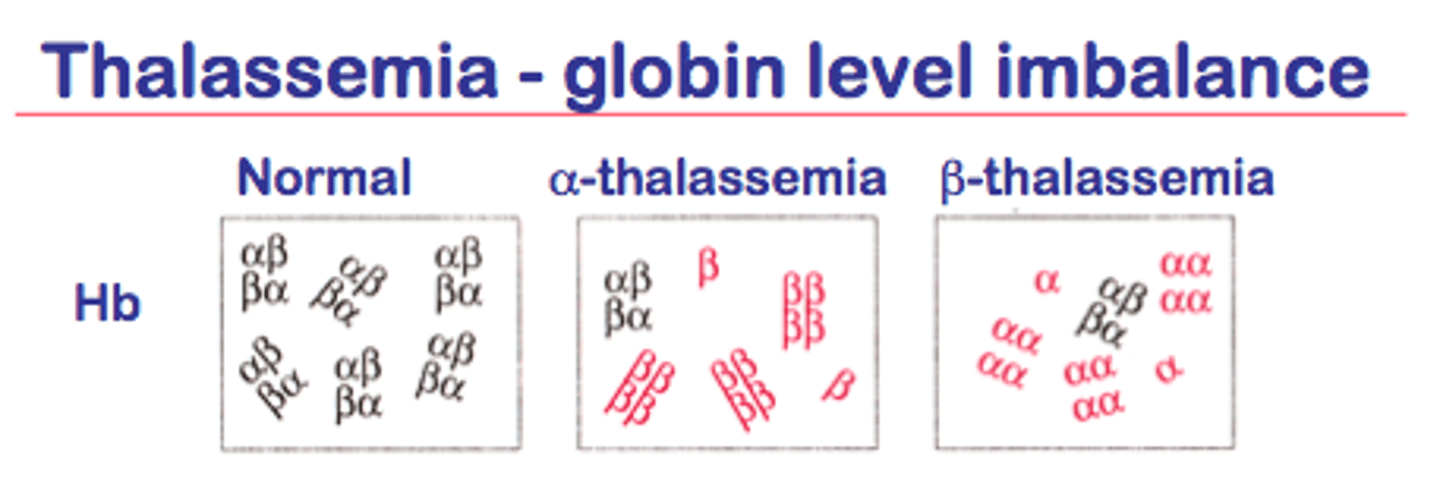
<p>- Its condition is a severe anemia that reduces the ability of the blood to carry oxygen; nearly all affected infants are stillborn or die soon after birth</p><p>-Those who are at risk are primarily families of Malaysian, African, and Southeast Asian descent</p><p>- It can be done through frequent blood transfusions</p>
19
New cards

Beta thalassemia (Cooley's anemia)

- Its condition is a severe anemia resulting in weakness, fatigue, and frequent illness; usually fatal in adolescence or young adulthood

- Those who are at risk are primarily families of Mediterranean descent

- It can be treated with frequent blood transfusions
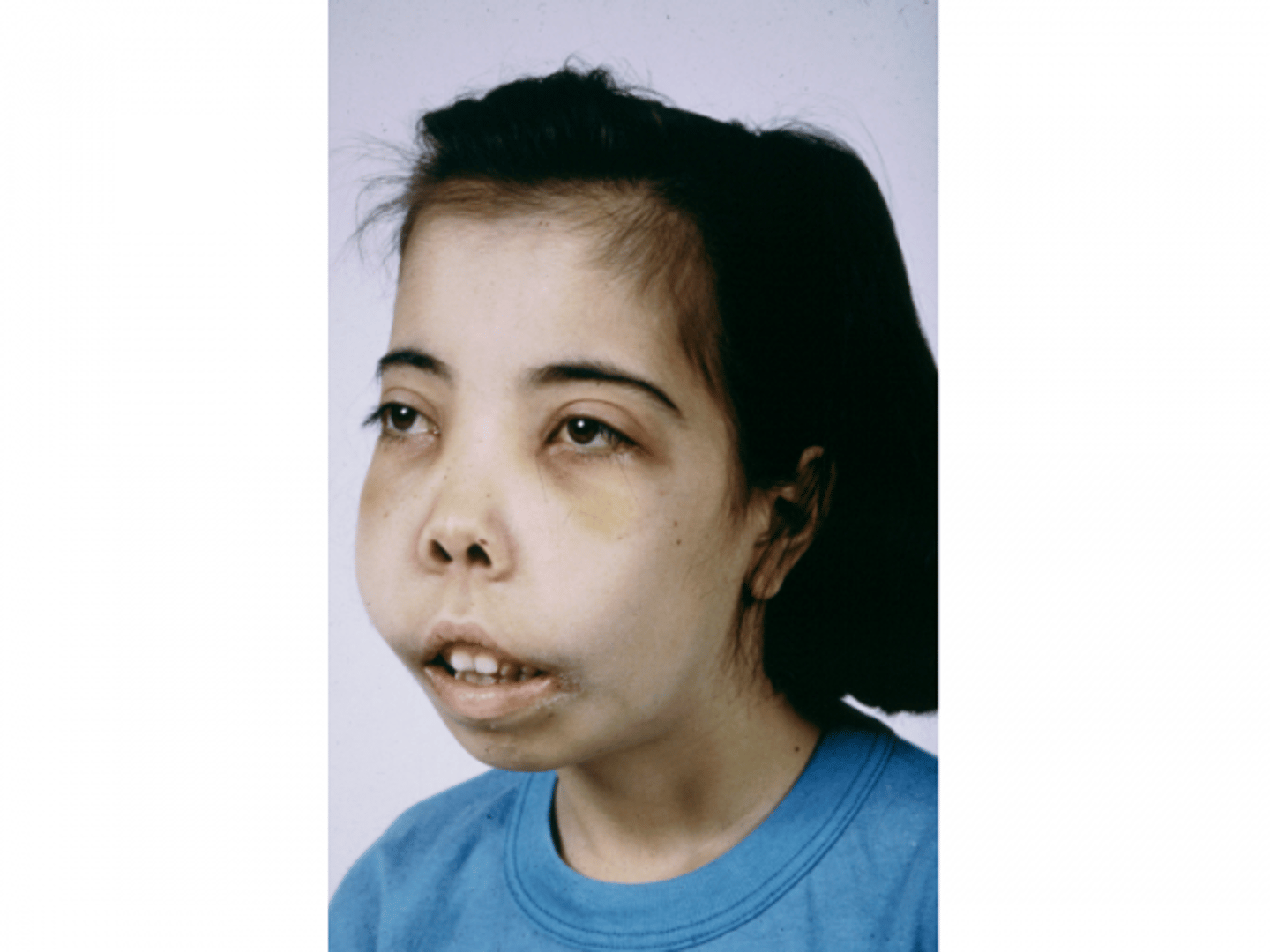
<p>- Its condition is a severe anemia resulting in weakness, fatigue, and frequent illness; usually fatal in adolescence or young adulthood</p><p>- Those who are at risk are primarily families of Mediterranean descent</p><p>- It can be treated with frequent blood transfusions</p>
20
New cards

Cystic fibrosis

- affects breathing and digestion

- its condition: overproduction of mucus, which collects in the lung and digestive tract; children do not grow normally, short life span; the most common inherited lethal defect among White people

- Those who are at risk are 1 in 2,000 White births

- It can be treated with Physical therapy to loosen mucus; antibiotics for lung infections; enzymes to improve digestion; lung transplant
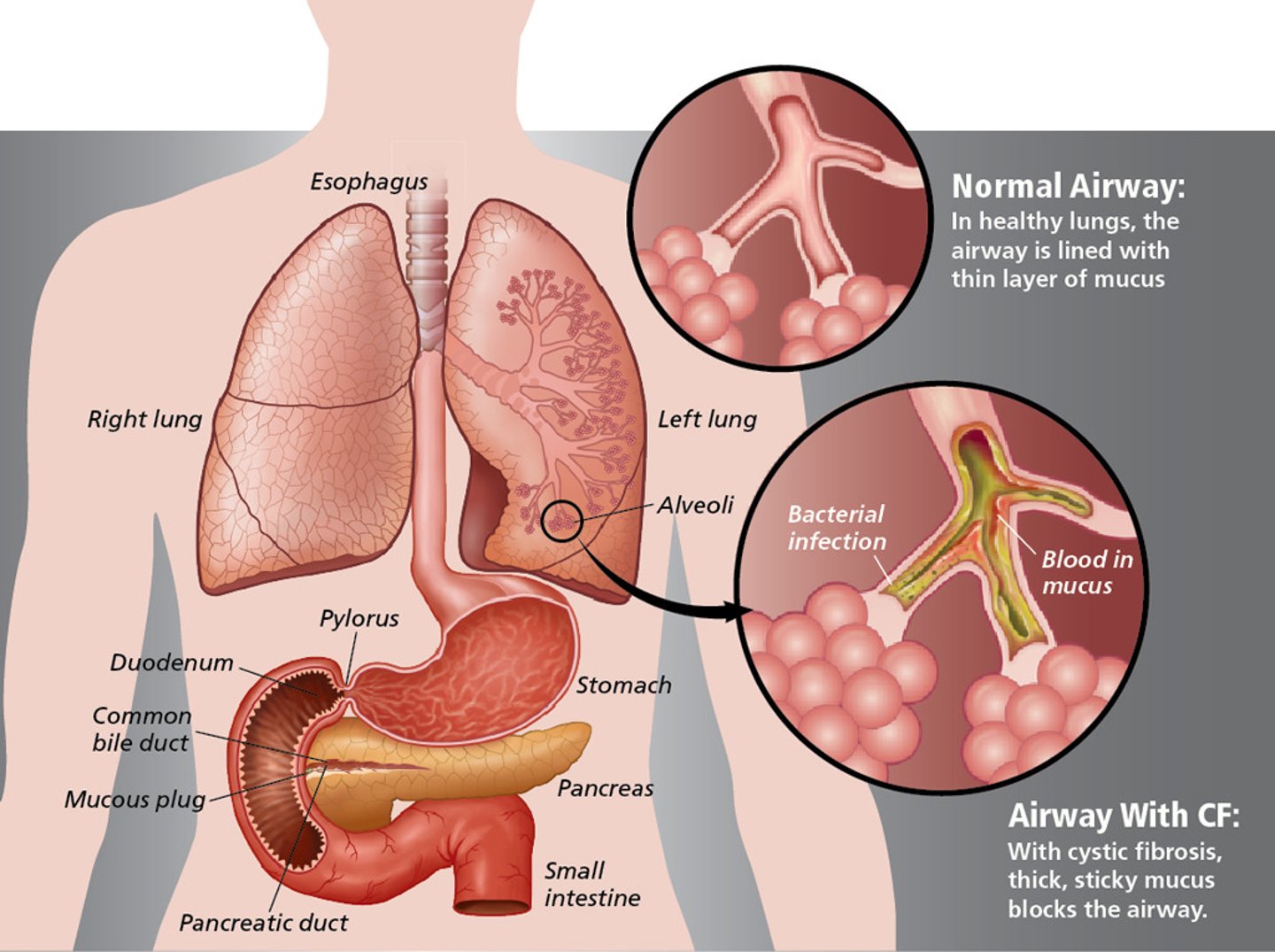
<p>- affects breathing and digestion</p><p>- its condition: overproduction of mucus, which collects in the lung and digestive tract; children do not grow normally, short life span; the most common inherited lethal defect among White people</p><p>- Those who are at risk are 1 in 2,000 White births</p><p>- It can be treated with Physical therapy to loosen mucus; antibiotics for lung infections; enzymes to improve digestion; lung transplant</p>
21
New cards

Duchenne muscular dystrophy

- Its condition is a Fatal disease usually found in males, marked by muscle weakness and minor intellectual disability; respiratory failure and death usually occur in young adulthood

- Those who are at risk are 1 in 3,000 to 5,000 male births

- However, it cant be treated because there is no treatment.
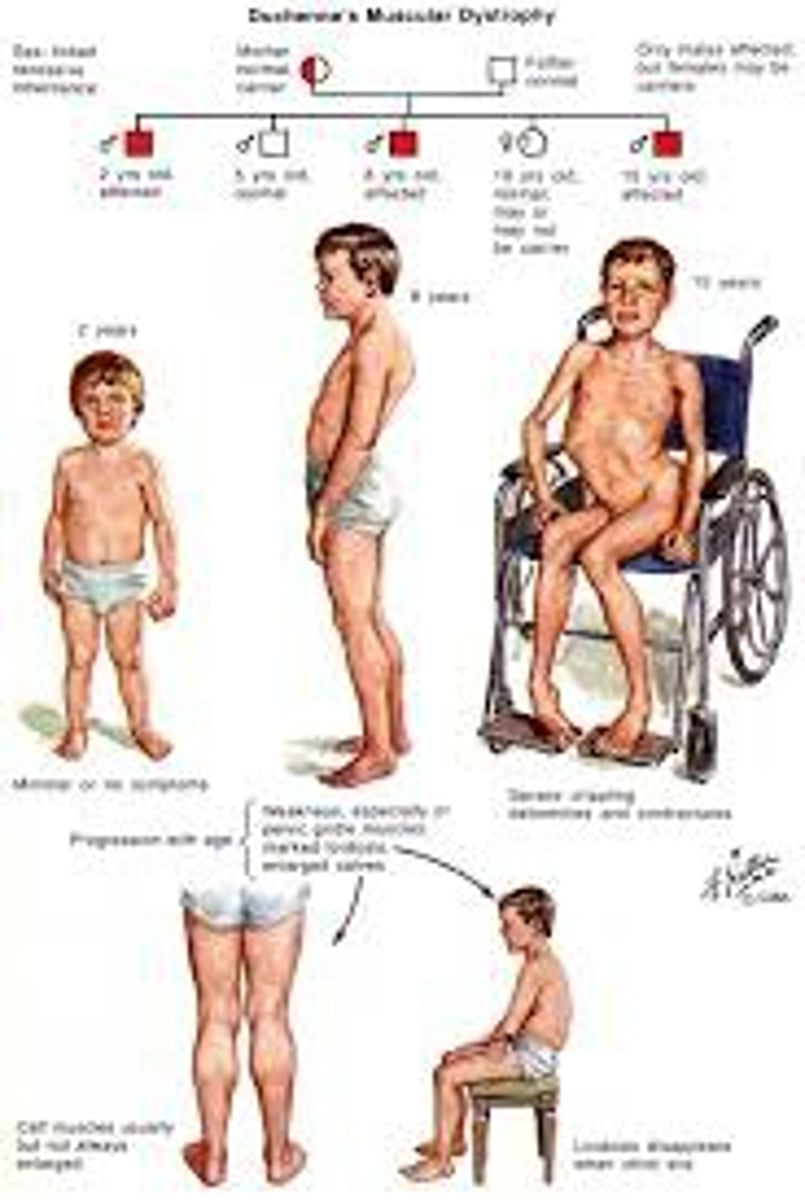
<p>- Its condition is a Fatal disease usually found in males, marked by muscle weakness and minor intellectual disability; respiratory failure and death usually occur in young adulthood</p><p>- Those who are at risk are 1 in 3,000 to 5,000 male births</p><p>- However, it cant be treated because there is no treatment.</p>
22
New cards

Hemophilia

-Its condition is excessive bleeding, usually affecting males; in its most severe form, it can lead to crippling arthritis in adulthood

- The ones who are at risk are 1 in 10,000 families with a history of this defect or disorder

- It can be treated through Frequent transfusions of blood with clotting factors
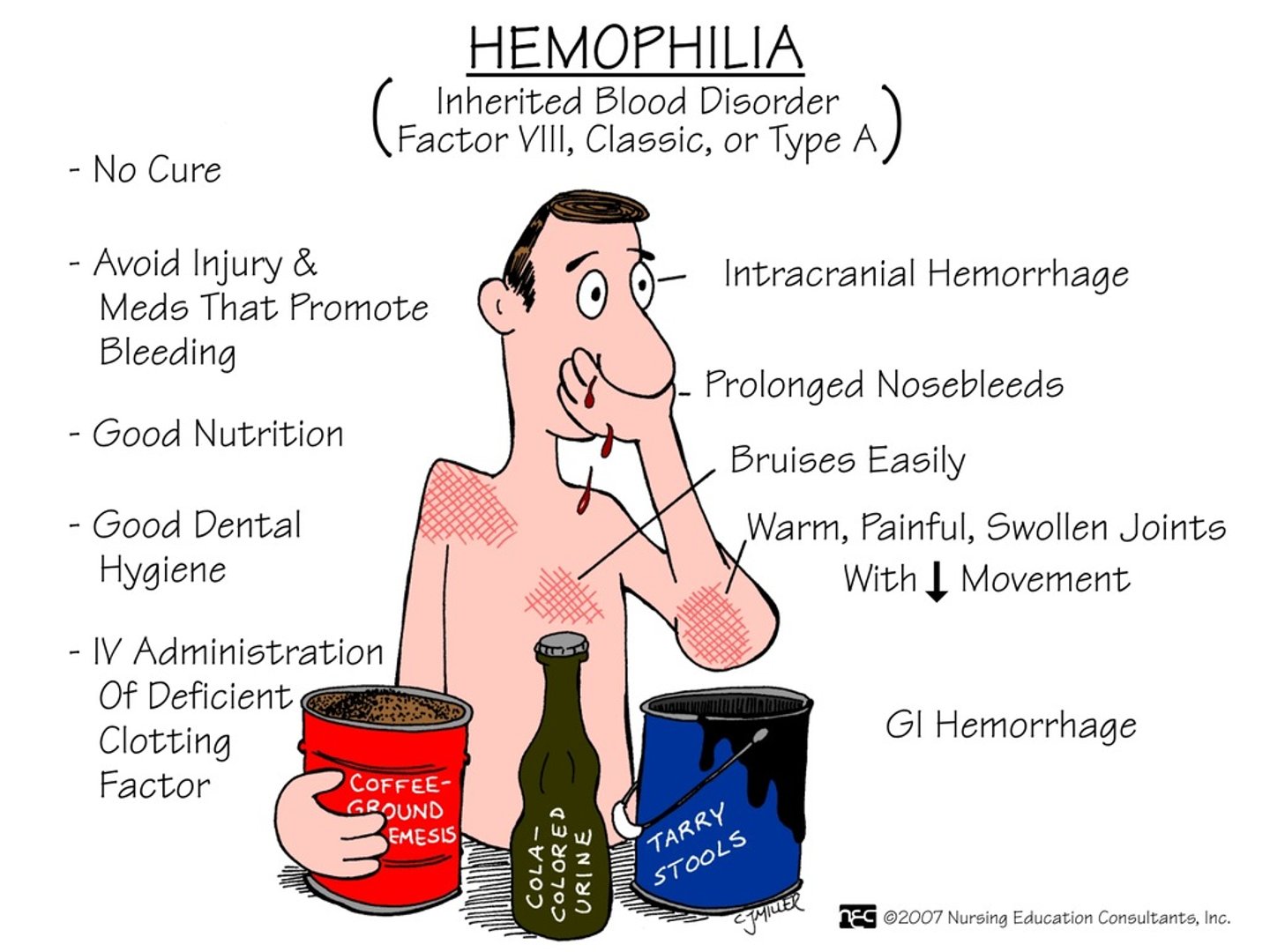
<p>-Its condition is excessive bleeding, usually affecting males; in its most severe form, it can lead to crippling arthritis in adulthood</p><p>- The ones who are at risk are 1 in 10,000 families with a history of this defect or disorder</p><p>- It can be treated through Frequent transfusions of blood with clotting factors</p>
23
New cards

Anencephaly

- Absence of brain tissues; infants are stillborn or die soon after birth

- Those who are at risk are 1 in 1,000

- However, it cant be treated because there is no treatment.
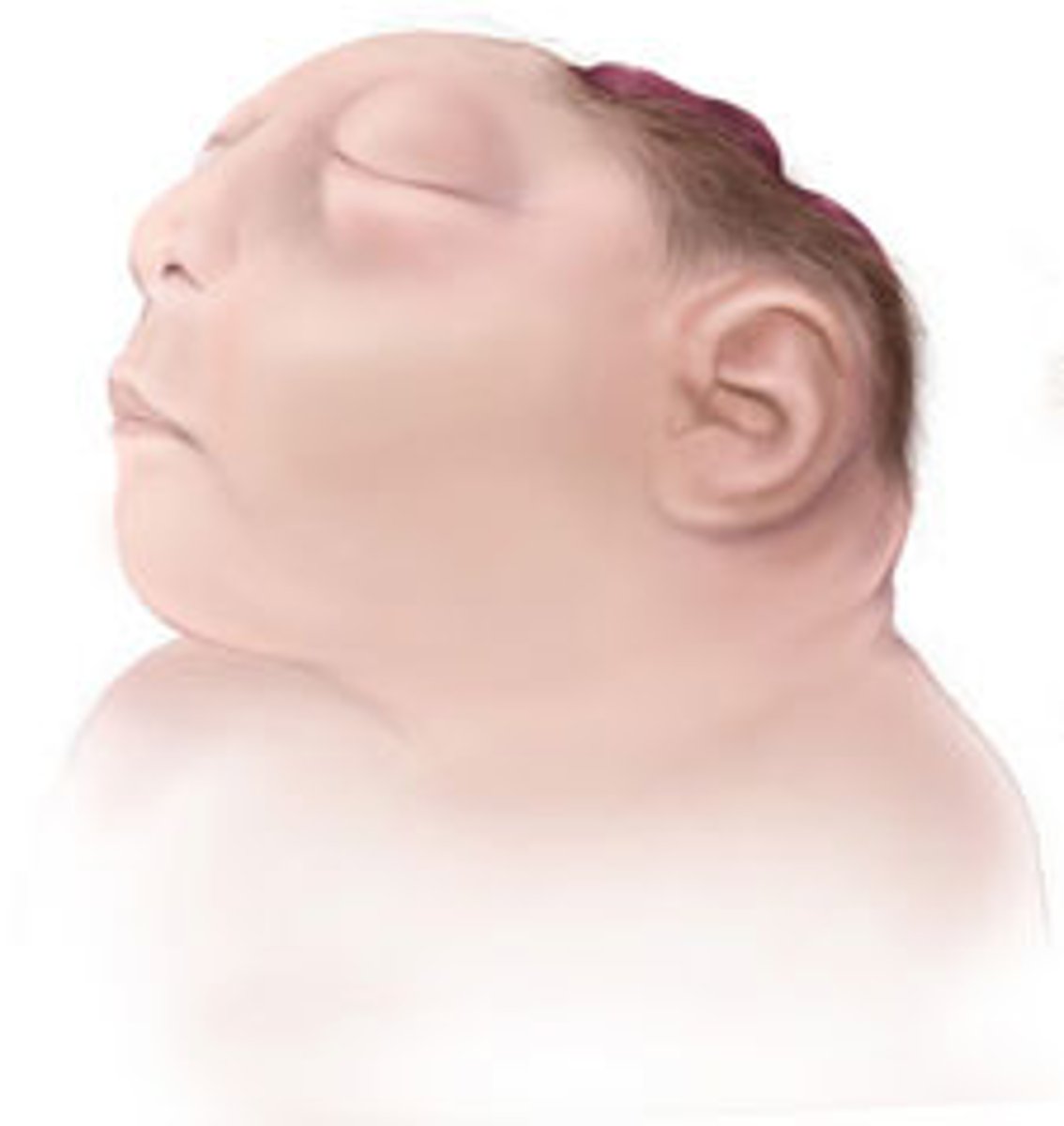
<p>- Absence of brain tissues; infants are stillborn or die soon after birth</p><p>- Those who are at risk are 1 in 1,000</p><p>- However, it cant be treated because there is no treatment.</p>
24
New cards

Spina bifida

- It's a condition that is an incompletely closed spinal canal, muscle weakness or paralysis, and loss of bladder and bowel control; often accompanied by hydrocephalus, an accumulation of spinal fluid in the brain, and intellectual disability

- Those who are at risk are 1 in 1,000

- It can be done through surgery, as this prevents further injury; a shunt placed in the brain drains excess fluid.
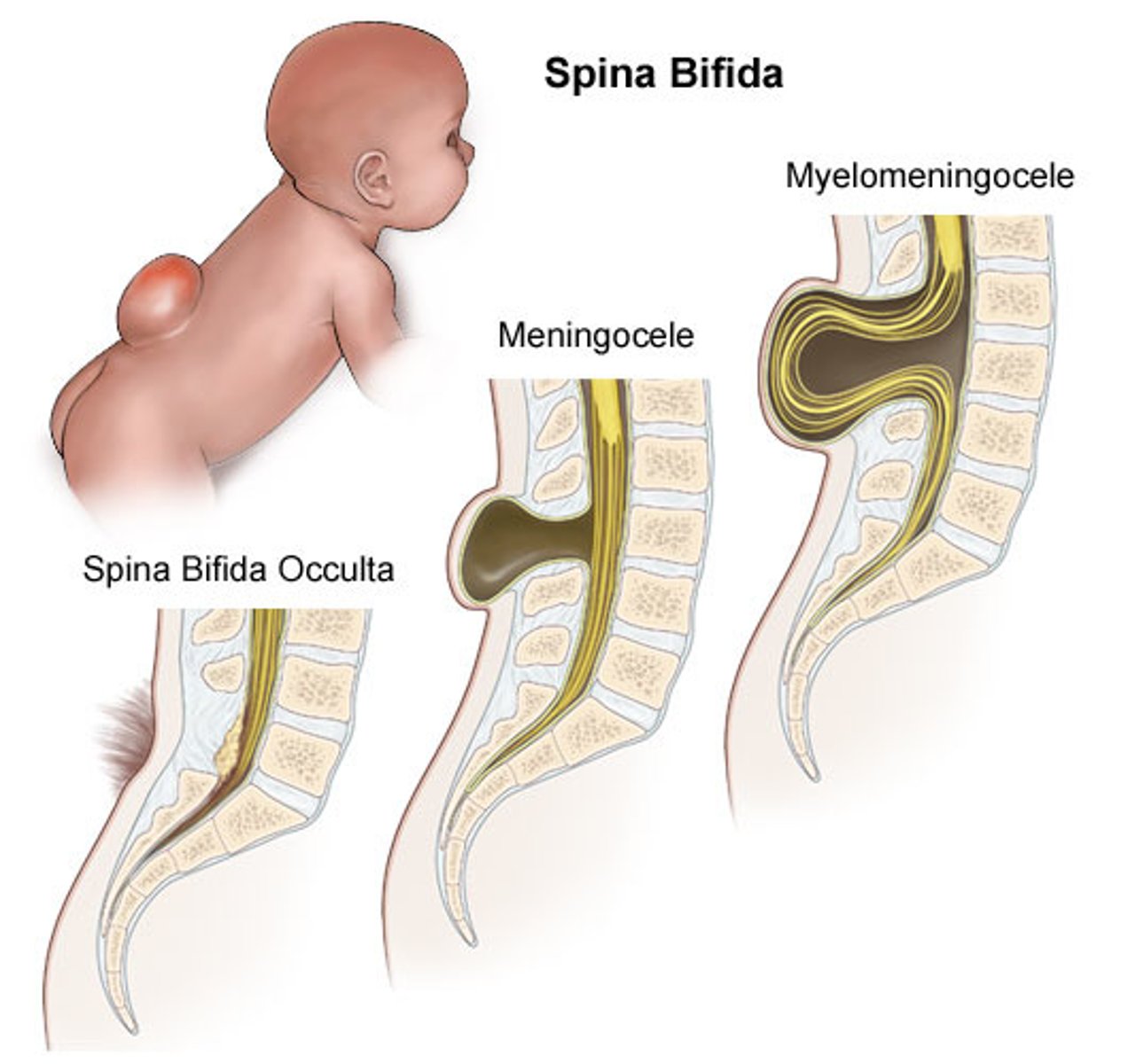
<p>- It's a condition that is an incompletely closed spinal canal, muscle weakness or paralysis, and loss of bladder and bowel control; often accompanied by hydrocephalus, an accumulation of spinal fluid in the brain, and intellectual disability</p><p>- Those who are at risk are 1 in 1,000</p><p>- It can be done through surgery, as this prevents further injury; a shunt placed in the brain drains excess fluid.</p>
25
New cards

Phenylketonuria (PKU)

- Its condition is a metabolic disorder resulting in intellectual disability.

- Those who are at risk are 1 in 15,000 births

- It can be done or treated through special diet can prevent intellectual disability

<p>- Its condition is a metabolic disorder resulting in intellectual disability.</p><p>- Those who are at risk are 1 in 15,000 births</p><p>- It can be done or treated through special diet can prevent intellectual disability</p>
26
New cards

Polycystic kidney disease

- It is conditioned as an Infantile form: enlarged kidneys, leading to respiratory problems and congestive heart failure.

- Those who are at risk 1 in 1,000

- It can be done through Kidney transplants
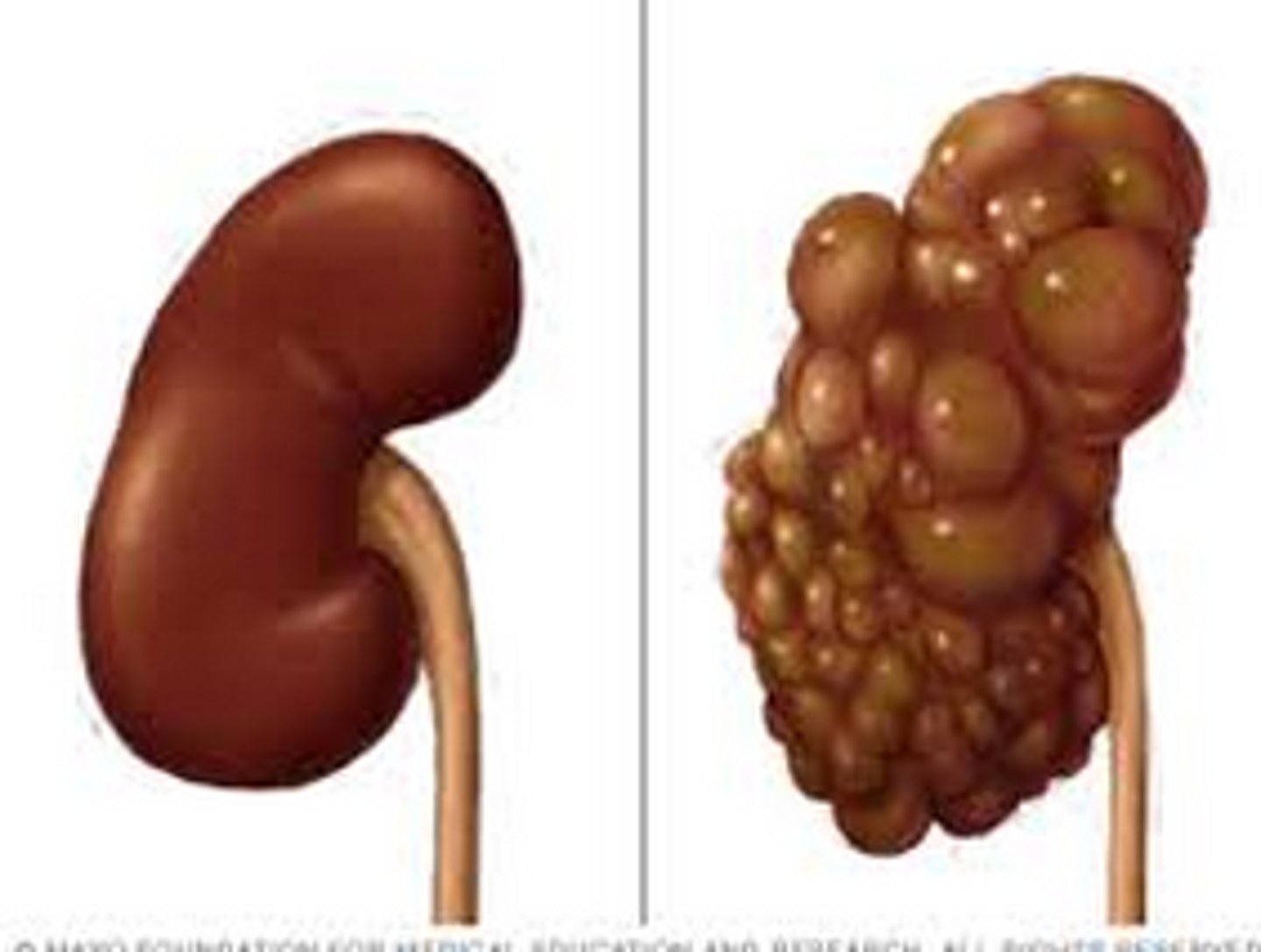
<p>- It is conditioned as an Infantile form: enlarged kidneys, leading to respiratory problems and congestive heart failure.</p><p>- Those who are at risk 1 in 1,000</p><p>- It can be done through Kidney transplants</p>
27
New cards

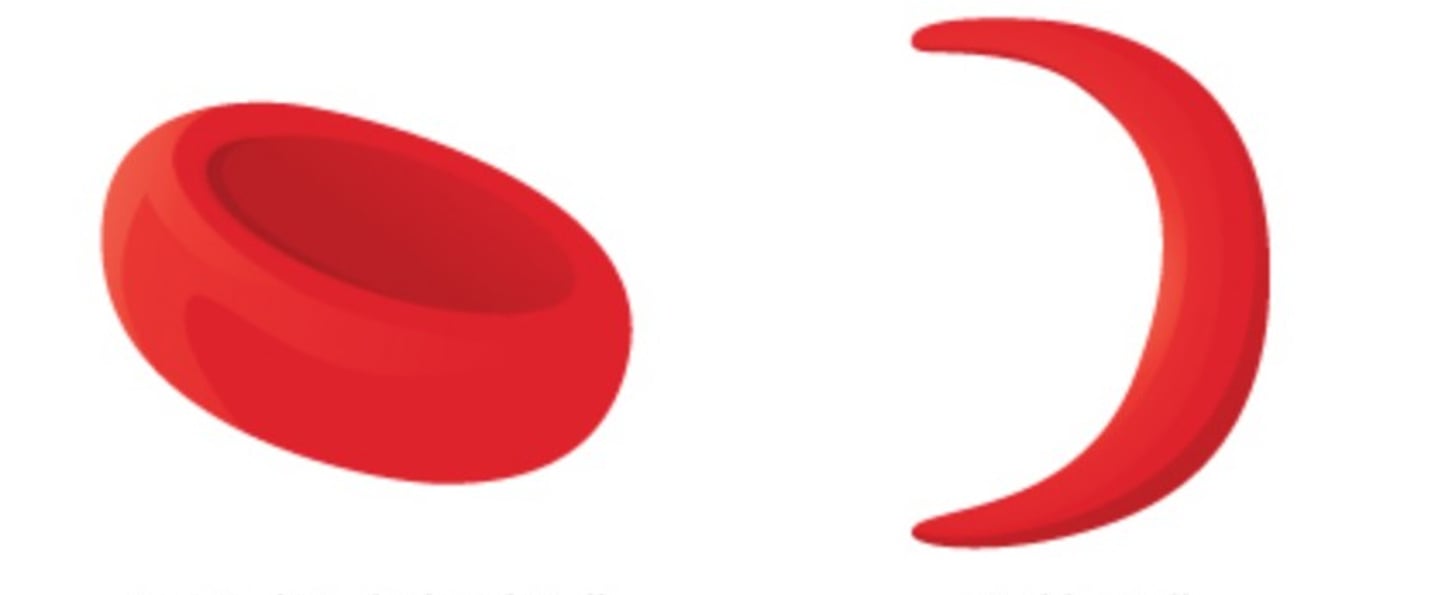
Sickle-cell anemia

- red blood cells become sickle-shaped

- can cause pain and anemia

- It is conditioned as deformed red blood cells that clog blooр vessels, depriving the body of oxygen; symptoms include severe pain, stunted growth, infections, leg ulcers, gallstones, pneumonia, and stroke

- those who are at risk are 1 in 500 African Americans

- it can be treated through painkillers, transfusions for anemia and to prevent stroke, and antibiotics for infections
<p>- red blood cells become sickle-shaped</p><p>- can cause pain and anemia</p><p>- It is conditioned as deformed red blood cells that clog blooр vessels, depriving the body of oxygen; symptoms include severe pain, stunted growth, infections, leg ulcers, gallstones, pneumonia, and stroke</p><p>- those who are at risk are 1 in 500 African Americans</p><p>- it can be treated through painkillers, transfusions for anemia and to prevent stroke, and antibiotics for infections</p>
28
New cards

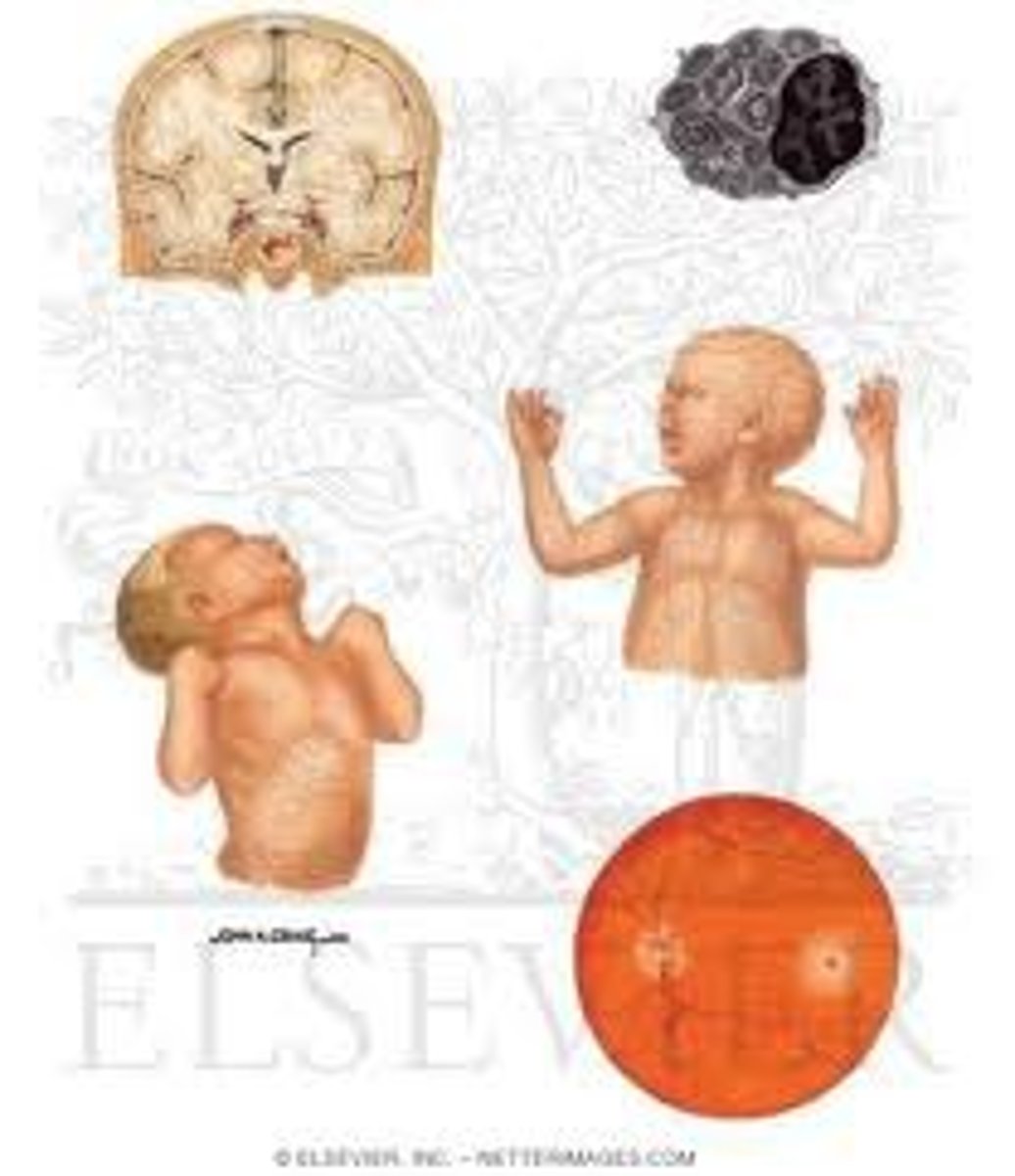
Tay-Sachs disease

- It is conditioned as a degenerative disease of the brain and nerve cells, resulting in death before age 5

- Those who are at risk are primarily found in Eastern European Jewish families

- However, it cant be treated because there is no treatment.
<p>- It is conditioned as a degenerative disease of the brain and nerve cells, resulting in death before age 5</p><p>- Those who are at risk are primarily found in Eastern European Jewish families</p><p>- However, it cant be treated because there is no treatment.</p>
29
New cards

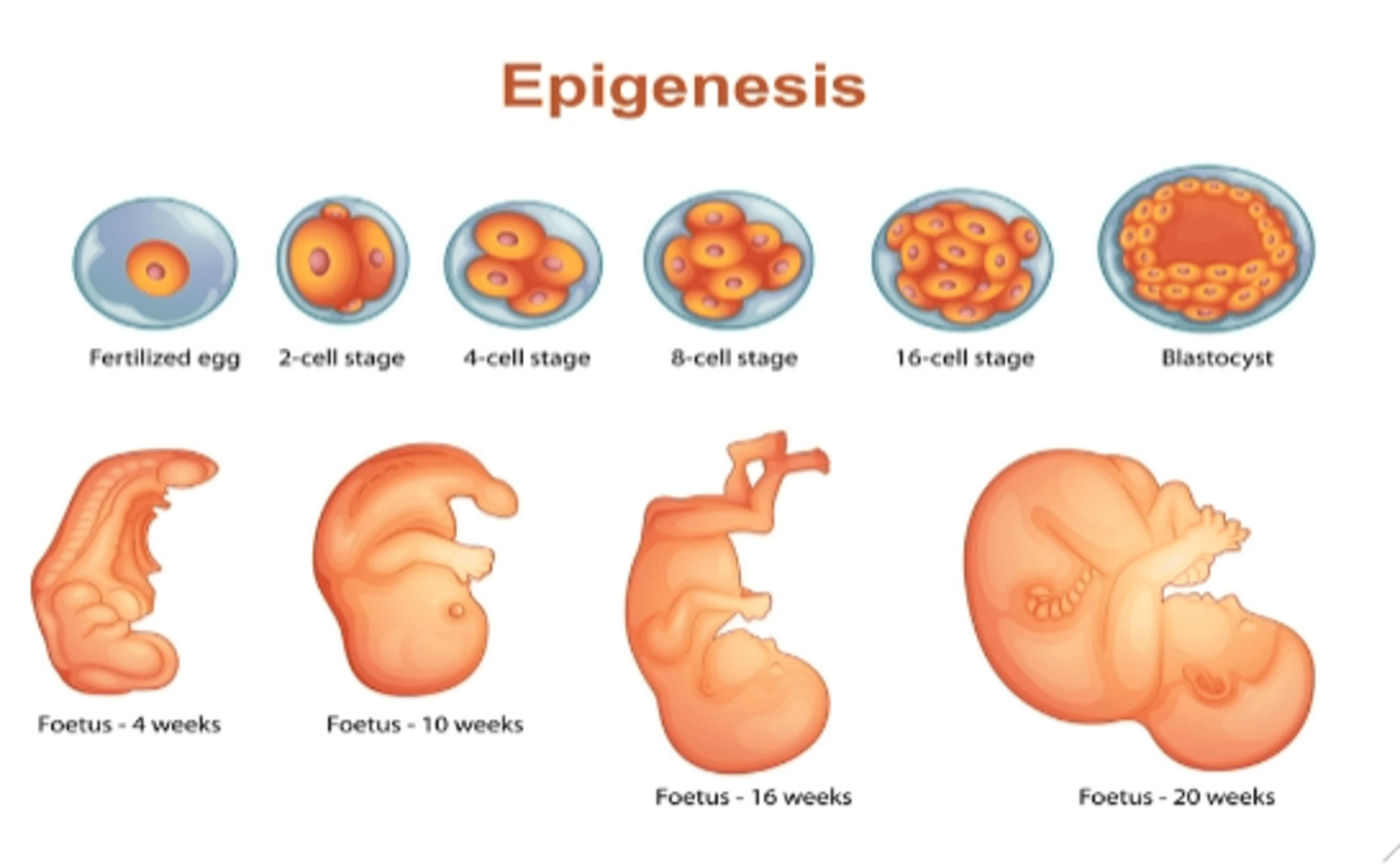
EPIGENESIS

- mechanism that turns genes on or off and determines functions of body cells. - the idea that our genes provide the potential, but our environment and experiences influence how that potential develops.
<p>- mechanism that turns genes on or off and determines functions of body cells. - the idea that our genes provide the potential, but our environment and experiences influence how that potential develops.</p>
30
New cards

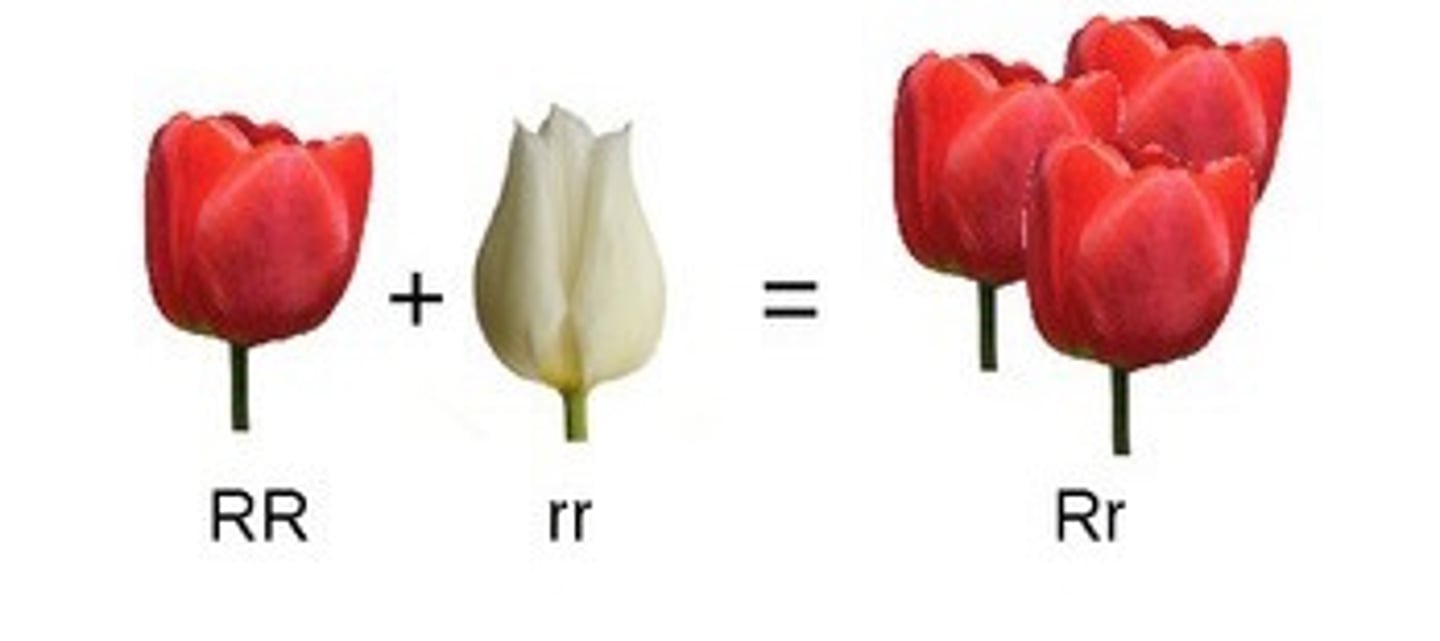
Complete Dominance

One trait completely hides the other (e.g., brown eyes over blue eyes).
<p>One trait completely hides the other (e.g., brown eyes over blue eyes).</p>
31
New cards

Incomplete Dominance

The traits blend to produce an intermediate appearance (e.g., red + white flowers = pink flowers).
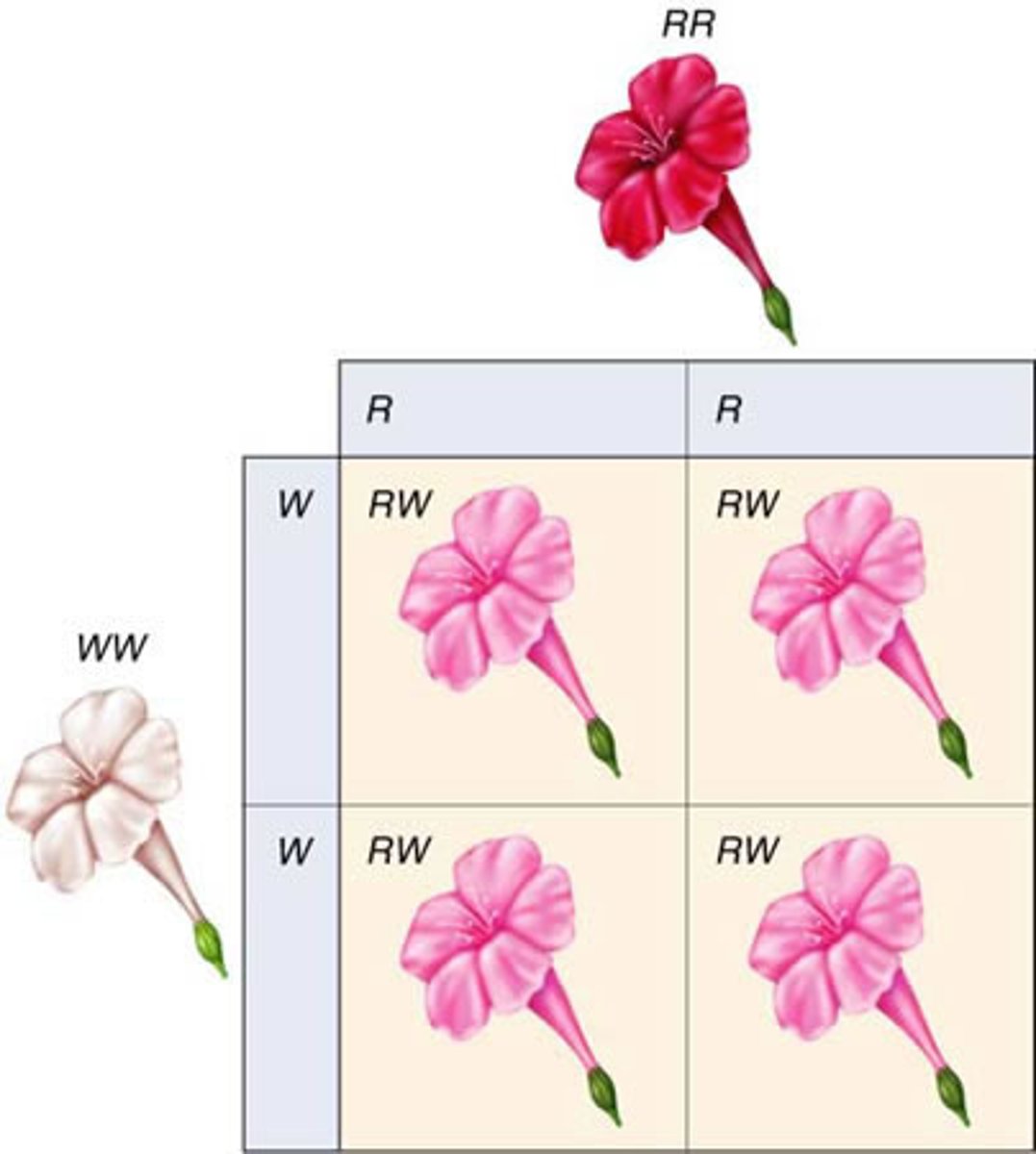
<p>The traits blend to produce an intermediate appearance (e.g., red + white flowers = pink flowers).</p>
32
New cards

Codominance

Both traits are fully expressed at the same time (e.g., AB blood type).
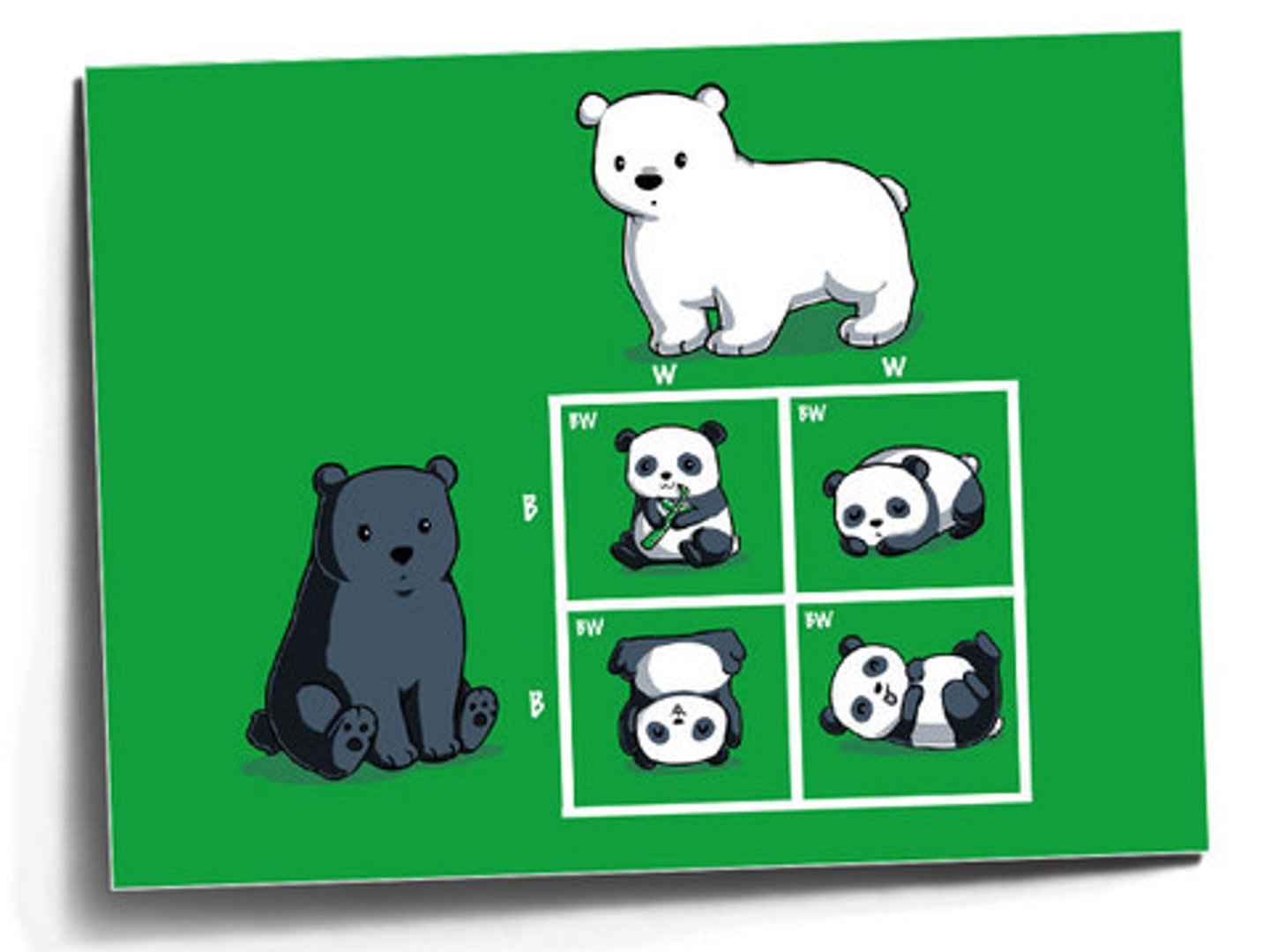
<p>Both traits are fully expressed at the same time (e.g., AB blood type).</p>
33
New cards

SEX-LINKED INHERITANCE

- Pattern of inheritance in which certain characteristics carried on the X chromosome inherited from the mother are transmitted differently to her male and female offspring.

- Because males (XY) have only one X chromosome, they are more likely to express X-linked disorders
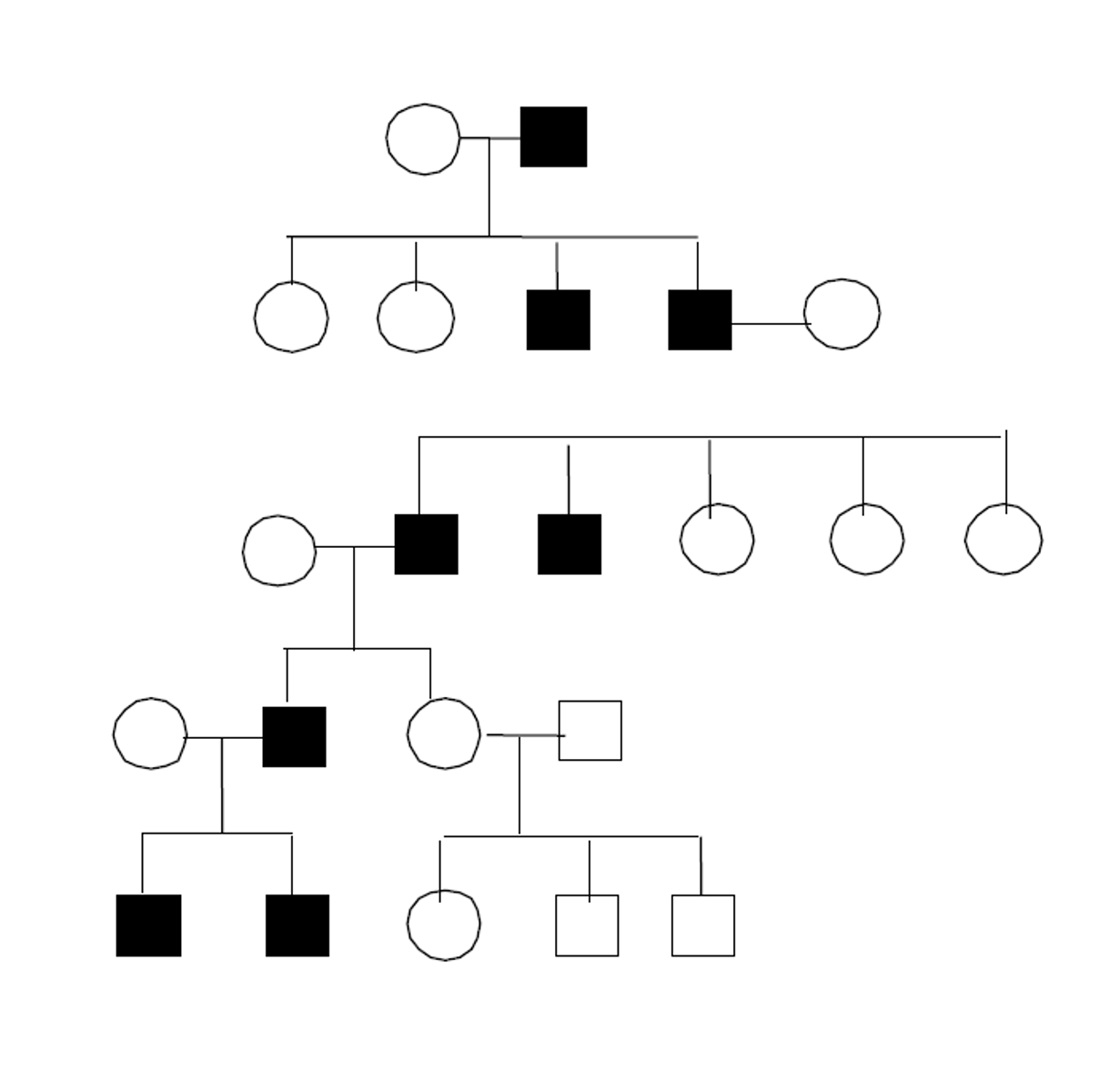
<p>- Pattern of inheritance in which certain characteristics carried on the X chromosome inherited from the mother are transmitted differently to her male and female offspring.</p><p>- Because males (XY) have only one X chromosome, they are more likely to express X-linked disorders</p>
34
New cards

XYY

- Its characteristics are Male; tall stature; tendency toward low IQ, especially verbal

-Its incidence are 1 in 1,000 male births

- No special treatment
<p>- Its characteristics are Male; tall stature; tendency toward low IQ, especially verbal</p><p>-Its incidence are 1 in 1,000 male births</p><p>- No special treatment</p>
35
New cards

XXX (triple X)

- Its characteristics are a Female, normal appearance, menstrual irregularities, learning disorders, and intellectual disability

- Its Incidence 1 in 1,000 female births

- Its treatment is Special education
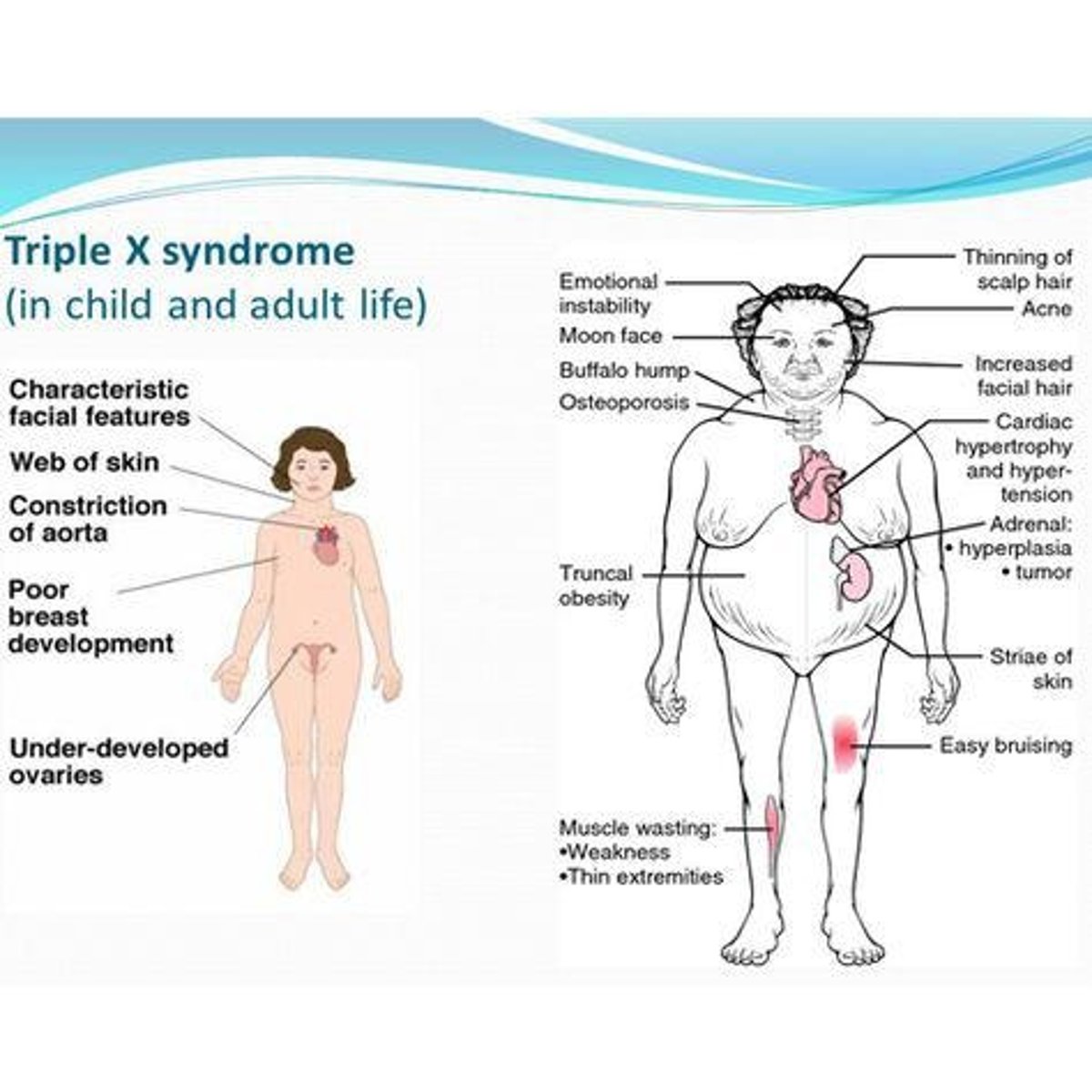
<p>- Its characteristics are a Female, normal appearance, menstrual irregularities, learning disorders, and intellectual disability</p><p>- Its Incidence 1 in 1,000 female births</p><p>- Its treatment is Special education</p>
36
New cards

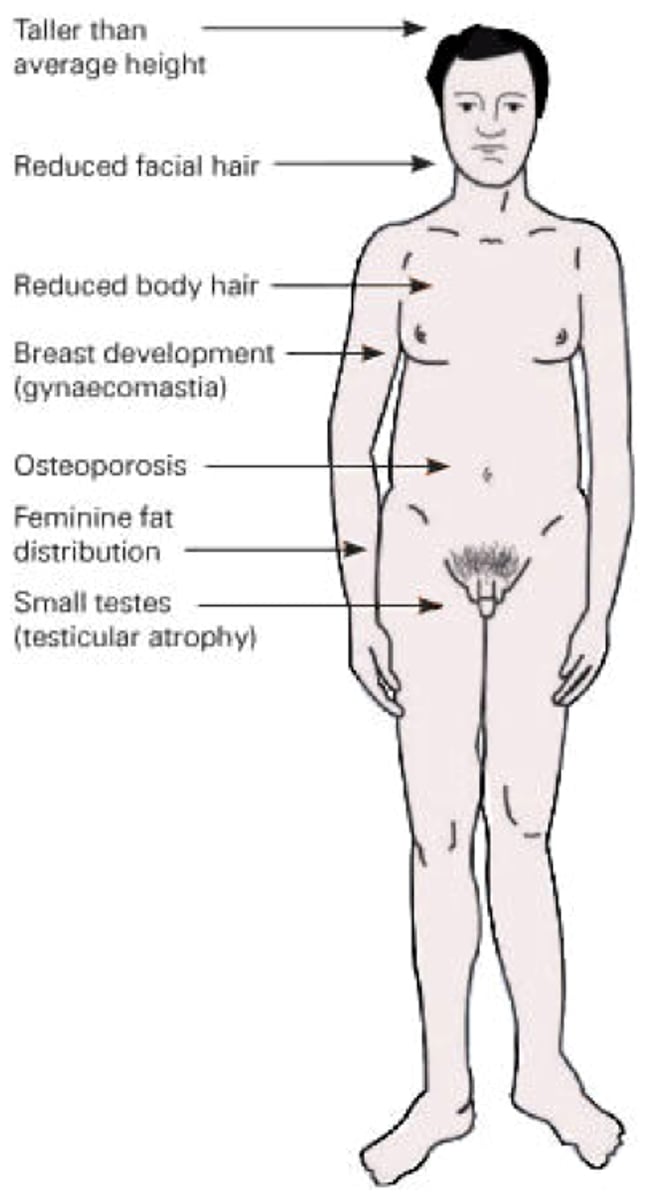
XXY (Klinefelter)

- Its characteristics are Male; sterility, underdeveloped secondary sex characteristics, small testes, and learning disorders

- its incidence 1 in 1,000 male births

- Its treatments are Hormone therapy, special education
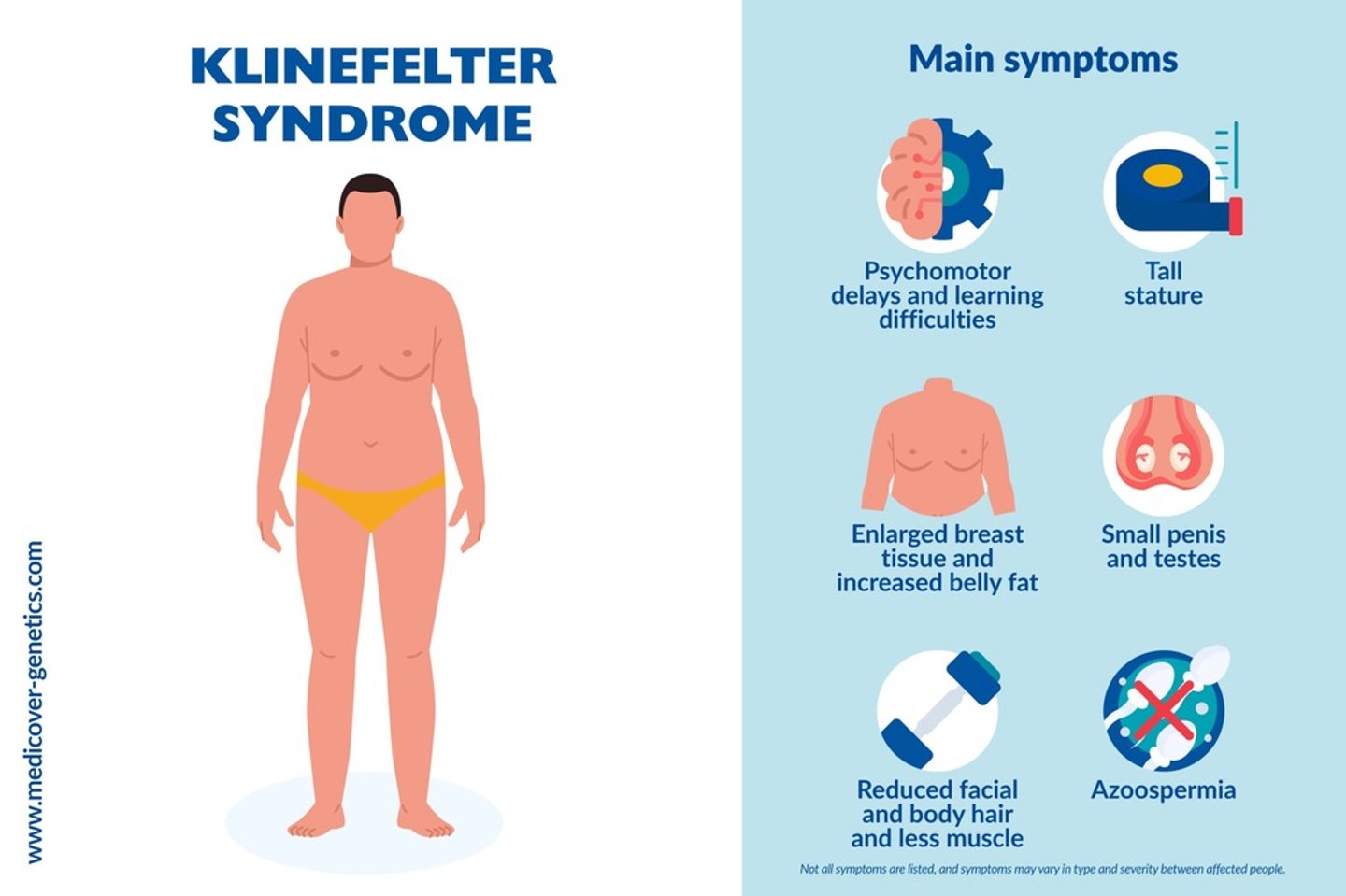
<p>- Its characteristics are Male; sterility, underdeveloped secondary sex characteristics, small testes, and learning disorders</p><p>- its incidence 1 in 1,000 male births</p><p>- Its treatments are Hormone therapy, special education</p>
37
New cards

XO (Turner)

- Its characteristics are Female; short stature, webbed neck, impaired spatial abilities, no menstruation, infertility, and underdeveloped sex organs

- Its incidence is 1 in 1,500 to 2,500 female births

- Its treatment is hormone therapy and special education
<p>- Its characteristics are Female; short stature, webbed neck, impaired spatial abilities, no menstruation, infertility, and underdeveloped sex organs</p><p>- Its incidence is 1 in 1,500 to 2,500 female births</p><p>- Its treatment is hormone therapy and special education</p>
38
New cards

Fragile X

- Its characteristics: Minor-to-severe intellectual disability, more severe in males; delayed speech and motor development, hyperactivity; the most common inherited form of intellectual disability

- Its incidence: 1 in 1,200 male births; 1 in 2,000 female births

- Its treatment Educational and behavioral therapies when needed
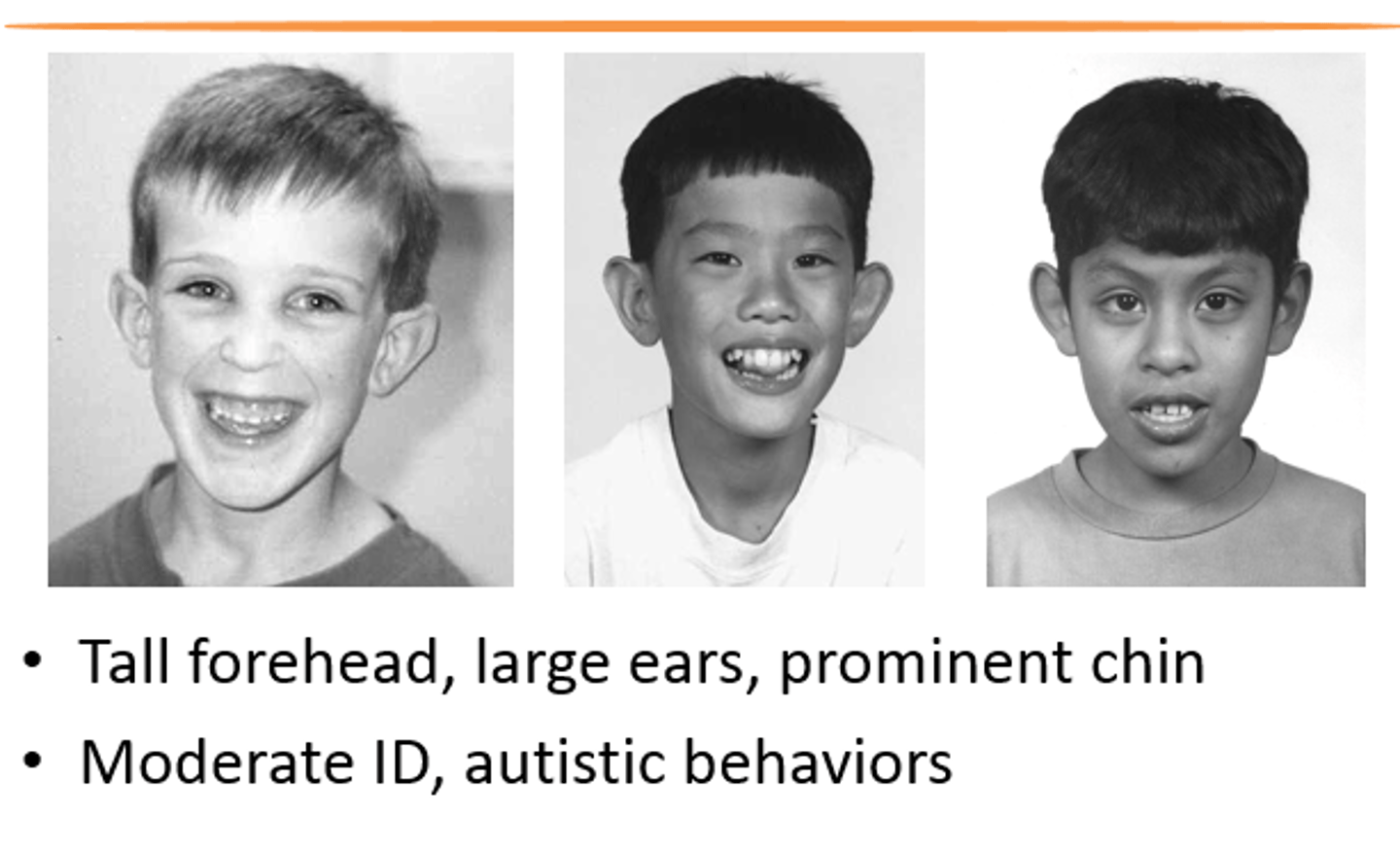
<p>- Its characteristics: Minor-to-severe intellectual disability, more severe in males; delayed speech and motor development, hyperactivity; the most common inherited form of intellectual disability</p><p>- Its incidence: 1 in 1,200 male births; 1 in 2,000 female births</p><p>- Its treatment Educational and behavioral therapies when needed</p>
39
New cards

Passive Correlation

Example: Parents who love reading pass on genes related to verbal ability and also fill the home with books.
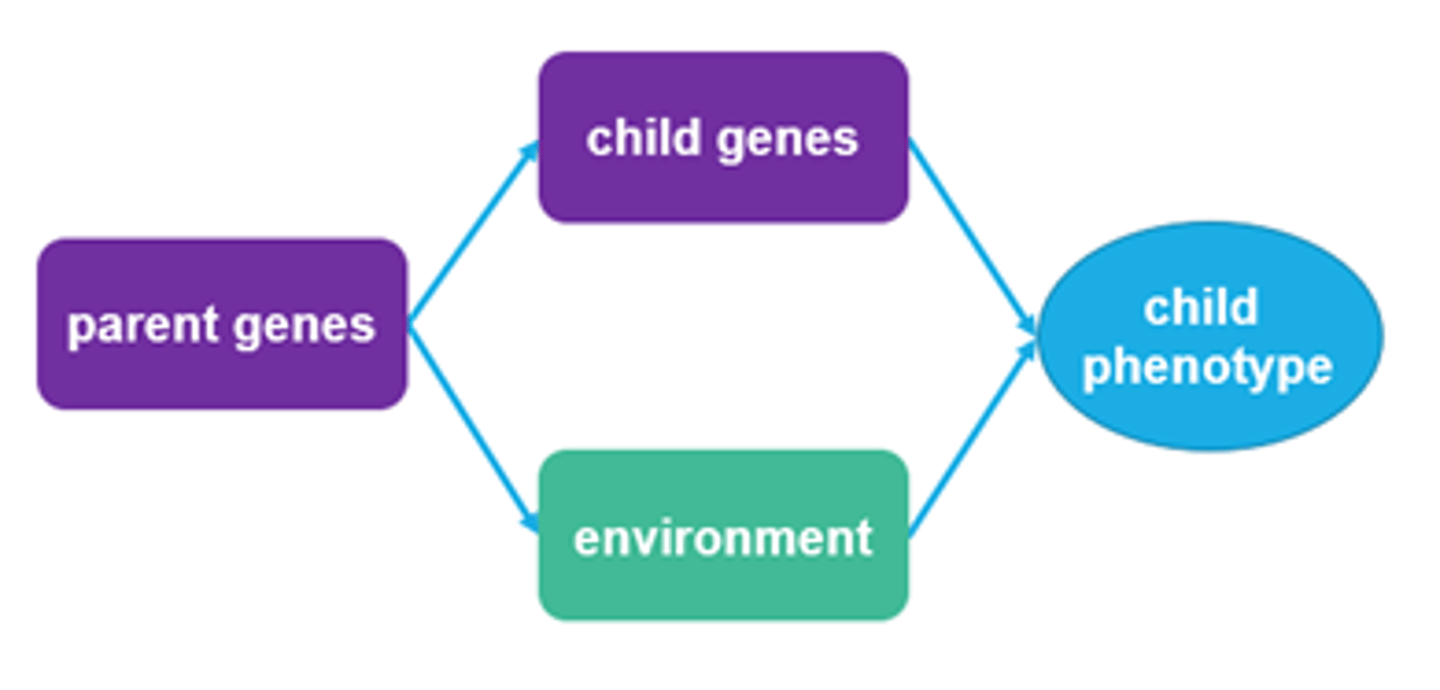
<p>Example: Parents who love reading pass on genes related to verbal ability and also fill the home with books.</p>
40
New cards

Evocative Correlation

Example: A naturally cheerful baby receives more smiles, attention, and positive interactions from adults.
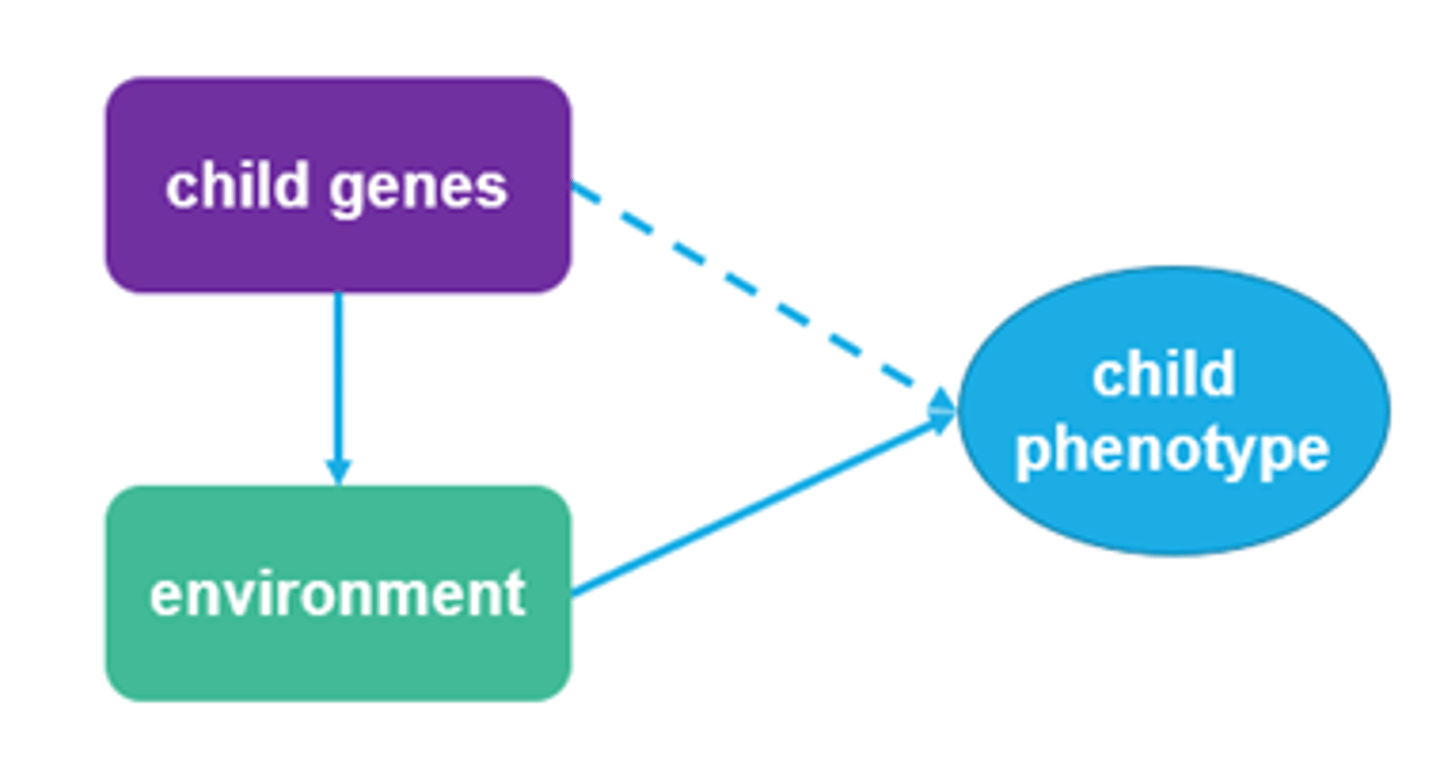
<p>Example: A naturally cheerful baby receives more smiles, attention, and positive interactions from adults.</p>
41
New cards

Active Correlation (niche-picking)

example: A child with a natural musical talent joins the school choir and practices music in their free time.
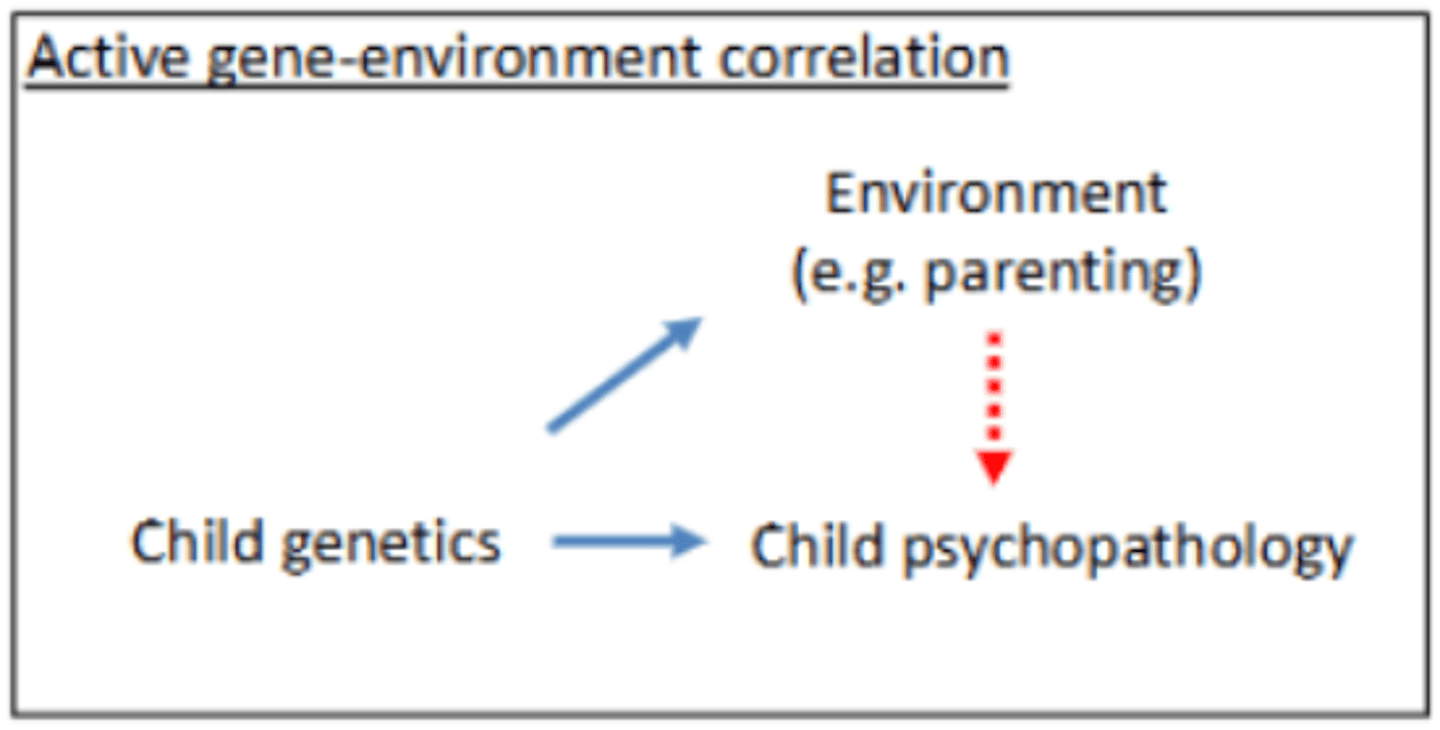
<p>example: A child with a natural musical talent joins the school choir and practices music in their free time.</p>
42
New cards

DOWN SYNDROME

- the most common chromosomal abnormality

- characterized by moderate-to-severe intellectual disability

- also called trisomy-21
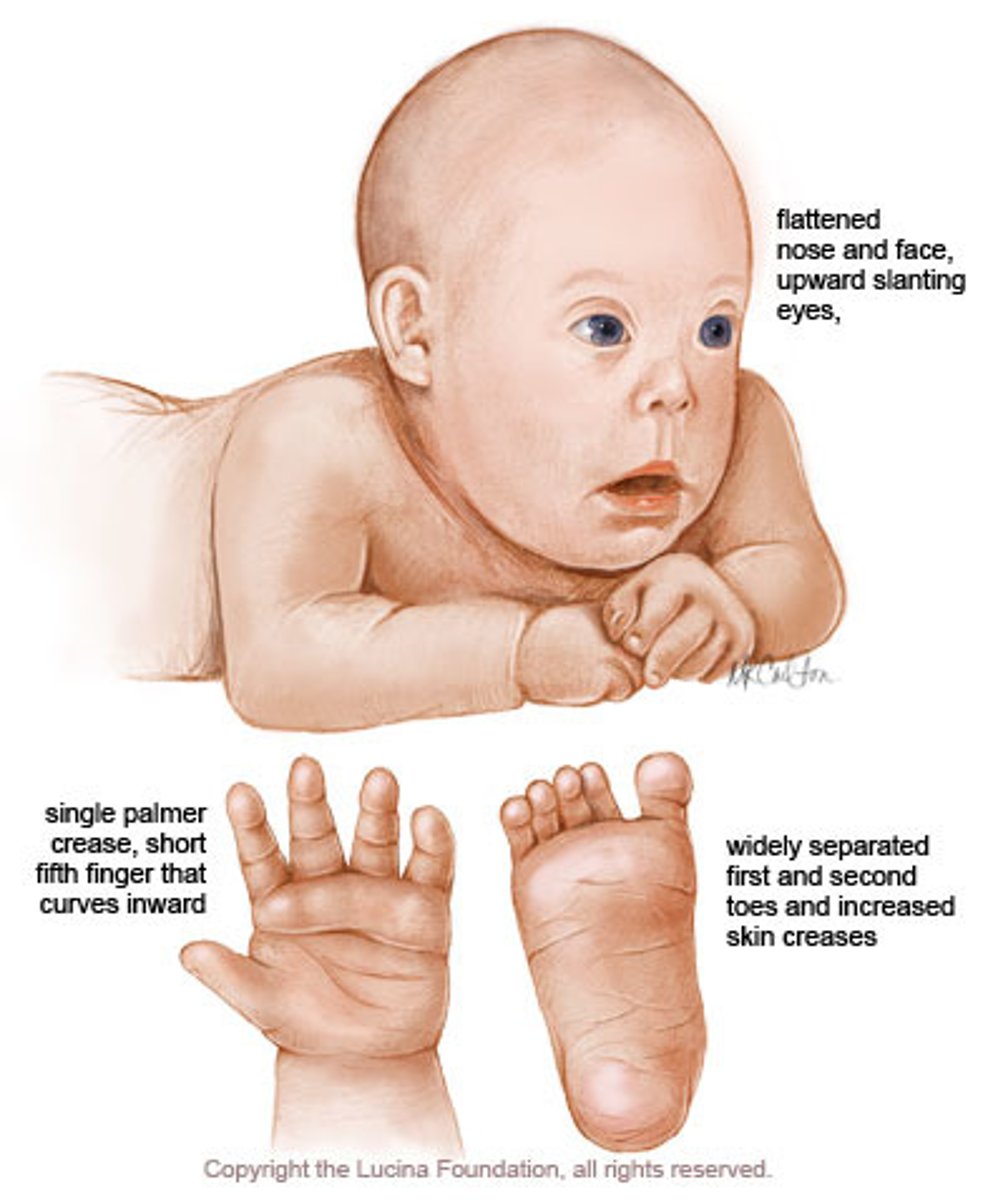
<p>- the most common chromosomal abnormality</p><p>- characterized by moderate-to-severe intellectual disability</p><p>- also called trisomy-21</p>
43
New cards

CEPHALOCAUDAL

- ("Head to Toe")

- Development occurs from the head downward to the feet.

- Control and movement develop earlier in the head and neck.

- Later development occurs in the trunk, arms, and legs.

- Example: A baby can hold up their head before they can control their legs.
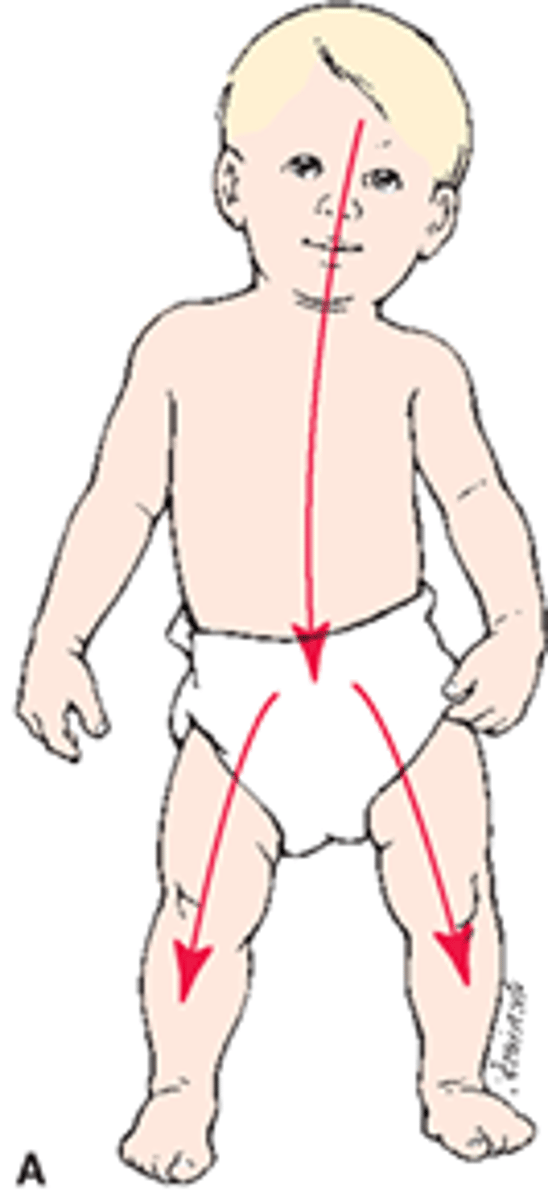
<p>- ("Head to Toe")</p><p>- Development occurs from the head downward to the feet.</p><p>- Control and movement develop earlier in the head and neck.</p><p>- Later development occurs in the trunk, arms, and legs.</p><p>- Example: A baby can hold up their head before they can control their legs.</p>
44
New cards

PROXIMODISTAL

- ("Center to Extremities")

- Development occurs from the center of the body outward to the hands and feet.

- Large muscles and central parts develop before smaller, outer parts. Example: A baby can move their upper arm before they can move their fingers.
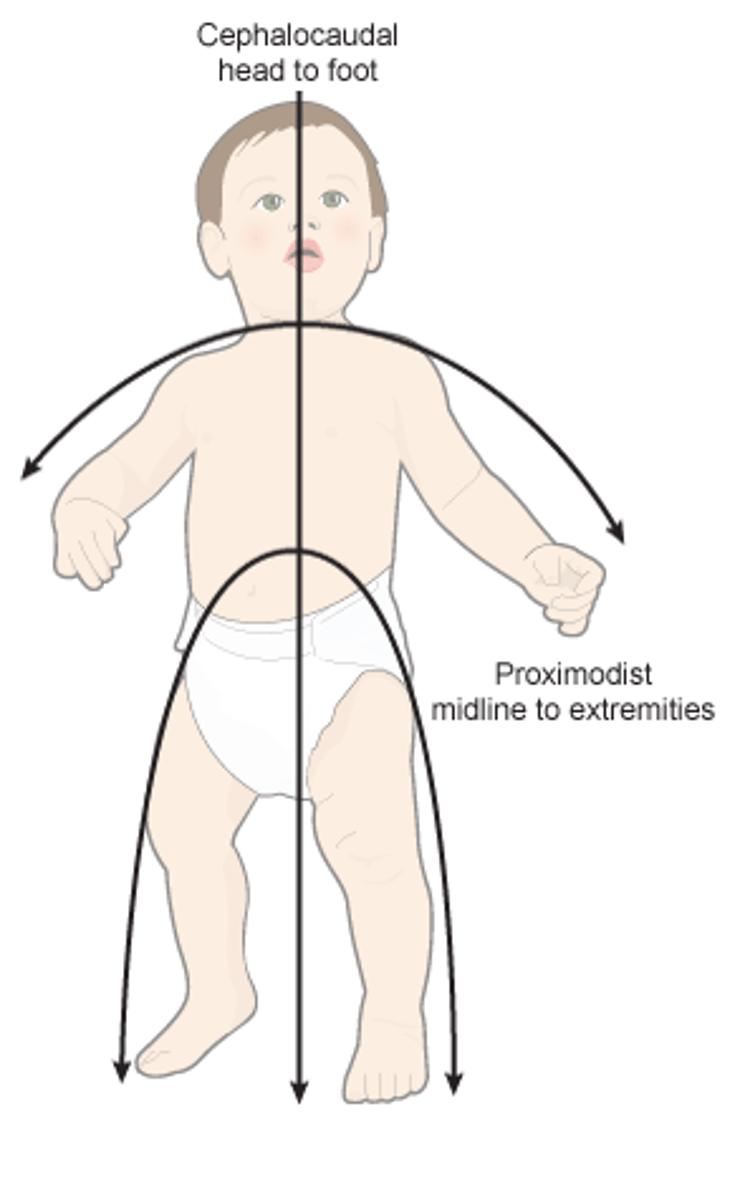
<p>- ("Center to Extremities")</p><p>- Development occurs from the center of the body outward to the hands and feet.</p><p>- Large muscles and central parts develop before smaller, outer parts. Example: A baby can move their upper arm before they can move their fingers.</p>
45
New cards

GERMINAL STAGE (0-2 WEEKS)

- PERIOD OF THE ZYGOTE

What happens?

• Fertilization occurs.

• Zygote divides rapidly.

• Travels to the uterus.

• Implants in the uterine wall.

Think of it as: The beginning of life.
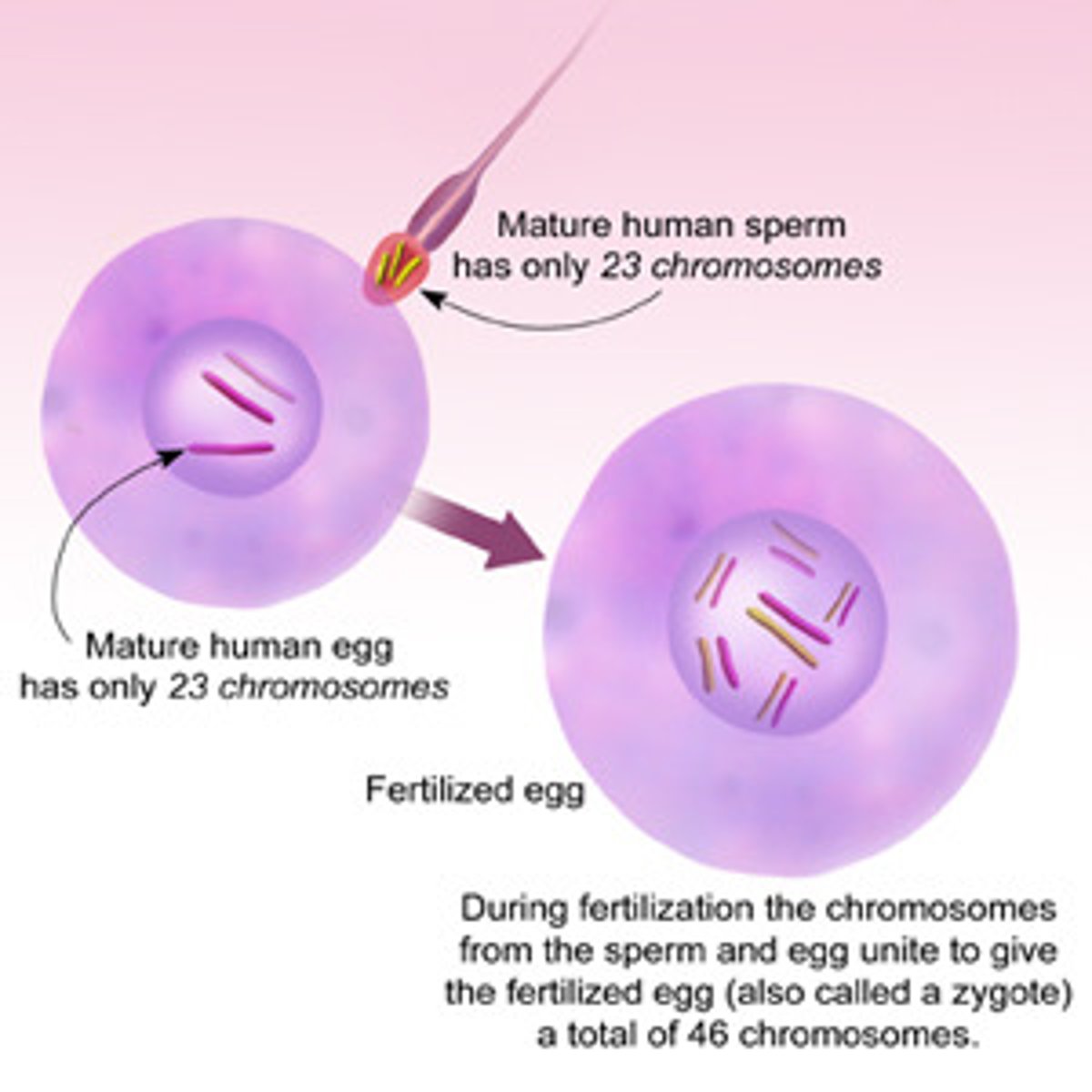
<p>- PERIOD OF THE ZYGOTE</p><p>What happens?</p><p>• Fertilization occurs.</p><p>• Zygote divides rapidly.</p><p>• Travels to the uterus.</p><p>• Implants in the uterine wall.</p><p>Think of it as: The beginning of life.</p>
46
New cards

EMBYONIC STAGE (2-8 WEEKS)

- PERIOD OF THE EMBRYO

- Most vulnerable period to teratogens

- This is the most critical stage.

Major organs begin to develop:

• Brain , Heart, Eyes, Arms, Legs

- Because organs are forming, the embryo is highly vulnerable to

harmful substances.
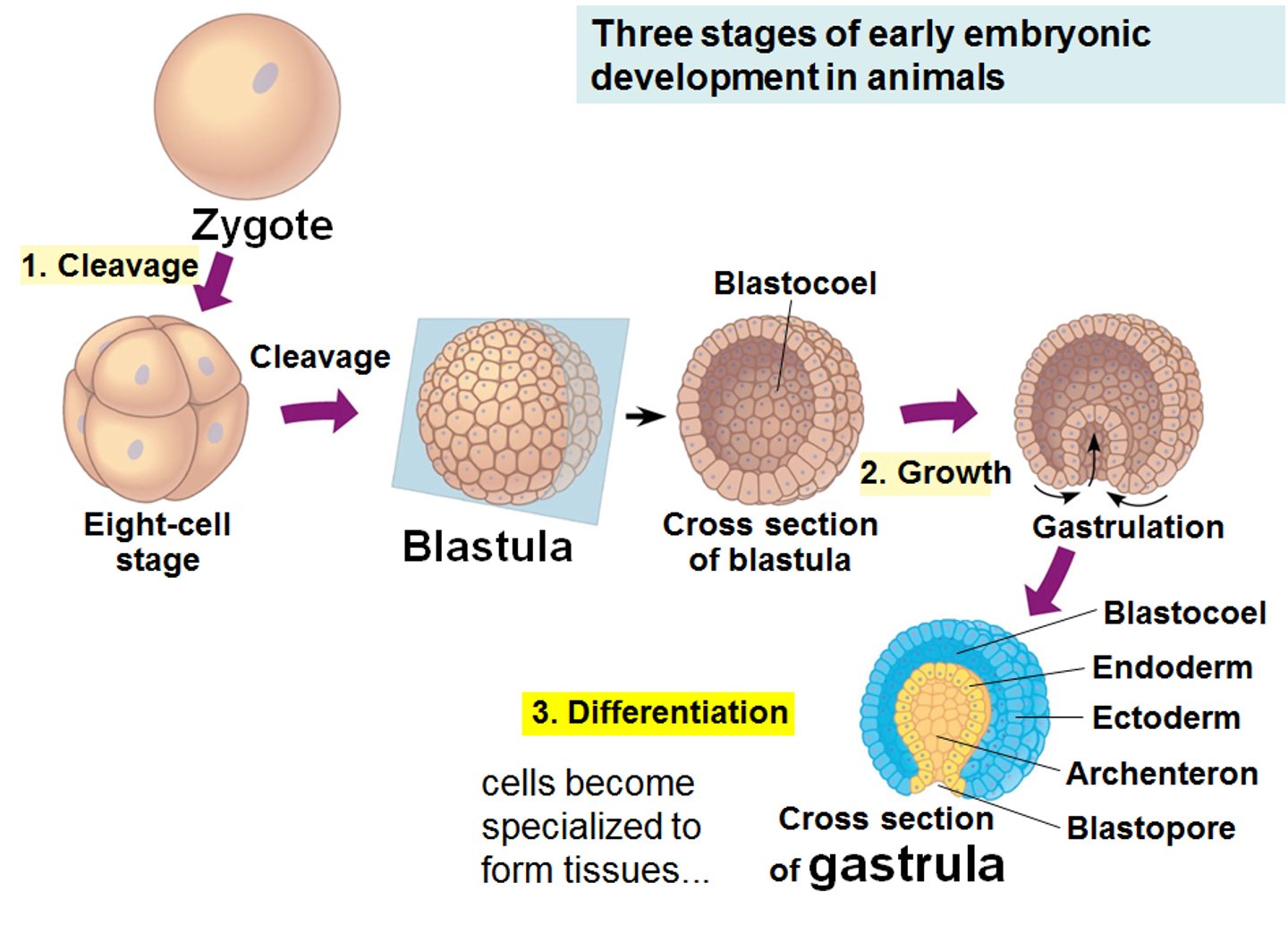
<p>- PERIOD OF THE EMBRYO</p><p>- Most vulnerable period to teratogens</p><p>- This is the most critical stage.</p><p>Major organs begin to develop:</p><p>• Brain , Heart, Eyes, Arms, Legs</p><p>- Because organs are forming, the embryo is highly vulnerable to</p><p>harmful substances.</p>
47
New cards

FETAL STAGE (9 wks - birth)

- PERIOD OF THE FETUS

- Rapid growth and functional development

The fetus:

• Grows rapidly

• Gains weight

• Organs mature

• Begins moving

• Can hear sounds

• Practices breathing

- Most physical growth occurs during this stage.
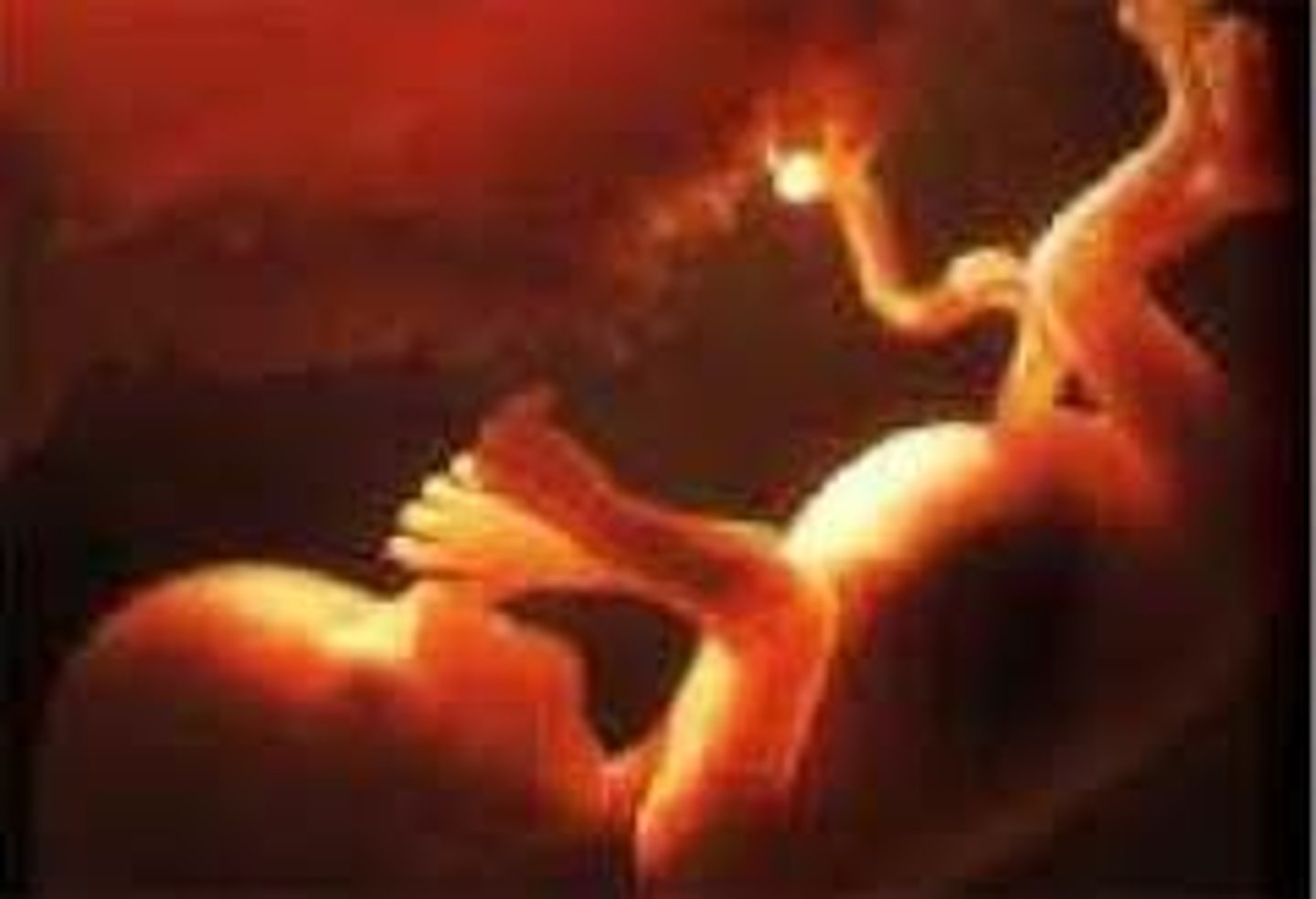
<p>- PERIOD OF THE FETUS</p><p>- Rapid growth and functional development</p><p>The fetus:</p><p>• Grows rapidly</p><p>• Gains weight</p><p>• Organs mature</p><p>• Begins moving</p><p>• Can hear sounds</p><p>• Practices breathing</p><p>- Most physical growth occurs during this stage.</p>
48
New cards

IMPLANTATION

The blastocyst implants in the uterine lining.
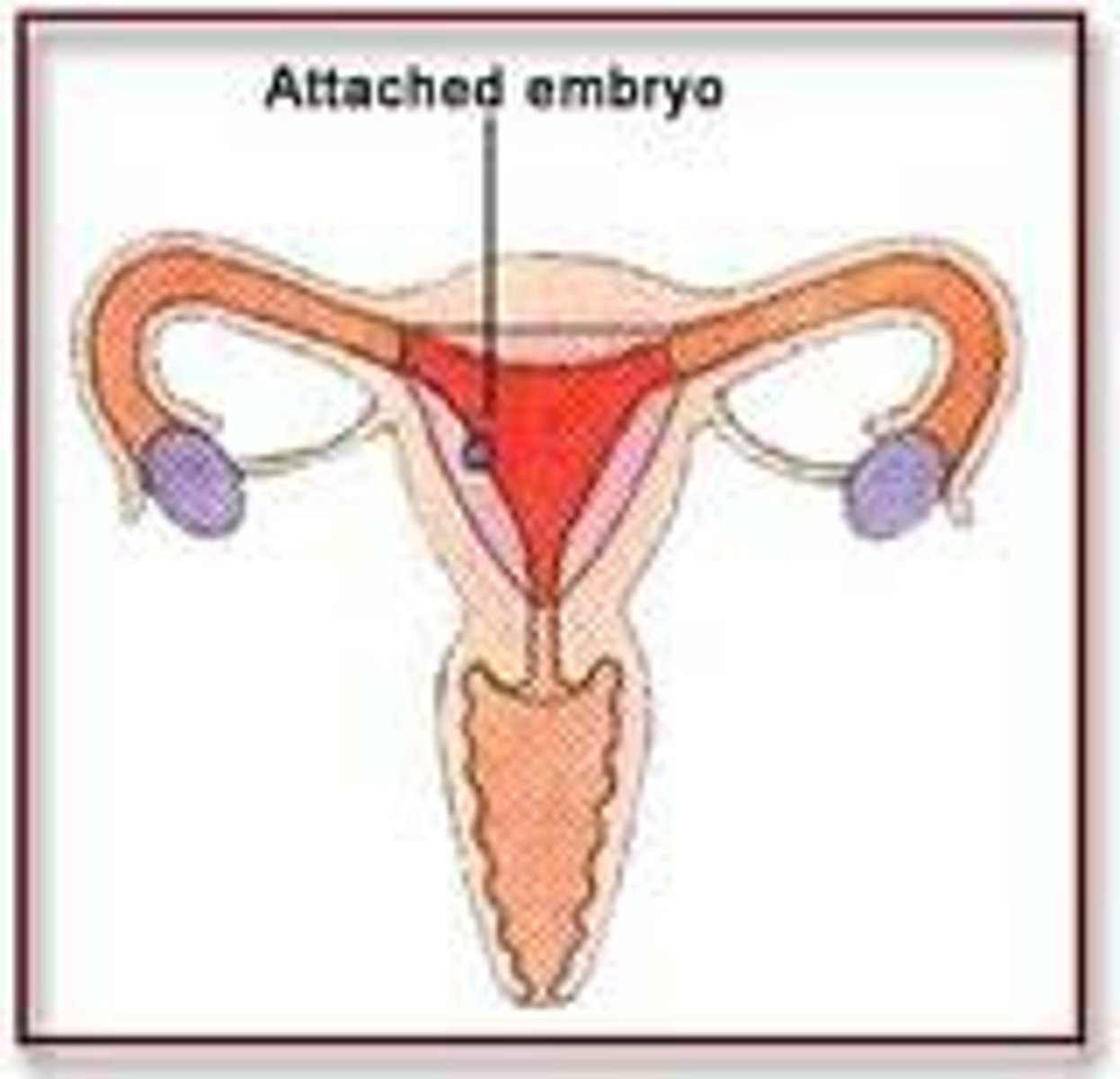
<p>The blastocyst implants in the uterine lining.</p>
49
New cards

EMBRYONIC STAGE 3 WEEKS

The neural tube, heart, and major organs begin to form.
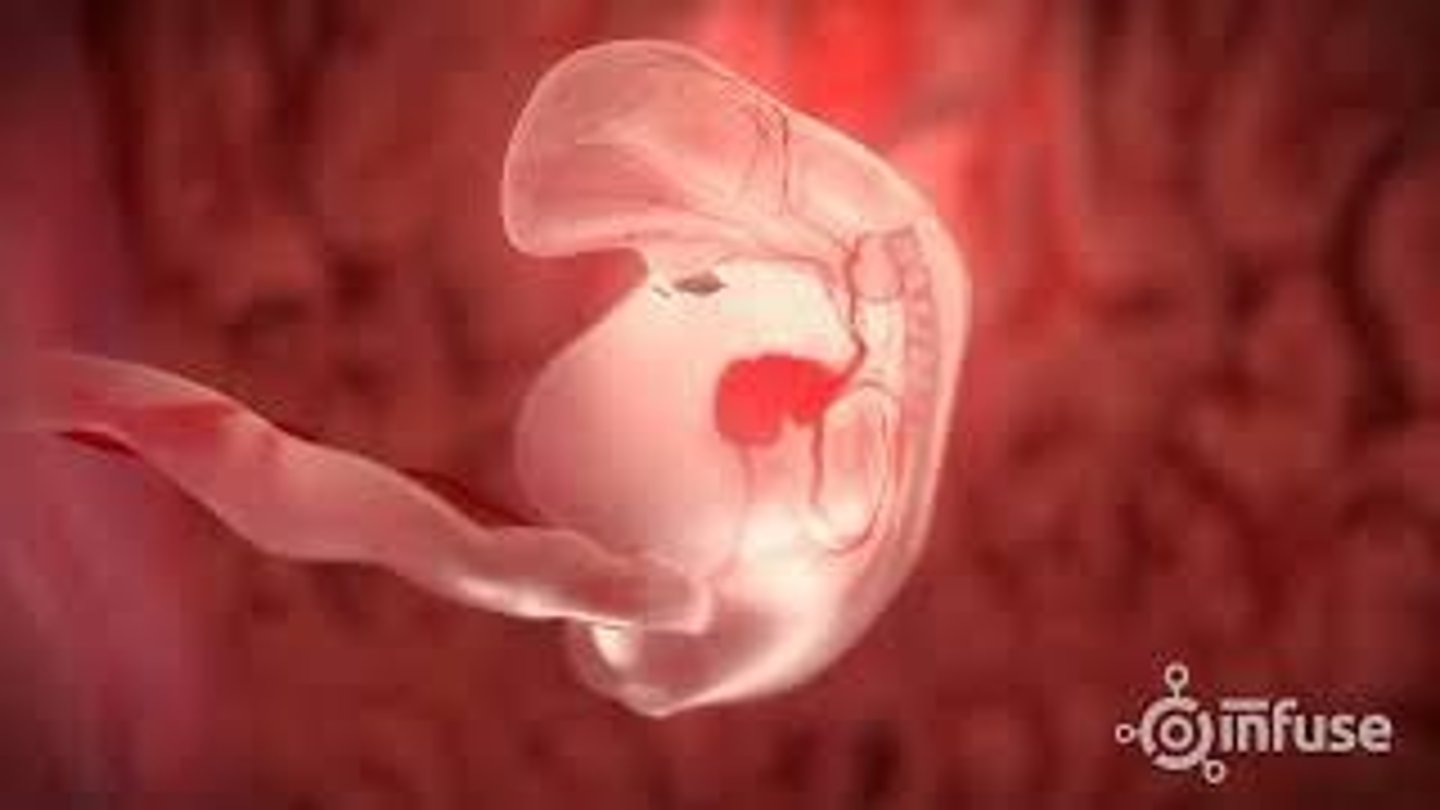
<p>The neural tube, heart, and major organs begin to form.</p>
50
New cards

EMBRYONIC STAGE 5 WEEKS

- Heart starts beating.

- Limb buds and facial features appear.
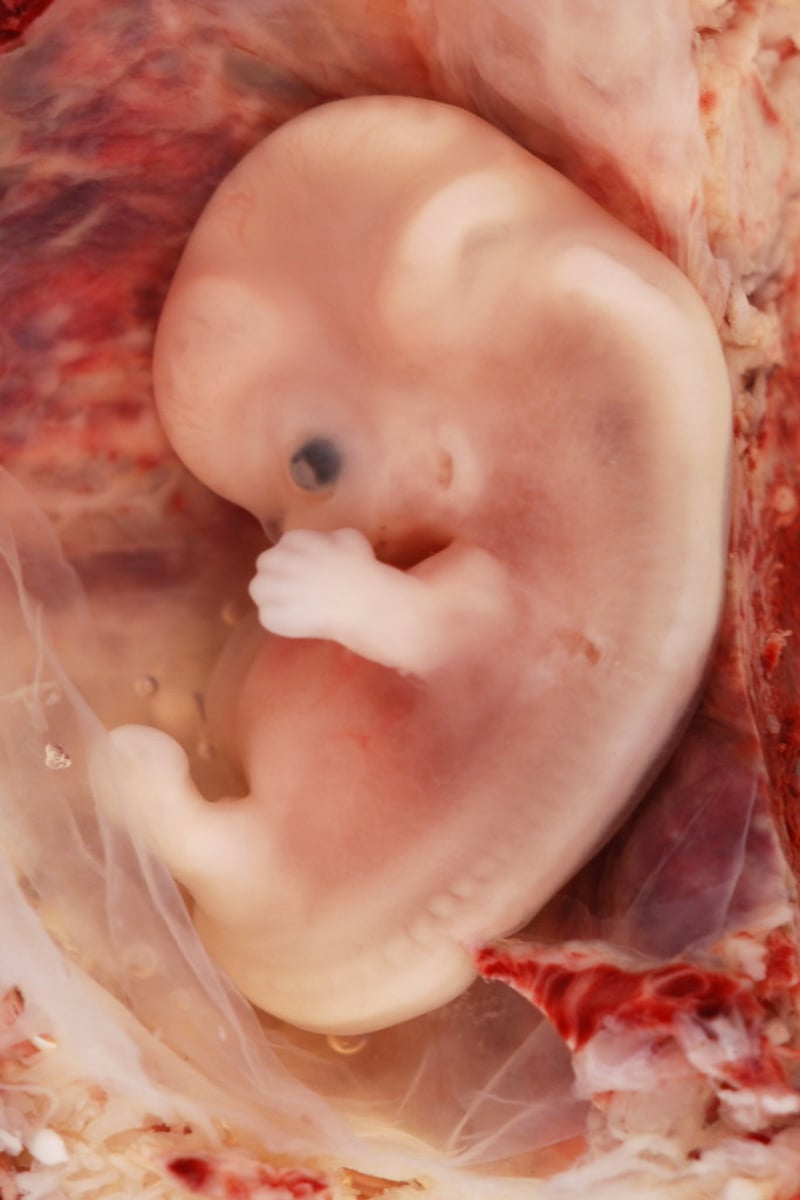
<p>- Heart starts beating.</p><p>- Limb buds and facial features appear.</p>
51
New cards

EMBRYONIC STAGE 8 WEEKS

- All major organs are present.

- Embryo is about 2.5 cm long.
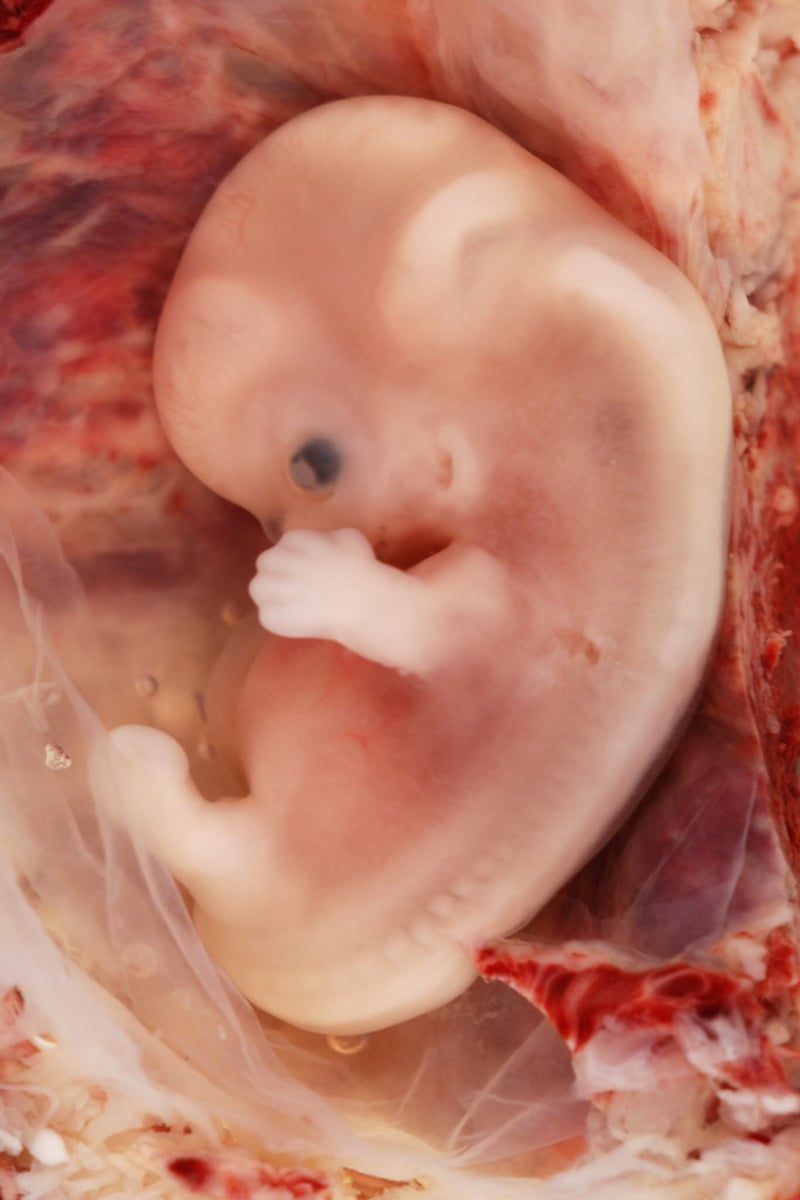
<p>- All major organs are present.</p><p>- Embryo is about 2.5 cm long.</p>
52
New cards

FETAL STAGE 12 WEEKS

- Fetus is active.

- Fingernails, eyelashes and external organs are developed.
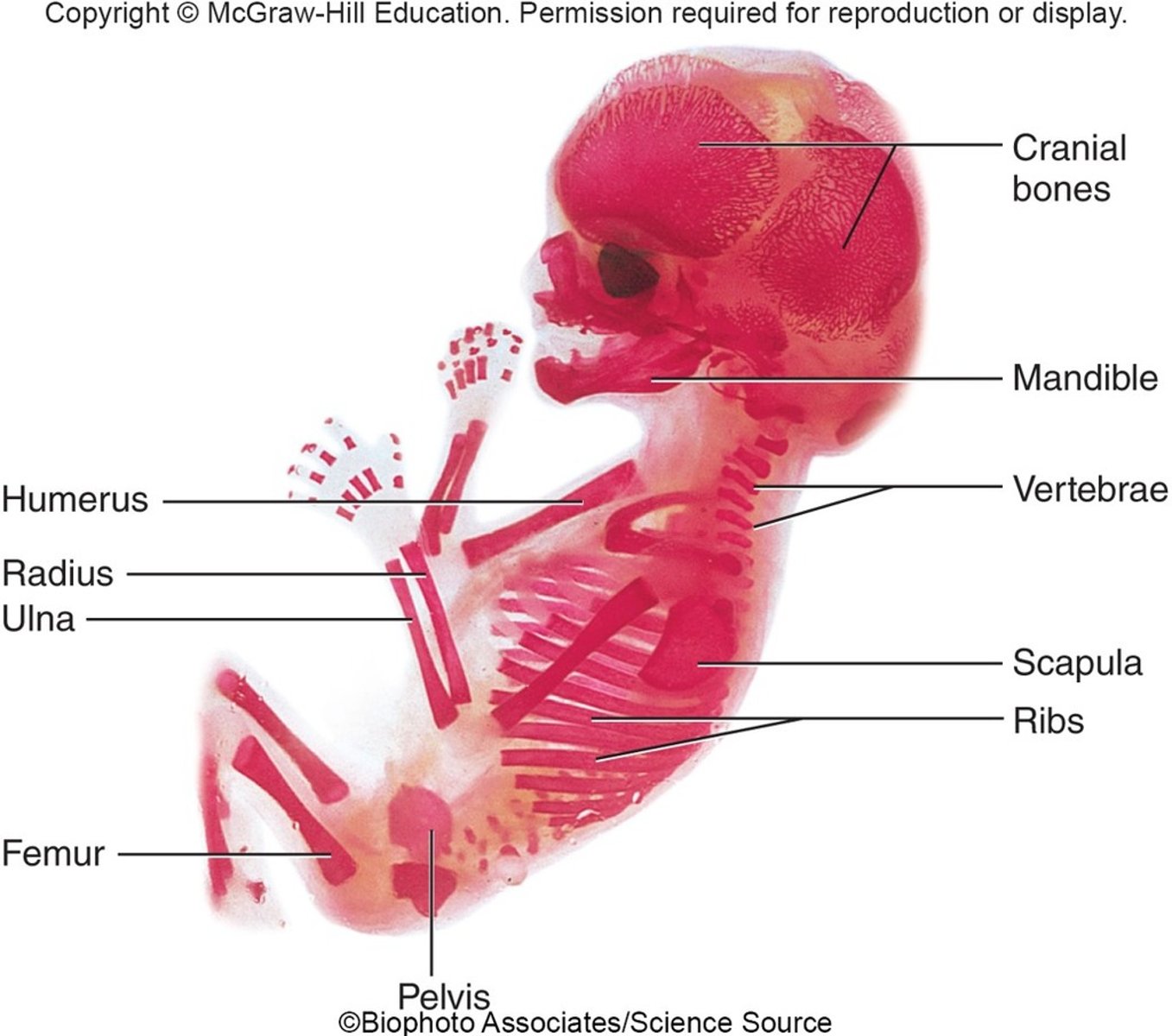
<p>- Fetus is active.</p><p>- Fingernails, eyelashes and external organs are developed.</p>
53
New cards

FETAL STAGE 20 WEEKS

- Mother may feel "quickening".

- Fetus can hear and suck thumb.
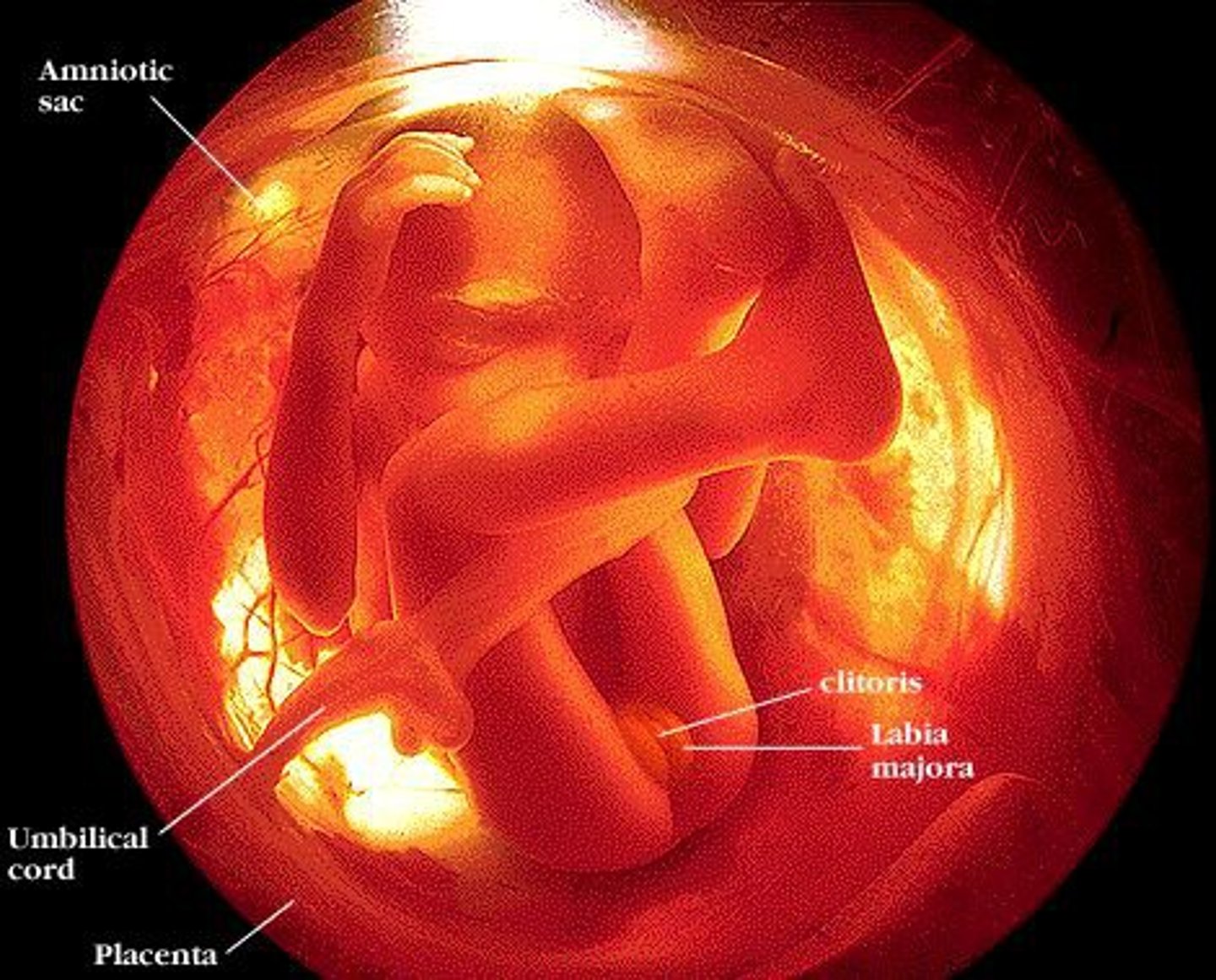
<p>- Mother may feel "quickening".</p><p>- Fetus can hear and suck thumb.</p>
54
New cards

FETAL STAGE 28 WEEKS

- Body systems continue to mature.

- Higher chance of survival.
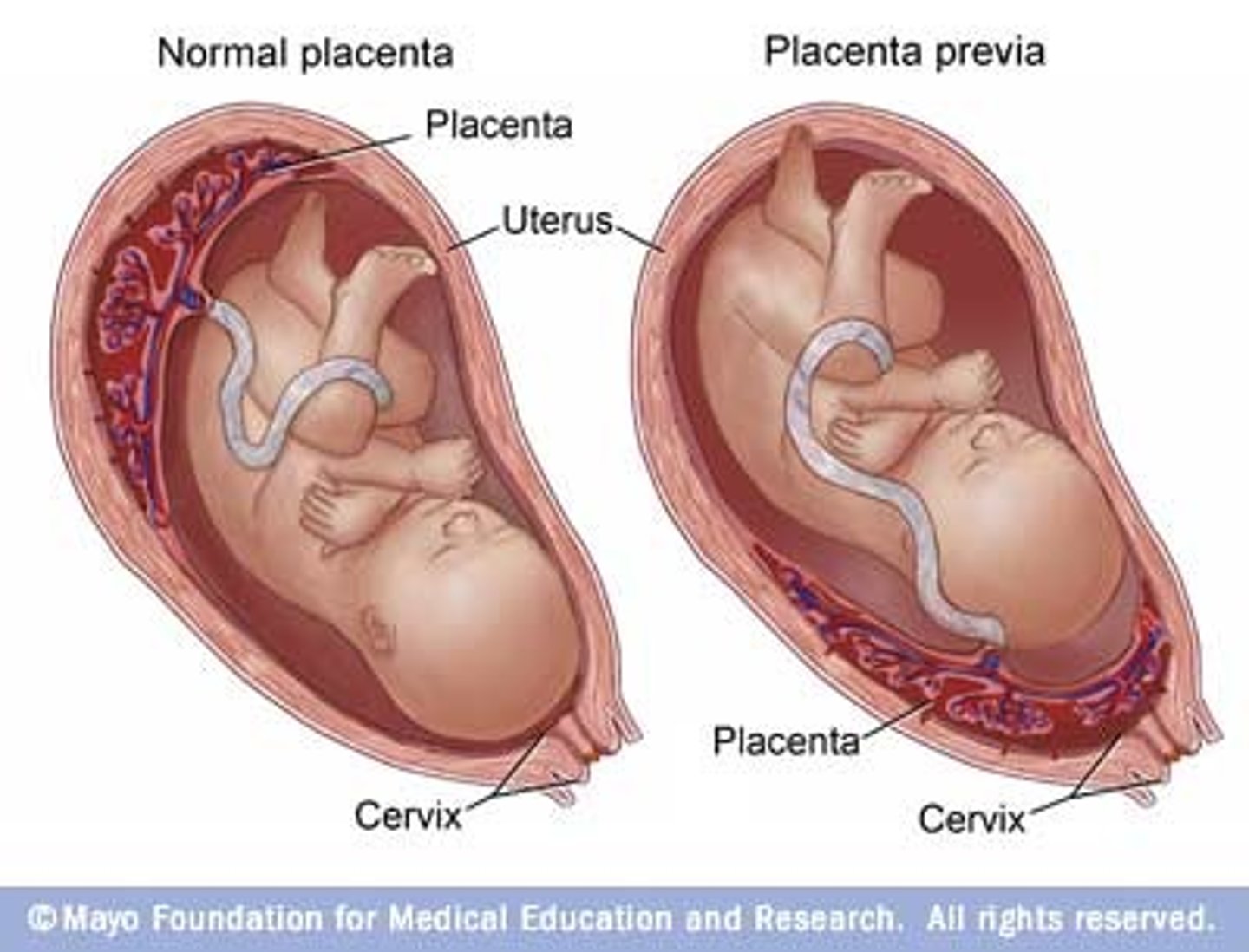
<p>- Body systems continue to mature.</p><p>- Higher chance of survival.</p>
55
New cards

Prenatal development

begins at fertilization and continues until birth.
<p>begins at fertilization and continues until birth.</p>
56
New cards

embryo

forms the body structures.

<p>forms the body structures.</p>
57
New cards

Arms and legs

- appear by 4-5 weeks.

- Organs continue to develop and mature.
<p>- appear by 4-5 weeks.</p><p>- Organs continue to develop and mature.</p>
58
New cards

TERATOGENS

- (Substances/Factors that may harm the developing baby)

- Harmful substance affecting prenatal development
<p>- (Substances/Factors that may harm the developing baby)</p><p>- Harmful substance affecting prenatal development</p>
59
New cards

alcohol

smoking

drugs

certain medications

infections

radiation

(6) types of TERATOGENS

60
New cards

Heredity

Traits inherited from parents
<p>Traits inherited from parents</p>
61
New cards

Environment

External influences on development

<p>External influences on development</p>
62
New cards

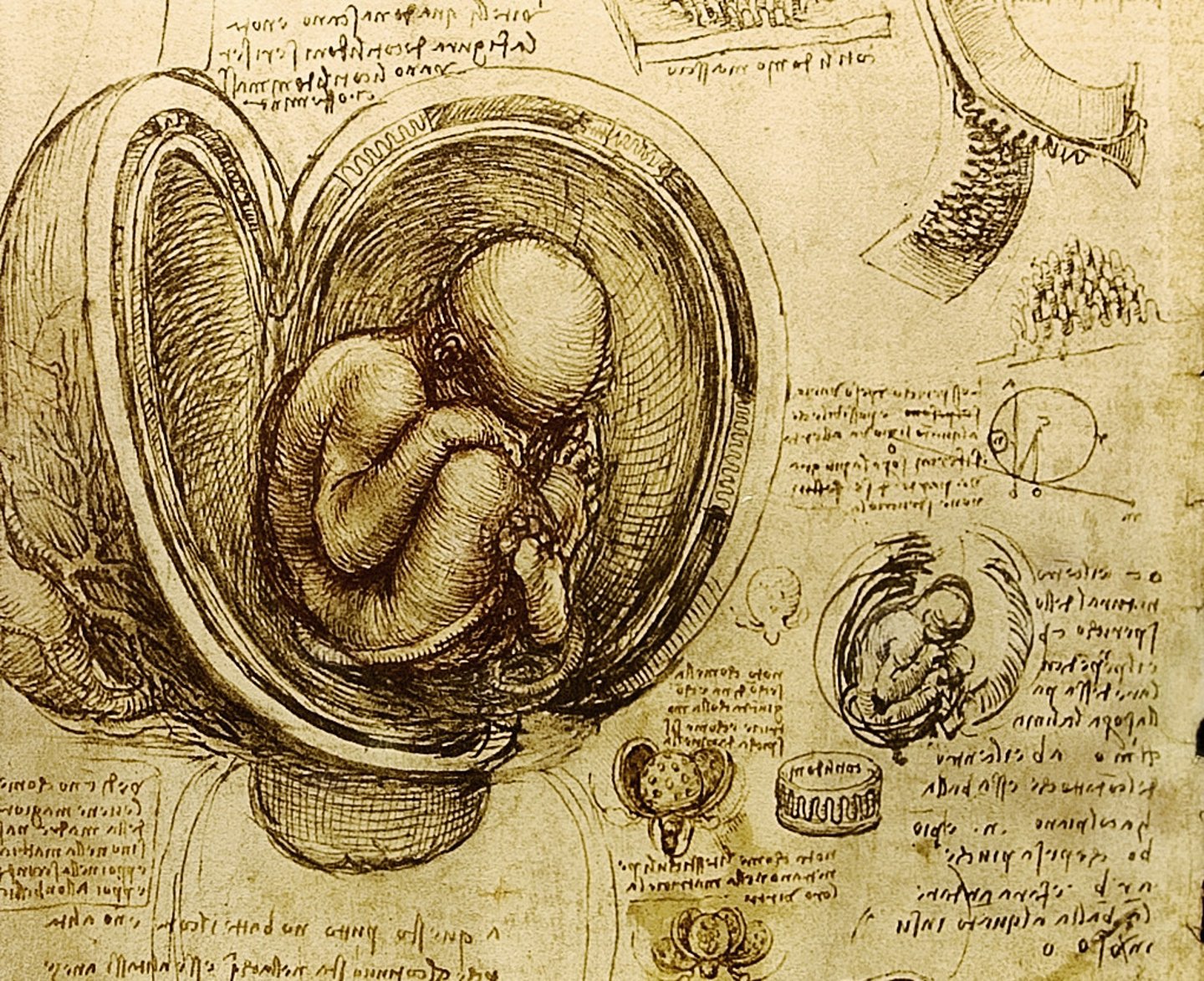
Embryo

Developing baby from 2-8 weeks
<p>Developing baby from 2-8 weeks</p>
63
New cards

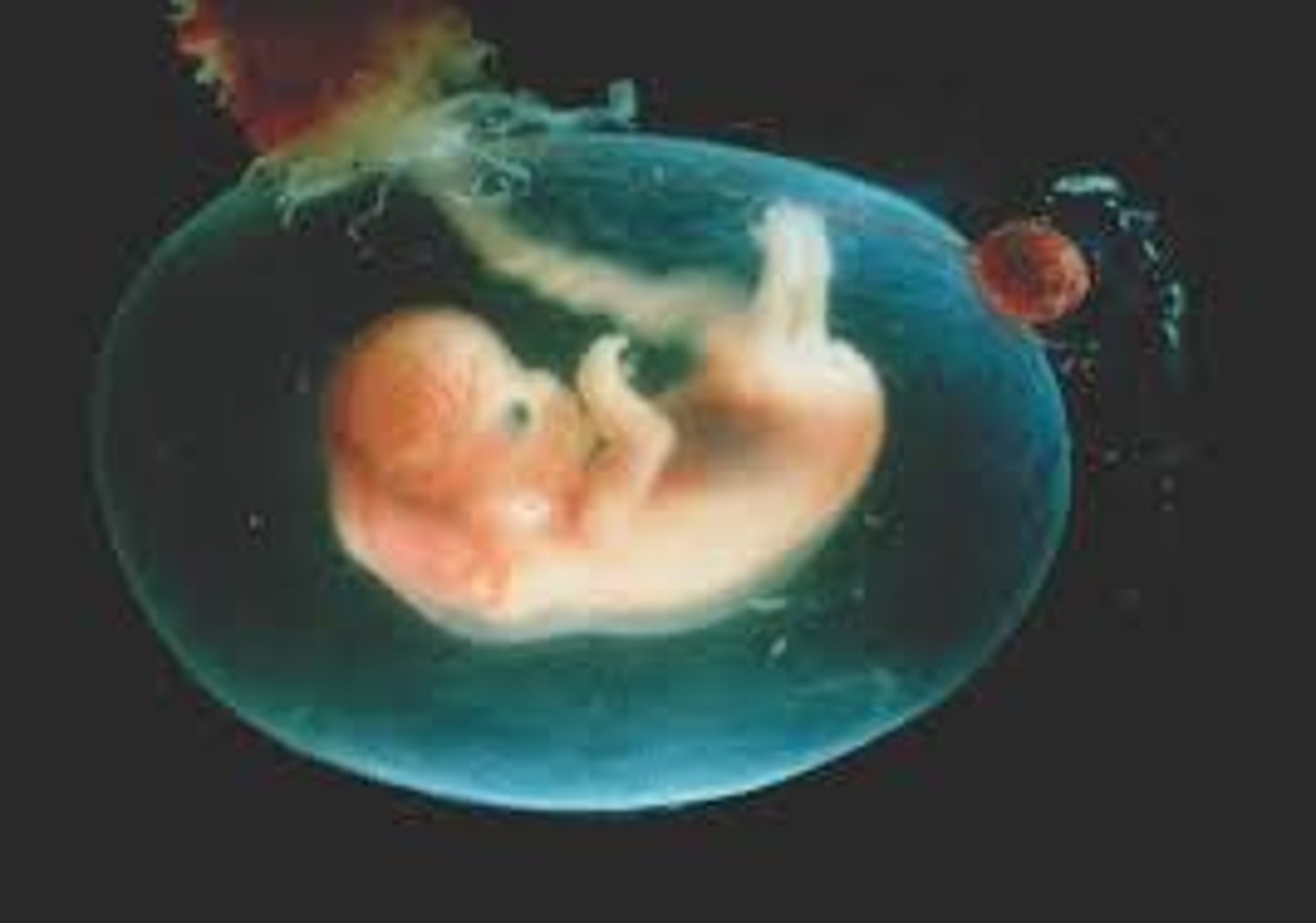
Fetus

Developing baby from 9 weeks until birth
<p>Developing baby from 9 weeks until birth</p>
64
New cards

Prenatal Care

Medical care during pregnancy
<p>Medical care during pregnancy</p>



