K101 dr. marrs exam 2
 Call Kai
 Learn
Learn Practice Test
 Spaced Repetition
 Match
Match Flashcards
 Knowt Play
1/129

There's no tags or description
Looks like no tags are added yet.
Name | Mastery | Learn | Test | Matching | Spaced | Call with Kai |
|---|
No analytics yet
Send a link to your students to track their progress
130 Terms
9 main parts of plasma membrane mosaic
1. integral proteins/trans-membrane proteins/integrins
2. glycoproteins
3. glycolipids
4. cholesterol
5. lipids
6. proteins
7. extracellular matrix
8. E and P face
9. peripheral proteins
junctions and their functions
1. tight junctions- presses membranes of neighbor cells together to form strong sheets
2. desmosomes- anchor and fasten cells together to prevent cellular fluid from leaking
3. gap junctions - for communication between cells with cytoplasmic channels
6 major functions of membrane proteins
transport, enzymatic activity, signal transduction, cell-cell recognition, intercellular joining, attachment of cytoplasm to ecm
hypotonic
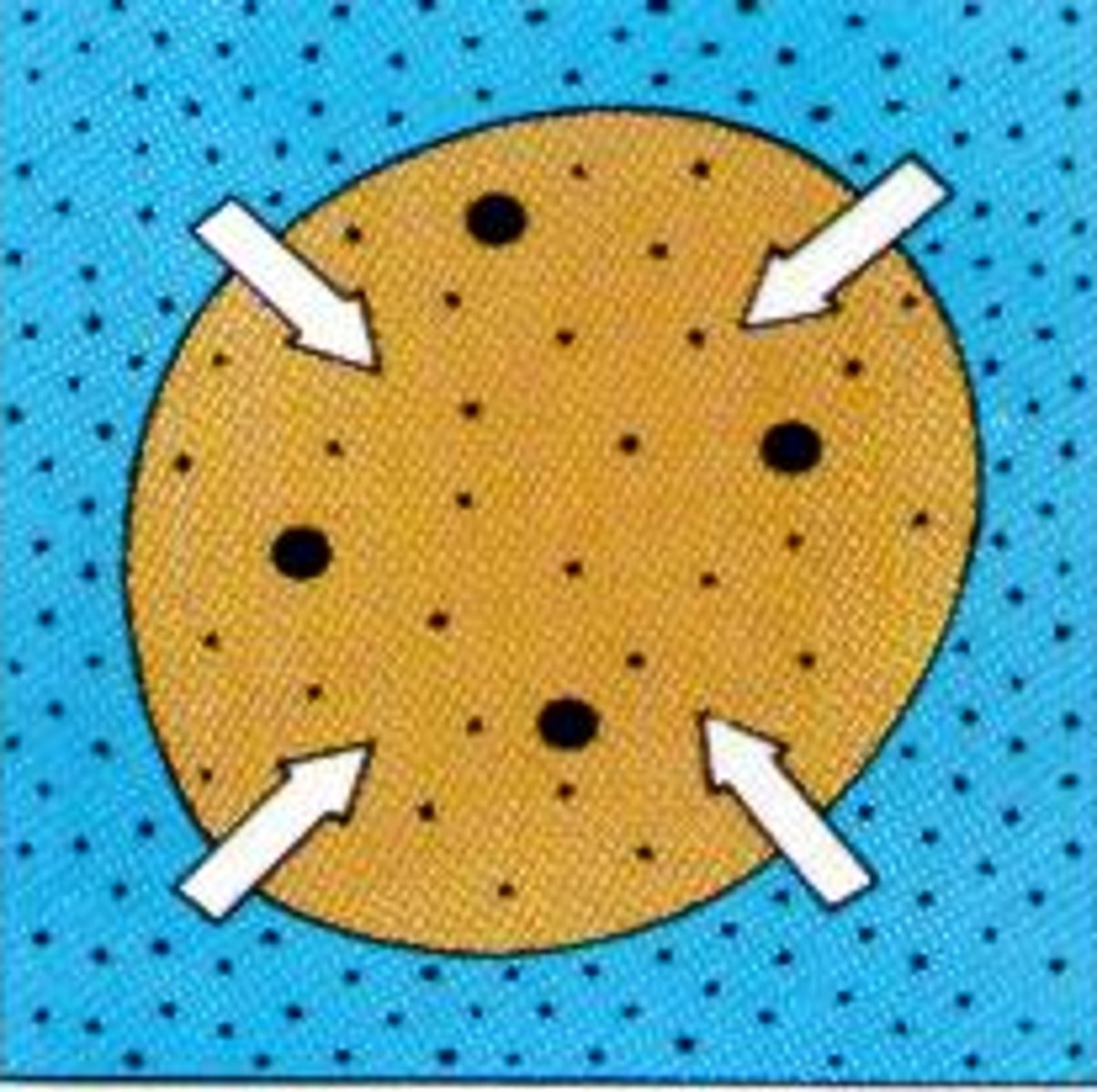
isotonic
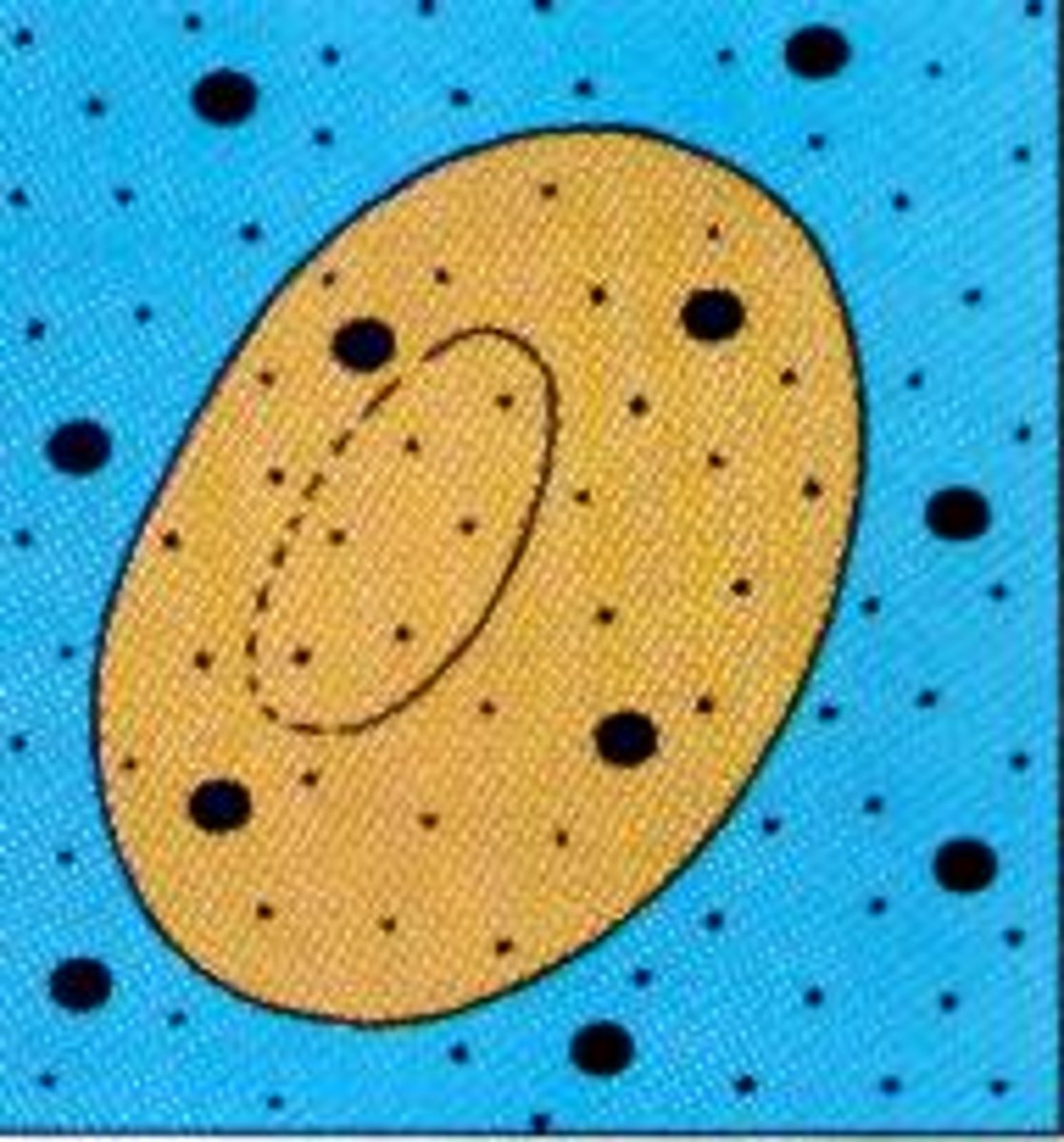
hypertonic
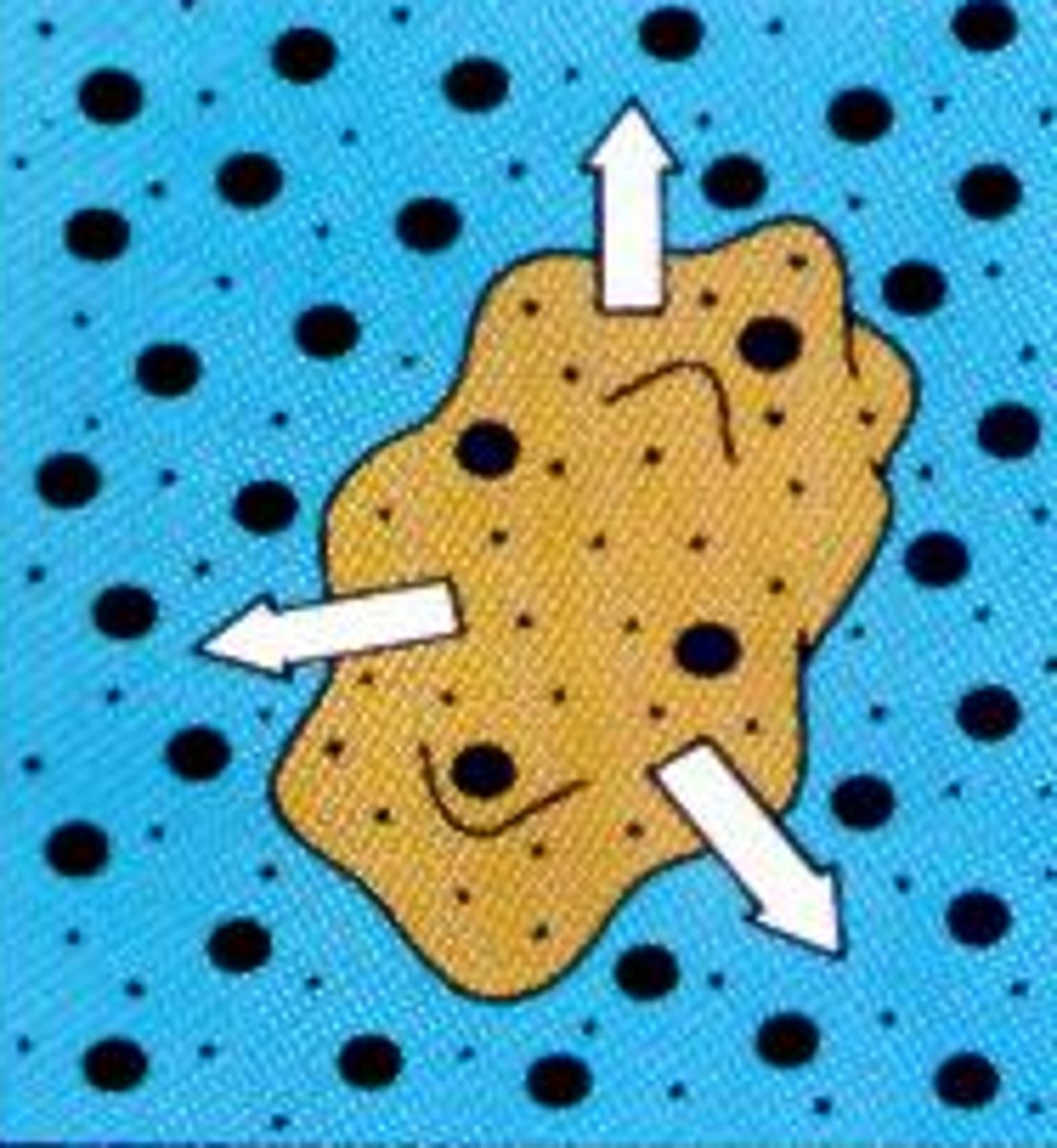
turgid
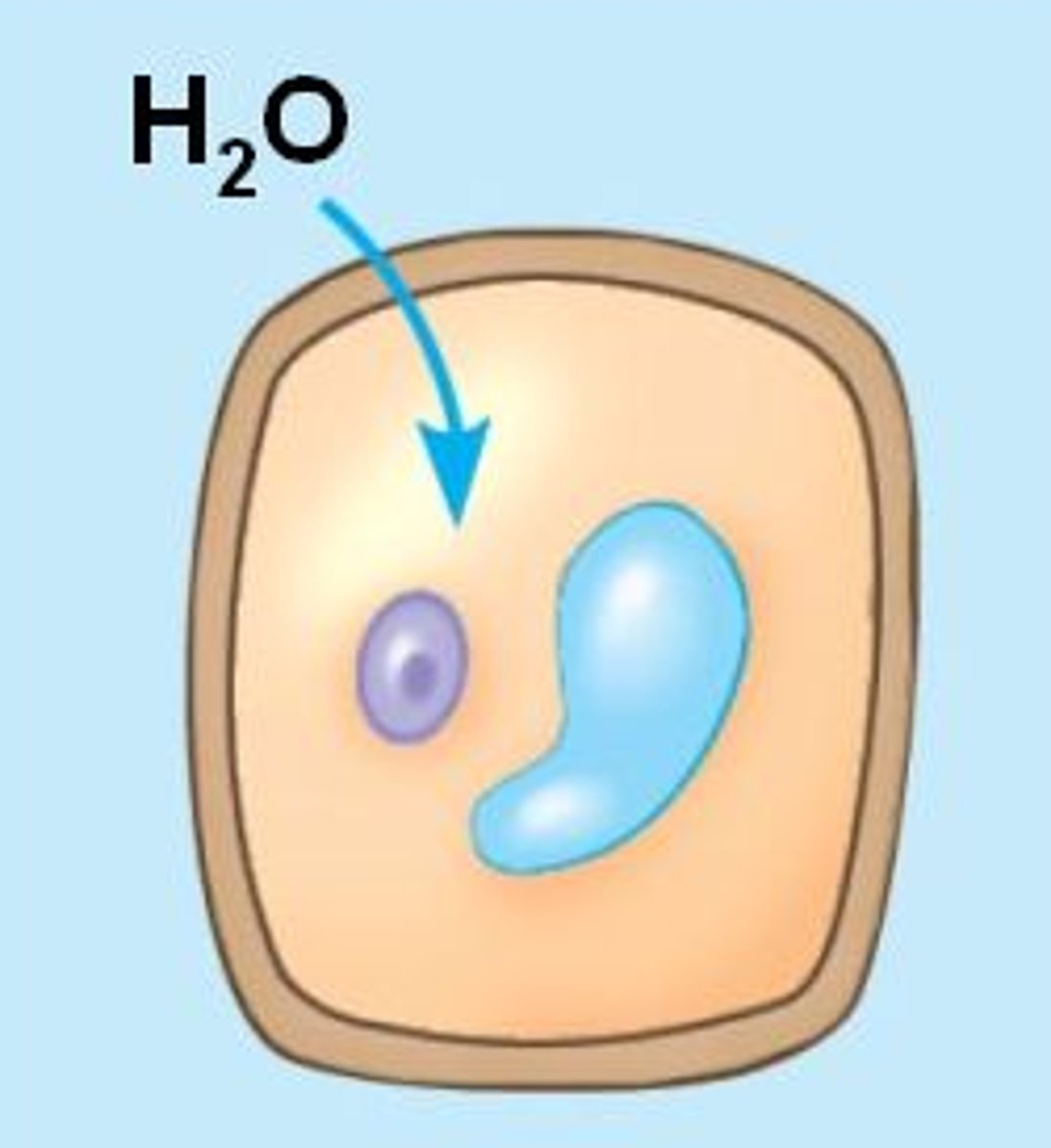
flaccid
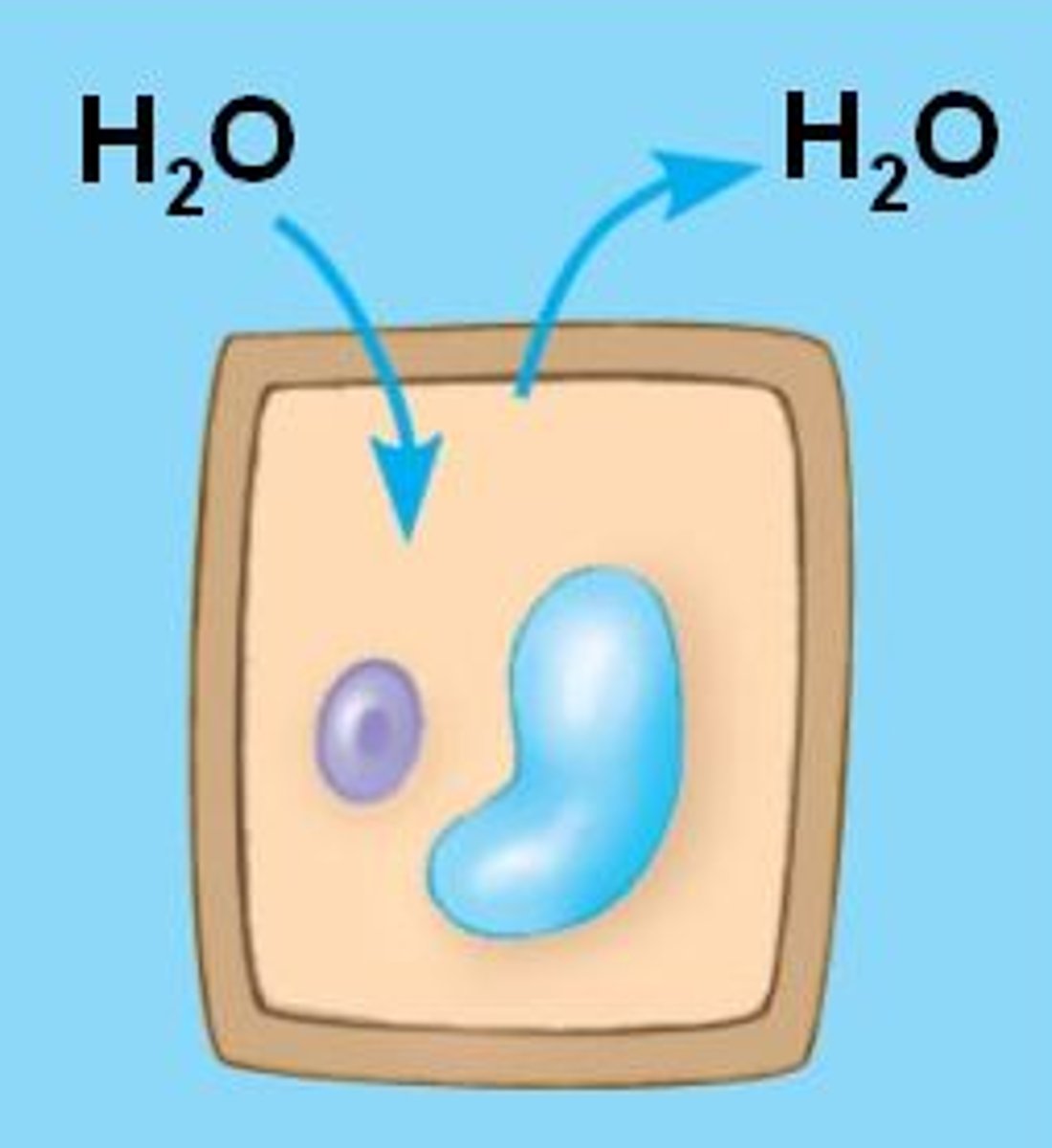
plasmolized
plant cell doesn't have enough water, the membrane shrinks away from cell wall
phagocytosis
type of endocytosis in which a cell engulfs large particles or whole cells
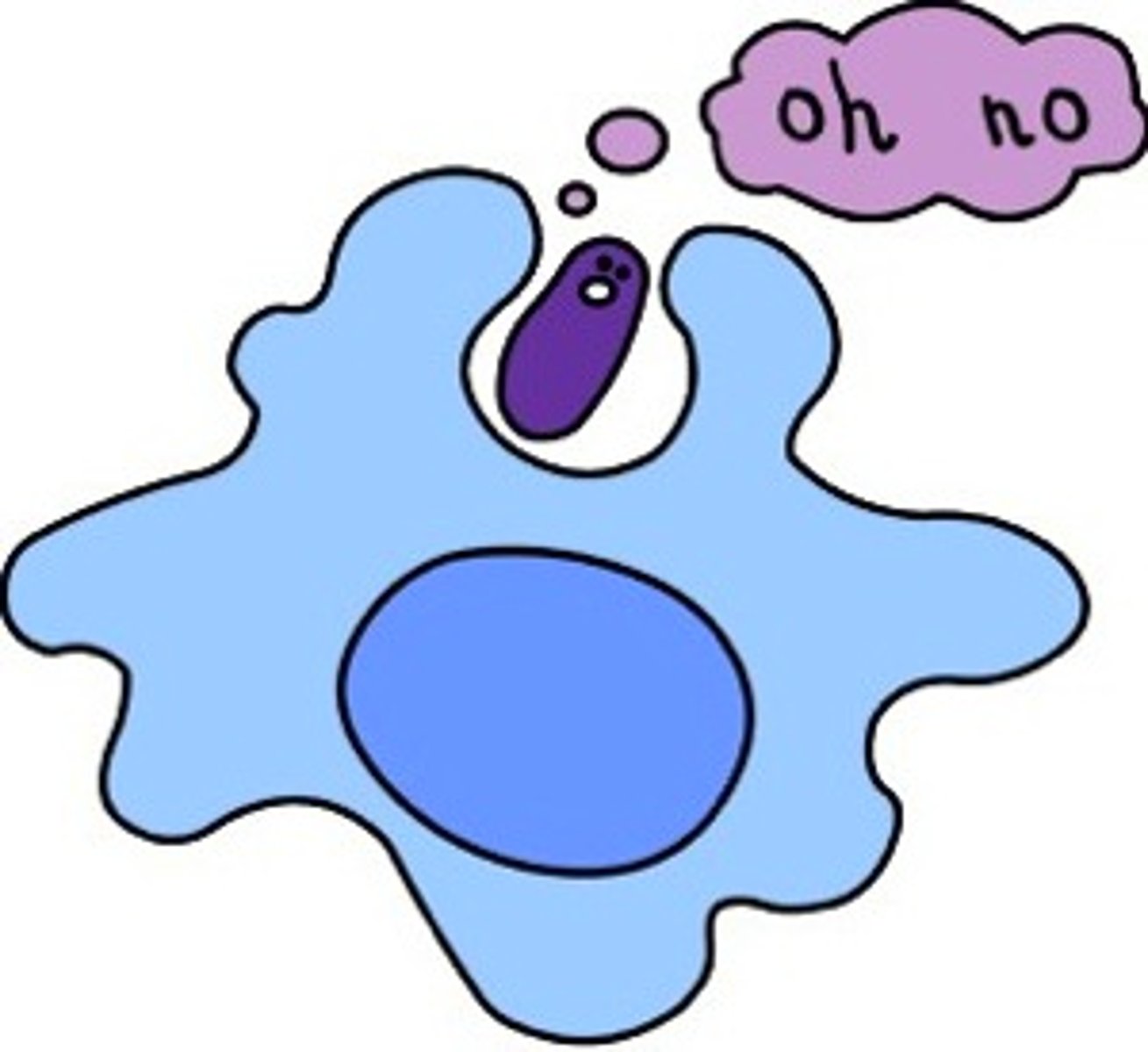
phinocytosis
ingestion of small dissolved particles
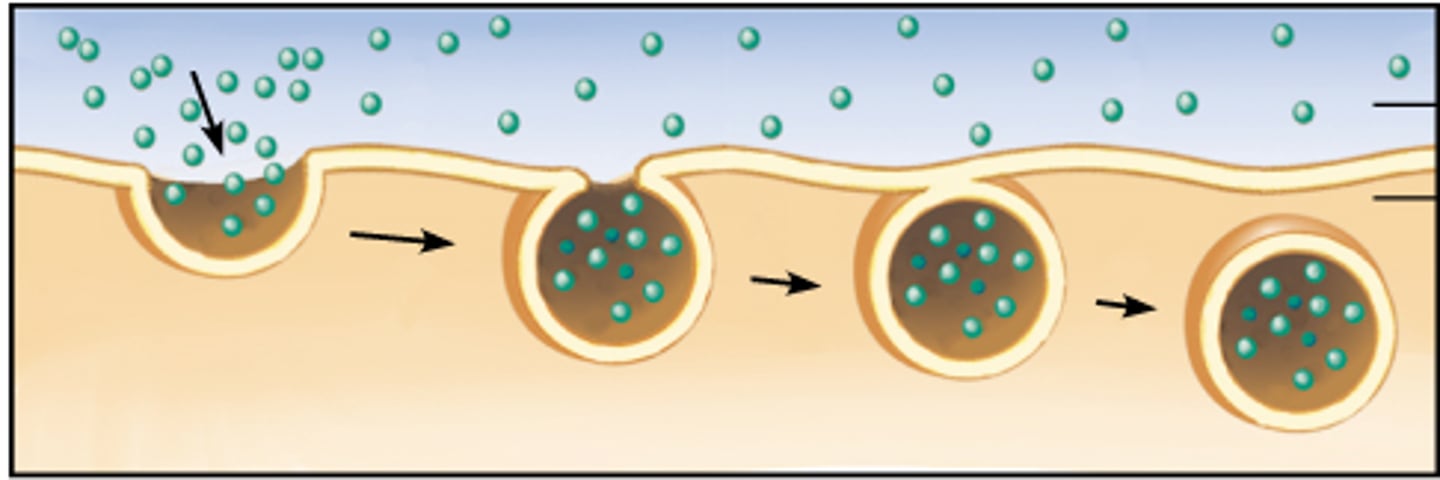
endocytosis
process by which a cell takes material into the cell by infolding of the cell membrane
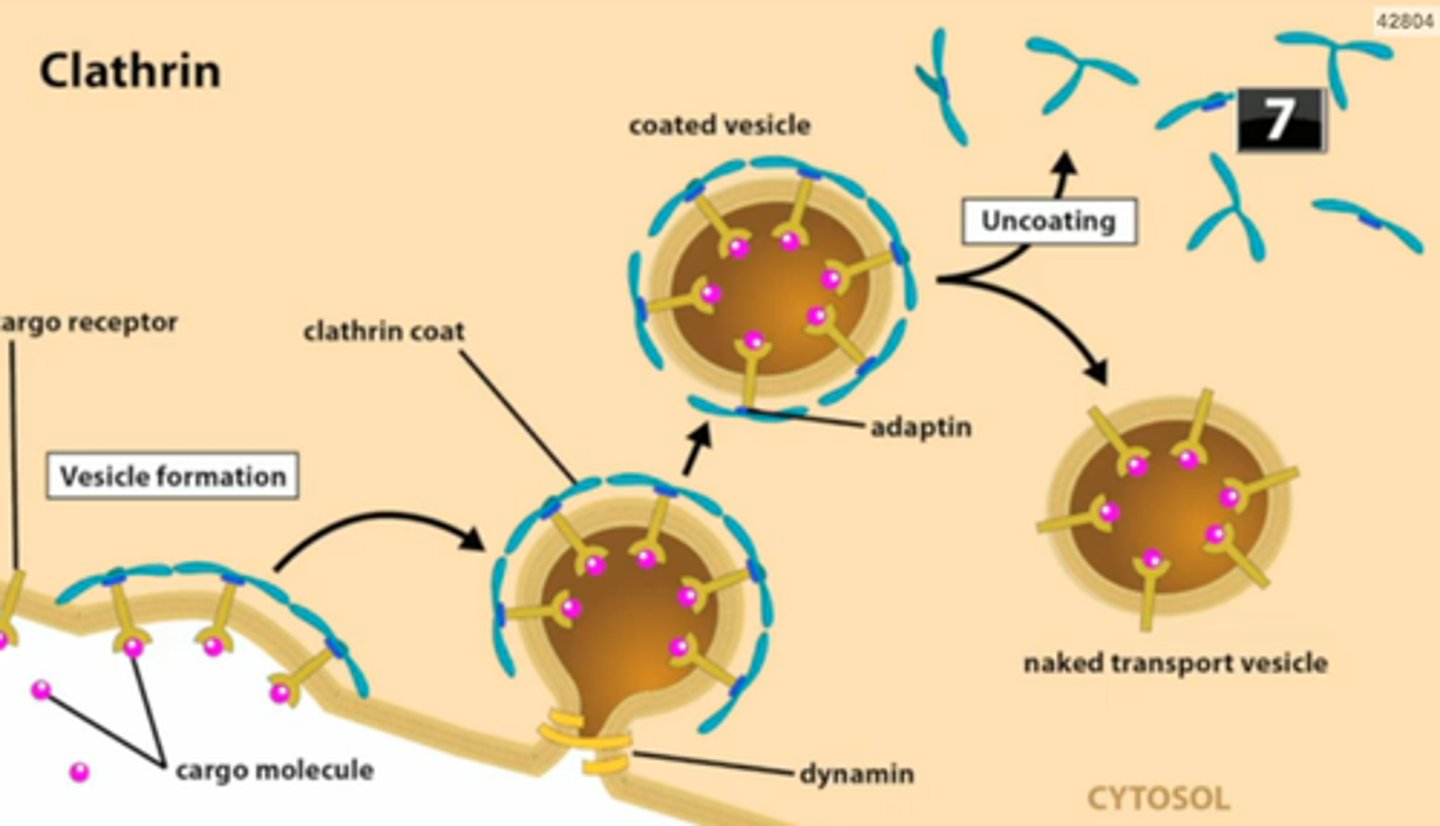
metabolism
the sum of all chemical processes that occur in an organism
1st law of thermodynamics
energy can be transferred and transformed, but it cannot be created or destroyed
2nd law of thermodynamics
every energy transfer or transformation increases the entropy of the universe.
how do unsaturated fatty acids help keep the plasma membrane more fluid at lower temperatures
the double bonds form a kink in the acid tail, forcing adjacent lipids to be further apart
how can membrane phospholipids move across the fluid mosaic
laterally
why are glycolipids and glycoprotiens of animal cell membranes important
they are the cell's ability to distinguish one type of neighboring cell from another
exergonic reaction
proceeds with a net release of free energy and is spontaneous
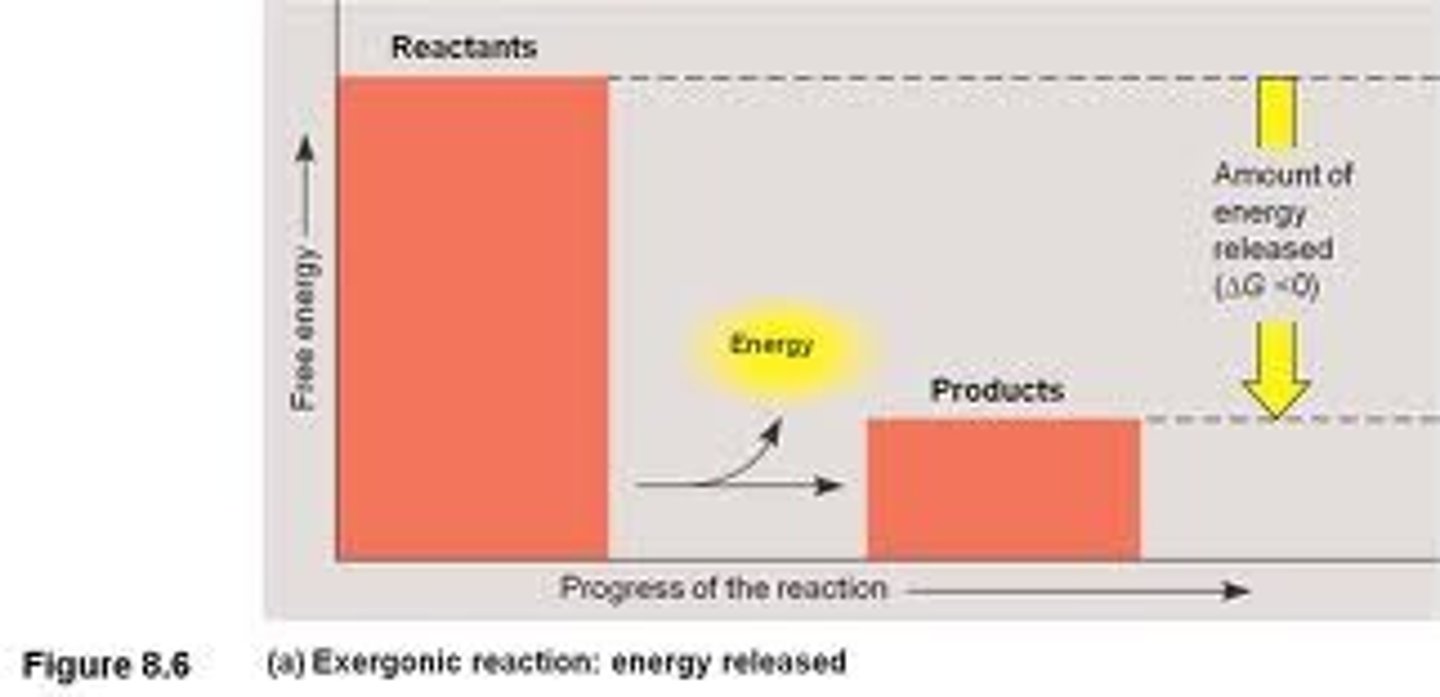
endergonic reaction
absorbs free energy from its surroundings and is nonspontaneous
catabolic pathway
series of reactions that results in the breakdown of cellular components
anabolic pathway
consume energy to build complicated molecules from simpler ones
free energy ΔG
energy that is available to do work
energy coupling
the use of energy released from an exergonic reaction to drive an endergonic reaction
hydrolysis of ATP to ADP
exergonic
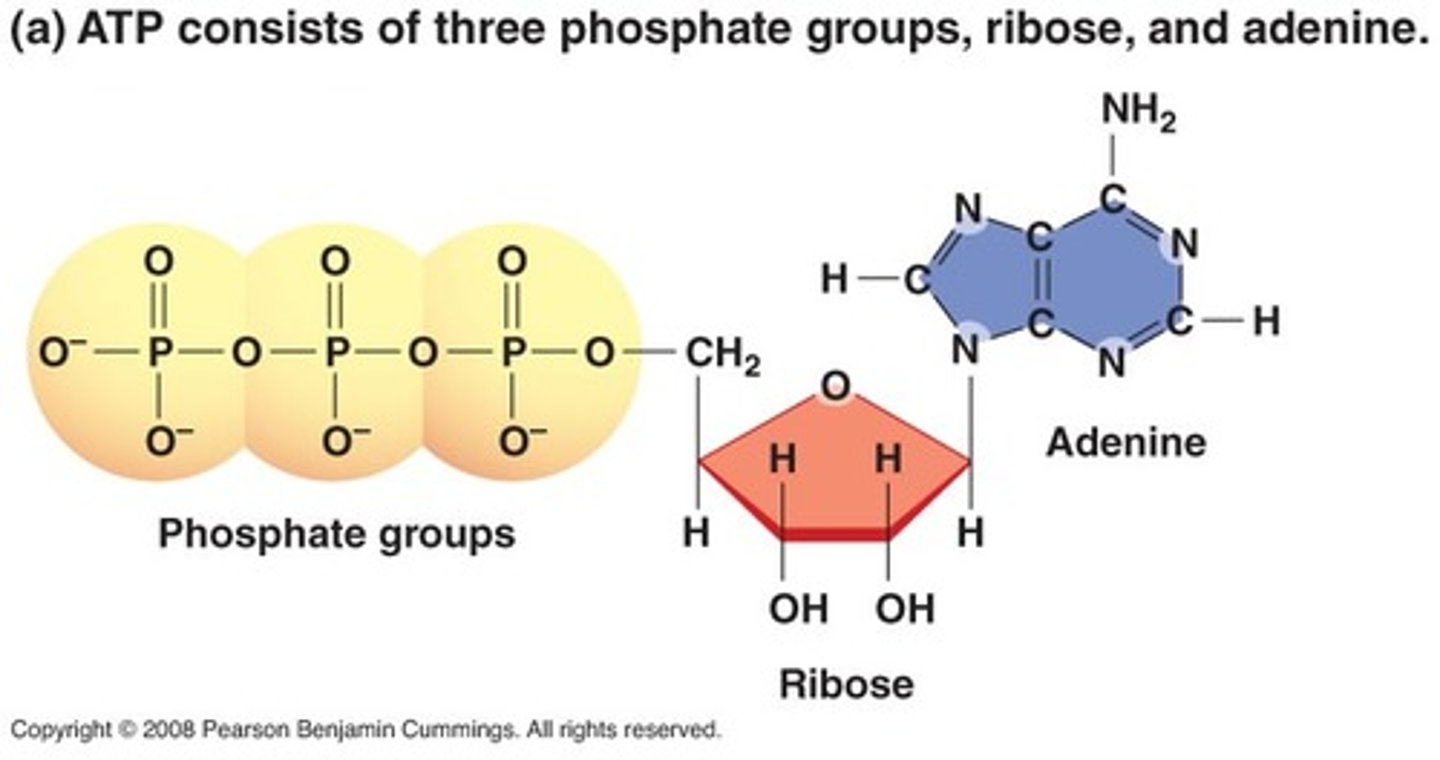
ATP's full name and structure
adenine triphosphate
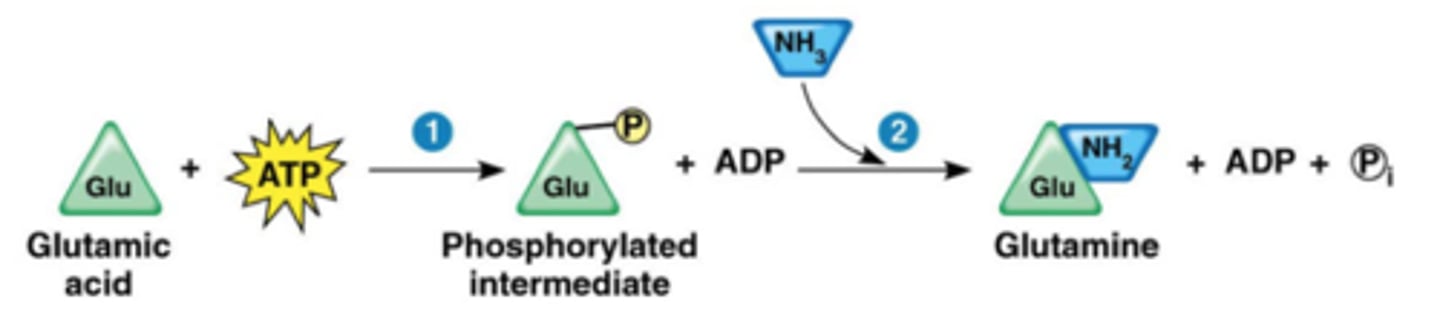
phosphorylated intermediate
recipient molecule in phosphorylation
catalyst
substance that speeds up the rate of a chemical reaction
enzyme
protein catalyst that speeds up the rate of specific biological reactions
redox reactions
an oxidation-reduction reaction
oxidation reaction
chemical reaction in which an atom or ion loses an electron (OIL)
reduction reaction
chemical reaction in which an atom or ion gains an electron (RIG)
hydrolases
catalyze hydrolysis reactions
isomerases
catalyze the rearrangement of bonds within a molecule
ligases
bond formation coupled with ATP hydrolysis
lyases
catalyze certain reactions in which double bonds form or break
dehydrogenase
removes pair of H atoms from substrates
kinase
enzyme that moves phosphates around
decarboxylase
removes a CO2 or carboxyl functional group
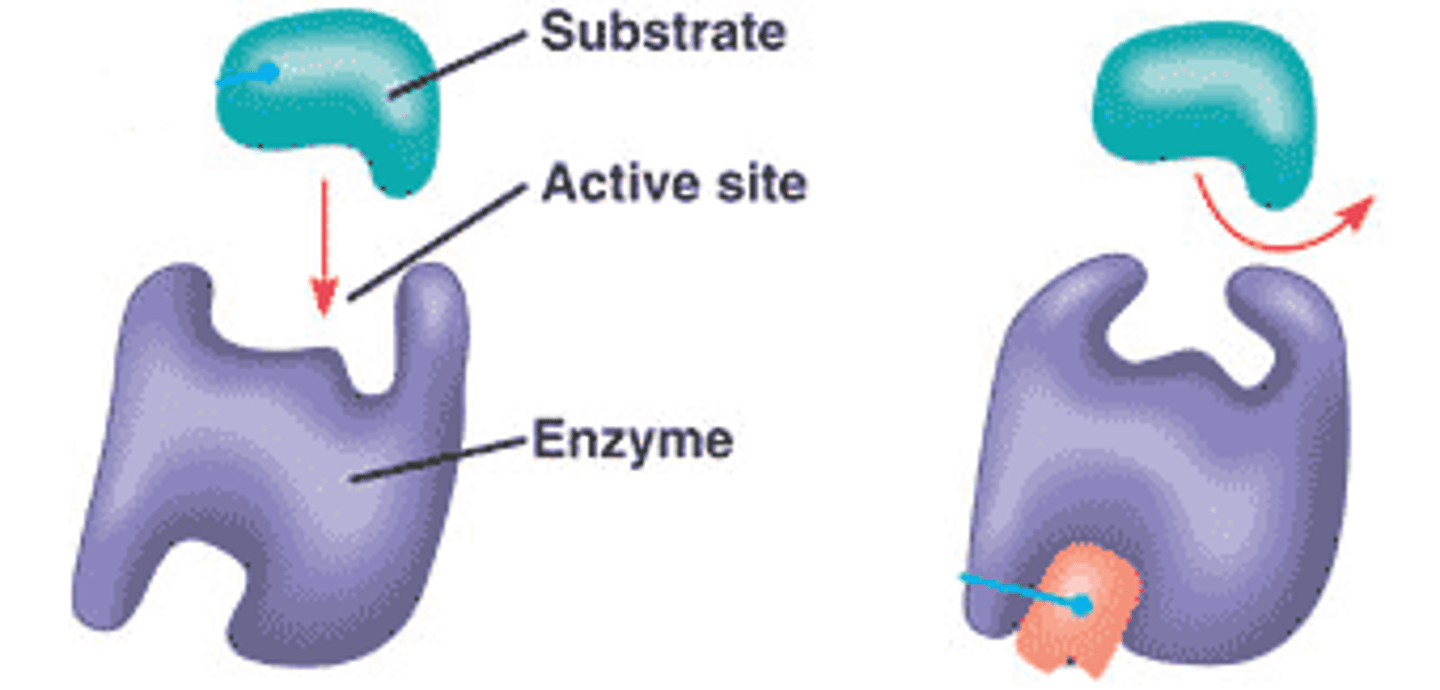
competitive inhibitor
binds to the active site, prevents substrate from binding and forming E-S complexes
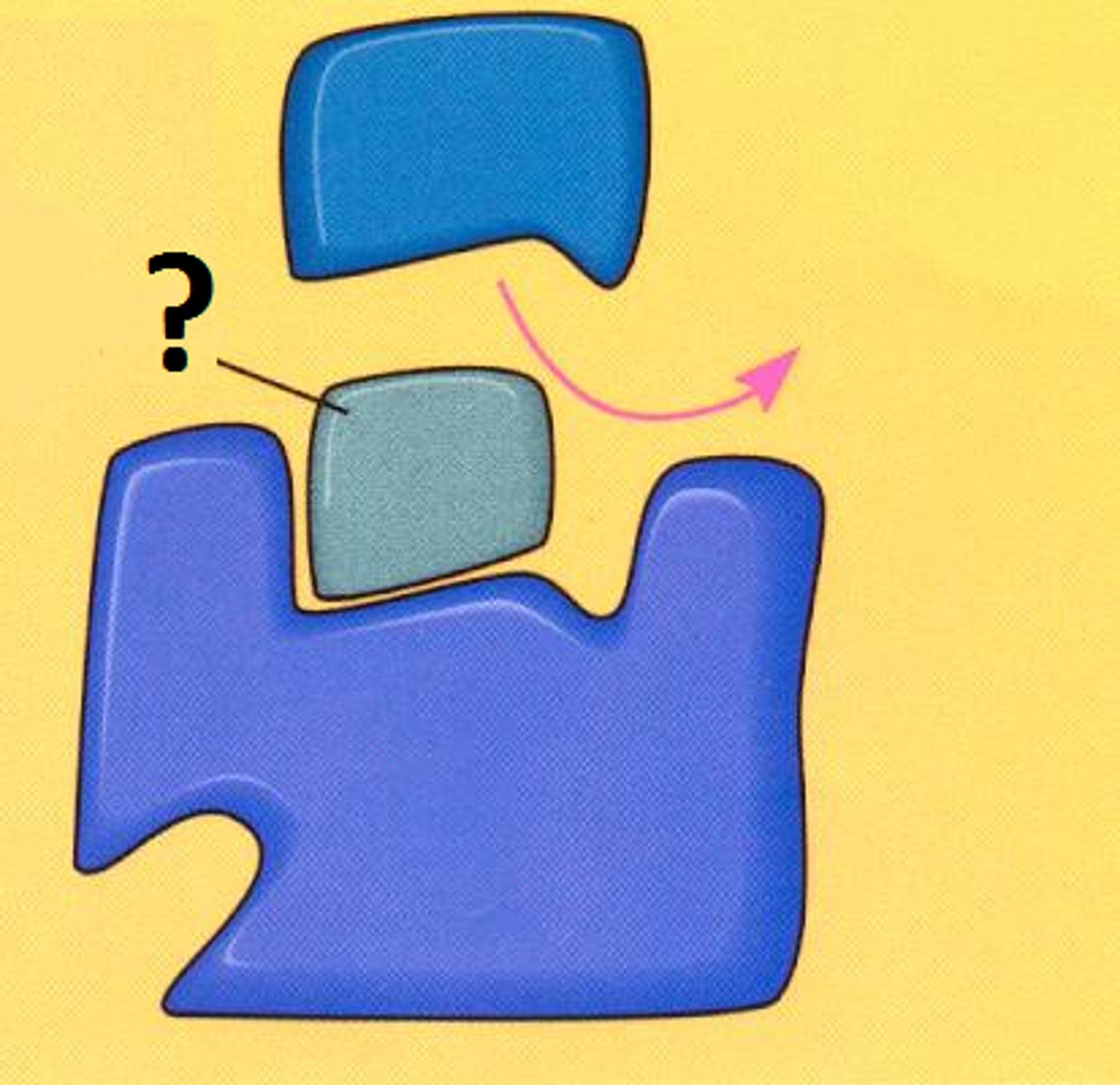
non competitive inhibitor
changes the active site by binding somewhere else on the enzyme.
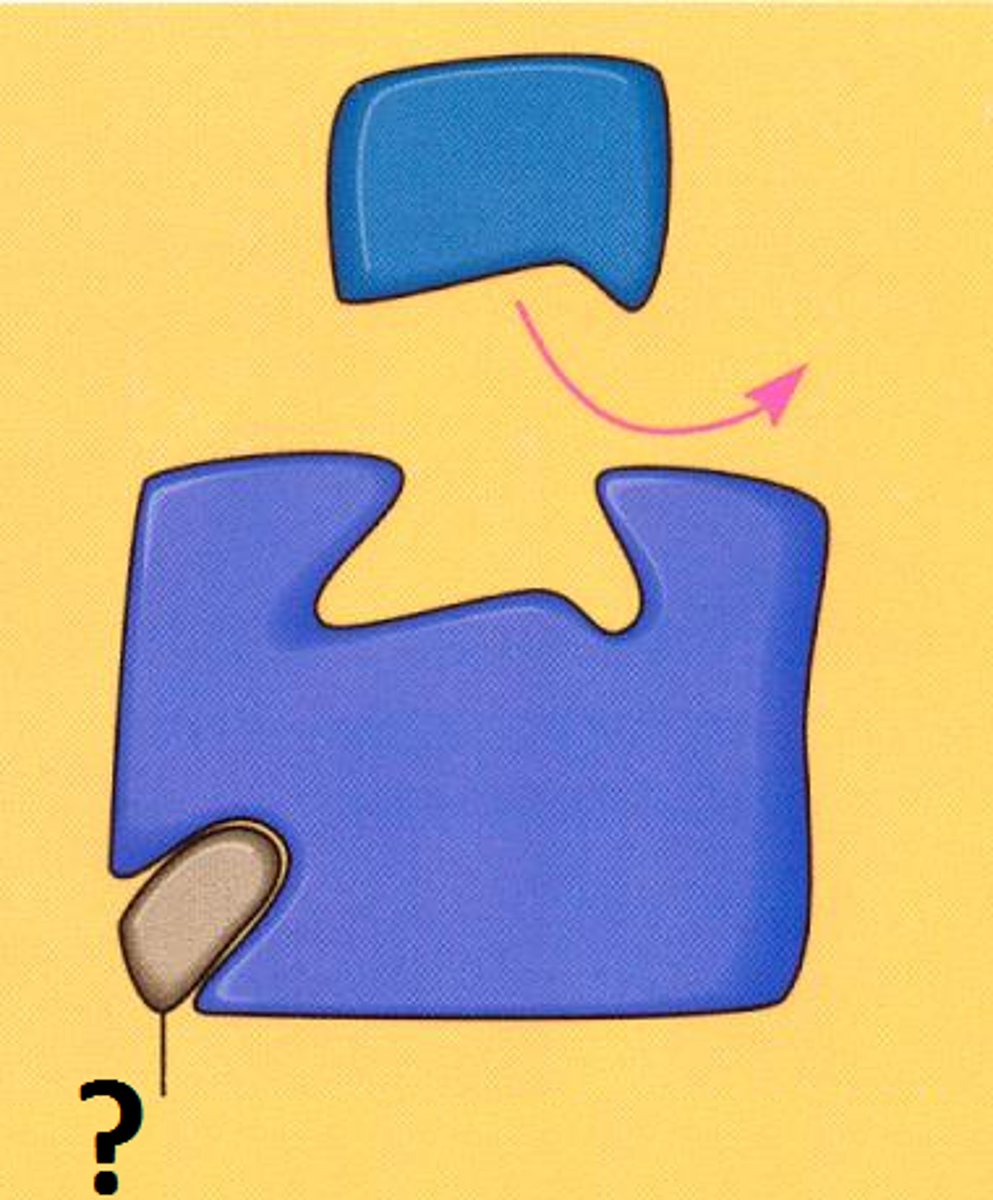
allosteric regulation
binding of a modulator at a site other than the active site
metabolic disequilibrium
an open system with constant input and output prevents system from reaching equilibrium
what is true for all exergonic reactions
the reaction proceeds with a net release of free energy
ATP usually energizes a cellular process by
coupling free energy released by ATP hydrolysis to free energy need by other reactions
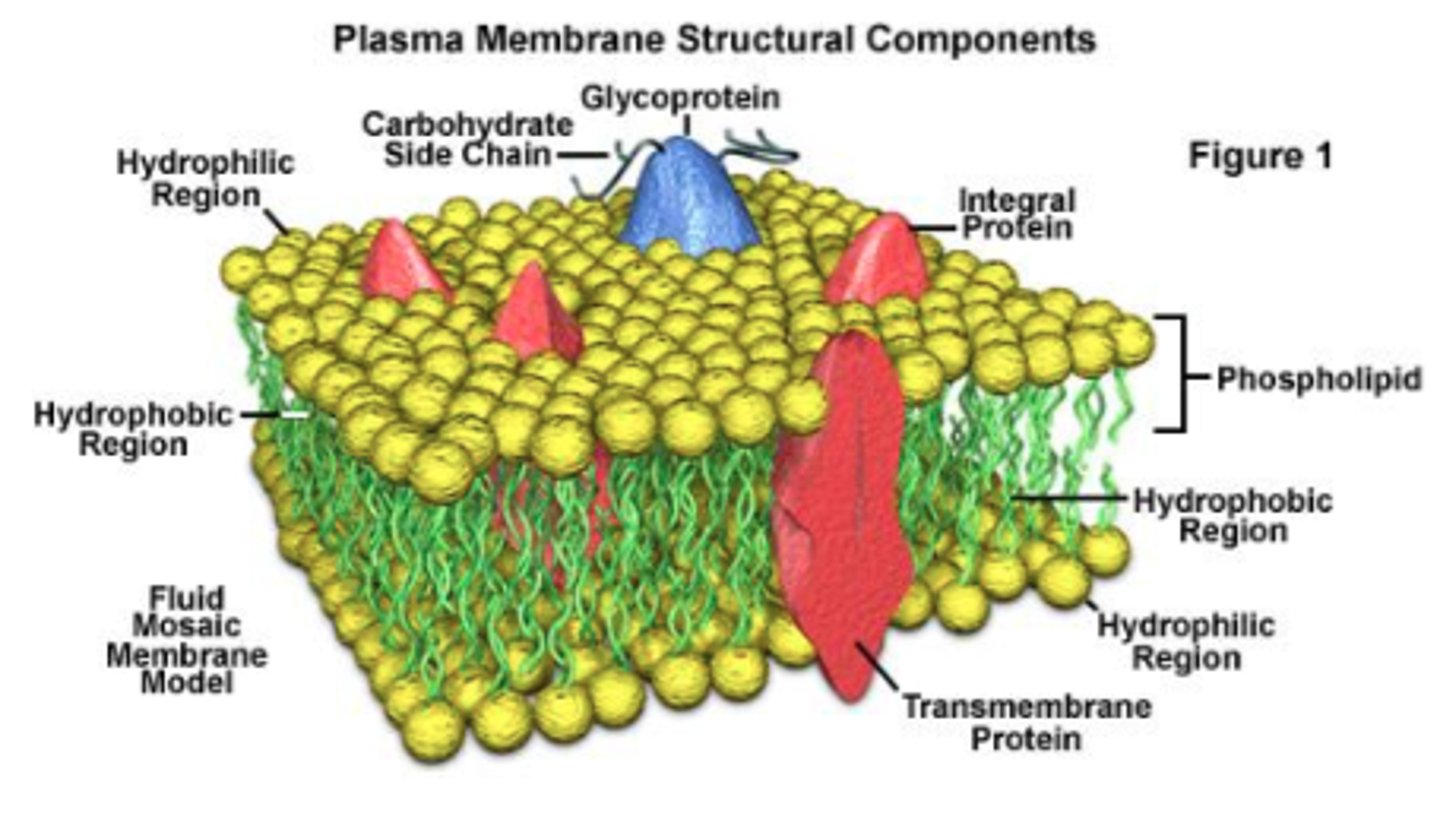
label components of the plasma membrane
as living organism increase in complexity as they grow, they result in a decrease in entropy, how does this relate to the 2nd law of thermodynamics
as they grow they create entropy in their outward environment that exceeds the decrease in entropy in their own self
increasing the substrate concentration can help overcome what in an enzymatic reaction
competitive inhibition
how does a molecule that has been phosphorylated act
it has increased chemical reactivity/it is more unstable, ready to do cellular work
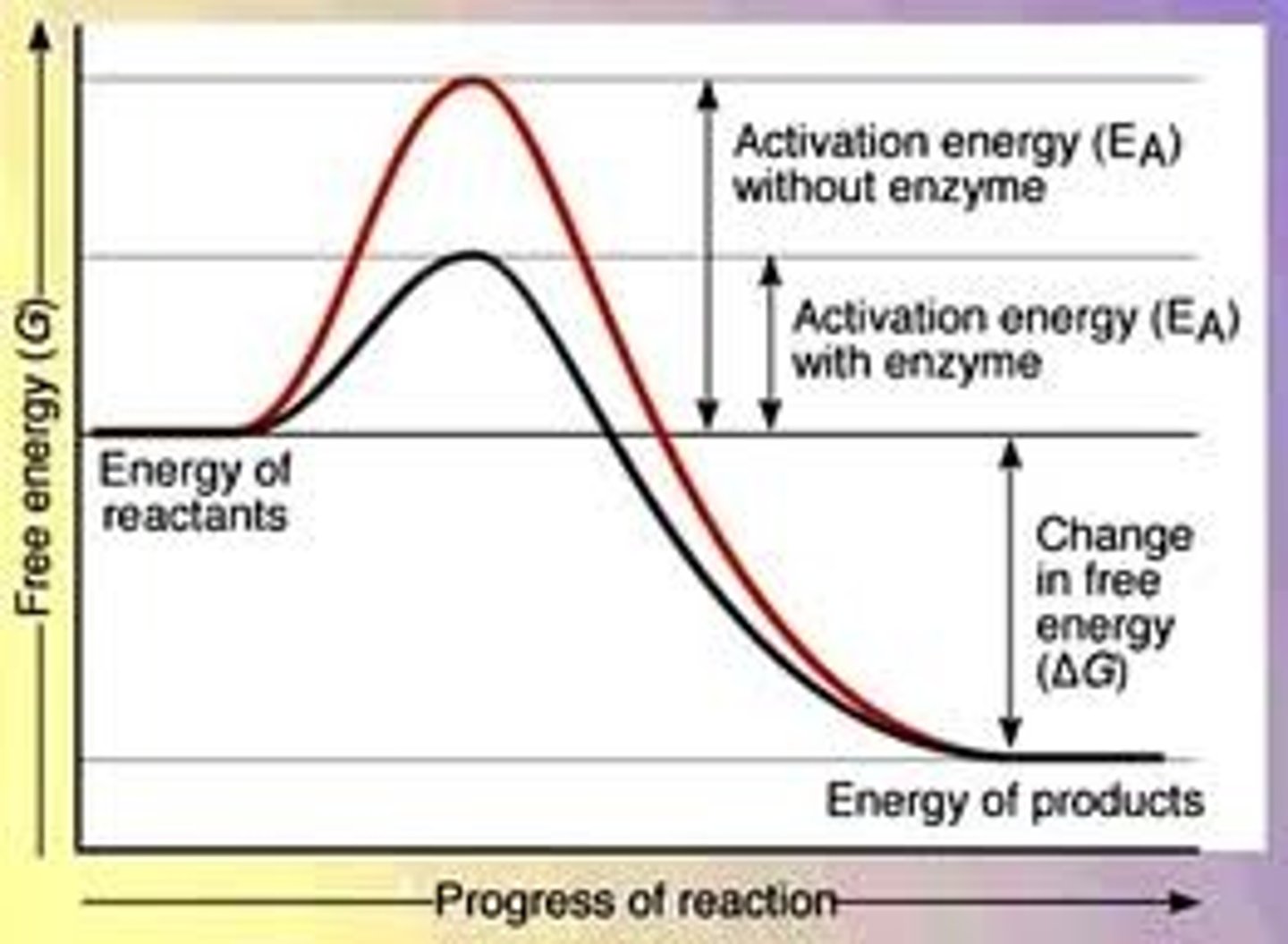
label activation energy of a reaction
substrate level phosphorylation accounts for approximately what percentage of ATP formed during glycolysis
100% (all of it)
glycolysis
breaks glucose down into 2 pyruvate, makes 2 NADH, makes 2 ATP
kreb's cycle/TCA cycle/citric acid cycle
completes break down of glucose, produces 1 ATP, 2 CO2, 3 NADH, 2 FADH
oxidative phosphorylation
chemiosmosis, yields 26-28 ATP
fermentation
harvest of energy from glucose in the absence of oxygen
reducing agent
donates electrons and becomes oxidized
oxidizing agent
accepts electrons and becomes reduced
glucose gets...
oxidized ---> CO2
O2 gets...
reduced ---> H2O
in muscle cells fermentation produces
lactic acid and NAD+
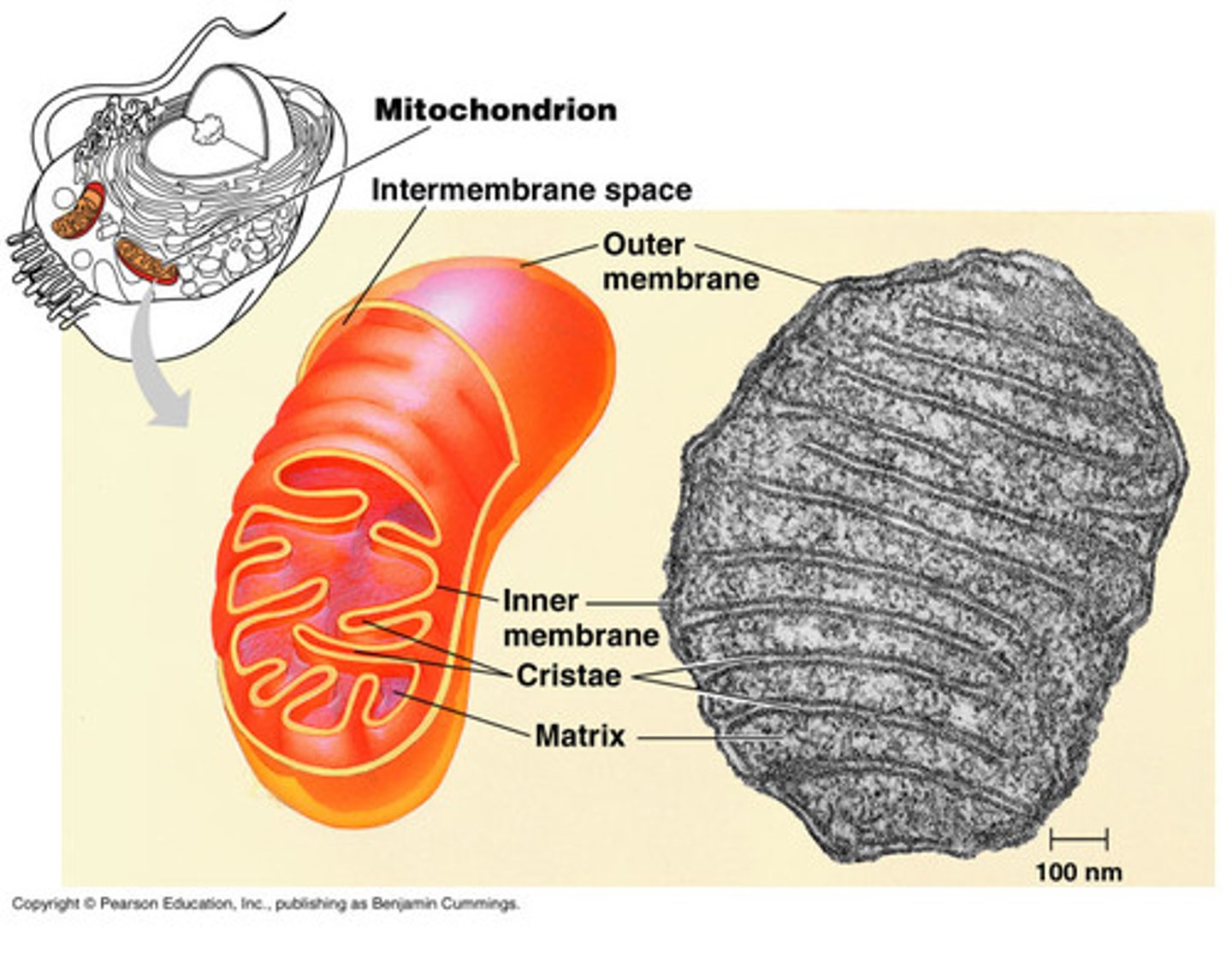
mitochondrial anatomy
NAD+
is reduced to NADH
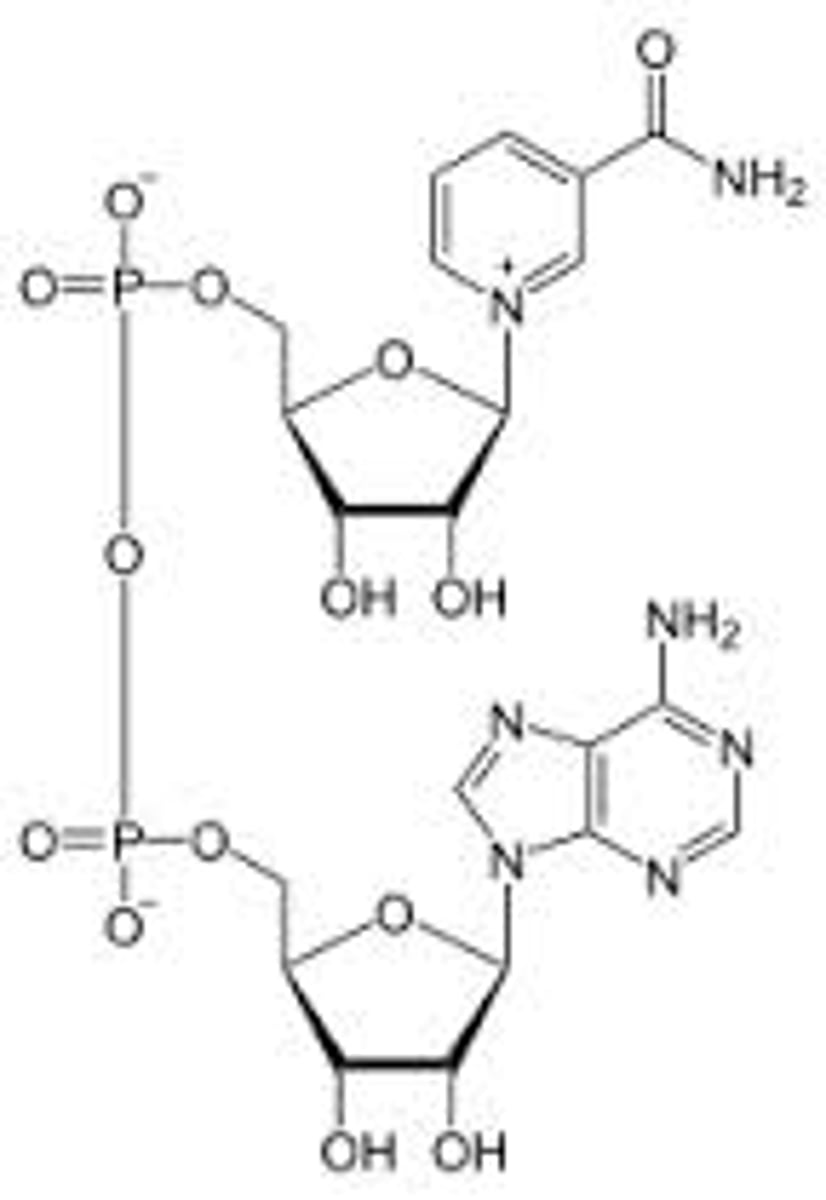
NADH
carries extra electrons and a proton that is used in the electron transport chain
G3P
glyceraldehyde 3-phosphate
glycolis energy investment phase: first enzyme
hexokinase: breaks down glucose using an ATP to get G6P
glycolis energy investment phase: third enzyme
phosphofructokinase: takes F6P covnerts it to fructose 1, 6 biphosphate
glycolis energy payoff phase: sixth enzyme
triose phosphate dehydrogenase: takes G3P and converts it to 1, 3-biphosphoglycerate while taking 2 NAD+ to 2 NADH
glycolis energy payoff phase: seventh enzyme
phospho-glycerokinase: converts 1,3-biphosphoglycerate to 3-phosphoglycerate and makes 2 ATP from 2 ADP
glycolis energy payoff phase: tenth enzyme
pyruvate kinase: converts PEP to pyruvate and makes 2 ATP from 2 ADP
pyruvate dehydrogenase
converts pyruvate to acetyl CoA
where is the kreb's cycle performed
mitochondrial matrix
where is acetyl CoA made
cytosol of the cell
what enzyme does arsenic inhibit
succinate dehydrogenase
isocitrate
converts citrate to alpha ketogluterate , releases CO2, reduces NAD+
alpha ketogluterate
converts isocitrate to succinyl CoA, release CO2, reduces NAD+
succinate
converts succinyl CoA to fumerate, reduces FADH
malate
converts fumarate to oxaloacetate , reduces NAD+
oxaloacetate
end enzyme of kreb's cycle
where is chemiosmosis and electron transport chain done
cristae of the mitochondria
where are the hydrogen's pumped to
intermembrane space pf mitochondria
where is ATP pumped to
mitochondrial matrix
what begins the electron transport chain
NADH
proteins that carry electrons through ETC
protein complexes I, II, III, IV
what does cyanide effect
blocks the protein complex IV by binding irreversibly to cytochrome oxidase
what is DNP
a diet drug from the 50's that makes inner membrane leaky to H+ allowing to flow back into the matrix without going through ATP synthase
why is oxygen important to the electron transport chain
it is the catchers mitt because of its strong electronegativity, forms water
what is substrate level phosphorylation
glycolysis, kreb's cycle
what is oxidative phosphorylation
electron transport chain and chemiosmosis
how does ATP synthase work
H+ gradient drives it, when H+ flows past the rotor spins clockwise
what is released when proteins are put through cellular respiration
ammonia NH3
fats yield how much more ATP than glucose
20%
when a molecule of NAD+ gains a hydrogen atom (not ion) the molecule becomes...
reduced
where is does the calvin cycle take place
stroma
where do light reactions occur
thylakoid membrane
where is ATP production occurring
cristae
where is the proton gradient for photosynthesis
inter membrane of the thylakoid
what products of the light reactions are used for the calvin cycle
ATP and NADPH
what does cyclic phosphorylation in the chloroplast produce
6 ATP
what is it about the photosynthetic adaptations of of C4 and CAM plants similar
both use an enzyme different from rubisco to carry out carbon fixation
carbon fixation involves the addition of CO2 to...
RuBP