Biology unit exam
 Call Kai
 Learn
Learn Practice Test
 Spaced Repetition
 Match
Match Flashcards
 Knowt Play
1/46

There's no tags or description
Looks like no tags are added yet.
Name | Mastery | Learn | Test | Matching | Spaced | Call with Kai | Chat |
|---|
No analytics yet
Send a link to your students to track their progress
47 Terms
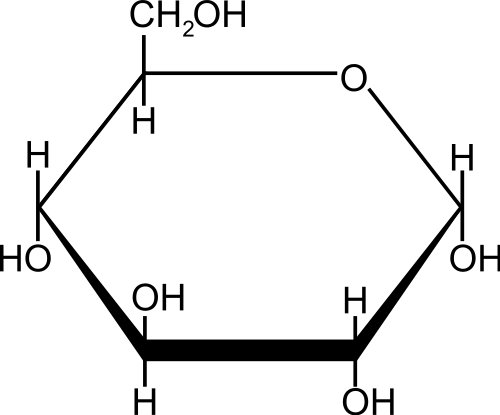
Carbohydrate
Provides cells with energy and structural support.

Phospholipid
A type of lipid molecule that forms the primary building block of all cellular membranes.
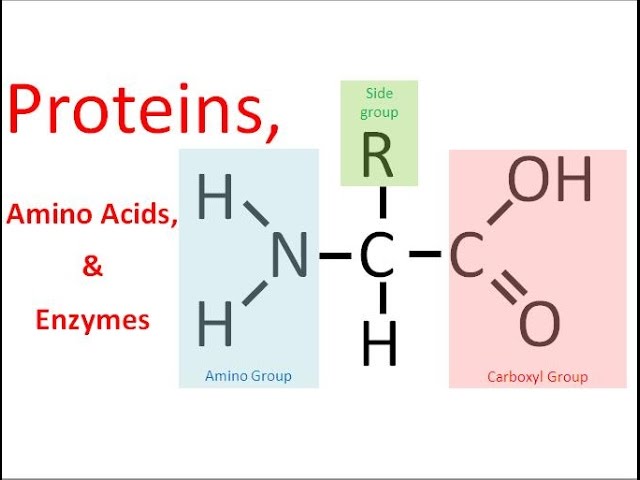
Protein
A large, complex molecule made of one or more long chains of amino acids linked by peptide bonds.
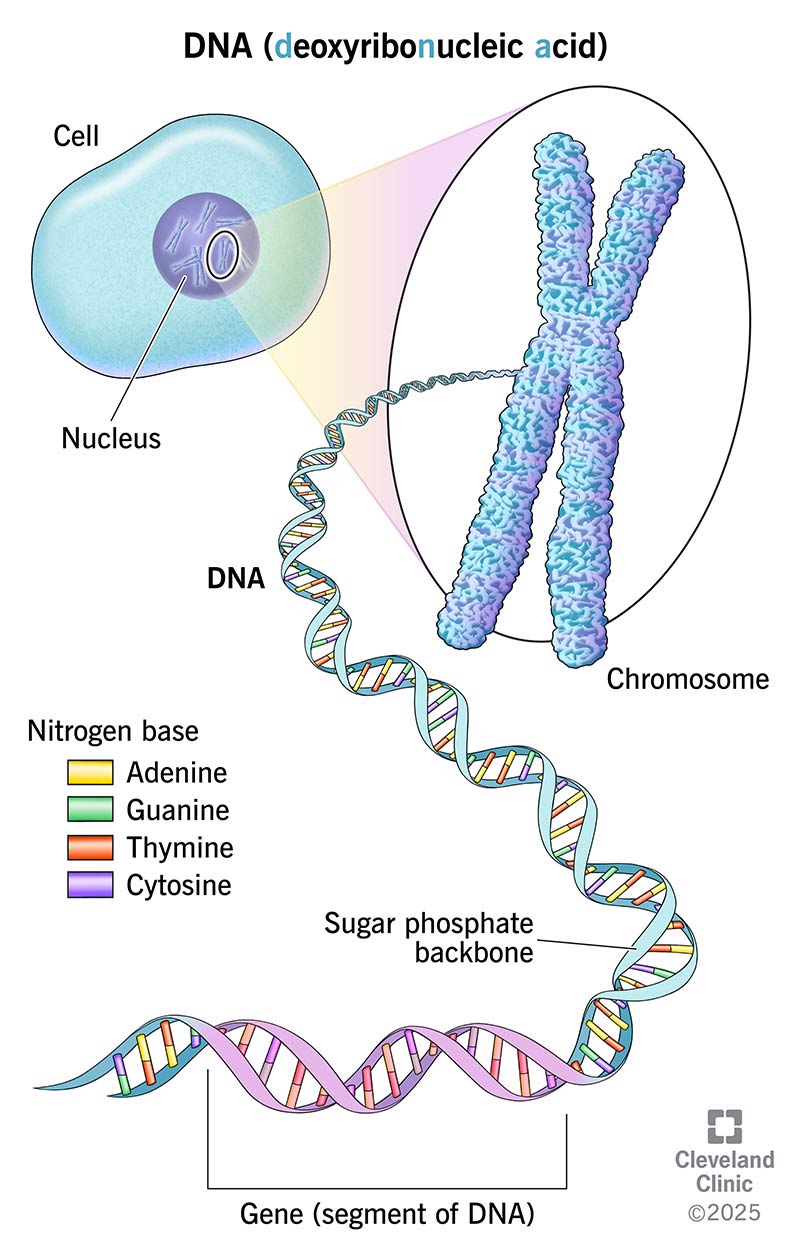
DNA
It stores hereditary instructions used to make proteins.

Membrane-bound nucleus
The control center of a cell that stores and protects genetic material (DNA) inside a specialized double membrane.

Cell membrane
A thin flexible barrier that surrounds all living cells and separates the cell’s interior from its outside environment.

DNA Replication
Its DNA is copied before the cell divides.

Eukaryotic Cells
They create compartments with conditions suited to different tasks. Organelles of eukaryotic cells are the nucleus, mitochondria, Endoplasmic Reticulum (ER), Golgi apparatus, Lysosomes, and peroxisomes, and cytoskeleton.

Capsid
The protective protein shell of a virus that encloses its genetic material (DNA or RNA).
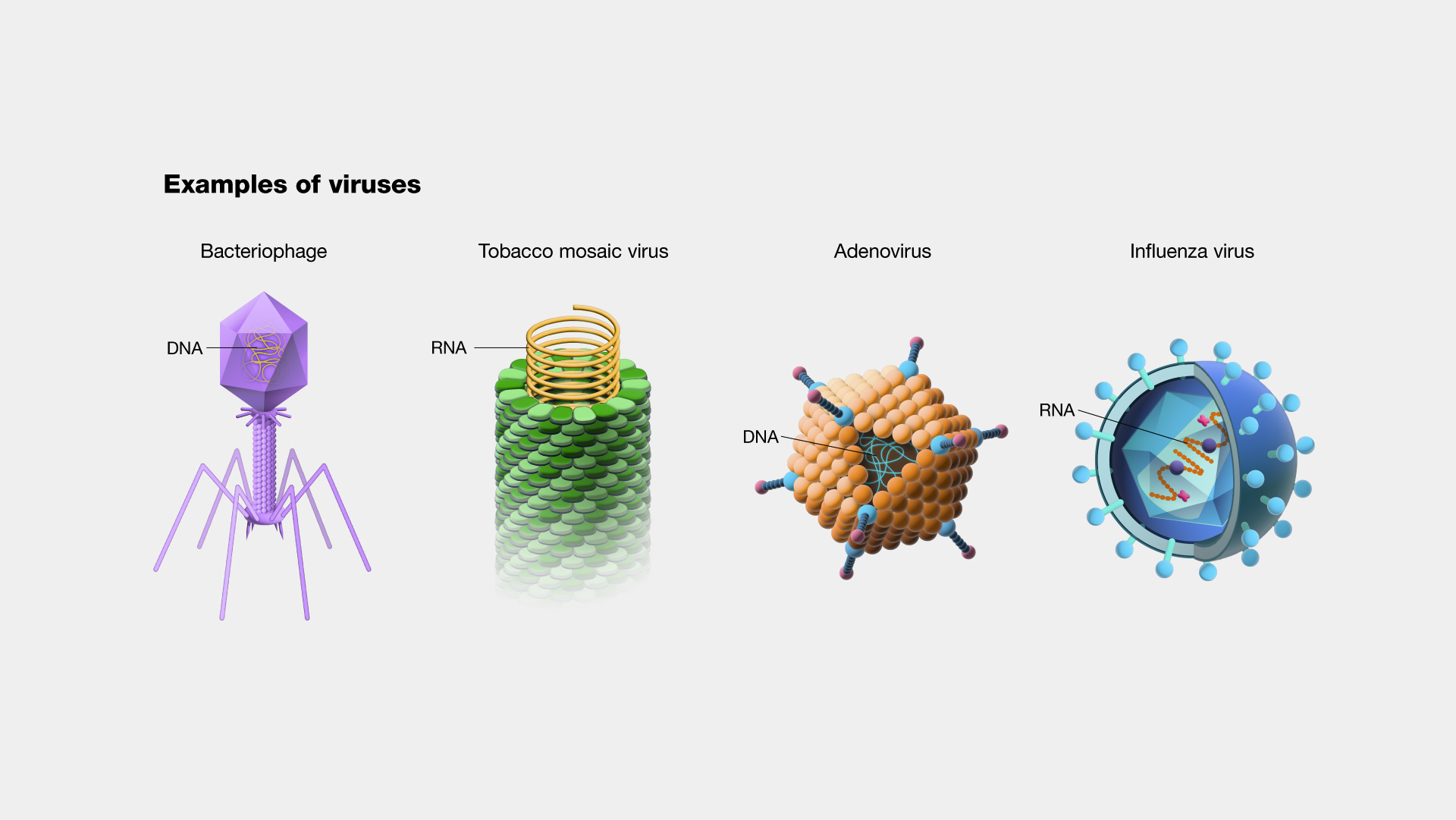
Virus
Both contain genetic material, but a virus lacks ribosomes. It depends on the host's machinery and resources to make viral parts.

Cytoplasm
The thick, gel-like fluid that fills the inside of a cell and holds all of its internal parts in place.

Ribosomes
Tiny cellular machines that build proteins by reading genetic instructions.
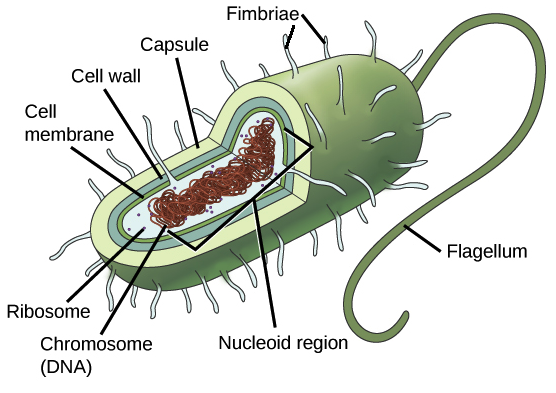
Prokaryotic cells
A simple, single-celled organism without a distinct nucleus or other membrane-bound internal structures.
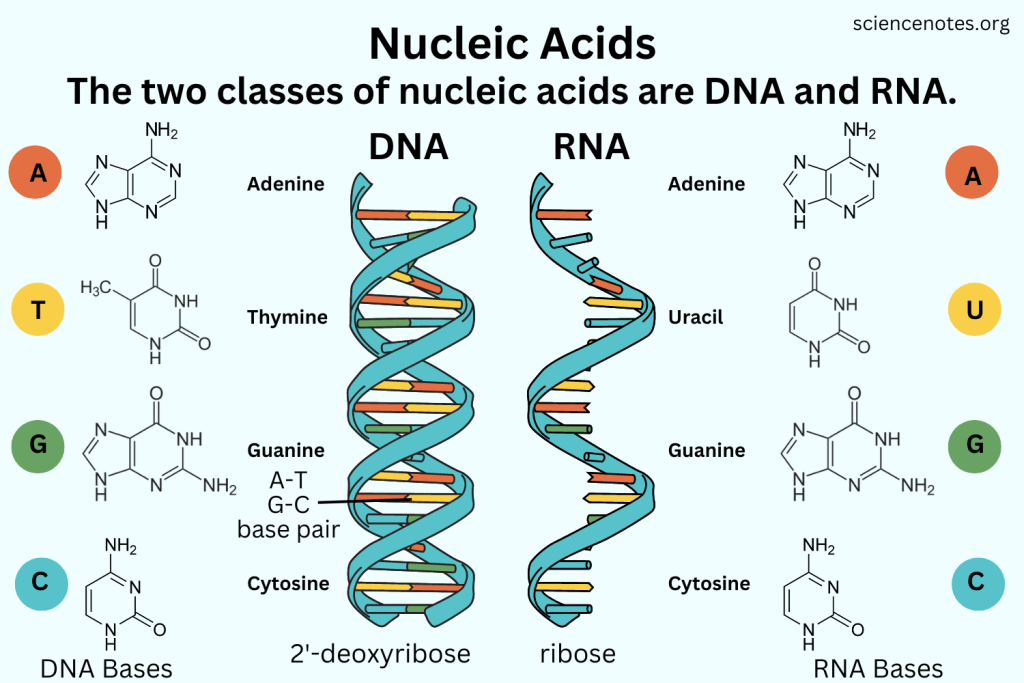
Nucleic acid
Large, natural chemical molecules that store and pass on genetic information in all living cells and some viruses.

Lipids
A broad group of organic molecules, commonly known as fats and oils, that do not dissolve in water.

Triglycerides
The most common type of fat, or lipid, found in your blood and body.

Phospholipids
A vital type of fat molecule containing a phosphate group that makes up the bulk of the biological cell membrane.
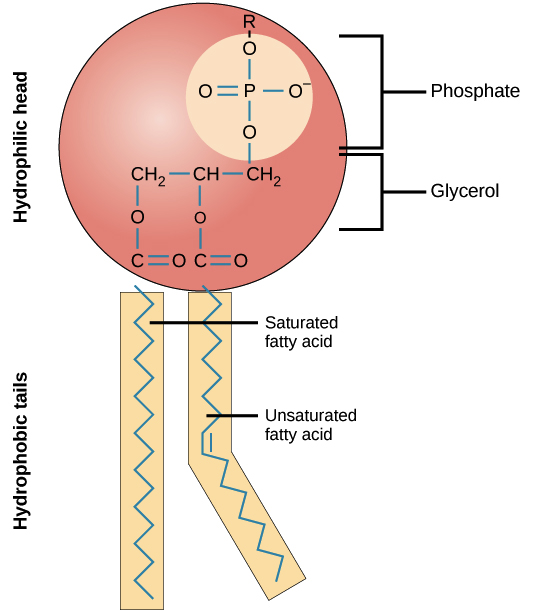
Hydrophilic head
The water-loving, polar end of a molecule such as a phospholipid — that attracts water and dissolves easily in it.
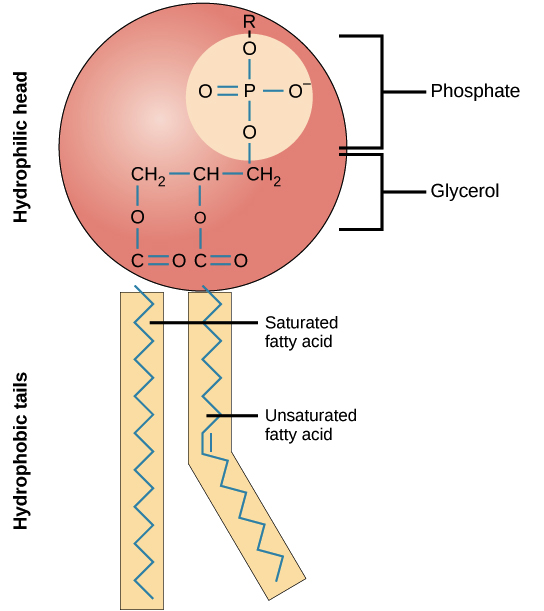
Hydrophobic tails
The water-fearing, nonpolar part of an amphiphilic molecule (a molecule with two distinct sides), usually made of a long hydrocarbon or fatty acid chain.

Amphipathic
A molecule has both a water- loving (hydrophilic) part and a water-fearing (hydrophobic) part.

The lytic cycle
Relating to lysis, which is the breakdown, destruction, or disintegration of cells or membranes.

The lysogenic cycle
A type of viral infection in which a virus inserts its genetic code into a host cell’s DNA without immediately destroying the cell.

Enzymes
Specialized proteins that act as biological catalysts to speed up chemical reactions in living things.

Glucose
A simple sugar that serves as the primary source of energy for the body’s cells.

Mitochondria
Membrane-bound cell organelles that generate most of the chemical energy needed to power a cell’s biochemical reactions.

Bacteria
Microscopic, single-celled organisms that lack a distinct nucleus and live in virtually all environments on Earth.
Photosynthesis
The process by which plants, algae, and some bacteria use sunlight, water, and carbon dioxide to produce food (glucose) and oxygen.

Chloroplasts
A specialized structure (organelle) inside plant and algae cells that performs photosynthesis.

Peptidoglycan
A rigid mesh-like molecule that forms the cell wall of most bacteria.

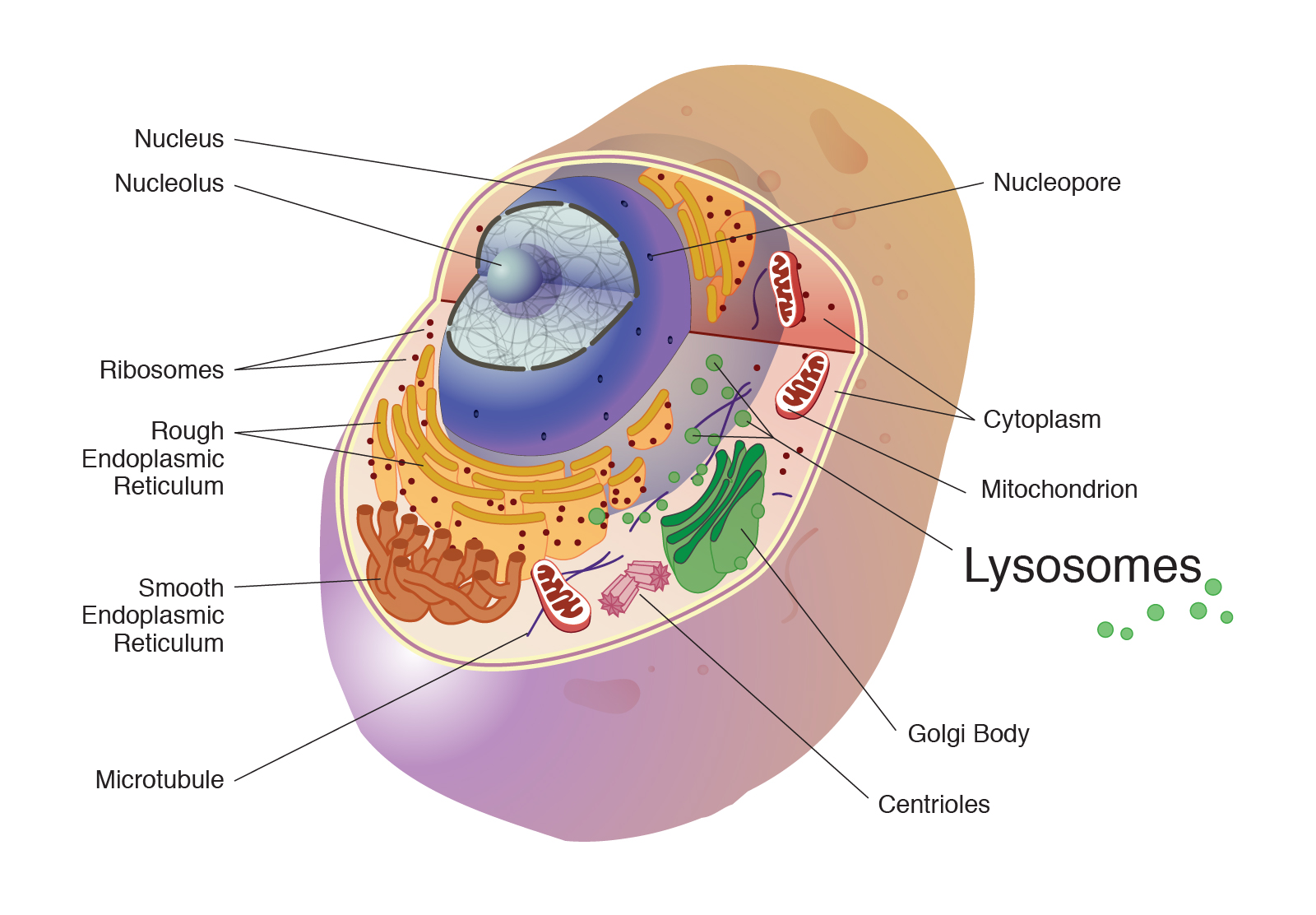
Lysome
A membrane-bound structure (organelle) inside animal cells that acts as the cell’s waste disposal and recycling center.

Bilayer
A double-layered sheet of molecules that forms the foundational structure of all cell membranes.
Endosymbiotic theory
The endosymbiotic theory states that major cell structures, specifically mitochondria and chloroplasts, evolved from free-living bacteria that were swallowed by a larger host cell.
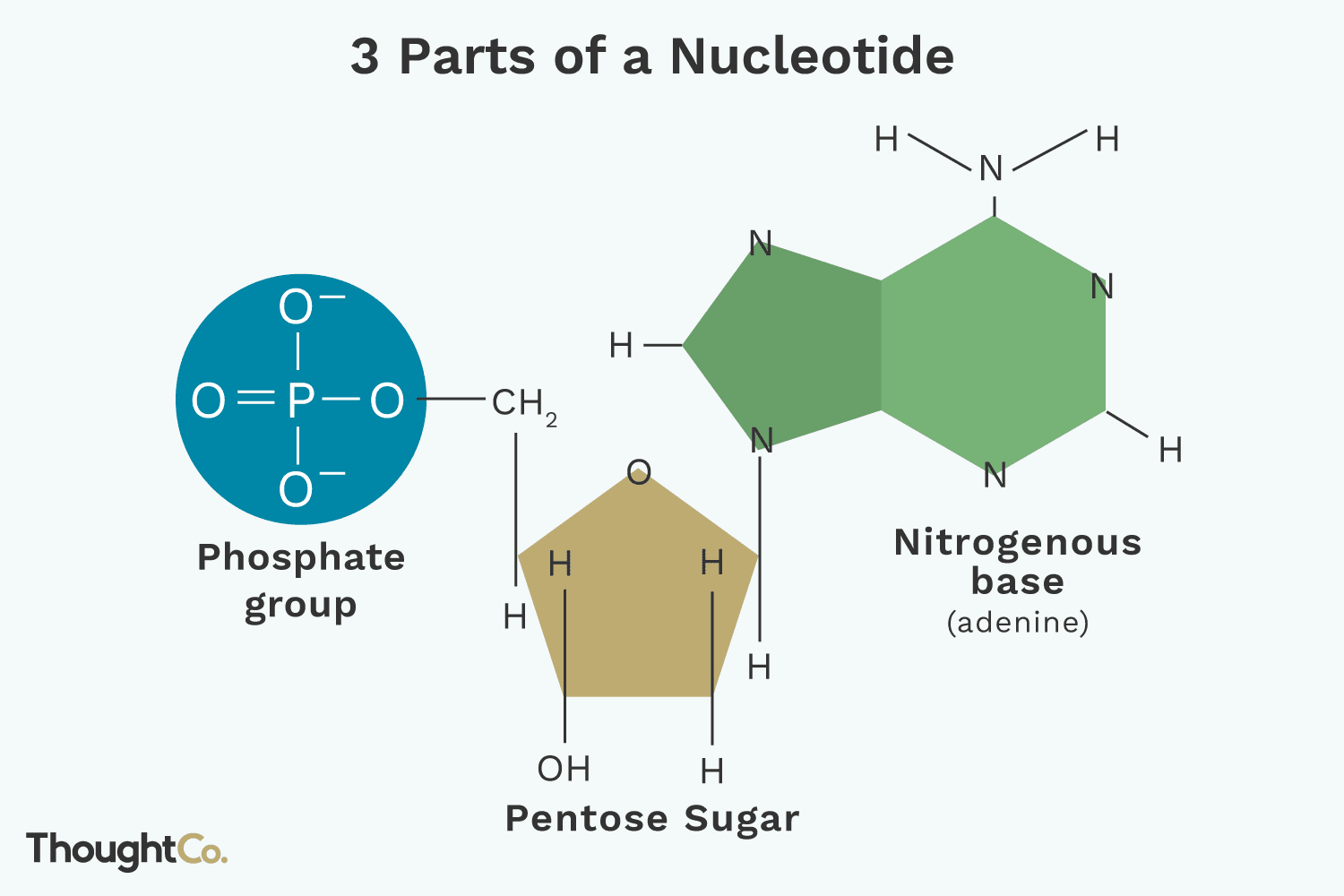
Nucleotides
The chemical building blocks that chain together to form nucleic acids, such as DNA and RNA.

RNA
A vital biological molecule in all living cells that carries instructions from DNA go help make proteins.

Amino acids
A small organic molecule that links together with other molecules to form proteins.
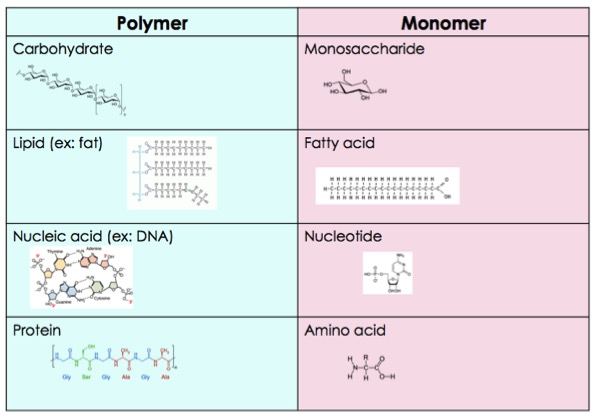
Monomers
A small molecule that can chemically bond with other similar or identical molecules to create a larger structure called a polymer.

Polymers
A large molecule made of many smaller, repeating chemical units called monomers linked together in long chains.
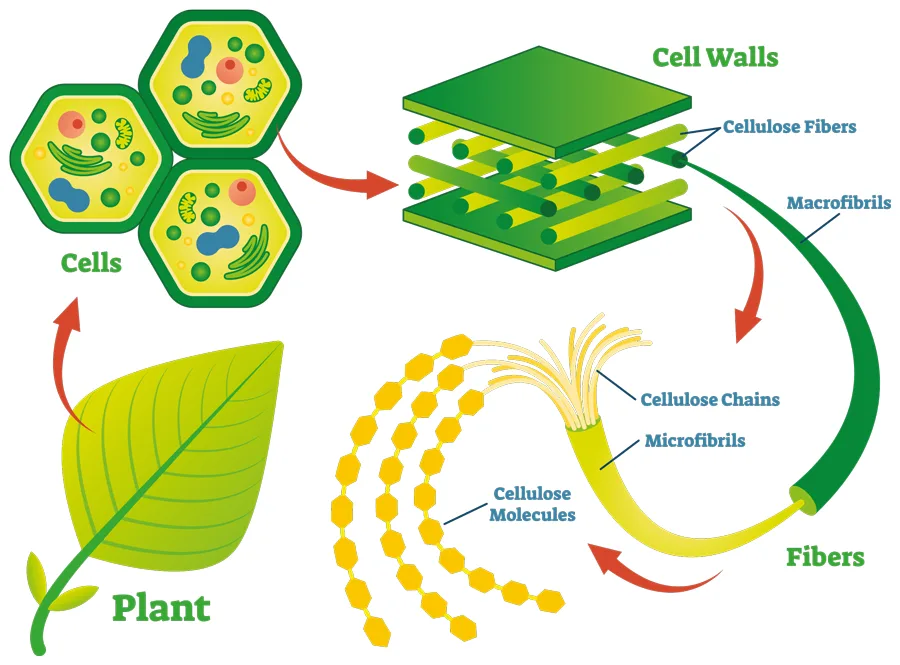
Cellulose
A complex carbohydrate (polysaccharide) made of long chains of glucose units that forms the main structural component of plant cell walls.
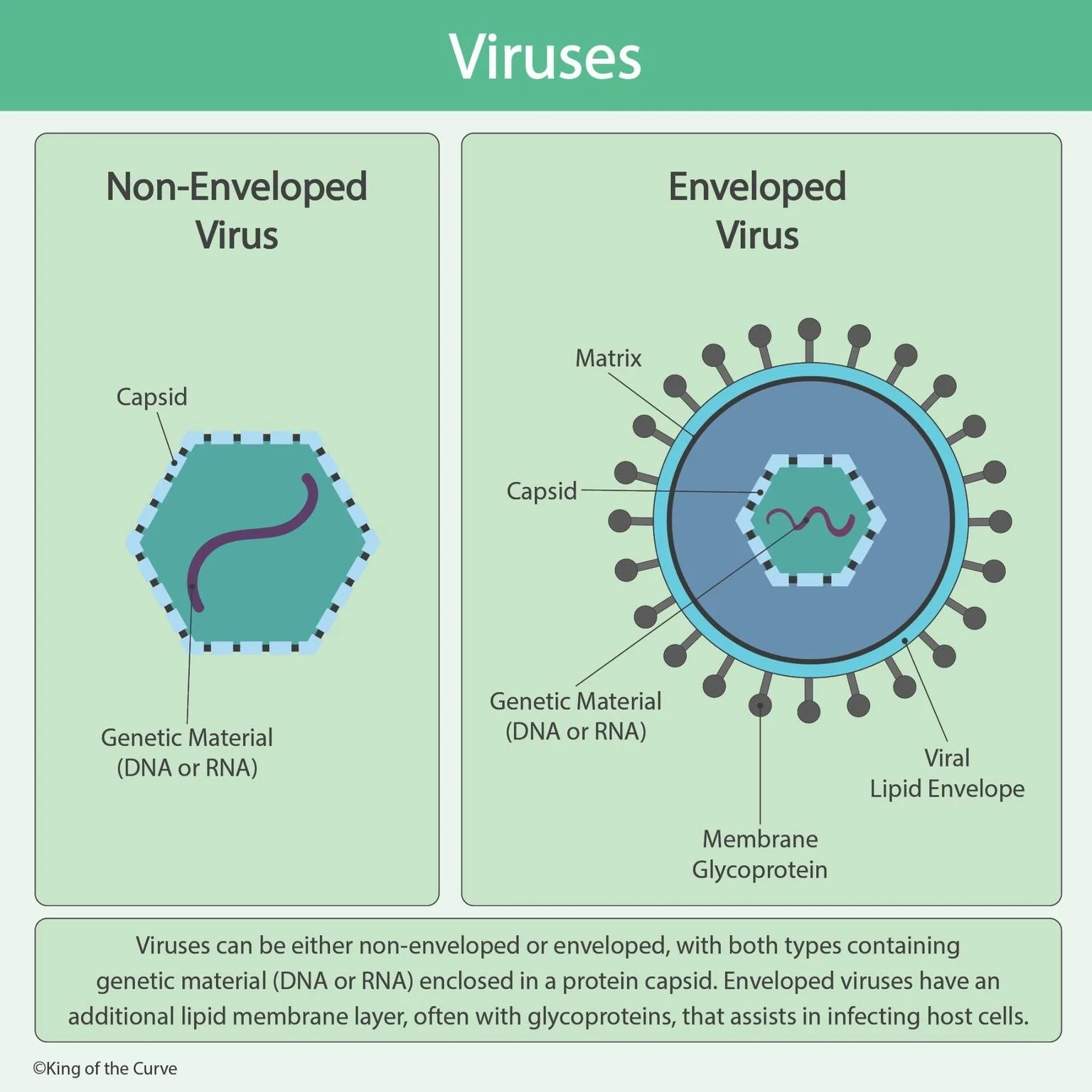
Viral envelope
The outermost outer membrane layer that surrounds the protein coat (capsid) of certain viruses.

Endosymbiosis Reticulum (ER)
A continuous network of flattened sacs and branching tubules that stretches throughout the cytoplasm of the cell.

Gene
The basic physical and functional unit of heredity is made up of DNA.

Chromosomes
A thread-like structure made of protein and a single molecule of DNA that carries genetic information from cell to cell.

Mutation
A change that occurs in our DNA sequence, either due to mistakes when the DNA is copied or as a result of environmental factors.
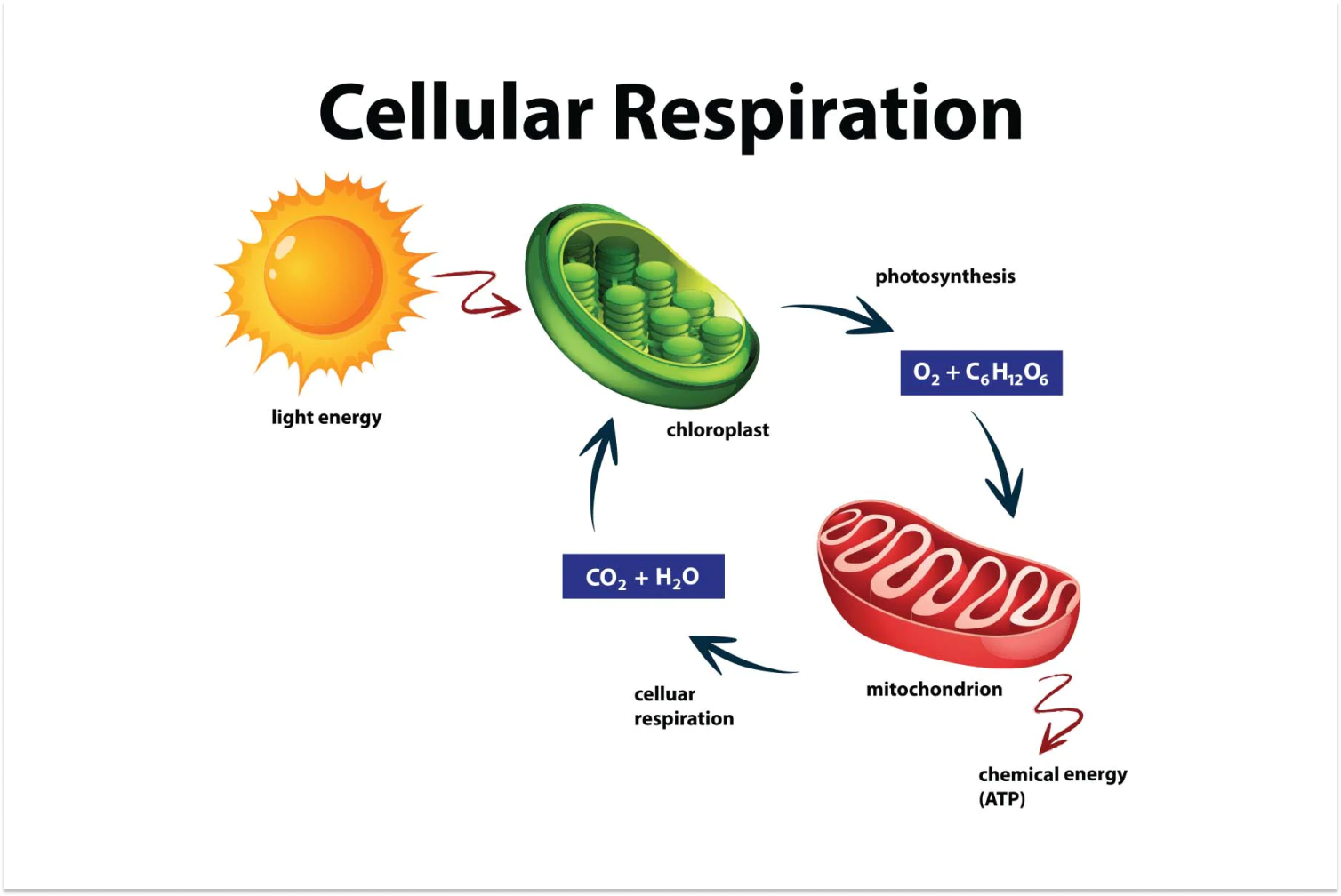
Respiration
The biochemical process by which living organisms produce energy by breaking down nutrients (like glucose) inside their cells.
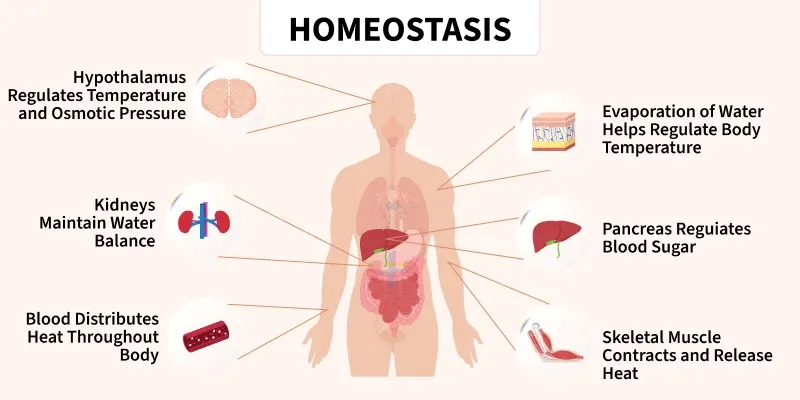
Homeostasis
The process by which a living organism maintains a stable, relatively constant internal environment despite changes in external conditions.
Metabolism
The total of all chemical reactions that take place within a loving organism to covert food and nutrients into energy and building blocks for like.

5 Nitrogenous Bases
Adenine (A), Thymine (T), Uracil (U), Cytosine (C), Guanine (G)