Lab Exam 1
 Call Kai
 Learn
Learn Practice Test
 Spaced Repetition
 Match
Match Flashcards
 Knowt Play
1/96

There's no tags or description
Looks like no tags are added yet.
Name | Mastery | Learn | Test | Matching | Spaced | Call with Kai | Chat |
|---|
No analytics yet
Send a link to your students to track their progress
97 Terms
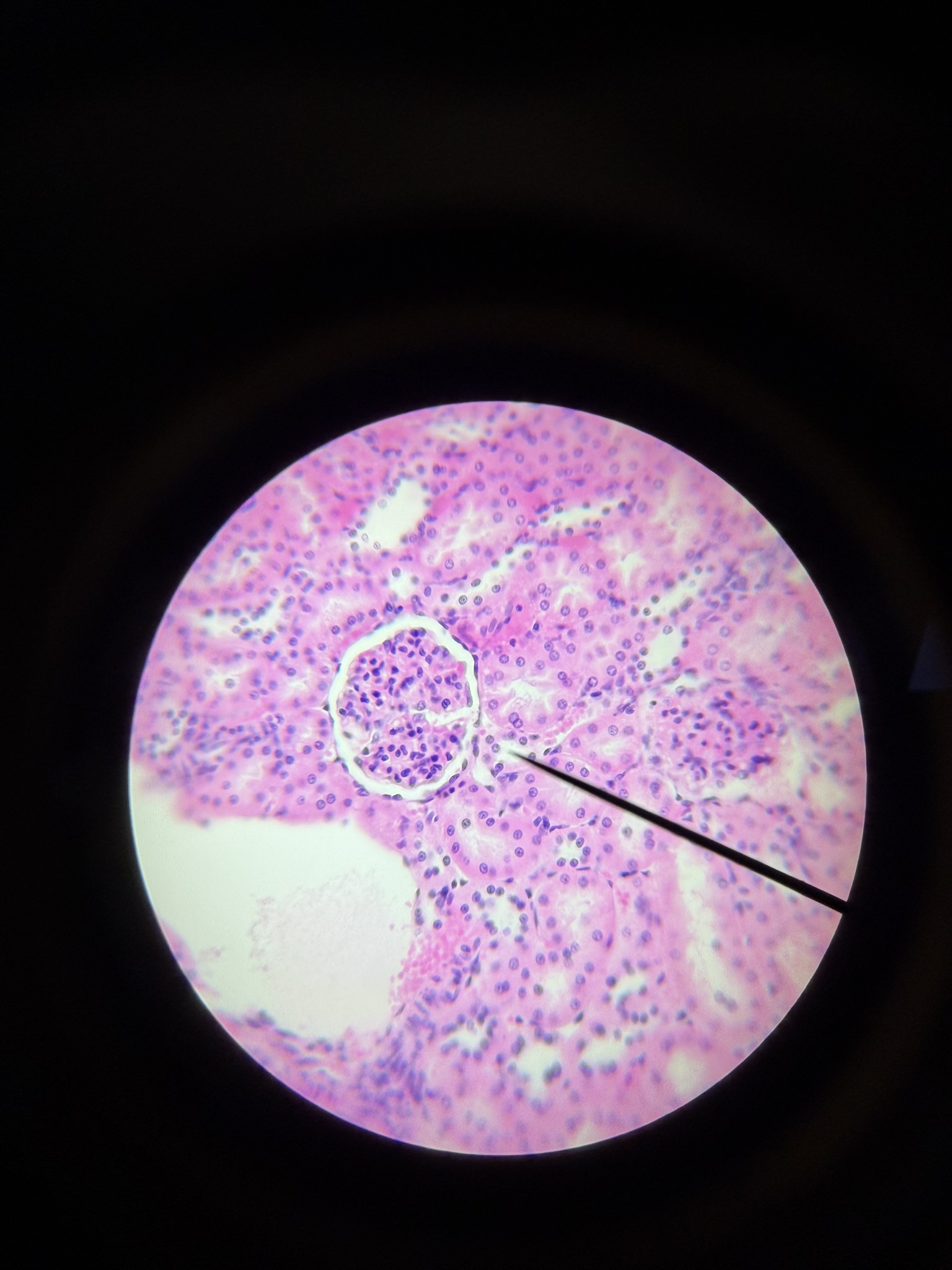
Simple squamous epithelium
Simple squamous epithelium function
rapid exchange of respiratory gases
Simple squamous epithelium location
lungs and heart

Simple cuboidal epithelium
Simple cuboidal epithelium functions
regulate exchange of nongaseous materials such as ions and nutrients between internal and external environments (secretion and absorption)
Simple cuboidal epithelium location
kidney tubules, glands and their ducts, thyroid

Simple columnar
Simple columnar functions
absorption of nutrients
Simple columnar apical surface is lined with
microvilli
microvilli function
increase surface area to maximize absorption
Simple columnar contain
mucous secreting goblet cells
goblet cells function
produce and release mucus to protect and clean
Simple columnar location
lines GI tract from stomach to rectum

Pseudostratified ciliated columnar epithelium
additional structures on Pseudostratified ciliated columnar epithelium
cilia and goblet cells
Pseudostratified ciliated columnar epithelium functions
non transporting tissue cells whose cilia move material past the cell
Pseudostratified ciliated columnar epithelium locations
respiratory passageways

stratified squamous Non-keratinized epithelium
stratified squamous Non-keratinized epithelium function
protects internal and external environments against mechanical and chemical stress
stratified squamous Non-keratinized epithelium location
mouth esophagus vagina anus
stratified squamous Non-keratinized epithelium apical cells
alive

stratified squamous Keratinized epithelium
stratified squamous Keratinized epithelium shape of cells at apical surface
flat
stratified squamous Keratinized epithelium apical cells
dead
stratified squamous Keratinized epithelium function
tough waterproof protective barrier
stratified squamous Keratinized epithelium location
epidermis of skin

Transitional epithelium
Transitional epithelium number of layers of cells
2 or more depending on organ stretch
Transitional epithelium shape of basal cells
cuboidal or columnar
Transitional epithelium shape of apical cells
large and domed
Transitional epithelium function
allows stretching of organs without rupturing
Transitional epithelium location
urinary bladder, uterus, urethra

Stratified cuboidal epithelium
Stratified cuboidal epithelium functions
secretion and protection
Stratified cuboidal epithelium location
sweat glands, mammary glands, and ovarian follicles

areolar connective tissue
areolar connective tissue predominant cell type
fibroblasts
areolar connective tissue function
forms lamina propria, packages organs, and surrounds capillaries
areolar connective tissue location
beneath epithelia and around organs and blood vessels
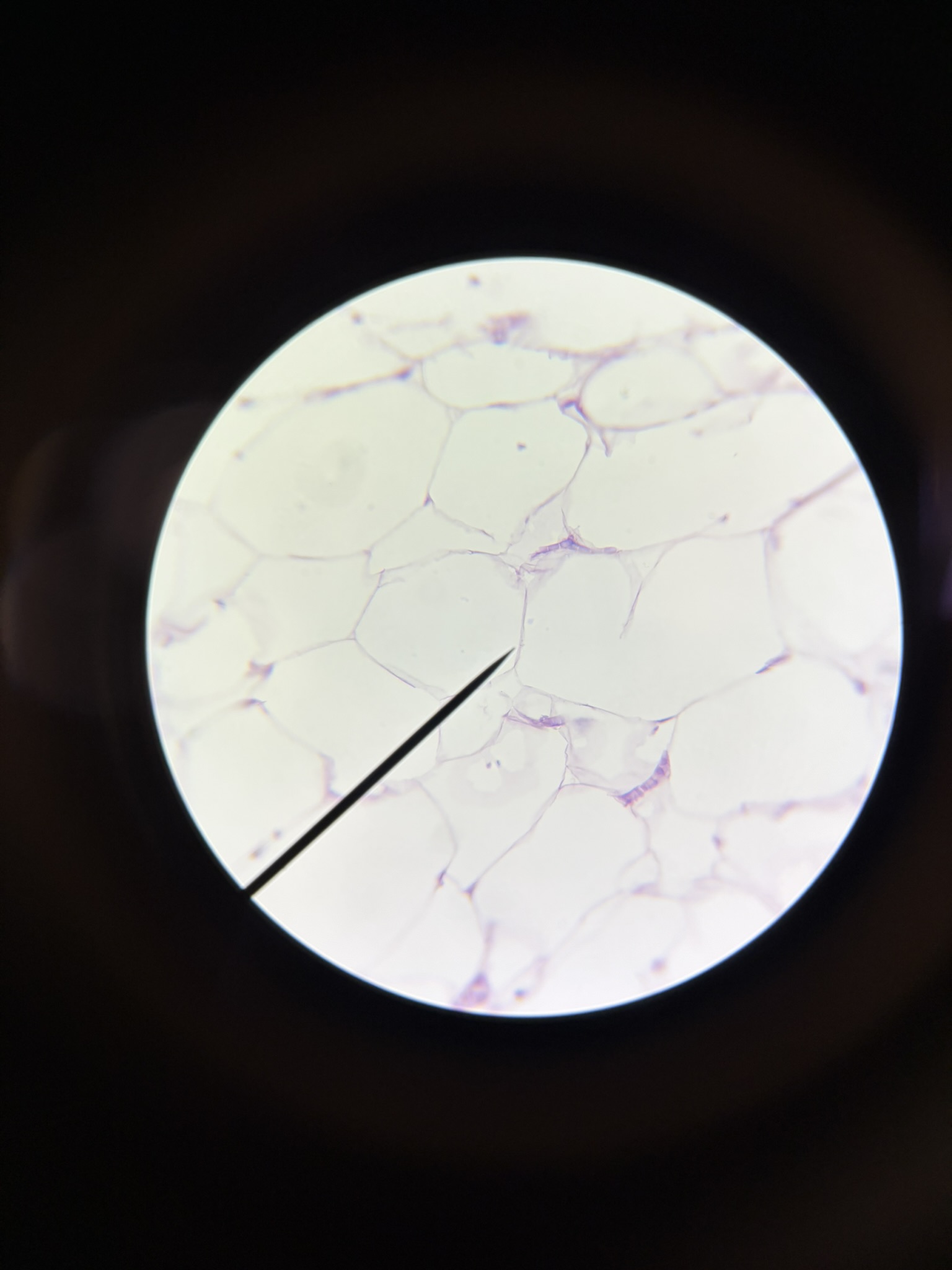
adipose connective tissue
adipose connective tissue amount of matrix present
very little
adipose connective tissue predominant cell types
adipocytes
adipose connective tissue nucleus location
pushed to the side of the cell
adipose connective tissue function
triglyceride storge, insulation, supports and protects organs
adipose connective tissue location
beneath skin and around organs

reticular connective tissue
reticular connective tissue amount of matrix present
large amount
reticular connective tissue predominant cell type
fibroblasts
reticular connective tissue description of reticular fibers
thin, branching fibers
reticular connective tissue function
forms stroma (scaffolding) for soft organs
reticular connective tissue locations
lymph nodes, spleen, and red bone marrow

dense regular connective tissue
dense regular connective tissue predominant cell type
fibroblasts
dense regular connective tissue description of collagen fibers
thick, tightly packed, parallel collagen fibers
dense regular connective tissue functions
resists tension in one direction
dense regular connective tissue location
tendons and ligaments

dense irregular connective tissue
dense irregular connective tissue predominant cell type
fibroblasts
dense irregular connective tissue description of collagen fibers
thick collagen fibers arranged in many directions
dense irregular connective tissue function
resistance to tension from multiple directions
dense irregular connective tissue location
dermis of the skin and joint capsules

bone
bone predominant cell type
osteocytes
bone space where predominant cell is located
lacuna
bone cellular extension that allow cells to communicate
canaliculi
bone concentric lamellae
form rings around central canal
bone interstitial lamellae
lamellae between osteons
bone central canal
center of osteon containing blood vessels and nerves
bone function
support, protection, movement, and Ca2+ storage

hyaline cartilage
hyaline cartilage predominant cell type
chondrocytes
hyaline cartilage where predominant cell is located
lacuna
hyaline cartilage function
supportive, reduces friction and compression forces
hyaline cartilage location
ends of long bones, costal cartilages, nose, trachea, and larynx

skeletal muscle
skeletal muscle stritations?
yes
skeletal muscle nucleus location
peripheral (beneath cell membrane)
skeletal muscle cell shape
long, cylindrical fibers
skeletal muscle functions
voluntary movement
skeletal muscle location
attached to bones

smooth muscle
smooth muscle striations?
NO
smooth muscle cell shape
long, cylindrical fibers
smooth muscle functions
involuntary movement
smooth muscle location
walls of hollow organs such as intestines, stomach, and blood vessels

cardiac muscle
cardiac muscle striations?
YES
cardiac muscle cell shape
short, branching cells
cardiac muscle specialized structures between cells
intercalated disks
cardiac muscle function
involuntary contraction of heart
cardiac muscle location
heart

nervous tissue
nervous tissue nucleolus present
yes
nervous tissue most numerous type of cells
glial cells
nervous tissue purpose
generates and emits electrical impulses and communication
nervous tissue
found in brain, spinal cord, and nerves and transmits electrical impulses in the body
arrector pili muscle
running diagonally downward toward the hair follicle. smooth muscle, when contracted causes goose bumps