Brain Lesion Localization Part 6
 Call Kai
 Learn
Learn Practice Test
 Spaced Repetition
 Match
Match Flashcards
 Knowt Play
1/12

Earn XP
Description and Tags
Vocabulary flashcards covering brain regions, their functions, and clinical signs of localized lesions in canine and feline neurology.
Name | Mastery | Learn | Test | Matching | Spaced | Call with Kai | Chat |
|---|
No analytics yet
Send a link to your students to track their progress
13 Terms
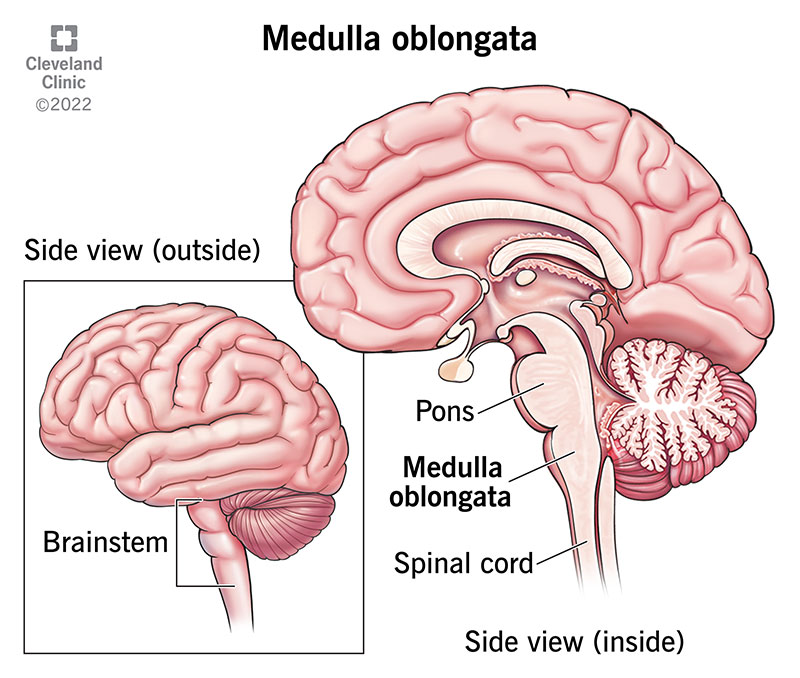
Medulla
A brain region that transmits information from the spinal cord to higher brain centers and controls autonomic activity.
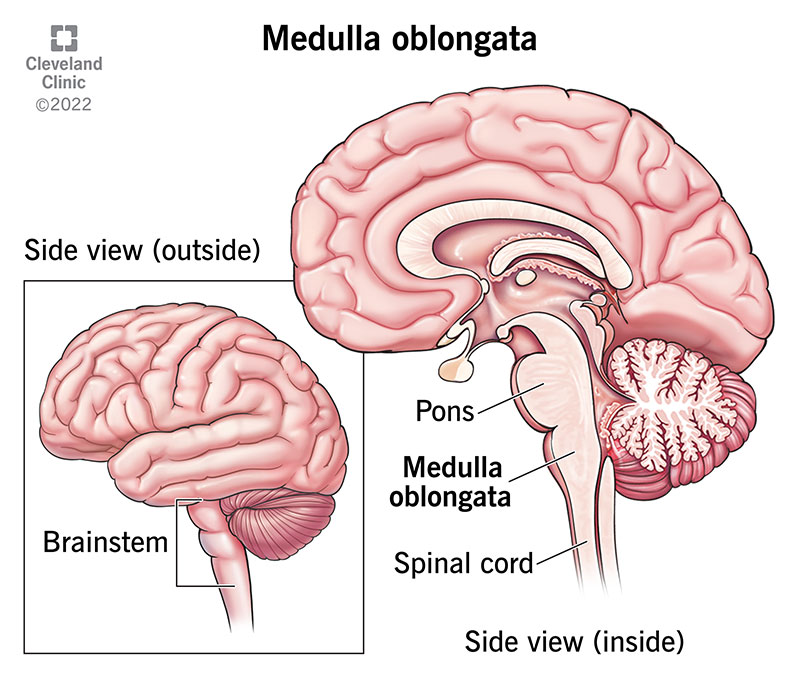
Pons
Relay center that connects cerebral hemispheres and controls breathing.
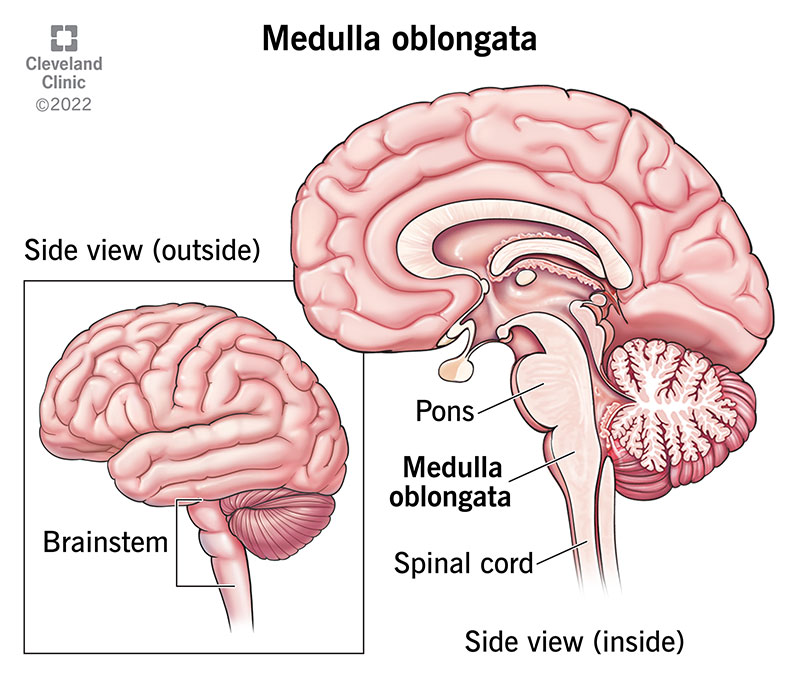
Medulla and Pons clinical signs
1- Depression
2- altered respiration
3- spastic tetraparesis/plegia
4- ataxia
5- multiple CN deficits.
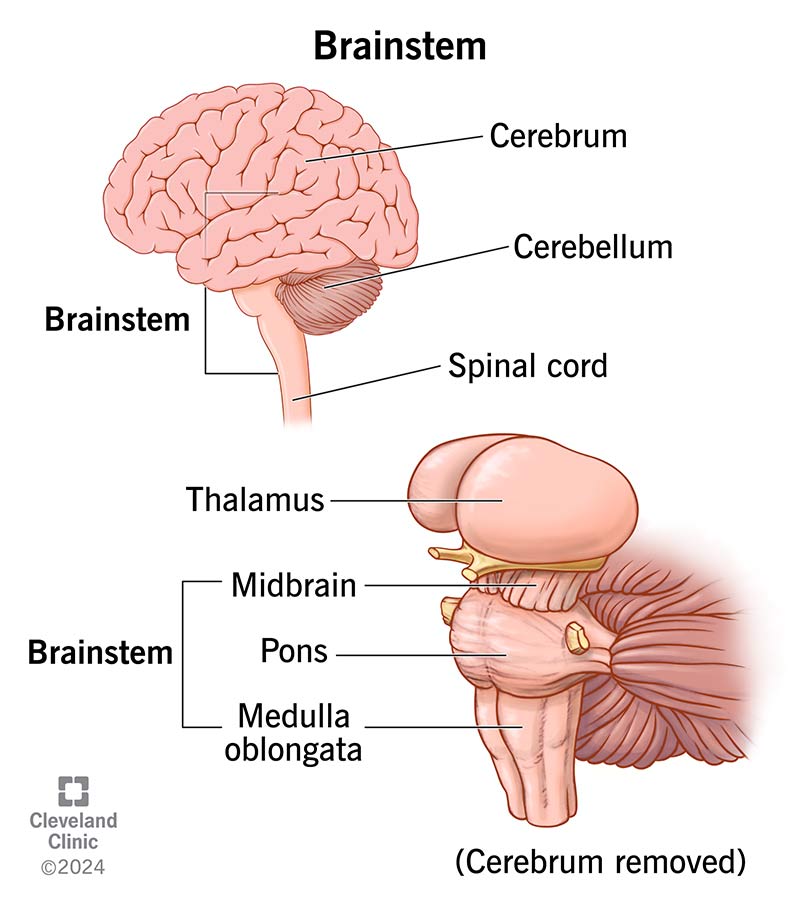
Cerebellum
The brain region responsible for controlling voluntary movement and posture.
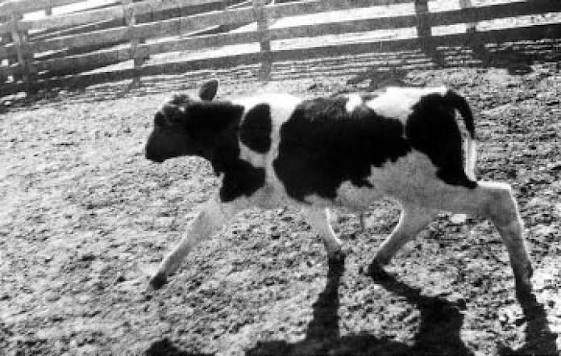
Hypermetria
A clinical sign of cerebellar lesions described as high stepping.
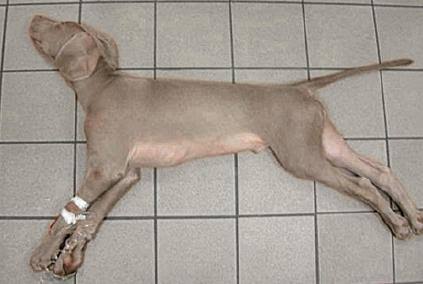
Decerebellate rigidity
A sign of severe cerebellar lesions (such as brain herniation) involving opisthotonus and extensor rigidity ×4.
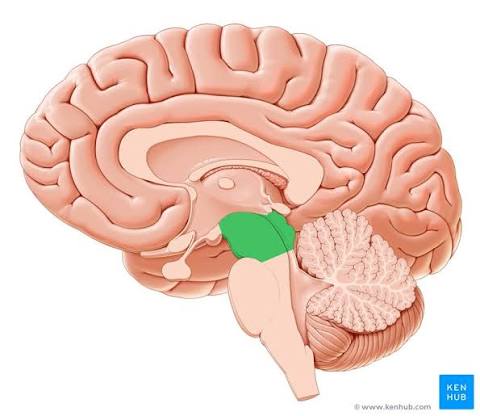
Mesencephalon (Midbrain)
Region that connects the hind- and forebrain and performs visual and auditory processing; lesions can result in CN III and CN IV deficits.
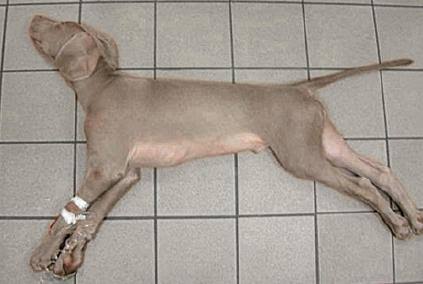
Decerebrate rigidity
A clinical sign of a severe mesencephalon lesion characterized by opisthotonus and extensor rigidity ×4.
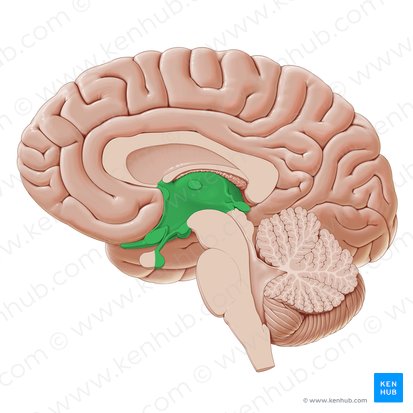
Diencephalon (thalamus, hypothalamus)
Region involved in endocrine/autonomic control and regulation of consciousness; the optic chiasm is located here.
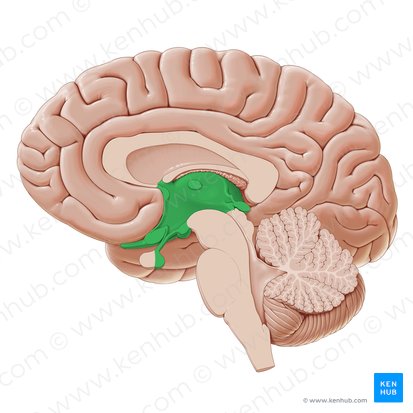
Diencephalon lesion signs
1- Blindness with absent pupillary light reflex (PLR) (if bilateral)
2- circling towards the lesion
3- seizures
4- changes in thermoregulation, thirst, or appetite.
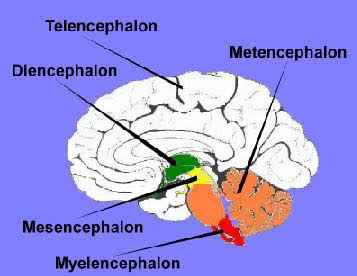
Telencephalon (cerebrum)
The largest region of the brain involved in most brain activity.
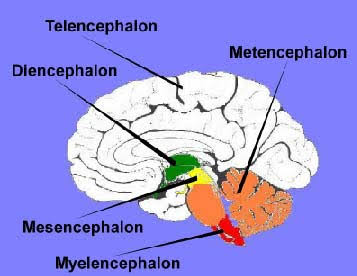
Telencephalon lesion signs
1- Blindness with normal PLR
2- seizures
3- abnormal behavior
4- depression
5- lethargy
6- movement disorders.
Cranial nerve (CN) deficits
Clinical findings that suggest lesions in the more caudal brain or brainstem.