Exam 1 chapt 1,5,6 Study guide flash cards
 Call Kai
 Learn
Learn Practice Test
 Spaced Repetition
 Match
Match Flashcards
 Knowt Play
1/53

There's no tags or description
Looks like no tags are added yet.
Name | Mastery | Learn | Test | Matching | Spaced | Call with Kai | Chat |
|---|
No analytics yet
Send a link to your students to track their progress
54 Terms
Homeostasis
The tendency of the living body to detect change and activate mechanisms to maintain consistant/ optimal internal conditions.
Negative feedback
Fundamental mechanism where the body detects change and uses mechanisms to reverse that change
Negative Feedback
Cutaneous vasoconstriction and shivering set in when the body temperature falls too low, and soon raise it. Cutaneous vasodilation and sweating set in when body temperature rises too high, and soon lower it.
Negative Feedback loop
One of these is vasodilation (VAY-zo-dy-LAY-shun), the widening of blood vessels. When vessels of the skin dilate, warm blood flows closer to the body surface and loses heat to the surrounding air. If this isn't enough to return your temperature to normal, sweating occurs; the evaporation of water from the skin has a powerful cooling effect
Vasodilation
negative feedback look
sweating - water from the skin evaportates
negative feedback loop
Positive feedback
self amplifying process where physiological change leads to change in same directions
Positive Feedback Loop
Babies Head pushes on the cervix, Nerves send signal to the brain, brain tells pituatary glands to secrete oxytocin, oxytocin allows for contractions.
The three components of a feedback loop
Receptor
integrating center'
effector
receptor
structure that senses change in the body (stretch receptor)
integrating center
control center/ part of the brain that processes the information and makes the decision on the appropriate responce
The effector
cell/ organ that carries out the corrective action
Anatomy
The study of Form
Anatomical variation
Differences in the physical structure or appearance of the body between individuals.
Anatomical Variations
For example, most of us have a palmaris longus muscle in the forearm and a plantaris muscle in the leg, but these are absent from others. Most people have 24 ribs, but as many as 6% of us have 23, 26, or more. Most of us have one spleen and two kidneys, but some have two spleens or only one kidney. Most kidneys are supplied by a single renal artery and are drained by one ureter
Physiological Variations
Differences in how the body functions between individuals.
Physiological Variations
could be caused by variability in sex, age, Weight, diet.
Physiological Variations
Heart rate, blood pressure, metabolic rate, body temperature
Intergumentary system
Protects the bod; regulates temperature and prevents water loss
Skeletal system
supports body, protects organs, helps with movement/ produces blood cells
Muscular
produces movement, maintains posture, and generates heat
Endocrine
produces hormones that regulate growth, metabolism, reproduction, and other functions
cardiovasular
transports blood, oxygen, nutrients, hormones, and waste throughout the body
Lymphatic/ Immune
Defends against pathogens and returns excess fluid to bloodstream
Respiratory system
exchanges gases: brings in O2 and removed CO2
Digestive system functions
Breaks down food, absorbs nutrients and eliminates solid waste.
functions of Urinary system
removes waste from blood and regulates water, electrolytes, and pH
Reproductive
Produces sex cells and hormones and allows reproduction
nervous system
Integumentary system
skin, hair, nails
Function of Intergumary system
PTSD
protection, temperature regulation, sensation, Vitamin D synthesis
Skeletal System
Bones and Joints
Ligaments
connects bones to each others
Skeletal system
structural support, levers for muscles, protect organs, produce blood cells
skelatal system
produce blood cells and mineral storage
muscular system
Organ: skelatal muscles and tendons (muscles to bone)
muscular system functions
movement, posture, heat production
nervous sytem
brain, spinal cord, sensory receptors
sensory processing, fast control, coordination
Endocrine system
slowly controls systems/ cooridination of hormones that travel though cardiovascular system

endocrine system
hypothallamus of the brain, pitutary gland in the brain
endocrine system
thryriod glands, parathyroid gland, thymus gland(immune system), Adrenal gland , pancreas(BP) , Ovaries, Testies
Cardiovascular
transports nutrients, gases, hormones, and waste
Cradiovascular system
heart and blood vessels
Lymphatic system Immune system
reduce swelling, drain excess fluid, immune responce
lymphatic system
Lymph nodes.lym[htaic vessles, spleen, thymus, bone morrow
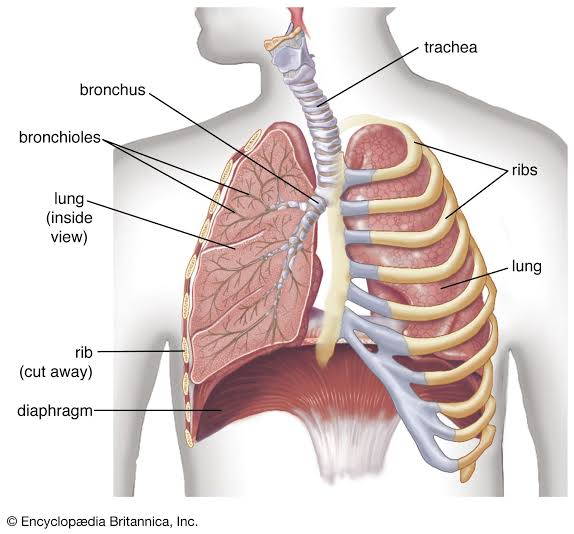
Respiratory system
Gas exchange of Oxygen into bloodstream and CO2 out through lung s
lungs, diaphragm , nasal cavity, pharynx (back of throught) Larynx(voicebox) Trachea, bronchi
Digestive System
Oral cavity, esophagus, stomach, small intestine
digestive system
digest food, absorb nutrients, eliminate waste
urinary sytem
filters blood stream to remove waste to regulate blood pH, electrolytes, and water
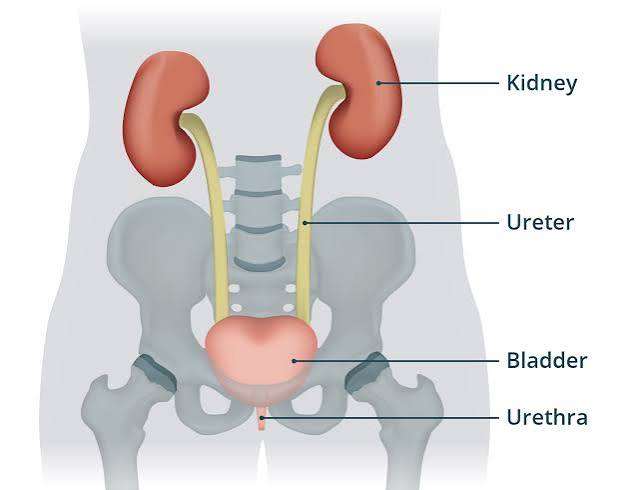
urinary system
kidneys, ureters, bladder, urethra
Reproductive
produce and transport gametes/ nurture fetus (female)