AP Biology: Cell Signaling
 Studied by 0 people
 Call with Kai
 Learn
Learn Practice Test
 Spaced Repetition
 Match
Match Flashcards
 Knowt Play
1/49

There's no tags or description
Looks like no tags are added yet.
Name | Mastery | Learn | Test | Matching | Spaced | Call with Kai |
|---|
No study sessions yet.
50 Terms
cells communicate directly via...
cell junctions
juxtacrine signaling
signaling between cells in direct contact with each other
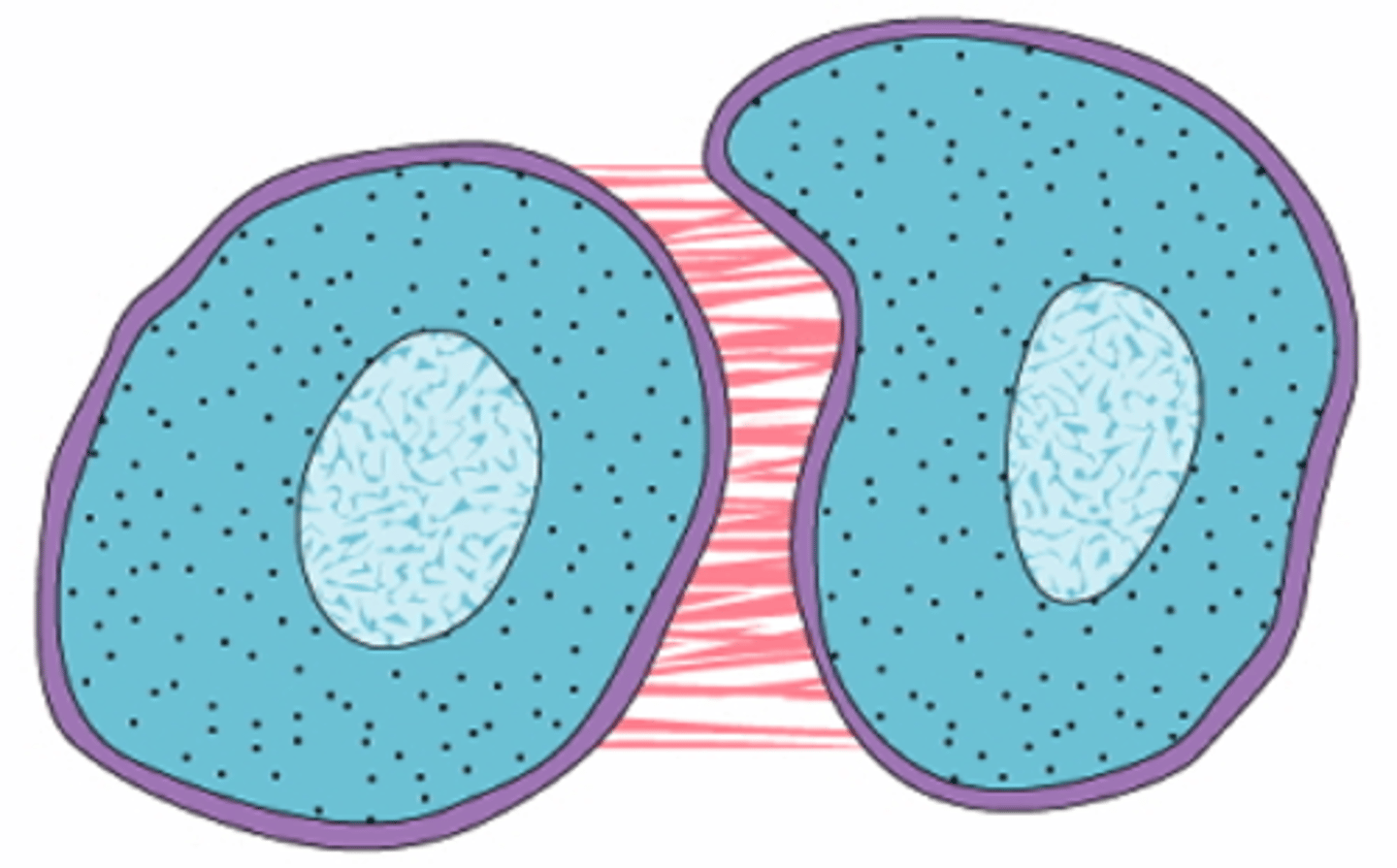
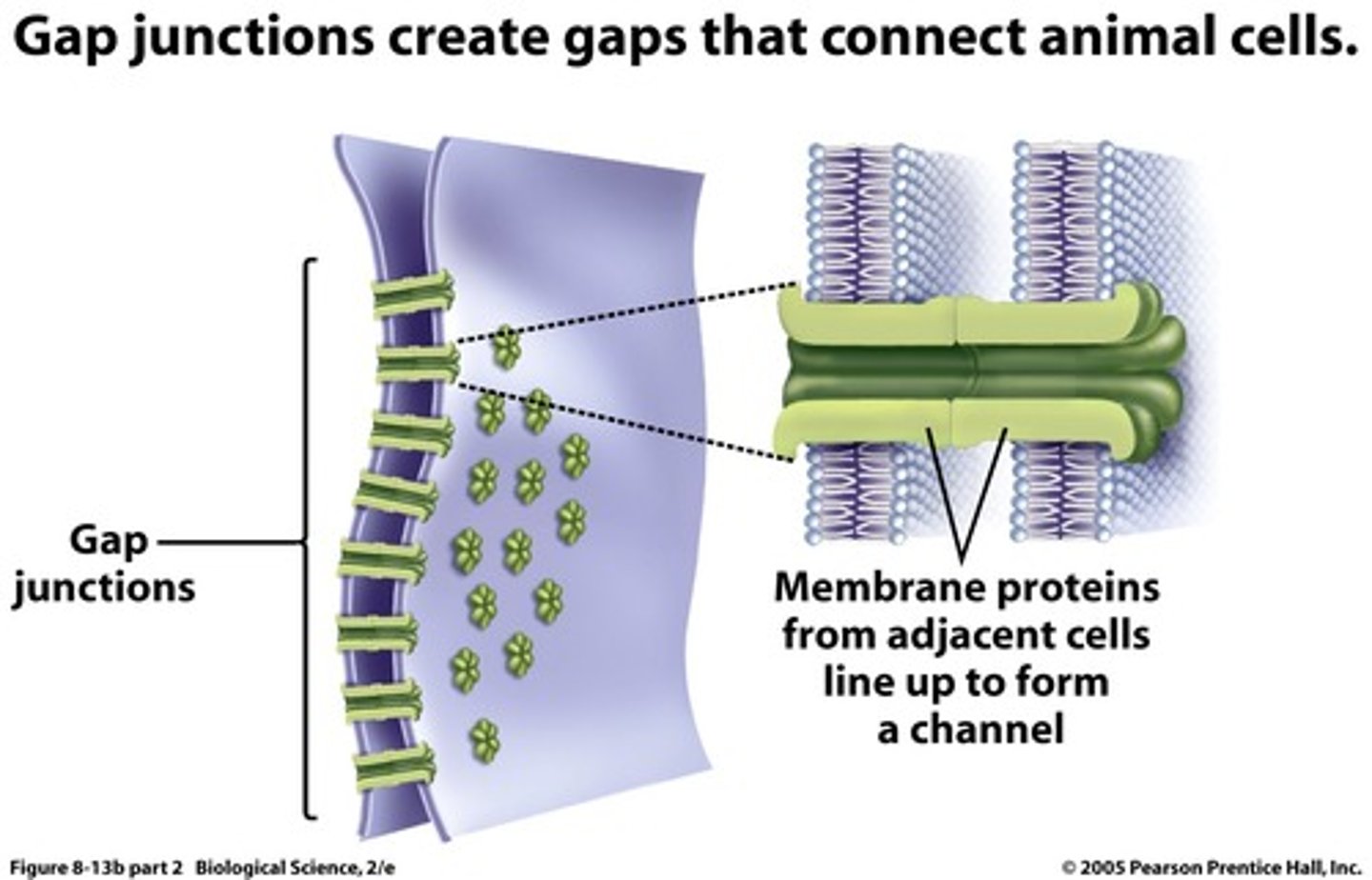
gap junctions
in animal cells, these junctions allow ions and small molecules to pass quickly
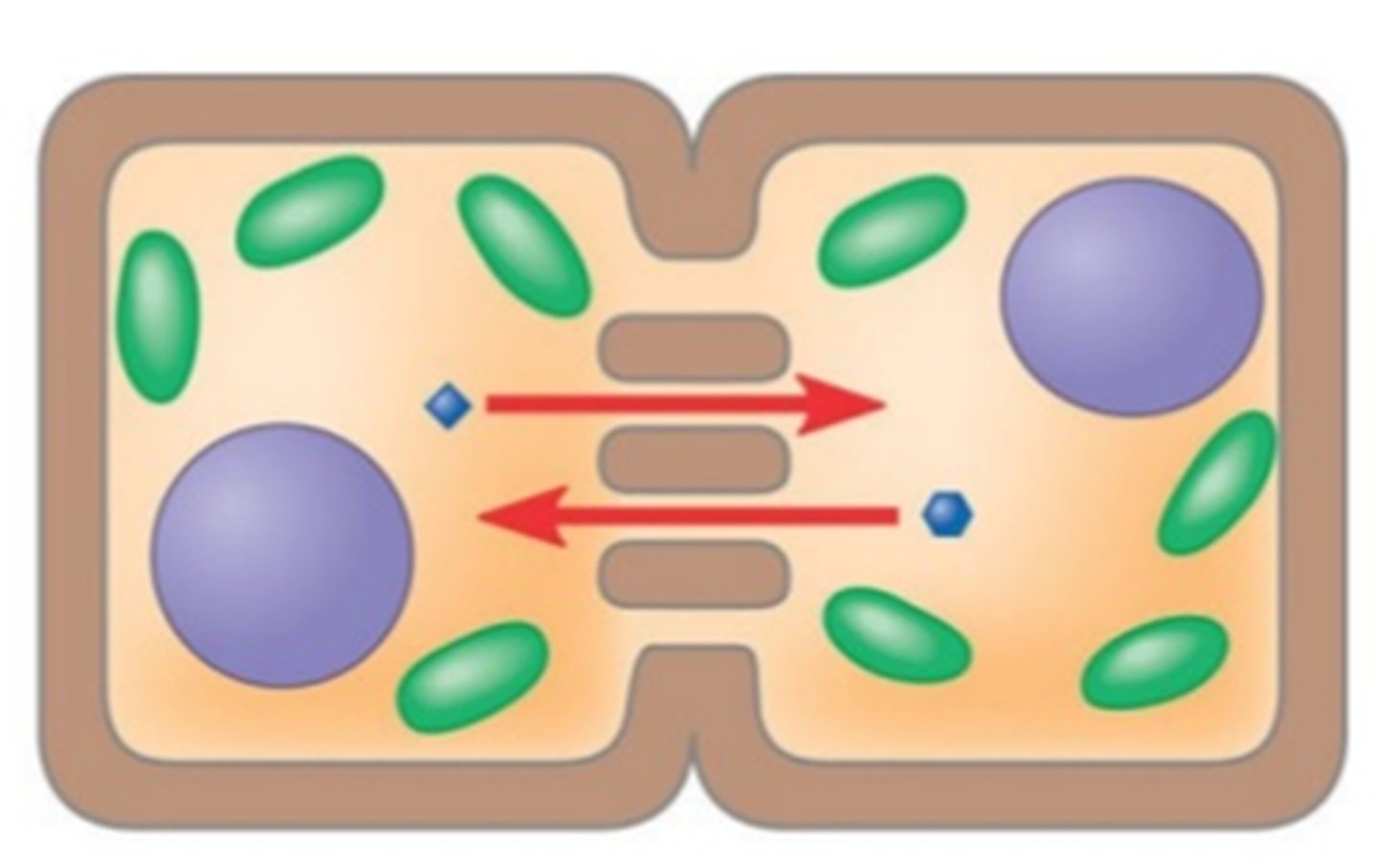
plasmodesmata
in plant cells, these are tunnels of cytoplasm between cells that allow movement of ions, amino acids, sugars, small proteins, and microRNA
synaptic signaling
local electrochemical signaling occurring between nerve cells or nerve and muscle cells
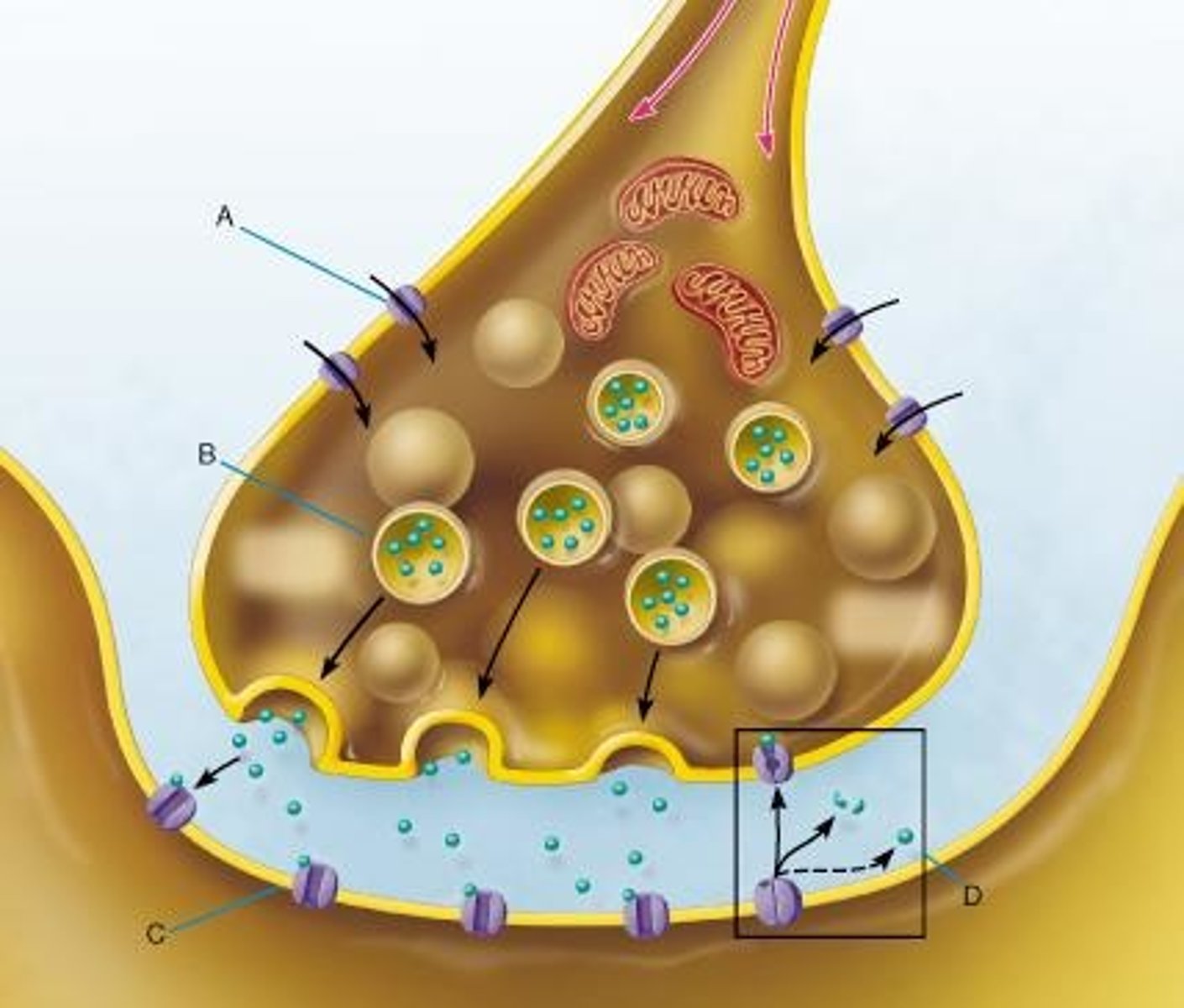
neurotransmitters
short-lived chemical signals that play a key role in synaptic signaling
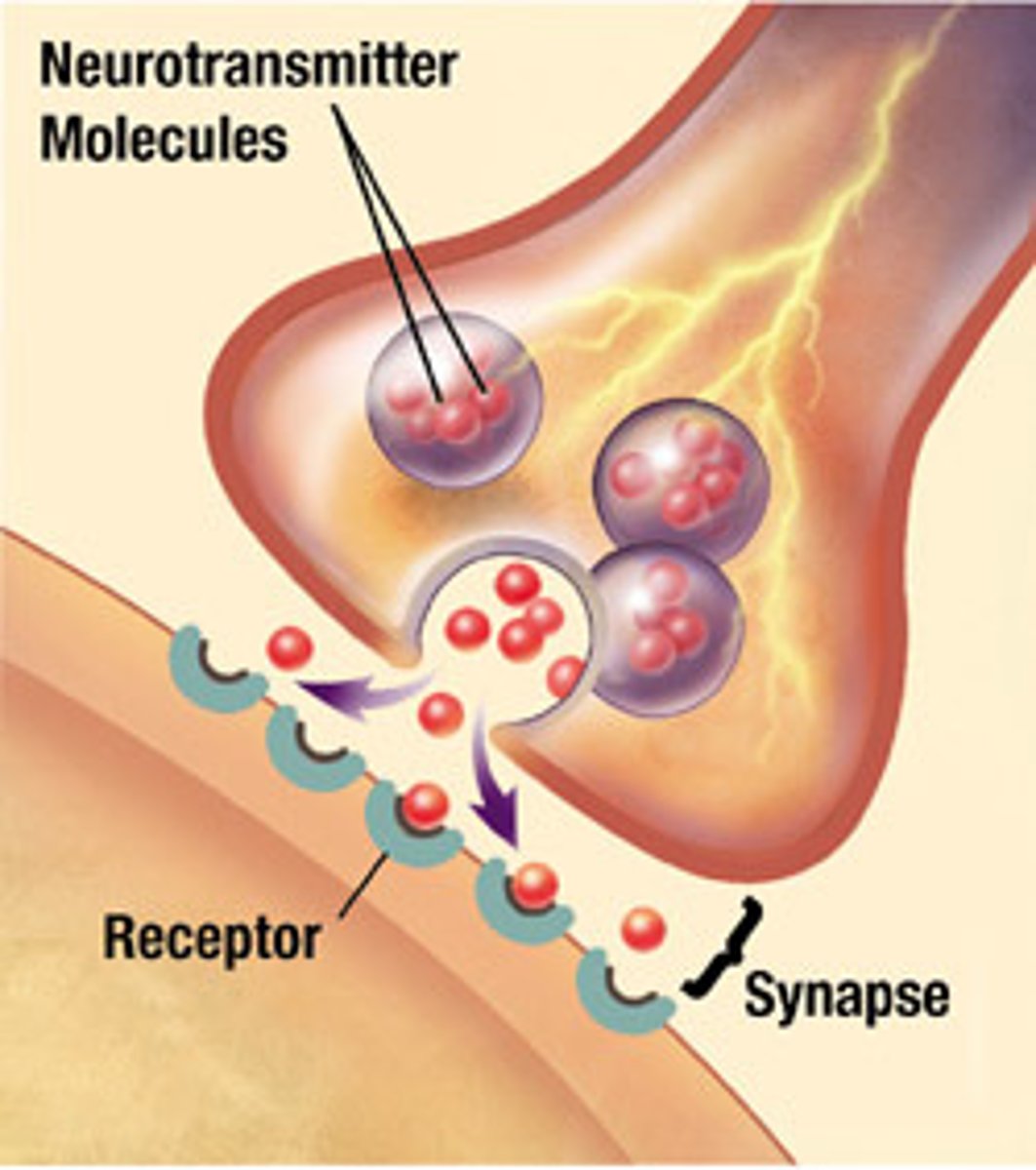
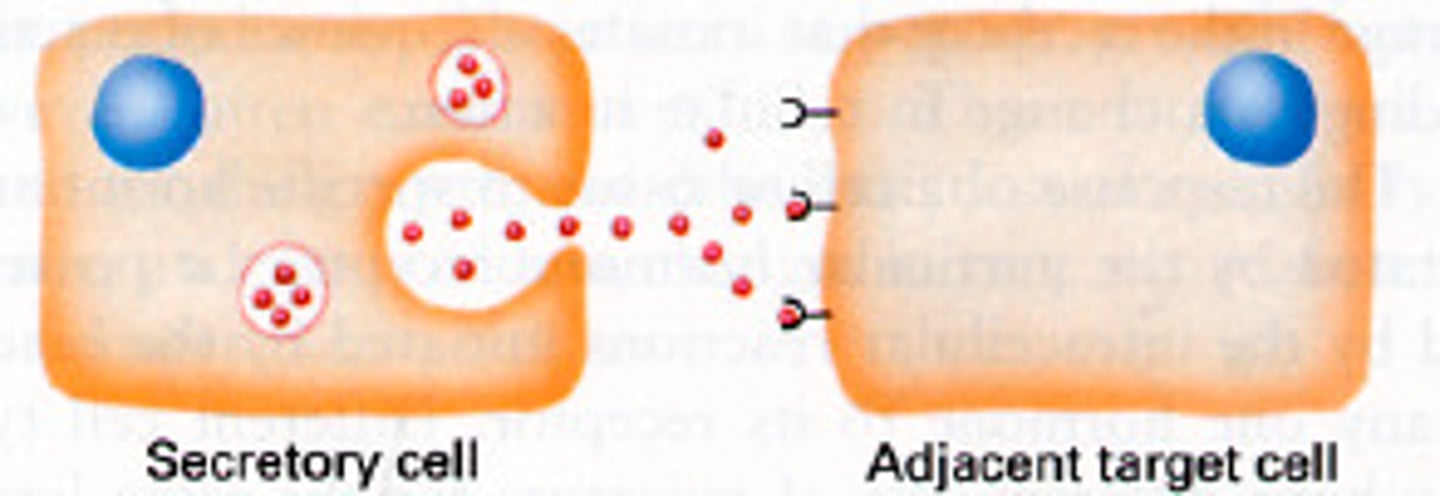
paracrine signaling
local communication; cells secrete substances that affect only nearby cells, like growth factors during early animal development
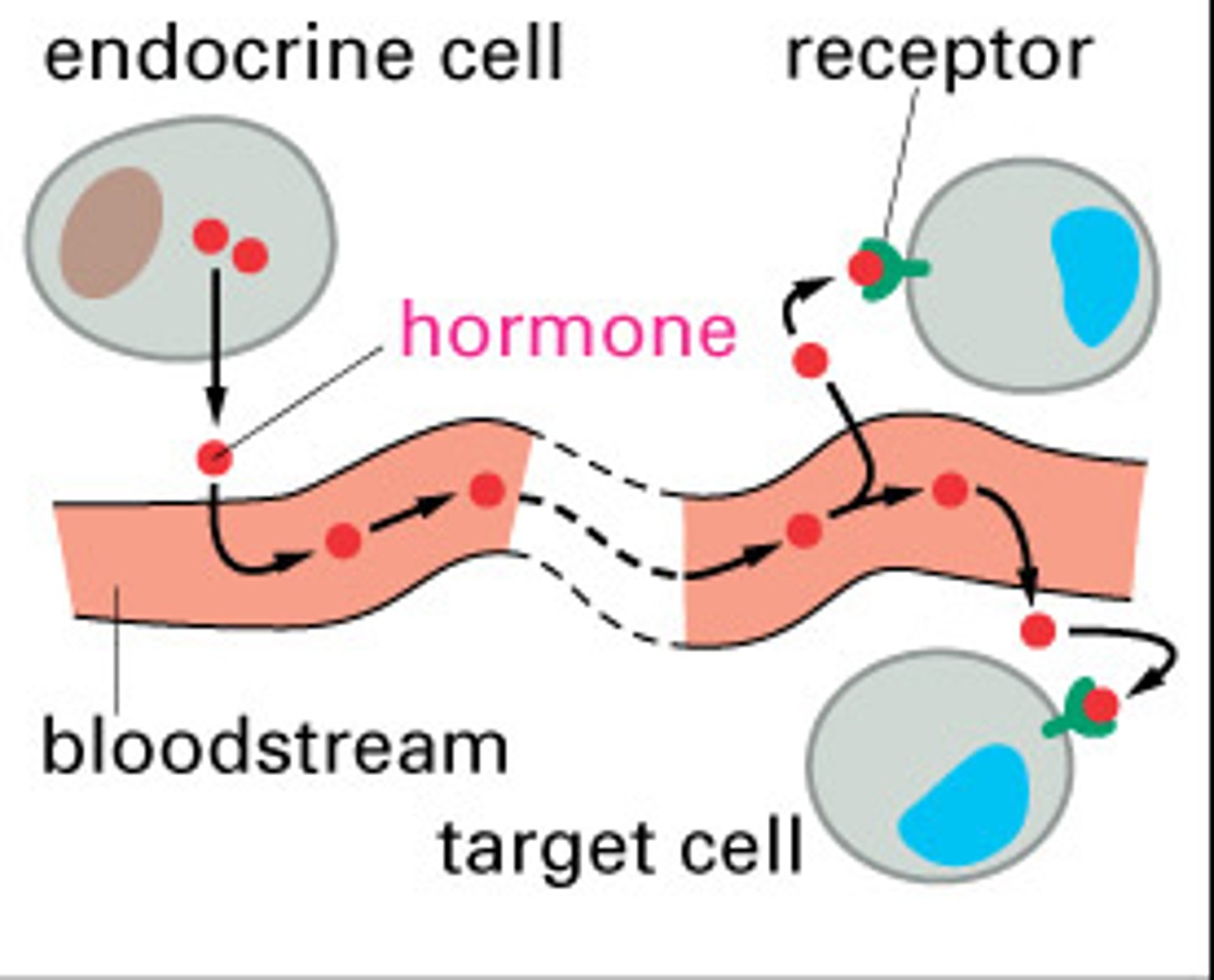
endocrine signaling
long-distance communication; distributes signals throughout a multicellular organism (hormones)
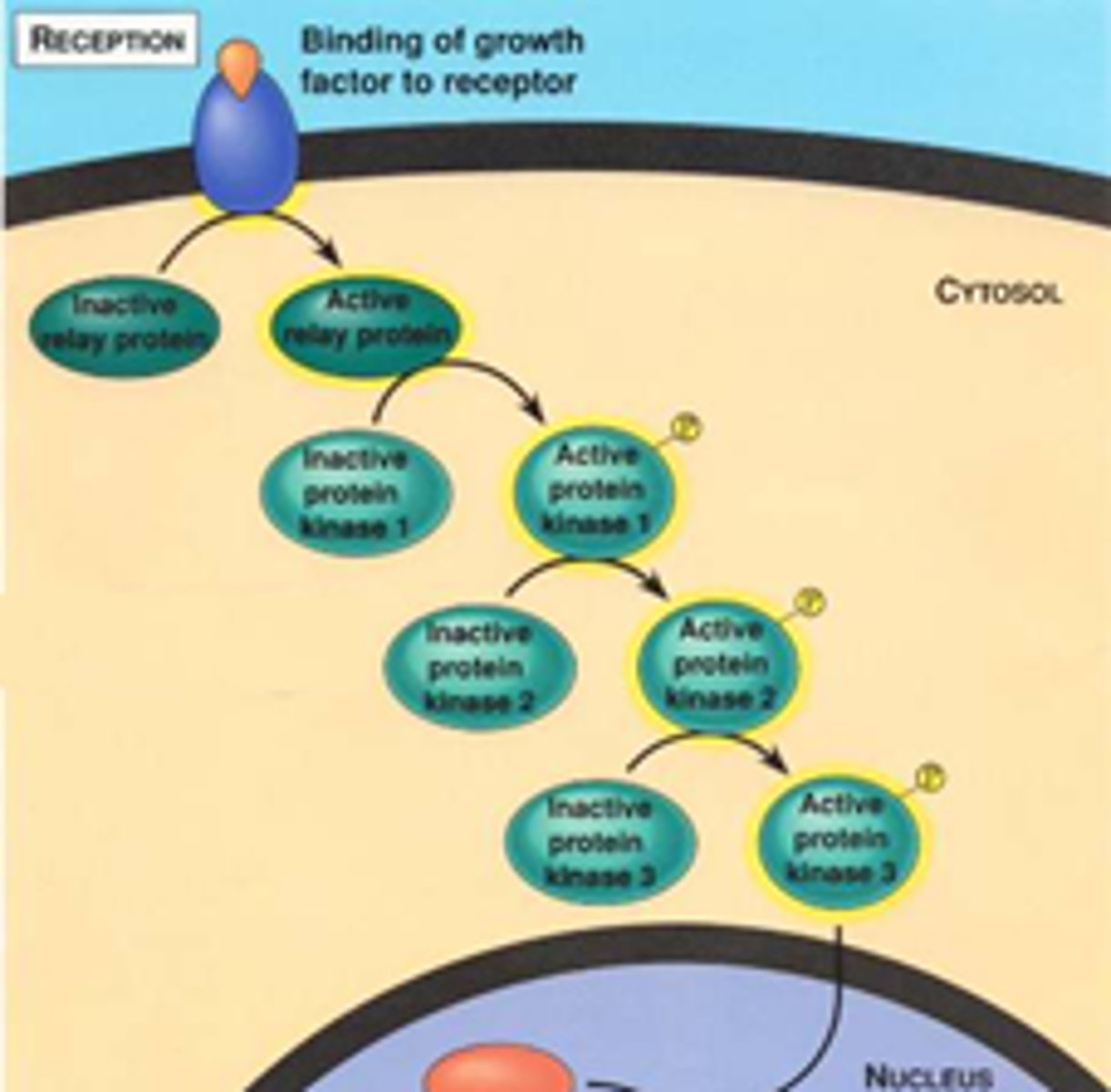
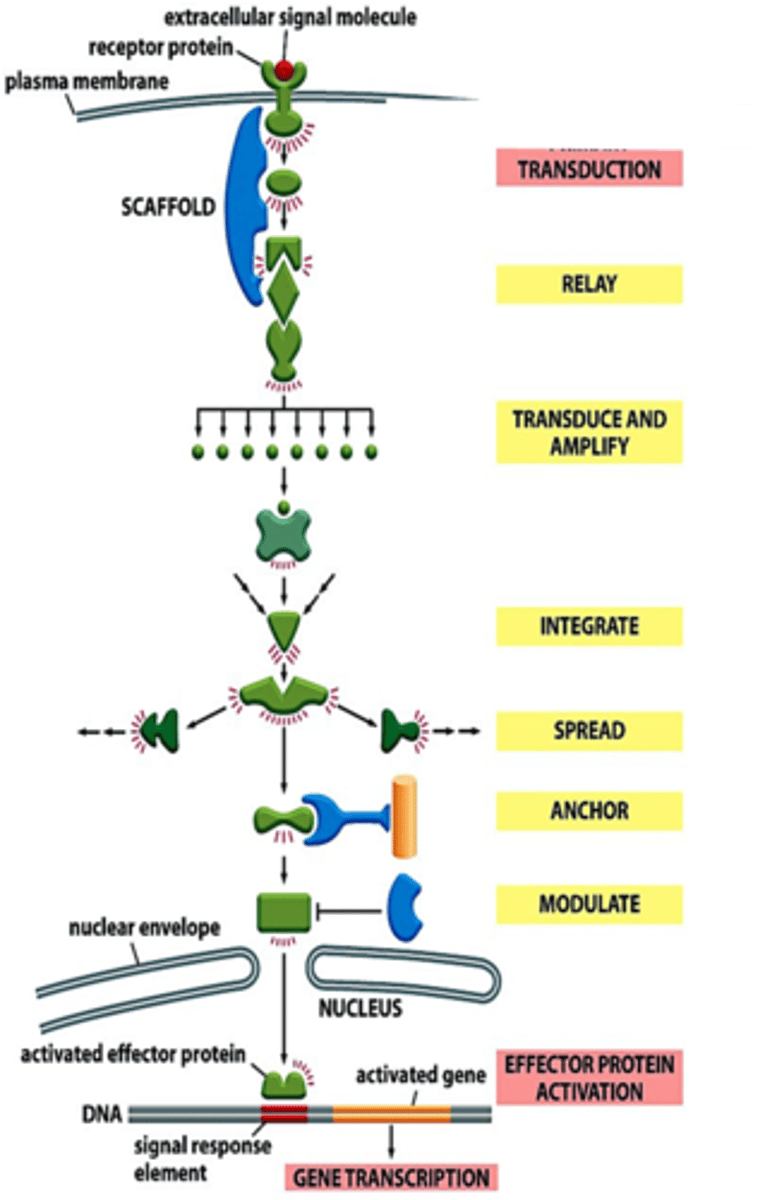
signal transduction pathway
series of steps by which a signal on a cell's surface is converted to a specific cellular response
three stages of cell signaling
reception, transduction, response
reception (step 1)
a ligand from outside the cell binds to a receptor protein and the receptor changes shape
transduction (step 2)
series of molecule interactions that relay signals from receptor to target molecule, typically within the cell
response (step 3)
the specific cellular response to the signal molecule, usually transcription or cytoplasmic activities
ligand
signaling molecule
membrane receptors
anchored to the cell membrane. the ligand is water-soluble/hydrophilic/polar/large
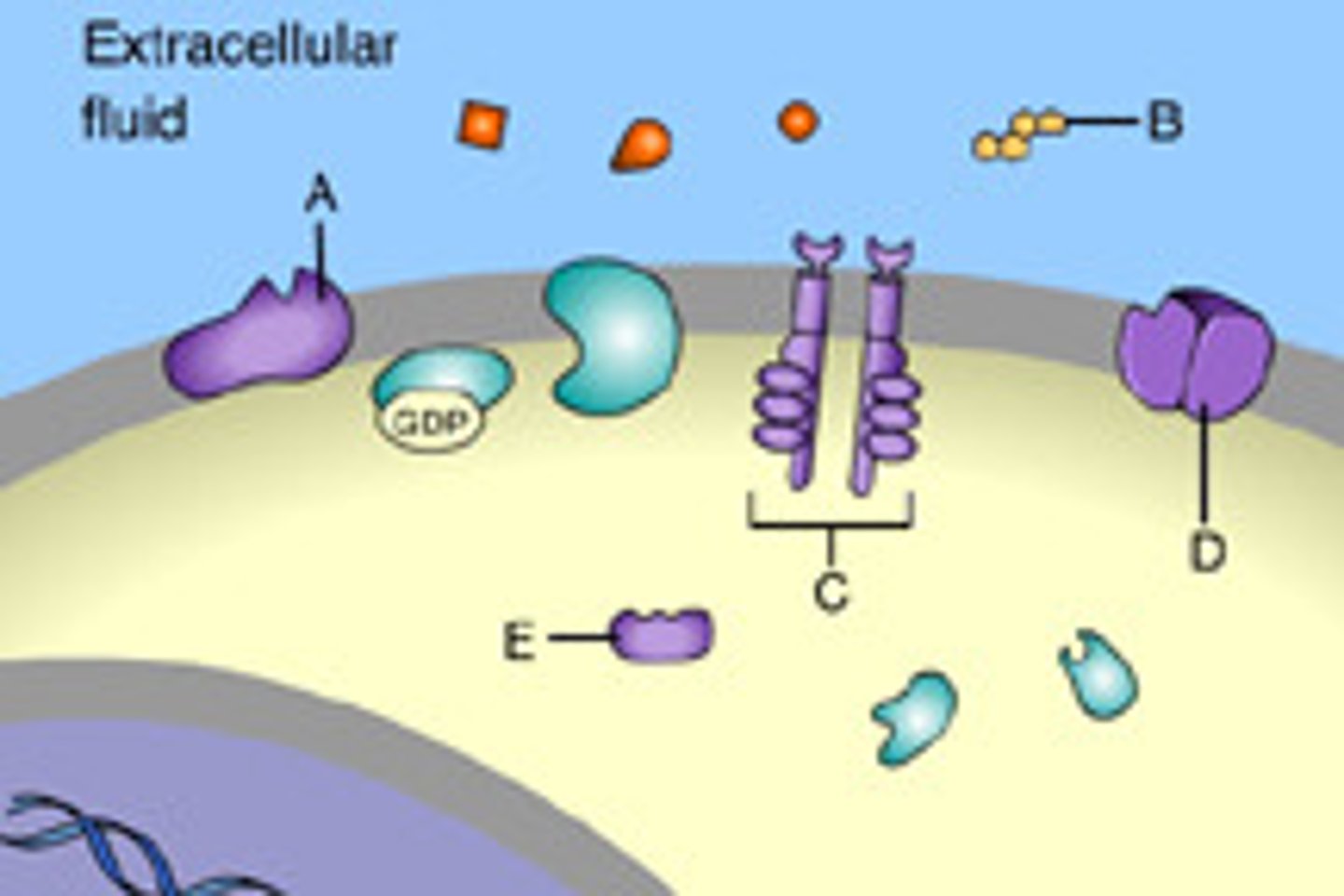
second messengers
molecules inside the cell that relay signals from the receptor to the target molecule
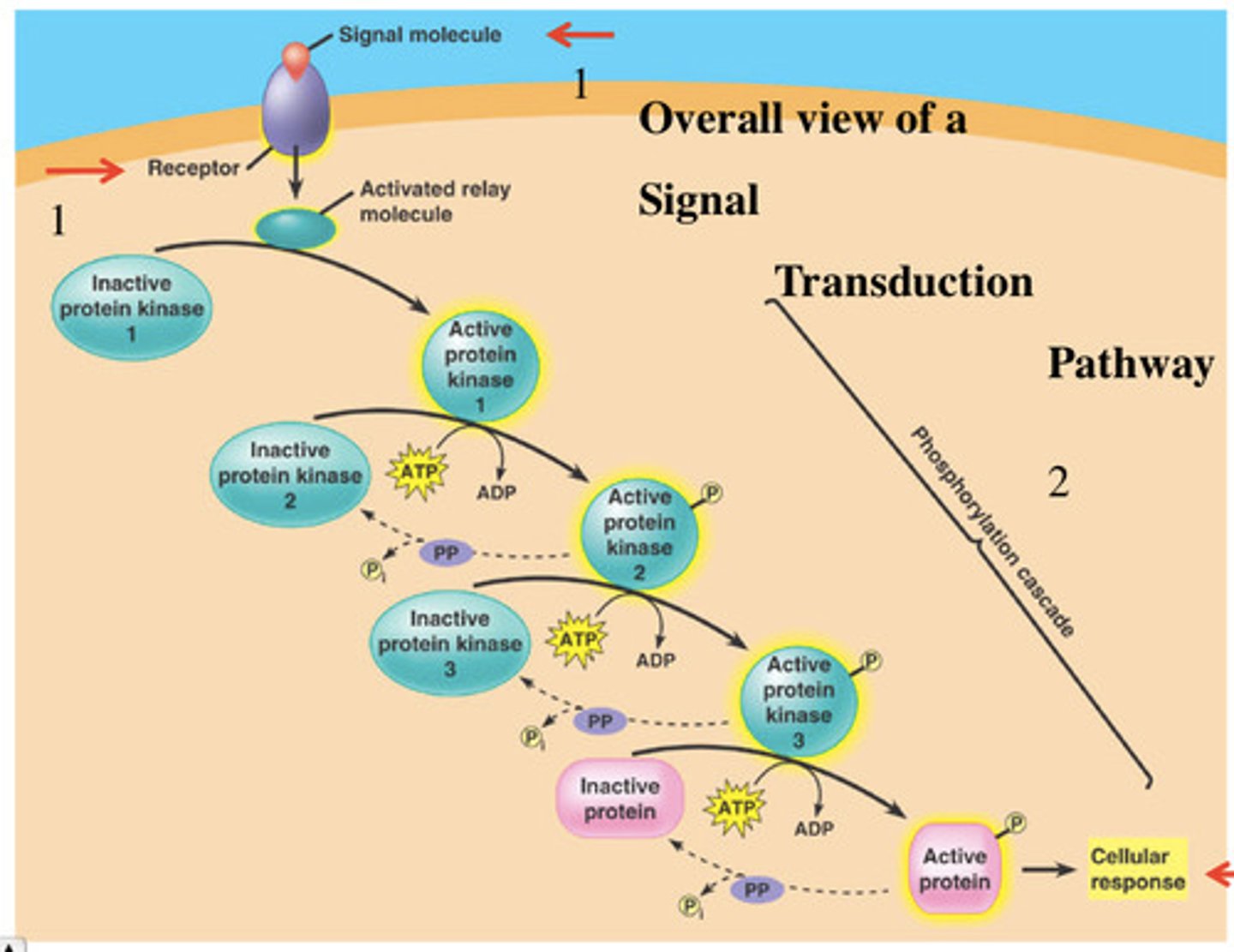
protein kinase
enzyme that phosphorylates and activates proteins at the next level
phosphorylation
the addition of a phosphate group, usually to active a molecule or transfer energy
phosphorylation cascade
a reaction that enhances and amplifies a signal
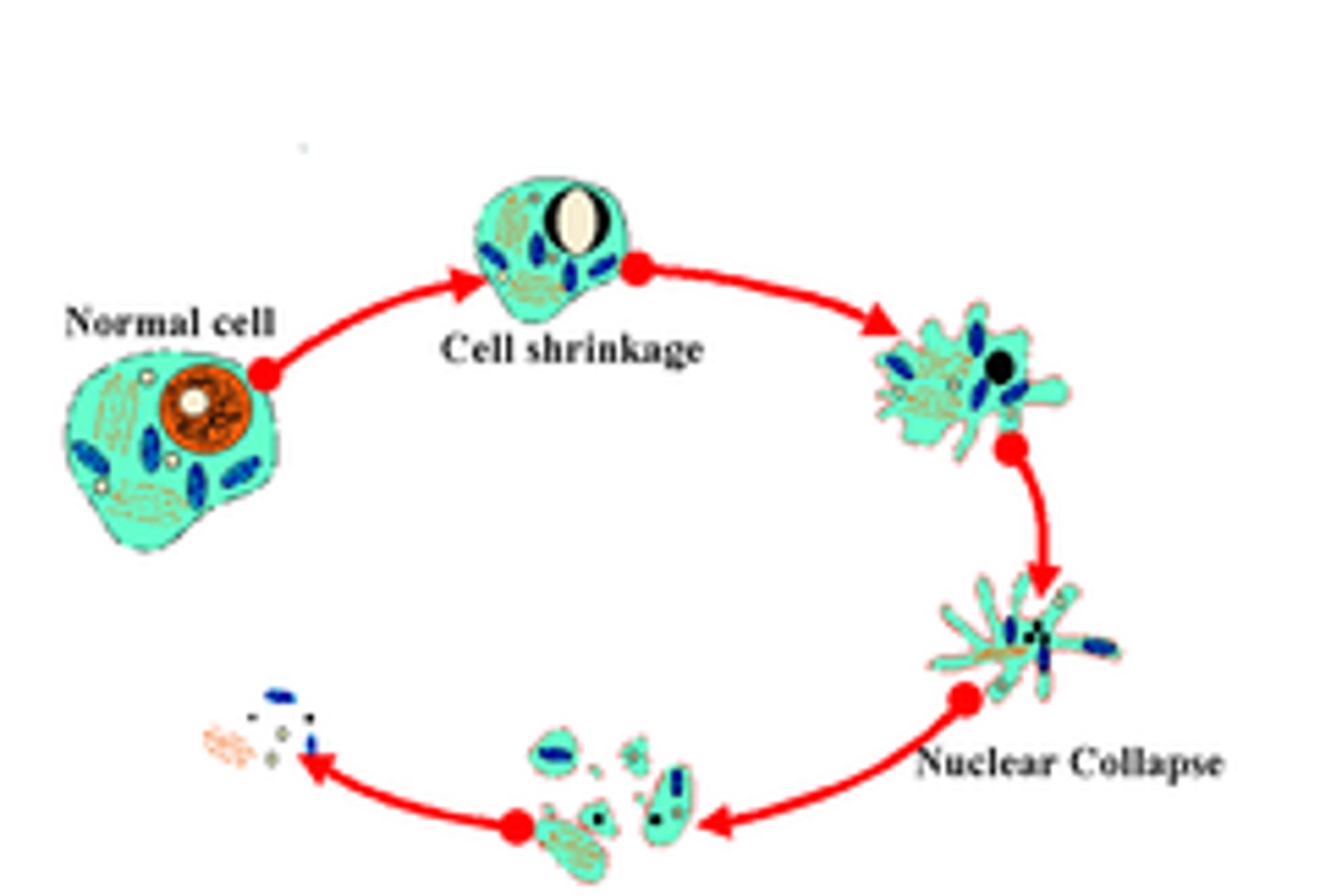
apoptosis
controlled cell suicide, where the cell is systematically dismantled and digested, protecting neighboring cells from damage
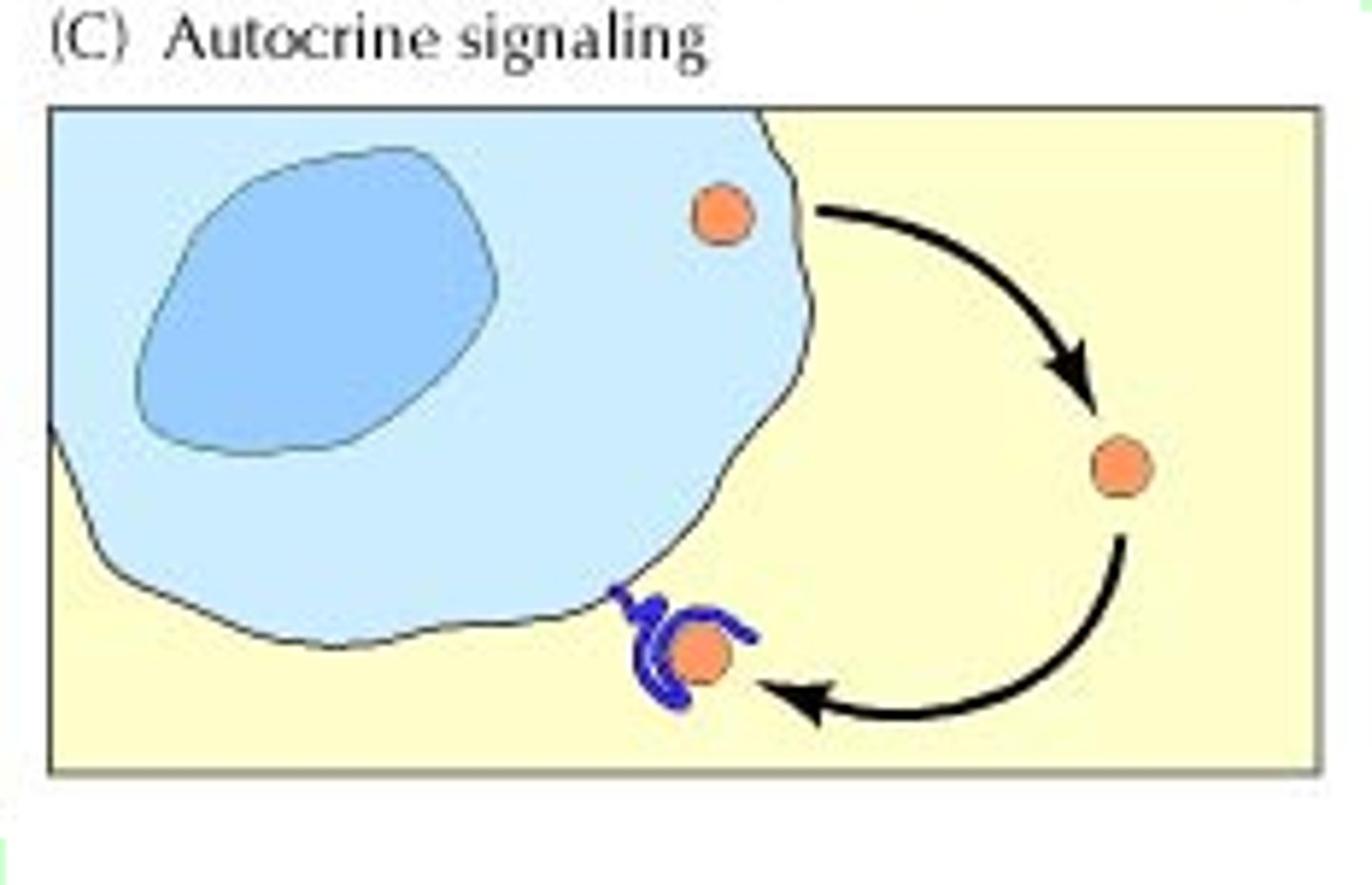
autocrine signaling
signals diffuse from one part of a cell to another part of the same cell
sequence of a signal transduction pathway
signal (1st messenger) >>> receptor >>> proteins or other 2nd messengers >>> cellular responses
if a ligand is HYDROPHOBIC/LIPOPHILIC, what type of receptor will it bind to?
intracellular
if a ligand is HYDROPHILIC/LIPOPHOBIC, what type of receptor will it bind to?
membrane
when a ligand binds to a receptor, what happens to the receptor?
it changes shape, initiating some sort of response
receptor proteins
molecules with binding sites for signaling molecules (ligands)
gated ion channel receptors
transmembrane protein with a gated channel that opens and closes in response to a specific signal; when open, a specific ion can pass through
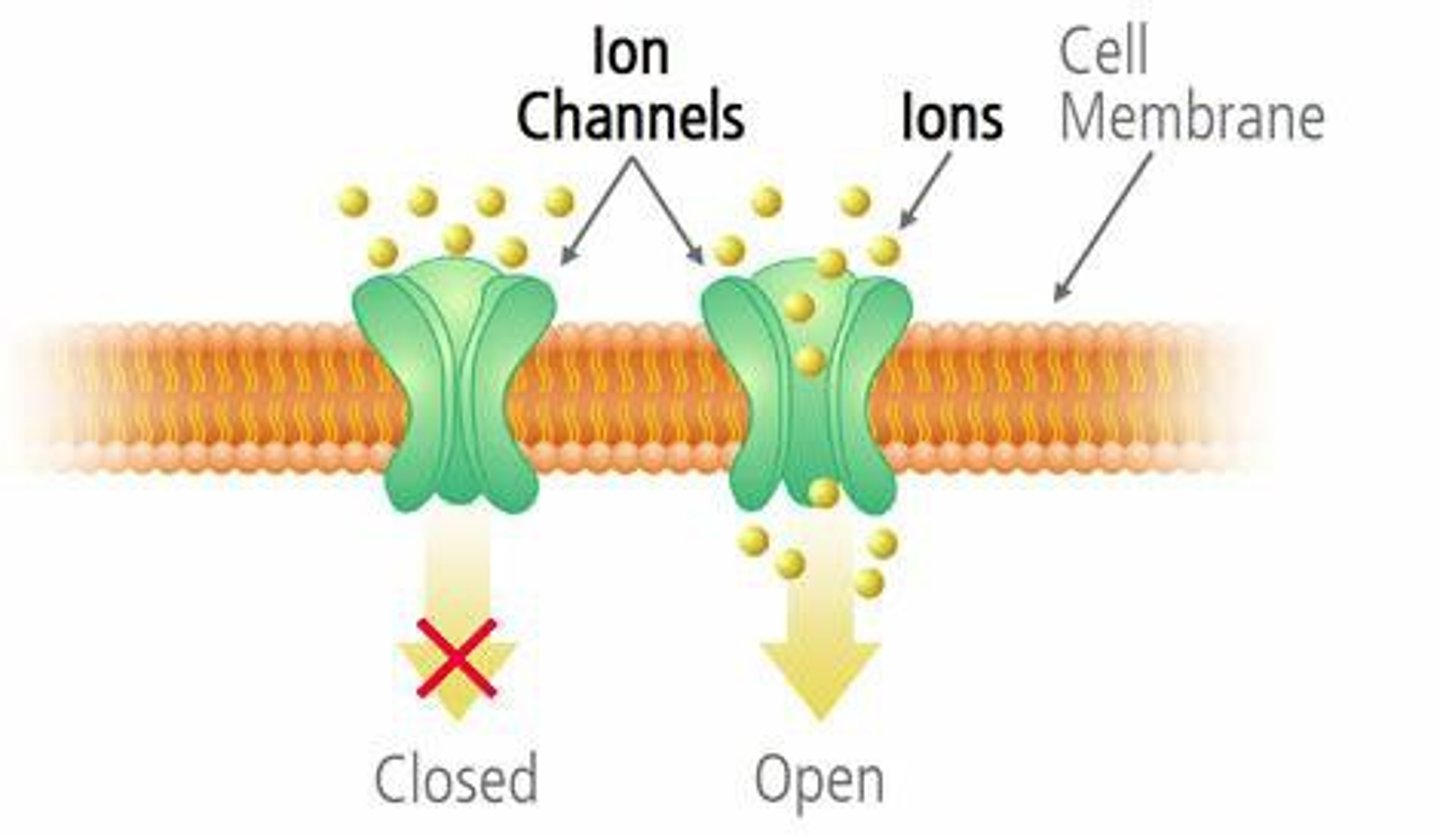
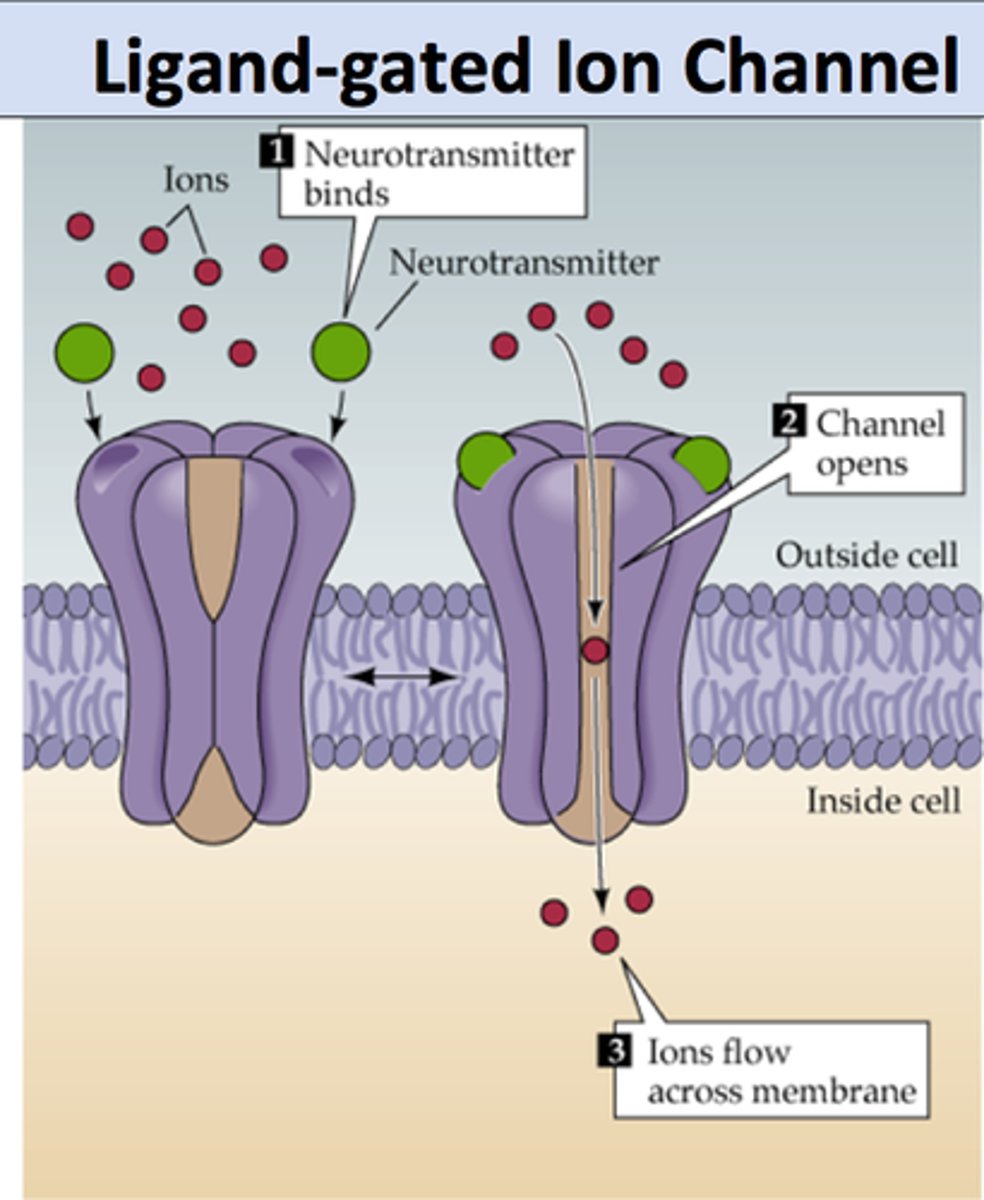
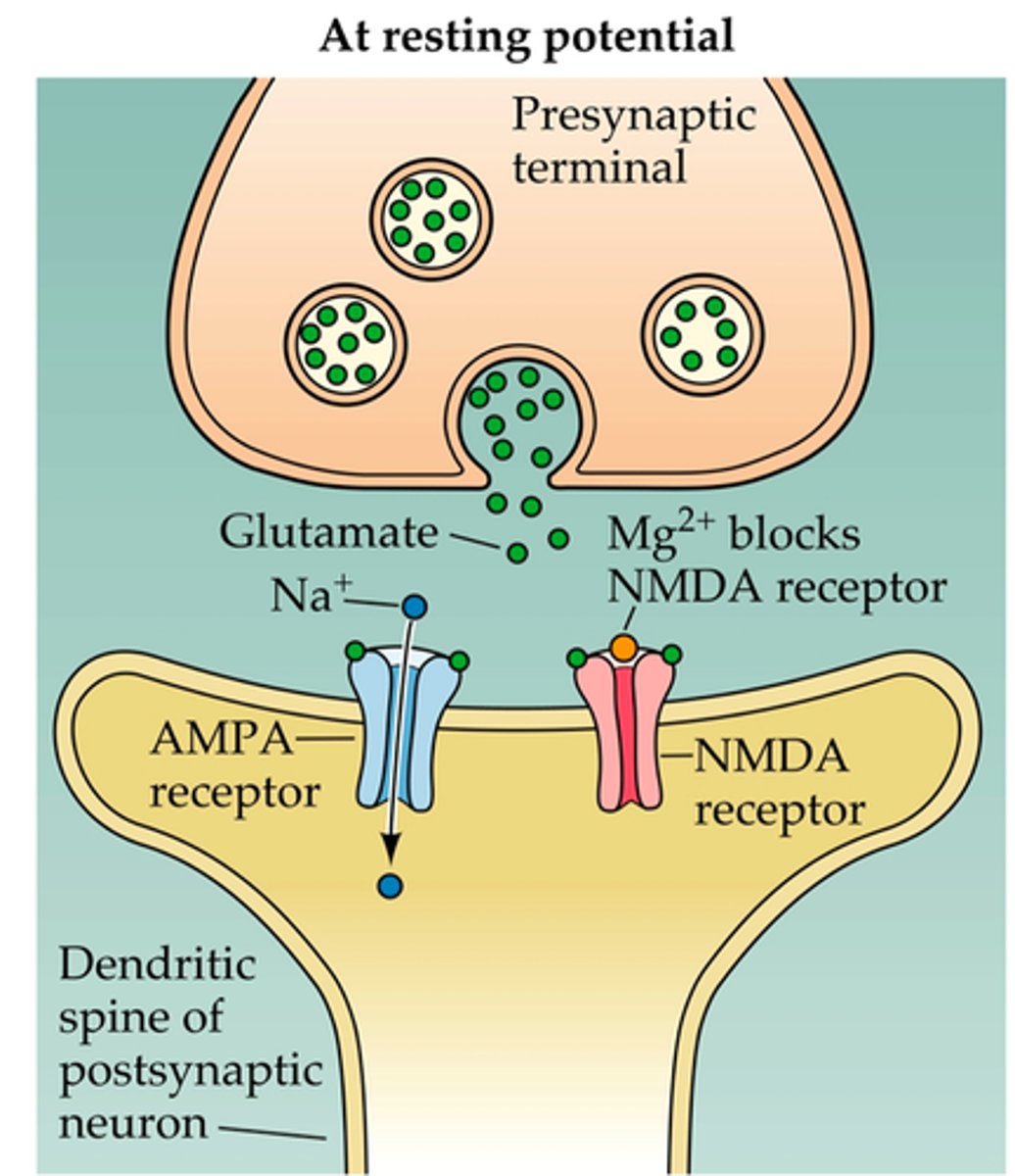
ligand-gated ion receptor
a ligand, or molecular signal, triggers the channel to open/close to allow an ion to pass
voltage-gated ion receptor
open or close in response to voltage differences across a membrane
typical ligand-gated ion sequence
signal received >>> ligand binds to receptor >>> receptor changes shape >>> channel opens and ions pass >>> ions initiate chemical response inside cell >>> ligand detaches from receptor and deactivates channel
example of a ligand-gated ion channel
an active neuron releases acetylcholine (Ach) into synapse >>> Ach binds to ligand-gated receptor molecule of next neuron >>> receptor molecules open >>> Na+ enters cell >>> inside of cell becomes more positive >>> change in voltage initiates a nerve impulse
G-protein coupled receptor (GPCR)
a transmembrane protein that activates a G protein, which in turn activates another membrane protein, which triggers a cell response or activates a second messenger
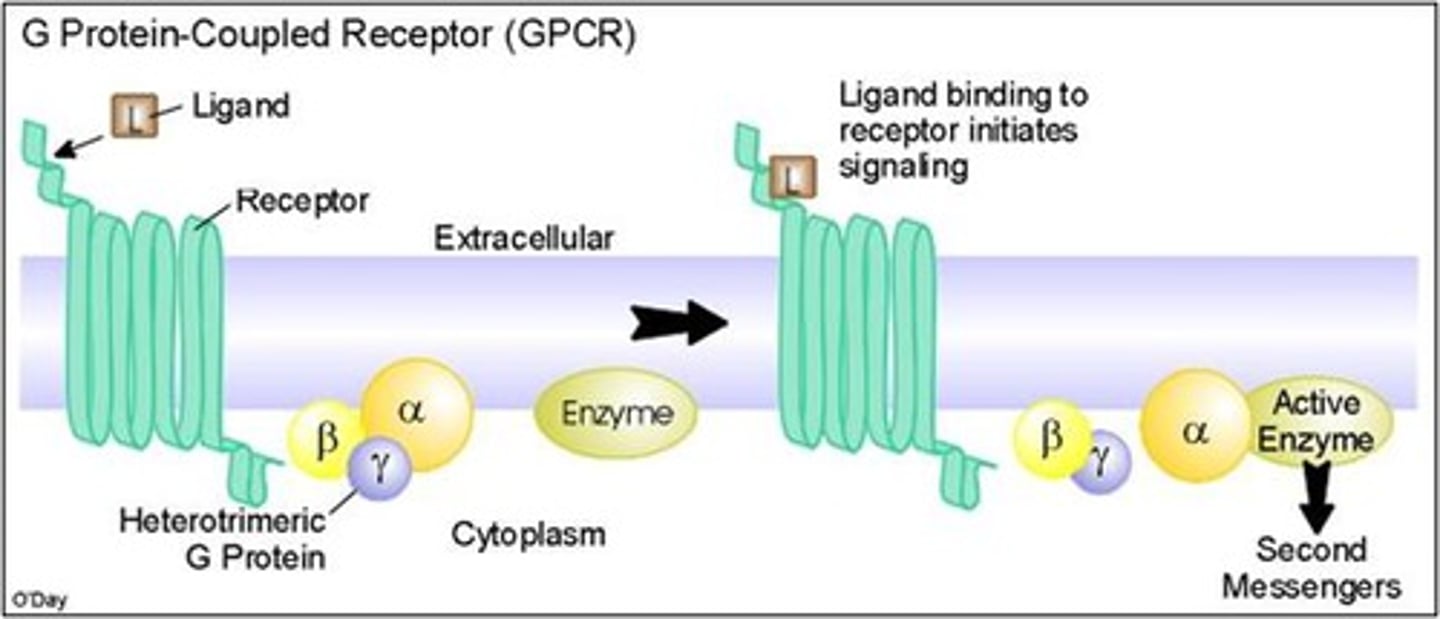
why is a G-protein receptor called that?
it has a GTP or a GDP attached to it instead of ATP or ADP (the difference is guanine instead of adenine)
typical G-protein coupled receptor sequence
ligand binds to receptor and it changes shape >>> receptor uses GTP to activate G protein >>> G protein binds to effector protein >>> effector is activated >>> effector initiates response >>> GTP is converted to GDP >>> receptor is deactivated
protein kinase receptors
transmembrane protein that is a kinase (enzyme that adds phosphate groups to a protein)
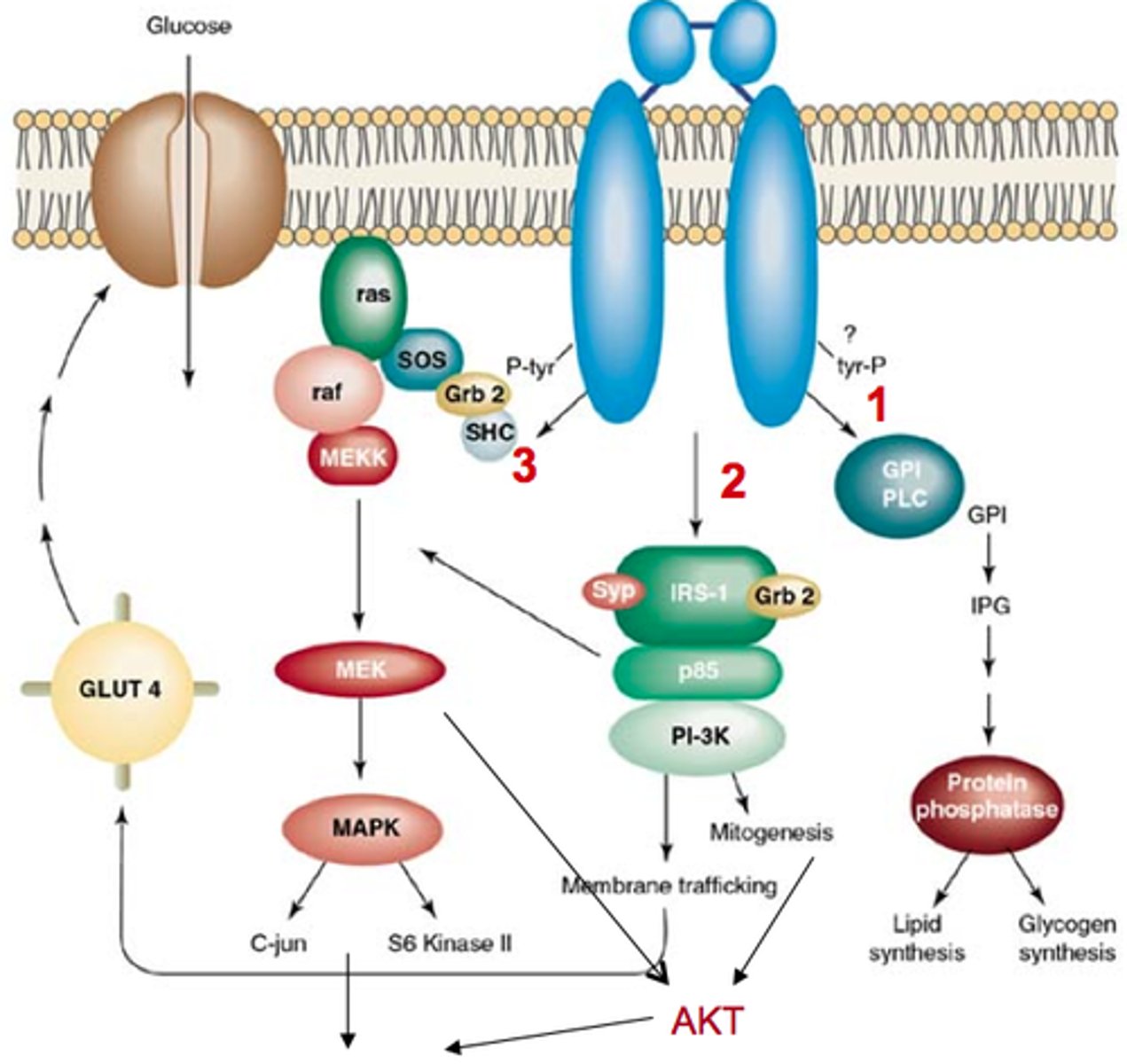
protein kinase receptors are most important in...
cell reproduction and regulation
G-protein coupled receptors are most important in...
most things - it is the largest family of signal receptors and includes vision, taste, airborne signals, hormones, neurotransmitters, immune system
types of cell surface receptors
ion channel receptors, G-protein coupled receptors, and protein kinase receptors
ion channel receptors are most important in...
muscle contraction and nerve impulses
best understood protein kinase receptor
receptor tyrosine kinase (RTK)
typical protein kinase receptor sequence
ligand binds to receptor >>> receptor forms a dimer with another receptor >>> the receptors phosphorylate each other and activates the complex >>> relay protein attaches to receptor and is phosphorylated >>> relay proteins are released >>> relay proteins activate cellular response
how is a protein kinase receptor deactivated?
dephosphorylation of kinases OR when the membrane folds and encircles the receptor protein in a vesicle (endocytosis)
examples of hydrophobic chemical messengers for intracellular/cytoplasmic receptors
steroid hormones (testosterone, estrogen), thyroid hormones, nitric oxide gas (NO), second messengers
typical intracellular receptor signaling pathway
ligand enters cytoplasm >>> ligand binds to and activates receptor in cytoplasm or nucleus >>> complex acts as a transcription factor, binding to DNA and affecting gene expression
second messenger
molecules that relay a signal from the inside face of the receptor protein to other molecules that may initiate a cellular response or may act as additional second messengers
characteristics of a second messenger
small, nonprotein, and hydrophilic/hydrophobic/gaseous
cascade effect/signaling cascade
a series of enzymatic reactions where a small number of enzymes can activate more and more to initiate a large-scale response
protein phosphatase
dephosphorylates a substrate (removes a phosphate group to deactivate it)
characteristics of signaling pathways
characterized by a signal, transduction, and a response. highly specific and regulated. one signal molecule can cause a cascade effect, releasing thousands inside the cell. these pathways evolved millions of years ago in a common ancestor.
advantages of signaling pathways
amplification (widespread), control (very accurate), and multiplicity (a single signaling molecule can activate many different pathways)