Skeletal system - Pathology exam
 Call Kai
 Learn
Learn Practice Test
 Spaced Repetition
 Match
Match Flashcards
 Knowt Play
1/24

Name | Mastery | Learn | Test | Matching | Spaced | Call with Kai | Chat |
|---|
No analytics yet
Send a link to your students to track their progress
25 Terms
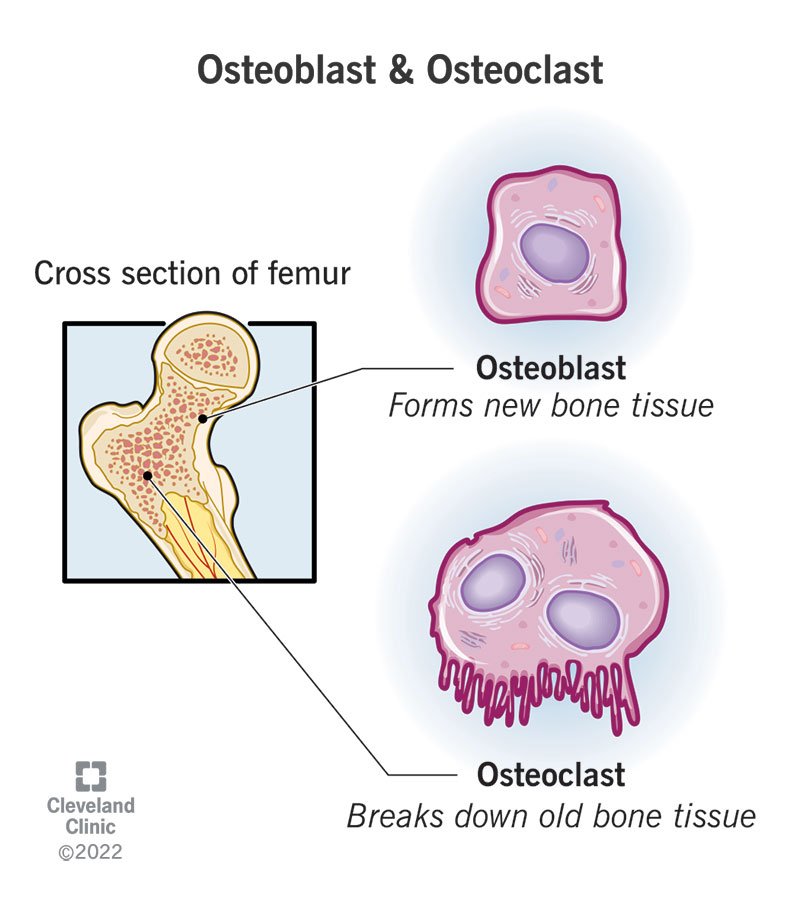
OSTEOBLASTS
These cells are responsible for the continuous formation of new bone

OSTEOCLASTS
They play a vital role by breaking down and digesting existing bone tissue

BONE REMODELLING
This process occurs throughout an individual’s lifetime, allowing bones to adapt and renew
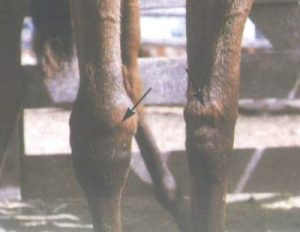
PHYSITIS
Characterized by inflammation and swelling of the growth plates (physes) of long bones
CLOSED
No communication with the external environment
OPEN
Communicates with the external environment
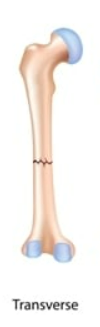
TRANSVERSE
Fracture line runs perpendicular (90°) to the long axis of the bone

LINEAR
Fracture line runs parallel to the long axis of the bone

OBLIQUE (NON-DISPLACED)
Diagonal fracture with bone fragments remaining aligned
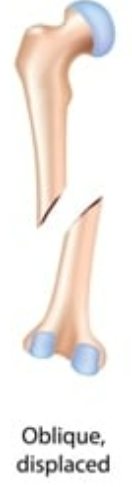
OBLIQUE (DISPLACED)
Diagonal fracture with bone fragments misaligned
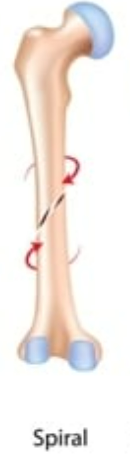
SPIRAL
Corkscrew-shaped fracture caused by twisting (rotational) forces
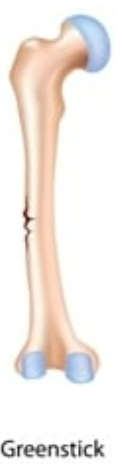
GREENSTICK
Incomplete fracture where one side of the bone breaks white the other side bends
Common in young animals
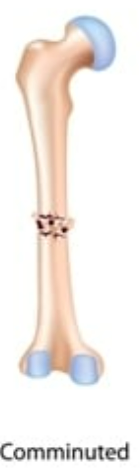
COMMINUTED
Bone is broken into three or more fragments, usually due to high-impact trauma

SALTER-HARRIS CLASSIFICATION
(PHYSEAL / GROWTH PLATE FRACTURES)
Used in immature animals with open growth plates
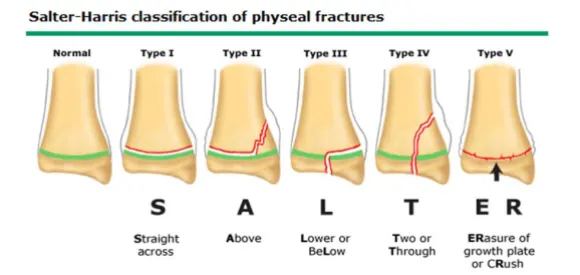
TYPE 1
TYPE 2
TYPE 3
TYPE 4
TYPE 5
Determine what type are the ff (type 1-5)
Through the physis (growth plate)
Through the physis and metaphysis (most common)
Through the physis and epiphysis
Through the metaphysis, physis and epiphysis
Crush injury to the physis (worst prognosis)

GUSTILO-ANDERSON CLASSIFICATION
Are used to describe the degree of soft tissue damage and mechanism of injury in order to facilitate standardization of treatment and prognosis
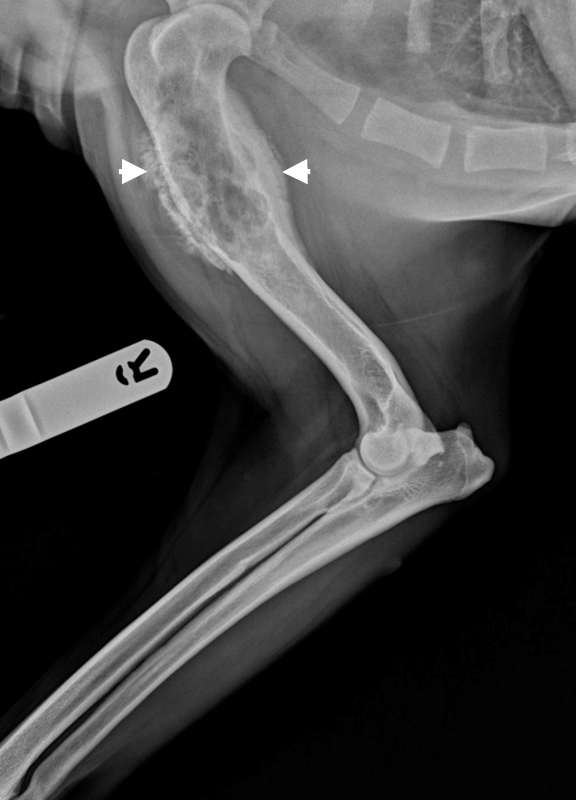
OSTEOSARCOMA
Is the most common primary malignant bone tumor in animals

OSTEOMYELITIS
Infection of bone, usually caused by bacteria or fungi
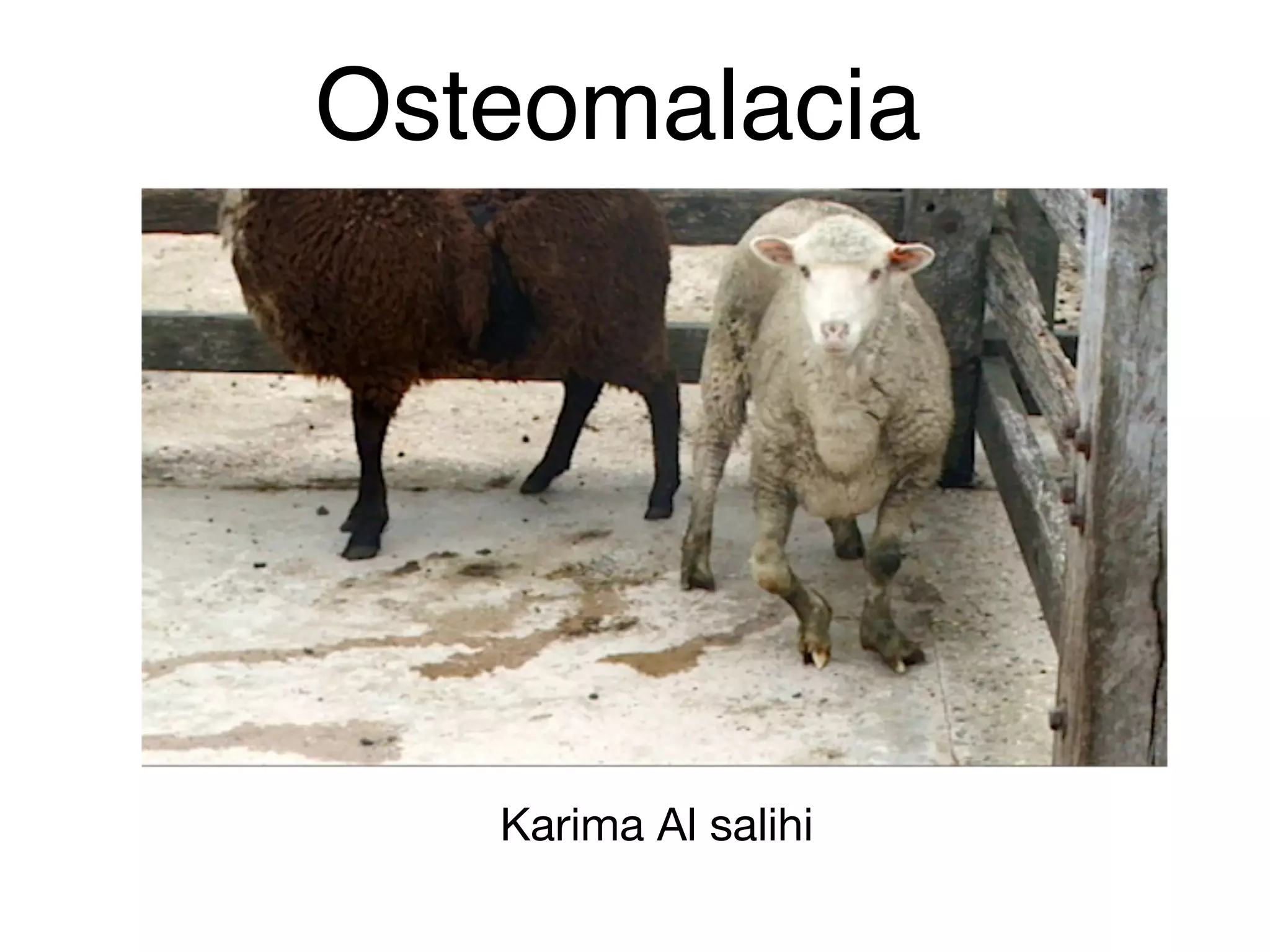
OSTEOMALACIA
Is a classic disorder caused by Ca and P deficiency or imbalance, or defective bone mineralization
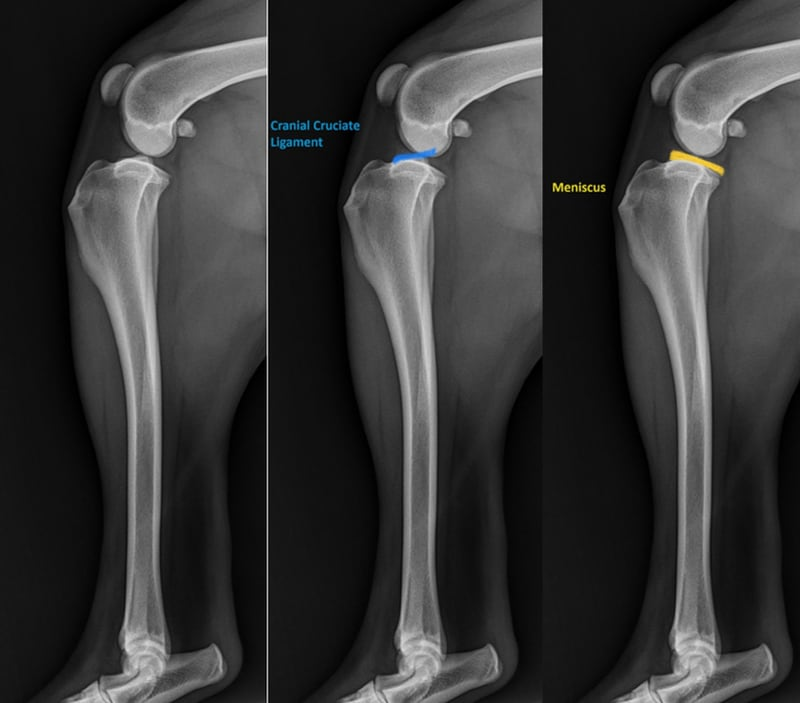
CRANIAL CRUCIATE LIGAMENT
In dogs, rupture of this ligament is the most common injury
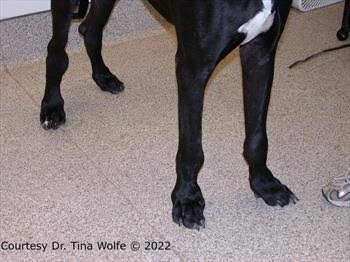
IMMUNE MEDIATED POLYARTHRITIS (IMPA)
Most common non-erosive inflammatory joint disease in dogs

EROSIVE POLYARTHRITIS
Leads to progressive cartilage and bone destruction

RHEUMATOID ARTHRITITIS
Chronic autoimmune inflammatory joint disease
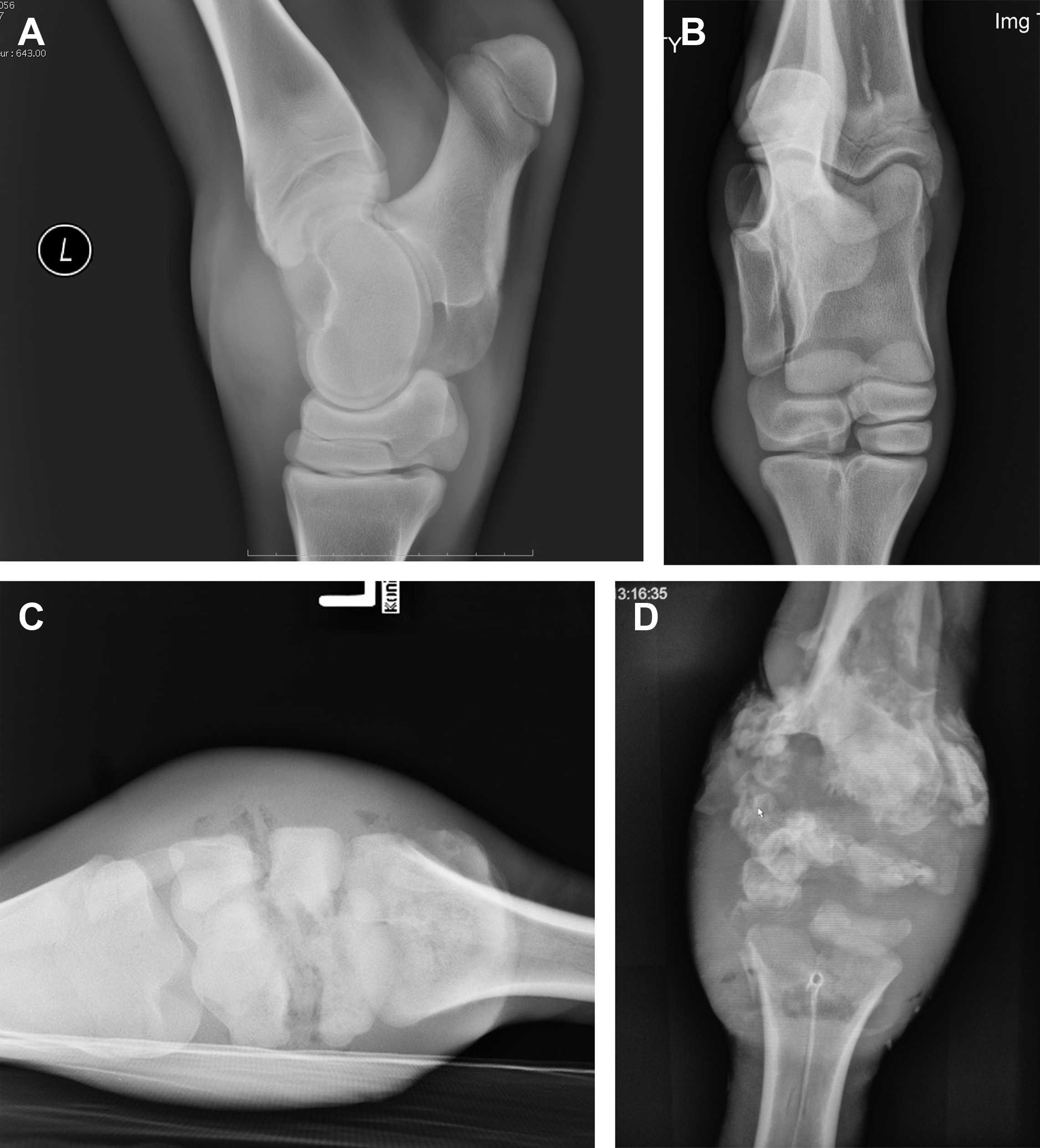
SEPTIC ARTHRITITIS
Infection of a synovial joint, usually involving one joint

TENOSYNOVITIS
Inflammation of the tendon and sheath, leading to synovial fluid accumulation, swelling, pain and impaired tendon movement