All Year 12 Metalanguage Unit 3/4 🛂
 Studied by 0 people
 Call with Kai
 Learn
Learn Practice Test
 Spaced Repetition
 Match
Match Flashcards
 Knowt Play
1/147

There's no tags or description
Looks like no tags are added yet.
Name | Mastery | Learn | Test | Matching | Spaced | Call with Kai |
|---|
No study sessions yet.
148 Terms
Prosodic features
-Stress
-Pitch
-Intonation
-Tempo
-Volume
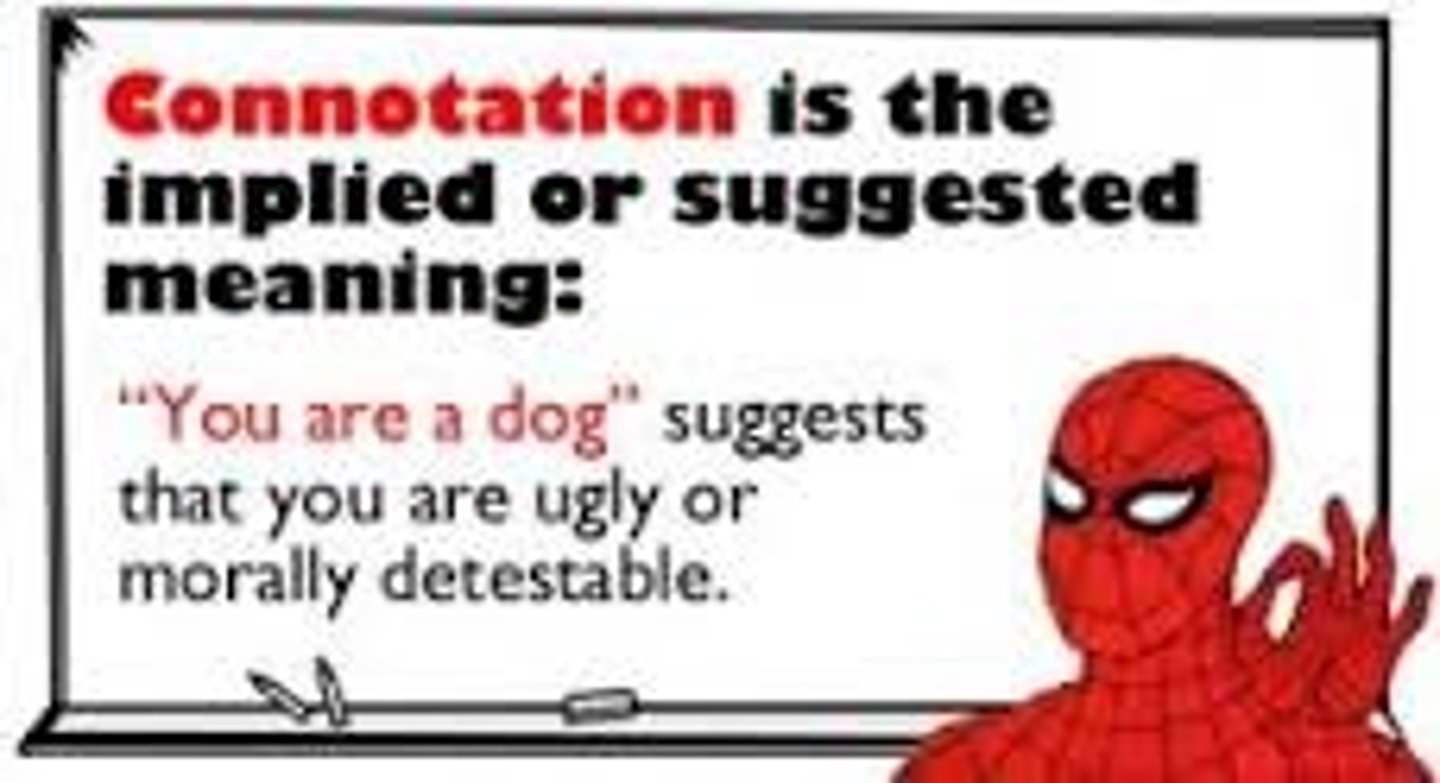
Connotations
All the meanings, associations, or emotions that a word suggests
Denotation
The dictionary definition of a word
Stress
The amount of emphasis given to a word or syllable.
Pitch
the highness or lowness of a sound
Intonation
Is the pattern of pitch changes in speech.
Tempo
Is speed at which we speak and can serve a variety of functions.
Vocal effects
-coughs
-laughter
-breath
These effects can reflect mood or attitude.
Assimilation
Occurs when a sound changes or assimilates to become more like a neighbouring sound. HAMBAG, SAMWICH
One nice example of assimilation is called palatalisation which is did you --> DIJU, or want you --> WANCHU
Vowel reduction
Is when vowels in unstressed positions are reduced to schwa.
example
TO, YOU --> tə, jə
Elision
Refers to the omission of a sound in connected speech, this may be a vowel, consonant or a whole syllable. FISH N CHIPS
Insertion/epenthesis
Involves the addition of sounds where they don't strictly belong. Both vowels and consonants can be added to the prononciation of words in connected speech.
Australian accent types
-Broad
-General
-Cultivated
dialect
A regional variety of a language distinguished by vocabulary, spelling, and pronunciation.
ethnolect
A variety of a language associated with a certain ethnic or cultural subgroup
idiolect
the speech habits peculiar to a particular person, marked by idiosyncratic pronunciation and word choice. Think of imitating your teachers!

sociolect
The variety of language that is typically used by the members of a particular social group
Broad Australian accent
Is the accent stereotypically attached to Australian people, country, poor

General Australian accent
Is the majority accent in Australia and falls in the centre of the broadness continuum.

Cultivated Australian accent
the Australian English accent closest to standard British pronunciation of English. Seen to be a posh accent.

Alliteration
the use of the same initial sounds in consecutive words eg. WONDERFUL WET WATER
Assonance
Repetition of a vowel sound within two or more words in close proximity HOW NOW BROWN COW
Consonance
Repetition of a consonant sound within two or more words in close proximity. WHITE GATE
Onomatopoeia
a word that mimics the sound it represents (clip clop, boom)
Rhythm
Pattern of stressed and unstressed syllables
Rhyme
correspondence of sound between words or the endings of words, especially when these are used at the ends of lines of poetry.
Nouns
Person, place, thing, but also abstract like GRIEF
-Common
-Proper
-Collective
-Abstract
Proper nouns
a specific person, place or thing or idea
If you want to be my best friend, the Blue Moon Diamond would be a great gift idea.
Common nouns
a noun denoting a class of objects or a concept as opposed to a particular individual.
They say that diamonds are a girl’s best friend.
Collective nouns
name a group of people or things ASSEMBLY, FAMILY
Abstract nouns
Names we have for ideas, emotions, qualities, processes, occasions and times. Invisible and intangible. e.g. 'joy', 'gentleness', 'wedding'
Verbs
-auxillary
-modal
Auxiliary verbs
'helping verb'. Verbs which are used to support another verb in a sentence and have a grammatical function such as establishing tense, aspect, or person. e.g.: be, do, have
modal verbs
Modal verbs behave very differently from normal verbs. A good way to remember them: You use "not" to make modal verbs negative. EXAMPLE: He should not be late.
adjective
modifies a noun. Is known as a describing word.
Adverbs
modifies a verb or a whole sentence QUICKLY, UNUSUALLY, YESTERDAY
Adverbial
An element of clause structure (along with subject, verb and object). Adverbials perform several roles in a sentence: they can modify verbs (e.g. 'he spoke hesitantly') or link clauses together (e.g. 'however', 'moreover')
Prepositions
Words we use before nouns or pronouns to show their relationship with other words in the sentence. Example: behind (the tree), across (Maple Street), down (the stairs)
Pronouns
Replaces a noun. Examples: I, he, she, they, it, his
Conjunctions
words that join words, phrases, or sentence parts. CONJUNCTION JUCTION WHAT'S YOUR FUNCTION
AND OR BUT
ALTHOUGH BECAUSE
https://www.youtube.com/watch?v=RPoBE-E8VOc
Determiners
Words that help to show which or how many people or things are being referenced. EX: This, that, those, some, any, much, enough, a few
Interjections
Words to express emotions: Examples: wow! My Goodness! Ouch!
Function words
Those words which have a mainly grammatical function (also called grammar words). Includes auxiliary verbs, determiners, pronouns, prepositions, conjunctions and some adverbs.
Content words
the words that carry the majority of meaning in a sentence
Affixation
There are three types of affixes (a type of 'bound' morpheme): prefix, suffix and infix.
Morphemes
The smallest units of meaning in a language.
Blends
Are words produced by using parts of two words to create a new one. GINORMOUS
Acronym
A word formed from the first letter of each word in a series, NASA

Initialism
Sounded as the initials of the word, e.g. BBC.
Shortenings
dropping the endings from a word to create a shorter one. GYM
Compounding
The process of making new words by putting two free morphemes together.
Contractions
Making a word out of two by using an apostrophe. CAN'T
Collocations
words that are often used together, FRUIT AND VEG
Neologisms
A newly coined word
Borrowing
Using words from other languages
Commonisation
the process whereby a proper noun or brand name becomes a common noun ESCALATOR, ASPIRIN
Archaism
use of an older or obsolete form. DOTH, THOU
Phonological patterning
-alliteration
-assonance
-consonance
-onomatopoeia
-rhythm
-rhyme
Phonological Patterning
flapping
The 'd' sound often heard in place of 't' in words like 'butter' ('budder').

HRT (high rising terminal)
The use of a high-rising or questioning intonation at the end of a statement. Typical in young speakers, it has a range of discourse functions, such as seeking empathy or keeping the other interlocutor involved in the conversation.

Morphological patterning
Diminutives; a suffix added to a common or proper noun that indicates smallness and expresses affection. Usually 'o', y/ie (as in Tassie or smoko). Common in Australian English.
Rhyming constructions; such as hankey-pankey and chickflick often used in the media to give writing a lively, upbeat sound.
Lexical patterning
slang
a type of language that consists of words and phrases that are regarded as very informal, often perculiar to different age and social groups

colloquialism
informal words or expressions not usually acceptable in formal writing

Syntactic patterning
Antithesis, listing, parellelism
Antithesis
the juxtaposition of contrasting ideas, often in parallel structure BIG ON COMFORT, SMALL ON PRICE
Syntax
Is the study of sentences structures, it concerns the arrangement of words in sentences.
Phrases
A group of words without a finite verb
RED BALLOON noun phrase
VERY BEAUTIFUL adjective phrase
EXTREMELY QUICKLY adverb phrase
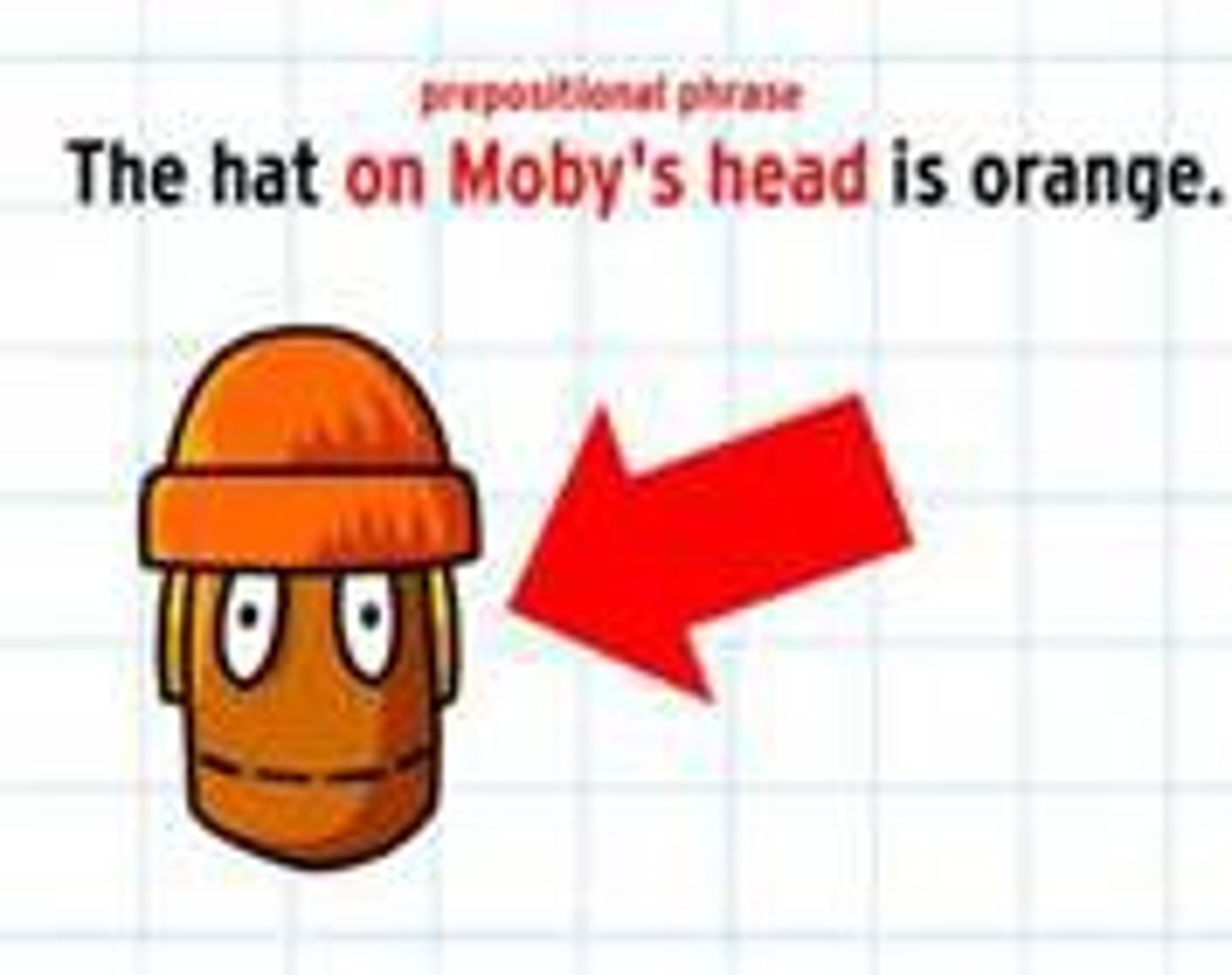
IN THE BOX prepositional phrase
Clauses
A grammatical unit larger than a phrase which contains a verb I HATE MONDAYS but I STILL GO TO WORK

Sentence fragments
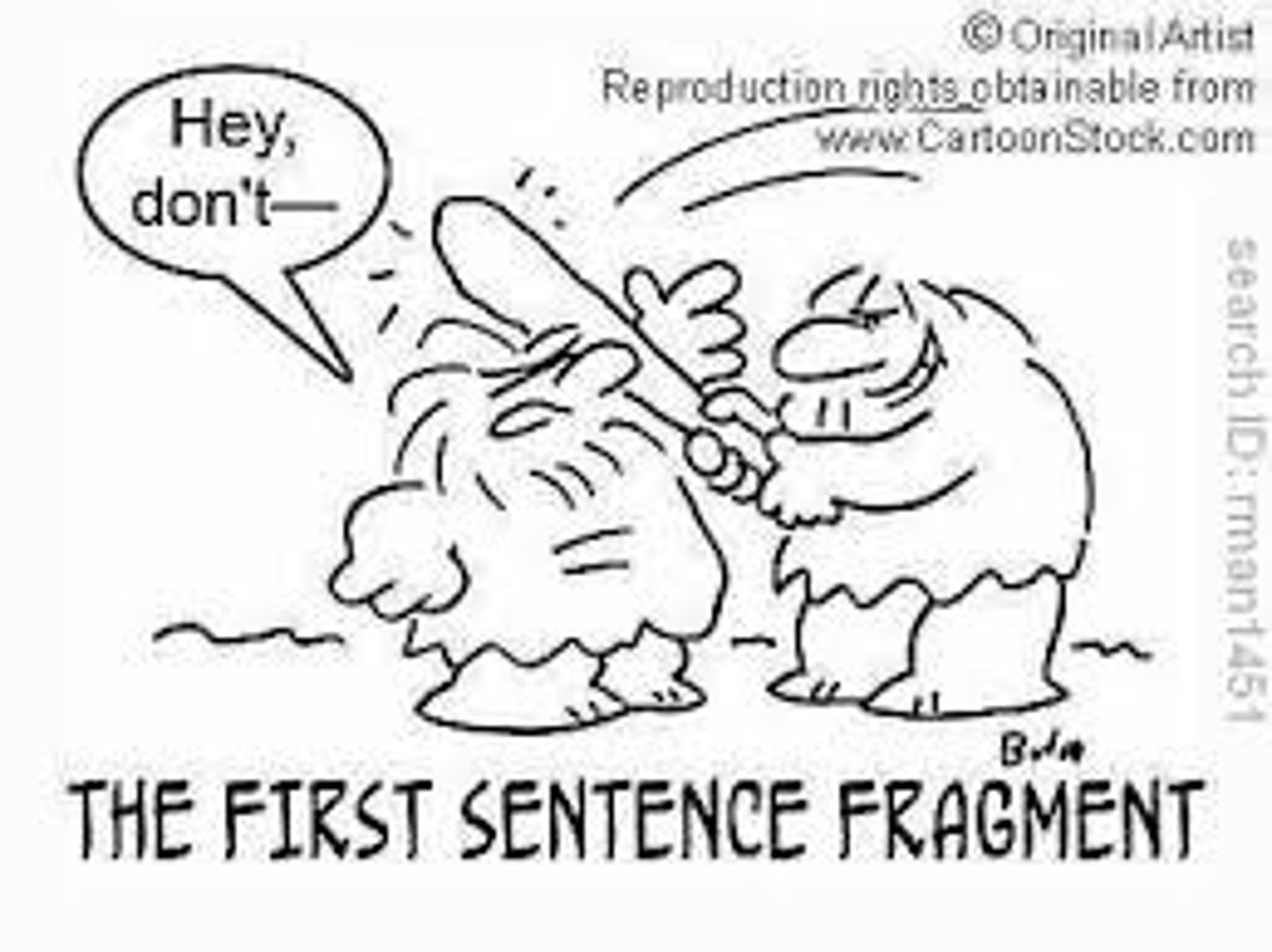
Act as a sentence even though they aren't a complete main clause, like HELLO, HUH?, NO SUCH LUCK!
simple sentence
Contains a single main clause
SHE ATE HER FOOD NOISILY
compound sentence
Contains at least two main clauses
You can take that scone with the blueberries, or you can have the one over there.
complex sentence
Contains a single main clause as well as a subordinate (dependent) clause.
Although she was considered smart, she failed all her exams.
Compound-complex sentence
Three clauses in total, with two being main clauses and one subordinating
Erin loves her brother, and he loves her too because she pays his bills.
Ellipsis
Involves removing words or phrases from an utterance, clause or sentence, in particuar if they are implied or unnecessary given the context. COMING?

Nominalisation
The conversion of verbs (or whole phrases) into nouns
Many buildings were destroyed, which was.... -->
The destruction of buildings was...
Coordination
Uses coordinating conjunctions to combine clauses into sentences.
Covert norms
language varieties which are associated with non-standard English and which have prestige within the social groups that use them. Covert prestige is acquired by speakers wishing to belong to a certain community
Overt norms
Language choices associated with Standard english. Overt prestige is acquired by those speakers who have command of a standard dialect
Subordination
When one clause is subordinate to another clause, normally preceded by a subordinating conjuction (although, because , if)

declarative sentence
sentences that are statements IT IS RAINING
imperative sentence
A sentence that commands. GO OUTSIDE!
interrogative sentence
A sentence that asks a question
Exclamative sentence
A sentence that expresses an emotion: often beginning with 'what' and 'how' e.g. 'What big teeth you have!"
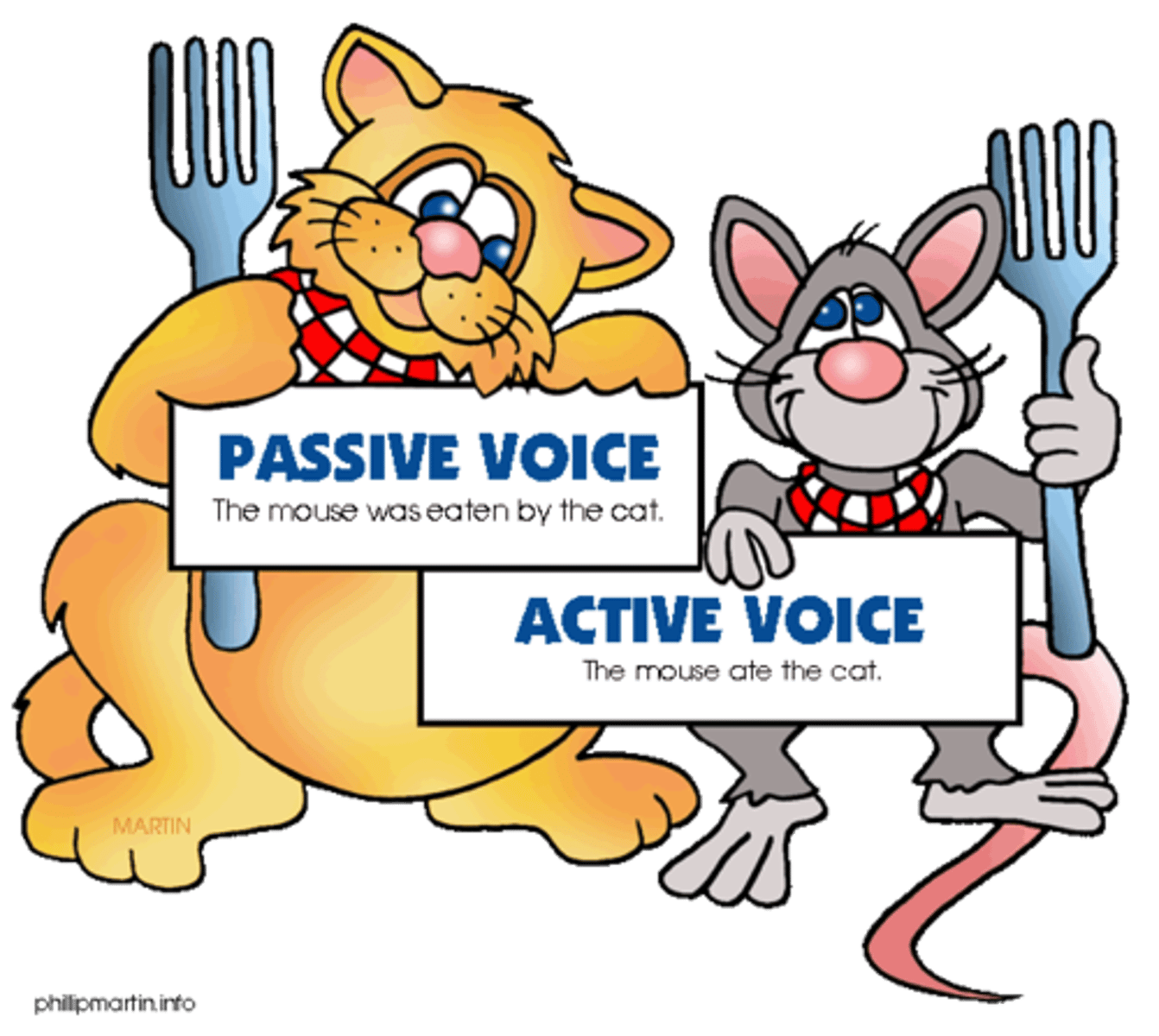
active voice
A grammatical structure in which the subject is the actor of the sentence e.g. the dog eats the bone
passive voice
The subject of the sentence receives the action.
THE MOUSE WAS CHASED
Often used to be sneaky... MISTAKES WERE MADE
Agentless passive
Used when the speaker or writer does not want to include a reference to the agent..
The Ruby Princess was boarded (by government officials)
Listing
The process by which collections of usually three or more related elements are placed together, seperated by punctuation such as commas or bullet points.
Parallelism
When two or more phrases, clauses or sentences are structually similar and appear near each other.
Awkward sentence: Olympic athletes usually like practicing, competing, and to eat ice cream sandwiches.
Paralinguistic features
Body language,facial expressions, eye contact, hand gestures
code switching
the practice of alternating between two or more languages or varieties of language in conversation.
Cohesion
Grammatical and lexical linking within a text or sentence. Cohesion holds a text together and gives it meaning. Related to coherence, but smaller. Cohesive ties include pronouns, conjunctions, ellipses, substitution, synonyms and antonyms
https://www.vcestudyguides.com/blog/coherence-and-cohesion
Coherence
Logical development and integration within speech or writing. Coherence makes a text understandable.
https://www.vcestudyguides.com/blog/coherence-and-cohesion
Inference
Something that has been deduced by using implicit information (such as cultural knowledge)
Logical ordering
Ensures that a text is structured both visually and textually in a way that makes sense for that text type.
Formatting
The process of changing the appearance of the text, layout, and design of a slide.
lexical choice
-Collocations
-Hyponym/hypernyms
-Synonym and antonyms
-elevated lexis/colloquialisms
-swearing
-slang
-borrowed words (foreign words)
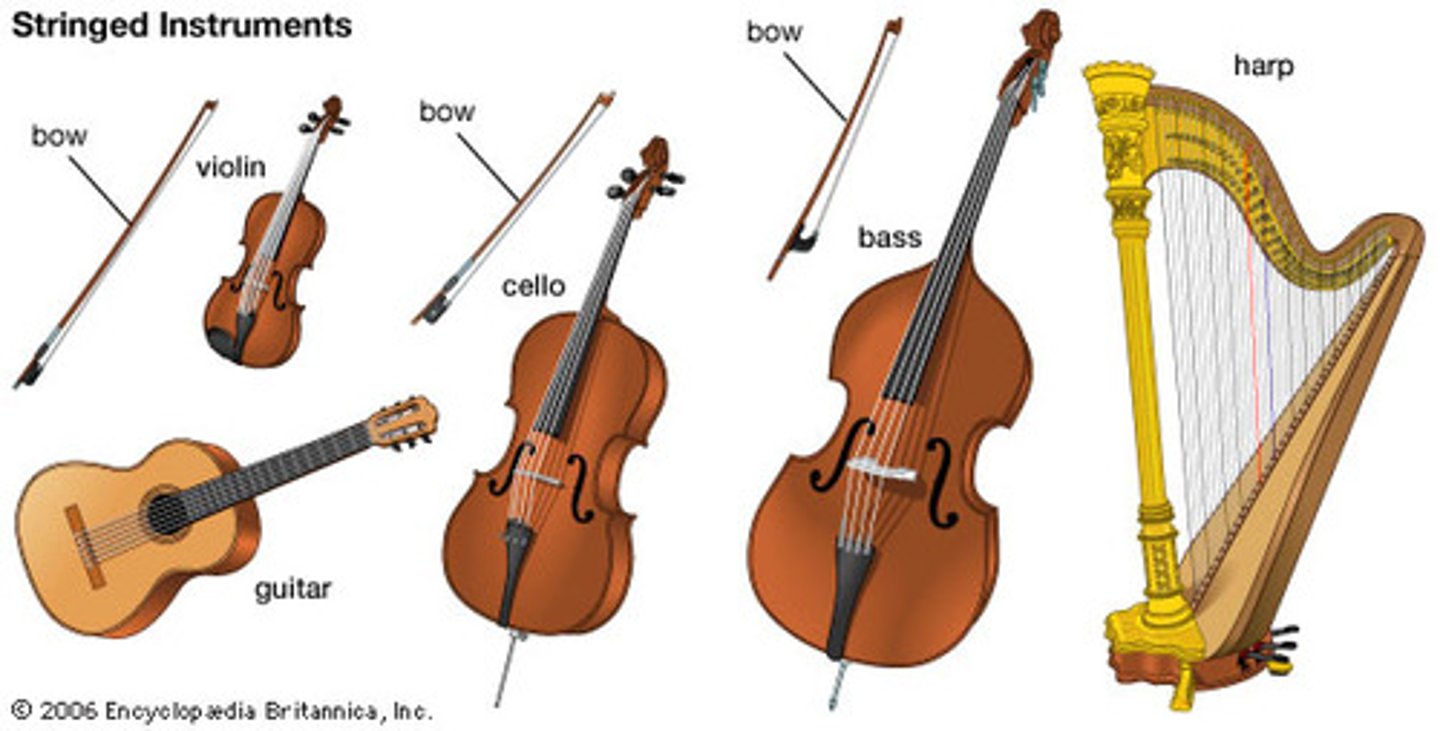
Hyponym
The relationship between general and specific lexical items, eg. DOG is a hyponym of ANIMAL
synonyms
words that have similar meanings
Antonym
the use of words which are opposite in meaning e.g. hot and cold