9.16 - Ancient Near Eastern Art and Architecture
 Call Kai
 Learn
Learn Practice Test
 Spaced Repetition
 Match
Match Flashcards
 Knowt Play
1/27

Earn XP
Description and Tags
Name | Mastery | Learn | Test | Matching | Spaced | Call with Kai | Chat |
|---|
No analytics yet
Send a link to your students to track their progress
28 Terms
pictogram
a simple graphic symbol or picture that communicates a word, an idea, or data through visual resemblance

cuneiform
oldest known writing system (c. 3000 BCE); primarily used to record economic transactions

stylus
writing tool, traditionally made from a cut reed, used to press wedge-shaped characters into moist clay tablets
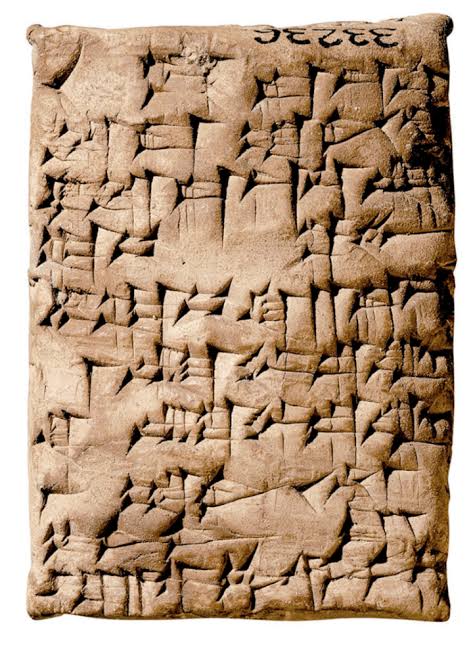
Babylonian deed of sale, c. 1,750 BCE, British Museum, London
cuneiform clay tablet which recorded transfer of property in exchange for silver and goods

Uruk (Warka), White Temple and ziggurat (c. 3300-3000 BCE)
monumental architecture; hierarchical composition and exclusivity
ziggurat
“to build on a raised area;” stepped base of religious temple
“high” temple
the sacred shrine or sanctuary built at the very top of a ziggurat
“low” temple
traditional sanctuaries built directly on the flat plain or on low, simple terraces
altar
a usually raised structure or place on which sacrifices are offered or incense is burned in worship
cella
the inner chamber or central room of a temple

Mosaic Stone Temple (c. 3300 – 3000 BCE)
monumental architecture; displays evolving artistic practice of Ancient Mesopotamia
buttress
a projecting structure of masonry or wood for supporting or giving stability to a wall or building
mud brick
air-dried building block used as primary architectural material in Ancient Mesopotamia as the land was resource-poor

Ur (Muqaiyir), Great Ziggurat of King Urnammu (initial height c. 30 m, length 64 m, width 46 m) c. 2100 BCE
displays evolution of architectural practice (small windows for ventilation of mud brick); cultural heritage (partially rebuilt by Saddam Hussein)

Mesopotamian cylinder seals, invented c. 3,500 BCE
used as signatures or security keys; small, personal items used by high-ranking officials; could be very ornate

The Warka Head – the “Mona Lisa” of Mesopotamia c. 3,200-3,000 BCE
was likely originally richly decorated in lapis lazuli, shells, obsidian, and gold; head is flat at the back with drillhole--either an architectural fixture or attached to a wooden frame; cult figure or royal princess?

Sculptures from the Square Temple, Eshnunna (Tell Asmar), found buried underneath the shrine altar limestone, alabaster, gypsum height of tallest figure 2 ½ feet c. 2,900-2,600 BCE
made as stand-ins for wealthy patrons to place in temples so that they may be in perpetual worship

The Warka Vase / The Uruk Vase, c. 3,300-3,000 BCE
an example of a visual narrative; told in three main registers with representational human and animal figures; hierarchy - nature/animals on bottom, procession of slaves/servants in middle, richly clad individual receiving offerings in top register
visual narratives
a story told primarily through images, graphics, and other visual media rather than text

Bull lyres of Ur, wood with gold, silver, lapis lazuli, bitumen, and shell c. 2,550-2,400 BCE, UPenn Museum, Philadelphia
funerary object; discovered in Royal Cemetery at Ur; luxuriously decorated string instrument
registers
a horizontal band containing decorative or narrative imagery

The ‘Royal Standard’ of Ur, c. 2,600 BCE
through intricate mosaic scenes, presents the violence and grandeur of Sumerian kingship
centrality
the quality, state, or fact of being in, at, or near the center, or holding the most important and vital position in a system
hieratic Scale
scale based on relative importance
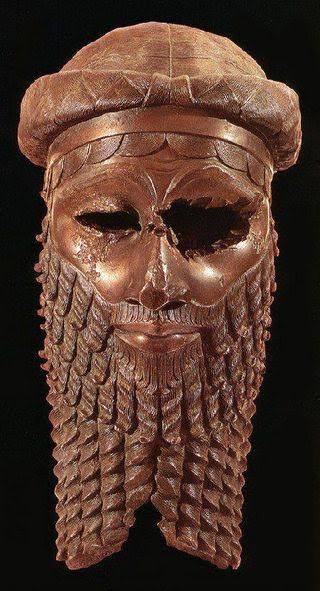
Head of an Akkadian ruler, from Nineveh (Kuyunjik) perhaps representing Sargon or his grandson Naram-Sin, r. 2254-2218 BCE c. 2,350 – 2,250 BCE, Iraq Museum, Baghdad
The earliest work of hollow-cast copper (not bronze) sculpture known from the ancient Near East; eyes gouged out, ears and nose scratched off, all likely done by rival powers as a means of disempowering depicted figure; beliefs were that material reproductions of real people held part of their essence/soul

The Victory Stele of Naram-Sin, pink limestone, H. 200cm, ca. 2254 – 2218 BCE, found at Susa. Musée du Louvre, Paris (Sb 4)
the king as god; Naram-sin in scene of military triumph, vanquishing the Lullubi people in the forested and mountainous region of eastern Mesopotamia
stele
an upright monument containing information in the form of texts, images or a combination of the two; used to commemorate people or events, to delineate physical spaces or as objects through which to access the dead or divine
iconography
a particular range or system of types of image used by an artist or artists to convey particular meanings