1D - Biol 165 - The Skeletal System (Muscles, Cardiovascular Circuits, Lymphatic system)
 Call Kai
 Learn
Learn Practice Test
 Spaced Repetition
 Match
Match Flashcards
 Knowt Play
1/24

There's no tags or description
Looks like no tags are added yet.
Name | Mastery | Learn | Test | Matching | Spaced | Call with Kai | Chat |
|---|
No analytics yet
Send a link to your students to track their progress
25 Terms
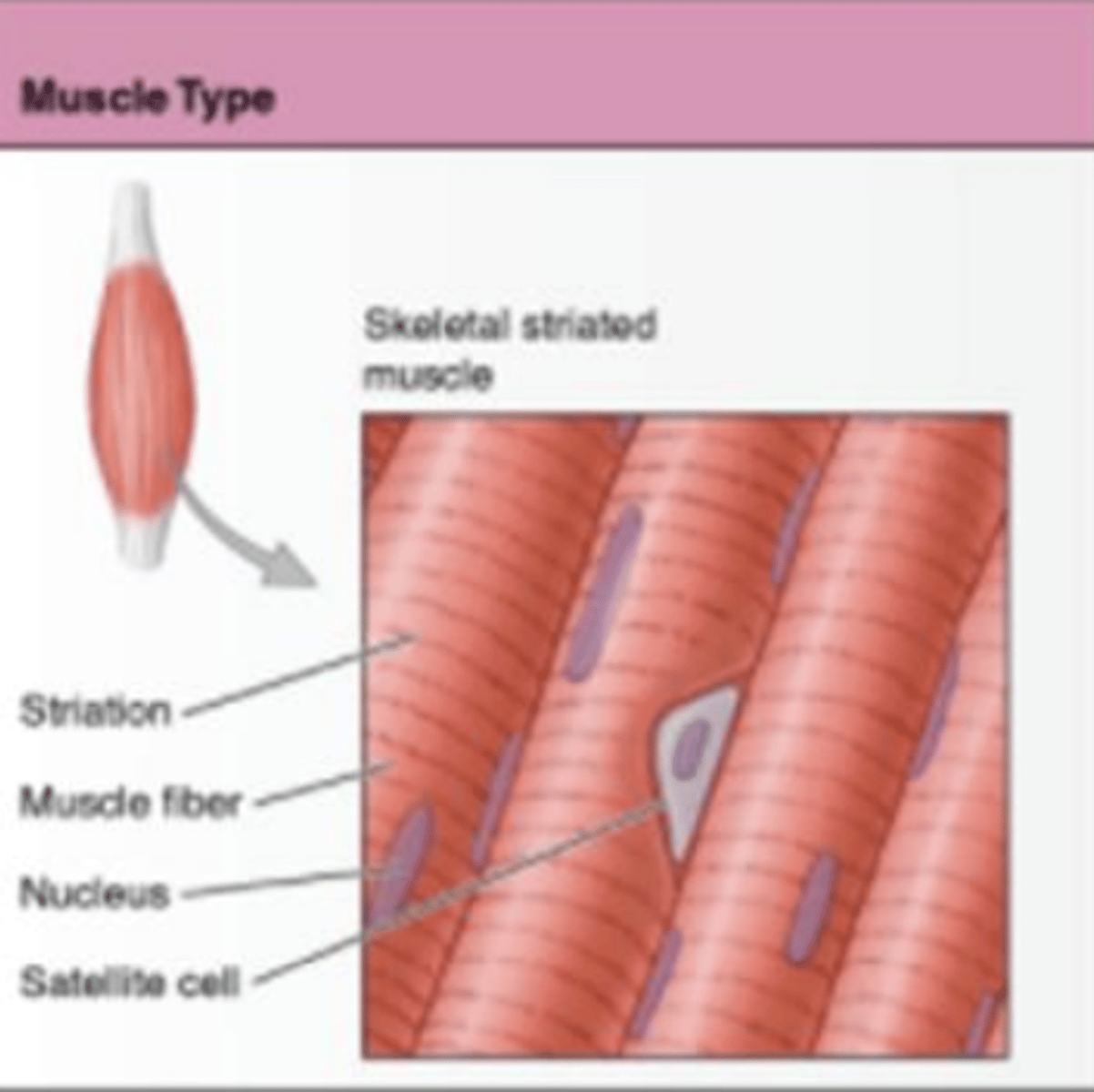
Skeletal Muscle
A muscle that is attached to the bones of the skeleton and provides the force that moves the bones, these movements are voluntary and are controlled.
*moves skeleton
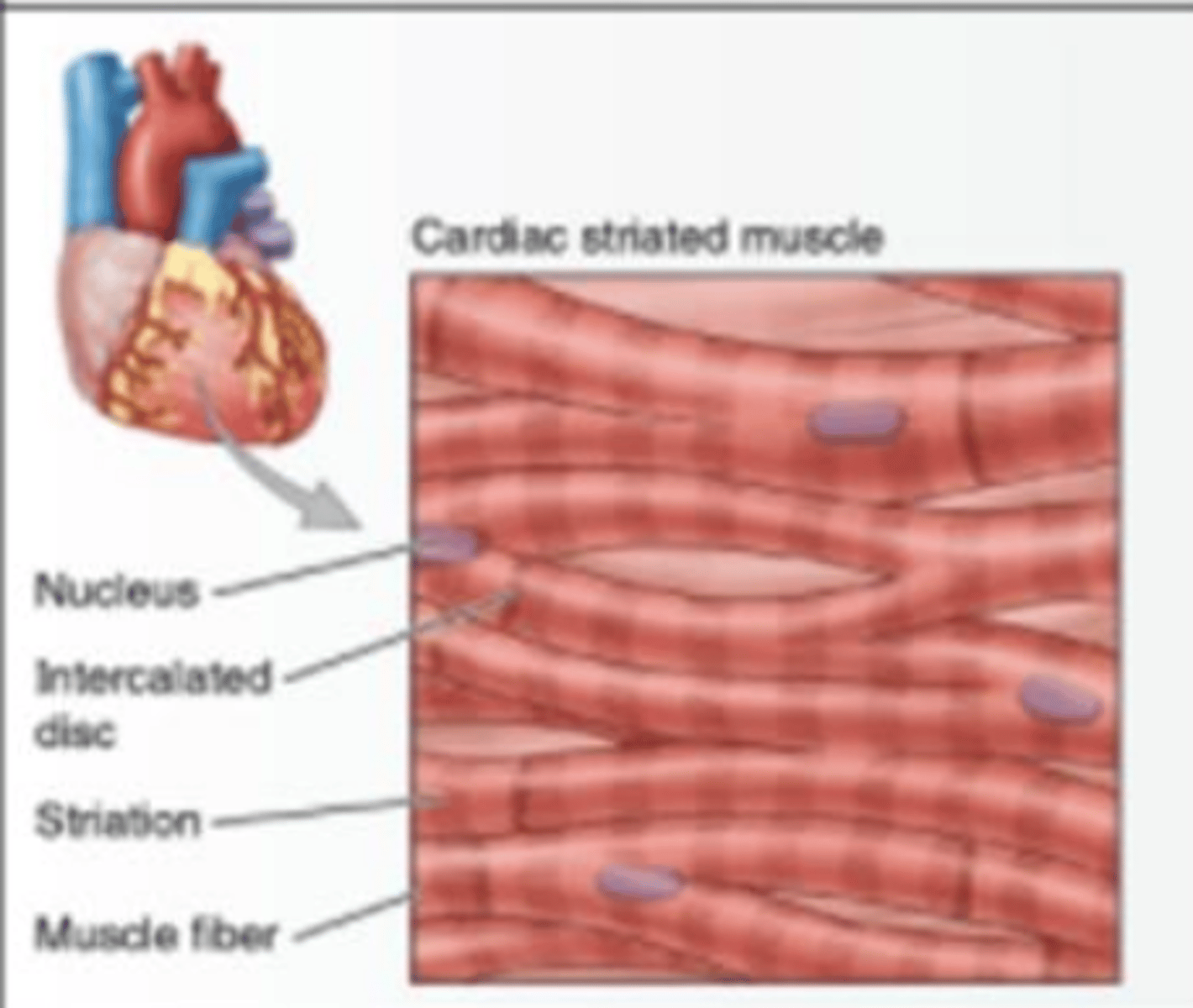
Cardiac muscle
Involuntary muscle tissue found only in the heart.
*moves blood
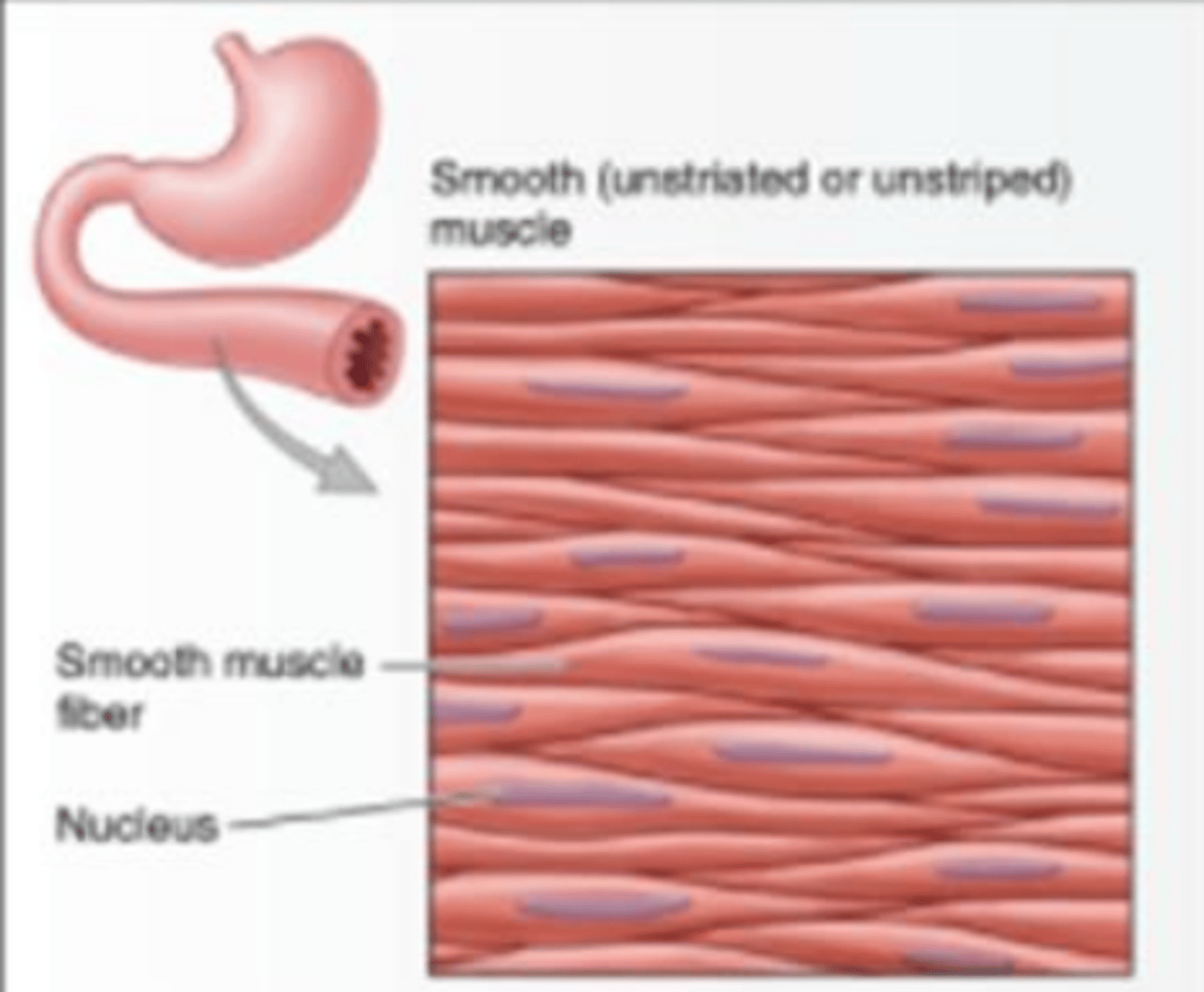
Smooth muscle
Involuntary muscle found inside many internal organs of the body
*moves blood, food
Muscle Cells
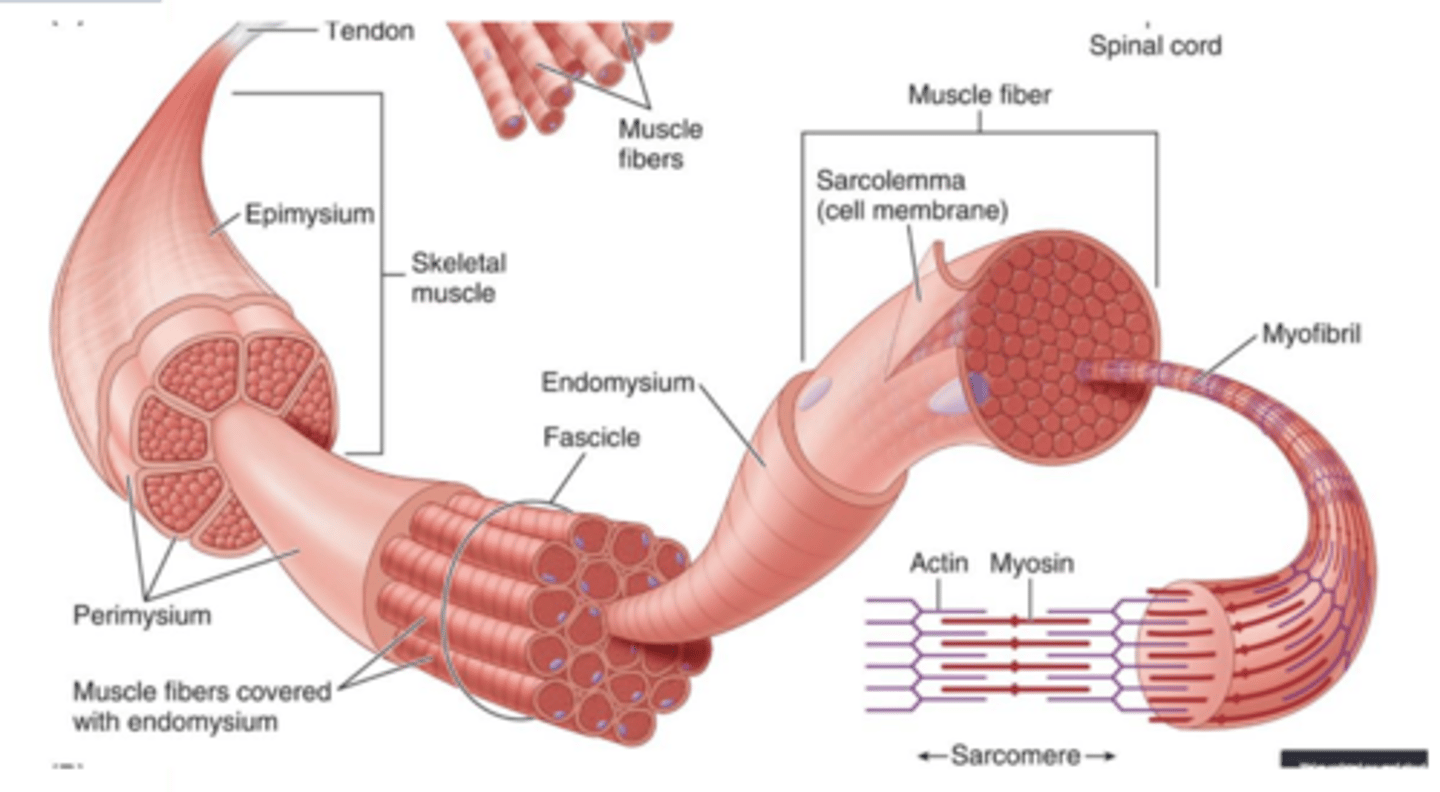
Shorten to cause movement of the body. They are organized into tissues and move the skeleton, heart, and internal organs. These muscle cells are called fibers because they are long and narrow when relaxed.
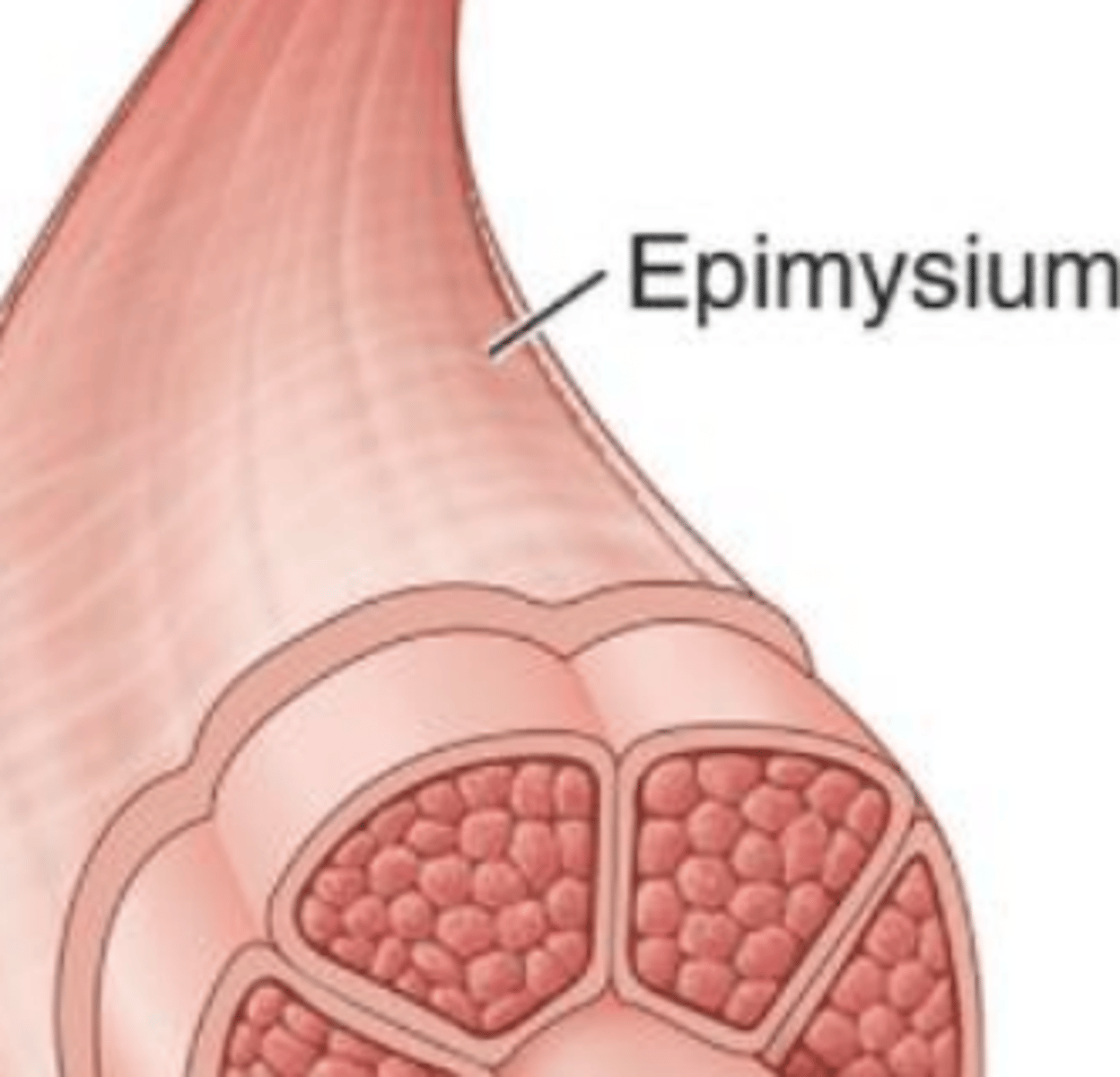
Epimysium
a sheath of fibrous elastic tissue surrounding a muscle.
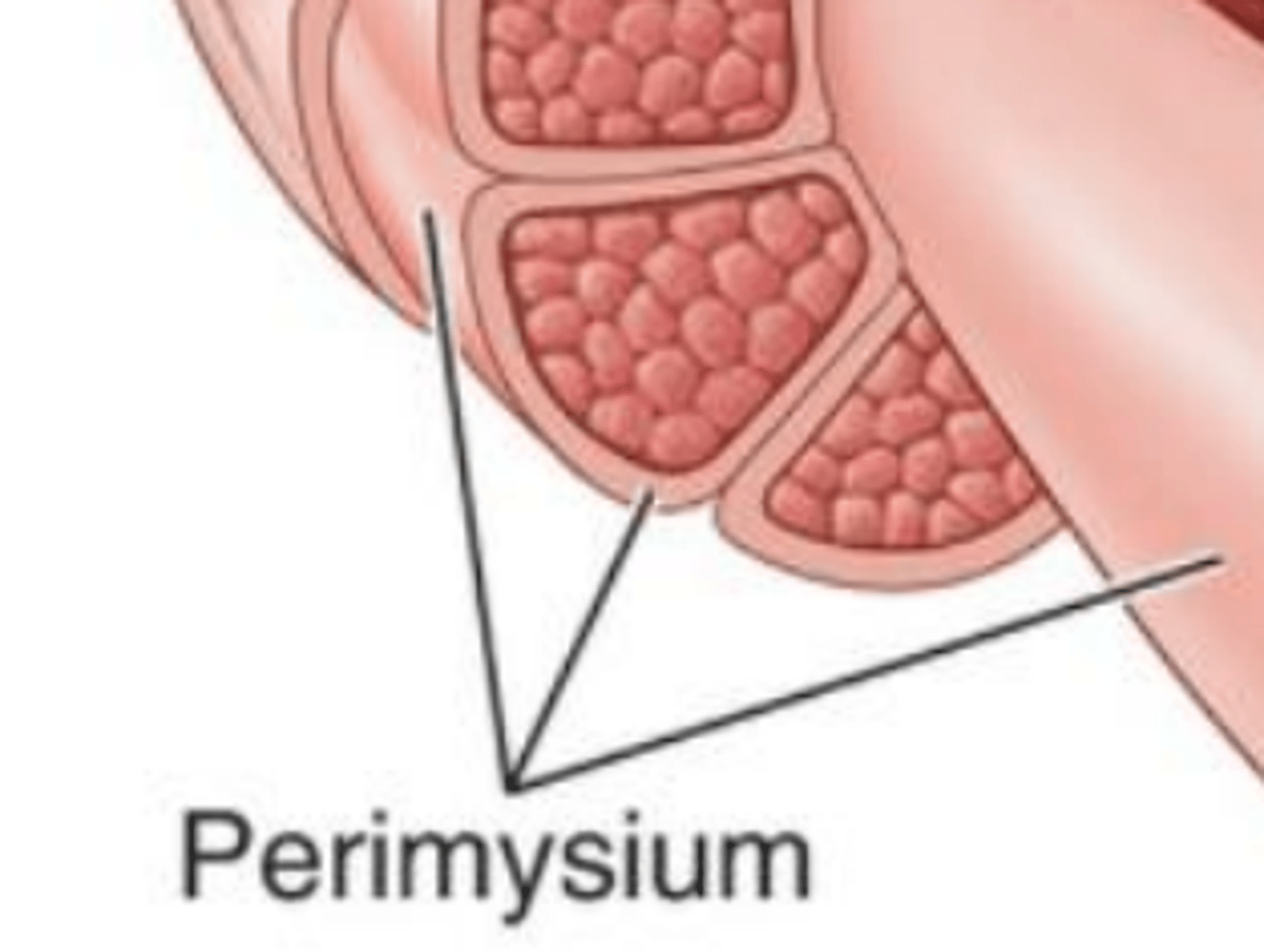
Perimysium
Connective tissue surrounding a fascicle. Fascicles are small compartments of muscle fibers.
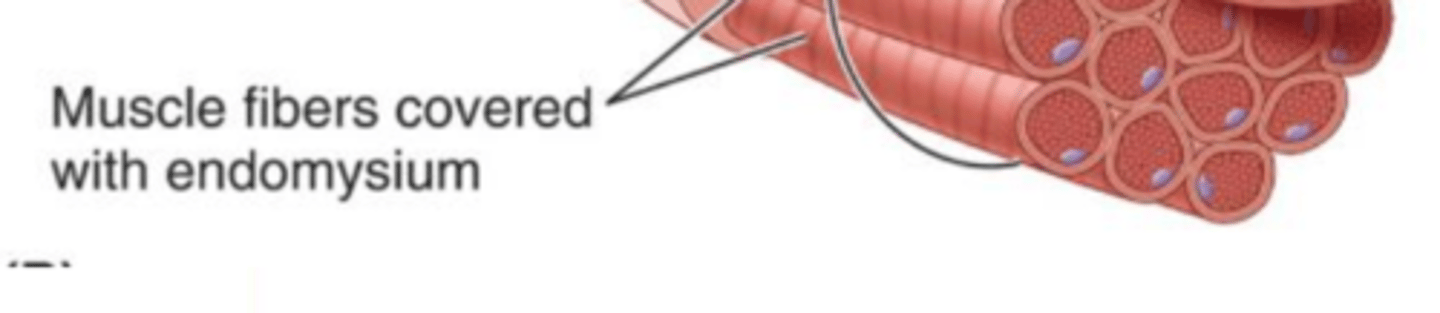
Endomysium
Connective tissue surrounding a muscle fiber.
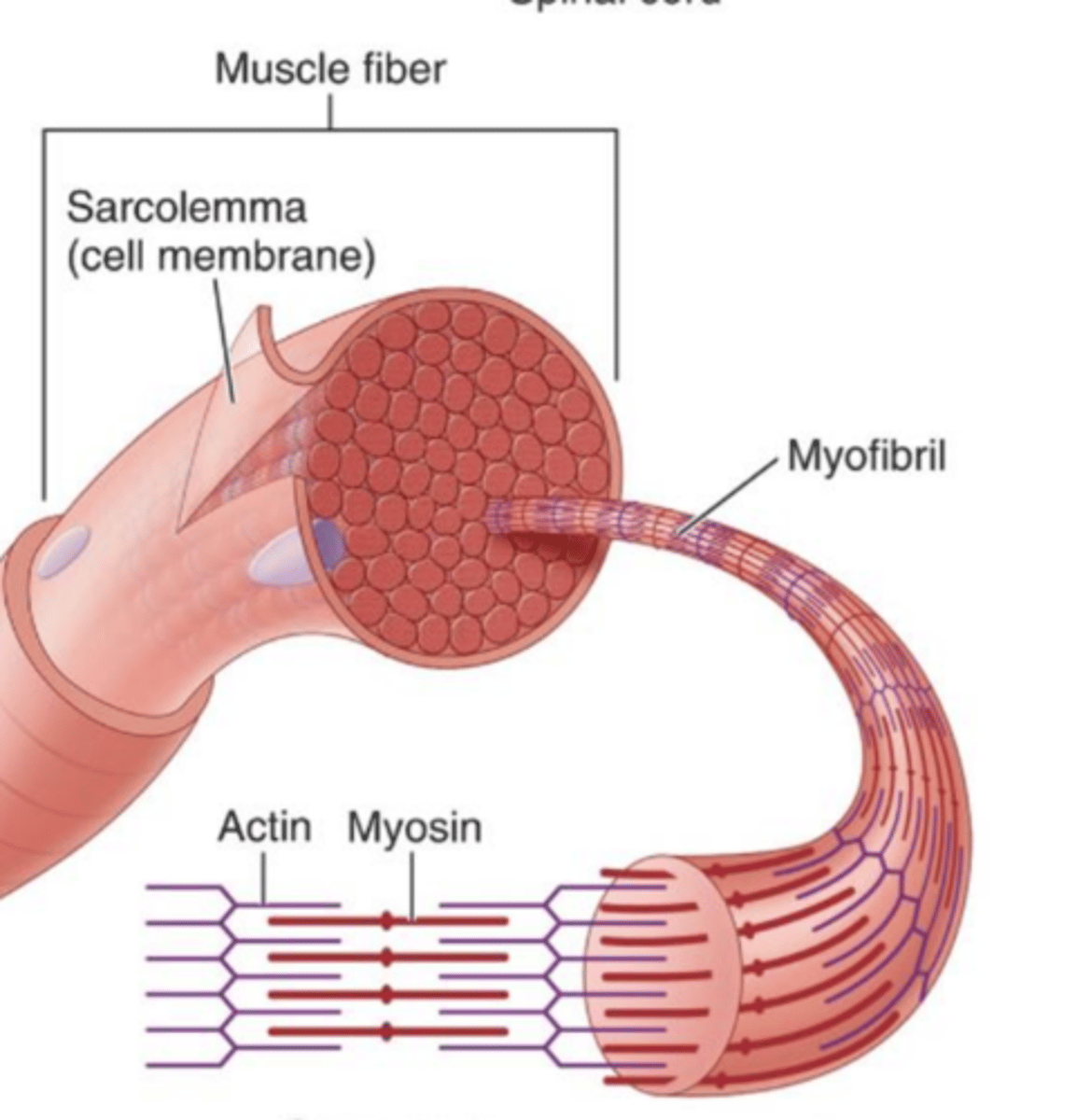
Myofibrils
protein structures that make up muscle fibers.
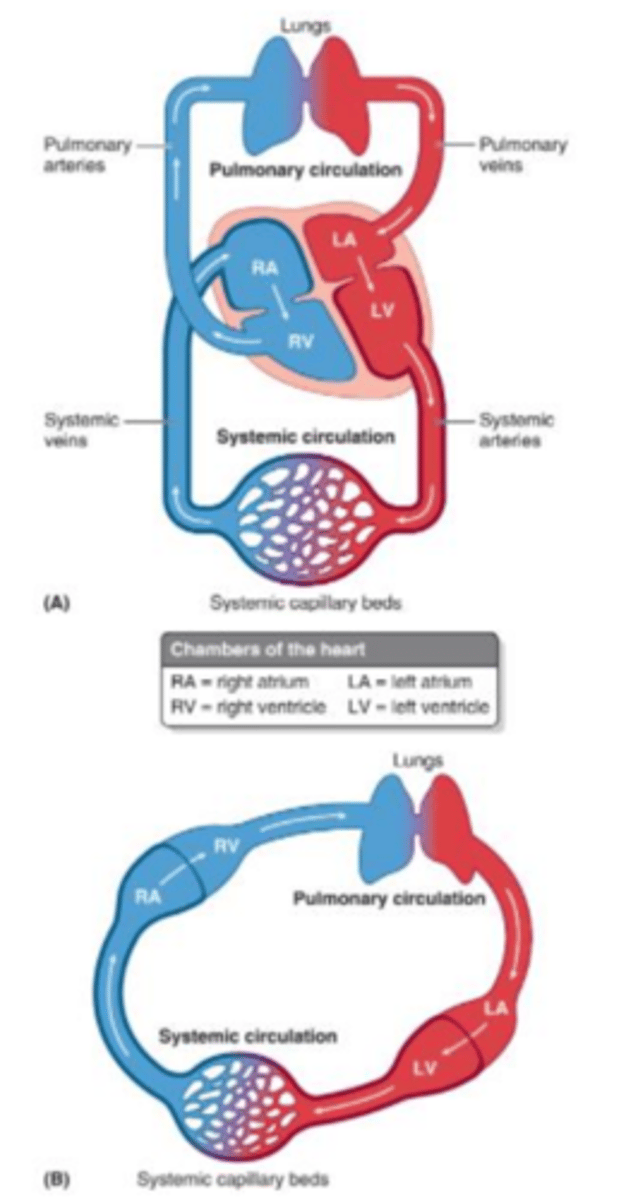
pulmonary circulation
The passage of venous blood from the right atrium of the heart through the right ventricle and pulmonary arteries to the lungs where it is oxygenated and its return via the pulmonary veins to enter the left atrium and participate in systemic circulation.
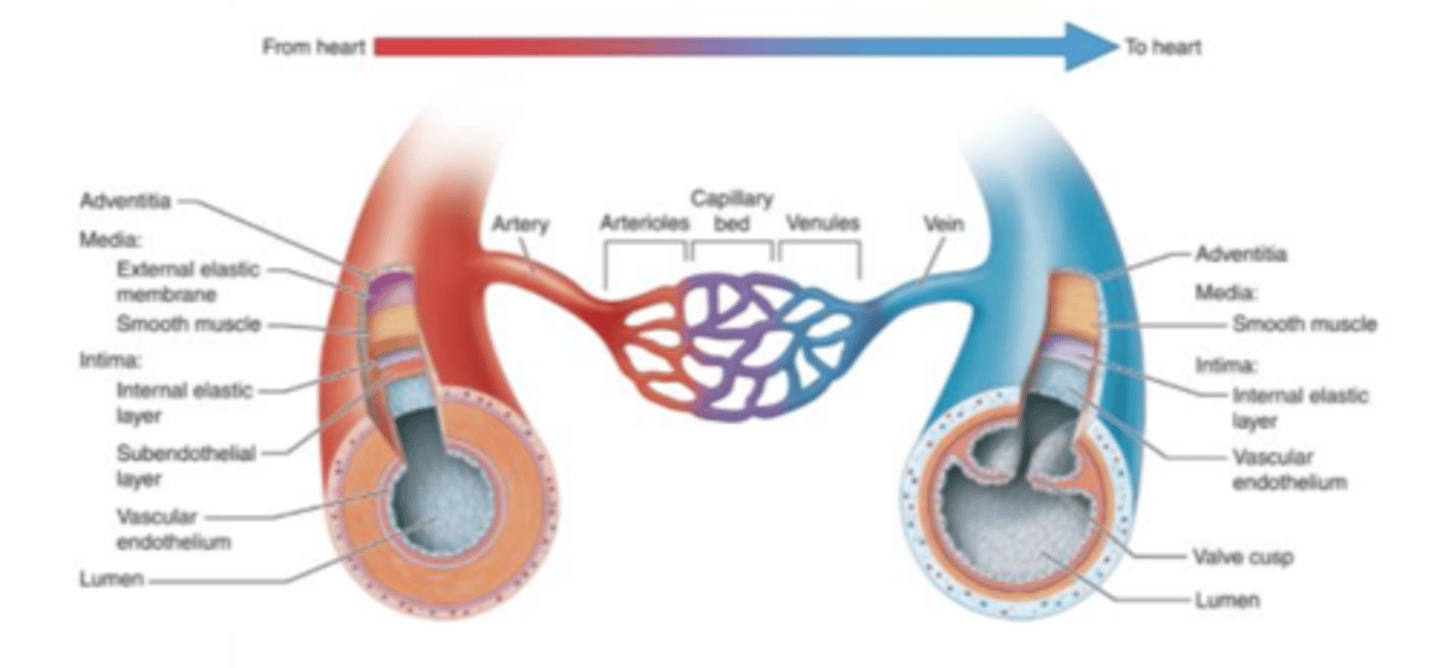
* Artery's are more thicker than veins because they have more components. They have an elastic membrane and smooth muscles.
* difference: since veins don't have smooth muscles they have a valve cusps that helps pump the blood back to the heart.
Layers of Arteries and Veins
Top layer is the Adventitia, Middle layer is the MEdia containing smooth muscle, the internal layer is the Intema. the lumen is in the middle and is where the blood flows.
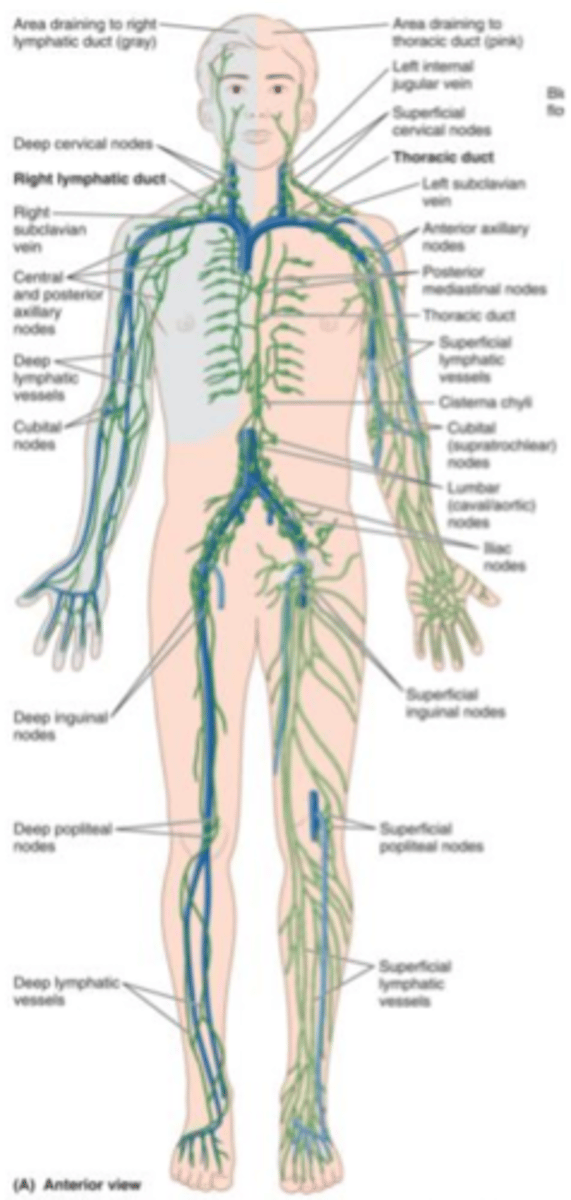
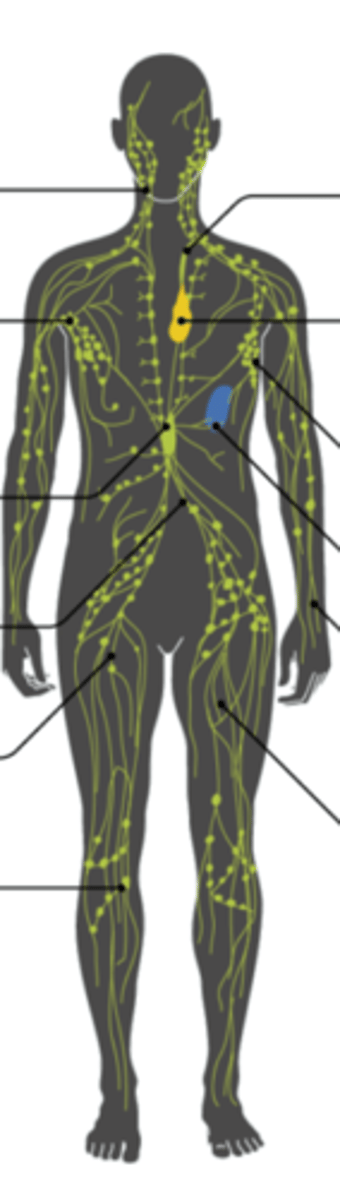
Lymphatic system
(overflow system) The network of vessels through which lymph drains from the tissues into the blood. The drained liquid includes fluid that is not reabsorbed by the capillaries and the plasma proteins that leak into the extracellular spaces. Also removes debris from cellular decomp and infection.
* the lymphatic system also works as a defense mechanism for the body that can respond to foreign proteins from an infected area and create antibodies.
* The reason why lymph nodes are enlarged when someone has an infection.
Lymphatic Plexuses
Network of lymphatic capillaries, originating in the extracellular spaces. Permeable to tissue fluid, plasma proteins, bacteria, cellular debris, and whole cells (especially lymphocytes)
Lymphatic Vessels
large vessels with valves, which collect and carry lymph to lymph nodes from the Lymphatic capillaries.
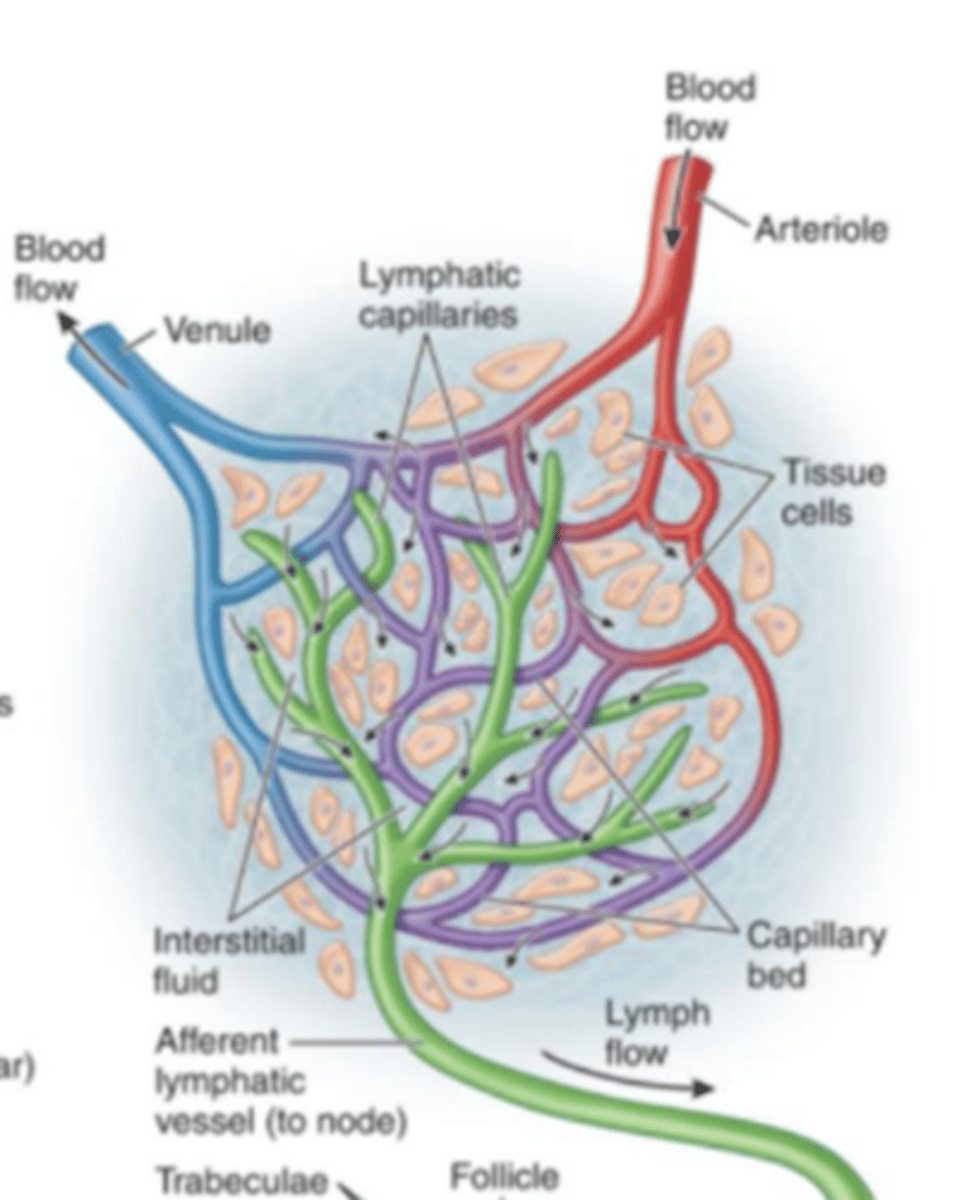
Lymphatic Trunks
Large lymphatic vessels that drain lymph from different parts of the body.
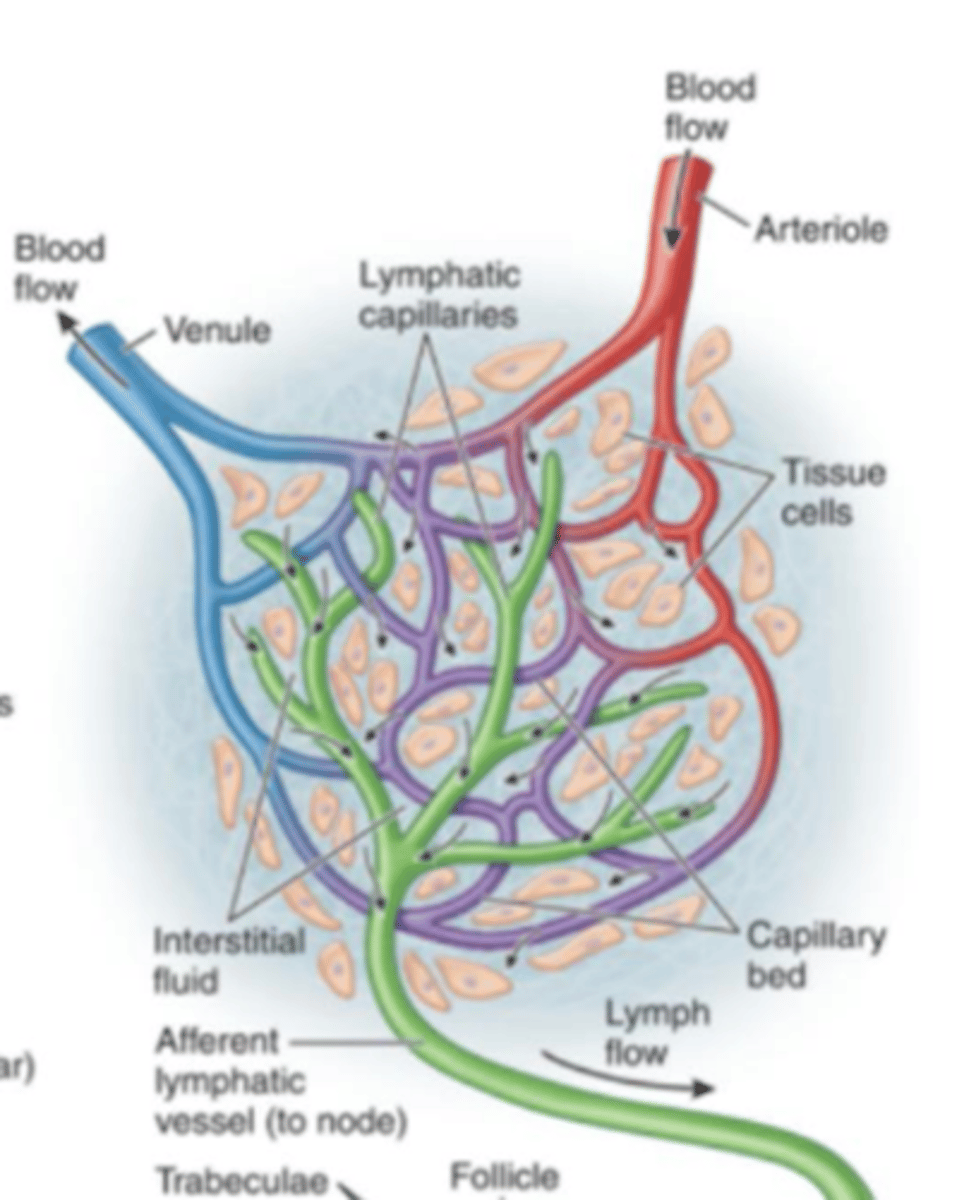
Lymph
The watery fluid in the lymph vessels collected from the tissue spaces.
* similar to blood plasma
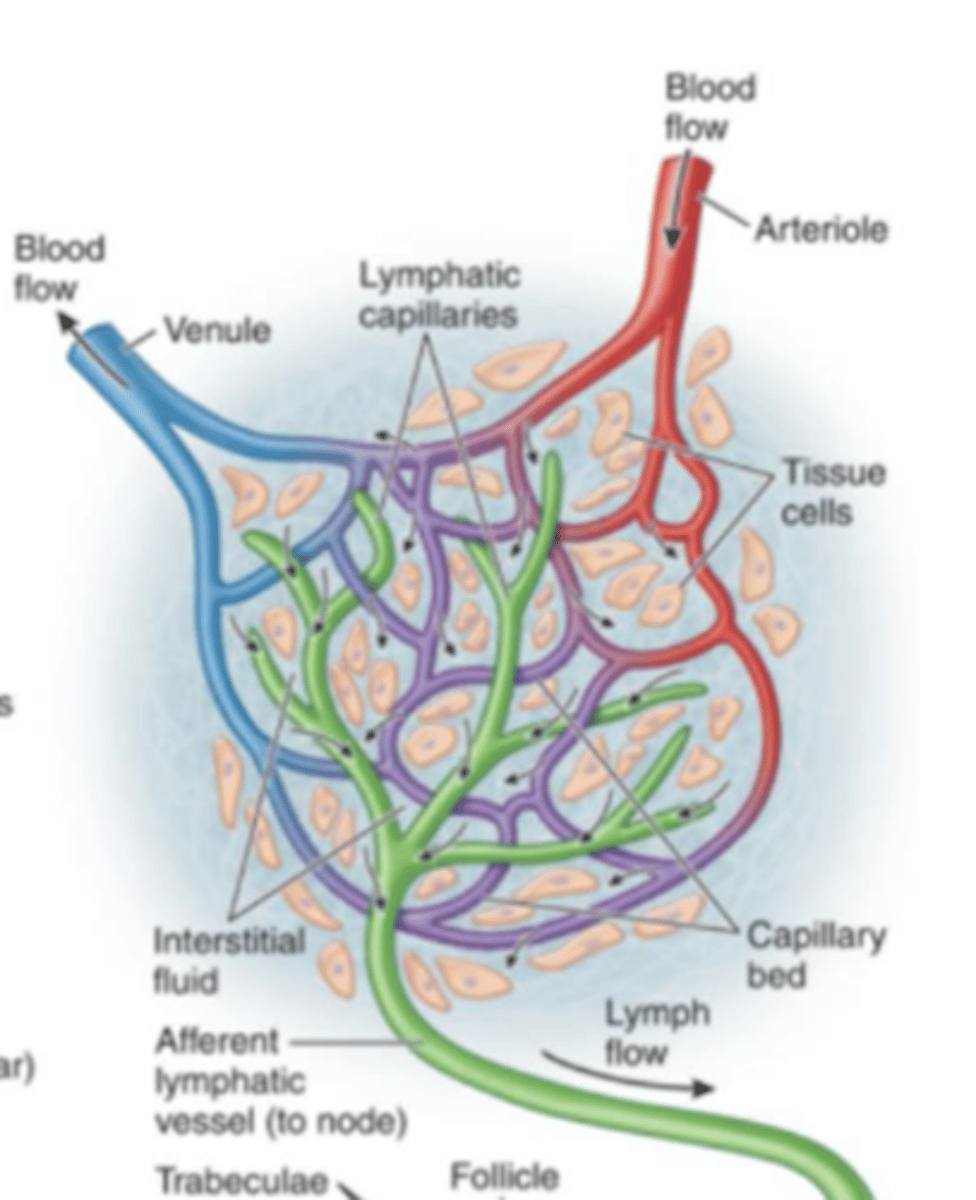
Lymph nodes
Bean-shaped filters that cluster along the lymphatic vessels of the body. They function as a cleanser of lymph.
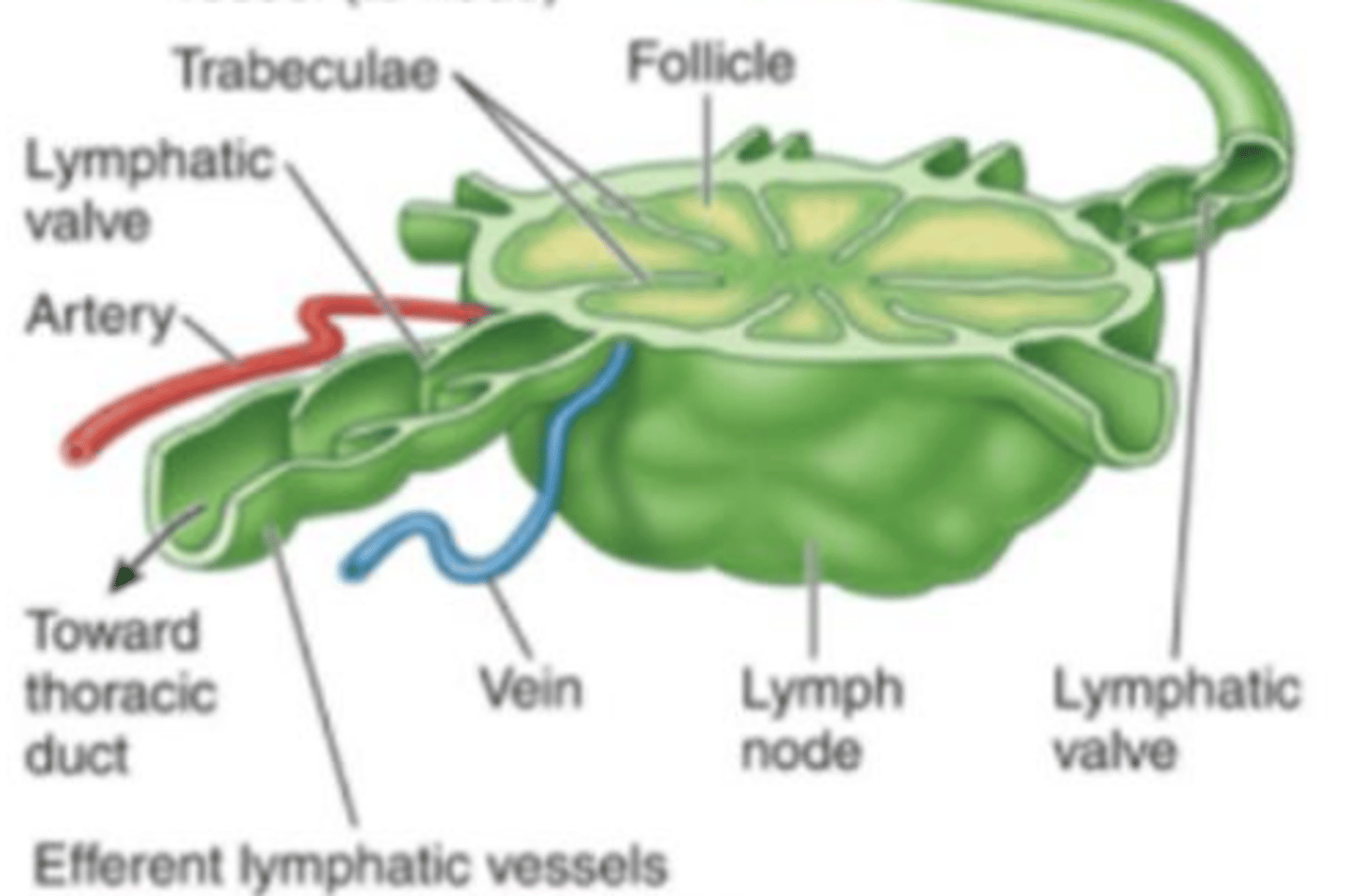
Lymphocyte
Cells apart of the immune system that react against foreign materials.
Lymphoid Organs
parts of the body that produce lymphocytes.
Primary Lymphoid Organs
red bone marrow and thymus
Secondary Lymphoid Organs
Spleen, lymph nodes and tonsils.
Superficial & Deep Lymphatic vessels
drain lymph from arteries and internal organs.
Left Lymphatic trunk
drains lymphatic fluid from the left part of the body and drains fluid from both lungs.
Right Lymphatic trunk
drains right upper quadrant only.
Right lymphatic duct
Receives lymph from the right upper part of the body
Thoracic duct
receives lymph from the left side of the head, neck, chest, abdomen, left arm, and lower extremities