Spain: Notable Artists and their Art
 Call Kai
 Learn
 Practice Test
 Spaced Repetition
 Match
 Flashcards
 Knowt Play
1/17

There's no tags or description
Looks like no tags are added yet.
18 Terms
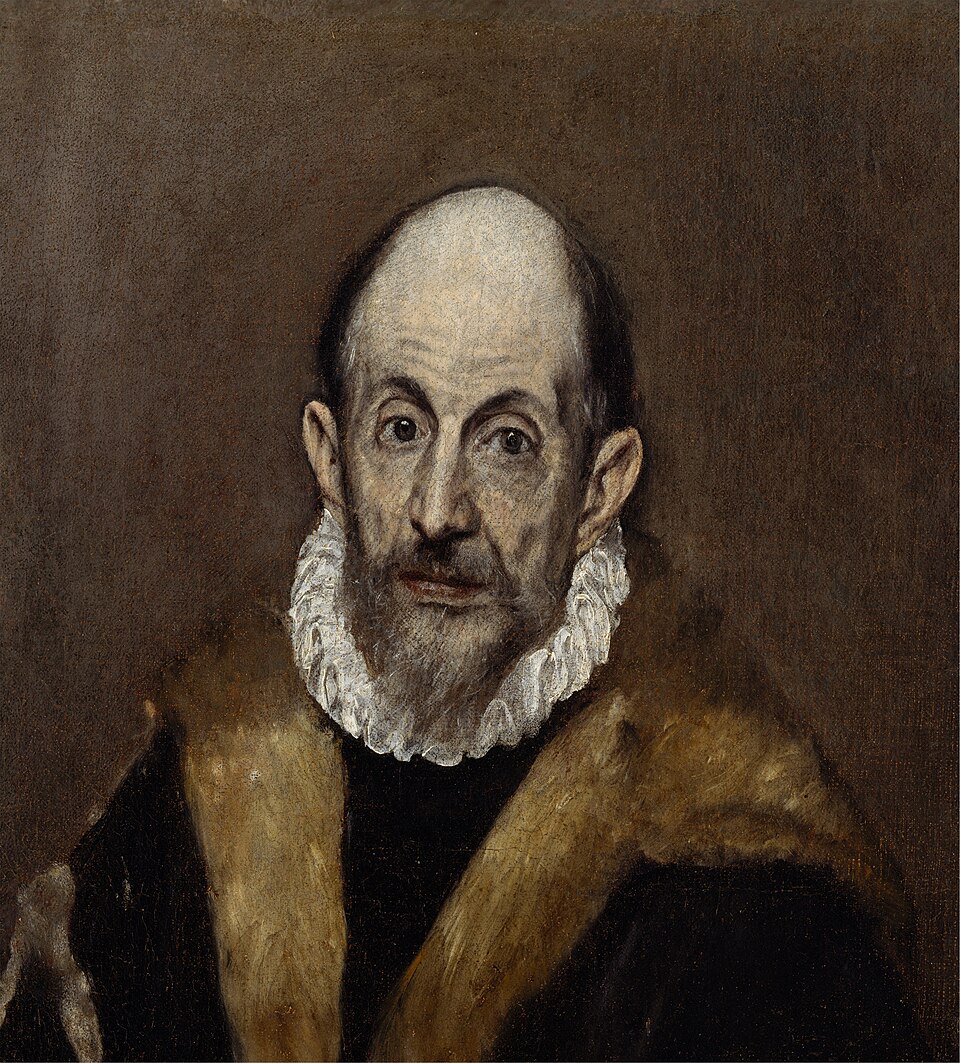
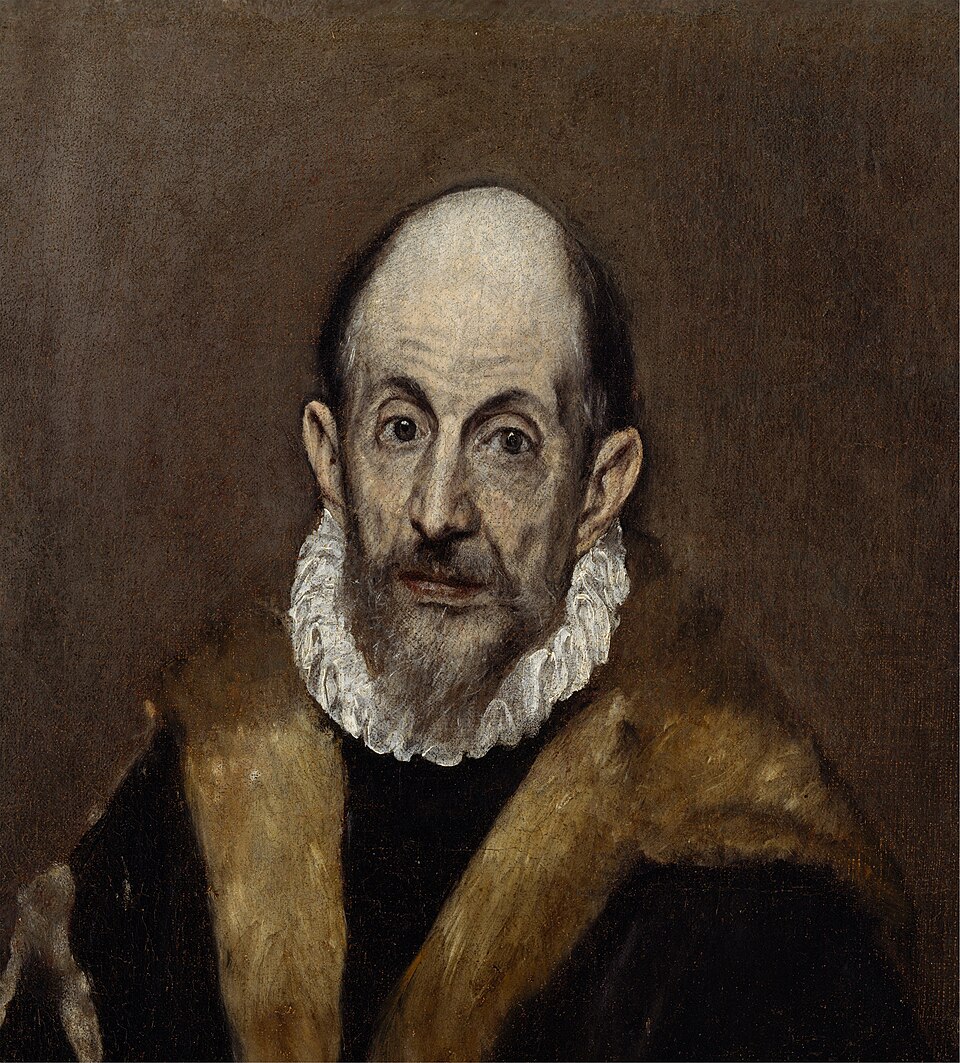
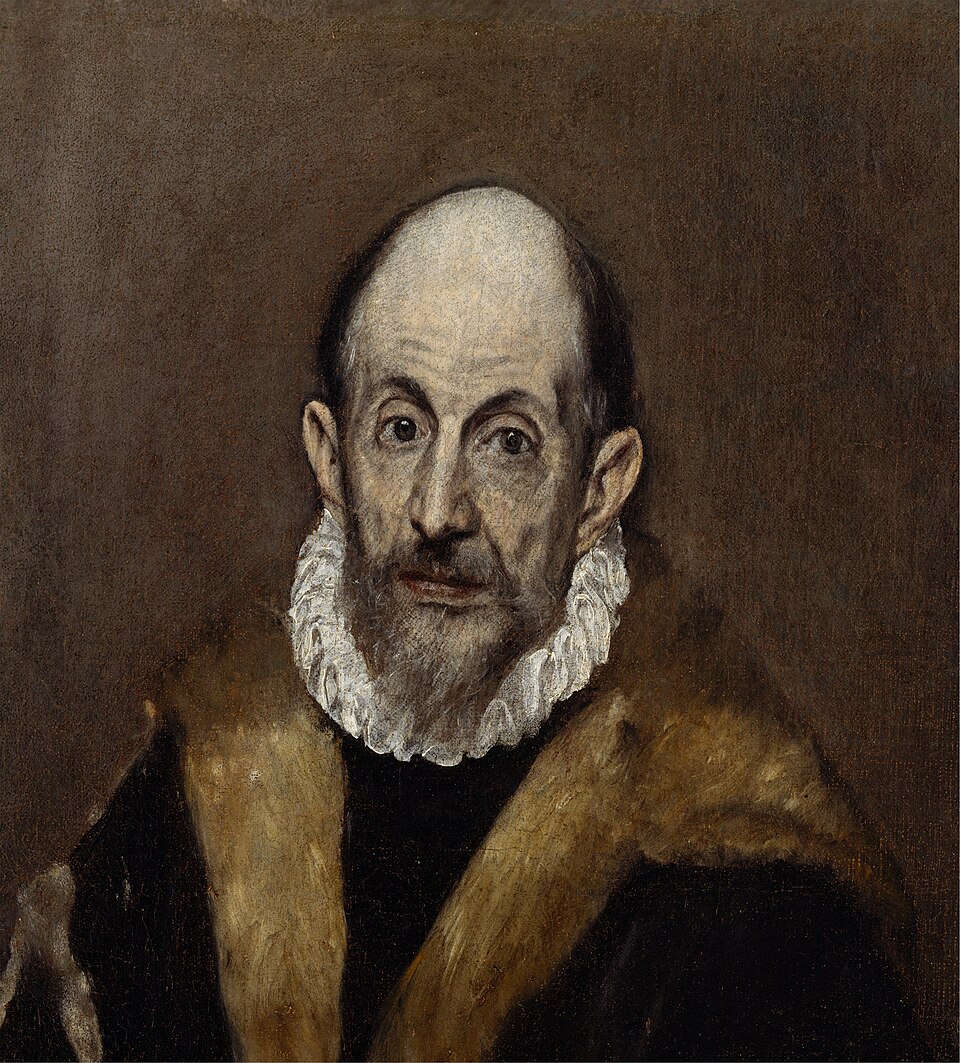
1541 - 1614 - El Greco (All Facts)
(Greek) Catholic Painter of the Spanish Renaissance
His real name was “Domenikos Theotokopoulos”
He was born in Candia, on the island of Crete
He went to Venice, where he studied under Titian
He then met the dean of Toledo who offered him commissions there
He remained there for life, mainly painting for its churches
He died at the age of 73 in Toledo in Spain
He was a religious painter who had intense spiritual power
His altarpieces, with their characteristic elongated figures, and his characteristic harsh light and cool blues; were highly emotional
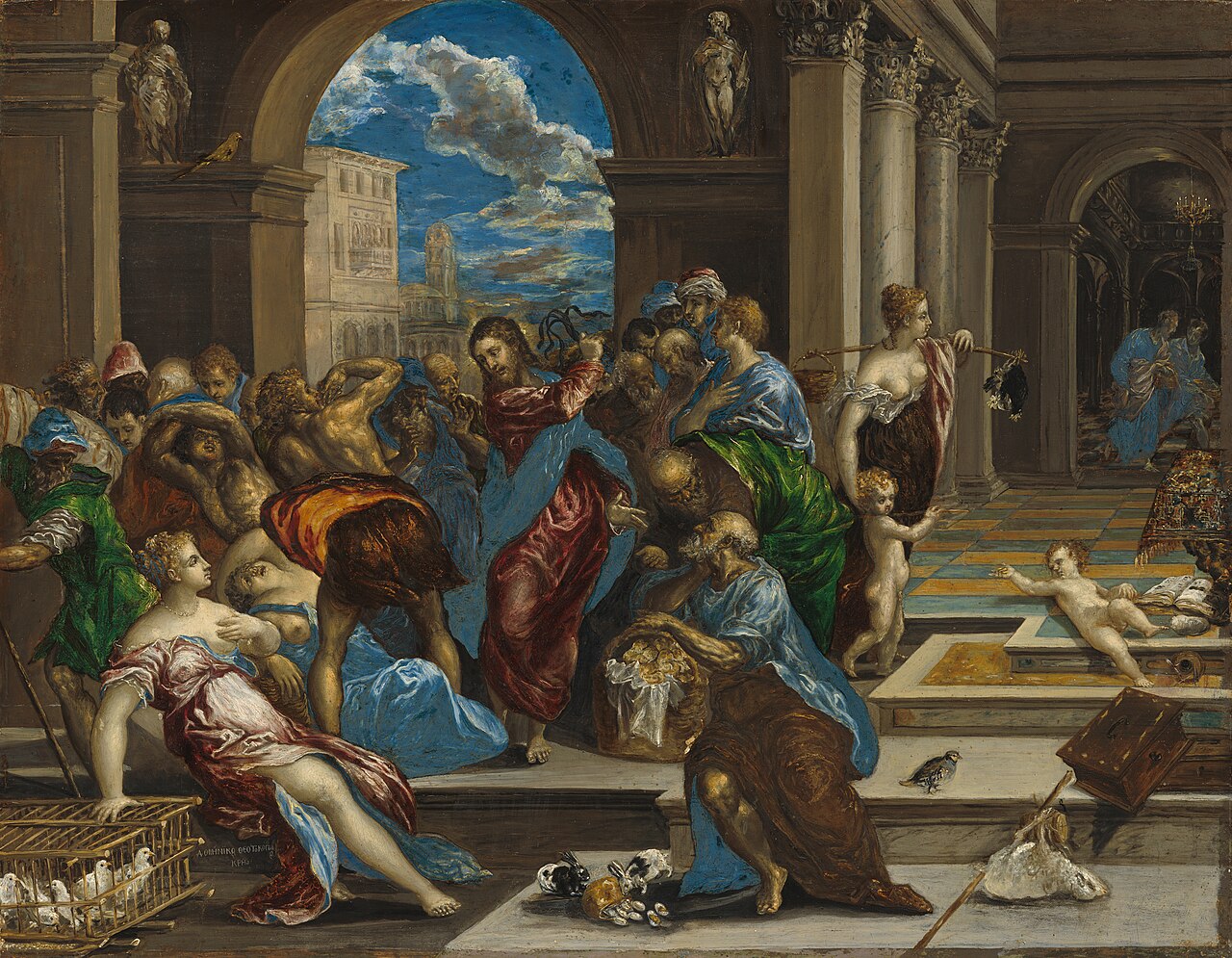
1572 - El Greco: Christ Driving the Money Changers from the Temple (All Facts)
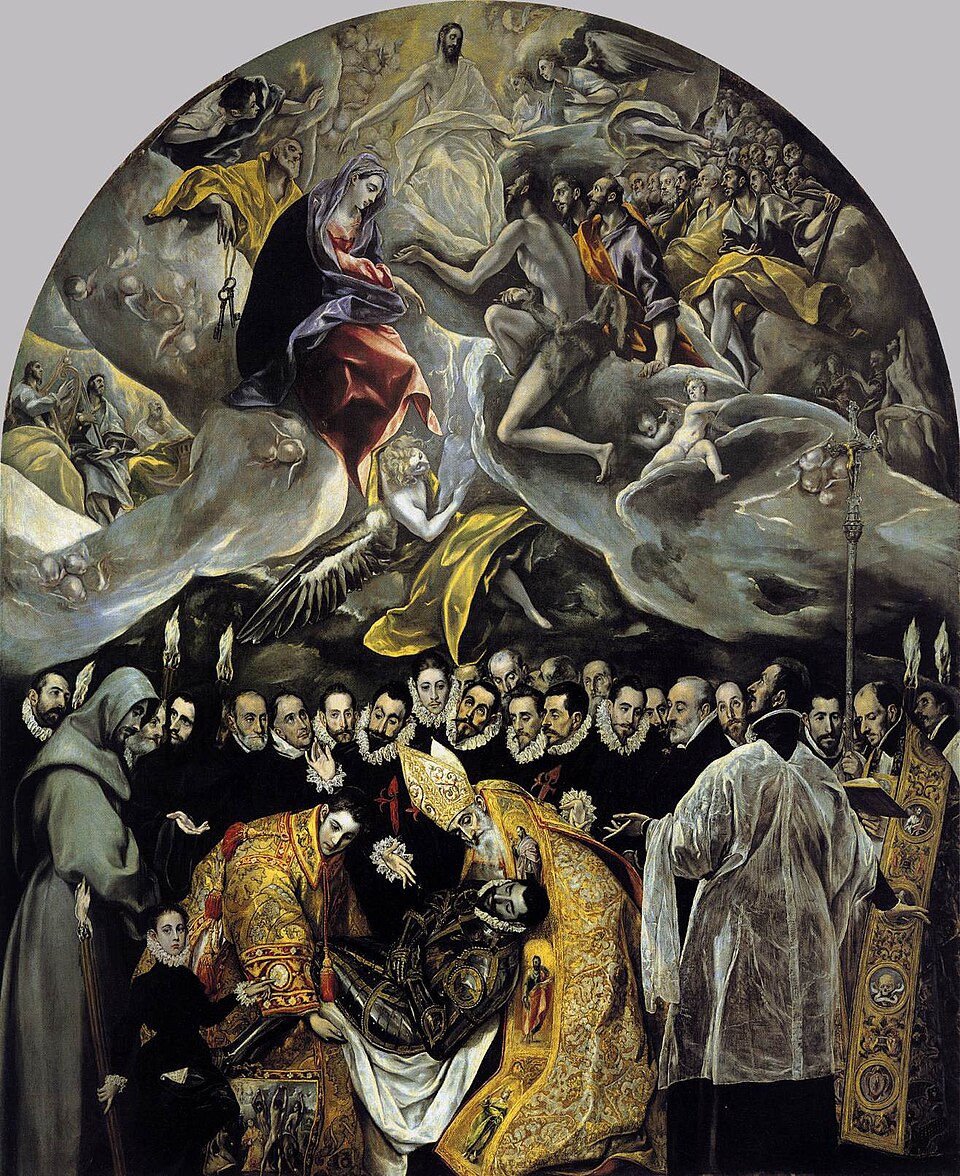
1586 - El Greco: The Burial of Count Orgaz (All Facts)
Painted for the church of Santo Tome (St. Thomas) in Toledo
Its typically dramatic, almost feverish forms and colors confirmed the namesake artist’s reputation
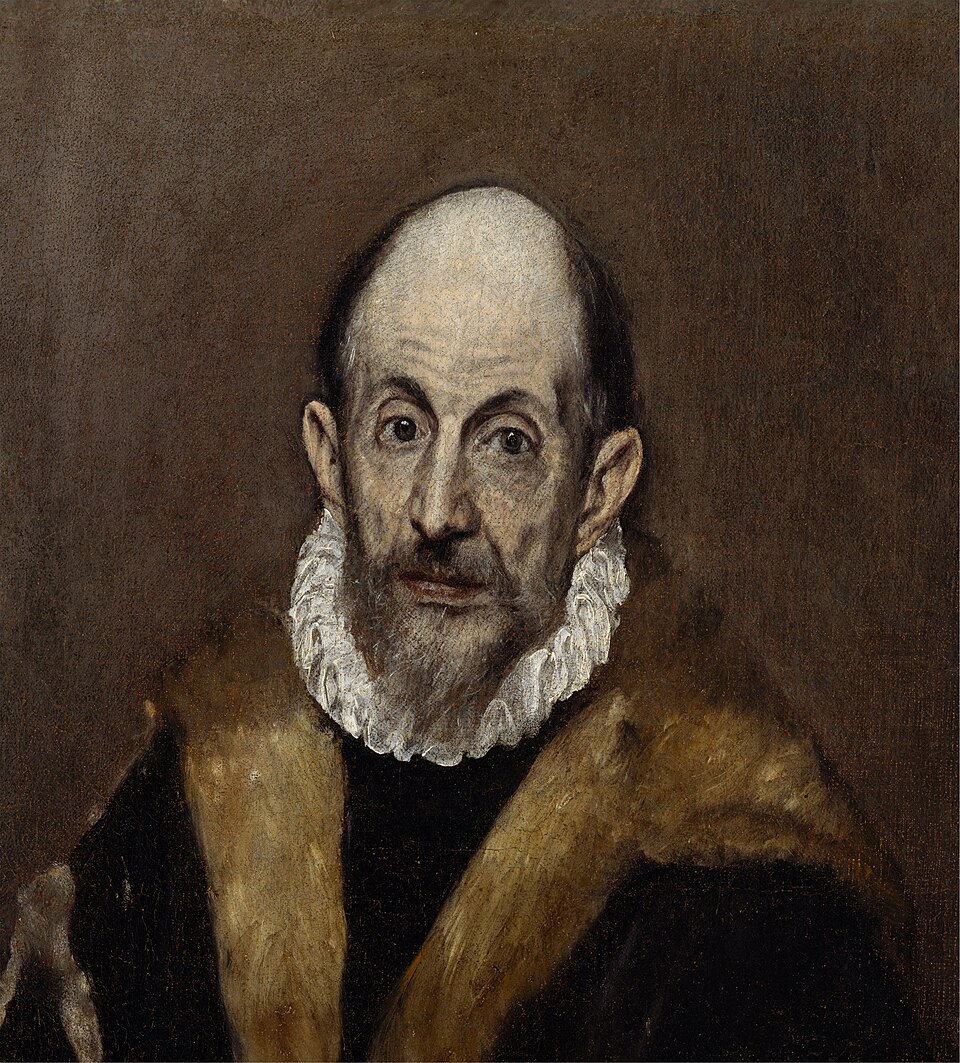
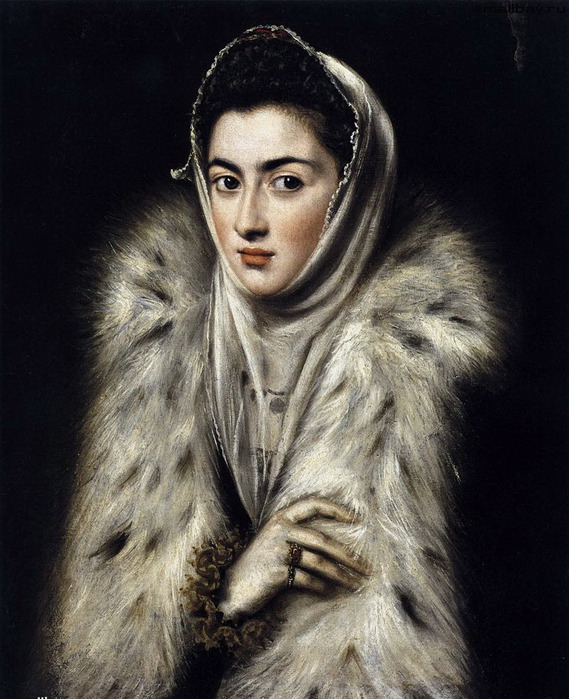
1588 - El Greco: Lady in a Fur Cap (All Facts)
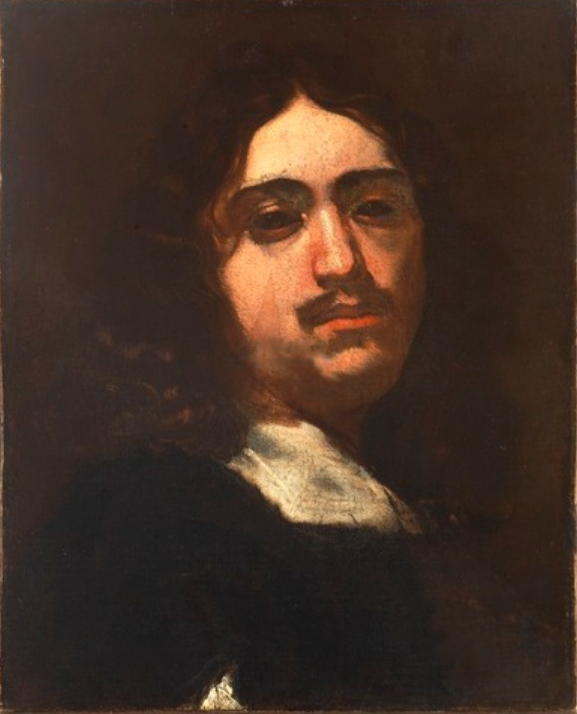
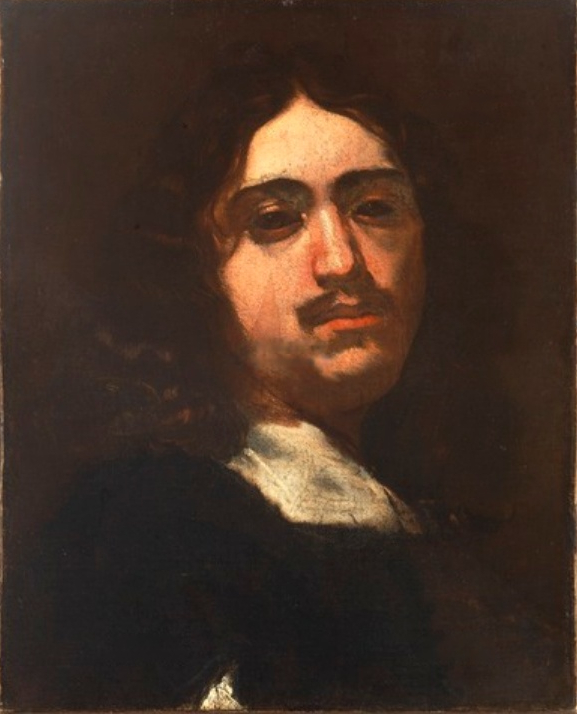
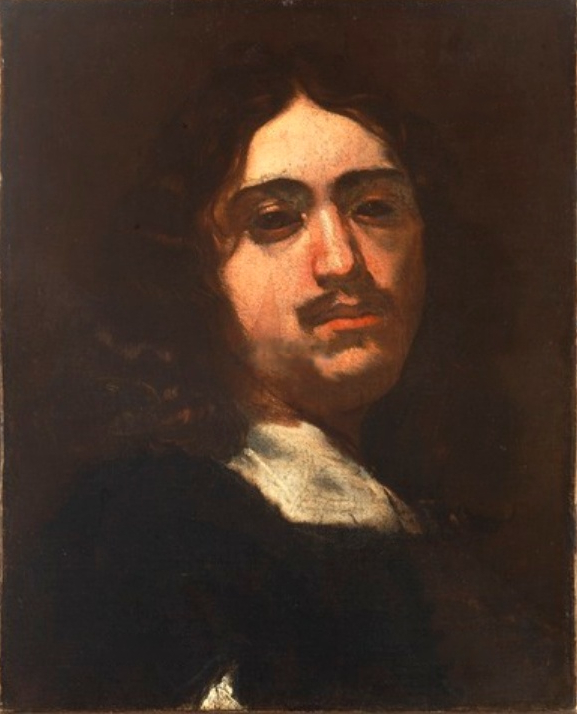
1591 - 1652 - Jusepe de Ribera (All Facts)
Spanish Baroque Painter
He was nicknamed “the Little Spaniard”
He was the most prominent painter in Naples
He met Diego Velazquez while travelling in Naples in Italy
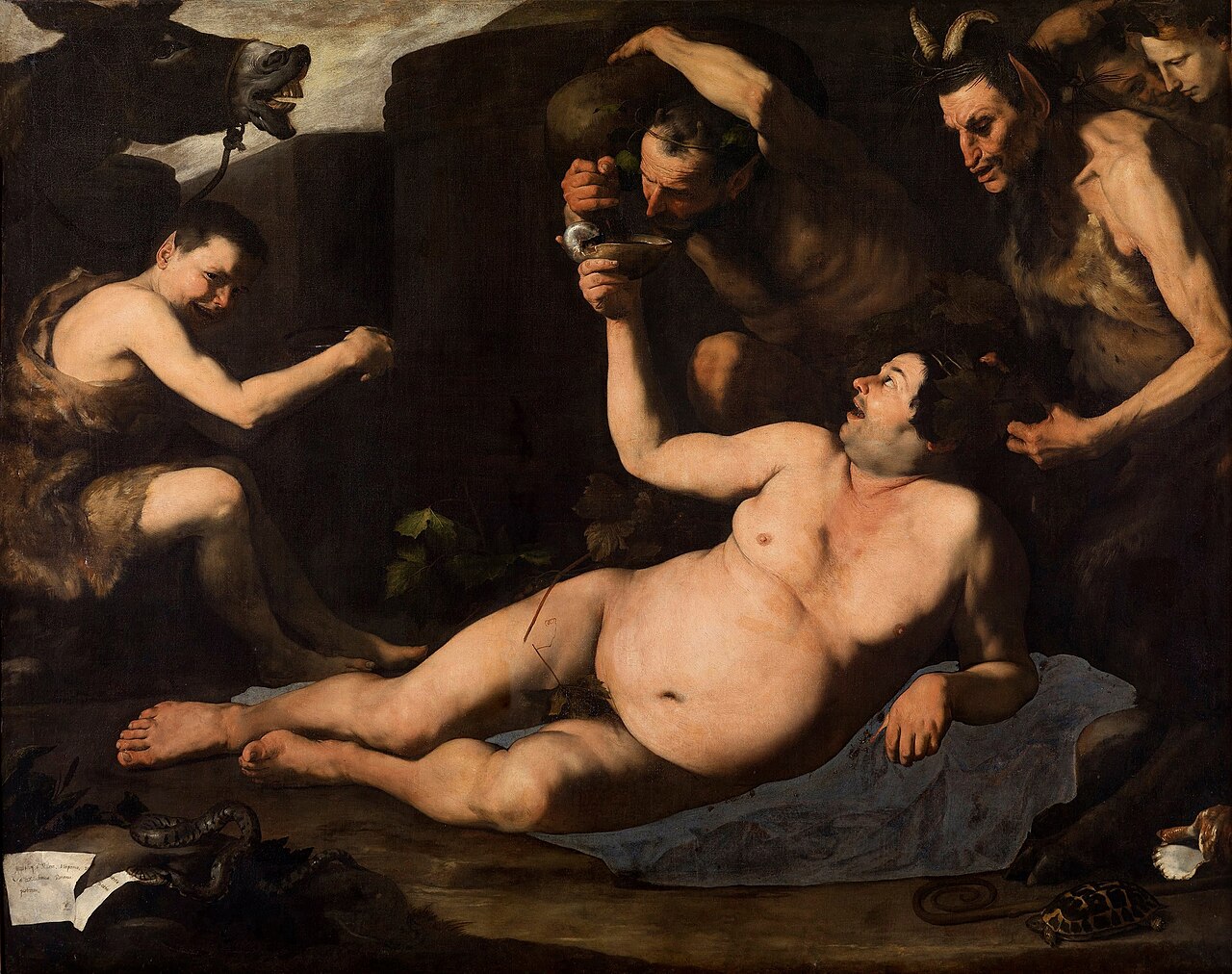
1626 - Jusepe de Ribera: Drunken Silenus (All Facts)
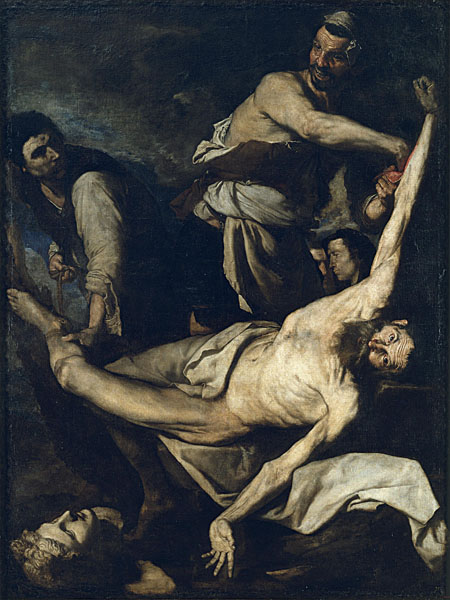
1644 - Jusepe de Ribera: Martyrdom of St. Bartholemew (All Facts)
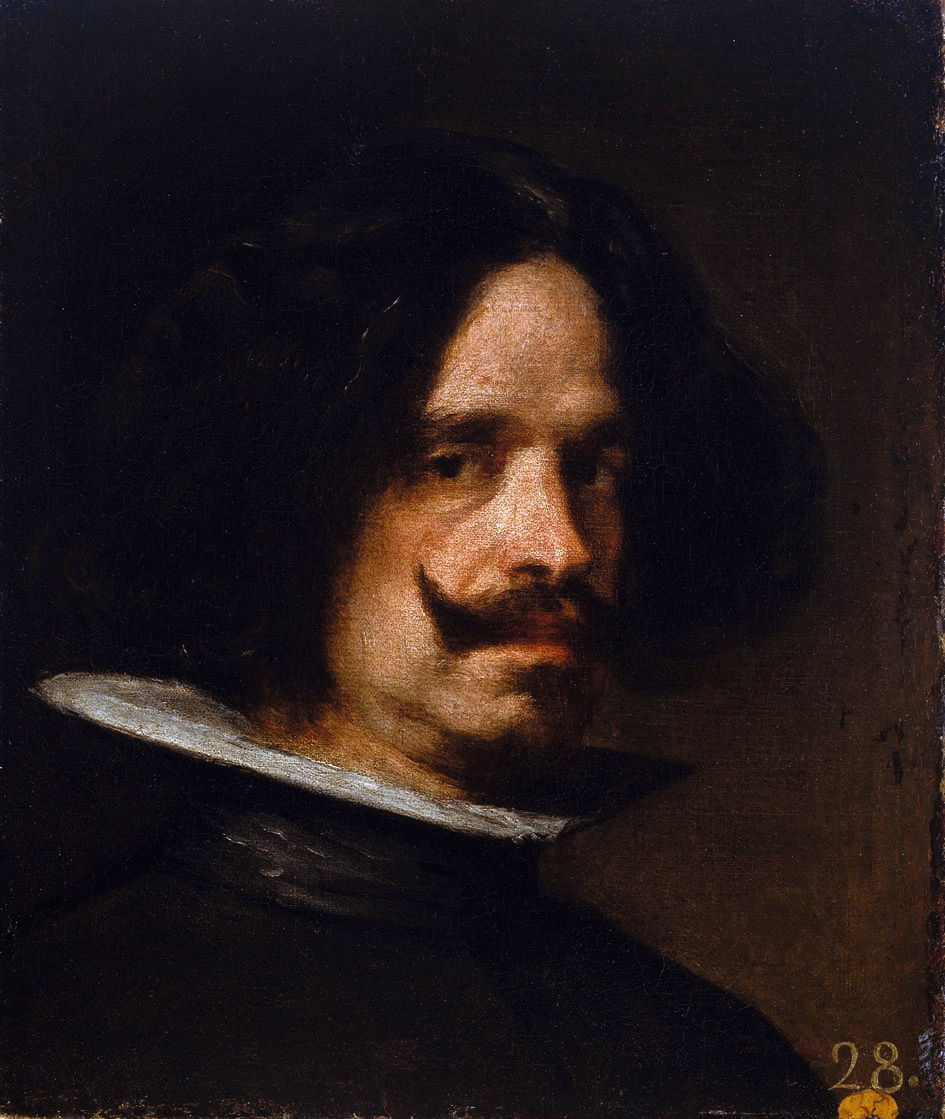
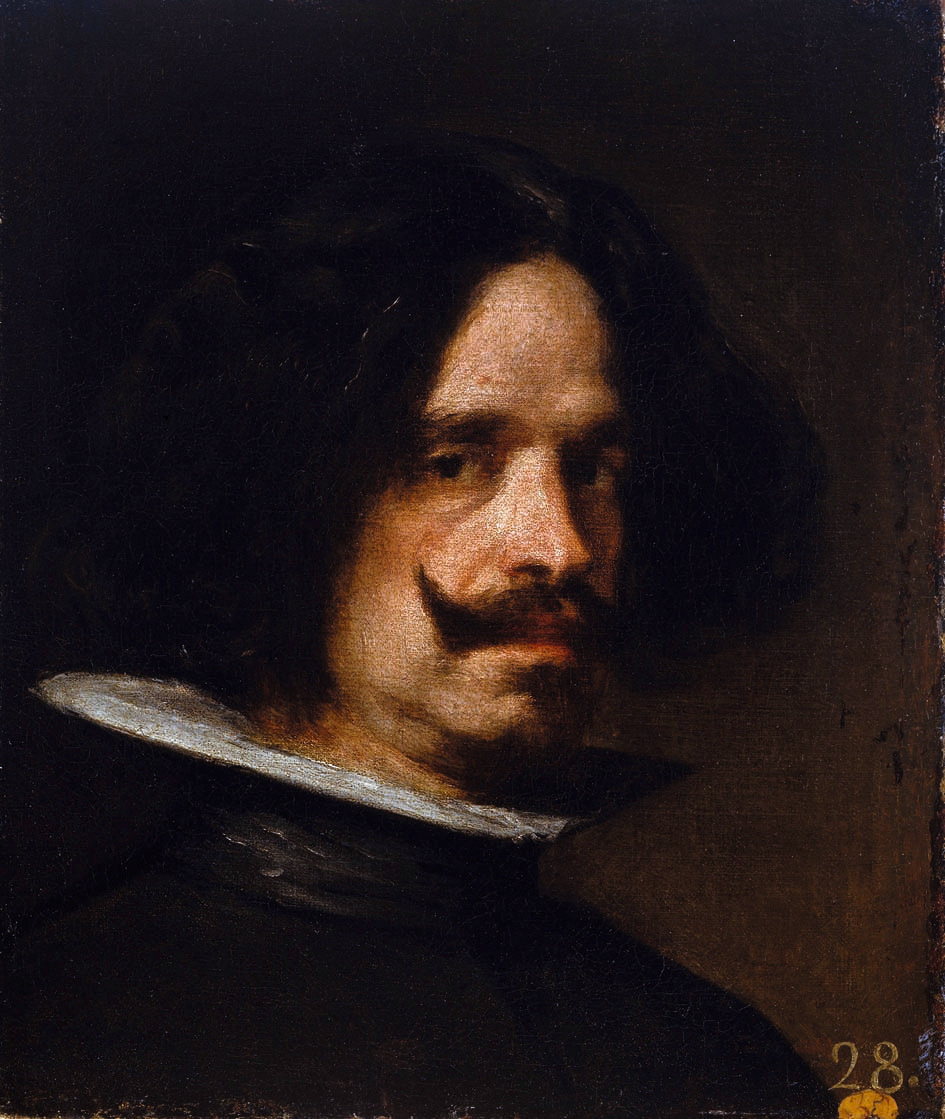
1599 - 1660 - Diego Velazquez (All Facts)
Spanish Baroque Painter
He was court painter for King Philip IV
The king was delighted in the nameskake’s work ever since he first sat for him when the king was only 18 years old
He never wearied of using King Philip IV as his model, their friendship shown by the directness and honesty of his portraits of him
He also painted one of King Philip IV’s sons
He met Jusepe de Ribera while travelling in Naples in Italy
After his visit to Italy, he changed his style to being less formal and began to employ warmer coloring
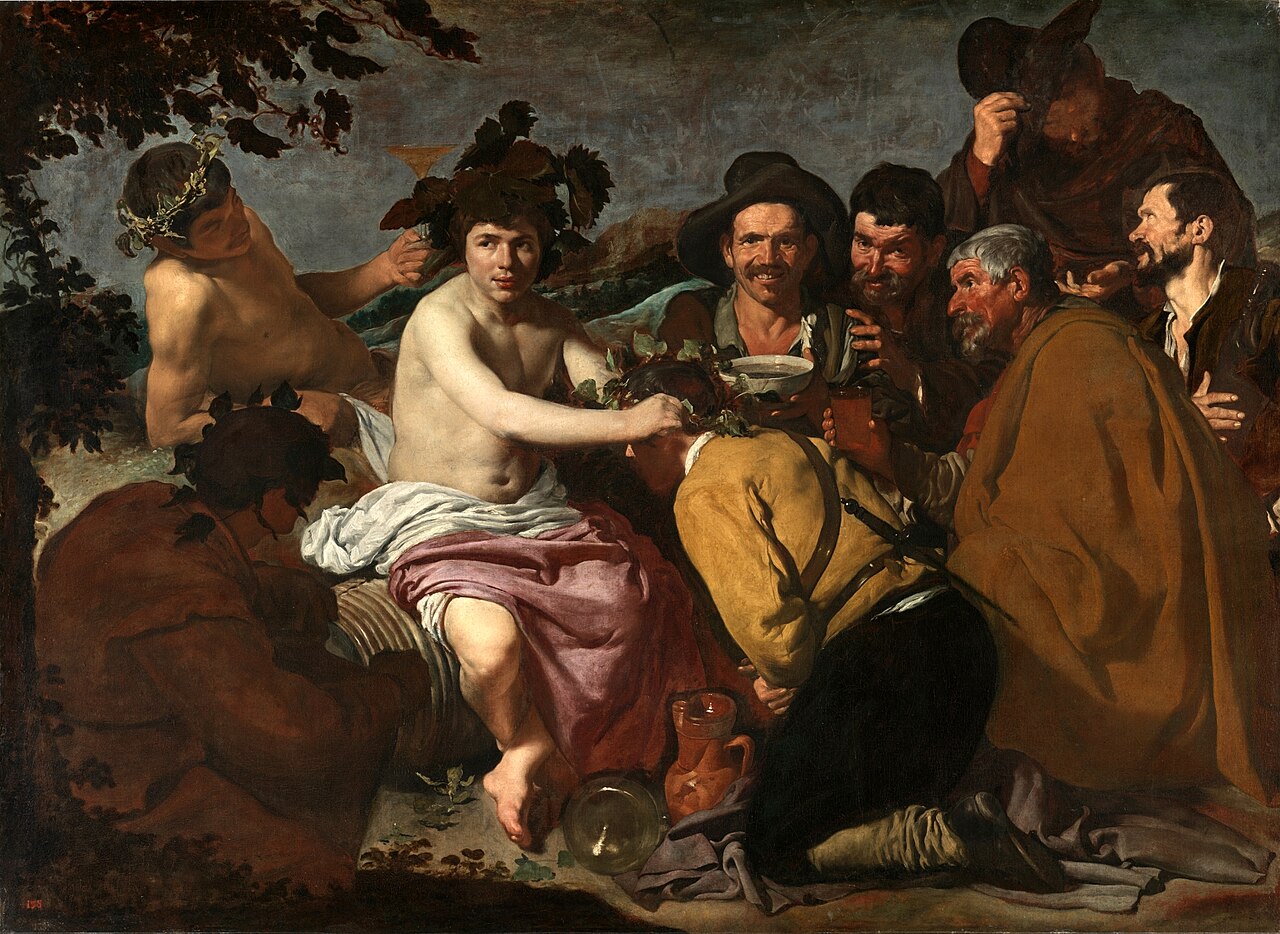
1629 - Diego Velazquez: The Triumph of Bacchus (All Facts)

1635 - Diego Velazquez: The Surrender of Breda (All Facts)
Painting which was installed in King Philip IV’s “Buen Retiro” Palace
Painting in which people were astonished by its sense of actuality, as if it had been painted on the spot; when in reality it was painted based on the reliance of eye-witnesses
Painting which depicts the namesake conflict, in which Maurice of Nassau handed Ambrogio Spinola the key to the namesake town following Spinola and the Spanish forces’ defeat of him and his Dutch forces during the Eighty Years War


1635 - Diego Velazquez: Equestrian Portrait of Prince Balthasar Carlos (All Facts)


1649 - Diego Velazquez: View of the Garden of the Villa Medici (All Facts)


1650 - Diego Velazquez: Portrait of Innocent X (All Facts)


1651 - Diego Velazquez: Venus at her Mirror (All Facts)


1656 - Diego Velazquez: The Maids of Honor / Las Meninas (All Facts)

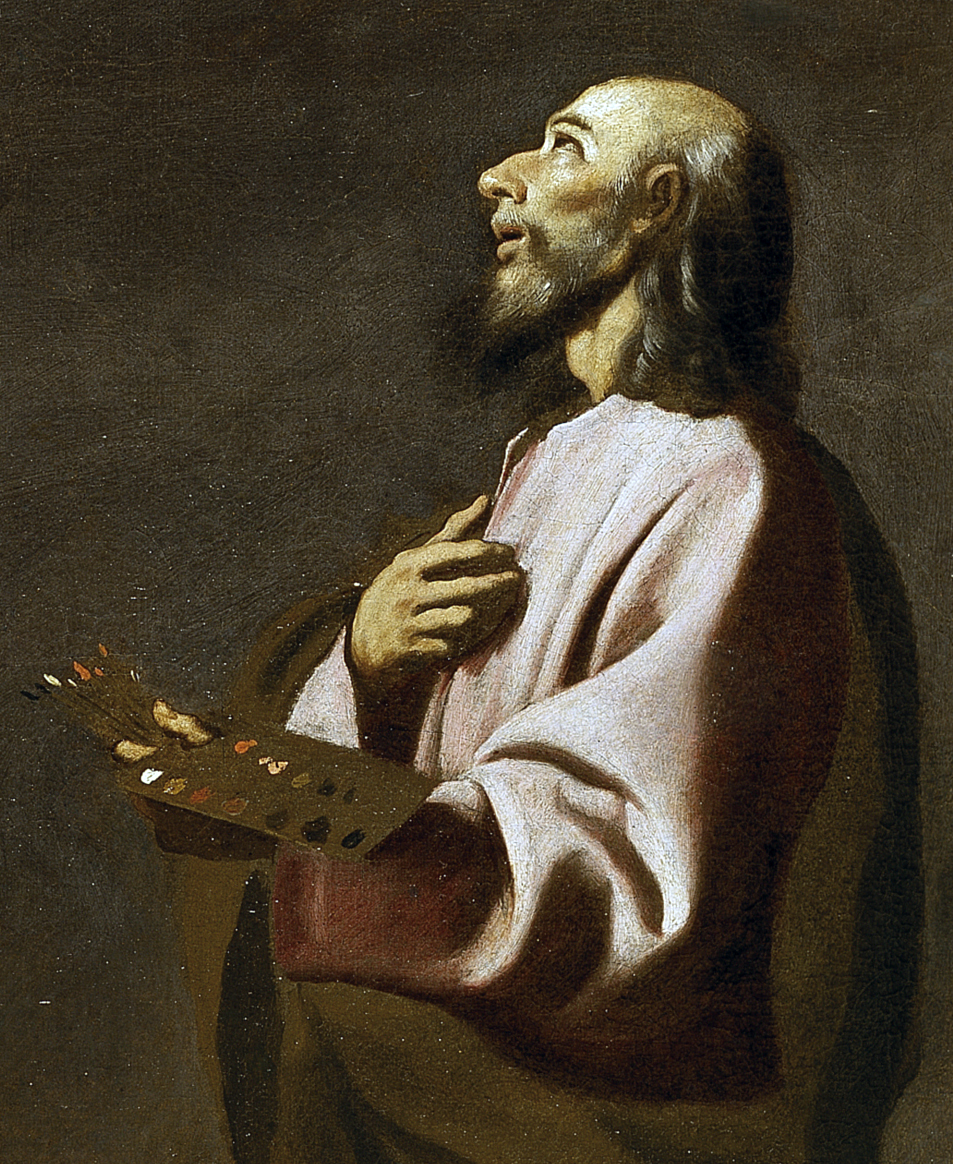
1598 - 1664 - Francisco de Zurbarán (All Facts)
Spanish Baroque Painter
He was called to Madrid by King Philip IV to assist in the decoration of the “Buen Retiro,” under the direction of Diego Velazquez
He was asked to decorate the sacristy of the Hieronymite Monastery of Guadeloupe
He worked on an altarpiece for the Carthusians Monastery of Jerez de la Frontera
He was famous and sought after in his earlier years
He died in poverty and neglect

1618 - 1682 - Bartolomé Esteban Murillo (All Facts)
Spanish Baroque Painter
He was a student of Diego Velazquez
He became the first director of the Academy in Seville
He is best remembered for his
devotional pictures
genre scenes of peasant children
He
won fame for his cycle of paintings for the Franciscan Monastery in Seville
completed a series of 22 great figures of saints for the Capuchin Convent