PEARSON NCLEX-RN Questions & Rationales
 Studied by 1 person
 Call Kai
 Learn
Learn Practice Test
 Spaced Repetition
 Match
Match Flashcards
 Knowt Play
1/198

There's no tags or description
Looks like no tags are added yet.
Name | Mastery | Learn | Test | Matching | Spaced |
|---|
No study sessions yet.
199 Terms
2. A 30-year-old male from Haiti is brought to the emergency department in sickle cell crisis. What is the best position for this client?
Side-lying with knees flexed
Knee-chest
High Fowler's with knees flexed
Semi-Fowler's with legs extended on the bed
Semi-Fowler's with legs extended on the bed

3. A 25-year-old male is admitted in sickle cell crisis. Which of the following interventions would be of highest priority for this client?
Taking hourly blood pressures with mechanical cuff
Encouraging fluid intake of at least 200mL per hour
Position in high Fowler's with knee gatch raised
Administering Tylenol as ordered
Encouraging fluid intake of at least 200mL per hour.
It is important to keep the client in sickle cell crisis hydrated to prevent further sickling of the blood.
4. Which of the following foods would the nurse encourage the client in sickle cell crisis to eat?
Peaches
Cottage cheese
Popsicle
Lima beans
Popsicle.
Hydration is important in the client with sickle cell disease to prevent thrombus formation. Popsicles, gelatin, juice, and pudding have high fluid content.
5. A newly admitted client has sickle cell crisis. The nurse is planning care based on assessment of the client. The client is complaining of severe pain in his feet and hands. The pulse oximetry is 92. Which of the following interventions would be implemented first? Assume that there are orders for each intervention.
Adjust the room temperature
Give a bolus of IV fluids
Start O2
Administer meperidine (Demerol) 75mg IV push
Start O2.
The most prominent clinical manifestation of sickle cell crisis is pain. However, the pulse oximetry indicates that oxygen levels are low; thus, oxygenation takes precedence over pain relief.
6. The nurse is instructing a client with iron-deficiency anemia. Which of the following meal plans would the nurse expect the client to select?
Roast beef, gelatin salad, green beans, and peach pie
Chicken salad sandwich, coleslaw, French fries, ice cream
Egg salad on wheat bread, carrot sticks, lettuce salad, raisin pie
Pork chop, creamed potatoes, corn, and coconut cake
Egg salad on wheat bread, carrot sticks, lettuce salad, raisin pie
Egg yolks, wheat bread, carrots, raisins, and green, leafy vegetables are all high in iron, which is an important mineral for this client. Roast beef, cabbage, and pork chops are also high in iron, but the side dishes accompanying these choices are not
7. Clients with sickle cell anemia are taught to avoid activities that cause hypoxia and hypoxemia. Which of the following activities would the nurse recommend?
A family vacation in the Rocky Mountains
Chaperoning the local boys club on a snow-skiing trip
Traveling by airplane for business trips
A bus trip to the Museum of Natural History
A bus trip to the Museum of Natural History
A family vacation in the Rocky Mountains at high altitudes, cold temperatures, and airplane travel can cause sickling episodes and should be avoided
8. The nurse is conducting an admission assessment of a client with vitamin B12 deficiency. Which of the following would the nurse include in the physical assessment?
Palpate the spleen
Take the blood pressure
Examine the feet for petechiae
Examine the tongue
Examine the tongue
The tongue is smooth and beefy red in the client with vitamin B12 deficiency, so examining the tongue should be included in the physical assessment.
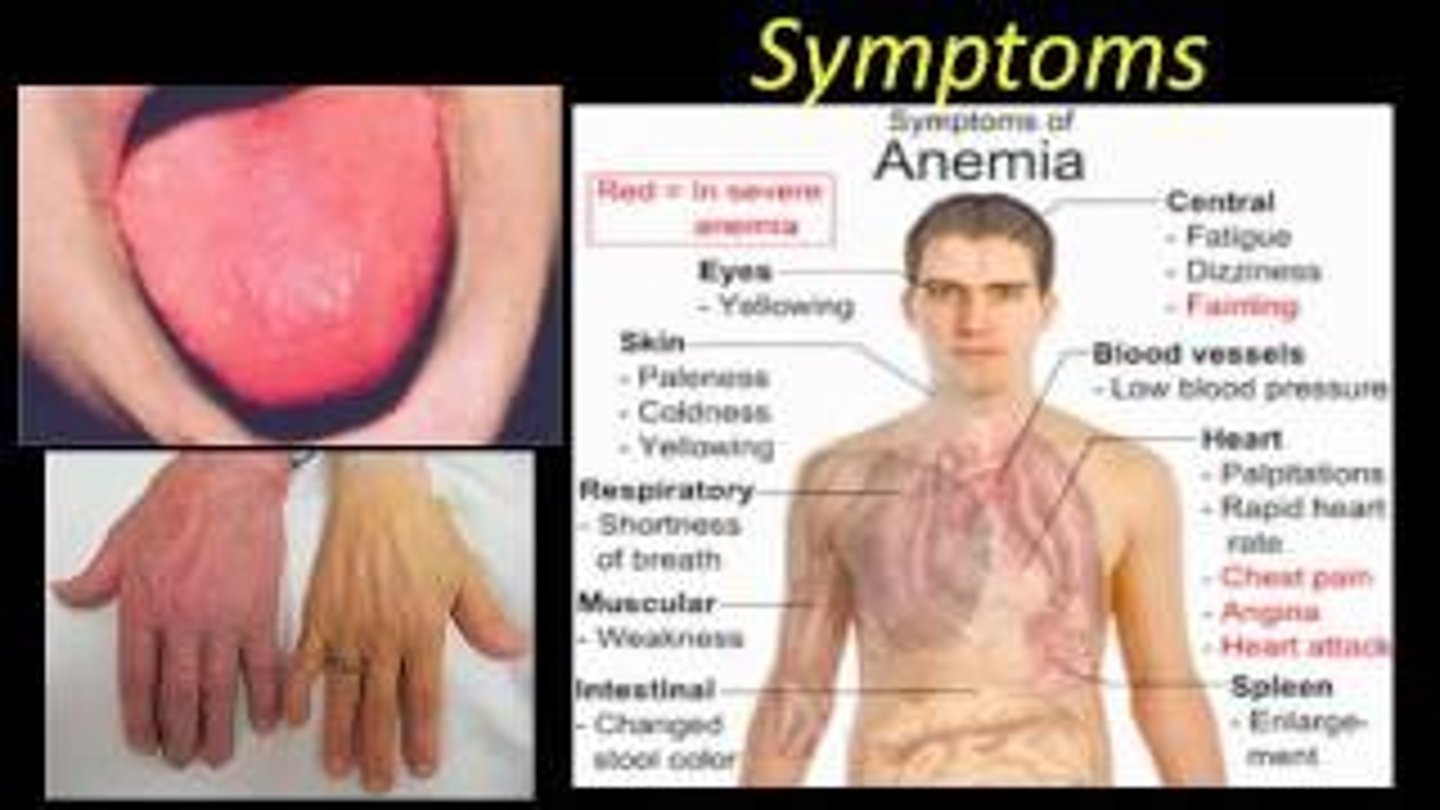
9. An African American female comes to the outpatient clinic. The physician suspects vitamin B12 deficiency anemia. Because jaundice is often a clinical manifestation of this type of anemia, what body part would be the best indicator?
Conjunctiva of the eye
Soles of the feet
Roof of the mouth
Shins
Roof of the mouth
The oral mucosa and hard palate (roof of the mouth) are the best indicators of jaundice in dark-skinned persons. The conjunctiva can have normal deposits of fat, which give a yellowish hue; thus, answer A is incorrect. The soles of the feet can be yellow if they are calloused, making answer B incorrect; the shins would be an area of darker pigment
10. The nurse is conducting a physical assessment on a client with anemia. Which of the following clinical manifestations would be most indicative of the anemia?
BP 146/88
Respirations 28 shallow
Weight gain of 10 pounds in 6 months
Pink complexion
Respirations 28 shallow
When there are fewer red blood cells, there is less hemoglobin and less oxygen. Therefore, the client is often short of breath
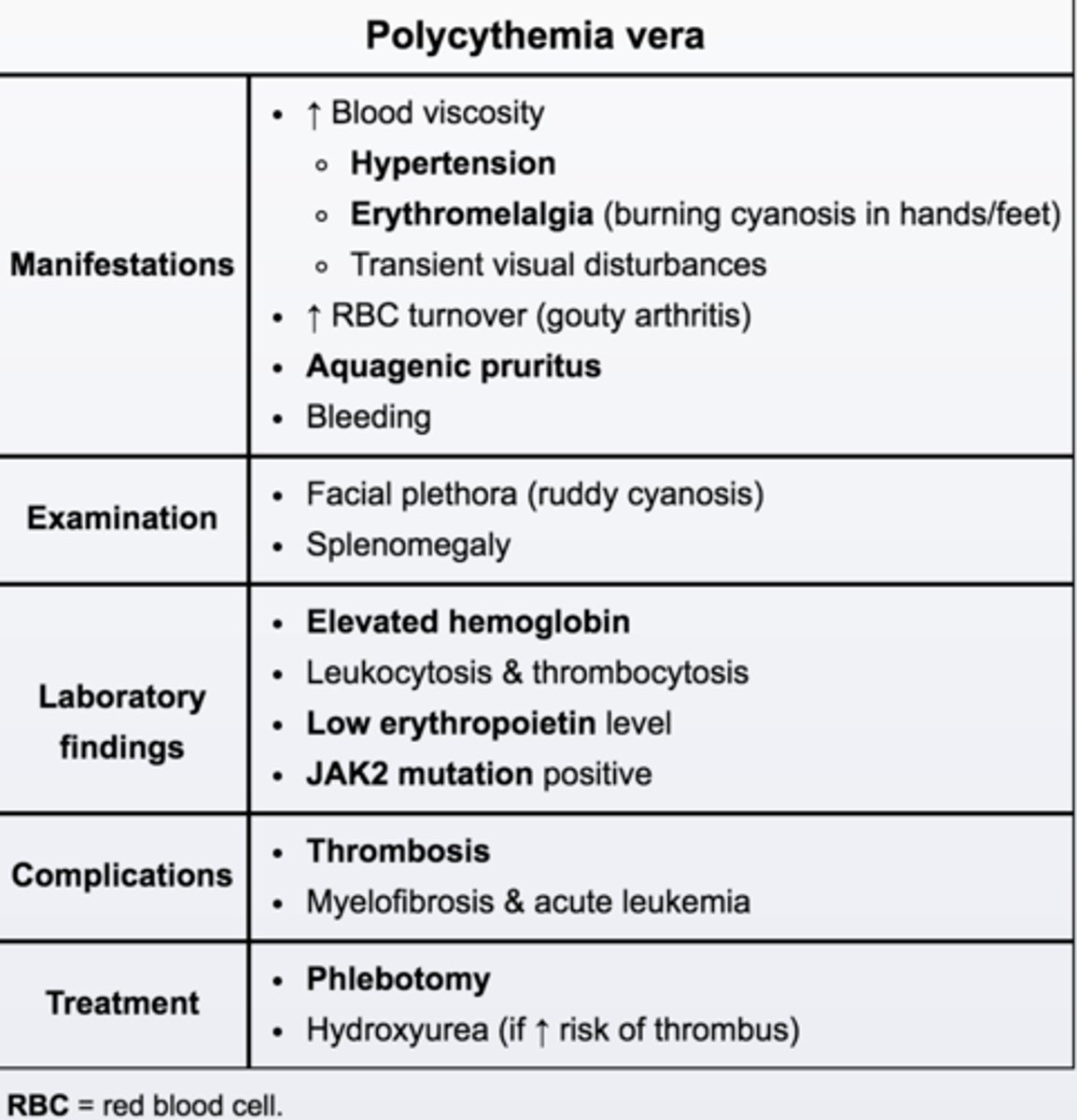
11. The nurse is teaching the client with polycythemia vera about prevention of complications of the disease. Which of the following statements by the client indicates a need for further teaching?
"I will drink 500mL of fluid or less each day."
"I will wear support hose when I am up."
"I will use an electric razor for shaving."
"I will eat foods low in iron."
"I will drink 500mL of fluid or less each day."
The client with polycythemia vera is at risk for thrombus formation. Hydrating the client with at least 3L of fluid per day is important in preventing clot formation
12. A 33-year-old male is being evaluated for possible acute leukemia. Which of the following would the nurse inquire about as a part of the assessment?
The client collects stamps as a hobby.
The client recently lost his job as a postal worker.
The client had radiation for treatment of Hodgkin's disease as a teenager.
The client's brother had leukemia as a child.
The client had radiation for treatment of Hodgkin's disease as a teenager.
Radiation treatment for other types of cancer can result in leukemia. Some hobbies and occupations involving chemicals are linked to leukemia, but not the ones in these answers; therefore, answers A and B are incorrect. Answer D is incorrect because the incidence of leukemia is higher in twins than in siblings.
13. An African American client is admitted with acute leukemia. The nurse is assessing for signs and symptoms of bleeding. Where is the best site for examining for the presence of petechiae?
The abdomen
The thorax
The earlobes
The soles of the feet
The soles of the feet
Petechiae are not usually visualized on dark skin. The soles of the feet and palms of the hand provide a lighter surface for assessing the client for petichiae.
14. A client with acute leukemia is admitted to the oncology unit. Which of the following would be most important for the nurse to inquire?
"Have you noticed a change in sleeping habits recently?"
"Have you had a respiratory infection in the last 6 months?"
"Have you lost weight recently?"
"Have you noticed changes in your alertness?"
"Have you had a respiratory infection in the last 6 months?"
The client with leukemia is at risk for infection and has often had recurrent respiratory infections during the previous 6 months. Insomnolence, weight loss, and a decrease in alertness also occur in leukemia, but bleeding tendencies and infections are the primary clinical manifestations
15. Which of the following would be the priority nursing diagnosis for the adult client with acute leukemia?
Oral mucous membrane, altered related to chemotherapy
Risk for injury related to thrombocytopenia
Fatigue related to the disease process
Interrupted family processes related to life-threatening illness of a family member
Risk for injury related to thrombocytopenia
The client with acute leukemia has bleeding tendencies due to decreased platelet counts, and any injury would exacerbate the problem. The client would require close monitoring for hemorrhage, which is of higher priority
16. A 21-year-old male with Hodgkin's lymphoma is a senior at the local university. He is engaged to be married and is to begin a new job upon graduation. Which of the following diagnoses would be a priority for this client?
Sexual dysfunction related to radiation therapy
Anticipatory grieving related to terminal illness
Tissue integrity related to prolonged bed rest
Fatigue related to chemotherapy
Sexual dysfunction related to radiation therapy
Radiation therapy often causes sterility in male clients and would be of primary importance to this client. The psychosocial needs of the client are important to address in light of the age and life choices. Hodgkin’s disease, however, has a good prognosis when diagnosed early.
17. A client has autoimmune thrombocytopenic purpura. To determine the client's response to treatment, the nurse would monitor:
Platelet count
White blood cell count
Potassium levels
Partial prothrombin time (PTT)
Platelet count
Clients with autoimmune thrombocytopenic purpura (ATP) have low platelet counts, making answer A the correct answer. White cell counts, potassium levels, and PTT are not affected in ATP

18. The home health nurse is visiting a client with autoimmune thrombocytopenic purpura (ATP). The client's platelet count currently is 80, It will be most important to teach the client and family about:
Bleeding precautions
Prevention of falls
Oxygen therapy
Conservation of energy
Bleeding precautions
The normal platelet count is 120,000–400, Bleeding occurs in clients with low platelets. The priority is to prevent and minimize bleeding.
19. A client with a pituitary tumor has had a transphenoidal hyposphectomy. Which of the following interventions would be appropriate for this client?
Place the client in Trendelenburg position for postural drainage
Encourage coughing and deep breathing every 2 hours
Elevate the head of the bed 30°
Encourage the Valsalva maneuver for bowel movements
Elevate the head of the bed 30°
Elevating the head of the bed 30° avoids pressure on the sella turcica and alleviates headaches. Answers A, B, and D are incorrect because Trendelenburg, Valsalva maneuver, and coughing all increase the intracranial pressure.
20. The client with a history of diabetes insipidus is admitted with polyuria, polydipsia, and mental confusion. The priority intervention for this client is:
Measure the urinary output
Check the vital signs
Encourage increased fluid intake
Weigh the client
Check the vital signs
The large amount of fluid loss can cause fluid and electrolyte imbalance that should be corrected. The loss of electrolytes would be reflected in the vital signs. Measuring the urinary output is important, but the stem already says that the client has polyuria, so answer A is incorrect. Encouraging fluid intake will not correct the problem, making answer C incorrect.
21. A client with hemophilia has a nosebleed. Which nursing action is most appropriate to control the bleeding?
Place the client in a sitting position with the head hyperextended
Pack the nares tightly with gauze to apply pressure to the source of bleeding
Pinch the soft lower part of the nose for a minimum of 5 minutes
Apply ice packs to the forehead and back of the neck
Pinch the soft lower part of the nose for a minimum of 5 minutes
The client should be positioned upright and leaning forward, to prevent aspiration of blood. Answers A, B, and D are incorrect because direct pressure to the nose stops the bleeding, and ice packs should be applied directly to the nose as well. If a pack is necessary, the nares are loosely packed.
22. A client has had a unilateral adrenalectomy to remove a tumor. To prevent complications, the most important measurement in the immediate post-operative period for the nurse to take is:
Blood pressure
Temperature
Output
Specific gravity
Blood pressure
Blood pressure is the best indicator of cardiovascular collapse in the client who has had an adrenal gland removed. The remaining gland might have been suppressed due to the tumor activity. Temperature would be an indicator of infection, decreased output would be a clinical manifestation but would take longer to occur than blood pressure changes, and specific gravity changes occur with other disorders
A client with Addison's disease has been admitted with a history of nausea and vomiting for the past 3 days. The client is receiving IV glucocorticoids (Solu-Medrol). Which of the following interventions would the nurse implement?
Glucometer readings as ordered
Intake/output measurements
Sodium and potassium levels monitored
Daily weights
Glucometer readings as ordered
IV glucocorticoids raise the glucose levels and often require coverage with insulin. Answer B is not necessary at this time, sodium and potassium levels would be monitored when the client is receiving mineral corticoids, and daily weights is unnecessary
24. A client had a total thyroidectomy yesterday. The client is complaining of tingling around the mouth and in the fingers and toes. What would the nurses' next action be?
Obtain a crash cart
Check the calcium level
Assess the dressing for drainage
Assess the blood pressure for hypertension
Check the calcium level
The parathyroid glands are responsible for calcium production and can be damaged during a thyroidectomy. The tingling is due to low calcium levels. The crash cart would be needed in respiratory distress but would not be the next action to take; thus, answer A is incorrect. Hypertension occurs in thyroid storm and the drainage would occur in hemorrhage
25. A 32-year-old mother of three is brought to the clinic. Her pulse is 52, there is a weight gain of 30 pounds in 4 months, and the client is wearing two sweaters. The client is diagnosed with hypothyroidism. Which of the following nursing diagnoses is of highest priority?
Impaired physical mobility related to decreased endurance
Hypothermia r/t decreased metabolic rate
Disturbed thought processes r/t interstitial edema
Decreased cardiac output r/t bradycardia
Decreased cardiac output r/t bradycardia
The decrease in pulse can affect the cardiac output and lead to shock, which would take precedence
26. The client presents to the clinic with a serum cholesterol of 275mg/dL and is placed on rosuvastatin (Crestor). Which instruction should be given to the client?
Report muscle weakness to the physician.
Allow six months for the drug to take effect.
Take the medication with fruit juice.
Ask the doctor to perform a complete blood count before starting the medication.
Report muscle weakness to the physician.
The client taking antilipidemics should be encouraged to report muscle weakness because this is a sign of rhabdomyositis. The medication takes effect within 1 month of beginning therapy, so answer B is incorrect. The medication should be taken with water because fruit juice, particularly grapefruit, can decrease the effectiveness, making answer C incorrect. Liver function studies should be checked before beginning the medication, not after the fact
27. The client is admitted to the hospital with hypertensive crises. Diazoxide (Hyperstat) is ordered. During administration, the nurse should:
Utilize an infusion pump
Check the blood glucose level
Place the client in Trendelenburg position
Cover the solution with foil
Check the blood glucose level
Hyperstat is given IV push for hypertensive crises, but it often causes hyperglycemia. The glucose level will drop rapidly when stopped. Answer A is incorrect because the hyperstat is given by IV push. The client should be placed in dorsal recumbent position, not a Trendelenburg position, as stated in answer C. Answer D is incorrect because the medication does not have to be covered with foil.
29. The client admitted with angina is given a prescription for nitroglycerine. The client should be instructed to:
Replenish his supply every 3 months
Take one every 15 minutes if pain occurs
Leave the medication in the brown bottle
Crush the medication and take with water
Leave the medication in the brown bottle
Nitroglycerine should be kept in a brown bottle (or even a special air- and water-tight, solid or plated silver or gold container) because of its instability and tendency to become less potent when exposed to air, light, or water. The supply should be replenished every 6 months, not 3 months, and one tablet should be taken every 5 minutes until pain subsides, so answers A and B are incorrect. If the pain does not subside, the client should report to the emergency room. The medication should be taken sublingually and should not be crushed
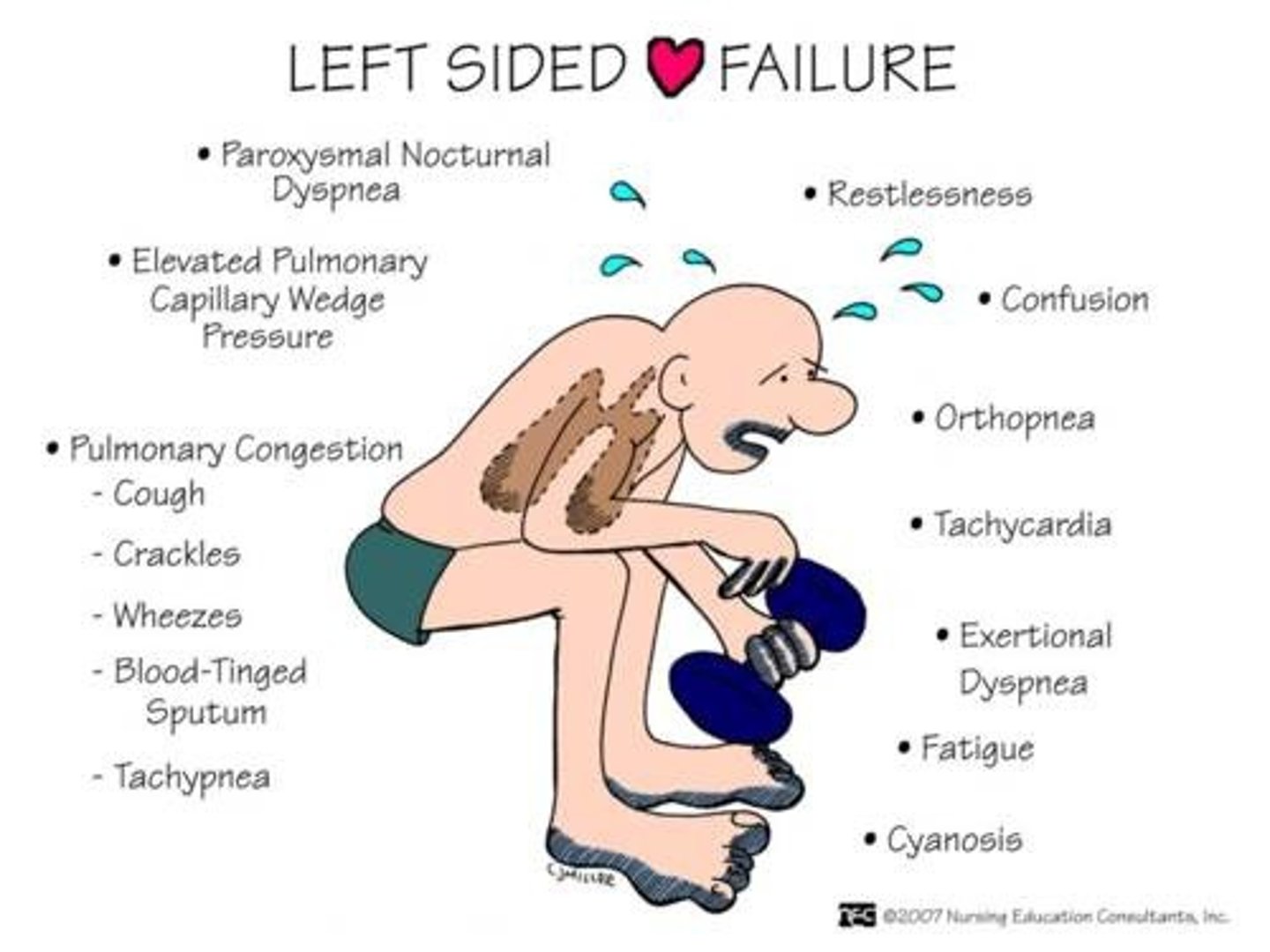
31. The client is admitted with left-sided congestive heart failure. In assessing the client for edema, the nurse should check the:
Feet
Neck
Hands
Sacrum
Neck
The jugular veins in the neck should be assessed for distension. The other parts of the body will be edematous in right-sided congestive heart failure, not left-sided
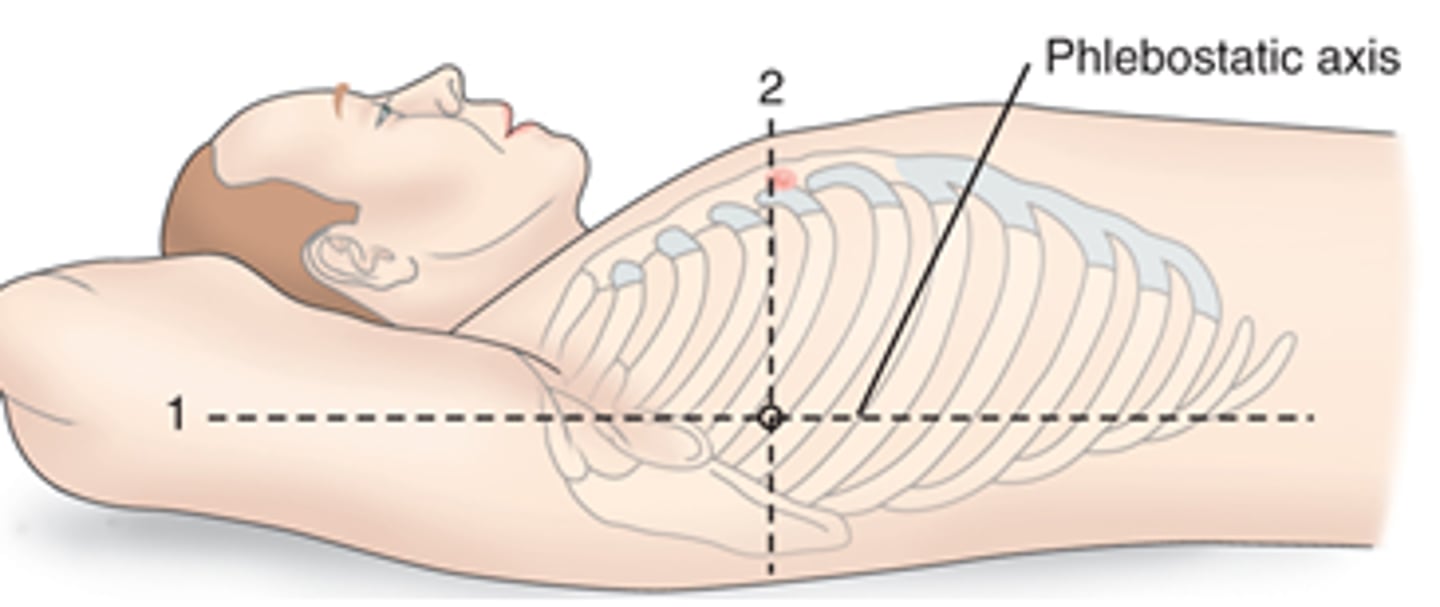
32. The nurse is checking the client's central venous pressure. The nurse should place the zero of the manometer at the:
Phlebostatic axis
PMI
Erb's point
Tail of Spence
Phlebostatic axis
The phlebostatic axis is located at the fifth intercostals space midaxillary line and is the correct placement of the manometer. The PMI or point of maximal impulse is located at the fifth intercostals space midclavicular line, so answer B is incorrect. Erb’s point is the point at which you can hear the valves close simultaneously, making answer C incorrect. The Tail of Spence (the upper outer quadrant) is the area where most breast cancers are located and has nothing to do with placement of a manometer
33. The physician orders lisinopril (Zestril) and furosemide (Lasix) to be administered concomitantly to the client with hypertension. The nurse should:
Question the order
Administer the medications
Administer separately
Contact the pharmacy
Administer the medications
Zestril is an ACE inhibitor and is frequently given with a diuretic such as Lasix for hypertension.
34. The best method of evaluating the amount of peripheral edema is:
Weighing the client daily
Measuring the extremity
Measuring the intake and output
Checking for pitting
Measuring the extremity
35. A client with vaginal cancer is being treated with a radioactive vaginal implant. The client's husband asks the nurse if he can spend the night with his wife. The nurse should explain that:
Overnight stays by family members is against hospital policy.
There is no need for him to stay because staffing is adequate.
His wife will rest much better knowing that he is at home.
Visitation is limited to 30 minutes when the implant is in place.
Visitation is limited to 30 minutes when the implant is in place.
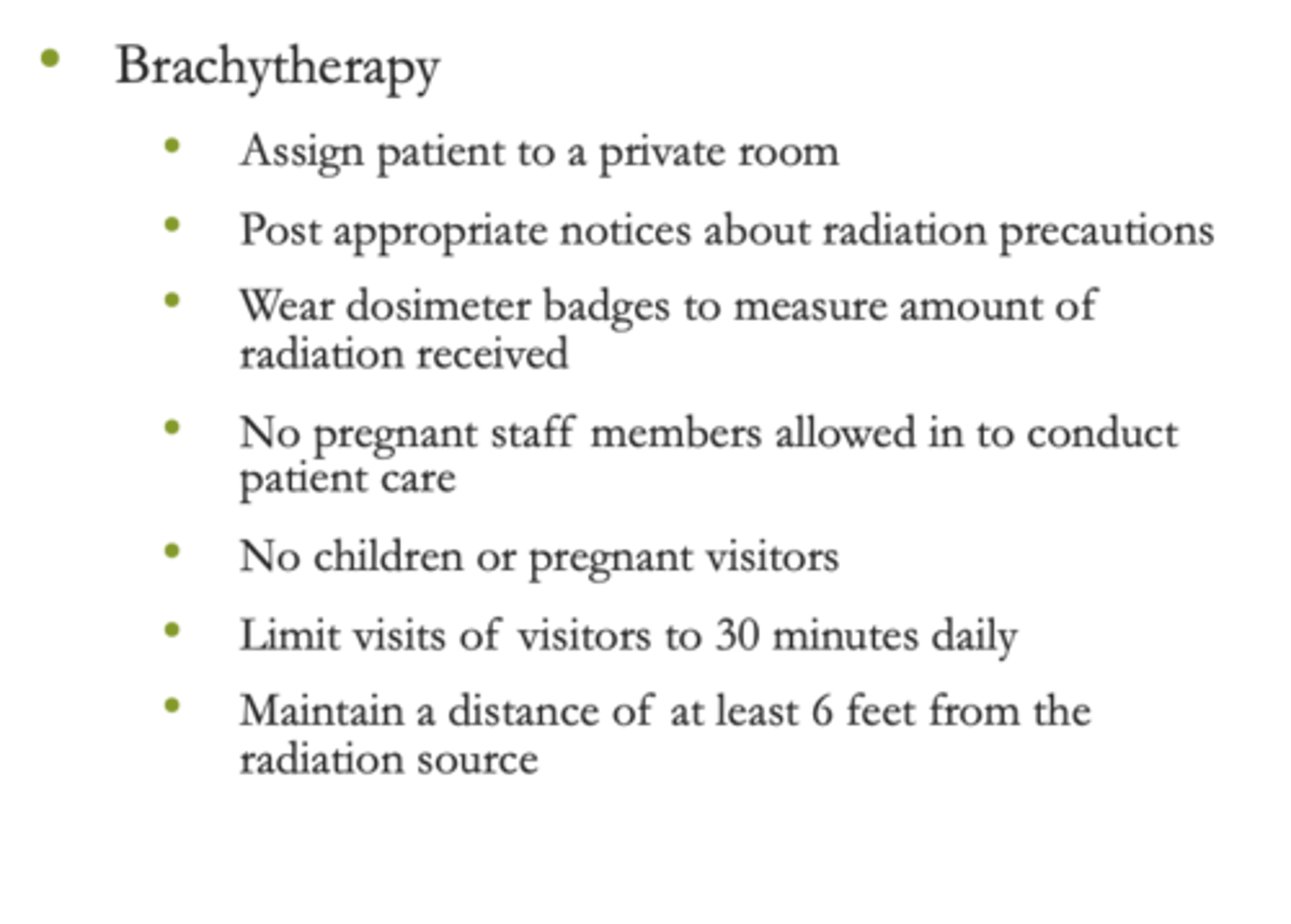
Clients with radium implants should have close contact limited to 30 minutes per visit. The general rule is limiting time spent exposed to radium, putting distance between people and the radium source, and using lead to shield against the radium. Teaching the family member these principles is extremely important.
37. The physician has prescribed Novalog insulin for a client with diabetes mellitus. Which statement indicates that the client knows when the peak action of the insulin occurs?
"I will make sure I eat breakfast within 10 minutes of taking my insulin."
"I will need to carry candy or some form of sugar with me all the time."
"I will eat a snack around three o'clock each afternoon."
"I can save my dessert from supper for a bedtime snack."
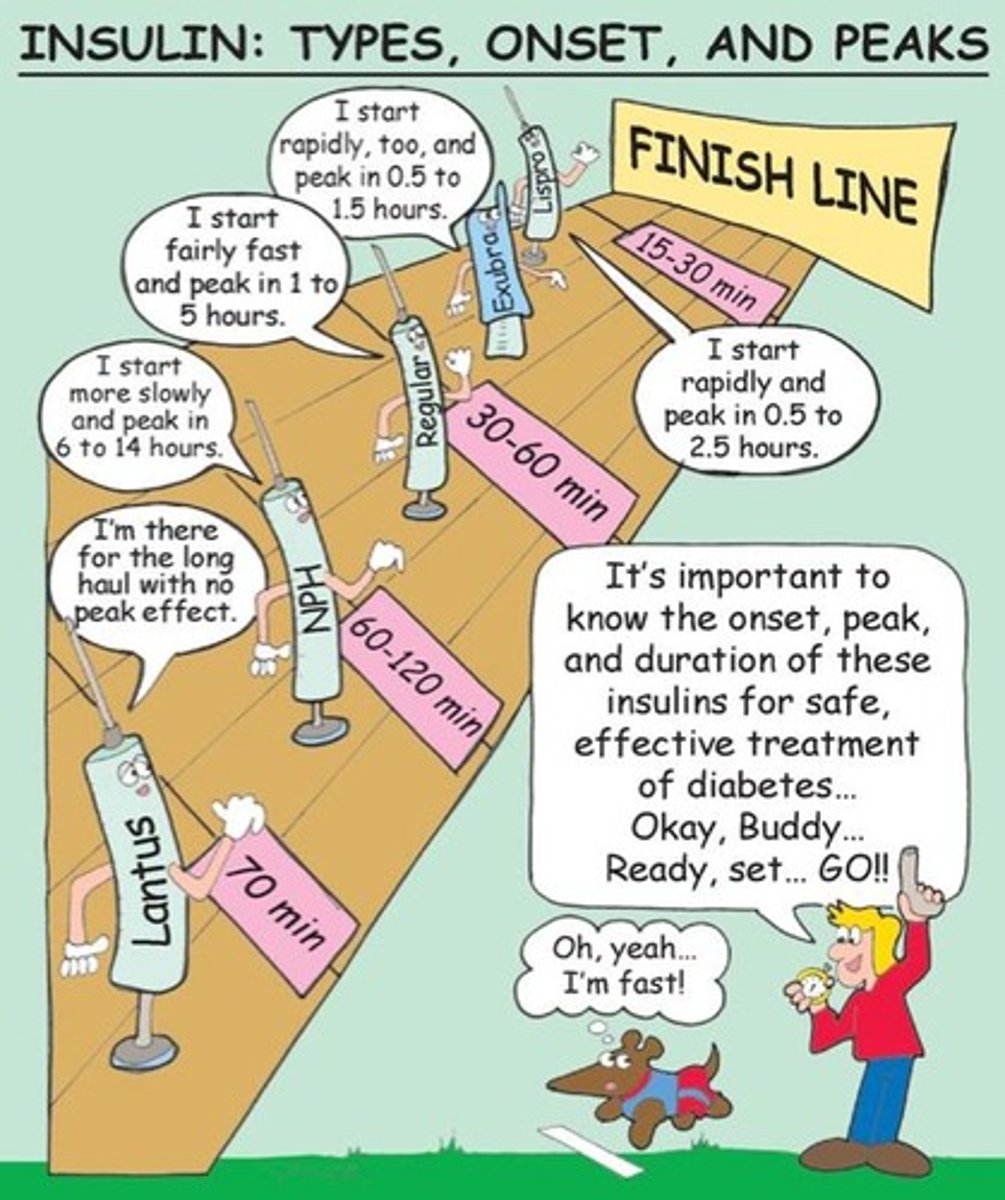
"I will make sure I eat breakfast within 10 minutes of taking my insulin."
NovoLog insulin onsets very quickly. so food should be available within 10-15 minutes of taking the insulin. Answer B does not address a particular type of insulin. so it is incorrect. NPH insulin peaks in 8-12 hours. so a snack should be eaten at the expected peak time. It may not be 3 p.m. as stated in answer C. Answer D is incorrect because there is no need to save the dessert until bedtime.
38. The nurse is teaching basic infant care to a group of first-time parents. The nurse should explain that a sponge bath is recommended for the first 2 weeks of life because:
New parents need time to learn how to hold the baby.
The umbilical cord needs time to separate.
Newborn skin is easily traumatized by washing.
The chance of chilling the baby outweighs the benefits of bathing.
The umbilical cord needs time to separate.
The umbilical cord needs time to dry and fall off before putting the infant in the tub.
39. A client with leukemia is receiving Trimetrexate. After reviewing the client's chart. the physician orders Wellcovorin (leucovorin calcium). The rationale for administering leucovorin calcium to a client receiving Trimetrexate is to:
Treat iron-deficiency anemia caused by chemotherapeutic agents
Create a synergistic effect that shortens treatment time
Increase the number of circulating neutrophils
Reverse drug toxicity and prevent tissue damage
Reverse drug toxicity and prevent tissue damage.
Leucovorin is the antidote for Methotrexate and Trimetrexate which are folic acid antagonists. Leucovorin is a folic acid derivative.
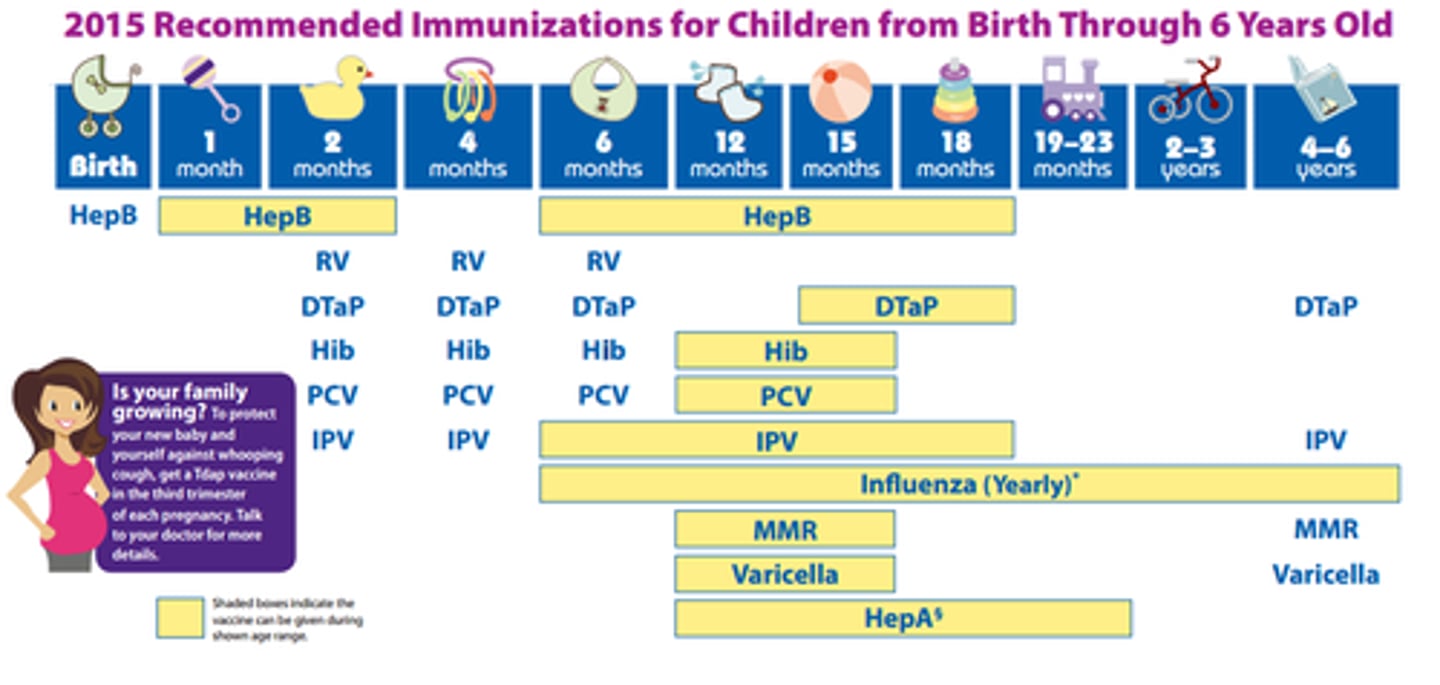
40. A 4-month-old is brought to the well-baby clinic for immunization. In addition to the DPT and polio vaccines, the baby should receive:
Hib titer
Mumps vaccine
Hepatitis B vaccine
MMR
Hib titer.
The Haemophilus influenza vaccine is given at 4 months with the polio vaccine.
41. The physician has prescribed Nexium (esomeprazole) for a client with erosive gastritis. The nurse should administer the medication:
30 minutes before meals
With each meal
In a single dose at bedtime
30 minutes after meals
30 minutes before meals
Proton pump inhibitors reduce the production of acid in the stomach. Proton pump inhibitors such as Nexium and Protonix work best when they are taken 30 minutes before the first meal of the day.
42. A client on the psychiatric unit is in an uncontrolled rage and is threatening other clients and staff. What is the most appropriate action for the nurse to take?
Call security for assistance and prepare to sedate the client.
Tell the client to calm down and ask him if he would like to play cards.
Tell the client that if he continues his behavior he will be punished.
Leave the client alone until he calms down.
Call security for assistance and prepare to sedate the client.
If the client is a threat to the staff and to other clients the nurse should call for help and prepare to administer a medication such as Haldol to sedate him.
43. When the nurse checks the fundus of a client on the first postpartum day, she notes that the fundus is firm, is at the level of the umbilicus, and is displaced to the right. The next action the nurse should take is to:
Check the client for bladder distention
Assess the blood pressure for hypotension
Determine whether an oxytocic drug was given
Check for the expulsion of small clots
Check the client for bladder distention
If the fundus of the client is displaced to the side. this might indicate a full bladder.
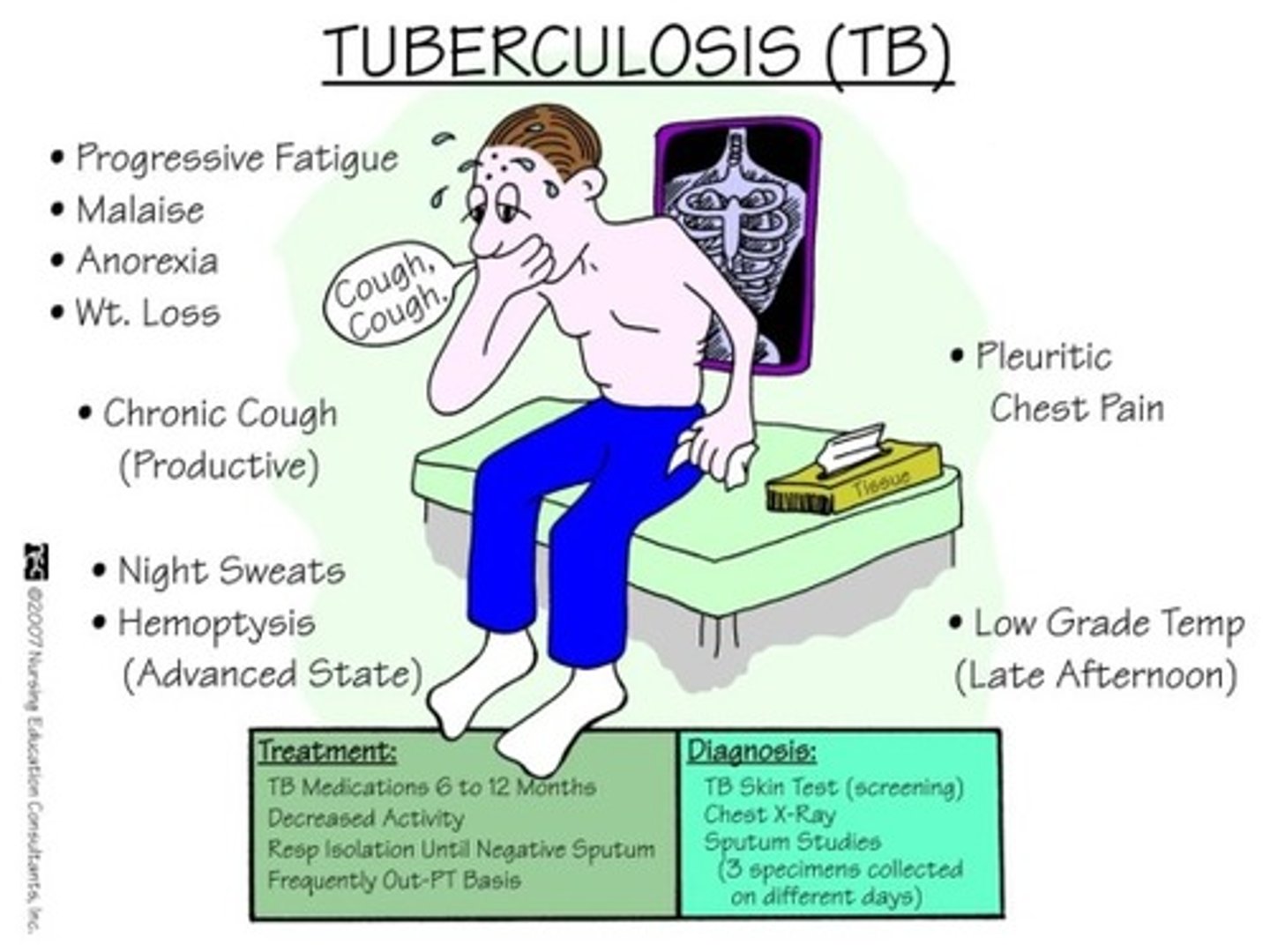
44. A client is admitted to the hospital with a temperature of 99.8°F, complaints of blood-tinged hemoptysis, fatigue, and night sweats. The client's symptoms are consistent with a diagnosis of:
Pneumonia
Reaction to antiviral medication
Tuberculosis
Superinfection due to low CD4 count
Tuberculosis.
A low-grade temperature. blood-tinged sputum. fatigue. and night sweats are symptoms consistent with tuberculosis. If the answer in A had said pneumocystis pneumonia. answer A would have been consistent with the symptoms given in the stem. but just saying pneumonia isn't specific enough to diagnose the problem.
45. The client is seen in the clinic for treatment of migraine headaches. The drug Imitrex (sumatriptan succinate) is prescribed for the client. Which of the following in the client's history should be reported to the doctor?
Diabetes
Prinzmetal's angina
Cancer
Cluster headaches
Prinzmetal's angina.
If the client has a history of Prinzmetal's angina. he should not be prescribed triptan preparations because they cause vasoconstriction and coronary spasms. There is no contraindication for taking triptan drugs in clients with diabetes. cancer. or cluster headaches.

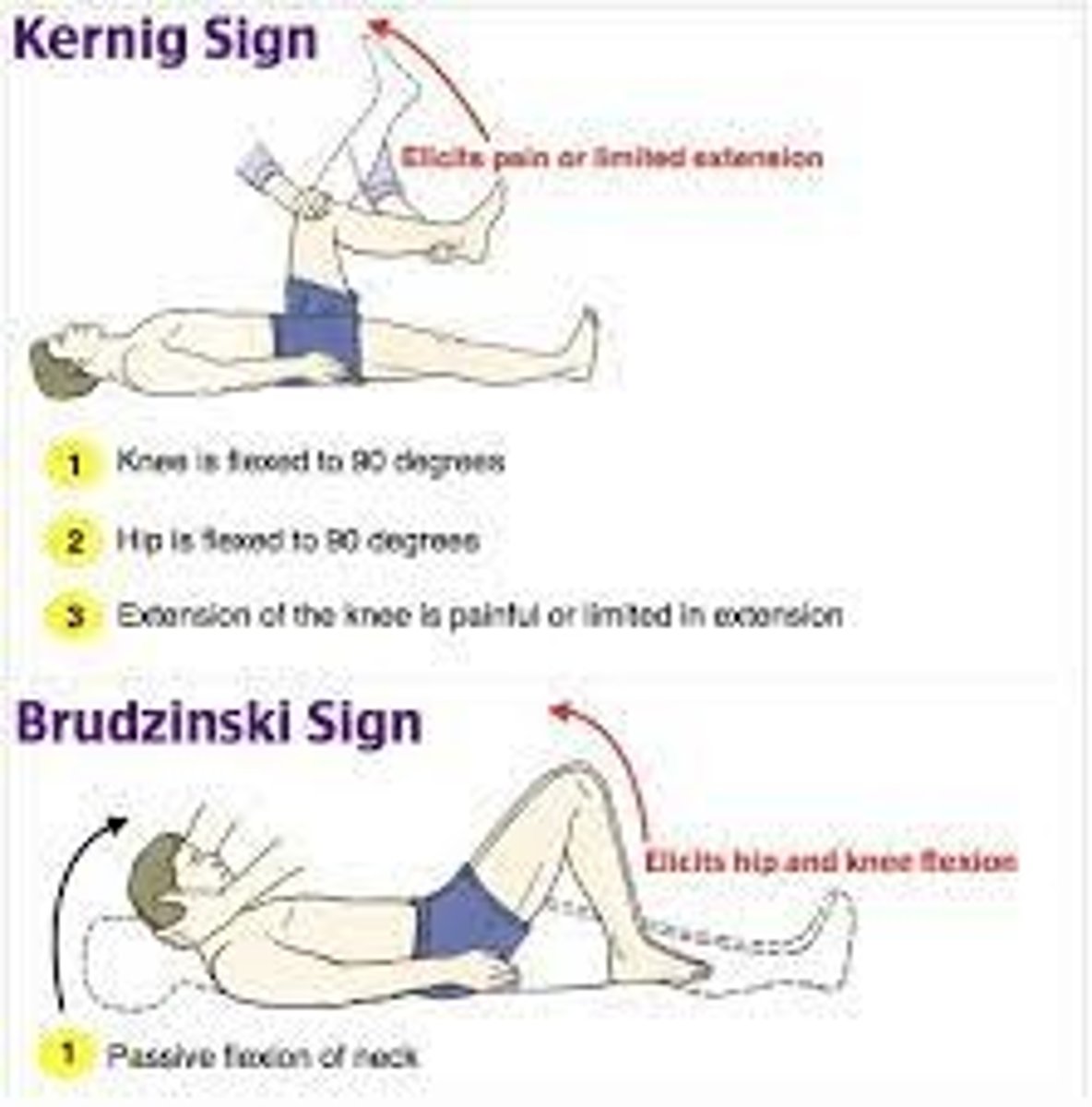
46. The client with suspected meningitis is admitted to the unit. The doctor is performing an assessment to determine meningeal irritation and spinal nerve root inflammation. A positive Kernig's sign is charted if the nurse notes:
Pain on flexion of the hip and knee
Nuchal rigidity on flexion of the neck
Pain when the head is turned to the left side
Dizziness when changing positions
Pain on flexion of the hip and knee.
Kernig’s sign is positive if pain occurs on flexion of the hip and knee. The Brudzinski reflex is positive if pain occurs on flexion of the head and neck onto the chest
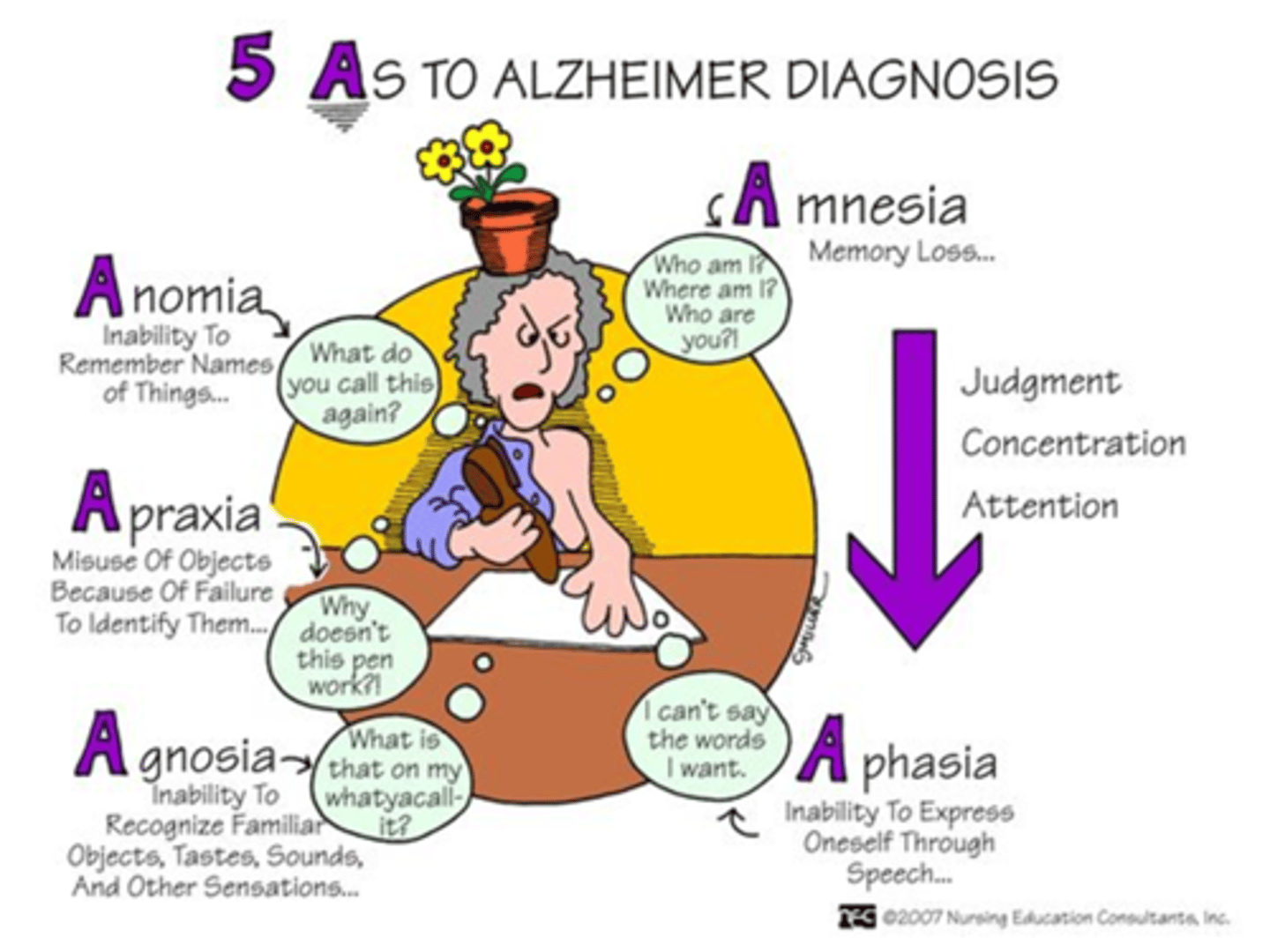
47. The client with Alzheimer's disease is being assisted with activities of daily living when the nurse notes that the client uses her toothbrush to brush her hair. The nurse is aware that the client is exhibiting:
Agnosia
Apraxia
Anomia
Aphasia
Apraxia.
Apraxia is the inability to use objects appropriately.
Agnosia is loss of sensory comprehension.
Anomia is the inability to find words.
Aphasia is the inability to speak or understand
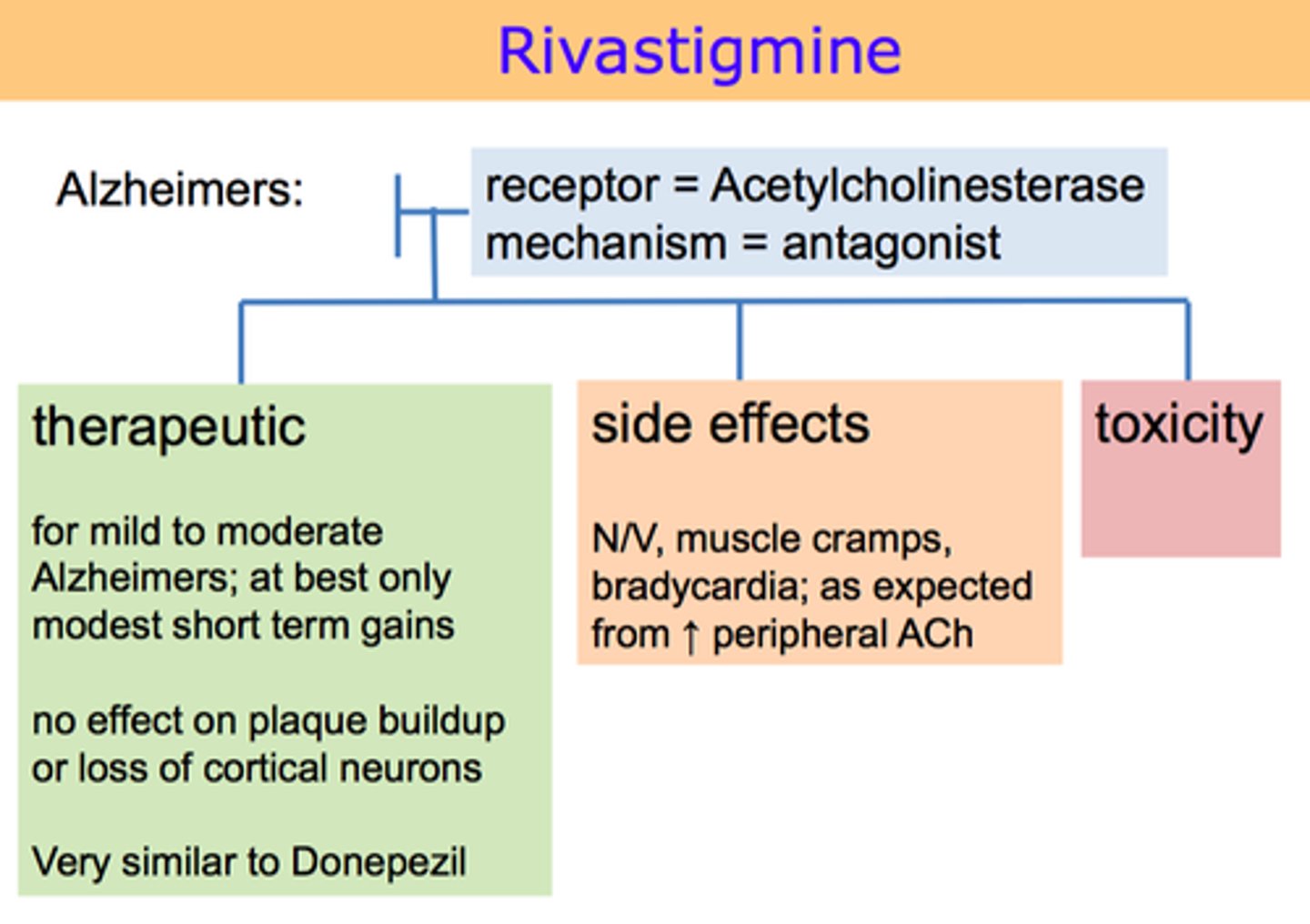
50. The doctor has prescribed Exelon (rivastigmine) for the client with Alzheimer's disease. Which side effect is most often associated with this drug?
Urinary incontinence
Headaches
Confusion
Nausea
Nausea.
Nausea and gastrointestinal upset are very common in clients taking acetylcholinesterase inhibitors such as Exelon. Other side effects include liver toxicity. dizziness. unsteadiness. and clumsiness. The client might already be experiencing urinary incontinence or headaches. but they are not necessarily associated; and the client with Alzheimer's disease is already confused.
51. A client is admitted to the labor and delivery unit in active labor. During examination, the nurse notes a papular lesion on the perineum. Which initial action is most appropriate?
Document the finding
Report the finding to the doctor
Prepare the client for a C-section
Continue primary care as prescribed
Report the finding to the doctor.
Any lesion should be reported to the doctor. This can indicate a herpes lesion. Clients with open lesions related to herpes are delivered by Cesarean section because there is a possibility of transmission of the infection to the fetus with direct contact to lesions. The physician must make the decision to perform a C-section. making answer C incorrect.
53. During the initial interview, the client reports that she has a lesion on the perineum. Further investigation reveals a small blister on the vulva that is painful to touch. The nurse is aware that the most likely source of the lesion is:
Syphilis
Herpes
Gonorrhea
Condylomata
Herpes.
A lesion that is painful is most likely a herpetic lesion.
A chancre lesion associated with syphilis is not painful.
Condylomata lesions are painless warts.
Gonorrhea does not present as a lesion. but is exhibited by a yellow discharge.
54. A client visiting a family planning clinic is suspected of having an STI. The best diagnostic test for treponema pallidum is:
Venereal Disease Research Lab (VDRL)
Rapid plasma reagin (RPR)
Florescent treponemal antibody (FTA)
Thayer-Martin culture (TMC)
Florescent treponemal antibody (FTA).
Fluorescent treponemal antibody (FTA) is the test for treponema pallidum.
VDRL & RPR are screening tests done for syphilis.
The Thayer-Martin culture is done for gonorrhea.
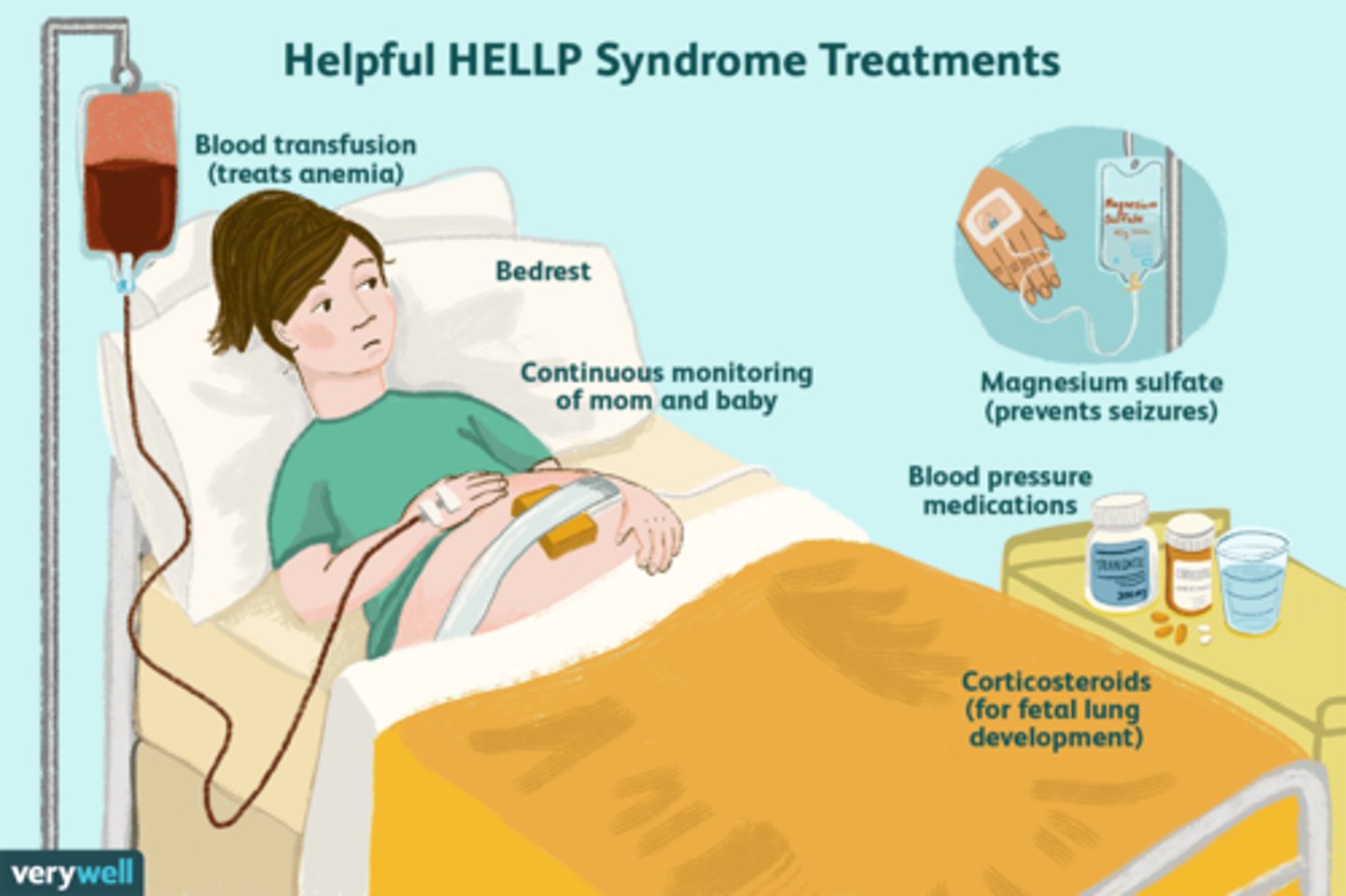
55. A 15-year-old primigravida is admitted with a tentative diagnosis of HELLP syndrome. Which laboratory finding is associated with HELLP syndrome?
Elevated blood glucose
Elevated platelet count
Elevated creatinine clearance
Elevated hepatic enzymes
Elevated hepatic enzymes.
The criteria for HELLP is
Hemolysis.
Elevated Liver enzymes.
Low Platelet count.
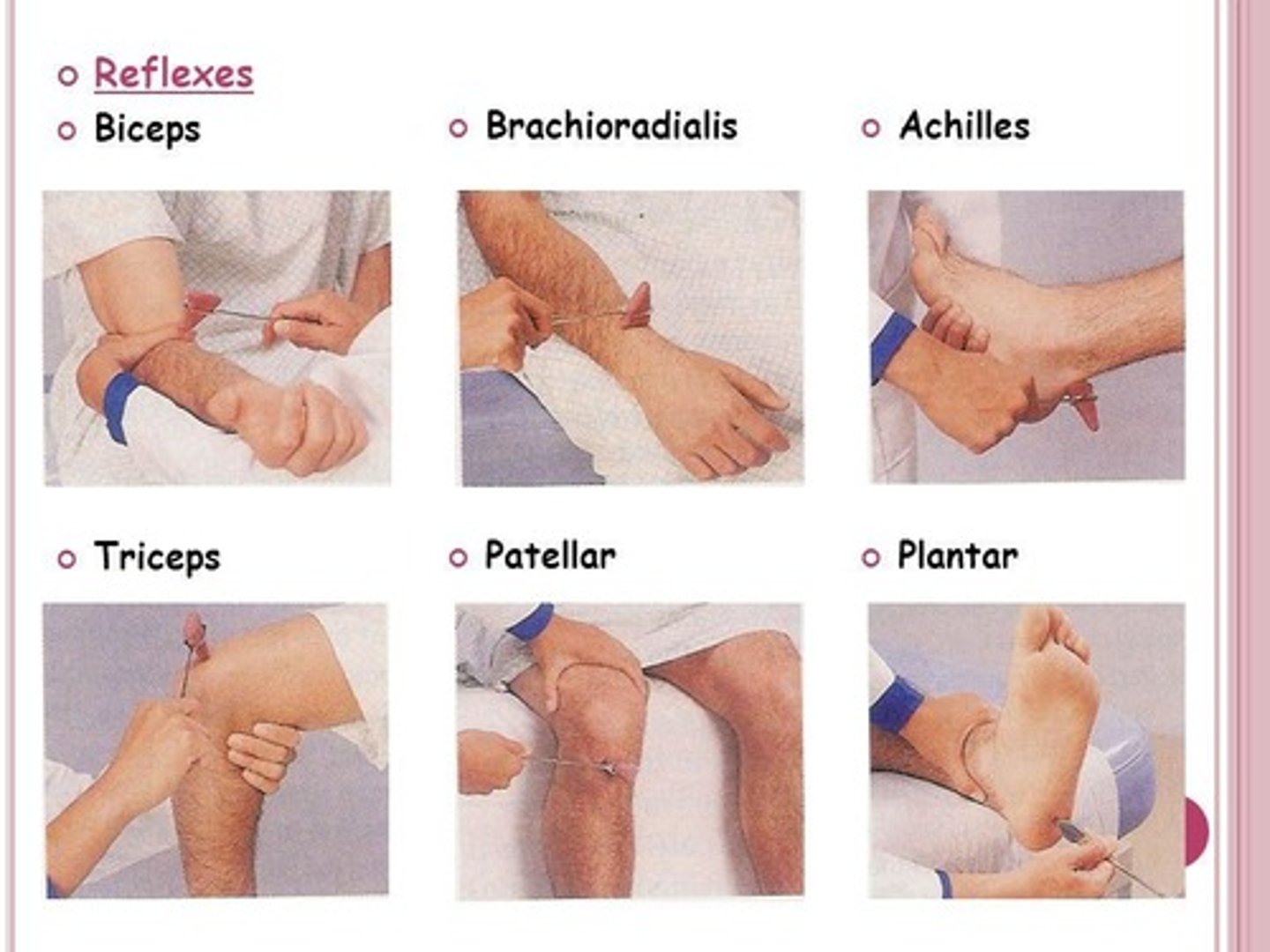
56. The nurse is assessing the deep tendon reflexes of a client with preeclampsia. Which method is used to elicit the biceps reflex?
The nurse places her thumb on the muscle inset in the antecubital space and taps the thumb briskly with the reflex hammer.
The nurse loosely suspends the client's arm in an open hand while tapping the back of the client's elbow.
The nurse instructs the client to dangle her legs as the nurse strikes the area below the patella with the blunt side of the reflex hammer.
The nurse instructs the client to place her arms loosely at her side as the nurse strikes the muscle insert just above the wrist.
The nurse places her thumb on the muscle inset in the antecubital space and taps the thumb briskly with the reflex hammer.
The nurse loosely suspends the client’s arm in an open hand while tapping the back of the client’s elbow elicits the triceps reflex.
The nurse instructs the client to dangle her legs as the nurse strikes the area below the patella with the blunt side of the reflex hammer elicits the patella reflex.
The nurse instructs the client to place her arms loosely at her side as the nurse strikes the muscle insert just above the wrist elicits the radial nerve.
57. A primigravida with diabetes is admitted to the labor and delivery unit at 34 weeks gestation. Which doctor's order should the nurse question?
Magnesium sulfate 4gm (25%) IV
Brethine 10mcg IV
Stadol 1mg IV push every 4 hours as needed prn for pain
Ancef 2gm IVPB every 6 hours
Brethine 10mcg IV.
Brethine is used cautiously because it raises the blood glucose levels. Magnesium sulfate 4gm (25%) IV , Stadol 1mg IV, and Ancef 2gm IVPB are all medications that are commonly used in the diabetic client
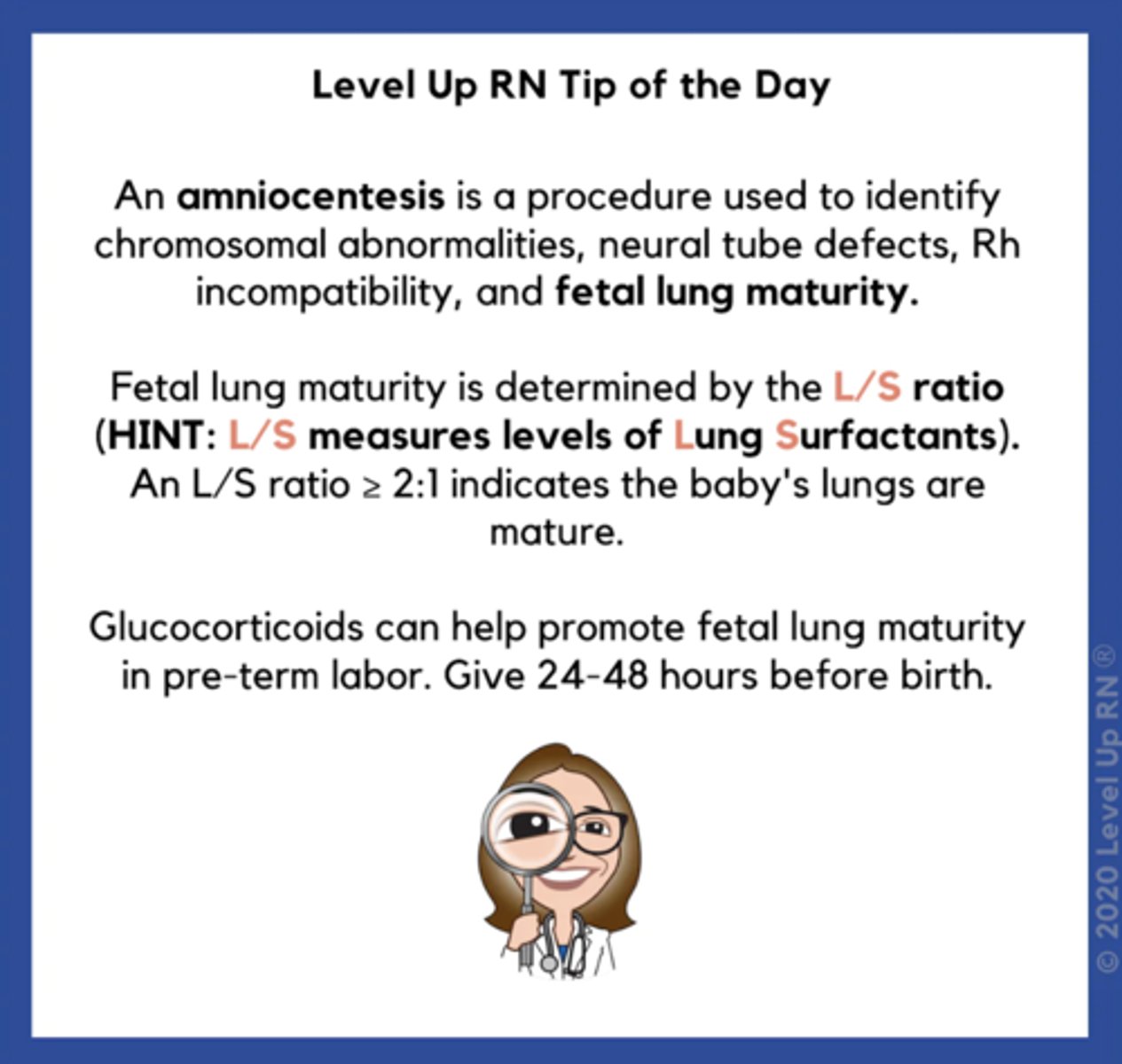
58. A diabetic multigravida is scheduled for an amniocentesis at 32 weeks gestation to determine the L/S ratio and phosphatidyl glycerol level. The L/S ratio is 1:1 and the presence of phosphatidylglycerol is noted. The nurse's assessment of this data is:
The infant is at low risk for congenital anomalies.
The infant is at high risk for intrauterine growth retardation.
The infant is at high risk for respiratory distress syndrome.
The infant is at high risk for birth trauma.
The infant is at high risk for respiratory distress syndrome.
When the L/S ratio reaches 2:1, the lungs are considered to be mature. The infant will most likely be small for gestational age and will not be at risk for birth trauma. The L/S ratio does not indicate congenital anomalies, and the infant is not at risk for intrauterine growth retardation, .
60. The nurse caring for a client receiving intravenous magnesium sulfate must closely observe for side effects associated with drug therapy. An expected side effect of magnesium sulfate is:
Decreased urinary output
Hypersomnolence
Absence of knee jerk reflex
Decreased respiratory rate
Hypersomnolence.
The client is expected to become sleepy, have hot flashes, & be lethargic.
A decreasing urinary output, absence of the knee-jerk reflex, & decreased respirations indicate toxicity
61. The client has elected to have epidural anesthesia to relieve labor pain. If the client experiences hypotension, the nurse would:
Place her in Trendelenburg position
Decrease the rate of IV infusion
Administer oxygen per nasal cannula
Increase the rate of the IV infusion
Increase the rate of the IV infusion.
If the client experiences hypotension after an injection of epidural anesthetic, the nurse should turn her to the left side, apply oxygen by mask, and speed the IV infusion. If the blood pressure does not return to normal, the physician should be contacted. Epinephrine should be kept for emergency administration. Answer A is incorrect because placing the client in Trendelenburg position (head down) will allow the anesthesia to move up above the respiratory center, thereby decreasing the diaphragm’s ability to move up and down and ventilate the client.The IV rate should be increased, not decreased. In administering oxygen, the oxygen should be applied by mask, not cannula.
62. A client has cancer of the pancreas. The nurse should be most concerned about which nursing diagnosis?
Alteration in nutrition
Alteration in bowel elimination
Alteration in skin integrity
Ineffective individual coping
Alteration in nutrition.
Cancer of the pancreas frequently leads to severe nausea and vomiting and altered nutrition.
63. The nurse is caring for a client with ascites. Which is the best method to use for determining early ascites?
Inspection of the abdomen for enlargement
Bimanual palpation for hepatomegaly
Daily measurement of abdominal girth
Assessment for a fluid wave
Daily measurement of abdominal girth.
64. The client arrives in the emergency department after a motor vehicle accident. Nursing assessment findings include BP 80/34, pulse rate 120, and respirations 20. Which is the client's most appropriate priority nursing diagnosis?
Alteration in cerebral tissue perfusion
Fluid volume deficit
Ineffective airway clearance
Alteration in sensory perception
Fluid volume deficit.
65. The home health nurse is visiting an 18-year-old with osteogenesis imperfecta. Which information obtained on the visit would cause the most concern? The client:
Likes to play football
Drinks several carbonated drinks per day
Has two sisters with sickle cell tract
Is taking acetaminophen to control pain
Likes to play football.
The client with osteogenesis imperfecta is at risk for pathological fractures and is likely to experience these fractures if he participates in contact sports. The client might experience symptoms of hypoxia if he becomes dehydrated or deoxygenated; extreme exercise, especially in warm weather, can exacerbate the condition.
66. The nurse working the organ transplant unit is caring for a client with a white blood cell count of During evening visitation, a visitor brings a basket of fruit. What action should the nurse take?
Allow the client to keep the fruit
Place the fruit next to the bed for easy access by the client
Offer to wash the fruit for the client
Tell the family members to take the fruit home
Tell the family members to take the fruit home.
67. The nurse is caring for the client following a laryngectomy when suddenly the client becomes nonresponsive and pale, with a BP of 90/40 systolic. The initial nurse's action should be to:
Place the client in Trendelenburg position
Increase the infusion of Dextrose in normal saline
Administer atropine intravenously
Move the emergency cart to the bedside
Increase the infusion of Dextrose in normal saline.
In clients who have not had surgery to the face or neck, the answer would be placing the client in Trendelenburg position ; however, in this situation, this could further interfere with the airway. Increasing the infusion and placing the client in supine position would be better. Administering atropine intravenously is incorrect because it is not necessary at this time and could cause hyponatremia and further hypotension.
69. A client being treated with sodium warfarin has a Protime of 120 seconds. Which intervention would be most important to include in the nursing care plan?
Assess for signs of abnormal bleeding
Anticipate an increase in the Coumadin dosage
Instruct the client regarding the drug therapy
Increase the frequency of neurological assessments
Assess for signs of abnormal bleeding
The normal Protime is 12–20 seconds. A Protime of 120 seconds indicates an extremely prolonged Protime and can result in a spontaneous bleeding episode.
71. The client with preeclampsia is admitted to the unit with an order for magnesium sulfate. Which action by the nurse indicates understanding of the possible side effects of magnesium sulfate?
The nurse places a sign over the bed not to check blood pressure in the right arm.
The nurse places a padded tongue blade at the bedside.
The nurse inserts a Foley catheter.
The nurse darkens the room.
The nurse inserts a Foley catheter.
The client receiving magnesium sulfate should have a Foley catheter in place, and hourly intake and output should be checked.
72. A 6-year-old client is admitted to the unit with a hemoglobin of 6g/dL. The physician has written an order to transfuse 2 units of whole blood. When discussing the treatment, the child's mother tells the nurse that she does not believe in having blood transfusions and that she will not allow her child to have the treatment. What nursing action is most appropriate?
Ask the mother to leave while the blood transfusion is in progress
Encourage the mother to reconsider
Explain the consequences without treatment
Notify the physician of the mother's refusal
Notify the physician of the mother's refusal.
If the client’s mother refuses the blood transfusion, the doctor should be notified. Because the client is a minor, the court might order treatment.
73. A client is admitted to the unit 2 hours after an explosion causes burns to the face. The nurse would be most concerned with the client developing which of the following?
Hypovolemia
Laryngeal edema
Hypernatremia
Hyperkalemia
Laryngeal edema.
The nurse should be most concerned with laryngeal edema because of the area of burn. The next priority should be answer A, as well as hyponatremia and hypokalemia
74. The nurse is evaluating nutritional outcomes for an elderly client with bulimia. Which data best indicates that the plan of care is effective?
The client selects a balanced diet from the menu.
The client's hemoglobin and hematocrit improve.
The client's tissue turgor improves.
The client gains weight.
The client gains weight.
75. The client is admitted following repair of a fractured tibia and cast application. Which nursing assessment should be reported to the doctor?
Pain beneath the cast
Warm toes
Pedal pulses weak and rapid
Paresthesia of the toes
Paresthesia of the toes.
At this time, pain beneath the cast is normal. The client’s toes should be warm to the touch, and pulses should be present. Paresthesia is not normal and might indicate compartment syndrome.
76. The client is having an arteriogram. During the procedure, the client tells the nurse, "I'm feeing really hot." Which response would be best?
"You are having an allergic reaction. I will get an order for Benadryl."
"That feeling of warmth is normal when the dye is injected."
"That feeling of warmth indicates that the clots in the coronary vessels are dissolving."
"I will tell your doctor and let him explain to you the reason for the hot feeling that you are experiencing."
"That feeling of warmth is normal when the dye is injected."
77. The nurse is observing several healthcare workers providing care. Which action by the healthcare worker indicates a need for further teaching?
The nursing assistant wears gloves while giving the client a bath.
The nurse wears goggles while drawing blood from the client.
The doctor washes his hands before examining the client.
The nurse wears gloves to take the client's vital signs.
The nurse wears gloves to take the client's vital signs.
It is not necessary to wear gloves to take the vital signs of the client. If the client has active infection with methicillin-resistant staphylococcus aureus, gloves should be worn.
78. The client is having electroconvulsive therapy for treatment of severe depression. Which of the following indicates that the client's ECT has been effective?
The client loses consciousness.
The client vomits.
The client's ECG indicates tachycardia.
The client has a grand mal seizure.
The client has a grand mal seizure.
During ECT, the client will have a grand mal seize. This indicates completion of the electroconvulsive therapy.
79. The 5-year-old is being tested for enterobiasis (pinworms). To collect a specimen for assessment of pinworms, the nurse should teach the mother to:
Examine the perianal area with a flashlight 2 or 3 hours after the child is asleep
Scrape the skin with a piece of cardboard and bring it to the clinic
Obtain a stool specimen in the afternoon
Bring a hair sample to the clinic for evaluation
Examine the perianal area with a flashlight 2 or 3 hours after the child is asleep.
Infection with pinworms begins when the eggs are ingested or inhaled. The eggs hatch in the upper intestine and mature in 2–8 weeks. The females then mate and migrate out the anus, where they lay up to 17,000 eggs. This causes intense itching. The mother should be told to use a flashlight to examine the rectal area about 2–3 hours after the child is asleep. Placing clear tape on a tongue blade will allow the eggs to adhere to the tape. The specimen should then be brought in to be evaluated.
80. The nurse is teaching the mother regarding treatment for enterobiasis. Which instruction should be given regarding the medication?
Treatment is not recommended for children less than 10 years of age.
The entire family should be treated.
Medication therapy will continue for 1 year.
Intravenous antibiotic therapy will be ordered.
The entire family should be treated.
Erterobiasis, or pinworms, is treated with Vermox (mebendazole) or Antiminth (pyrantel pamoate). The entire family should be treated to ensure that no eggs remain. Because a single treatment is usually sufficient, there is usually good compliance. The family should then be tested again in 2 weeks to ensure that no eggs remain.
81. The registered nurse is making assignments for the day. Which client should be assigned to the pregnant nurse?
The client receiving linear accelerator radiation therapy for lung cancer
The client with a radium implant for cervical cancer
The client who has just been administered soluble brachytherapy for thyroid cancer
The client who returned from placement of iridium seeds for prostate cancer
The client receiving linear accelerator radiation therapy for lung cancer.
The client receiving linear accelerator therapy travels to the radium department for therapy. The radiation stays in the department, so the client is not radioactive. The client in other answer choices pose a risk to the pregnant nurse. These clients are radioactive in very small doses, especially upon returning from the procedures. For approximately 72 hours, the clients should dispose of urine and feces in special containers and use plastic spoons and forks
82. The nurse is planning room assignments for the day. Which client should be assigned to a private room if only one is available?
The client with Cushing's disease
The client with diabetes
The client with acromegaly
The client with myxedema
The client with Cushing's disease
The client with Cushing’s disease has adrenocortical hypersecretion. This increase in the level of cortisone causes the client to be immune suppressed. In client with diabetes, the client poses no risk to other clients. The client with acromegaly has an increase in growth hormone and poses no risk to himself or others. The client with myxedema has hyperthyroidism or myxedema and poses no risk to others or himself.
86. Which nurse should be assigned to care for the postpartal client with preeclampsia?
The RN with 2 weeks of experience in postpartum
The RN with 3 years of experience in labor and delivery
The RN with 10 years of experience in surgery
The RN with 1 year of experience in the neonatal intensive care unit
The RN with 3 years of experience in labor and delivery.
87. Which information should be reported to the state Board of Nursing?
The facility fails to provide literature in both Spanish and English.
The narcotic count has been incorrect on the unit for the past 3 days.
The client fails to receive an itemized account of his bills and services received during his hospital stay.
The nursing assistant assigned to the client with hepatitis fails to feed the client and give the bath.
The narcotic count has been incorrect on the unit for the past 3 days.
The Joint Commission on Accreditation of Hospitals will probably be interested in the problems if facility fails to provide literature in both Spanish and English. and if the client fails to receive an itemized account of his bills and services received during his hospital stay. The failure of the nursing assistant to care for the client with hepatitis might result in termination, but is not of interest to the Joint Commission.
88. The nurse is suspected of charting medication administration that he did not give. After talking to the nurse, the charge nurse should:
Call the Board of Nursing
File a formal reprimand
Terminate the nurse
Charge the nurse with a tort
File a formal reprimand.
94. Which instruction should be given to the client who is fitted for a behind-the-ear hearing aid?
Remove the mold and clean every week.
Store the hearing aid in a warm place.
Clean the lint from the hearing aid with a toothpick.
Change the batteries weekly.
Store the hearing aid in a warm place.
The hearing aid should be stored in a warm, dry place. It should be cleaned daily but should not be moldy, so removing the mold and clean every week is incorrect. A toothpick is inappropriate to use to clean the aid; the toothpick might break off in the hearing aide. Changing the batteries weekly, is not necessary.
96. A client with bacterial pneumonia is admitted to the pediatric unit. What would the nurse expect the admitting assessment to reveal?
High fever
Nonproductive cough
Rhinitis
Vomiting and diarrhea
High fever.
If the child has bacterial pneumonia, a high fever is usually present. Bacterial pneumonia usually presents with a productive cough.
Rhinitis is often seen with viral pneumonia, and vomiting and diarrhea are usually not seen with pneumonia
97. The nurse is caring for a client admitted with epiglottis. Because of the possibility of complete obstruction of the airway, which of the following should the nurse have available?
Intravenous access supplies
A tracheostomy set
Intravenous fluid administration pump
Supplemental oxygen
A tracheostomy set.
99. The nurse is providing dietary instructions to the mother of an 8-year-old child diagnosed with celiac disease. Which of the following foods, if selected by the mother, would indicate her understanding of the dietary instructions?
Ham sandwich on whole-wheat toast
Spaghetti and meatballs
Hamburger with ketchup
Cheese omelet
Cheese omelet.
The child with celiac disease should be on a gluten-free diet. Ham sandwich on whole-wheat toast, Spaghetti and meatballs , and Hamburger with ketchup all contain gluten, while answer Cheese omelet gives the only choice of foods that does not contain gluten
101. A gravida III para 0 is admitted to the labor and delivery unit. The doctor performs an amniotomy. Which observation would the nurse be expected to make after the amniotomy?
Fetal heart tones 160bpm
A moderate amount of straw-colored fluid
A small amount of greenish fluid
A small segment of the umbilical cord
A moderate amount of straw-colored fluid.
An amniotomy is an artificial rupture of membranes and normal amniotic fluid is straw-colored and odorless. Fetal heart tones of 160 indicate tachycardia, and greenish fluid is indicative of meconium, so answers A and C are incorrect. If the nurse notes the umbilical cord, the client is experiencing a prolapsed cord
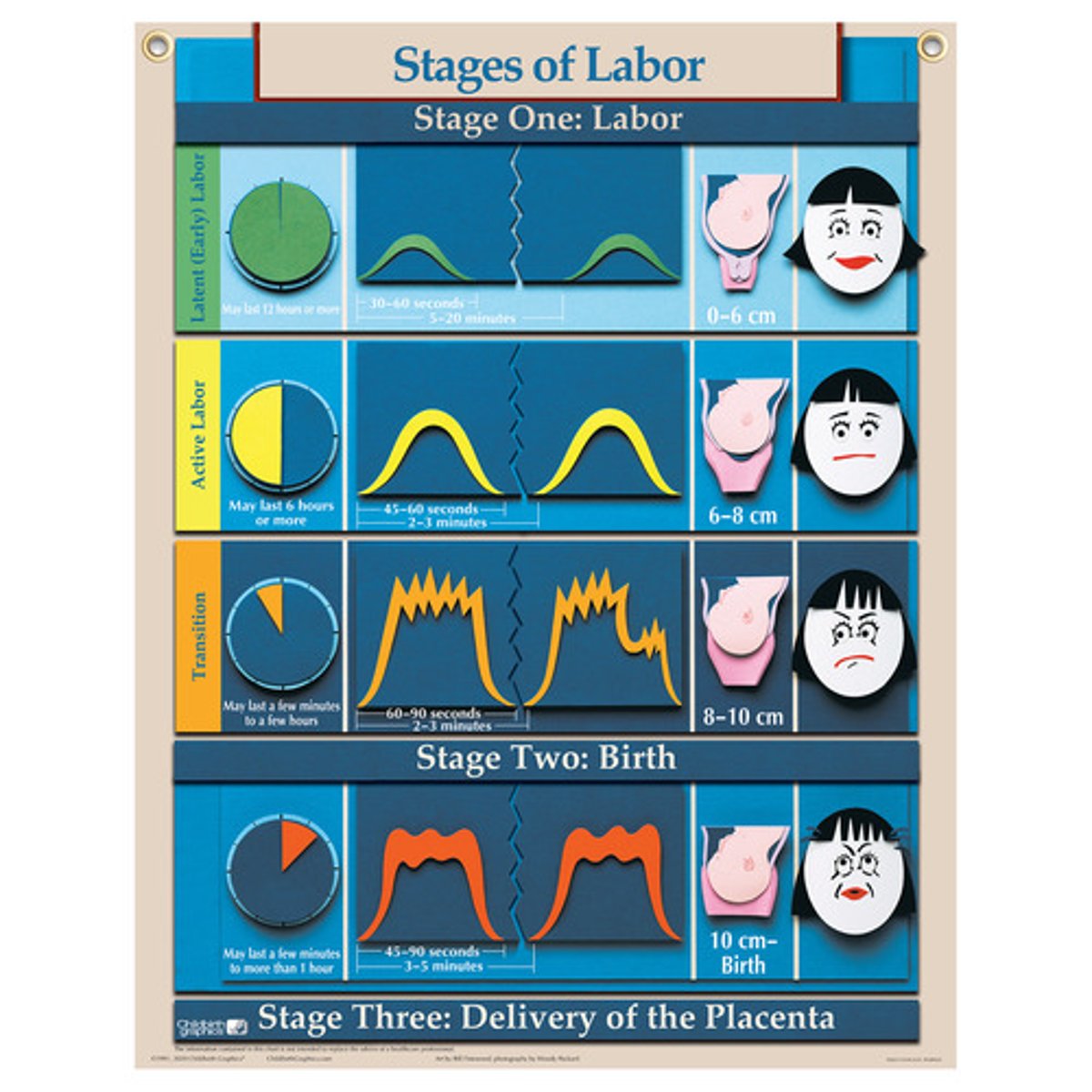
102. The client is admitted to the unit. A vaginal exam reveals that she is 2cm dilated. Which of the following statements would the nurse expect her to make?
"We have a name picked out for the baby."
"I need to push when I have a contraction."
"I can't concentrate if anyone is touching me."
"When can I get my epidural?"
"When can I get my epidural?"
C - indicates the end of the first stage of labor
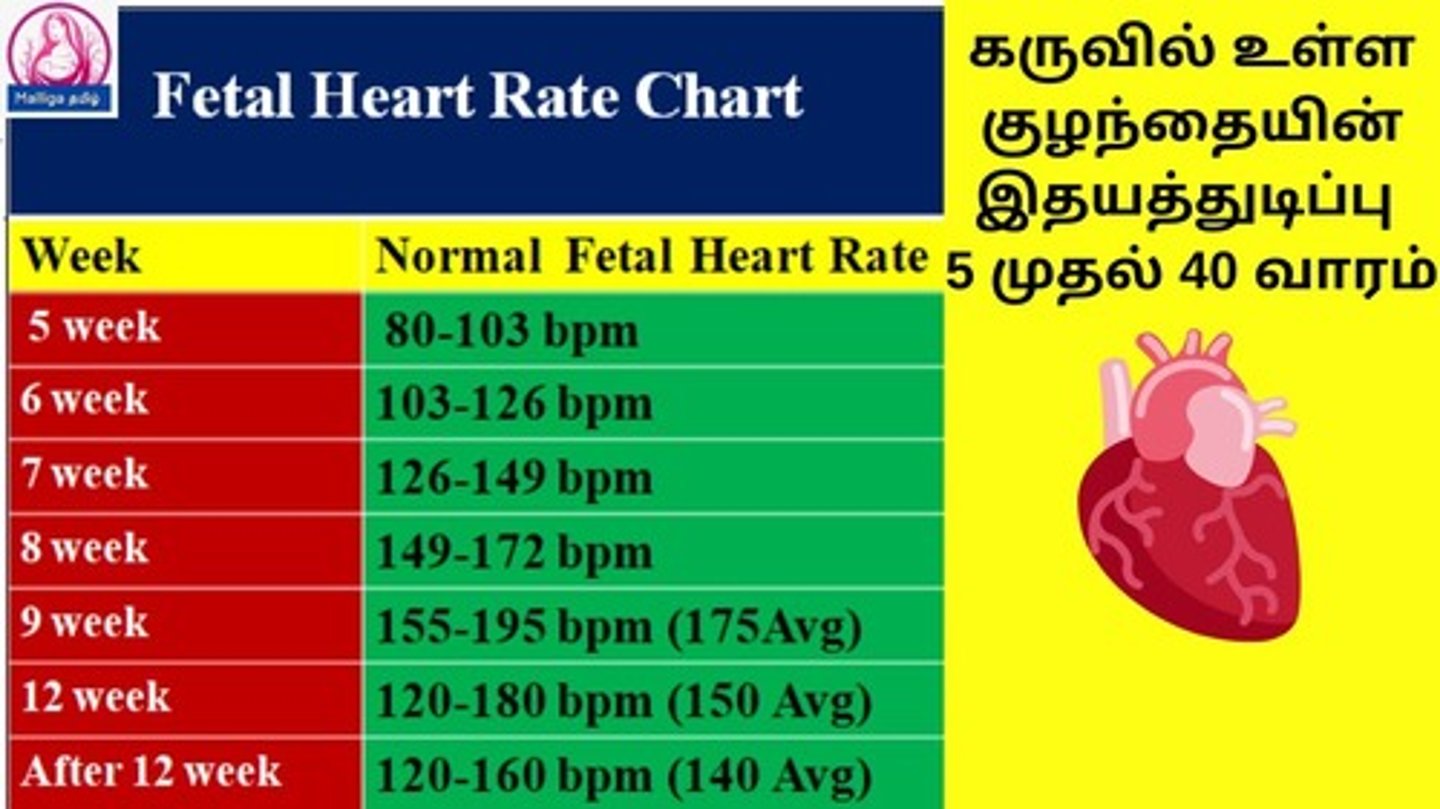
103. The client is having fetal heart rates of 90-110bpm during the contractions. The first action the nurse should take is:
Reposition the monitor
Turn the client to her left side
Ask the client to ambulate
Prepare the client for delivery
Turn the client to her left side.
The normal fetal heart rate is 120–160 bpm; 100–110bpm is bradycardia. The first action would be to turn the client to the left side and apply oxygen.
104. In evaluating the effectiveness of IV Pitocin for a client with secondary dystocia, the nurse should expect:
A painless delivery
Cervical effacement
Infrequent contractions
Progressive cervical dilation
Progressive cervical dilation.
The expected effect of Pitocin is cervical dilation. Pitocin causes more intense contractions. which can increase the pain. making answer A incorrect. Cervical effacement is caused by pressure on the presenting part. so answer B is incorrect. Answer C is opposite the action of Pitocin.
105. A vaginal exam reveals a footling breech presentation. The nurse should take which of the following actions at this time?
Anticipate the need for a Caesarean section
Apply the fetal heart monitor
Place the client in Genu Pectoral position
Perform an ultrasound exam
Apply the fetal heart monitor.
No need for:
Genupectoral position (knee-chest)
106. A vaginal exam reveals that the cervix is 4cm dilated, with intact membranes and a fetal heart tone rate of 160-170bpm. The nurse decides to apply an external fetal monitor. The rationale for this implementation is:
The cervix is closed.
The membranes are still intact.
The fetal heart tones are within normal limits.
The contractions are intense enough for insertion of an internal monitor.
The membranes are still intact.
The cervix is dilated enough to use an internal monitor. if necessary. An internal monitor can be applied if the client is at 0-station. Contraction intensity has no bearing on the application of the fetal monitor.
107. The following are all nursing diagnoses appropriate for a gravida 1 para 0 in labor. Which one would be most appropriate for the primagravida as she completes the early phase of labor?
Impaired gas exchange related to hyperventilation
Alteration in placental perfusion related to maternal position
Impaired physical mobility related to fetal-monitoring equipment
Potential fluid volume deficit related to decreased fluid intake
Potential fluid volume deficit related to decreased fluid intake.
Clients admitted in labor are told not to eat during labor. to avoid nausea and vomiting. Ice chips may be allowed. but this amount of fluid might not be sufficient to prevent fluid volume deficit. In answer A. impaired gas exchange related to hyperventilation would be indicated during the transition phase.
108. As the client reaches 8cm dilation, the nurse notes late decelerations on the fetal monitor. The FHR baseline is 165-175bpm with variability of 0-2bpm. What is the most likely explanation of this pattern?
A. The baby is asleep.
B. The umbilical cord is compressed.
C. There is a vagal response.
D. There is uteroplacental insufficiency.
There is uteroplacental insufficiency.
This information indicates a late deceleration. This type of deceleration is caused by uteroplacental lack of oxygen.
B - results in a variable deceleration
C - is indicative of an early deceleration.
109. The nurse notes variable decelerations on the fetal monitor strip. The most appropriate initial action would be to:
Notify her doctor
Start an IV
Reposition the client
Readjust the monitor
Reposition the client.
The initial action by the nurse observing a late deceleration should turn the client to the side—preferably. the left side. Administering oxygen is also indicated.
Variable Decelerations = umbilical cord is compressed
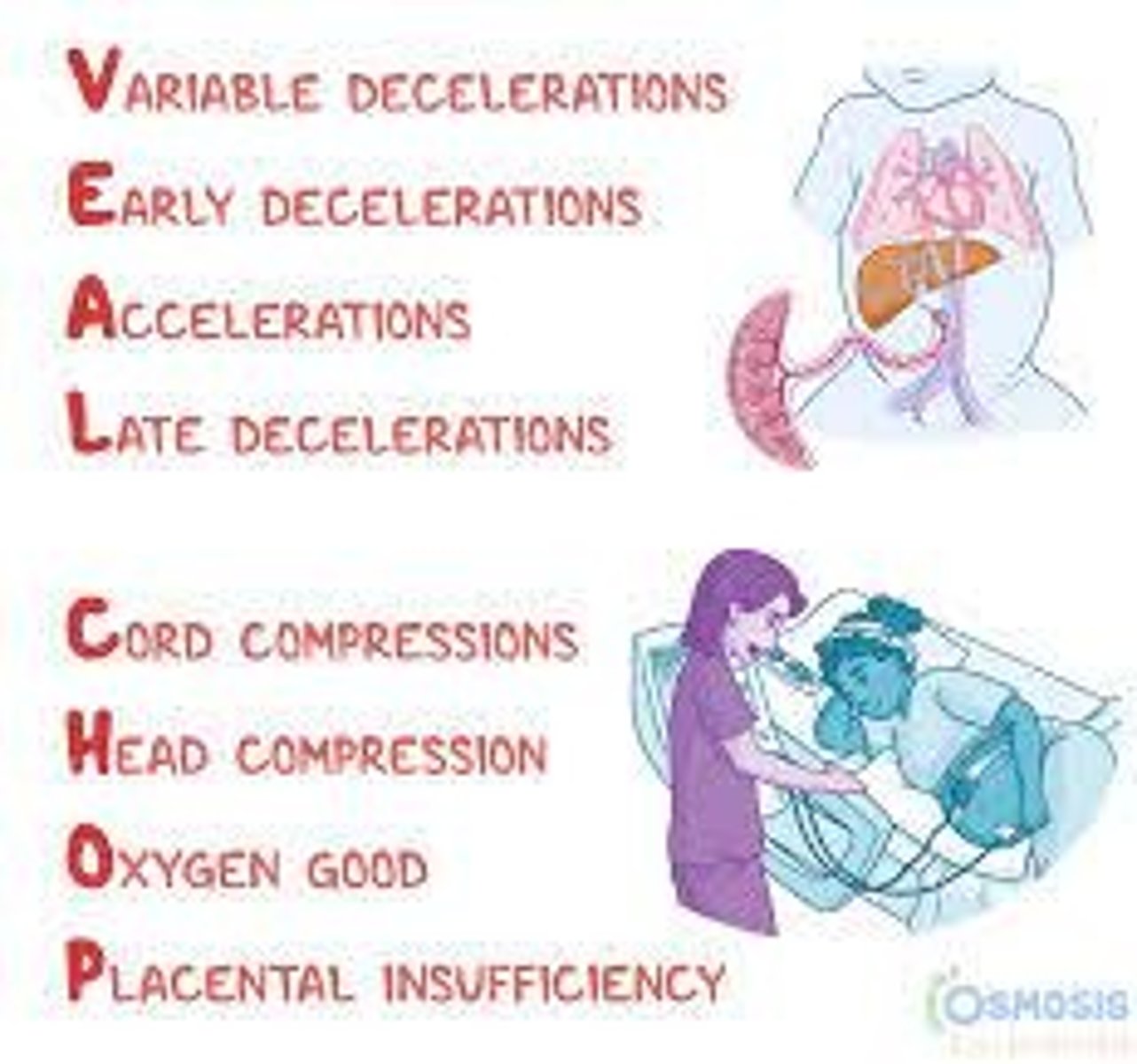
110. Which of the following is a characteristic of a reassuring fetal heart rate pattern?
A fetal heart rate of 170-180bpm
A baseline variability of 25-35bpm
Ominous periodic changes
Acceleration of FHR with fetal movements
Acceleration of FHR with fetal movements.
111. The rationale for inserting a French catheter every hour for the client with epidural anesthesia is:
The bladder fills more rapidly because of the medication used for the epidural.
Her level of consciousness is such that she is in a trancelike state.
The sensation of the bladder filling is diminished or lost.
She is embarrassed to ask for the bedpan that frequently.
The sensation of the bladder filling is diminished or lost.
Epidural anesthesia decreases the urge to void and sensation of a full bladder. A full bladder will decrease the progression of labor.
112. A client in the family planning clinic asks the nurse about the most likely time for her to conceive. The nurse explains that conception is most likely to occur when:
Estrogen levels are low.
Lutenizing hormone is high.
The endometrial lining is thin.
The progesterone level is low.
Lutenizing hormone is high.
Luteinizing hormone released by the pituitary is responsible for ovulation. At about day 14. the continued increase in estrogen stimulates the release of luteinizing hormone from the anterior pituitary. The LH surge is responsible for ovulation. or the release of the dominant follicle in preparation for conception. which occurs within the next 10–12 hours after the LH levels peak. Answers A. C. and D are incorrect because estrogen levels are high at the beginning of ovulation. the endometrial lining is thick. not thin. and the progesterone levels are high. not low.
113. A client tells the nurse that she plans to use the rhythm method of birth control. The nurse is aware that the success of the rhythm method depends on the:
Age of the client
Frequency of intercourse
Regularity of the menses
Range of the client's temperature
Regularity of the menses.
The success of the rhythm method of birth control is dependent on the client’s menses being regular.
114. A client with diabetes asks the nurse for advice regarding methods of birth control. Which method of birth control is most suitable for the client with diabetes?
Intrauterine device
Oral contraceptives
Diaphragm
Contraceptive sponge
Diaphragm.
The best method of birth control for the client with diabetes is the diaphragm. A permanent intrauterine device can cause a continuing inflammatory response in diabetics that should be avoided. oral contraceptives tend to elevate blood glucose levels. and contraceptive sponges are not good at preventing pregnancy.
115. The doctor suspects that the client has an ectopic pregnancy. Which symptom is consistent with a diagnosis of ectopic pregnancy?
Painless vaginal bleeding
Abdominal cramping
Throbbing pain in the upper quadrant
Sudden, stabbing pain in the lower quadrant
Sudden, stabbing pain in the lower quadrant.
The signs of an ectopic pregnancy are vague until the fallopian tube ruptures. The client will complain of sudden. stabbing pain in the lower quadrant that radiates down the leg or up into the chest.
Painless vaginal bleeding is a sign of placenta previa.
Abdominal cramping is a sign of labor. and throbbing pain in the upper quadrant is not a sign of an ectopic pregnancy.
117. The client with hyperemesis gravidarum is at risk for developing:
Respiratory alkalosis without dehydration
Metabolic acidosis with dehydration
Respiratory acidosis without dehydration
Metabolic alkalosis with dehydration
Metabolic acidosis with dehydration.
The client with hyperemesis has persistent nausea and vomiting. With vomiting comes dehydration. When the client is dehydrated. she will have metabolic acidosis. Answers A and C are incorrect because they are respiratory dehydration. Answer D is incorrect because the client will not be in alkalosis with persistent vomiting.
119. The nurse is caring for a neonate whose mother is diabetic. The nurse will expect the neonate to be:
Hypoglycemic, small for gestational age
Hyperglycemic, large for gestational age
Hypoglycemic, large for gestational age
Hyperglycemic, small for gestational age
Hypoglycemic, large for gestational age.
The infant of a diabetic mother is usually large for gestational age. After birth. glucose levels fall rapidly due to the absence of glucose from the mother.
120. Which of the following instructions should be included in the nurse's teaching regarding oral contraceptives?
Weight gain should be reported to the physician.
An alternate method of birth control is needed when taking antibiotics.
If the client misses one or more pills, two pills should be taken per day for 1 week.
Changes in the menstrual flow should be reported to the physician.
An alternate method of birth control is needed when taking antibiotic.
When the client is taking oral contraceptives and begins antibiotics. another method of birth control should be used. Antibiotics decrease the effectiveness of oral contraceptives.
122. A client is admitted to the labor and delivery unit complaining of vaginal bleeding with very little discomfort. The nurse's first action should be to:
Assess the fetal heart tones
Check for cervical dilation
Check for firmness of the uterus
Obtain a detailed history
Assess the fetal heart tones.
The symptoms of painless vaginal bleeding are consistent with placenta previa. Answers B. C. and D are incorrect. Cervical check for dilation is contraindicated because this can increase the bleeding. Checking for firmness of the uterus can be done. but the first action should be to check the fetal heart tones.
123. A client telephones the emergency room stating that she thinks that she is in labor. The nurse should tell the client that labor has probably begun when:
Her contractions are 2 minutes apart.
She has back pain and a bloody discharge.
She experiences abdominal pain and frequent urination.
Her contractions are 5 minutes apart.
Her contractions are 5 minutes apart.
The client should be advised to come to the labor and delivery unit when the contractions are every 5 minutes and consistent. She should also be told to report to the hospital if she experiences rupture of membranes or extreme bleeding. She should not wait until the contractions are every 2 minutes or until she has bloody discharge.
124. The nurse is teaching a group of prenatal clients about the effects of cigarette smoke on fetal development. Which characteristic is associated with babies born to mothers who smoked during pregnancy?
Low birth weight
Large for gestational age
Preterm birth, but appropriate size for gestation
Growth retardation in weight and length
Low birth weight.
Infants of mothers who smoke are often low in birth weight.
Infants who are large for gestational age are associated with diabetic mothers. so answer B is incorrect. Preterm births are associated with smoking. but not with appropriate size for gestation. making answer C incorrect. Growth retardation is associated with smoking. but this does not affect the infant length.