Lab Equipment and Safety Practice Flashcards
 Call Kai
 Learn
Learn Practice Test
 Spaced Repetition
 Match
Match Flashcards
 Knowt Play
1/39

Earn XP
Description and Tags
A comprehensive vocabulary set covering laboratory equipment functions, Bunsen burner characteristics, and standard laboratory safety protocols based on the lecture notes.
Name | Mastery | Learn | Test | Matching | Spaced | Call with Kai | Chat |
|---|
No analytics yet
Send a link to your students to track their progress
40 Terms
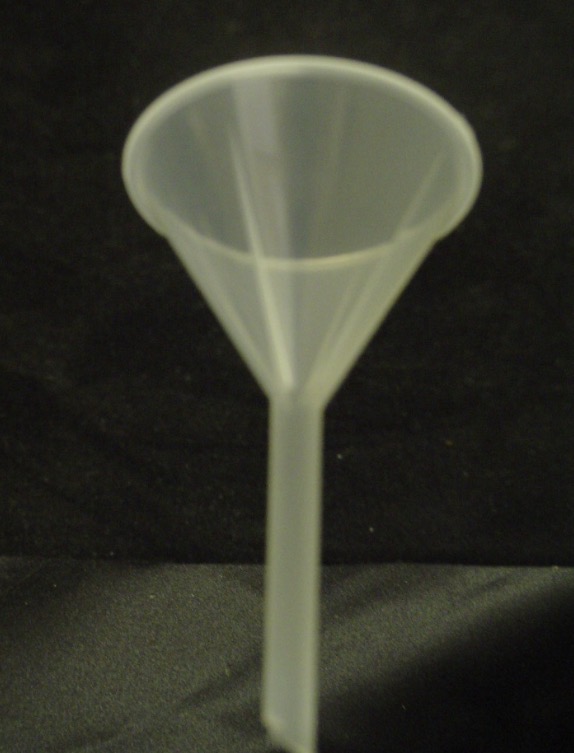
Funnel
Helps to transfer liquids and holds filter paper for filtration.
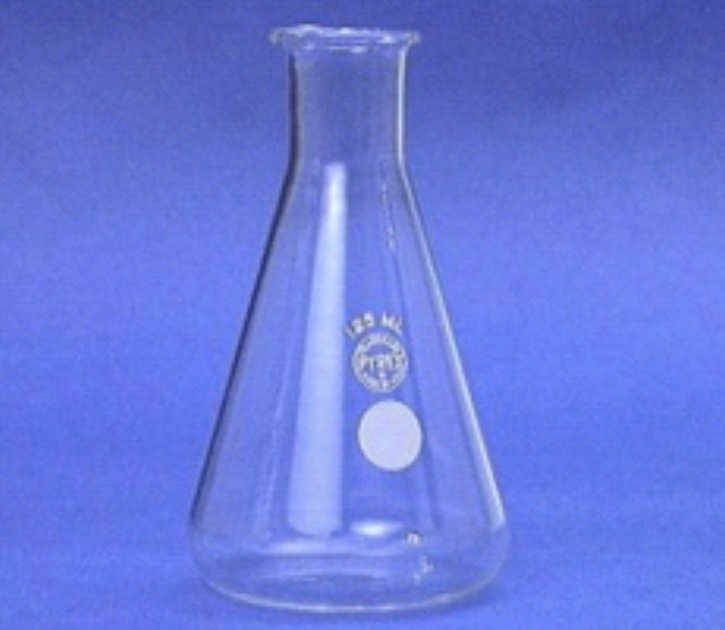
Erlenmeyer Flask
Holds solids and/or liquids and allows you to easily mix liquids by swirling.
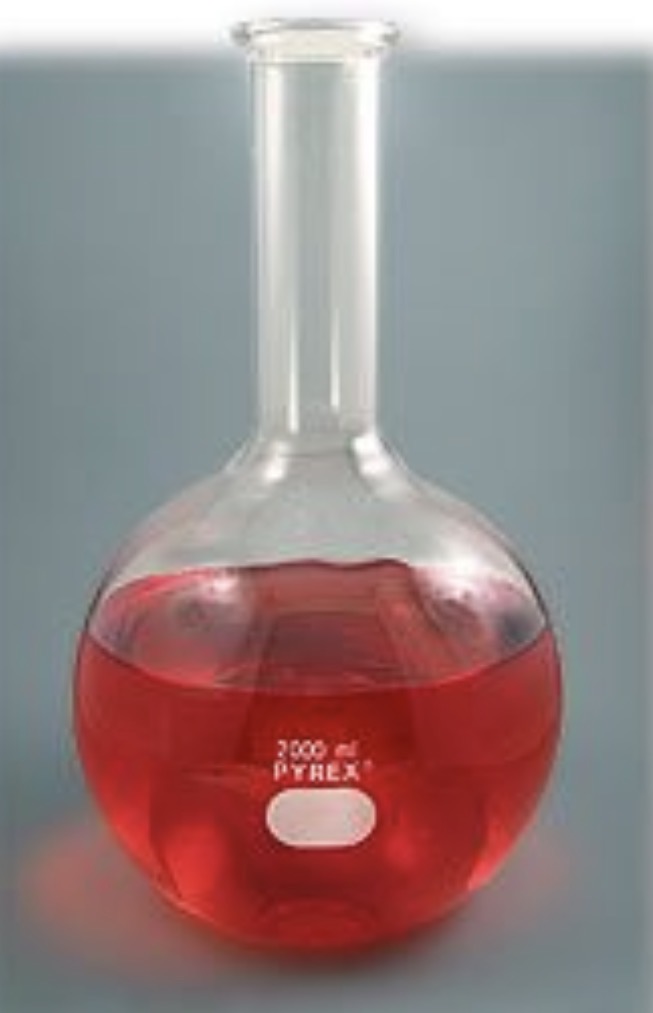
Florence Flask
Flask that allows for uniform heating, especially during distillation.
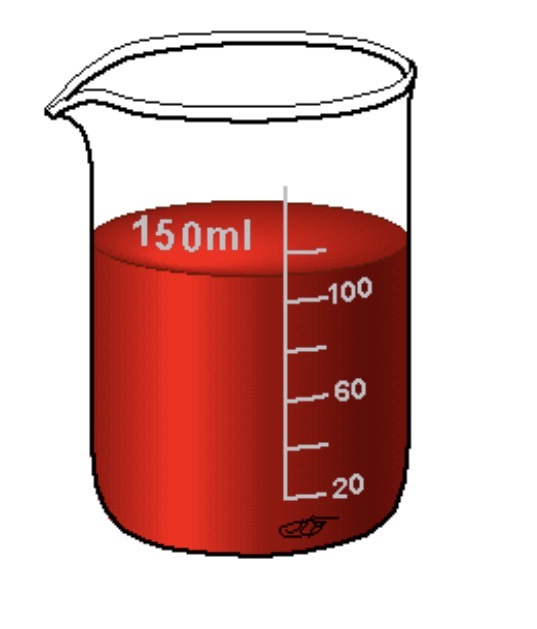
Beaker
Used to hold liquids or to heat them.
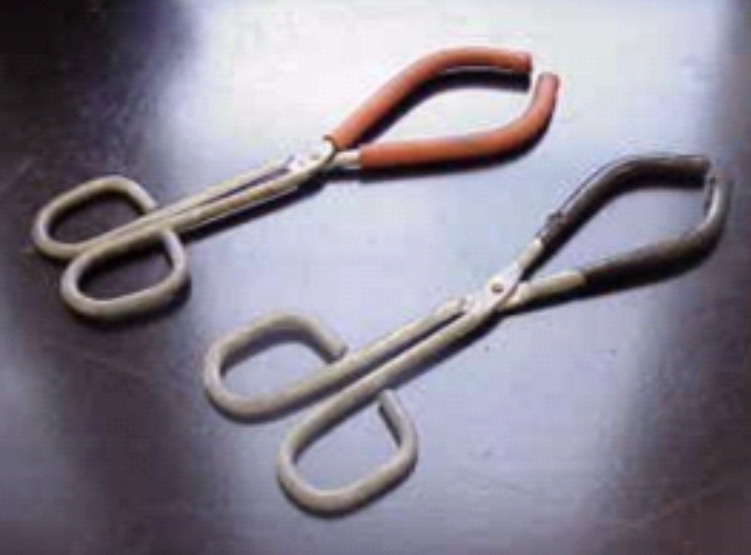
Beaker Tongs
Used to move beakers containing hot liquids.
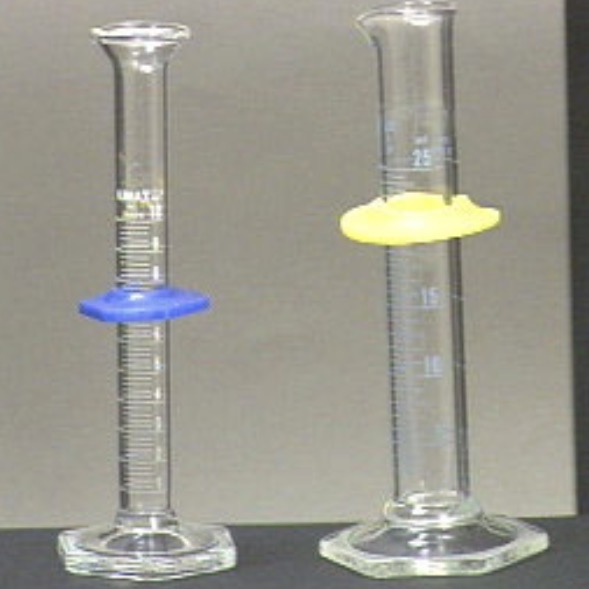
Graduated Cylinders
The most accurate way to measure liquid volume.
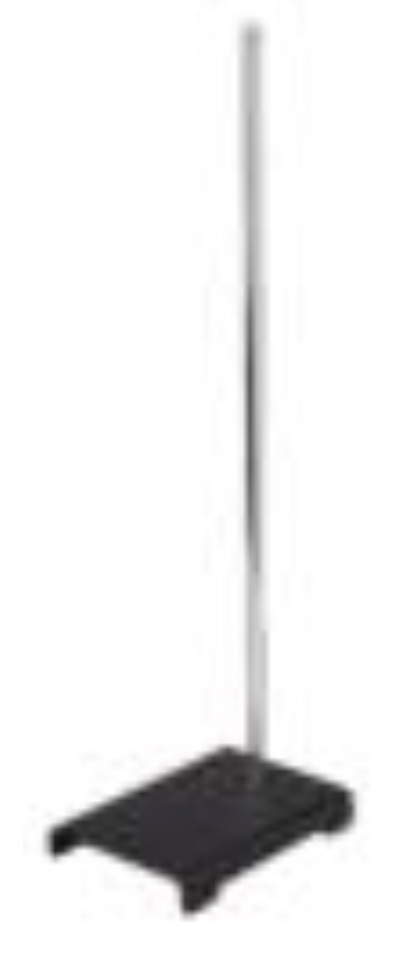
Ring Stand
A metal stand that supports other equipment.
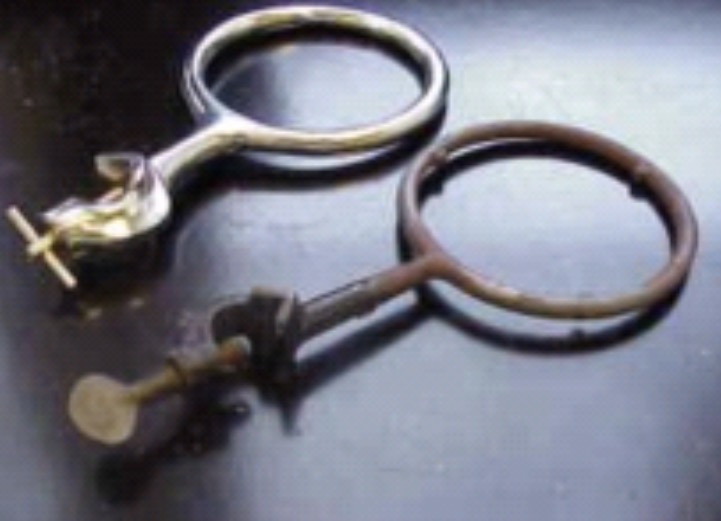
Iron Ring/O-rings
Connects to a ring stand and elevates and holds equipment.
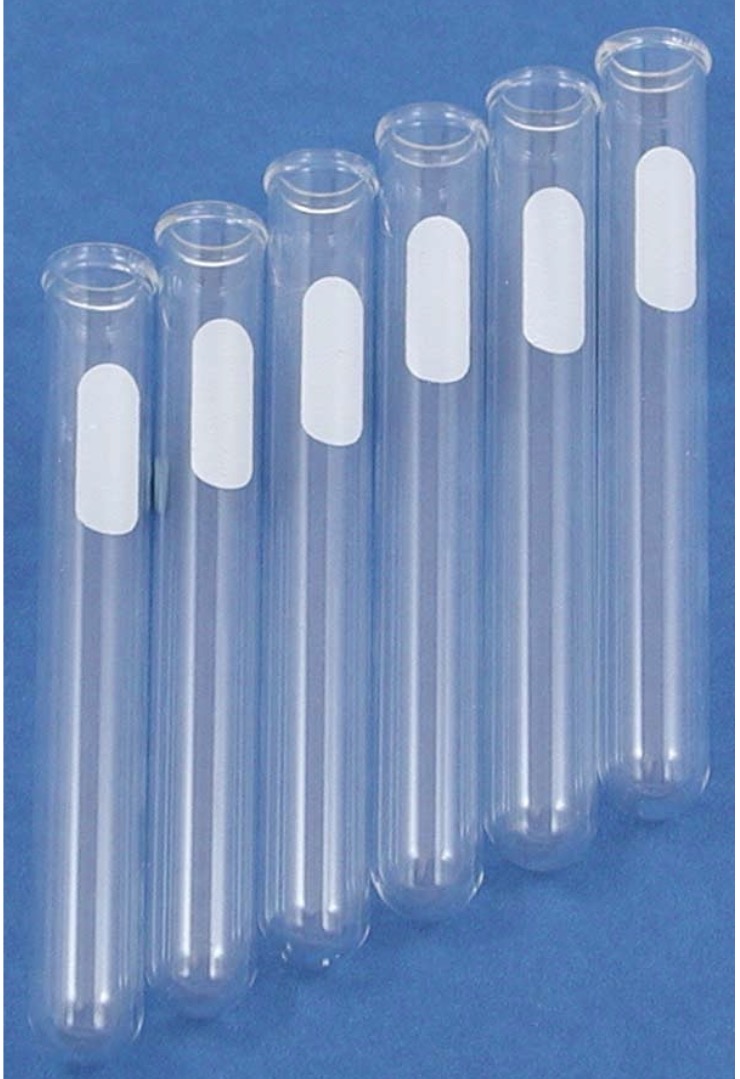
Test Tubes
Used to hold liquids and mix chemicals.
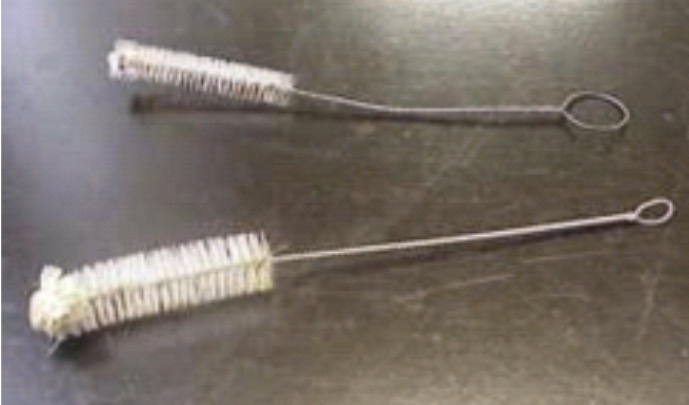
Test tube brushes
Used to clean equipment.
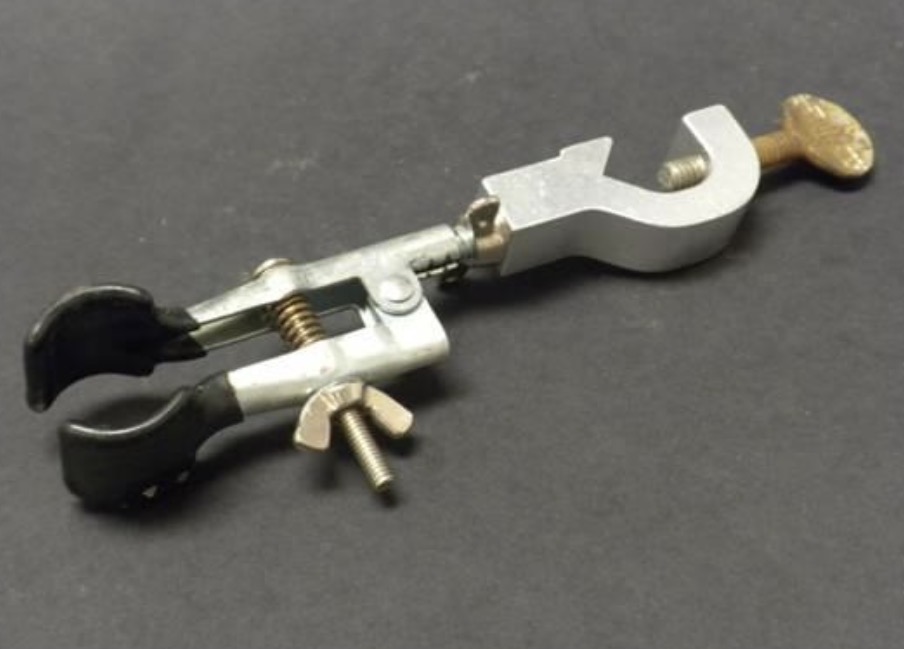
Test Tube Clamp
Used to secure a test tube to the ring stand.
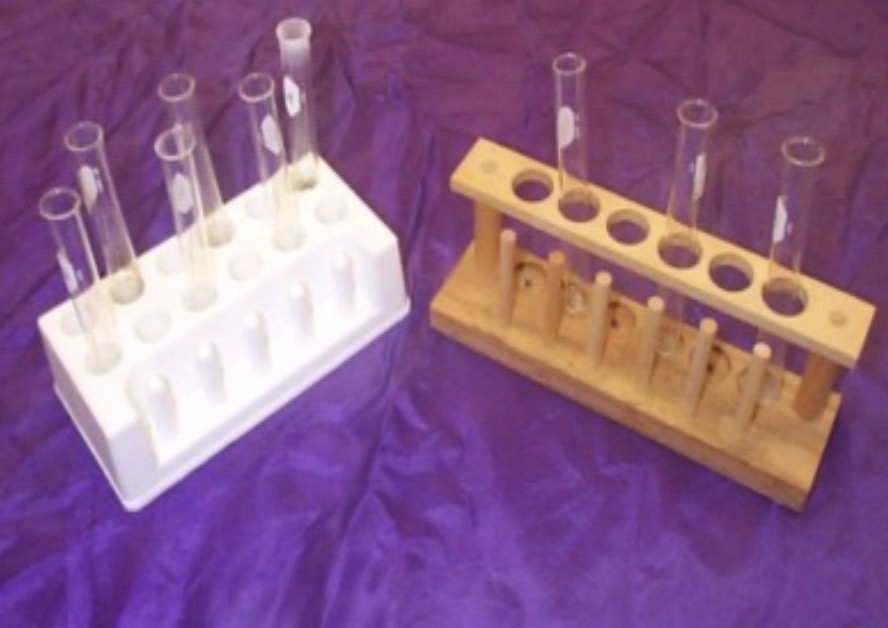
Test tube racks
Used for holding and organizing test tubes on the laboratory counter.
Test tube holder
Useful for holding a test tube which is too hot to handle.
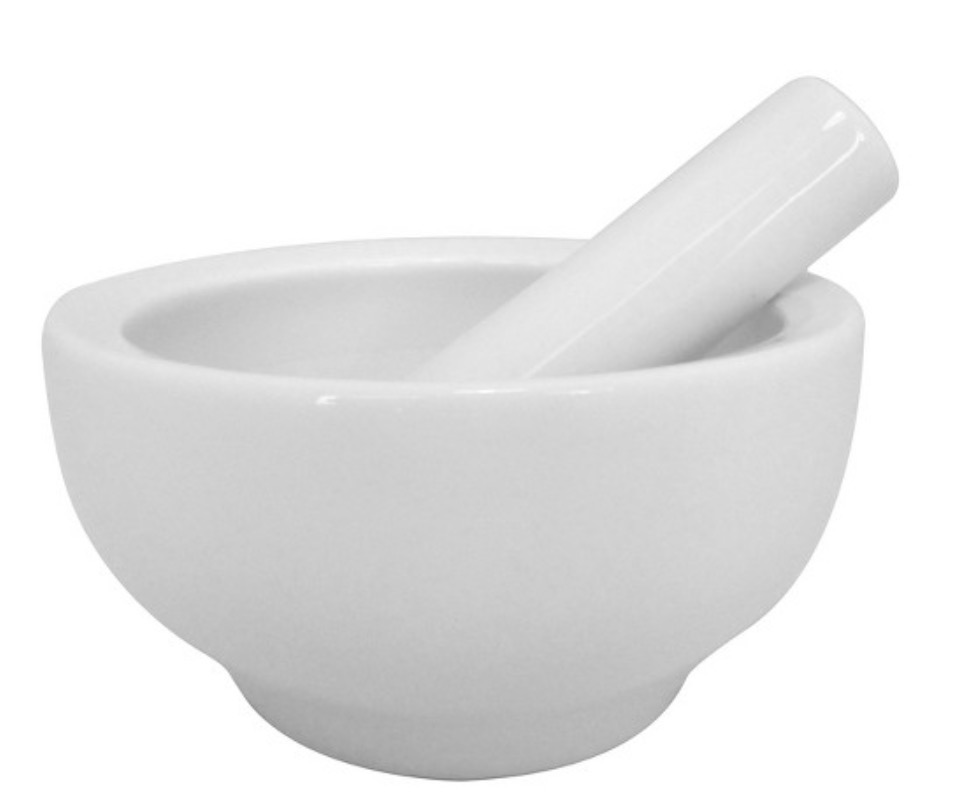
Mortar and Pestle
Used to crush solids into powders; also serving as a symbol for pharmacies.
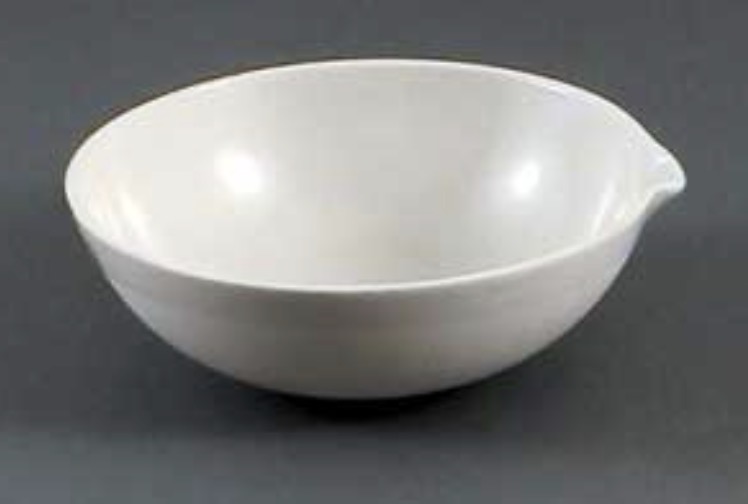
Evaporating Dish
Used to evaporate liquids and mixtures.
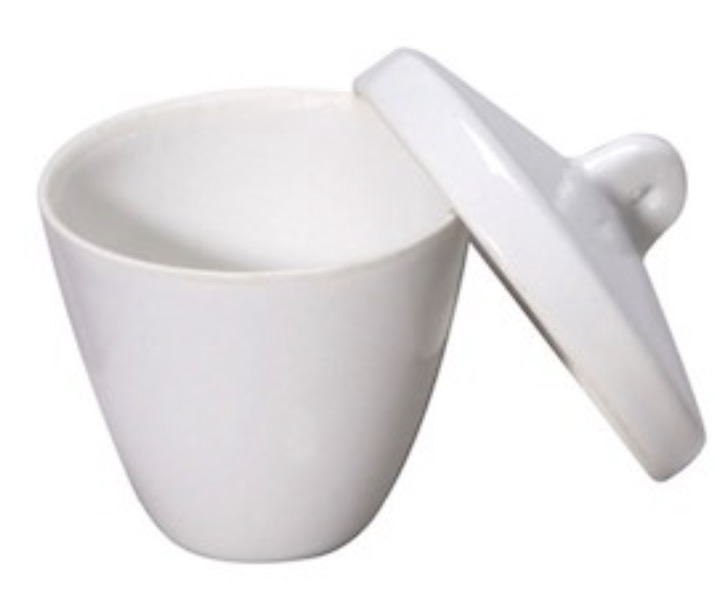
Crucible
A small ceramic bowl used to heat material to very high temperatures.
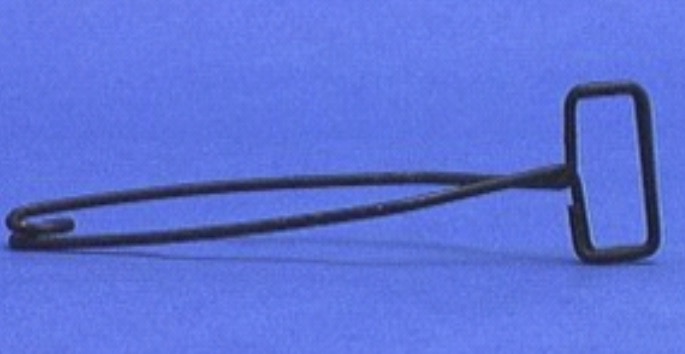
Crucible Tongs
Used for handling hot crucibles or picking up other hot objects.
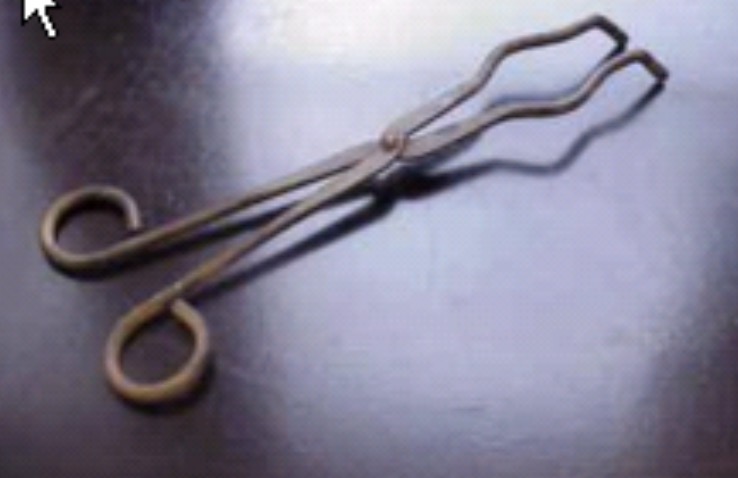
Clay Triangle
Used as support for equipment being heated or for a funnel when filtering.
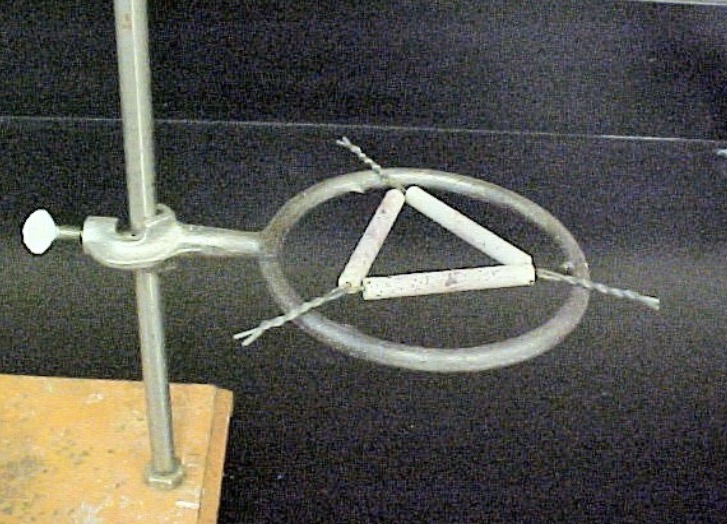
Wire Screen/Mesh
Sits on the iron ring to provide a flat base to stand a beaker.
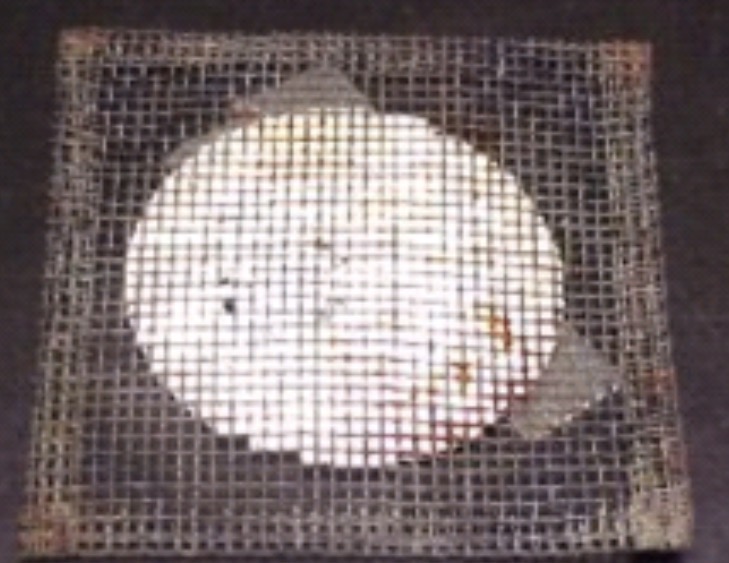
Dropper/Pipette
Transfers or measures liquids in small quantities, sometimes drop by drop.
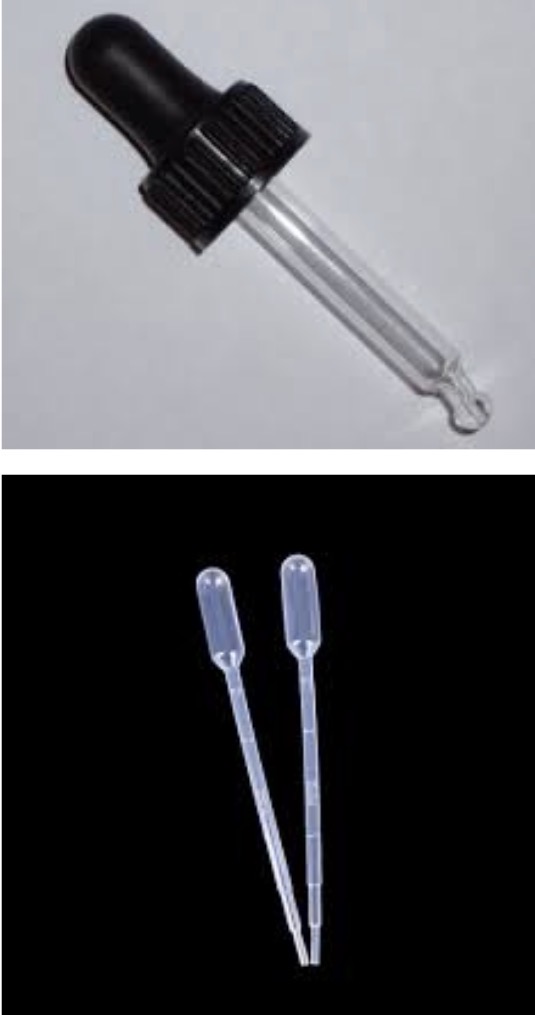
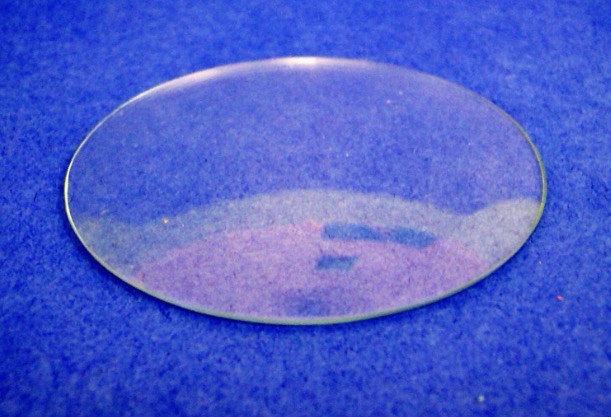
Watch Glass
Used to hold a small amount of solid, such as a reaction product, or to prevent spattering.
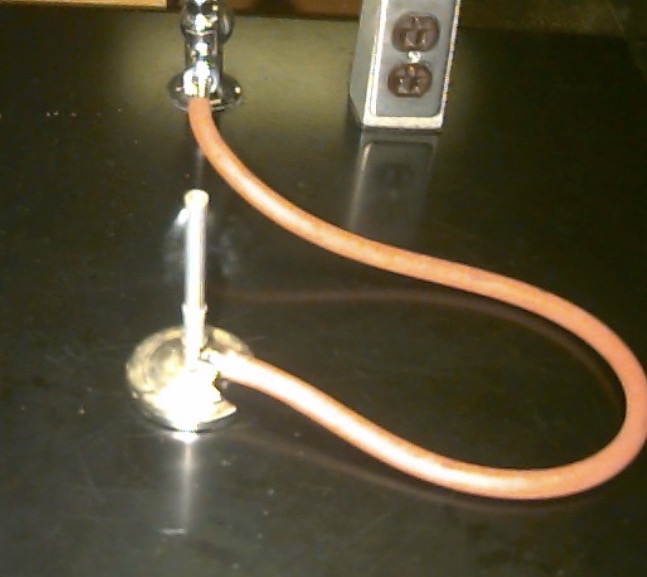
Bunsen Burner
A heat source used for heating liquids and solids.
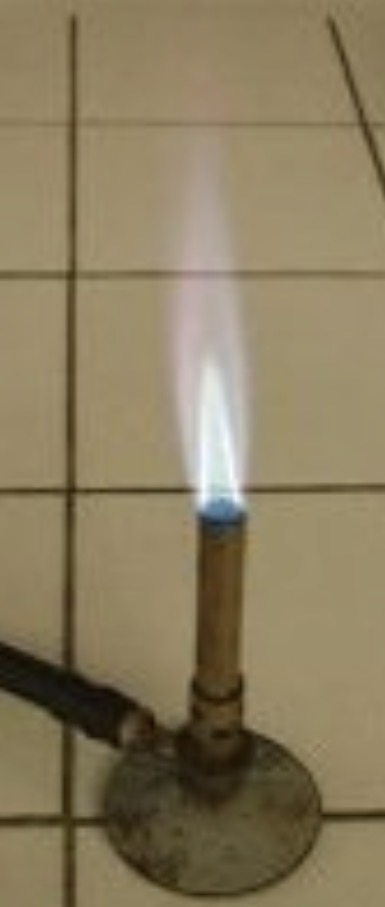
Good Flame Temperature
800∘C
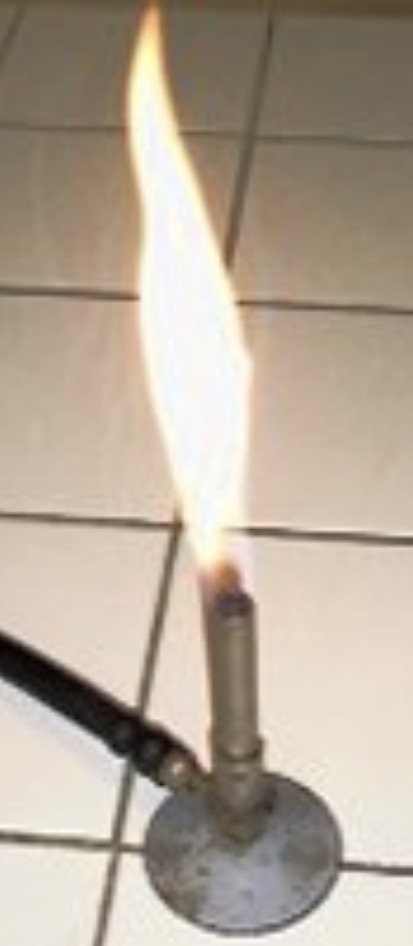
Bad Flame Temperature
300∘C
Hottest Point of Bunsen Flame
The top of the light blue inner cone.
Spatulas and Scoopulas
Tools used to transfer chemicals.
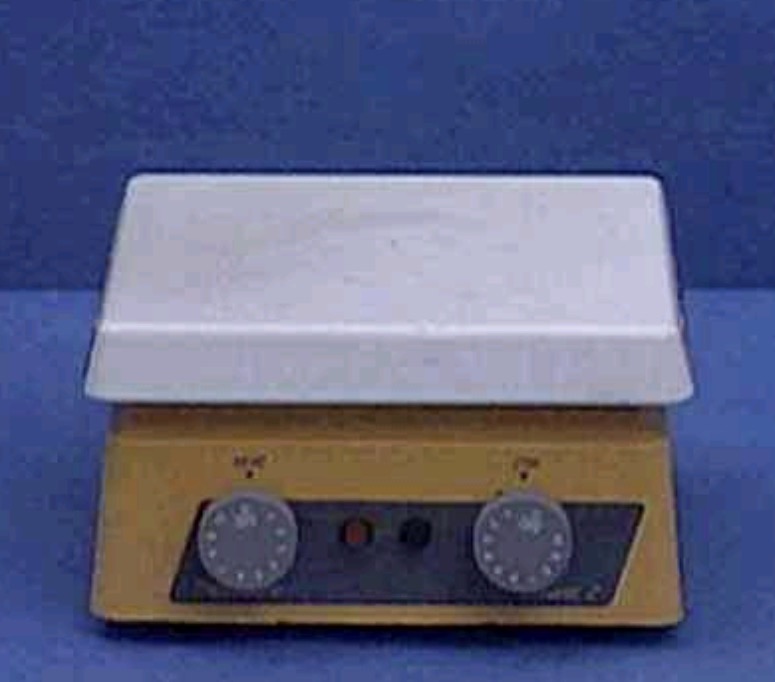
Hot Plate
Used for heating objects or containers.
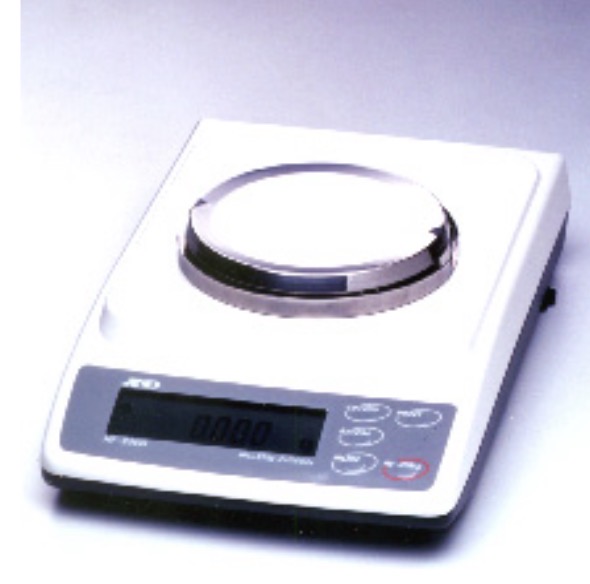
Electronic Balance
Used to mass materials; paper should always be used to protect it from chemicals.
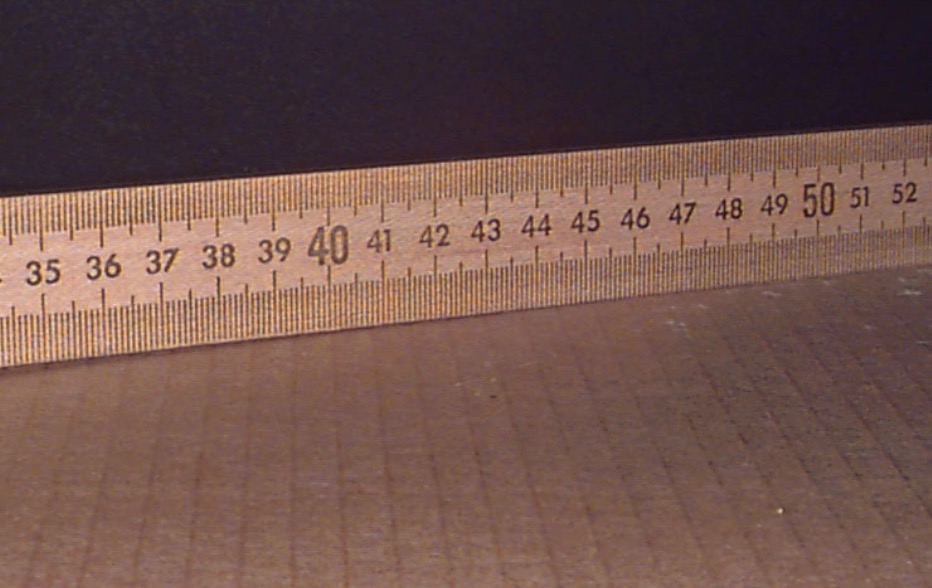
Meter Stick
Used to measure length; the SI unit is the meter.
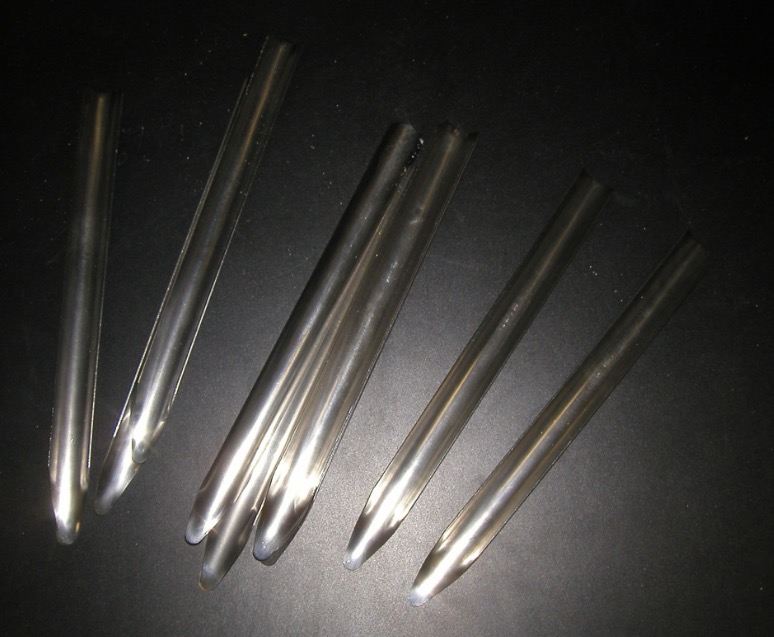
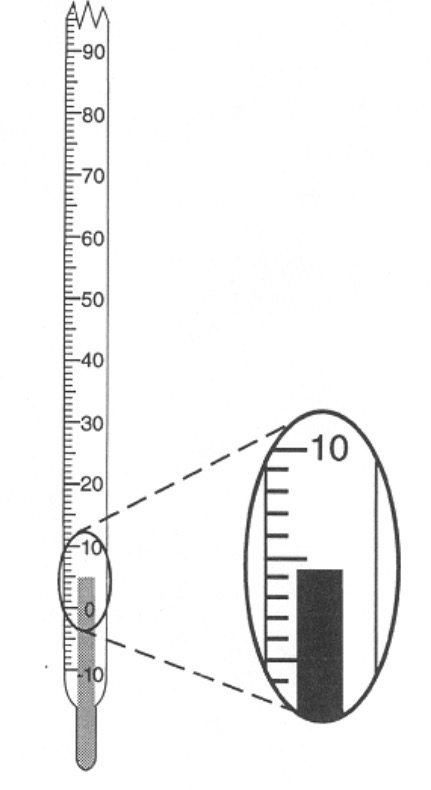
Thermometer
Used to measure temperature in units of ∘C (Kelvin is the SI unit).
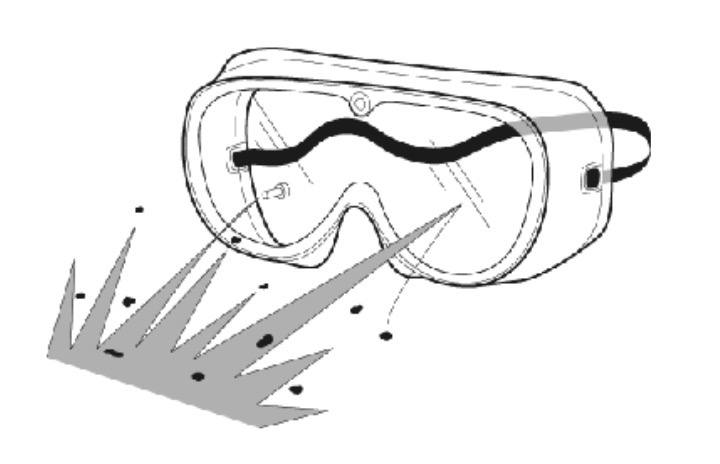
Goggles
Equipment that protects your eyes.
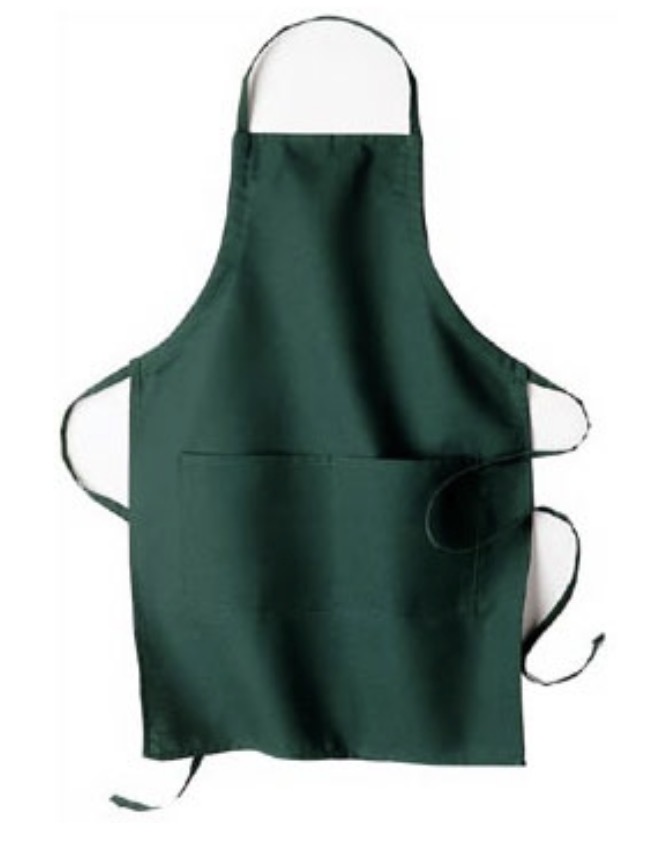
Aprons
Protects your clothes from spills and chemicals.
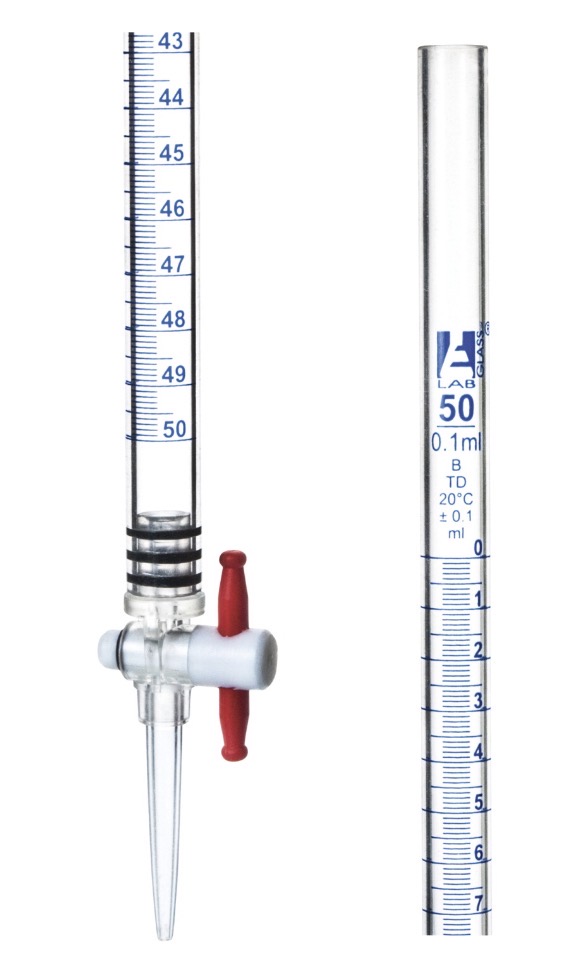
Buret
Precisely measures the volume of a liquid used in a reaction, commonly used in Titrations.
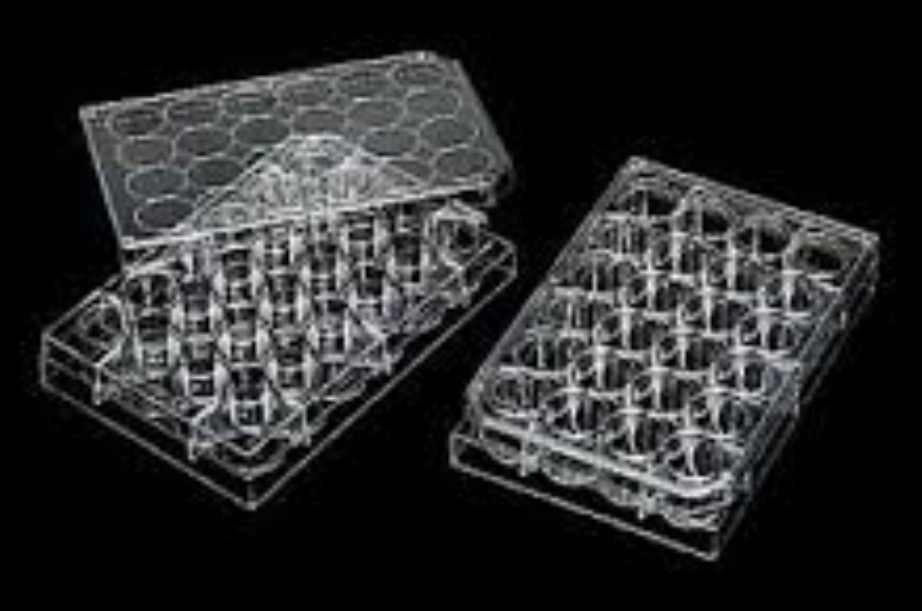
Well Plate
Used to mix small amounts of chemicals.
Wafting
Technique used to test chemical odor safely.
Acid Neutralization
Neutralize acids with sodium bicarbonate.
Base Neutralization
Neutralize bases with acetic acid.
Acid Addition Rule
Always add acid to water, never water to acid.
Radiation Safety
Indicates substances are radioactive and are an immediate danger to living organisms.
Biological Hazard Safety
Indicates the substance contains infectious and disease-causing substances.