Anatomy Final Practical
 Call Kai
 Learn
Learn Practice Test
 Spaced Repetition
 Match
Match Flashcards
 Knowt Play
1/185

There's no tags or description
Looks like no tags are added yet.
Name | Mastery | Learn | Test | Matching | Spaced | Call with Kai |
|---|
No analytics yet
Send a link to your students to track their progress
186 Terms
Olfactory Nerve (I) (sensory) TEST
blindfold/closed eyes --> closes one nostril, while attempting to identify a smell such as coffee (then repeated on other side)
optic nerve (II) (sensory) TEST
color blind: printed dot figures (do you see a number)
vision: Snellen chart
Oculomotor Nerve (III) , Trochlear Nerve (IV) , & Abducens Nerve (VI) (all motor) TEST
accommodation: subject seated and looking straight ahead. Starting with a pen or your finger about a foot away from the subject's face, move your finger in towards the nose while they follow with their eyes
eye movement: With subject seated, looking straight ahead, use a pen to slowly trace a compass shape while they follow with their eyes. --> If all muscles are working properly, eye movement should be symmetrical & easy
Trigeminal Nerve (V) (mixed) TEST
Sensation: Using a q-tip test sensation on the three zones supplied by the branches of the trigeminal nerve
Motor: The trigeminal nerve supplies the masseter muscle, and symmetry and strength can be gently palpated when you ask the subject to clench their jaw.
Facial nerve (VII) (mixed) TEST
Motor: have the subject mirror your face through several different expressions
Sensory: sensation can be tested using droppers of sweet, salty, sour, and bitter solutions
vestibulocochlear (VIII) (sensory) - CHOCHLEAR ASPECTS TEST
hearing: Rhinne Test: the subject is seated in a comfortable position. A fork is applied to the mastoid process, and when the subject no longer hears the sound, it is moved (without striking it again) next to the ear, where the subject should again be able to hear the sound.
Weber Test: a 256 Hz or a 521 Hz tuning fork is struck and applied to the top of the head, and the patient is asked if it can be heard louder on one side vs. the other side.
vestibulocochlear (VIII) (sensory) - vestibular TEST
Romberg's Test: The subject is asked to stand with feet placed together, and cross their arms in front of them. The subject's ability to stand upright and balanced with the eyes open is observed for about 30 seconds, and then the subject is asked to close their eyes. The examiner evaluates the movement and balance of the subject in both scenarios.
Glossopharyngeal Nerve (IX) (mixed) TEST
sensation: provides taste sensation to the posterior 1/3 of the tongue, droppers used
Glossopharyngeal and Vagus Motor TEST
motor part of the vagus can be tested by observing symmetry of the palate, uvula and pharynx when the subject says "ahhh"
Vagus (X) (mixed) TEST
sensory: The gag reflex is controlled by both CN IX and X
Accessory (XI) (motor) TEST
Motor: Muscle testing of the two muscles supplied by this nerve - the sternocleidomastoid and the trapezius
hypoglossal (XII) (motor) TEST
Motor: observe tongue movements for symmetry. If you have the subject stick out their tongue, it should remain on the central line of the face. If there is weakness, it will deviate towards the side of a lesion or injury
Olfactory CN I (carries smell, special sensory)
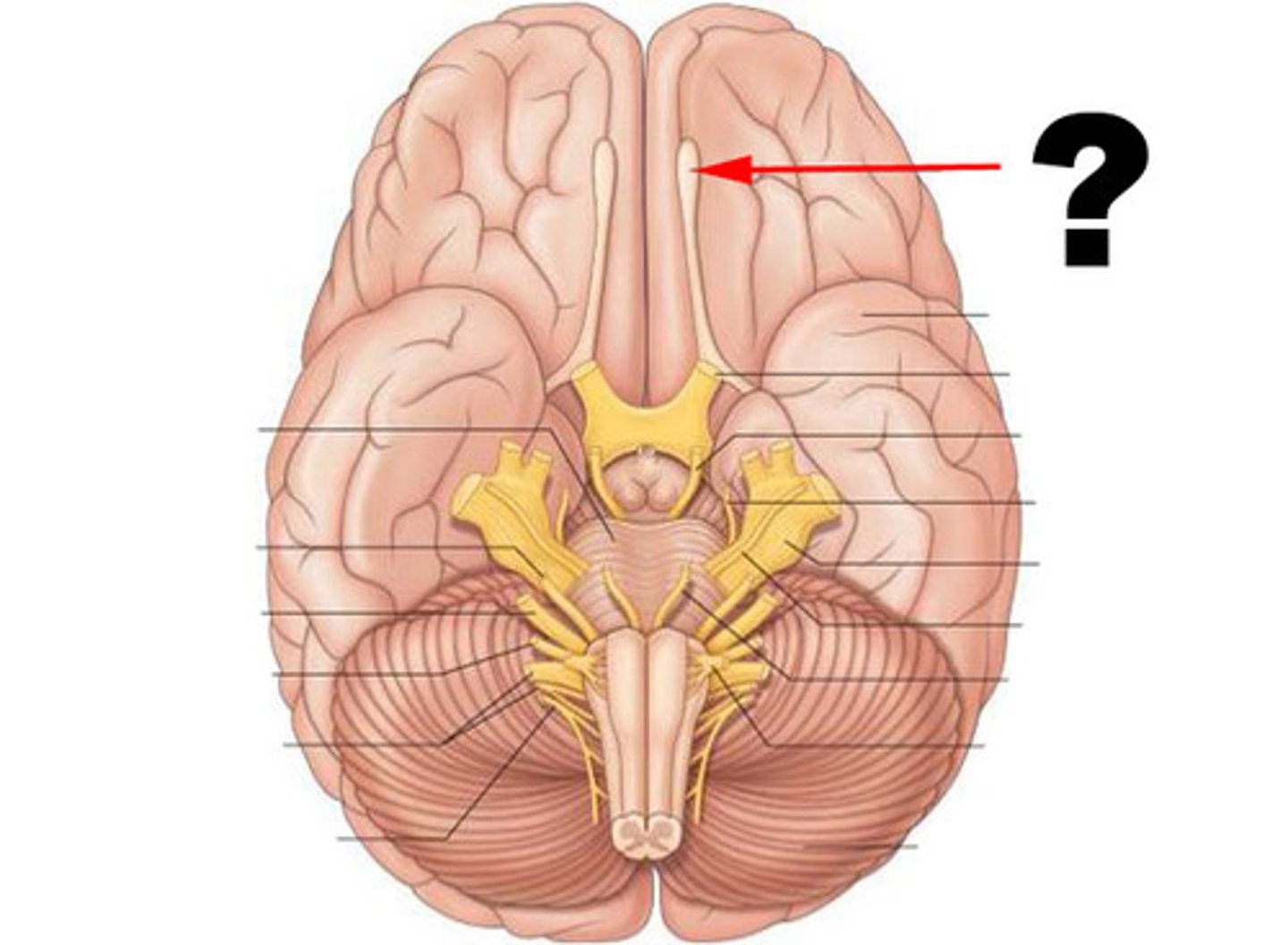
Optic nerve CN II (carries sight, special sensory)
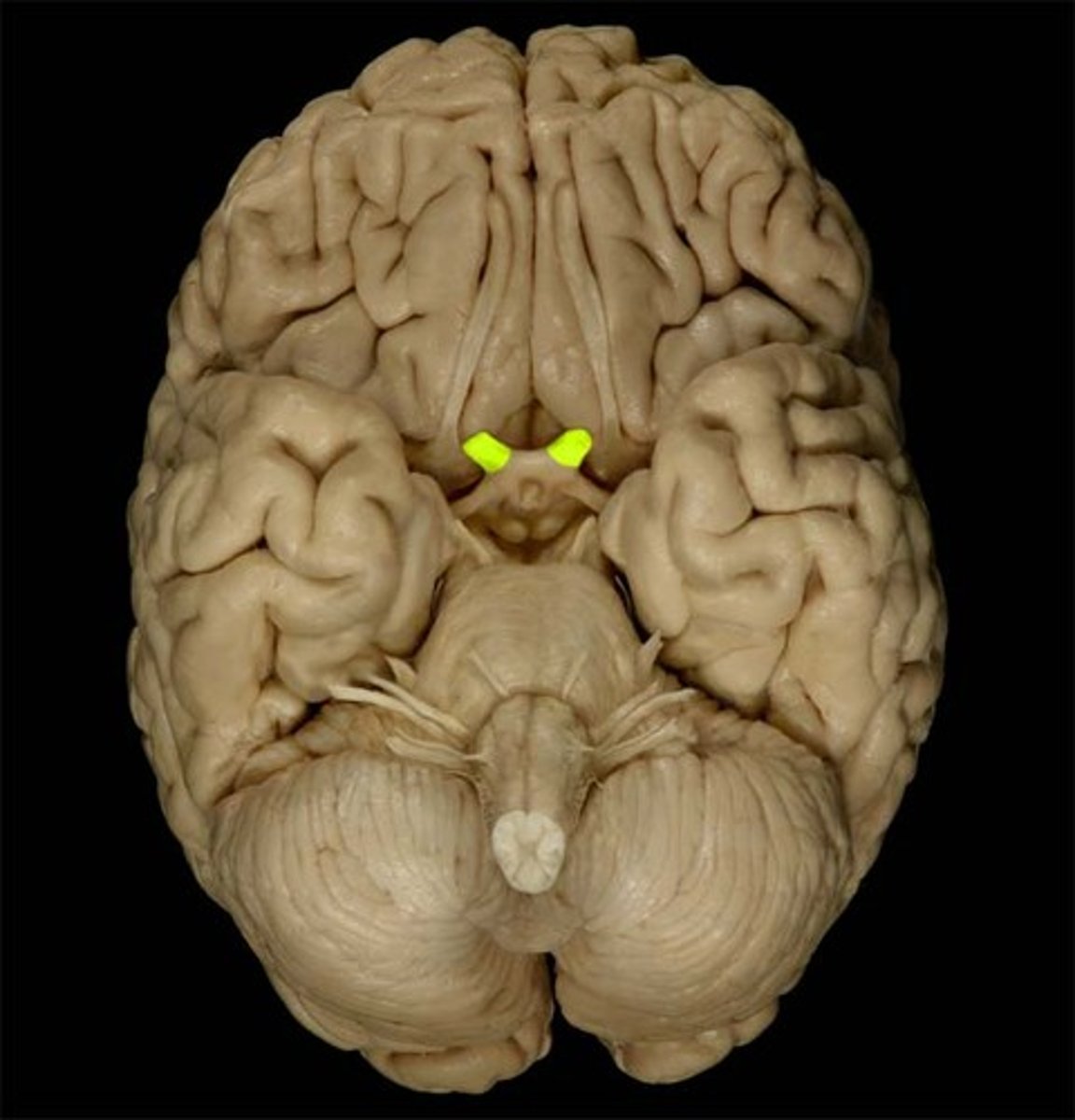
Pituitary gland
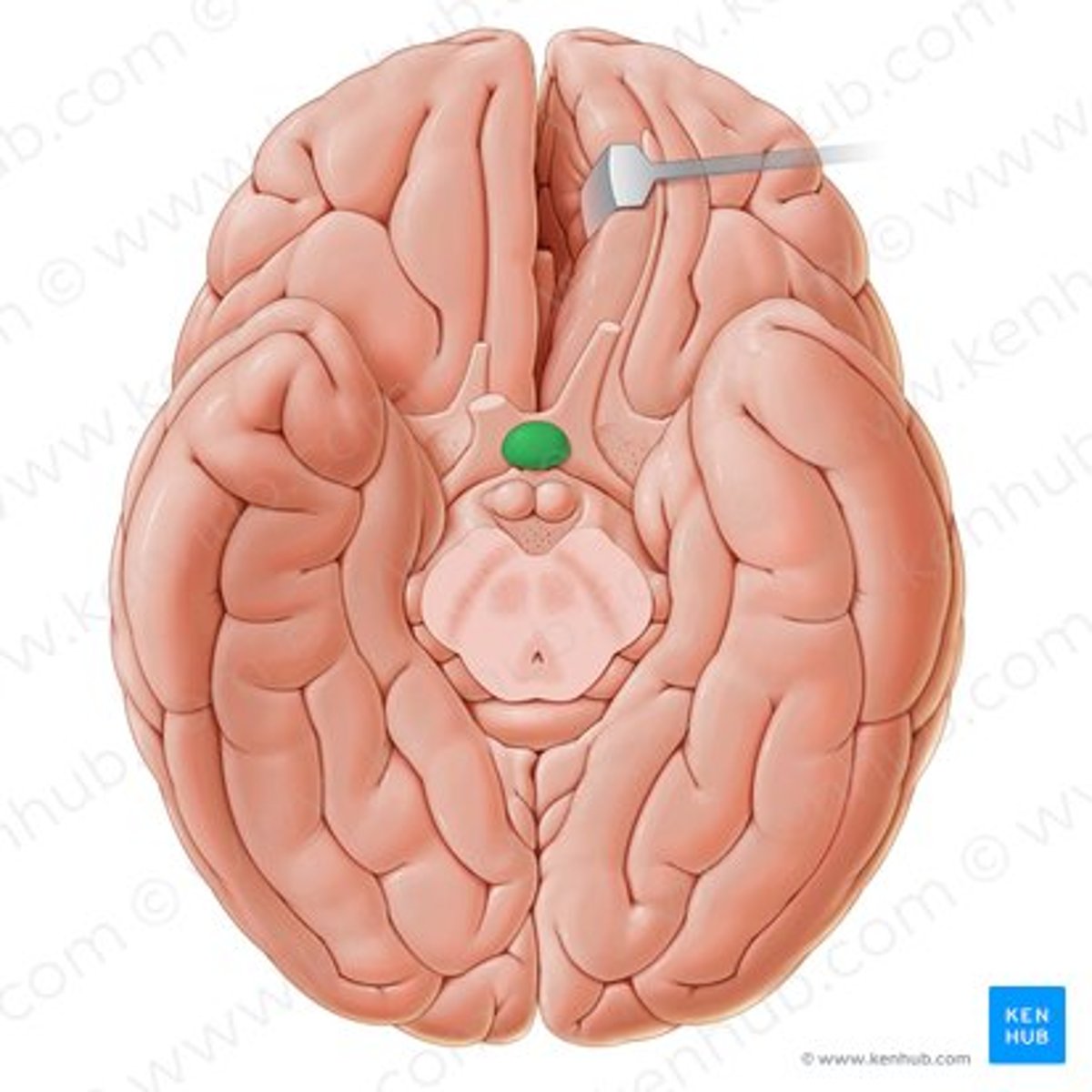
mammillary body
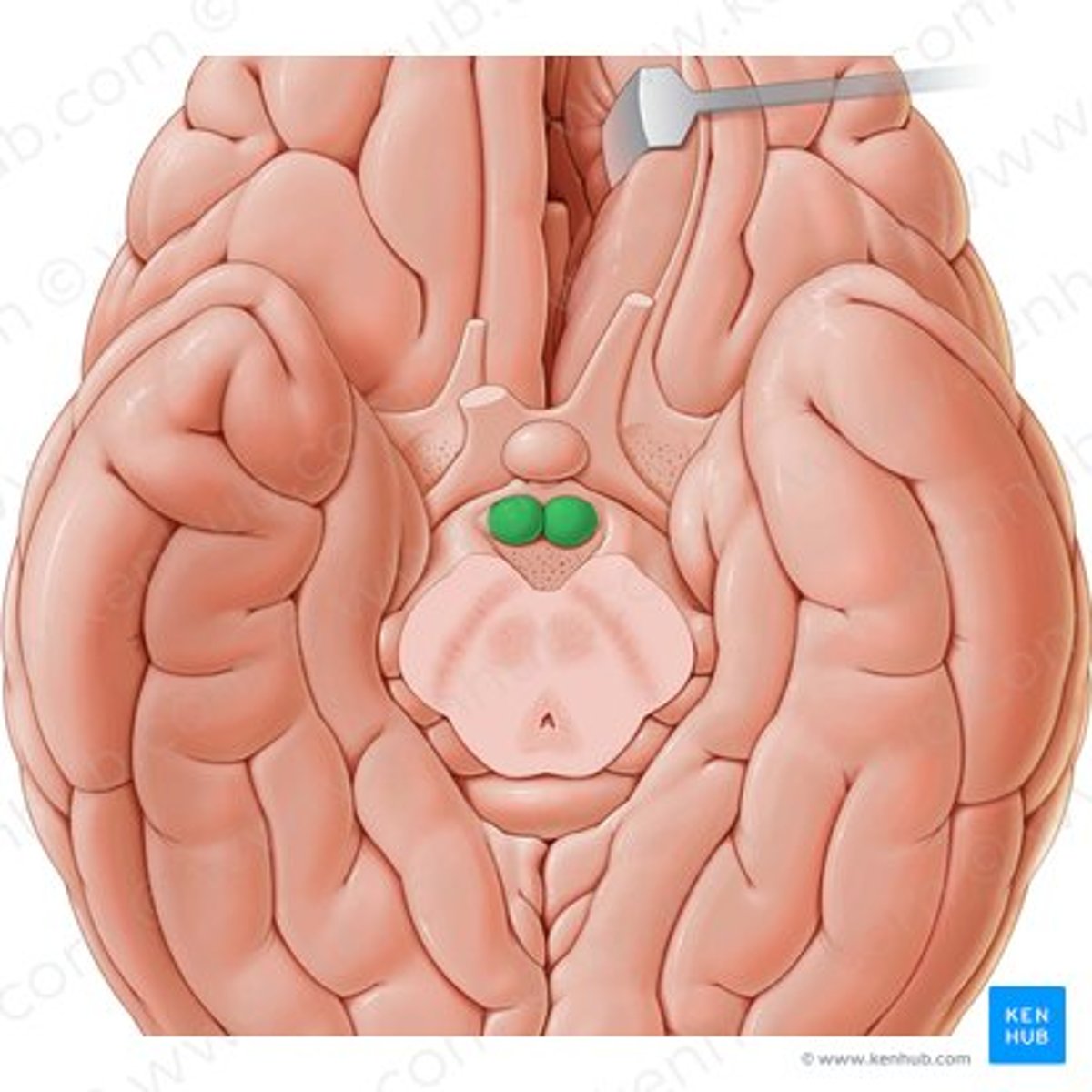
midbrain
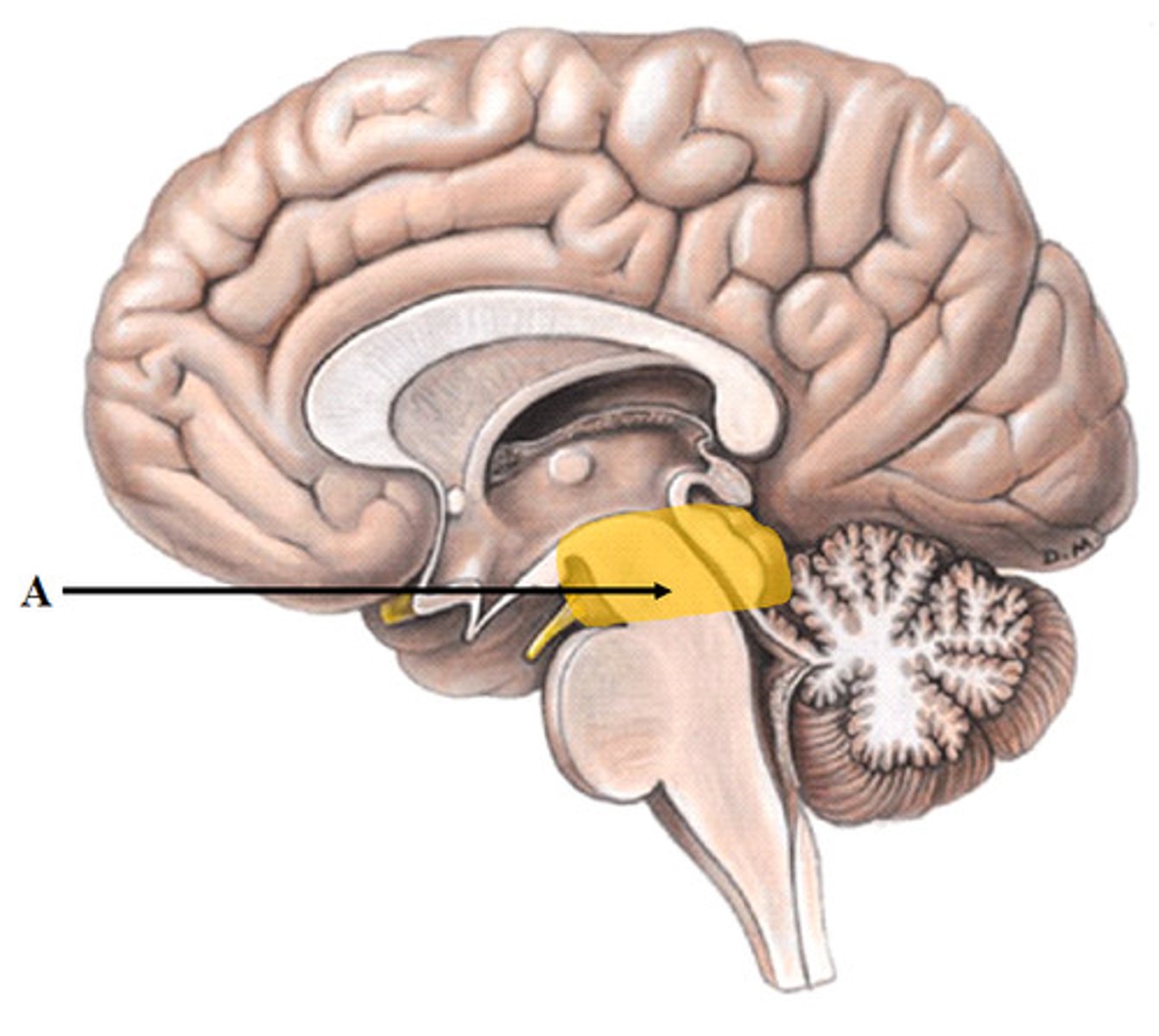
pons
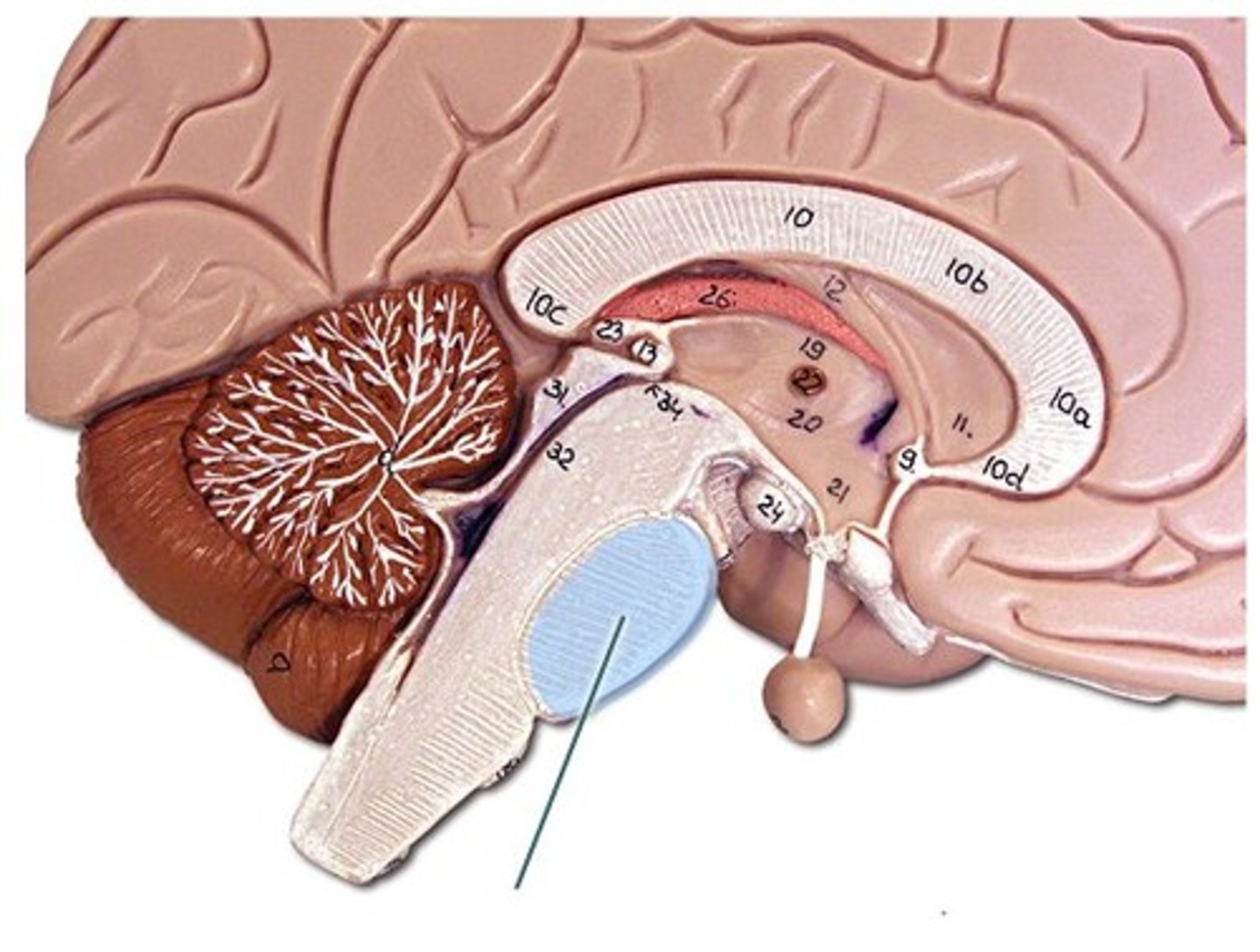
medulla oblongata
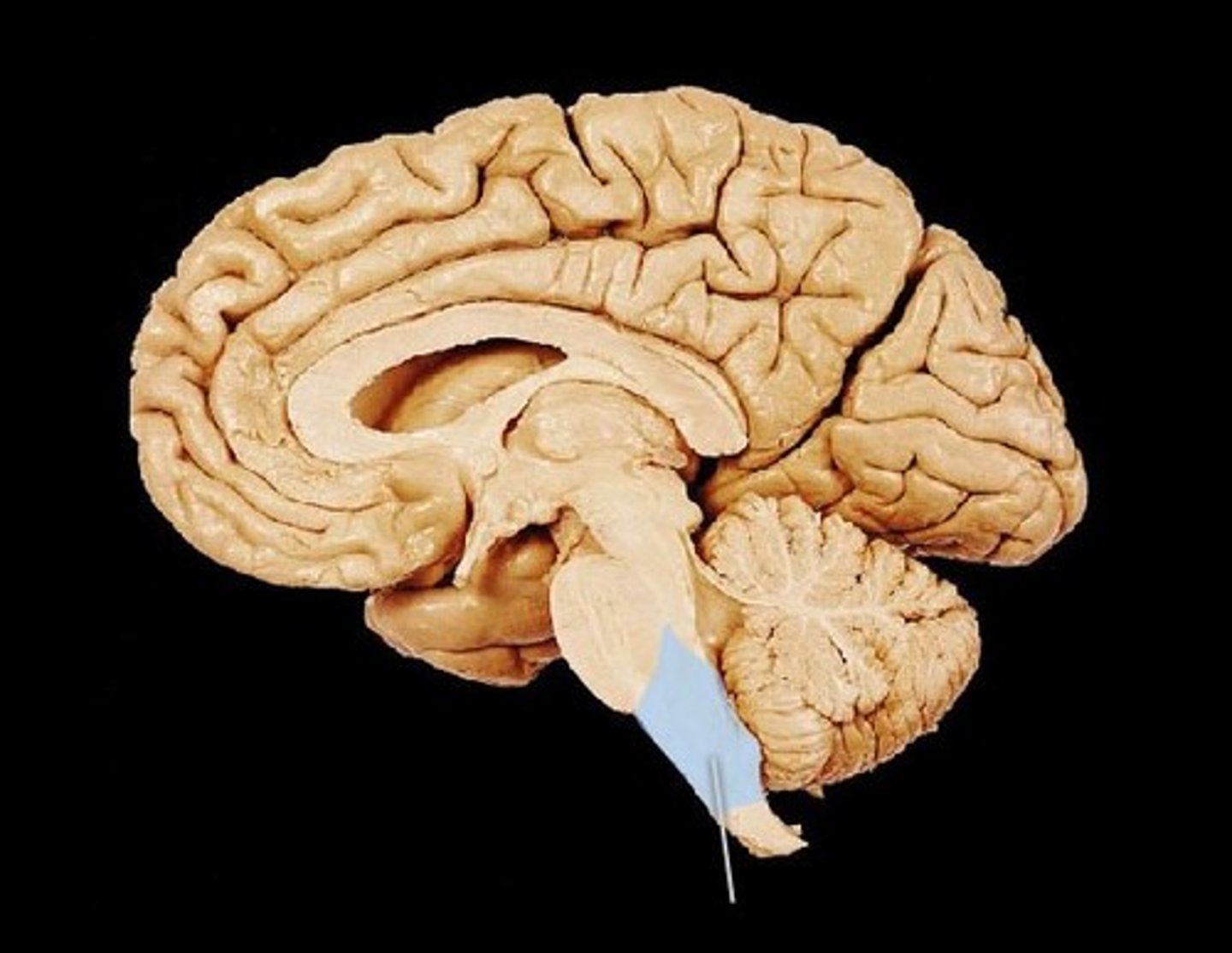
oculomotor nerve CN III (carries motor medial rectus, superior rectus, inferior rectus, and inferior oblique)
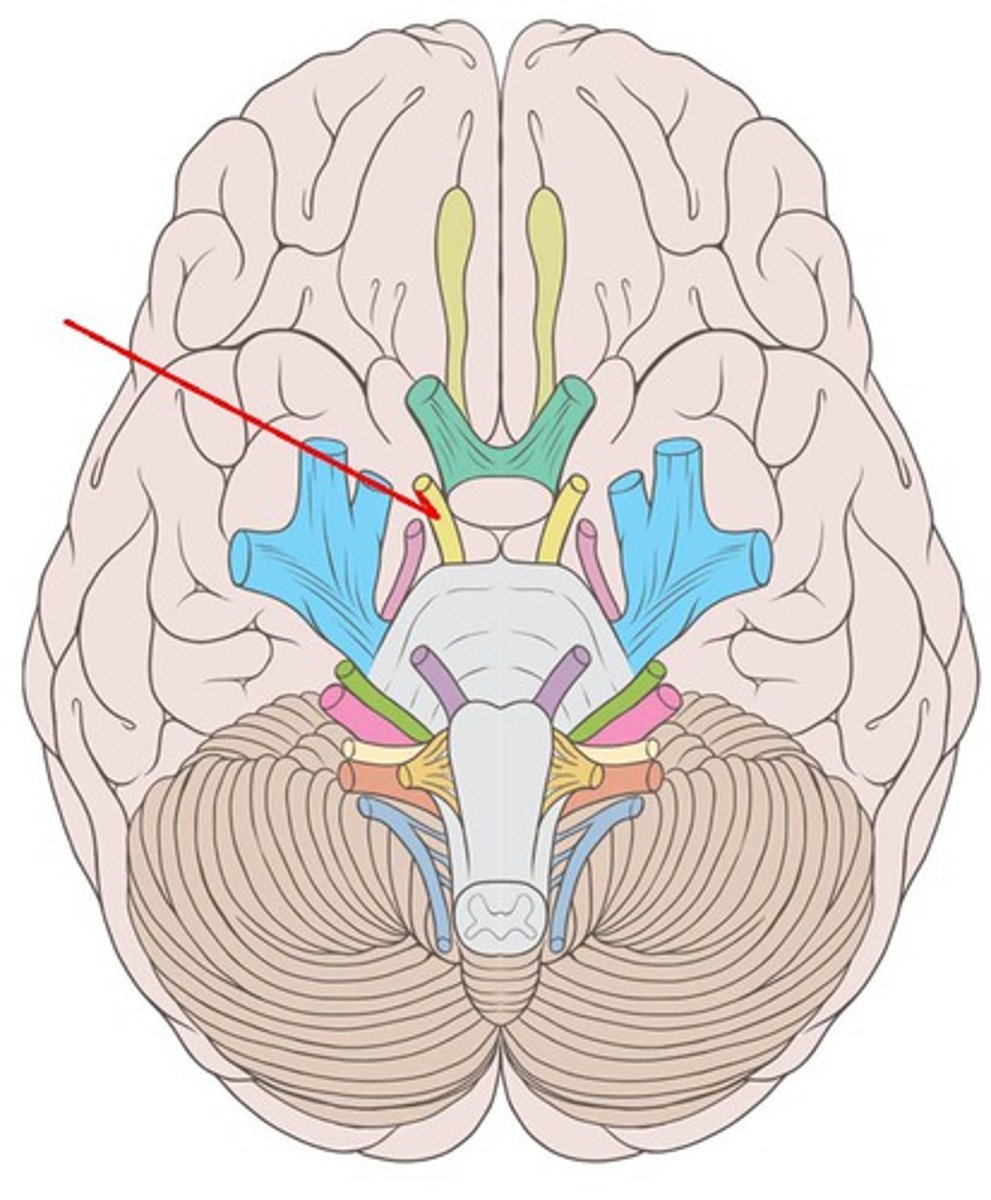
Trochlear Nerve CN IV (carries motor to superior oblique muscle)
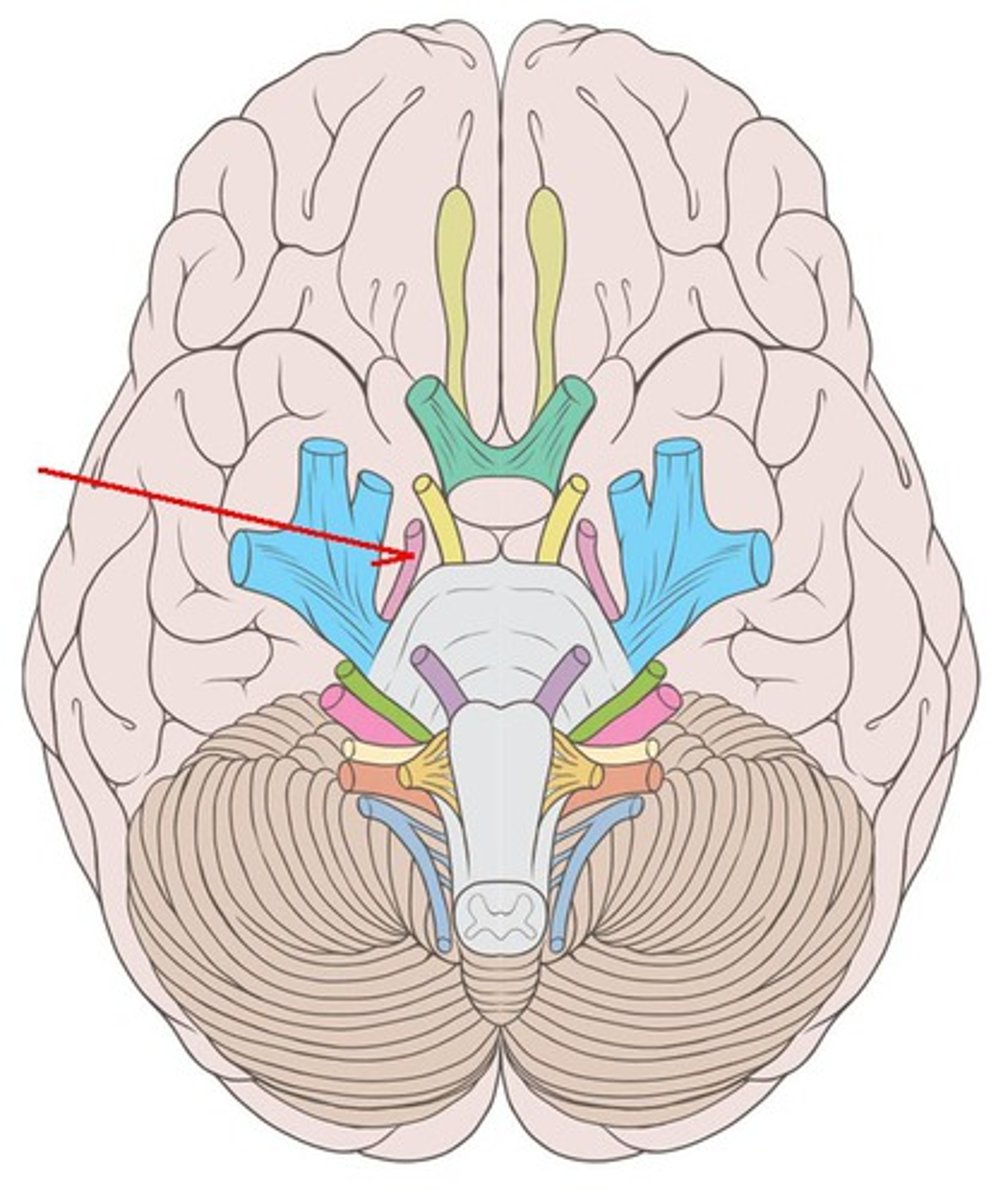
Abducens nerve CN VI (carries motor to lateral rectus muscle)
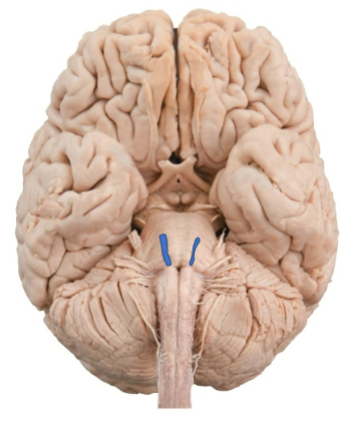
trigeminal nerve CN V (carries sensory, V3 also carries motor to muscles of mastication)
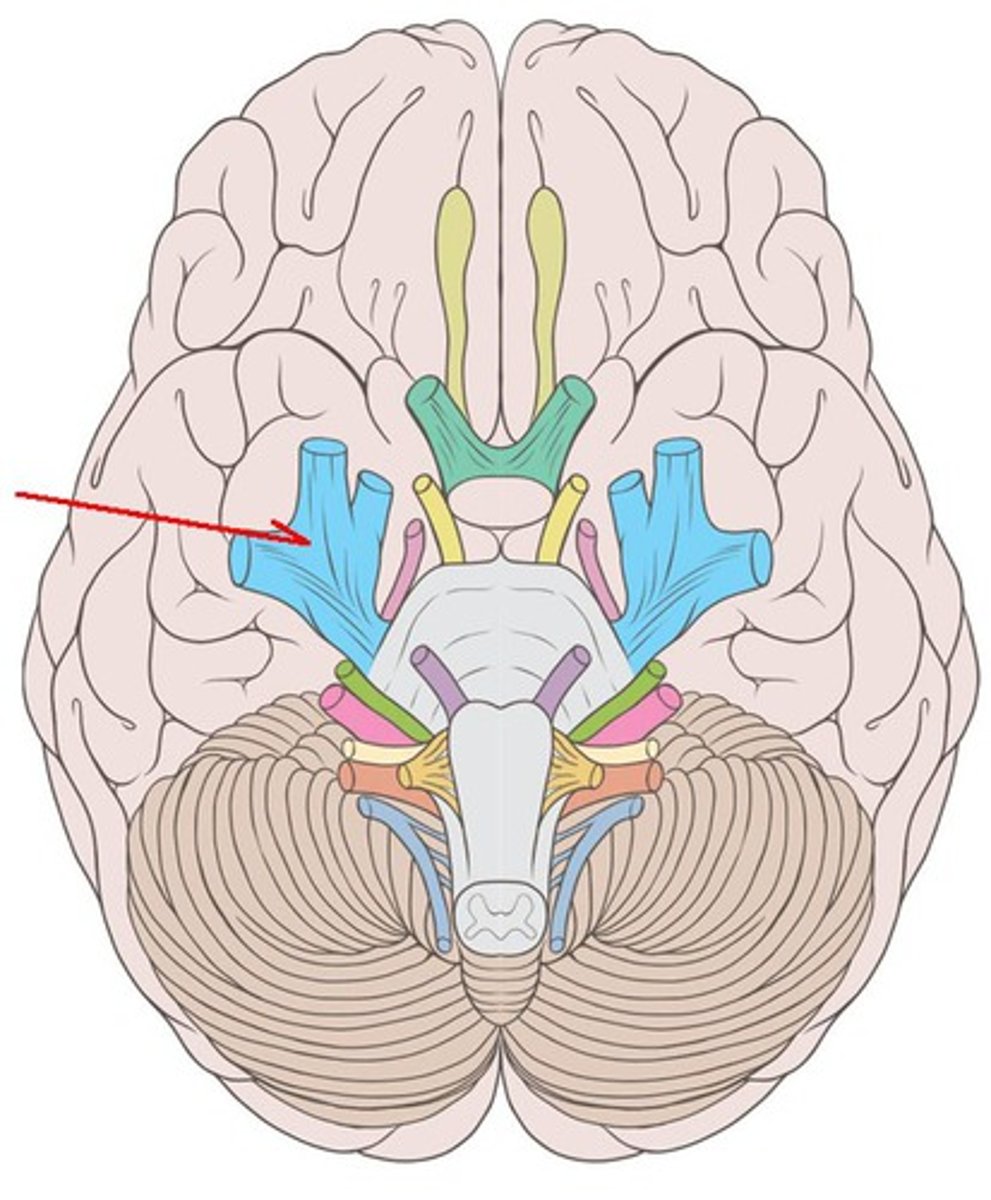
Facial nerve CN VII (carries taste for anterior 2/3rd of tongue, special sensory)
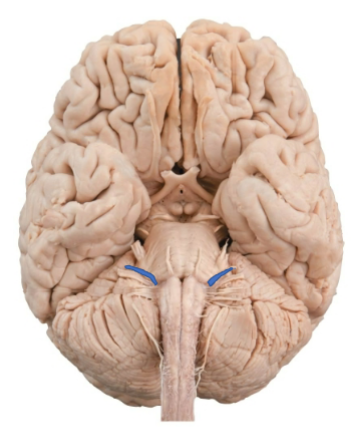
Vestibulocochlear nerve CN VIII (carries special sensory, balance and hearing)
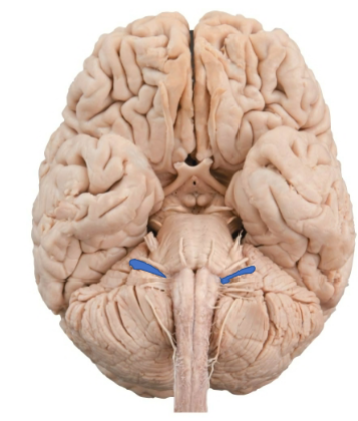
Glossopharyngeal nerve CN IX (carries general and special sensory, taste & sensation for posterior 1/3rd of tongue, carries motor fibers to stylopharyngeus muscle, carries parasympathetic motor fibers to parotid gland; salivary)
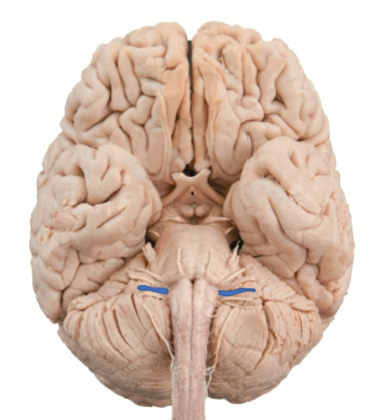
Vagus nerve CN X (carries motor to muscles of pharynx and larynx, carries sensory to larynx)
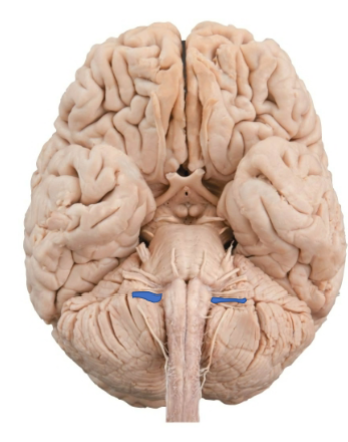
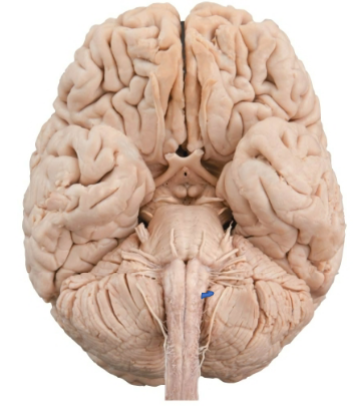
accessory nerve CN XI (carries somatic motor to sternocleidomastoid and trapezius)
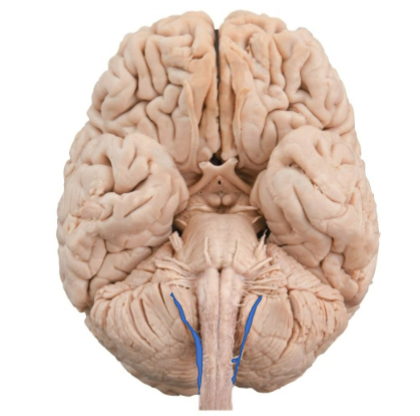
hypoglossal nerve CN XII (carries motor to tongue, intrinsic and extrinsic muscles)
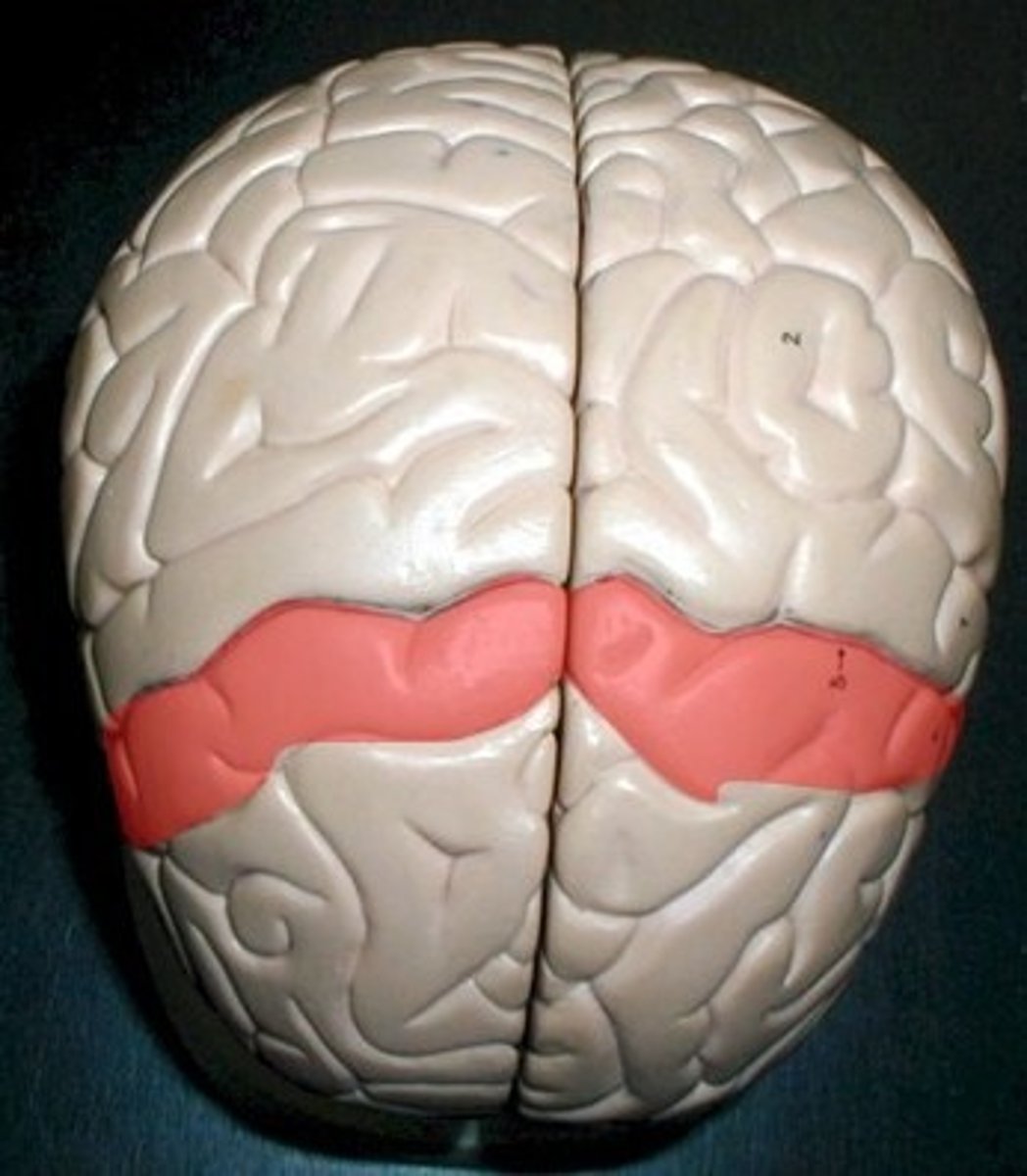
precentral gyrus
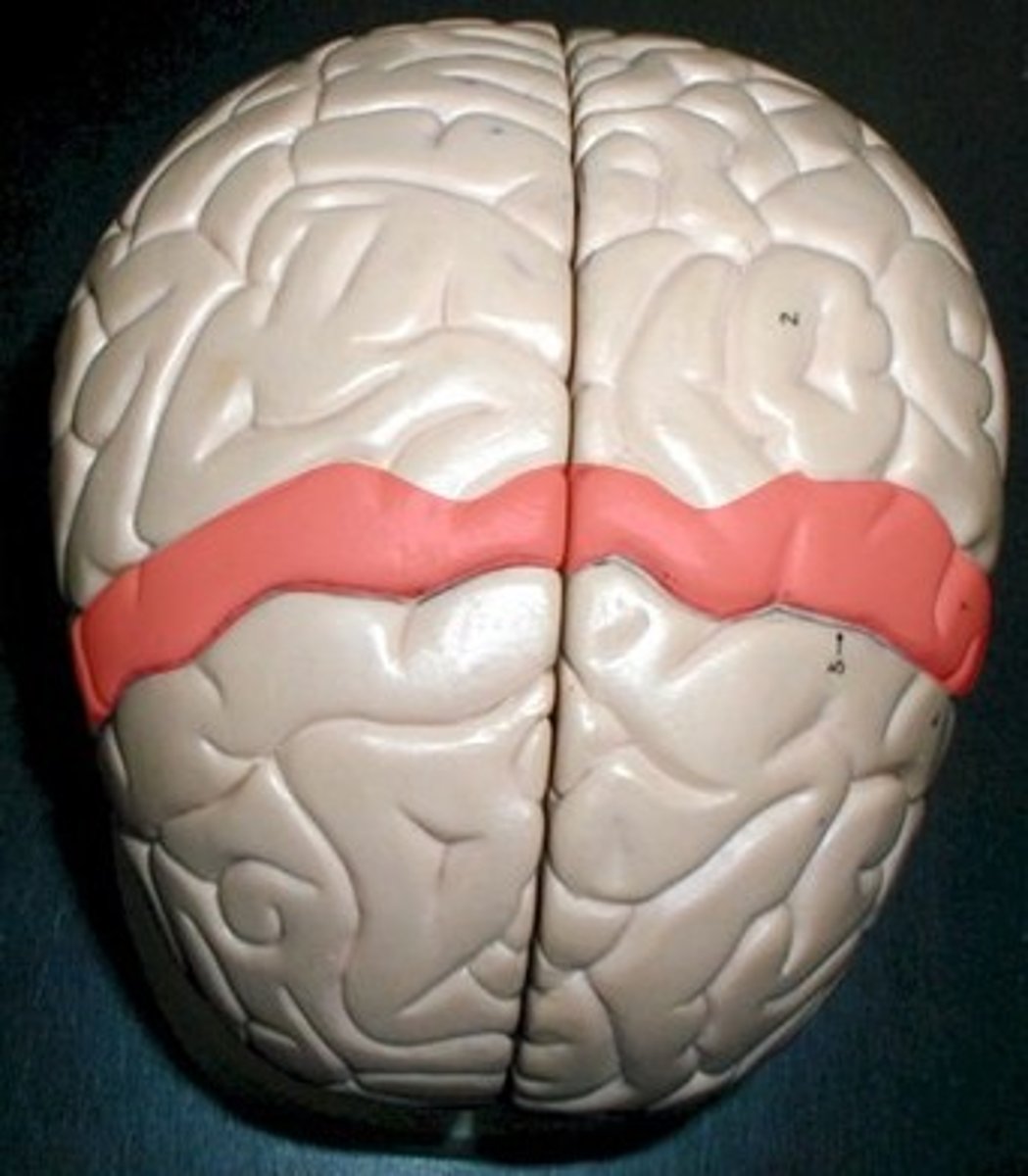
postcentral gyrus
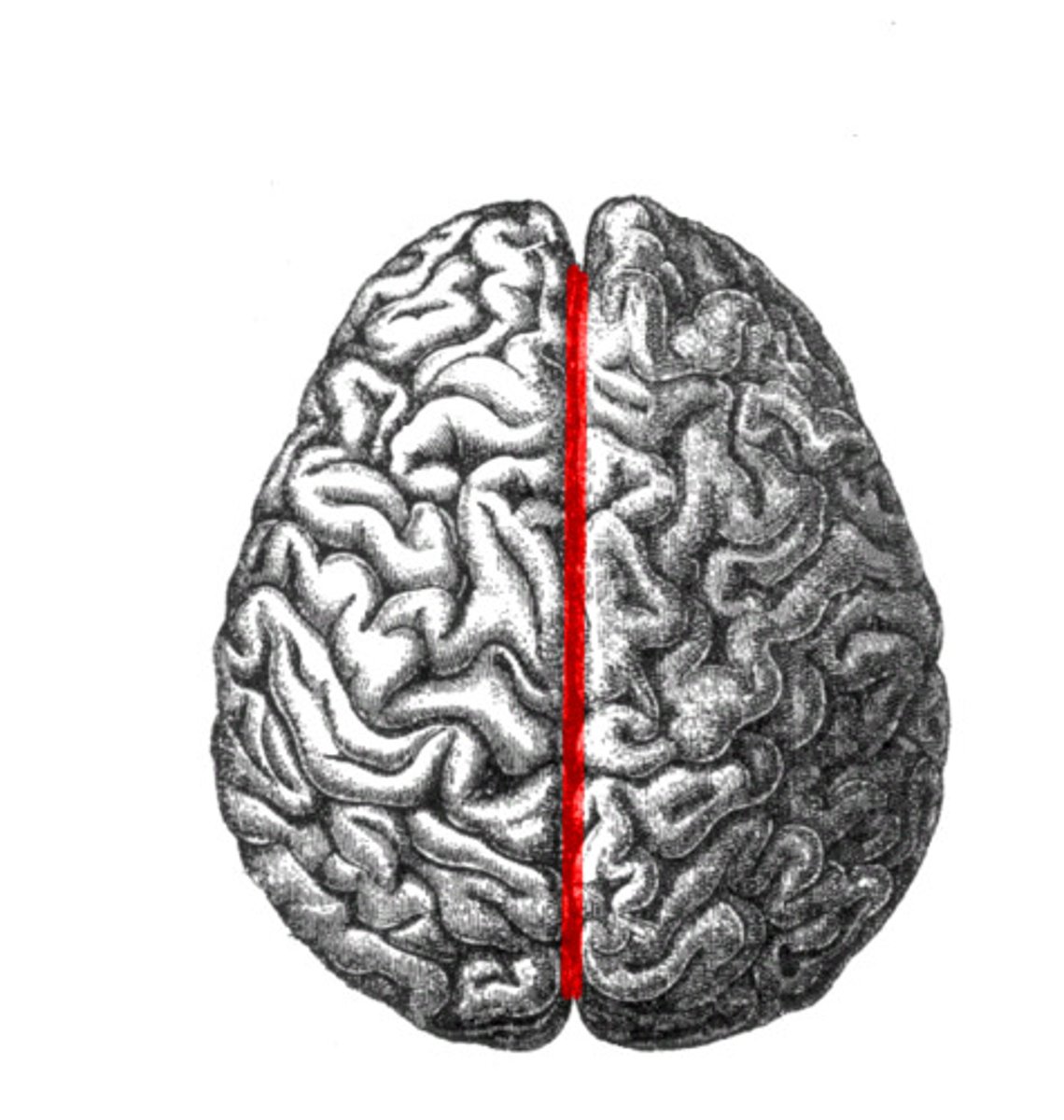
longitudinal fissure
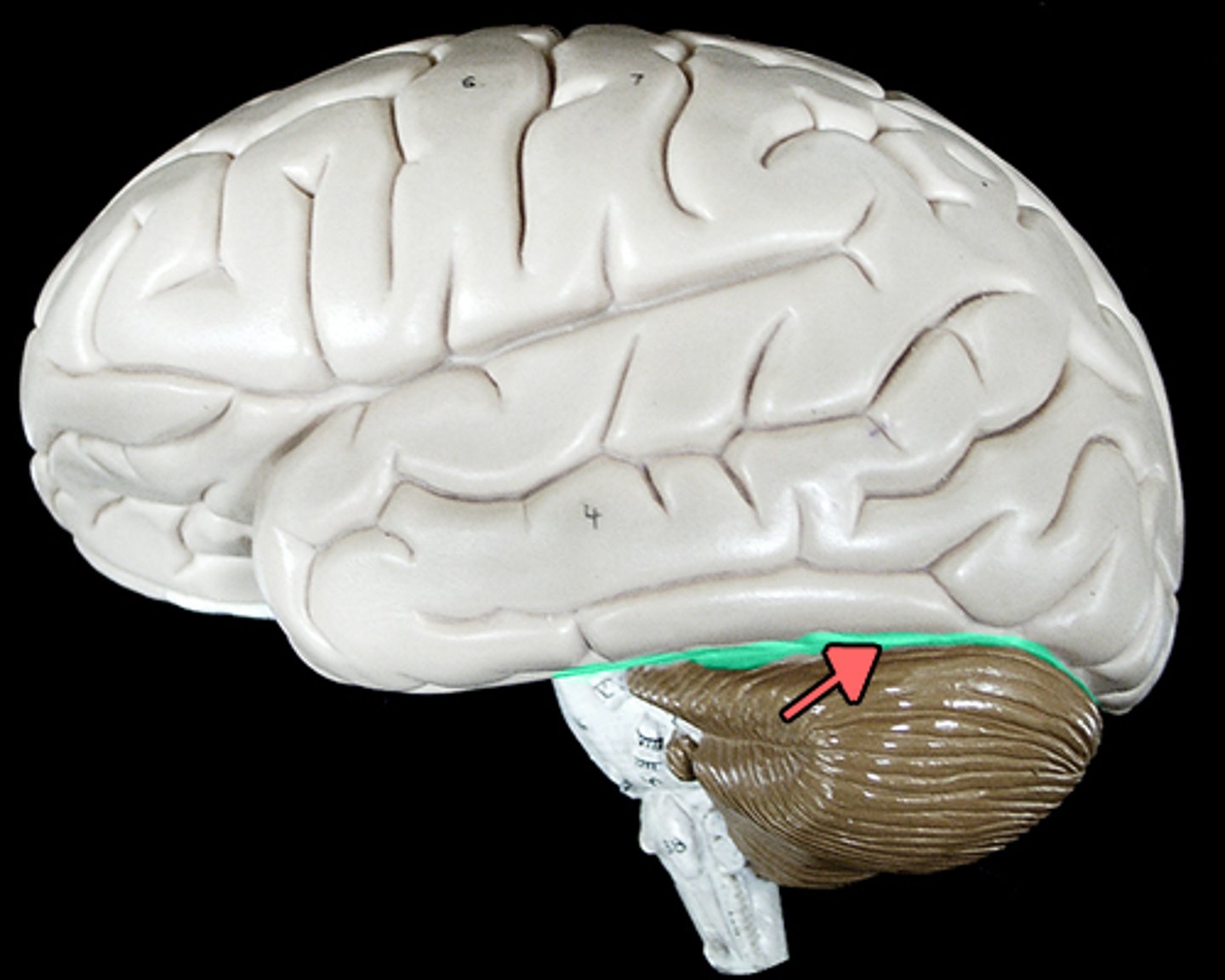
transverse cerebellar fissure
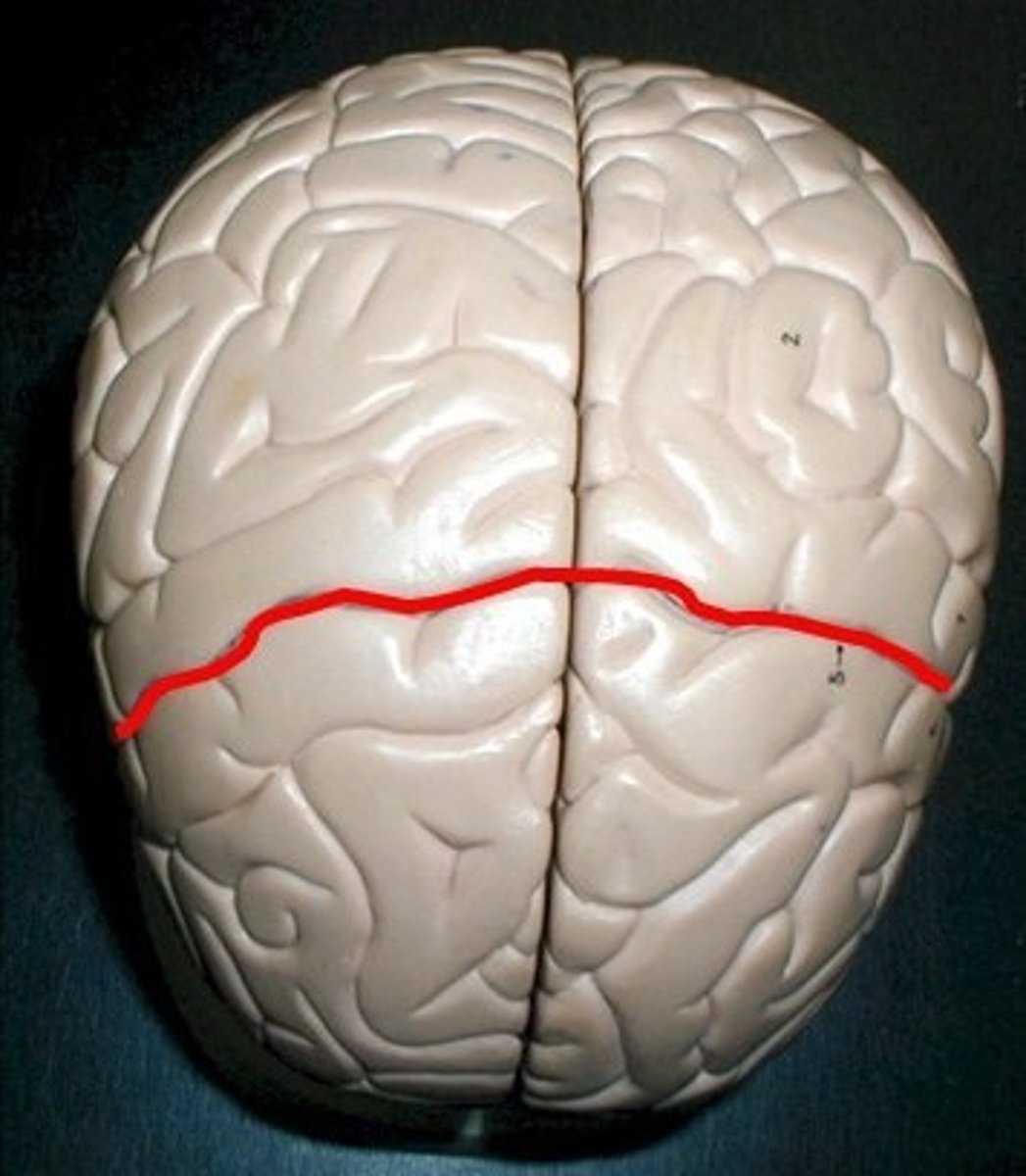
central sulcus
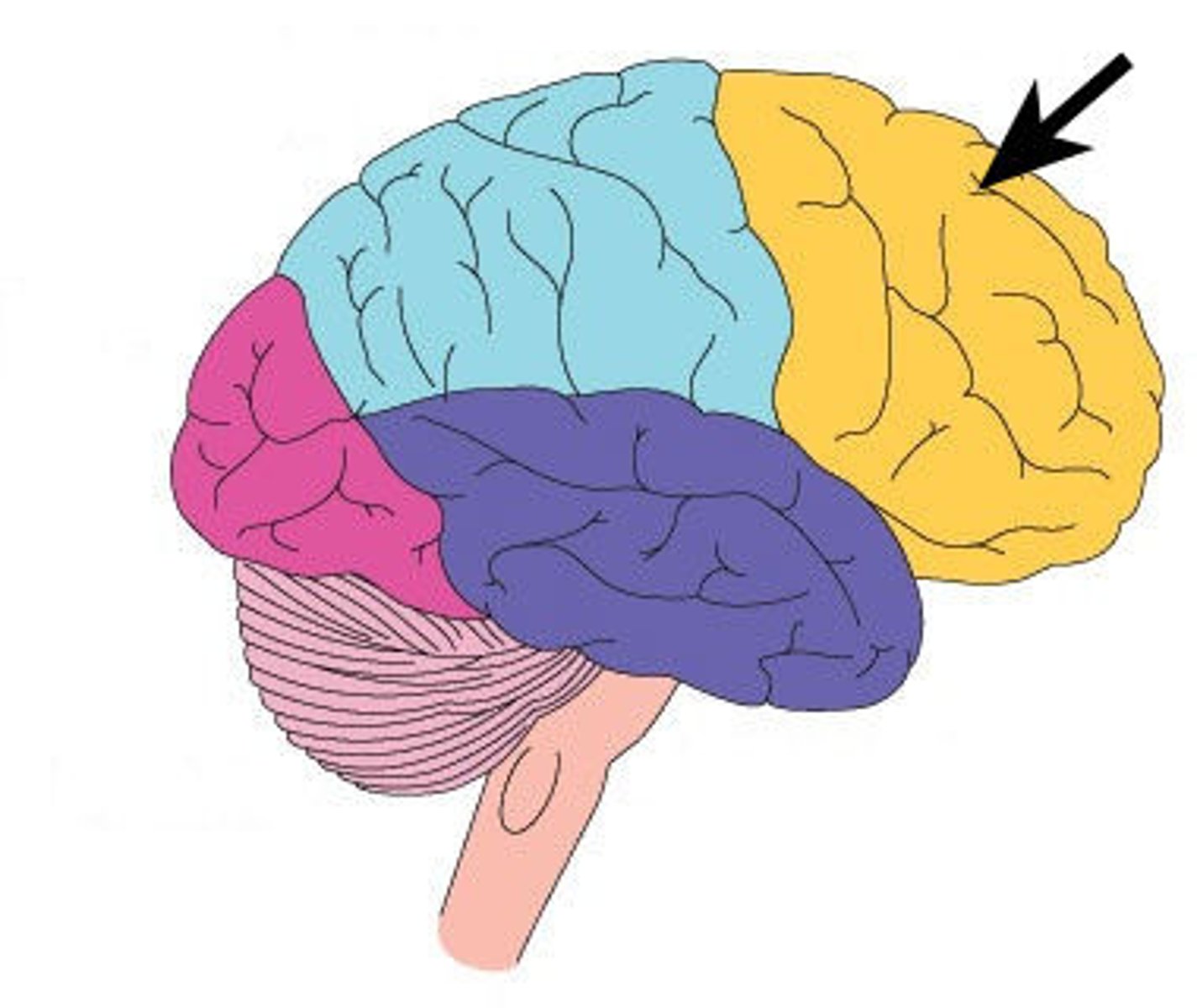
frontal lobe
parietal lobe
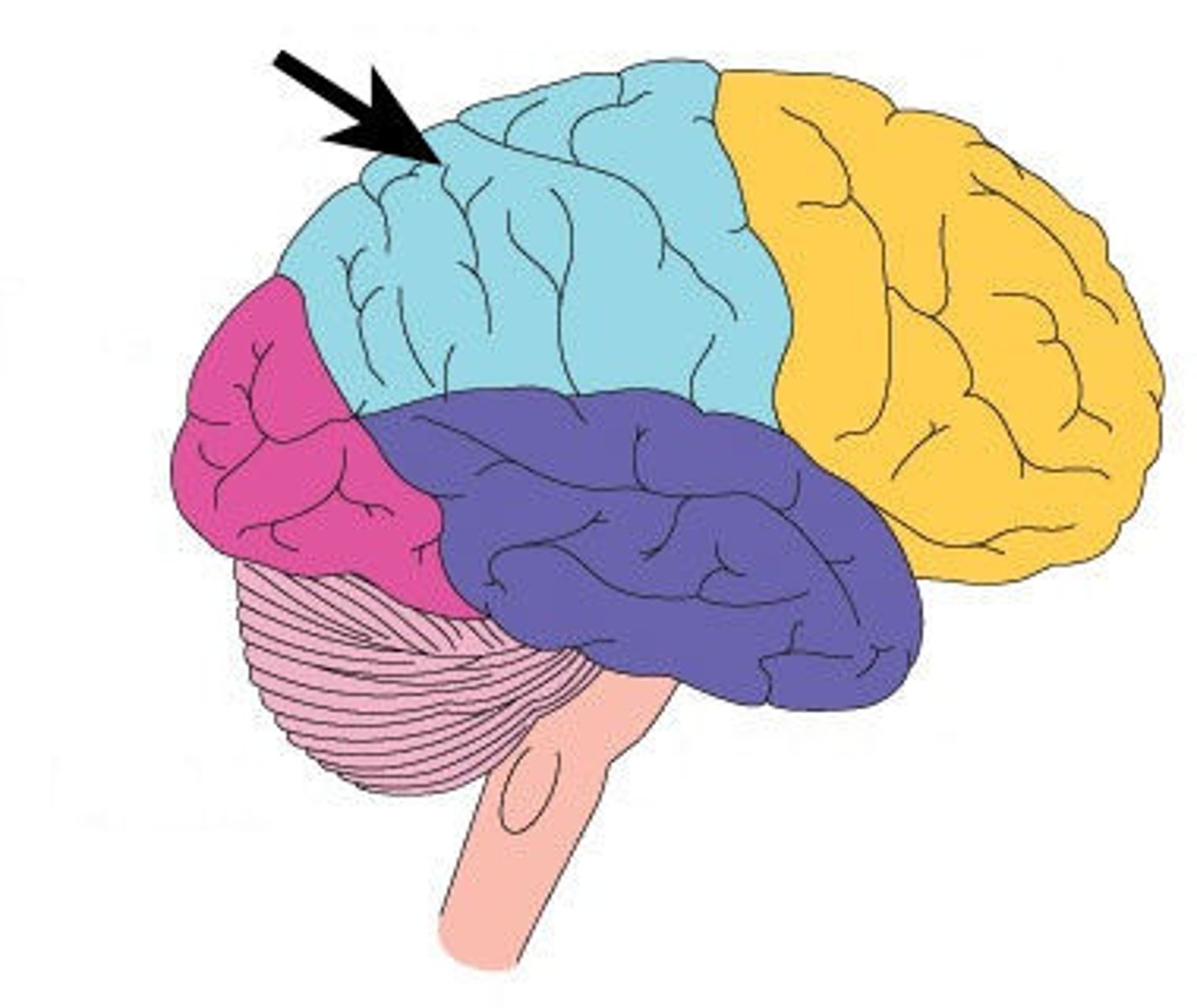
occipital lobe
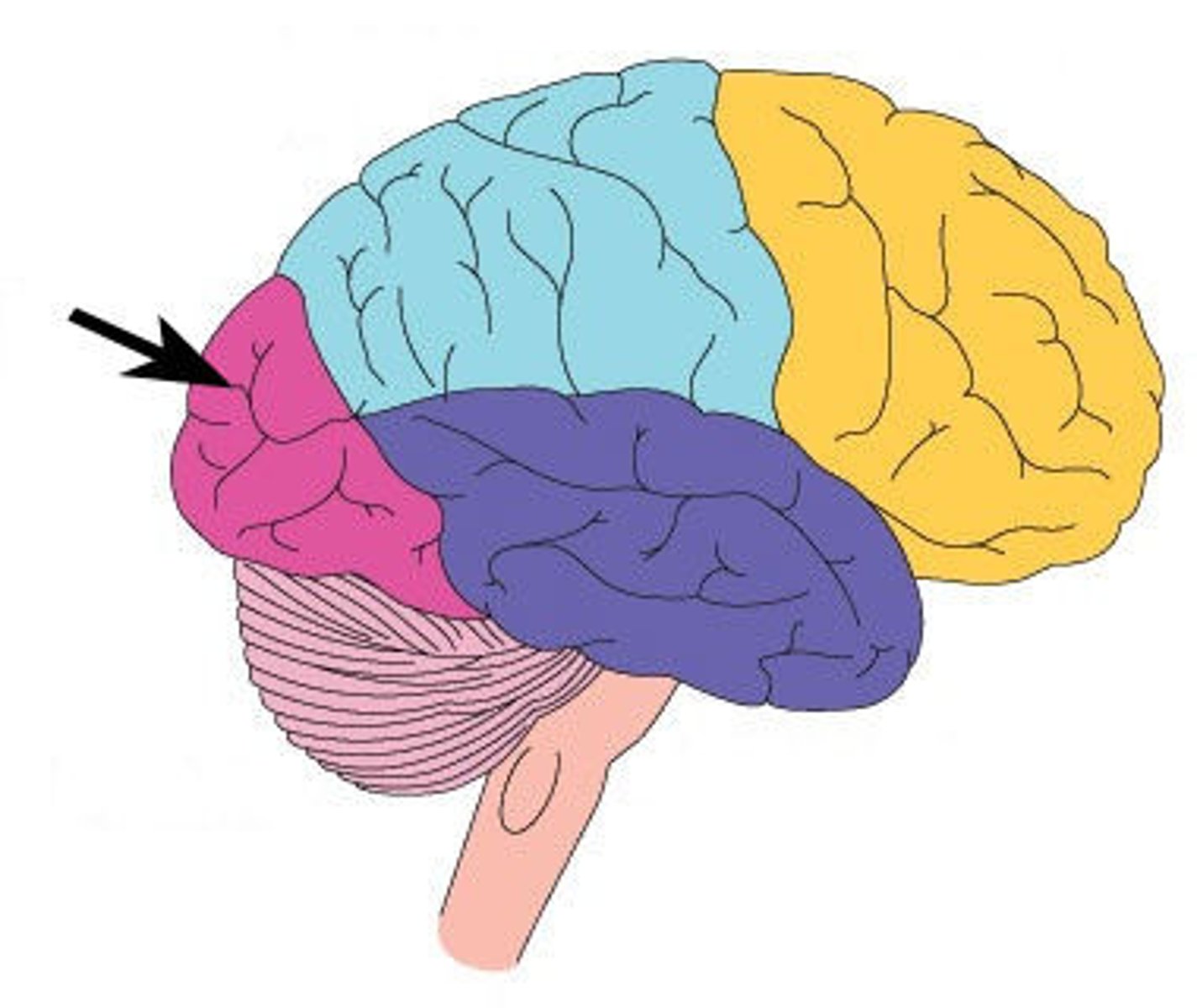
temporal lobe
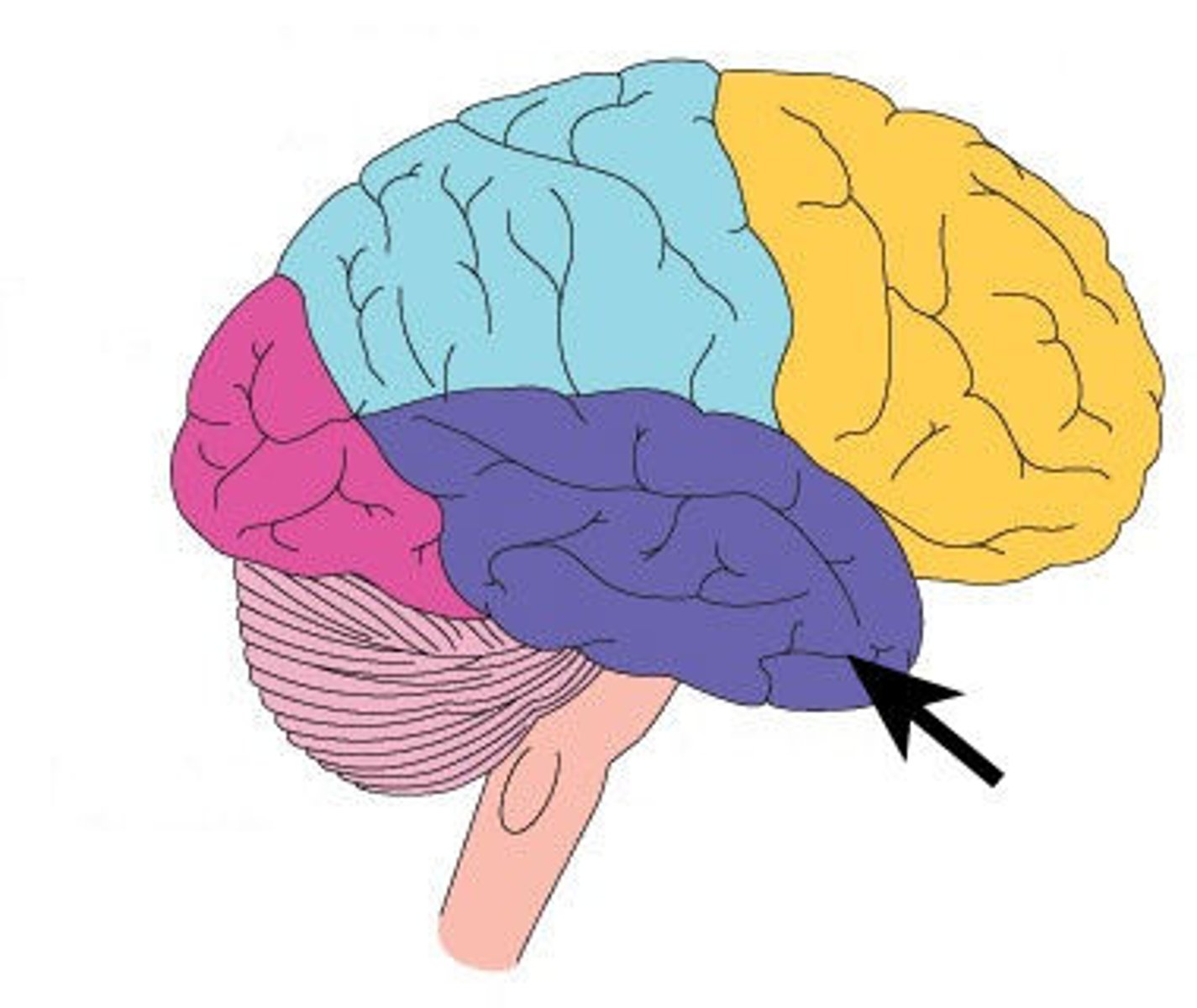
insula
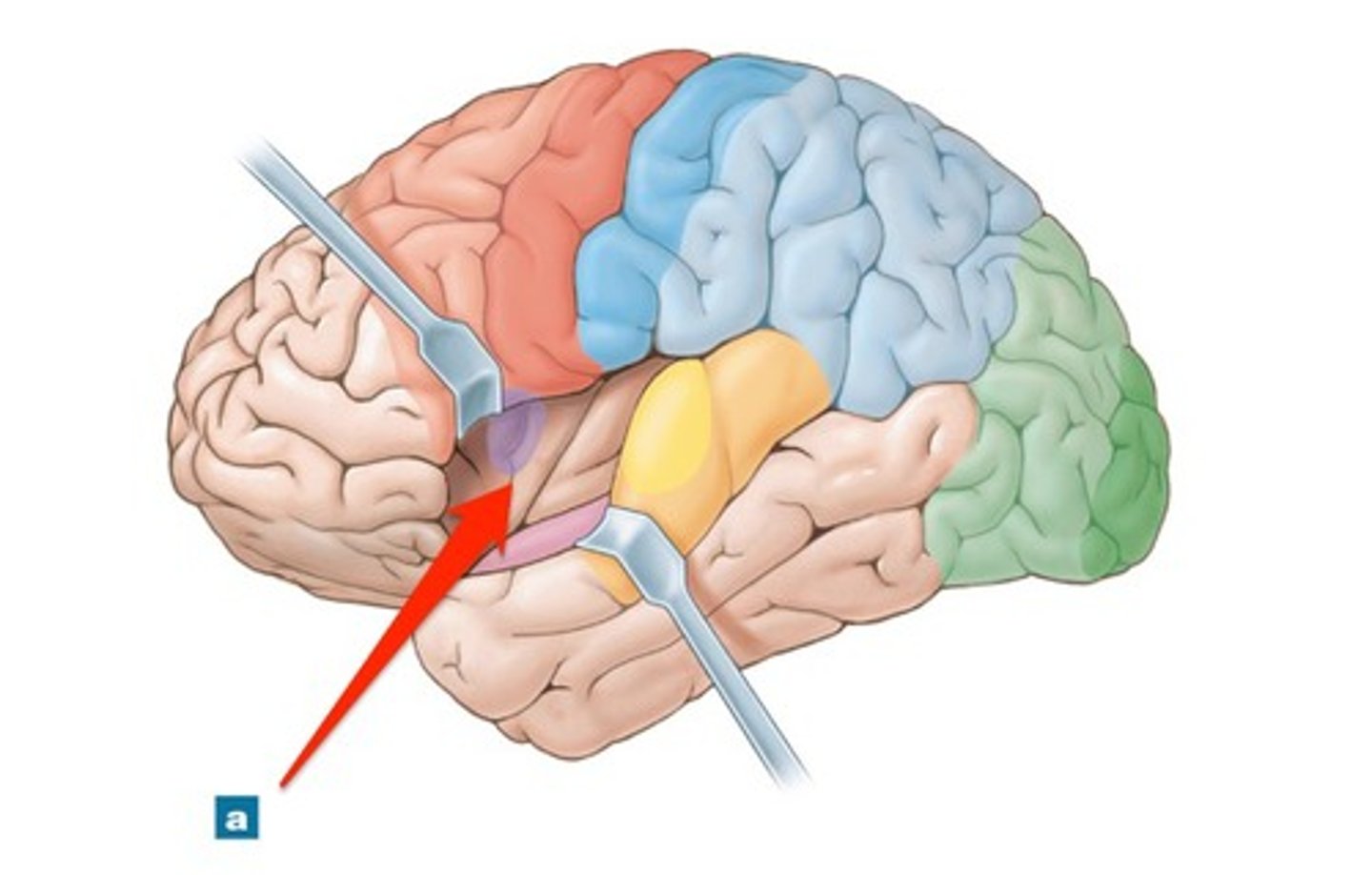
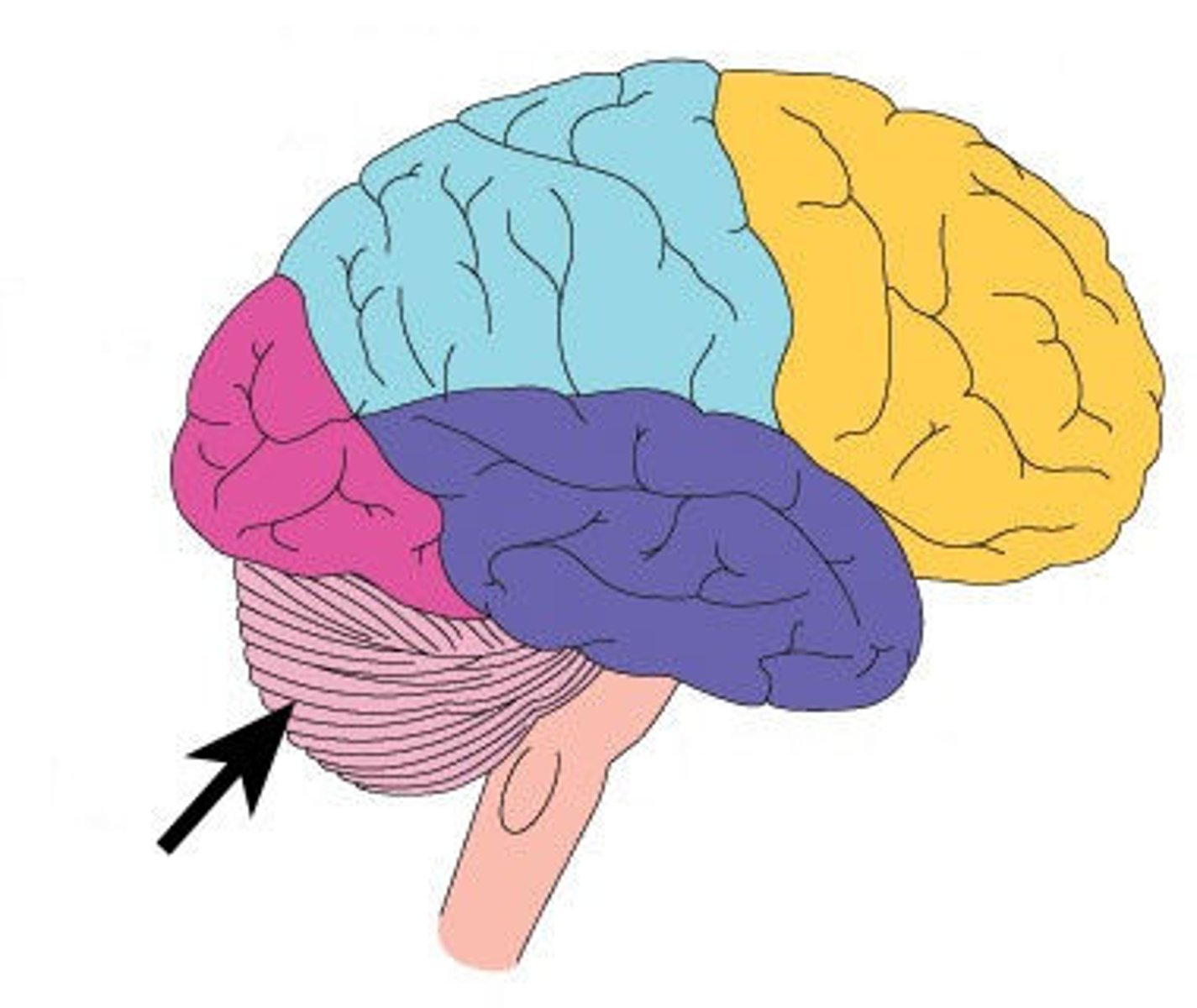
cerebellum
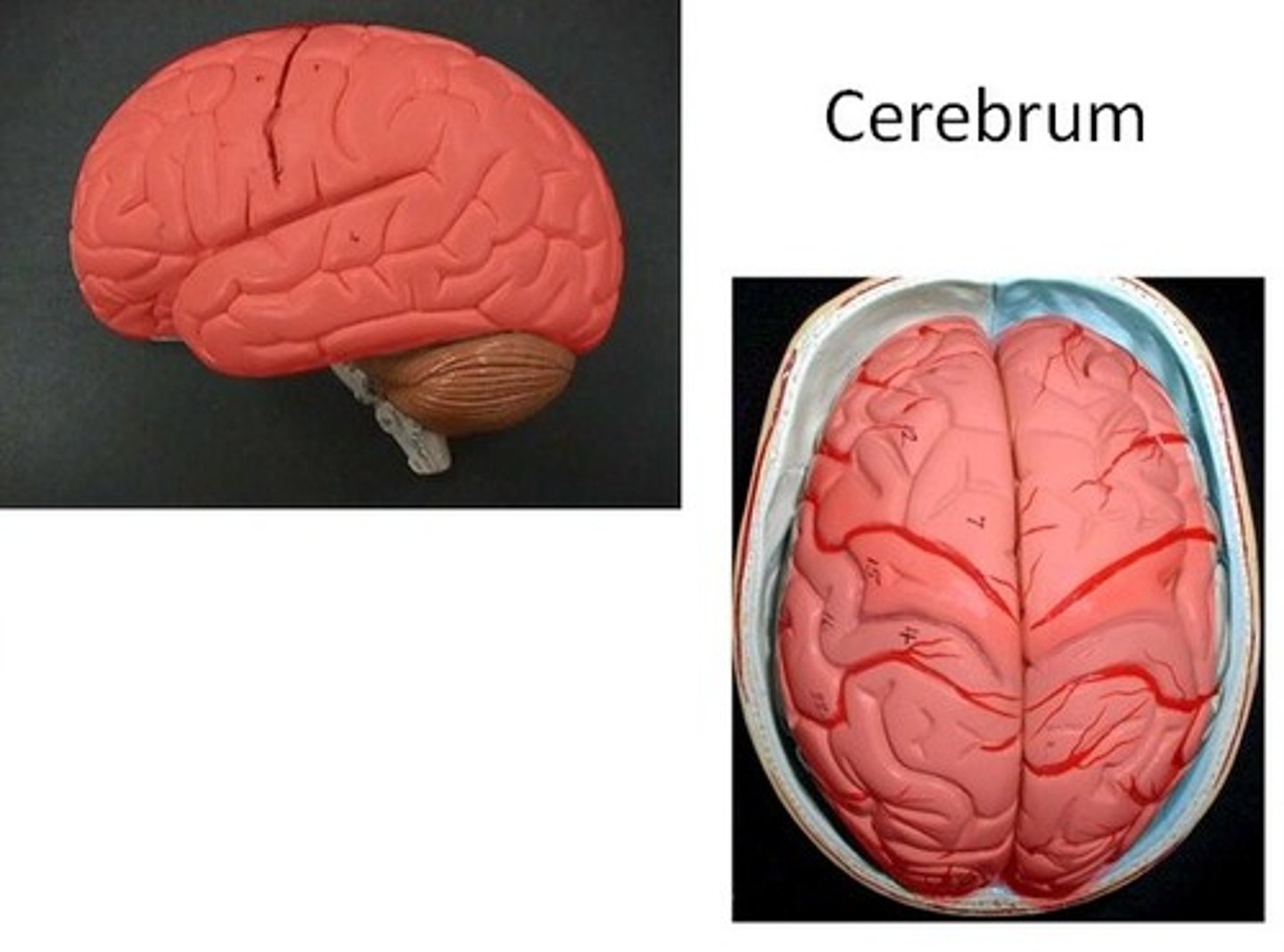
cerebrum
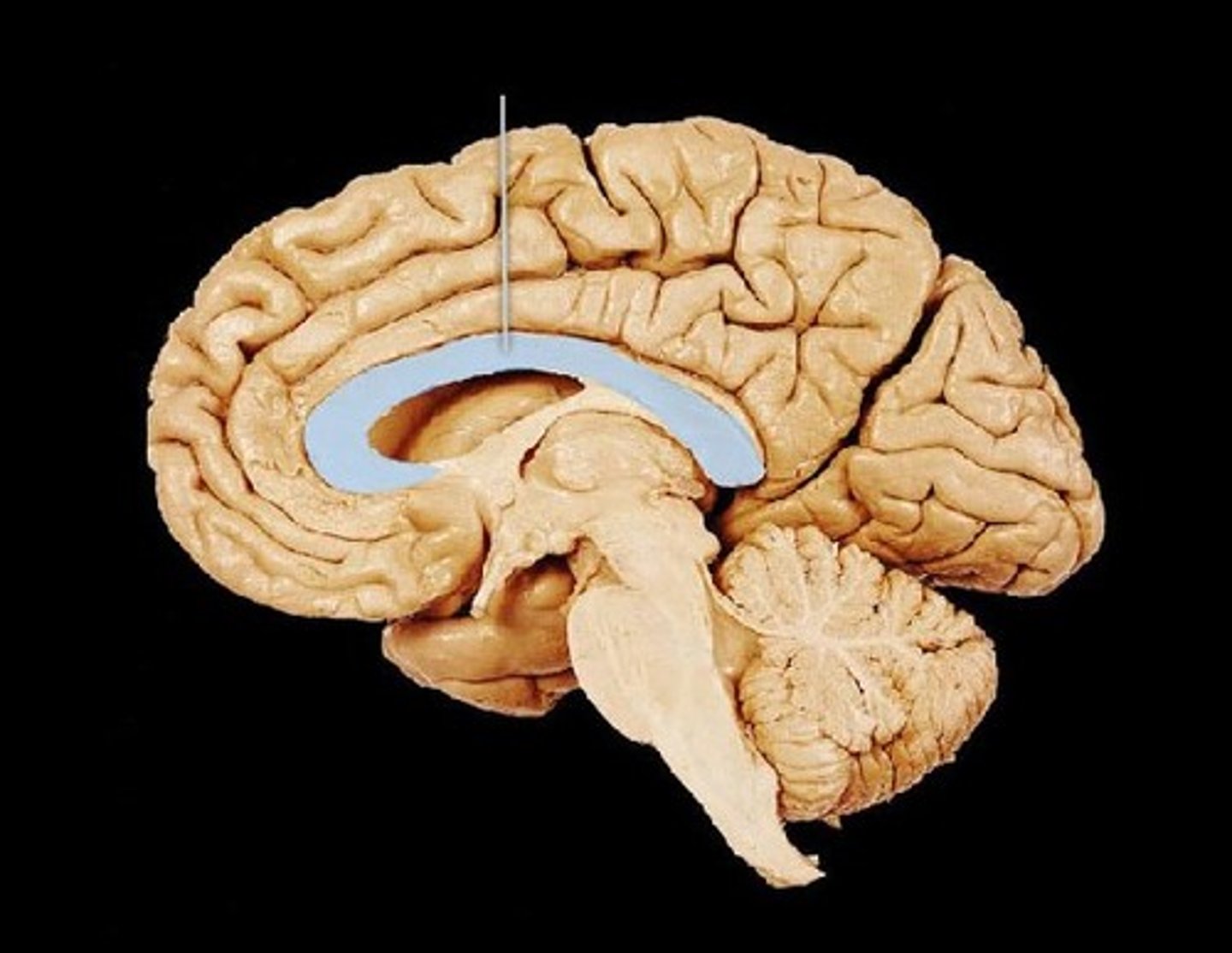
corpus callosum
fornix
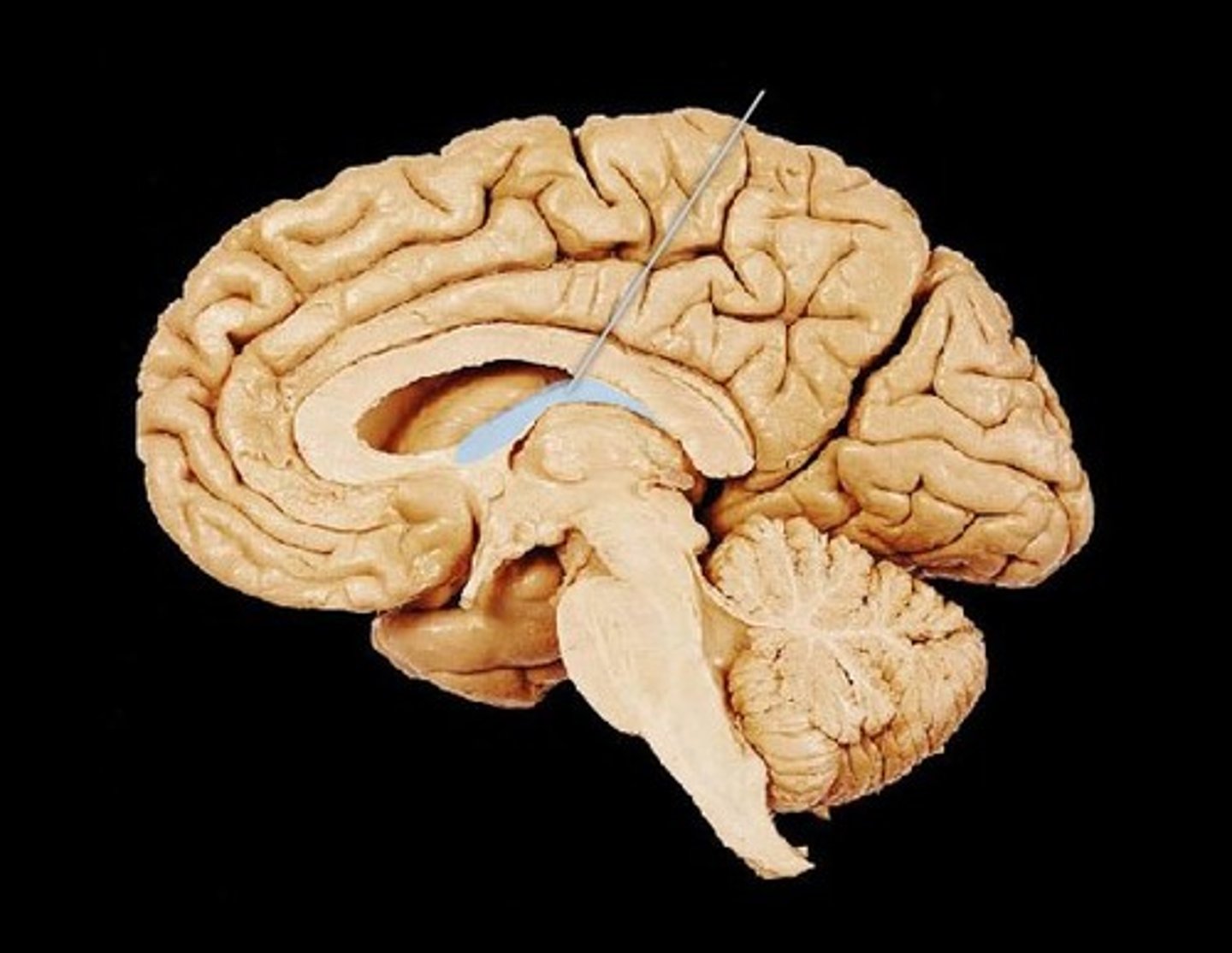
lateral ventricles
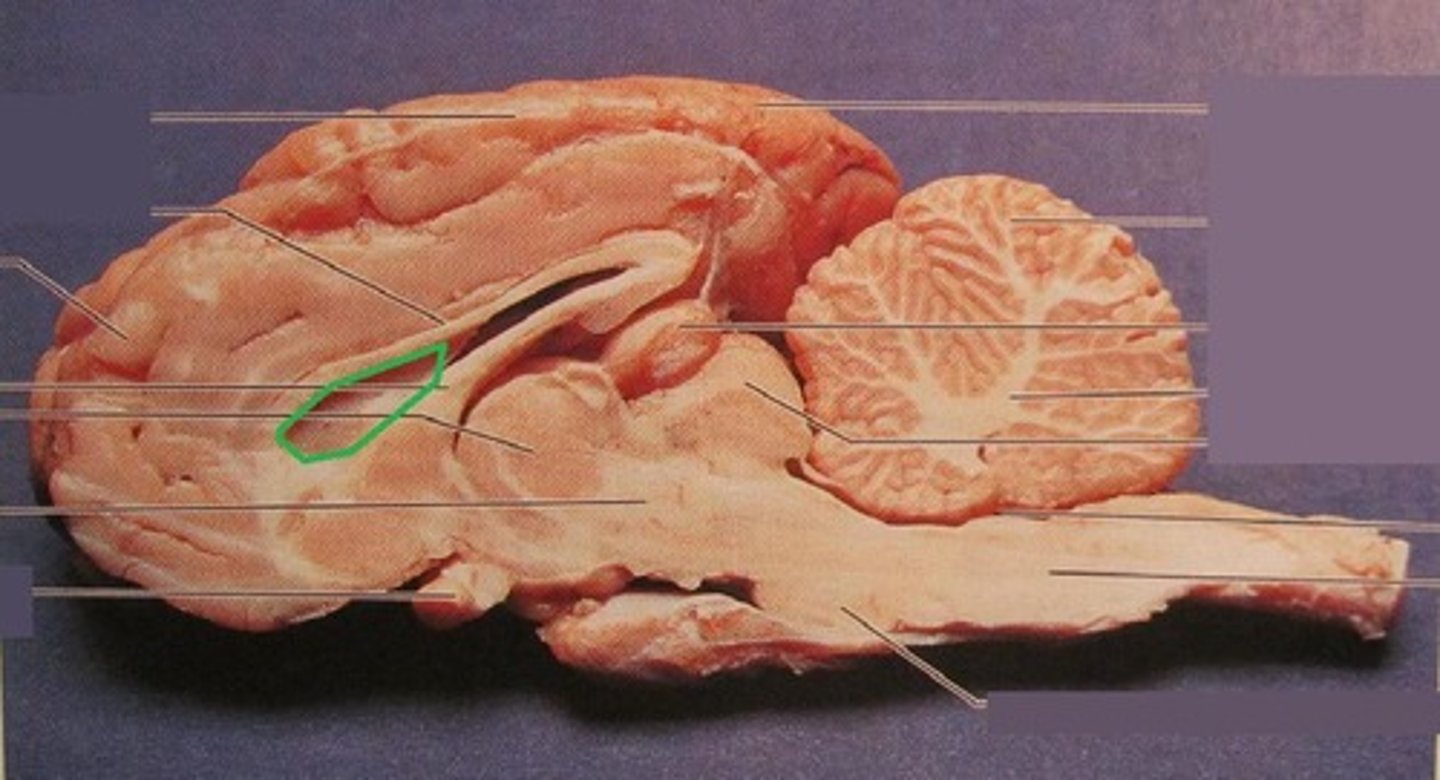
septum pellucidum
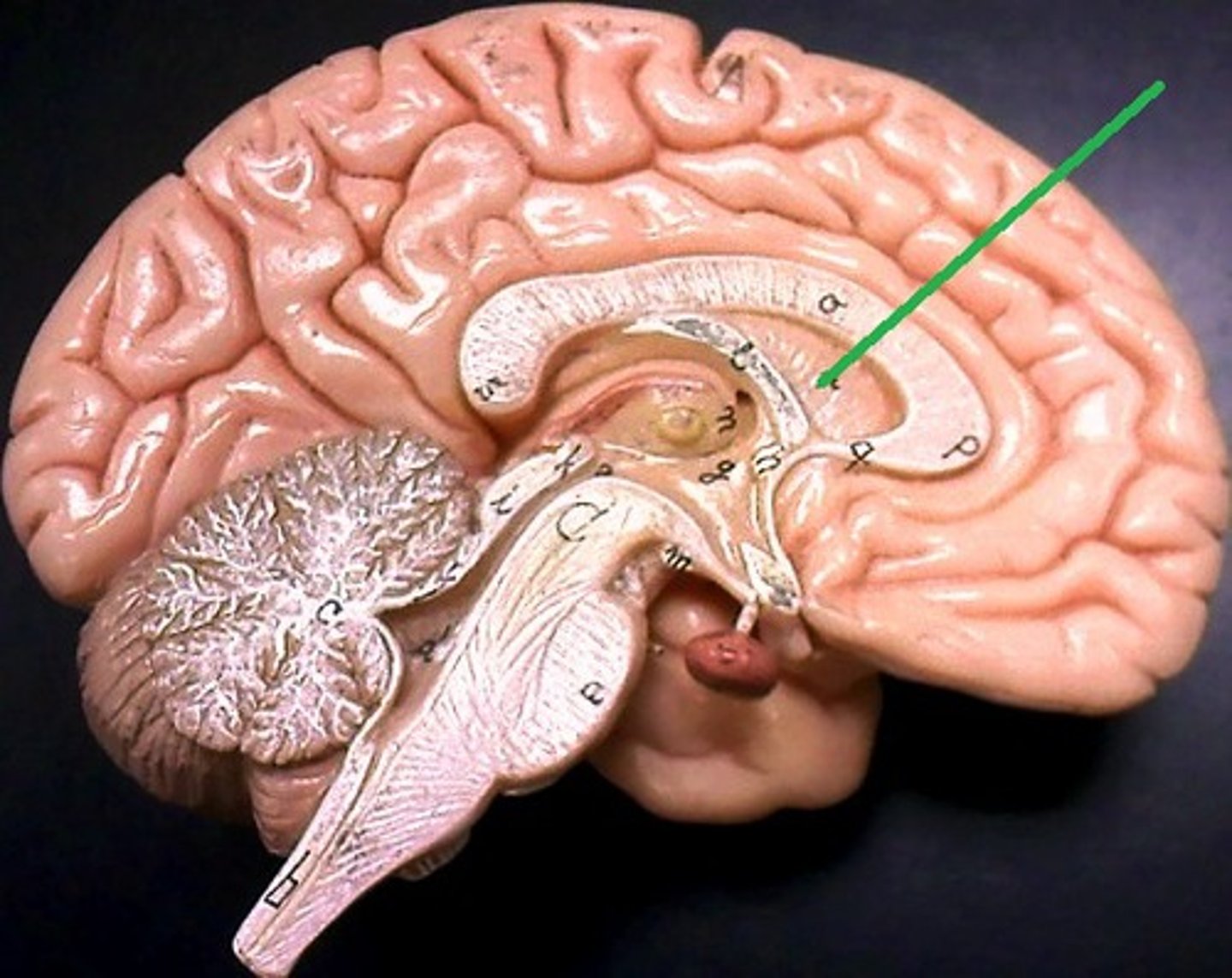
thalamus
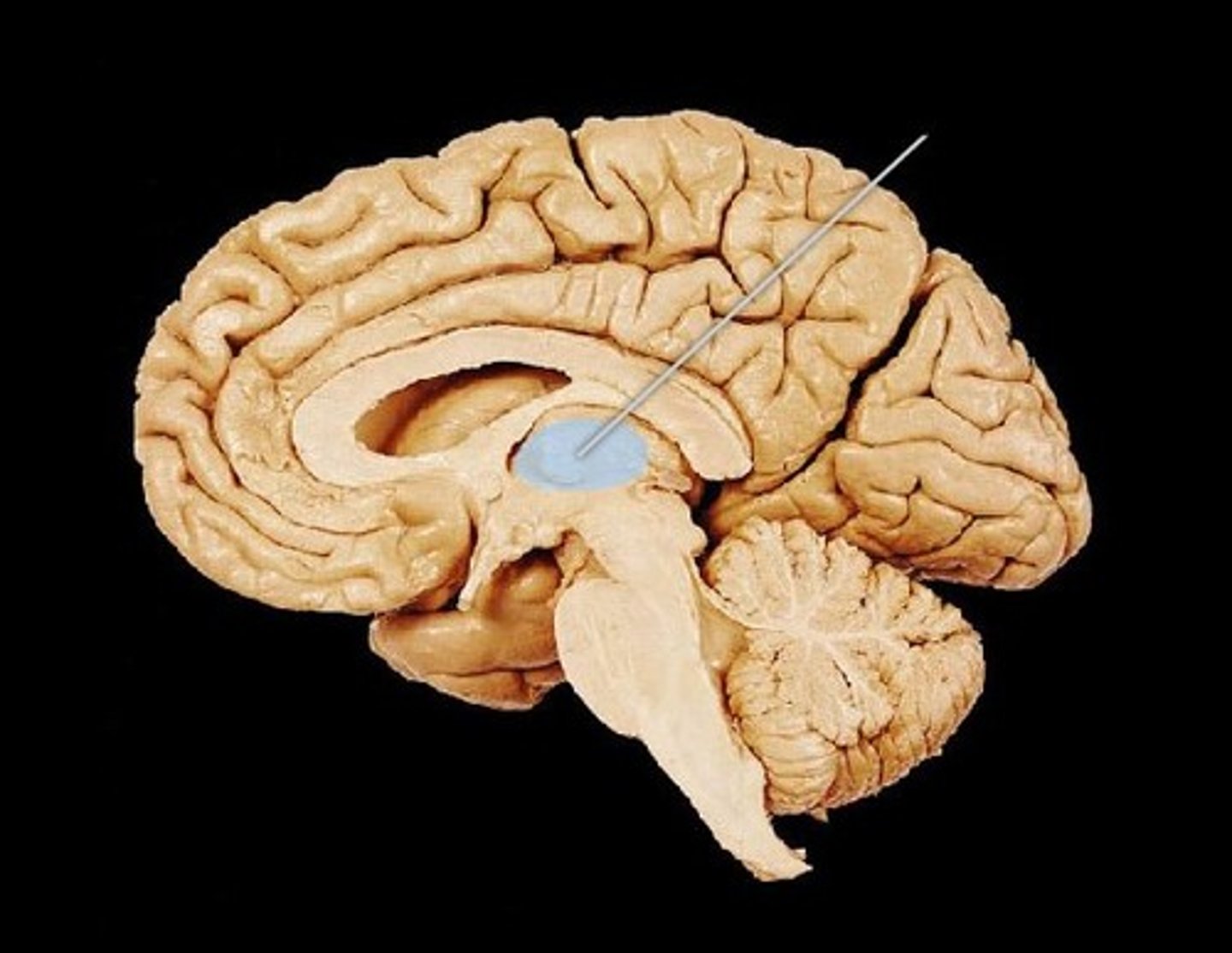
immediate mass
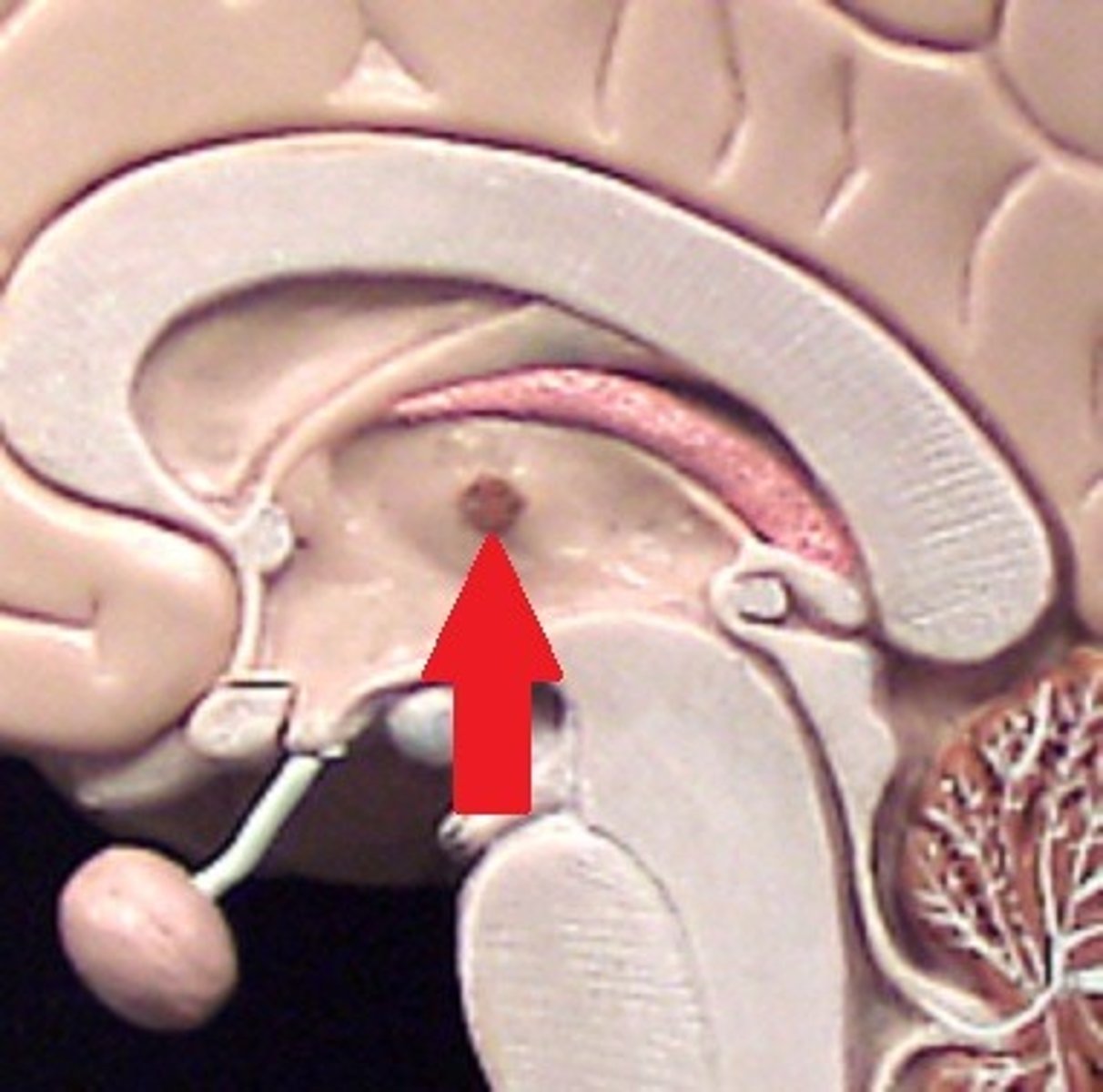
hypothalamus
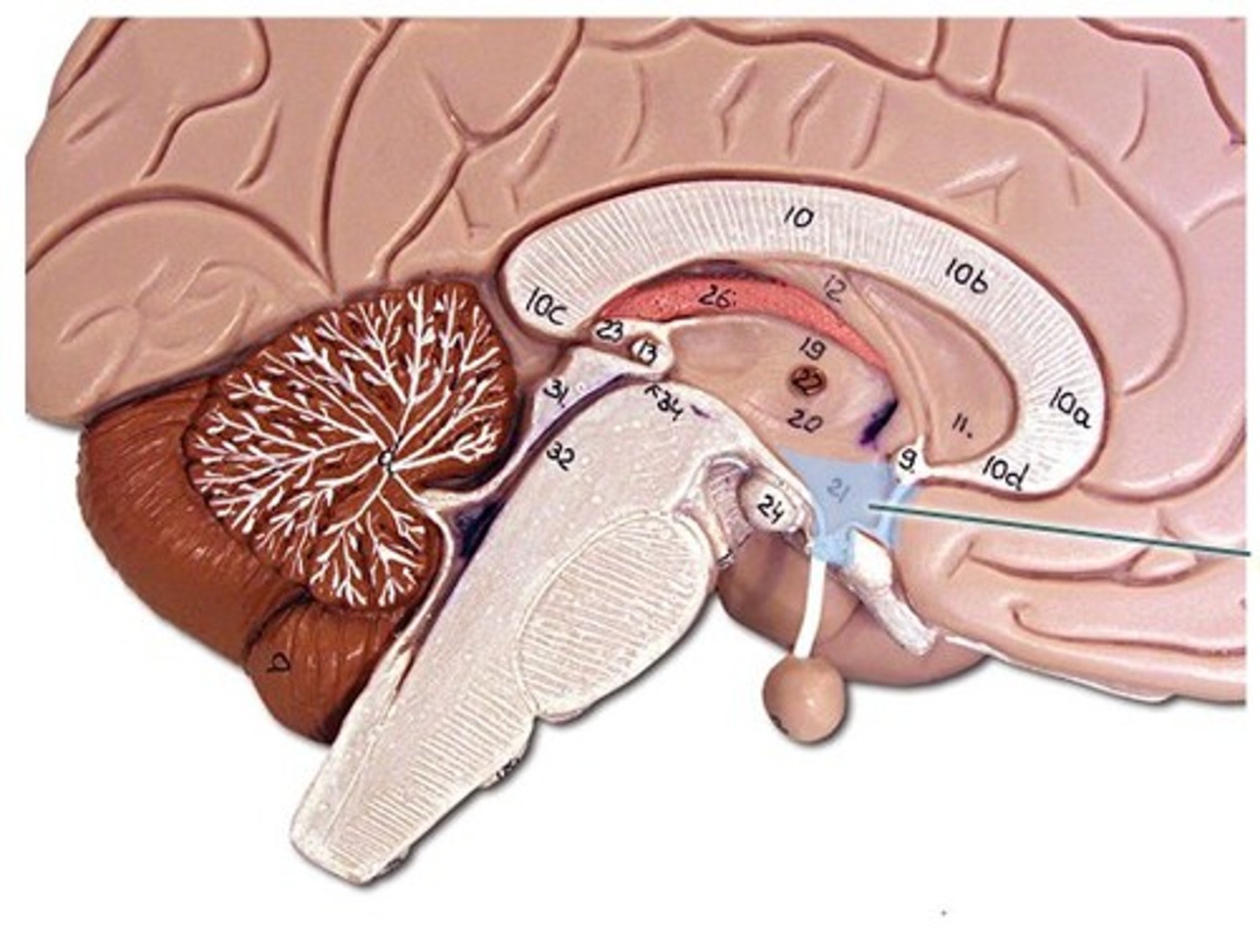
3rd ventricle
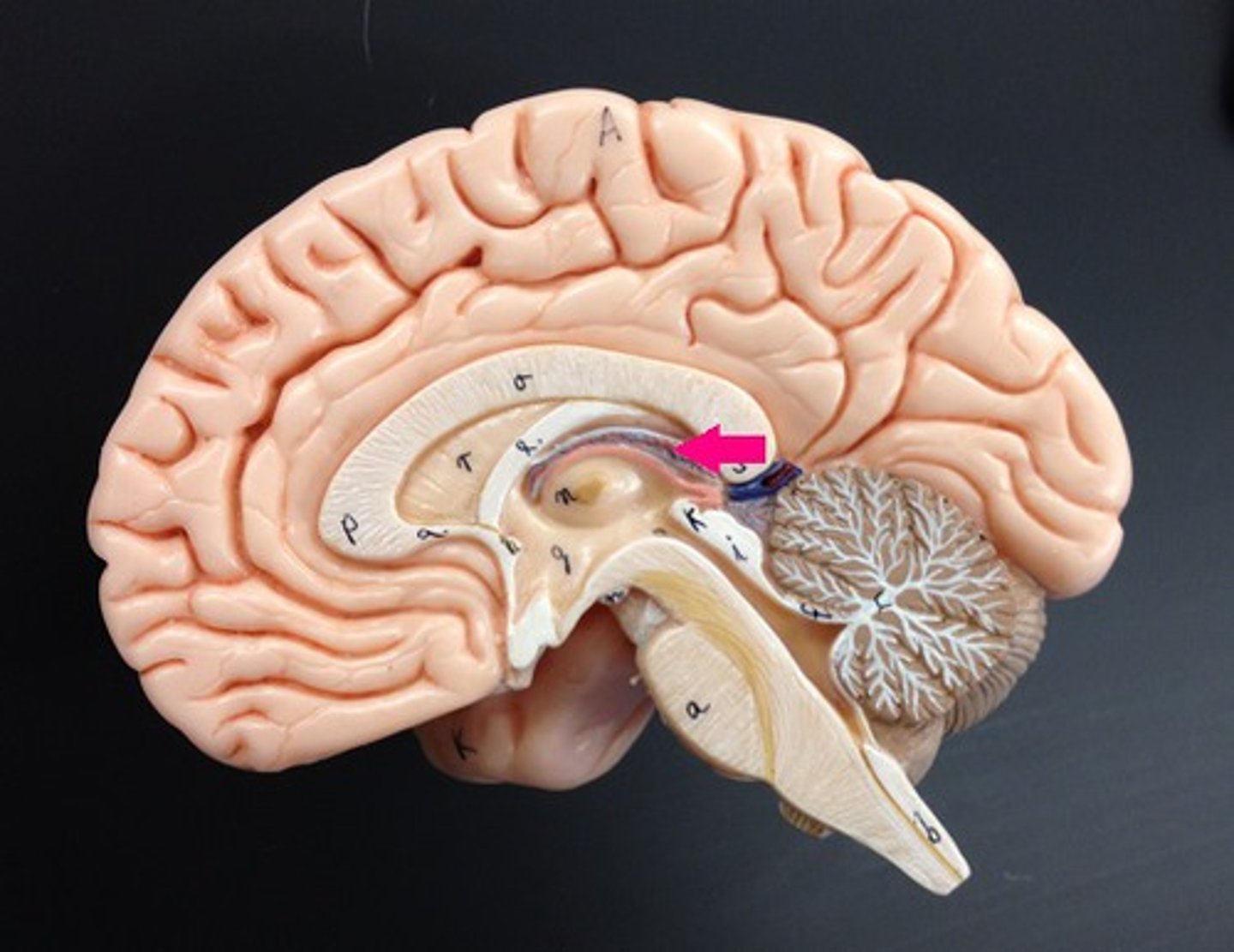
pituitary gland
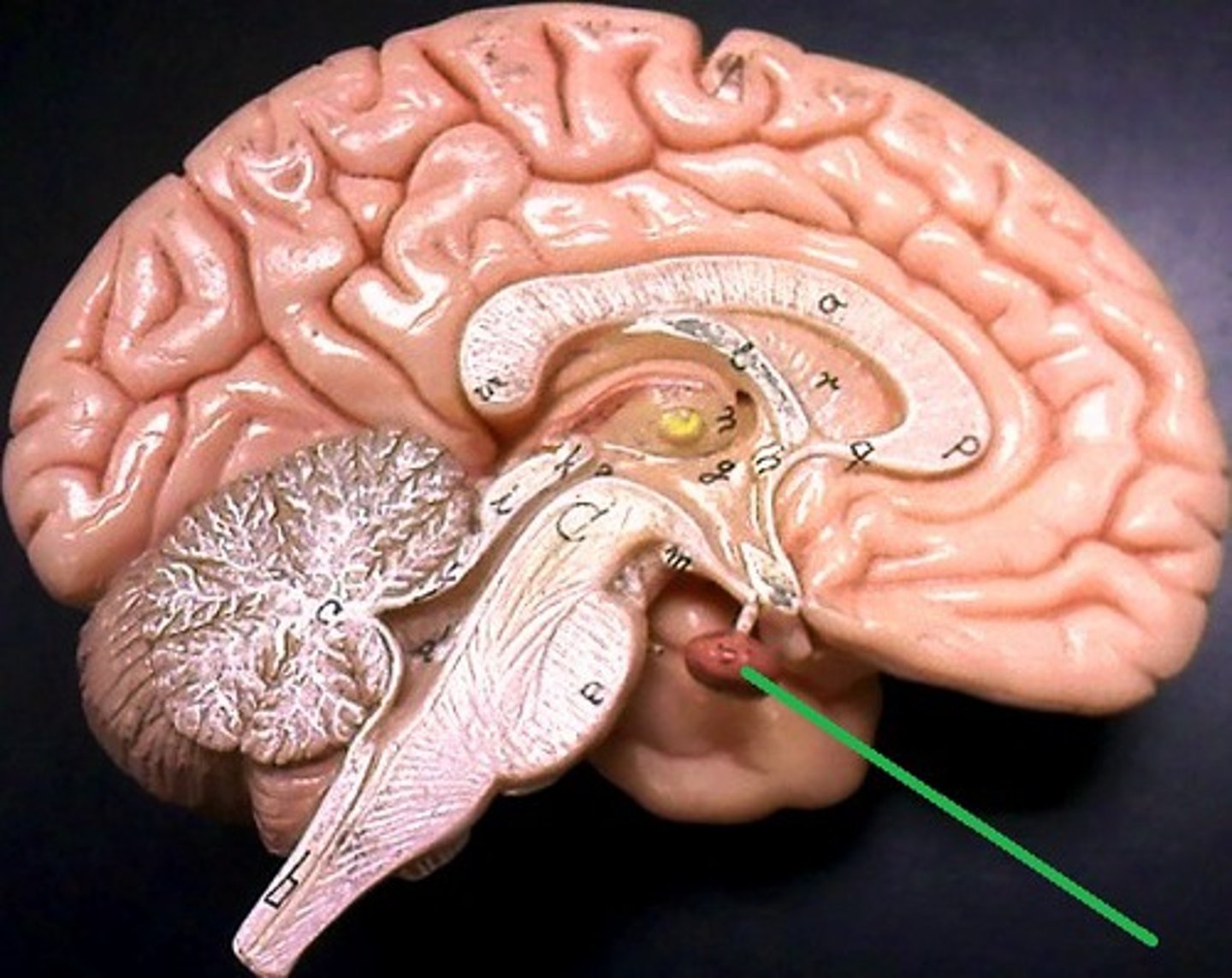
isthmus
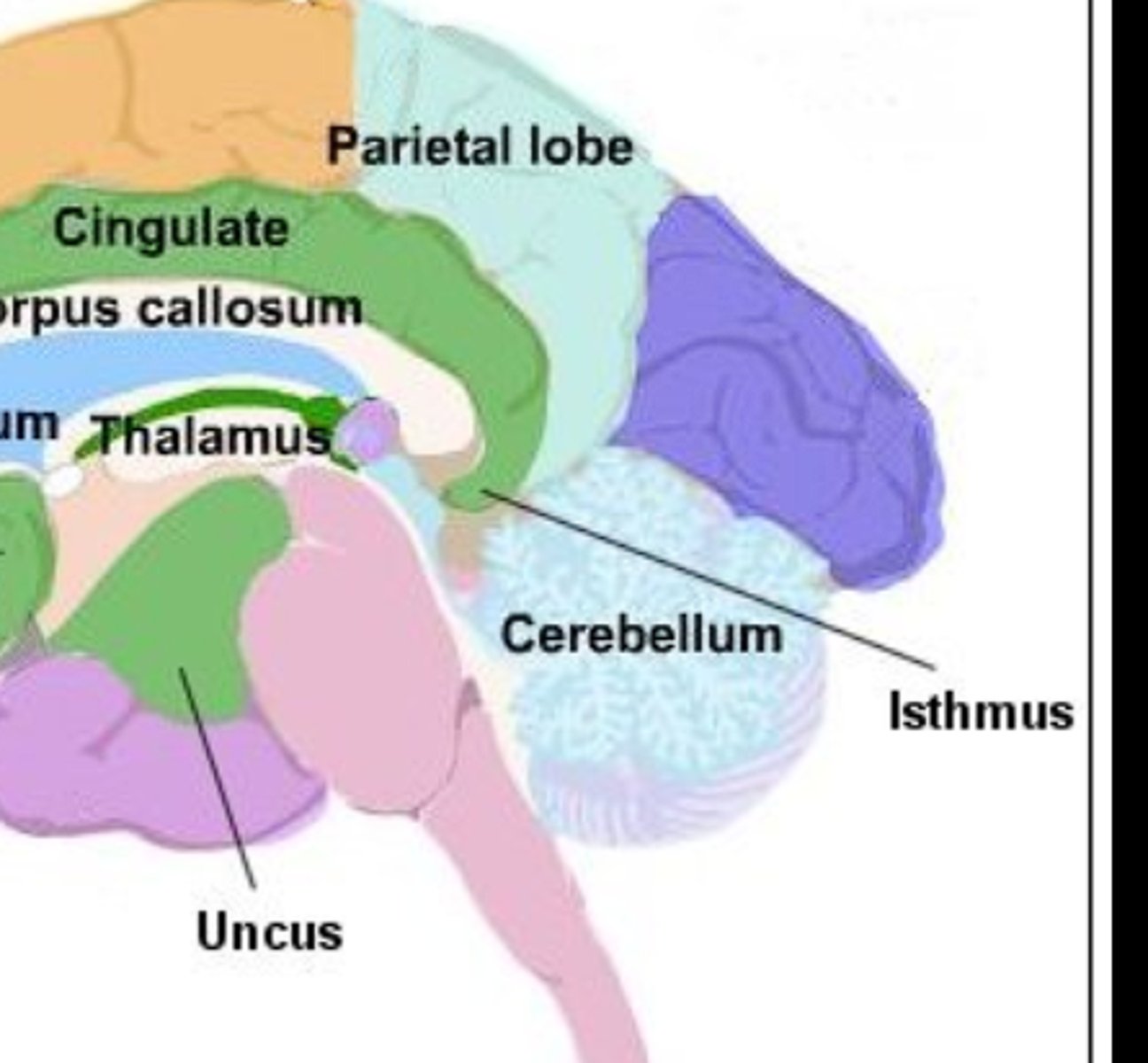
pineal gland
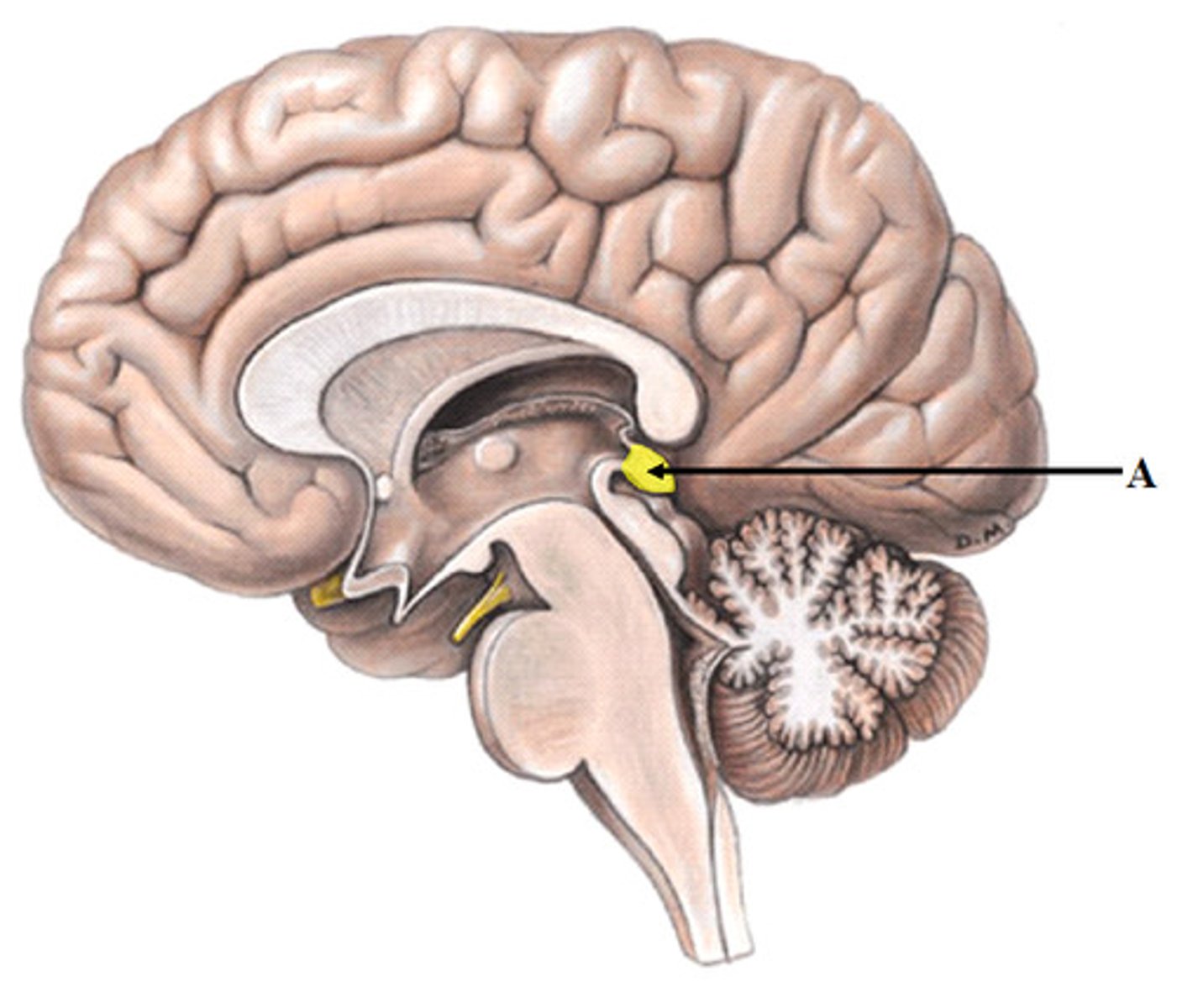
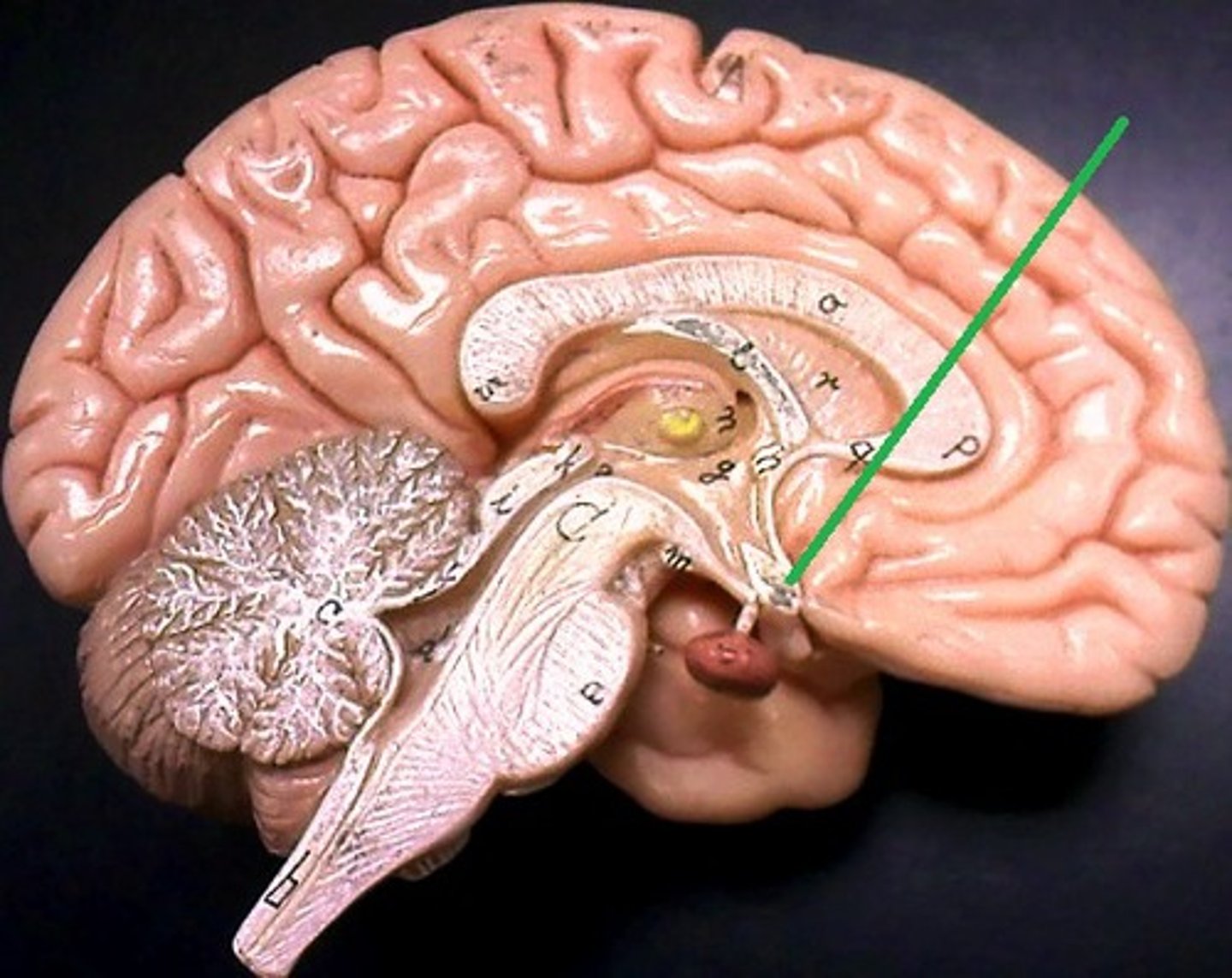
optic chiasma
corpora quadrigemina
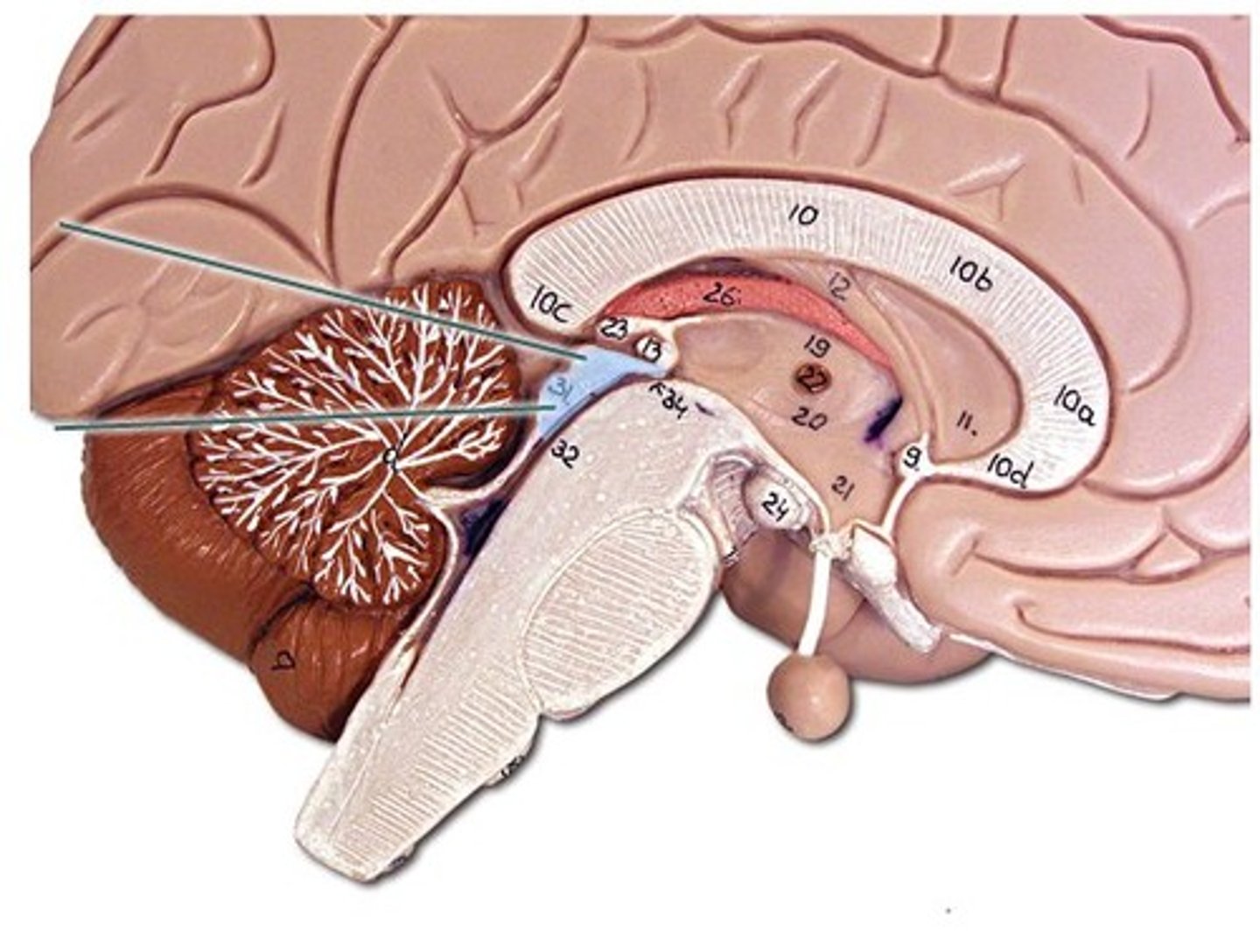
cerebral aqueduct
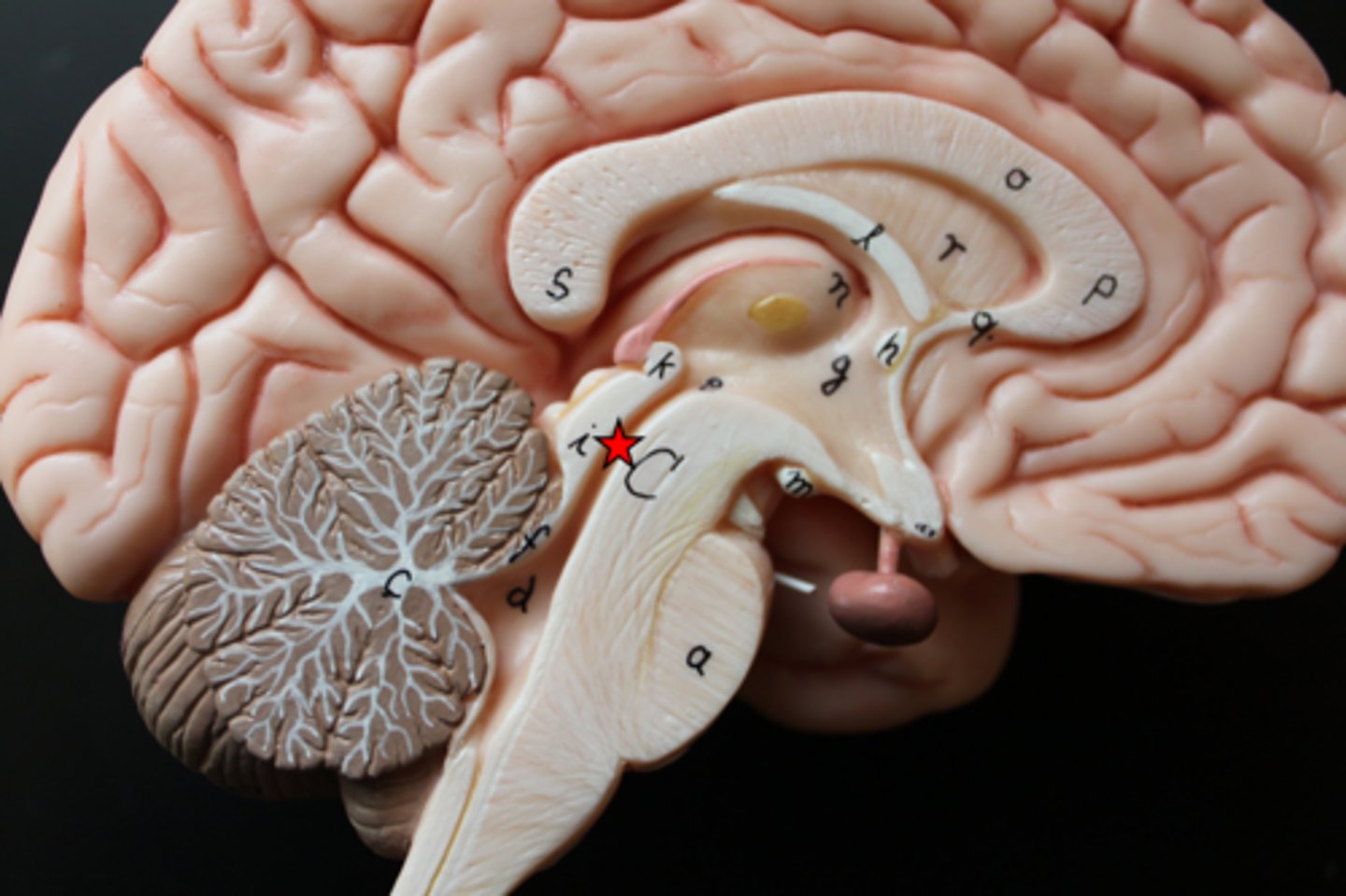
fourth ventricle (pons)
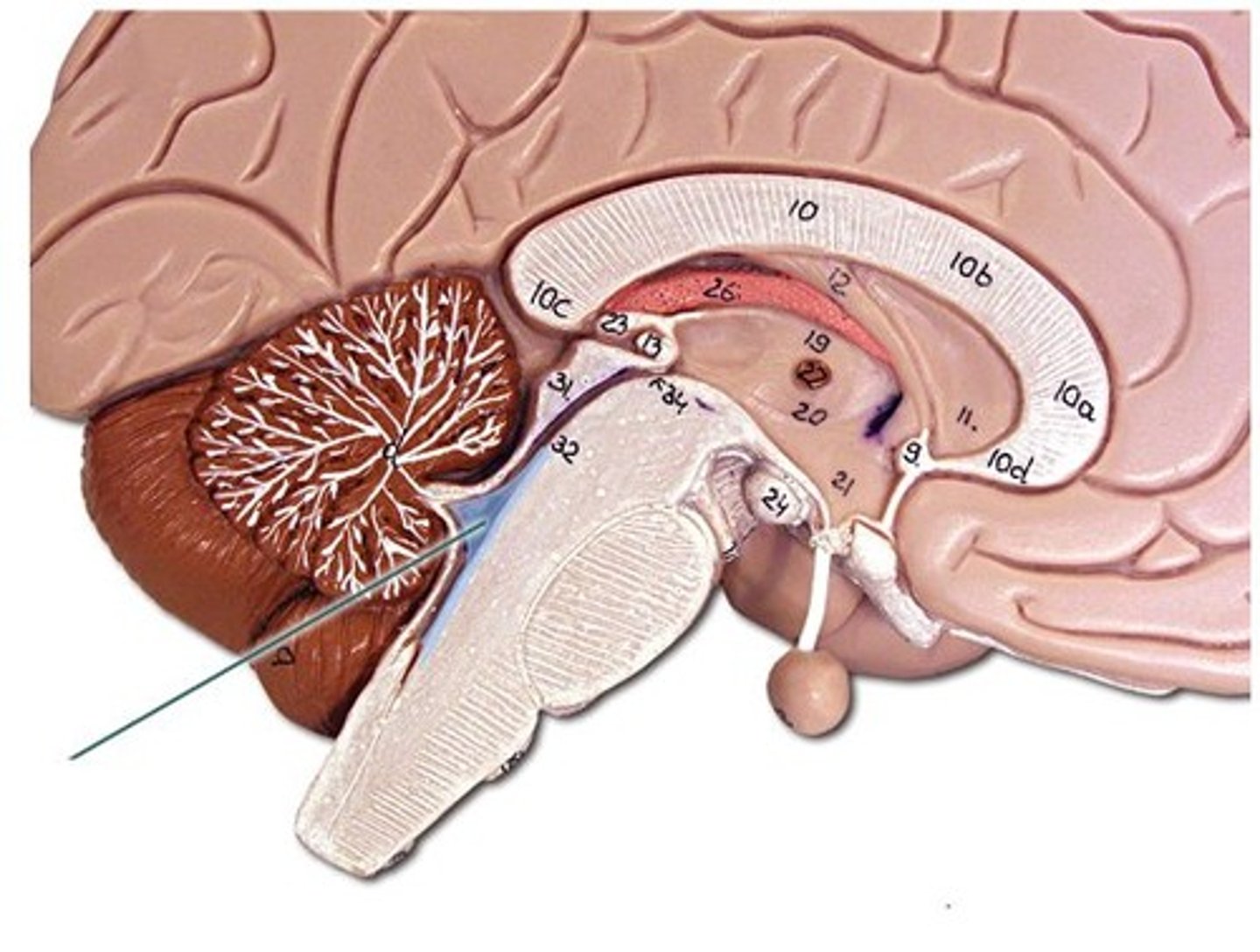
arbor vitae
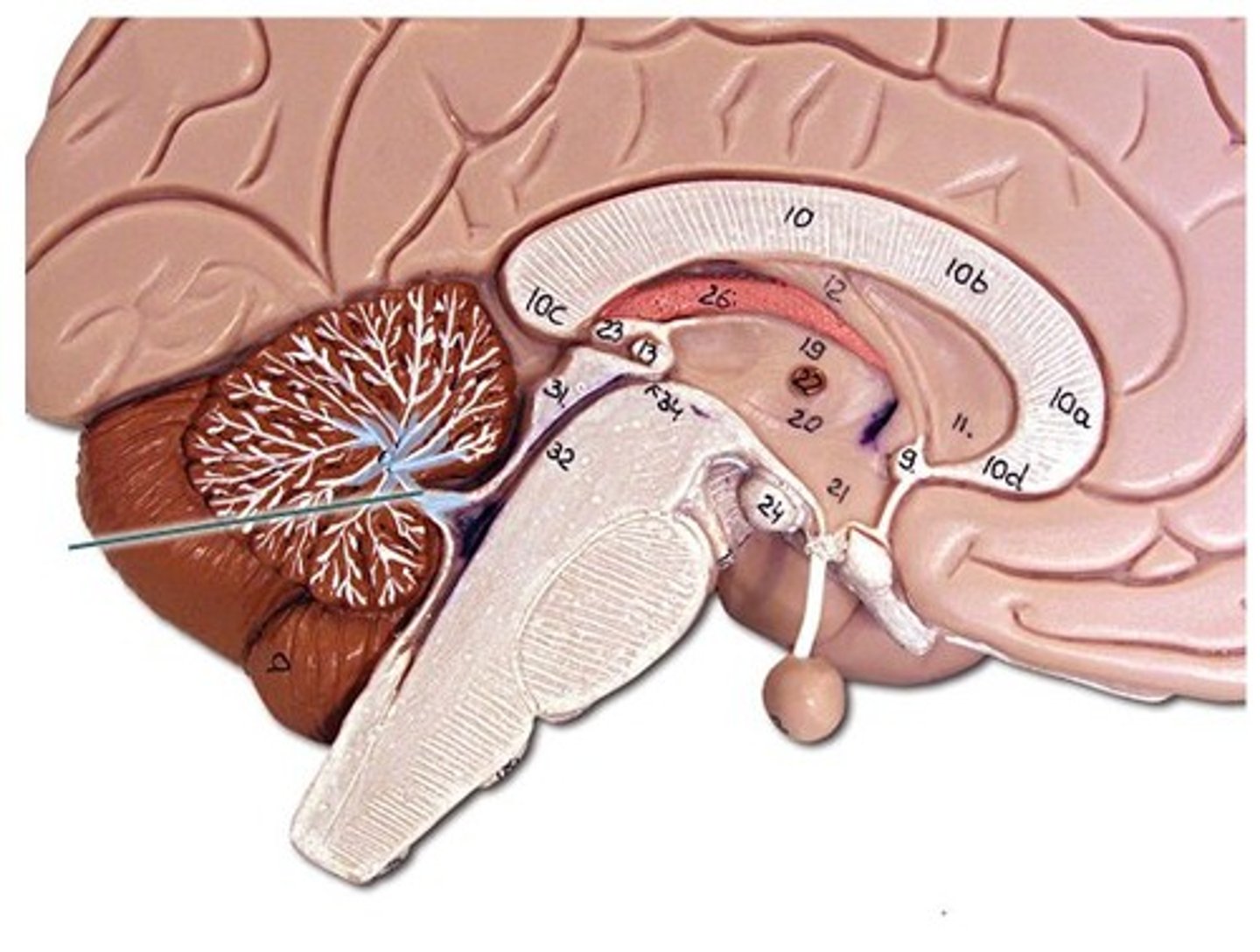
central canal
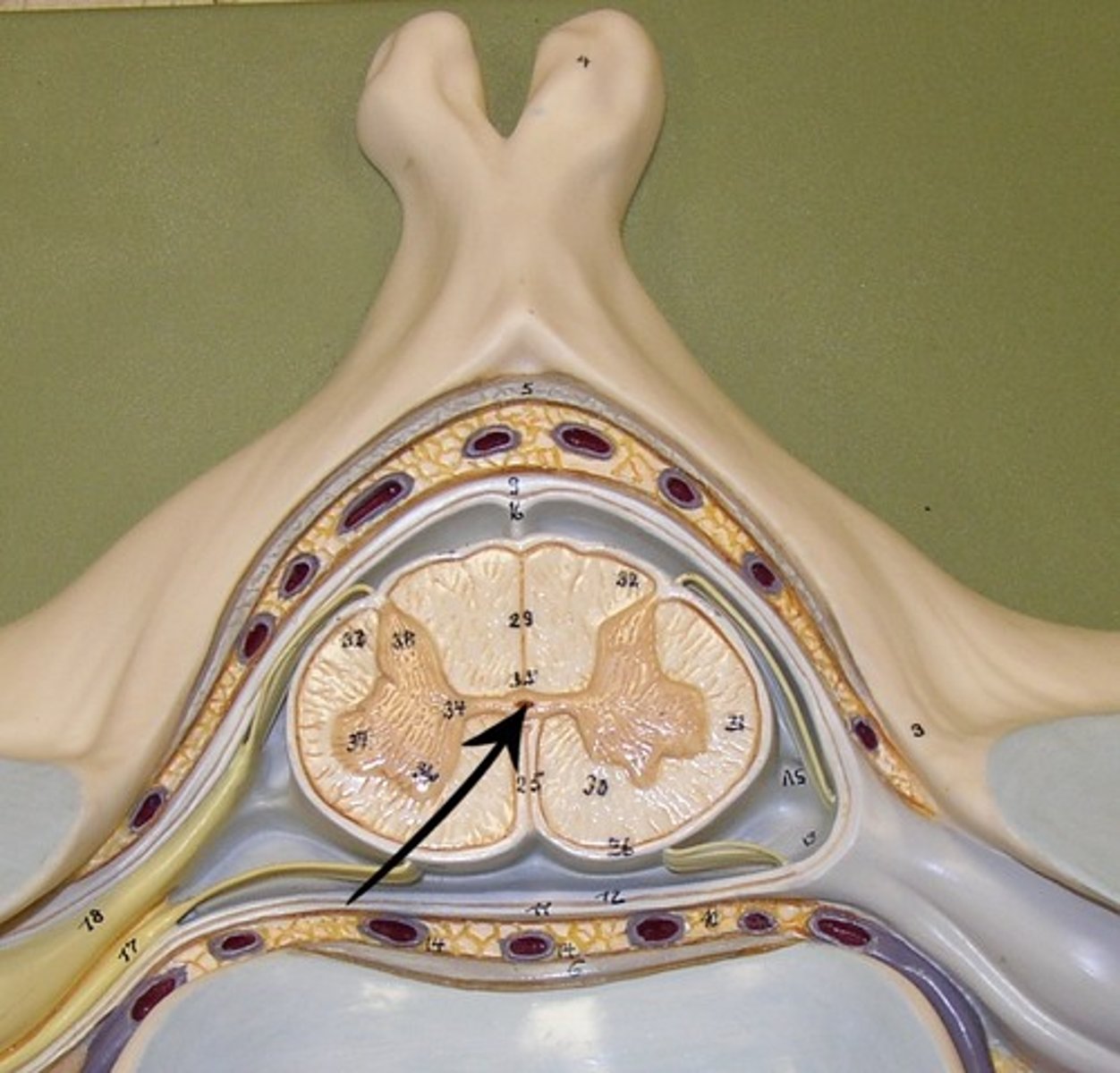
anterior median fissure
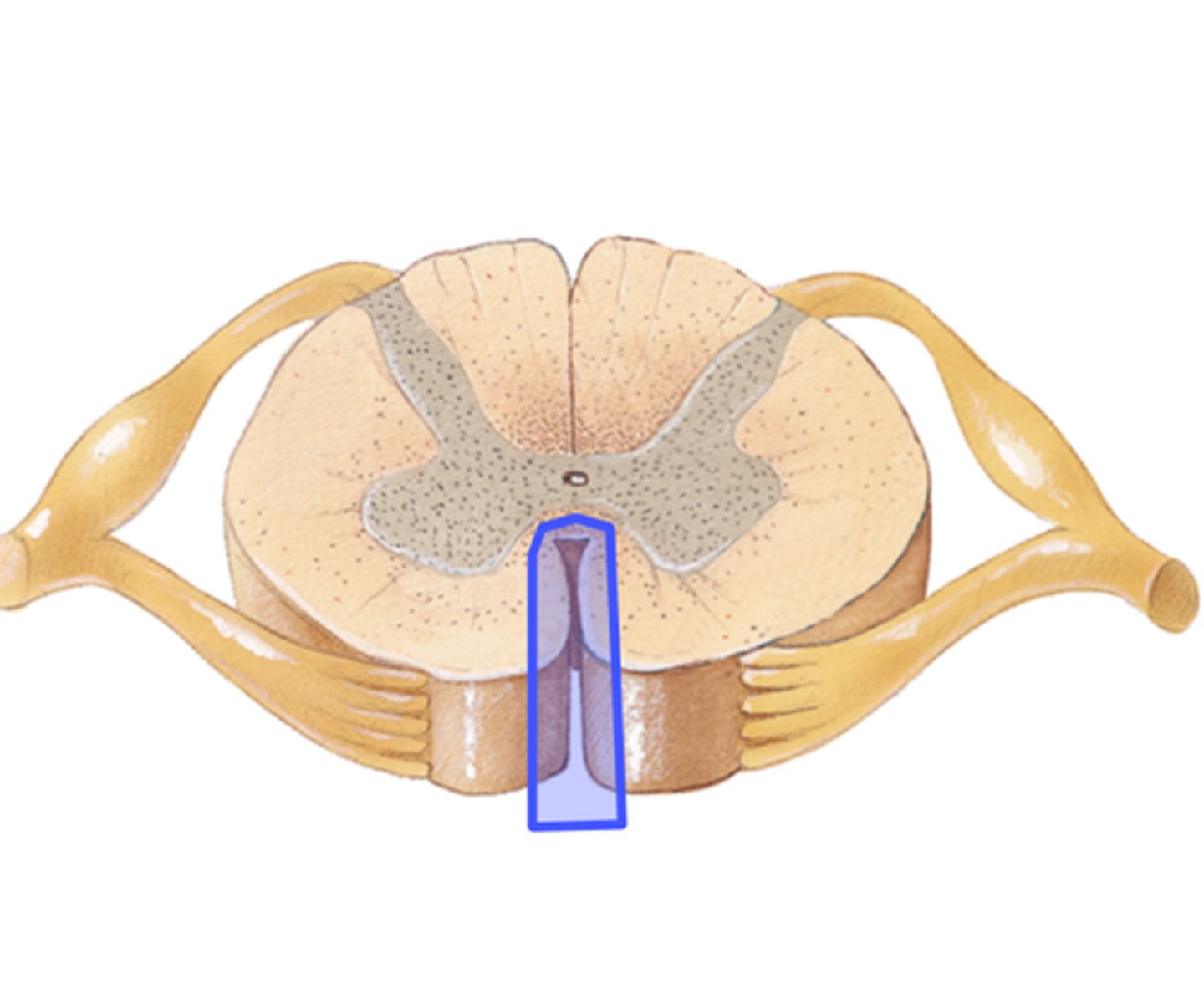
posterior median sulcus
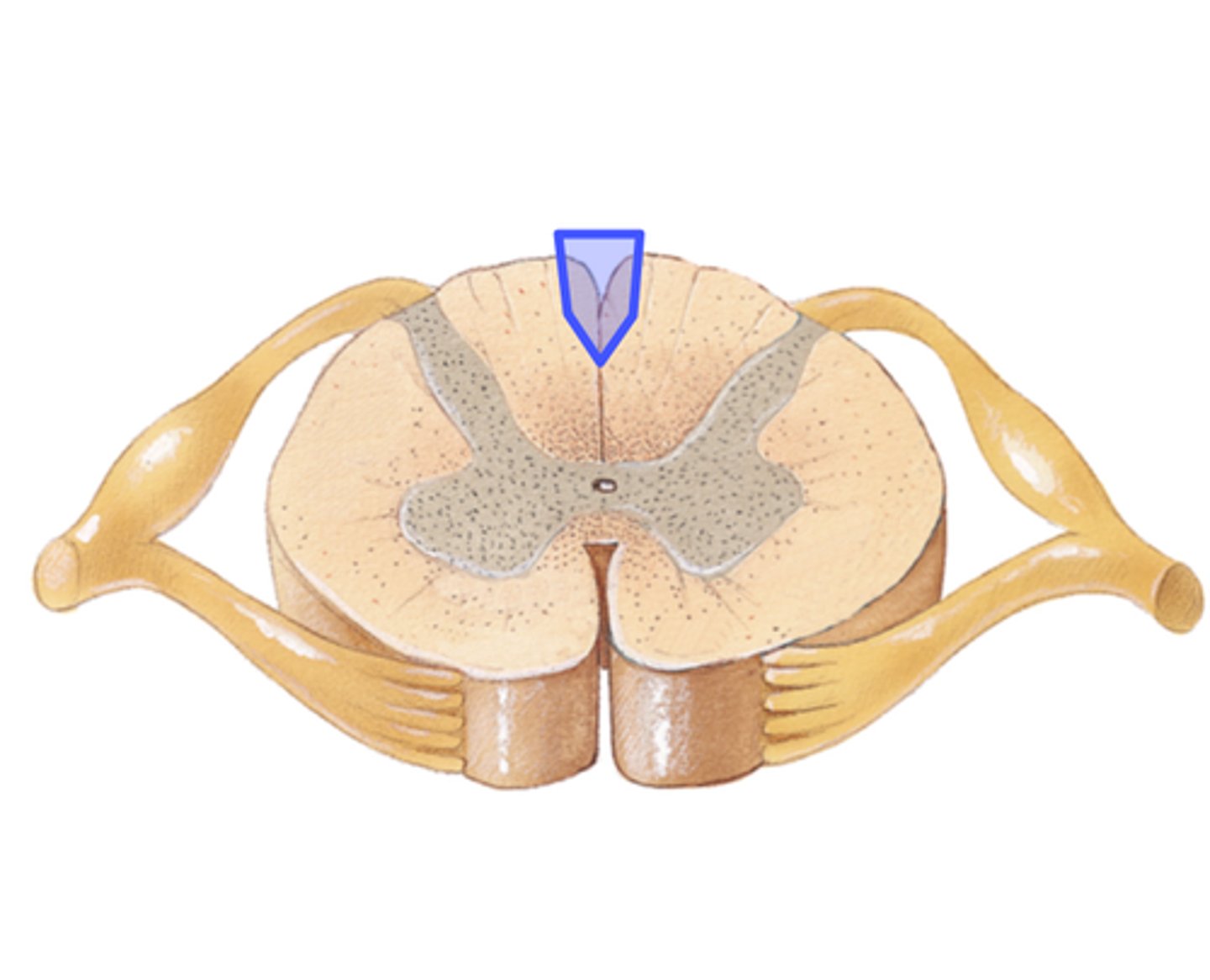
grey matter
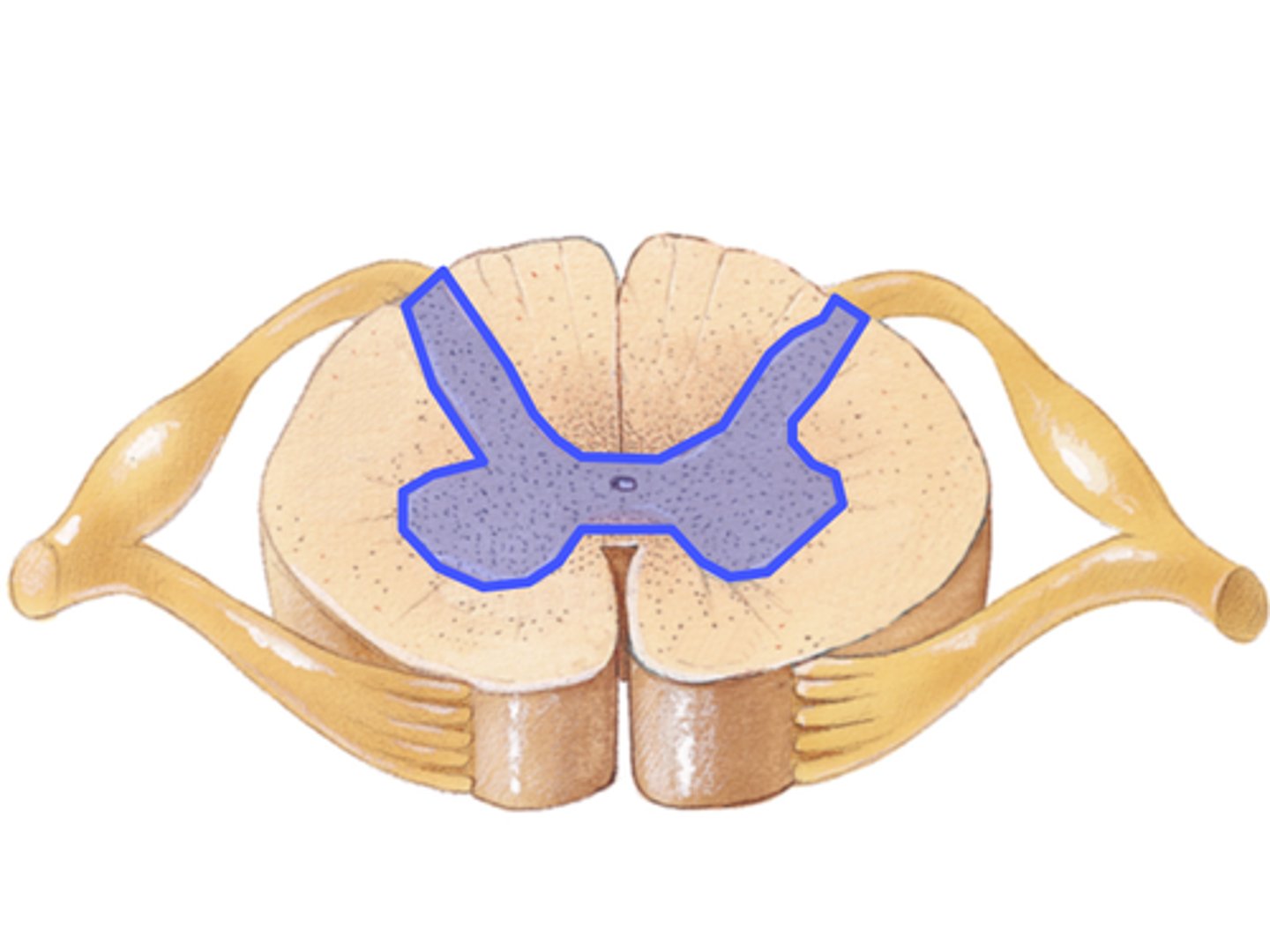
white matter
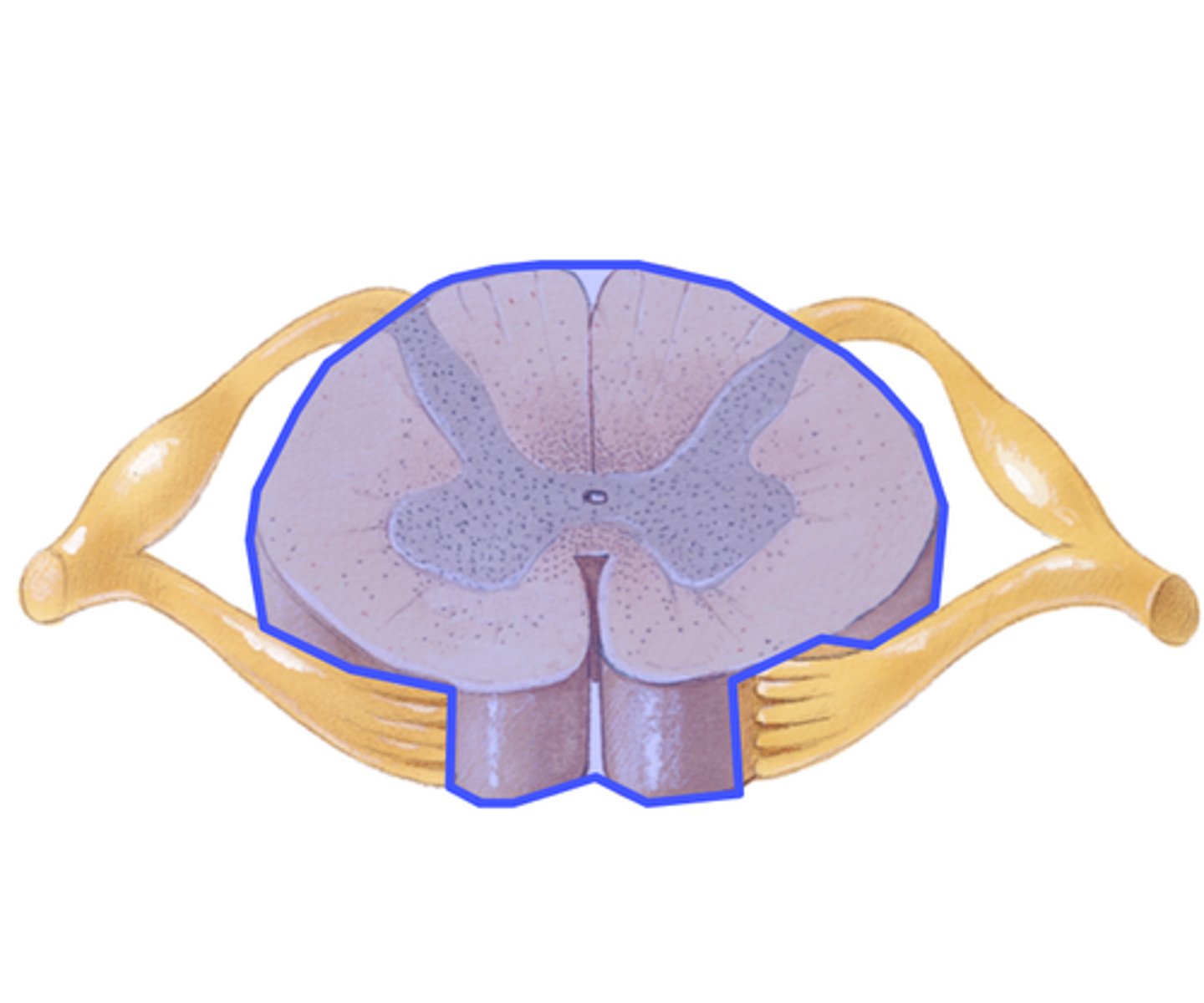
ventral (anterior) horn
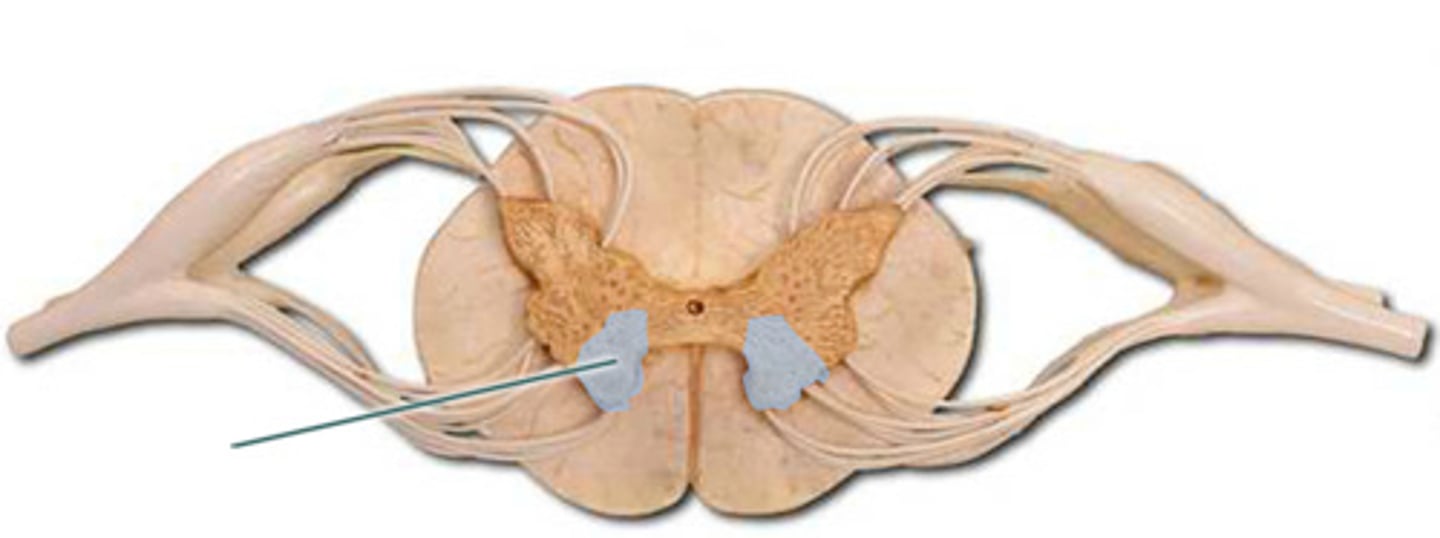
Dorsal (Posterior) Horn
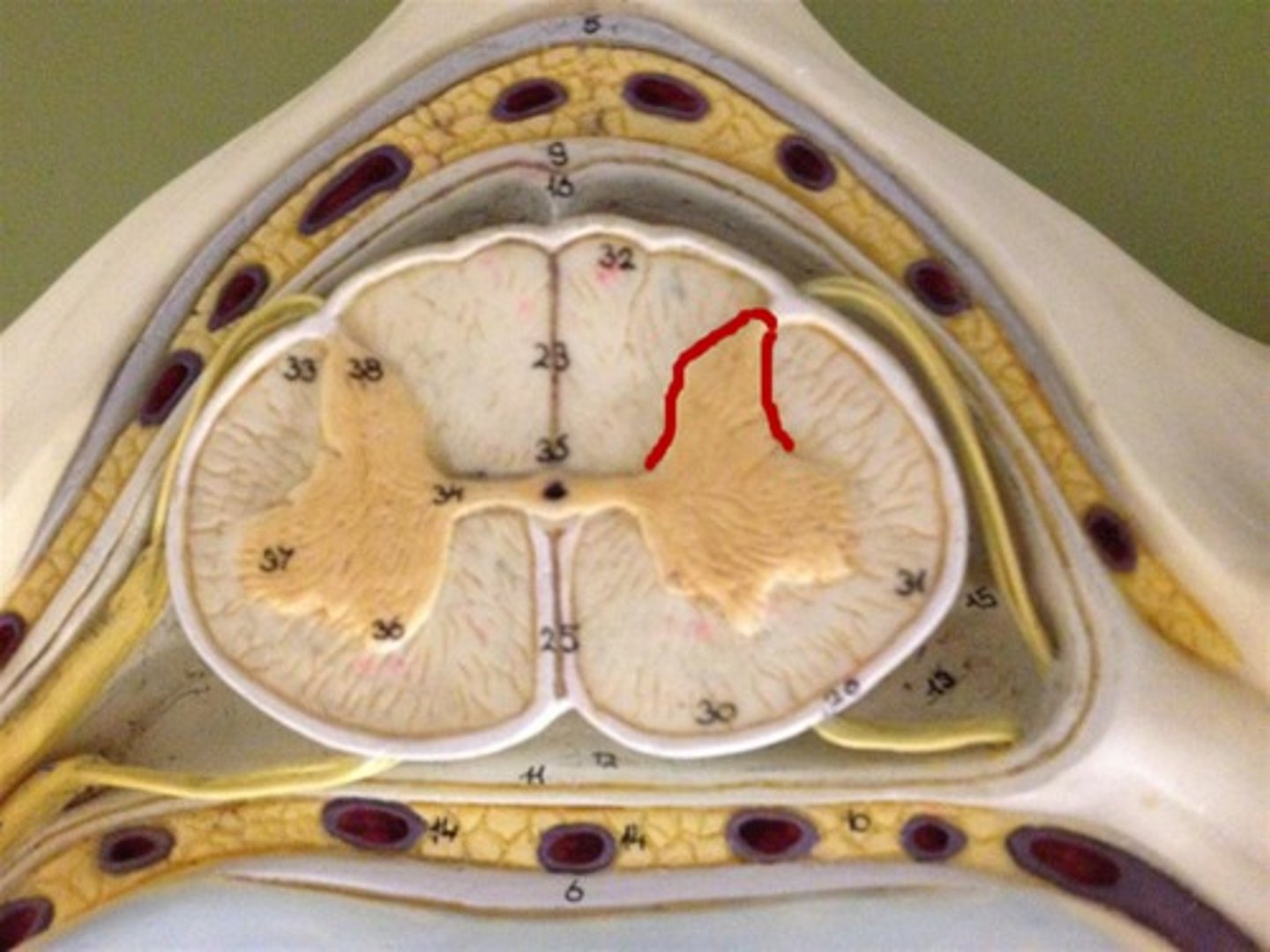
Lateral Horn
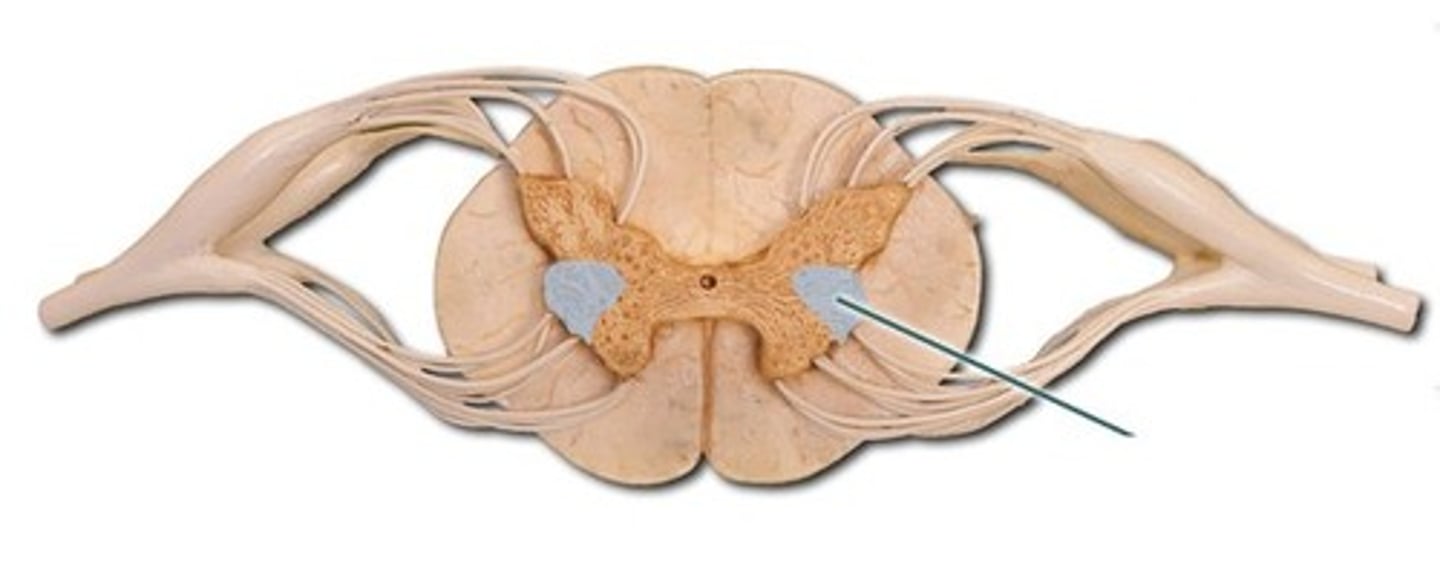
Gray Commissure
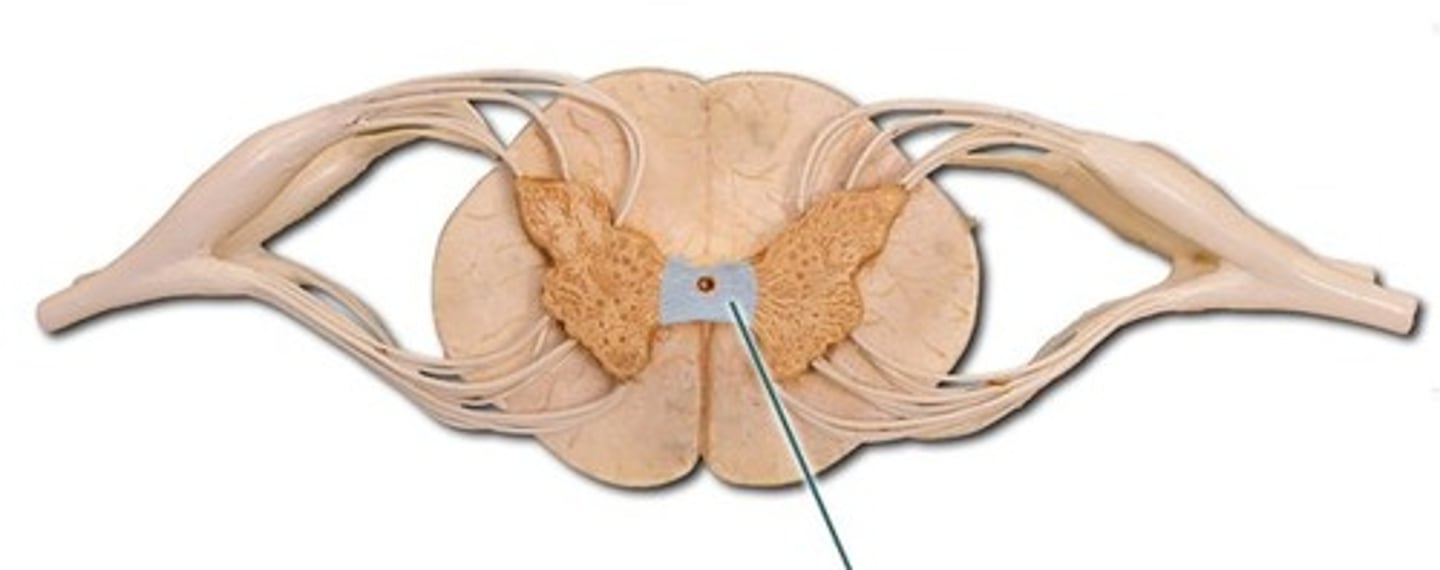
Spinal Nerves
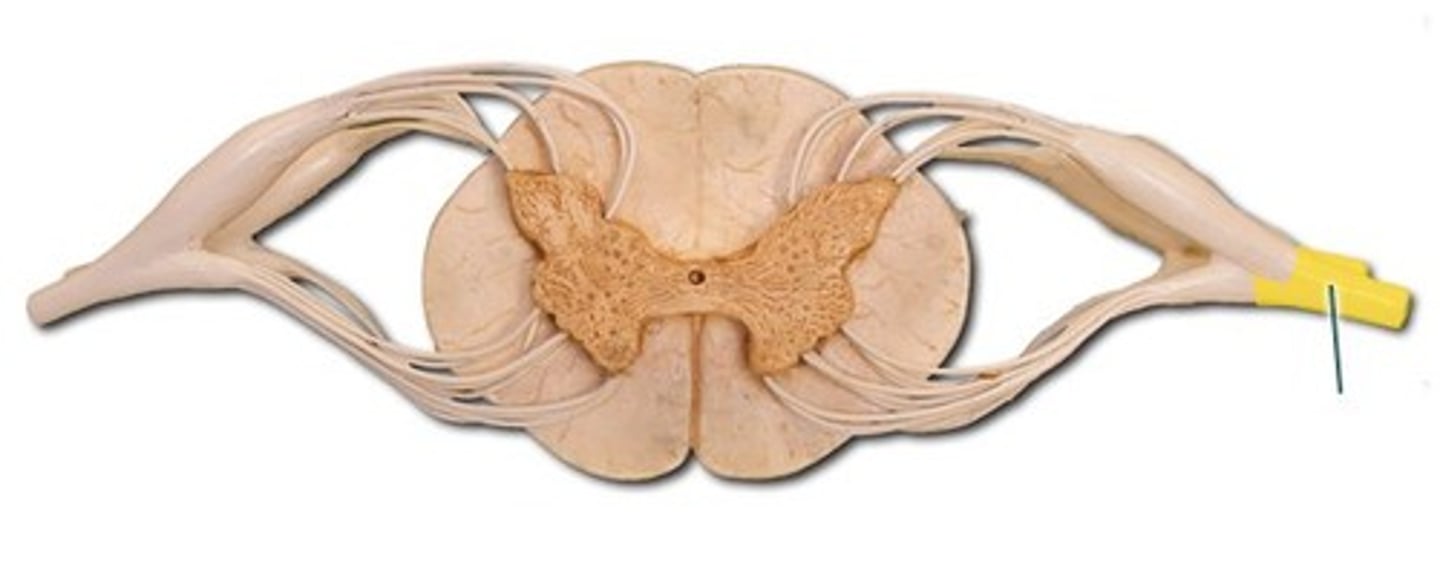
ventral roots
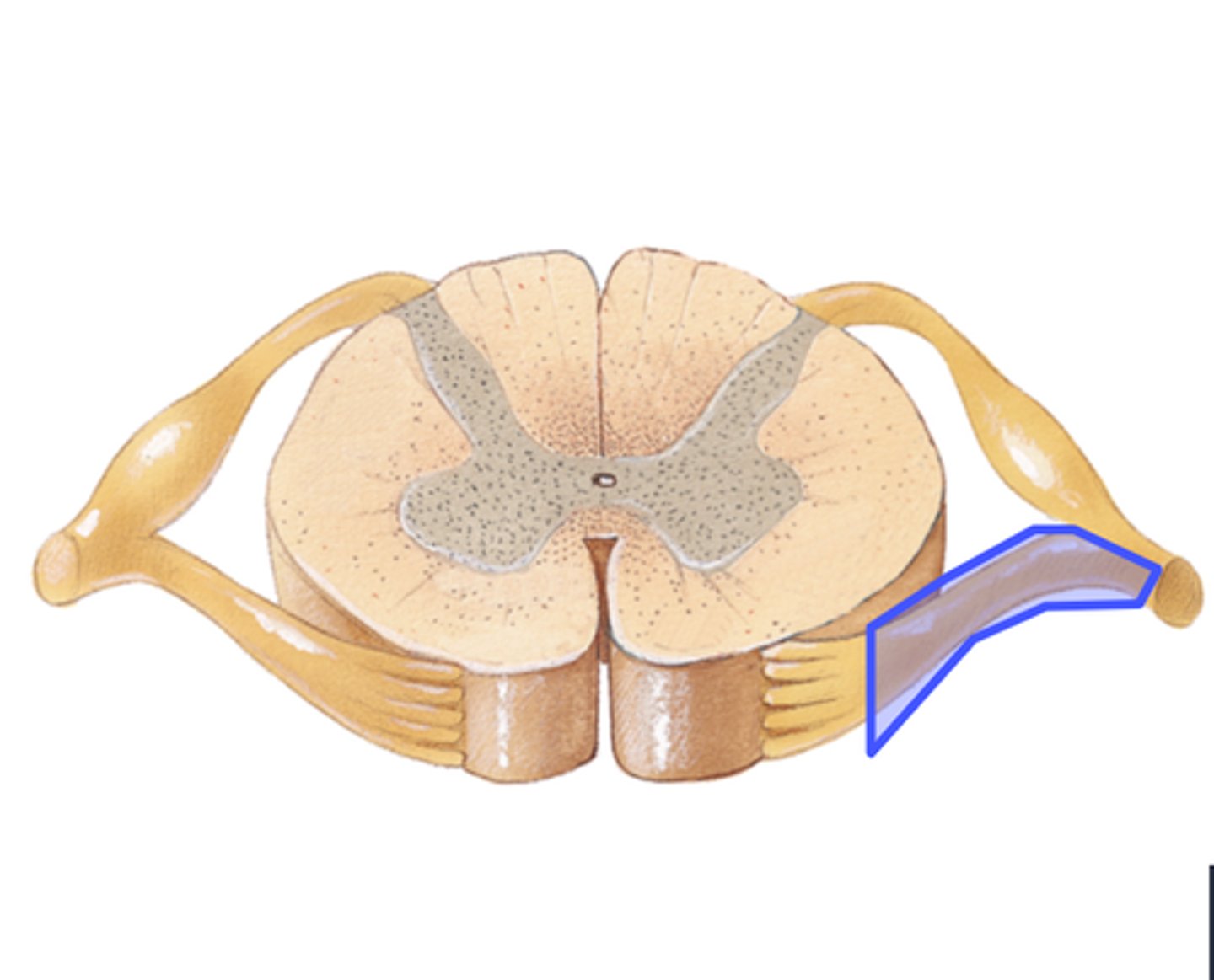
dorsal roots
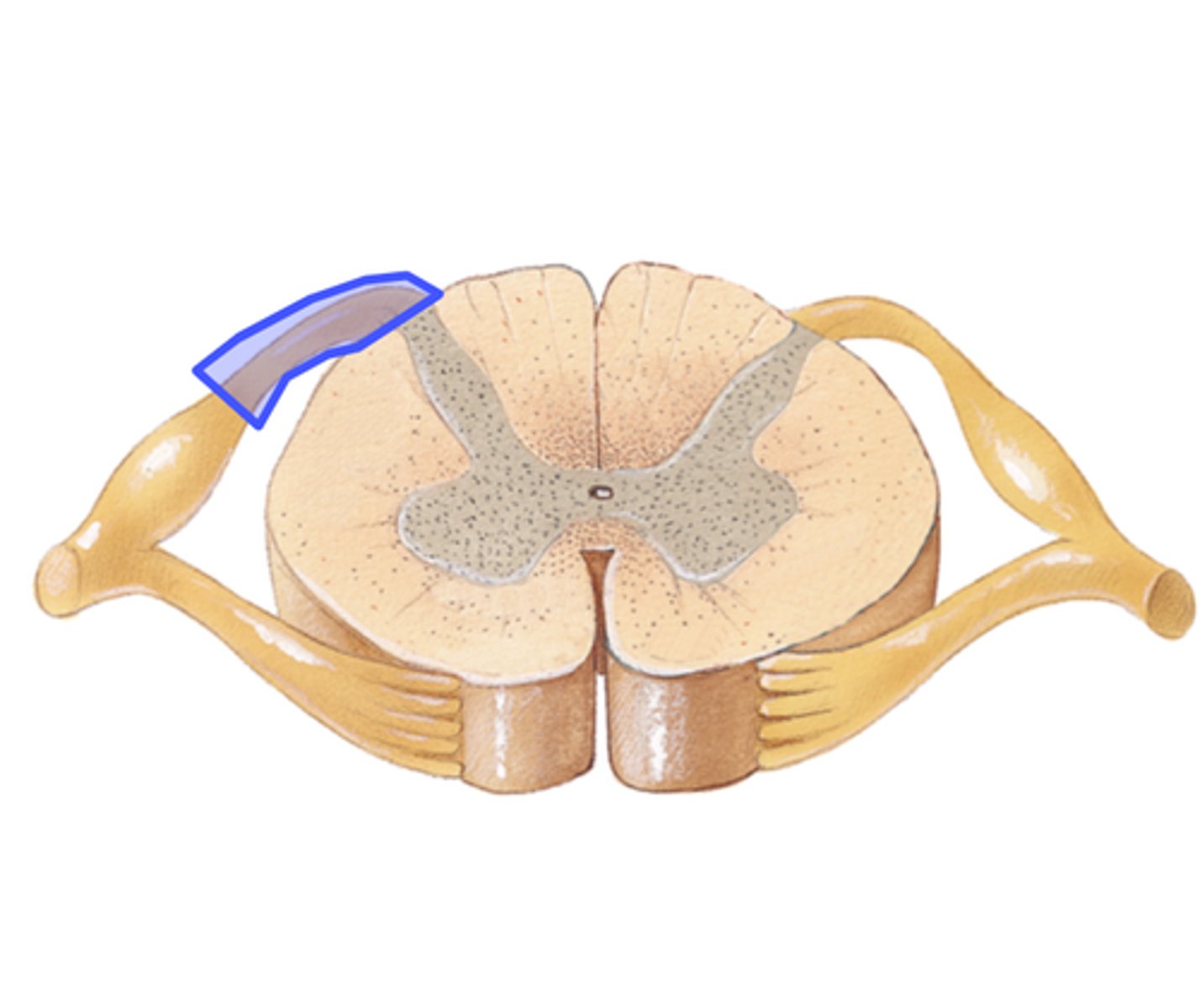
dorsal root ganglion
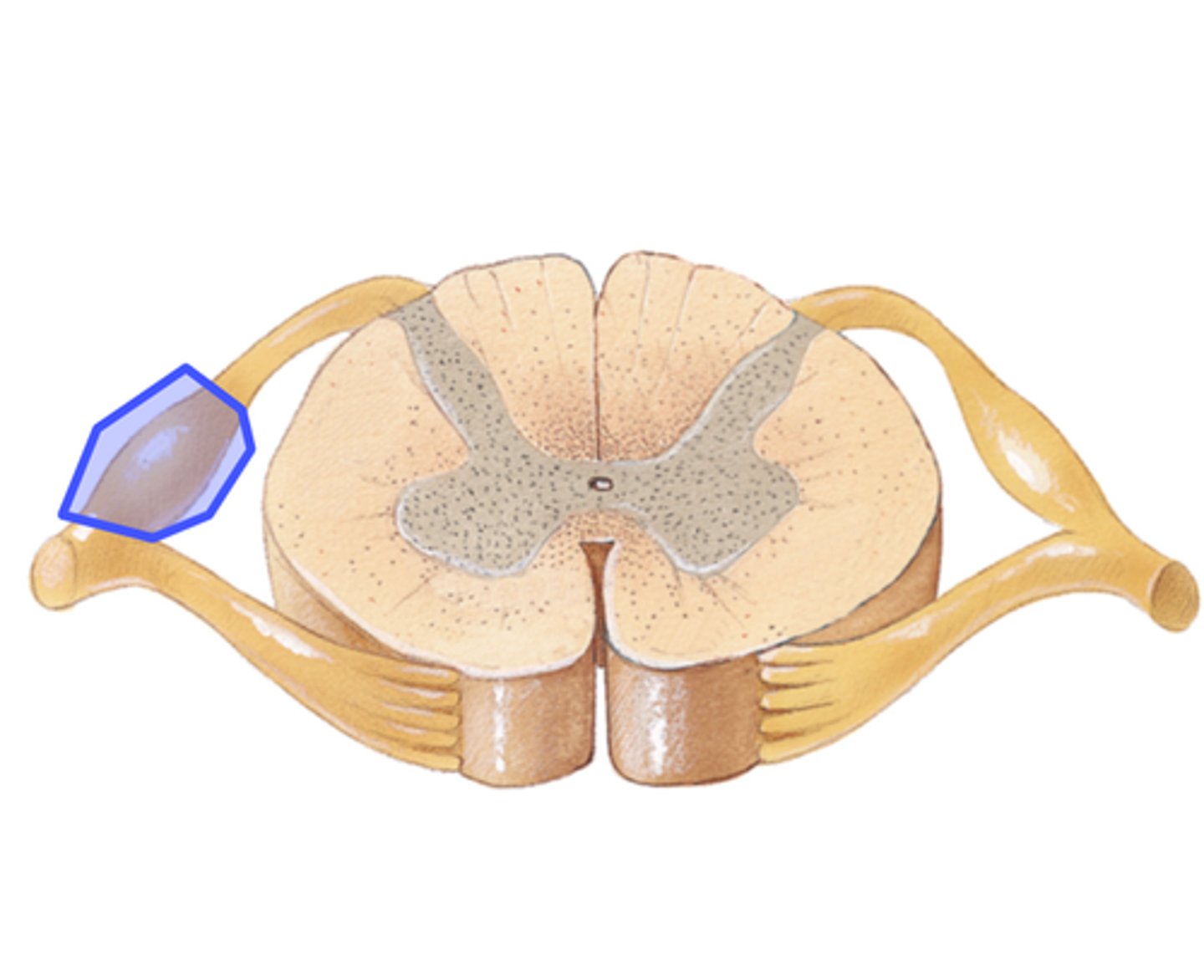
dura mater
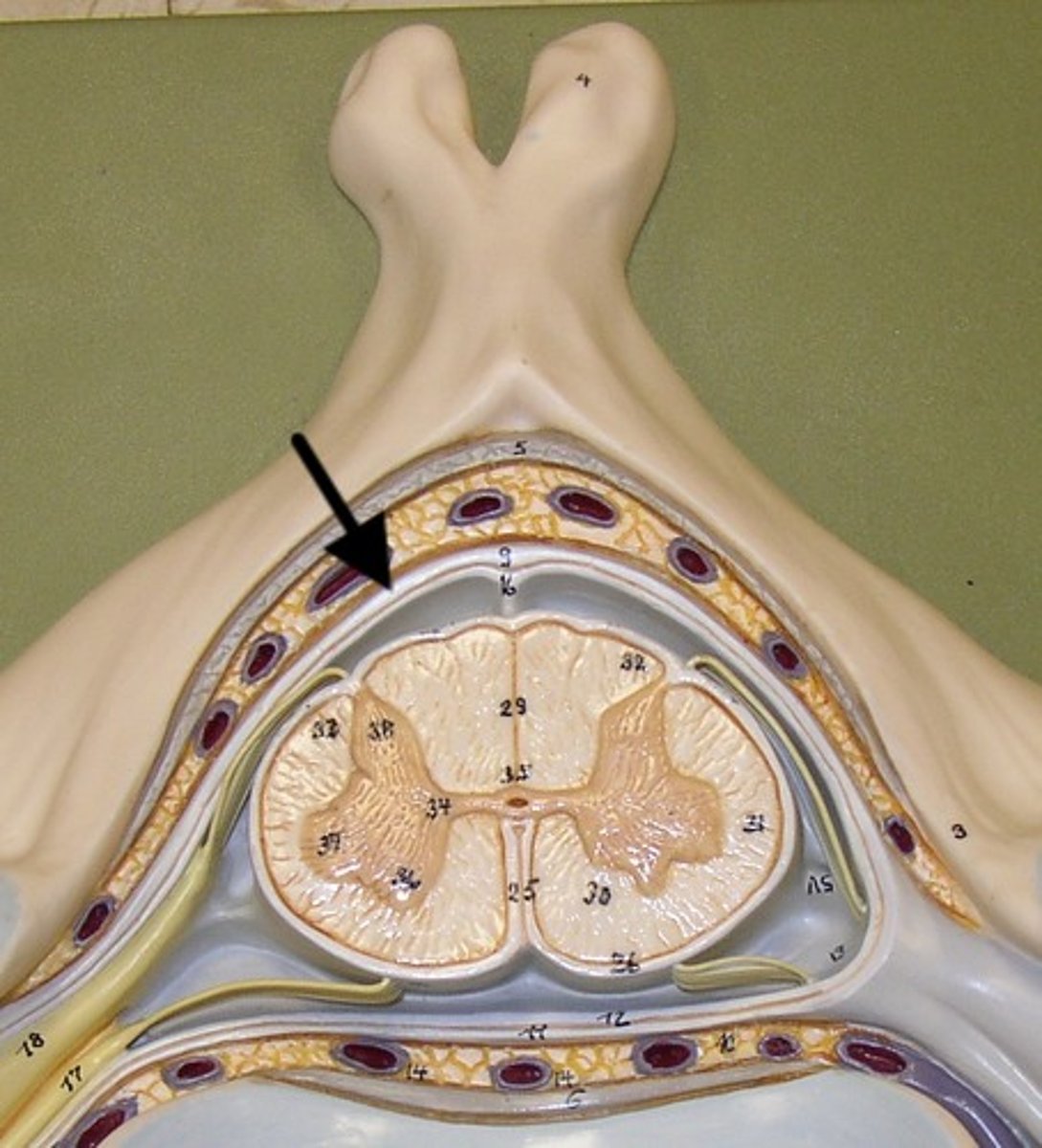
arachnoid mater
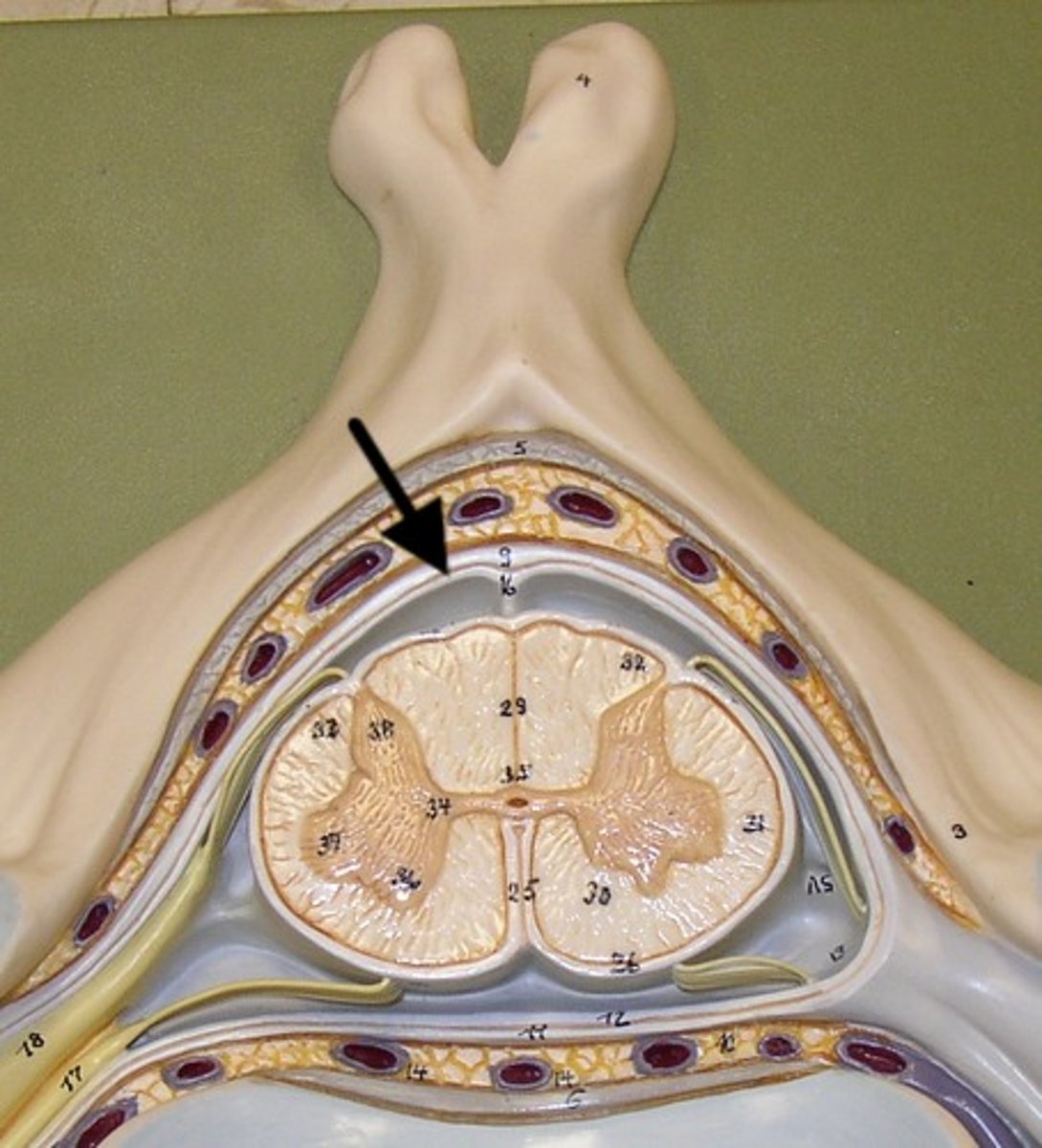
pia mater
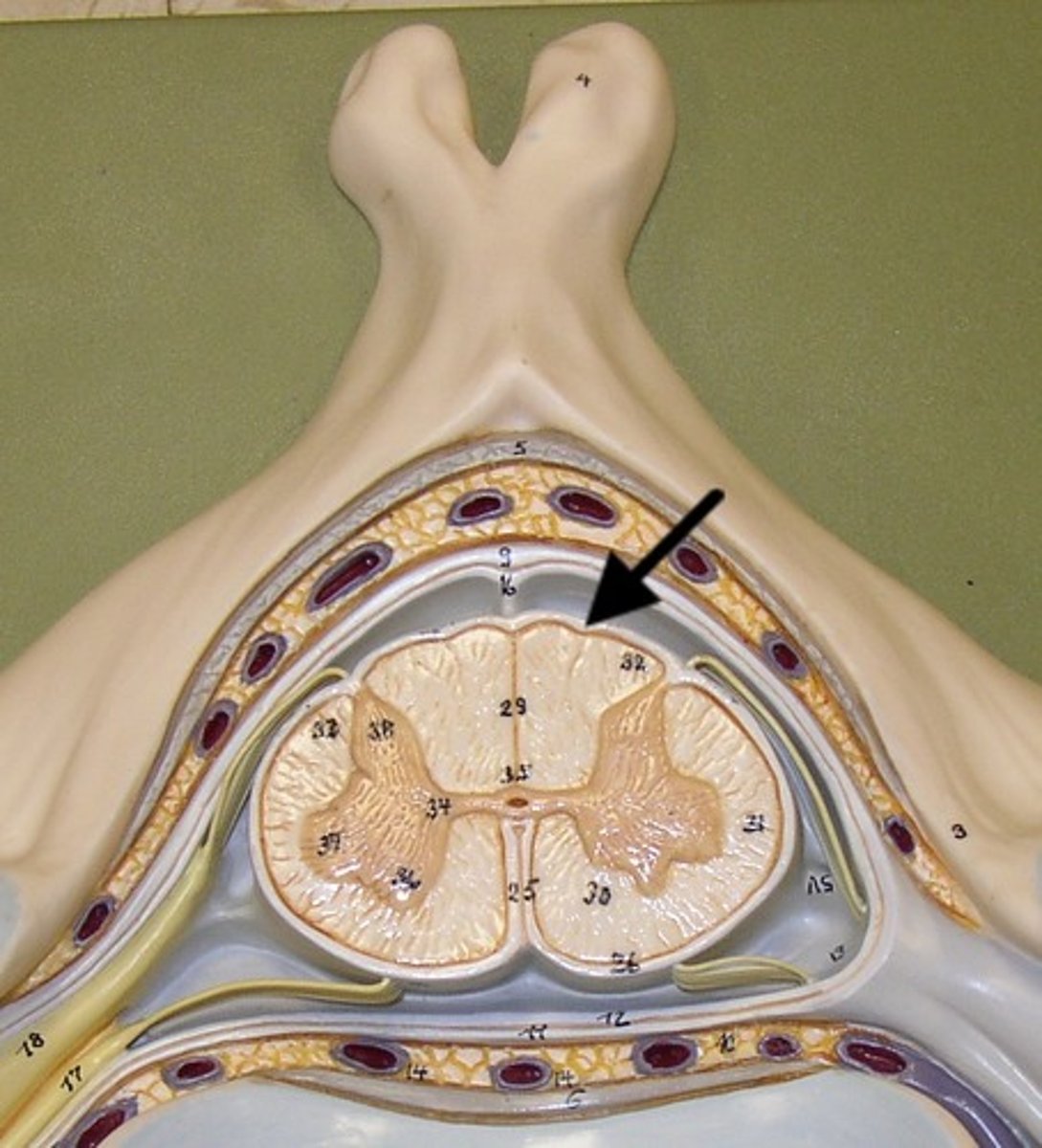
subarachnoid space
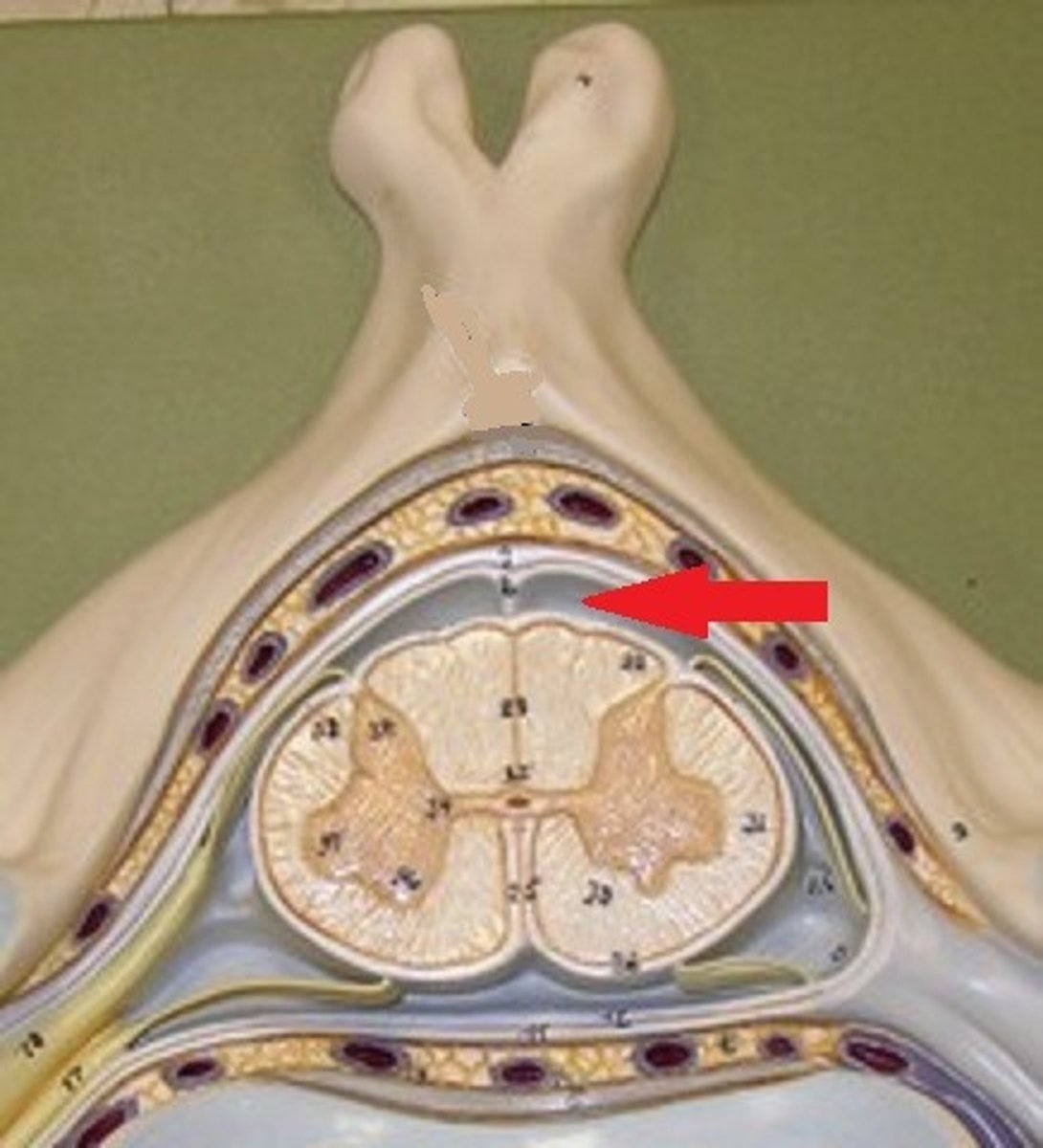
epidural space
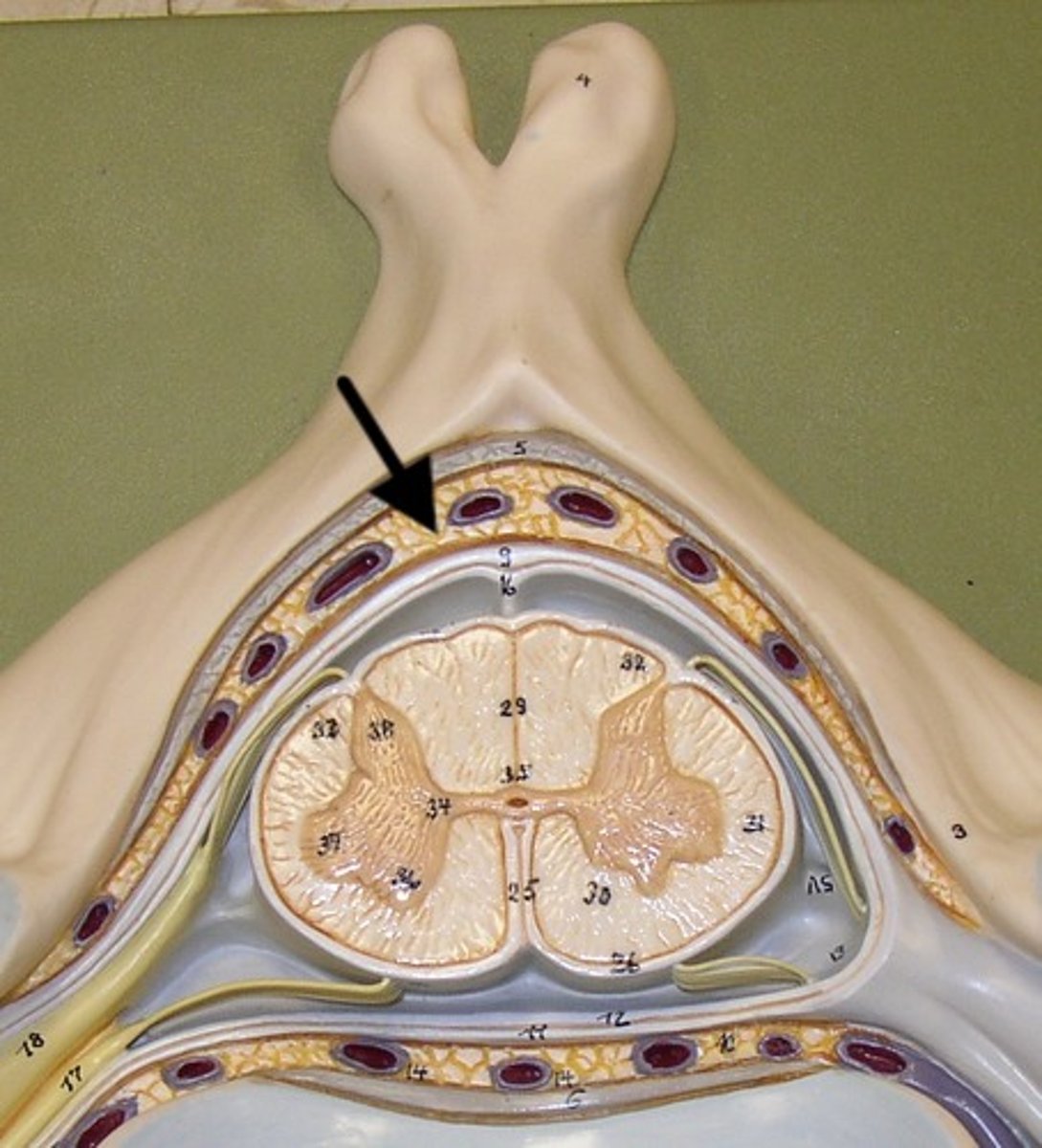
dorsal ramus
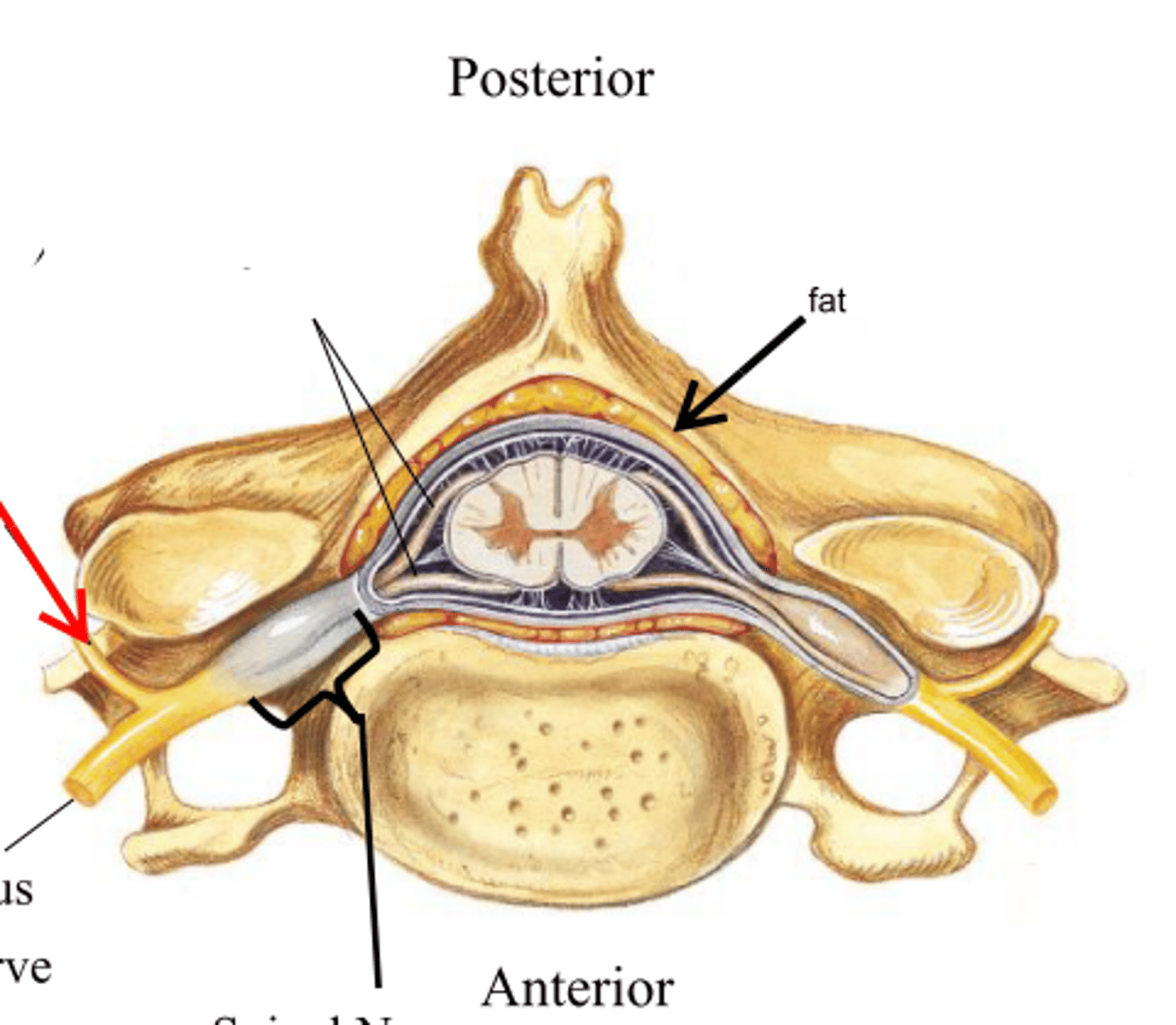
ventral ramus
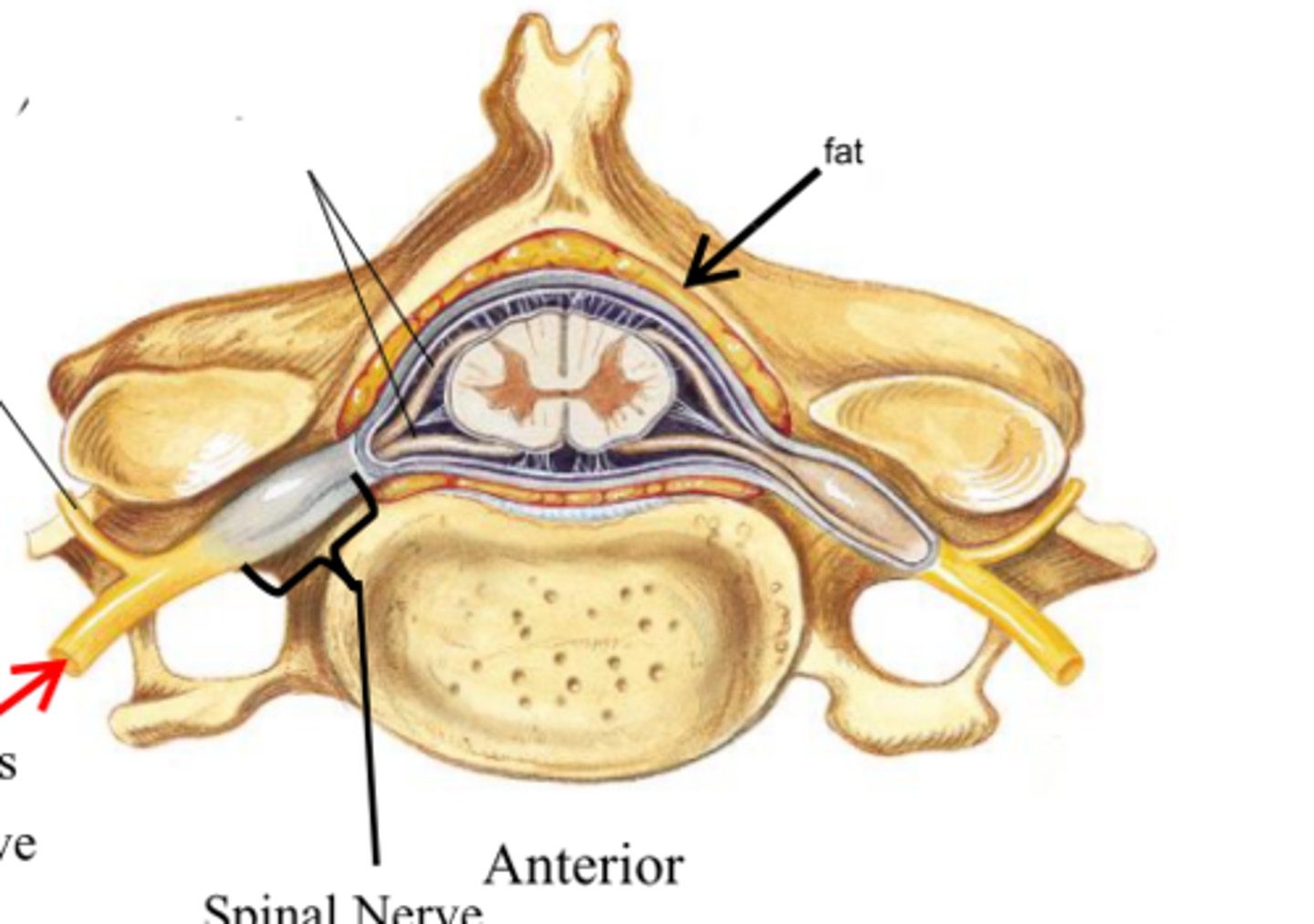
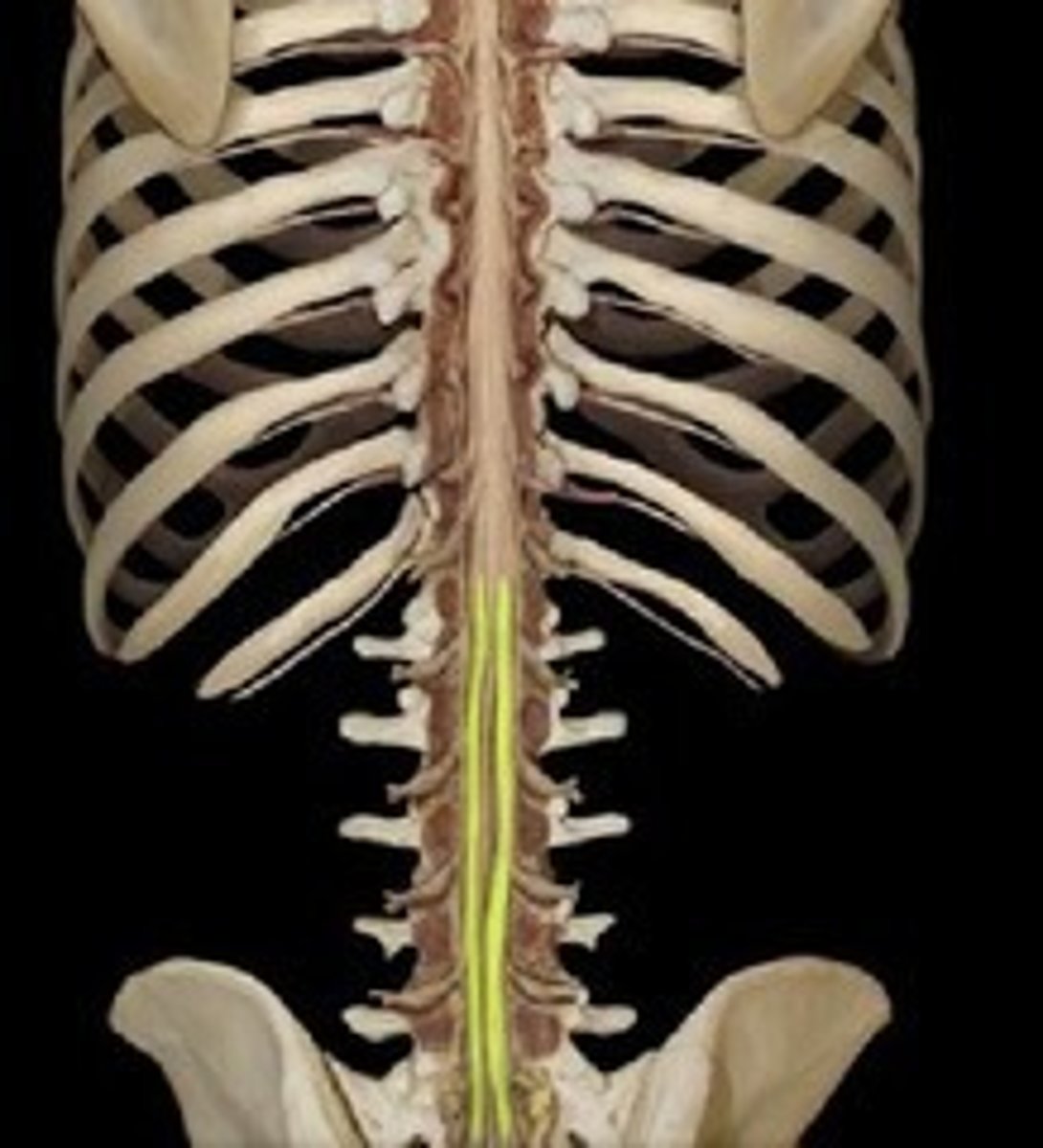
conus medullaris
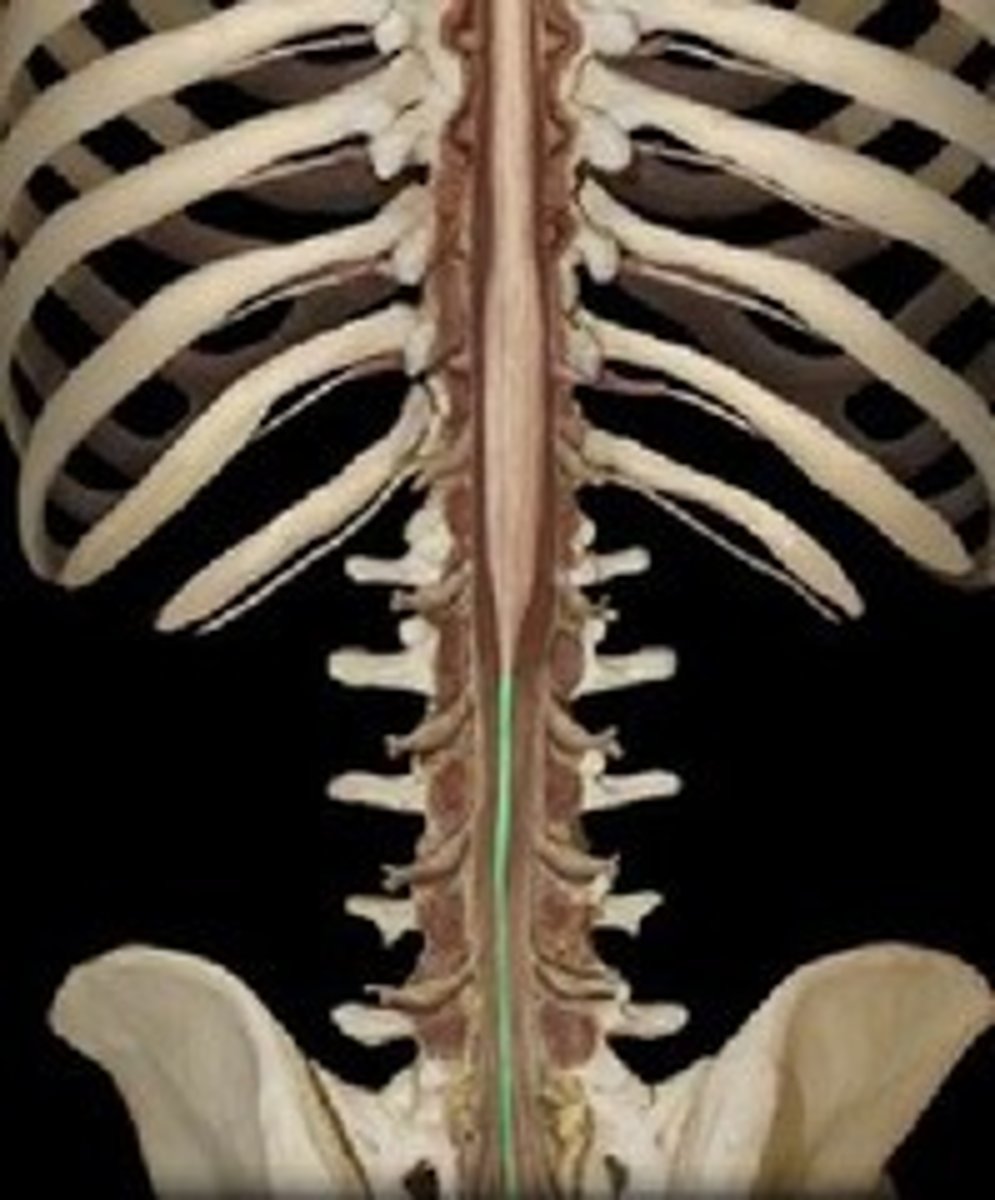
Filum Terminale
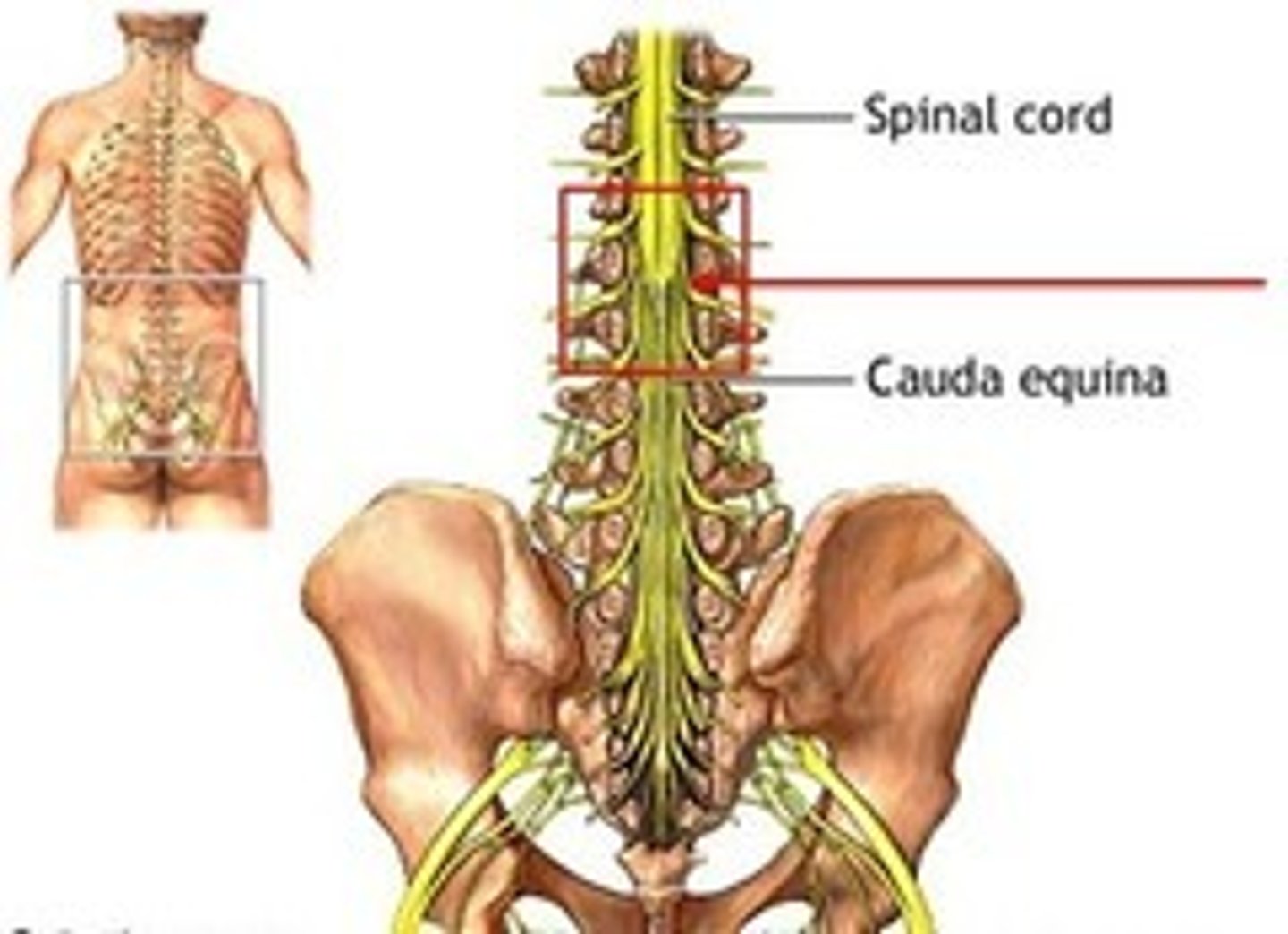
Cauda equina
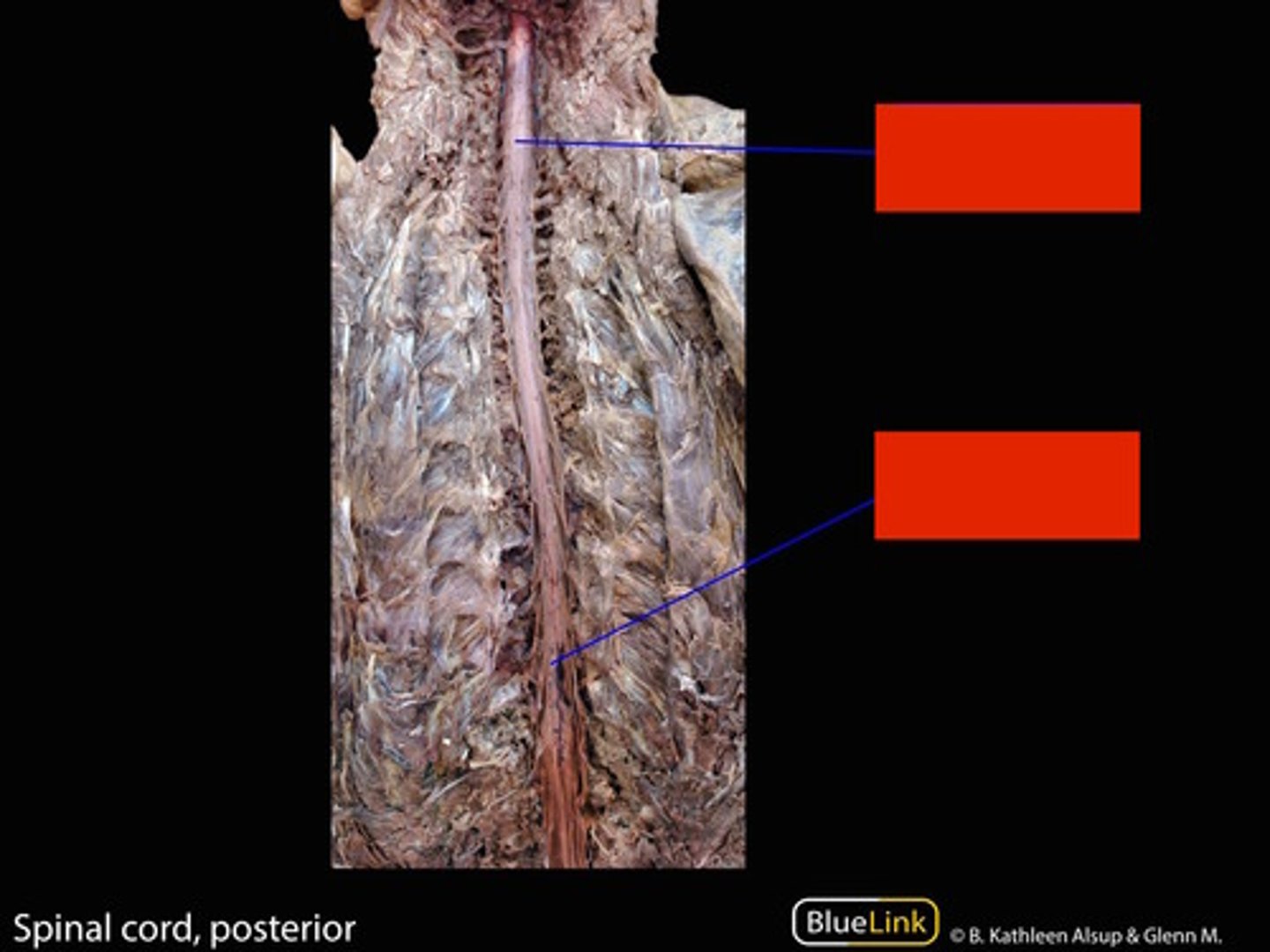
Cervical and Lumbosacral enlargements
(top cervical)
(bottom lumbrosacral)
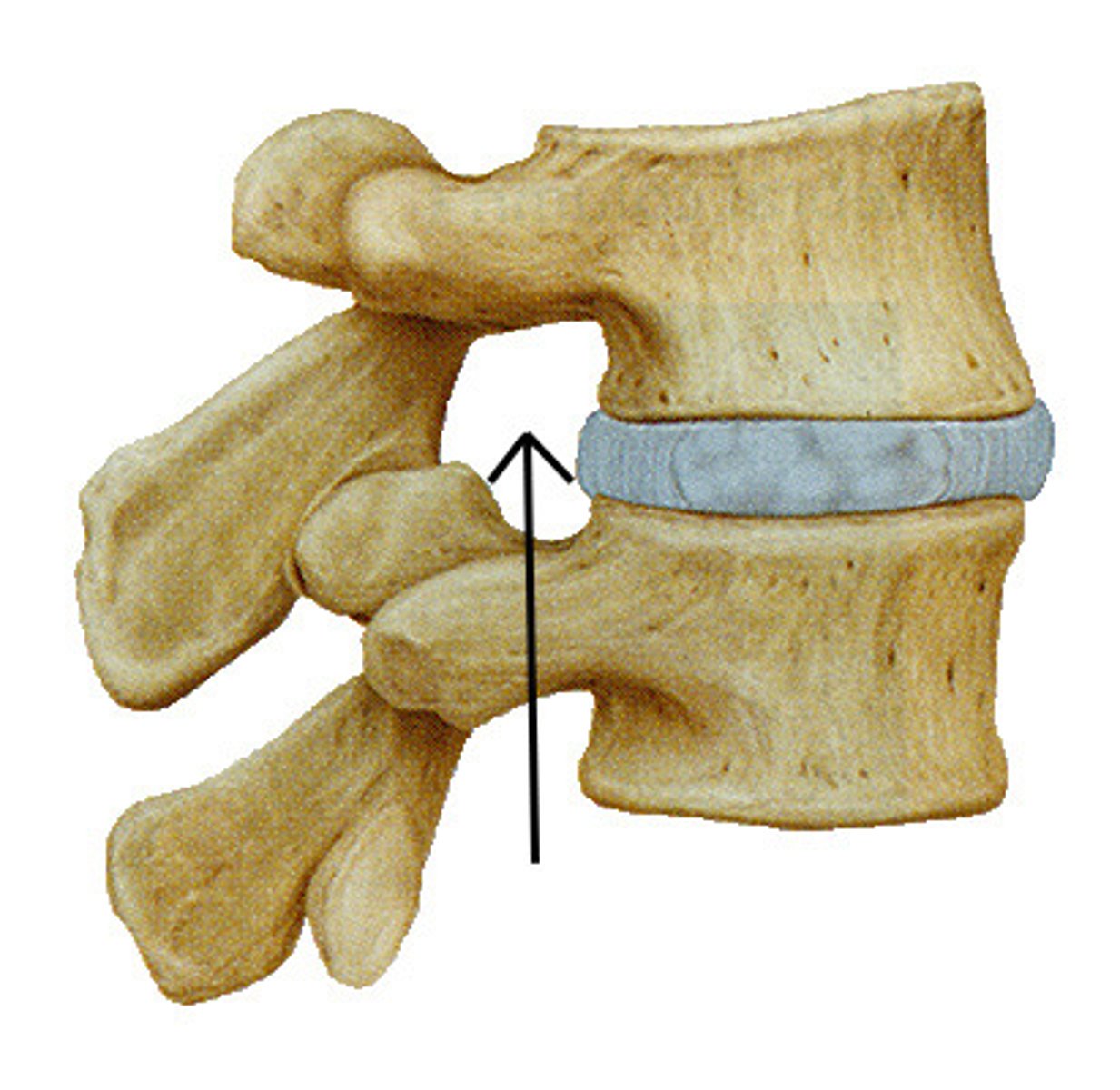
Intervertebral foramina (IVF)
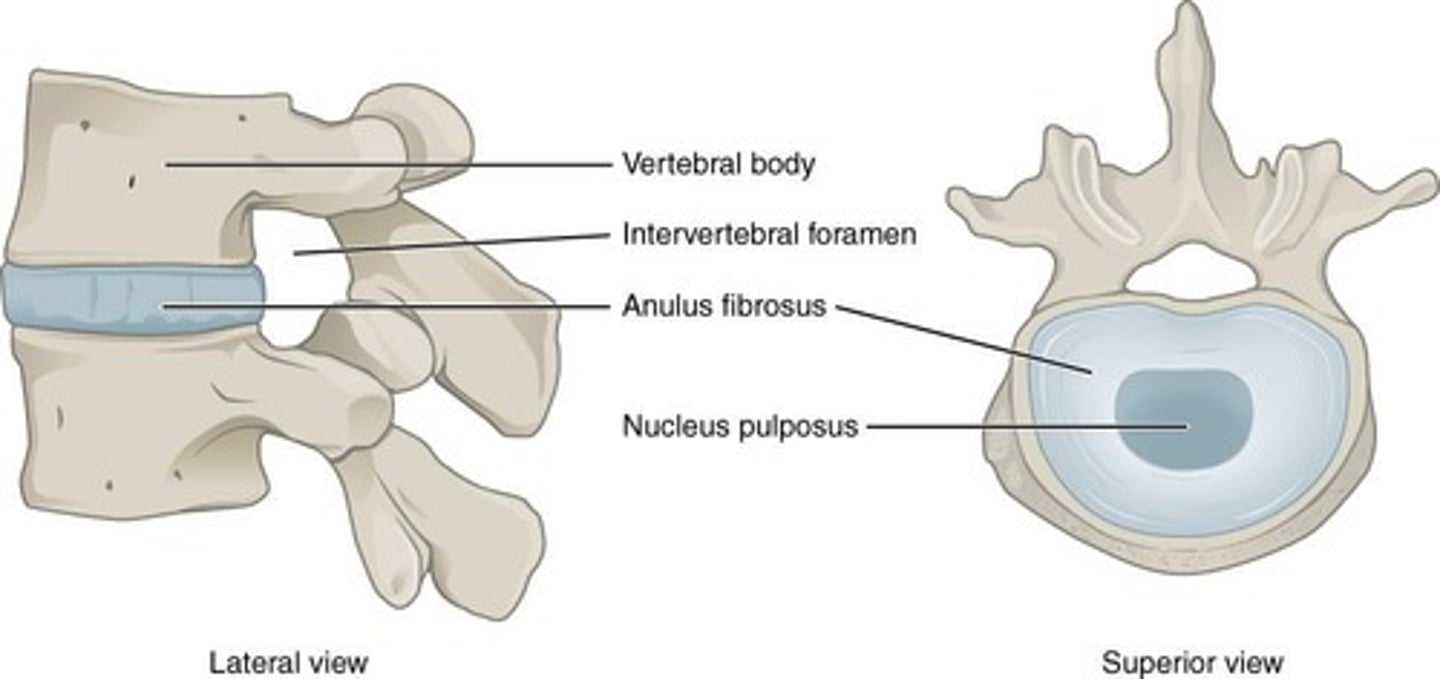
intervertebral disc (IVD)
cervical plexus
phrenic nerve
brachial plexus
ulnar, medial, and radial nerve
lumbar plexus
femoral nerve
sacral plexus
sciatic nerve
superior rectus
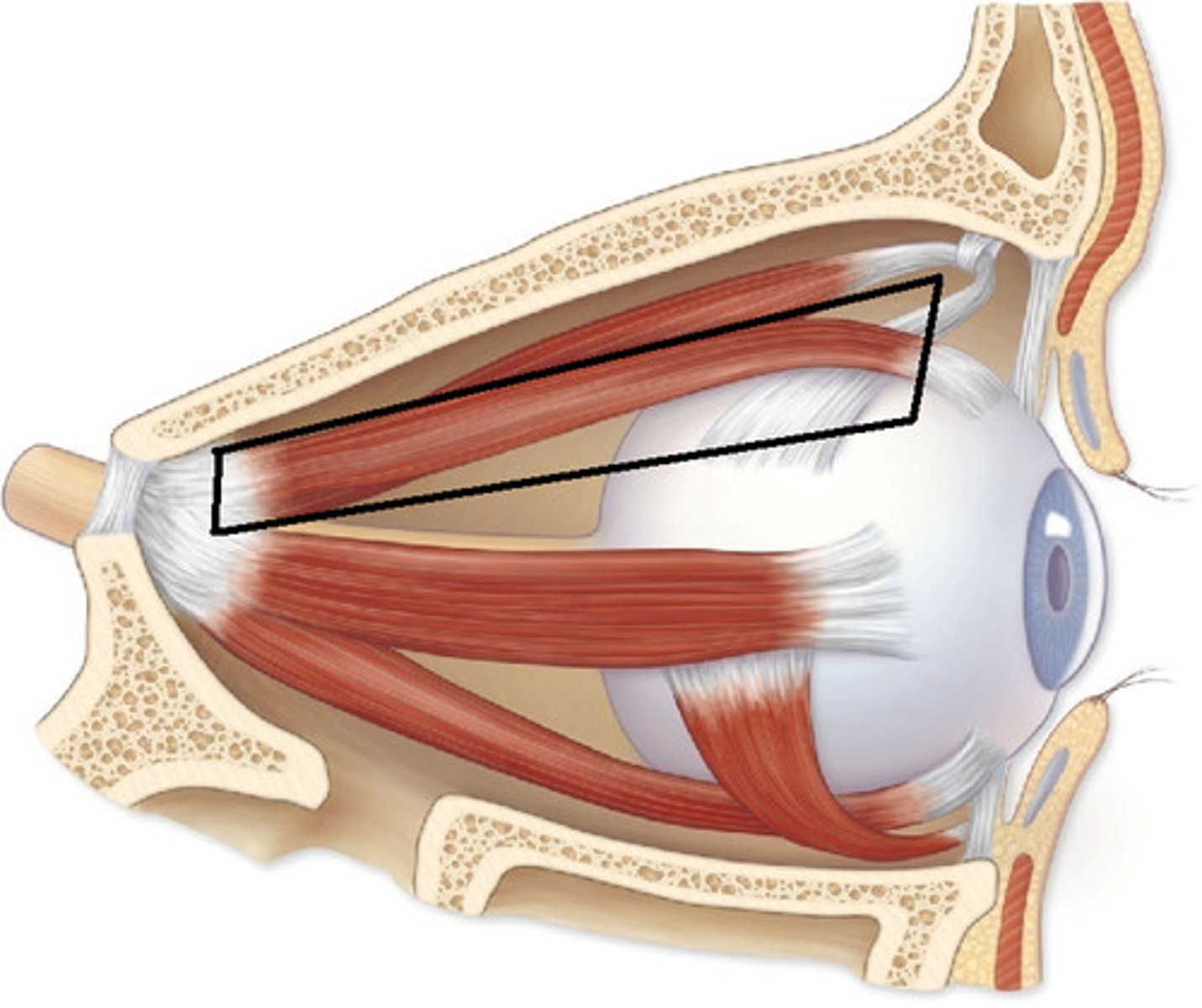
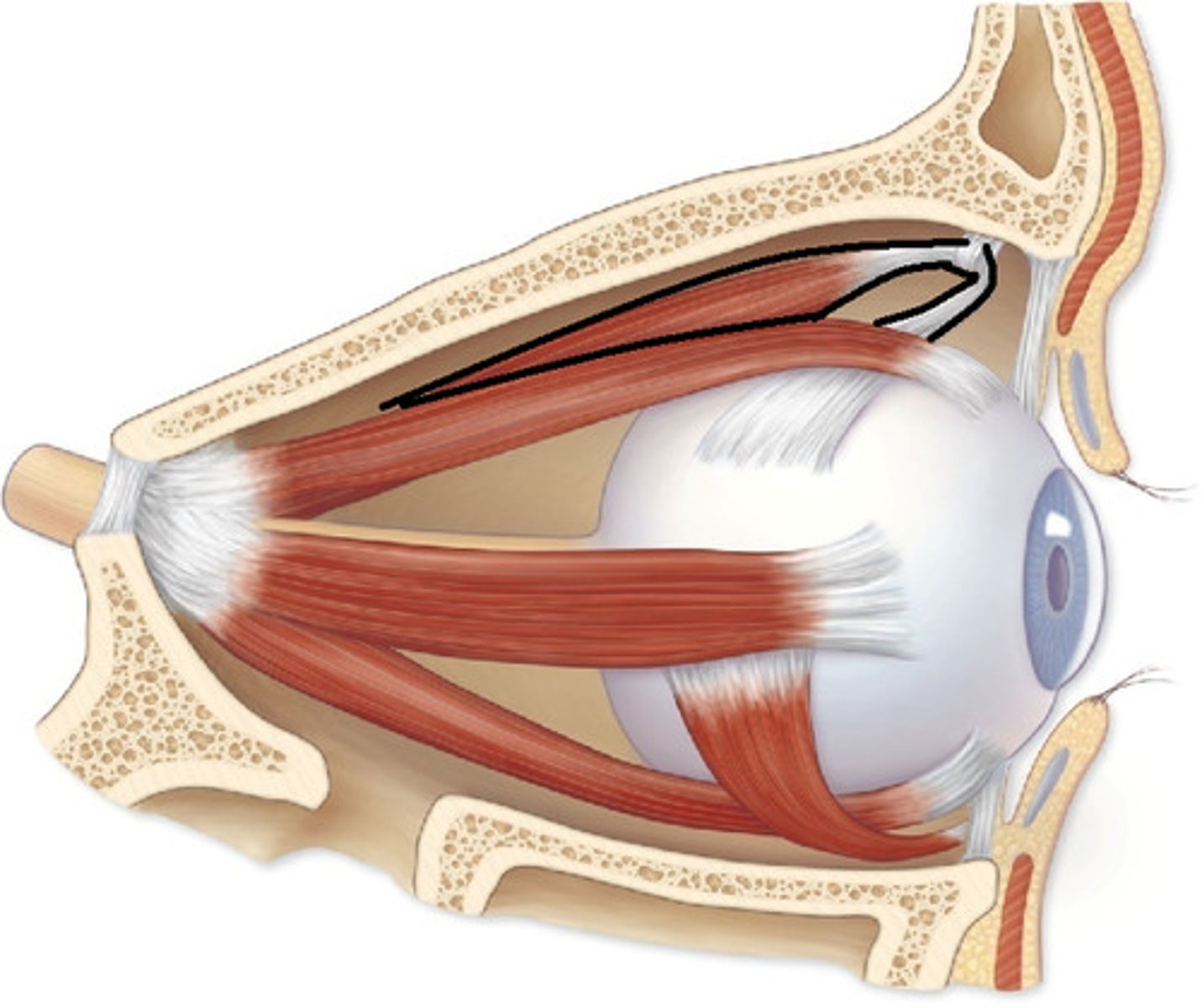
superior oblique
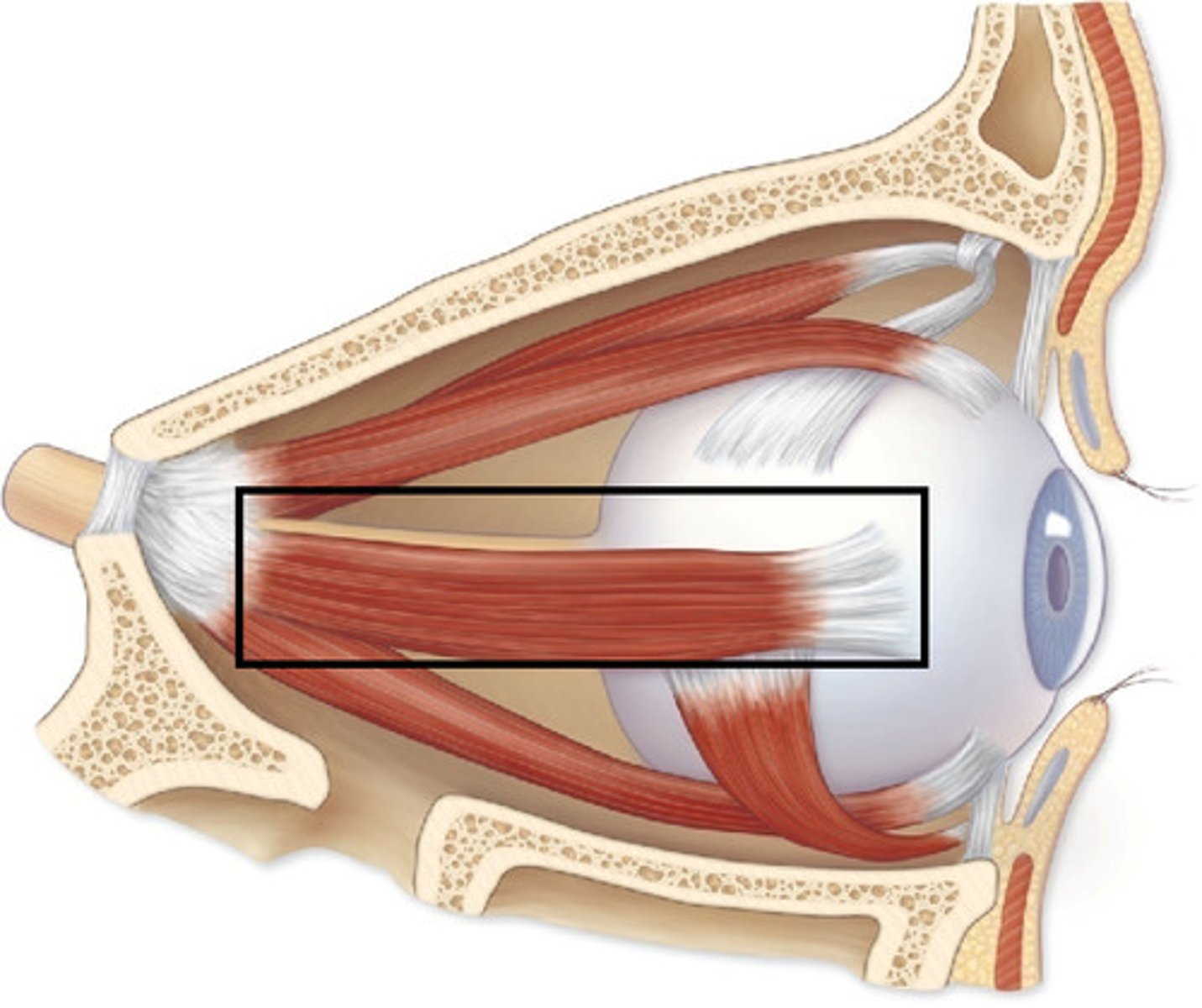
lateral rectus
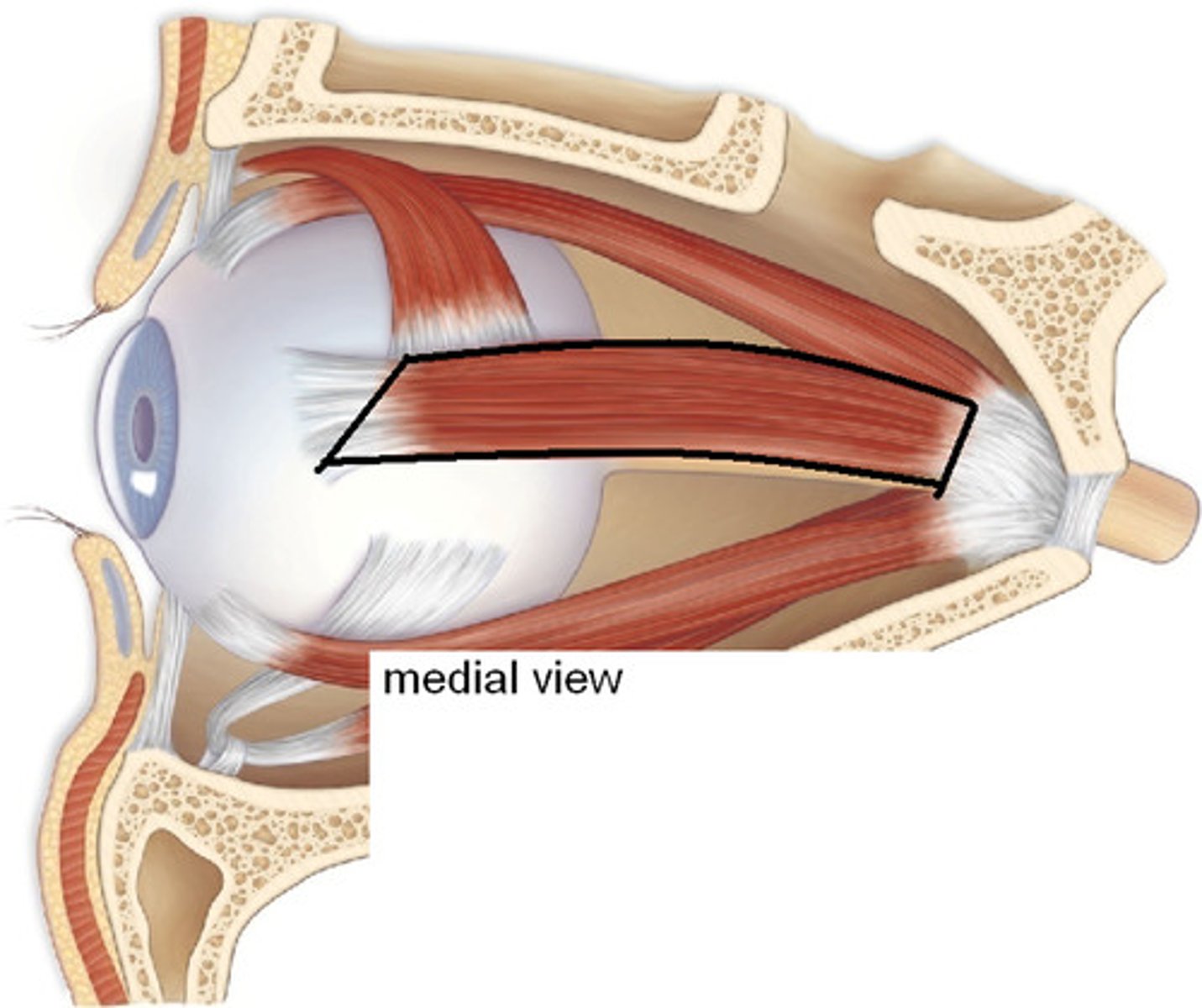
medial rectus
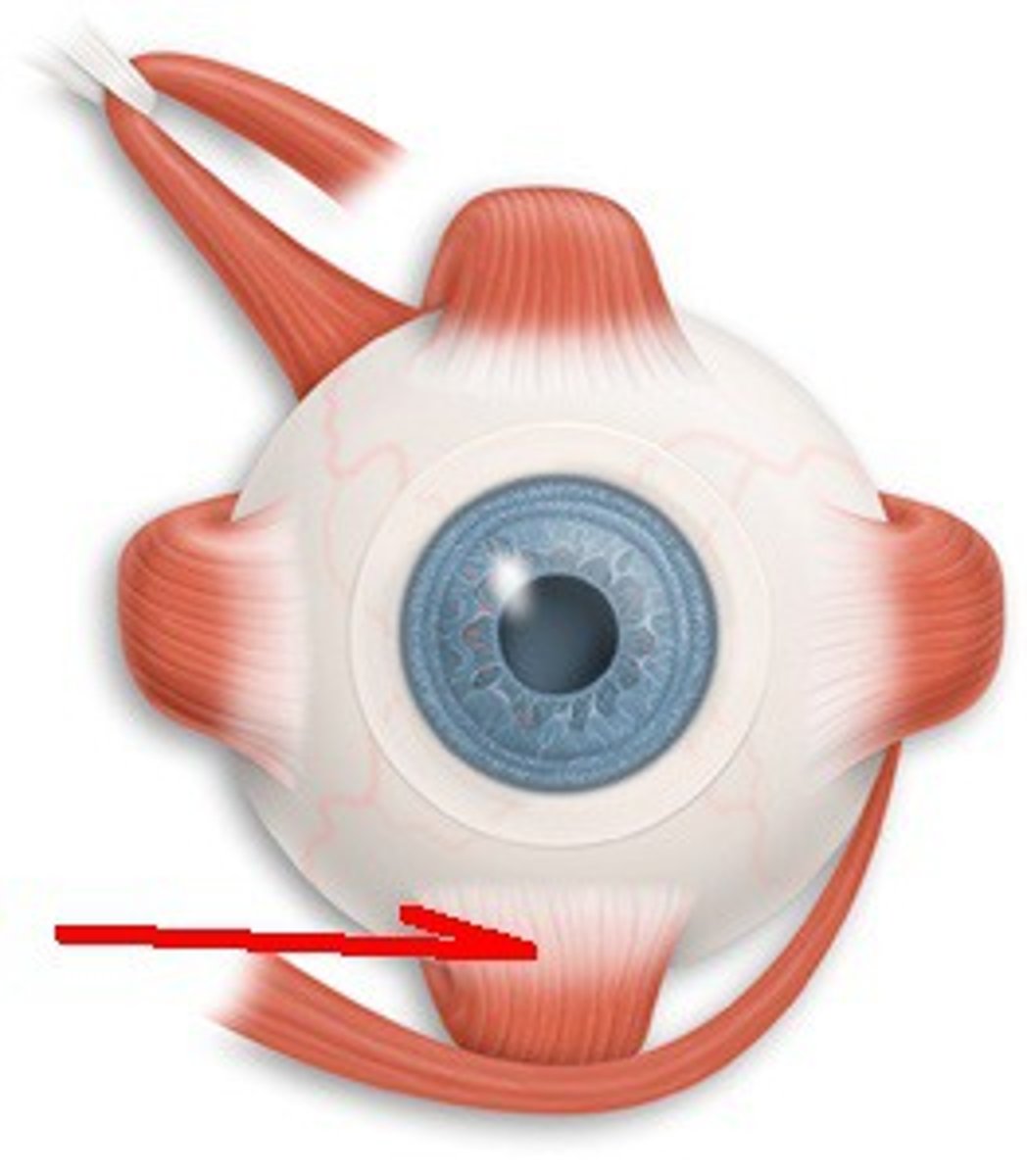
inferior rectus
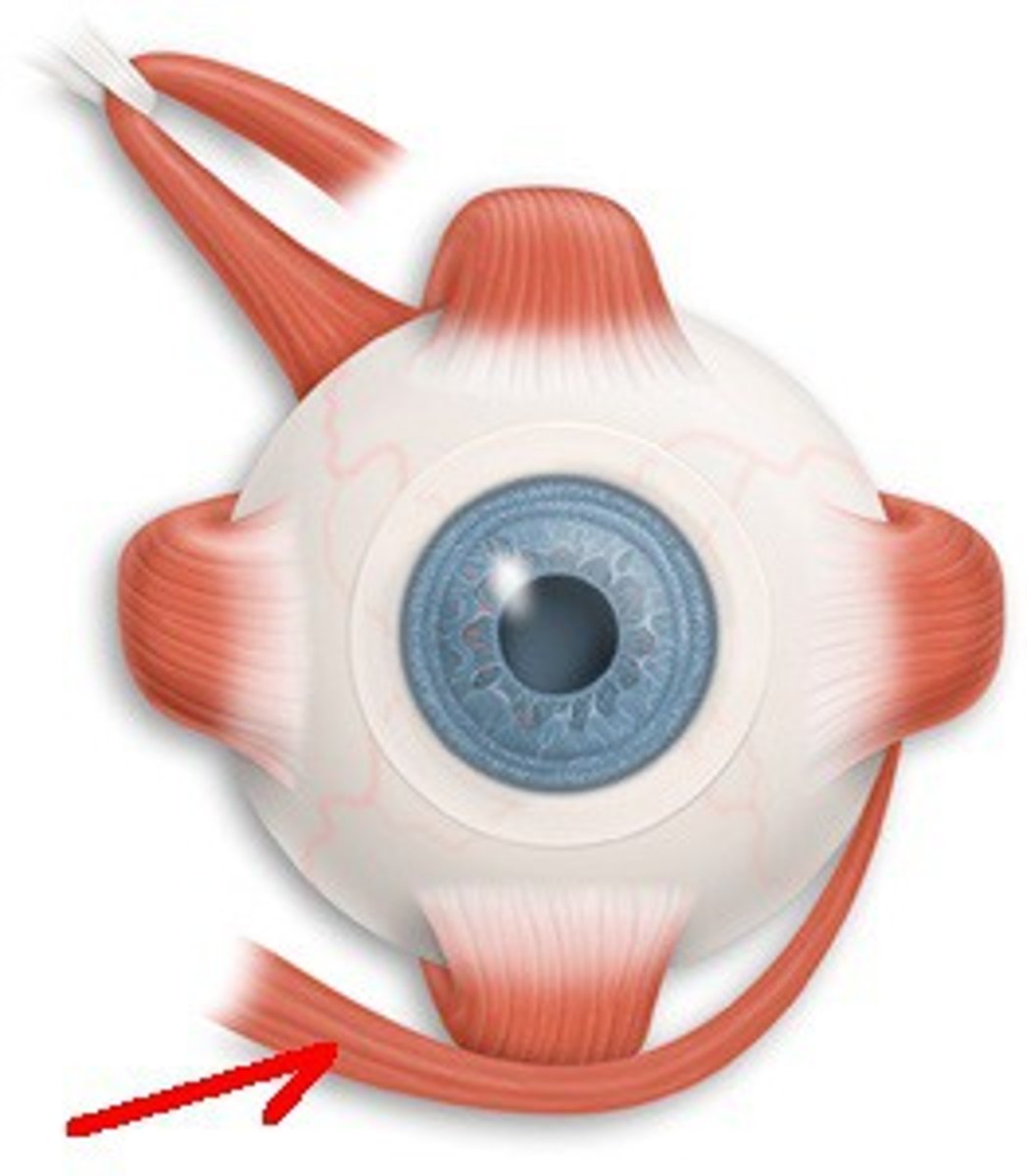
inferior oblique
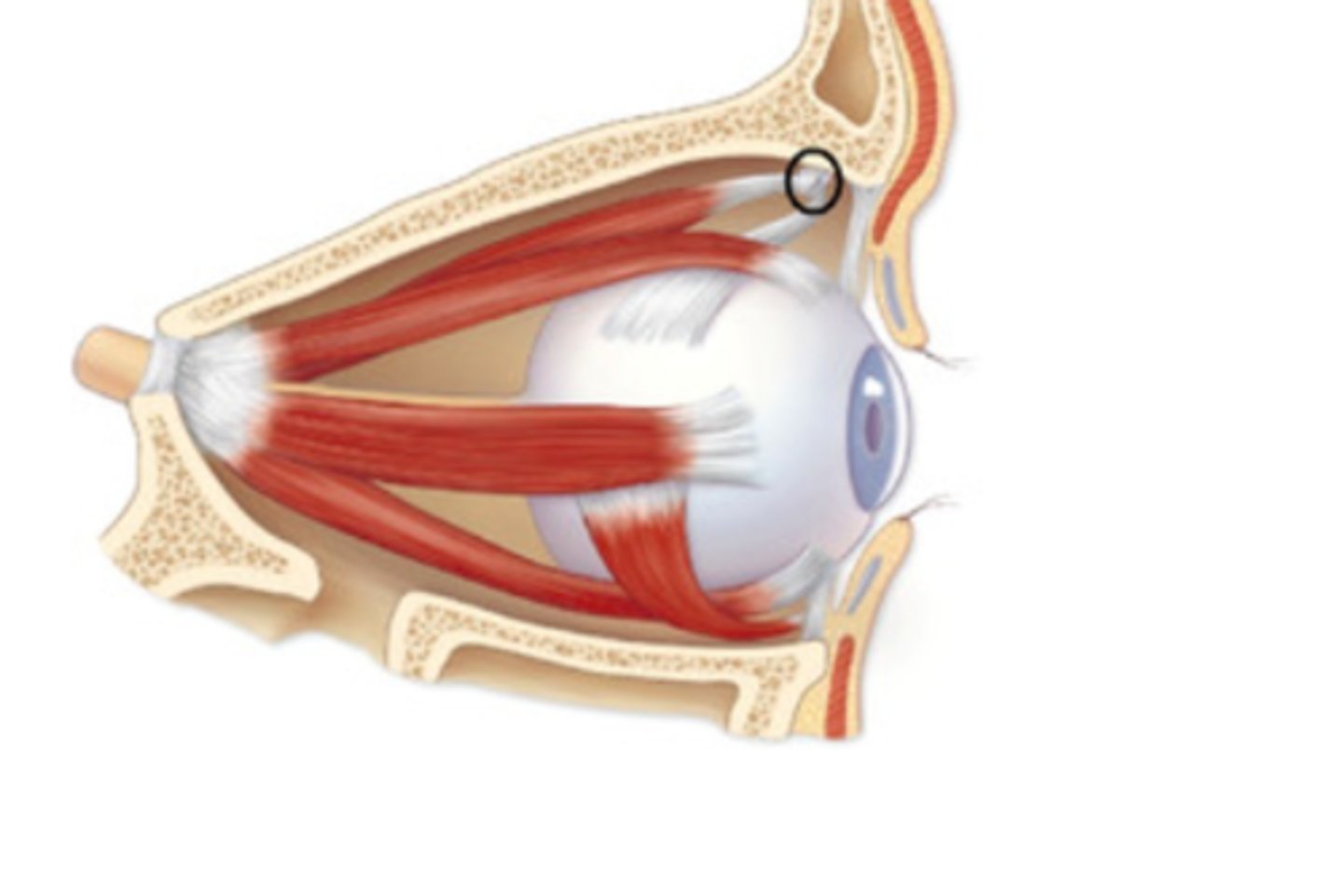
trochlea
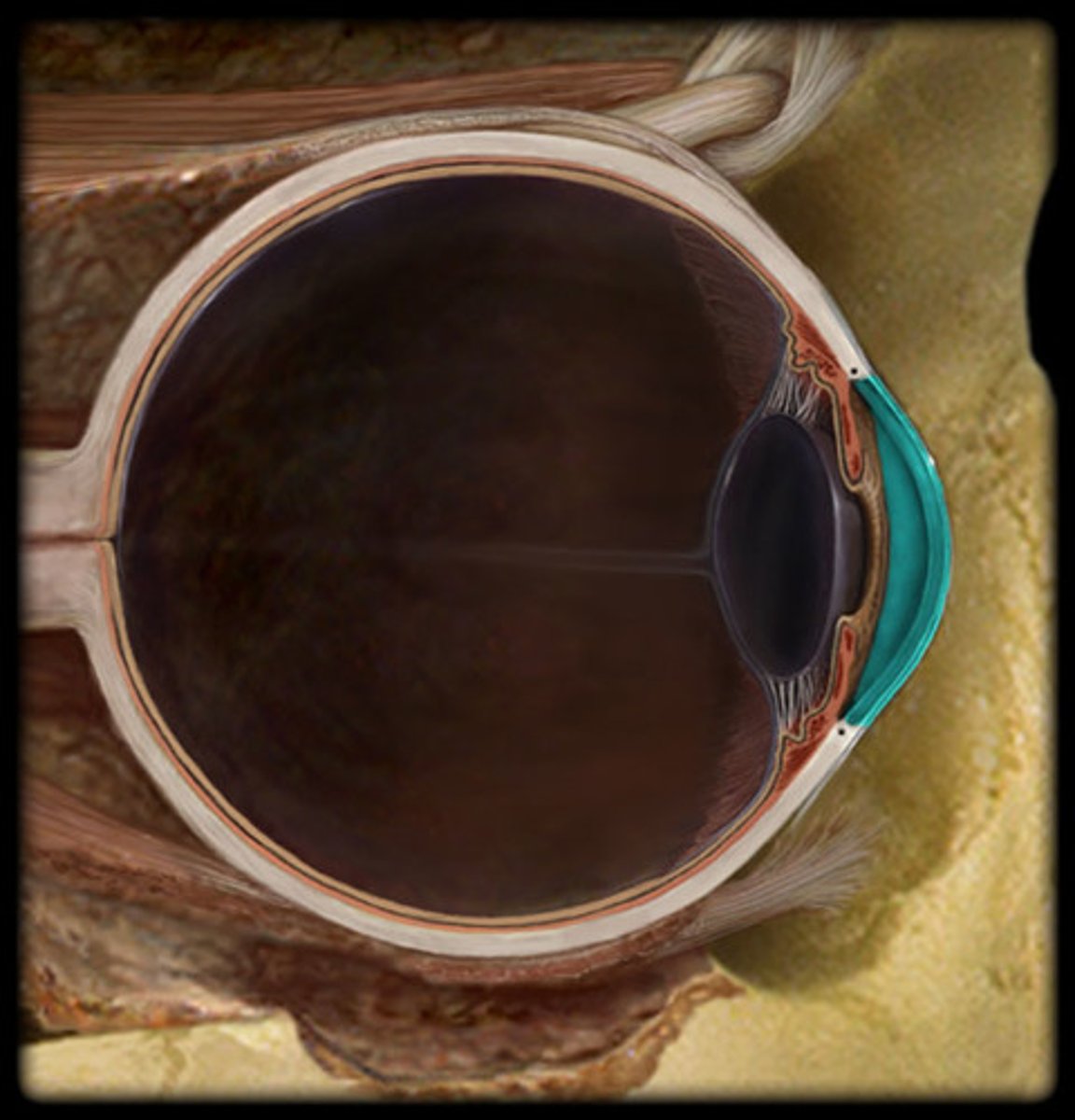
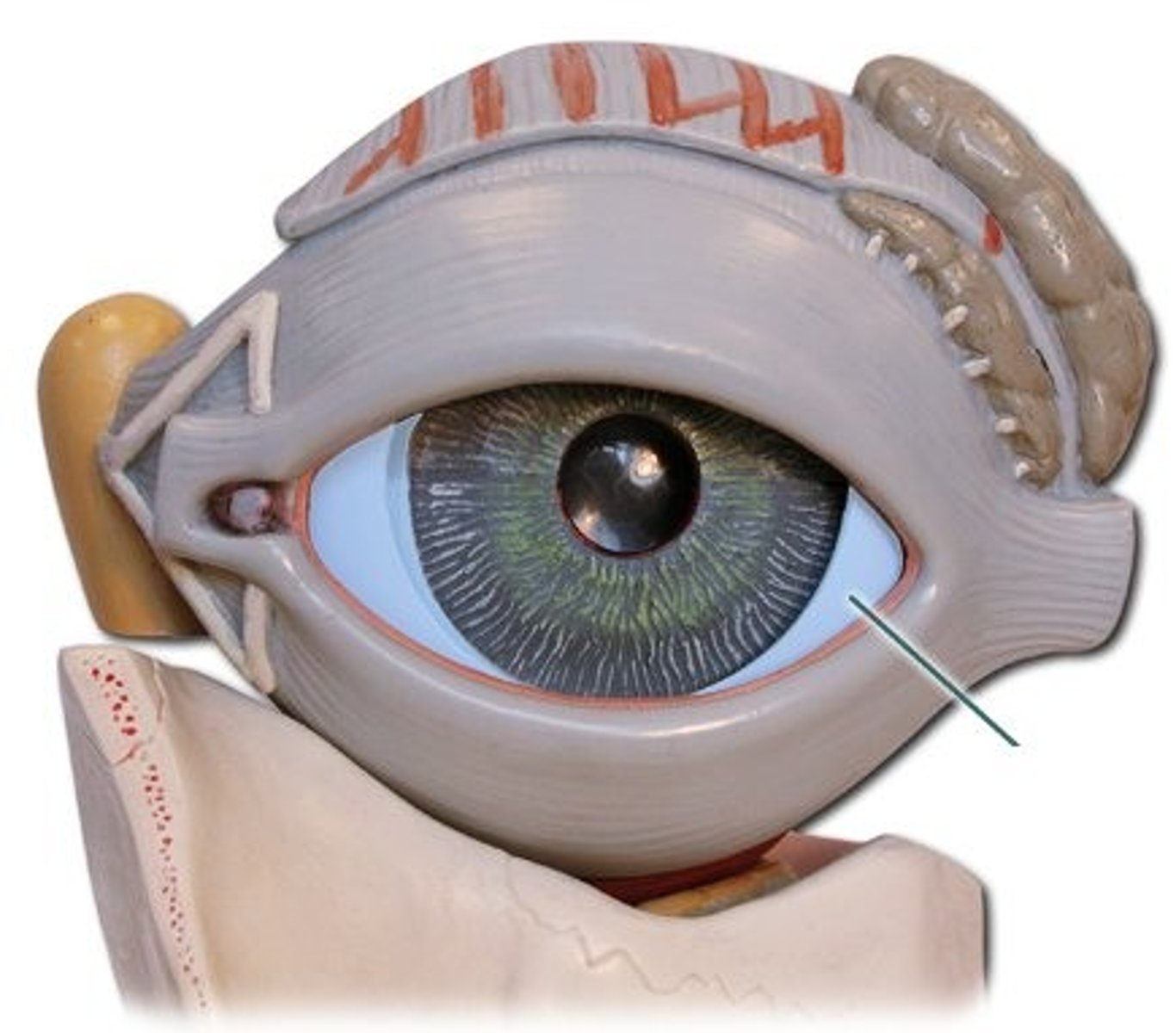
cornea
sclera
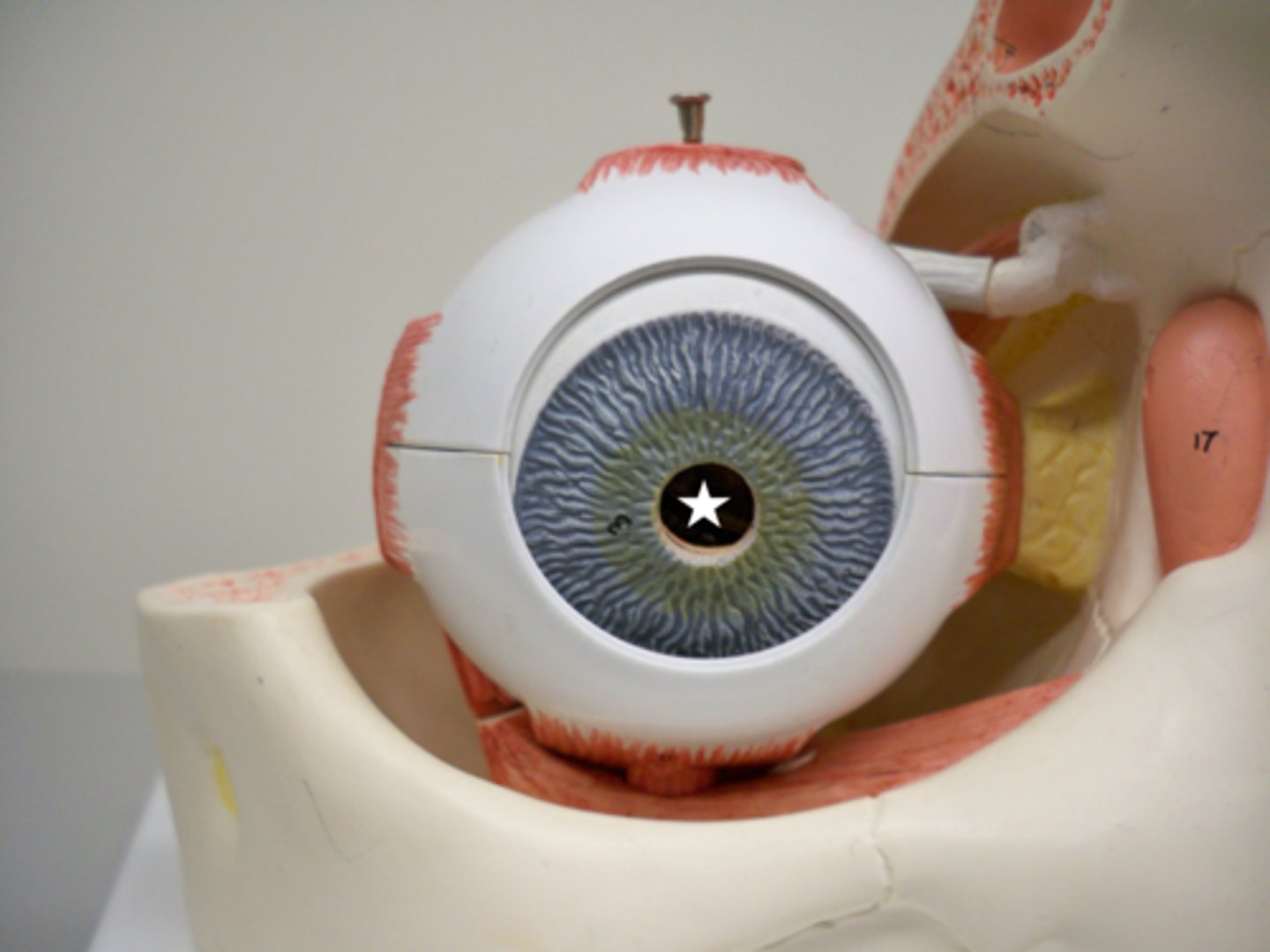
pupil
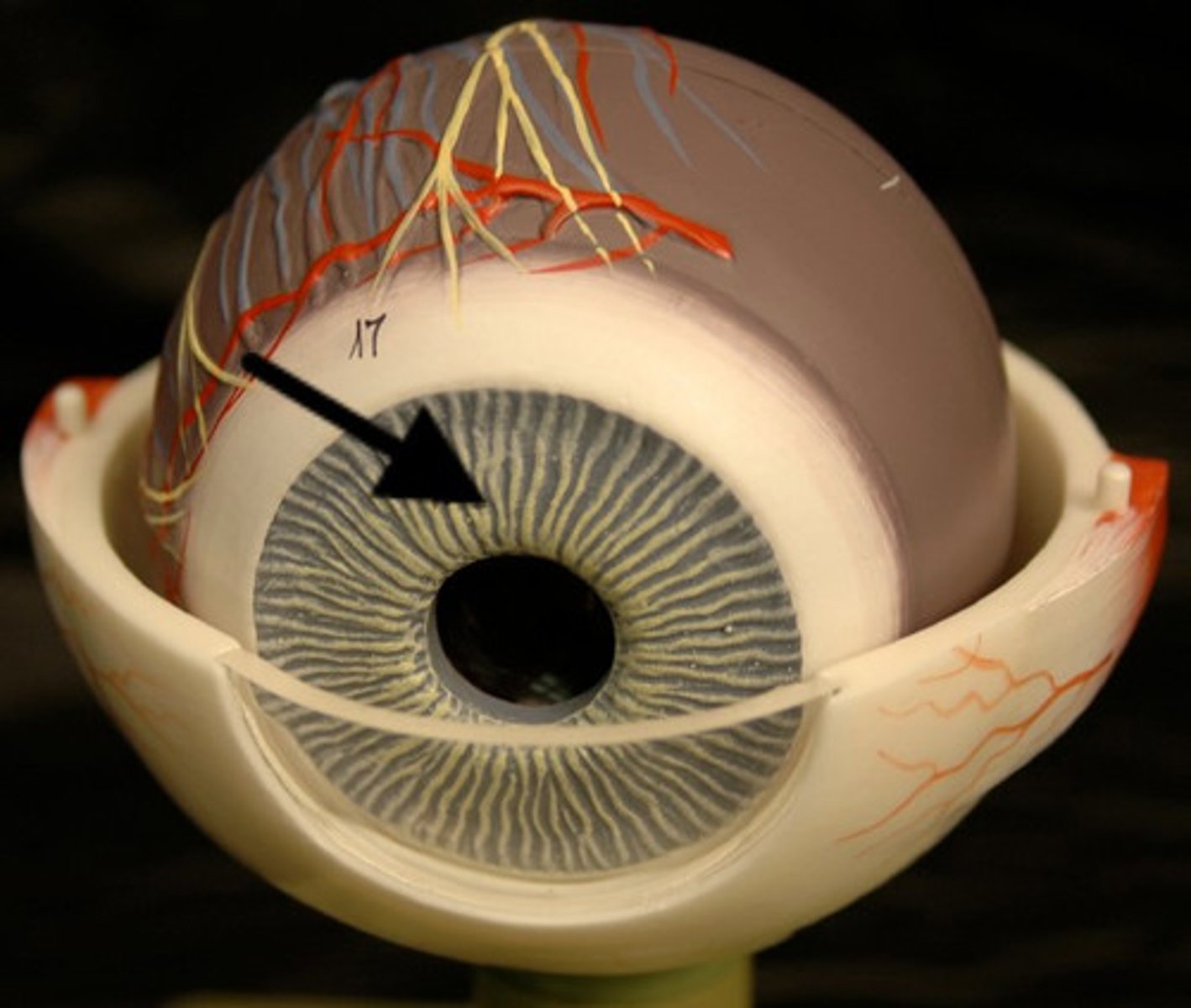
iris
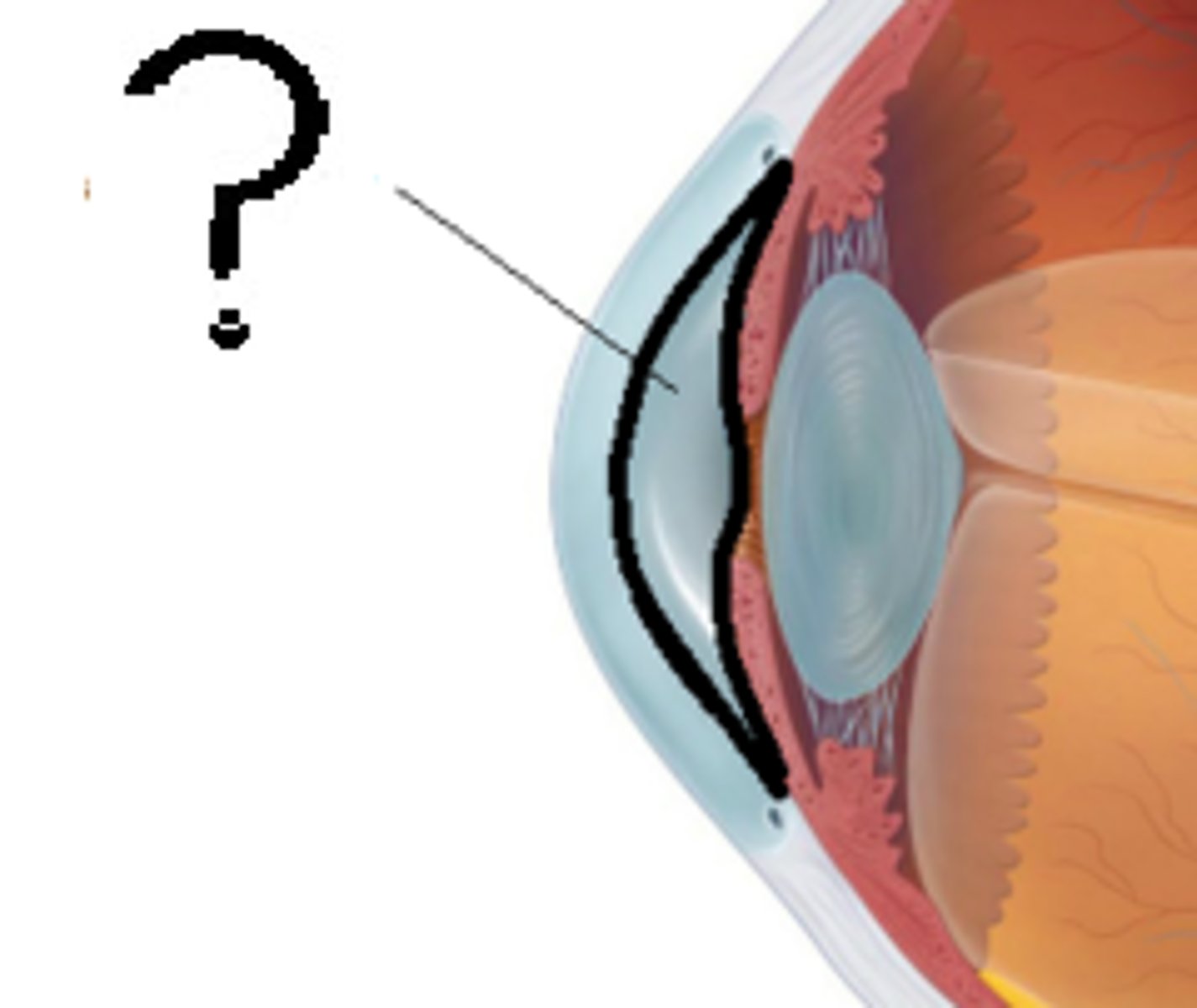
anterior chamber
posterior cavity