D669: Early Literacy Methods
 Call Kai
 Learn
Learn Practice Test
 Spaced Repetition
 Match
Match Flashcards
 Knowt Play
1/126

There's no tags or description
Looks like no tags are added yet.
Name | Mastery | Learn | Test | Matching | Spaced | Call with Kai | Chat |
|---|
No analytics yet
Send a link to your students to track their progress
127 Terms
Print Awareness
understanding of how print works, including its directionality (left to right, top to bottom), the relationship between spoken and written language, and the structure of print (words made of letters with spaces in between).
Letter Awareness
the understanding that letters are representations of sounds
Book Awareness
the understanding of how books work, including concepts such as reading from left to right, turning pages, and recognizing the front and back covers
Word Awareness
the recognition and understanding of individual words as distinct units of language, including their sounds, meanings, and spellings
Phonological Awareness
the ability to recognize and manipulate individual sounds of spoken language - including words, syllables, and phonemes (individual speech sounds), without necessarily understanding the meaning of the words.
Phonemic Awareness
the ability to recognize and manipulate individual phonemes (speech sounds) in spoken words
Syllables
units of sound within words that contain a single vowel sound and may or may not be preceded or followed by consonant sounds
Onset
the initial consonant or consonant cluster of a syllable that comes before the vowel sound
pin, shake, quack
Rime
the part of a syllable that contains the vowel and all that follows it
pin, shake, quack
Consonant
a speech sound produced by obstructing the flow of air through the vocal tract
Vowel
a speech sound produced without significant constriction or closure of the vocal tract
a e i o u
Stops
when making these sounds, a puff of air comes out of the mouth
/p/ /t/ k/ /b/ /d/ /g/
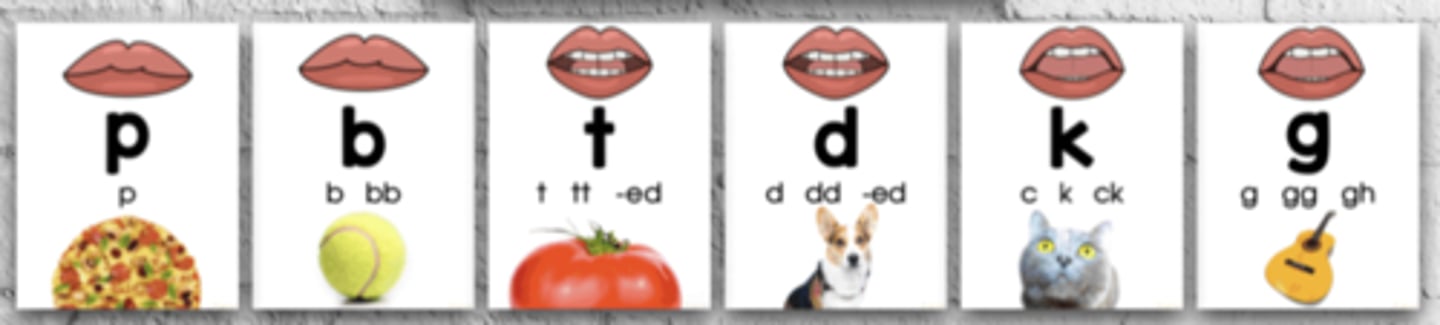
Nasals
when making these sounds, airflow comes out of our nose
/n/ /m/ /ng/
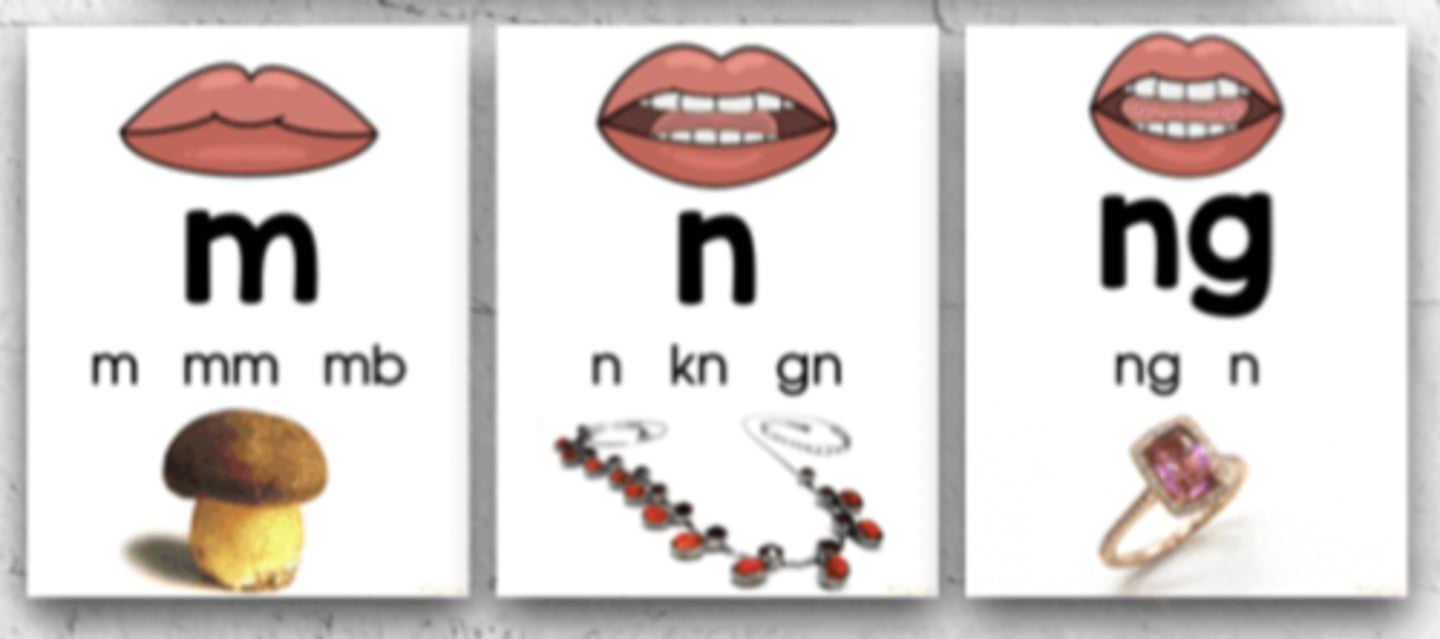
Fricatives
when making these sounds, friction and vibration occur - only a small amount of air can come through
/f/ /v/ /s/ /z/ /sh/ /zh/ /th/

Affricatives
when making these sounds, there is a stop and then friction
/ch/ /j/
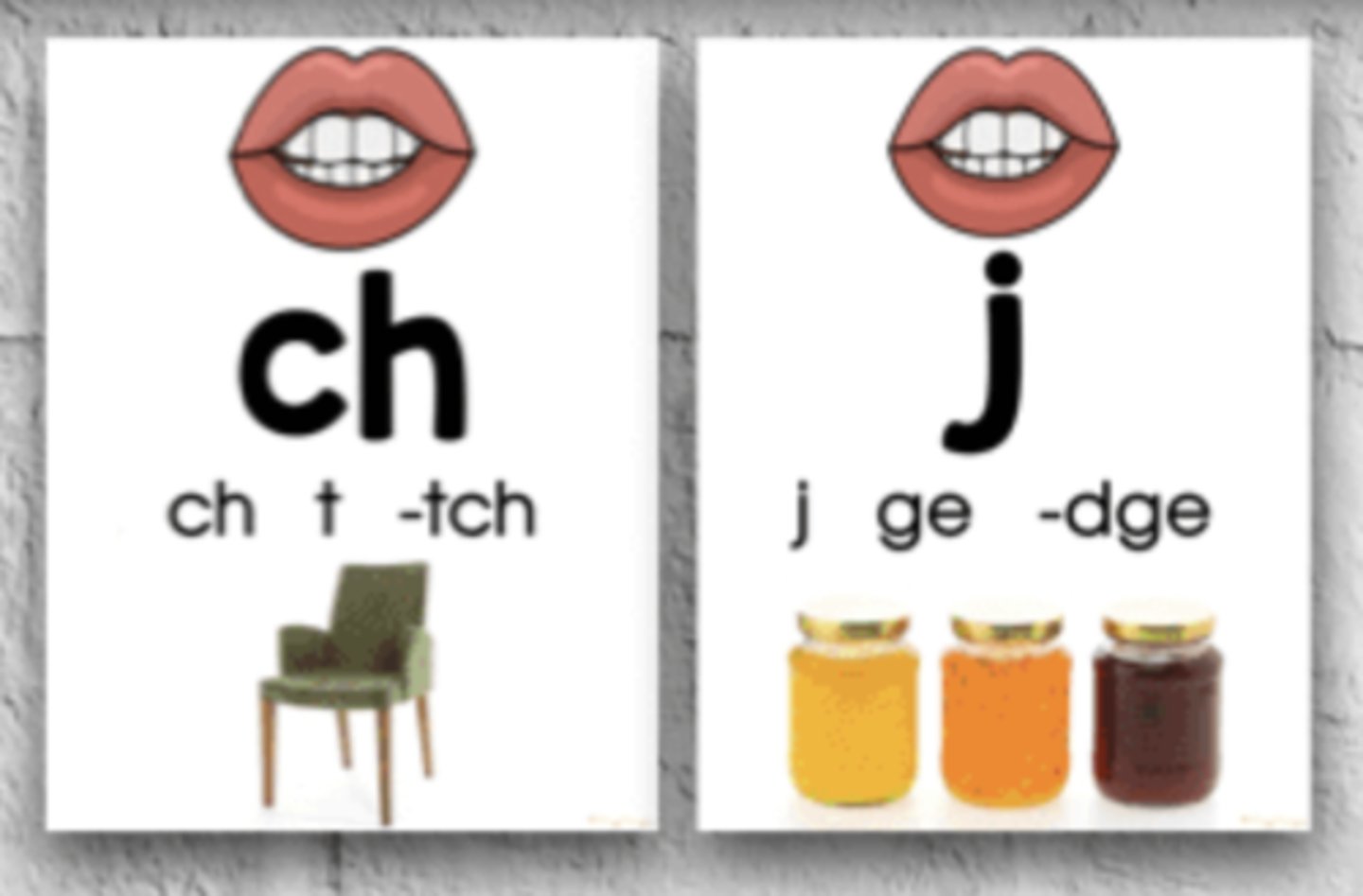
Glides
when making these sounds, they glide into vowels
/h/ /w/ /y/
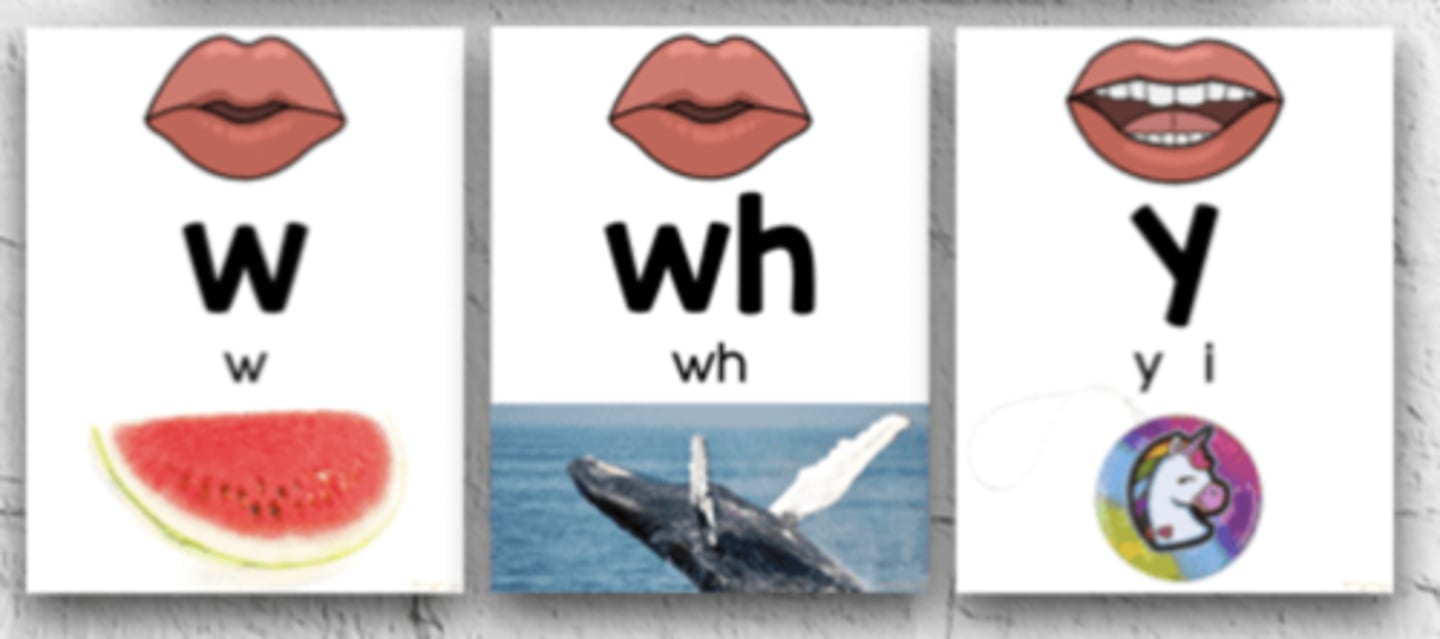
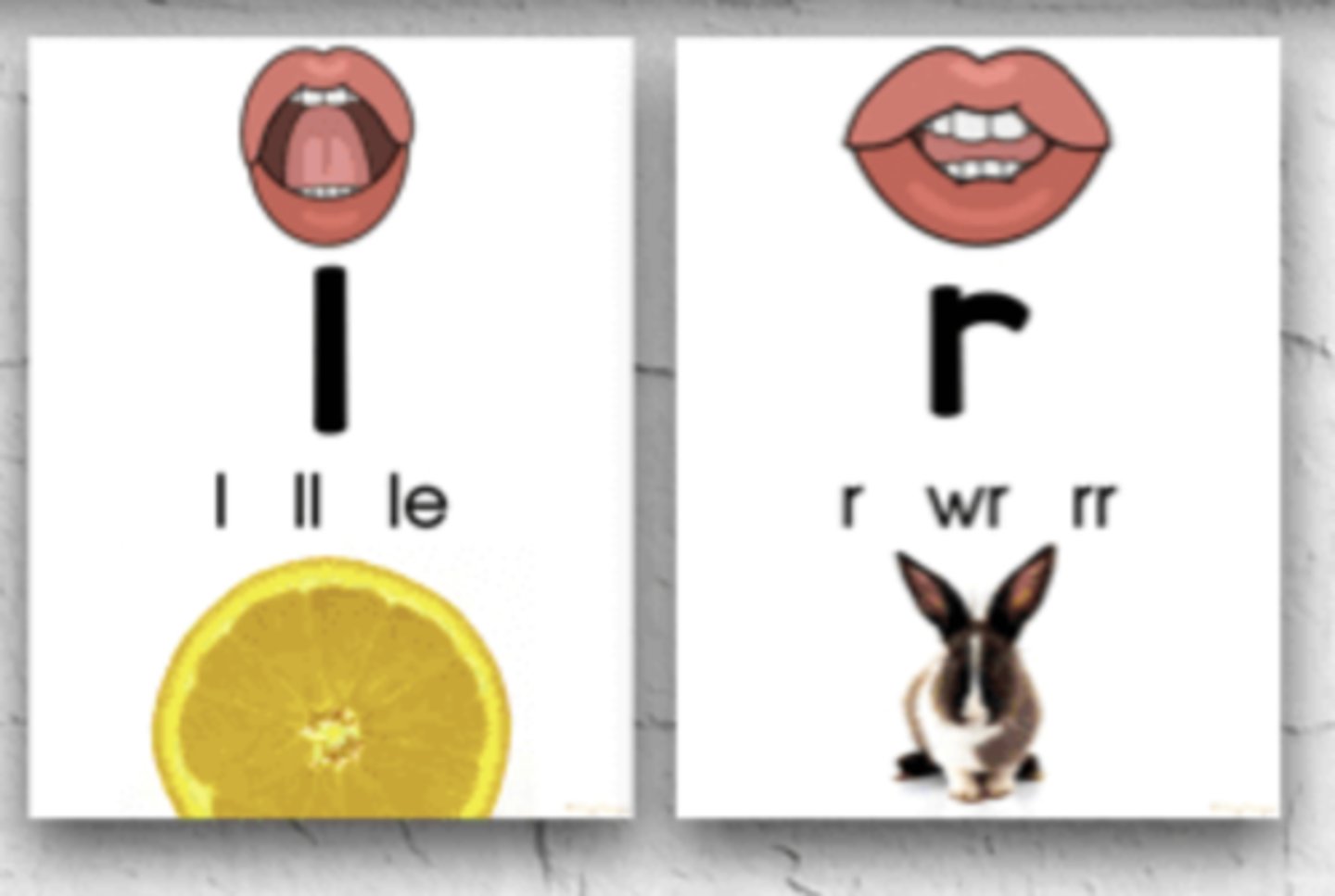
Liquids
these sounds fill up your mouth
/l/ /r/
Voiced
sounds produced with vibration of the vocal cords
Unvoiced
sounds produced without vibration of the vocal cords
Decoding
the process of using knowledge of letter sound relationships (grapheme phoneme correspondence) to translate written symbols (graphemes) into spoken language (phonemes) and recognize words
Orthographic Mapping
the cognitive process where readers connect the sounds of a word (phonemes) to its letters (graphemes), forming a permanent link in their memory.
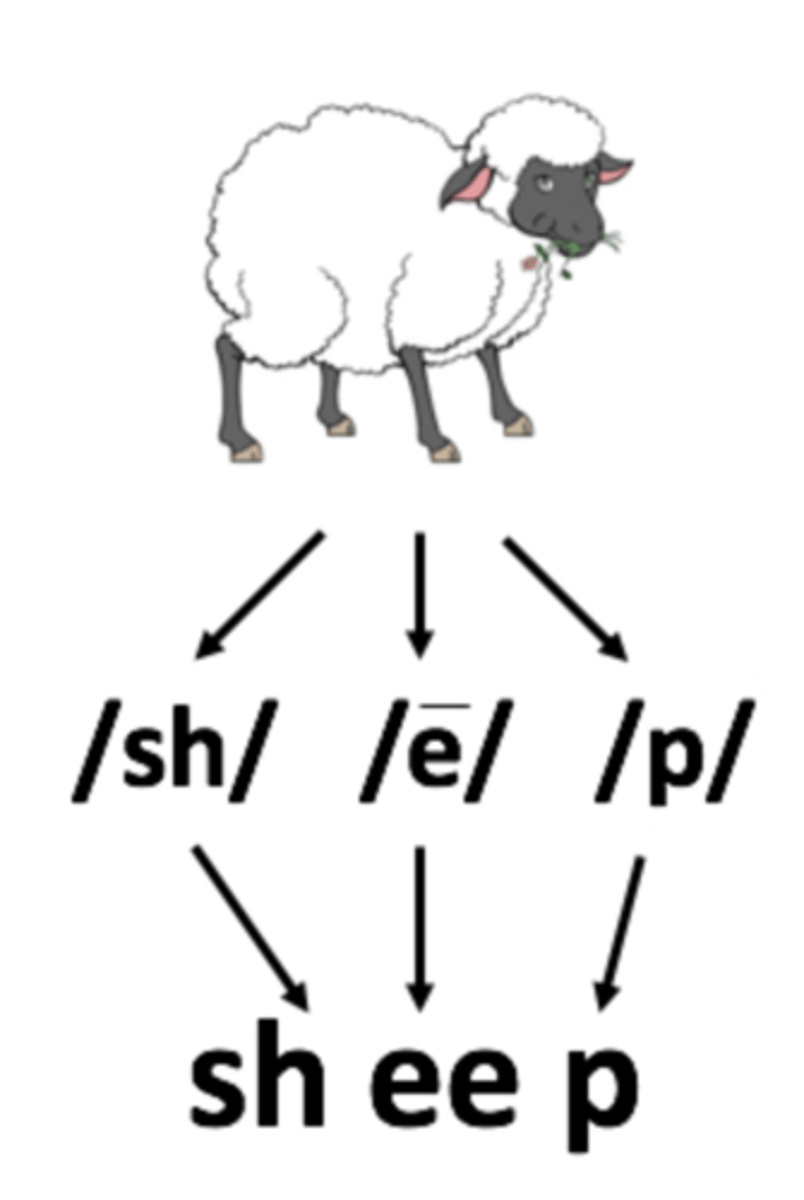
Letter-Sound Correspondence
the relationship between written letters and their associated spoken sounds, essential for decoding words in reading
Consonant Blends
a group of two or more consonants in a word where each consonant sound is heard, such as "bl" in "blend" or "str" in "street"
Vowel Team
a pair or group of adjacent vowels that represent a single sound or phoneme
Diphthongs
complex vowel sounds that consist of a blend of two vowel sounds within the same syllable
Silent Letter Patterns
sequences in words where certain letters are written but not pronounced
"k" in "knight"
"b" in "lamb"
Graphemes
written expressions of phonemes
/k/ can be written - c k ck qu ch
/aw/ can be written - aw au all a ough
Phonemes
the smallest unit of sound in a word
/k/ /n/ /aw/
Morphemes
the smallest units of meaning in words
unhappy
breakable
Fluency
the ability to read text accurately, automatically, smoothly, and with expression
Rate
reading at an appropriate speed - not too fast/slow
Prosody
reading with appropriate expression, intonation, and phrasing
Comprehension
understanding and interpreting the meaning of text
Vocabulary
a deep understanding of a word's meaning; once achieved, the word will be stored the brain's mental lexicon (storehouse of words)
Reciprocal Teaching
Predict: Guesses what will happen next.
Question: Asks questions to ensure comprehension.
Clarify: Addresses confusing parts of the text.
Summarize: Provides a summary of what was read.
Five Pillars of Reading
Phonemic Awareness, Phonics, Fluency, Vocabulary, and Comprehension
Foundational Writing
the early stages of writing development that focuses on building basic writing skills - letter formation, handwriting fluency, spelling, punctuation, and sentence structure
Phonology
sound patterns - the organization and systematic relationships of speech sounds (phonemes)
Orthography
system of spelling and writing
Morphology
What are the word parts? - prefixes, suffixes, or root words
Syntax
the structure, arrangement, and organization of words into phrases, clauses, and sentences in a language - role of a word (part of speech)
Lexical Semantics
the meaning of words and the relationships between words
Sentential Semantics
(a branch of semantics) the meaning and interpretation of sentences
Pragmatics
how context, social cues, and shared knowledge influence the interpretation and use of language in communication
Emergent Literacy
the early stage of literacy development, where children are exposed to and develop skills that lead to reading and writing (birth-preschool)
Executive Functioning
a set of cognitive processes and skills responsible for goal-directed behavior, self-regulation, and problem-solving
Working Memory
the ability to hold and use information in one's mind while reading
Cognitive Flexibility
the ability to adapt one's thinking or understanding based on new information or different perspectives encountered in the text
Reading-Writing Connection
the reciprocal relationship between reading and writing skills, where proficiency in one area often supports and enhances development in the other
Noun
a person, place, or thing
"the little boy drank milk"
Verb
an action word
"the little boy drank milk"
Adjective
a word that describes a noun or pronoun
"the little boy drank milk"
Discourse
verbal or written communication that involves the exchange of ideas, information, and meaning within a specific context or social setting
Simple View of Reading (SVR)
word recognition x language comprehension = reading comprehension
Scarborough's Reading Rope
a reading framework that aims to connect word recognition and understanding language
Pre-Communicative (Pre-Alphabetic, Pre-K)
students do not yet understand the relationship between letters and sounds - they write random letters that do not match sounds
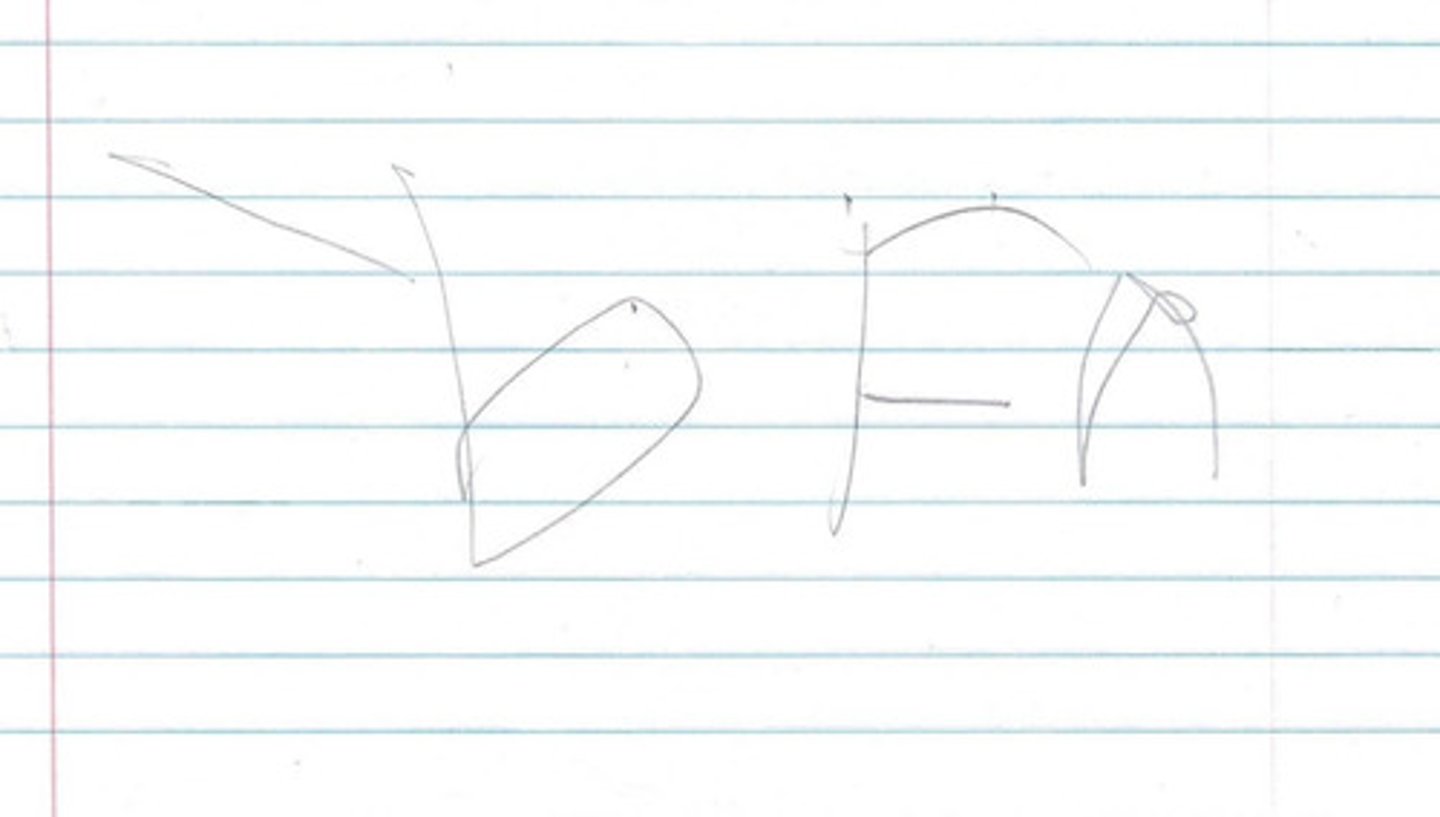
Semiphonetic (Partial Alphabetical, end of K)
students begin to begin to grasp the connection between letters and sounds
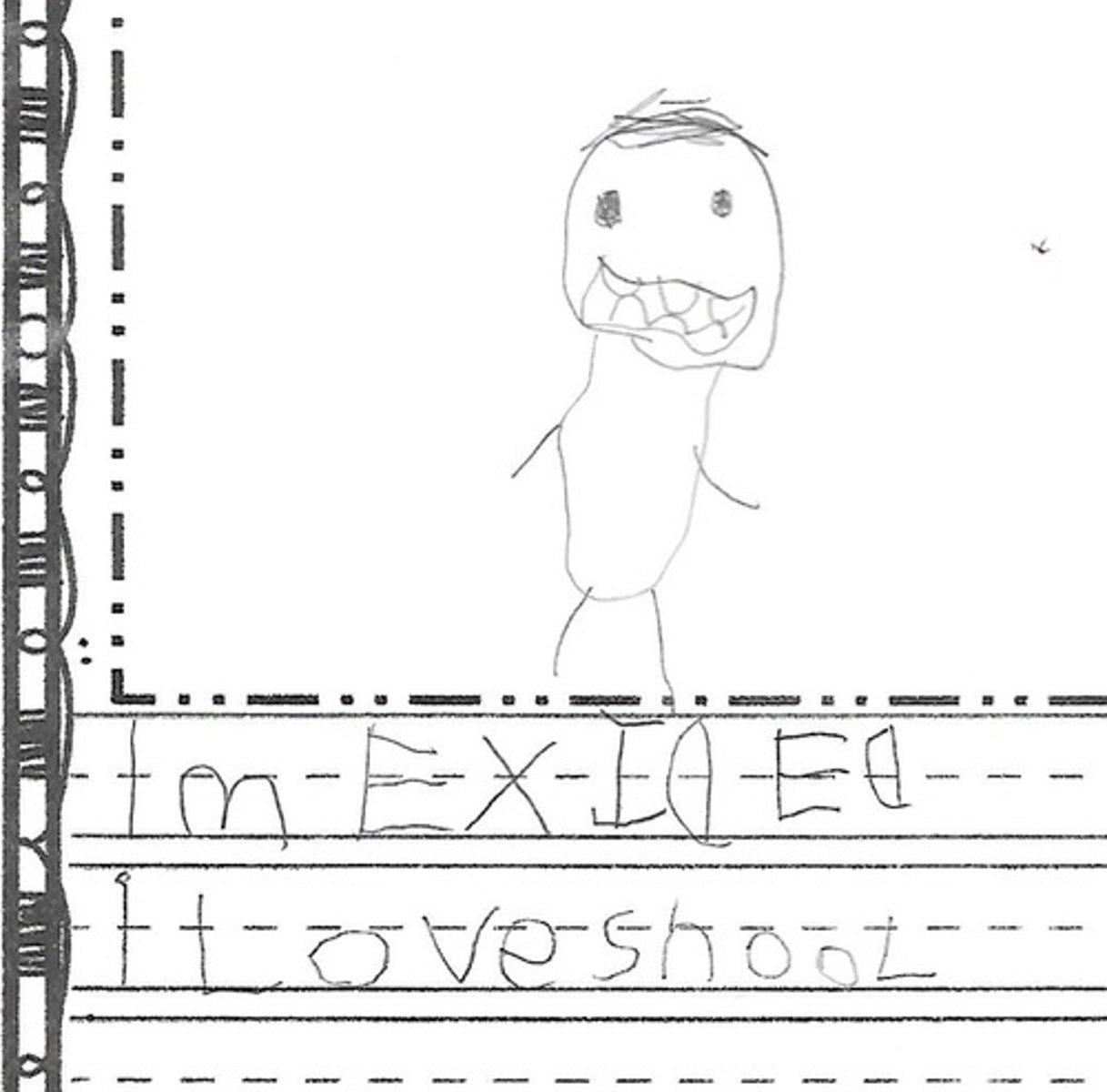
Phonetic (Full Alphabetic, end of 1st)
students recognize most letter sounds and can decode words by sounding out individual letters and blending them together
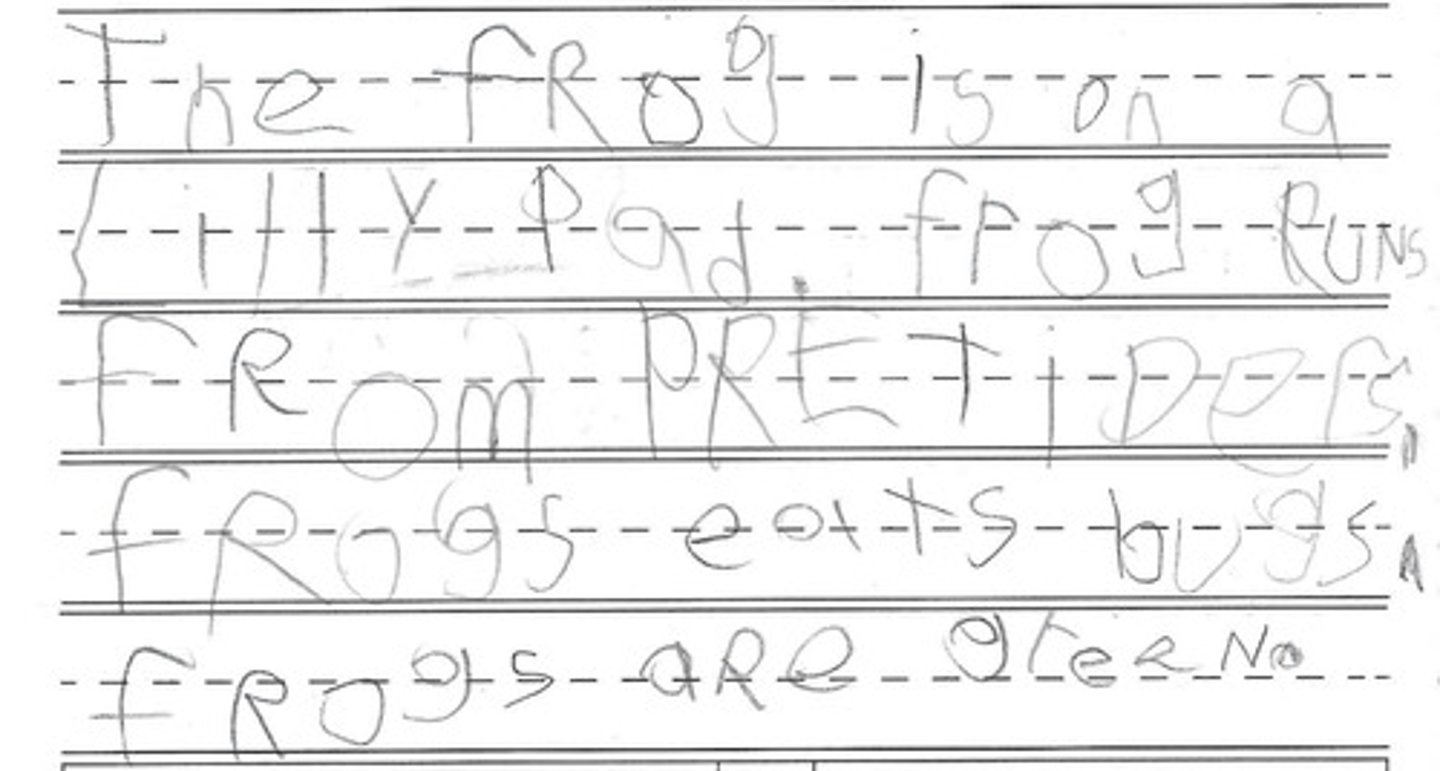
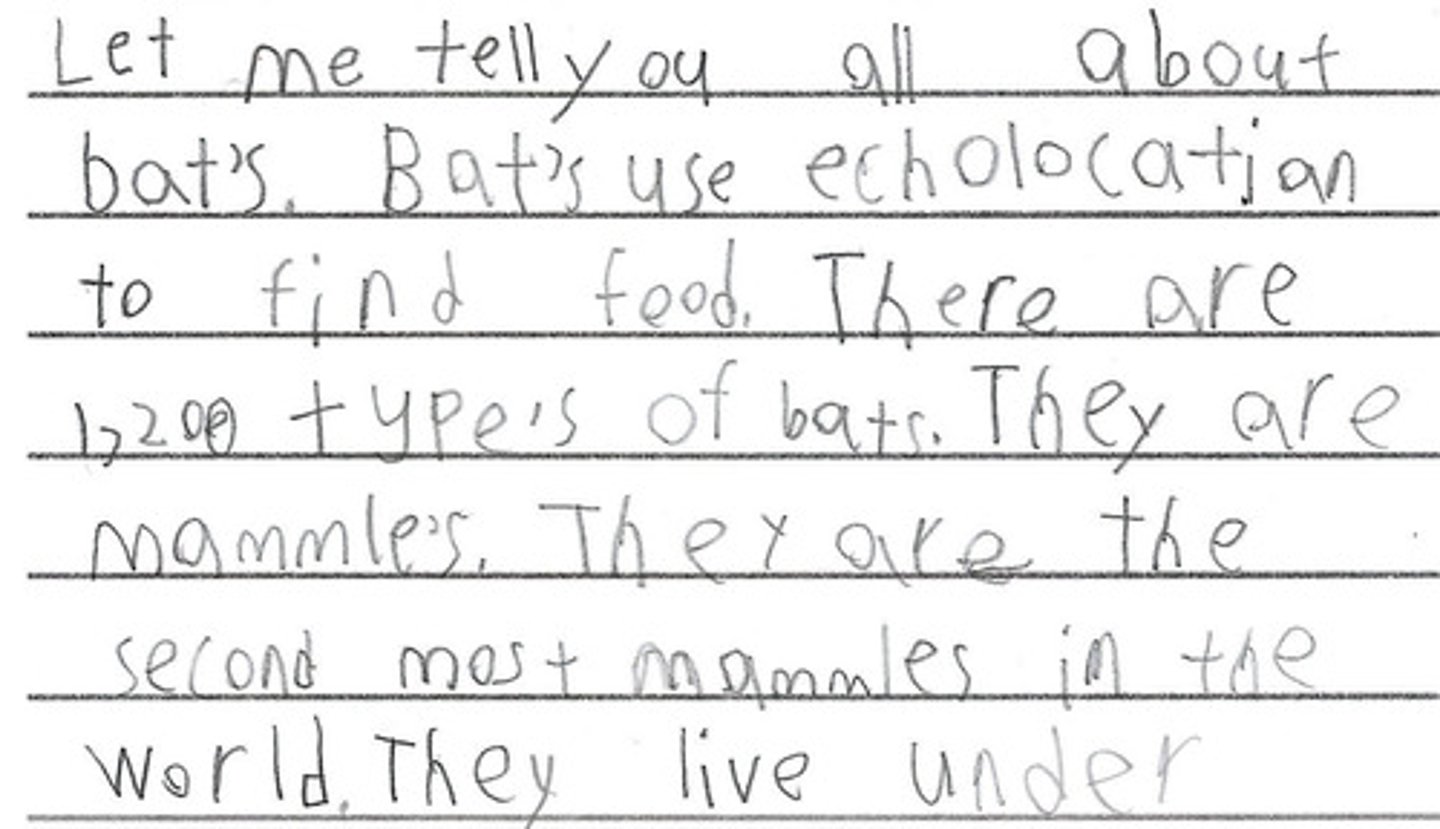
Transitional (Consolidated Alphabetic, end of 2nd)
students' skills or knowledge become firmly established - they have mastered most letter sounds and can decode words quickly and fluently
Four-Part Processor
a framework that describes how the brain processes written language, involving phonological, orthographic, meaning, and context processors working together to facilitate reading and comprehension
Phonological Processor
helps you recognize, remember, and work with sounds in the spoken language
Orthographic Processor
helps you recognize and remember the visual patterns of written words and letters
Meaning Processor
helps you understand and interpret the meaning of words and sentences
Content Processor
helps you understand words and sentences based on the text around them
Structured Literacy
an instructional approach that emphasizes explicit, systematic teaching of reading - phonemic awareness, phonics, fluency, vocabulary, and comprehension
Explicit Instruction
teaching specific concepts, skills, or strategies involves providing clear explanations, modeling, guided practice, and feedback to facilitate understanding and mastery of the material
Systematic and Cumulative Instruction
instruction that presents concepts logically, beginning with the easiest and increasing in difficulty. Each new concept is built on prior knowledge.
Diagnostic Teaching
instruction that requires continuous monitoring of a student’s level of mastery and functional use of individual concepts and uses this diagnostic information to inform planning and adjust instruction, as needed.
Multisensory Teaching
engages multiple senses (sight, hearing, touch, movement) to enhance learning and reinforce concepts
Visual
the sense of sight or learning through images, graphics, and spatial representations
Auditory
the sense of hearing or learning through sound
Kinesthetic/Tactile
learning through physical movement and touch
Orton-Gillingham Approach
helps teachers address reading difficulties in early literacy by offering structured, systematic, and multisensory instruction tailored to each student's needs.
Online Pedagogy
the practice of teaching and facilitating learning in an online environment using digital tools and strategies to engage, instruct, and assess students
Universal Screeners
assessments that identify students who are not meeting standards or may need support
*1-3 times per year
Diagnostic Assessments
assessments that identify a student's specific strengths and weaknesses
*after screening, as often as needed
Progress Monitoring
periodic assessments to monitor student progress and evaluate the effectiveness of instruction
*every 1-4 weeks
Summative Assessments
assessment OF learning. Given at specific points in time in order to determine what students know and don't know. Summative assessments are generally formal.
*1-2 times per year
MTSS (Multi-Tiered System of Supports)
a framework that provides increasingly intensive levels of support and assistance for academic learning and behavior management
Tier 1 - universal support (all students)
Tier 2 - targeted intervention (small group)
Tier 3 - intensive individualized support
Why is MTSS important?
it helps educators ensure that interventions are tailored to each student's needs, providing the right level of support to promote literacy success
High-Leverage Practices
instructional strategies or approaches identified as particularly effective in promoting student learning and achievement across various contexts and content areas. Includes: Collaboration, Assessment, Social/Emotional & Behavioral Support, Instruction
Evidence-Based Practices
instructional strategies, interventions, or approaches that have been validated through rigorous research and empirical evidence
How can semantic organizers be used to enhance comprehension of complex vocabulary in a text?
a. By creating a visual web that connects the new vocabulary to known words and concepts
b. Encouraging students to skip over words they do not understand to maintain reading fluency
c. Instructing students to memorize the definitions of all new words before reading
d. By having students write synonyms for each new word they encounter
By creating a visual web that connects the new vocabulary to known words and concepts
Which method should be used to help students identify the number of syllables in a word like elephant?
a. Ask students to count the vowels in the word
b. Pronounce the word slowly, emphasizing each syllable, and have students tap on their desk for each syllable
c. Instruct students to say the word once without any pauses
d. Have students write the word without saying it aloud
Pronounce the word slowly, emphasizing each syllable, and have students tap on their desk for each syllable
How does incorporating a phonics lesson on letter-sound correspondence align with Scarborough's Reading Rope in classroom instruction?
a. It supports the word recognition strand by teaching decoding skills.
b. It relates to the strategic competence strand by improving problem-solving.
c. It connects to the background knowledge strand by providing historical context.
d. It addresses the language comprehension strand by enhancing vocabulary.
It supports the word recognition strand by teaching decoding skills.
What is the purpose of the summarizing strategy in reciprocal teaching?
a. To correct misunderstandings about the text through dialogue
b. To prepare for a vocabulary test on the text
c. To list all the characters and describe their traits through their actions
d. To condense the main ideas and details into a concise overview
To condense the main ideas and details into a concise overview
What is an effective method for teaching students proper letter formation?
a. Ask students to copy letters from a book independently
b. Encourage students to use a keyboard to practice letter recognition
c. Demonstrate the correct way to write each letter while students follow along in the air and on paper
d. Instruct students to write letters by providing detailed instructions for the written composition
Demonstrate the correct way to write each letter while students follow along in the air and on paper
What classroom activity would effectively assess young learners' print awareness?
a. Requesting learners to draw their favorite scene after a story is read to them
b. Having learners recite the alphabet while pointing to each letter in a book
c. Instructing learners to match spoken words to pictures on a worksheet
d. Asking learners to point out where a story starts and ends in a picture book
Asking learners to point out where a story starts and ends in a picture book
What is the correct mouth shape for the short o sound in cot?
a. A slightly rounded and open mouth
b. A pursed, narrow mouth
c. A tightly closed mouth
d. A wide, smiling mouth
A slightly rounded and open mouth
Which strategy helps students identify when they are not understanding a text?
a. Rereading sections of the text
b. Reading at a faster pace
c. Inferring meaning based on individual interpretation
d. Overlooking repetitive sections of text
Rereading sections of the text
What is an advanced phonemic awareness activity that involves the substitution of sounds?
a. Students repeating the sounds of a word in the order they hear them.
b. Students writing down words they hear in a spoken sentence.
c. Students changing the first sound in a word to make a new word.
d. Students identifying the middle sound in a given word.
Students changing the first sound in a word to make a new word.
How should a teacher explain the difference between a stop consonant and a nasal consonant during a phonics lesson?
a. Explain that stop consonants are always voiced, and nasal consonants are always unvoiced
b. Demonstrate how the airflow is completely blocked for a stop consonant, while air is allowed to pass through the nose for a nasal consonant
c. Teach that stop consonants require lip movement, while nasal consonants do not
d. Show that stop consonants and nasal consonants can occur at any position in a word but differ in airflow
Demonstrate how the airflow is completely blocked for a stop consonant, while air is allowed to pass through the nose for a nasal consonant
Which classroom activity would effectively enhance reading fluency?
a. Having students independently read a text and write a summary
b. Instructing students to listen to an audiobook without following along in the text
c. Organizing students into pairs to take turns reading aloud and providing feedback
d. Assigning a silent reading task followed by a written comprehension quiz
Organizing students into pairs to take turns reading aloud and providing feedback
Which instructional strategy is effective for teaching Tier 2 vocabulary in context?
a. Having students list synonyms for vocabulary words without context
b. Asking students to use all new vocabulary words in a single sentence
c. Incorporating new vocabulary words into a text discussion, clarifying meaning through examples and non-examples
d. Encouraging students to memorize dictionary definitions of vocabulary words
Incorporating new vocabulary words into a text discussion, clarifying meaning through examples and non-examples
What is the benefit of the clarifying step during reciprocal teaching?
a. To infer what will happen next and predict upcoming events
b. To reread the text and provide annotations
c. To summarize the key components of the text
d. To address and resolve any confusion about the text
To address and resolve any confusion about the text
What is a common reason for an elementary student learning English to switch between English and their native language?
a. As a strategy to resist learning English and maintain proficiency in the native language
b. To compensate for missing vocabulary or to articulate ideas more easily expressed in their first language
c. Due to a lack of understanding that the languages are distinct from each other
d. To showcase their ability to speak two languages at once
To compensate for missing vocabulary or to articulate ideas more easily expressed in their first language
During storytime, 4-year-old Mia is adept at telling intricate stories from picture books but has difficulty with word recognition. What does this indicate about the link between speaking and reading abilities?
a. Mia's storytelling talent suggests she has the reading capabilities of a second-grader.
b. Mia's capacity to tell stories reflects her superior reading comprehension for her age.
c. Mia's storytelling prowess highlights her solid oral language foundation, important for reading later on.
d. Mia's narrative ability points to a deficiency in both spoken and written language skills.
Mia's storytelling prowess highlights her solid oral language foundation, important for reading later on.
It is observed that 3-year-old Alex can comprehend and act on multi-step verbal directions but struggles to recognize the first letter of his name when it is written. What can be inferred about his language development?
a. Alex's oral language development is not on par with what is expected for his age.
b. Alex's proficiency in understanding multi-step spoken instructions indicates he should be able to read simple words.
c. Alex has developed the phonological awareness that is a prerequisite for reading proficiency.
d. Alex is demonstrating age-appropriate oral language development.
Alex is demonstrating age-appropriate oral language development.
A first-grade teacher is helping her students understand the relationship between sounds and letters. She focuses on the sounds that each letter makes and how they blend together to form words. What is this aspect of oral language development?
a. Phonology
b. Orthography
c Morphology
d. Syntax
Phonology
A student begins to understand that the word "dogs" contains both the meaning of "dog" and the plural marker "-s." Which linguistic component is he/she demonstrating an understanding of?
a. Syntax
b. Lexical Semantics
c. Phonology
d. Morphology
Morphology