Anatomy, Physiology, and Body Systems Review
 Call Kai
 Learn
Learn Practice Test
 Spaced Repetition
 Match
Match Flashcards
 Knowt Play
1/81

Earn XP
Description and Tags
Flashcards covering body systems, anatomy vs. physiology, relative position terminology, and anatomical planes and regions from the provided lecture notes.
Name | Mastery | Learn | Test | Matching | Spaced | Call with Kai | Chat |
|---|
No analytics yet
Send a link to your students to track their progress
82 Terms
Anatomy
The study of the structures of the human body.
Physiology
The study of the functions of the structures of the human body.
Digestive System
Breaks down food for absorption of nutrients by the body; major organs include the esophagus, stemach, and intestines.
Circulatory System
Transports oxygen and nutrients to the body's cells and removes waste products; major organs include the heart and blood vessels.
Reproductive System
Enables production of offspring; major organs include the testes, scrotum, Ovaries, and uterus.
Integumentary System
Protects, eliminates wastes, helps regulate body temperature; major organs include the layers of skin.
Lymphatic System
Returns body fluids to the bloodstream; includes lymphatic vessels and nodes.
Respiratory System
Delivers oxygen to, and removes carbon dioxide from, the blood; includes lungs, pharynx, larynx, and trachea.
Muscular System
Pumps the heart, helps move materials through the digestive tract, and moves the body; consists of Cardiac, Smooth, and Skeletal muscle.
Skeletal System
Supports the body, protects organs, and produces blood cells; includes bones, cartilage, and ligaments.
Endocrine System
Secretes hormones; major organs include the thyroid, pancreas, adrenal glands, and thymus.
Excretory System
Removes nitrogen-containing wastes from the blood; major organs include the kidneys and bladder.
Nervous System
Recieves, and interprets sensery input, directs body movements, includes memory, emotions and cognition; includes brain, spinal cord, nerves, and sensory receptors.
Superior
A part that is above another part; for example, the nose is superior to the mouth.
Inferior
A part that is below another part; for example, the chin is inferior to the forehead.
Anterior/Ventral
Toward the front; for example, features of your face are on the anterior surface of your bedad.
Posterior/Dorsal
Toward the back; for example, the vertebral column is posterior to the Sternum.
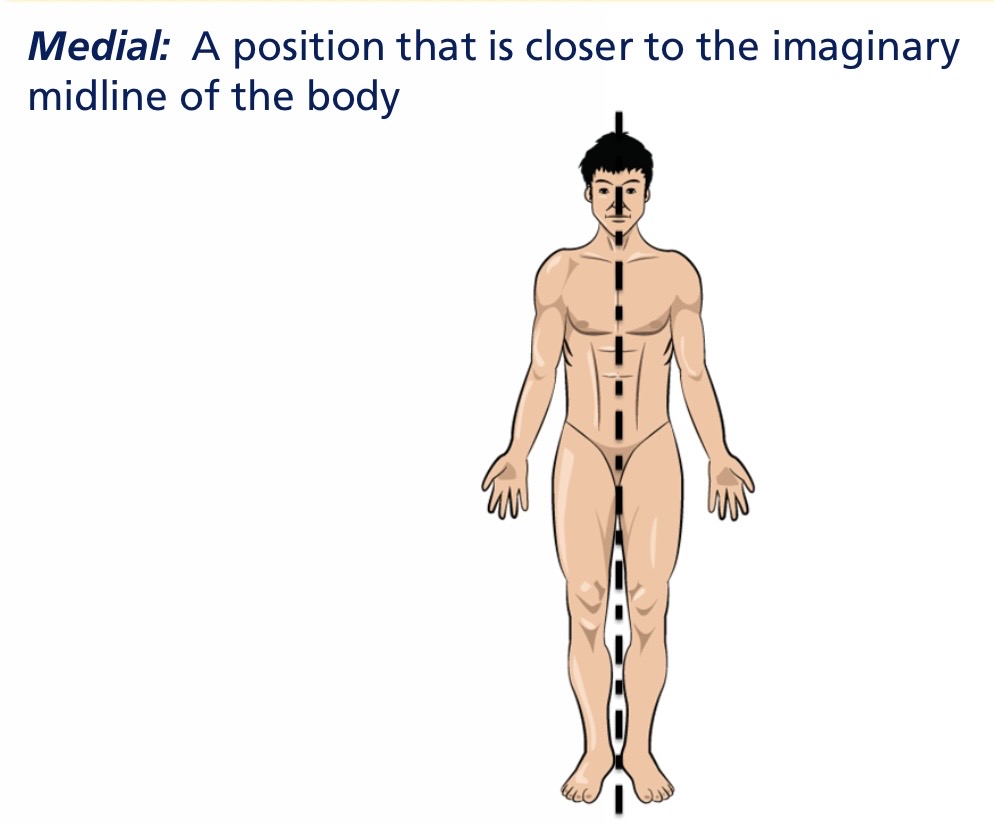
Medial
A position that is closer to the imaginary midline of the body; for example, eyes are medial to ears.
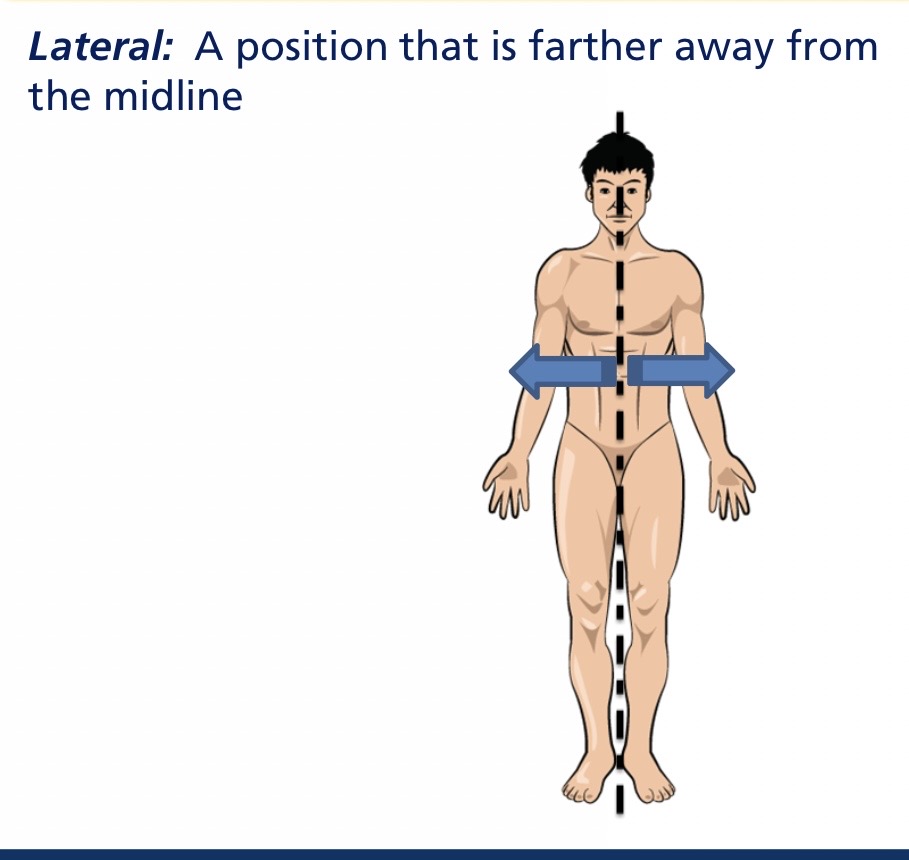
Lateral
Describes a position that is farther away from midline; for example, ears lateral te eyes.
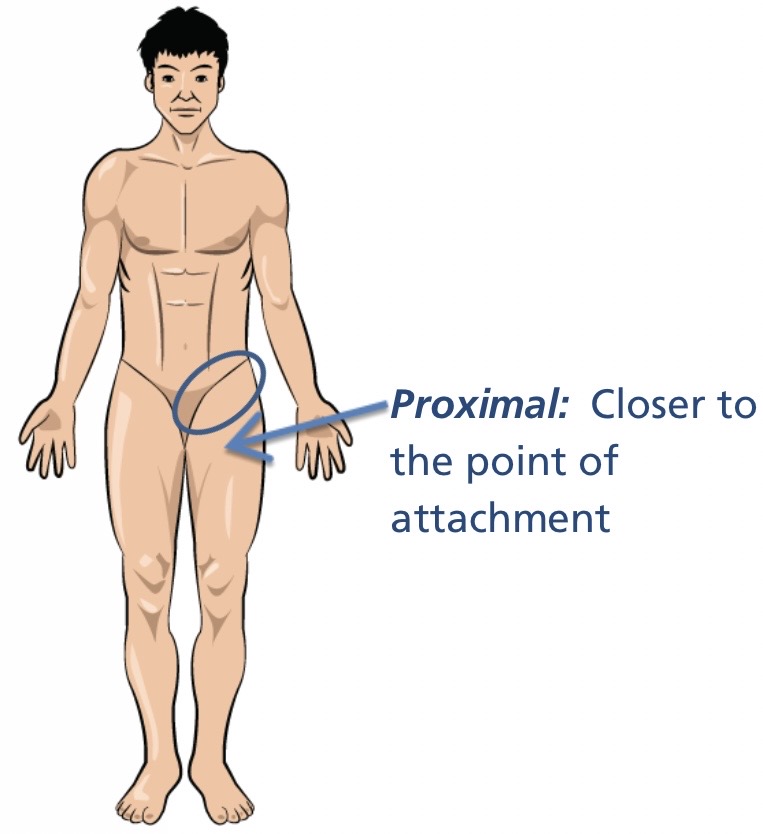
Proximal
Refers to the part closer to the point of attachment to the body; for example, the knee is proximal to calf.
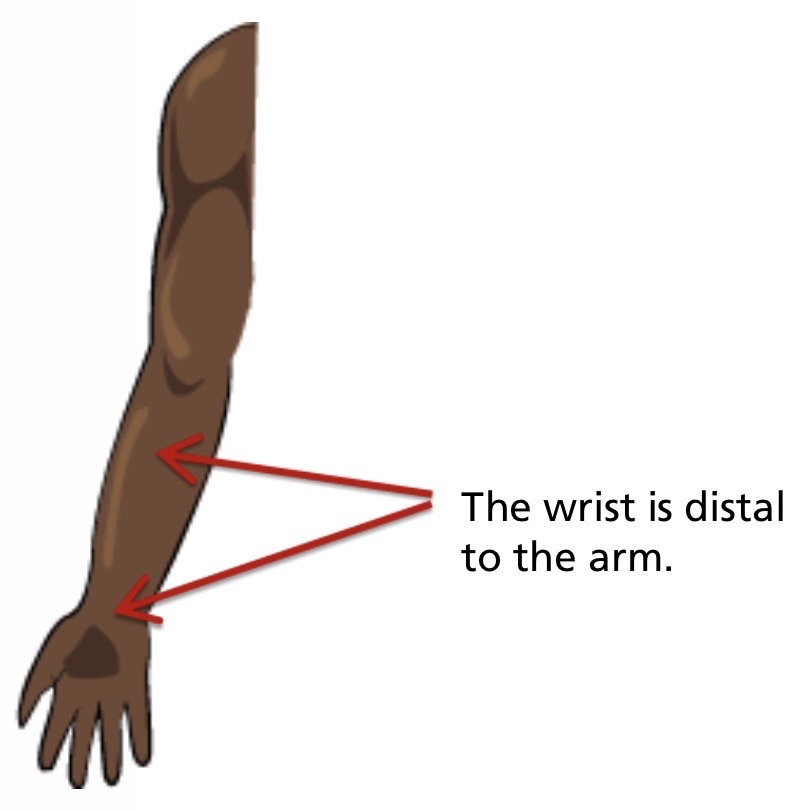
Distal
Part farther away from the point of attachment; for example, the wrist is distal to the arm.
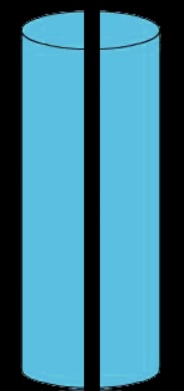
Longitudinal
Cuts, planes, or sections along the long axis.
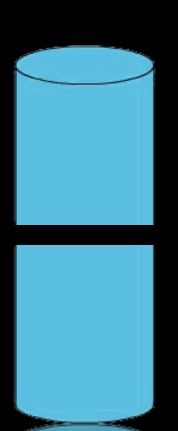
Cross, transverse, or horizontal
Cuts, planes, or sections across the long axis.
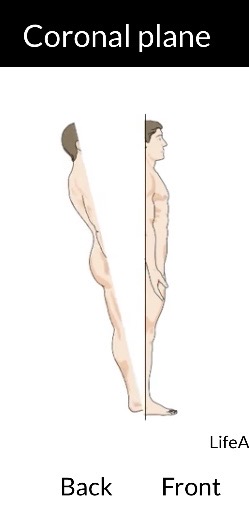
Coronal/Frontal Cut
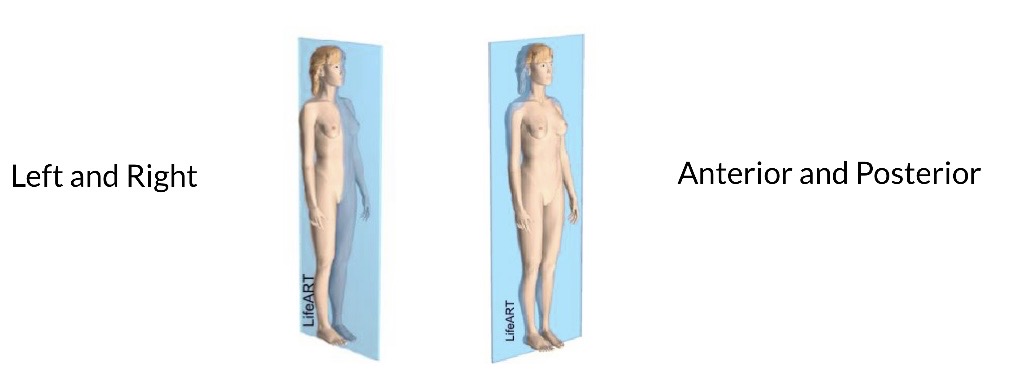
The plane that divides the body into front (anterior) and back (posterior) halves
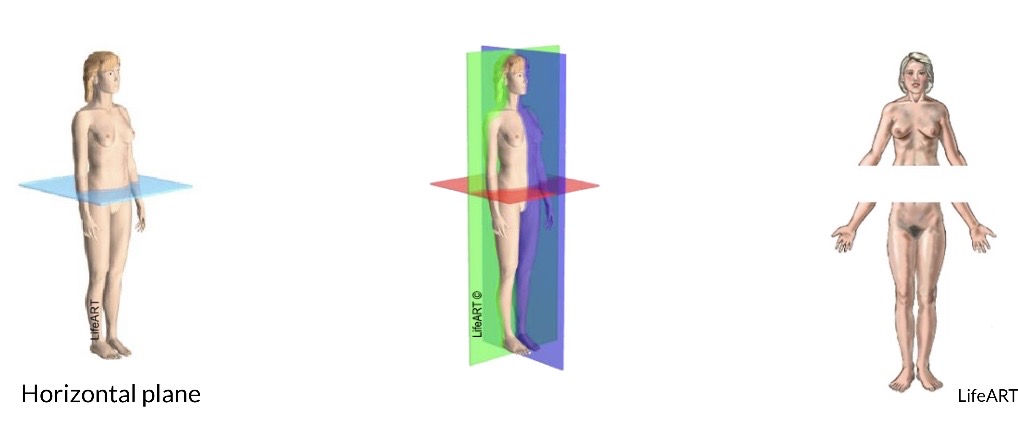
Transverse/Horizontal Cut
The plane that divides the body into top (superior) and bottom (inferior) halves
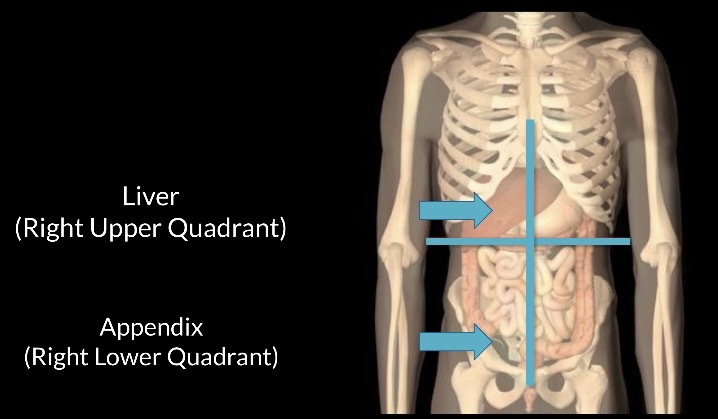
Abdominal Quadrants
The four divisions including the right upper quadrant (containing the liver), left upper quadrant, right lower quadrant (containing the appendix), and left lower quadrant.
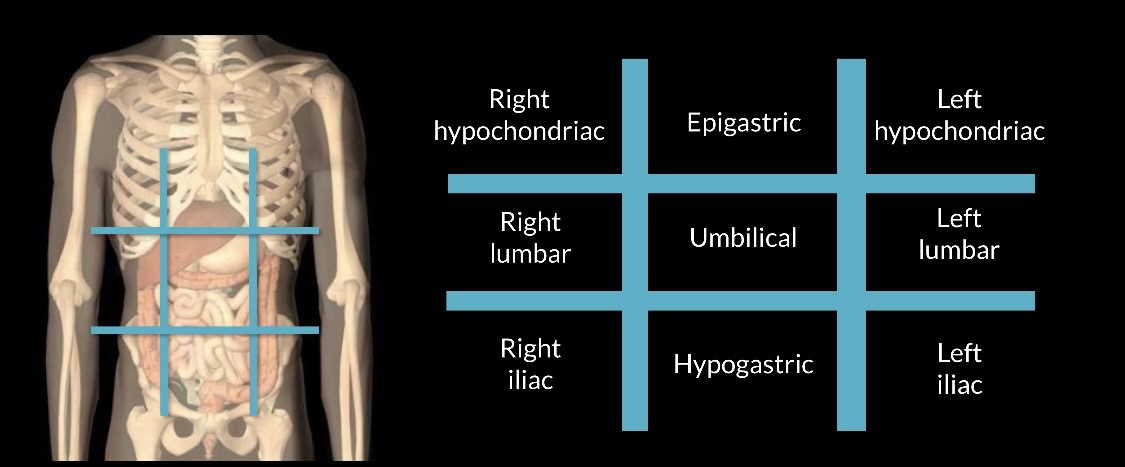
Abdominal Regions
The nine divisions of the abdominal cavity: right hypochondriac, epigastric, left hypochondriac, right lumbar, umbilical, left lumbar, right iliac, hypogastric, and left iliac.
Axial Portion
The head, neck, and trunk
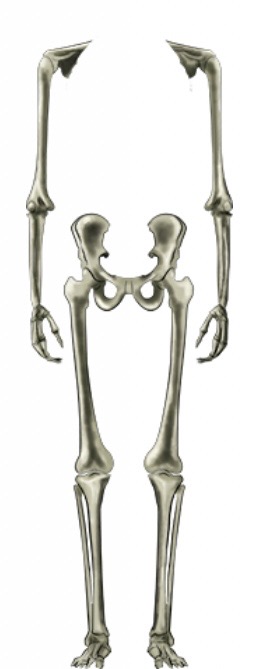
Appendicular portion
The arms, legs, and attachments
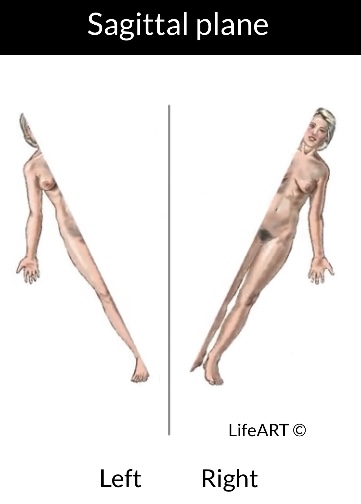
Sagittal Plane
The plane that divides the body into UNEQUAL right and left halves
When using the terms RIGHT and LEFT to describe the location of a feature or structure we are referencing…
The person’s right or left
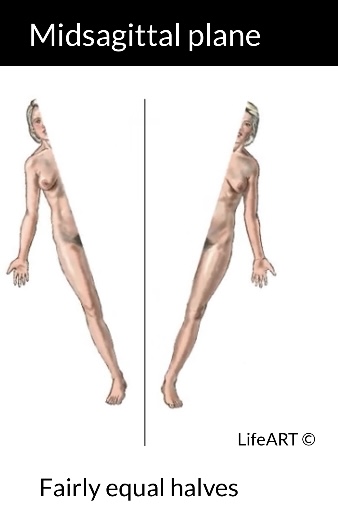
Midsagittal plane
The plane that divides the body into EQUAL right and left halves

Frontal
Forehead

Cranial
Skull

Orbital
Eye

Buccal
Cheek

Otic
Ear

Nasal
Nose

Oral
Mouth

Mental
Chin

Cervical
Neck

Acromial
Shoulder
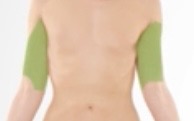
Brachial
Upper arm
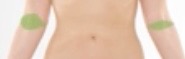
Antecubical
Front of elbow

Antebrachial
Forearm

Carpal
Wrist

Palmar
Palm

Digital, phalangeal
Fingers

Thoracic
Chest

Mammillary
Breast

Axillary
Armpit

Abdominal
Abdomen

Umbilical
Navel

Coxal
Hip

Pelvic
Pelvis

Inguinal
Groin

Pubic
Pubis
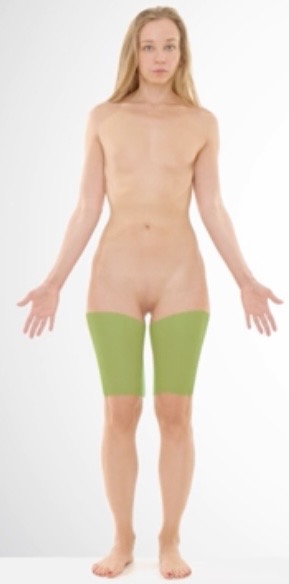
Femoral
Thigh
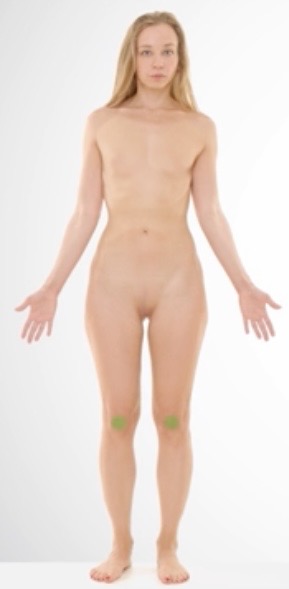
Patella
Kneecap

Crural
Lower leg

Tarsal
Ankle

Pedal
Foot

Digital, phalanges
Toes

Cephalic
Head

Dorsal
Back
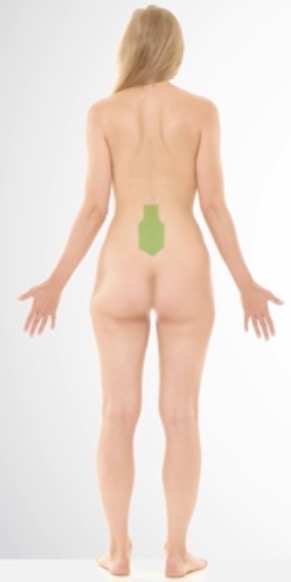
Lumbar
Loin
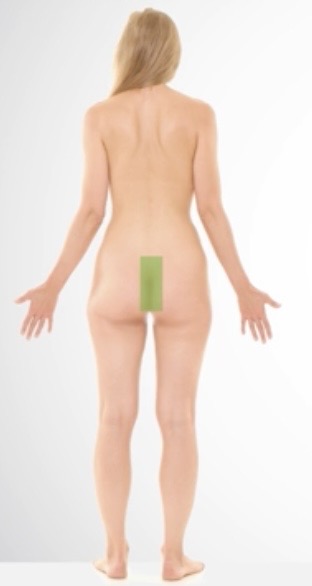
Sacral
Sacrum
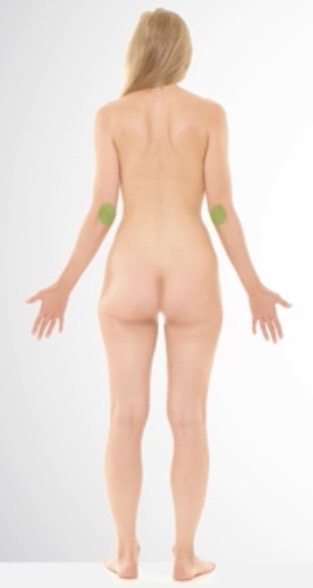
Cubital
Elbow
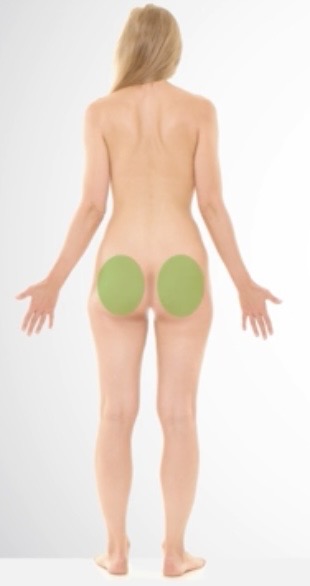
Gluteus
Buttock

Femur
Thigh

Popliteal
Back knee
Sural
Calf

Calcaneal
Heel
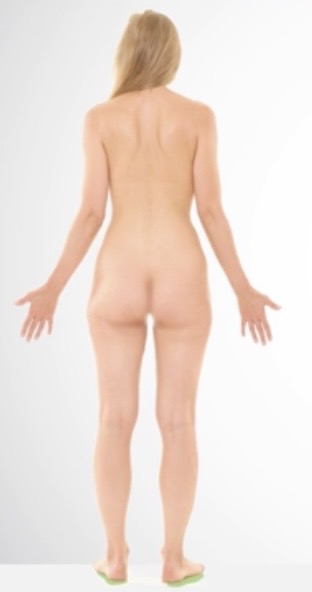
Plantar
Sole
What is the anatomical name for the different “spaces” in your body that contain certain organs?
Cavities
Functions of a body cavity include:
Allowing organs to change shape and size, protecting organs within the cavity
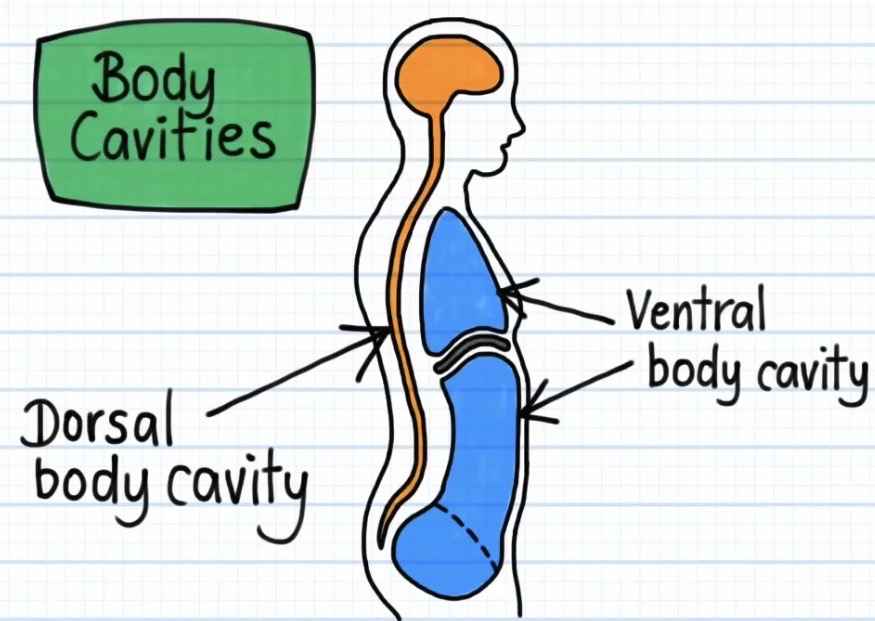
When describing the dorsal cavity, you would say the dorsal cavity is on the ___ part of a human body.
Posterior, back
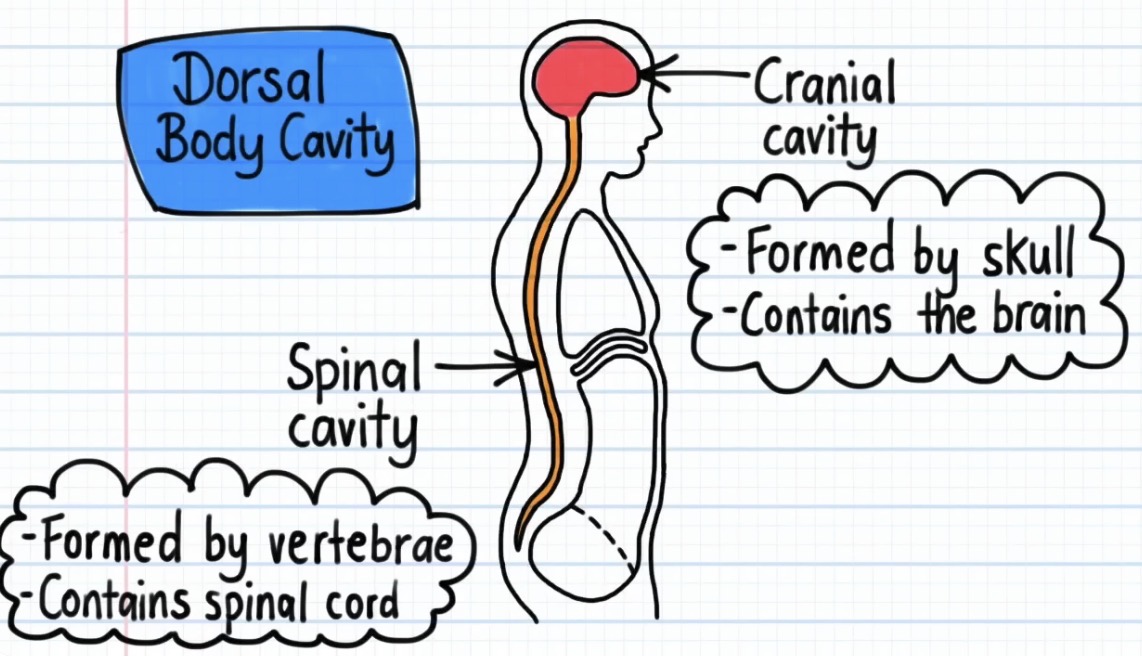
The cranial cavity is in the ___ body cavity and contains the ___
Dorsal, brain
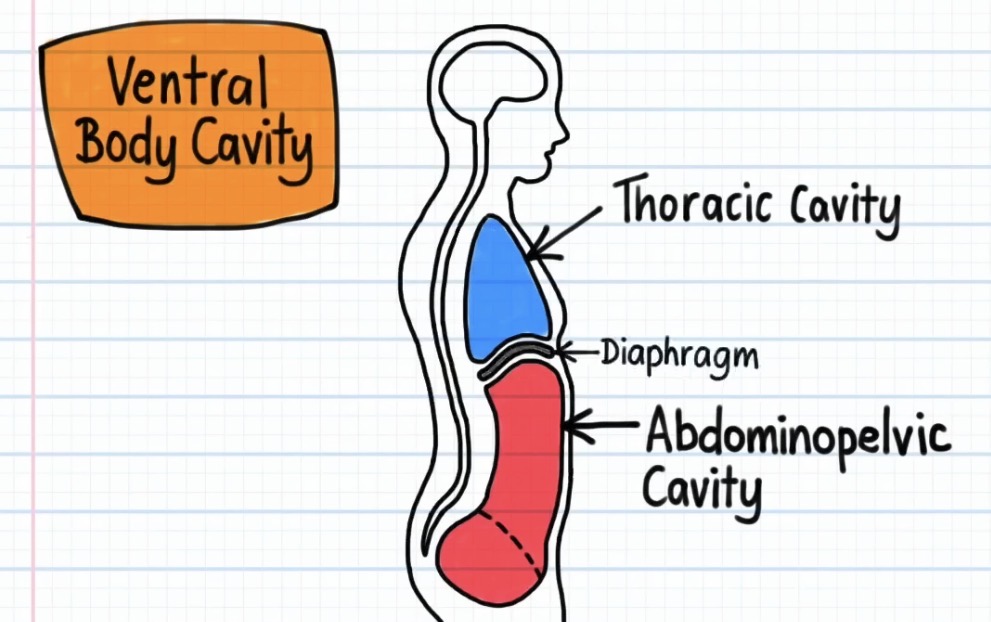
The thoracic cavity is ___________ compared to the abdominopelvic cavity
Superior
The thoracic cavity is separated from the abdominopelvic cavity by a flat muscle called the
Diaphragm
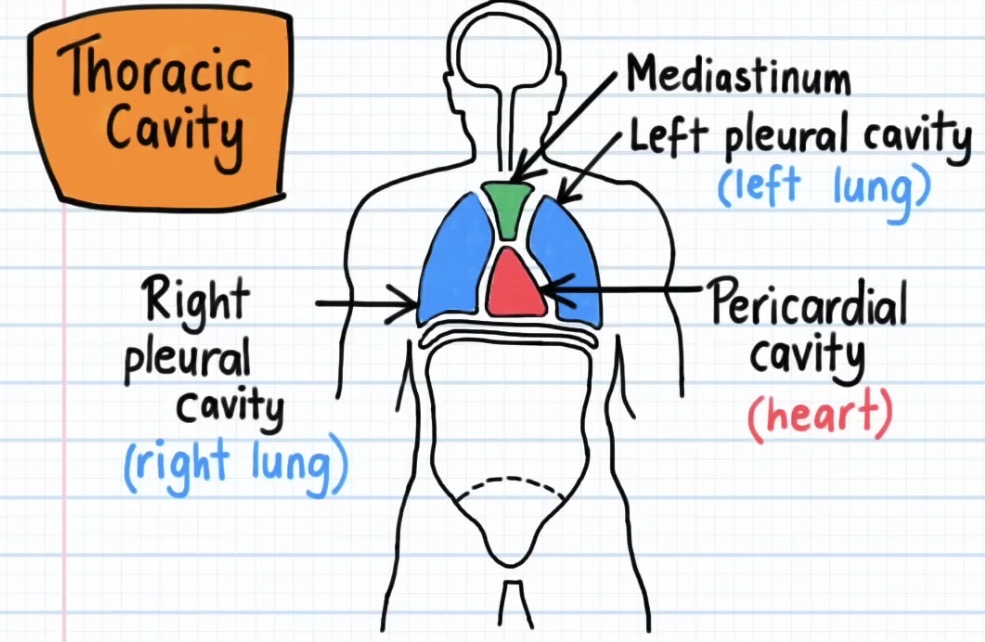
The pleural cavity contains:
Lungs
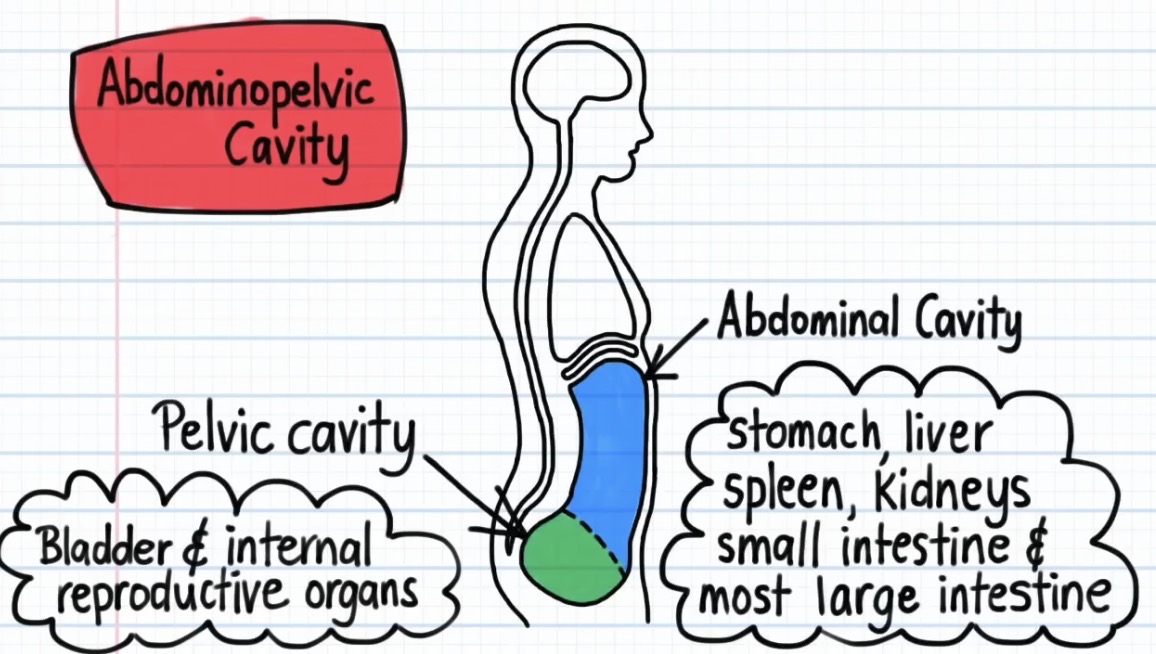
What organ(s) can be found in the abdominopelvic cavity?
Stomach, liver, spleen, kidneys, small intestine, and most large intestine