Module 4 - High Alert Medications and Controlled Substances
 Call Kai
 Learn
Learn Practice Test
 Spaced Repetition
 Match
Match Flashcards
 Knowt Play
1/7

There's no tags or description
Looks like no tags are added yet.
Name | Mastery | Learn | Test | Matching | Spaced | Call with Kai | Chat |
|---|
No analytics yet
Send a link to your students to track their progress
8 Terms
Controlled Substances
Substances that can alter mental processes and may produce harm to health or society when diverted to an illegal market or misused.
Stored in a designated locked drawer (only RNs/LPNs can access); must be signed out on a special record, narcotics are counted including waste.
Types of controlled substances:
Narcotics
Hydromorphone/Dilaudid
Morphine
Codeine
Meperidine
Tylenol #2 or #3 (acetaminophen combined with codeine)
Benzodiazepams
Diazepam (Valium)
Phenobarb (Diphenylhydantoin)
Flurazepam (Dalmane)
Secobarb (Seconal Sodium)
Monitoring for Narcotic Administration
Baseline - RR, Pain, Sedation Scale (0 alert - 3 somnolent; difficult to rouse).
Post-Dose
IM, PR, SubQ, PO: 45 - 60 minutes.
IV: 5, 15, and 30 minutes.
High Alert Medications
Medications that bear a heightened risk of causing significant patient harm when used in error.
Examples: insulin, narcotics, anti-coagulants, electrolyte replacements and more.
Management of High Alert Medications
System Factors
Limited access to high alert drugs and high concentration limitations.
Ready to use formulations.
Assistve technology.
High alert labels.
Independent Factors
Independent double check.
Always use with SMART pump.
Independent Double Check
Students cannot perform the independent double check but may administer the medication.
Should be free from distraction.
Should be done during second check.
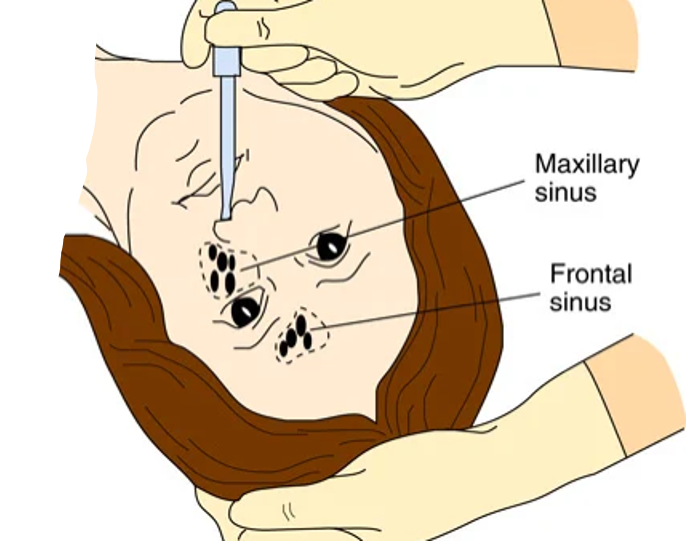
Nasal Medication Installation
Sprays, drops, tampons (gauze to stop bleeding).
Decongestant is the most common type.
Can cause irritation to the nares.
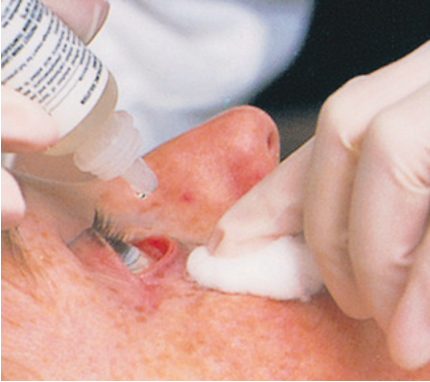
Ocular Medication Installation
Drops or ointment.
Used for moisture, vasoconstriction, infections, and glaucoma.
Ensure eye is clean.
Let patient reach room temperature.
Expose conjunctival sac, administer 1-2cm above.
Aural Medication Installation
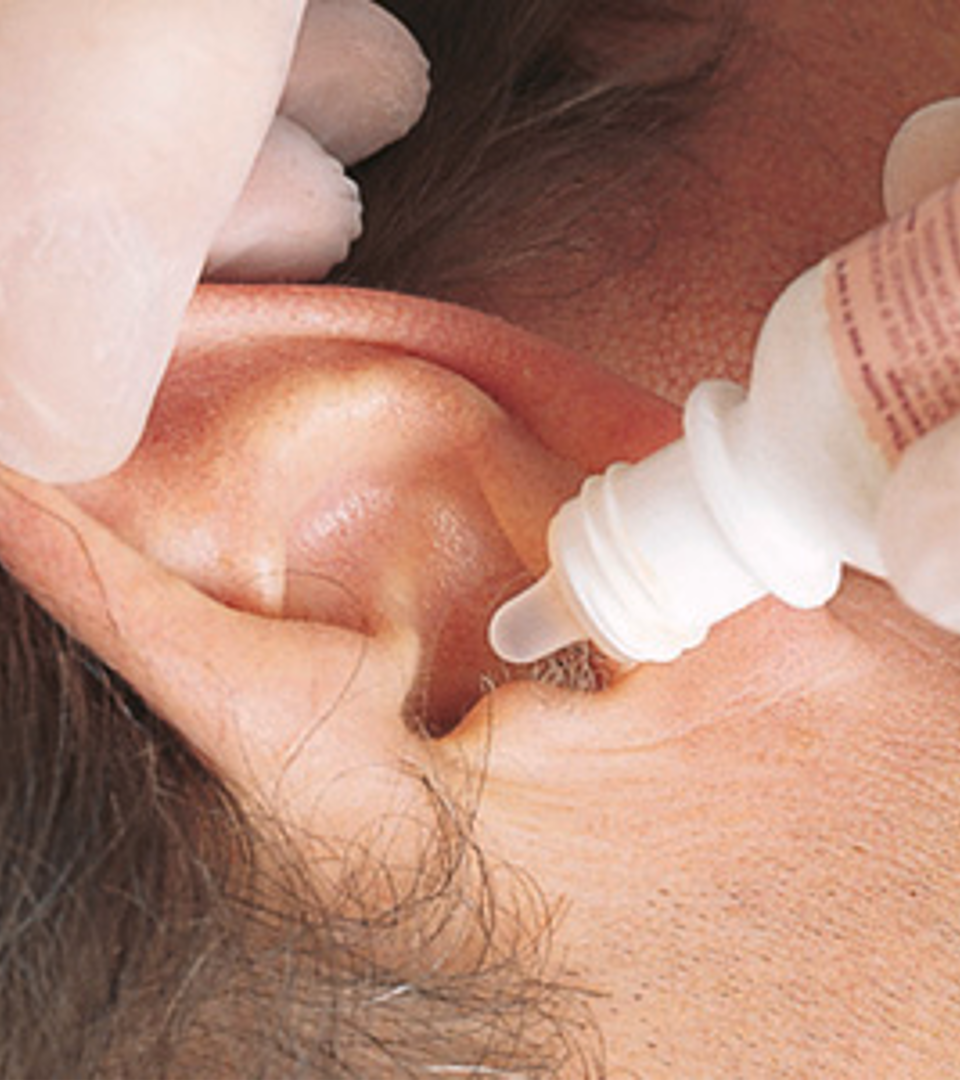
Drops or irrigations.
Sensitive to temperature changes.
Straighten ear canal prior to installation.