L20- Overcoming resistance and developing novel therapies
 Call Kai
 Learn
Learn Practice Test
 Spaced Repetition
 Match
Match Flashcards
 Knowt Play
1/33

There's no tags or description
Looks like no tags are added yet.
Name | Mastery | Learn | Test | Matching | Spaced | Call with Kai | Chat |
|---|
No analytics yet
Send a link to your students to track their progress
34 Terms
how was drug resistance discovered
• Chemotherapy was first introduced in the 1940s
1943 - nitrogen mustard, 1949 – methotrexate
• Patients often had an excellent initial response but on relapse did not respond to chemotherapy -
Acquired Drug Resistance
• Some tumours did not respond to chemotherapy from the outset - Intrinsic Drug Resistance
• Thus, the clinical evidence for drug resistance appeared at the dawn of chemotherapy
What are pharmacokinetics (PK) and pharmacodynamics (PD)?
PK:
Absorption
Distribution
Metabolism
Elimination
Drug influx and drug efflux
PD:
Drug activation
Cellular damage → cell death
Drug inactivation
Alterations in drug target
Adaptive responses
Dysfunctional apoptosis
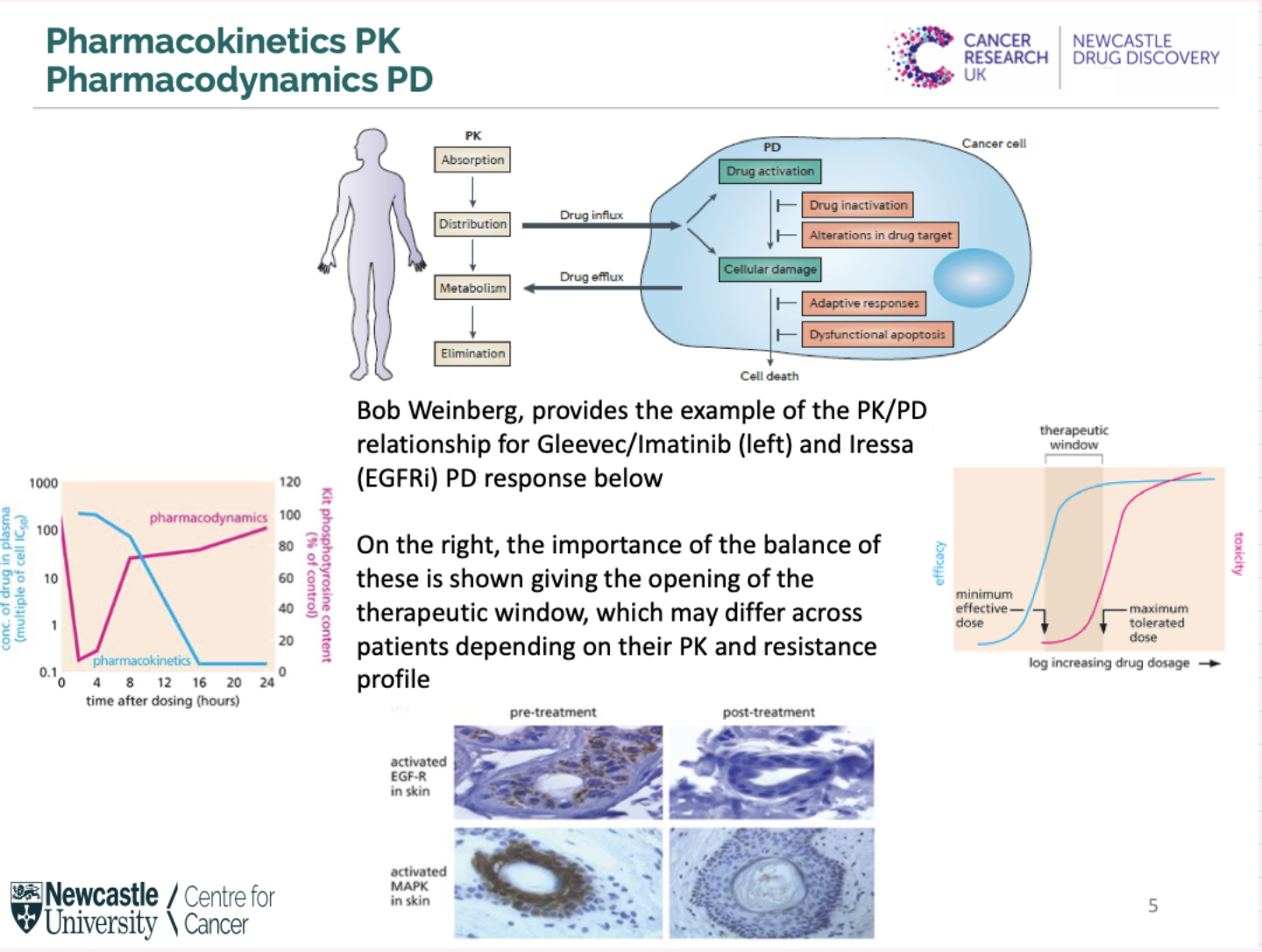
Why is the balance between PK and PD important?
Balance determines the therapeutic window
Minimum effective dose
Maximum tolerated dose
May differ across patients depending on PK and resistance profile
Example: PK/PD relationship for Gleevec/Imatinib and Iressa (EGFRi)
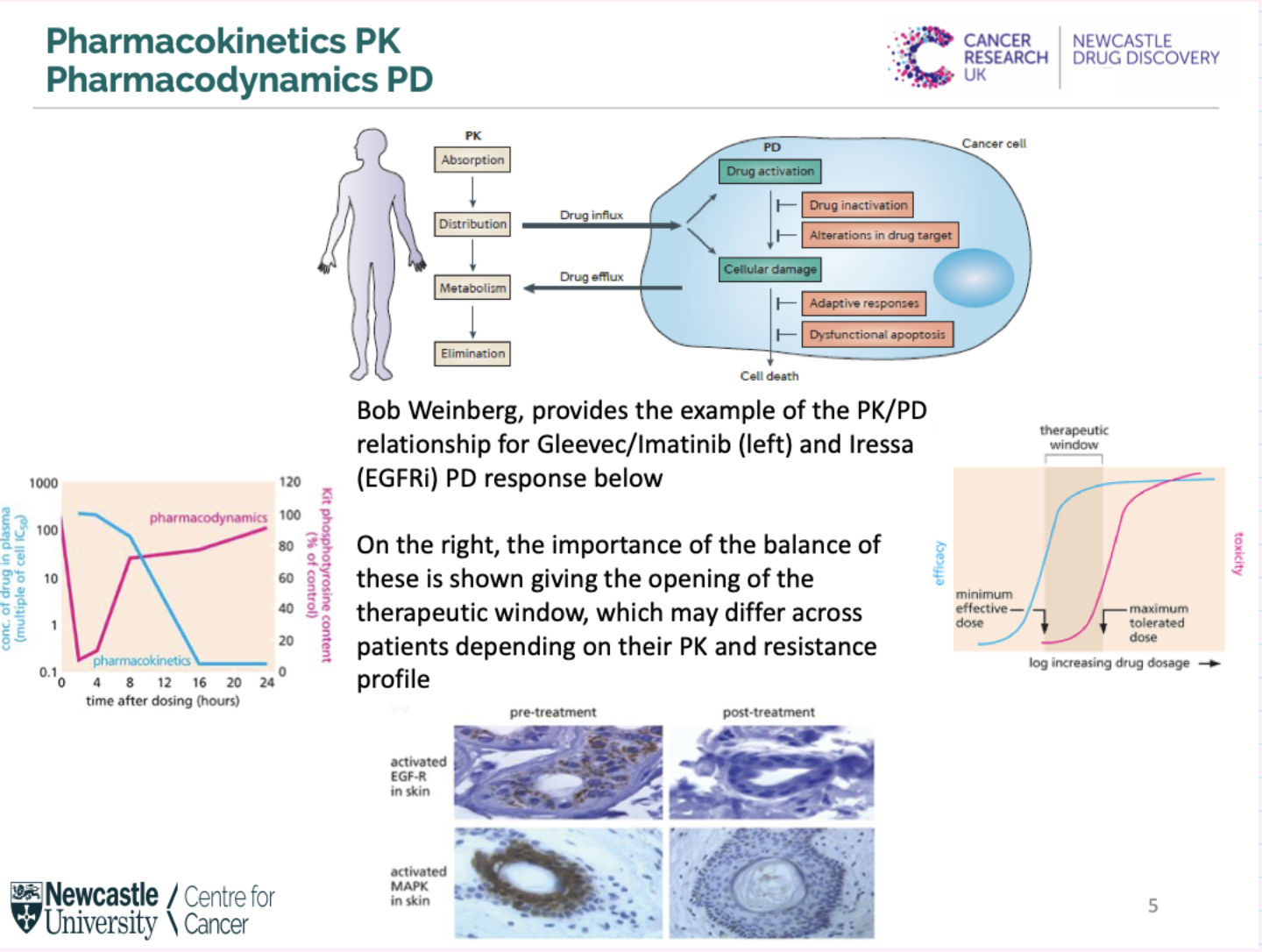
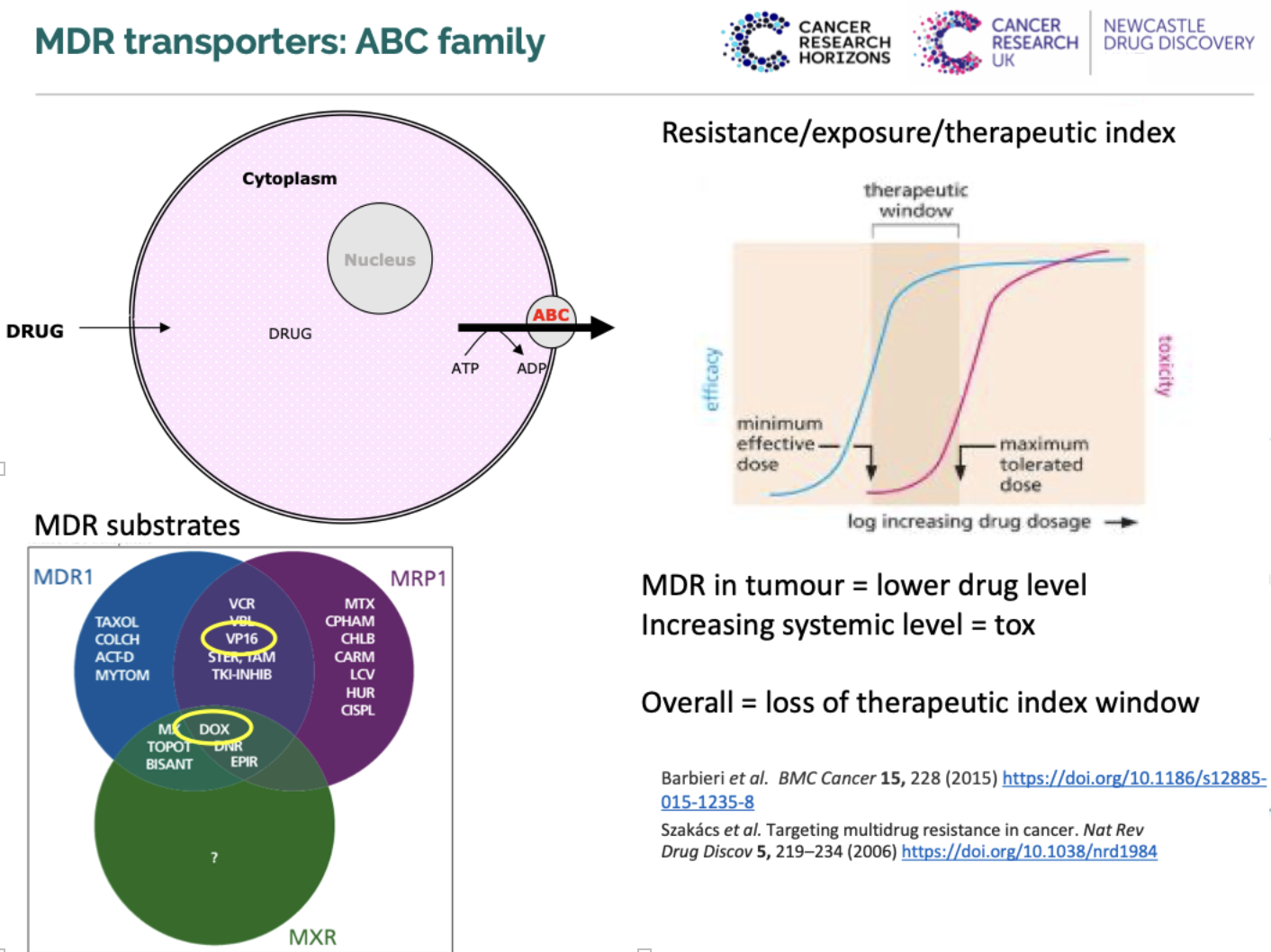
What is the role of MDR transporters (ABC family) in drug resistance?
ABC transporters use ATP → ADP to pump drug out of cell
Leads to reduced intracellular drug levels
MDR substrates include drugs across:
MDR1, MRP1, MXR (overlapping substrates)
Effects:
MDR in tumour = lower drug level
Increasing systemic level = toxicity
Overall = loss of therapeutic index window
what hallmarks of cancer allows for heterogeneity drug resistance
genome instability and mutation
Cancer cells employ mechanisms that evolved to enable all living things to thrive and evolve.
Anticancer drugs are largely aimed at these survival mechanisms
what are the different natures of resistance to cancer therapies
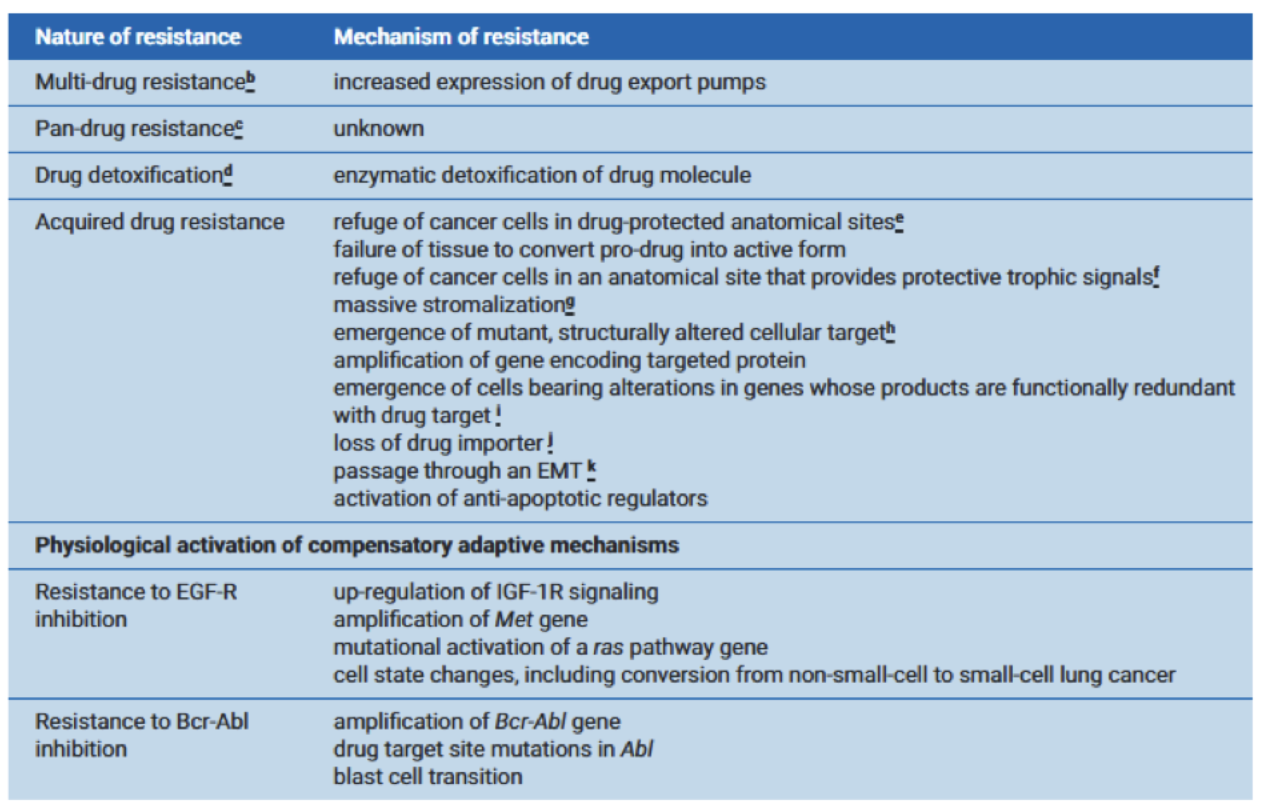
What are the mechanisms of resistance to molecularly targeted agents?
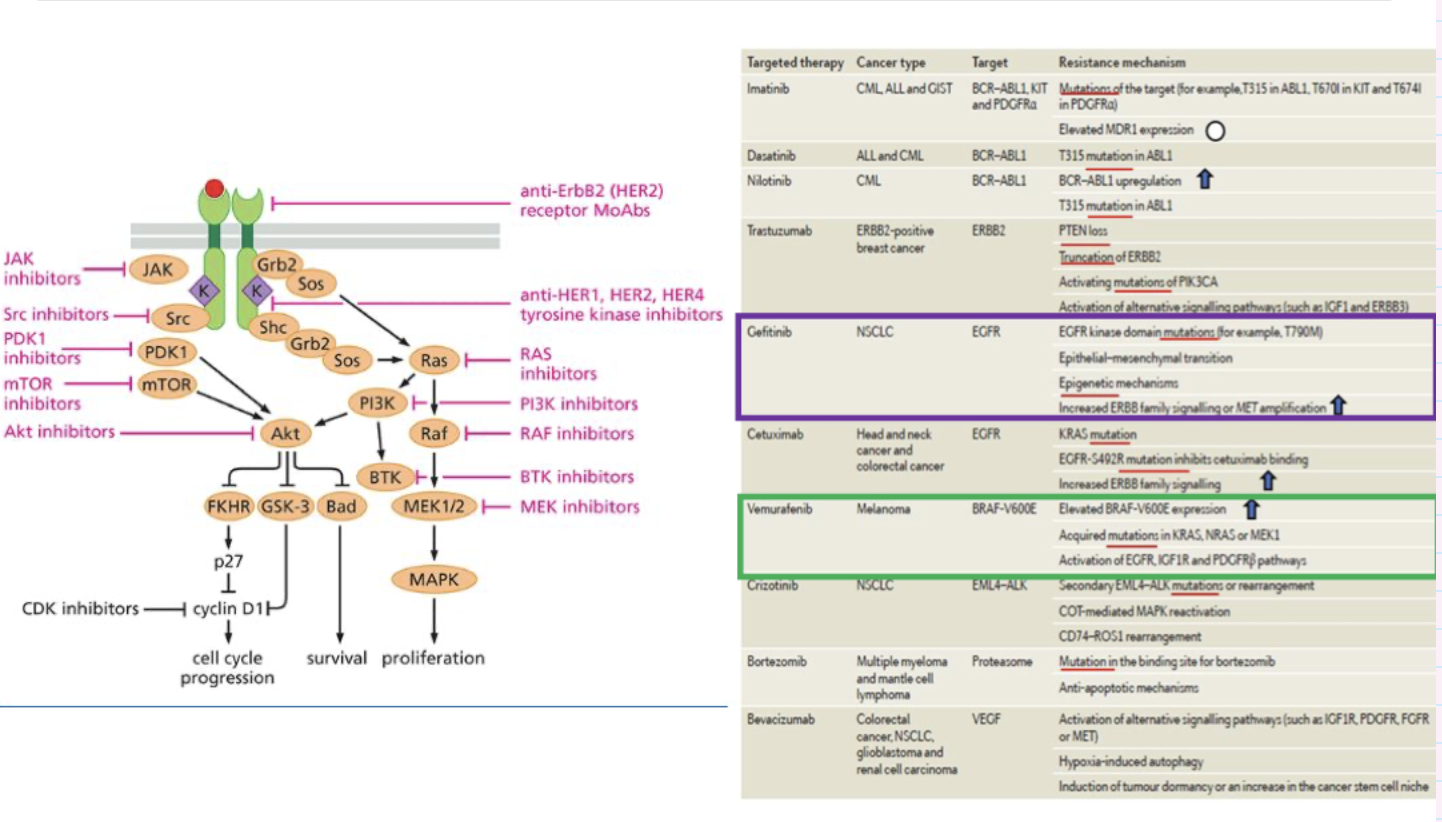
Generally refers to receptor tyrosine kinases (RTKs) and signal transduction pathways
Resistance is more specific to that agent and predictable
Network of signalling cascades means bypass is possible
Mutation or upregulation of target
what is the relevance of RTK signalling and resistance
there are multiple ways to inginit it so therefore multiple ways to acquire resistance
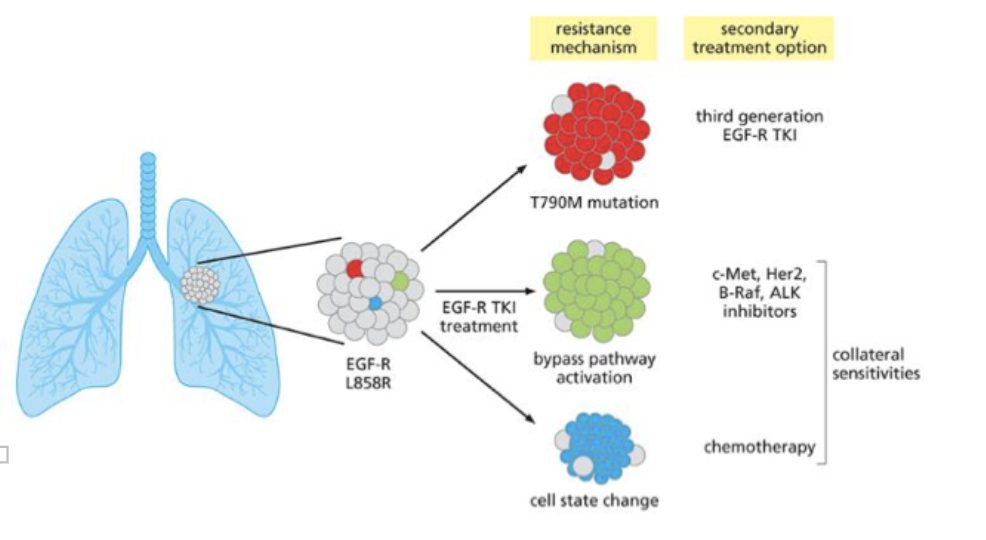
Resistance to Molecularly targeted agents – EGFR inhibition and V600E B-raf
resistance mechanism → T790M mutation → third generation EGFR-TKI
EGFR TKI treatment → bypass pathway activation → c-Met, Her2, B-raf, ALK inhibitors
cell state change → chemotherapy
collateral sensitivities
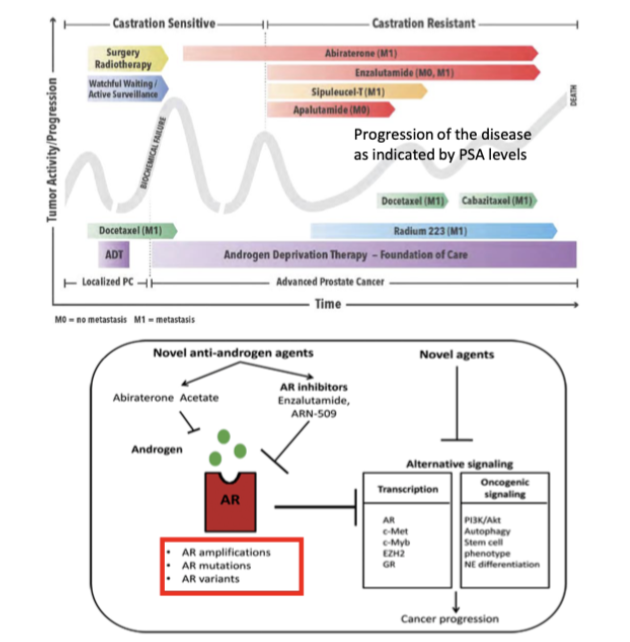
Target Alteration – mutation (Prostate Cancer resistance): role of AR
Androgen receptor (AR) is a lineage-specific oncogene – prostate cancer is driven by its function
PSA marker is a good measure of AR driving signalling, hyperproliferation and growth of tumour
Anti-androgens are an effective but all too often transient therapy in the fight against prostate cancer
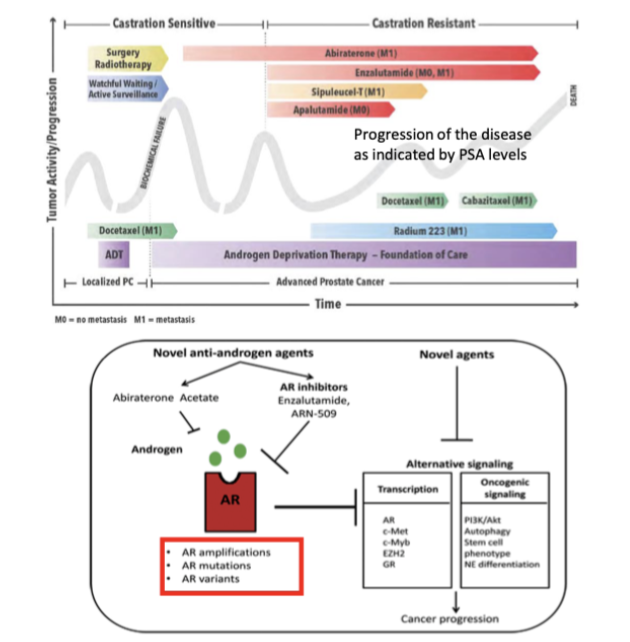
Mechanisms of prostate cancer resistance (AR pathway)
Prostate cancer resistance is largely dependent on the continued adaptive function of the AR
AR amplifications
AR mutations
AR variants
Alternative signalling:
Transcription: AR, c-Myb, EZH2, GR
Oncogenic signalling: PI3K/Akt, Autophagy, Stem cell phenotype, NE differentiation
Novel anti-androgen agents:
Abiraterone Acetate
AR inhibitors: Enzalutamide, ARN-509
how can AR signalling be targeted
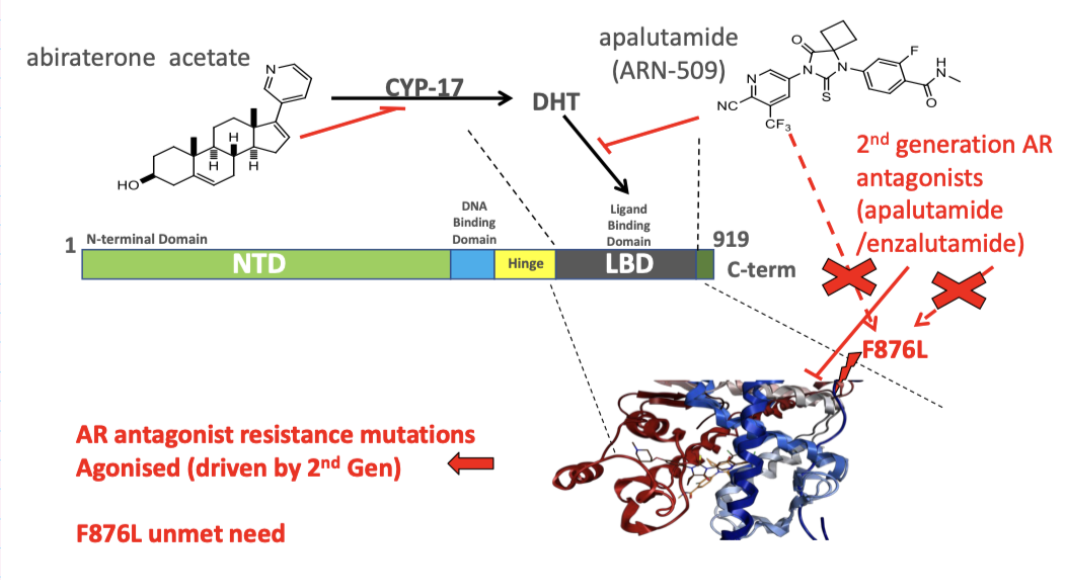
Mutation of AR ligand binding domain-
Block formation of 2 helices forming and keep it blocked off- effective therapy
Mutations can arise in cells and under selective pressure of therapeutic.
Therapeutic then may act as an agonist to the receptor- the opposite of original mechanism
what does mutation of AR LBD cause
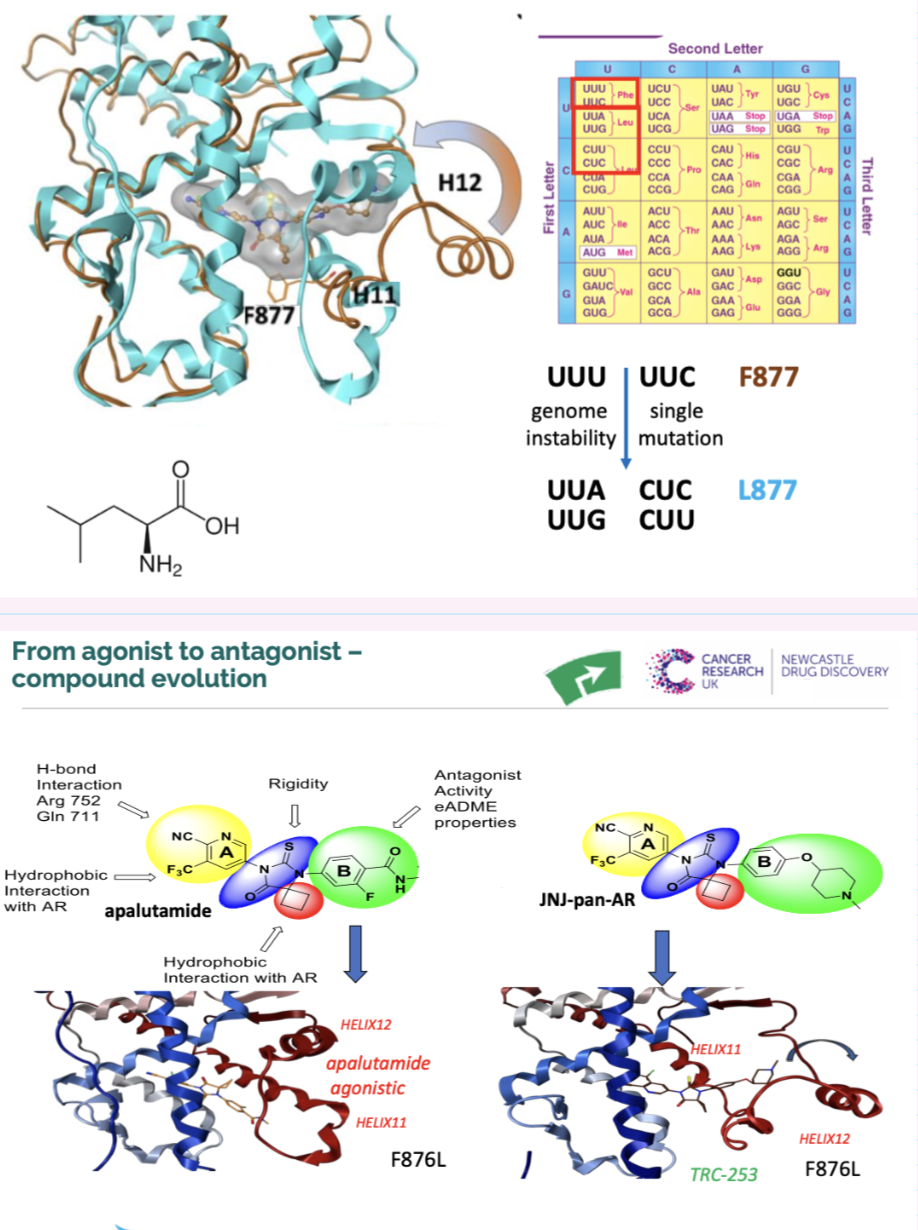
converts antagonist to agonist
Active drug cant fold over and allow the helices to fold in on it
In mutated drug, folding can occur, folds in on itself, may lead to promoted signalling from AR
Targeting AR signalling to overcome resistance – what does this show?
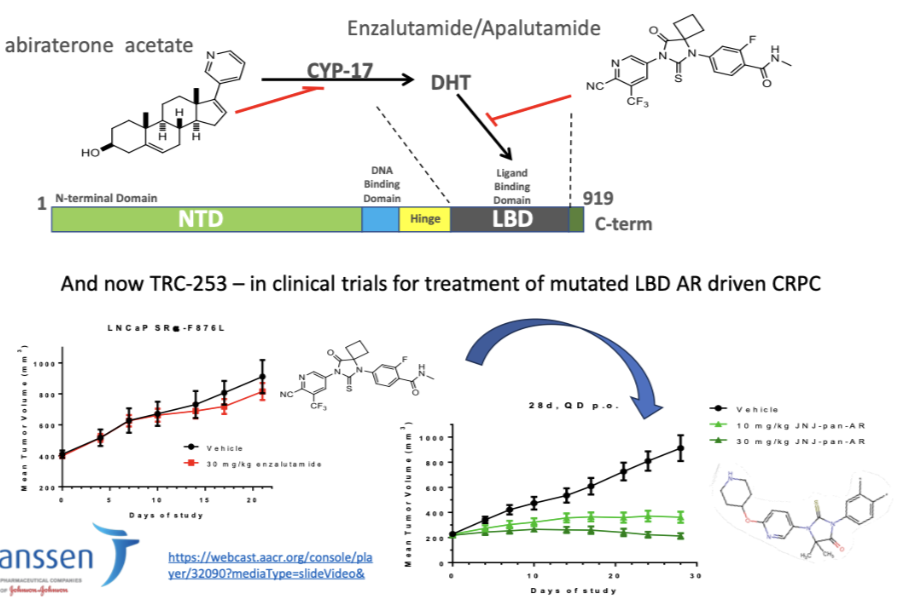
Prostate cancer driven by AR → therapies block DHT (abiraterone) or AR (enzalutamide/apalutamide)
Resistance develops via AR LBD mutations (e.g. F876L)
Mutations can make antagonists act as agonists
New drugs (e.g. TRC-253) target mutated AR to overcome resistance
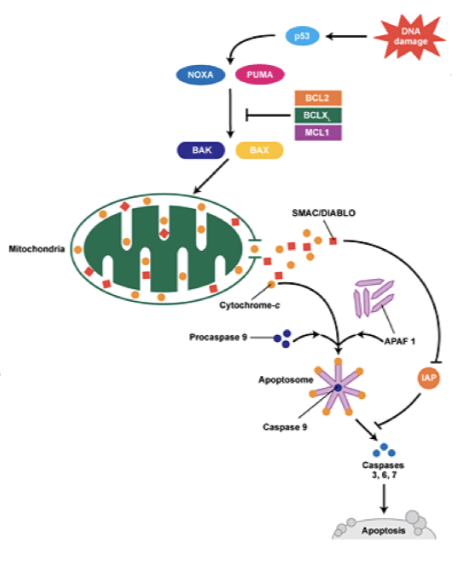
How does apoptosis occur and how do tumour cells evade it?
DNA damage (not repaired) → triggers apoptosis
p53 signals damage to BAK, BAX → activates caspases → cleavage of DNA/proteins → cell dies
Tumour cells evade apoptosis by:
Loss of p53 (function)
Downregulate BAX, BAK
Upregulate antiapoptotic proteins (e.g. BCL2)
Upregulate IAPs (e.g. Survivin)
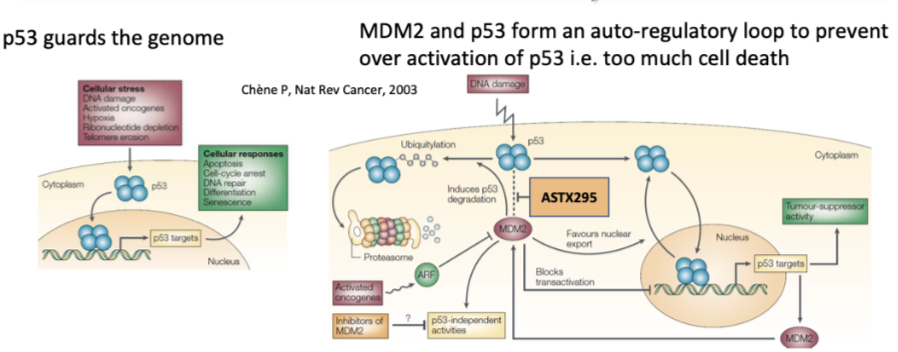
How does the MDM2–p53 pathway regulate cell death and how do tumour cells evade it?
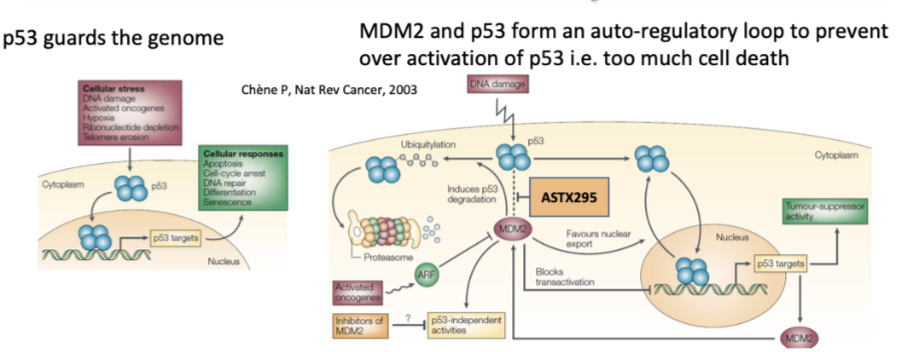
p53 guards the genome
MDM2 and p53 form an auto-regulatory loop to prevent overactivation of p53 (too much cell death)
Tumour cells with elevated MDM2 enhance p53 degradation → resist cell death and continue to grow
Active p53 arrests cell cycle (via p21)
How can targeting MDM2–p53 be used therapeutically?
ASTX295 is a p53/MDM2 antagonist
Maintains p53 in active state → induces tumour cell death
ASTX295 developed by Astex Pharmaceuticals and CRUK Newcastle Drug Discovery Unit
Clinical status: Phase 1/2 study in advanced solid tumours with wild-type p53
Aim: determine safety, pharmacokinetics and preliminary activity
No toxicity associated with maintaining active p53
what are the different adaptive resonses of DNA repair
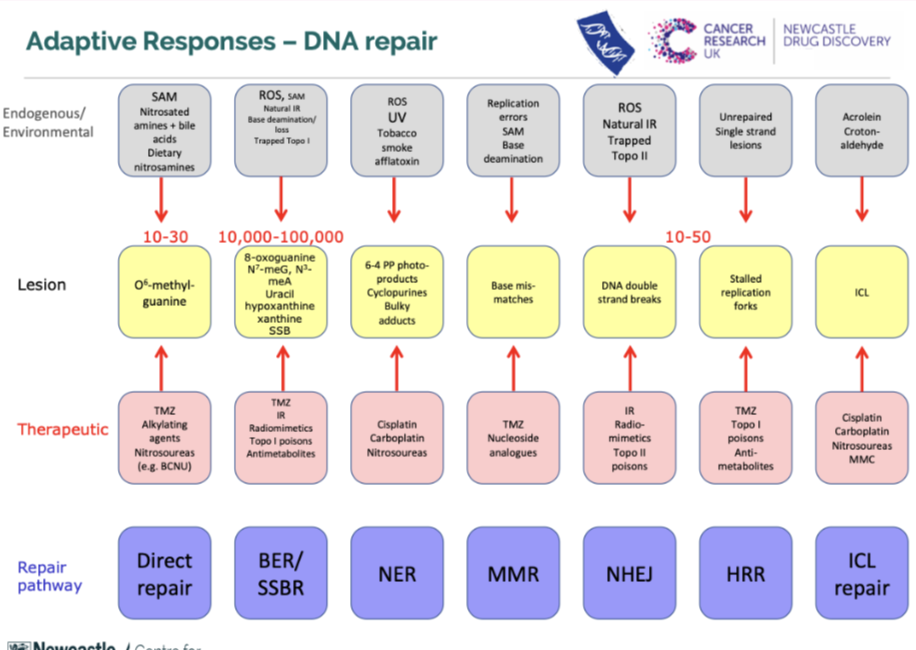
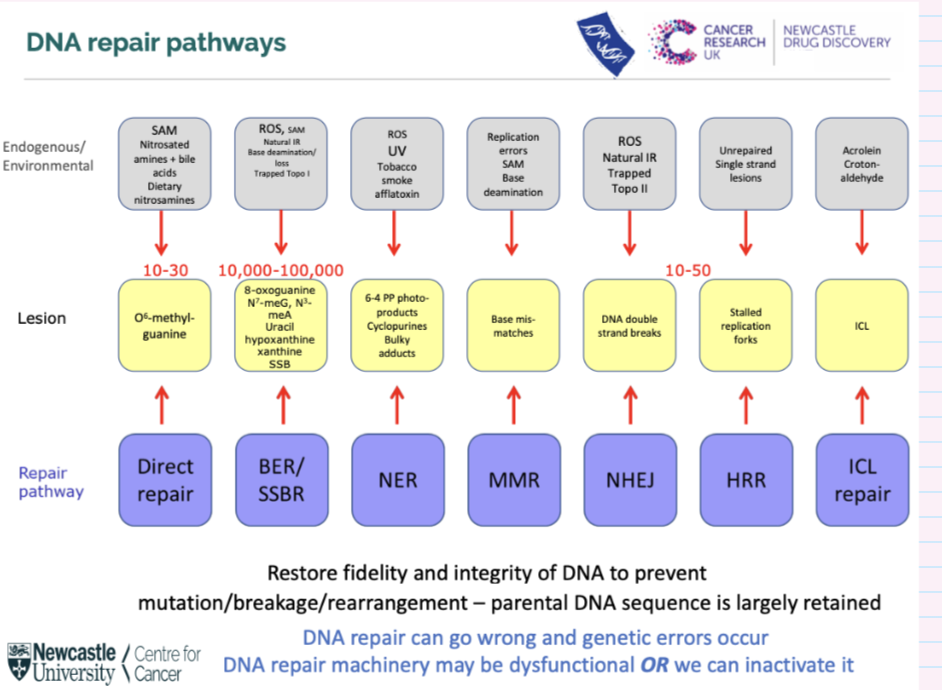
what are the different DNA repair pathways
Restore fidelity and integrity of DNA to prevent mutation/breakage/rearrangement – parental DNA is largely retained
DNA repair can go wrong and genetic errors occur
DNA repair machinery may be dysfunctional OR we can inactivate it
how can we target DNA repair to sensitise to cytotoxic therapy
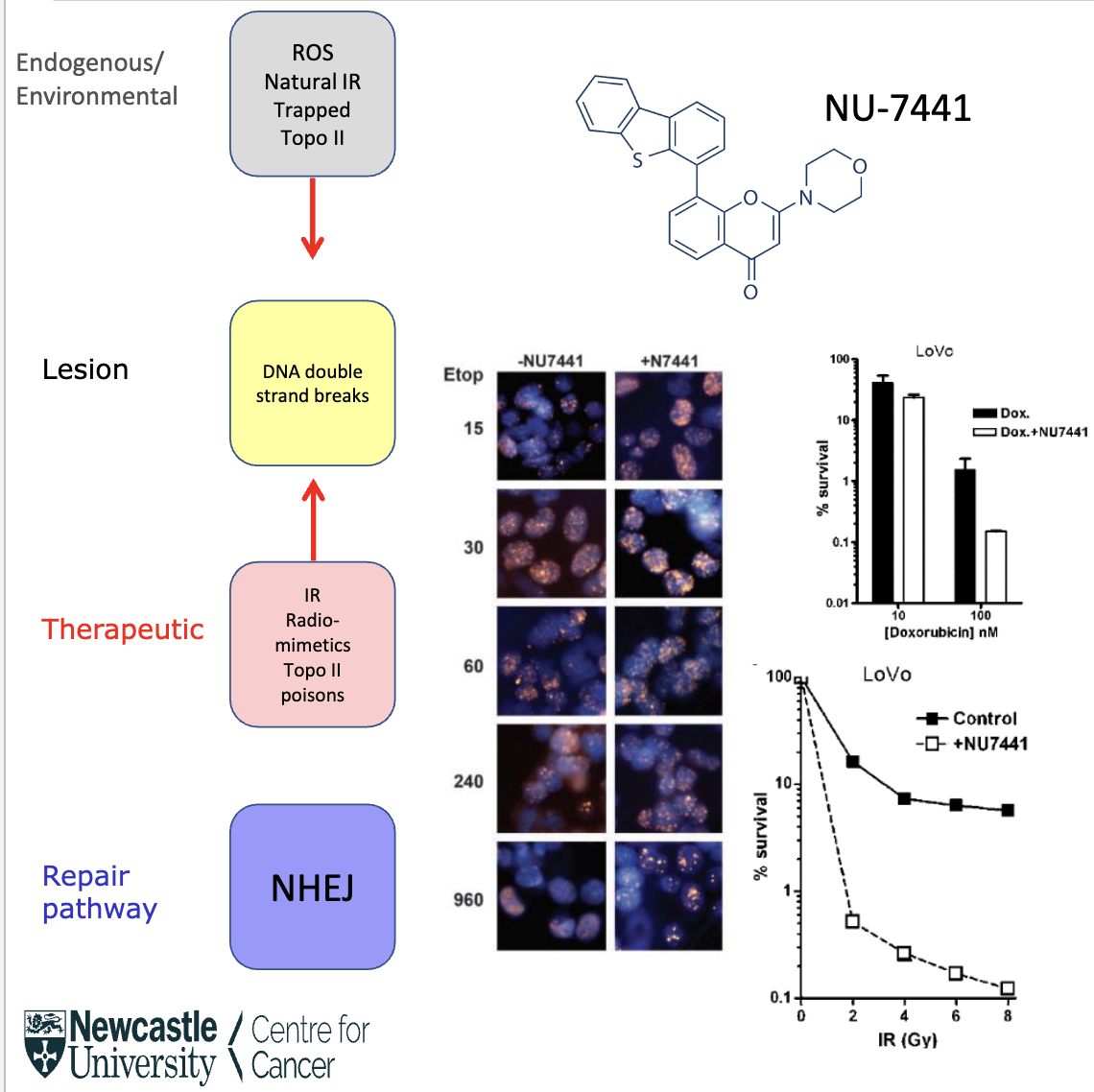
• Tumours could be sensitised to DNA damage by targeting non-homologous end joining (NHEJ) a double strand break (DSB) repair pathway
• Loss of DNA-PK activity (NHEJ pathway) could result in failure to repair otherwise lethal DSBs
Focus DNA damage with IR
how was DNA-PK discovered (in newcastle)
• First DNA-PK inhibitors developed at Newcastle
• Original series led to key probes NU7441 and recent NU5455
• Series from which AZD7648 was
developed was part of the Newcastle/AZ collaboration
• First patient dosed Oct 2019
what is base excision repair
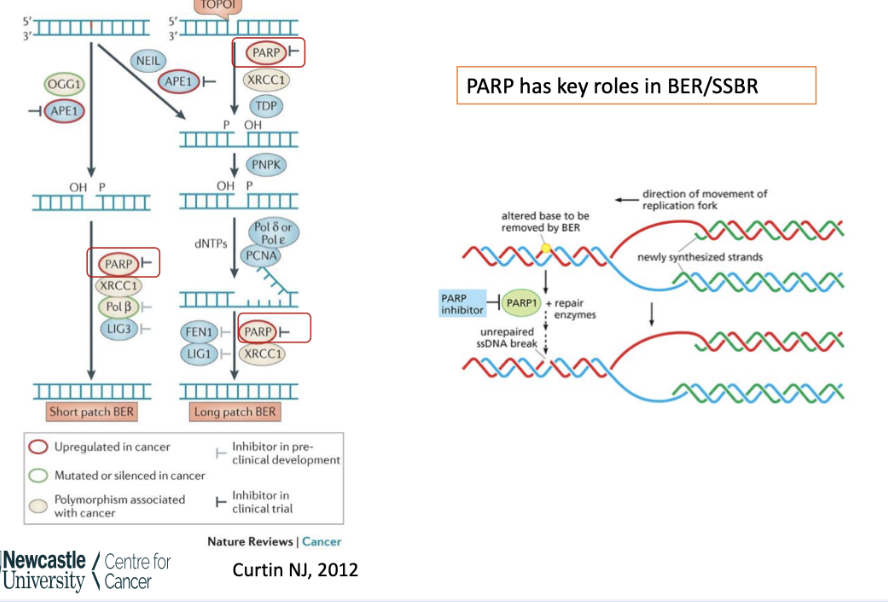
Damage recognition: DNA glycosylases (e.g. OGG1, NEIL) recognise and remove damaged base → creates abasic (AP) site
AP site processing: APE1 cuts the DNA backbone at the AP site
End processing: Enzymes (e.g. PNKP) prepare DNA ends for repair
Gap filling: DNA polymerase (Pol β or Pol δ/ε) inserts correct nucleotide(s)
Ligation: DNA ligase (LIG3 or LIG1) seals the strand
Key role of PARP:
Detects single-strand breaks and recruits repair proteins (e.g. XRCC1)
Inhibition → unrepaired SSBs → collapse into DSBs during replication
how was PARP discovered in newcastle
CRUK Newcastle DDU has driven Drug Discovery projects that have led to the
discovery of clinically relevant medicines and candidate drugs......
• Newcastle pioneered PARP1 inhibition
• First-in class PARP inhibitor
• Defined the BRCA mutation hypothesis
• First administration of a PARP inhibitor to a patient
• Approvals for use in ovarian cancer: FDA Dec 2016 and April 2018; EMA May 2018 and Jan 2019
• FDA Breakthrough Therapy Designation given for use in prostate cancer, Oct 2018
describe resistance to PARP inhibitor therapy
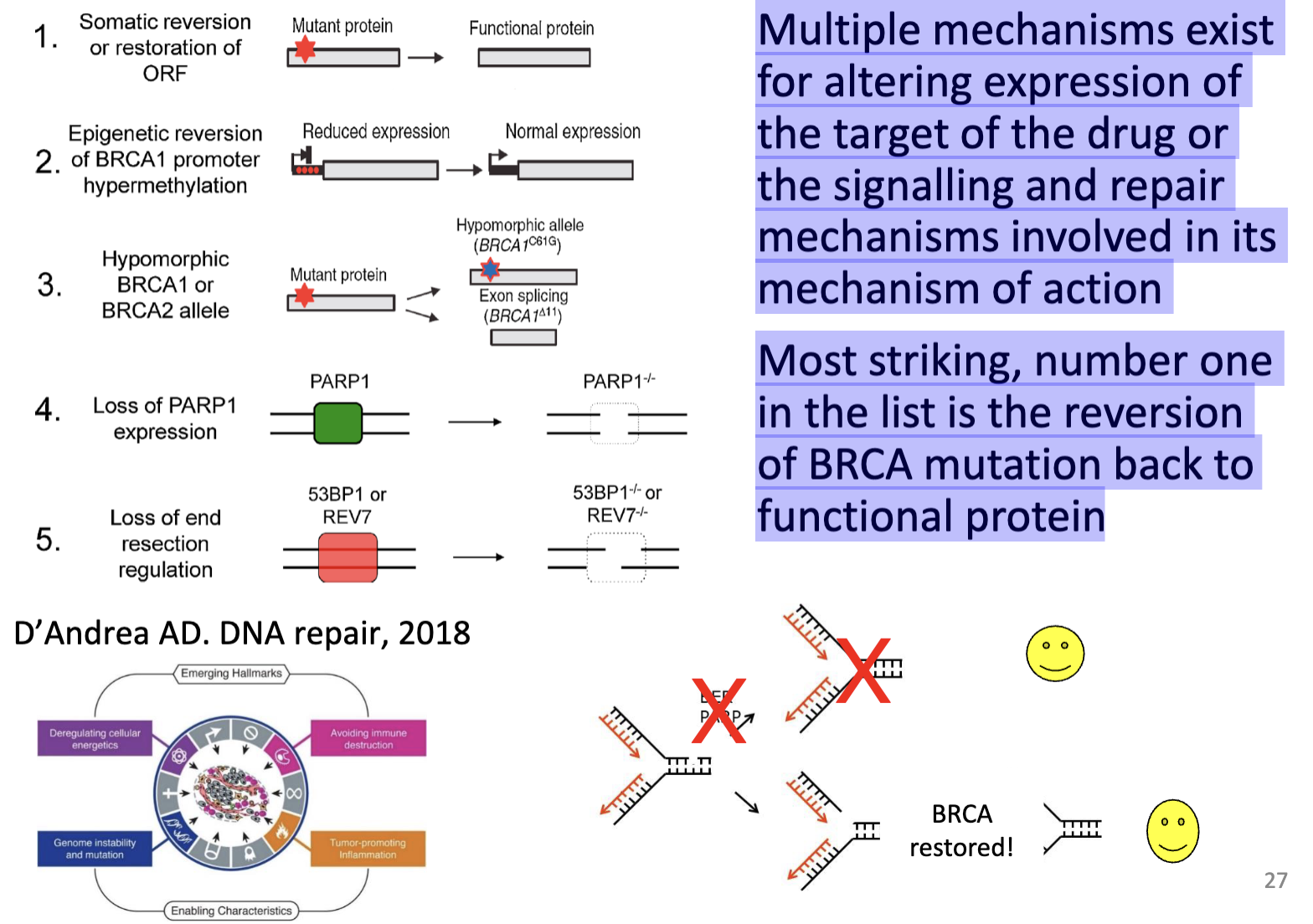
Multiple mechanisms exist for altering expression of the target of the drug or the signalling and repair mechanisms involved in its mechanism of action
Most striking, number one in the list is the reversion of BRCA mutation back to functional protein
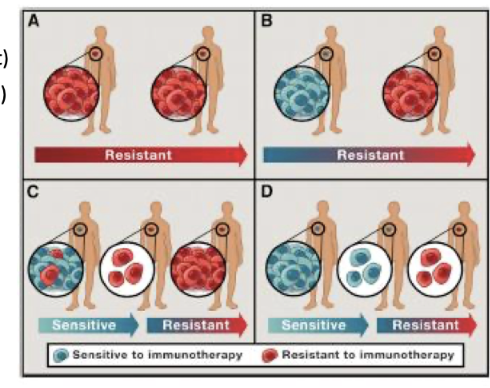
What types of resistance occur in cancer immunotherapy?
Small percentage respond, most have intrinsic resistance (A)
Some initial responders develop acquired resistance (B–D)
B: response turned off (e.g. checkpoint)
C: progression (selection for resistance)
D: progression – acquired resistance during immunotherapy
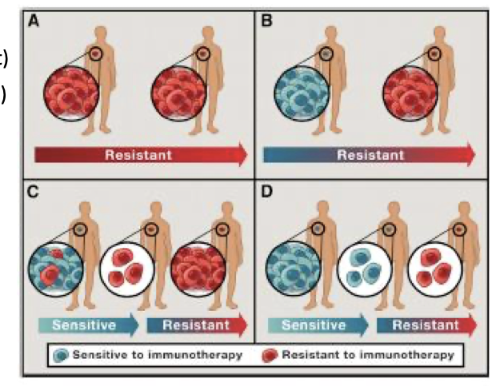
What are the main mechanisms of resistance to cancer immunotherapy?
Lack of sufficient neoantigens or impaired neoantigen processing/presentation
Insufficient generation of antitumor T-cells
Impaired T-cell memory
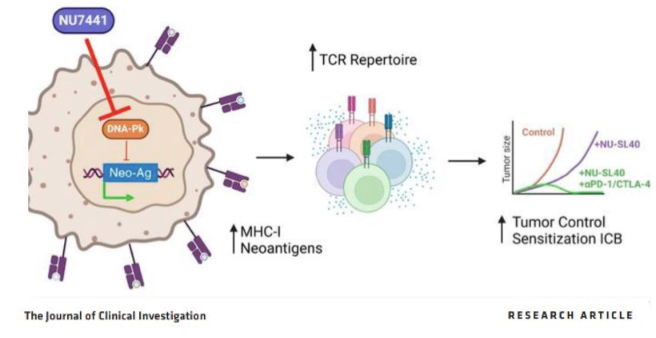
How does DNA-PK inhibition enhance immunotherapy (IO)?
DNA-PK inhibition (NU7441) → ↑ neoantigens (via DNA damage) and ↑ MHC-I presentation
↑ TCR repertoire → stronger T cell responses
Enhances tumour sensitisation to immune checkpoint blockade (ICB)
Combination therapy: NU7441 + STING ligand + CD40 agonist (NU-SL40) → improved tumour control
Overall: increases T cell responses in immune resistant tumours
What is ATT001 and how does it work as a therapeutic?
ATT001 = radioactive iodine / PARP inhibitor
Local delivery → isolated damage to tumour
Kills tumour while sparing patient
Clinical example: brain tumour shrinks by half in therapy trial
What is virtual screening in drug discovery?
Designing drugs using the desktop computer
Uses powerful algorithms to enable pharmacologists to design drugs
Example of virtual screening in drug discovery
Start from weak affinity (~30 µM)
~200,000 known compounds compared computationally
HTS466284 identified as ATP-binding site inhibitor of TGF-β type I receptor kinase (~27 nM)
Same inhibitor also found by conventional high-throughput screening
How is AI/virtual screening used in Newcastle DDU?
Use structure-based drug discovery (SBDD)
Bind fragments/compounds → evolve into more potent binders
Computational power could further improve drug discovery capabilities
what is the role role of computational chemistry in AI in drug discovery
1020 molecules are available to screen but would take years to work through without advanced computation
AI to develop novel compounds further expands this chemical universe
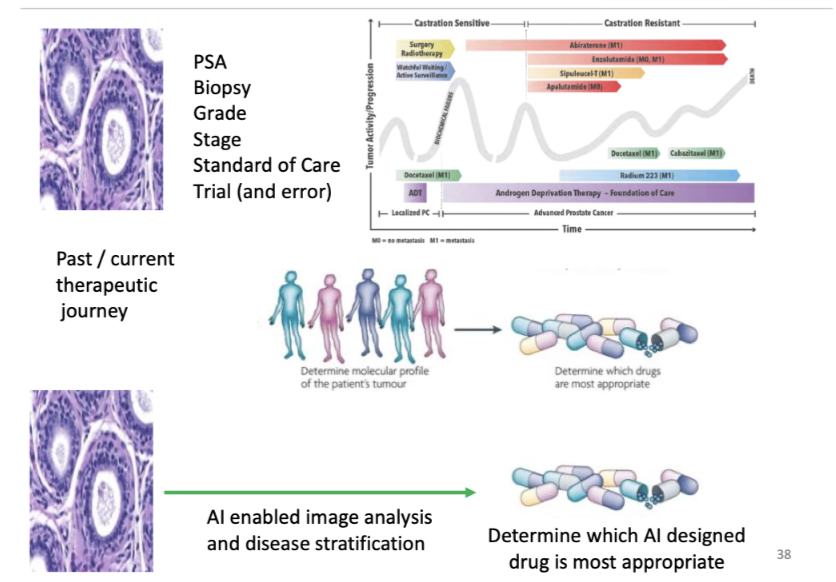
How is AI used to predict response to therapy?
Traditional approach: PSA, biopsy, grade, stage, standard of care, trial and error
Determine molecular profile of patient’s tumour → choose drugs
AI-enabled image analysis and disease stratification
Predict most appropriate (AI-designed) drug for patient
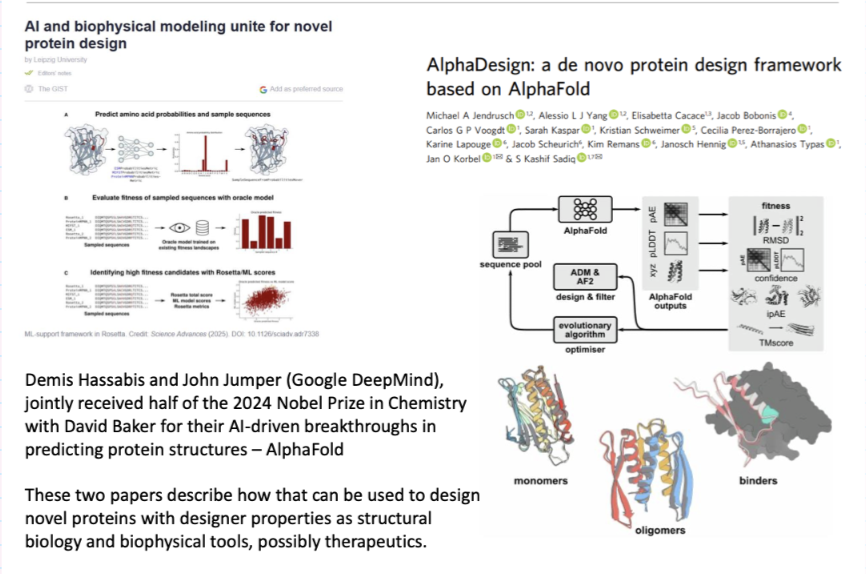
How can AI be used to produce never-before-seen proteins?
AI (e.g. AlphaFold/AlphaDesign) predicts protein structures and designs new sequences (de novo design)
Models generate and optimise amino acid sequences for desired properties (fitness, stability, binding)
Can create novel proteins (monomers, oligomers, binders) with specific functions
Enabled by breakthroughs in structure prediction (Nobel Prize 2024 – DeepMind + David Baker)
Applications: structural biology tools and potential therapeutics