Unit 1 Sports Med
 Call Kai
 Learn
Learn Practice Test
 Spaced Repetition
 Match
Match Flashcards
 Knowt Play
1/43

There's no tags or description
Looks like no tags are added yet.
Name | Mastery | Learn | Test | Matching | Spaced | Call with Kai | Chat |
|---|
No analytics yet
Send a link to your students to track their progress
44 Terms
What are the 3 types of tissue?
skeletal, smooth, cardiac
Where is cardiac muscle found?
in the heart and not voluntarily controlled
Where is smooth muscle found?
in internal organs and not voluntarily controlled
Where is skeletal muscle located?
on tendons on bones and is voluntarily controlled
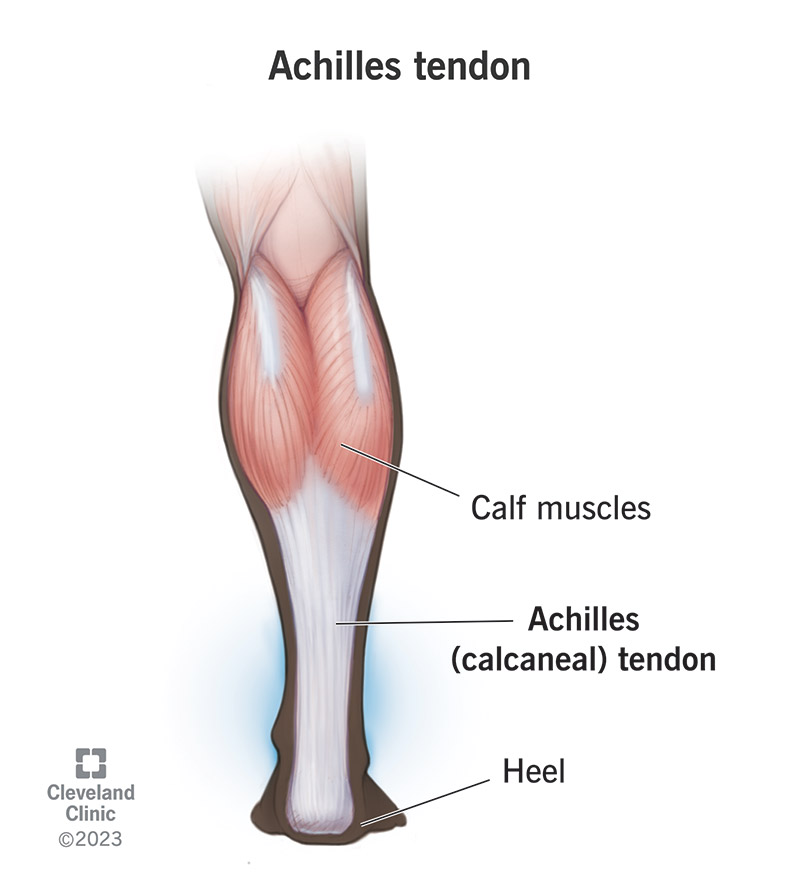
what is a Tendon?
tissue that attaches skeletal muscles to bones
non contractile
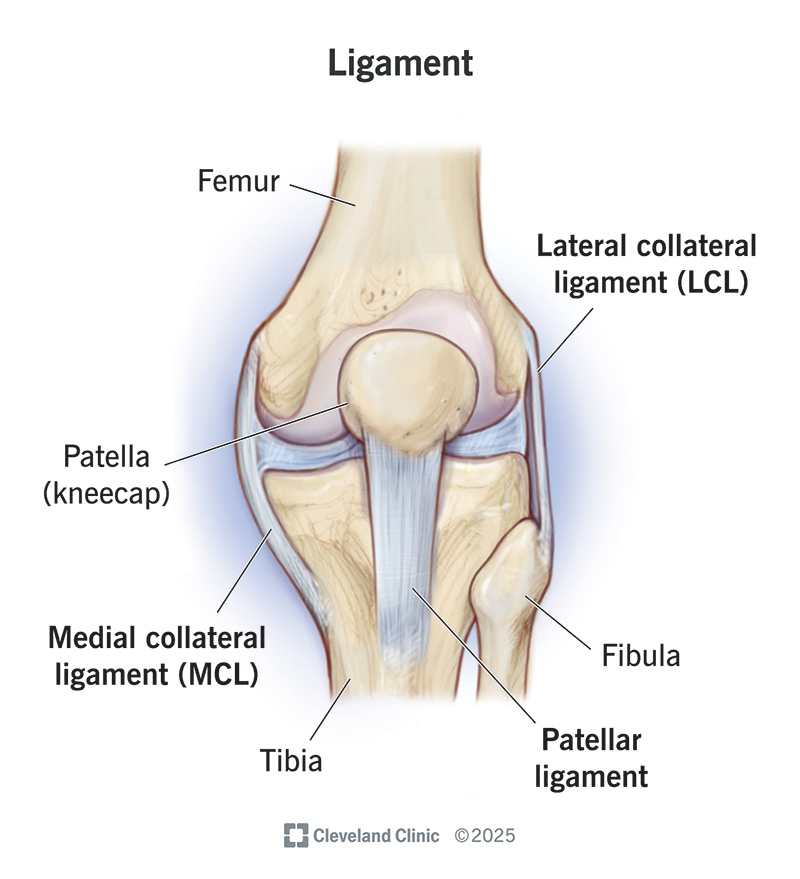
what are ligaments?
tissue that connects bone to bone
non contractile
rigid and provides structural support
prevent 2 bones from moving apart
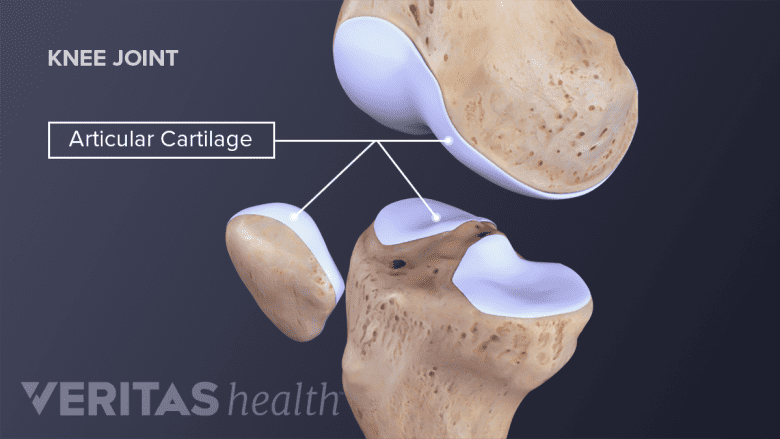
what are the 2 main types of cartilage?
fibrocartilage and articular cartilage
What is fibrocartilage?
strongest cartilage in the body and makes up our meniscus in our knee and the intervertebral discs in our back
What is articular cartilage?
covers the end of every bone and reduces friction
What is fascia?
fibrous, non contractile, connective tissue that weaves through the whole body
what is another name for fascia?
myofascia
can muscles contract with fascia?
no
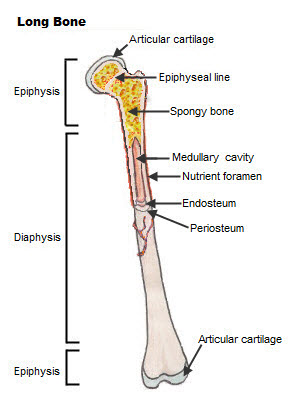
What are bones composed of? What is the purpose of bones?
tissue that makes up about 65% inorganic materials (calcium) and 35% organic material (marrow, blood vessels)
forms the structure of the body
what are the 2 types of bone?
cancellous “spongy” found at the ends of bones and less dense
compact bone
how many bones are in the human body?
206 bones
what are the 2 skeletons?
axial and appendicular
what are the skeleton’s functions?
supports the body and aids in movement
supports and protects vital organs
produces white and red blood cells
provides a storehouse for minerals
what bones are in the shoulder girdle of the appendicular skeleton?
humerus, clavicle, scapula, radius, carpals, metacarpals, phalanges
what bones are in the pelvic girdle of the appendicular skeleton?
pelvis, femur, tibia, fibula, metatarsals, phalanges
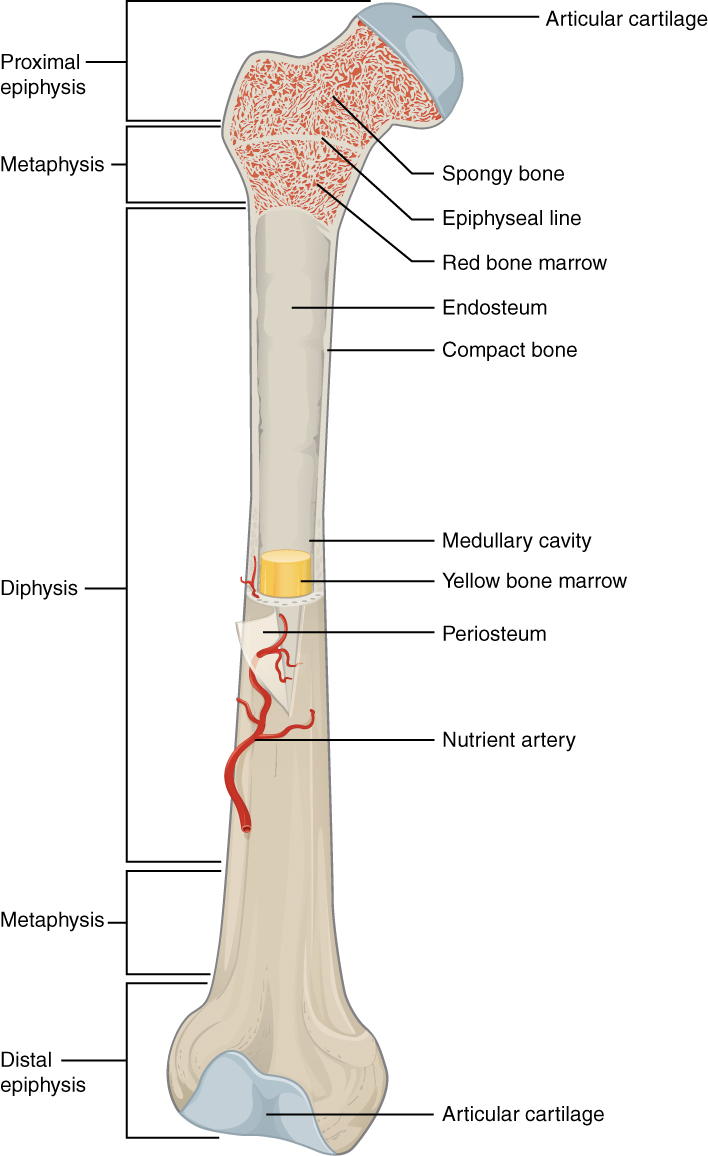
Long bones
longer than wide
ends are called epiphysis
central shaft is called diaphysis
long bones support body weight and movement
found in the appendicular skeleton
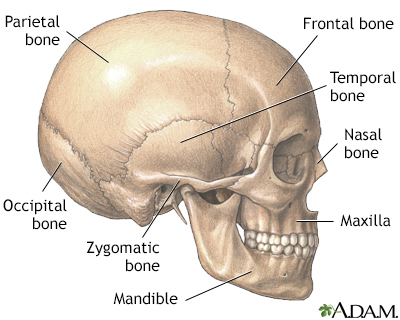
flat bones
protect vital organs
large surface area for muscles
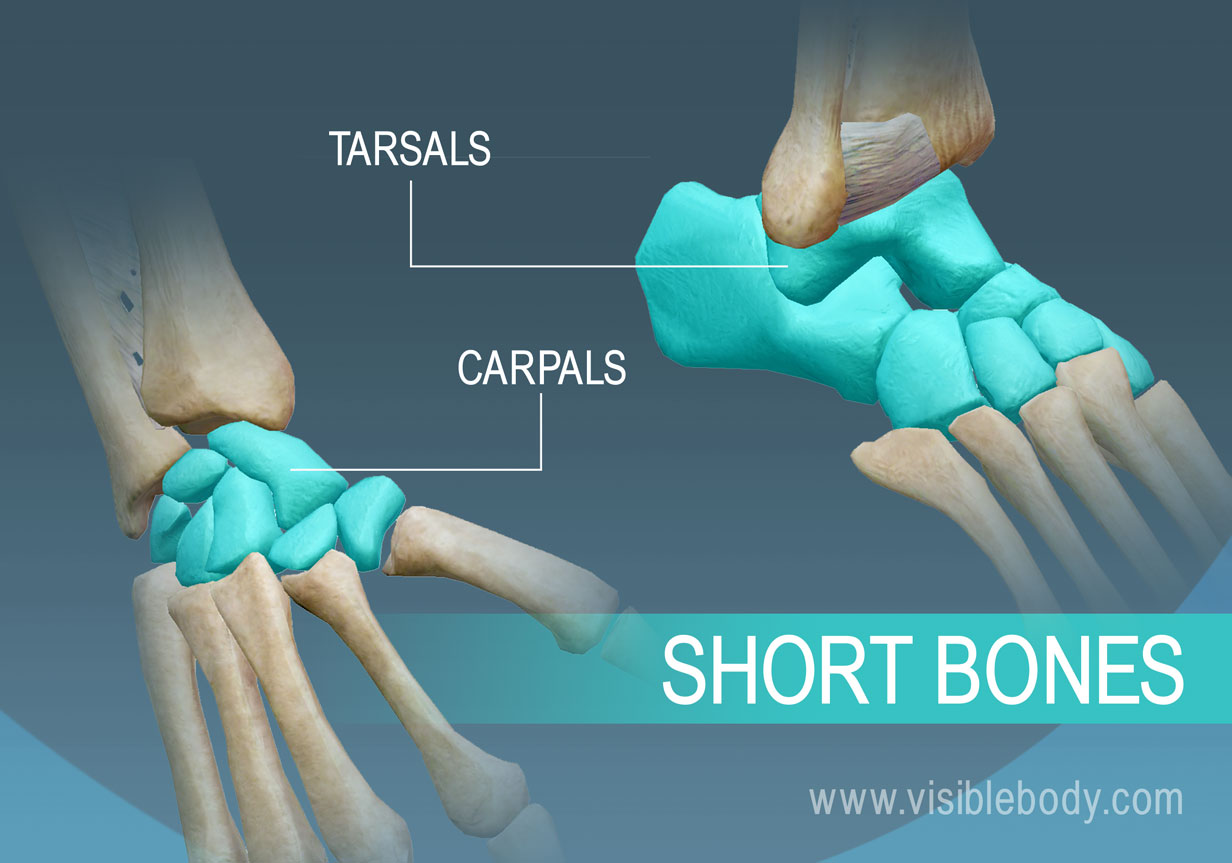
short bones
long and wide equally
provide stability and movement
tarsal bones and carpals
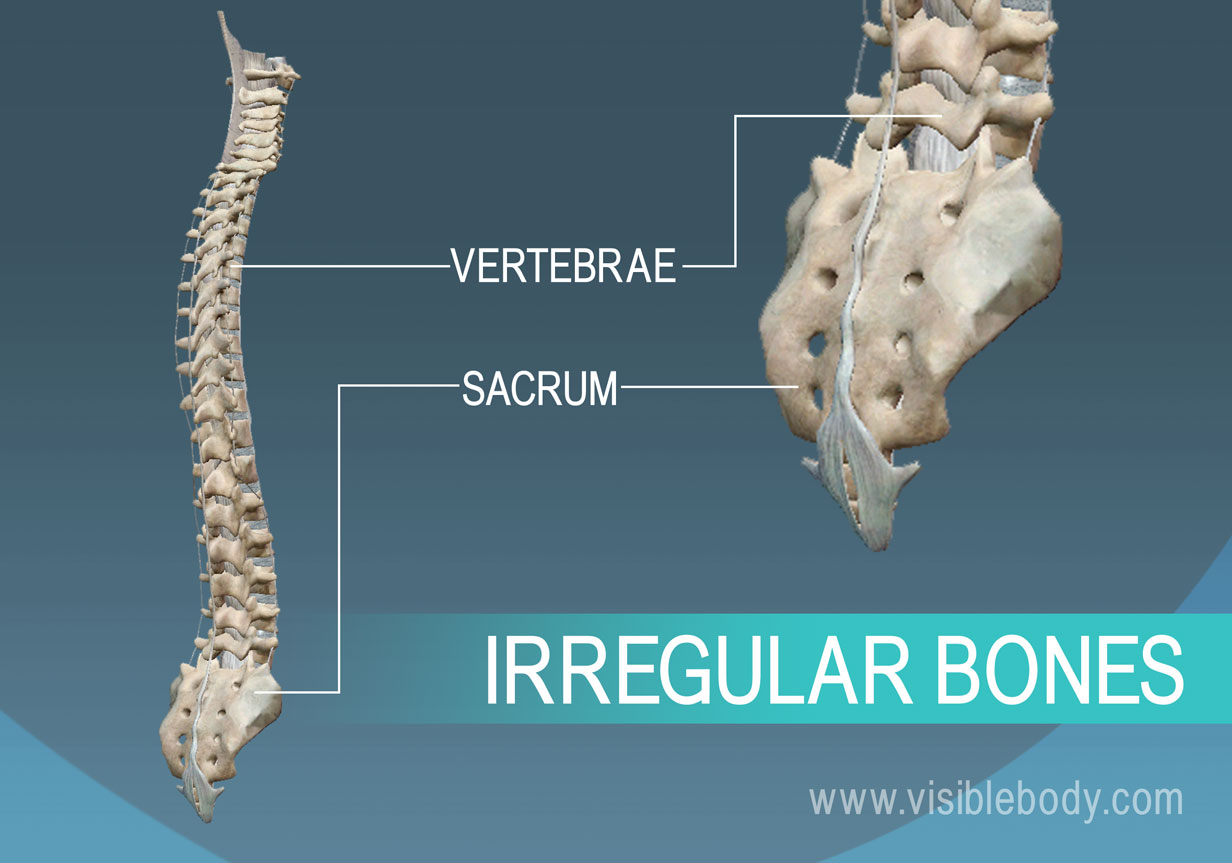
irregular bones
vary in size and shape
complex shape that protects organs and spinal cord
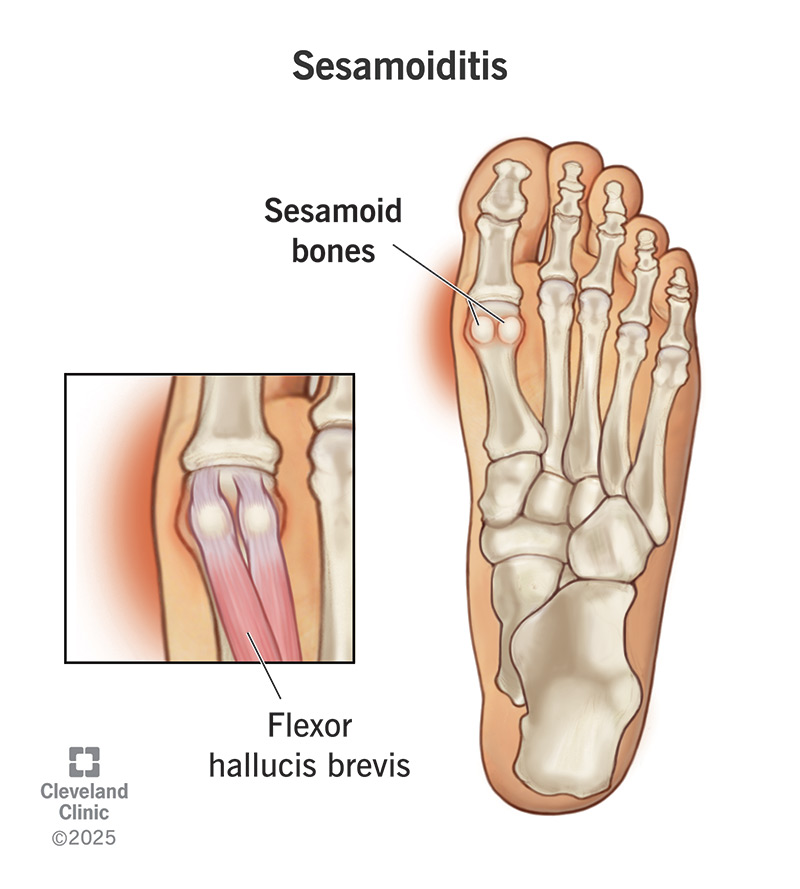
sesamoid bones
embedded within a tendon
gives pull for muscles
Examples: patella, big toe, thumb
sesame seed shaped
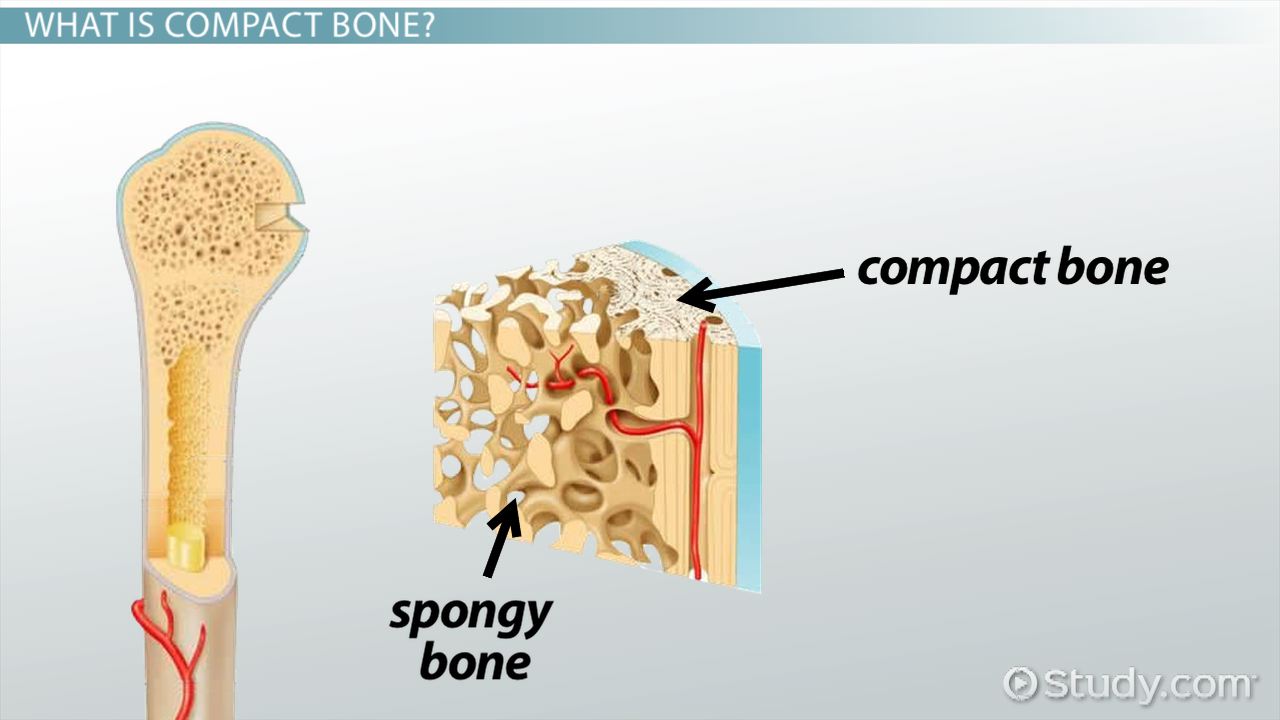
what is the outer layer of bone called?
compact or cortical bone
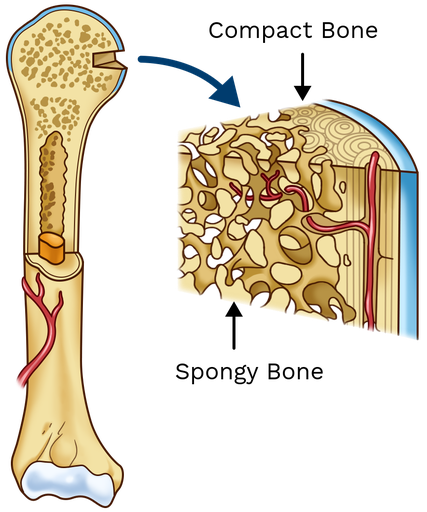
what is the interior layer of bone called?
trabecular bone/spongy bone
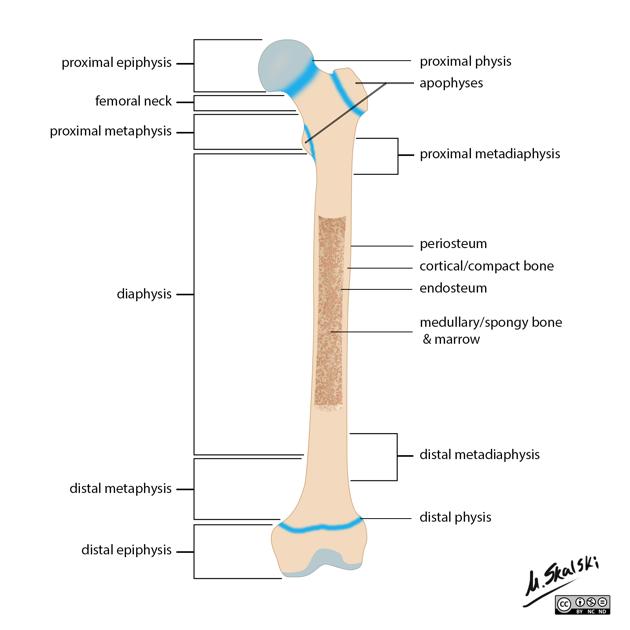
What is inside the diaphysis?
medullary cavity and yellow bone marrow
what is the exterior of bone covered by?
tough fibrous layer called the periosteum
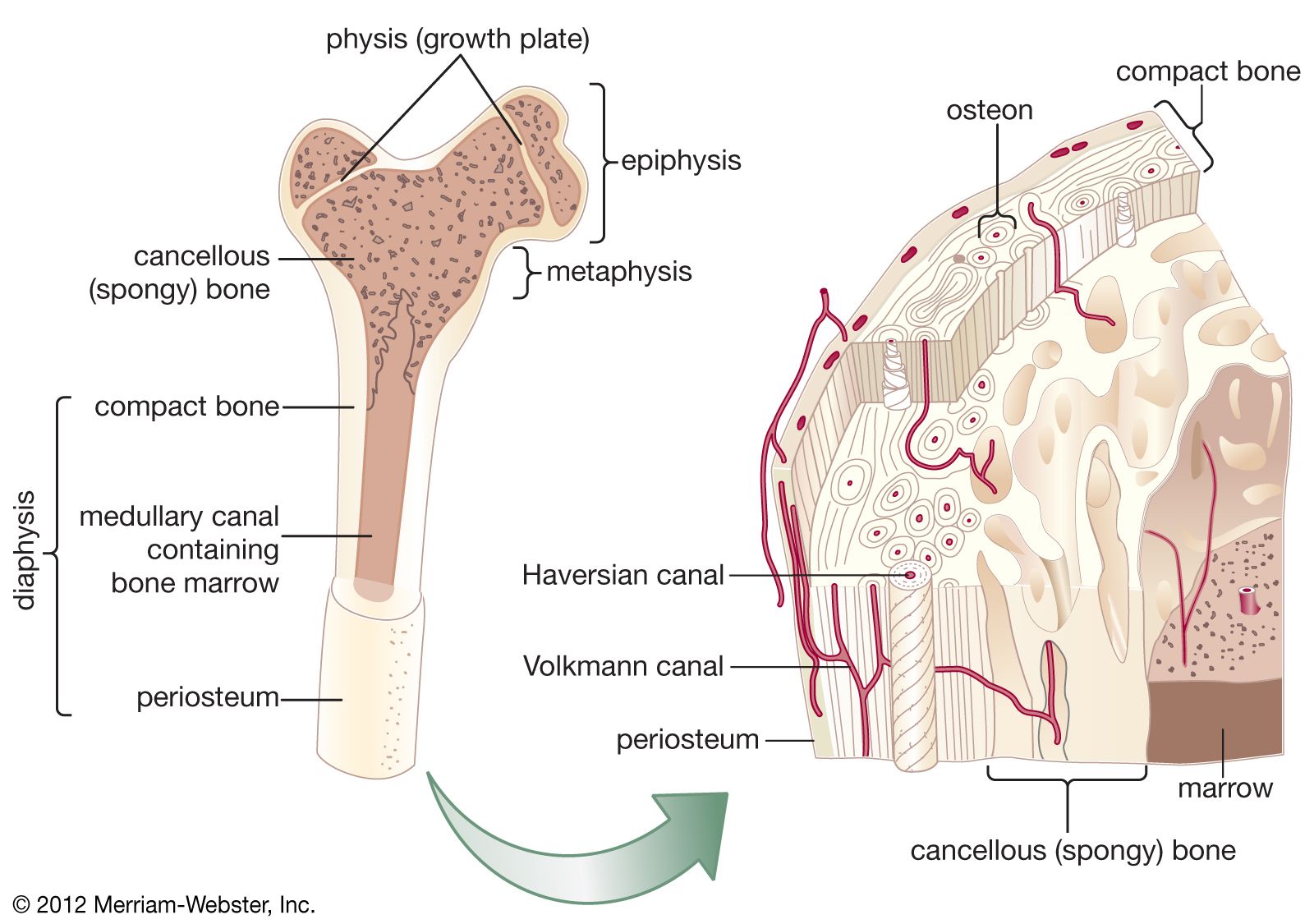
what is the function of the periosteum?
aid bone repair, nourish the bone, and signal pain sensation
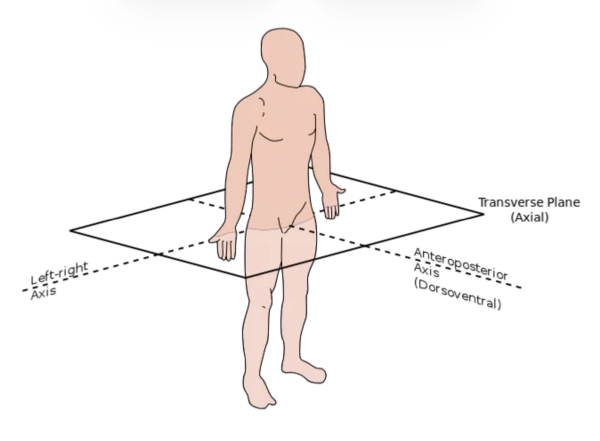
What plane is this?
transverse plane
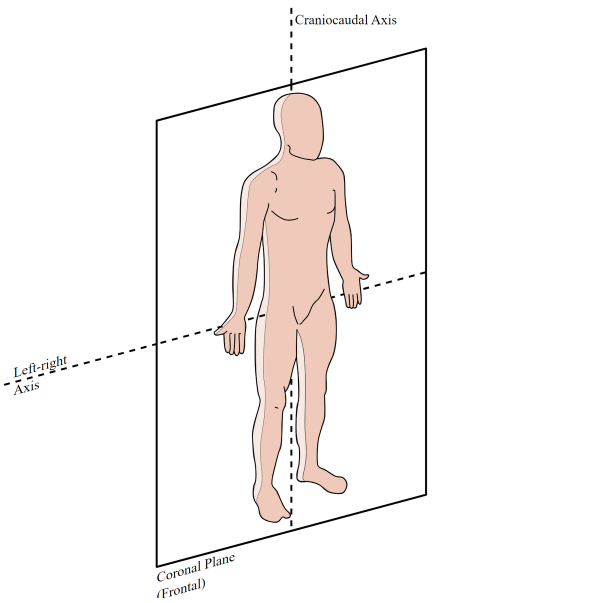
what plane is this?
frontal plane
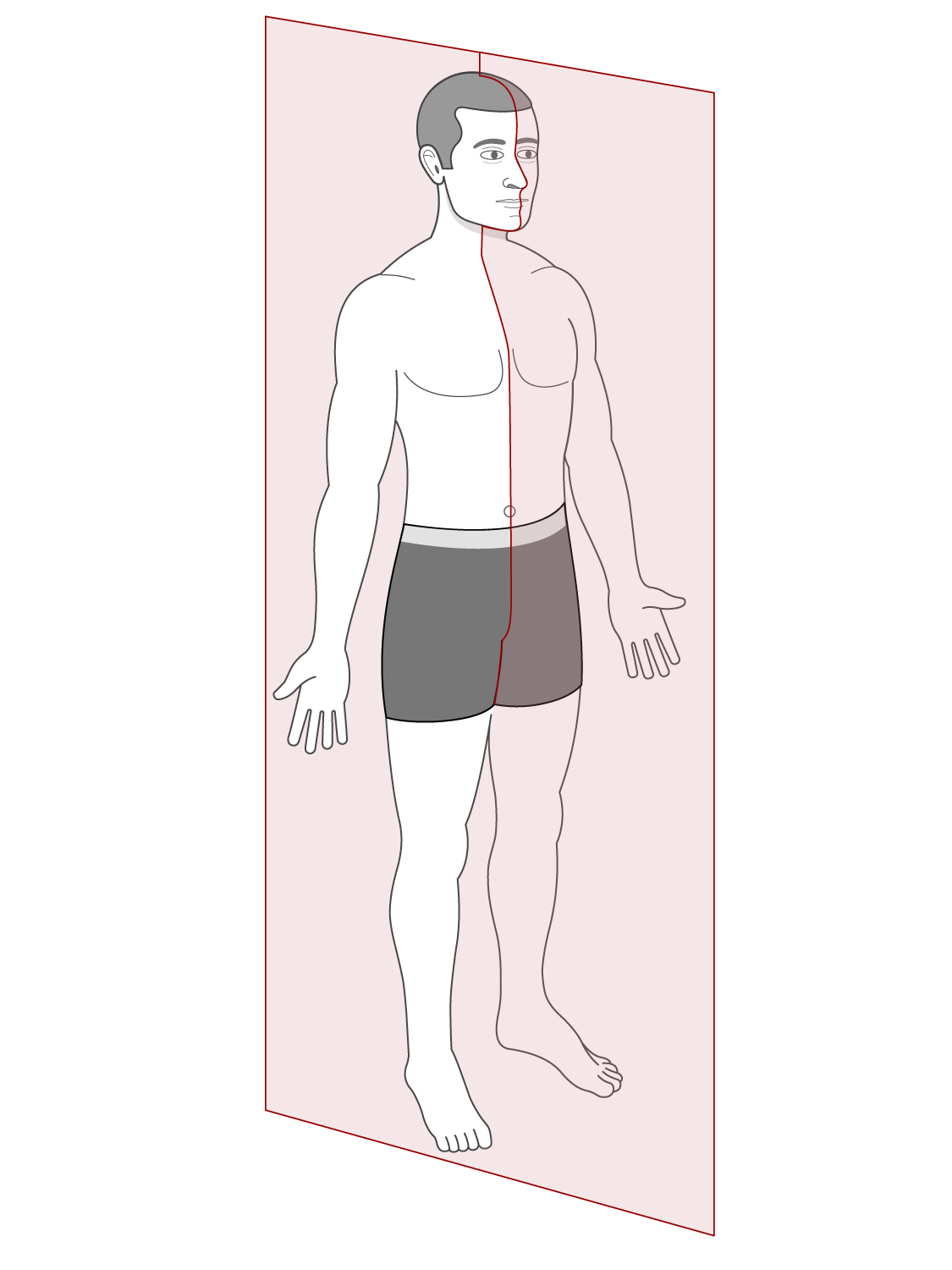
what plane is this?
sagittal plane
what axis does the transverse plane have?
longitudinal axis
what axis does the frontal plane have?
anterior/posterior axis
what axis does the sagittal plane have?
medial/lateral axis
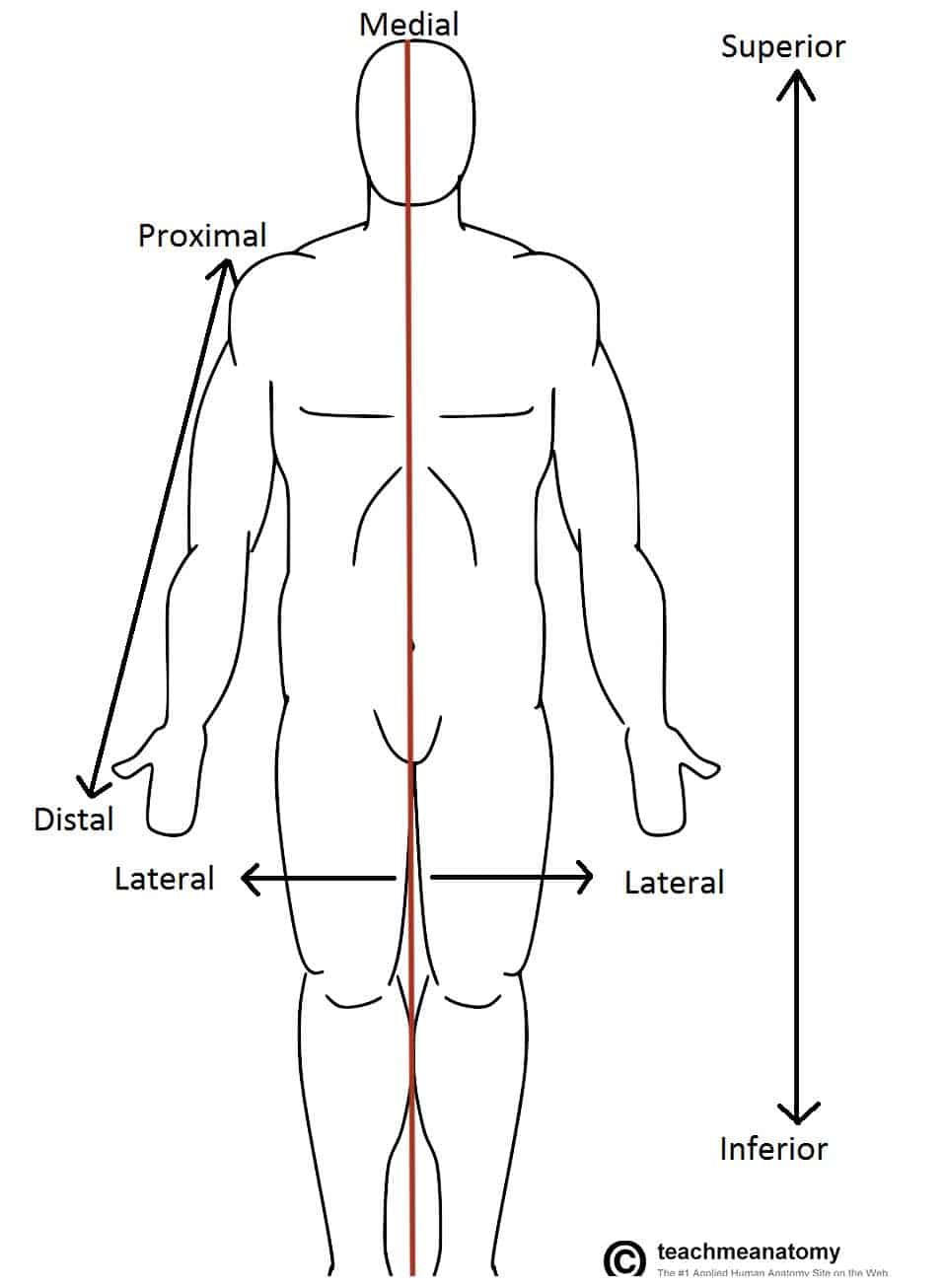
anterior
front
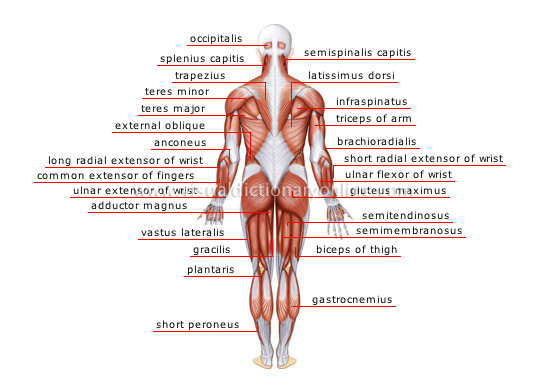
posterior
behind
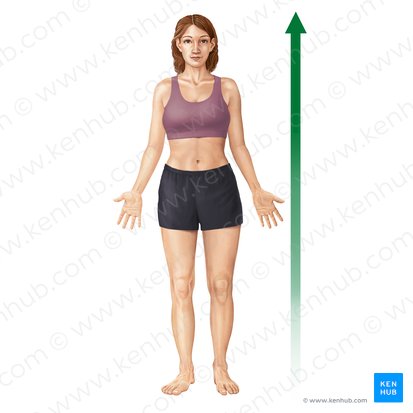
superior
towards the top
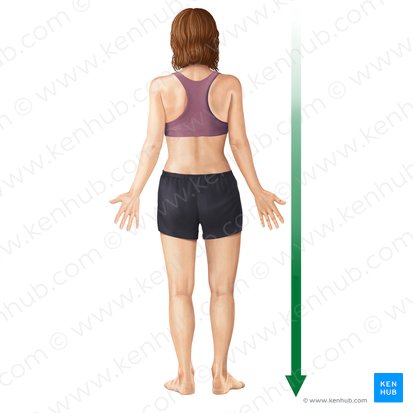
inferior
towards the bottom
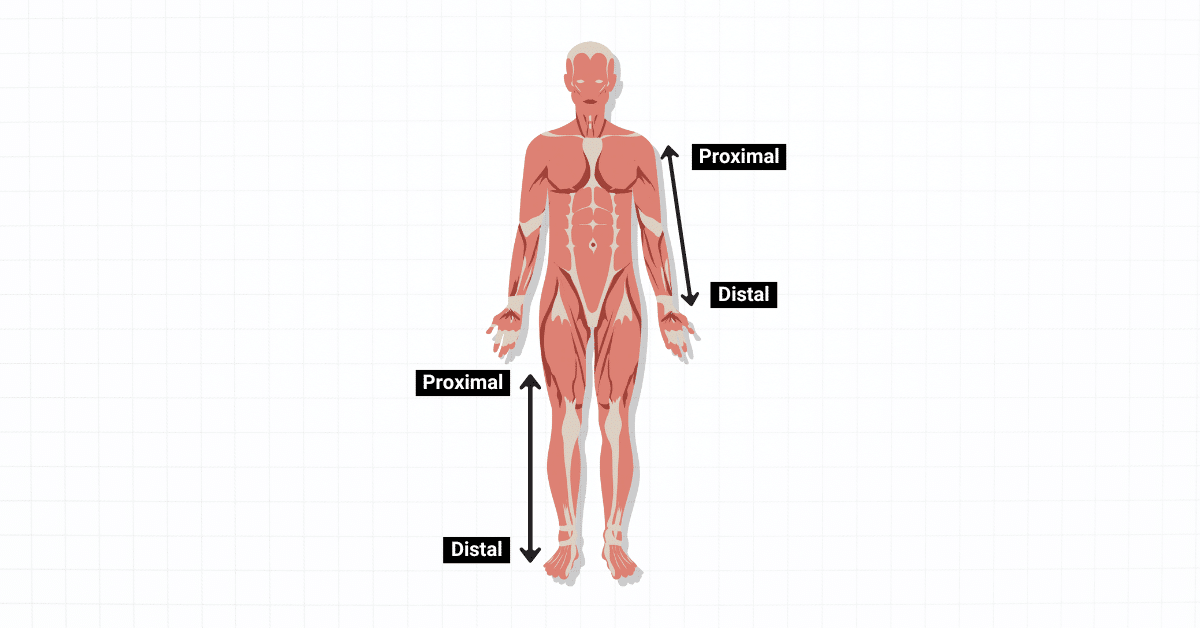
proximal
closer to the heart
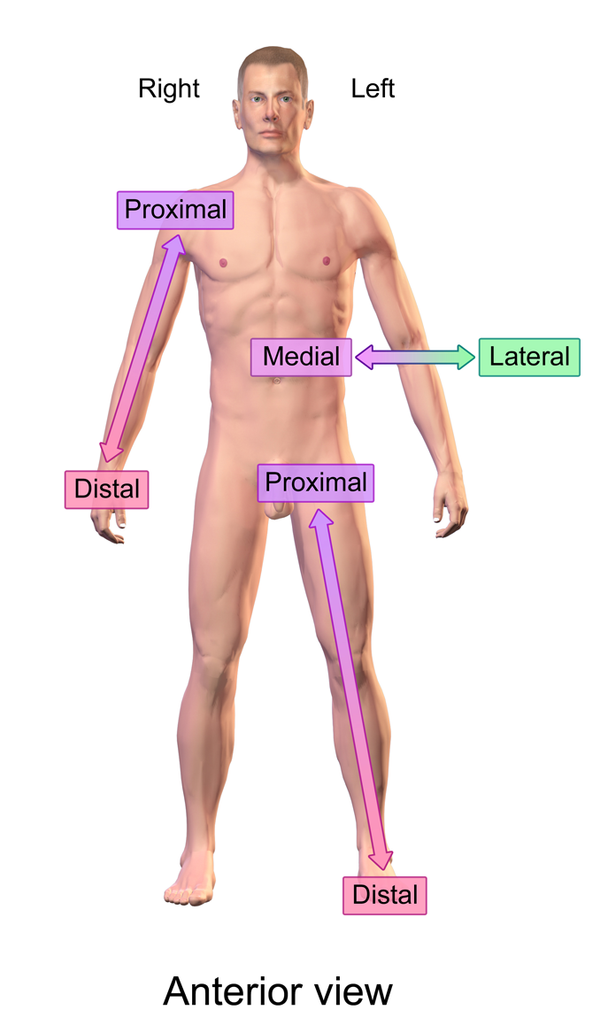
distal
further from the heart
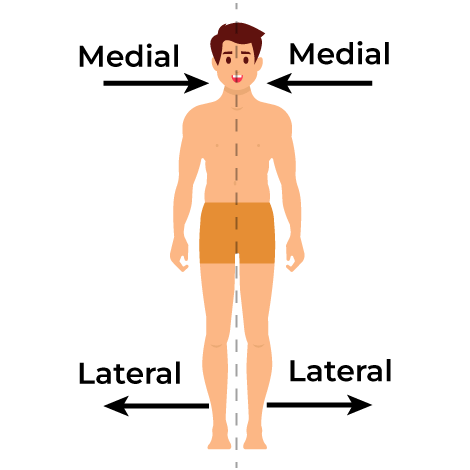
medial
toward the midline
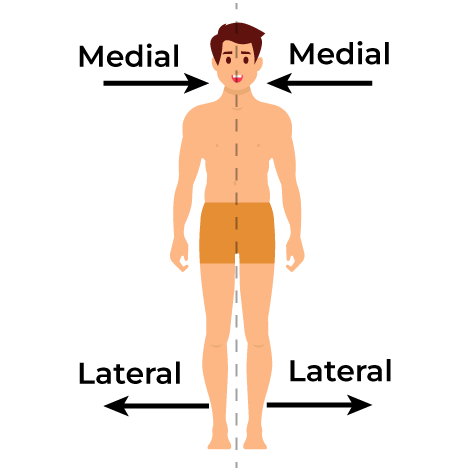
lateral
away from the midline