1.1. Chemical Equilibrium
 Call Kai
 Learn
Learn Practice Test
 Spaced Repetition
 Match
Match Flashcards
 Knowt Play
1/7

There's no tags or description
Looks like no tags are added yet.
Name | Mastery | Learn | Test | Matching | Spaced | Call with Kai | Chat |
|---|
No analytics yet
Send a link to your students to track their progress
8 Terms
distinguish between physical and chemical changes
Physical changes:
change in state, size or shape
no new substance is form
usually reversible
Chemical changes:
new substance is formed with different properties
only some are reversible
Distinguish between a closed and open system and give an example
Closed:
matter does not enter or leave, only energy
E.g. heating water in closed test tube (heat escape but not water vapour)
Open:
matter AND energy can be exchanged with surrounding
E.g. boiling water in an open pot (water vapour escapes)
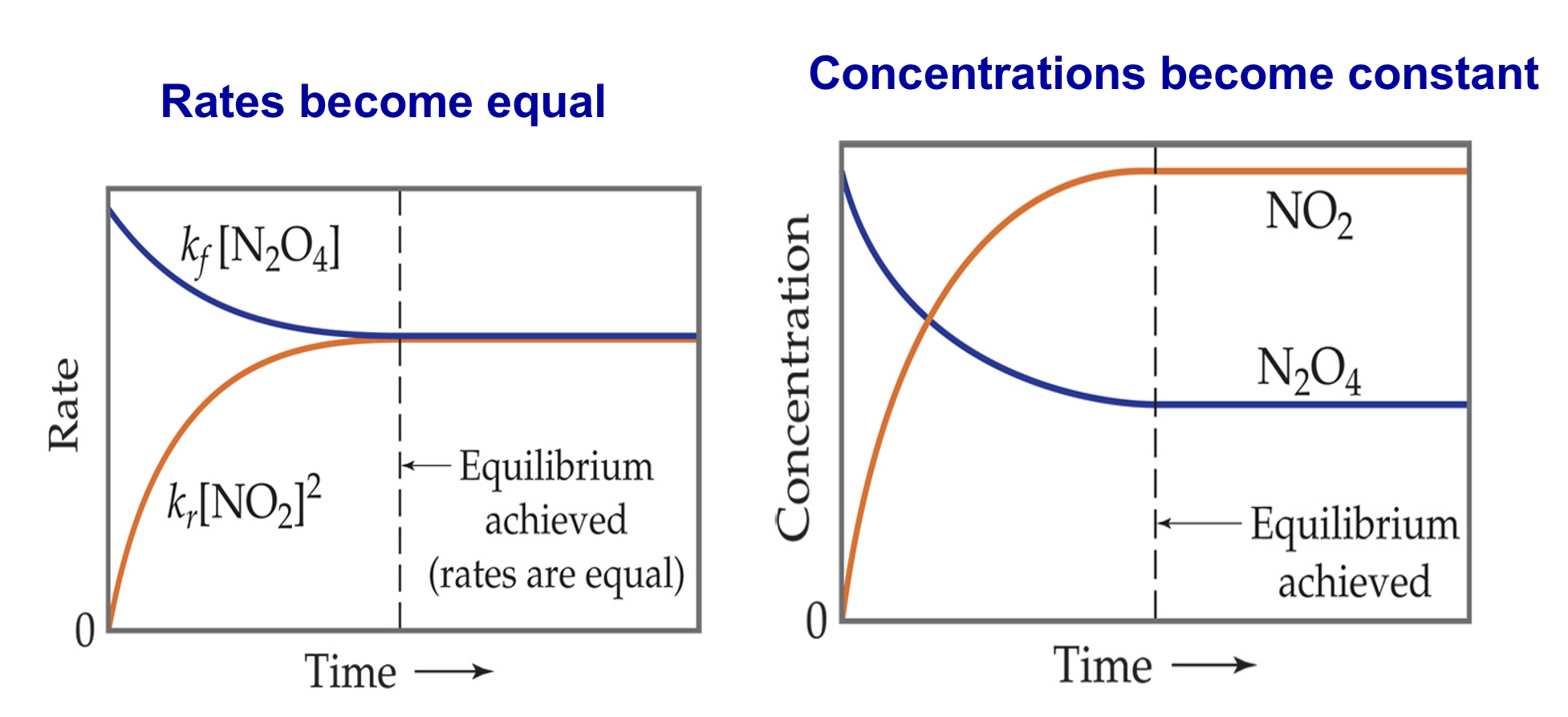
What is chemical equilibrium? What happens to concentration here? Does it occur in closed or open systems? What does it look like?
When the rate of the forward reaction = the rate of the reverse reaction
concentration can differ but is CONSTANT
ONLY closed systems
Constant appearance and properties stable
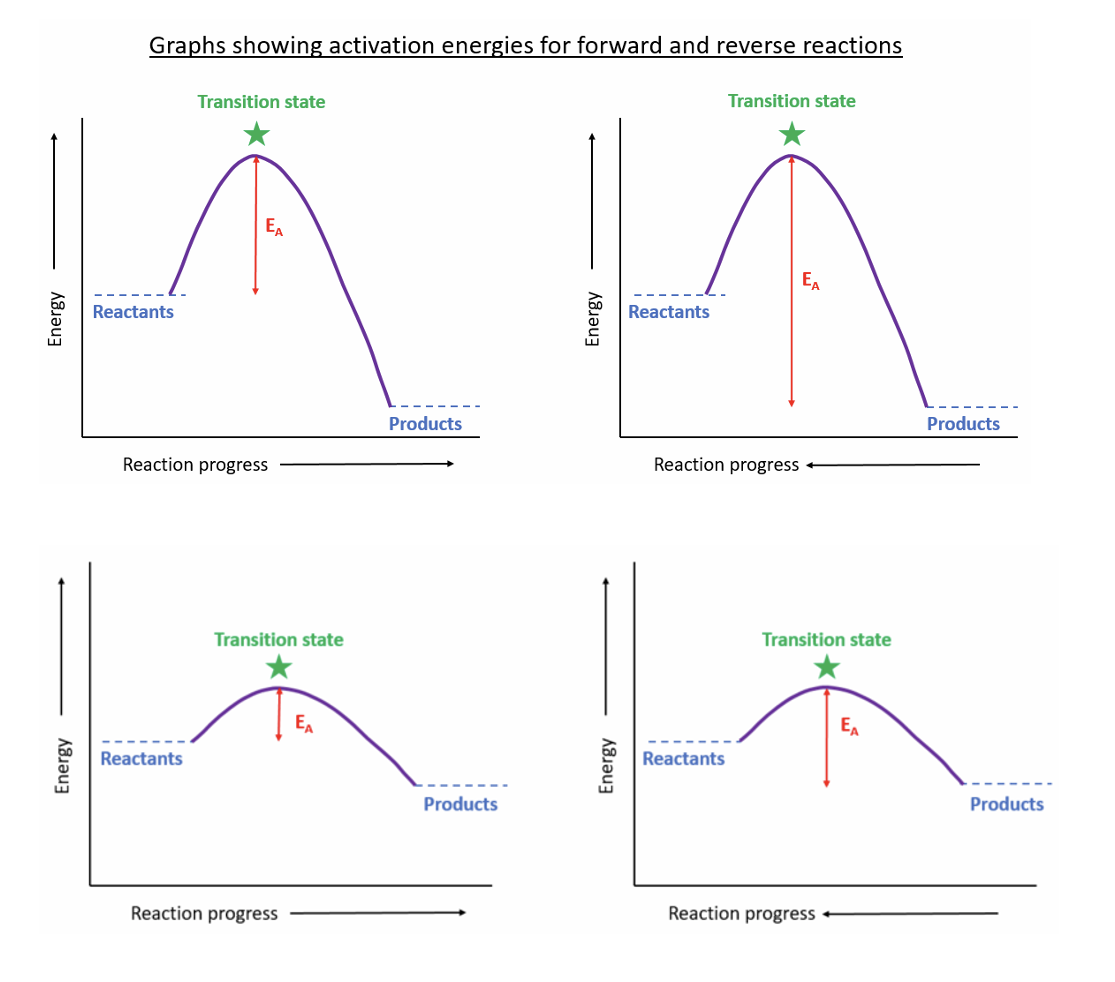
What is activation energy? E^lower A. How do you read an Activation energy graph?
Activation energy is the minimum amount of energy required for the reactant particles to collide/break bonds and start the reaction.
higher activation energy for both forward and reverse means it’s unlikely to occur
lower E^lower A for both means it’s easier to occur
How to read graph:
forward takes from reactants up to peak
reverse takes from products up to peak
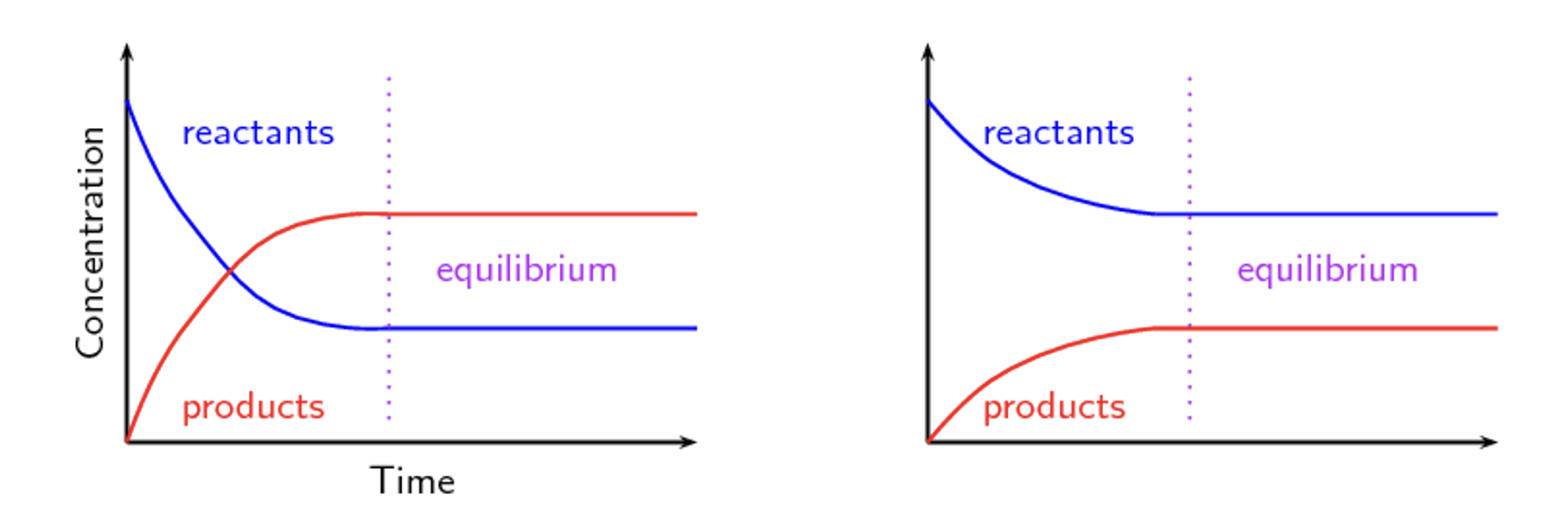
Which one is forward favoured/towards the right? which one is reverse favoured/towards the left? Justify.
The right picture is forward favoured as there is more products at equilibrium and hence the reaction tends to produce more products.
The left picture is reverse favoured as there is more reactants at eq. and hence reaction tends to produce more reactants.
Distinguish static and dynamic equilibrium
Dynamic:
both forward and reverse reactions are occurring
Static:
forward and recerse reactions are NOT occurring (Irreversible, rate of reaction = 0 for both)
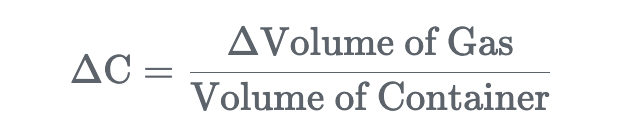
what is the formula for concentration when given volume of gas and volume of container?
What is the enthalpy for endothermic and exothermic reaction like?
Endothermic:
Heat is absorbed therefore the enthalpy is POSITIVE because heat is consumed from surrounding
Exothermic:
Heat is released therefore the enthalpy is NEGATIVE because heat is released out into surrounding