Tree Quiz
 Call Kai
 Learn
Learn Practice Test
 Spaced Repetition
 Match
Match Flashcards
 Knowt Play
1/19

Earn XP
Description and Tags
Plants in this world tree quiz
Name | Mastery | Learn | Test | Matching | Spaced | Call with Kai | Chat |
|---|
No analytics yet
Send a link to your students to track their progress
20 Terms
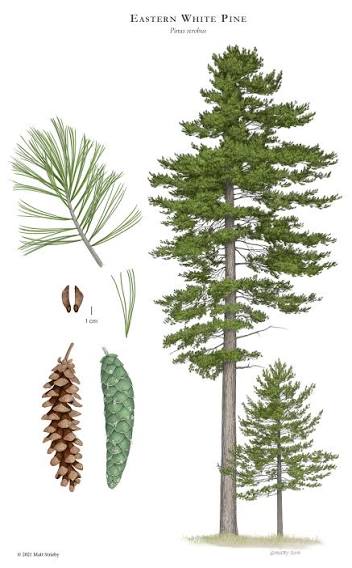
White Pine (pinus strobus)
Foliage: 5 long thin needles, Roots: Lateral/vertcical Seedbed: moist mineral Fire resistance: low to mid Insects: Weevil, white pine beetles

Red Pine (Pinus resinosa)
Foligae: 2 long stiff needles per cluster, RootsTaproot/Lateral, Seedbed: mineral soil after fire, Fire resistance: mid tolerance for adults, Insects: Red pine cone beetle, weevil

Pitch Pine (Pinus rigida)
foliage: 3 stiff needles per cluster, Roots: vertical+Lateral Seedbed: mineral soilafter fire, Fire resistance: high tolerant/ gains growth from dormant buds, Insects: tip moths and loopers

Jack Pine (Pinus Banksiana)
Foliage: 2 short needles per cluster, Roots: taproot/Lateral seedbed: mineral soil after fire, fire resistance: high tolerance with serotinous cones, Insects: Jack Pine budworm

Red Spruce (Picea Rubens)
Foliage: short stiff needles with pointed ends, Roots: shallow lateral seedbed: moist forest soils, Fire resistance: no intolerant, Insect: spruce bedworm

Balsam Fir (Abies balsema)
foliage: short stiff needles with a blunt end and circular base, Roots: shallow lateral. seedbed: moist forest soil, Fire intolerance: no intolerance, insects: spruce bedworm and balsam wolly aphid

Eastern Hemlock (Tsuga canadensis)
Foliage: Short flat needles with blunt ends and peg like stalks, Roots: shallow lateral, seedbed: cool moist forest soils and decaying litter, Fire resistance: low to mid Insects: hemlock loopers and hemlock wolly adelgid

Northern White Cedar (Thuja accidentalis)
Foliage: fan-like branches and scaly leaves, bark; red/brown and furrowed and peeled in narrow strips, seeds: slender yellow/green

Tamarack (larix larchicina)
Foliage: Needles are borne on a short shoot in groups of 10-20 needles, Commonly found in swamps, fens, bogs. and low land areas.

Red Oak (Quercus Rubra)
Foliage: alternative leaves with pointed lobes and rounded sinuses, roots: taproot/lateral seedbed: leaf litter, fire tolerance: no tolerance but can sprout from stump, Insects: spongy moth and browntail moth

Sugar Maple (Acer Saccharum)
Foliage: pairs of palmate opposite leaves with rounded sinuses, Roots: deep and branching seedbed: moist forest soil Fire resistance: no tolerance, insect: tent caterpillar

Black Oak (Quercus Velutina)
Foliage: alternate leaves with pointed lobes and rounded sinuses, Roots: Taproot/lateral, Fire resistance: no intolerance major Disease: oak wilt

White Oak (Quercus Alba)
foliage: alternate leaves with rounded lobes and sinuses, roots: taproot/laterals, seedbed: leaf litter Fire intolerance: no intolerance, insects: Spongy moth and weevil

Red maple (Acer Rubrum)
Foliage: pairs of palmate opposite leaves with v-notch sinus seedbed; moist forest soil Fire resistance: no intoerance Insects: borers and leaf scales

Silver Maple (Acer Saccarinum)
Foliage: pairs of palmate opposite leaves with incised sinuses, Roots: deep and branching, seedmed: mineal soil with hummus, fire resistance: intolerant insects: scales and borers
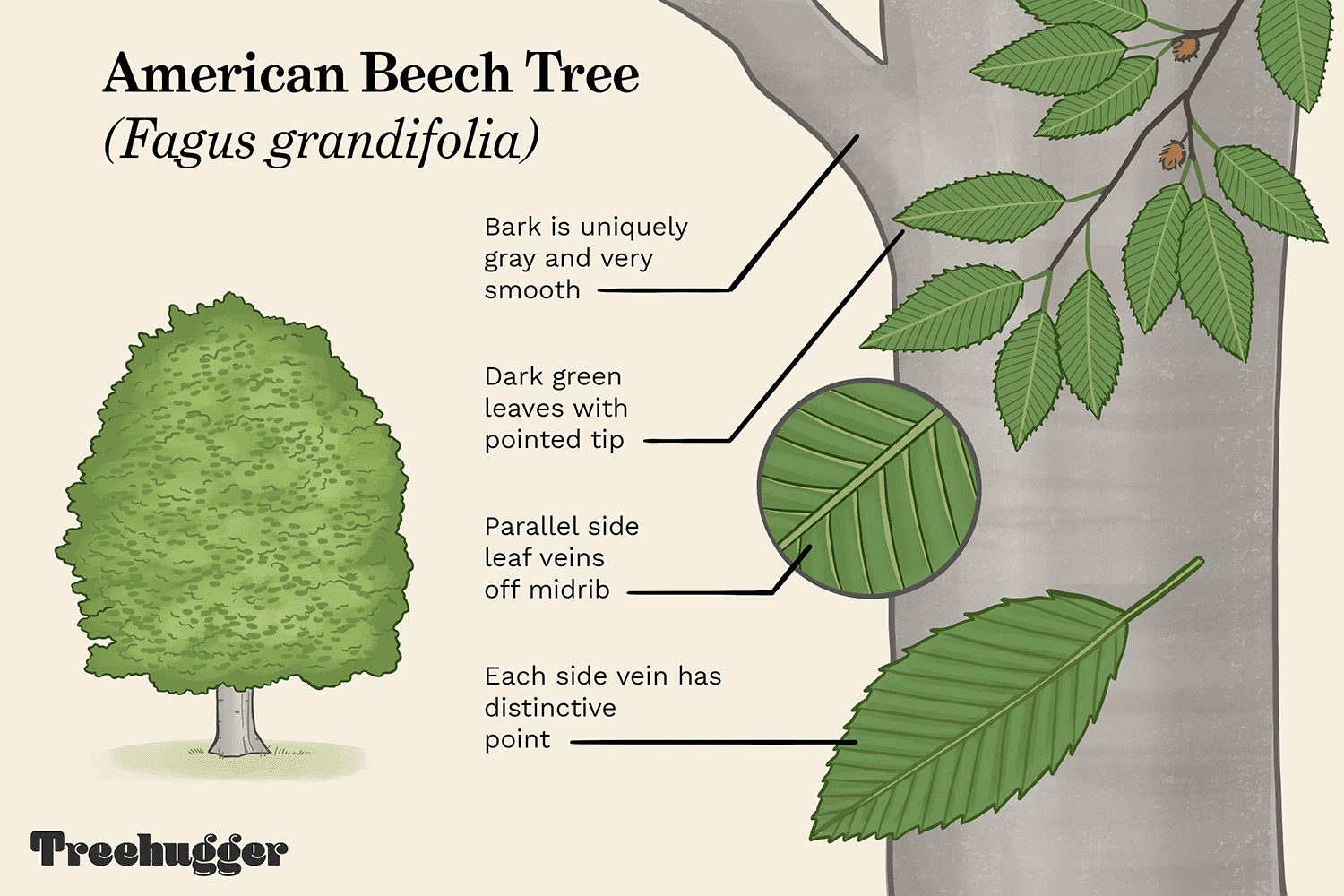
American beech (Fagus Grandifolia)
Foliage: alternate canoe shaped leaves with toothed margins, Roots: vertical/lateral seedbed: mineral soil or leaf litter, Fire resistance: intolerant, major stress: beech scales and nectria disease
White birch (Betula Papyrifera)
Foliage: alternate leaves with spade shape and toothed margin, roots: vertical/lateral, seedbed: mineral soil and rotten logs, fire resistance: Intolerant but often follows fire disturbance, Insects: birch borer and tent caterpillar

Yellow Birch (Betula Allehaniensis)
Foliage: alternate leaveswith elipitic shape and toothed margin, roots: vertical and lateral seedbed: disturbed humus or mineral soil fire resistance: intolerant insects: birch borer and gypsy moth

Green ash (Fraxinus pennslyvanica)
foliage: opposite compound pinnate leave, roots: vertcal/lateral Fire resistance: intolerant Insects: scale, sawfly
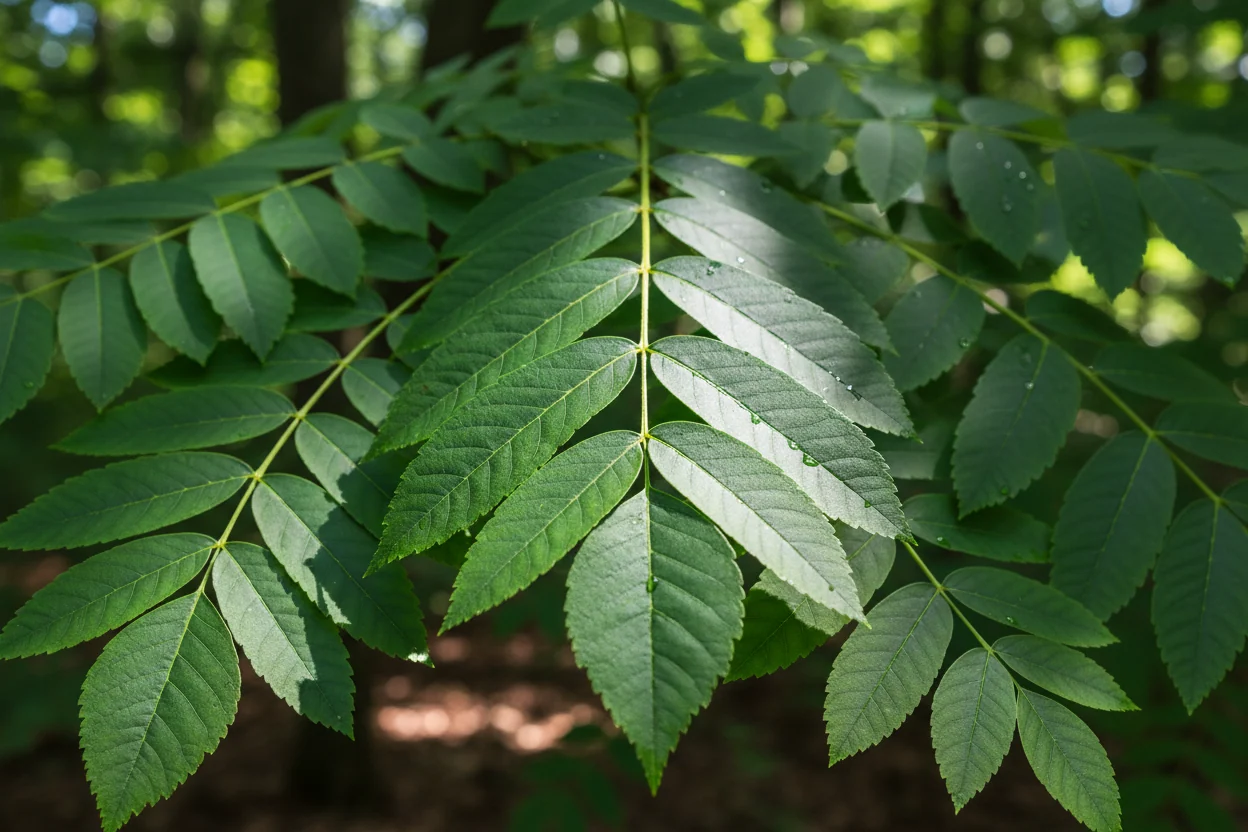
White Ash (Fraxinus americana)
Foliage: opposite compound pinnate leaves Roots: taproot and branches seedbed: moist fertile soil, fire resistance: intolerant, Insects: scale, sawfly, tent caterpillar