Ap Biology Unit 3 Packet
 Call Kai
 Learn
Learn Practice Test
 Spaced Repetition
 Match
Match Flashcards
 Knowt Play
1/9

There's no tags or description
Looks like no tags are added yet.
Name | Mastery | Learn | Test | Matching | Spaced | Call with Kai | Chat |
|---|
No analytics yet
Send a link to your students to track their progress
10 Terms
enzyme
biological molecule (usually a protein) that catalyzes (speeds up) chemical reactions in living organisms
isn’t consumed in the process
lowers activation energy needed for a reaction → makes processes faster and more efficient inside cells
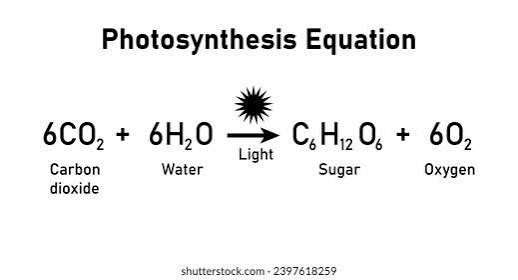
formula for photosynthesis
6CO2 + 6H2O —(light)—> C6H12O6 + 6O2
formula for cellular respiration
C6H12O6 + 6O2 —(energy released)—> 6CO2 + 6H2O

light independent reaction
aka “calvin cycle”
part of photosynthesis, where plants use carbon dioxide and energy from ATP and NADPH (made during light-dependent reactions) to build sugars (glucose), without needing light.
occurs in stroma of chloroplast
light dependent reaction
part of photosynthesis, where plants use sunlight to make energy-rich molecules such as NADPH and ATP
occurs in the thylakoid membranes of the chloroplast
produces oxygen from water
glycolysis
first step of cellular respiration
one molecule of glucose is broken down into two molecules of pyruvate —> produces a small amount of energy (ATP) for the cell
occurs in the cytoplasm of the cell
does not need oxygen
krebs cycle
second step of cellular respiration when there is oxygen present
aka “citric acid cycle”
series of chemical reactions in cells that break down molecules from food to produce energy (ATP), carbon dioxide, and electron carriers
occurs in the mitochondria
electron transport chain
photosynthesis: generates ATP and NADPH in light dependent reactions
cellular respiration: final step of cellular respiration; energy from electrons is used to make a lot of ATP (energy) for the cell, only occurring when oxygen is present
occurs in the inner membrane of the mitochondria
produces water by combining electrons, hydrogen, and oxygen
fermentation
method where cells make energy (ATP) without using oxygen by breaking down sugars
occurs in the cytoplasm and produces less energy than normal cellular respiration
can produce lactic acid or alcohol
adenosine triphosphate (ATP)
main energy carrier in cells that stores and supplies energy for cell activities
a “battery” that powers cell work