ACE Chapter 7 Class Design
 Call Kai
 Learn
Learn Practice Test
 Spaced Repetition
 Match
Match Flashcards
 Knowt Play
1/39

Earn XP
Description and Tags
ACE Chapter 7 discusses key considerations for designing a comprehensive, logically structured group fitness class plan.
Name | Mastery | Learn | Test | Matching | Spaced | Call with Kai | Chat |
|---|
No analytics yet
Send a link to your students to track their progress
40 Terms
Why are class titles important in group fitness?
Properly naming a class not only proves helpful in attracting individuals for whom the class format should be most appropriate, but it can also aid in managing participant expectations by providing insight into what they can anticipate during the class experience.
What does it mean to establish specific learning objectives for your group fitness class?
Establishing specific learning objectives means defining clear, measurable goals that outline what participants should achieve by the end of the class. This helps instructors tailor their teaching methods and ensures that participants understand the skills or knowledge they will gain.
True or False: A more efficient, effective and engaging class experience starts with a dynamic warm-up that properly prepares the body for what’s to come.
True
How should intensity generally progress during a warm-up?
Begin with low-to-moderate intensity and gradually increase intensity.
What is the purpose of a warm-up?
To prepare the body for physical activity by gradually increasing exercise intensity before the conditioning phase.
How should the warm-up be adjusted based on the conditioning phase?
The warm-up should be adjusted accordingly; the more demanding the conditioning phase, the more extensive the warm-up should be.
Why might a HIIT class require a more extensive warm-up?
Because the high-intensity conditioning phase places greater demands on participants, so they need to be adequately prepared.
What should a GFI avoid during the warm-up?
Creating fatigue that could negatively affect performance during the main portion of the class.
How long should the warmup last?
Between 5-10 minutes.
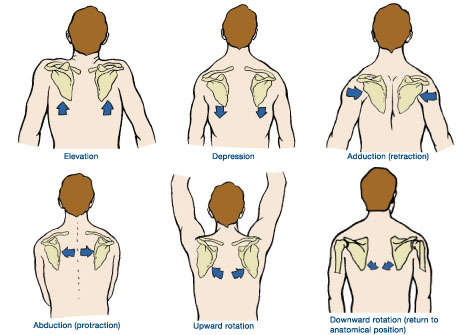
What is this region of the body?
THe scapulothoracic region refers to the area that involves the scapula (shoulder blade) and the thoracic rib cage, important for arm movement and shoulder stability.
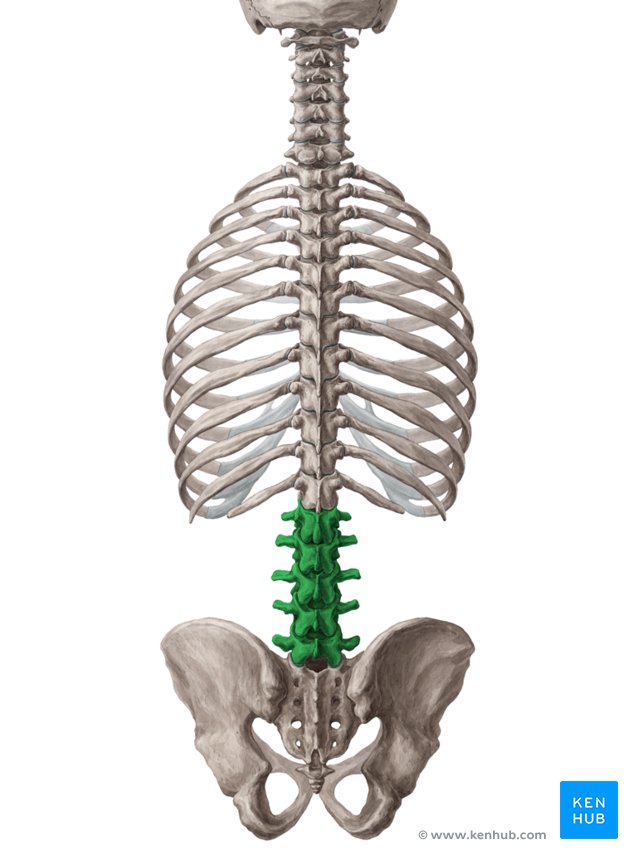
What part of the body is shown in green?
Lumbar spine - The lumbar spine is the lower back area. It has five large bones called vertebrae, labeled L1 to L5. These bones support most of your body weight, help you move, and protect the nerves that go to your legs
Which joints favor mobility?
ankles, hips, thoracic spine and glenohumeral region
Ankles
Hips
Thoracic Spine: Your thoracic spine is the middle section of your spine. It starts at the base of your neck and ends at the bottom of your ribs. It consists of 12 vertebrae. Your thoracic spine is especially rigid and stable, making it the least common area of injury along your spine.
Glenohumeral Region: The glenohumeral region is your shoulder. It is the main ball-and-socket joint where your upper arm bone fits into your shoulder blade. It is the most flexible joint in your body, letting you move your arm in many directions, but it can easily slip out of place.
Which joints favor stability?
Scapulothoracic region, lumbar spine, knee and foot.
What makes a good class objective?
It clearly identifies what participants should be able to demonstrate or accomplish after the class.
Why can establishing a theme be useful when designing a group fitness class?
A theme can serve as a central thread throughout the class, helping ensure the objectives are met while creating a more memorable experience.
What three domains of learning can class objectives encompass?
Cognitive, affective, and psychomotor domains.
What are rehearsal movements in the warmup? Provide example.
movements similar to, but less intense than the movements that participants will execute during the conditioning segment of the class.
For example: incorporating basic bodyweight exercises at a low to moderate intensity to prepare for loaded mevements later on in a muscular fitness class.
How can a well-rounded warm-up affect injury risk?
It can help decrease the risk of overuse injuries by improving underlying muscular function and enhancing the quality of movements performed during class.
What is the kinetic chain?
The interconnected system of joints and body segments that work together during movement.
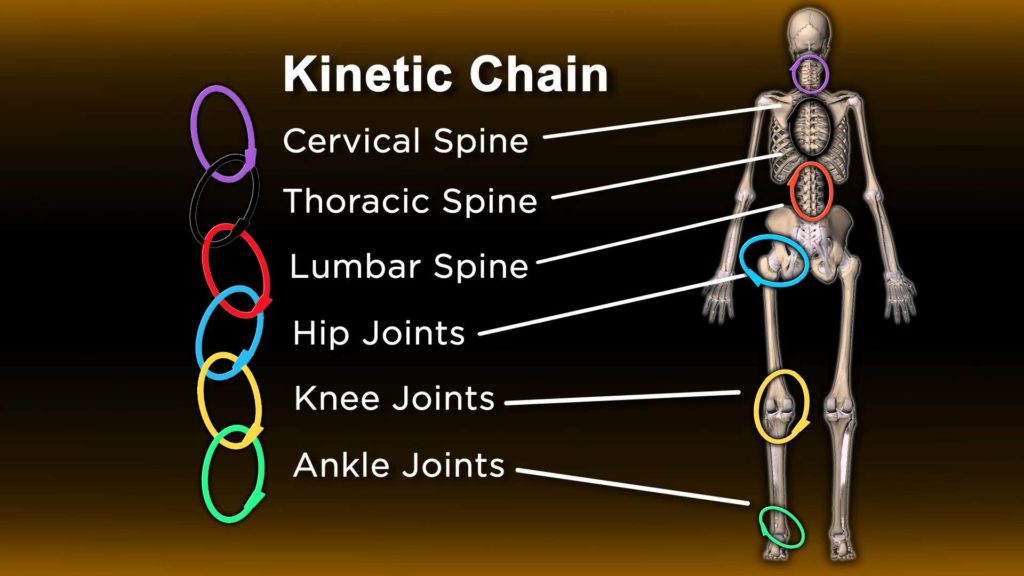
Why is the kinetic chain important when planning a warm-up?
Adequate mobility and stability throughout the kinetic chain help support safe and effective movement.
What is the difference between mobility and stability?
Mobility refers to the ability of a joint or body segment to move adequately; stability refers to the ability to control and maintain appropriate positioning.
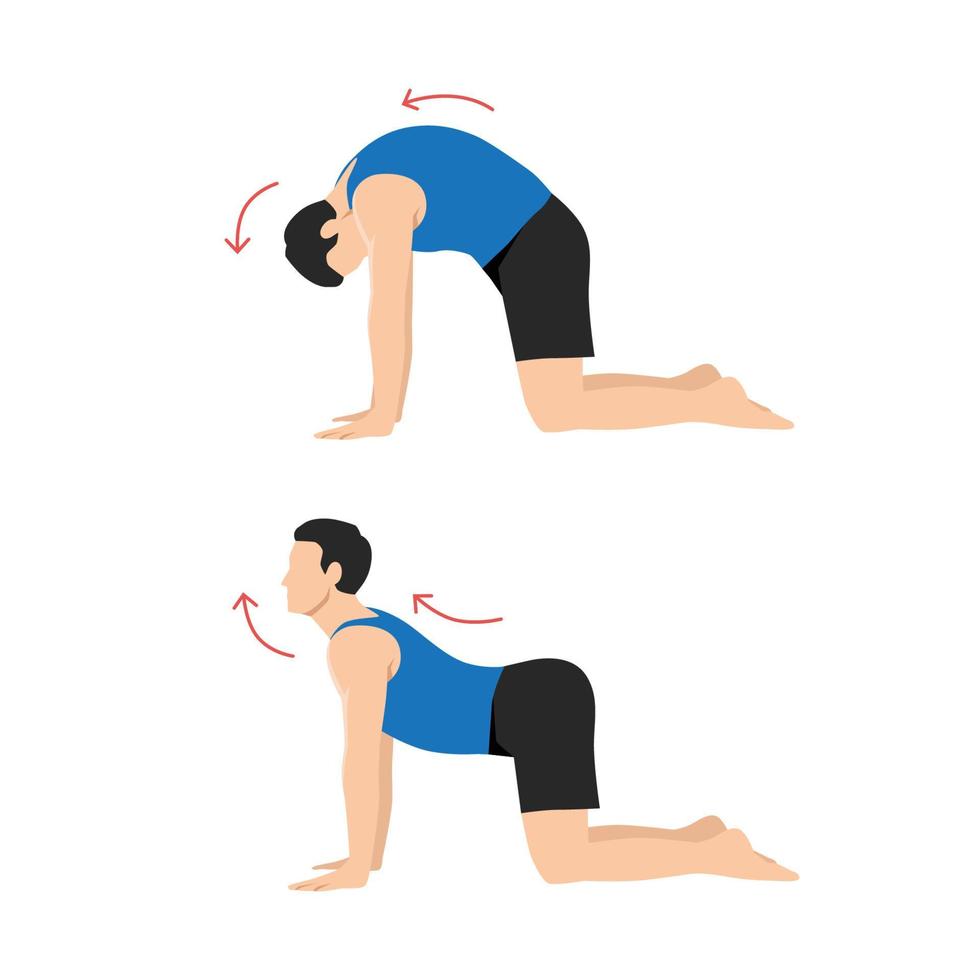
Stability or mobility?: Cat-cow
Spine mobility
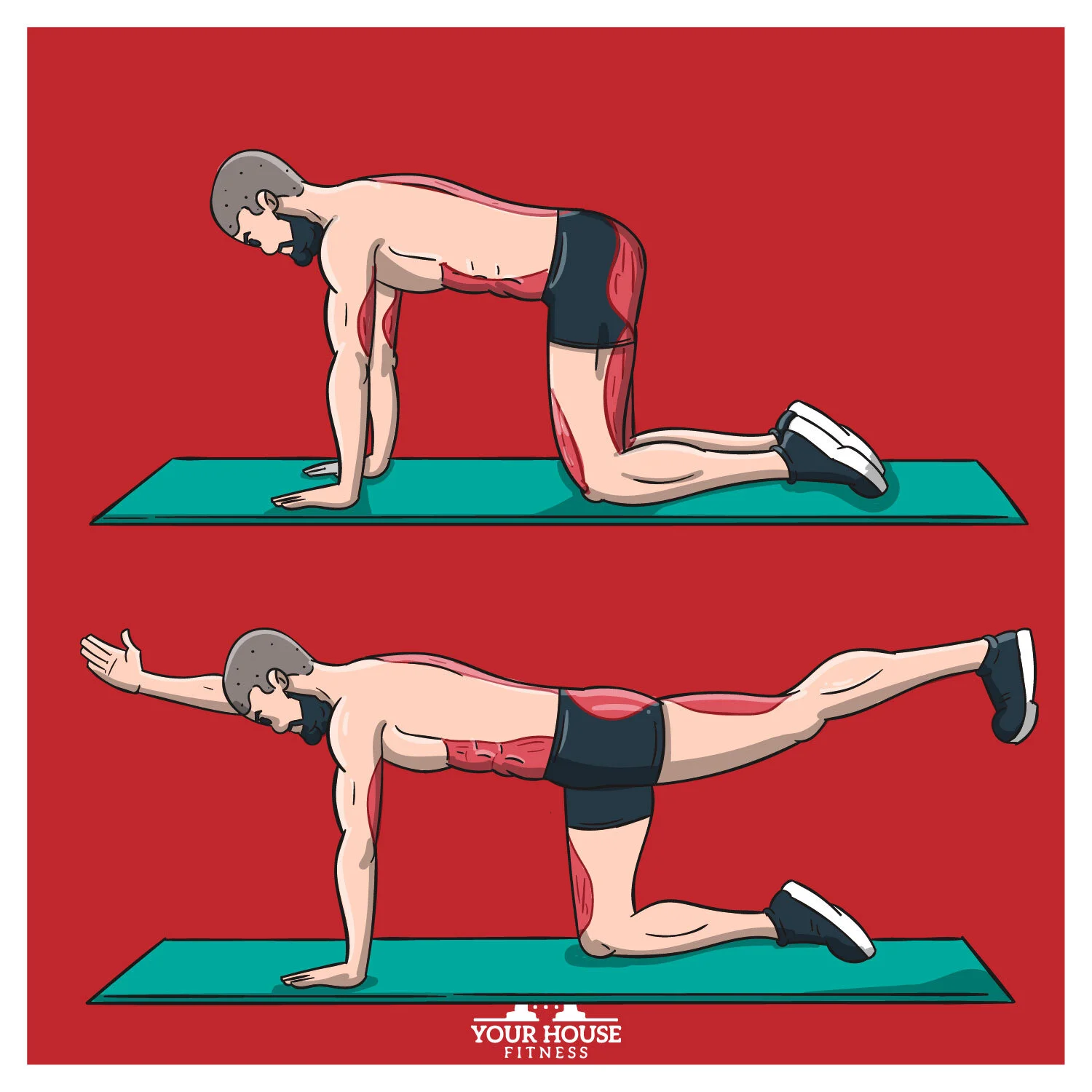
What kind of Stability or Mobility?: Bird Dog
Core stability
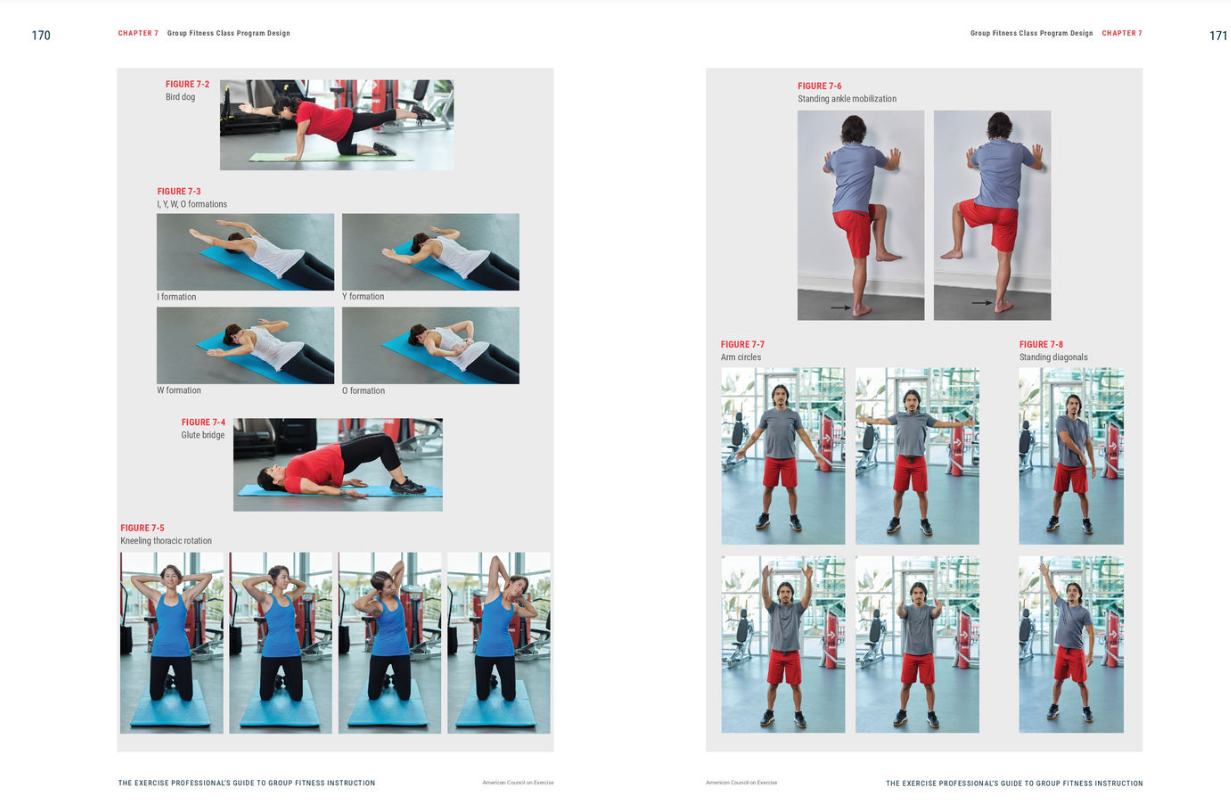
Stability or Mobility?: IYWO Formations
To improve shoulder stability and mobility
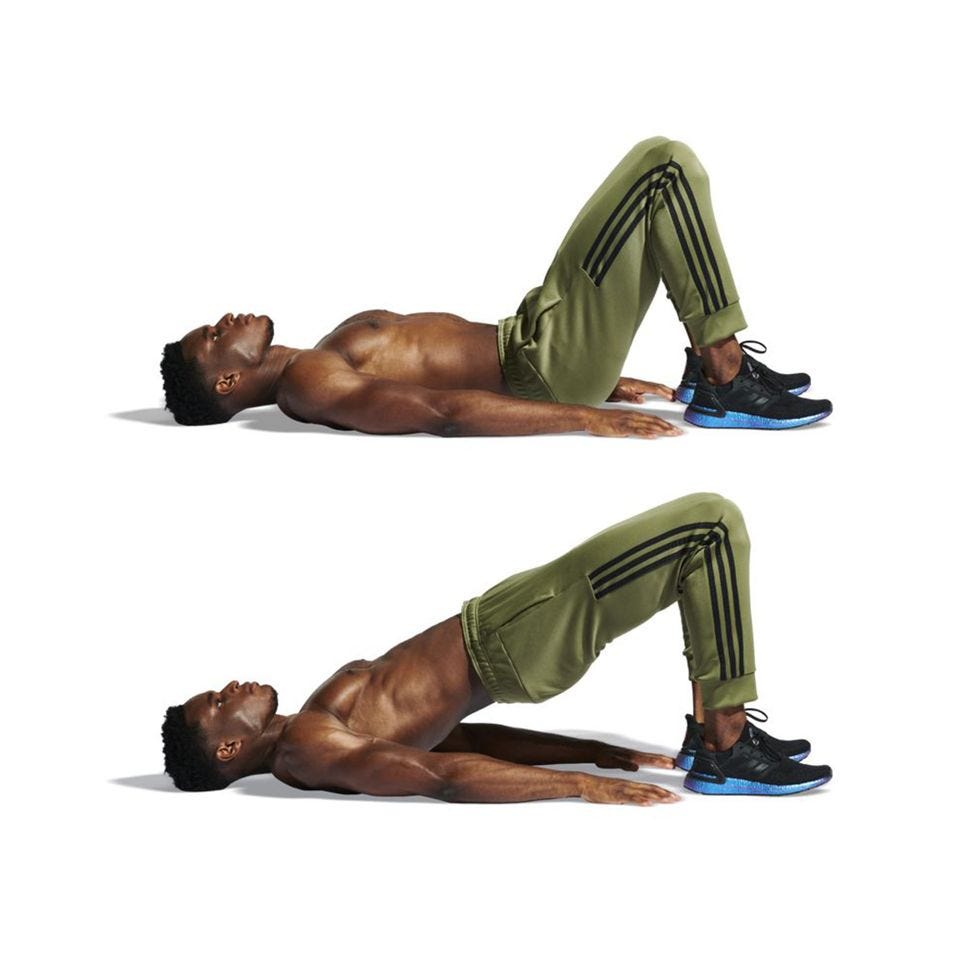
Stability or Mobility?: Glute Bridge
To enhance hip mobility and core stability
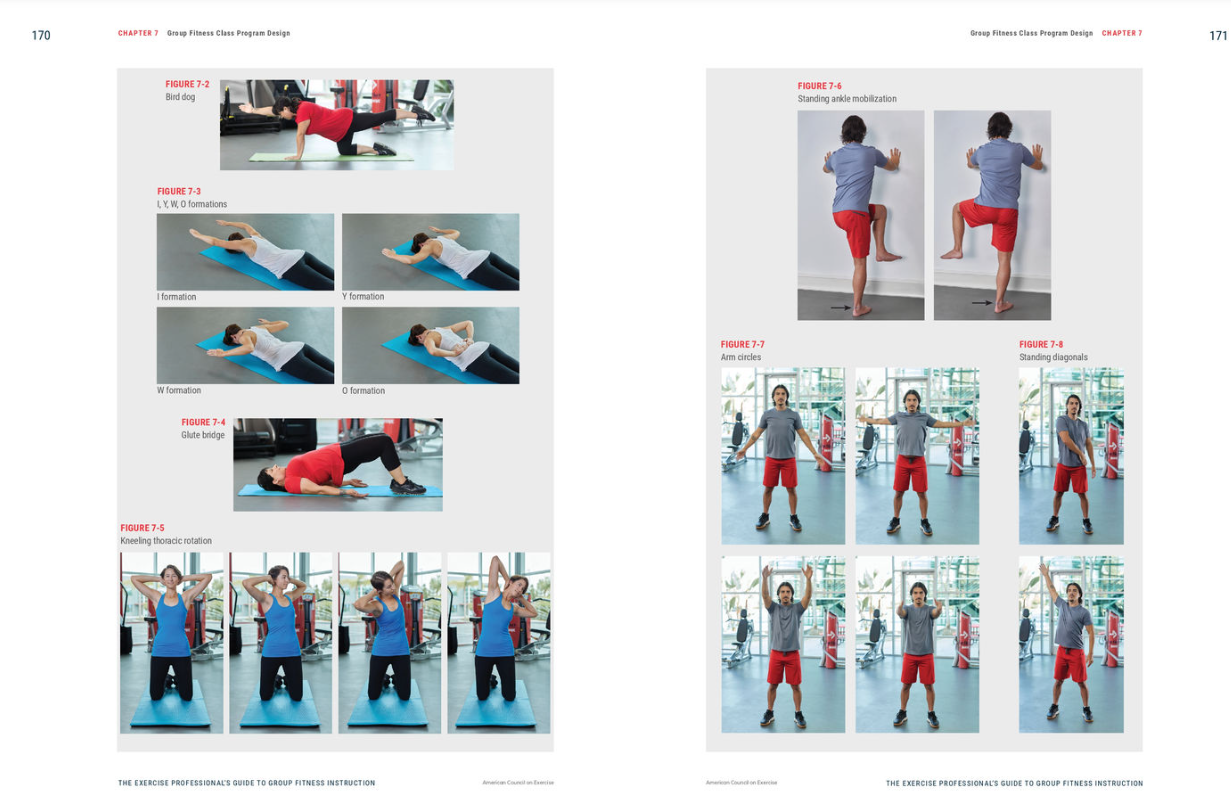
Stability or Mobility?: Kneeling Thoracic Rotation
To improve thoracic spine mobility
Why should GFIs be prepared with scaled variations of exercises?
To accommodate participants with different ability levels and provide appropriate challenges.
What is a regression?
A modification that decreases the intensity or complexity of a skill or exercise.
What is a progression?
A modification that increases the intensity or complexity of a skill or exercise.
Give an example of changing leverage to decrease exercise intensity.
Lowering the hands to the hips instead of reaching the arms overhead.
How can base of support affect exercise difficulty?
A wider/more stable base of support generally makes an exercise easier, while reducing the base of support can increase the challenge.
Why should progressions and regressions be included in the class blueprint?
So the GFI is prepared to provide inclusive movement experiences for participants with different abilities.
What is the primary purpose of a cool-down?
To gradually decrease exercise intensity and allow participants' heart rates and bodies to safely return toward a diminished level of activity.
How long should a cool-down generally last?
Approximately the same duration as the warm-up, generally 5–10 minutes.
What intensity should the cool-down generally use?
Low-to-moderate intensity.
Why should a GFI avoid abruptly stopping intense exercise?
It can lead to dizziness and, particularly in some individuals, potentially more serious consequences such as fainting.
How can walking help during the cool-down after treadmill-based exercise?
Gradually reducing the speed allows exercise intensity to decrease progressively.
When should prolonged static stretching generally be performed?
When the muscles are warm, such as during the cool-down
What determines which stretches should be included in a cool-down?
the class format, intensity of movements, and exercises included during the conditioning phase.
Why might stretching be included in the cool-down?
To provide targeted flexibility work after the muscles have been warmed through exercise.