Medical Terminology - Nervous System
 Call Kai
 Learn
Learn Practice Test
 Spaced Repetition
 Match
Match Flashcards
 Knowt Play
1/15

There's no tags or description
Looks like no tags are added yet.
Name | Mastery | Learn | Test | Matching | Spaced | Call with Kai | Chat |
|---|
No analytics yet
Send a link to your students to track their progress
16 Terms
cephal(o)
head
encephal(o)
inside the head (brain)
mening(o)
membranes surrounding the brain/spinal cord
myel(o)
spinal cord
neur(o)
nerve
dys
difficult, abnormal, painful
e.g. dyslexia
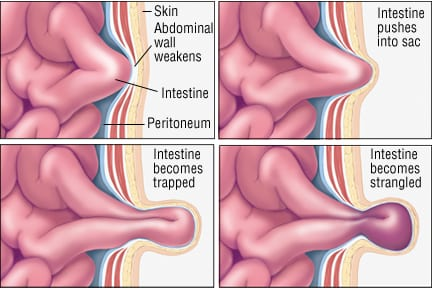
-cele
hernia - abnormal protrusion of structure out of normal anatomical position
-pathy
disease/abnormality
-plasia
development, growth, formation
-plegia
paralysis
multiple sclerosis (MS)
multiple hard plaques of degeneration of the myelin sheath (insulating layer of nerve fibers) in the central nervous system
^patients may suffer paralysis, sensory disturbances, or blindness
cerebrovascular accident (CVA)
stroke
causes:
blood vessel in brain bursting leading to internal bleeding
clot in blood vessel that deprives brain tissue of oxygen
thrombus: clot in brain blood vessel
embolus: clot starts elsewhere and travels to get stuck in brain vessel
transient ischemic attack (TIA)
short period of insufficient blood supply to brain
similar signs of stroke (weakness in arm, partial loss of vision), incr risk of future stroke
epilepsy
characterized by intense/long/recurring seizures
aphasia
loss of speech (left side of brain affected)
^can’t find right words, speak slow, difficulty speaking, or complete loss of speech
2 types: affect motor speech (speech w/ moving larynx/lips/tongue) or understanding speech (sensory/hearing, can speak but not understand what they hear)
!!!
Neurologist – a physician specializing in diseases of the brain, spinal cord and nerves (no surgery)
Lumbar (spinal) puncture or tap (LP) – use needle to sample CSF (introducing a needle between the lower bony vertebrae of our spinal column allows a physician to sample the fluid, cerebrospinal fluid (CSF), surrounding the brain and spinal cord. Lab tests on the fluid are used for diagnostic purposes such as presence of bacteria in meningitis, special proteins in multiple sclerosis, or blood cells.)
Brain scan – introducing a radioactive element into the blood can image possible tumors in the brain. The radioactive dose is very low and detectable only with special, very sensitive instruments that are much more sophisticated than the old Geiger counters.
Electroencephalography (EEG) – an image (in this case a written recording) of the brain’s electrical activity. EEGs are used to diagnose different types of seizure disorders such as epilepsy, brain tumors, and are used in sleep research to identify stages of sleep.
Computed tomography (CT) – a specialized X-ray machine that takes multiple images of a body area from different angles and has a computer that integrates the multiple images into “slices” of the body. The resolution is much better than standard X-rays and there is better differentiation of types of tissue (bone, air, solid organ).
Magnetic Resonance Imaging (MRI) – Although the image produces the “slices” through the body seen by CT (see above), no X-rays are involved. The patient’s body is placed in a strong magnetic field. Radio pulses affect the resonance or “spin” of atoms in the tissues. A computer analyzes this information to show subtle differences in tissue molecular structure producing very high resolution and better differentiation of soft tissue, such as a tumor within the liver.