Bio 311C Functional Groups
 Call Kai
 Learn
Learn Practice Test
 Spaced Repetition
 Match
Match Flashcards
 Knowt Play
1/41

There's no tags or description
Looks like no tags are added yet.
Name | Mastery | Learn | Test | Matching | Spaced | Call with Kai | Chat |
|---|
No analytics yet
Send a link to your students to track their progress
42 Terms
Hydroxyl
-OH
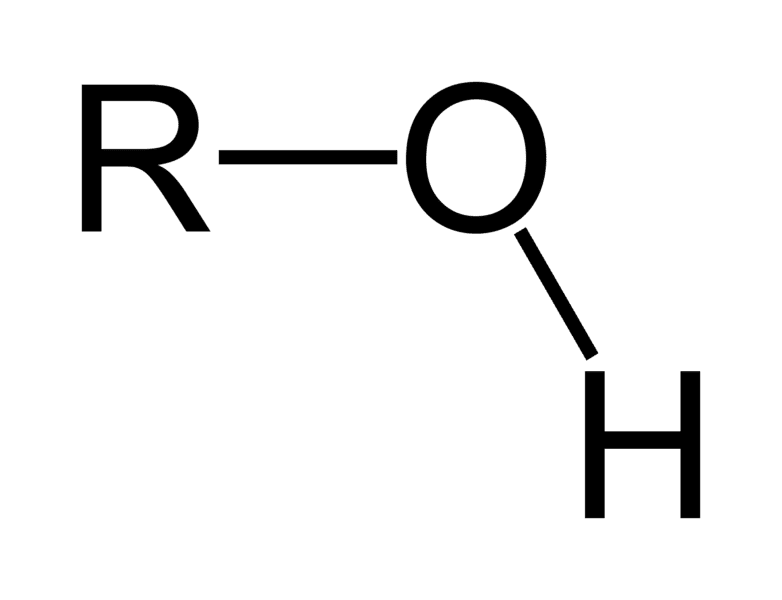
Hydroxyl Key Properties
Polar; hydrogen-bond donor and acceptor; alcohol
Hydroxyl Biological Examples
Sugars, glycerol, serine side chain
Hydroxyl Form Near Neutral pH
-OH, usually uncharged
Hydroxyl Polarity
Moderately Polar
Hydroxyl Biological Interpretation
Often increase water interaction but do not guarantee that the whole molecule is soluble
Carbonyl
>C=O

Carbonyl Key Properties
Polar; aldehyde or ketone
Carbonyl Biological Examples
Open-chain sugars, acetone, peptide-bond
Carbonyl Form Near Neutral pH
>C=O, uncharged
Carbonyl Polarity
Moderately polar
Carbonyl Biological Interpretation
Has a strong bond dipole and accepts hydrogen bonds. Aldehydes, ketones, amide carbonyls
Carboxyl
-COOH / -COO-
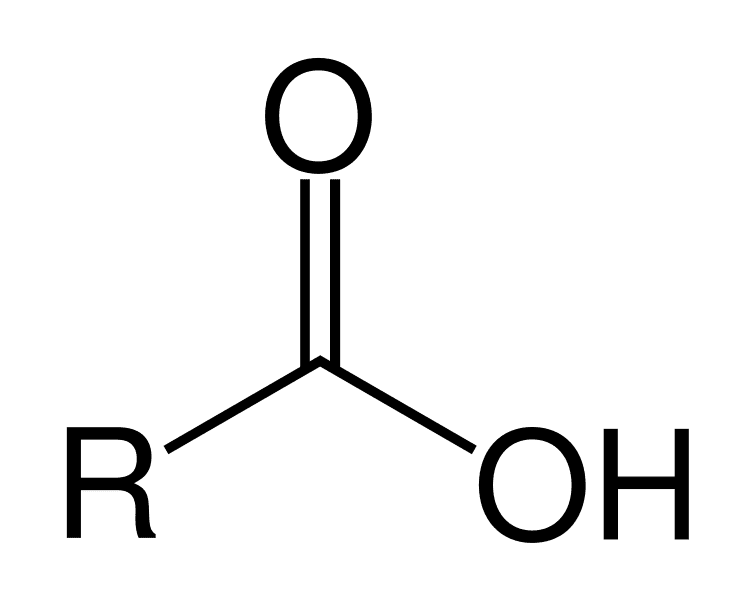
Carboxyl Key Properties
Acidic; often negatively charged near neutral pH
Carboxyl Biological Examples
Fatty acids, free amino acids, aspartate, glutamate
Carboxyl Form Near Neutral pH
Mostly carboxylate (-COO-)
Carboxyl Polarity
Highly polar / ionic
Carboxyl Biological Interpretation
Usually negatively charged near neutral pH; interacts strongly with water, ions, and positively charged groups
Amino
-NH2 / -NH3+

Amino Key Properties
Basic; often positively charged near neutral pH
Amino Biological Examples
Free amino acids, lysine side chain, some bases
Amino Form Near Neutral pH
Often protonated (-NH3+)
Amino Polarity
Highly polar / ionic
Amino Biological Interpretation
Many aliphatic amino groups are positively charged near neutral pH. Protonation depends on pKa and molecular environment
Phosphate
-OPO3H- / -OPO32+

Phosphate Key Properties
Acidic; negatively charged; group-transfer chemistry
Phosphate Biological Examples
ATP and other nucleotides, DNA, RNA, phospholipids
Phosphate Form Near Neutral pH
One or more negative charges
Phosphate Polarity
Extremely polar / ionic
Phosphate Biological Interpretation
Strongly hydrated and usually water-soluble. Its charge is important in ATP, nucleic acids, and phospholipids
Sulfhydryl
-SH

Sulfhydryl Key Properties
Reactive thiol; can form disulfide bonds
Sulfhydryl Biological Examples
Cysteine, coenzyme A, enzyme active sites
Sulfhydryl Form Near Neutral pH
-SH, usually uncharged
Sulfhydryl Polarity
Weakly polar
Sulfhydryl Biological Interpretation
Interacts with water less strongly than hydroxyl groups. Thiols can ionize or form disulfide bonds, depending on pH and molecular context
Methyl
-CH3

Methyl Key Properties
Nonpolar; hydrophobic; affects shape and recognition
Methyl Biological Examples
Lipid tails, alanine side chain, methylated DNA
Methyl Form Near Neutral pH
-CH3, uncharged
Methyl Polarity
Nonpolar
Methyl Biological Interpretation
Does not form hydrogen bonds with water and generally increases hydrophobic character