Safe Use and Function of Laboratory Equipment
 Note
Note Call Kai
 Learn
Learn Practice Test
 Spaced Repetition
 Match
Match Flashcards
 Knowt Play
1/33

Earn XP
Description and Tags
Review Activity
Name | Mastery | Learn | Test | Matching | Spaced | Call with Kai | Chat |
|---|
No analytics yet
Send a link to your students to track their progress
34 Terms
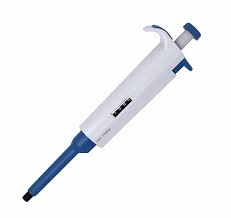
Micropipettes
Used for measuring and transferring small volumes of liquids, usually in microliters.
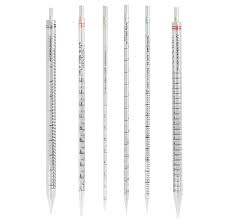
Serological Pipets
Typically used for transferring larger volumes and require manual aspiration and expulsion.
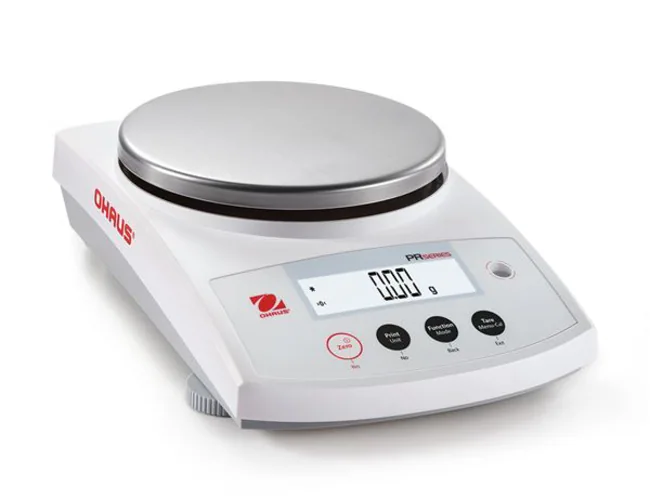
Electronic Balances
Used to measure the mass of materials with high precision.
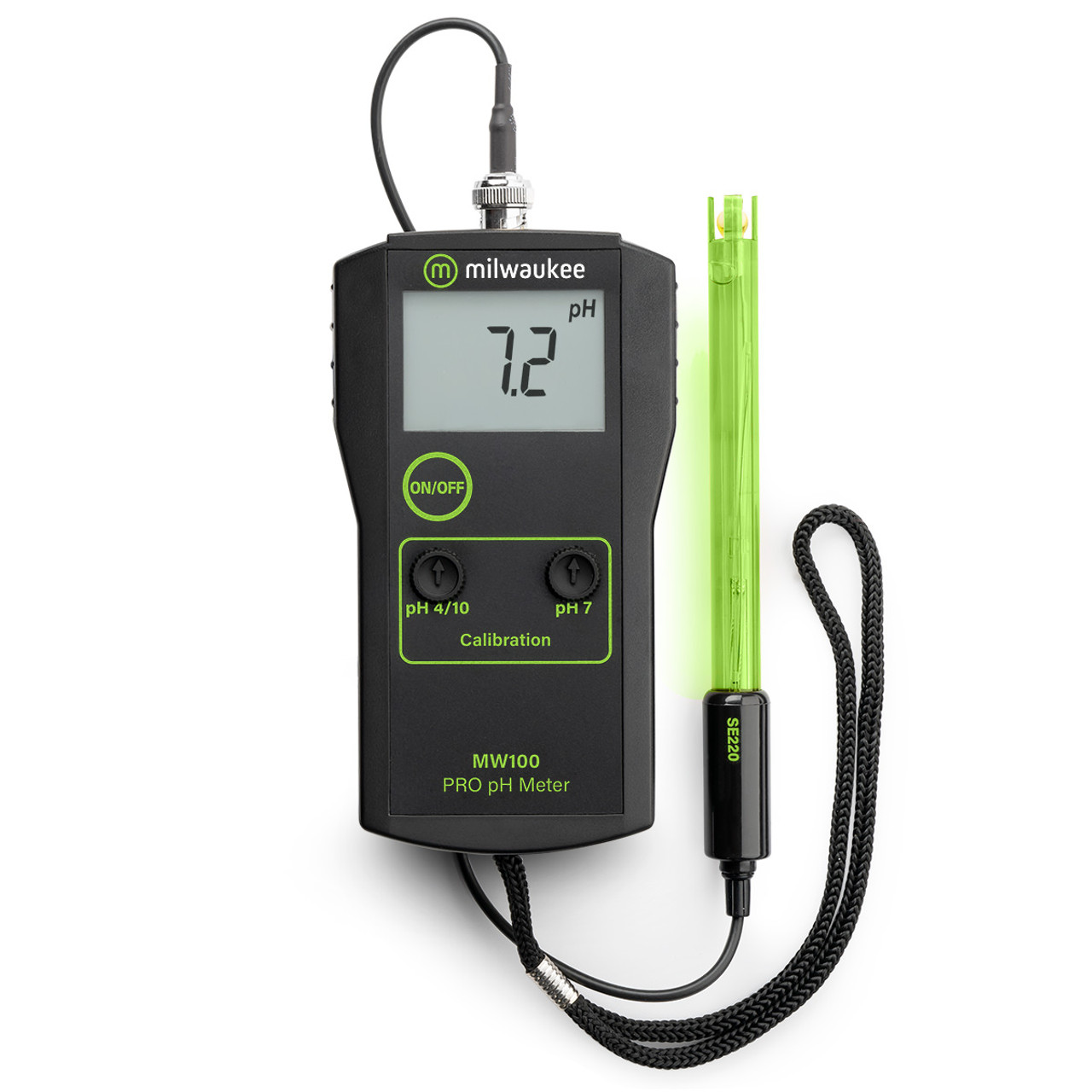
pH Meters
Measures the pH of liquid solutions.
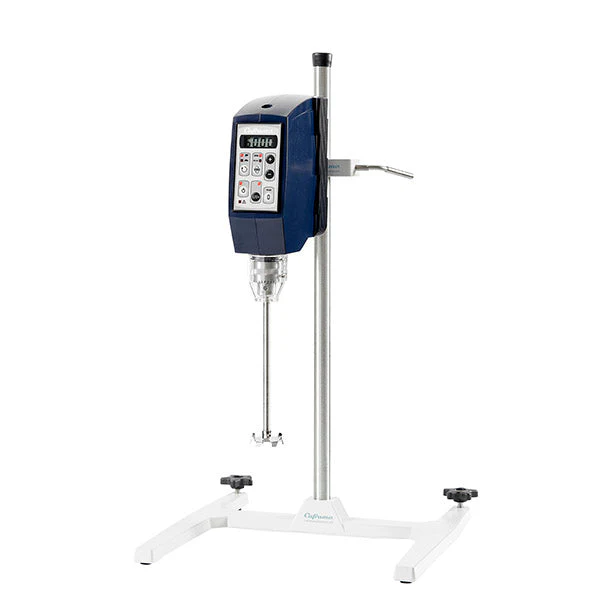
Stirrers
Agitate liquids or mixtures to ensure even mixing.
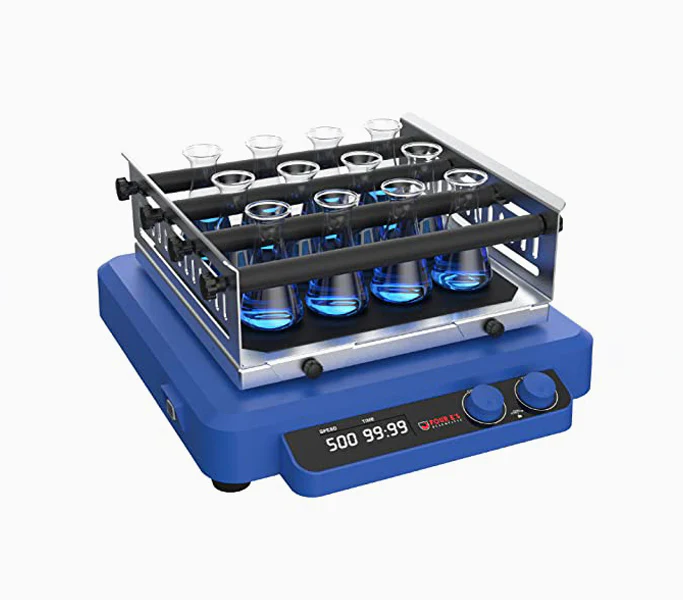
Shakers
Used for more vigorous shaking of flasks or tubes.
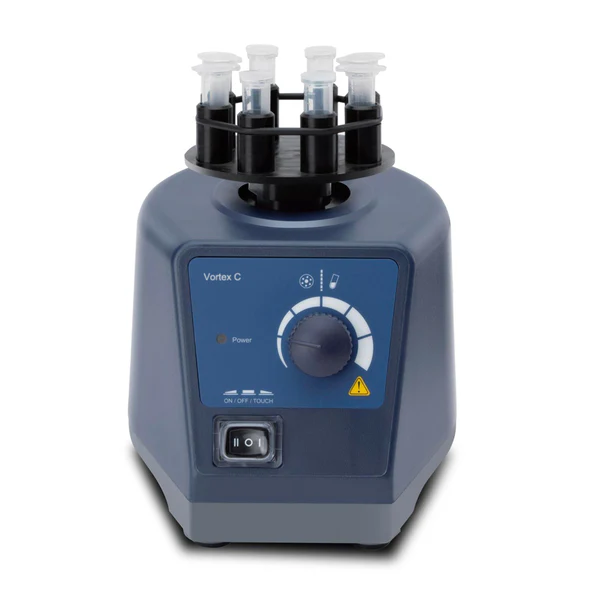
Vortexers
Rapidly shakes a test tube or flask to mix contents thoroughly.
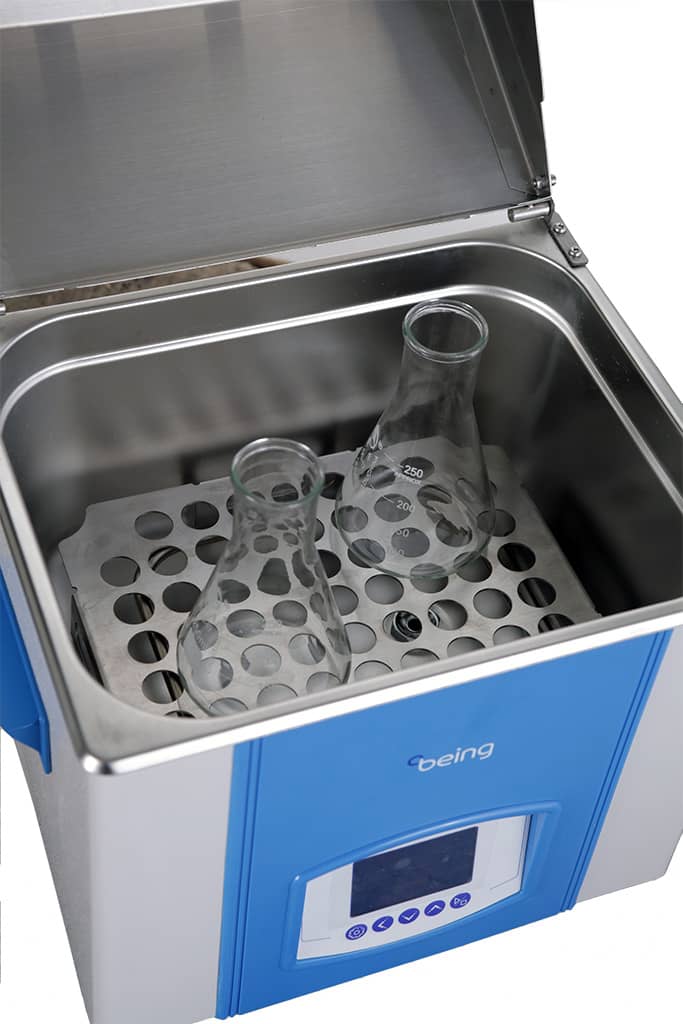
Water Baths
Provides a controlled, consistent temperature environment for heating samples.
Autoclaves
Sterilizes equipment and materials using high-pressure steam.
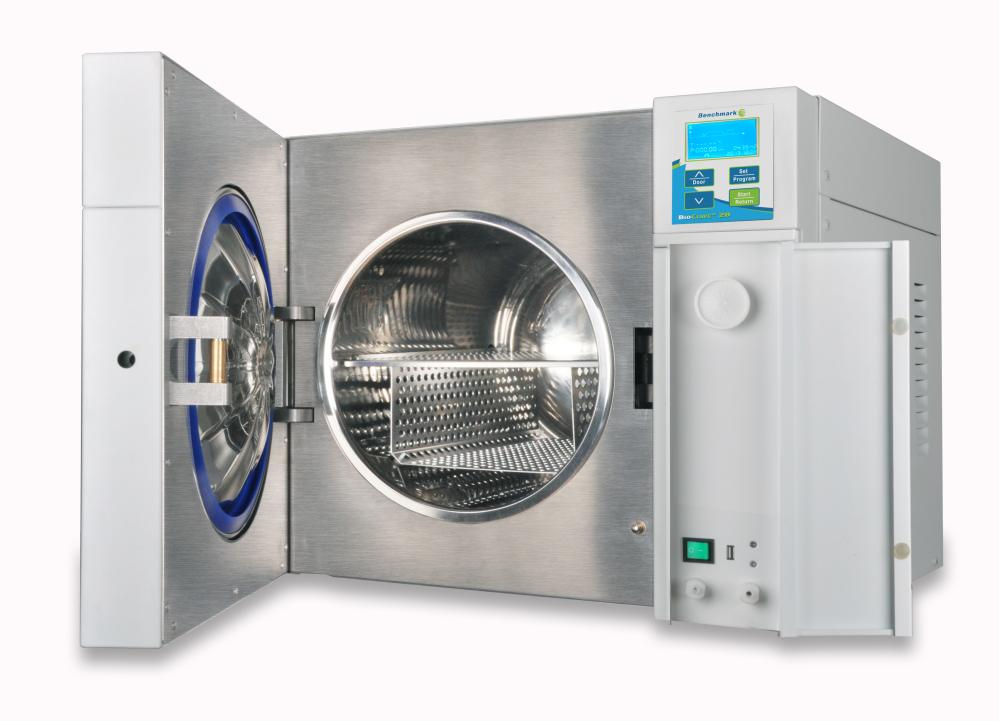
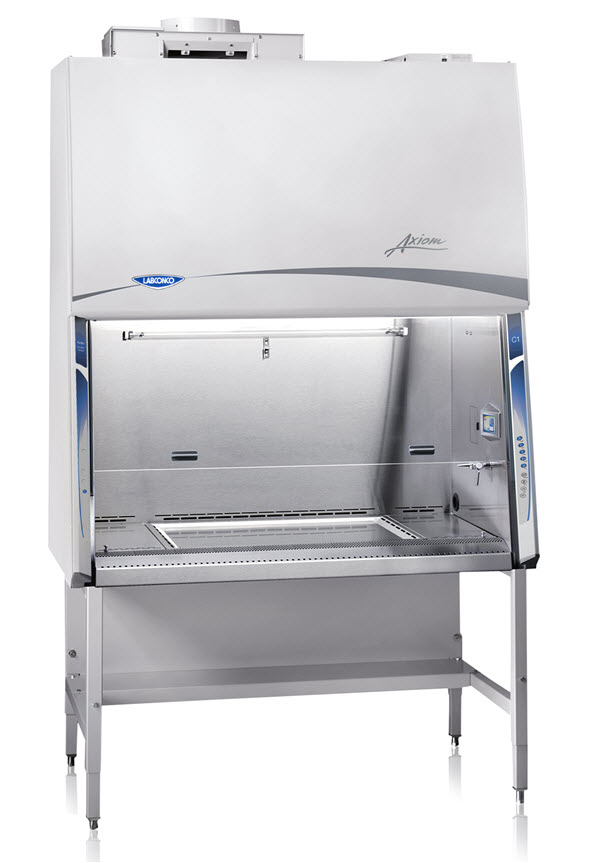
Biological Safety Cabinets (BSC)
Contain and protect laboratory personnel and the environment from hazardous biological agents.
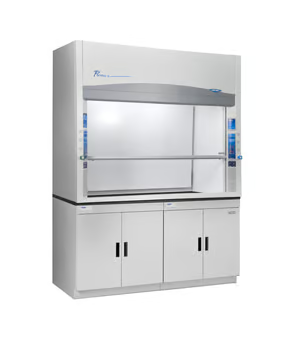
Fume Hoods
Ventilates hazardous fumes or vapors from chemicals.
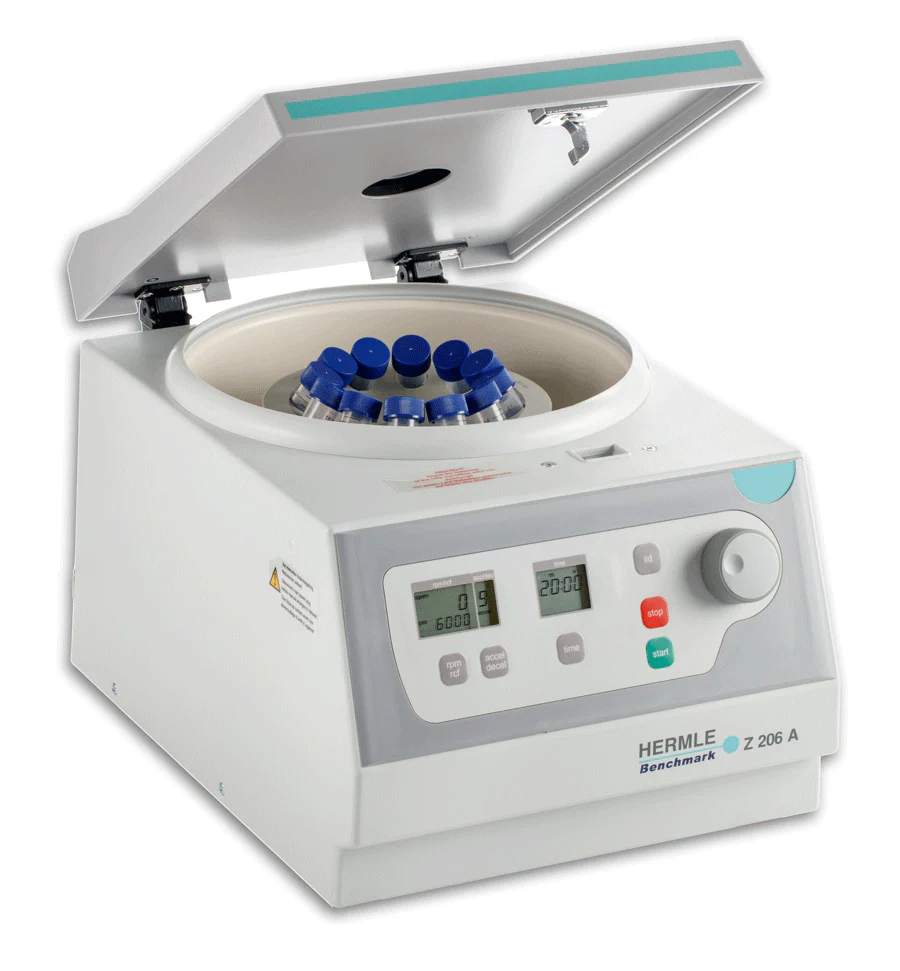
Centrifuges
Used to separate components of a mixture by spinning at high speed.
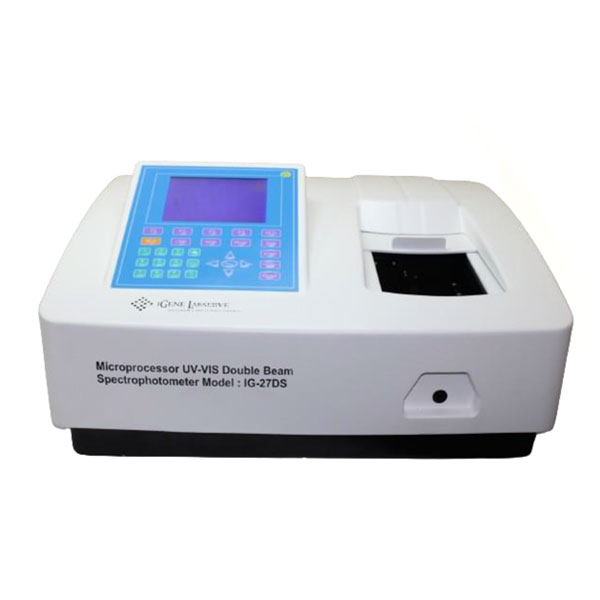
Spectrophotometers
Measures the intensity of light absorbed or transmitted by a sample.
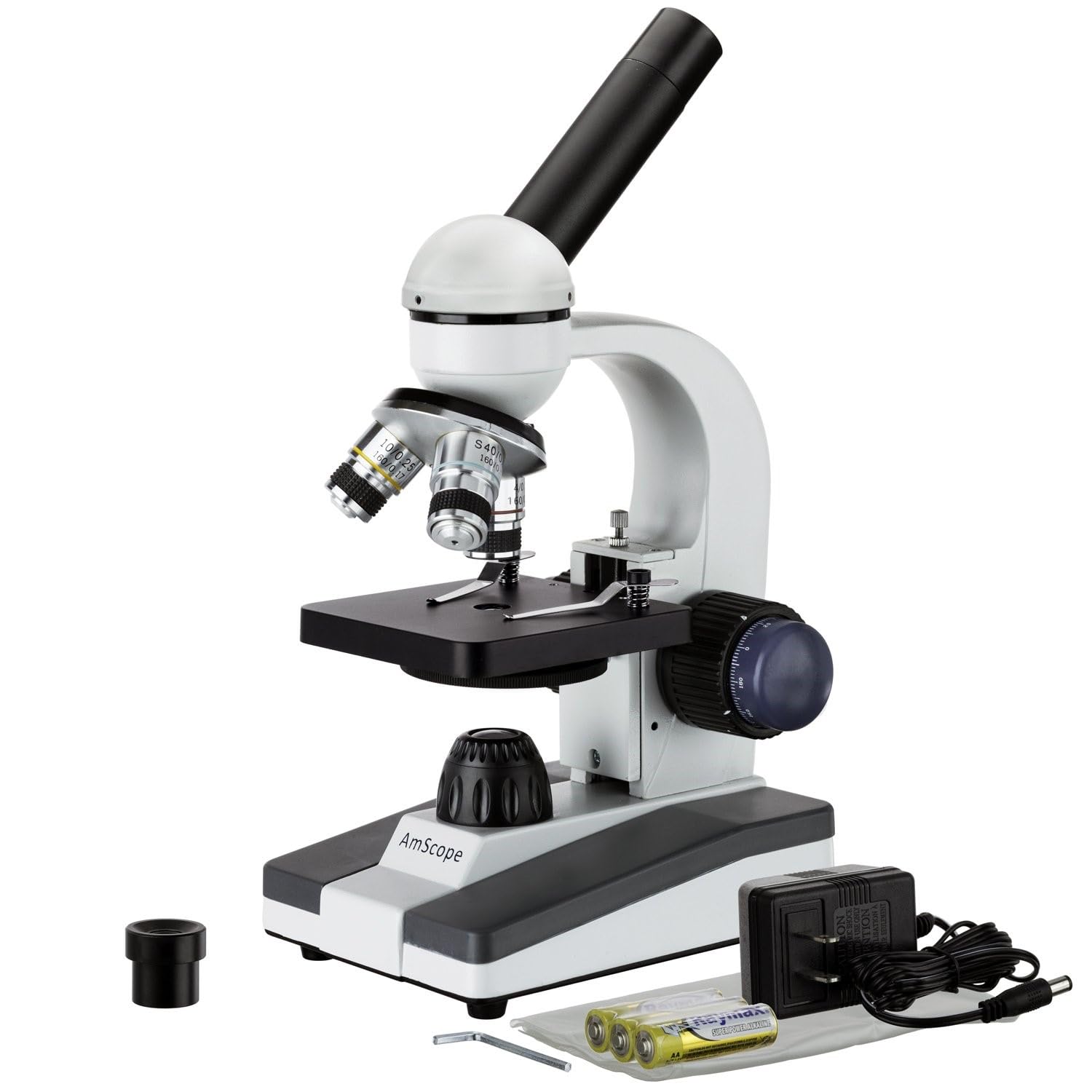
Microscopes
Used for observing small samples at high magnification.
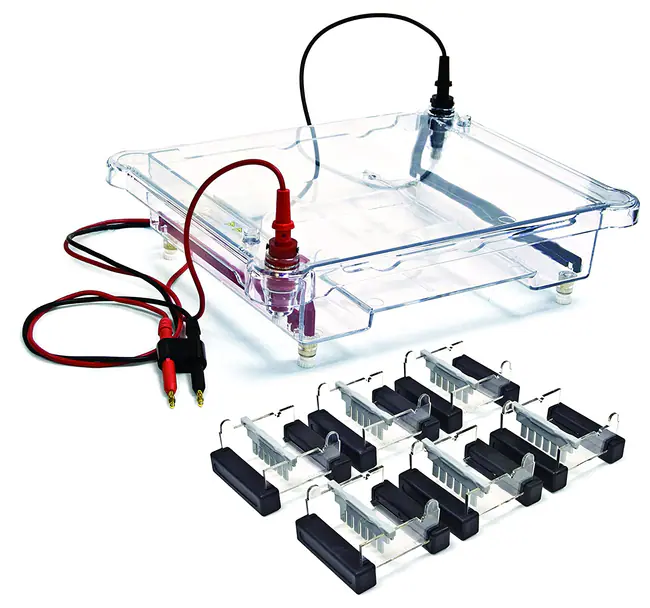
Electrophoresis Equipment
Used to separate molecules based on size, charge, and other properties.
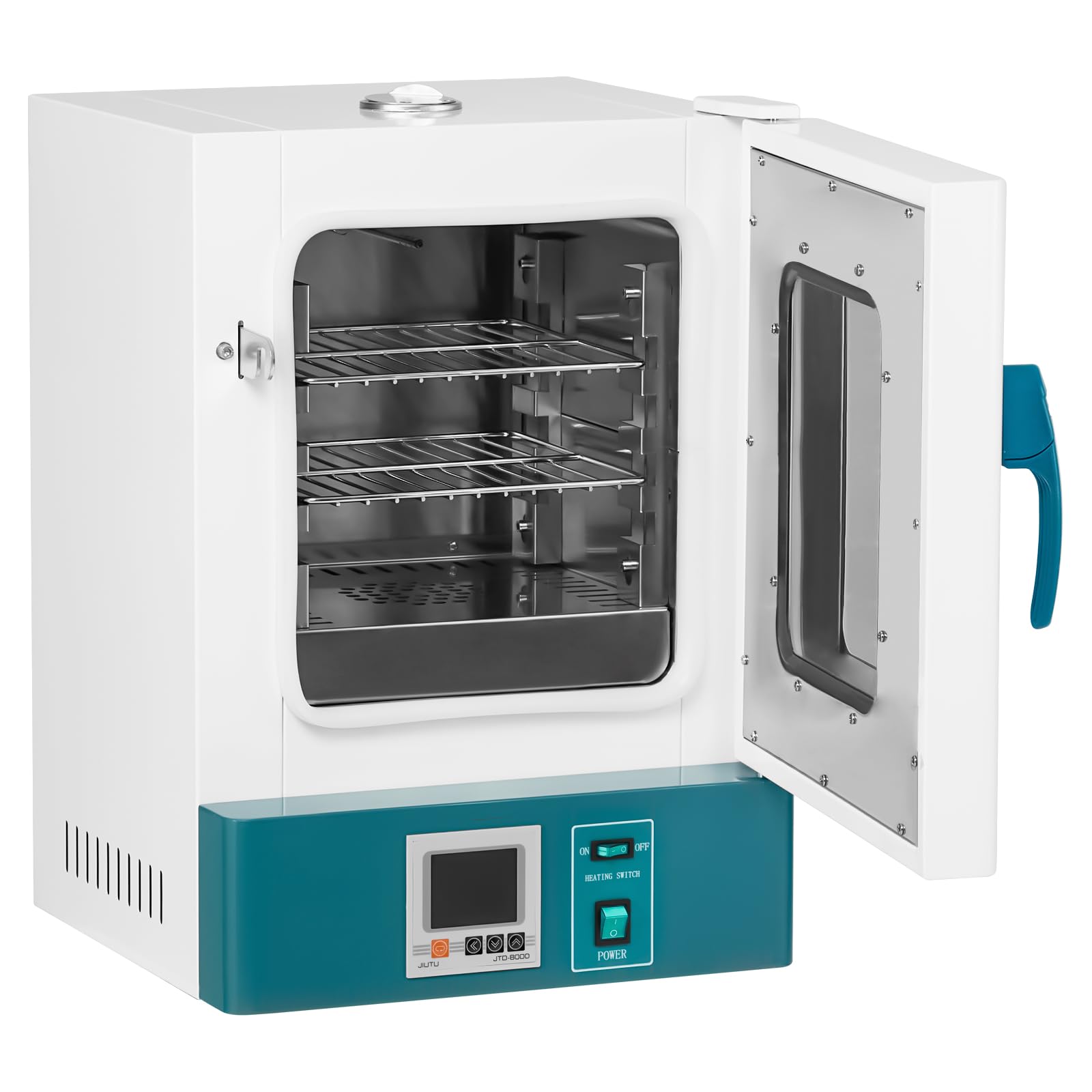
Incubators
Provides a controlled temperature environment for culturing cells or bacteria.
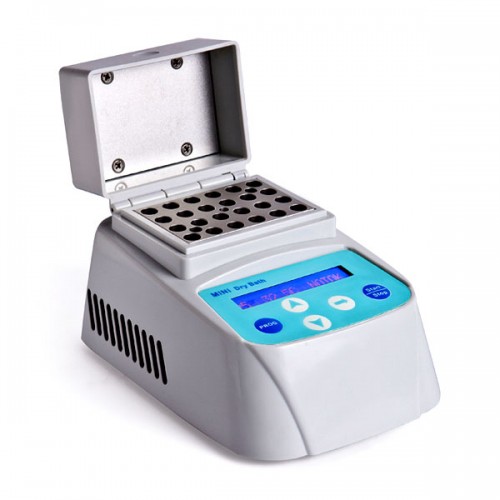
Heat/Cool Blocks
Used to heat or cool samples at controlled temperatures.
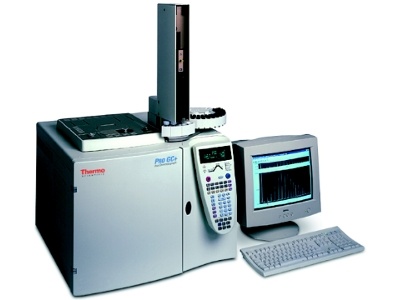
Chromatography Equipment
Used to separate components of a mixture in liquid or gas chromatography.
Micropipettes & Serological Pipettes Safety/Use Considerations
Always check the pipette for damage. Use proper technique to avoid contamination. Calibrate regularly to ensure accurate measurements. Dispose of pipette tips and serological pipets properly.
Electronic Balances Safety/Use Considerations
Ensure the balance is on a flat, stable surface. Always zero the balance before use. Avoid placing substances directly on the balance surface; use a weighing boat or paper.
pH Meters Safety/Use Considerations
Calibrate the pH meter regularly using standard buffer solutions. Clean the electrode after each use. Handle with care to avoid damage.
Stirrers/Shakers Safety/Use Considerations
Ensure containers are securely placed to avoid spills. Use appropriate speed and time settings for your application.
Vortexer Safety/Use Considerations
Do not leave the vortexer unattended. Ensure that the tube is properly placed to avoid splashes or spills.
Water Baths Safety/Use Considerations
Do not submerge electrical components in water. Always monitor temperature settings. Avoid overheating samples.
Autoclaves Safety/Use Considerations
Ensure doors are properly closed before starting. Follow proper loading procedures and always allow equipment to cool before opening.
Biological Safety Cabinets (BSC) Safety/Use Considerations
Regularly check airflow and filters. Always work within the designated work area and keep the airflow clear.
Fume Hoods Safety/Use Considerations
Always keep the sash at the recommended height. Never block the airflow or place objects in front of the exhaust vents.
Centrifuges Safety/Use Considerations
Always balance the centrifuge tubes. Close the lid before starting, and never open the lid while the rotor is still spinning.
Spectrophotometers Safety/Use Considerations
Clean the sample holders before use. Calibrate regularly with standard solutions.
Microscopes Safety/Use Considerations
Always use the correct objective lens for your sample. Handle lenses and slides carefully. Clean lenses with proper materials.
Electrophoresis Equipment Safety/Use Considerations
Ensure proper gel preparation and voltage settings. Use personal protective equipment (PPE), such as gloves and goggles, when handling chemicals and electrical equipment
Incubators Safety/Use Considerations
Regularly check the temperature settings. Use proper labeling and avoid overcrowding the incubator.
Heat/Cool Blocks Safety/Use Considerations
Set the correct temperature before use. Always ensure proper sample placement to avoid contamination.
Chromatography Equipment Safety/Use Considerations
Use proper solvents and ensure safe handling of chemicals. Clean equipment thoroughly after use.