chp. 1: cells
 Call Kai
 Learn
Learn Practice Test
 Spaced Repetition
 Match
Match Flashcards
 Knowt Play
1/54

There's no tags or description
Looks like no tags are added yet.
Name | Mastery | Learn | Test | Matching | Spaced | Call with Kai | Chat |
|---|
No analytics yet
Send a link to your students to track their progress
55 Terms
Cell Theory
A major concept stating that all living cells have similar basic chemistry, self-replicate, evolved from a common ancestral cell, and have genetic instructions provided by genes.
Autocatalysis
A reaction where a molecule catalyzes its own formation, crucial for the origin of life according to RNA world hypothesis.
Ribozymes
RNA molecules that have enzymatic activity and can catalyze reactions such as RNA splicing and polymerization.
Prokaryotes (Bacteria + Archaea)
Cells that lack a nucleus and membrane-bound organelles; includes Bacteria and Archaea.
most diverse
No nucleus
No membrane-bound organelles
Single circular chromosome +plasmids
May have:
Cell wall (not in animal eukaryote cells)
Capsule
Flagella
Plasmids
Some prokaryotes:
Are photosynthetic
Can form simple multicellular chains
Have internal membranes
Eukaryotic Cell
Cells that contain a nucleus, membrane-bound organelles, and a complex cytoskeleton.
least diverse
Nucleus → stores DNA
Mitochondria → make ATP (energy)
Chloroplasts (plants/algae) → photosynthesis
Internal membranes → compartmentalize functions
Cytoskeleton → movement & structure
Many eukaryotes are single-celled, not just animals/plants.
Mitochondria
Organelles in eukaryotic cells that generate energy from food molecules and contain their own DNA.
Membrane-enclosed organelle, about the size of a bacterium, that carries out oxidative phosphorylation and produces most of the ATP in eukaryotic cells
Energy production
only in eukaryotes
Own DNA
Double membrane
Once free-living bacteria
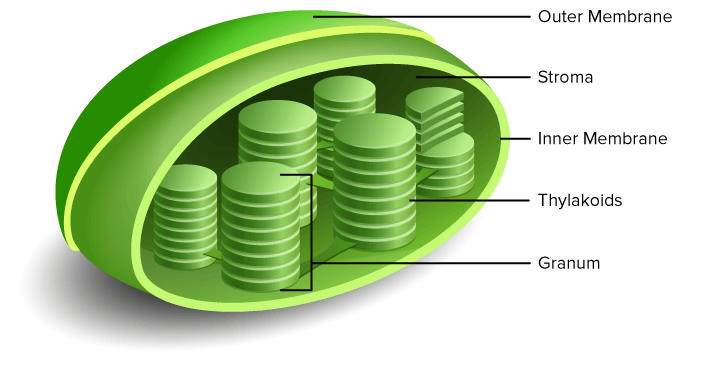
Chloroplasts
Specialized organelle in algae and plants that contains chlorophyll and serves as the site for photosynthesis.
capture sunlight energy for photosynthesis and contain their own DNA.
Photosynthesis
Own DNA
Larger than mitochondria
Double membrane + thylakoids
Once free-living cyanobacteria
thylakoid contains the chlorophyll (photosynthetic pigment)
Endosymbiosis
The theory that mitochondria and chloroplasts originated from free-living prokaryotes that were engulfed by ancestral eukaryotic cells.
Evidence:
Mitochondria & chloroplasts:
Have their own DNA
Resemble prokaryotes in size
genomic sequences resemble those of prokaryotes
Divide independently of mitosis
Have double membranes
Genes transferred to nucleus → can’t live independently now
RNA world hypothesis
The idea that early life forms may have relied solely on RNA for storing genetic information and catalyzing chemical reactions before the evolution of DNA and proteins.
evidence:
RNA enzymes exist (ribozymes)
RNA viruses replicate without DNA
Ribosome = mostly RNA
Protein synthesis is catalyzed by rRNA
➡ DNA later became the main info storage
➡ Proteins took over most catalytic roles
Cytoskeleton
A network of fibers in eukaryotic cells that helps maintain cell shape and facilitates movement.
Flow of information in a cell: central dogma
DNA synthesis (replication) -> RNA synthesis (transcription)-> Protein synthesis (translation)
ribonucleoprotein
RNA + protein with enzyme activity
What are all enzymes?
Proteins (amino acids)
Evidence for the RNA World:
a. Genome replication in some RNA viruses.
b. Intron splicing in the protozoan Tetrahymena.
c. Ribosome function in translation.
peptide bond formation in protein synthesis catalyzed by peptidyl transferase a rRNA
d. Some RNA Molecules (ribozymes) have enzymatic activity (RNA splicing, ligation, polymerization)
Cell Theory
-all living things are composed of cells,
-cells are the basic units of structure and function in living things
-new cells are produced from existing cells
Cell Diversity
Living cells have similar basic chemistry but can vary in appearance and function.
Living cells are self-replicating collections of catalysts.
All cells evolved from the same ancestral cell.
Genes provide the instructions for form, function, and behavior of cells.
Life requires autocatalysis.
a chemical reaction where the products of the reaction also catalyze the same reaction.
RNA is thought to to predate DNA (and likely proteins) in evolution.
What has no nucleus, no organelles, a single (typically circular) chromosome, cell wall, and capsule?
a. Bacteria
b. Archae
c. Prokaryotes
d. Eukaryotes
c. Prokaryotes
What is the distinguishing feature of eukaryotic cells?
Nucleus. It contains most of the DNA in the cell (the rest is in the mitochondria).
What has a nuclear envelope, membrane-bound organelles, and a cytoskeleton?
a. Prokaryotes
b. Eukaryotes
c. Archae
b. Eukaryotes
What eukaryotic organelle generates most of the cell's supply of useable energy and contain DNA?
Mitochondria (originally endosymbionts)
The process in the inner mitochondrial membrane that converts ADP to ATP (known as oxidative phosphorylation) consumes oxygen.
What organelle contains DNA and harvests energy from sunlight through photosynthesis?
Chloroplasts. They are also larger than mitochondria.
a polyphyletic group of single-celled eukaryotes, either free-living or parasitic, that feed on organic matter such as other microorganisms or organic debris.
Protozoa
Bacteria are the most diverse domain and Archae are the least described.
What is the third membrane system of the chloroplast?
The thylakoid. This contains the chlorophyll (photosynthetic pigment).
Anabeana cylindrica
Photosynthetic bacteria- form filaments of specialized cells.
They have nitrogen fixing, photosynthetic, and weather resistant spores.
Phormidium laminosum
Photosynthetic bacteria that contain intracellular membranes where photosynthesis occurs.
What domain has a unique cell wall chemistry and membrane lipids¿
Archea. (Many live in extreme environments. They are more similar to eukaryotes than bacteria.)
What properties are common to all living cells?
similar basic chemistry but difference in appearance and function.
self-replicating collections of catalysts
all cells evolved from the same ancestral cell (all cells come from other preexisting cells)
genes provide the instructions for form, function, and behavior of cells.
What is the evidence for an RNA world predating the current DNA-based world?
Ribozymes have enzymatic activity -> RNA splicing, ligation, polymerization.
This is observed in genome replication in some RNA viruses, intron splicing in the protozoan Tetrahymena, ribosome function in translation.
Peptide bond formation is catalyzed by peptide transferase (a large ribosomal subunit)
What distinguishes the three domains from each other?
Prokaryotes- no nucleus, no organelles, a single (typically circular) chromosome, cell wall, and capsule.
Archae are the least described. They have unique cell wall chemistry and membrane lipids. many live in extreme environments.
Bacteria are the most diverse domain.
Eukaryotes- have a nuclear envelope, membrane-bound organelles, and a cytoskeleton.
How did a eukaryotic cell evolve from a prokaryote?
viruses
do not have the ability to reproduce by their own efforts. Instead, they parasitize the reproductive machinery of the cells that they invade to make copies of themselves. Without a host cell to aid them, viruses are inert and, therefore, are not generally considered to be living
genome
The total genetic information (entire set of nucleotides) carried by all the chromosomes of a cell or organism; in humans, the total number of nucleotide pairs in the 22 autosomes plus the X and Y chromosomes.
instructs cell how to function
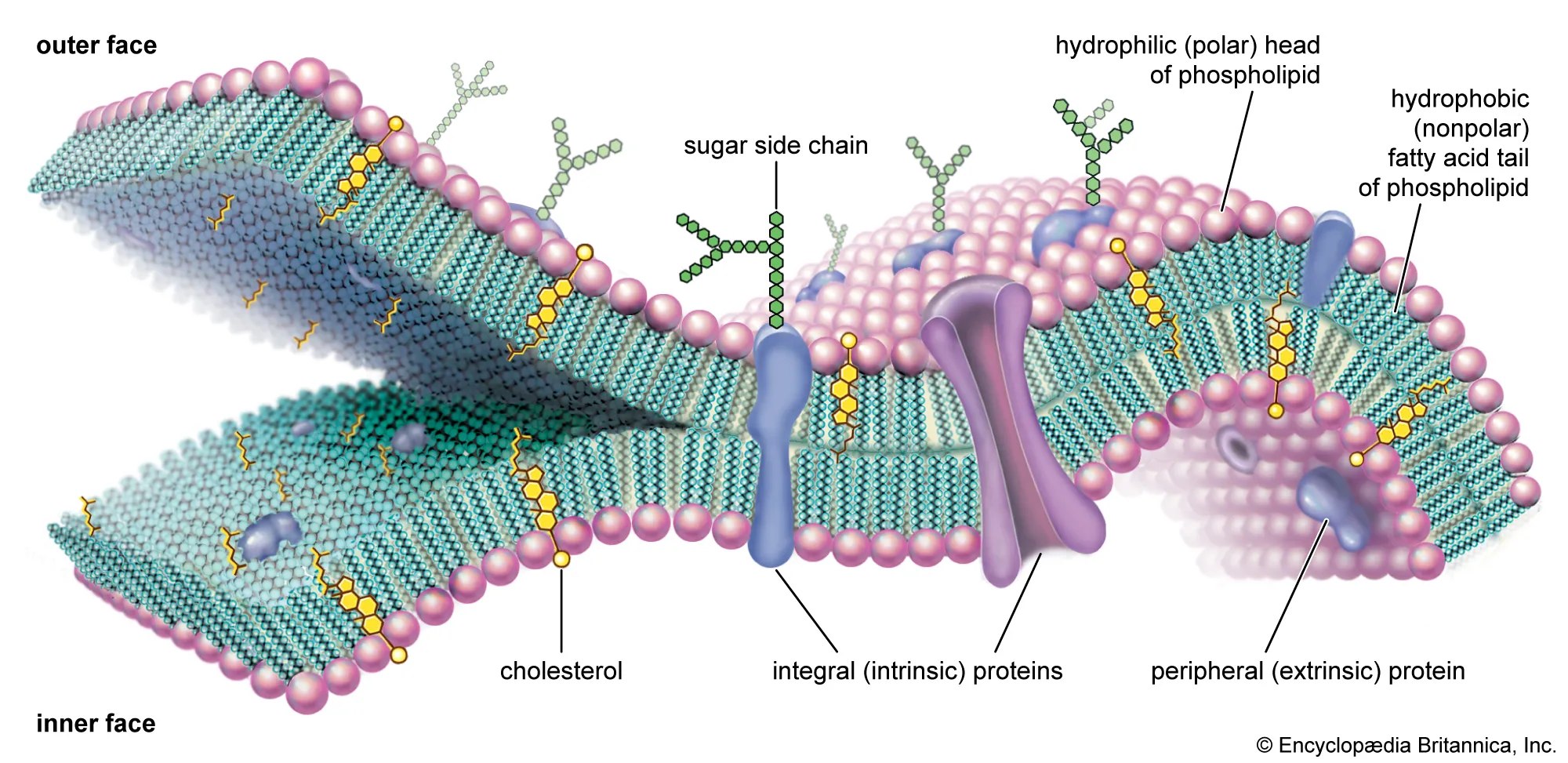
plasma membrane
The protein-containing lipid bilayer that surrounds a living cell.
in both prokaryotic and eukaryotic cells (and mitochondria + chloroplast)
Internal Membranes Create Intracellular Compartments with Different Functions
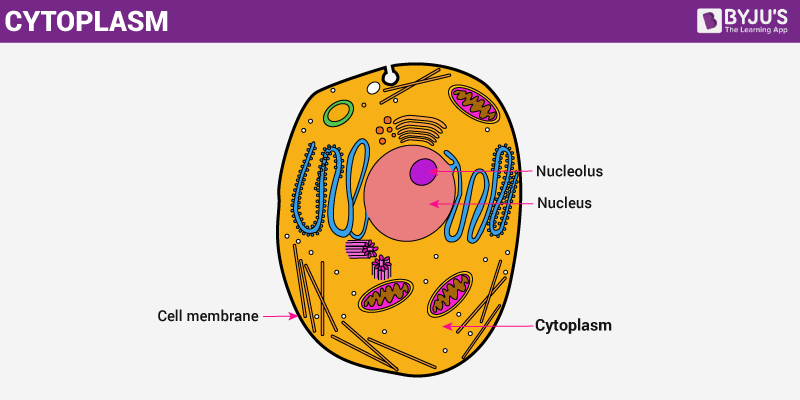
cytoplasm
Contents of a cell that are contained within its plasma membrane but, in the case of eukaryotic cells, outside the nucleus.
in both prokaryotes + eukaryotes
nucleus
information store of the cell, contains DNA
eukaryotes only
has nuclear envelope = the double membrane surrounding and defining the nucleus, separating its contents (like DNA) from the cytoplasm,
mitochondria
generates usable energy from food molecules
only in eukaryotes
archaea
Prokaryotic
Unique membranes & cell walls
Often extreme environments (hot springs)
Genetically closer to eukaryotes than bacteria
one of the 3 major domains of life
what are the 3 domains of life?
eukaryotes, bacteria, and archaea
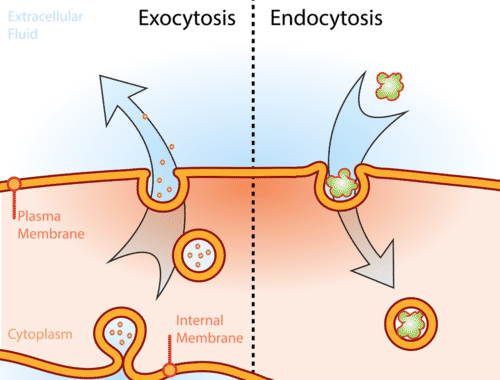
endocytosis
import mediated by the formation of endocytic vesicles
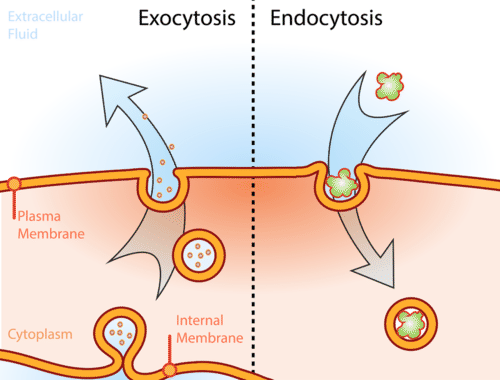
exocytosis
export secretory vesicles
cells shift materials, such as waste products, from inside the cell to the extracellular space.
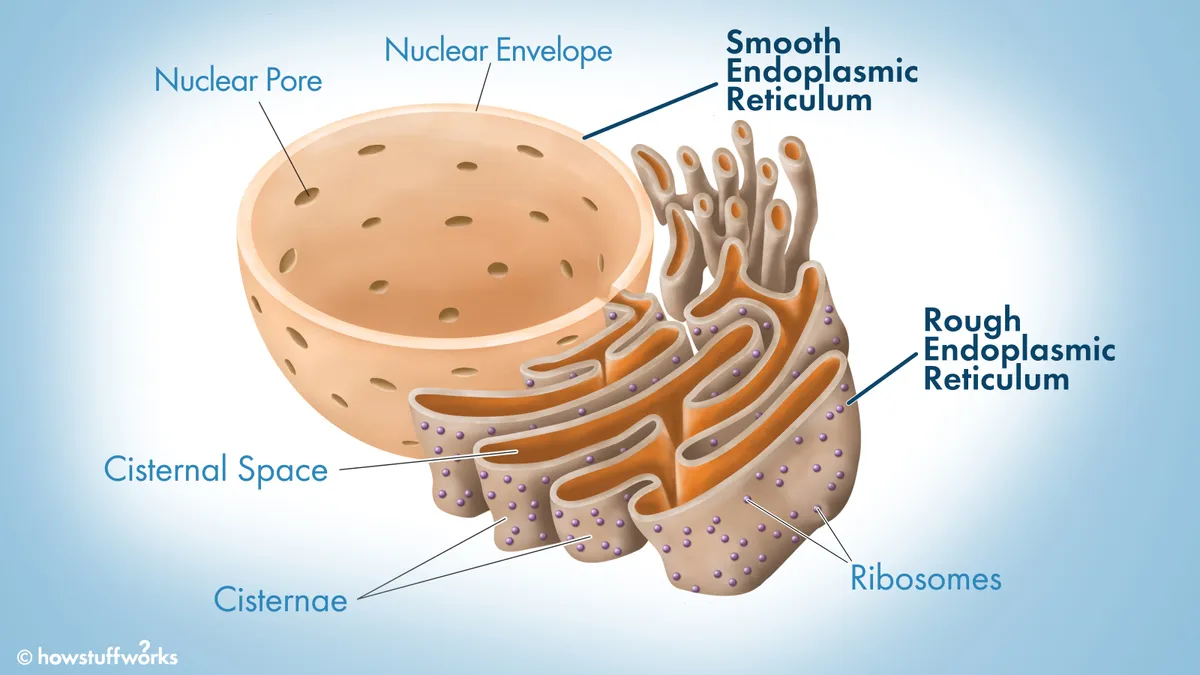
endoplasmic reticulum
Labyrinthine membrane-enclosed compartment in the cytoplasm of eukaryotic cells where lipids and proteins are made.
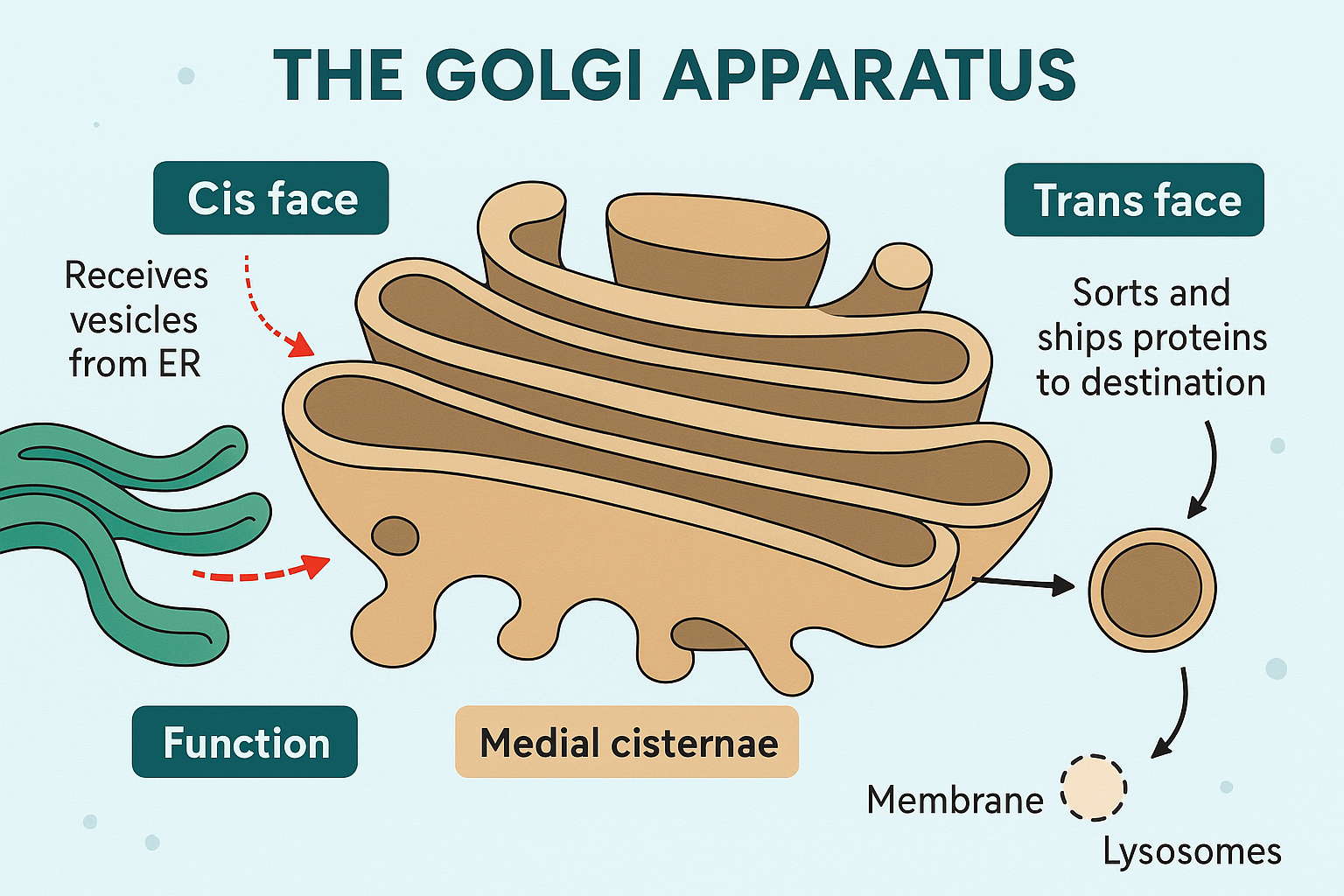
golgi apparatus
Membrane-enclosed organelle in eukaryotic cells that modifies the proteins and lipids made in the endoplasmic reticulum and sorts them for transport to other sites.
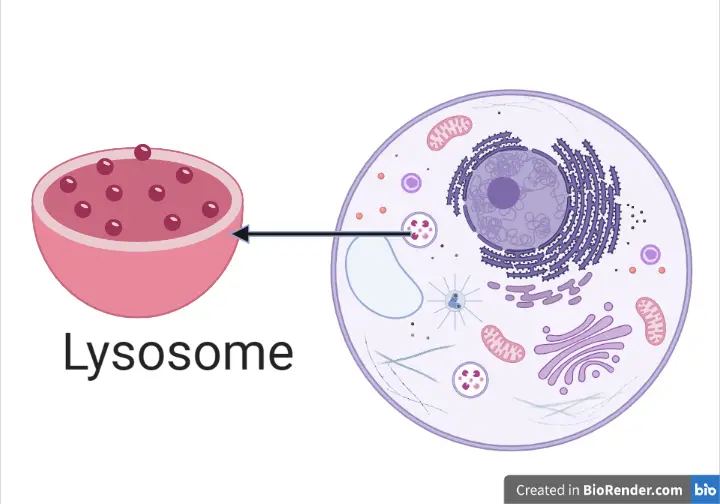
lyososomes
an organelle in the cytoplasm of eukaryotic cells containing degradative enzymes enclosed in a membrane.
intracellular digestion occurs, releasing nutrients from ingested food particles into the cytosol and breaking down unwanted molecules for either recycling within the cell or excretion from the cell.
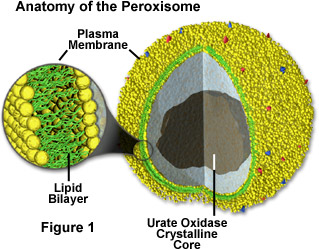
peroxisomes
single-membrane-bound, eukaryotic organelles that act as metabolic centers for breaking down fatty acids and toxic compounds, notably hydrogen peroxide
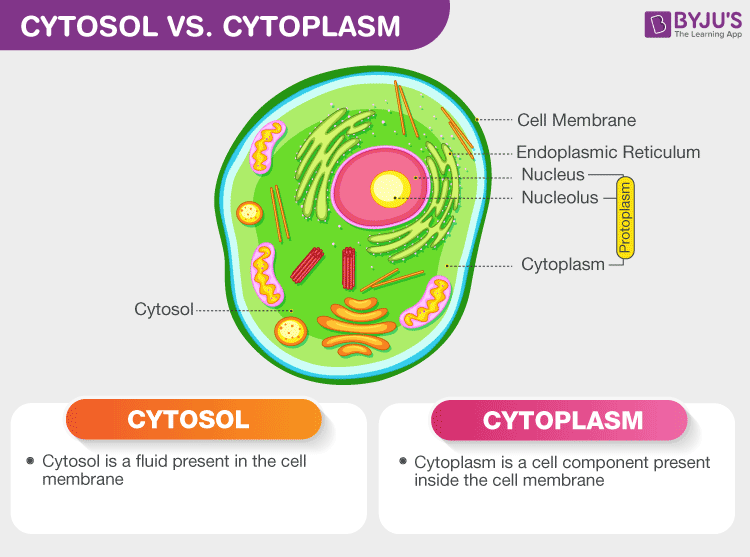
cytosol
Contents of the main compartment of the cytoplasm, excluding membrane-enclosed organelles such as the endoplasmic reticulum and mitochondria. Also used to refer to the cell fraction remaining after membranes, cytoskeletal components, and other organelles have been removed.
specifically the fluid-like, jelly-like substance within the cytoplasm that surrounds these organelles.
is in constant motion (not static!)
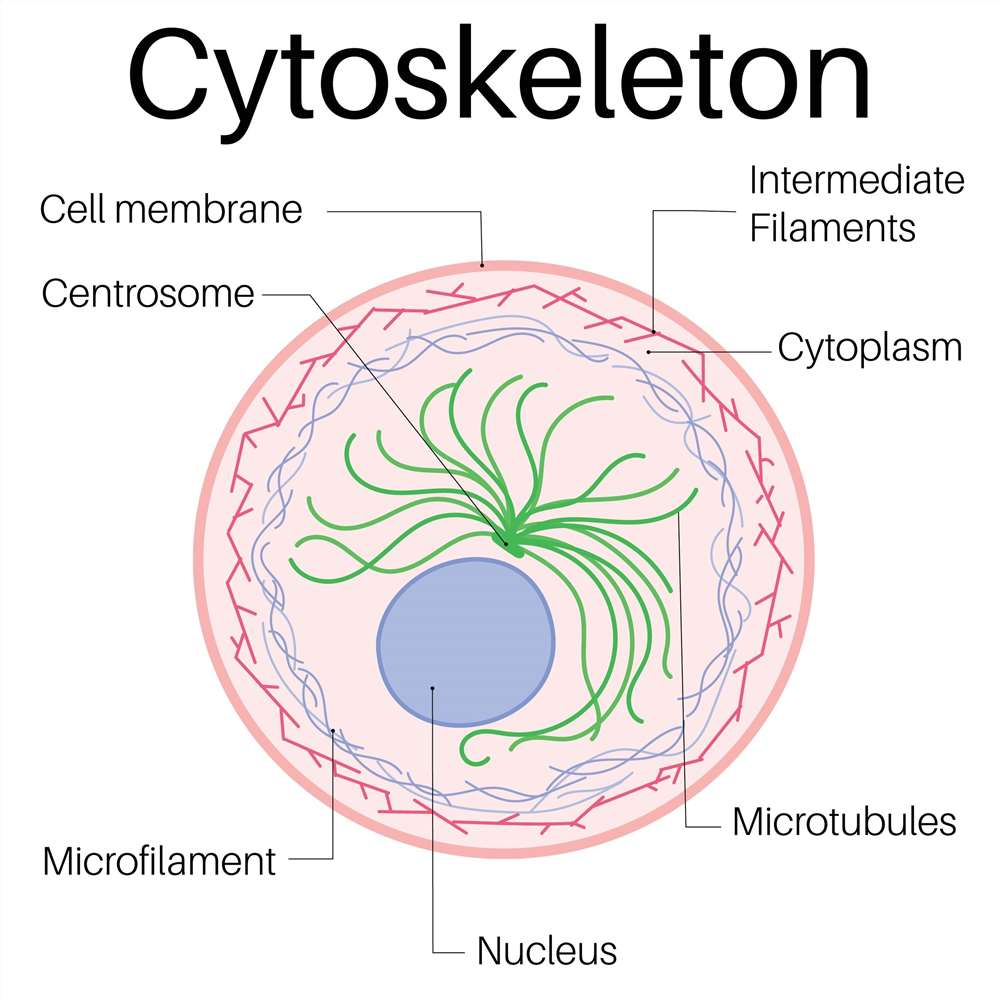
cytoskeleton
System of protein filaments in the cytoplasm of a eukaryotic cell that gives the cell shape and the capacity for directed movement.
3 major filament types:
actin filaments (thinnest, abundant in muscle cells)
microtubules (thickest)
intermediate filaments
protozoans
A free-living, nonphotosynthetic, single-celled, motile eukaryote.
“Many Eukaryotes Live as Solitary Cells”
What properties are common to all living cells?
A plasma membrane, cytoplasm, DNA as genetic material, ribosomes for protein synthesis, and the ability to carry out metabolism and reproduce.
What distinguishes the three domains from each other?
Bacteria: Prokaryotic cells with unique cell walls and membrane lipids.
Archaea: Prokaryotic but genetically and biochemically distinct from bacteria.
Eukarya: Cells with a nucleus and membrane-bound organelles.
How did a eukaryotic cell evolve from a prokaryote?
Through endosymbiosis, where a host prokaryote engulfed other prokaryotes that became organelles like mitochondria and chloroplasts.
evidence:
Mitochondria and chloroplasts have their own circular DNA, ribosomes similar to bacteria, double membranes, and replicate independently.