Wrong - Bio/Biochem
 Call Kai
 Learn
Learn Practice Test
 Spaced Repetition
 Match
Match Flashcards
 Knowt Play
1/87

Earn XP
Description and Tags
MCAT Mistakes Made
Name | Mastery | Learn | Test | Matching | Spaced | Call with Kai | Chat |
|---|
No analytics yet
Send a link to your students to track their progress
88 Terms
Oxidation Number Rule 1
Assign 0 to elements in their pure form.
Oxidation Number Rule 2
Assign the ion’s charge to monoatomic ions.
Oxidation Number Rule 3
Assign +1 to Group 1 metals and +2 to Group 2 metals.
Oxidation Number Rule 4
Assign –1 to fluorine.
Oxidation Number Rule 5
Assign +1 to hydrogen, or –1 in metal hydrides.
Oxidation Number Rule 6
Assign –2 to oxygen, or –1 in peroxides
Oxidation Number Rule 7
Assign –1 to halogens, unless bonded to oxygen.
Oxidation Number Rule 8
Ensure the sum of oxidation numbers equals 0 for neutral compounds or the ion’s charge for polyatomic ions.
Astrocyte Function in Brain
Maintain blood-brain barrier
Oligodendrocyte function in brain
Myelinate axons in CNS
Ependymal Cells in Brain Function
Line ventricles/produce CSF (cerebrospinal fluid)
Function of Prolactin and Produced Where?
Produced: Anterior Pituitary
Function: Produce breast milk
Regulation: Inhibited by dopamine secretion by hypothalamus
Function of Aldosterone and Produced Where?
Produced: Adrenal Cortex
Function: Regulates blood pressure, fluid balance, and electrolyte levels. Increases when blood volume is low, decreases when blood volume is high.
Regulation: Regulated by renin-angiotensin-aldosterone system (RAAS) and plasma potassium levels
Function of Calcitonin and Produced Where?
Produced: Thyroid Gland
Function: Lowers calcium levels in blood
Regulation: High calcium levels in blood
Function of Vasopressin and Produced Where?
Produced: Posterior Pituitary (Direct from Hypothalamus)
Function: Blood pressure/water retention
Function of Oxytocin and Produced Where?
Produced: Posterior Pituitary (Direct from Hypothalamus)
Function: Lactation and Labor
Fluidity of trans vs cis double bonds in cell membrane
cis double bonds increase fluidity more than trans double bonds
Detruscor Muscle
Smooth muscle lining the bladder
Relaxed when bladder filling up with urine, contracts when time to pee
Involuntary
Internal Urethral Sphincter
Smooth muscle allowing urine out of bladder
Involuntary, must relax to allow urine out of bladder, contracts when bladder filling up thus not allowing urine to escape
External Urethral Sphincter
Skeletal muscle. Must relax to allow urine out of bladder, contracts to prevent urine from escaping. Voluntary.
Sliding Filament Model of Muscle Contraction Step 1
Nerve signals release a chemical called acetylcholine to start muscle contraction.
Sliding Filament Model of Muscle Contraction Step 2
Acetylcholine causes calcium ions to be released from storage in the muscle.
Sliding Filament Model of Muscle Contraction Step 3
Calcium ions attach to troponin, moving tropomyosin aside and exposing binding sites on actin.
Sliding Filament Model of Muscle Contraction Step 4
Myosin heads grab onto the exposed actin sites, forming connections.
Sliding Filament Model of Muscle Contraction Step 5
Myosin heads pull the actin filaments toward the center of the muscle, which is powered by the release of ADP and Pi. (Power Stroke)
Sliding Filament Model of Muscle Contraction Step 6
A new ATP molecule attaches to myosin, causing it to let go of actin.
Sliding Filament Model of Muscle Contraction Step 7
ATP is used to reset the myosin head for the next cycle.
T-state of Hemoglobin
Low oxygen affinity 0-20 pO2
T-R state of Hemoglobin
Positive cooperativity 20-50 pO2
R-state of Hemoglobin
High oxygen affinity 50+ pO2
Right shift on oxygen dissociation curve
Decreased affinity for oxygen
Causes:
Greater CO2
Greater [H] (more acidic)
Greater temp
Greater 2,3-bisphosphoglycerate
Left shift on oxygen dissociation curve
Increased affinity for oxygen
Causes:
Decrease CO2
Decrease [H] (more basic)
Decreased temp
Greater 1,3-bisphosphoglycerate
Glucose
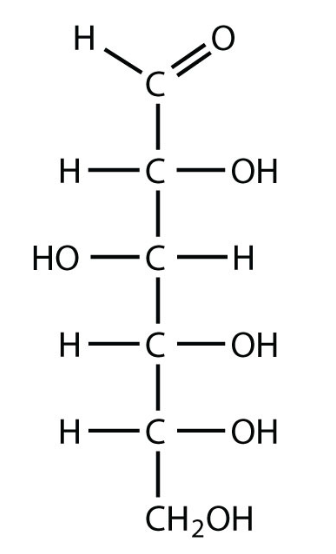
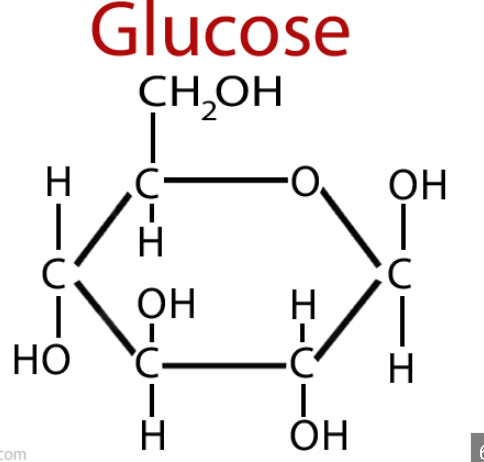
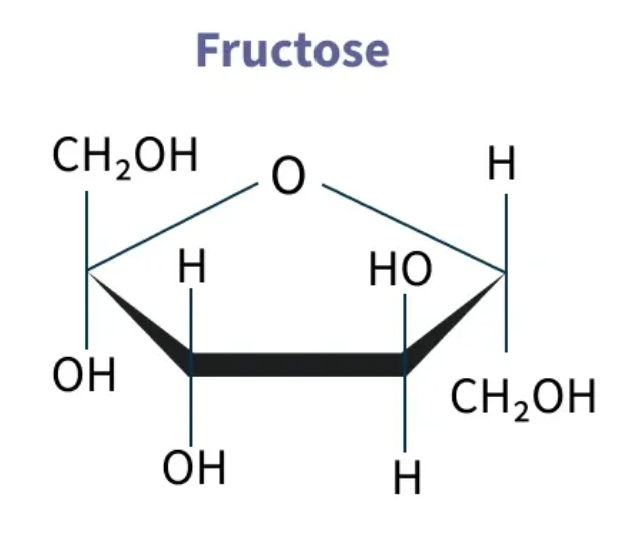
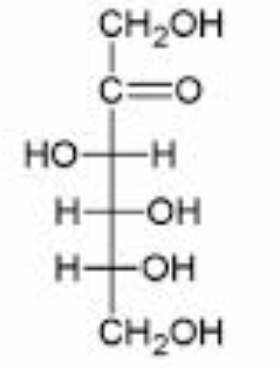
Fructose
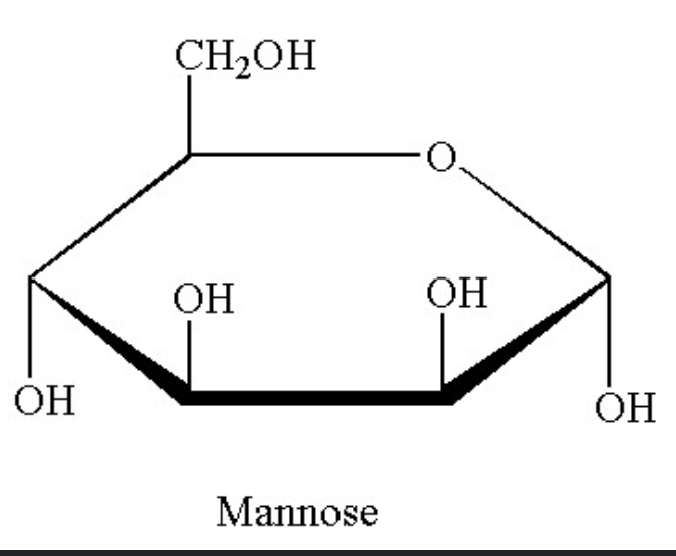
Mannose
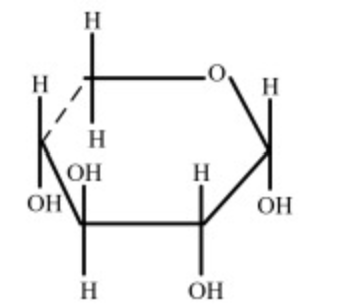
Xylose
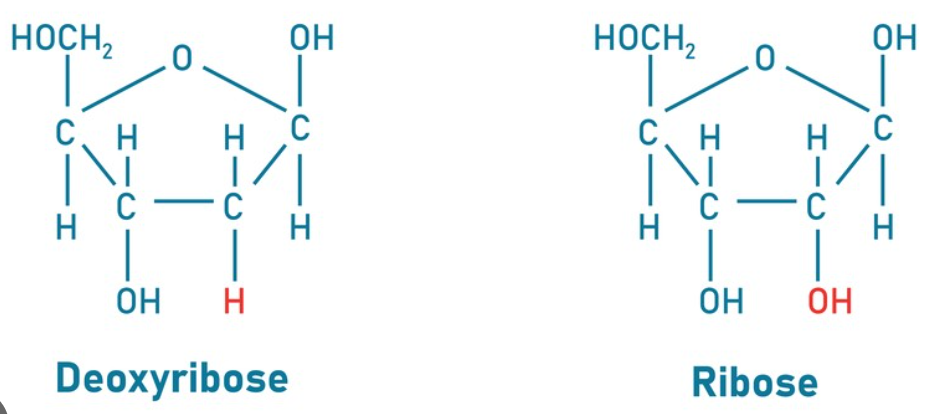
Ribose
Sugar L or D?
Anomeric carbon is made as 1. Count to highest number carbon.
If R then D
If S then L
Sugar alpha or beta?
Alpha if anomeric carbon substituent and highest number carbon substituent opposite
Beta if anomeric carbon substituent and highest number carbon substituent same
Molar mass of glucose?
180g/mol
Protein aggregates are formed between secondary structures, what bonds does this involve?
Hydrogen bonds and hydrophobic core
Phosphate backbones are … charged and need to be buffered by … charges to bind to nucleotides that are also … charged
negatively, positive, negatively
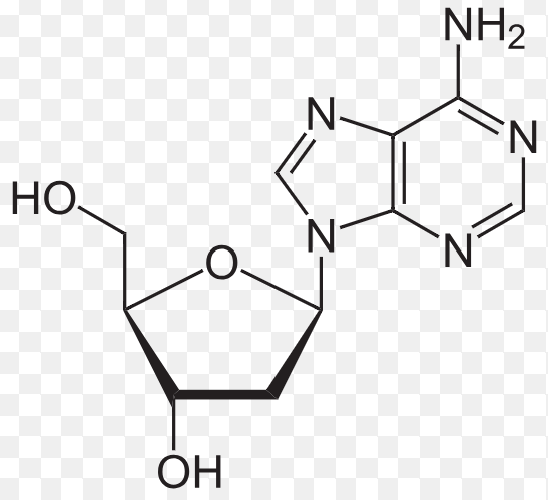
A nucleoside is…
A nucleotide without phosphate group
Hypotension
Low blood pressure, volume decrease in blood vessels. Counteracted by aldosterone.
Hypertension
High blood pressure, increase in volume in blood vessels
Osteoclast
Cells that breakdown bones to release calcium in blood. Increased activity by PTH
Osteoblast
Cells that build up bones by taking calcium from blood.
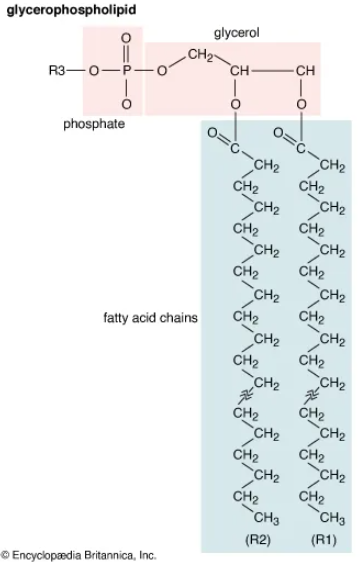
Phospholipid Structure
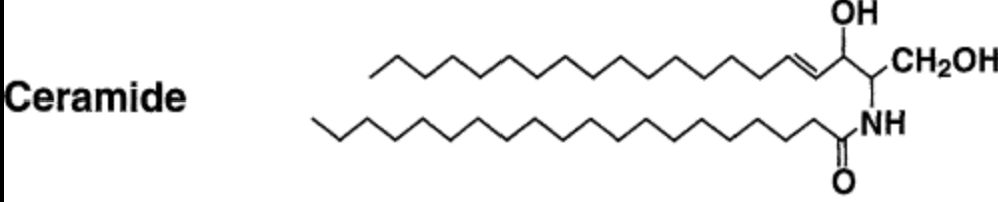
Ceramide Stucture
Sphingomyelin Structure

Concentration Cell
Galvanic cell with same metal so overall cell potential of 0 V
Somatotropin (Growth Hormone)
Secreted by pituitary gland
Promotes release of fatty acids from adipose tissue in bloodstream
Loop of Henle Form and Function
Hairpin tube in nephron of kidney
Generates concentrated urine to conserve body water
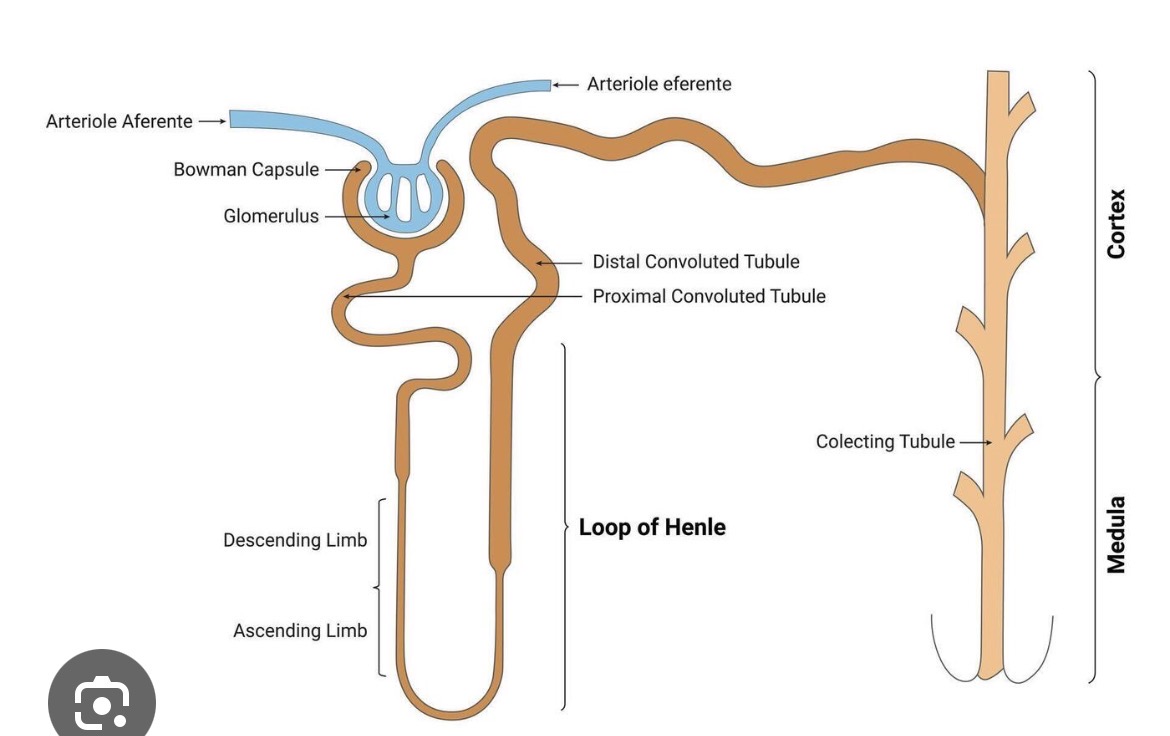
Loop of Henle Thin Descending Limb
Very permeable to water
Impermeable to salts
Water filters out to concentrate waste
Loop of Henle Thin Ascending Limb
Impermeable to water
Permeable to salts
Allow salts to be reabsorbed
Loop of Henle Thick Ascending Limb
Impermeable to water
Pumps out electrolytes
How is the hypertonicity (higher concentration) of the medulla maintained?
High NaCl and Urea concentration outside of the medulla so that water flows out of the collecting ducts to be reabsorbed by the body.
1 amino acid weight?
110 Daltons
Heterochromatin
Deacytelated histones
Tightly bound to DNA
Positively charged lysines sticking out
Euchromatin
Acetylated histones
DNA accessible
Neutralized lysines
Small intestine order
Duodenum, Jejunum, Ileum
Large intestine order
Colon, Cecum, Rectum
Bulburethral gland
Precum, alkaline to handle acidity of vagina
Configuration of amino acids
All amino acids are L confi naturally
All amino acids S naturally EXCEPT CYSTEIN WHICH IS R
Starvation Response
Low Glucose
Glucagon release
Glycogenolysis
Break down of triacylglycerols to glycerol and fatty acids in liver
Glycerol to G3P for gluconeogensis
Fatty acids oxidized to acetyl-coa for TCA energy production
Excess acetyl-coa turned to ketone bodies
Complex 2 Key Facts
Also known as succinate dehydrogenase
Runs parallel to complex 1
Uses succinate to convert FAD to FADH2 in TCA cycle
Complex 2 then turns FADH2 to FAD, takes the electrons and passes them to complex 3
Glucogenic amino acids function
Converted into glucose precursors such as
pyruvate
α-ketoglutarate
Succinyl-CoA
Fumarate
Oxaloacetate
Glucogenic amino acids list?
Alanine
Arginine
Asparagine
Aspartic acid
Cysteine
Glutamic acid
Glutamine
Glycine
Histidine
Methionine
Proline
Serine
Valine
Ketogenic amino acids function
Broken down into acetyl-Coa or acetoacetyl-CoA
Ketogenic amino acids list?
Leucine
Lysine
Both ketogenic and glucogenic amino acids?
Isoleucine
Phenylalanine
Threonine
Tryptophan
Tyrosine
Menstruation occurs?
When FSH and LH are at their lowest
Ovulation occurs?
During LH spike.
ADH (antidiuretic hormone) does what?
Less peeing
Increased water reabsorbtion
Increases permeability of water in collecting duct
Increases blood volume and thus pressure because more water will return to blood
The carnitine shuttle
Moves fatty acids into mitochondrion for beta oxidation
The malate-aspartate shuttle
Interconverts malate and aspartate in both the mitochondria and the cytosol. NADH in cytosol is consumed to generate NADH in mitchondrion
The citrate shuttle
Moves fatty acids out of mitochondrion for fatty acid synthesis
The glycerol-3-phosphate shuttle
Transports electrons from NADH in cytosol to FADH2 in mitochondrion.