MedChem Exam 3
 Studied by 0 people
 Call Kai
 Learn
Learn Practice Test
 Spaced Repetition
 Match
Match Flashcards
 Knowt Play
1/126

There's no tags or description
Looks like no tags are added yet.
Name | Mastery | Learn | Test | Matching | Spaced |
|---|
No study sessions yet.
127 Terms
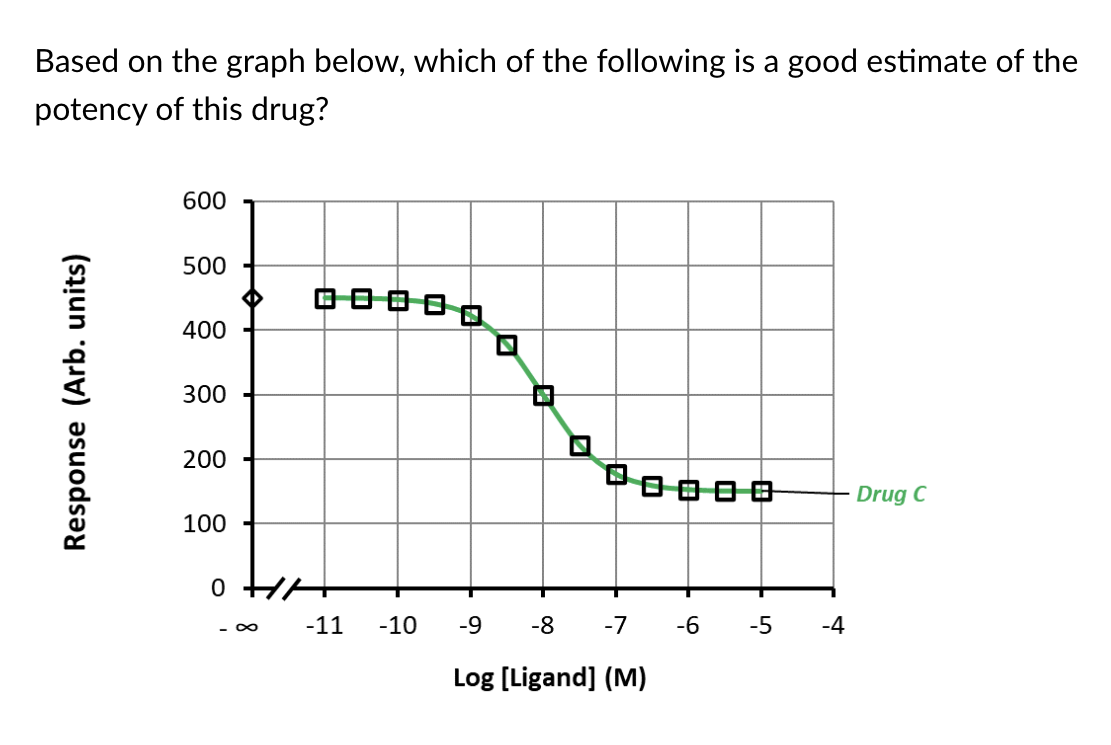
a. The potency is 10 nM
b. The potency is 10 micromolar
c. The potency is 10-8 nanomolar
d. The potency is 10 mg/kg
a
Evolutionary context:
_____________ → specialization
Specialization requires _________
________ → coordination → ________
Multicellularity → specialization
specialization requires coordination
Cell-cell communication → coordination → complexity
Mechanisms of cellular communication:
mechanical
local (diffusion) or global (circulation)
electrical signals
direct contact
chemical signals
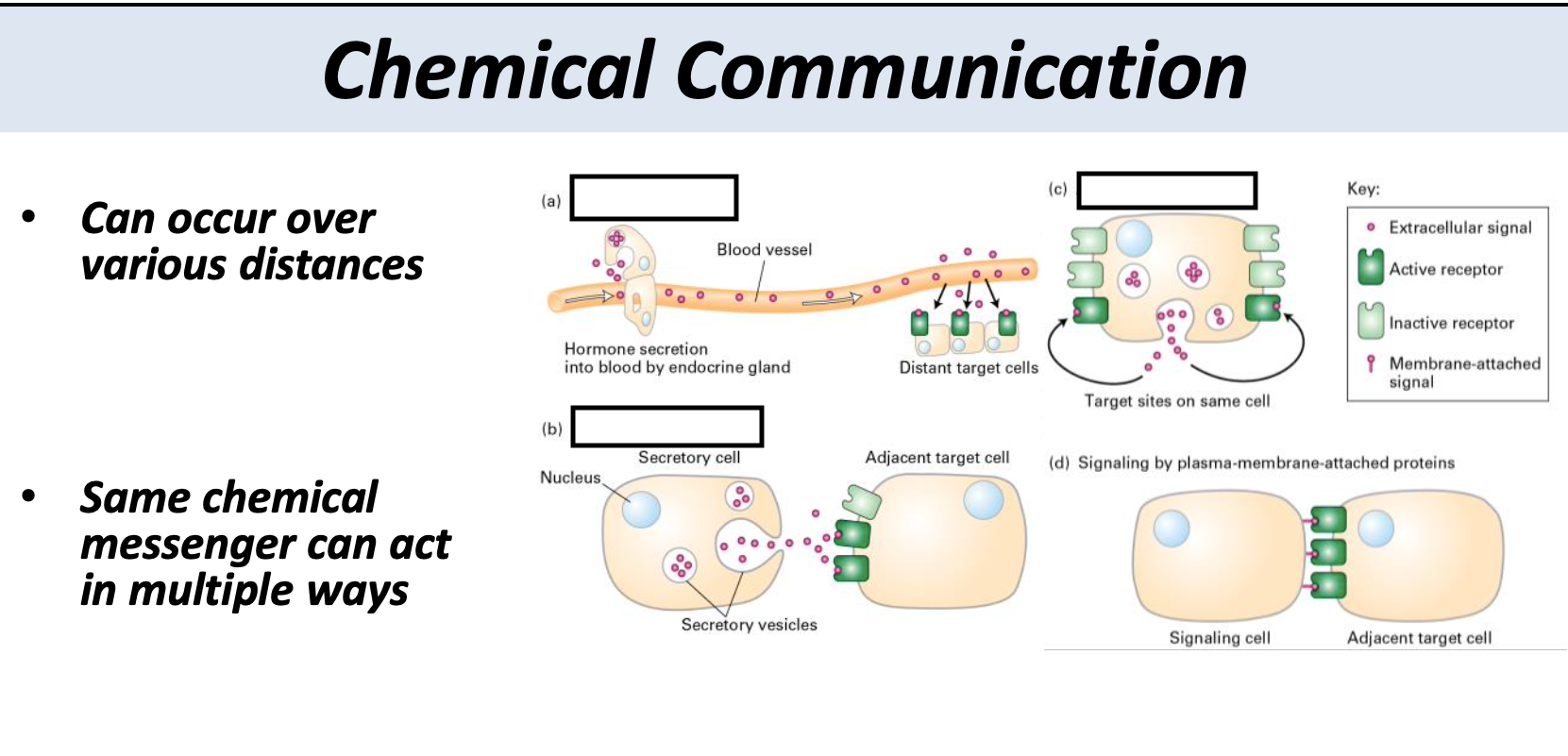
a) endocrine signaling → long distances on the inside (exocrine → sweat and gut glands)
b) autocrine signaling → secretion of 1 cel acts on itself
c) paracrine signaling → affects nearby cell (synapse)
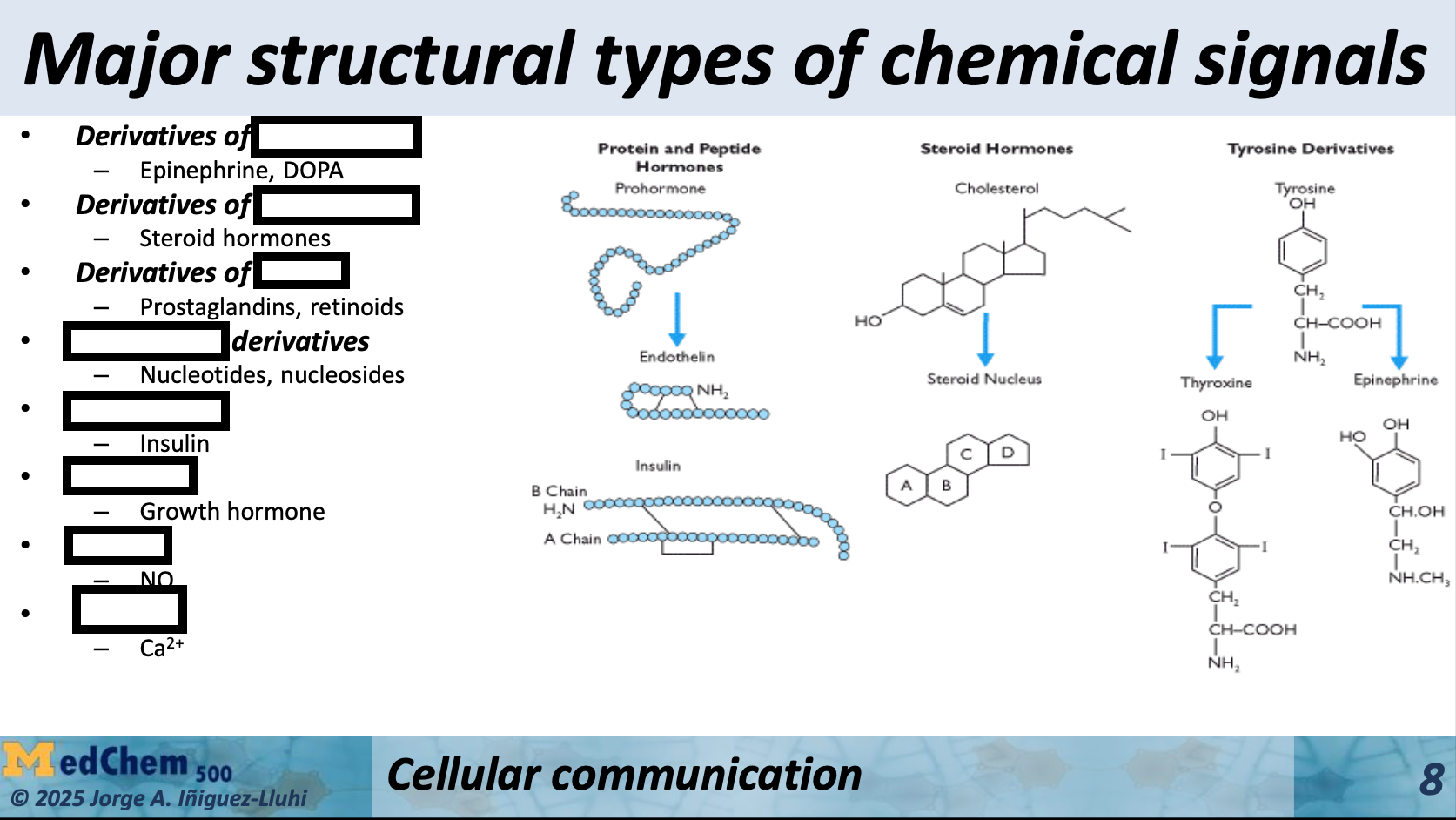
Derivatives of amino-acids – Epinephrine, DOPA
Derivatives of cholesterol – Steroid hormones
Derivatives of Lipids – Prostaglandins, retinoids
Nucleic acid derivatives – Nucleotides, nucleosides, ATP, ADP
Peptides – Insulin
Proteins – Growth hormone
Gases – NO
Ions – Ca2+
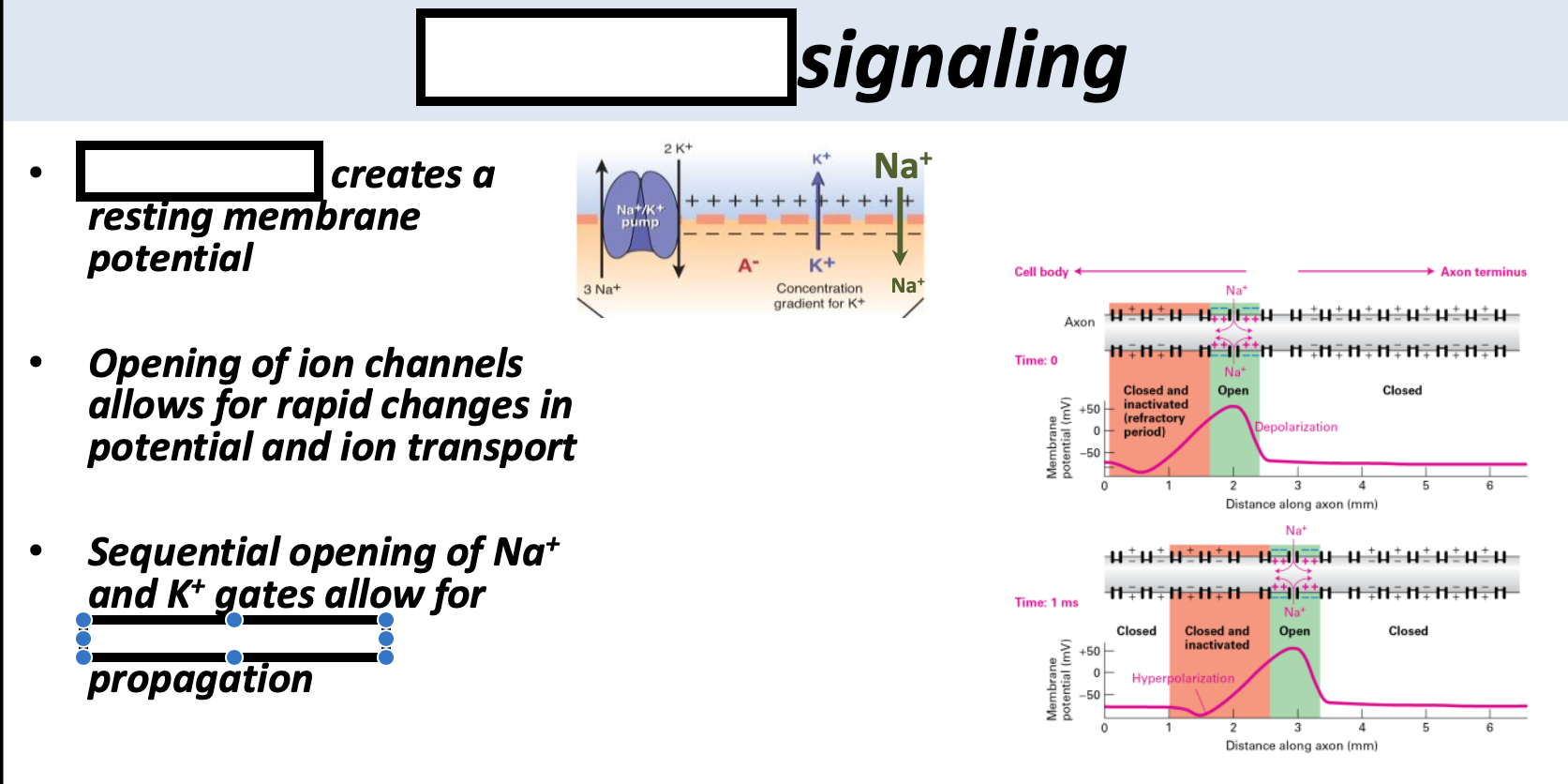
electrical signal
Na/K ATPase
action potential propagation
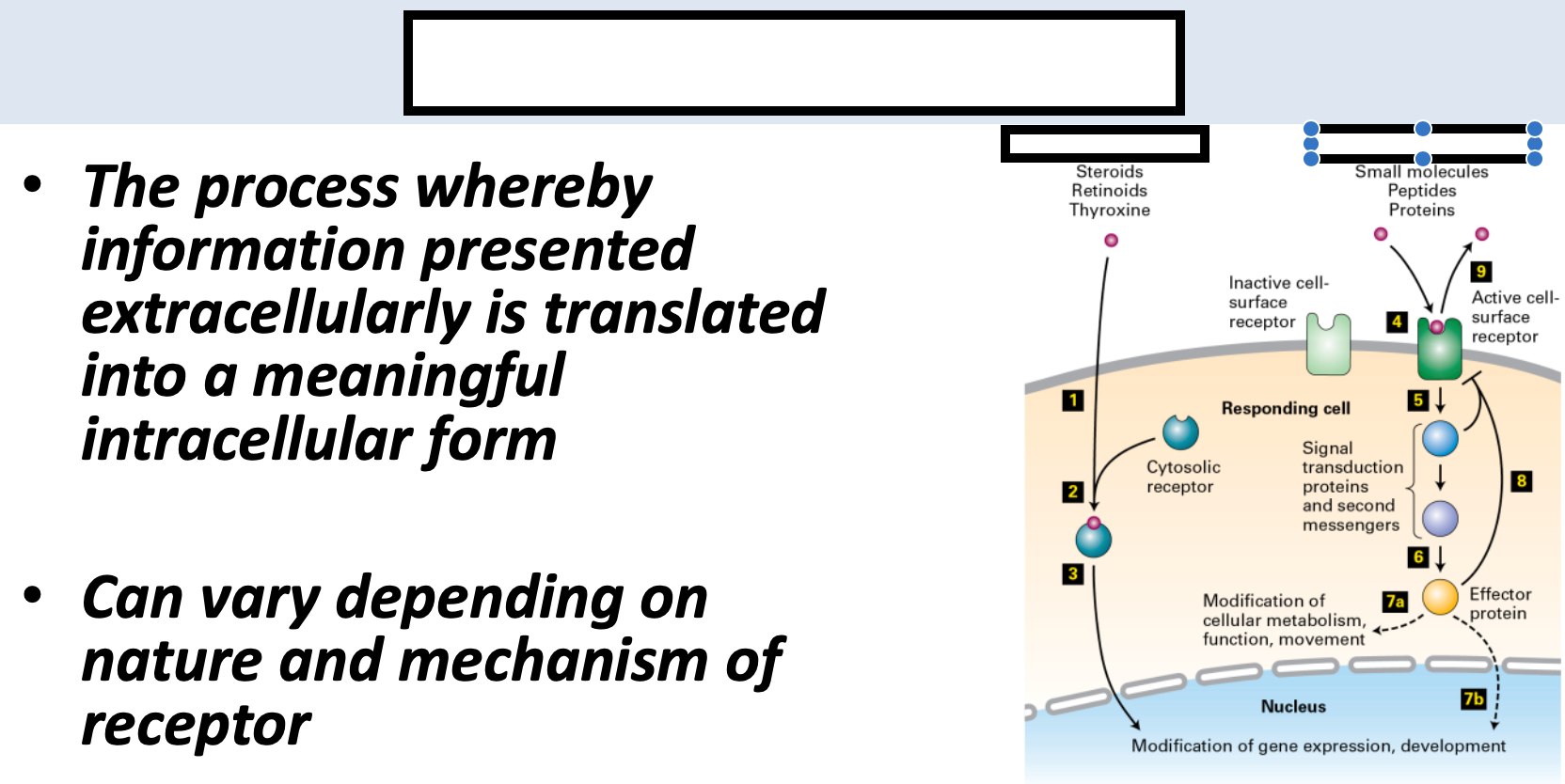
The process whereby information presented extracellularly is translated into a meaningful intracellular form
Can vary depending on nature and mechanism of receptor
signal transduction
hydrophobic (steroids, retinoids, thyroxine)
hydrophilic (small molecules, peptides, proteins)
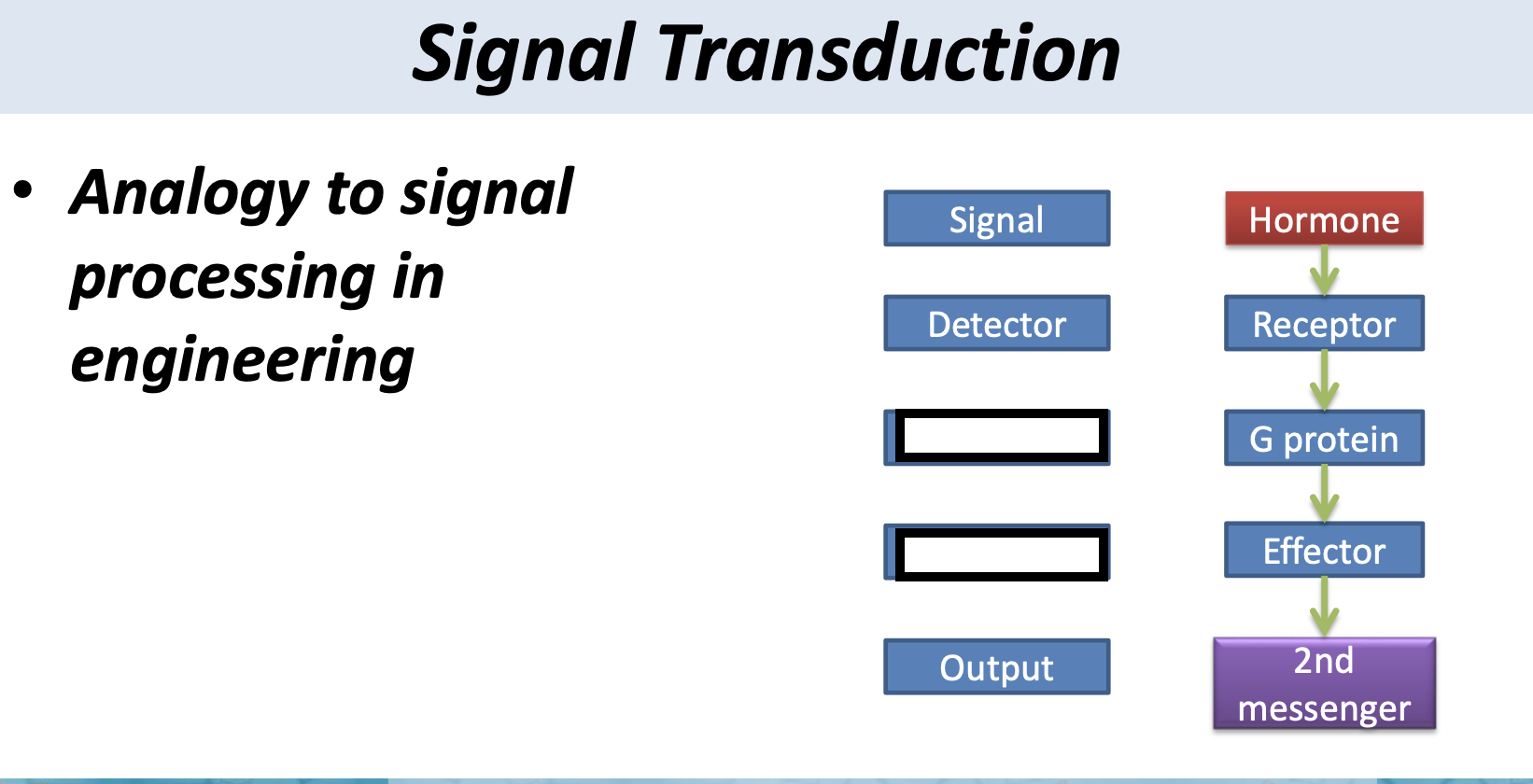
transducer → G protein
amplifier → effector
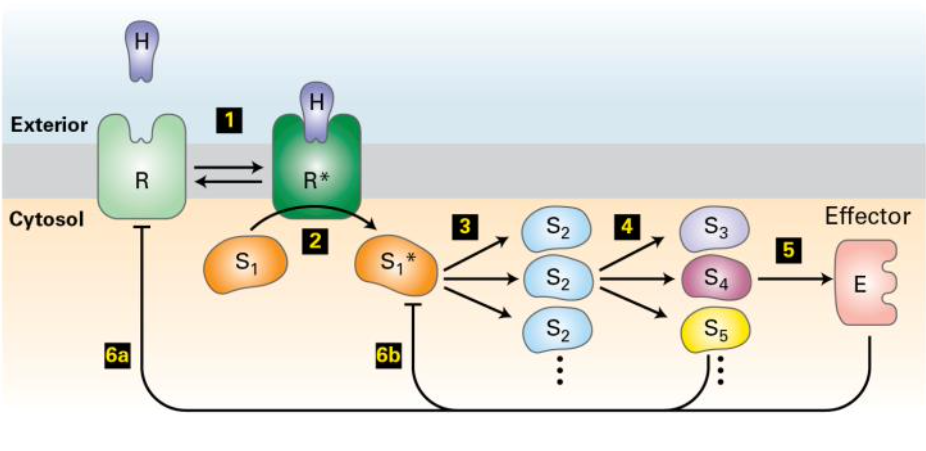
Signal transduction can be linked in chains to further _______
amplification (2nd, 3rd, 4th messenger, etc.)
Epinephrine effect on gluconeogenesis is an example of what?
Contributes to tissue responsiveness
– and hence to coupling and receptor reserve
Signal amplification
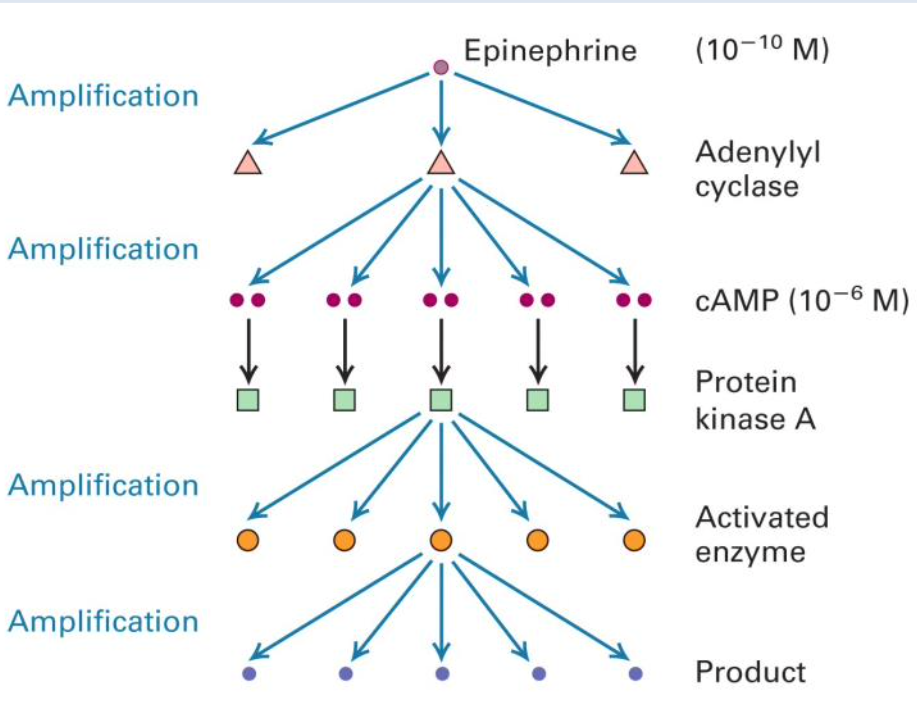
The followings are examples of?
Light detection in retina
Receptor mediated smooth muscle contraction
signal amplification
Light detection in retina → GPCR, large number of receptors are sensitive to 1 single photon
Signal Termination
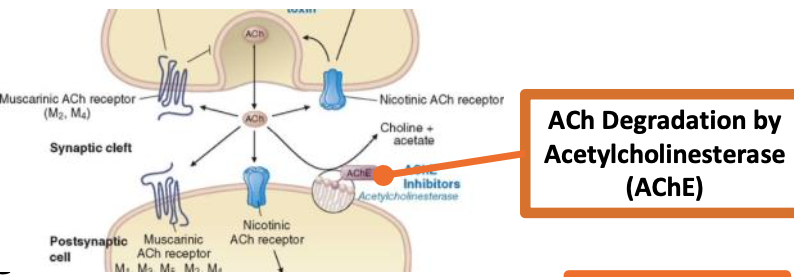
Agonist metabolic degradation
– Example: Aetylcholine
• Degraded by __________
Acetylcholinesterase
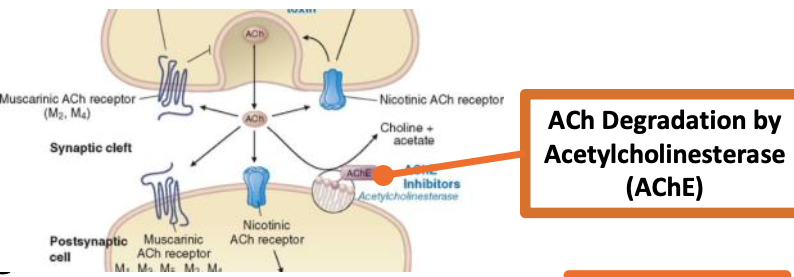
Signal termination
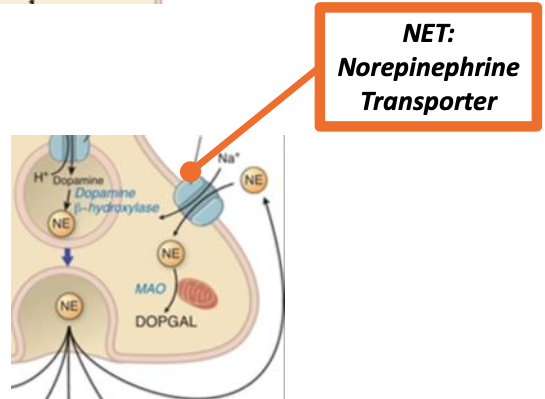
Agonist reuptake
– Example: Norepinephrine
• Removed by _________
norepinephrine transporter (NET) - has both autocrine and paracrine signaling
Muscarinic or nicotinic cholinergic, α or β-adrenergic are what type of receptor classification?
Pharmacological
Receptor classification?
Rhodopsin, muscarinic cholinergic, α- and β-adrenergic (7TM)
Nicotinic cholinergic, glycine or GABA A receptors (Cys-Loop)
Structural (amino acid) homologies
Receptor classification?
Proximal signal transduction mechanism
Ionotropic, metabotropic
Functional responses
Code | Receptor Structural classes |
1.0 | |
2.0 | |
3.0 | _______ associated receptors – subunits with 1 TM span |
4.0 |
Ion channels and ligand-gated channels
7 transmembrane; GPCR
Enzyme
Transcription factor receptors; Nuclear receptors
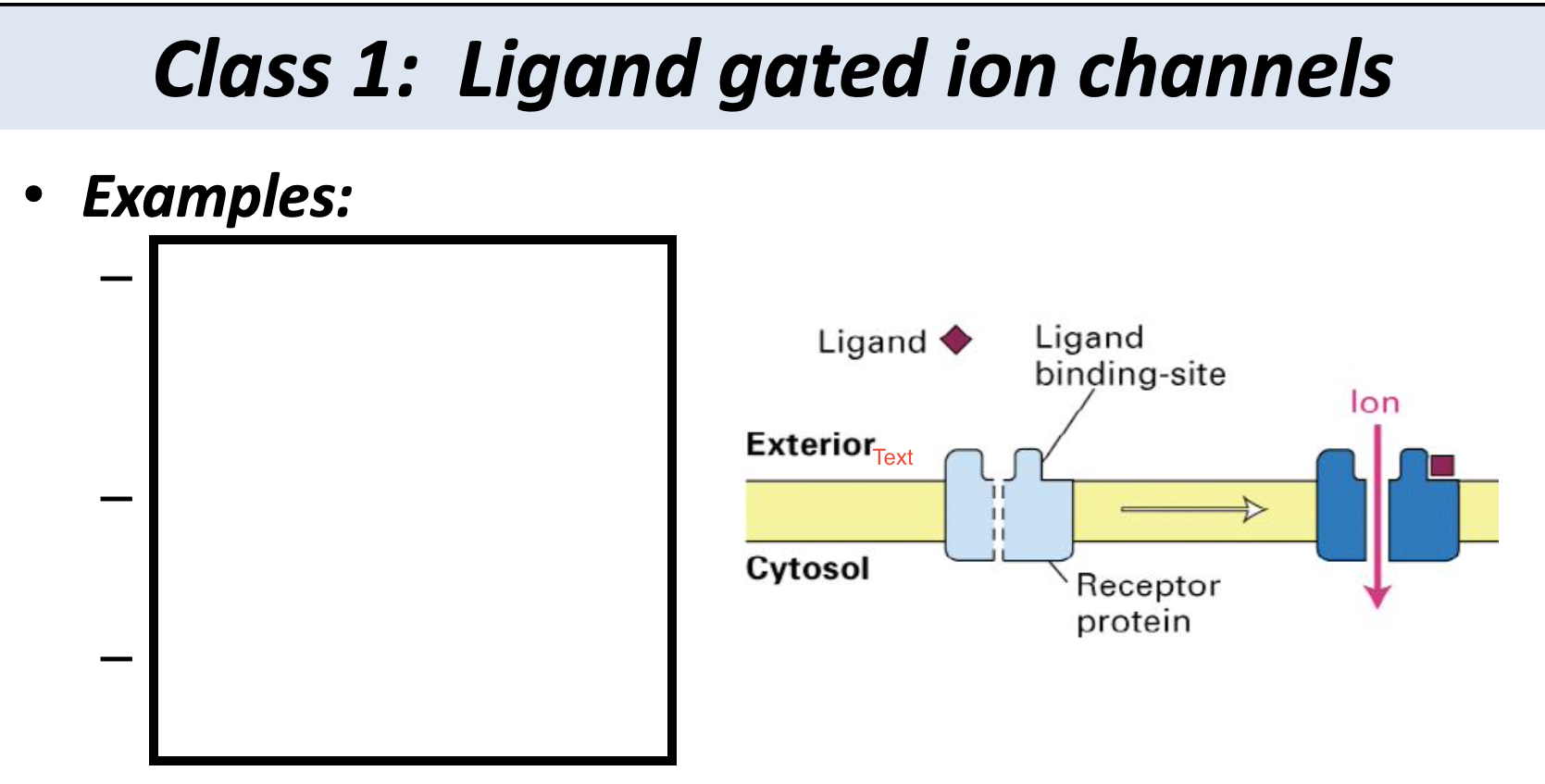
nicotinic acetylcholine receptors
GABA A receptors
ionotropic glutamate receptors
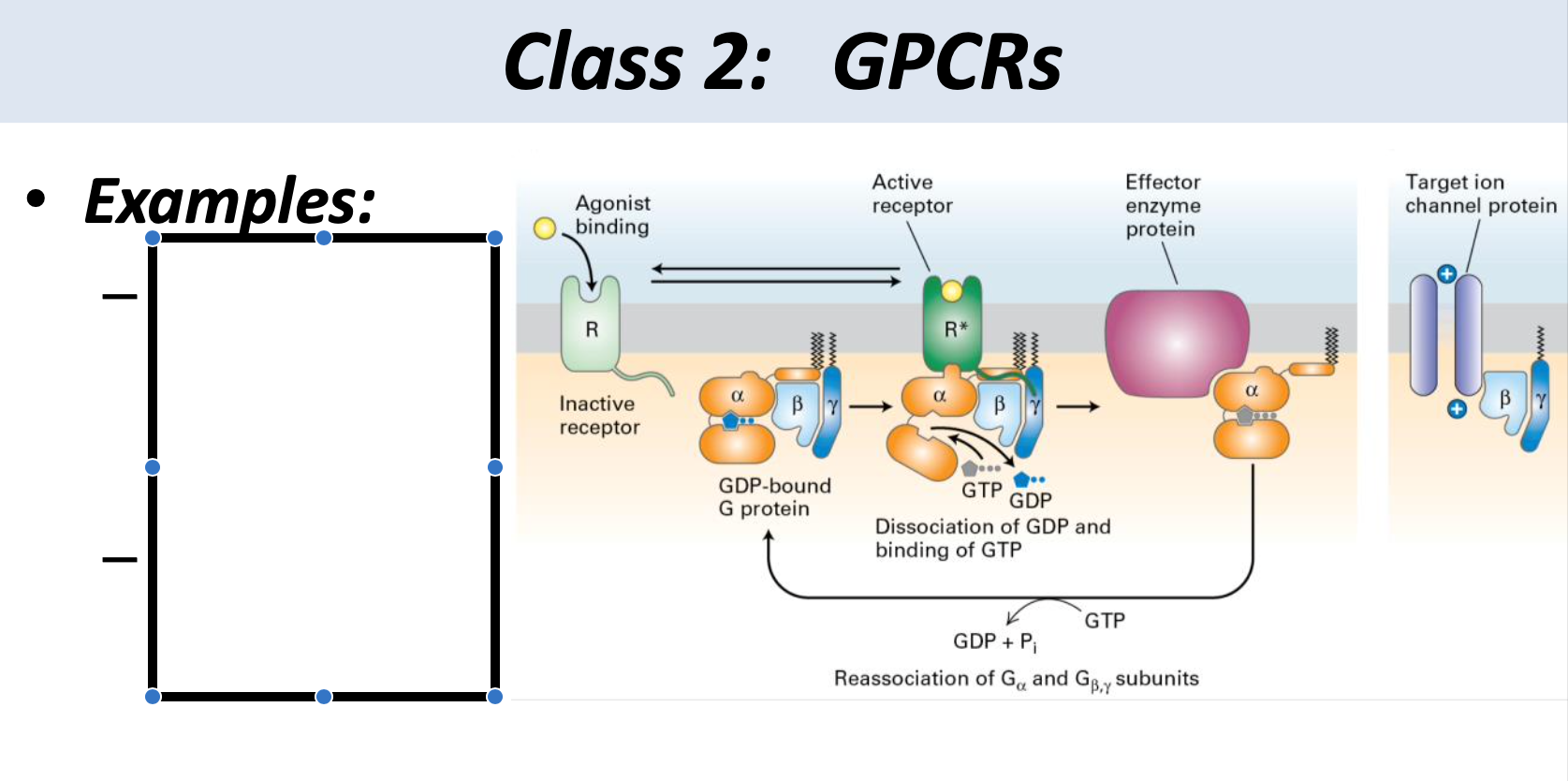
Adrenergic receptors
muscarinic cholinergic
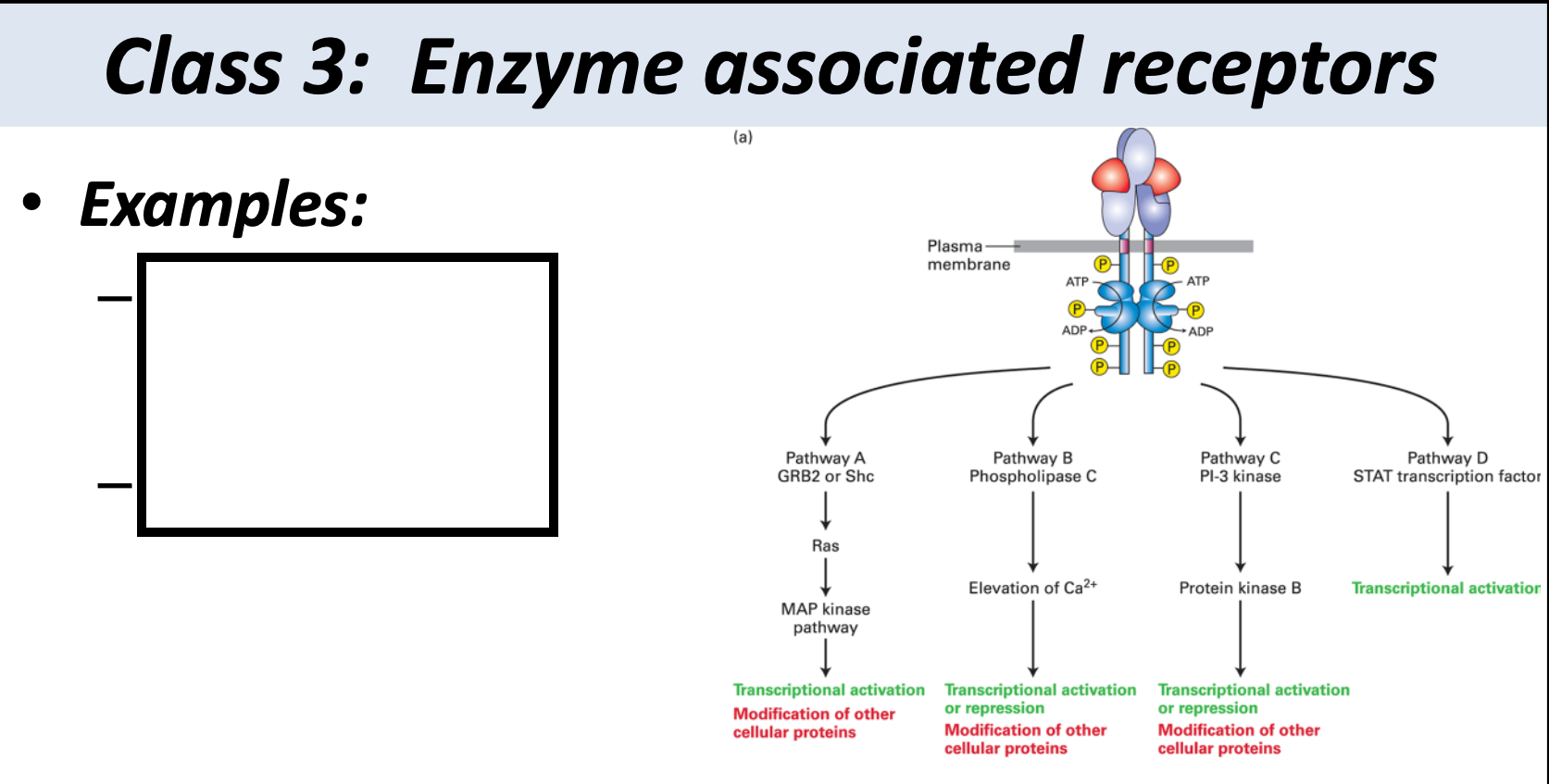
insulin receptor
EGF receptor
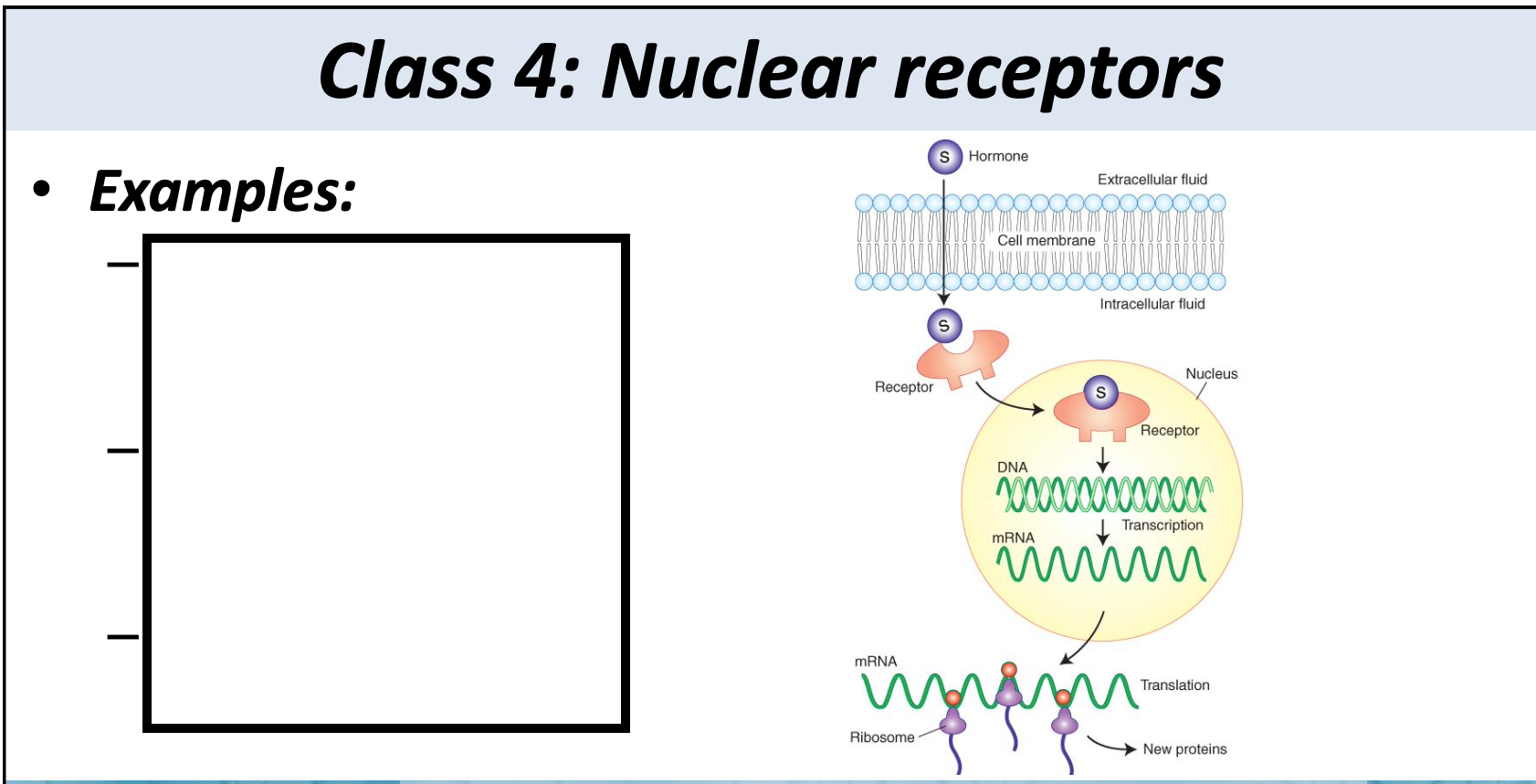
Steroid hormone receptors
Thyroid hormone receptor
Cholesterol and bile acid receptors
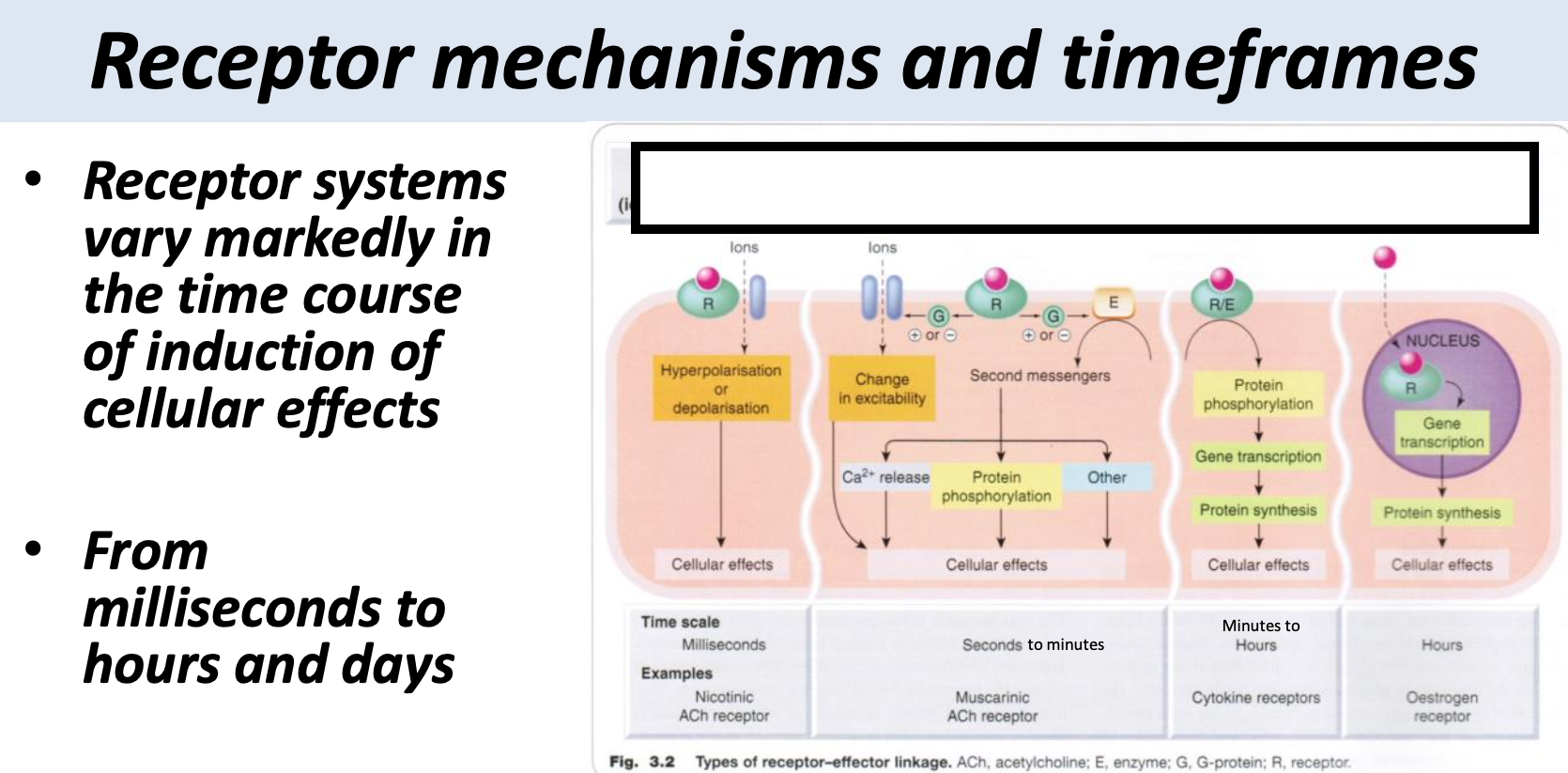
ligand-gated ion channels (ionotropic receptors) → fastest
GPCR (metabotropics)
kinase-linked receptors
Nuclear receptors
ALL can change gene expression
which receptors change existing components of cell?
ligand-gated ion channels (ionotropic receptors)
nicotinic ACh receptor
GPCR (metabotropics)
muscarinic ACh receptor
Which receptors change the composition of the cell (cell needs to grow)?
Kinase-linked receptors (cytokine)
nuclear receptors (oestrogen receptor)
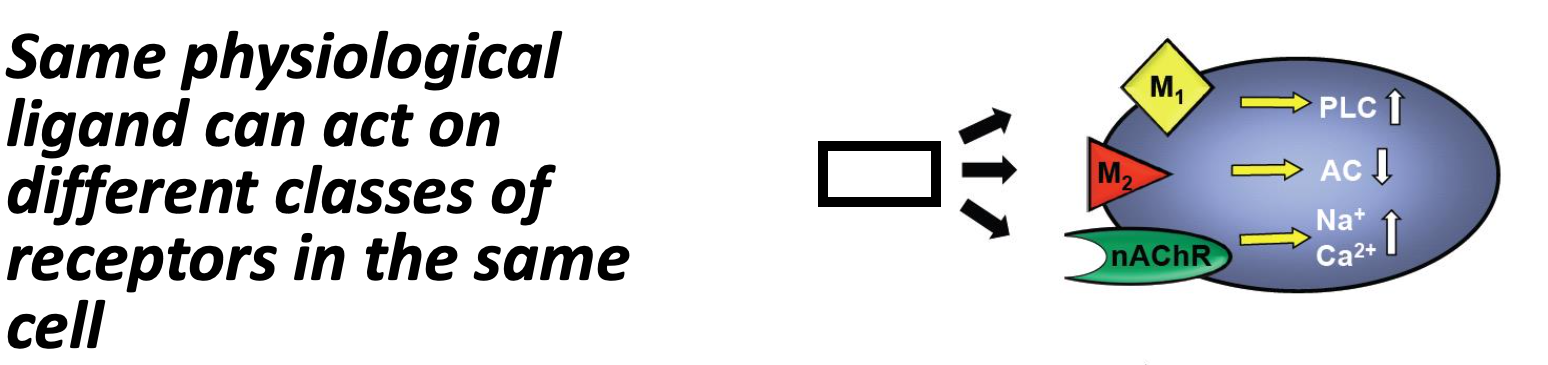
Example circuitry for which ligand?
ACh
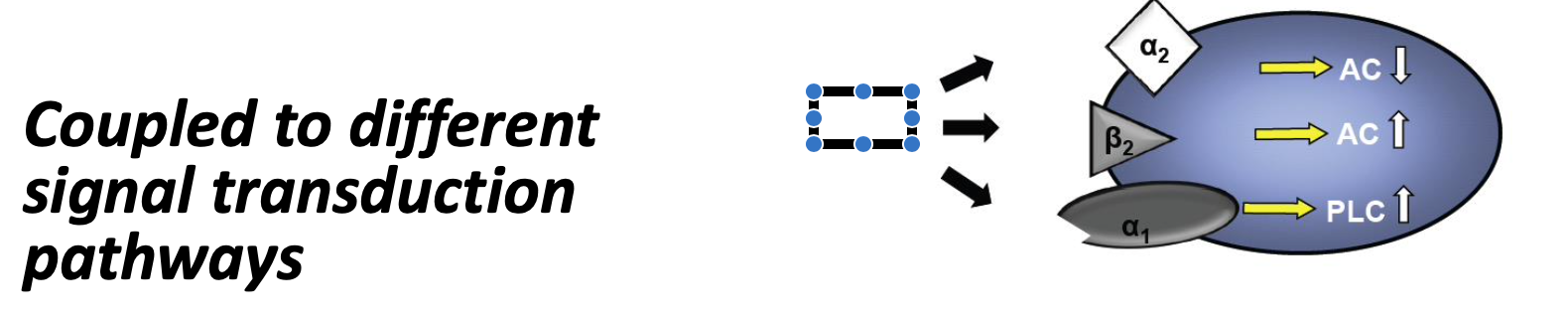
Example circuitry for?
NE (multiple GPCR but depends on receptor → diff response)
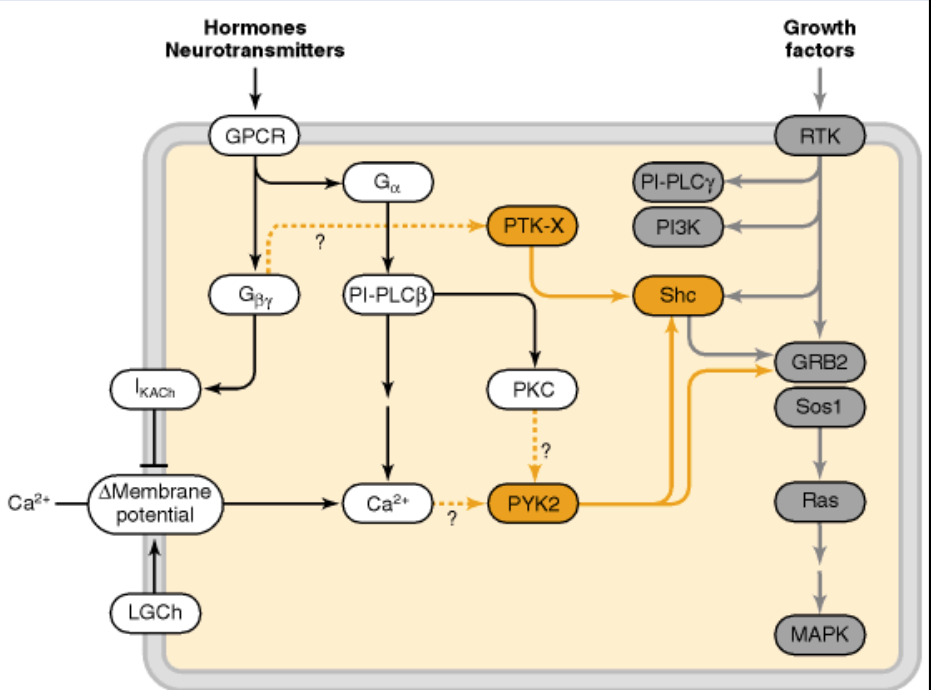
Activation of GPCRs can result in activation of the MAP kinase pathway
Activation of LGICs can result in activation of the MAP kinase pathway
crosstalk (Signaling pathways interconnect)
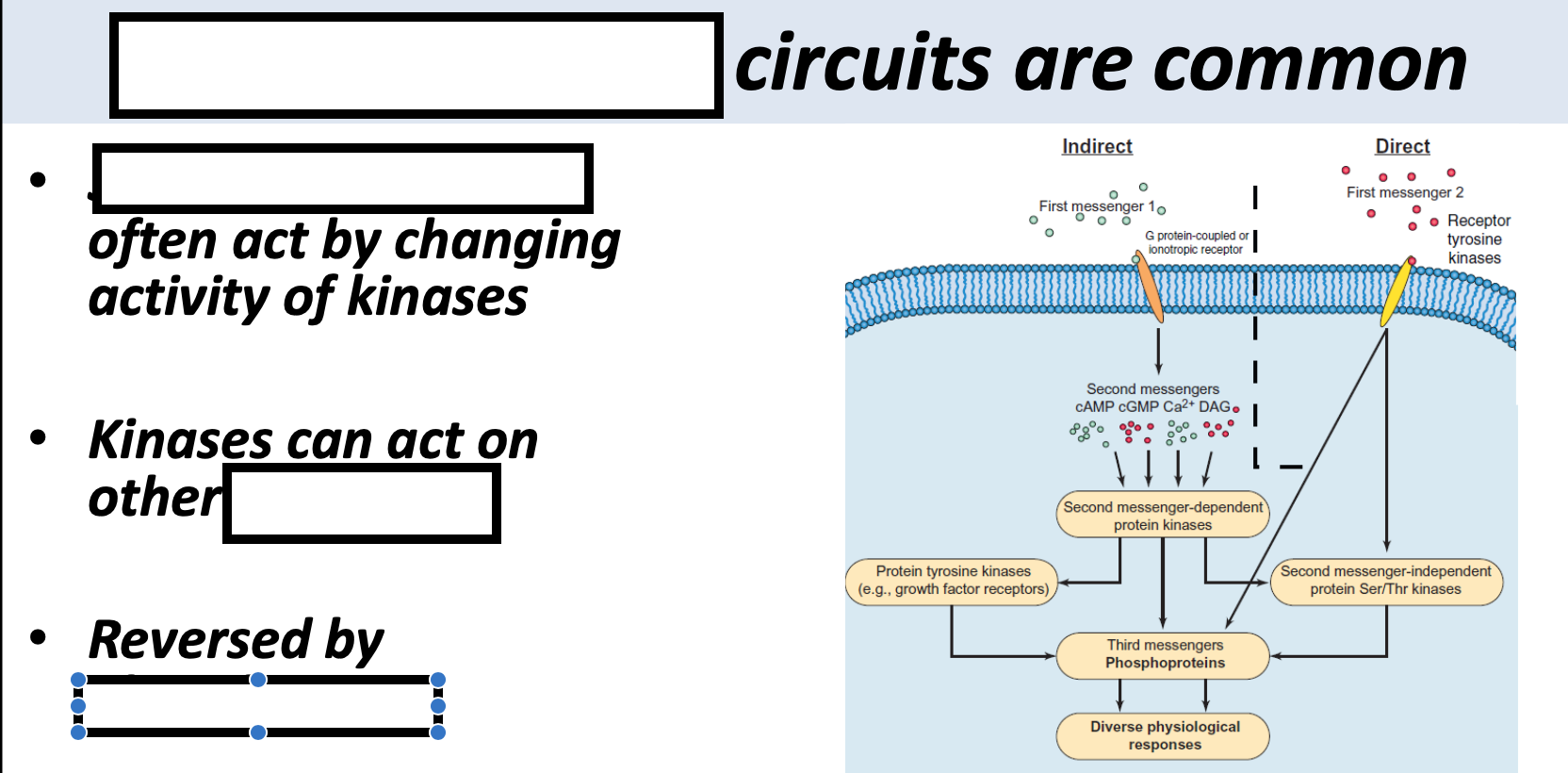
Phosphorylation circuits
2nd messengers
kinases
phosphatases
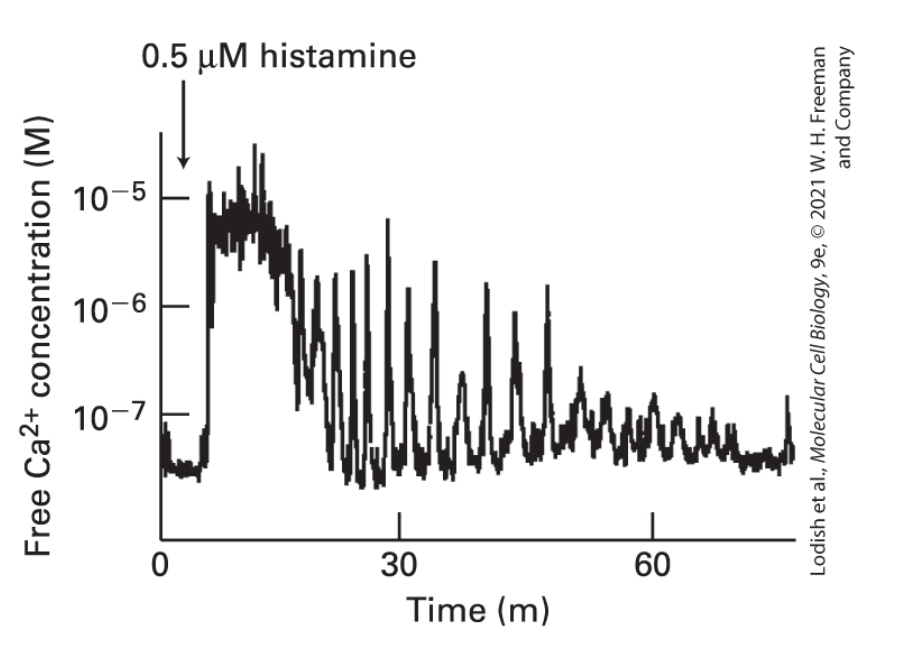
Intracellular _____ is a 2nd messenger signaling by amplitude and frequency (levels oscillate)
calcium
hormones signaling → frequency (can occur at cellular or organ level)
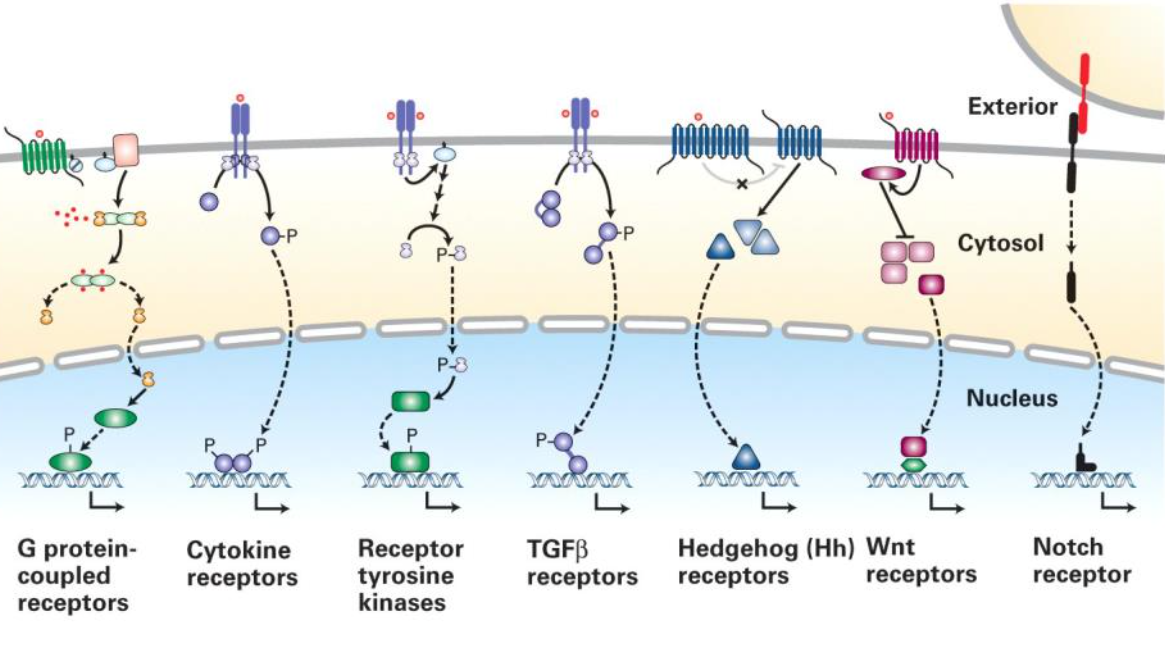
Many cell-surface initiated signal transduction pathways culminate in changes in ________
slower _____
______ term changes
gene expression
slower kinetics
long
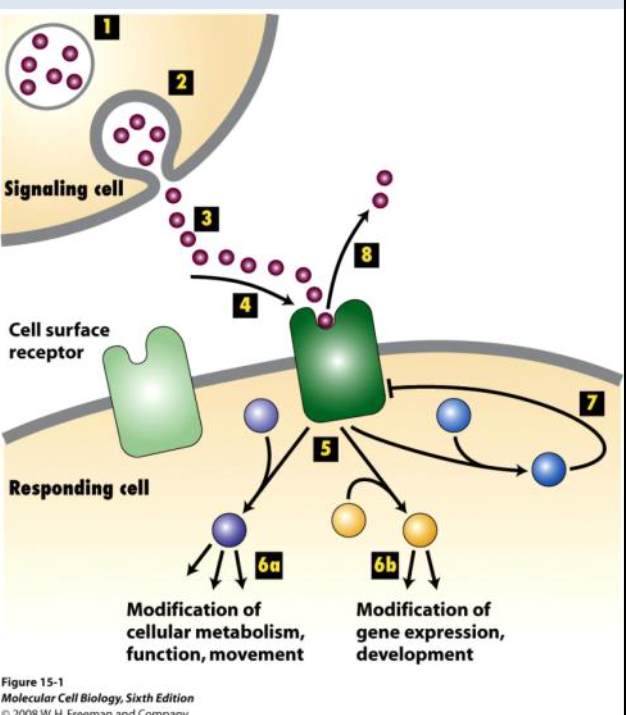
Signal transduction is _________
Prolonged receptor activation leads to reduction in responsiveness
self-limiting
Multiple terms:
Adaptation
Desensitization
Tachyphylaxis
Fade
Tolerance
Rank the fastest to slowest desensitization
Different time frames
Fast ( ms to seconds) → Uncoupling, conf. change
Medium (minutes/hours) → Internalization, sequestration
Slow (hours/days) → Down-regulation
Reduce receptors = DEC response
LGIC mechanisms for desensitization(2)?
conformational change
localization (move out of nucleus)

GPCR mechanisms for desensitization(3)?
post-translational modifications
changes in protein complexes
localization

Nuclear receptors mechanism for desensitization?
localization

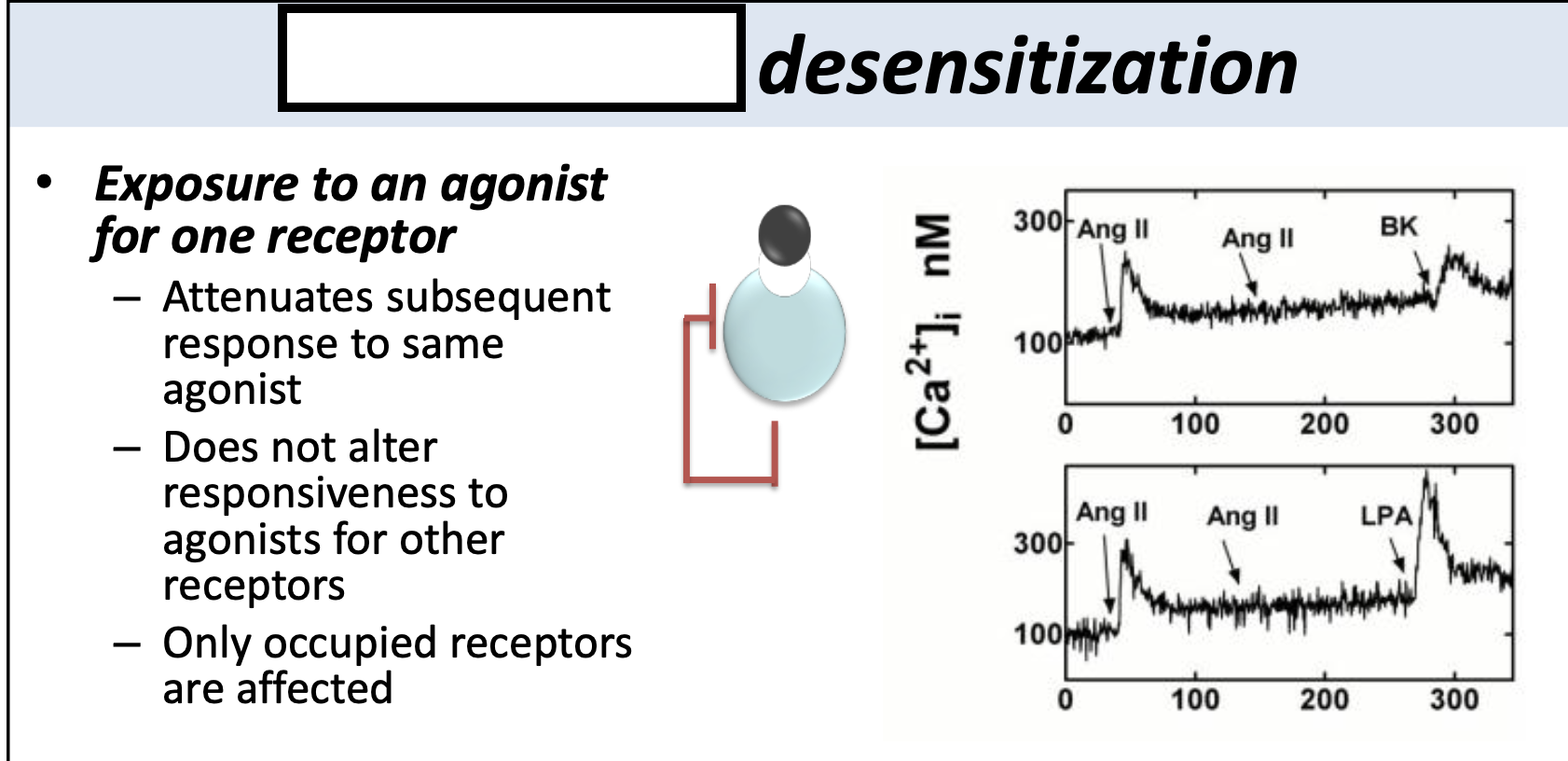
homologous desensitization
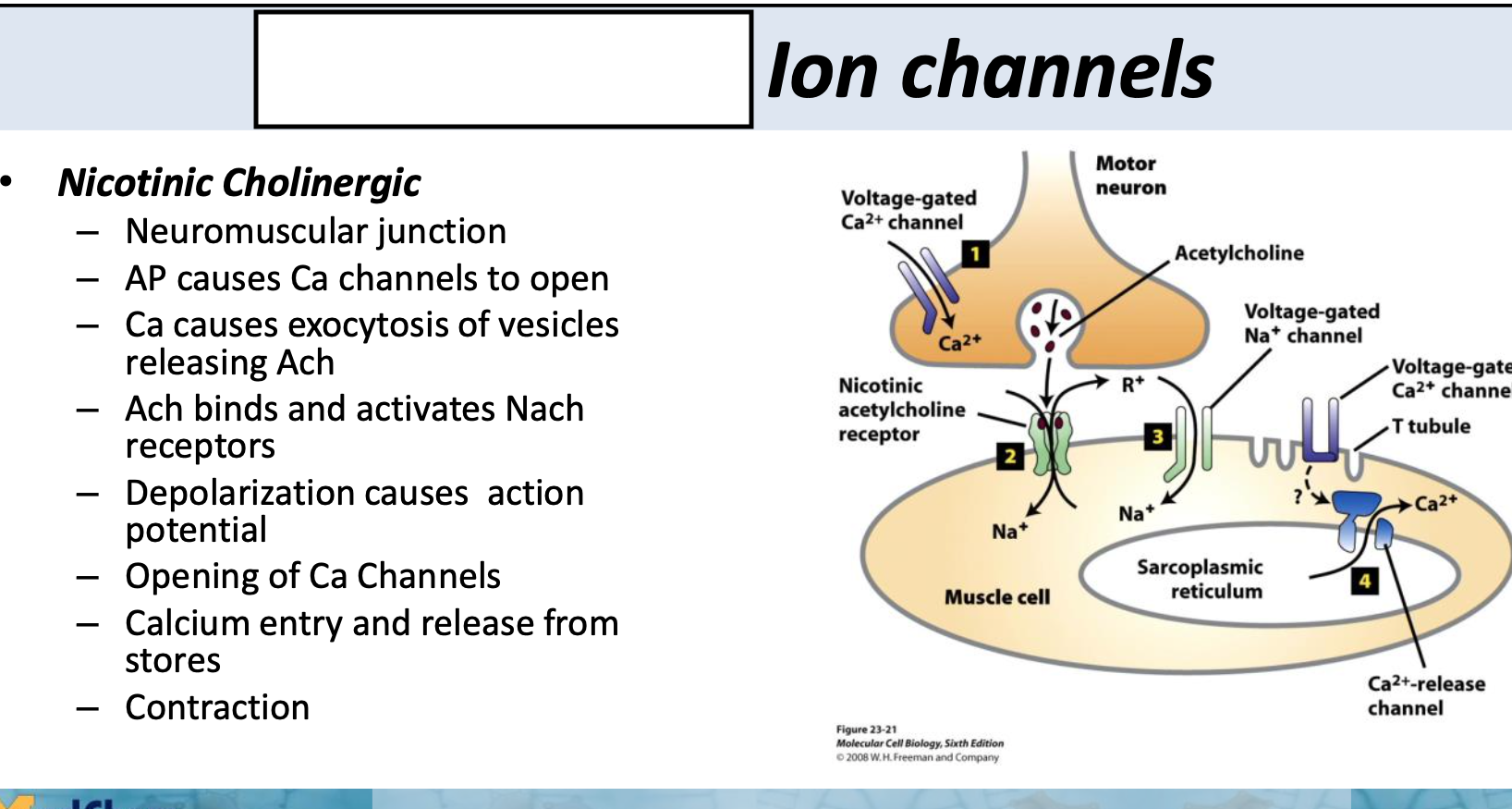
ligand gated ion channels
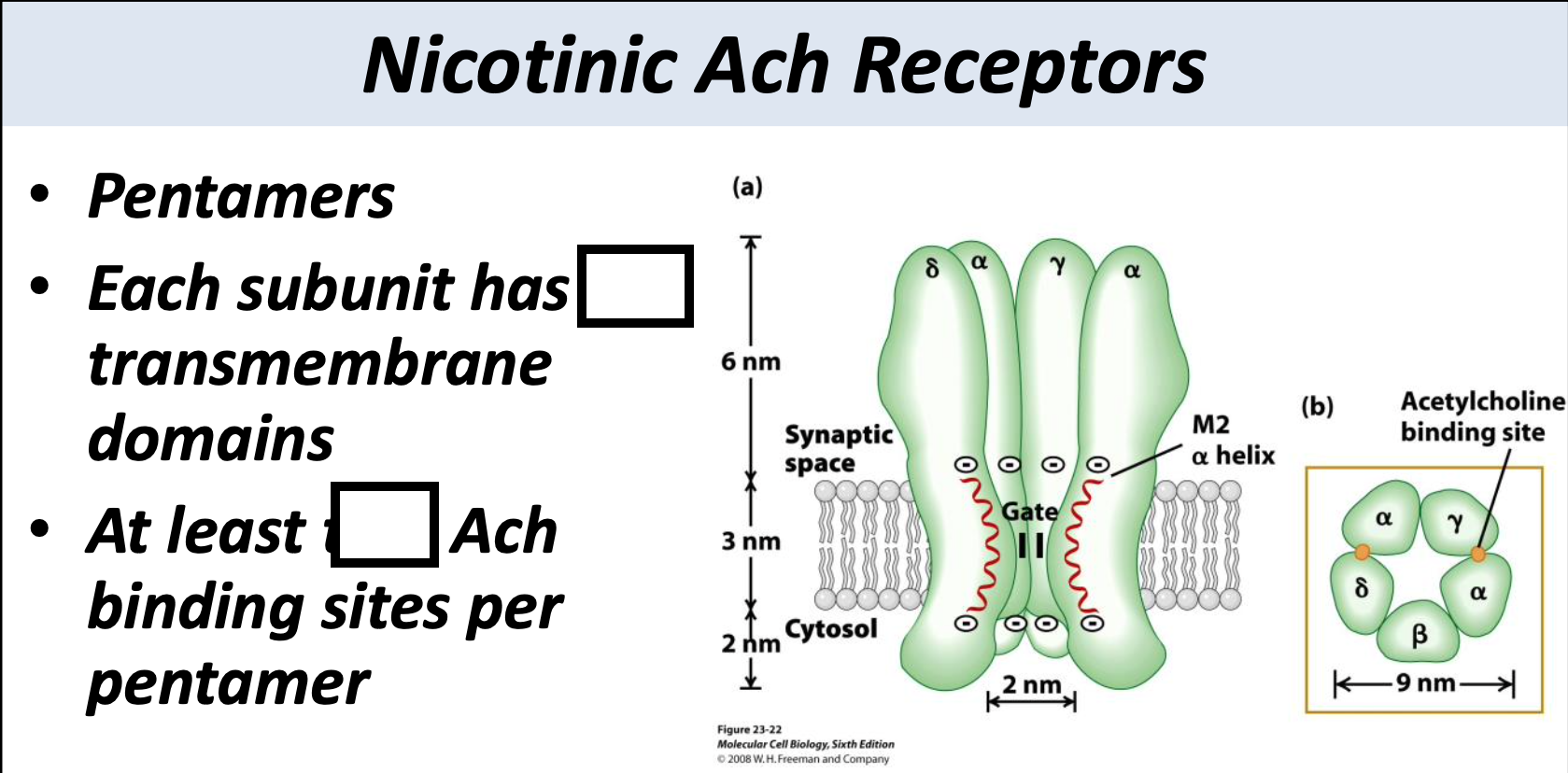
4 TM domains
2 orthosteric (ACh) binding sites
Receptors subunit composition
• Dictates?
• Is different?
Dictates: Permeability and sensitivity to toxins
Different: in specific sites (Brain vs muscle)
shuffle subunit to change composition
Binding of Ach causes rotation in the extracellular region
Transmitted to TM domains
Splaying or bloom of TMs causes opening
Twist and Bloom of the receptor’s subunit
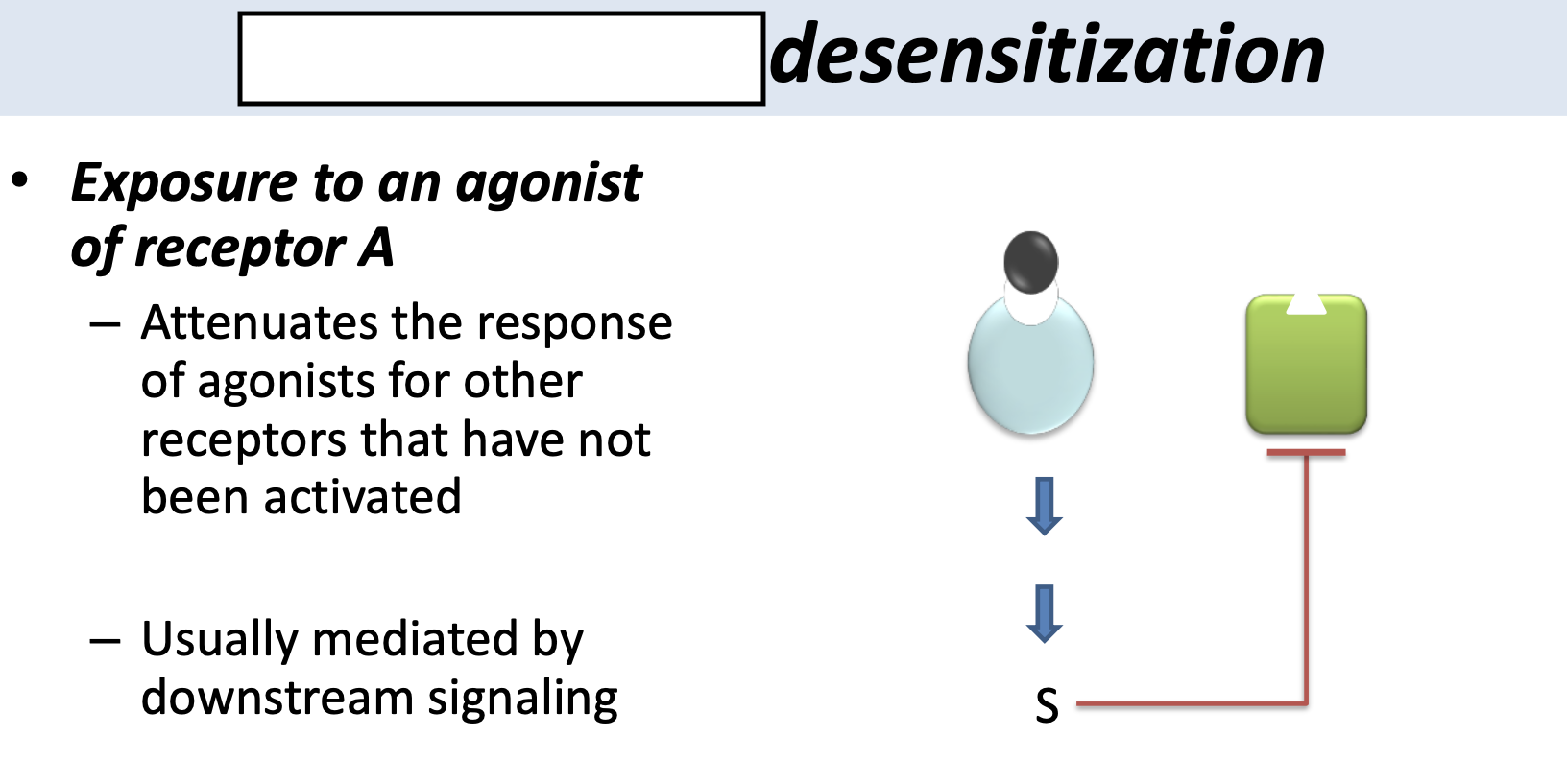
heterologous desensitization (negative feedback)
RTK mechanisms for desensitization (2)?
Post-translational modifications
changes in protein complexes

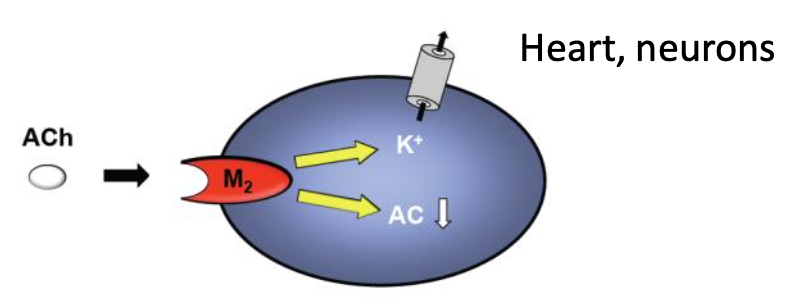
Example circuitry?
Same receptor can modulate multiple effectors
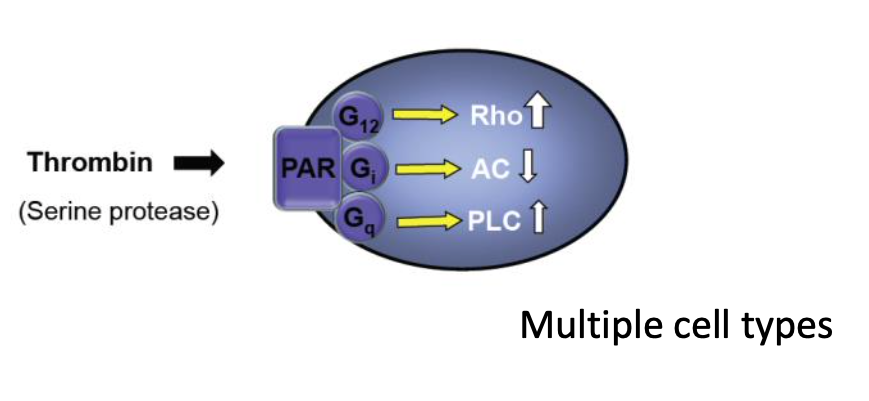
Example circuitry?
Effectors can be different in different cells
What receptor does both paracrine and autocrine signaling for acetylcholine?
nicotinic ACh receptor
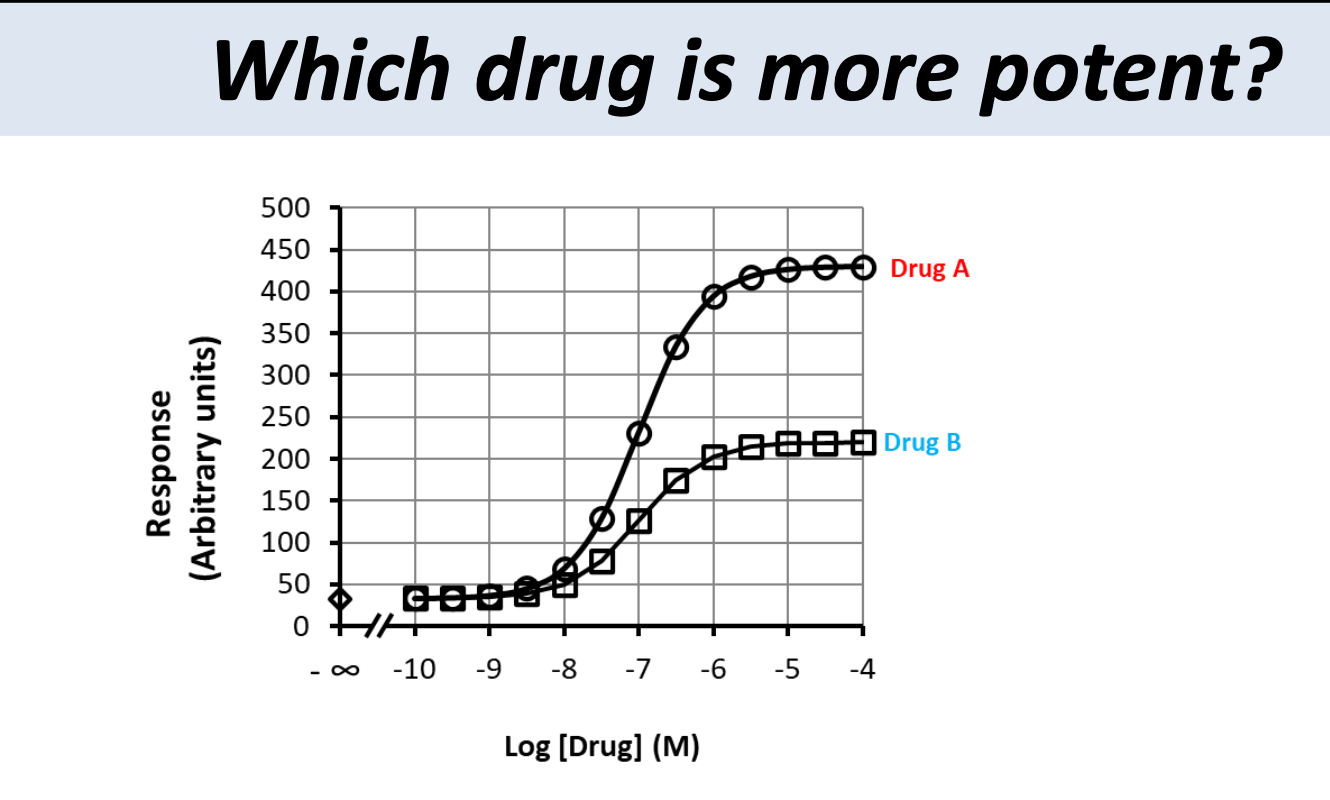
equipotent
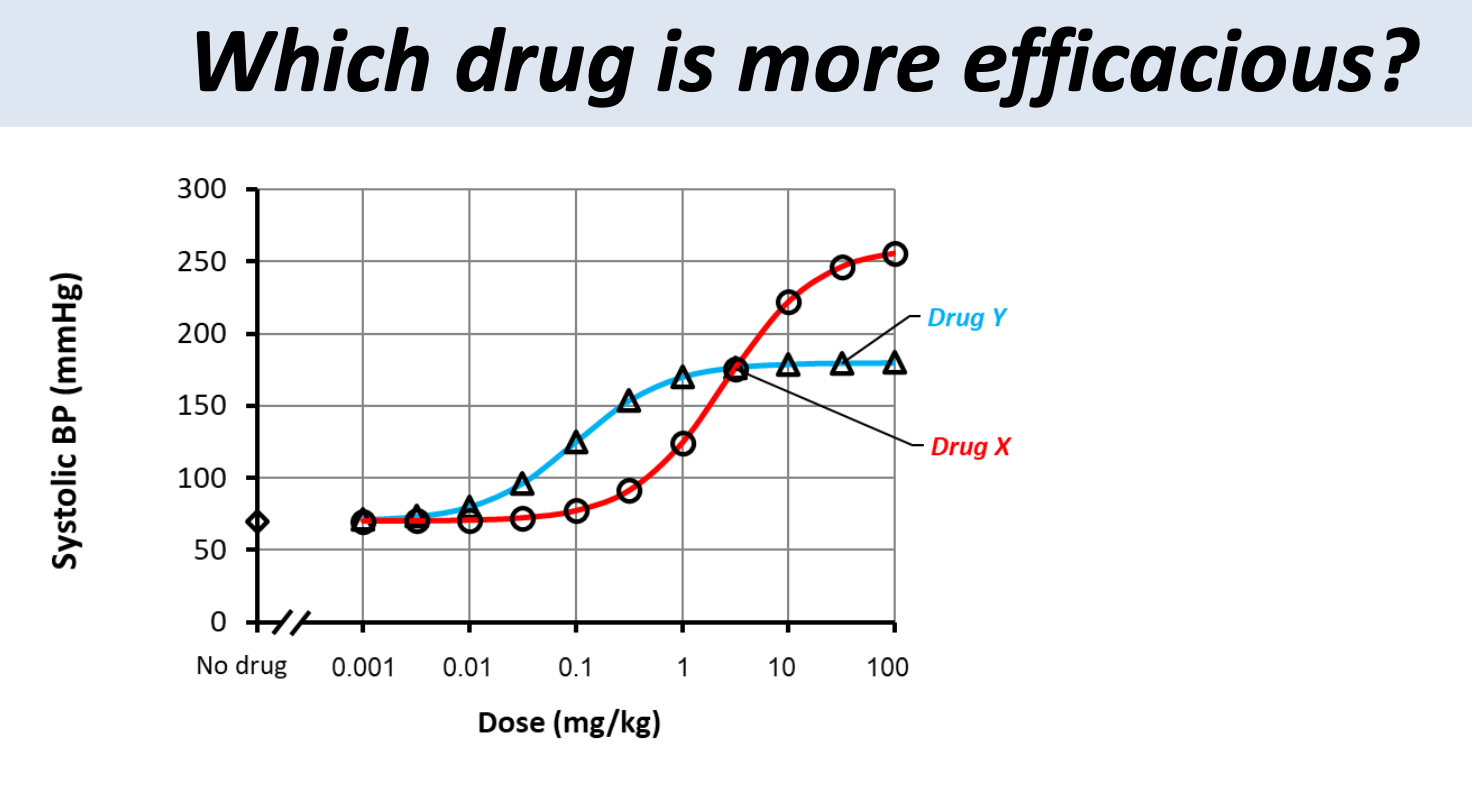
Drug X is more efficacious than drug Y
Reasoning: The maximal response to X is higher than that of Y
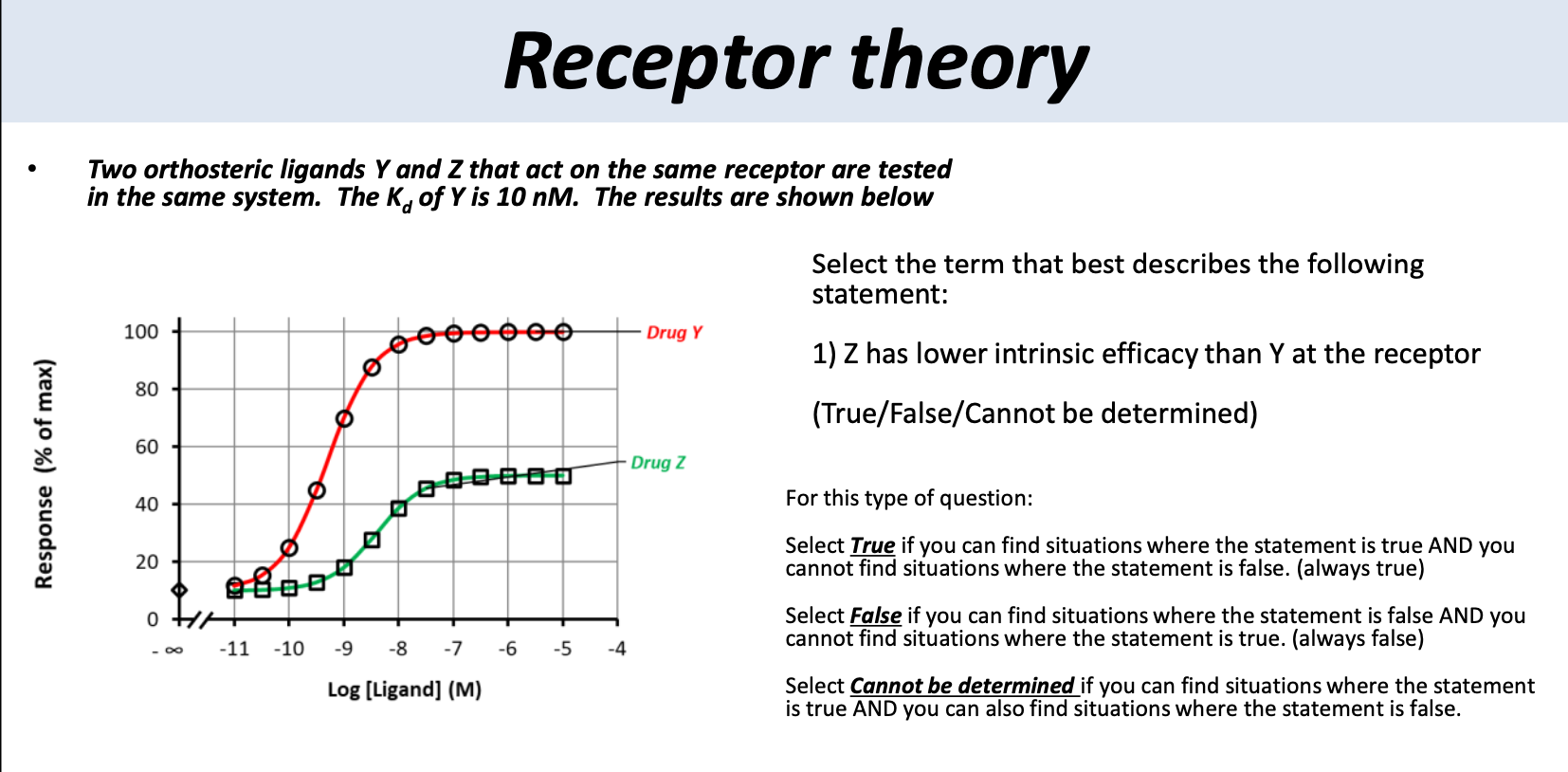
True
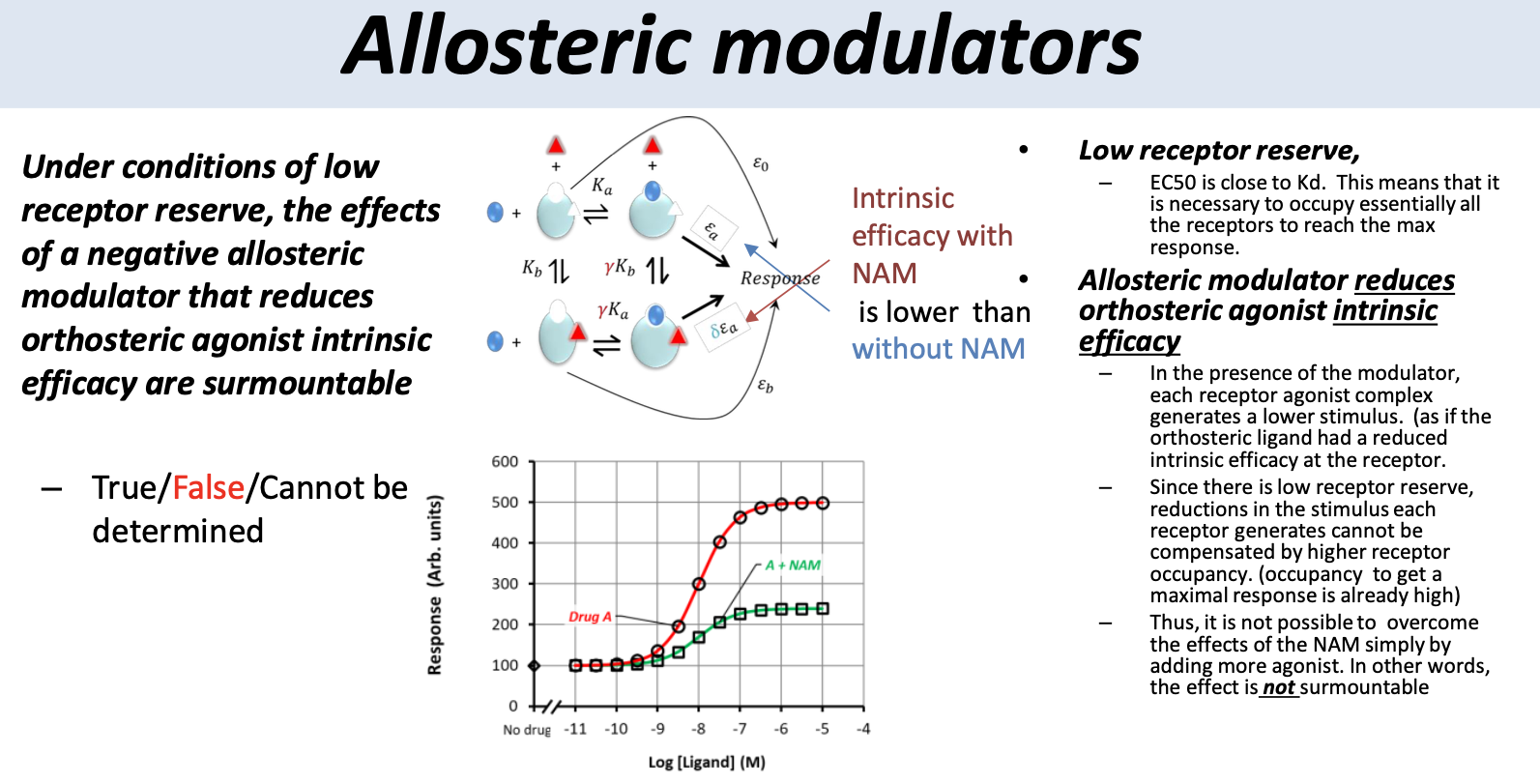
Under conditions of high receptor reserve, the effects of a negative allosteric modulator that reduces orthosteric agonist intrinsic efficacy are surmountable
true
Under conditions of low receptor reserve, the effects of a negative allosteric modulator that reduces orthosteric agonist intrinsic efficacy are surmountable
– True/False/Cannot be determined
False
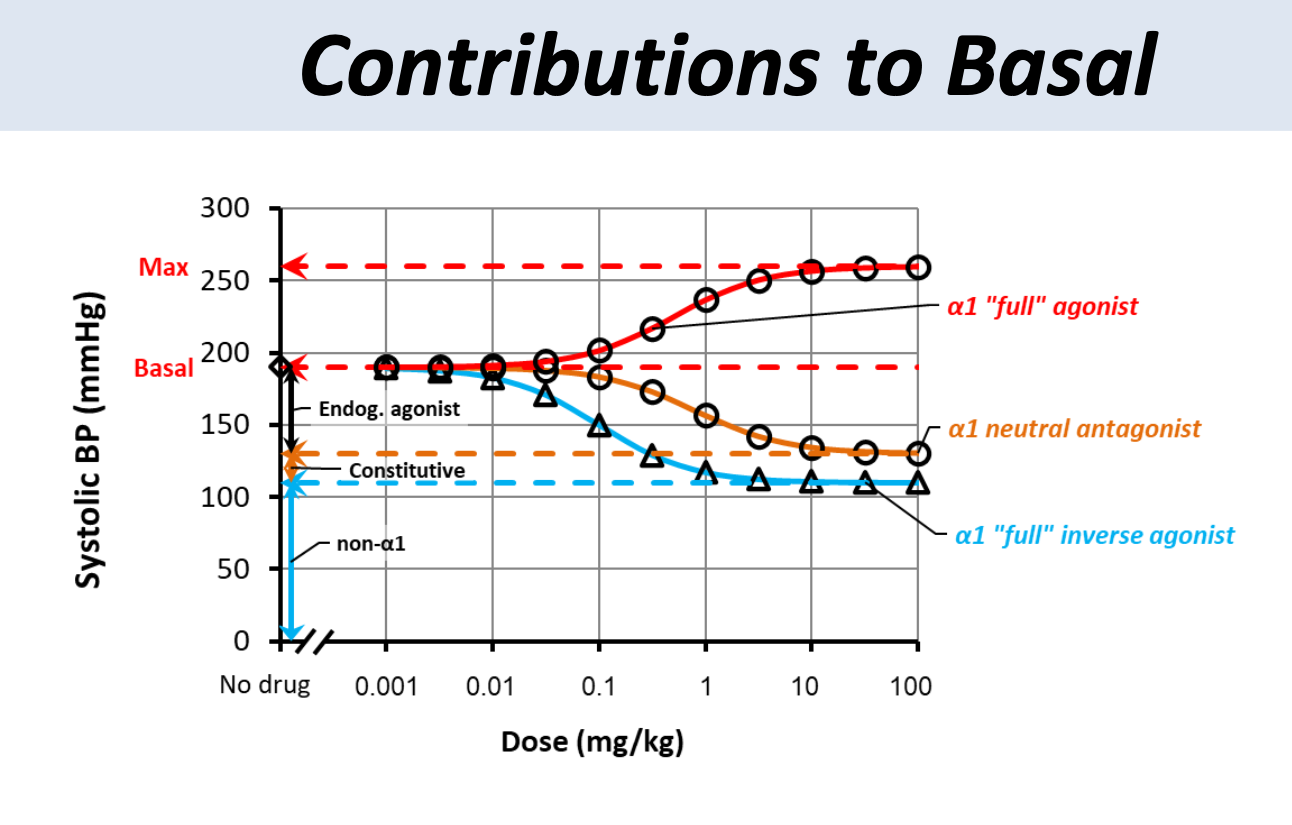
A neutral antagonist can antagonize the effects of an inverse agonist.
– True/false/Cannot be determined
True
Can a neutral antagonist have clinical efficacy? In two sentences or less explain why.
Yes. A neutral antagonist can have clinical efficacy by competing for an endogenous ligand at a specific receptor if such competitive antagonism has therapeutic value. For example, beta adrenergic receptor neutral antagonists are useful to reduce heart rate.
Two drugs that bind to the same receptor reduce blood pressure In hypertensive patients. Drug A has a Kd of 10 nM and drug B has a Kd of 300 nM. Based on this information, select the best description:
a) A has a lower affinity than B
b) B has lower potency than A
c) A has a higher affinity than B
d) B has lower efficacy than A
e) None of the above can be concluded with certainty based on the available data.
a) F
b) Cannot be determined
c) T
d) Cannot be determined
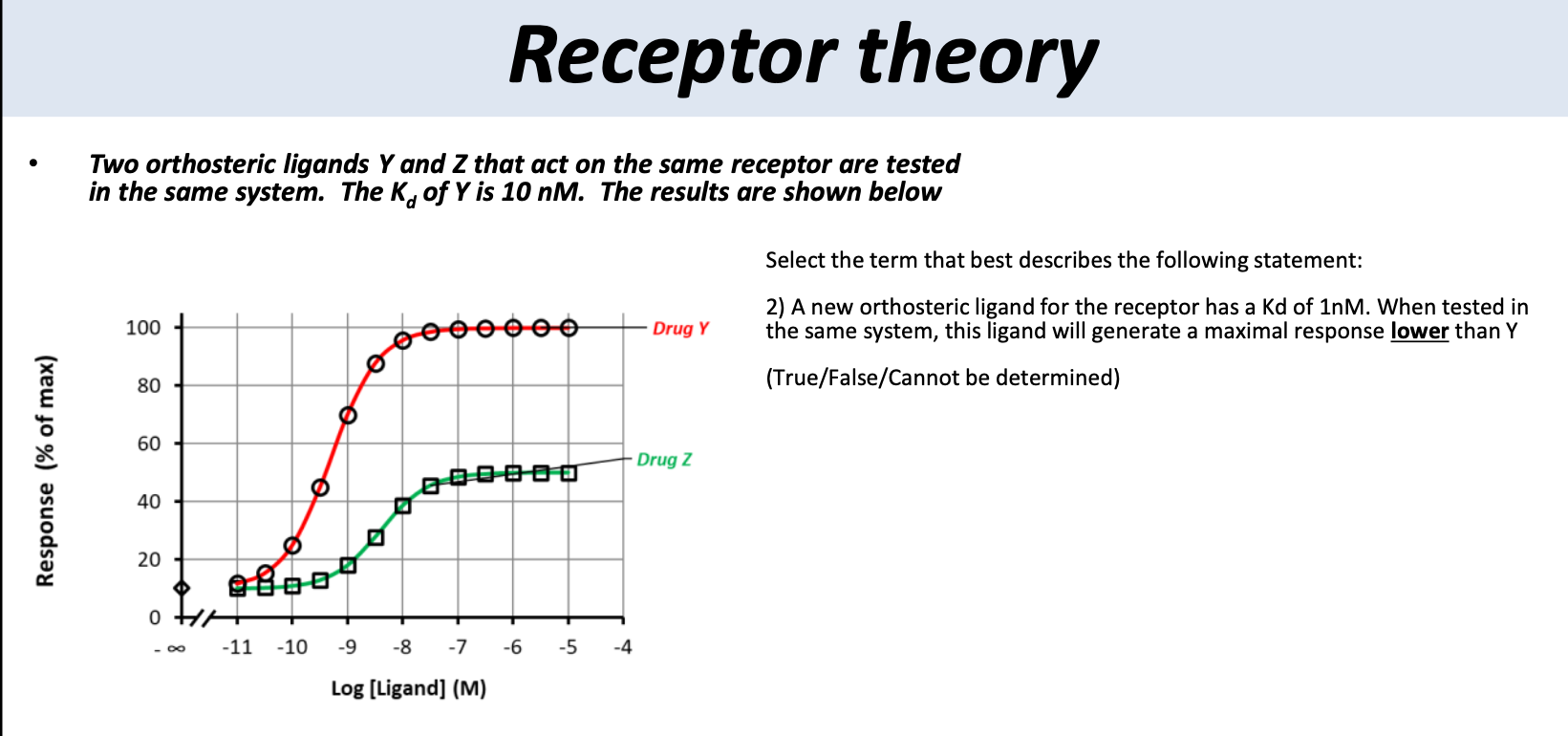
Since the drugs are tested in the same system, the number of receptors and tissue responsiveness is the SAME for both ligands.
We only know the affinity of the new ligand. No information about its intrinsic efficacy is provided or can be deduced from the data given.
If the new compound is an agonist with intrinsic efficacy equal to that of Y, the maximal response will be the same as Y and the statement would be false.
If the new compound is an antagonist or inverse agonist the maximal response would be lower than that of Y. Under these conditions the statement would be true.
Therefore, the correct answer is Cannot be determined.
clinical efficacy
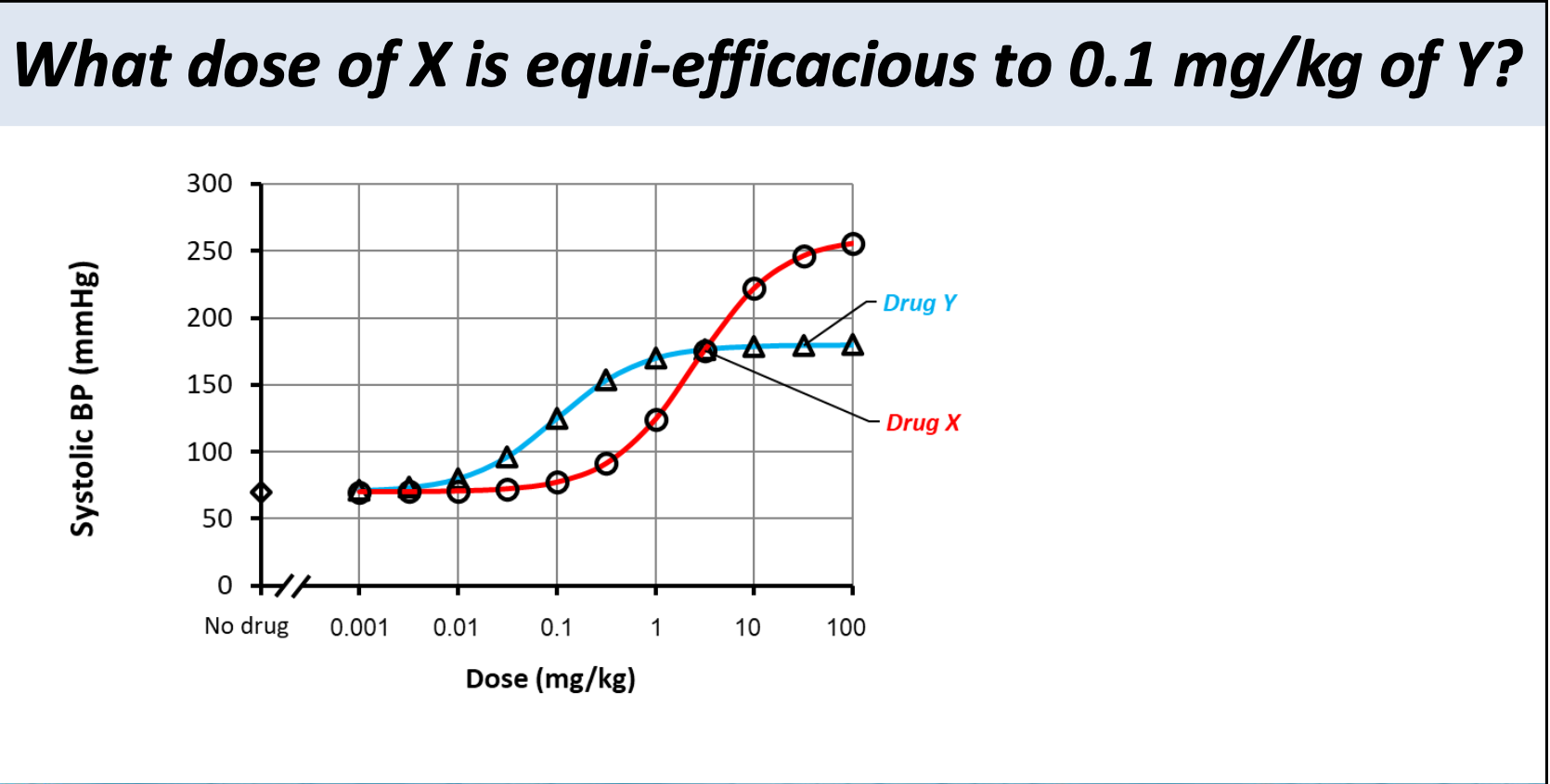
1 mg/kg
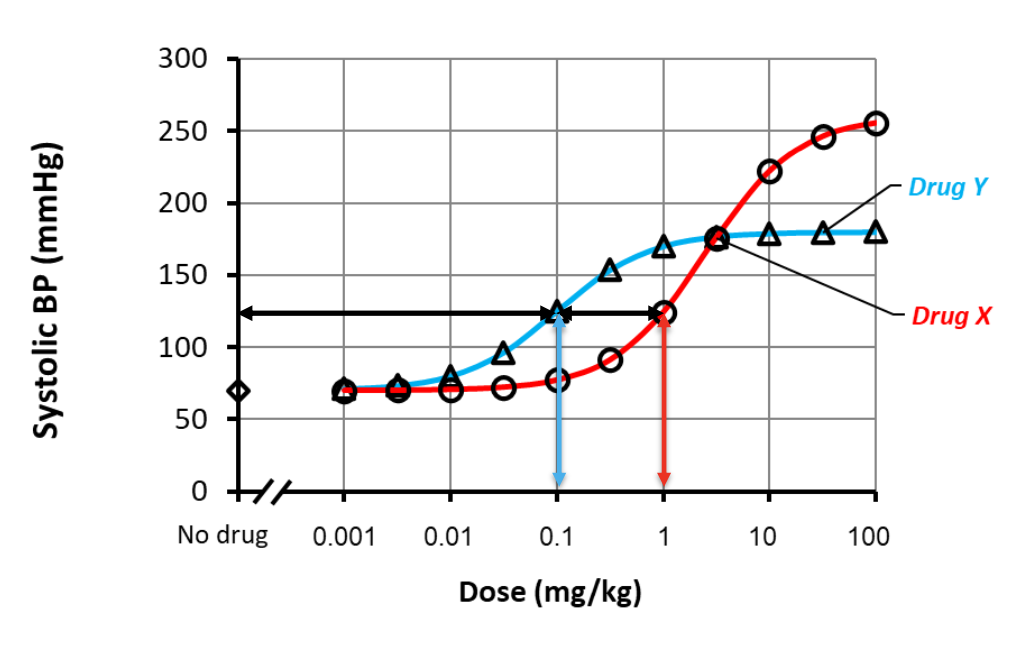
Ability to generate a desired response in a patient
– Lower blood pressure
– Promote growth
clinical efficacy
– Same target mediates the desired and undesired effects
– Receptors in different organs
– Excessive effects
ON target side effects
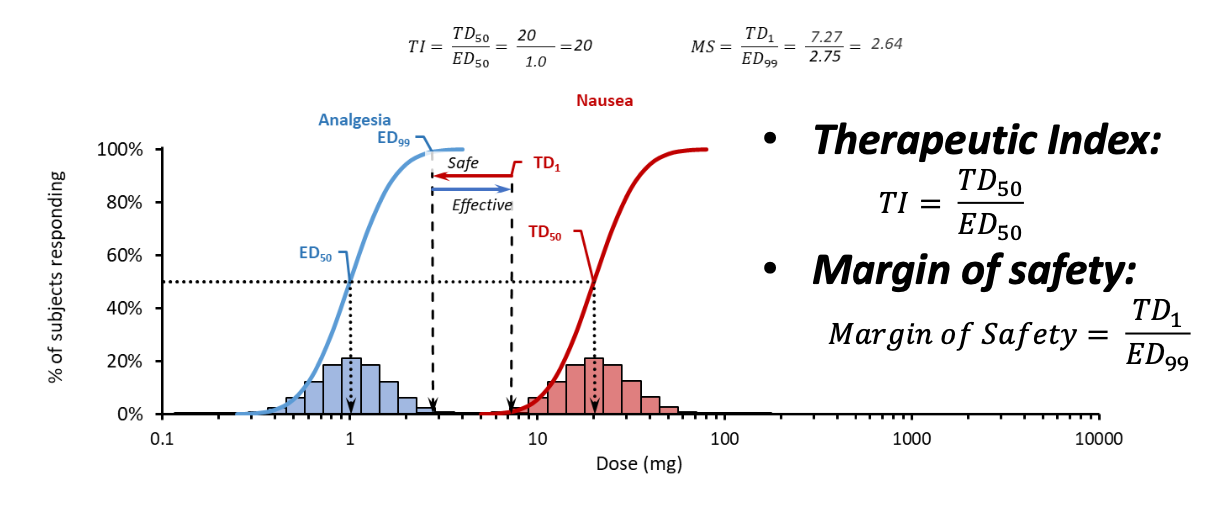
safe and effective dose
Margin of safety is lower than therapeutic index
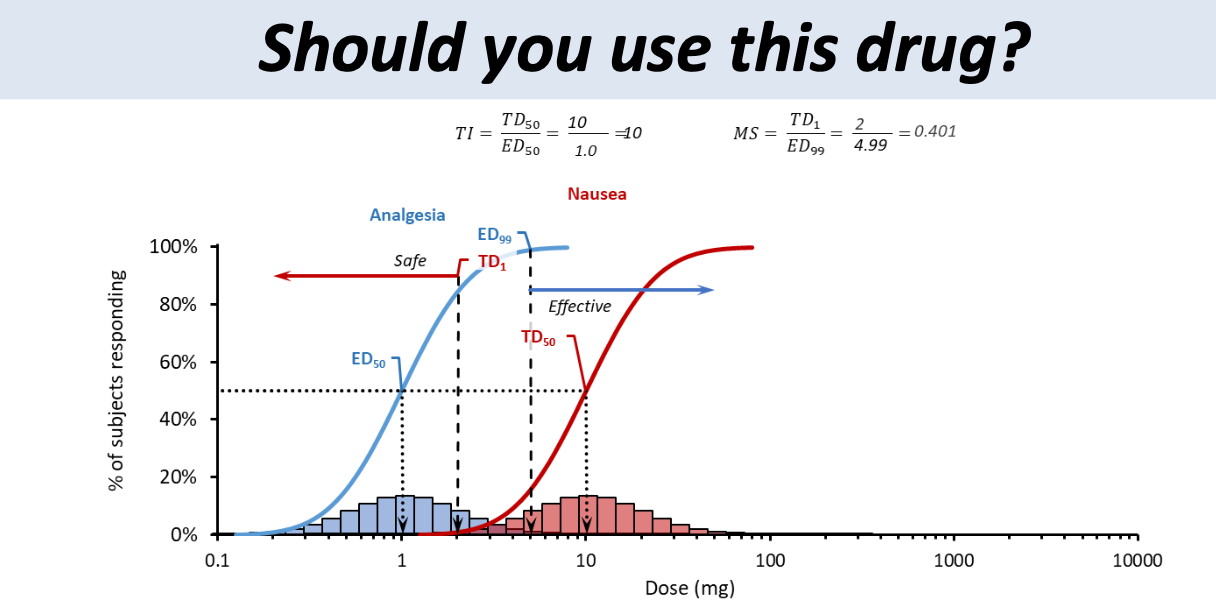
Yes (even when the MS is low), if that’s the only drug you have
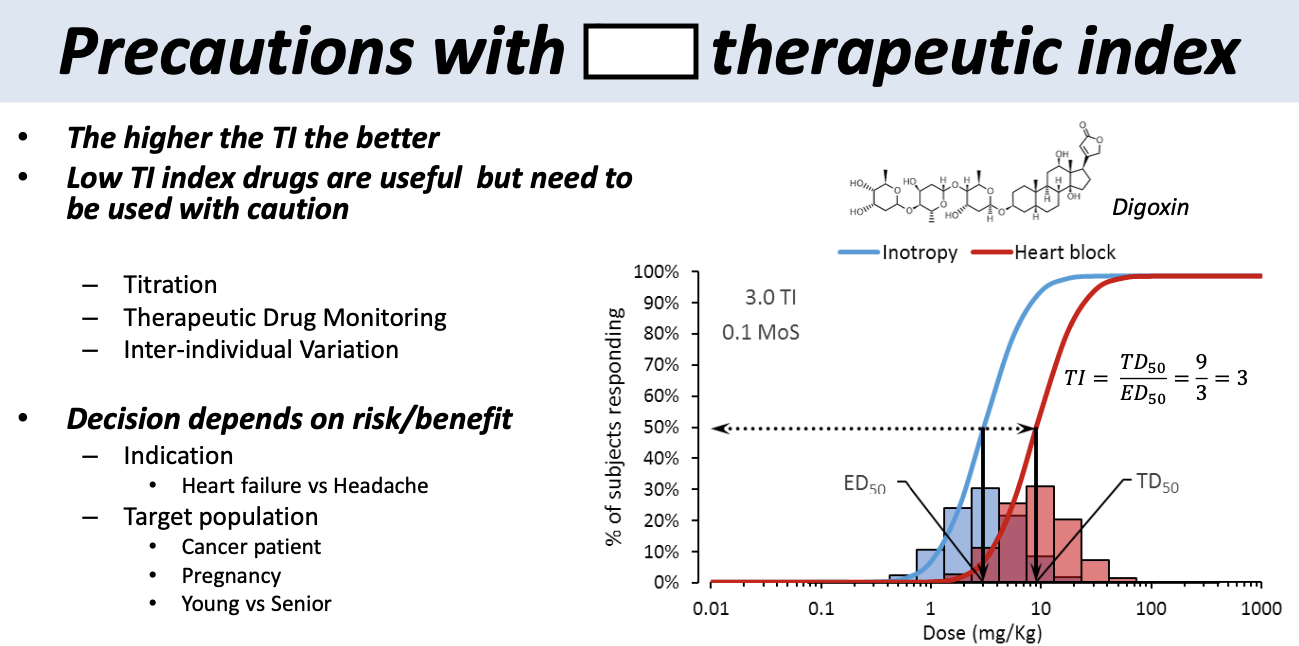
Precautions with low therapeutic index
Toxic effects are OFF target
– Improve selectivity of the drug for the desired target
Higher potency for target
Lower affinity for target of toxicity (β2 vs β1 selective agonist for asthma)
Toxic effects are ON target
If responses are due to different effectors, could consider__________
If therapeutic vs toxic responses are in different tissues, can consider specific ___________ or _________ to access the therapeutic but not undesirable tissue
biased agonist (SERMs)
routes of administration or differential distribution
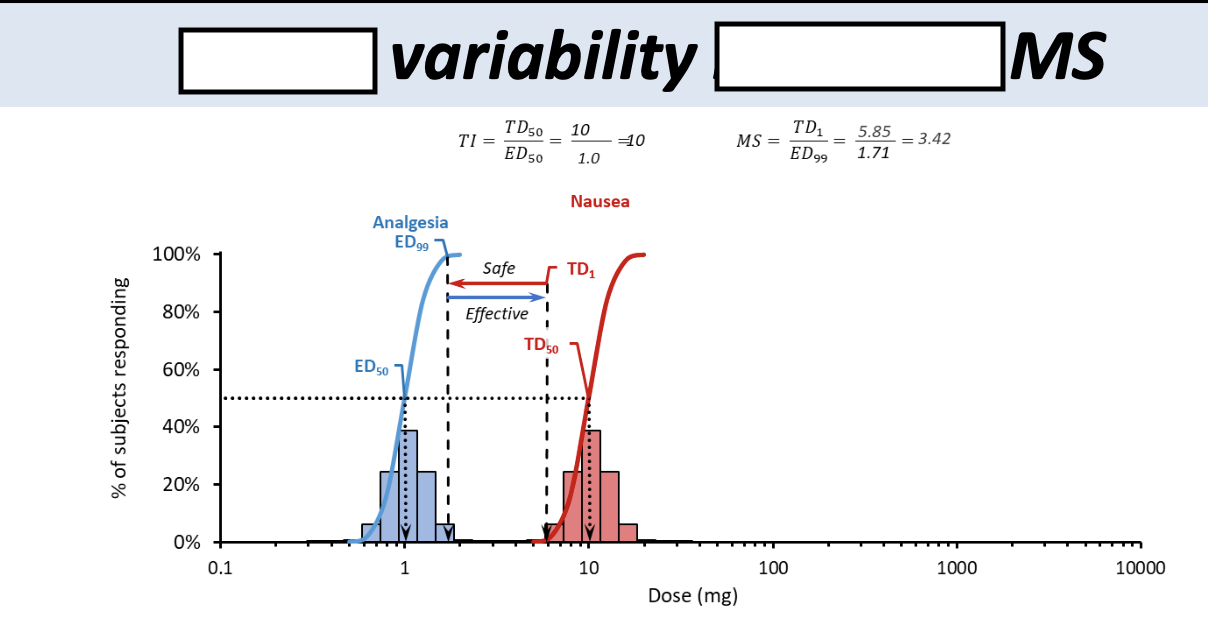
Lower variability = INC MS
Drugs can have effects at multiple targets
Drugs are selective not absolutely specific
Side effects may be due to unintentionally engaging a different target
Off target side effects
Allosteric sites are less conserved, so can provide receptor subtype specificity
Modulators enhance/inhibit only the actions of __________ signaling molecules
Spatial specificity
Temporal specificity
endogenous
Effects of negative modulators are_________
– Increased safety
saturable
Effects of negative modulators that affect intrinsic efficacy can be __________ by an orthosteric agonist
– Can be clinically advantageous
insurmountable
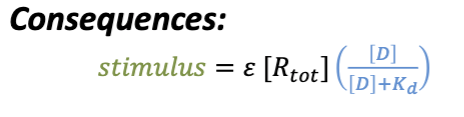
Stimulus is proportional to _________
fractional occupancy
What parameter describes the amount of stimulus generated per occupied receptor?
intrinsic efficacy (e) - property of complex
receptor numbers (Rtot) - property of system
What parameter describes the amount of stimulus required to generate a response to a particular system?
Sensitivity (S50) - property of system
Which parameter describes a particular drug-receptor interaction?
affinity (Kd) - property of complex
______ is determined by ALL 4 parameters (Rtot, e, S50, Kd)
potency (EC50) - property of receptor and system
𝑺𝟓𝟎 is the stimulus required to generate a
response of 50% of the system maximal
capacity
Sensitivity
Lower S50 = more sensitive system
The higher the _________ or _______, the stronger the stimulus at any given fractional occupancy
intrinsic efficacy
receptor number
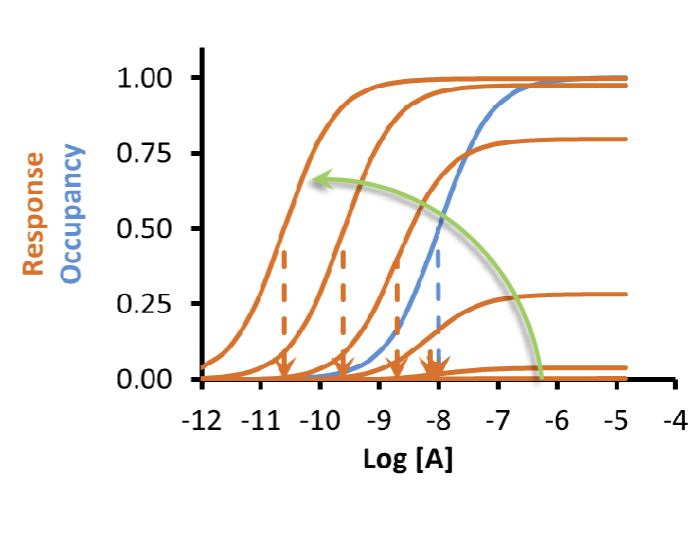
As intrinsic efficacy (e) increases?
maximum response increases
potency increases
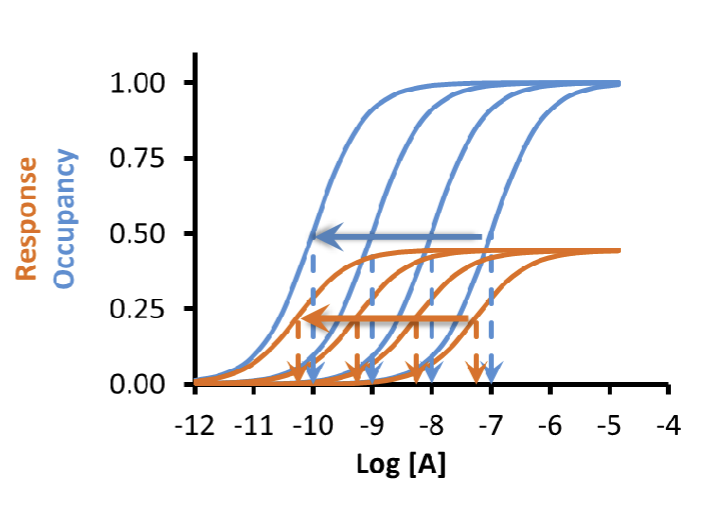
As affinity (Kd) increases?
maximum unchanged
potency increases
As sensitivity increases?
maximum response increases
potency increases
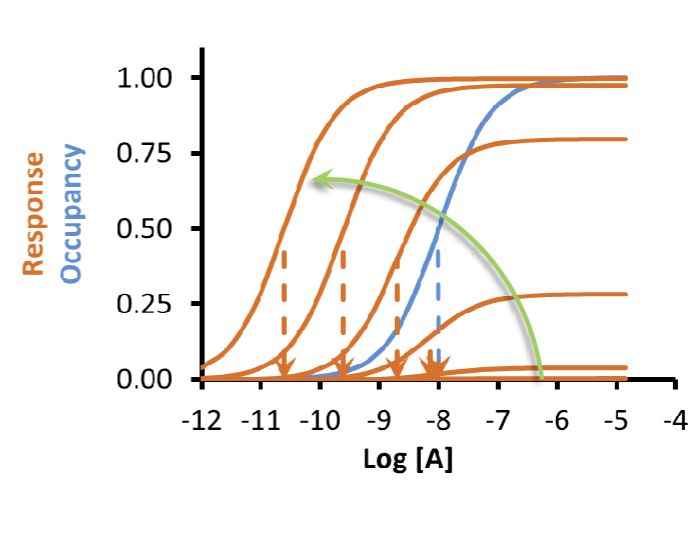
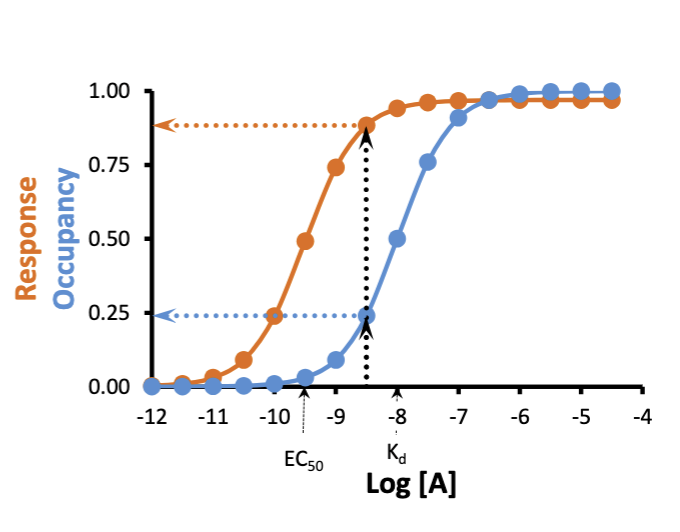
When EC50 < Kd, low fractional occupancy can generate a significant responsen
receptor reserve
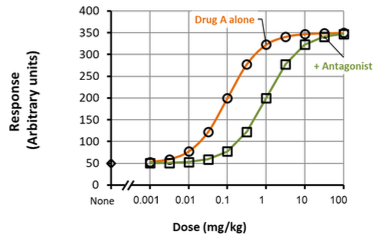
Normal maximal response can be achieved by higher concentrations of agonist.
surmountable antagonist
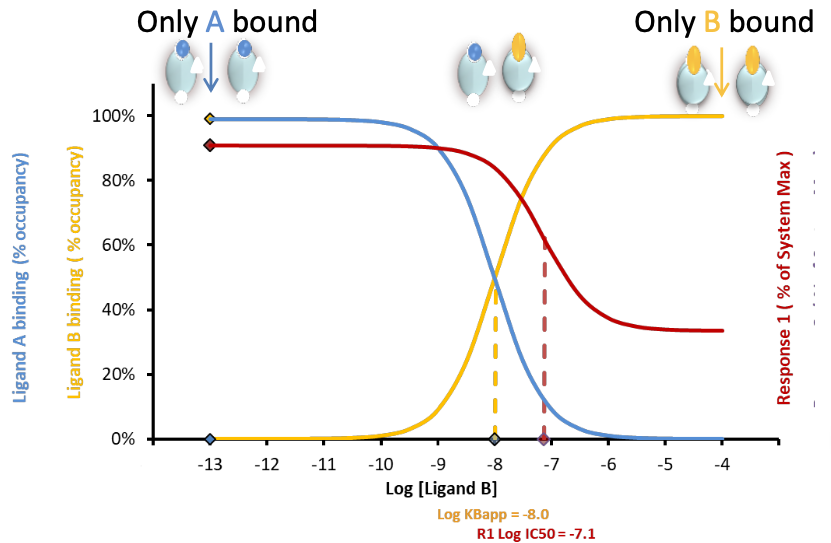
B is a partial agonist
As concentration of partial agonist B increases,
– The agonist A is displaced by B
• RA is reduced and RB increased
– Response is inhibited
• But only to the level that the partial agonist generates on its own
• Both liganded forms contribute to the response
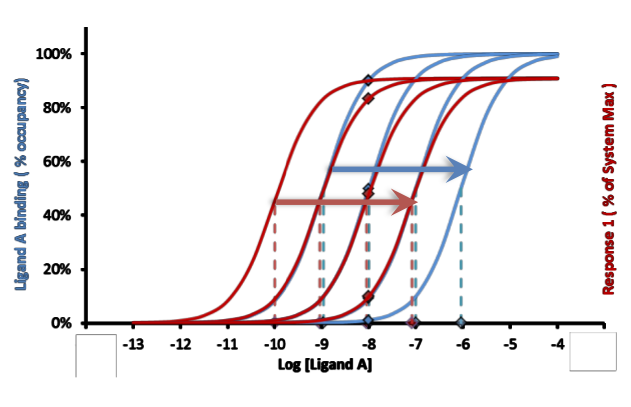
Competitive Antagonism
As concentration of antagonist increases
Agonist apparent affinity ______
Potency is ______
Can be surmounted by more _____
agonist Kd decreases
EC50 reduced
agonist
Receptor in the absence of ligand can have spontaneous activity
– Usually very low
– Receptor alone has small but non-zero intrinsic efficacy
Constitutive activity
Consitutive activity can generate detectable response if?
High receptor expression
high tissue responsiveness
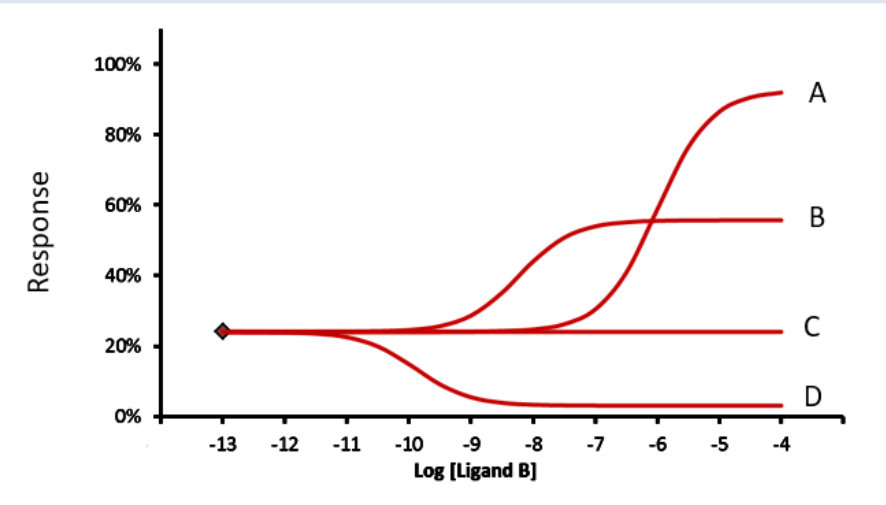
A. Full agonist
B. Partial agonist
C. Neutral antagonist
D. Inverse agonist
A functional antagonist can elicit a response through a different receptor/mechanism that counteracts the effect of the agonist.
An agonist for a Gi coupled receptor can inhibit Adenylyl cyclase and antagonize the effect of an agonist for a Gs coupled receptor
A vasodilator agent can antagonize the effects of a vasoconstricting agent through very different mechanisms
Physiologic Antagonism
Agents that bind to endogenous ligands or other drugs and block their effects
Frequent mechanism for Biologics
Specific Monoclonal antibodies
Denosumab (Osteoporosis)
Binds and neutralizes RANKL
Ustekinumab (Psoriasis)
Neutralizes IL-12 and IL-23
• Complexing agents – Sugammadex
Binds and neutralizes neuromuscular blocking agents and promotes excretion
Used for reversal after surgical procedures
antagonism by neutralization
Inactivate target
– Covalent interaction
• Phenoxybenzamine
– α adrenergic antagonist
• Omeprazole
– Proton pump inhibitor
Irreversible Orthosteric Antagonists
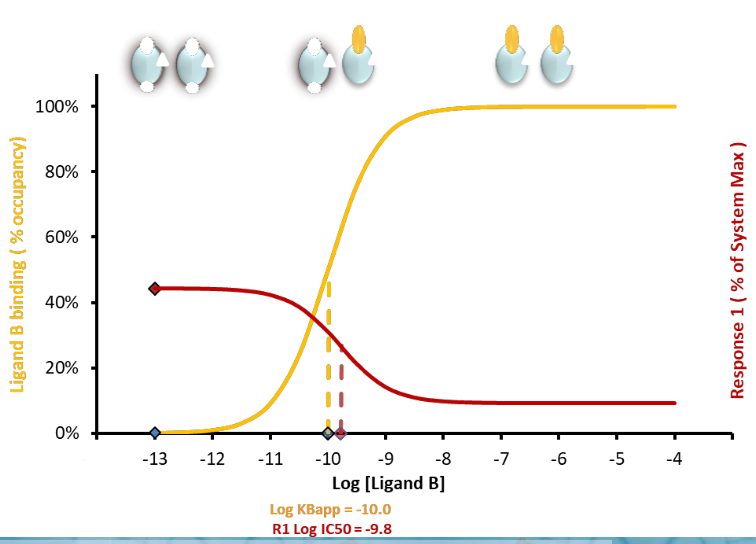
If RB has lower __________than that of the free receptor
inverse agonist; intrinsic efficacy
As concentration of antagonist B increases,
– The receptor is occupied by B
If coupling by RB is exactly the same as that of the free receptor,
– The basal response is unaffected
neutral antagonist
Each species can:
– Have own intrinsic efficacy (ε)
– Bind orthosteric ligands with a different affinity (Kd)
Usually have little or no effect on their own
allosteric modulators
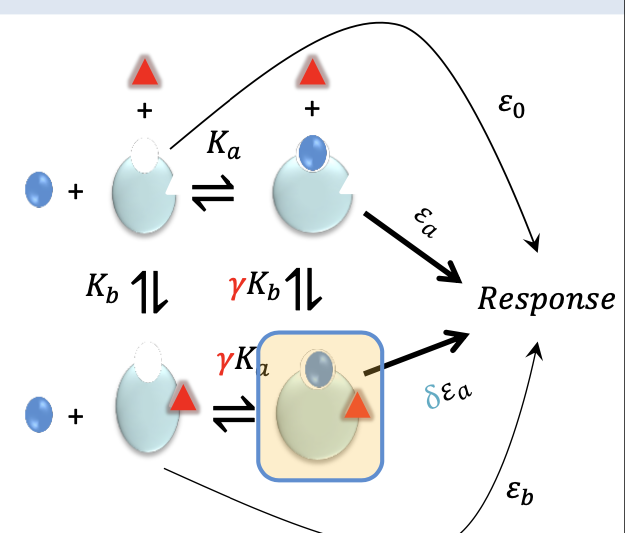
Enhance
– The affinity of orthosteric agonists and/or
– The intrinsic efficacy of the agonist bound complex
Positive allosteric modulators
Alter affinity and coupling in opposite directions
– Increase in affinity but decrease intrinsic efficacy (vice versa)
Mixed allosteric modulators
Reduce
– The affinity of orthosteric agonists and/or
– The intrinsic efficacy of the agonist bound complex
Negative allosteric modulators
As concentration of antagonist B increases,
– The receptor is occupied by B
If RB has lower intrinsic efficacy than that of the free receptor,
– The response is reduced lower than the basal
inverse agonist
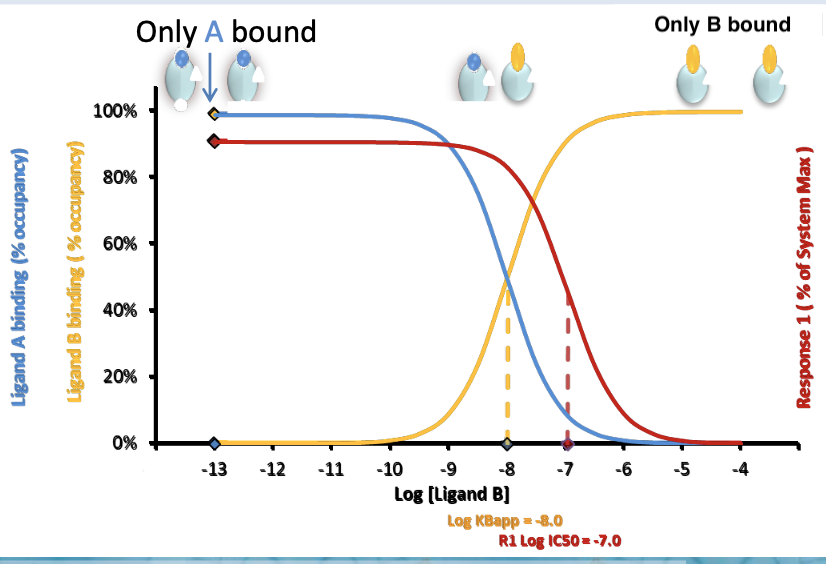
B is a competitive antagonism (surmountable)
As the concentration of antagonist B increases,
– The agonist A is displaced by B
– Since RB does not generate stimulus
– Response is inhibited
Agonist A and antagonist B compete for the same site
• Fractional occupancy by A is affected by B (and vice versa)
Competitive Reversible Antagonism
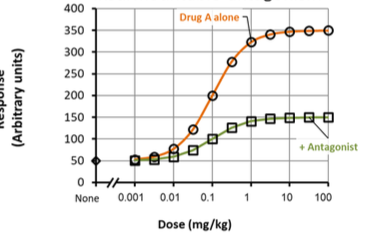
Depression of the maximal response of the agonist and a non-parallel displacement of the dose/response
Insurmountable antagonist
Maximal response depends on?
intrinsic efficacy (e)
receptor number (Rtot)
sensitivity (S50) to stimulus
Receptor reserve can happen when?
high intrinsic efficacy (e)
high receptor number (Rtot)
high sensitivity to stimulus